 Skip to content
End to End Plush Development Solutions
# Integrated Systems for Design, Engineering, Production & Export
Delsney provides complete, factory-backed solutions for plush development from concept to shipment. Over the past 18+ years, our team has engineered 5,500+ prototypes, produced ten millions of plush units, and managed 2000+ export shipments/year. Each solution is built on structured processes used daily by our designers, pattern engineers, cutting technicians, sewing supervisors and QC inspectors.
Our solutions support:
- Character plush for retail & licensing
- Mascots for branding & corporate projects
- Promotional plush with strict budgets
- High-detail collectible plush
- Infant-safe plush lines requiring compliance
- Multi-SKU seasonal collections
- Private label expansions
- OEM production for established brands
Every development step is backed by documented workflows, skilled teams and data-driven decisions that ensure stable, repeatable and scalable results.
ODM Plush Creation Solutions
Original Character Development, Style Direction & Prototype Engineering
Delsney’s ODM solutions are built for brands that require original creation—not just production.
The ODxD (Original Design × Development) team analyzes style direction, character identity, market positioning and manufacturing feasibility simultaneously.
Typical ODM flows include:
- Style extraction from brand visuals
- Character proportion planning
- Expression mapping with ±1.5 mm placement control
- Silhouette construction focused on production balance
- Accessory feasibility checks
- Panel segmentation planning
- DST embroidery preparation
- Material matching using our 600+ batch fabric database
ODM projects benefit from the shared work of:
- 4 concept designers
- 12 sample engineers
- 4 pattern makers
- 6 embroidery partners
- Dedicated material sourcing team
This structure gives brands consistent, manufacturable, market-ready plush creations.

OEM Plush Manufacturing Solutions
High-Volume, Repeatable Production Backed by Structured Engineering
OEM solutions serve brands that already have finished designs but require stable, high-volume manufacturing. Delsney manages OEM production using a combination of engineering documents, digital cutting and line-based specialization across 9–12 active sewing lines.

OEM production includes:
- Technical file review
- Pattern optimization to prevent deformation
- Fabric & accessory sourcing
- Digital cutting for accuracy
- Category-specific sewing line assignment
- Stuffing weight regulation (±4–6 g)
- Reinforcement stitches for stress zones
- Multi-stage QC inspections
- EN71 / ASTM compliance checkpoints
- Packaging & shipping optimization
Our systems maintain 95–98% mass production repeatability, supported by daily QC dashboards and operator skill tracking records.
OEM clients include retail brands, promotional manufacturers, global distributors and licensing companies requiring consistent scale.
Mascot & Corporate Branding Plush Solutions
High-Identity Mascot Engineering for Companies, Events & Promotional Campaigns
Mascot plush development demands tight control over facial identity, brand colors and proportional accuracy. Delsney has completed 700+ mascot plush projects, supporting corporate branding, event promotions, university mascots, sports teams, retail campaigns and conference merchandise.
Key Engineering Features of Mascot Solutions

Brand Color Fidelity
Delsney maintains a color-matching workflow using:
- Pantone TPX/TCX verification
- Fabric lab-dip approvals
- Lightbox evaluation under D65
- Seasonal color registers for repeat orders
Color deviation for mascot plush is controlled within ≤3–5%, depending on fabric type.

Expression & Identity Mapping
Mascot expressions must remain consistent in mass production. Delsney records:
- Eye coordinates (±1.5 mm tolerance)
- Mouth curvature angle
- Cheek placement mapping
- Logo embroidery density reference
Our QC teams check 100% of mascot units for facial alignment in the finishing stage.

Durability Requirements for Public Use
Mascots for events or corporate distribution experience heavy handling. We reinforce:
- Neck joints
- Arm and leg attachments
- Logo panels
- High-stress seams
Reinforcement stitches follow 3.5–4.5 stitches/cm density with additional backing on stress points.

Multi-SKU Campaign Sets
Most mascot programs require variations:
- Seasonal outfits
- Special-event editions
- Oversized versions
- Mini collectible versions
Delsney archives all pattern files to ensure cross-SKU proportional consistency.
Collectible & High-Detailed Plush Solutions
Engineering Precision for Premium Plush, IP Licensing & Collector Editions
Collectible plush demand high levels of detail, symmetry and material stability. Delsney produces premium plush for licensing programs, IP owners and collectible retail lines, requiring strict engineering to ensure both beauty and durability.
Specialized Engineering Systems Include:

High-Resolution Embroidery Work
For collectible plush, Delsney manages:
- Multi-layer embroidery
- Metallic thread compatibility
- Micro-detail stitch patterns
- Sharp line definition tests
Embroidery stitch density often reaches 18–35K stitches per face or emblem.

Advanced Panel Segmentation
Complex characters may require 25–40+ panels. Our pattern team evaluates each segment for:
- Curve stability
- Stress distribution
- Seam visibility
- Panel symmetry
- Fabric pile direction
Digital cutting ensures precision even for complex outlines.

Multi-Material Integration
Collectible plush often mixes high-end materials:
- Minky fabric
- Velvet
- Metallic fabrics
- Short pile & long pile combinations
- Artificial leather
- Faux fur variants
Delsney tests stretch rates and GSM to avoid deformation during assembly.

Accessory & Outfit Engineering
Collectibles frequently include:
- Jackets
- Hats
- Armor
- Shoes
- Belts
- Props
Accessory stitching is assigned to experienced operators with 7–12 years sewing experience.

Limited Edition Packaging
Collector editions often require premium packaging:
- Rigid boxes
- Magnetic boxes
- Holographic printing
- Window boxes
- Numbered certificates
Packaging dielines follow tight tolerance controls (±1–1.5 mm).
Infant-Safe Plush Solutions
Compliance-Driven Engineering for Baby Plush Under EN71, ASTM & CPSIA Standards
Infant plush requires adherence to strict safety rules covering materials, structural design, accessory limitations and chemical compliance. Delsney produces 200,000+ infant-safe plush units annually, giving our team deep insight into compliance-driven engineering.
Mandatory Embroidered Features
Infant plush cannot use plastic eyes or small decorations. Delsney ensures:
- Embroidered eyes & mouths
- Thread tension matching fabric GSM
- Stitch locking to prevent unraveling
- Thread color-fastness ≥ Grade 4
Structural Reinforcement
All seams must withstand higher tensile force:
- Minimum 90N seam strength
- Double-stitching at limb and head joints
- Extra backing added inside stress zones
- Reduced panel count for structural stability
Safe Material Selection
All fabrics undergo:
- EN71-3 heavy metal tests
- Phthalate-free confirmation
- AZO-free dye checks
- Saliva-fastness tests
Stuffing materials are hypoallergenic and meet CPSIA standards.
No Removable Accessories
To eliminate choking risk, infant plush avoids:
- Hard accessories
- Buttons
- Plastic charm parts
- Snap fasteners
Any decorative feature must be fully stitched and reinforced internally.
Strict Quality & Lab Testing
Delsney maintains documentation such as:
- Material compliance certificates
- Fabric batch testing reports
- EN71, ASTM F963, CPSIA checklists
- Internal QC records from 6 checkpoints
These records accompany every infant-safe shipment.

Promotional & Budget-Controlled Plush Solutions
Cost-Optimized Engineering for Large Campaigns, Events & High-Volume Orders
Promotional plush often requires strict cost ceilings and fast turnaround. Delsney has delivered 1,200+ promotional campaigns for FMCG, e-commerce, retail events, loyalty programs, theme parks and corporate giveaways. Our cost-controlled plush engineering focuses on maintaining brand appeal while reducing unnecessary structural complexity.
Fabric Optimization
Using historical cutting-room data:
- Velboa 160–190 GSM is standard for budget plush
- Average fabric usage: 0.12–0.22 meters/unit
- Waste rate controlled to 12–15%
- Pile height selection optimized to reduce cutting compensation
Delsney maintains bulk-purchase agreements with fabric mills, reducing material cost fluctuations throughout the year.
Panel Count Reduction
Promotional plush typically uses 6–10 panels to shorten sewing time and reduce deformation risk. Our pattern team minimizes curves and seam intersections, improving sewing efficiency by 18–22% without compromising appearance.
Simplified Embroidery
Logo or facial embroidery is optimized by:
- Limiting to 5–9K stitches
- Reducing thread color changes
- Using standard-density settings
- Aligning embroidery area with stable fabric zones
This approach maintains clarity while keeping embroidery cost predictable.
Accelerated Production Planning
Promotional lines use:
- Dedicated simple-plush sewing lines
- Pre-sorted material kits
- Early allocation for seasonal volumes
- QC checkpoints simplified for faster throughput
Output reaches 22–26 units/operator/hour depending on style.
High-Volume Packaging Solutions
Available options include:
- Bulk polybags
- Printless packaging
- Cost-optimized carton design
- Space-efficient carton sizes for freight savings
Average promotional order size: 5,000–50,000 units.

Seasonal & Multi-SKU Collection Solutions
Coordinated Engineering for Holiday Lines, IP Series & Retail Launch Programs
Seasonal and multi-SKU collections require unified design language, synchronized production timing and repeatable engineering standards. Delsney supports seasonal retail lines and brand campaigns that often include 10–50+ SKUs in a single collection.
Unified Character Language
Delsney ensures each SKU follows the same:
- Proportion rules
- Embroidery style
- Facial expression geometry
- Material selection
- Color temperature & saturation
- Accessory theme
Our design team creates master style sheets for every seasonal program.
Cross-SKU Pattern Consistency
Pattern engineers archive:
- Base body shells
- Limb templates
- Fabric swatch sets
- Embroidery files (DST library)
- Accessory modules
This ensures consistent proportions across large sets. Ideal for characters that appear in multiple outfits or poses.
Parallel Sampling for Large Collections
Delsney’s sample department can run 6–12 prototypes in parallel, allowing faster approval cycles for seasonal deadlines. Sampling lead time:
- Simple SKUs: 6–9 days
- Detailed SKUs: 10–15 days
Capacity Planning for Seasonal Peaks
To meet holiday retail schedules, Delsney reserves sewing-line capacity months in advance. Typical seasonal outputs:
- Christmas: 40–60K units/month
- Valentine: 25–35K units/month
- Easter: 18–25K units/month
Seasonal Packaging Sets
We design coordinated packaging for entire collections, including:
- Hangtags with seasonal themes
- Themed polybags
- Window box variations
- Gift boxes for premium editions
Packaging dielines are adapted to multiple SKUs to reduce tooling time.

Custom Packaging & Branding Integration Solutions
Retail-Ready Packaging & Brand Identity Systems for Plush Products
Delsney integrates brand identity into both the plush and its packaging.
Our packaging team develops cost-effective, retail-ready options that comply with export requirements and align with brand positioning.

Hangtag & Label Development
Every plush line receives coordinated labels:
- Hangtags (350–400 gsm)
- Woven labels (custom sizes)
- Batch tracking labels
- Material composition labels
- QR cards for digital storytelling
Positioning rules prevent interference with seams or stuffing zones.

Printed Box Engineering
Box dielines include:
- ±1–1.5 mm printing tolerance
- Fold line reinforcement
- Glue-zone safety allowances
- Window cut-out stability checks
- Anti-crush scoring for shipping
Typical box options:
- Rigid boxes for premium plush
- Window boxes for collectibles
- Seasonal gift boxes
- High-volume color boxes
Packaging Optimization for Freight
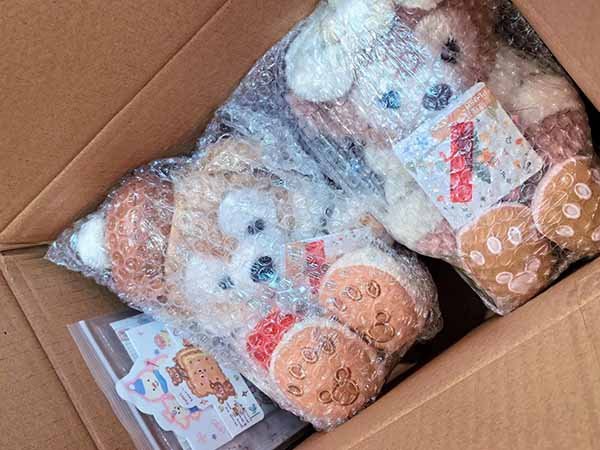
Delsney calculates carton usage based on:
- Product volume
- Fabric compressibility
- Stuffing resilience
- Freight method (sea, air, express)
Optimization reduces freight cost by 8–20% depending on order size.

Branding Systems for Large Programs
For brand partners and IP owners, Delsney maintains:
- Master color palettes
- Packaging guidelines
- Labeling rules
- ICON/mascot packaging variants
- Reorder-ready dieline archives
This ensures packaging consistency across seasons and SKUs.
Compliance Integration
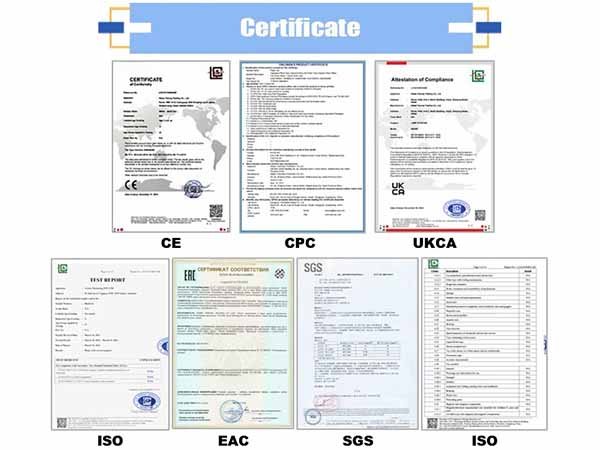
Packaging includes required safety labeling for:
- EN71
- ASTM F963
- CPSIA
- Multi-language warnings
- Age-grade indications
Every box, bag and label is checked before mass printing.
Quality Control & Risk Prevention Solutions
Multi-Stage QC Systems Built on 18+ Years of Real Production Data
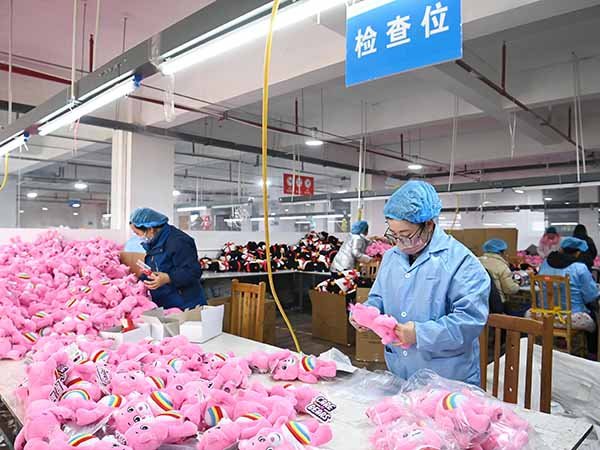
Quality consistency is determined by strict process control, not post-production inspection。 Delsney operates a 7-stage QC system developed from analyzing thousands of mass production cycles, sample failures, export claims and lab testing results. The goal is to prevent defects—not just find them.
Below is the QC framework used across all Delsney plush programs:
Stage 1
Panel QC
Performed immediately after digital cutting. Inspectors confirm:
- Panel shape accuracy (±1–2 mm tolerance)
- Pile direction alignment
- Edge cleanliness
- Panel completeness vs cutting layout
- Missing parts checklists
Digital cutting reduces panel deviations by over 90% compared to manual cutting.
Stage 2
Embroidery QC
Each embroidery piece is checked for:
- Stitch density stability (per DST settings)
- Thread tension consistency
- Sharp line definition
- Position accuracy relative to marker outlines
- Colorfastness patches (pulled from random samples)
Face alignment deviation above 2 mm is rejected.
Stage 3
Pre-Sew QC
Before assembly, operators and QC confirm:
- Pattern matching accuracy
- Proper pairing of left-right panels
- Fabric defects (stains, weave inconsistencies)
- Accessory compatibility
- Safety checks for infant-safe items
This step reduces mis-sew risks by 30–40%.
Stage 4
In-Line Sewing QC
Line leaders and roving QC inspect during assembly:
- Seam strength (target 3.5–4.5 stitches/cm)
- Reinforcement quality at joints
- Symmetry of limbs
- Critical part assembling sequence
- High-stress zone reinforcement
Real-time QC reduces rework time by 35–50%.
Stage 5
Post-Sew QC
After body assembly but before stuffing, QC checks:
- Seam integrity
- Symmetry between left and right shapes
- Accessory security
- Stitch uniformity
- Inner reinforcement locations
Stage 6
Stuffing QC
Stuffing variance impacts product appearance, weight, stability and brand impression. Delsney controls stuffing weight within:
- ±4–6 g for medium plush
- ±6–10 g for larger plush
- Neck reinforcement consistency across every unit
Stuffing stations have digital scales and zone-specific instructions.
Stage 7
Final QC + Metal Detection
Final QC confirms:
- Facial alignment
- Shape balance
- Trim/loose thread removal
- Hangtag placement accuracy
- Packaging cleanliness
Every unit goes through metal detection tuned to detect 1.2–1.5 mm fragments.
Material Engineering & Fabric Optimization Solutions
Fabric Behavior Analysis, GSM Stability & Performance Matching for Plush Production
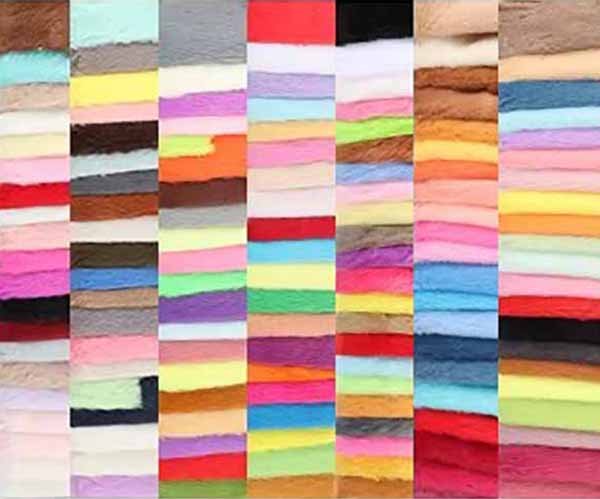
Plush performance depends heavily on fabric engineering. Delsney maintains a material-testing database built from 600+ fabric batches, allowing the team to predict fabric behavior during cutting, sewing, stuffing and long-term handling.
GSM Stability & Shrinkage Prediction
Testing includes:
- GSM measurement (±3% tolerance)
- Steam shrink testing
- Water shrink simulation
- Heat reaction measurement
- Pile compression tests
Fabrics showing shrinkage above 5% are rejected for most plush programs.
Stretch & Recovery Behavior
Vertical vs horizontal stretch affects:
- Cutting outline size
- Panel matching accuracy
- Facial embroidery alignment
- Stuffing silhouette stability
Engineers record:
- Stretch rate (%)
- Recovery rate (%)
- Distortion patterns
Digital cutting compensation is adjusted based on these values.
Pile Height & Direction Engineering
Pile height impacts seam visibility and product smoothness. Delsney tests:
- Pile length measurement (±0.3–0.5 mm tolerance)
- Shear resistance
- Edge fraying potential
- Pile direction consistency
Panels for plush heads and faces require strict pile direction control to avoid shading inconsistency under photography.
Fabric–Stitch Compatibility Mapping
Based on thousands of sewing tests, Delsney maintains a compatibility matrix:
- Low-pile velboa with 3.5–4.0 stitches/cm
- Long-pile fabrics with reinforced backing
- Elastic fabrics requiring tension-balanced stitching
Incorrect pairing leads to seam unevenness or tearing.
Infant-Safe Material Engineering
Special documentation covers:
- EN71-3 heavy metal testing
- CPSIA chemical compliance
- Saliva-fastness testing
- Thread safety standards
- Hypoallergenic stuffing fibers
Delsney produces 40k+ infant-safe units/year, giving strong data for material decisions.
Logistics, Export & Shipping Solutions
End-to-End Export Support for Global Plush Delivery
Delsney exports plush products to more than 86+ countries and handles 2000+ export shipments annually, covering sea freight, air freight, courier, FBA deliveries and direct-to-distribution shipping.
Export Documentation Management
Prepared by a dedicated logistics team:
- Packing lists
- Commercial invoices
- HS code classification
- Weight/volume reports
- Country-specific labeling
- Certificate of origin when needed
Documentation is double-checked using past shipment records to avoid customs delays.
Carton Engineering for Shipping Efficiency
Cartons follow:
- 3-ply / 5-ply strength testing
- Moisture resistance standards
- Drop test simulation
- Space optimization for container loading
For large orders, optimized carton sizes reduce CBM by 8–14%.
FBA & E-Commerce Logistics
Support includes:
- FNSKU label application
- Polybag sizing for Amazon requirements
- Barcode quality verification
- FBA carton marking
- Palletizing rules for regional warehouses
This prevents costly FBA rejections or relabeling fees.
Container Consolidation & Loading
Delsney’s warehouse team manages:
- Pallet stacking height rules
- Weight distribution
- Fragile carton positioning
- Loading order to match unloading sequence
All loading is photographed for shipment proof.
International Freight Options
Depending on project urgency and volume:
- Sea freight (cost-efficient for bulk)
- Air freight (fast for launches)
- Courier (samples or small runs)
- Hybrid shipping options
- Split shipments for seasonal deadlines
Shipping recommendations are based on more than 10 years of freight cost tracking.
Shipping Risk Control
Controls include:
- Waterproof lining for rainy-season loading
- Carton reinforcement for long routes
- Double sealing for humid climates
- Buffer cartons for fragile packaging
Frequently Asked Questions
Clear, Factory-Based Answers from Real Plush Manufacturing Operations
Q1: How do Delsney’s solutions help reduce development risks for complex plush projects?
Delsney’s solutions reduce risk by combining design, engineering, materials and production into one coordinated system. Each project begins with feasibility checks from our pattern team, fabric specialists and embroidery technicians, preventing issues such as distortion during stuffing, unstable silhouettes or accessory failure. With over 5,500 prototypes built and 18+ years of factory data, our engineers can predict which fabrics may shrink, which embroidery patterns may misalign, and which seams need reinforcement before sampling even starts. This prevents avoidable mistakes that many new brands or inexperienced suppliers often encounter.
Q2: How does Delsney guarantee production consistency across large orders?
Consistency is achieved through digital cutting, skilled operator allocation, multi-stage QC and documented golden sample standards. Every SKU receives a technical pack mapping 25–60 measurements, panel segmentation, stuffing charts and embroidery coordinates. Production lines follow these instructions with layer-by-layer verification. Stuffing variance is kept within ±4–6 grams, facial alignment within ±1.5–2 mm, and seam strength follows a minimum of 3.5–4.5 stitches/cm. These controls maintain 95–98% repeatability, even across large volume orders.
Q3: What if a brand needs both cost control and attractive appearance?
Delsney handles many large-scale promotions and retail campaigns where cost limits must be respected without compromising branding value. The solution involves reducing panel counts, simplifying embroidery, selecting stable short-pile fabric, and optimizing cutting layouts to reduce waste. Production is placed on specialized simple-plush sewing lines that achieve 18–26 units per operator per hour, depending on complexity. Even with tight budgets, mascot features, logos and colors remain accurate because the technical adjustments are made without sacrificing brand identity.
Q4: How does Delsney support multi-SKU collections that require uniform proportions and style?
Our design and engineering teams create a unified style sheet that defines silhouette rules, facial structure geometry, expression angle, color standards and accessory guidelines for every SKU in the collection. Pattern templates and embroidery files are archived to maintain proportional consistency. Sampling runs are executed in parallel—often 6–12 prototypes at once—allowing collections with 10–50 SKUs to be approved efficiently. Seasonal collections (Christmas, Valentine, Easter) have dedicated production slots to ensure timely delivery during peak seasons.
Q5: What systems ensure infant-safe plush meet global compliance standards?
Delsney integrates EN71, ASTM F963 and CPSIA requirements directly into design and production workflow. Infant plush are engineered with embroidered facial details, high-strength seams tested to 90N, hypoallergenic stuffing, and materials that pass heavy metal, phthalate and saliva resistance tests. Our compliance team maintains documentation for every batch, while QC implements strict accessory bans, reinforced joints and stitch locking. With 300k+ infant-safe plush produced yearly, our systems are proven reliable.
Q6: How does Delsney maintain quality when working with many different materials?
Fabric behavior is recorded in a material database built from 600+ fabric batches, covering GSM, shrinkage, pile height, colorfastness and stretch recovery. Engineers test each batch before production, adjusting cutting compensation and seam tension to match fabric characteristics. Materials that exceed shrink limits or fail colorfastness tests are rejected. Fabric-to-stitch compatibility charts guide operator instructions, preventing seam deformation and embroidery misalignment.
Q7: How are accessories like clothes, hats or props engineered for durability?
Accessories are evaluated for safety, structural stability and repeatability. Stitching paths are simplified to strengthen joints, fabric layers are reinforced at stress points, and accessory sizes are scaled to match body proportions. Operators with 7–12 years of sewing experience handle complex accessories, ensuring clean edges, secure attachment and symmetry. For collectible plush, accessory engineering follows higher precision rules to maintain premium-grade appearance.
Q8: How does Delsney prevent deformation or asymmetry during mass production?
Deformation risk is controlled at three levels: pattern engineering, sewing execution and stuffing accuracy. Patterns include compensation for stretch and shrink behavior; sewing lines follow tension-balanced stitching rules; stuffing teams use weight charts with zone-specific instructions. Symmetry is validated at the post-sew and post-stuff stages, and QC inspectors measure facial alignment with precision tools. These systems protect silhouettes from collapsing or twisting across different batches.
Q9: What export capabilities does Delsney provide for global shipments?
With 2000+ shipments exported annually, Delsney handles packing lists, invoices, HS code classification, carton engineering, palletizing, container loading and moisture control procedures. FBA-compliant labeling and export carton design are also provided. Logistics teams evaluate carton size, freight method and seasonal shipping risks (e.g., monsoon moisture exposure) to minimize issues throughout the transit chain. Photographic loading records ensure full transparency.
Q10: How do Delsney’s solutions support long-term brand growth?
All patterns, embroidery files, color references, fabric swatches, QC records and packaging dielines are archived for every product line. This archive enables fast reorders, variant updates and seasonal expansions without repeating foundational development work. Brands that work with Delsney gain a long-term creative and engineering partner capable of scaling product lines while preserving identity, quality and production stability.

Build Stronger, Safer & More Scalable Plush Products With Delsney Solutions
Delsney’s solutions are shaped by nearly two decades of hands-on development, engineering and global production. Each solution is built around real factory workflows—digital cutting, multi-line sewing, embroidery integration, stuffing control and rigorous QC. With 5,500+ prototypes, 800+ tested material batches, 9–12 active sewing lines, 300k+ infant-safe plush units/year, and 2000+ export shipments, Delsney provides unmatched manufacturing confidence. Whether the goal is an original character line, a high-detail collectible series, an infant-safe program, or a large promotional campaign with tight deadlines, Delsney’s structured systems reduce risk, speed up sampling and deliver stable, retail-ready plush at scale.
