 Skip to content
Resource Hub for Plush Development
# Technical Knowledge, Tools & Documentation Backed by Real Factory Data
The Delsney Resource Hub is constructed from nearly two decades of hands-on plush development and full-scale factory operations. It brings together the materials our internal teams use daily—design templates, engineering specifications, compliance checklists, and production workflow maps—so brand teams can prepare projects with the same clarity that our sample engineers and production managers rely on.
This hub is built from measurable factory experience:
- 3,500+ plush prototypes developed in the sampling department
- 9–12 active sewing lines running category-specific products
- Digital cutting tables used for accuracy-critical plush categories
- 45,000–80,000 monthly output, depending on season and complexity
- 2000+ yearly export shipments with associated documentation
- 600+ fabric batches tested for GSM stability and colorfastness
- EN71 / ASTM F963 / CPSIA compliance system updated annually
Every resource inside the hub is based on what actually works in production—not theoretical design rules.
Whether teams need to prepare character style sheets, understand seam tolerances, plan stuffing distribution, or set up packaging specifications, this hub allows them to build projects with clarity and avoid preventable revisions that slow down development cycles.
Plush Design & Development Guides
Professional Tools for Sketching, Styling & Building Strong Character Identity
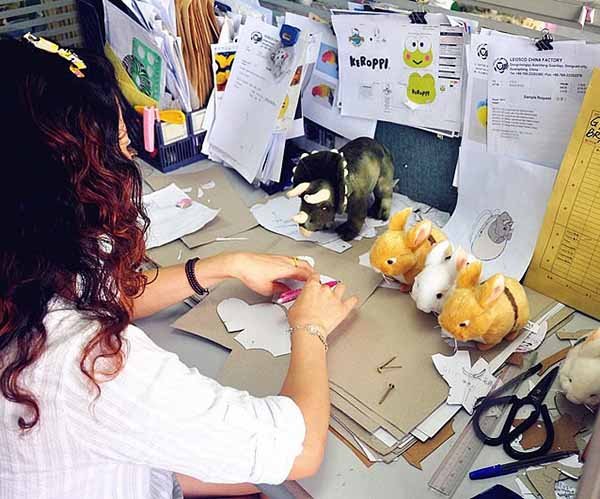
Plush design is more than drawing a cute character—every line, curve and proportion determines how well the prototype can be engineered and how stable production will be. Delsney’s design guides summarize the patterns repeatedly validated in our sampling room, where 12 sample engineers and 4 pattern makers refine silhouettes daily.
Our most used design resources include:
- Standard plush proportion charts used for mascot, chibi and infant-safe characters
- Character expression mapping sheets with recommended embroidery angles (eyes 12–15° tilt for “friendly” tone)
- Silhouette templates optimized for stable stuffing balance
- Accessory feasibility charts identifying elements that increase seam difficulty or risk of deformation
- Embroidery density charts with real stitch tests from our 6 embroidery partners
- Color-to-fabric compatibility guides based on more than 350 material tests
- Common design errors (e.g., oversized limbs causing torque issues, asymmetrical cheek placement)
These guides help creative teams avoid costly mistakes such as overly complex panel segmentation or expressions that distort during stuffing. Projects that follow these templates typically reach a first-round sample success rate of 86–90%, significantly higher than freehand design submissions.
Technical Specification Sheets & Engineering Tools
Reliable manufacturing depends on precise technical documents.
Every plush that goes into Delsney’s production receives a detailed engineering file created by our pattern department and validated in the sample room.
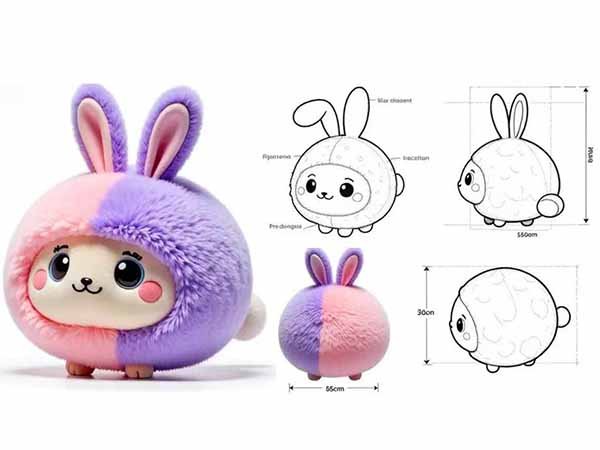
Our engineering resources include:
- Multi-angle plush tech packs (front / side / back / top) with detailed annotations
- 25–60 measurement tables depending on character complexity
- Tolerance control reference (typically ±1.5–2 mm for facial features, ±3 mm for body areas)
- Stuffing distribution charts used by our dedicated filling team
- Panel segmentation diagrams optimized to reduce unnecessary seams
- Reinforcement guidelines for stress-prone points such as arms, neck joints, wings, tail or accessory attachments
- Fabric specification tables listing GSM, stretch level, pile height, shrink resistance and colorfastness test results
- Embroidery planning resources including layering rules (approx. 7–12K stitches for most medium-sized faces)
- Accessory safety guidelines based on our EN71 / ASTM compliance standards
These documents are used in:
- Digital cutting calibration
- Sewing team assignment
- QC inspection points
- Mass production repeatability
A golden sample with its engineering pack creates a stable foundation for long-term production, ensuring that reorders months or years later remain consistent.
Material Standards & Fabric Knowledge Library
Fabric Behavior, GSM Stability, Colorfastness & Safety Suitability for Plush Production
Plush production depends on precise fabric behavior. Delsney maintains a material database built from more than 600+ fabric batches tested in-house and through our long-term textile partners. This database is the foundation of our Material Standards Library.
Material Knowledge Areas Covered:
GSM Stability & Shrink Control
Every fabric batch is tested for:
- GSM (+/– 3% acceptable variance)
- Dimensional stability after steam exposure
- Shrink percentage after washing tests
- Pile retention for long-pile plush
- Horizontal & vertical stretch behavior
Delsney rejects fabrics that exceed shrink tolerance by more than 5%, as they distort final shape during stuffing.
Colorfastness & Dye Behavior
Fabrics are tested under:
- Rubbing (dry/wet)
- Light exposure
- Moisture
- Saliva-safe tests for infant plush
Our standard requires colorfastness ratings of ≥3–4 for regular plush and ≥4 for infant-safe lines.
Fabric Suitability for Different Plush Types
We document which materials perform best for:
- Mascot plush (short pile velboa 180–220 GSM)
- High-detail collectible plush (minky 230–270 GSM)
- Infant plush (certified low-pile 150–170 GSM)
- Oversized plush (soft pile 250–300 GSM with good seam tensile strength)
- Promotional plush (cost-controlled velboa 160–190 GSM)
Pile Height Impact on Panel Accuracy
- Longer pile fabrics can affect cutting accuracy and edge visibility. We record pile height differences and compensate cutting outlines by 1–2 mm depending on fabric type.
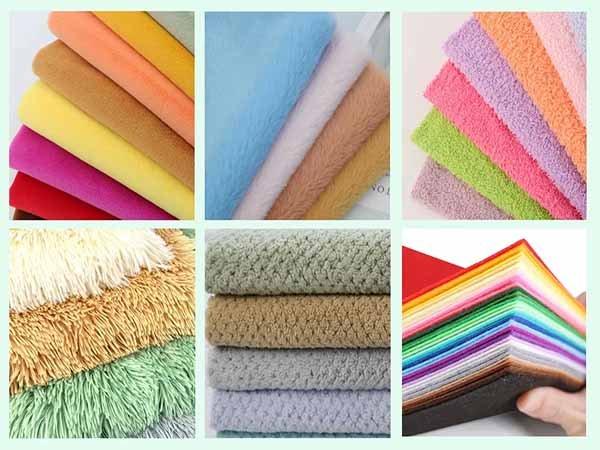
Seasonal Fabric Collection
Delsney maintains a seasonal rotation of:
- Over 120+ surface textures
- 500+ stable colors
- 40+ new annual fabric introductions
These materials are available for ODM programs and sample requests.
Compliance, Testing & Safety Documentation
Ready-to-Use EN71, ASTM, CPSIA & Internal Quality Systems
Delsney manages compliance for over 2000+ export shipments/year, serving markets requiring EN71, ASTM F963, CPSIA and REACH standards. Our compliance resources summarize testing requirements, practical limits, and how designs should be adjusted for safety.
Structural Safety Requirements
Documents outline:
- Minimum seam tensile strength (≥ 70N for general plush, ≥ 90N for infant products)
- Limb joint reinforcement guides
- Stuffing containment standards
- Stitch density standards (3.5–4.5 stitches/cm)
- Maximum accessory pull force limits
These standards are based on actual failures observed in past global lab tests.
Metal Detection & Needle Control
All production passes through:
- Workshop-level needle logs
- Broken needle tracking process
- Multiple-stage metal detection
Our metal detection tunnel is calibrated to detect 1.2–1.5 mm fragments.
Chemical & Material Compliance
We maintain documentation for:
- AZO-free certification
- Phthalate-free materials
- REACH SVHC substance records
- EN71-3 migration tests
- CPSIA lead & phthalate limits
Our materials team reviews chemical reports before fabric acceptance.
Infant-Safe Plush Standards
Guidelines include:
- Mandatory embroidery for eyes & mouth
- No plastic accessories
- Food-contact safe dye testing
- High tensile stitching
- Hypoallergenic stuffing materials
Delsney produces more than 40k+ infant-safe plush units annually, providing strong experience in safety-driven designs.
Labeling & Tracking Documentation
Templates for:
- Care labels
- Batch numbers
- Material composition
- Safety warnings
- Country of origin
These templates match customs requirements for key markets.





Production Workflow Maps & Manufacturing SOP Library
Step-by-Step Documentation Used by Delsney’s Internal Production Teams
The Production Workflow & SOP Library provides document sets used on Delsney’s production floor, offering real transparency into how plush is made efficiently and consistently.
What Our SOP Library Contains:
Digital Cutting SOP
Covers:
- Knife maintenance cycles
- Cutting pad replacement intervals
- Fabric lay rules for stretch control
- Edge compensation parameters
- Daily calibration logs
Our digital cutters process 5,500–9,000 sets/day.
Line Allocation & Skill Mapping
Sewing lines are classified into:
- Detail plush line
- Simple plush line
- Infant-safe plush line
- Accessory-heavy plush line
Operators are assigned based on a 10-level skill evaluation, recorded monthly.
Embroidery Queue Management
SOP explains:
- DST file review
- Thread color stability tests
- Stitch density adjustments
- Embroidery alignment tolerances
A typical plush face requires 7–12K stitches, depending on size.
Stuffing & Shape Control SOP
Includes:
- Weight charts for every SKU
- Zone-by-zone stuffing instructions
- Neck support reinforcement rules
- Blending instructions for mixed-fiber stuffing
- Shape consistency checkpoints
Our stuffing variance is controlled within ±4–6 grams for medium plush.
Multi-Stage QC Workflow
Every production follows inspection at:
- Panel stage
- Sewn-body stage
- Pre-stuffing stage
- Post-stuffing stage
- Final finishing
- Metal detection
- Packaging QC
Reports feed back to production managers through daily QC dashboards.
Packaging & Carton SOP
Includes:
- Polybag thickness standards
- Hangtag placement rules
- Carton strength specifications
- Barcode positioning
- Moisture control protocol during rainy seasons
Packaging & Labeling Resource Library
Export-Ready Packaging Standards for Retail, E-Commerce & Licensing Programs
Packaging affects cost, safety compliance, retail perception and shipping efficiency. Delsney manages packaging for over 2000+ export shipments each year, covering mass retail, e-commerce and licensed character plush.
Our packaging resources offer practical, field-tested standards.
Polybag & Inner Packaging Standards
Delsney uses standardized polybag thickness based on product size:
- Small (10–20 cm): 0.03–0.04 mm
- Medium (20–35 cm): 0.04–0.05 mm
- Large (35–60 cm): 0.05–0.06 mm
Documents include:
- Warning text templates
- Suffocation label placement
- Fold line guidelines
- Bag size-to-plush matrix
Printed Box & Window Box Dielines
Delsney offers dielines for:
- Full-color gift boxes
- Window boxes for character visibility
- Collector-series rigid boxes
- Season-limited edition packaging
Every dieline includes:
- Bleed lines
- Folding points
- Glue zones
- Tolerance standards (±1–1.5 mm on offset printing)
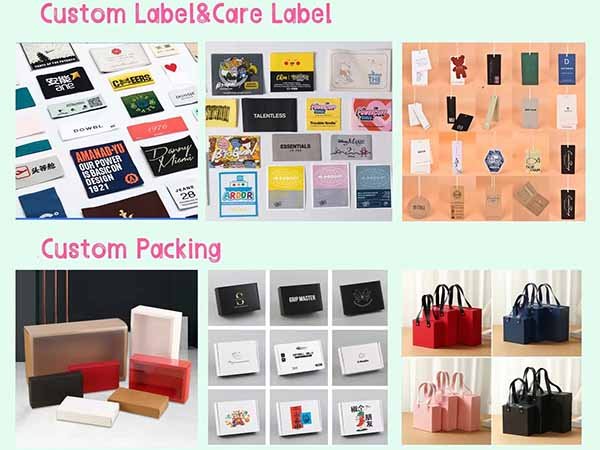
Branding Elements & Labeling Set
Templates include:
- Hangtag shapes
- Woven label placement rules
- QR story card designs
- Batch tracking labels
- Material & care instructions
Label placement follows production constraints to avoid seam obstruction or stuffing interference.
Carton Engineering Guidelines
Carton specs match international shipping conditions:
- 3-ply / 5-ply selection guide
- Strength testing reports
- Carton size optimization for ocean freight
- Moisture-control SOP for rainy seasons
- Barcode layout and carton marking standards
Carton dimensions are optimized to reduce volumetric weight and improve container utilization.
E-Commerce Packaging Standards
For brands selling online, Delsney provides:
- Amazon FBA-compliant label guides
- Packaging test checklists (drop tests, crush tests)
- Polybag transparency standards
- Barcode scannability rules
Case Study Library & Learning Center
Real Project Breakdowns From Delsney’s 18-Year Development Experience
The Delsney Case Study Library presents real development journeys, collected from thousands of plush projects.
Instead of generic summaries, each case reflects genuine engineering decisions, problem-solving processes and measurable results.
Case studies typically include:
Initial Concept & Brand Goal
We document how clients present ideas—hand drawings, marketing briefs, IP mascot requests, or mood boards.
Design Refinement Process
Case studies show:
- How silhouette changes improve balance
- Why certain expressions distort during stuffing
- When accessories become unsafe
- How color choices perform under lighting or photography
Pattern Engineering Decisions
Includes:
- Panel count reduction
- Seam relocation for durability
- Reinforcement patches added
- Embroidery mapping corrections
Engineers often revise patterns 2–4 times before a stable golden sample is finalized.
Sample Development Timelines
Real timing examples:
- Simple plush: 6–8 days
- Medium complexity: 9–13 days
- Complex mascot or IP plush: 14–20+ days
Production Execution & QC Results
Case studies include:
- Stuffing weight accuracy (±4–6 g)
- Metal detection clearance
- Sewing line productivity reports
- Final inspection statistics
Packaging & Export Preparation
Documentation includes:
- Packaging choices
- Carton optimization
- Label verification
- Transit photos
Case studies give new teams a clear understanding of the real manufacturing path from concept to shipment.
Download Center
Ready-to-Use Documents for Plush Development, Engineering & Production
The Delsney Download Center provides direct access to the same documents used internally by our sample department, cutting room, sewing lines, QC stations and export team.
All files are created from real production requirements and are updated following field feedback.
Available Downloads Include:
Tech Pack Templates
Includes:
- Multi-angle views
- Measurement tables
- Panel segmentation overlays
- Embroidery mapping templates
- Fabric/material lists
- Stuffing volume charts
- Tolerance standards
- QC inspection points
- Photo reference areas
These templates are used to create the golden sample blueprint for every SKU.
Fabric & Material Testing Sheets
Based on Delsney’s test log for 600+ fabric batches:
- GSM test table
- Stretch analysis chart
- Colorfastness rating form
- Shrinkage measurement form
- Pile height evaluation template
QC Checklist Templates
From Delsney’s 3-stage QC system:
- Panel QC sheet
- Pre-stuff QC sheet
- Post-stuff QC sheet
- Metal detection QC
- Packaging QC
- Sample approval checklist
Each checklist mirrors the inspection steps used by QC teams on the workshop floor.
Packaging & Carton Dielines
Includes dielines for:
- Polybags
- Hangtags
- Woven labels
- Printed boxes
- Window boxes
- Collector editions
- Carton print layout
Every dieline includes bleed areas, fold lines and tolerance notes.
Cost & Planning Tools
Downloaded in Excel or PDF:
- Fabric consumption estimator
- Embroidery stitch-cost calculator
- Labor time benchmark table
- Quote preparation sheet
- MOQ planning guide
These tools reflect historical order data from 2015–2025.
Compliance & Export Documentation
Includes:
- EN71 checklist
- ASTM F963 checklist
- CPSIA material declaration forms
- Phthalate-free templates
- REACH SVHC declaration
- Export packing list template
- HS code reference sheet
The Download Center lets product teams prepare clear, factory-ready documentation before contacting Delsney—reducing sampling delays and miscommunication.
Video Tutorials & Factory Insight Clips
Transparent, On-Site Knowledge From Delsney’s Sample Room & Production Floor
To help teams understand how plush is engineered and produced, Delsney offers short-form video tutorials filmed directly inside the factory.
These videos reveal processes that are rarely shown publicly but are essential for reliable product planning.
Video Categories Include:
Pattern Engineering Tutorials
Videos show:
- How patterns are drafted from concept sketches
- How panel segmentation affects silhouette
- Why certain designs require seam relocation
- How tolerance adjustments are made
- How fabric stretch impacts pattern behavior
Pattern team: 4 engineers, each with 10+ years of experience.
Digital Cutting Demonstrations
Includes:
- Fabric layout optimization
- Pile direction alignment
- Daily calibration
- Cutting accuracy tests
- Compensation for long-pile plush
Digital cutting output: 5,500–9,000 sets/day.
Sewing Line Processes
Real workshops show:
- Operator skill grouping
- Stitch density adjustments
- Joint reinforcement techniques
- Assembly order for complex silhouettes
- Accessory stitching procedures
Average production: 9–12 active lines depending on season.
Embroidery Tutorials
Explains:
- DST file preparation
- Test patches and thread selection
- Stitch density & tension issues
- Face alignment guides
- Multi-layer embroidery sequencing
Each tutorial is filmed with real embroidery machines used for ODM orders.
Stuffing & Shape Control Clips
Demonstrates:
- Zone-by-zone stuffing
- Weight consistency
- Neck reinforcement
- Balanced shaping for round silhouettes
- Limbs torque prevention
Stuffing variation control: ±4–6 grams.
QC Inspection Videos
Shows QC performing:
- Seam pull tests
- Accessory torque tests
- Metal detection
- Facial alignment checks
- Finishing inspection steps
Every video reflects actual QC processes used on daily shipments.
These videos provide unmatched transparency, helping new partners understand how plush products move through each stage of development and production.
Frequently Asked Questions
Answers Based on Real Factory Operations & 18+ Years of Plush Manufacturing Experience
Q1: How can these resources reduce sampling time and development costs?
Delsney’s resources are built directly from thousands of prototypes and daily engineering work inside the sample room, which means every guide helps teams avoid mistakes that normally cause back-and-forth revisions. For example, proportion charts prevent silhouette imbalance; embroidery guidelines reduce distortion during stuffing; fabric GSM tables minimize cutting errors caused by shrinkage; and pattern segmentation templates keep panel counts in a manufacturable range. Brands that use these documents typically reduce the first-sample revision cycle by 35–55%, saving both time and development costs.
Q2: What type of team benefits the most from these resources?
Any team engaged in plush development—design agencies, retail brands, licensing companies, promotional merchandise teams or corporate gifting departments—can use these tools. Delsney’s documentation is not theoretical; it reflects genuine production workflows across 9–12 sewing lines, digital cutting tables and strict QC checkpoints. This makes the resources especially valuable for teams that want to prepare factory-ready materials that minimize miscommunication and speed up engineering judgments.
Q3: How accurate are the technical templates and engineering tools?
Every template is updated based on real production feedback. Measurement tables reflect tolerance ranges taken directly from golden sample evaluations; fabric test sheets use actual GSM, shrink and colorfastness data collected from over 600+ fabric batches; embroidery mapping follows stitching tension data from panels produced by our 6 embroidery partners. The tools in this library represent authentic factory standards rather than estimated references, so the accuracy is high enough for mass production preparation.
Q4: Do the resources cover both ODM and OEM projects?
Yes. ODM teams benefit from design templates, proportion charts and panel segmentation guides that help shape new concepts. OEM clients rely more on QC checklists, technical pack structures, material standards and compliance documents. Since Delsney handles both types of production—managing 3,500+ prototypes and 2000+ export orders per year—all resources are applicable across both development methods.
Q5: How often are these documents and guides updated?
Updates occur regularly in response to new material behavior, changes in compliance standards or feedback from production supervisors. For example, if a certain fabric batch shows unexpected stretch behavior during digital cutting, the correction notes are added to the fabric database and the Materials Guide is updated. If a testing lab changes EN71 testing interpretations, templates are refreshed immediately. This continuous updating keeps the resource hub aligned with real manufacturing conditions—not outdated standards.
Q6: What is the needle-control system, and why is it important?
Yes. The Cost Planning Tools and SOP Workflow resources are derived from large-volume orders where efficiencies and bottlenecks were recorded over time. Labor benchmarks are based on performance data across 9–12 sewing lines, stuffing consistency is documented from thousands of QC checks, and packaging optimization charts use container loading records from hundreds of shipments. These tools help forecast production timing, operator allocation, material usage and cost structure with high precision.
Q7: Do the resources help ensure compliance with global toy safety standards?
The Compliance Library includes EN71, ASTM F963, CPSIA and REACH checklists, all of which reflect real testing results from licensed and infant-safe plush programs. These documents incorporate tensile strength expectations (≥70N for general plush, ≥90N for infant-safe), embroidery safety alternatives, accessory torque requirements and detailed labeling rules. Delsney processes hundreds of compliance-related checks each month, so the guidelines represent practical, proven standards that pass global lab inspections.
Q8: How do these resources improve communication between teams?
Technical packs, glossary terms, QC checklists and panel maps create a shared language across designers, engineers, merchandisers and factory supervisors. By using standardized terminology such as “panel count,” “tolerance range,” “stuffing density,” or “zone mapping,” teams avoid misunderstandings that normally delay sampling. These resources help both sides communicate using the same operational framework used inside Delsney’s sample department and production floor.
Q9: Are video tutorials useful for people outside the manufacturing industry?
Yes. Most clients outside the factory environment cannot visualize how a plush moves through the entire workflow—pattern drafting, cutting, sewing, stuffing, QC and packaging. The video clips filmed inside Delsney’s production floor show exactly how processes work. For example, pattern engineering tutorials demonstrate how silhouette balance is constructed; digital cutting footage shows how pile height affects compensation; sewing line clips show reinforcement stitching techniques; and stuffing videos explain why neck support is crucial. These visuals make the development process easier to understand for non-technical teams.
Q10: Can these resources help new brands develop plush collections with fewer production risks?
Absolutely. New brands often struggle with fabric selection, proportion accuracy, embroidery distortion, reinforcement decisions, stuffing balance and packaging compliance. Delsney’s Resource Hub provides standardized references that mitigate these risks. When brands follow the templates—especially proportion charts, panel segmentation guides, tolerance tables and QC checklists—they significantly reduce errors that commonly lead to unstable samples or inconsistent mass production results. This framework creates smoother project flow and more predictable development outcomes.

Build Better Plush Products With Delsney’s Resource System
Delsney’s Resource Hub is designed for teams that want more than inspiration—it delivers the technical foundation, material knowledge, engineering documentation and compliance support required for long-term, large-scale plush success. With insights gathered from 18+ years of development work, 3,500+ prototypes, 9–12 production lines, and 2000+ annual export shipments, every resource is shaped by real factory practice. Whether your team is preparing a new mascot line, refining existing character designs or planning a full seasonal plush collection, these tools provide the clarity needed to reduce risk, shorten development cycles and produce stable, retail-ready products.
