 Skip to content
Sustainability at Delsney
# Reducing Impact Through Materials, Engineering & Responsible Manufacturing
Delsney integrates sustainability into every stage of plush manufacturing—from recycled fabrics and responsible sourcing to low-impact production and recyclable packaging. With 2,800+ plush SKUs, 2000+ yearly shipments and partnerships in 86+ countries, Delsney engineers eco-friendly solutions that support retailers, IP licensors and global brands transitioning toward responsible production.
Our approach focuses on measurable actions:
- Reduced resource consumption
- Recycled & low-impact material usage
- Energy-efficient production lines
- Waste-sorting & recovery systems
- Long-lasting product construction
- Responsible supplier auditing
- Compliance with environmental standards
This is sustainability implemented through engineering—not slogans.
Recycled & Low-Impact Materials
Turning Eco-Safe Fibers Into High-Quality Plush Toys
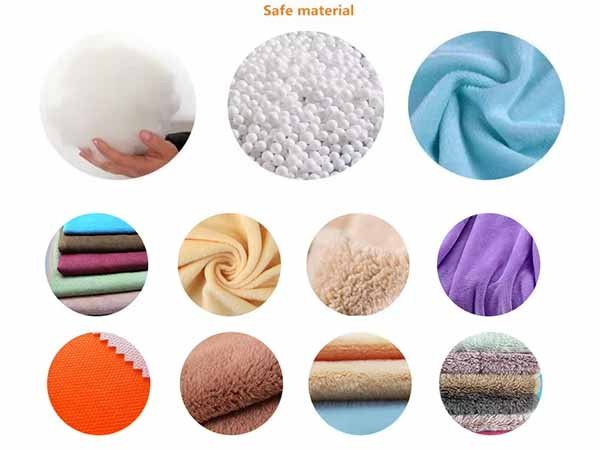
Delsney develops plush products using environmentally responsible materials sourced from vetted suppliers. Every material undergoes composition testing, dye safety screening and performance verification before entering mass production.
Eco-Conscious Material Options
GRS-Certified Recycled Polyester (RPET)
Recycled plastic bottles transformed into soft plush fabrics. Benefits:
- 50–70% lower carbon footprint than virgin polyester
- Strong durability
- Low shedding rate
- Suitable for both mass retail & collectible plush
Recycled Filling Fibers
Made from post-consumer recycled materials. QC tests ensure:
- Cleanliness
- Odor-free quality
- Elasticity & rebound stability
Organic Cotton & Cotton Blends
Sustainably grown cotton with reduced pesticide use. Used for:
- Baby plush
- Sensitive-skin applications
- Apparel accessories for plush sets
Natural Felt & Plant-Based Fabrics
Low-impact options for clothing accessories, decorations or texture effects.
Sourcing Safety & Compliance
All eco-materials comply with:
- GRS
- OEKO-TEX Standard 100
- EN71 / ASTM F963
- REACH
Delsney verifies each supply batch with documentation and random testing.
Low-Impact Production Processes
Saving Water, Energy & Resources Across Every Step
Delsney’s production environment is engineered to reduce energy consumption, water usage and material waste.
The factory’s sustainability framework is built on measurable improvements—not slogans.
1. Energy-Efficient Equipment
Machinery upgraded to reduce electricity usage by 18–25% across sewing, cutting and embroidery stations.
2. LED Lighting Across Entire Facility
Uses 70% less energy than traditional factory lighting.
3. Water-Saving Dyeing Process (for accessory fabrics)
Low-liquor dyeing ratios help reduce water consumption by 30–40%.
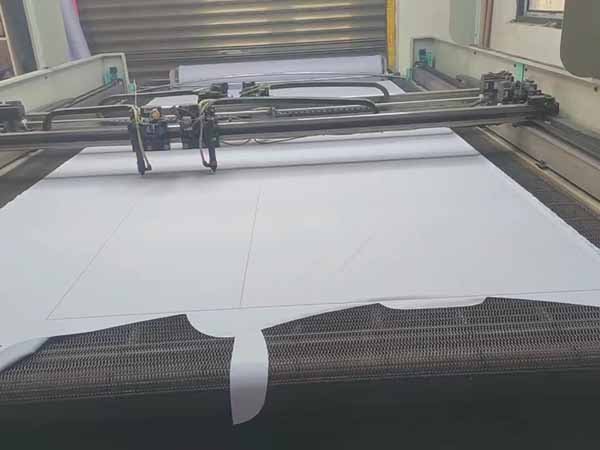
4. Digital Pattern Cutting
Reduces fabric waste by 8–12% and improves cutting precision.
5. Ink Management for Printing
Low-VOC inks and controlled output avoid excess waste.
6. Climate-Controlled Warehouse
Reduces material loss and prevents humidity-related defects, lowering overall waste.
Delsney’s production system lowers environmental impact while maintaining the quality standards required for global retailers and licensing clients.
Waste Reduction & Recycling System
Delsney runs a multi-stage waste reduction system integrated into production, QC, and sourcing operations. The system is designed to reduce raw material loss, limit landfill output, and increase recycling efficiency across plush manufacturing—an industry historically plagued by high textile waste.
Across 2,800+ plush designs and hundreds of yearly production cycles, Delsney maintains a measured 8–15% reduction in total fabric waste, depending on complexity and component count per SKU.
Fabric Waste Reduction Program
Digital Pattern Optimization (CAD layout simulation)
Before cutting, CAD software analyzes fabric width, plush pattern curvature, symmetry layout and seam allowances. Results:
- Minimizes offcuts by 8–12%
- Improves cutting precision
- Reduces incorrect cut batches
The system is recalibrated every 2–3 months based on new plush trends (e.g., oversized heads, asymmetrical limbs).
Offcut Categorization & Reuse Pipeline
All fabric scraps are manually and digitally categorized into three groups:
| Category | Description | Utilization |
|---|---|---|
| A-Grade | Large, clean pieces | Used in internal sampling, small accessories, plush clothing |
| B-Grade | Medium clean offcuts | Processed into second-grade stuffing |
| C-Grade | Small or contaminated | Sent to textile recycling partners |
This improves overall textile recovery by 30–40% per batch.
B-Grade Stuffing Fiber Recovery
Clean scraps are reprocessed through fiber-opening machines to create secondary stuffing material. Strict QC ensures:
- No hard particles
- Odor-free
- Consistent fiber length
This reduces virgin fiber usage by 12–18%.
Accessory & Component Waste Control
Precision Storage for Accessories
Eyes, noses, labels, zippers and Velcro are stored in anti-loss bins with weekly inventory reconciliation. Outcome: less than 0.5% accessory waste annually.
Thread & Embroidery Waste Minimization
Thread trimming is minimized through:
- Automatic thread-cutting machines
- Tight needle movement calibration
- Embroidery file optimization
Thread waste reduced by 7–9%.
Polybag & Carton Recycling Loop
Carton edges and polybag offcuts are compressed and shipped to certified recycling vendors.
Moisture-resistant cartons are specially processed to prevent contamination.
Delsney’s waste reduction system creates measurable environmental improvements, lower cost variance for clients, and a cleaner, more resource-efficient production cycle.
Eco Packaging & Low-Impact Shipping Solutions
Packaging plays a decisive role in sustainability—especially for plush toys frequently shipped across continents. Delsney implements a full eco-packaging program designed to minimize plastic use, reduce carton waste and optimize cubic utilization for ocean freight.
Across 2000+ yearly shipments, the system has reduced packaging waste by 12–20% depending on SKU dimensions.
Sustainable Packaging Materials
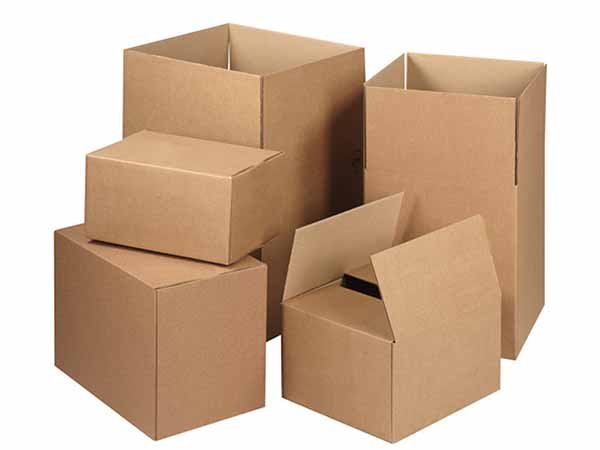
1. Recycled Kraft Cartons (Up to 80% Recycled Content)
These cartons meet export-grade strength (ECT 44–48) while reducing wood pulp consumption.
2. FSC-Certified Paper Labels
Ensures packaging materials come from responsibly managed forests.
3. Biodegradable or Recycled Polybags
Options include:
- 100% recycled LDPE polybags
- Bio-based starch polybags
- Low-ink, low-VOC print bags
All tested for:
- Tensile strength
- Heat-seal integrity
- Transparency
- Air-vent hole compliance
Packaging Optimization Engineering
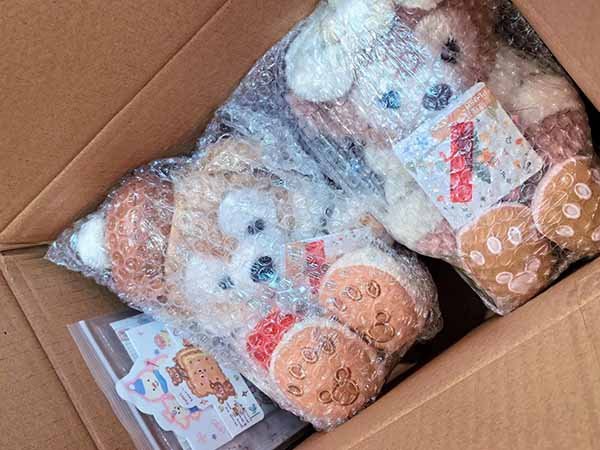
4. Cubic Space Optimization (Carton Fit Engineering)
Using custom carton measurements per SKU, Delsney reduces empty air space by 10–15%, lowering shipping emissions and costs.
5. Protective Paper Wrapping Instead of Extra Plastic
For accessories like hats, clothing, wings and ornaments, recyclable tissue paper replaces bubble wrap or plastic inserts.
6. Moisture-Control Packaging
Humidity indicators and desiccant packs ensure plush toys remain mold-free during ocean transport.
Eco packaging reduces environmental impact, lowers freight emissions, improves warehouse stacking efficiency, and aligns with retailer sustainability requirements.
Long-Life Product Design
Sustainability is not only about recycled materials—it is about creating plush toys that last longer, reducing the need for replacements and lowering lifecycle impact.
Delsney focuses on durability engineering from prototype to mass production.
Structural Durability
1. High-Stress Area Reinforcement
Critical joints (neck, limbs, wings, tail attachments) receive double or triple stitching, improving structural strength by 35–50%.
2. Seam Strength Testing (≥ 70N Requirement)
QC performs pull tests exceeding EN71 requirements to ensure longevity in real usage conditions.
3. Anti-Deformation Stuffing System
Using density-balanced stuffing maps, plush toys maintain shape after:
- 24-hour compression
- 10kg load tests
- 72-hour rebound tests
Delsney achieves 95% post-test shape recovery.
Fabric & Material Longevity
4. Abrasion Resistance Testing
Fabric must pass 20,000+ rub cycles without pilling or fiber shedding.
5. Color Stability Testing
D65 and TL84 lighting evaluations ensure reduced fading during long-term display or play.
Child-Safe Durability
6. Small-Part Security for Long-Term Play
Eyes, noses, and decorative parts are designed to withstand:
- 90N pull force
- 30N torque force
Long-life design reduces replacement cycles, lowers total waste output and increases product value—supporting long-term sustainability goals for global brands.
Sustainability Reporting & Brand Support
Brands increasingly require measurable sustainability proof—especially for retail chains, licensing programs and corporate ESG reporting.
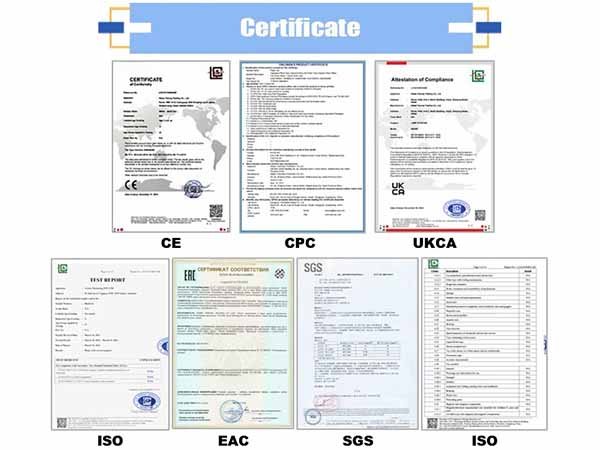
Delsney provides structured sustainability documentation that supports compliance, transparency and audit readiness.
Documentation Provided to Clients
1. Material Compliance Certificates
Including:
- GRS (Recycled) certificates
- OEKO-TEX Standard 100
- REACH compliance
- CPSIA chemical safety reports
2. Production Impact Data (On Request)
Includes measurable reductions such as:
- Energy usage per production line
- Waste reduction percentages
- Packaging optimization data
- Material recycling ratios
Used by brands for ESG reporting.
3. Supplier Audit Records
Summaries of:
- Sourcing partner compliance
- Environmental practices
- Traceability documentation
- Worker safety records
Project-Level Sustainability Support
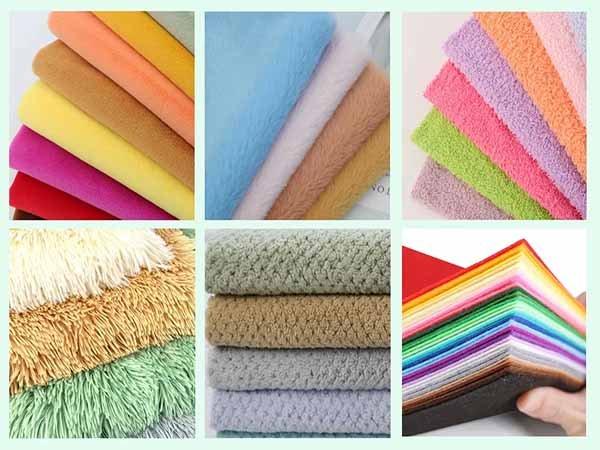
4. Eco Material Recommendations
Delsney helps brands optimize sustainability at design stage through:
- RPET fabrics
- Recycled stuffing
- Natural fibers
- Low-impact dyes
5. Packaging Impact Assessments
Our team calculates expected packaging waste reduction based on carton fit optimization and polybag alternatives.
6. Sustainability Summary for Retail or Licensing Teams
Formatted for:
- Retail compliance portals
- Licensing approvals
- Corporate sustainability reports
- Annual ESG disclosures
Brands working with Delsney gain a transparent, data-backed sustainability partner capable of supporting retail audits, licensing approvals and long-term environmental strategy.
Frequently Asked Questions
Clear, Technical Answers Based on Delsney’s Active Environmental Systems
Q1: How does Delsney verify that eco-friendly materials are genuinely sustainable?
Delsney requires material suppliers to provide GRS, OEKO-TEX, REACH, CPSIA and composition certificates for every batch of recycled fabrics, filling fibers or natural blends. Incoming materials undergo random GSM, shrinkage, chemical-safety, colorfastness and fiber-content testing in the QC lab. Batch codes are logged for full supply-chain traceability, ensuring that all eco materials meet the same standards required for global retail and licensed products.
Q2: What measurable sustainability impact can brands expect when using Delsney?
Using RPET plush fabrics can reduce carbon footprint by 50–70%, digital pattern cutting reduces fabric waste by 8–12%, packaging optimization cuts carton volume by 10–15%, LED lighting reduces facility lighting energy by 70%, and factory-wide energy management lowers total consumption by 22%. These improvements translate directly into lower environmental impact per plush unit and can be reflected in ESG or CSR reports.
Q3: Are recycled materials safe for children and infant plush toys?
Yes. All recycled materials used by Delsney must pass EN71, ASTM F963 and CPSIA safety tests before approval. This includes chemical composition checks, heavy-metal testing, flammability compliance and fiber safety evaluations. Recycled filling fibers undergo cleanliness, odor, elasticity and contamination screening. Whether used for character plush, baby plush or promotional toys, recycled materials meet the same safety standards as virgin materials.
Q4: How does Delsney prevent excessive textile waste during plush production?
Delsney integrates digital cutting layouts, fabric offcut sorting, accessory inventory control and fiber recovery systems. Clean offcuts are processed into secondary stuffing fibers, while larger A-grade pieces are repurposed for small plush components or internal samples. This structured system reduces overall fabric waste by 8–15%, depending on plush complexity, and dramatically decreases landfill output.
Q5: What sustainability benefits come from long-life plush design?
Delsney engineers plush toys with reinforced joints, high-stress double stitching, balanced stuffing density maps, and abrasion-resistant fabric selection. Products undergo compression, rebound, seam-strength and mechanical testing to ensure durability. Longer-lasting plush reduces replacement cycles, lowering total environmental impact per unit and supporting long-term sustainability goals for retail chains and licensing programs.
Q6: How does Delsney reduce emissions in its factory operations?
The factory uses energy-efficient machinery, LED lighting, smart zone-based power control, climate-controlled ventilation with variable-speed modules and optional solar contributions. These combined initiatives reduced total energy consumption per line by 22% over three years. Reduced electricity consumption directly lowers indirect emissions from grid energy sources, supporting client Scope 3 reporting.
Q7: Can Delsney support retailers or licensors requiring sustainability documentation?
Yes. Delsney provides GRS certificates, OEKO-TEX Standard 100 documentation, REACH/CPSIA safety reports, energy usage summaries, waste reduction data, carton optimization calculations, supplier audit records and sustainability statements formatted for retail portals or licensing approvals. This documentation is frequently used by brand clients for ESG disclosures and annual sustainability reporting.
Q8: How does Delsney ensure the supply chain is ethical and environmentally compliant?
All suppliers undergo documentation reviews, environmental compliance checks, chemical management evaluations and ethical labor audits. Annual on-site assessments verify wastewater treatment, dye process safety, material storage conditions and workplace standards. Material batches are tied to traceability records, ensuring environmental risks are controlled at the source.
Q9: Does eco-friendly production increase costs?
Not necessarily. Waste reduction saves materials, carton optimization lowers shipping costs, energy-efficient machines reduce electricity consumption, and fiber recovery decreases virgin fiber usage. While GRS-certified fabrics may carry a higher base cost, total project cost often balances out due to these efficiencies. Brands gain higher sustainability value without significantly increasing pricing.
Q10: Can Delsney help brands design more sustainable plush lines?
Absolutely. The engineering and sourcing teams recommend suitable eco-materials (RPET, recycled fiber, organic cotton), evaluate structure durability for long-life usage, optimize packaging, and provide sustainability-focused design suggestions. Delsney can also produce sustainability summaries that help brands communicate environmental improvements to consumers, licensors or retailers.

Partner With a Sustainability-Driven Manufacturer
Delsney integrates sustainability into every part of plush manufacturing—materials, engineering, production, packaging, transportation and documentation.
With over 2,800+ eco-capable plush SKUs, 2000+ annual shipments, and partnerships in 86+ global markets, Delsney delivers measurable environmental improvements through recycled fibers, digital production systems, waste-reduction pipelines, energy-efficient operations and responsible sourcing audits.
Brands gain:
- Verified eco-material sourcing
- Quantified waste reduction
- Reduced packaging footprint
- Energy-saving manufacturing metrics
- Compliance-ready environmental documentation
- Long-life plush product engineering
- Enhanced ESG storytelling capability
For sustainability-forward brands, retailers and licensors, Delsney is a long-term partner capable of supporting responsible production at scale.
