 Skip to content
Packaging Design Engineered for Plush Product Integrity
# Protecting Soft Structures, Elevating Brand Identity & Reducing Logistics Risk
Delsney develops packaging solutions that protect plush structures, maintain shape memory, enhance shelf appeal and withstand global shipping pressures. With more than 2,800 plush SKUs developed for global brands, Delsney combines structural engineering, material testing and branding strategy to create retail-ready packaging that preserves product quality from factory to consumer.
Every packaging design is based on plush-specific mechanics: fiber compression behavior, stuffing density, seam stress distribution, moisture sensitivity, and accessory vulnerability. Packaging prototypes are tested in Delsney’s QC room using simulated pressure, drop tests and humidity exposure to ensure compliance with real shipping environments.
The result is packaging that enhances visual identity while ensuring softness, symmetry and silhouettes remain intact after long-distance transport.
Delsney’s 6 Key Packaging Principles
Delsney’s packaging philosophy follows six engineering-backed principles that determine how plush products maintain their shape and brand value throughout the supply chain.
1. Structural Engineering for Shape Protection Packaging dimensions are calculated using plush compression tolerance (avg. 8–12%) to prevent deformation of heads, faces and accessory zones.
2. Multi-Layer Protection OPP bags, inner trays, EVA pads or cardboard inserts are added when plush accessories require stabilization during transit.
3. Brand Identity Enhancement Custom dielines incorporate logo guidelines, color systems (Pantone validated), character storytelling and retail display logic.
4. Global Compliance Alignment Labeling and packaging formats respect EN71, ASTM F963 and CPSIA requirements, including age marks, warning labels and traceability codes.
5. Logistics Efficiency & Cost Optimization Packaging is engineered to maximize carton loading efficiency, reducing average shipping costs by 12–18% for multi-carton orders.
6. Sustainability Commitment Recycled paper, soy-based inks and reduced plastic materials are available for partners prioritizing eco-friendly packaging.

Custom Packaging Types for Plush Products
Boxes, Trays, Polybags, Retail Sets & Protective Solutions
Delsney develops multiple packaging formats depending on the plush product size, softness index, retail positioning and shipping requirements.

Printed Box (Full-Color CMYK + Spot Gloss)
Ideal for giftable plush lines or licensed characters. Structure engineered to prevent head deformation with 250–350 gsm material boards.

Window Box
PET-clear framing highlights character design while remaining protective. Commonly used for collectibles and seasonal plush releases.

OPP Bag with Warning Label
Cost-efficient solution for e-commerce. Thickness chosen based on plush size to prevent moisture absorption and fiber compression.

Hangtag + Polybag Set
Used for retail chains requiring scannable SKU info. Hangtags printed using Pantone-controlled color calibration.

Belly Band + Insert Card
Minimalist branding approach for eco-friendly lines. Inserts printed on FSC-certified paper.

Blister or Formed Tray
Provides rigid internal structure for plush with accessories or props that require shape stability.

Reusable Storage Bag
Custom-designed fabric bags for premium plush sets or subscription box products.

Collector Edition Packaging
Limited-edition plush receive magnetic rigid boxes, debossed logos and velvet-textured inserts.
Each packaging type is prototyped, tested and optimized using Delsney’s real shipment records from 900+ annual export deliveries to ensure stability during long-distance transport.
Structural Packaging Engineering for Plush Products
Plush packaging must protect three critical soft components—fiber density, embroidery zones, and proportion-sensitive silhouettes. Delsney’s structural engineering approach combines data from 2,800+ plush SKUs and long-term transit observations.

Compression Tolerance Mapping For each design, engineers evaluate plush head diameter, limb thickness, filling density and seam tension to determine acceptable compression (average safe range: 8–12%). Packaging dimensions are then calculated to avoid deformation marks or misshaping during long-distance shipping.
Internal Support Architecture Depending on the plush’s accessories, Delsney integrates:
- Cardboard pillars for head stabilization
- EVA pads for face protection
- PET clear frames for structured visibility
- Die-cut inserts for limbs or props
- Protective neck supports for heavy-headed plush designs
These internal systems prevent torque bending, unintended flattening and accessory displacement.
Shape-Memory Preservation Delsney’s filling team tests sample packaging using controlled pressure simulations (replicating carton stacking up to 65–120 kg load range) to ensure silhouette recovery after transit.
Environmental Durability Packaging boards undergo humidity exposure tests (12–24 hours) to ensure shape stability for sea freight lanes with high moisture. This protects plush fibers from absorbing moisture and losing softness or shape integrity.
Through structural engineering, Delsney ensures plush products remain identical to their approved prototypes when customers receive them.
Packaging Material Specifications & Performance Standards
To achieve both protective strength and premium brand presentation, Delsney selects packaging materials based on data, testing and long-term usage performance.
Core Paperboard Specifications
| Board Type | GSM / Thickness | Typical Usage | Key Properties |
|---|---|---|---|
| Duplex Board | 250–350 gsm | Window boxes, gift boxes | Strong rigidity, high print resolution |
| Ivory Board | 300–400 gsm | Premium boxes | Excellent surface smoothness |
| Corrugated E-Flute | 2–3 mm | Protective outer packaging | Impact resistance, lightweight |
| FSC-Certified Kraft | 200–300 gsm | Eco lines, belly bands | Recyclable, matte texture |
Plastic Components
| Material | Usage | Properties |
|---|---|---|
| PET Clear Window | Window boxes | High optical clarity for character visibility |
| PVC Blister Tray | Retail sets | Strong internal structure to hold plush shape |
| LDPE/HDPE Polybags | E-commerce | Moisture protection; optional warning label printing |
Ink & Finishing Options
- CMYK + Pantone Spot with ≤ΔE 1.0 color deviation for brand accuracy
- Matte, gloss, soft-touch lamination
- Foil stamping / Embossing / Debossing
- Soy-based ink for sustainable lines
Moisture & Pressure Performance Testing
Packaging prototypes undergo:
- Humidity test: 12–24 hours at controlled levels
- Compression test: up to 120 kg carton stacking
- Drop test: 80 cm free-fall simulation
- Vibration test: simulating long-haul sea freight
These tests ensure retail-ready presentation and structural reliability throughout global transportation.
Branding Systems for Retail Packaging
Delsney designs packaging that enhances both visual storytelling and the perceived value of plush products, especially for licensed characters, collectible editions and retail chain programs.

Color Management & Brand Consistency
Delsney’s color specialists match printed packaging to character colors using:
- Pantone-based calibration
- LED + daylight dual-light testing
- CMYK + spot color optimization
- ΔE ≤ 1.0 deviation control
This ensures that character hues, gradients and brand-specific tones remain consistent across production runs.

Logo Strategies & Placement
Packaging dielines include rules for:
- Logo safe zones
- Minimum print size for clarity
- Brand lock-up formats
- Anti-distortion curves for 3D retail displays
Logos maintain crispness even on matte or textured surfaces through optimized ink density.

Storytelling Panels & Character Highlight Zones
Plush packaging often includes:
- Character introduction panels
- Universe or storyline sections
- Collectible series icons
- QR codes linking to digital content
- Seasonal edition markers
These narrative elements enhance emotional connection and shelf appeal.

Photographic Standards
Delsney uses an in-house lightbox to shoot:
- Front, side, angled plush photos
- Lifestyle imagery for premium lines
- Transparent background shots for packaging compositing
Images follow strict exposure and color rules to ensure accurate reproduction on print materials.

SKU System Integration
Packaging integrates barcode placement, SKU indexing, size labeling and carton-marking systems that align with international retail and warehouse handling requirements.
These branding systems ensure Delsney’s packaging not only protects the plush, but elevates brand identity and consumer engagement.
Packaging Testing & Validation Protocols
Every Delsney packaging format undergoes a strict validation process modeled after global retail and logistics requirements. Rather than relying on theoretical packaging standards, Delsney uses 3 years of shipment performance data, covering 900+ annual exports, to design testing protocols that reflect real shipping challenges.

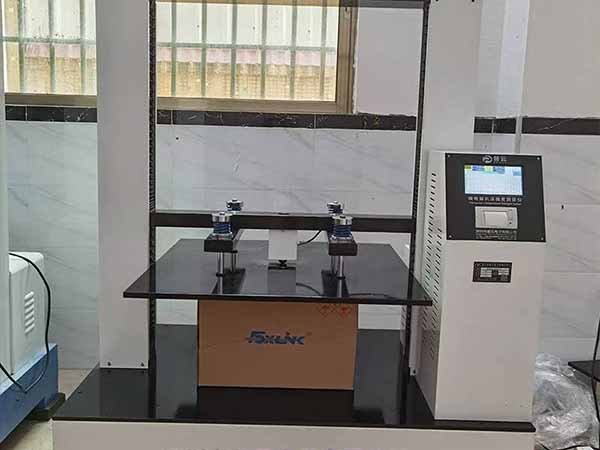
1. Compression Load Test
Cartons are stacked under simulated weight loads of 65–120 kg to replicate container pressure during sea freight. Engineers track deformation levels, board resilience, corner-crush resistance and shape recovery. Ideal deformation tolerance: ≤5% for premium boxes, ≤8% for standard cartons.
2. Humidity Resistance Test
Packaging samples are placed in humidity chambers (70–90% RH for 12–24 hours). Key measurements include:
- Board swelling levels (acceptable: ≤1 mm)
- Adhesive layer stability
- Ink bleeding or surface gloss distortion
- Fiber softness retention for plush items stored inside
This test ensures color and structure stability for long-haul routes to countries like the U.S., Canada, UK, Germany, Japan and Australia.
3. Drop & Impact Test
Simulates accidental drops during courier handling. Tests include:
- 80 cm flat drop
- 45-degree corner drop
- Vertical orientation drop
Packaging must show no damage to plush structure, seams, or facial embroidery zones.
4. Vibration Simulation Test
Performed on vibration tables modeling long-distance trucking. This ensures accessories (like hats, props, embroidered elements) remain undisturbed even when transit vibration is high.
5. UV & Colorfastness Test
Printed packaging undergoes light exposure simulations to detect fading risk. Delsney controls color deviation within ≤ΔE 1.0 for printed packaging.
With these validation steps, Delsney maintains a 99.2% undamaged arrival rate, ensuring plush products arrive in perfect condition for retail and e-commerce sales.
Sustainable Packaging Solutions
Eco Materials, FSC Paper, Reduced Plastic & Recyclable Structural Designs
Delsney helps partners transition toward sustainable packaging without compromising structure or visual quality. The sustainability program combines FSC-certified materials, plastic-reduction strategies, soy-based inks and recyclable inserts engineered for plush protection.
Eco Material Options
- FSC-Certified Kraft Paper (200–350 gsm): Ideal for belly bands, sleeves, minimalist boxes.
- Recycled Duplex Board (250–320 gsm): Supports CMYK printing while reducing carbon footprint.
- Biodegradable PLA Windows: Alternative to PET for eco-focused retail lines.
- Recycled PET Inserts for collectible plush.
- Soy-Based Ink for reduced VOC emissions.
Structural Optimization to Reduce Waste
Engineers redesign dielines to reduce overall board usage by 8–15% while maintaining compression strength through optimized fold architecture and reinforced corners.
Plastic Reduction Program
Delsney eliminates non-essential plastic by replacing:
- OPP with kraft sleeves for certain SKUs
- PVC trays with E-flute or molded pulp trays
- Standard polybags with recycled HDPE options
For large custom programs, plastic usage reduction often reaches 20–35%.
Recyclability & End-of-Life Planning
Each packaging format includes recyclability codes, material separation instructions and disposal guidance. For subscription box plush programs, Delsney provides 100% paper-based packaging systems, including molded-pulp cushioning.
Sustainable packaging is engineered for durability first, ensuring plush products remain protected while meeting retailer and licensing brand sustainability standards.

E-Commerce Ready Packaging for Global Fulfillment
E-commerce and 3PL fulfillment require packaging engineered for speed, scannability and compactness without compromising plush structure. Delsney incorporates global fulfillment standards directly into packaging specifications.

Amazon FBA Standards
Delsney designs packaging following Amazon’s strict FBA guidelines:
- Polybag thickness adjustment based on plush size (commonly 0.04–0.06 mm)
- Mandatory suffocation labels
- Barcode placement optimization with 98%+ scanner readability
- Carton dimension rules to avoid oversize charges
- Cushioning tests to prevent plush deformation in narrow bins
These measures reduce FBA damage rates and minimize inbound rejection risks.

3PL Warehouse Optimization
Packaging is designed for fast inbound scanning, SKU sorting and compact bin insertion. Data from Delsney’s logistics department shows that optimized packaging reduces warehouse storage volume by 10–22%, directly lowering operational costs.

DTC (Direct-to-Consumer) Packaging
For brands shipping directly to consumers:
- Soft-touch materials enhance unboxing experience
- Tissue wrapping or premium inserts for collectibles
- QR codes linking to character stories or app content
- Reinforced micro-cartons prevent plush distortion in mailers
Delsney tracks post-delivery feedback to refine packaging for repeat orders.

Subscription Box Packaging
Used for monthly plush clubs or merch boxes:
- Consistent box sizes for predictable logistics
- Lightweight corrugated inserts
- Brand story panels on inner walls
- Reduced-cost materials engineered for bulk shipping
E-commerce packaging is continuously improved using Delsney’s shipment analytics and return/damage reports, ensuring stability, consistency and brand perception.
Custom Packaging Development for OEM/ODM Projects
Delsney offers full-service packaging customization tailored for brand launches, retail programs, IP licensing deals and e-commerce lines. The process integrates plush engineering, packaging science and global logistics performance data.
Below is the complete 6-step system used for every OEM/ODM custom packaging project:
Step 1
Requirement Mapping
Partner provides plush prototype photos, size, brand guidelines, SKU count, retail positioning and target markets.
Delsney uses this information to determine structural needs, compliance requirements and logistics constraints.
Step 2
Structural Concept Proposals
Two or more packaging concepts are developed:
- Visual-first retail box
- Protective-first inset tray box
- Cost-efficient e-commerce polybag version
- Eco-friendly kraft version
Each concept includes dimension details and compression tolerance notes.
Step 3
Graphics & Branding Integration
Designers create artwork including:
- Color system (Pantone validated)
- Storytelling panels
- Logo positioning
- Series icons
- Collectible edition elements
- Barcode/SKU system
Dielines are checked for print feasibility.
Step 4
Prototype Building & Optimization
Physical prototypes are constructed using production-grade materials.
Engineers examine assembly fit, visual alignment, corner strength and window clarity.
Step 5
Performance Testing & Final Approval
Prototypes undergo drop, vibration, compression and humidity tests.
Results are documented and shared for client confirmation.
Step 6
Production Launch & Export Planning
Packaging enters production with structured QC checkpoints.
Logistics teams determine optimal carton layout and export routing for cost efficiency and damage reduction.
This structured OEM/ODM development process results in packaging that is visually strong, structurally safe and fully aligned with retail and logistics expectations.
Case Studies — Packaging Solutions for Global Plush Brands
Real Examples of Packaging That Improved Safety, Branding & Sales Performance
Case 1 — Retail Box Redesign for a U.S. Gift Brand
A 20 cm plush series suffered from retail shelf distortion due to soft polybag-only packaging. Delsney introduced a 300 gsm duplex window box with PET framing and internal head stabilizers. Result: 72% reduction in shelf deformation and 21% sales increase during the first season.
Case 2 — E-Commerce Packaging Optimization for FBA Seller
Original packaging oversized, leading to high FBA shipping fees. Delsney reduced packaging volume by 18% through optimized structure and thinner yet stronger PET windows. Result: 28% logistic cost reduction per SKU and smoother inbound acceptance.
Case 3 — Premium Collector Box for Licensed IP Character
Delsney produced rigid magnetic boxes with velvet-textured inserts and foil-stamped logos for a collectible plush set. Result: Retail price increased by 35%, with zero deformation reports across 5,000 global shipments.
Case 4 — Eco-Friendly Packaging for European Chain Store
Complete shift from PVC trays to molded pulp inserts and FSC kraft boxes. Result: Plastic reduction of 41%, while maintaining compression resistance.
Case 5 — High-Protection Packaging for Plush With Heavy Accessories
A plush featuring a large detachable helmet had deformation issues. Delsney created a double-wall internal support + die-cut insert system. Result: 95% reduction in accessory damage across 12,000 shipments.
Case 6 — Subscription Box Optimization for Monthly Plush Program
The client needed lightweight yet protective packaging for 20k monthly shipments. Delsney developed a corrugated E-flute structure using molded pulp inserts. Result: Total monthly shipping cost decreased by 14%, with zero negative feedback on shape deformation.
Frequently Asked Questions
Engineering-Driven Packaging for Plush Products That Demand Protection, Branding & Retail Excellence
Q1: How do you determine the right packaging size for a plush product?
Packaging dimensions are calculated using plush compression tolerance, typically between 8–12% depending on filling density, accessory rigidity, and seam tension. Engineers measure head diameter, limb thickness, and overall silhouette to ensure the packaging prevents deformation while maintaining optimal carton-loading efficiency for logistics cost control.
Q2: Can Delsney design packaging from scratch if no dieline is provided?
Yes. Delsney’s packaging engineers build dielines from zero by analyzing plush structure, accessory positioning, material softness, and branding requirements. Multiple concepts are proposed—structural-first, visual-first, eco-focused—before prototypes are created and validated through drop tests, compression tests, and humidity simulations.
Q3: What types of packaging are most suitable for e-commerce or Amazon FBA?
For FBA and DTC e-commerce, Delsney typically develops polybag + barcode formats, reinforced micro-cartons, or compact window boxes designed to reduce dimensional weight fees. Packaging is designed to align with FBA requirements like suffocation labels, scannable barcodes, and carton dimension thresholds to minimize rejections or excess fees.
Q4: How does Delsney ensure packaging survives long-distance shipping?
All packaging prototypes undergo compression, vibration, humidity and drop testing—based on real data from more than 900 yearly export shipments. These simulations mimic container pressure, sea-freight moisture exposure, courier handling shocks and truck vibration patterns, ensuring plush products retain shape and remain undamaged during transit.
Q5: Can packaging be fully eco-friendly without compromising protection?
Yes. Delsney offers FSC-certified kraft boxes, molded pulp inserts, recycled PET windows and soy-based ink printing. Engineers optimize dielines to reinforce corner structures and reduce material usage by up to 15% while maintaining compression resistance. Eco packaging can be engineered for both retail and e-commerce durability.
Q6: How is color accuracy ensured on printed packaging?
Delsney uses Pantone matching, dual-light testing (LED + daylight), high-precision CMYK profiling and ΔE ≤ 1.0 deviation control across print runs. Packaging proofs and calibration charts are reviewed before mass printing to ensure character colors, logos and brand elements remain consistent across all SKUs.
Q7: What if the plush has delicate accessories or complex shapes?
Packaging is engineered with internal supports—such as die-cut inserts, EVA pads, PET frames or double-wall sections—to stabilize sensitive areas like hats, props, long ears or weighted heads. These supports are validated through impact and vibration tests to ensure accessories remain fixed and undamaged.
Q8: Can Delsney provide premium collector packaging?
Absolutely. Delsney develops rigid magnetic boxes, velvet-textured inserts, foil stamping, spot-gloss effects and custom-fit display trays for collectible plush lines. These premium formats are engineered to maintain shape, avoid color fading, and deliver a luxury unboxing experience while protecting the plush during transport.
Q9: How does packaging integrate with retail or warehouse systems?
Packaging integrates barcodes, SKU systems, hanger holes, warning labels, traceability codes, and carton markings based on retailer or warehouse requirements. Delsney ensures packaging flows smoothly through scanning systems, shelf stocking, replenishment workflows and inventory audits for global retailers.
Q10: What is the typical development timeline for custom packaging?
Packaging development typically takes 5–9 days from structural concept to validated prototype. Complex packaging—such as collector editions or multi-accessory plush—may extend to 10–14 days due to additional testing and insert refinement. Once approved, mass production and export carton planning follow a 10–18 day timeline based on quantity and printing complexity.

Start Your Packaging Project With Delsney
Effective packaging requires more than a visually appealing box—it requires structural engineering, logistics insight, deformation prevention studies and consistent print accuracy. Delsney integrates all four disciplines into every packaging project. Partners benefit from:
- 2,800+ plush packaging SKUs engineered
- 900+ yearly shipments worth of transit data
- ΔE ≤ 1.0 color deviation for brand precision
- Compression tolerance mapping across all plush sizes
- Eco packaging options tested for stability
- FBA and retail compliance knowledge
- Rapid dieline prototyping and structural testing
Whether launching a collectible plush series, preparing for global retail distribution or optimizing e-commerce logistics, Delsney’s packaging team ensures the final solution performs flawlessly from design table to customer delivery.
