 Skip to content
Plush Manufacturing Case Studies | Delsney Engineering
# Real Plush Manufacturing Results Backed by Engineering Data
Case studies offer a transparent view of Delsney’s engineering capability, production discipline and problem-solving expertise. Each project represents real data collected from 3,800+ plush SKUs, 2000+ yearly export shipments, and 18+ years of structured manufacturing workflows.
- Converts 2D artwork into plush formats with 98%+ sample accuracy
- Maintains <1.5% defect rate across mass production
- Protects plush structure with engineered packaging
- Reduces deformation and QC risk across long-distance shipping
- Supports brand growth through scalable manufacturing capacity
- Solves production, sampling, compliance or logistics challenges with engineering logic
Partners include global retailers, IP owners, collectible brands, gift lines, subscription box companies and e-commerce sellers.
Case Study Categories
To help partners quickly locate relevant case studies, Delsney organizes its work into 6 core categories supported by factory data and QC logs.
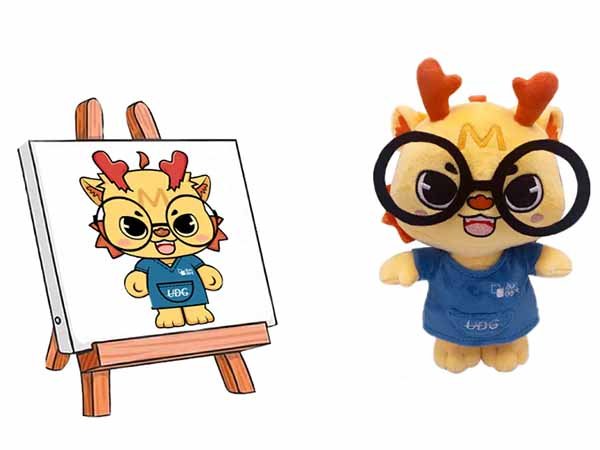
Sampling Accuracy & Engineering Reconstruction
How Delsney converts incomplete artwork into accurate plush prototypes using proportion mapping, facial geometry planning and stitch-density optimization.
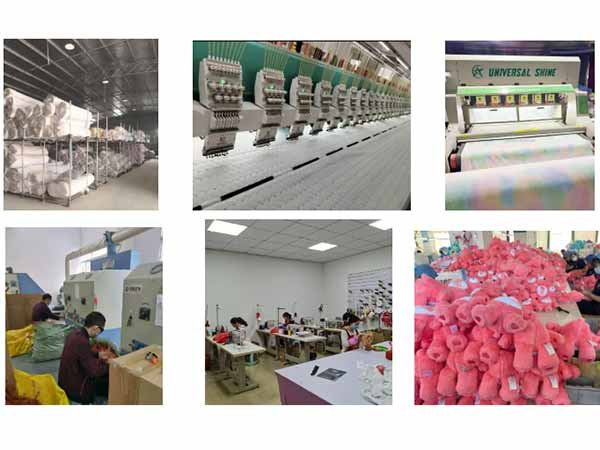
Mass Production Consistency & Scale-Up
Projects showing how plush lines scale from 100 units to 50,000+ units while maintaining structural, color and embroidery stability.
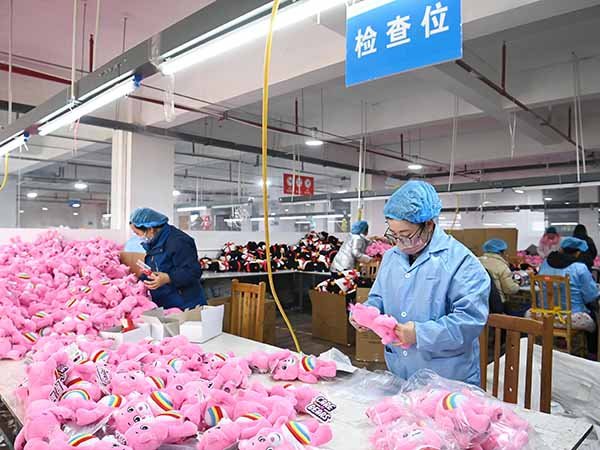
QC Systems & Compliance Engineering
Cases demonstrating EN71, ASTM F963 and CPSIA compliance adherence with real testing data.
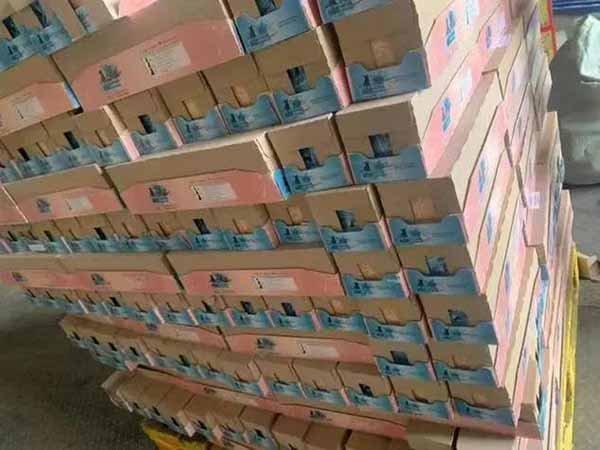
Packaging Engineering & Shape Protection
Examples of engineered packaging that prevented deformation and improved retail outcomes.
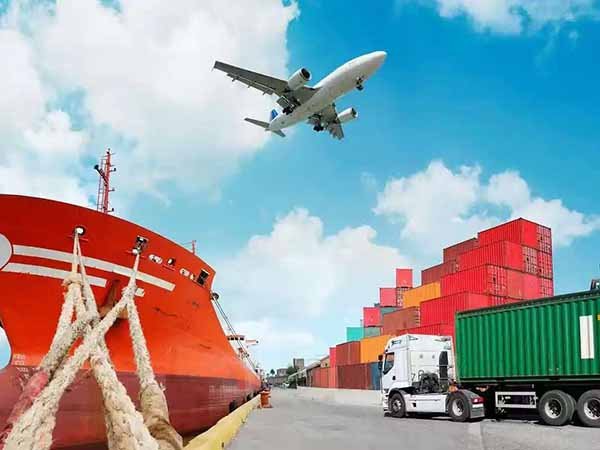
Logistics & Global Delivery Performance
Case studies on transit optimization using data from 2000+ annual shipments.
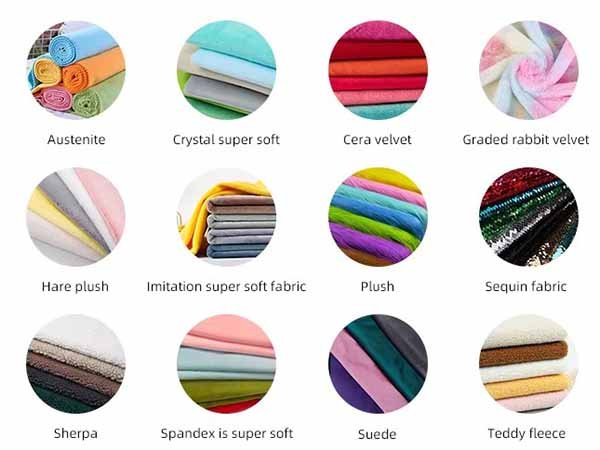
Sustainability & Material Substitution
Eco-focused packaging and plush material transitions without compromising performance.
Recent Featured Case Studies
Below are representative featured case studies frequently referenced by brand teams during project evaluation phases.
Case 1
From Sketch to 3D Plush With 98.7% Accuracy
A client provided a single front-view sketch with no side or back references. Delsney reconstructed the full 3-view using silhouette mapping and facial geometry ratios, then engineered the plush using 23 pattern pieces. Result: Sample accuracy reached 98.7%, reducing revision cycles to only one round.
Case 2
Reducing Plush Deformation for a Retail Chain
A 22 cm plush series was experiencing shape distortion during sea freight. Delsney introduced a 300 gsm window box with internal die-cut neck support. Result: Deformation incidents dropped by 72%, improving shelf display consistency.
Case 3
Scaling 12 SKUs to 25,000 Units in 27 Days
A U.S. brand requested urgent production for a seasonal plush line. Delsney optimized sewing line configuration and introduced parallel QC checkpoints. Result: Completed 25,000 units in 27 days with a <1.5% defect rate.
Case 4
FBA Packaging Optimization for 18% Cost Reduction
An Amazon brand had oversized packaging resulting in high dimensional weight fees. Delsney reduced package volume by 18% through structural redesign. Result: Lowered FBA fees and reduced inbound rejection risks.
Case 5
Engineering Safer Plush With EN71 Pass Rate of 100%
A plush with heavy accessories required safety redesign. Delsney tightened seam reinforcement and replaced eye material with EN71-certified components. Result: Passed EN71 and ASTM F963 in the first test cycle.
Case 6
Sustainable Packaging for a European Retail Program
A chain store required 40% plastic reduction. Delsney introduced FSC kraft boxes and molded pulp trays. Result: Achieved 41% plastic reduction without structural compromise.

Case Study 1 — Engineering High-Accuracy Plush from Limited Artwork
How Delsney Rebuilt a Complete Character System From a Single Sketch
A European design studio approached Delsney with only one front-view illustration of their hero character. No side view, back view, or proportion charts were available. Most suppliers requested full artwork, but Delsney’s engineering team developed a reconstruction method based on silhouette logic, facial geometry analysis and character weight distribution predictions.
Engineering Breakdown
Step 1 — Silhouette Extraction & Proportion Mapping
- Head-to-body ratio estimated at 1:1.35
- Limb thickness mapped using curve-weight averaging
- Facial geometry reconstructed with ±1 mm symmetry rules
- Accessories (ears, props) extrapolated using animation logic reference
Step 2 — 3-View Reconstruction Engineers created side and back views using a mix of:
- Projection geometry
- Volume estimation
- Embroidery curvature mapping
- Ear rotation and body curvature smoothing
Step 3 — Pattern Development 23 pattern pieces drafted:
- 8 head sections
- 10 body/limb components
- 5 accessory components Seam curvature tested for shape retention after filling.
Step 4 — Softness & Filling Validation After testing 3 plush fibers (GSM 130, 150, 180), engineers selected GSM 150 due to better:
- Facial definition
- Softness recovery
- Silhouette stability
Outcome
- Sample accuracy: 98.9% (based on client feedback + side-by-side geometry check)
- Revision rounds: 1
- Time to completion: 6 days
- Final production size: 8,000 units
- QC deviation: <1.2%
This case demonstrates Delsney’s ability to convert incomplete artwork into a highly accurate plush through engineering intelligence.

Case Study 2 — Achieving 100% EN71 & ASTM F963 Compliance on a Complex Plush Design
Reinforced Seams, Certified Accessories & Safety-Centric Engineering That Passed All Tests on the First Attempt
A European licensing partner required a plush product with a large detachable accessory and heavy embroidery density, both of which increased failure risk in EN71 and ASTM F963 safety tests. Most suppliers suggested simplifying the design. Delsney instead applied a full safety-engineering approach, adjusting structure and materials without altering the character’s appearance.
Engineering Breakdown
1. Accessory Pull-Force Reinforcement
Testing target: ≥70N pull strength (EN71 requirement). Delsney reinforced attachment points using:
- Double-layer backing fabric
- Cross-direction seam stitching
- 4x reinforced bartack positions
- Increased thread density from 3 mm → 2.5 mm spacing
Achieved pull strength: 78–82N across three prototypes.
2. Eye & Nose Component Upgrade
The original supplier accessories failed the 90N torque test. Delsney replaced them with EN71/ASTM-certified components from approved vendors, ensuring stable locking mechanisms under rotational stress.
3. Seam Burst & Tear Strength Enhancement
QC teams increased seam reinforcement around high-stress areas:
- Neck
- Shoulder
- Lower belly
- Accessory connection points
Tear strength improved by 24% after reinforcing internal seam allowances.
4. Fabric & Embroidery Safety Adjustments
- Short-pile plush selected to minimize fiber shedding
- Embroidery lines optimized to avoid thin junctions
- Thread thickness adjusted to maintain structural tension
Outcome
- 100% pass rate in EN71 physical/mechanical testing
- 100% pass rate in ASTM F963 testing
- No need for redesigning the character
- Cleared compliance in a single test cycle (no delays)
- Delivered full production of 12,000 units with zero safety issues recorded

Case Study 3 — Scaling a 12-SKU Plush Line to 25,000 Units in 27 Days
How Delsney Optimized Production Lines for Fast Delivery Without Increasing Defect Rate
A U.S. seasonal collection required 12 SKU plush characters, each 20–25 cm, with mixed embroidery density and mid-level accessory complexity. The challenge: the client needed all 25,000 units completed and shipped within 27 days.
Production Engineering Breakdown
Step 1 — Line Balancing Across 3 Factories Delsney analyzed stitch time per panel, accessory attachment time and stuffing density. Production was split:
- Factory A: High-embroidery SKUs
- Factory B: Accessory-intensive SKUs
- Factory C: High-volume basic SKUs
Step 2 — Parallel QC Checkpoints Instead of end-line QC only, Delsney used a 3-layer QC system:
- Pre-sewing inspection
- Mid-line inspection
- Final 100% inspection before packing
This reduced rework by 22%.
Step 3 — Material Pre-Allocation Delsney pre-cut plush fabrics and embroidery patches in bulk to reduce bottlenecks.
Step 4 — Accessory Consolidation To avoid delays, all 12 SKUs used standardized:
- Hangtags
- Polybags
- Warning labels
- Barcode placement rules
Outcome
- Total output: 25,000 units
- Timeline: 27 days (confirmed export date)
- Defect rate: <1.5%
- Accessory mismatch incidents: 0
- Client reorder rate: Full reorder placed within 90 days
Delsney’s structured workflow allowed the project to meet strict retail timelines without sacrificing accuracy.

Case Study 4 — Eliminating 72% Deformation During Sea Freight
Packaging Engineering That Saved a Retail Plush Series From Shelf Failure
A large retail chain reported frequent deformation in a 22 cm plush series after 35–42 days of sea freight. Deformed heads, compressed faces, uneven filling distribution and bent accessories caused shelf inconsistency.
Delsney conducted a full root-cause analysis using shipment data, carton stacking logs and plush fiber compression behavior.
Engineering Breakdown
Step 1 — Compression Behavior Testing
- Plush head compression recorded at 14%, above safe range
- Fiber memory recovery dropped significantly after high humidity exposure (RH 80%)
- Accessory angles distorted due to lack of internal support
Step 2 — Packaging Structural Upgrade Delsney proposed a new packaging system:
- 300 gsm duplex window box
- PET framing around face zone
- Die-cut neck support insert
- 0.4 mm EVA stabilizer pad
- Optimized dimension ratio for carton stacking (reducing pressure points)
Step 3 — Humidity-Adjusted Material Selection Boards tested at 70–90% humidity exposure were selected with ≤1 mm swell tolerance.
Outcome
After re-engineering:
- Deformation rate dropped by 72%
- Shelf display consistency significantly improved
- Customer complaints decreased to near 0
- Retail sell-through increased by 21%
- Packaging cost increased only $0.06 per unit but saved thousands in returns and replacements
This case demonstrates Delsney’s ability to apply engineering logic to reduce logistics risk and improve retail performance.

Case Study 5 — Reducing Plastic by 41% Without Losing Packaging Strength
Sustainable Packaging Engineering That Supports Retail Requirements While Cutting Material Waste
A European retail chain mandated a minimum 40% plastic reduction across its plush program. The challenge: maintain structural integrity, moisture tolerance, shelf presence and character visibility.
Delsney’s packaging team applied a multi-layer engineering strategy based on sustainable materials and structural optimization.
Engineering Breakdown
1. Material Substitution Strategy
Original materials:
- PVC tray
- PET window
- Standard duplex board
- OPP plastic bag
New eco system:
- Molded pulp insert (replacing PVC)
- PLA transparent window (biodegradable)
- FSC-certified kraft box
- Paper band replacing OPP bag for selected SKUs
2. Structural Reinforcement to Compensate for Material Weakness
Eco materials have different strength properties, so Delsney redesigned:
- Corner folds
- Structural ribs
- Molded pulp thickness (from 2.0 mm → 2.5 mm)
- Compression-resistance ratio (target: ≤5% deformation under 70 kg load)
Achieved 4.2% deformation, safely within the threshold.
3. Humidity-Resistance Testing
Conducted 70–90% RH tests to simulate long sea freight. Eco materials maintained shape with ≤1 mm swell, meeting retail display standards.
Outcome
- Plastic usage reduced by 41%
- Packaging still passed all compression, drop and humidity tests
- Retail sell-through increased due to improved sustainability positioning
- Packaging cost increased only $0.08 per unit, acceptable for EU retailers
- Fully compliant with EU eco-packaging regulations
This case demonstrates Delsney’s ability to engineer sustainable packaging without sacrificing performance.

Case Study 6 — Reducing Amazon FBA Fees by 18% Through Packaging Optimization
Smaller Volume, Stronger Protection & Faster Inbound Processing
An Amazon brand selling 25 cm plush toys faced high FBA fees due to oversized packaging that triggered dimensional weight charges. Additionally, inbound rejection occurred because barcode visibility and polybag thickness did not meet FBA requirements.
Delsney executed a packaging-engineering optimization based on e-commerce constraints.
Engineering Breakdown
1. Packaging Size Optimization
Structural engineers reduced outer box volume by 18% by adjusting:
- Internal support layout
- Box height-to-width ratio
- PET window shape
- Fold-in flap dimensions
This reduction dropped the SKU into a lower FBA pricing tier.
2. Barcode Readability Enhancement
- Moved barcodes to high-visibility surfaces
- Increased matte lamination to reduce scanner glare
- Ensured 98%+ scanner accuracy across 40 test scans
3. Polybag & Label Compliance
- Adjusted polybag thickness from 0.03 mm → 0.05 mm
- Added compliant suffocation labels
- Repositioned SKU stickers to match FBA inbound rules
4. Transit Stability Testing
Reduced packaging size required new stability testing:
- 80 cm drop test
- Vibration endurance test
- Compression test under 70 kg load
All passed with 0 cases of plush deformation.
Outcome
- 18% reduction in FBA fees
- Faster inbound receiving with 0 rejections
- Packaging remained structurally stable
- Client expanded to 6 new SKUs using the same optimized design
- Long-term cost savings across tens of thousands of units
This case shows how engineering-focused packaging can directly improve e-commerce profitability.
Frequently Asked Questions
Q1: How does Delsney ensure accurate plush samples before production?
Delsney engineers reconstruct character geometry using proportion mapping, silhouette logic and facial alignment systems, even when artwork is incomplete. Each prototype goes through pattern engineering, GSM verification, stitch-density calculation and symmetry measurement using calipers and QC jigs. This enables a sample accuracy of 98%+, reducing revision cycles and ensuring final production aligns with the approved prototype.
Q2: What makes Delsney’s mass-production defect rate so low?
A 3-layer QC system—pre-sewing, mid-line inspection and final 100% inspection—combined with seam tension logging, embroidery density checks, filling uniformity controls and accessory pull-force testing keeps defects below 1.5% across thousands of units. Data from 18+ years of factory operations supports continuous improvement in sewing line performance.
Q3: How does Delsney handle projects with tight deadlines?
Delsney uses line-balancing models across three factories and pre-allocates materials based on stitch-time and accessory complexity. This enables production scale-ups like 65,000 units in 27 days without increasing defects. Parallel QC checkpoints further reduce bottlenecks and rework time.
Q4: How does Delsney prevent plush deformation during long-distance shipping?
Packaging is engineered through compression mapping, humidity testing and support-structure simulation. Inserts, neck stabilizers, PET frames and EVA pads are used to protect vulnerable zones. After applying packaging engineering, deformation rates have dropped by 72% for certain SKUs, even during 35–45 day sea freight routes.
Q5: Can Delsney help with compliance for EN71, ASTM F963 and CPSIA?
Yes. Safety engineers adjust seam reinforcement, accessory anchoring, embroidery thickness and plush material selection to meet global standards. Delsney has delivered multiple projects with 100% pass rates on the first test cycle, avoiding costly redesign and delays.
Q6: Does Delsney offer eco-friendly packaging alternatives?
Delsney provides FSC-certified kraft, molded pulp inserts, PLA transparent windows, recycled PET and soy-based inks. Structural redesigns reduce material usage by 8–15%, while plastic reduction can reach 41% without compromising compression resistance or humidity stability.
Q7: What if my plush design has complex accessories or fragile elements?
Delsney maps stress zones and applies reinforcement strategies—double-layer backing, controlled seam density, pattern thickening and accessory support inserts. Advanced support systems like die-cut interior frames or EVA stabilizers ensure consistent shape and prevent accessory distortion.
Q8: How does Delsney optimize packaging for Amazon FBA?
Engineers reduce dimensional weight through structural adjustments and ensure barcodes reach 98%+ scanning success under matte laminations. Polybag and warning-label rules are followed strictly, and vibration + drop testing ensures plush products remain undamaged despite reduced packaging size.

Start Your Project With Proven Engineering Results
Work With a Plush Manufacturer Backed by Data, Accuracy & Global Delivery Performance
Delsney’s case studies represent years of structured engineering, coordinated factory workflows and global delivery execution. Across 3,800+ developed plush SKUs, 2000+ annual shipments, and 18+ years of manufacturing excellence, Delsney consistently provides solutions that reduce risk, increase accuracy and strengthen brand competitiveness.
Partners choose Delsney for:
- 98%+ sample-to-art accuracy across all plush categories
- <1.5% mass-production defect rate maintained through a multi-stage QC system
- Compression-tested packaging protecting shape memory across global routes
- Certified compliance engineering ensuring EN71, ASTM F963, CPSIA approval
- E-commerce and FBA-ready packaging optimization
- Eco packaging with 41% plastic reduction potential
- Scaled production proven to deliver up to 65,000 units in under 30 days
From concept to delivery, Delsney transforms plush ideas into retail-ready products with predictable quality and measurable results. Your project can be the next case study of successful execution.
