Skip to content
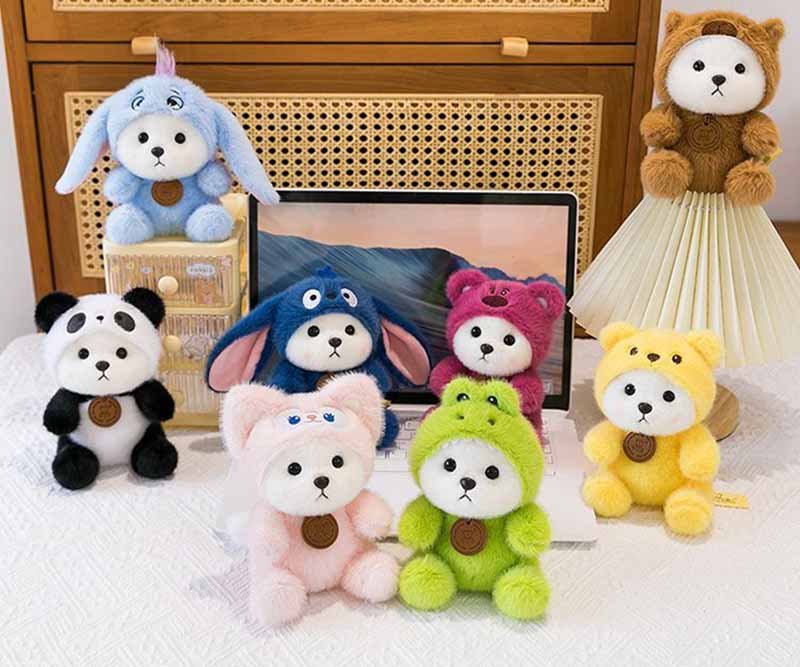
A stuffed animal may look simple at first glance, but anyone who has bought one for a child, a gift shop, a retail shelf, or a new private label collection knows the truth: a successful plush toy is never only about being cute. Customers touch it before they think about it. They notice softness before they read a tag. They judge the face before checking the price. Parents quietly check seams, eyes, washing labels, and safety. Collectors look for character identity, series value, rarity, and emotional connection. Retailers care about shelf appeal, repeat sales, margin, packaging, and whether the product can survive real customer handling.
The top stuffed animal brands worth knowing include Jellycat, Squishmallows, GUND, Steiff, Aurora World, Douglas, Ty, Build-A-Bear, FAO Schwarz, Melissa & Doug, Mary Meyer, Bunnies By The Bay, Lambs & Ivy, Wild Republic, Manhattan Toy, Disney Plush, Pokémon Plush, Sanrio Plush, Vermont Teddy Bear, and Palm Pals. These brands are popular because each one owns a clear position in softness, safety, collectibility, baby gifting, realistic animals, licensed characters, personalization, or premium teddy bear craftsmanship.
For companies planning to create custom plush toys, these brands are more than names on a list. They are useful examples of how product design, fabric selection, filling density, embroidery, accessories, packaging, safety compliance, and collection planning shape customer trust. Delsney helps global clients turn sketches, reference photos, samples, technical files, and early product ideas into finished plush products through OEM/ODM customization, 5–7 day fast sampling, three-view drawing, 3D visual support, flexible MOQ, quality inspection, and export-ready production. A strong plush product starts long before fabric is cut. It starts with understanding why people choose one stuffed animal over another.
What Are the Top Stuffed Animal Brands?

Top stuffed animal brands are the plush brands customers remember, trust, gift, collect, and recommend. They usually have a clear product identity, pleasant hand feel, stable sewing quality, safe construction, strong visual style, and a reason for customers to buy again. Some brands win through softness, some through character worlds, some through baby-safe details, and others through heritage or personalization.
The stuffed animal market has expanded far beyond children’s toy aisles. Plush toys now appear in baby gift boxes, birthday gifts, Valentine’s Day gifts, Christmas collections, theme park shops, museum stores, anime merchandise, game merchandise, pet memorial gifts, corporate mascot campaigns, influencer product lines, and private label e-commerce brands. That means the word “best” can mean different things depending on the customer.
For a parent, the best stuffed animal may be washable, soft, and safe for toddlers. For a teenager, it may be cute, collectible, and photogenic. For a collector, it may be limited, rare, or connected to a character universe. For a gift buyer, it may need premium packaging and emotional value. For a new brand owner, the best plush concept may be one that can be produced consistently, shipped affordably, photographed well, and expanded into a full product series.
That is why a strong stuffed animal brand usually has one clear memory point. Jellycat is often remembered for soft and imaginative plush. Squishmallows are remembered for rounded, squeezable collectible characters. Steiff is connected with premium teddy bear heritage. GUND is known for classic soft toys and gift plush. Douglas is valued for realistic animal plush. Aurora World is known for wide product variety. Disney Plush, Pokémon Plush, and Sanrio Plush are powered by character recognition and fan loyalty.
For custom plush development, these brands show one important lesson: customers do not only buy “a plush toy.” They buy comfort, identity, trust, memory, and emotional connection.
What Makes a Stuffed Animal Brand Popular?
A stuffed animal brand becomes popular when customers can understand its value quickly. A customer may say, “This one is so soft,” “This one feels safe for my baby,” “This one looks like the real animal,” “This one is perfect for a gift,” or “This one is part of a collection.” When a product can be described that clearly, it is easier to remember, recommend, and buy again.
Strong plush brands usually perform well in several areas at the same time. Softness creates the first impression, but it does not carry the whole product alone. A plush toy also needs a friendly face, balanced stuffing, secure seams, safe accessories, accurate colors, stable shape, and packaging that matches the price level. A stuffed animal that looks beautiful online but feels thin, stiff, or poorly sewn in hand may struggle with reviews and repeat sales.
| Popularity Factor | What Customers Notice First | Product Development Meaning |
|---|---|---|
| Softness | Whether the plush feels pleasant to hug | Fabric pile, fabric weight, backing quality, filling density |
| Face Design | Whether the plush feels friendly or expressive | Embroidery layout, eye size, nose position, mouth shape |
| Safety | Whether parents feel confident buying it | Age grading, seam strength, secure parts, safe materials |
| Shape | Whether the plush looks balanced and attractive | Pattern accuracy, stuffing control, body proportion |
| Collectibility | Whether customers want more than one | Series design, names, limited styles, character families |
| Gift Value | Whether it feels worth giving | Packaging, hangtag, story card, ribbon, display effect |
| Durability | Whether it survives real use | Stitching strength, fabric resistance, stuffing recovery |
| Price Fit | Whether quality matches cost | Material choice, size, labor details, package level |
For a new plush brand, popularity should not be treated as luck. It can be planned through clear decisions. Who is the product for? What size should it be? Should the eyes be embroidered or plastic? Should the plush sit, stand, lie flat, clip onto a bag, or work as a pillow? Should the fabric feel premium, baby-soft, fluffy, smooth, eco-conscious, or highly durable? Every answer changes the final product.
Delsney’s custom development process helps clients check these points before bulk production. The team can support fabric comparison, pattern making, embroidery testing, filling adjustment, accessory review, private label packaging, and sample improvement. For brands that care about customer experience, these early decisions are often what separate a forgettable stuffed animal from one customers want to keep.
Which Brands Are Loved by Kids and Parents?
Kids and parents often choose stuffed animals for different reasons. Children react emotionally and physically. They care about softness, face, color, size, and whether the toy feels like a friend. Parents think more practically. They care about safety, washing, seam strength, loose parts, age suitability, material comfort, and whether the plush will last after daily use.
A child may fall in love with a plush because of one detail: big eyes, floppy ears, a round belly, soft fur, a tiny smile, or a size that fits perfectly in their arms. For many children, stuffed animals become part of daily routines. They go to bed with them, carry them in the car, bring them on trips, or use them for pretend play. That means the product must feel good not only on the shelf, but also during repeated hugging, squeezing, dragging, and washing.
Parents usually look at details that children ignore. For baby and toddler plush, embroidered eyes are often preferred because they reduce small-part risks. Shorter pile fabric may be easier to maintain. Secure seams around ears, arms, tails, and accessories are essential. A plush that sheds easily, smells strongly, feels lumpy, or has loose decorations will quickly lose trust.
Important parent-focused product details include:
- Embroidered eyes for baby and toddler plush
- Soft nose and mouth stitching
- Strong seams around ears, arms, legs, wings, and tails
- No loose buttons, sharp parts, exposed wires, or weak accessories
- Filling that feels smooth instead of lumpy
- Fabric that feels gentle against skin
- Clear care label and age information
- Washable or easy-care structure when possible
- Stable shape after repeated squeezing
- Packaging suitable for gift and family retail channels
Popular children’s plush brands usually balance charm and reliability. A cute design attracts the child, while solid construction reassures the parent. That balance is especially important for baby plush, comfort toys, plush dolls, soft animals, and plush products sold in family-focused markets.
For Delsney, children’s plush development often starts with risk review. A beautiful design may still need production adjustments. A decorative bow may need stronger stitching. A plastic eye may need to become embroidery for a younger age group. A long-pile fabric may need to be replaced if facial embroidery becomes unclear. These changes do not weaken the design. They make the product safer, more practical, and more suitable for real customers.
Are Plush Toy Brands Different by Market?
Yes, plush toy brands differ greatly by market. A stuffed animal that works well in a baby boutique may not work in an anime store. A realistic animal plush may sell well in a zoo gift shop, but may feel too serious for a kawaii lifestyle brand. A luxury teddy bear may be perfect for collectors, but too expensive for a fast-moving online gift shop. A mini plush may be ideal for impulse purchases, but not enough for a premium birthday gift.
Different markets expect different product details.
| Market Type | Customer Expectation | Suitable Plush Direction |
|---|---|---|
| Baby Gift Market | Safety, softness, calm color, gentle touch | Embroidered features, pastel fabric, gift box |
| Children’s Toy Market | Fun, durability, animal variety, clear play value | Medium-size animals, bright expressions, strong seams |
| Gift Shop Market | Emotional value, easy gifting, attractive display | Teddy bears, bunnies, holiday plush, premium hangtags |
| Collector Market | Series, rarity, character identity | Limited editions, named characters, special labels |
| Theme Park Market | Souvenir value, character accuracy | Mascot plush, IP plush, durable stitching |
| Museum/Zoo Market | Realistic animal details, educational value | Wildlife plush, species tags, natural colors |
| E-commerce Market | Photo appeal, review quality, shipping cost | Lightweight plush, clear size, strong packaging |
| Corporate Gift Market | Logo, mascot, event memory | Custom mascot plush, private label, bulk production |
| Anime/Game Market | Character accuracy, fan loyalty | IP plush, embroidery precision, color matching |
| Holiday Market | Seasonal emotion, gift timing | Christmas, Valentine’s Day, Easter, Halloween plush |
Regional differences also matter. U.S. customers often respond well to licensed characters, holiday plush, personalized teddy bears, oversized plush, and social-media-driven products. European customers often care strongly about safety, material quality, classic style, and longer product life. Japanese and Korean markets are highly receptive to kawaii characters, mini plush, bag charms, soft colors, collectible drops, and emotional storytelling. Online global sellers often need products that are lightweight, photogenic, well packaged, and easy to explain on product pages.
For private label plush projects, market positioning should be decided before the first sample. If a client wants a baby plush, the fabric, eyes, accessories, color, filling, and package should all support baby-safe gifting. If the goal is an anime plush, face accuracy, hair shape, outfit details, and color matching become more important. If the goal is a promotional mascot, logo placement, cost control, MOQ, and delivery schedule may matter most.
Delsney helps clients develop plush products according to final market use. That means the team does not only ask, “What plush do you want?” A better question is, “Where will it be sold, who will hold it, what price should it reach, and what feeling should it create?”
Do Famous Brands Mean Better Quality?
Famous brands often have stronger product systems, but fame alone does not guarantee every stuffed animal is right for every customer. One brand may be excellent for baby gifts, another for collectors, another for realistic animals, and another for licensed character fans. Quality should be judged by product details, not by name only.
A customer can often feel quality within seconds. Good plush fabric feels smooth, even, and pleasant. The stuffing should be balanced, not flat in one area and hard in another. The face should be symmetrical and expressive. Seams should be clean, especially around stress points such as ears, arms, legs, tails, and accessories. The product should not shed heavily, smell unpleasant, or lose its shape after light compression.
| Quality Area | Strong Performance | Weak Performance |
|---|---|---|
| Fabric Surface | Soft, even, clean, low shedding | Rough, thin, uneven, loose fibers |
| Filling | Balanced, resilient, smooth hand feel | Lumpy, flat, stiff, uneven |
| Face Details | Symmetrical, expressive, well positioned | Crooked eyes, uneven mouth, dull expression |
| Sewing | Tight seams, neat edges, secure joints | Loose threads, open seams, twisted limbs |
| Shape Control | Matches sample and product photo | Collapsed head, distorted body, wrong proportion |
| Accessories | Secure and suitable for age group | Loose bows, weak buttons, unsafe parts |
| Labeling | Clear, neat, properly attached | Poor print, rough label edge, wrong position |
| Packaging | Protects shape and supports value | Crushed product, cheap look, poor display |
For a new plush brand, quality consistency is even more important than one perfect sample. The approved sample is only the beginning. Bulk production must match the sample in shape, fabric, stuffing, expression, size, stitching, label, and packaging. If customers receive products that look different from the product photos, trust drops quickly.
Delsney focuses on reducing this risk through sample confirmation and production control. Clients can review fabric options, embroidery effects, filling level, size proportion, logo details, package design, and safety concerns before production. During bulk manufacturing, quality inspection helps make sure finished plush products match the approved direction. For private label customers, stable quality protects not only the product, but also the reputation of their own brand.
What Can New Plush Brands Learn?
New plush brands can learn that successful stuffed animals are usually built as product systems, not random single items. A single cute plush may sell once. A clear collection can create repeat purchases, seasonal updates, customer loyalty, and stronger retail identity.
A new stuffed animal line can begin from different product ideas:
- Animal family: forest animals, farm animals, ocean animals, safari animals, pets
- Emotional theme: comfort, friendship, bedtime, encouragement, healing, celebration
- Character world: mascots with names, personalities, colors, and stories
- Gift occasion: baby shower, birthday, graduation, Valentine’s Day, Christmas, wedding
- Style direction: kawaii, realistic, vintage, soft pastel, luxury, cartoon, minimalist
- Product structure: mini plush, pillow plush, weighted plush, keychain plush, hand puppet plush
- Retail channel: Amazon, Shopify store, gift shop, museum store, theme park, brand event
A strong first collection does not need too many products. In many cases, 3 to 6 well-developed plush characters are more powerful than 20 weak designs. Each product should share a common design language. Customers should feel that the products belong together. That connection may come from color palette, fabric texture, face style, size, tag design, package format, or story theme.
For custom plush clients, Delsney usually supports early planning around:
- Target customer age group
- Product use scenario
- Plush size and weight
- Fabric type and hand feel
- Filling type and softness level
- Eye, nose, mouth, and embroidery method
- Safety requirements for export markets
- Private label, logo, hangtag, and package
- Sample timeline and bulk production plan
- Flexible MOQ and repeat order potential
The biggest lesson from famous brands is not to make a plush toy that looks like everyone else’s. The goal is to create a plush product customers can recognize, trust, and remember.
Which 20 Stuffed Animal Brands Should You Know?
Choosing a stuffed animal brand is not only about picking the cutest toy on the shelf. Customers usually compare softness, safety, price, washability, size, character style, gifting value, and whether the product feels worth keeping. A plush toy bought for a newborn has different requirements from a collectible plush bought by a teenager, a realistic animal plush sold in a museum shop, or a custom mascot plush used for brand promotion.
The 20 brands below are useful references because each one represents a different product direction in the stuffed animal market. Some focus on premium softness. Some focus on collectible characters. Some are strong in baby gifts, realistic animals, educational play, licensed characters, personalized teddy bears, or mini plush. For companies developing private label plush toys, these brands can help clarify what kind of product position, material level, price range, packaging style, and customer experience they want to create.
| No. | Brand | Main Strength | Common Size Range | Common Retail Feel | Best Customer Use | Product Lesson |
|---|---|---|---|---|---|---|
| 1 | Jellycat | Soft, creative, giftable plush | 6–20 in | Mid to premium | Gifts, lifestyle stores, collectors | Original design and soft fabric create strong memory |
| 2 | Squishmallows | Rounded collectible plush | 5–24 in | Affordable to mid | Kids, teens, collectors | Simple shapes can support many characters |
| 3 | GUND | Classic soft animals and teddy bears | 8–18 in | Mid | Family gifts, baby gifts, children | Consistent softness builds trust |
| 4 | Steiff | Luxury teddy bears and collectibles | 4–28 in | Premium to luxury | Collectors, high-end gifts | Craftsmanship supports higher price |
| 5 | Aurora World | Wide plush product range | 5–16 in | Affordable to mid | Gift shops, toy stores, online retail | Product variety improves shelf coverage |
| 6 | Douglas | Realistic animal plush | 6–20 in | Mid | Kids, pet lovers, museum shops | Animal accuracy creates niche value |
| 7 | Ty | Small collectible plush | 4–10 in | Affordable | Kids, collectors, impulse gifts | Tags, names, and series increase repeat purchases |
| 8 | Build-A-Bear | Personalized plush experience | 12–18 in | Mid to premium | Children, families, event gifts | Custom participation increases emotional value |
| 9 | FAO Schwarz | Premium toy-store heritage | 10–24 in | Mid to premium | Gift shoppers, classic toy lovers | Retail story lifts perceived value |
| 10 | Melissa & Doug | Educational and play-based toys | 8–30 in | Mid | Children, families, learning play | Function can increase parent trust |
| 11 | Mary Meyer | Baby-safe soft gifts | 6–14 in | Mid | Baby showers, newborn gifts | Gentle design suits nursery markets |
| 12 | Bunnies By The Bay | Comfort plush and keepsakes | 6–16 in | Mid to premium | Baby gifts, keepsake gifts | Storytelling makes plush more personal |
| 13 | Lambs & Ivy | Nursery plush and baby décor | 6–12 in | Mid | Baby rooms, gift sets | Plush can match room themes |
| 14 | Wild Republic | Nature and wildlife plush | 6–20 in | Affordable to mid | Zoos, museums, education | Animal themes add learning value |
| 15 | Manhattan Toy | Baby and developmental plush | 6–14 in | Mid | Babies, toddlers, sensory play | Plush can support early development |
| 16 | Disney Plush | Licensed character plush | 6–24 in | Affordable to premium | Fans, kids, theme parks | Character recognition drives demand |
| 17 | Pokémon Plush | Game and anime character plush | 4–20 in | Affordable to premium | Fans, collectors, kids | Deep character systems support long-term sales |
| 18 | Sanrio Plush | Kawaii character plush | 4–18 in | Mid | Teens, collectors, gifts | Cute identity works across global markets |
| 19 | Vermont Teddy Bear | Personalized teddy bears | 12–20 in | Mid to premium | Occasion gifts, romantic gifts | Personal messages increase gift value |
| 20 | Palm Pals | Mini collectible plush | 5 in | Affordable to mid | Small gifts, impulse buys, collectors | Small size encourages repeat buying |
Jellycat

Jellycat is a strong reference for brands that want to enter the premium soft plush and lifestyle gift market. Customers often choose Jellycat because the products feel soft, calm, creative, and suitable for both children and adults. The brand is especially strong in gift shops, boutique stores, baby gift markets, and collector communities.
The important point is that Jellycat does not rely only on classic bears or rabbits. Its product range includes animals, food characters, plants, fantasy creatures, sea animals, bags, seasonal characters, and playful objects. This gives customers many reasons to buy more than one item. A customer may first buy a bunny for a baby gift, then later buy a dragon, avocado, flower, or holiday plush for another occasion.
For custom plush brands, Jellycat offers several useful lessons:
- Softness must be noticeable within the first touch.
- Simple faces can still create strong emotion.
- Unusual product ideas can work when the design feels warm and friendly.
- A consistent fabric feeling helps customers trust the brand.
- Product names, tags, and collection style make plush easier to remember.
- Gift-ready design can support higher retail pricing.
For companies developing similar premium soft plush, fabric choice and filling control are extremely important. A product may look close in photos, but if the fabric feels thin or the filling is too stiff, customers will immediately notice the difference. Delsney can help clients compare plush fabrics, adjust stuffing levels, refine face embroidery, and develop soft gift plush that feels suitable for boutique retail, private label collections, and premium gifting.
Squishmallows
Squishmallows is a useful reference for collectible plush, especially for younger customers, teens, and social-media-driven markets. The products are usually round, soft, simple, and easy to recognize. Their strength is not complex structure. Their strength is comfort, character variety, and collectibility.
Many Squishmallows-style products work because they use a simple base body that can become many different characters. A round shape can become a cat, cow, frog, dragon, mushroom, fruit, ghost, holiday character, or fantasy creature by changing color, embroidery, ears, horns, wings, tail, or belly detail. This helps the brand build a large product family without making every item completely different in structure.
For private label plush brands, this model is useful because it can reduce development complexity while increasing SKU variety. A brand can start with 4–8 characters using a shared shape system, then add seasonal editions, color variations, mini sizes, larger sizes, or limited releases.
Key product points to study include:
- Rounded body shape improves hug comfort.
- Simple embroidery helps control production cost.
- Character names create stronger attachment.
- Multiple sizes encourage different purchase levels.
- Soft filling must recover after squeezing.
- Collection logic encourages repeat purchase.
- Product photos should clearly show size and softness.
For custom rounded plush, Delsney can help test body shape, filling density, fabric stretch, embroidery placement, and bulk consistency. These details matter because rounded plush can look distorted if stuffing is uneven or fabric is too weak.
GUND

GUND is a strong reference for classic soft toys, family gifting, teddy bears, and baby plush. The brand’s value is built on familiarity and trust. Customers often choose GUND when they want a plush that feels safe, warm, traditional, and easy to gift.
The biggest lesson from GUND is that classic plush still has long-term market demand. Bears, bunnies, puppies, elephants, lambs, cats, and other familiar animals continue to sell because they suit many occasions. They work for baby showers, birthdays, Christmas gifts, hospital gifts, family gifts, and general toy retail.
For custom plush brands, classic designs need more detail than many people expect. A teddy bear may look simple, but the final quality depends on face shape, sitting posture, ear placement, fabric density, nose embroidery, stuffing balance, seam quality, and packaging. If the face is slightly off, the plush may lose warmth. If the body is underfilled, it may look cheap. If the fabric sheds, parents may not trust it.
Useful details for classic plush development include:
- Medium sizes around 10–16 inches often work well for gifting.
- Neutral or soft colors help products suit wider age groups.
- Embroidered details can increase baby-market suitability.
- Ribbons, scarves, or simple accessories can improve gift value.
- Good sitting balance helps retail display.
- A clean hangtag can make a basic plush feel more complete.
Delsney can support classic plush projects through pattern making, fabric selection, embroidery development, logo labels, custom hangtags, gift packaging, and bulk production quality control.
Steiff
Steiff is one of the strongest references for premium teddy bears and collectible stuffed animals. Customers do not buy Steiff only because the product is soft. They buy it because it represents craftsmanship, history, premium value, and long-term collectibility.
This brand shows that a stuffed animal can become a luxury gift or collector product when every detail supports the price. A high-end teddy bear must feel different from an ordinary plush. Customers expect better fabric, cleaner sewing, stronger shape, refined expression, quality labels, careful packaging, and a stronger emotional story.
For new plush brands, Steiff is useful for understanding premium positioning. A product cannot simply be priced high. It must prove value through visible and touchable details.
Premium plush development should consider:
- Higher-density fabric or special texture
- More refined pattern structure
- Carefully shaped face and body
- Stronger hand-sewn or embroidery details
- Limited-edition labels or certificates
- Better packaging, such as gift boxes or keepsake boxes
- Smaller production runs for exclusivity
- Strong inspection standards before shipment
For custom premium plush projects, Delsney can support detailed sampling, material comparison, three-view drawing, 3D visual effect, face refinement, packaging development, and production inspection. Premium plush requires patience because small details can affect perceived value greatly.
Aurora World

Aurora World is known for broad product variety. It is a useful reference for brands that want to build a large plush catalog covering many animals, sizes, price points, and gift occasions. Its strength is not limited to one hero product. It comes from having many styles available for different customers.
Aurora-style product planning is useful for retail channels such as toy stores, gift shops, online stores, bookstore gift sections, seasonal displays, and general merchandise stores. Customers can often find classic animals, mini plush, fantasy animals, seasonal plush, licensed-style characters, and gift products across different size groups.
For custom plush companies, Aurora World offers a practical lesson: a collection can grow through organized variety. A wildlife collection may include lions, tigers, pandas, foxes, penguins, dolphins, owls, turtles, and elephants. A mini plush collection may encourage customers to buy multiple items. A seasonal line can refresh sales during Valentine’s Day, Easter, Halloween, and Christmas.
Useful product planning points include:
| Collection Type | Suggested SKU Count | Common Size | Best Channel |
|---|---|---|---|
| Mini animal plush | 8–20 styles | 4–6 in | Gift shops, online bundles |
| Standard animal plush | 6–12 styles | 8–12 in | Toy stores, family retail |
| Wildlife plush | 8–16 styles | 10–16 in | Zoo shops, museums |
| Seasonal plush | 4–10 styles | 6–14 in | Holiday retail |
| Fantasy plush | 4–8 styles | 8–16 in | Online stores, gift shops |
Delsney can help clients build plush collections with shared size systems, fabric standards, tag design, packaging direction, and cost control. This is especially useful for private label brands that want to launch more than one product without making the collection feel random.
Douglas
Douglas is a strong reference for realistic animal plush. Many customers choose this type of product when they want a stuffed animal that feels close to a real pet or wildlife species. This direction works well for children, animal lovers, museum stores, zoo shops, pet-themed gifts, and educational retail.
Realistic plush requires a different development approach from cartoon plush. The product must capture species identity. A dog should look like a recognizable breed. A horse should have the right body proportion. A fox should have the right face shape, tail fullness, and color balance. A cat plush should not look like a generic round toy if the customer expects a lifelike pet.
Important realistic plush details include:
- Body proportion
- Head shape
- Ear angle
- Tail shape
- Leg length
- Eye placement
- Nose size
- Fabric pile direction
- Color blocking
- Natural posture
- Species-specific markings
This type of plush is usually more demanding in pattern making because small proportion mistakes are easy to notice. The factory may need several fabric types on one product. For example, a lion may need long plush for the mane and shorter plush for the body. A husky may need accurate grey-and-white color blocking. A tiger may need stripe placement control.
Delsney can support realistic plush projects using reference photos, animal drawings, physical samples, or pet images. The team can help with pattern structure, fabric matching, embroidery, color panels, and sample adjustment so the final plush keeps the animal’s recognizable features.
Ty
Ty is known for collectible plush, especially small plush characters with names and tags. The brand shows how small stuffed animals can become repeat-purchase products when they have identity and collection logic. Customers may buy one plush because it is cute, then buy more because each character feels part of a larger family.
Ty-style products are useful for impulse purchases, party gifts, checkout displays, small online products, holiday collections, keychain plush, and collectible animal series. Smaller plush products can also be easier to ship and store, which makes them attractive for e-commerce and promotional channels.
A strong mini collectible plush should include:
- Clear character name
- Small story or personality
- Consistent tag design
- Compact body shape
- Strong facial expression
- Bright or memorable color
- Easy-to-display size
- Affordable price point
- Series expansion plan
- Seasonal or limited editions
For custom plush brands, this model can work well when the product line is planned from the start. A set of 12 mini animals, 8 food characters, 6 mascot friends, or 10 zodiac plush can create stronger repeat value than a single unrelated plush.
Delsney can help develop mini plush collections, keychain plush, bag charms, and small collectible plush with custom tags, labels, embroidery, packaging, and bulk production consistency.
Build-A-Bear
Build-A-Bear is different from most stuffed animal brands because it sells a personal experience, not only a finished plush. Customers can choose the animal, add clothing, select accessories, include sounds, and create a product that feels personal. This makes the plush more memorable.
The useful lesson is that customization increases emotional value. A teddy bear with a name, outfit, message, company logo, school uniform, holiday sweater, or event accessory can feel more meaningful than a standard bear. This is especially useful for event gifts, corporate mascots, school merchandise, sports team gifts, wedding gifts, and special occasion plush.
Customizable plush options may include:
- Printed T-shirt
- Embroidered logo
- Custom scarf
- Small hat
- Graduation cap
- Sports jersey
- Wedding outfit
- Holiday costume
- Sound module
- Scent option
- Name tag
- Gift message card
- Custom box
For brands developing personalized plush, accessory safety and sewing strength matter. Small clothing pieces must fit correctly. Logos must be positioned clearly. Outfits should not distort the plush shape. If the product is for children, loose parts must be reviewed carefully.
Delsney can support custom plush clothing, mascot accessories, logo embroidery, printed fabric pieces, custom labels, and packaging. For event or corporate plush, these details help make the product feel connected to the brand or occasion.
FAO Schwarz
FAO Schwarz is a useful reference for premium toy-store presentation and classic gift value. The brand’s stuffed animals often feel connected with nostalgia, toy-store experience, and special gifting. Its value comes not only from the plush itself, but also from the story around the shopping experience.
This is important for private label brands because customers often judge plush value before touching the product. Product photos, packaging, tags, display boxes, and brand story can all increase perceived value. A plush bear in a plain bag may feel ordinary. The same bear with a refined hangtag, ribbon, window box, and strong product photography may feel suitable for holiday gifting or premium retail.
FAO Schwarz-style product lessons include:
- Classic toy design can still feel premium.
- Packaging helps justify a higher gift price.
- Retail display matters for customer confidence.
- Nostalgia can increase emotional value.
- Large plush can create strong visual impact.
- Gift-ready presentation makes purchase decisions easier.
For custom plush brands, this direction works well for teddy bears, holiday plush, large animals, boutique gift plush, and premium family gifts. Delsney can support upgraded fabrics, display packaging, gift boxes, ribbons, woven labels, hangtags, and export cartons that protect the plush during shipping.
Melissa & Doug

Melissa & Doug is a useful reference for children’s toys that combine play value, learning value, and parent trust. Its plush products are often connected with pretend play, animal recognition, role-playing, and educational interaction.
This direction is different from pure collectible plush. Parents may choose these products because they support development, storytelling, classroom use, or family play. A plush animal can help children learn animal names. A puppet can support storytelling. A soft doll can support emotional learning. A plush food set can support role-play.
Educational plush may include:
- Realistic animal features
- Hand puppet structure
- Story cards
- Animal fact tags
- Role-play accessories
- Sensory fabrics
- Soft dolls
- Emotion faces
- Matching play sets
- Classroom mascot use
For custom plush brands, adding educational value can help products stand out. A farm animal set may include names and sounds. A wildlife plush may include habitat facts. A soft doll collection may include different emotions or occupations. A classroom mascot may include teacher activity cards.
Delsney can support plush products that combine softness with learning function, including hand puppets, plush dolls, fabric books, sensory plush, animal sets, and custom educational packaging.
Mary Meyer
Mary Meyer is a strong reference for baby gifts and soft nursery plush. Its products usually feel gentle, calm, and suitable for newborn or toddler environments. The brand direction is useful for companies planning baby comfort toys, baby shower gifts, soft animal plush, and nursery gift sets.
Baby gift customers usually want products that feel clean, soft, safe, and emotionally warm. They may prefer muted colors, gentle faces, lightweight bodies, and simple accessories. A baby plush should not look too loud, hard, or overly complicated.
Baby plush development should focus on:
- Gentle color palettes
- Soft short-pile or minky fabric
- Embroidered eyes and nose
- Lightweight filling
- Smooth seams
- Simple body shape
- Soft labels
- Gift-ready packaging
- Matching blanket or comforter options
- Easy-care structure
For custom baby plush, Delsney can help clients develop bunnies, bears, lambs, elephants, comforters, rattles, soft dolls, and nursery plush sets. Fabric, safety structure, and packaging should be confirmed early because baby products require more careful development than ordinary gift plush.
Bunnies By The Bay
Bunnies By The Bay is a useful reference for baby comfort plush and keepsake gifts. Its products often feel soft, emotional, and story-driven. The brand shows how a plush toy can become part of a warm gift experience rather than a simple toy purchase.
This direction works well for newborn gifts, first birthday gifts, baptism gifts, baby shower gifts, keepsake boxes, and nursery products. Customers who buy this type of plush often care about emotional meaning. They want the product to feel sweet, gentle, and memorable.
Product details that support comfort plush include:
- Soft animal characters
- Warm naming system
- Story cards
- Pastel colors
- Simple expressions
- Matching blankets
- Keepsake packaging
- Embroidered details
- Soft body structure
- Gift message options
For private label brands, storytelling can be a strong differentiator. A bunny can become more valuable when it has a name, a bedtime story, a matching blanket, and a gift box. A comfort plush does not need many accessories. It needs softness, safety, emotional clarity, and good presentation.
Delsney can support this type of product through custom character design, fabric selection, soft body shaping, embroidered faces, private label tags, gift boxes, and baby gift set development.
Lambs & Ivy
Lambs & Ivy is strongly connected with nursery products, baby room décor, bedding themes, and matching plush items. This makes it a useful reference for brands that want plush products to fit into a broader baby lifestyle collection.
Nursery plush is often chosen not only as a toy, but also as part of a room theme. A baby elephant, lamb, bear, fox, giraffe, or bunny may be matched with blankets, bedding, wall décor, pillows, or storage items. The plush must feel safe and soft, but also visually clean enough for a nursery.
Nursery plush usually works best with:
- Soft neutral or pastel colors
- Gentle animal themes
- Simple face embroidery
- Clean stitching
- Medium-small size
- Matching textile products
- Gift set compatibility
- Calm packaging design
- Gender-neutral options
- Easy-care fabric
For custom brands, this direction is especially useful if they plan to sell baby gift sets or nursery collections. A plush can be developed together with a blanket, comforter, pillow, or fabric book. Delsney can help coordinate fabric colors, label design, packaging, and product family planning so the full collection feels unified.
Wild Republic

Wild Republic is a strong reference for wildlife and nature-themed plush. Its products often appear in zoo shops, museum stores, aquariums, educational retail, tourist shops, and animal-themed gift channels. The brand direction is useful for companies that want plush toys with learning value.
Nature-themed plush works well because children and families often connect animals with discovery. A whale plush can remind customers of an aquarium visit. A tiger plush can connect with a zoo trip. A turtle plush can support ocean conservation messaging. A sloth, frog, panda, owl, or penguin can carry educational appeal when paired with the right tag or story.
Wildlife plush development should consider:
- Species accuracy
- Natural colors
- Correct body shape
- Clear animal features
- Durable construction for child handling
- Educational hangtags
- Museum or zoo branding
- Multiple animal families
- Size options for gift shops
- Packaging suitable for tourist retail
Delsney can support wildlife plush, zoo plush, museum plush, and animal education plush through reference photo development, fabric matching, color blocking, embroidery, stuffing control, custom tags, and packaging.
Manhattan Toy
Manhattan Toy is a strong reference for baby and developmental plush. Its products often combine softness with sensory play, early learning, or interactive function. This is useful for brands that want plush toys to support more than hugging.
Developmental plush may include different textures, soft rattles, crinkle fabric, fabric tabs, safe mirrors, soft rings, teether parts, or simple interactive features. These details can help babies and toddlers explore touch, sound, color, and movement.
Common developmental plush features include:
- Multiple fabric textures
- Crinkle sound panels
- Soft rattles
- Teether attachments
- High-contrast colors
- Safe mirror patches
- Pull tabs
- Soft rings
- Embroidered faces
- Lightweight body
For custom plush brands, extra function must be planned carefully. A sensory toy should not feel cluttered. A teether must be suitable for the intended use. A rattle must be securely placed. A mirror must be safely integrated. The plush should still feel comfortable and easy for small hands to hold.
Delsney can help develop sensory plush, baby activity toys, soft dolls, fabric books, plush rattles, and early learning plush with suitable materials, stitching, attachments, and packaging.
Disney Plush
Disney Plush is one of the strongest examples of licensed character power. Customers buy Disney plush because they already know the characters, stories, colors, and emotions behind them. The toy is connected with films, theme parks, childhood memories, and family experiences.
The key lesson is character accuracy. Fans notice small differences. A character’s face, body shape, color, clothing, expression, and posture must feel correct. If the plush does not match the original character, customers may reject it even if the sewing quality is good.
Important IP plush details include:
- Accurate color matching
- Correct face proportion
- Embroidery precision
- Outfit detail
- Body shape control
- Approved fabric texture
- Stable production consistency
- Clear label and packaging
- Strong quality inspection
- Proper licensing awareness
For custom brands developing mascot plush, anime plush, game plush, or character plush, accuracy should be the main development goal. Delsney can work from artwork, technical files, reference samples, mascot images, and brand color guides to develop plush samples that match the intended character identity.
Pokémon Plush
Pokémon Plush shows the power of a large character universe. Customers do not only buy one plush. They may collect favorite characters, evolution groups, seasonal versions, limited editions, mini sizes, sitting poses, sleeping poses, or special collaborations.
The lesson for private label brands is that character planning can create long-term sales. A new brand does not need hundreds of characters at the beginning, but it should think about future expansion. One mascot can become a full family. One fantasy creature can have different moods, sizes, colors, or outfits. One game character can become a mini plush, pillow plush, keychain plush, and premium plush.
Character-series planning may include:
- Core hero character
- Supporting characters
- Different size levels
- Seasonal outfits
- Mini collectible versions
- Limited colorways
- Matching packaging
- Story cards
- Fan community content
- Repeat release schedule
For anime, game, and fan merchandise plush, Delsney can support character accuracy through embroidery, pattern adjustment, color matching, accessory development, clothing details, sample revisions, and bulk quality control.
Sanrio Plush
Sanrio Plush is a strong reference for kawaii character products. Its success shows how simple shapes, soft colors, cute expressions, and consistent character identity can attract children, teens, adults, collectors, and gift shoppers across many markets.
Kawaii plush often looks simple, but the design control is strict. The face must be clean. The colors must feel soft and pleasant. The body shape should be round and friendly. Accessories should support character identity without making the plush too complicated.
Kawaii plush product points include:
- Rounded shapes
- Soft color palette
- Clean face design
- Small accessories
- Bag charm options
- Seasonal outfits
- Mini size options
- Collectible series
- Gift-ready packaging
- Strong character names
For custom plush brands, Sanrio-style thinking can inspire original mascots, cute animal series, soft lifestyle plush, mini collectibles, and gift plush. The goal should be originality, not imitation. Delsney can help clients turn original cute characters, pet drawings, mascot concepts, and sketches into plush samples with clear expression and consistent style.
Vermont Teddy Bear

Vermont Teddy Bear is known for personalized teddy bears and occasion-based gifting. Its products show how a classic bear can become more valuable when it is connected with a message, event, outfit, or personal meaning.
Personalized plush is useful because customers often buy stuffed animals to express something. They may want to say happy birthday, I love you, congratulations, get well soon, thank you, welcome baby, or remember this event. A standard plush becomes more meaningful when it carries that message clearly.
Personalization options include:
- Embroidered name
- Custom shirt
- Logo scarf
- Printed message
- Holiday outfit
- Graduation cap
- Wedding outfit
- Sports jersey
- Event label
- Gift card
- Date tag
- Custom box
For corporate gifts, schools, sports teams, weddings, charity events, and online gift stores, personalized plush can be a strong product direction. Delsney can support custom teddy bears, message plush, logo apparel, event packaging, and private label gift products.
Palm Pals
Palm Pals is a strong reference for mini collectible plush. The products are small, soft, cute, and easy to buy repeatedly. Their size makes them suitable for gift shop counters, online bundles, blind-box concepts, bag charms, school stores, travel souvenirs, and impulse purchases.
Mini plush has several practical advantages. It uses less material than large plush, ships more easily, displays well in groups, and allows customers to collect multiple characters. However, small size also creates production challenges. Tiny facial details, small limbs, and compact bodies require precise sewing and stuffing control.
Mini plush development should consider:
- Clear face expression
- Simple body structure
- Strong tag design
- Consistent size
- Soft but not overfilled body
- Easy-to-display shape
- Small accessory safety
- Collection theme
- Affordable retail price
- Bundle packaging
For custom plush brands, Palm Pals-style products can be a good starting point when the goal is repeat purchase and wide SKU variety. Delsney can help develop palm-size plush, mini animals, food plush, mascot friends, keychain plush, and bag charm plush with custom labels, hangtags, and packaging.
Which Brand Is Best for Each Need?
The best stuffed animal brand depends on who the plush is made for, how it will be used, and what kind of emotional value the product needs to create. Baby plush should focus on safety and gentle touch. Children’s plush should balance softness and durability. Gift plush needs strong first-impression value. Collector plush needs character identity, series logic, and repeat purchase appeal.
A stuffed animal should not be judged by fame alone. A luxury teddy bear may be perfect for a collector but too expensive for a children’s event giveaway. A mini collectible plush may sell quickly online but may not feel special enough for a premium baby gift. A realistic animal plush may work beautifully in a museum store but may not match a kawaii-style lifestyle brand.
For custom plush projects, the better question is not “Which famous brand should we copy?” but “Which product direction fits our customer, price range, sales channel, and production plan?” That question helps decide size, fabric, filling, embroidery, accessories, safety level, package, MOQ, and retail positioning.
| Customer Need | Strong Brand References | What Customers Care About | Custom Plush Direction |
|---|---|---|---|
| Baby gifts | Mary Meyer, Lambs & Ivy, Bunnies By The Bay | Safety, softness, calm colors, gift packaging | Baby plush, comfort toys, nursery gift sets |
| Children’s toys | GUND, Douglas, Melissa & Doug, Aurora World | Durability, friendly face, washable structure | Animal plush, soft dolls, educational plush |
| Premium gifts | Jellycat, Steiff, FAO Schwarz | Fabric quality, presentation, emotional value | Boutique plush, luxury teddy bears, boxed plush |
| Collectibles | Squishmallows, Ty, Palm Pals, Pokémon | Series design, names, limited editions | Mini plush series, character families, seasonal drops |
| Realistic animals | Douglas, Wild Republic | Natural shape, accurate colors, species details | Wildlife plush, zoo plush, museum plush |
| Character fans | Disney, Pokémon, Sanrio | Accuracy, color matching, fan loyalty | IP plush, anime plush, game plush |
| Personal gifts | Build-A-Bear, Vermont Teddy Bear | Names, outfits, custom messages | Personalized teddy bears, event plush, logo plush |
| Corporate use | Build-A-Bear, mascot plush references | Logo visibility, bulk quality, delivery time | Mascot plush, company gifts, promotional plush |
Which Brand Is Best for Babies?
For babies, strong stuffed animal brands usually focus on soft fabric, simple structure, gentle colors, and safer details. Mary Meyer, Bunnies By The Bay, Lambs & Ivy, Manhattan Toy, and some GUND baby lines are useful references because their products often feel calm, soft, and gift-ready.
Baby plush is different from ordinary plush. The product is often placed close to a baby’s face, hands, crib, stroller, or nursery space. That means surface comfort, clean finishing, secure stitching, and age-appropriate design matter more than decoration. A baby plush should not rely on loose buttons, hard noses, long cords, weak ribbons, or small detachable parts.
Common baby plush development details include:
- Embroidered eyes and nose instead of hard plastic parts
- Short or medium pile fabric for easier care
- Gentle pastel or neutral color palette
- Lightweight body for easy holding
- Smooth filling without hard lumps
- Strong seams around ears, arms, legs, and tails
- Soft label placement that does not scratch the skin
- Simple package suitable for baby showers and newborn gifts
- Clear care label and age guidance
- Matching blanket, rattle, teether, or comforter options when needed
For custom baby plush, Delsney usually recommends confirming the age group before sampling. A plush for a newborn gift should not be developed the same way as a plush for a 5-year-old child. Fabric choice, face method, accessory design, label placement, and safety review should be planned early. This reduces the risk of redesign after the first sample is made.
Which Brand Is Best for Kids?
For kids, the best stuffed animal brands usually combine charm, softness, play value, and durability. GUND, Douglas, Aurora World, Melissa & Doug, Wild Republic, and Squishmallows are useful references because they cover many child-friendly directions, from classic teddy bears to realistic animals and collectible soft characters.
Children do not treat stuffed animals gently all the time. They hug them, squeeze them, sleep with them, drag them across the floor, carry them in backpacks, take them in cars, and use them in pretend play. A plush that looks cute but has weak seams or uneven stuffing may quickly lose customer trust.
Strong children’s plush should consider:
- Comfortable size for hugging and carrying
- Durable seams around high-stress points
- Balanced stuffing that keeps shape after squeezing
- Friendly face that creates emotional attachment
- Fabric that does not shed heavily
- Safe accessories suitable for the age group
- Washable or easy-care construction where possible
- Color choices that suit the target age
- Good product photos that show true size
- Clear product description for online sales
A plush size between 8 and 16 inches is often practical for children’s retail because it is easy to hold, easy to display, easy to pack, and suitable for gifting. Smaller plush works well for party favors, keychains, collectibles, and travel toys. Larger plush works better for premium gifts, room décor, and holiday promotions.
Delsney helps custom clients test size, softness, stuffing density, face embroidery, sitting posture, accessory strength, and packaging before production. For children’s plush, a beautiful sample is only the first step. The bulk order must stay consistent because families and retailers expect stable quality across every piece.
Which Brand Is Best for Gifts?
For gifts, the best stuffed animal brands create emotional warmth at first sight. Jellycat, GUND, FAO Schwarz, Steiff, Vermont Teddy Bear, and Bunnies By The Bay are strong references because they show different ways to make plush feel gift-worthy. Some rely on premium softness. Some rely on classic teddy bear style. Some rely on personalization. Some rely on baby-safe comfort.
Gift buyers often make decisions quickly. They may need a birthday gift, baby shower gift, Valentine’s Day gift, Christmas gift, graduation gift, wedding keepsake, hospital recovery gift, or corporate thank-you gift. In these situations, the plush must look polished and meaningful without requiring a long explanation.
Gift plush often performs better when it includes:
- Soft and attractive fabric
- Warm facial expression
- Medium size that feels valuable but not difficult to ship
- Custom hangtag or story card
- Ribbon, outfit, scarf, or small accessory
- Gift box, window box, fabric bag, or branded package
- Color theme matching the occasion
- Clear product name
- Option for logo, message, or embroidery
- Safe and clean finishing
Packaging has strong influence on gift value. A teddy bear placed in a loose polybag may feel ordinary. The same bear in a clean gift box with a branded hangtag, ribbon, and message card may feel ready for a birthday, anniversary, or holiday display.
Delsney can support gift plush development with custom packaging, logo labels, hangtags, printed cards, gift boxes, embroidered messages, custom outfits, and seasonal accessories. For brands selling through online stores, gift shops, or event channels, the plush and packaging should be developed together so the final product feels complete.
Which Brand Is Best for Collectors?
Collector-focused stuffed animal brands succeed because customers want more than one item. Squishmallows, Ty, Palm Pals, Pokémon, Sanrio, Jellycat, and Steiff all show different paths to collectibility. Some use limited editions. Some use character names. Some use nostalgia. Some use mini size. Some use fan communities. Some use premium scarcity.
Collectors care about identity and consistency. They want the product to belong to a recognizable family. Size, tag style, naming system, color palette, release rhythm, and character personality all affect whether people want to collect the next style.
Useful collector plush strategies include:
- Character names and simple backstories
- A clear series theme, such as zodiac, pets, food, fantasy creatures, or holidays
- Multiple sizes within one character family
- Limited colors or seasonal editions
- Numbered tags or special labels
- Mini plush for easier repeat purchase
- Display-friendly shape
- Consistent packaging across the collection
- Social-media-friendly design
- Bundle sets or mystery box concepts
For custom collectible plush, the first collection should be focused. A set of 4 to 8 well-designed characters is often stronger than a large group of unrelated items. Each character needs a clear reason to exist. Customers should feel that the collection has a world, not just random cute animals.
Delsney can help clients create mini plush series, mascot families, seasonal plush, zodiac plush, animal collections, fantasy creatures, anime-style plush, or limited-edition gift lines. In collector markets, small quality differences are noticed quickly, so face embroidery, color, stuffing, tag placement, and packaging must remain stable across production.
Which Brand Is Best for Custom Ideas?
For custom plush ideas, the best reference brand depends on the product goal. Jellycat can inspire soft lifestyle plush. Squishmallows can inspire rounded collectible plush. Douglas can inspire realistic animals. Build-A-Bear can inspire personalization. Disney, Pokémon, and Sanrio can inspire character accuracy and fan loyalty. Steiff can inspire premium teddy bear quality.
A strong custom plush project should begin with a clear product brief. Without a clear direction, sampling may become slow and expensive because each revision changes too many details at once. The more accurate the brief, the easier it is to control fabric, shape, cost, safety, packaging, and production schedule.
A useful custom plush brief should include:
- Target customer age group
- Selling market and channel
- Product size range
- Plush style direction
- Fabric preference
- Filling softness level
- Eye and face method
- Accessories or clothing
- Logo and private label needs
- Packaging format
- Safety requirements
- Target quantity
- Target price range
- Sample deadline
- Bulk delivery expectation
Delsney supports custom plush projects from early concept to finished shipment. Clients can provide drawings, technical files, reference photos, physical samples, mascot images, pet photos, or rough sketches. The team can assist with design support, three-view drawing, 3D visual effect, 5–7 day sample development, fabric sourcing, embroidery testing, private label packaging, flexible MOQ, quality control, and OEM/ODM production.
How Do Top Plush Brands Build Trust?

Top plush brands build trust through consistent softness, safe construction, clear design identity, strong sewing quality, accurate production, and packaging that matches customer expectations. Trust grows when a customer receives a plush that looks like the product photo, feels good in hand, holds its shape, and feels safe enough to gift, collect, or give to a child.
Trust is especially important in stuffed animals because these products are often emotionally connected to children, family members, fans, and gift recipients. A weak seam, crooked face, unpleasant smell, shedding fabric, unsafe accessory, or crushed package can quickly damage confidence. A well-made plush, on the other hand, can become a long-term comfort object or a memorable gift.
Well-known plush brands protect trust by controlling both visible and hidden details. Customers see the fabric, face, body shape, label, and package. They may not see the pattern engineering, stitch density, filling weight, seam allowance, material testing, and production inspection behind the product. Yet these hidden details strongly affect the final experience.
For custom plush companies, trust must be built into every step: artwork review, pattern making, sample approval, material selection, embroidery testing, accessory checking, stuffing control, label confirmation, packaging review, bulk inspection, and export packing. Delsney’s OEM/ODM process is designed to help clients reduce risk before products reach customers.
| Trust Factor | Customer Concern | Production Control Point |
|---|---|---|
| Softness | Does it feel nice enough to hug? | Fabric selection, pile length, filling density |
| Safety | Is it suitable for the intended age? | Embroidery, seams, accessories, material review |
| Shape | Does it match the product image? | Pattern accuracy, stuffing control, sample approval |
| Face | Does it look friendly and correct? | Embroidery position, eye spacing, mouth shape |
| Durability | Will it survive normal use? | Seam strength, joint construction, finishing check |
| Packaging | Does it feel gift-ready? | Box design, tag quality, carton protection |
| Consistency | Will bulk products match the sample? | QC checklist, approved sample reference, inspection |
How Important Is Soft Fabric?
Soft fabric is one of the strongest selling points for stuffed animals because touch creates the first emotional reaction. A customer may not know the fabric name, but they immediately know whether the plush feels cheap, smooth, fluffy, cozy, dense, or premium. Softness can make a simple design feel valuable, while rough fabric can make even a beautiful character feel disappointing.
Different plush fabrics create different customer experiences.
| Fabric Direction | Hand Feel | Common Use | Development Notes |
|---|---|---|---|
| Short plush | Smooth, neat, easy to embroider | Character plush, dolls, baby plush | Good for clean facial details |
| Minky fabric | Soft, smooth, gentle | Baby comfort toys, blankets, soft dolls | Strong option for infant products |
| Long-pile plush | Fluffy, warm, premium | Teddy bears, animals, luxury gifts | May cover small embroidery if pile is too long |
| Sherpa fleece | Cozy, textured, warm | Lambs, bears, winter plush | Good for comfort and nursery themes |
| Faux fur | Rich, realistic, textured | Wildlife plush, premium animals | Needs careful cutting and pile direction control |
| Velvet plush | Smooth, elegant, slightly shiny | Gift plush, decorative plush | Good for premium visual effect |
| Recycled plush fabric | Soft with eco value | Sustainability-focused plush | Needs testing for color, hand feel, and stability |
Fabric must match the product concept. A baby bunny may need soft minky or short plush. A lion may need a different pile for the mane and body. A premium teddy bear may need textured plush with enough density to support its shape. A mascot plush may need smooth fabric that holds color accurately and supports embroidery.
Delsney helps clients compare fabric options before sample approval. The team can review hand feel, fabric weight, pile direction, shedding, color accuracy, embroidery clarity, stretch, durability, and cost. This is important because fabric choice affects not only appearance, but also sewing difficulty, filling effect, final size, product weight, and customer reviews.
How Do Brands Control Safety?
Safety is one of the strongest trust signals in plush products, especially for baby, toddler, and children’s markets. A stuffed animal may look harmless, but small parts, weak seams, loose accessories, exposed wires, long cords, unsafe dyes, or poor filling can create problems. Strong brands reduce these risks before products reach the market.
Plush safety usually involves several practical details:
- Secure eye and nose construction
- Embroidered features for younger age groups
- Strong seams around ears, arms, legs, tails, wings, and accessories
- No loose buttons, beads, bells, or detachable small parts for young children
- No sharp edges, exposed plastic, or exposed metal
- Clean and safe filling materials
- Proper age label and warning label when needed
- Fabric and dye compliance for target market
- Pull strength checks for attached parts
- Packaging suitable for children’s products
Safety decisions should match the age group. A plush designed for babies may need embroidered eyes, short fabric pile, simple body structure, and fewer accessories. A plush for older children may allow more decorative elements, but those details still need secure attachment. A collectible plush for adults may use more complex materials, but its age positioning should be clearly communicated.
Delsney supports safety-oriented development for custom plush projects exported to international markets. Early safety review can reduce redesign costs. For example, a plastic eye can be changed to embroidery, a loose scarf can become a stitched collar, or a decorative button can be replaced with an embroidered detail. Good safety planning protects customers and helps the final product enter family-focused retail channels more smoothly.
How Does Design Create Value?
Design creates value when a stuffed animal becomes easy to recognize and easy to love. Customers do not only pay for fabric and filling. They pay for expression, shape, story, color, posture, texture, and emotional feeling. A small change in eye spacing, mouth curve, ear length, body roundness, or sitting angle can completely change how customers react.
Strong plush design usually controls several visual details.
| Design Area | Customer Reaction | Development Focus |
|---|---|---|
| Face | Cute, friendly, funny, calm, realistic | Eye size, embroidery, mouth shape, nose position |
| Body Shape | Huggable, collectible, premium, playful | Pattern proportion, stuffing support, sitting balance |
| Color | Gentle, bold, natural, seasonal | Fabric dye, contrast, target market preference |
| Pose | Sitting, standing, lying, hugging | Pattern structure, joint placement, filling control |
| Character Details | Memorable personality | Accessories, clothing, story tag, name |
| Size | Giftable, portable, decorative | Retail shelf, shipping cost, age group |
| Texture Mix | Richer touch experience | Fabric combinations, ears, paws, belly, mane |
A plush product with a weak face often fails even when the fabric is good. Eyes placed too close may look strange. A mouth that is too wide may feel less gentle. Ears that are too small may weaken animal identity. A body that cannot sit properly may hurt retail display. Design value depends on many small choices working together.
Delsney’s sample development process allows clients to improve these details before bulk production. The team can adjust facial embroidery, pattern proportion, body posture, accessory scale, fabric matching, and stuffing level. When a custom plush needs to match a mascot, cartoon artwork, pet photo, anime character, or IP design, precision becomes even more important because customers already have a reference in mind.
How Do Tags and Packaging Help?
Tags and packaging help customers understand value before they even use the plush. A good hangtag can show the brand logo, character name, story, care instructions, age guidance, material details, collection identity, or gift message. Packaging can turn a simple stuffed animal into a ready-to-give product.
Packaging does not always need to be expensive. It needs to match the product position. A mini collectible plush may only need a strong hangtag and display box. A baby plush may benefit from a soft-color gift box or ribbon. A premium teddy bear may need a window box, keepsake card, certificate, or dust bag. A corporate mascot may need a logo tag and event card.
Common plush branding and packaging options include:
- Woven label
- Satin label
- Printed care label
- Swing hangtag
- Character name tag
- Story card
- Gift message card
- Ribbon
- Belly band
- Branded polybag
- Drawstring fabric bag
- Gift box
- Window box
- Display carton
- Retail barcode sticker
- Export carton
- Instruction card
- Certificate card
- QR code tag
- Seasonal sleeve
For private label plush, tags and packaging are not small afterthoughts. They help customers remember the brand and make the product easier to sell through online photos, retail shelves, gift boxes, and promotional campaigns. Delsney can support logo labels, care labels, hangtags, gift boxes, display packaging, and export cartons according to different product channels.
How Do Brands Keep Quality Stable?
Quality stability is the difference between a nice sample and a successful bulk order. Many plush projects struggle not because the first sample is poor, but because production does not match the approved sample. Fabric color may change. Filling may feel different. Embroidery may shift. The body may become distorted. Packaging may crush the product. Accessories may be attached unevenly.
Stable plush production requires clear standards before manufacturing begins. The approved sample should define fabric, color, size, weight, filling level, embroidery position, seam method, label placement, package format, and acceptable tolerance. Without these standards, every batch may look slightly different.
Important production control points include:
| Production Stage | Common Risk | Control Method |
|---|---|---|
| Fabric sourcing | Color or texture variation | Approved fabric swatch and shade check |
| Cutting | Wrong shape or pile direction | Cutting template and pile direction control |
| Embroidery | Misplaced face details | Embroidery file approval and position marking |
| Sewing | Twisted limbs or weak seams | Sewing guide and in-line inspection |
| Stuffing | Too hard, too soft, uneven shape | Filling weight and hand-feel standard |
| Finishing | Loose threads or poor shape | Trimming, shaping, appearance check |
| Labeling | Wrong logo or poor placement | Label sample approval and position check |
| Packaging | Crushed plush or wrong carton | Packing test and carton arrangement |
| Inspection | Inconsistent finished goods | Product checklist and final quality review |
Delsney helps clients reduce these risks through sample confirmation, material approval, production coordination, and quality inspection. For repeat orders, keeping records of approved fabric, embroidery files, patterns, labels, and packaging details helps maintain consistency. For brand owners, stable quality protects customer reviews, repeat sales, and long-term reputation.
Are Popular Stuffed Animal Brands Good for Market Research?
Popular stuffed animal brands are useful for market research because they show what customers already trust, collect, gift, and search for. Their product lines reveal common size ranges, fabric choices, character styles, price levels, packaging methods, and emotional selling points. For new plush projects, studying these brands can reduce guesswork before sampling begins.
Brand research should not be used to copy existing products. It should be used to understand market signals. Why do customers pay more for one teddy bear than another? Why does one mini plush collection encourage repeat purchases? Why do parents choose certain baby plush brands? Why do collectors follow limited drops? These questions help a new plush product become more focused.
For custom plush development, market research is most useful when it connects customer behavior with product details. A soft plush that works for lifestyle gifting may use a very different fabric from a realistic zoo animal plush. A collectible keychain plush may need a very different pattern from a nursery comfort toy. A premium teddy bear may need stronger packaging, heavier fabric, and more detailed finishing.
Delsney often helps clients turn market research into practical product decisions. Instead of only saying “we want a cute plush,” a stronger project direction may say “we want a 10-inch soft pastel bunny for baby gift shops, with embroidered eyes, custom hangtag, gift box, and flexible MOQ for first launch.” That level of clarity makes sampling faster, cost control easier, and final product quality more stable.
What Styles Sell Well?
Stuffed animal styles that sell well usually have a clear emotional purpose. Some products are made for hugging, some for collecting, some for gifting, some for decorating, and others for representing a character, brand, event, or memory. The strongest styles are easy for customers to understand in seconds.
Common high-demand plush styles include:
- Teddy bears for classic gifting
- Bunnies for baby gifts and spring collections
- Dogs and cats for pet lovers
- Dinosaurs for children’s toy lines
- Sea animals for aquariums and summer collections
- Farm animals for early learning products
- Wildlife plush for zoos and museums
- Kawaii characters for teen and lifestyle gifts
- Food-shaped plush for playful online stores
- Mini plush for collectibles and impulse purchases
- Pillow plush for comfort and home use
- Mascot plush for company branding and events
- Anime plush for fan merchandise
- Holiday plush for seasonal retail
Different styles work better in different channels. A realistic tiger may perform well in a zoo shop. A soft pastel bunny may work better in a baby boutique. A small food plush may sell well online because it photographs easily and feels fun. A company mascot plush may work best as a promotional product, employee gift, or customer loyalty item.
For new plush brands, style selection should connect with audience and price. A premium lifestyle plush needs refined fabric and cleaner finishing. A children’s toy needs strength and safety. A mini collectible plush needs strong character variety. Delsney can help evaluate whether a selected style is practical for pattern making, sewing, filling, packaging, and bulk production.
Which Sizes Are Most Common?
Stuffed animal size affects customer use, retail display, shipping cost, safety perception, and price. A plush that is too small may not feel valuable as a gift. A plush that is too large may increase shipping cost and storage pressure. A well-chosen size can improve both customer satisfaction and business performance.
Common stuffed animal size ranges include:
| Plush Size | Common Use | Customer Advantage | Production Consideration |
|---|---|---|---|
| 3–5 inches | Keychains, bag charms, mini collectibles | Low price, easy to collect, easy to ship | Small details need high precision |
| 6–8 inches | Mini gifts, party favors, impulse buys | Portable, affordable, good for bundles | Face and tag must be clear |
| 9–12 inches | Standard gift plush, kids’ toys | Easy to hug, strong retail fit | Balanced cost and perceived value |
| 13–16 inches | Premium gifts, room display, larger toys | More gift value, better display presence | Higher fabric and filling cost |
| 18–24 inches | Large plush, holiday gifts, decorative use | Strong emotional impact | Larger cartons and shipping cost |
| 30 inches+ | Oversized plush, events, premium displays | High visual impact | Storage, shipping, and shape control matter |
For online stores, 8–12 inches is often practical because the plush feels valuable while still being manageable for shipping. For gift shops, 10–16 inches can work well because products look strong on shelves. For collectors, mini plush can perform well because customers can buy several designs. For baby plush, lighter weight and easy handling are often more important than large size.
Delsney helps clients choose plush size based on end use, target price, package type, shipping method, and sales channel. During sampling, even a 1-inch adjustment can change the product’s appearance, cost, carton quantity, and customer feeling. Size should be treated as a strategic product decision, not a late-stage detail.
What Price Levels Work Best?
Stuffed animal pricing depends on material, size, design complexity, order quantity, packaging, safety needs, and target market. A simple mini plush may compete on affordability and collectibility. A premium teddy bear may compete on craftsmanship and gift value. A custom mascot plush may be priced based on branding value, not only toy value.
Common retail price directions can be viewed like this:
| Price Level | Common Product Type | Customer Expectation | Product Requirement |
|---|---|---|---|
| Entry level | Mini plush, small gifts, event giveaways | Cute, affordable, simple | Clean sewing, basic tag, controlled cost |
| Mid level | Standard plush animals, kids’ toys | Soft, durable, giftable | Good fabric, stable shape, safe details |
| Premium level | Boutique plush, baby gifts, character plush | Better hand feel, packaging, emotional value | Higher fabric grade, refined finishing |
| Luxury level | Collectible teddy bears, limited editions | Craftsmanship, rarity, presentation | Premium materials, story, certificate, gift box |
| Custom project level | Mascot plush, IP plush, private label | Accuracy, branding, repeat supply | Sampling, artwork matching, QC, packaging |
Price should match visible value. Customers may accept a higher price when the plush feels softer, looks more original, includes better packaging, or belongs to a collectible series. A high price with weak fabric, thin filling, poor face alignment, or cheap packaging can quickly damage reviews.
For private label projects, target price should be discussed early. It affects material selection, product size, pattern complexity, embroidery details, accessory use, packaging, and MOQ. Delsney can help clients balance quality and budget by comparing fabric levels, simplifying structure where needed, adjusting size, and choosing packaging that supports the intended retail position.
How Do Characters Build Loyalty?
Characters build loyalty because they give customers something to remember beyond the product shape. A bear is only a bear until it has a name, mood, story, color identity, or role in a collection. Strong plush brands often turn simple stuffed animals into characters customers want to follow, collect, photograph, and gift.
Character loyalty can be created through:
- Names that are easy to remember
- A small personality description
- A clear visual style
- Matching colors across a collection
- Repeated facial expression style
- Different outfits or seasonal versions
- Story cards or hangtags
- Social media content
- Limited releases
- Character families or worlds
For example, a plush fox can become more memorable if it has a name, a soft orange color palette, a scarf, a forest-themed tag, and related friends such as a bear, rabbit, owl, and deer. A mascot plush can become stronger if it appears across packaging, website pages, social content, event gifts, and customer loyalty campaigns.
Delsney can help clients develop character plush from mascots, cartoons, pet photos, children’s drawings, brand icons, and original sketches. Character development should include not only the plush body, but also tag story, facial expression, accessories, packaging, and future collection potential.
What Trends Are Growing?

Stuffed animal trends are changing as customers use plush products in more ways. Plush toys are no longer only for young children. Many adults buy plush for comfort, room decoration, fandom, collection, memory, and gifting. This widens the market for new plush brands.
Growing plush product directions include:
- Mini collectible plush
- Bag charm plush
- Emotional comfort plush
- Baby-safe plush gift sets
- Pet memorial plush
- Kawaii lifestyle plush
- Anime and game character plush
- Food-shaped plush
- Eco-conscious plush materials
- Weighted plush for comfort use
- Custom mascot plush
- Corporate gift plush
- Holiday limited-edition plush
- Plush pillows and cushion toys
- Personalized teddy bears
Social media also affects plush trends. Products with clear shapes, cute faces, strong colors, and easy storytelling are easier to photograph and share. Mini plush and character series perform well because customers can show collections. Gift-ready plush performs well because unboxing and packaging add visual value.
For new plush brands, following trends blindly can be risky. A better approach is to choose a trend that matches the brand’s target customer and production ability. Delsney can help clients evaluate whether an idea is suitable for sampling, bulk sewing, safe construction, packaging, and long-term product expansion.
How Can You Create Your Own Stuffed Animal Brand?
Creating a stuffed animal brand starts with a clear product idea, not only a cute sketch. A strong plush brand needs target users, design direction, fabric strategy, safety planning, packaging, price positioning, sample development, and repeatable production. The goal is to create a plush product customers can recognize, trust, and want to buy again.
A custom plush project often begins with inspiration from famous brands, but it should quickly move into original development. The first questions should be practical: Who will buy the plush? Is it for babies, kids, fans, collectors, events, or retail gifts? What size should it be? Should it feel fluffy, smooth, firm, weighted, or ultra-soft? Does it need a hangtag, gift box, logo label, or display package? Does it need to meet U.S. or European safety requirements?
Delsney supports custom stuffed animal development from concept to shipment. Clients can provide hand sketches, digital artwork, reference photos, pet photos, mascot designs, technical files, or physical samples. The team can support design review, three-view drawing, 3D visual effect, fabric selection, pattern making, 5–7 day fast sampling, sample revision, private label packaging, flexible MOQ, bulk production, and quality inspection.
A strong stuffed animal brand does not need to start with hundreds of SKUs. Many successful collections begin with a focused concept: one mascot, one animal family, one baby gift set, one mini plush series, or one seasonal product line. After customer response is clear, the collection can grow.
What Product Concept Should You Start With?
The best product concept is specific enough to guide design and flexible enough to grow into a collection. “Cute plush toy” is too broad. “A 10-inch soft pastel bunny for baby shower gifts” is much stronger. “A mini food plush collection for Shopify gift shoppers” is stronger than “funny plush.” A clear concept helps reduce sampling mistakes.
Strong plush concepts often include:
- Target customer
- Product use
- Style direction
- Size range
- Material feeling
- Character identity
- Price level
- Packaging plan
- Safety needs
- Sales channel
Example concept directions:
| Concept Direction | Suitable Product Idea | Possible Extension |
|---|---|---|
| Baby comfort | Soft bunny, lamb, bear, elephant | Blanket, rattle, gift box |
| Mini collectible | Small animals, food characters, mascots | Blind box, keychain, seasonal set |
| Pet memorial | Custom dog or cat plush | Name embroidery, keepsake card |
| Brand mascot | Company character plush | Event gift, employee gift, customer gift |
| Educational wildlife | Realistic animals | Museum tag, species card |
| Premium gift | Teddy bear or fantasy animal | Ribbon, story card, luxury box |
| Anime/game character | IP plush or fan character | Multiple sizes, outfit versions |
A new brand should choose one clear path first. Trying to serve babies, collectors, gift shops, and anime fans at the same time may create a confusing product. Delsney can help clients review early concepts and suggest practical production directions based on material, pattern complexity, safety, MOQ, and cost.
Which Fabric and Filling Should You Choose?
Fabric and filling decide how a stuffed animal feels, sits, photographs, and survives daily use. A plush product with the wrong material may look different from the design, feel uncomfortable, or fail to hold its shape. Fabric and filling should be chosen according to target customer, product style, and price level.
Common fabric choices include:
| Material | Feel | Suitable Products | Notes |
|---|---|---|---|
| Short plush | Smooth and neat | Character plush, dolls, baby plush | Good for embroidery clarity |
| Minky | Soft and gentle | Baby plush, comfort toys | Good for skin contact |
| Long plush | Fluffy and warm | Teddy bears, animals, premium gifts | Needs pile direction control |
| Faux fur | Rich and realistic | Wildlife plush, luxury animals | Cutting and sewing require care |
| Sherpa | Cozy and textured | Lambs, winter plush, comfort plush | Strong soft home feeling |
| Velvet plush | Smooth and elegant | Gift plush, decorative plush | Good for premium appearance |
| Recycled plush fabric | Soft with eco appeal | Eco-conscious collections | Needs testing for stability |
Filling also matters. A plush pillow needs different filling from a sitting teddy bear. A mini plush needs compact filling control. A weighted plush may require careful internal pouch design. A baby plush should feel smooth and light. Filling affects cost, softness, shape recovery, and product safety.
Delsney helps clients compare fabric samples and stuffing levels during development. The goal is not only to choose the softest material, but to choose the material that best supports the product. A realistic fox may need multiple fabrics. A kawaii character may need smooth short plush. A luxury bear may need denser plush with better body support.
How Do You Turn Artwork Into Samples?
Turning artwork into a stuffed animal sample requires more than printing a drawing. A 2D character needs to become a 3D object with real fabric, seams, filling, balance, and structure. Many design changes happen during this step because what looks good on paper may not work exactly the same in plush form.
A practical sample development process usually includes:
| Step | Purpose | Key Output |
|---|---|---|
| Artwork review | Understand design, size, use, details | Development direction |
| Material selection | Choose fabric, color, filling | Material plan |
| Pattern making | Convert design into sewable pieces | Plush pattern |
| Embroidery setup | Create face and detail files | Embroidery sample |
| First sample | Build physical prototype | Shape and structure review |
| Sample review | Check size, face, softness, details | Revision list |
| Revised sample | Improve shape and accuracy | Approval sample |
| Bulk reference | Lock production standard | Final sample record |
Clients can provide different starting materials:
- Hand-drawn sketches
- Digital illustrations
- Mascot files
- Technical drawings
- 3D renderings
- Reference photos
- Pet photos
- Physical samples
- Brand logo files
- Color references
- Packaging ideas
Delsney supports three-view drawing and 3D visual effect for projects that need clearer structure before sampling. For character plush, face and body proportion may need several adjustments. For pet plush, photo analysis and fabric matching are important. For mascot plush, logo accuracy and brand colors must be controlled.
How Can Private Label Packaging Help?
Private label packaging helps a stuffed animal feel like a real brand product instead of a generic toy. Packaging gives customers information, emotion, and confidence. It can also improve gift value, retail display, online photography, and repeat brand recognition.
Private label options may include:
- Woven logo label
- Satin care label
- Printed brand label
- Swing hangtag
- Character story card
- Gift message card
- Barcode label
- Retail display box
- Window gift box
- Kraft paper box
- Soft fabric bag
- Ribbon or belly band
- QR code card
- Instruction card
- Certificate card
- Custom shipping carton
Packaging should match the plush position. A baby plush may need soft colors, gentle graphics, and a clean gift box. A mini collectible plush may need a character tag and counter display box. A premium teddy bear may need a keepsake box or certificate. A corporate mascot plush may need logo labels and event cards.
Delsney can support private label packaging design execution according to client requirements. Packaging can be developed together with the plush sample so size, display, protection, and brand presentation fit correctly. Good packaging can increase perceived value without changing the plush itself too much.
How Does Delsney Support Custom Plush Projects?
Delsney supports custom plush projects through an end-to-end development and manufacturing process. The company has more than 18 years of experience in plush product research, design, pattern making, sampling, manufacturing, and export support. It works with global clients who need custom plush toys, stuffed animals, mascot plush, baby plush, IP plush, private label plush, OEM plush, and ODM plush.
Delsney’s support can include:
- Free design support
- Reference technical file sampling
- Photo-based plush development
- Sample-based reproduction
- Hand sketch to plush sample
- Three-view drawing support
- 3D visual effect support
- 5–7 day fast sample development
- Fabric selection and sourcing
- Filling softness adjustment
- Embroidery development
- Accessory and clothing customization
- Private label and logo customization
- Hangtag and packaging support
- Flexible MOQ
- Bulk production
- Quality inspection
- Export support for global markets
For high-standard plush projects, Delsney focuses on sample accuracy and production consistency. The team can help improve shape, face details, fabric feel, color matching, stuffing, stitching, labels, packaging, and safety-related structure before bulk production. The goal is to help clients create plush products that look good, feel good, and represent their own brand professionally.
How Should You Choose a Plush Manufacturer?
Choosing a plush manufacturer should involve more than asking for the lowest price. A reliable manufacturer should understand design conversion, pattern making, fabric selection, safety details, sampling, bulk quality control, private label packaging, and export requirements. The right factory helps turn ideas into stable products, not just low-cost samples.
A stuffed animal may look simple, but production includes many technical details. The pattern must create the correct shape. Fabric pile direction must be controlled. Embroidery must align with the face. Filling must support the body. Accessories must be safe. Bulk products must match the approved sample. Packaging must protect shape during shipping. These details decide whether customers feel satisfied after receiving the product.
For custom plush brands, the manufacturer should be able to discuss product purpose, not only unit price. A factory that understands baby plush safety, IP character accuracy, mascot development, realistic animals, mini plush, and premium gift packaging can help clients avoid costly mistakes. A factory that only follows basic instructions may miss important development risks.
Delsney’s factory model is built around custom plush development, not only standard plush production. Clients can start from an idea, design file, photo, physical sample, or existing technical document. The team can assist through concept review, sample creation, revision, production planning, and quality checking.
Is OEM or ODM Better?
OEM and ODM are both useful, but they serve different project needs. OEM is usually better when the client already has a clear design, artwork, technical file, or approved sample. ODM is better when the client needs more support with product concept, design adjustment, material selection, or collection development.
| Project Type | OEM Fits Better When | ODM Fits Better When |
|---|---|---|
| Character plush | Client has approved artwork | Client needs help refining character into plush |
| Mascot plush | Client has mascot files | Client needs mascot design adjustment |
| Baby plush | Client has product specs | Client needs style, fabric, and package suggestions |
| Gift plush | Client has exact sample | Client needs a new collection direction |
| Private label plush | Client wants logo on developed product | Client wants original product development |
| IP plush | Client has strict design document | Client needs production feasibility review |
OEM projects require accuracy. The factory must follow the client’s design, size, colors, materials, logo, and packaging requirements. ODM projects require more creativity and problem-solving. The factory may help choose fabric, improve pattern structure, adjust face details, and recommend product sizes.
Delsney supports both OEM and ODM plush projects. For clients with technical documents, Delsney can develop samples based on reference files. For clients with only an idea, sketch, or photo, Delsney can help convert the concept into a workable plush sample.
Can the Factory Make Fast Samples?
Fast sampling is important because plush development often requires testing and adjustment. A drawing may look good, but the first physical sample may reveal issues with size, softness, body balance, facial expression, accessory placement, or stuffing. A factory with fast sample capability helps clients move from idea to market more efficiently.
A practical plush sample should answer several questions:
- Does the shape match the design?
- Is the size suitable for the target market?
- Does the fabric feel right?
- Is the face expression correct?
- Does the plush sit, stand, or lie as needed?
- Is the filling too soft or too firm?
- Are accessories safe and secure?
- Is embroidery clear and accurate?
- Is the package size suitable?
- Can the product be produced consistently?
Delsney offers 5–7 day fast sampling for many custom plush projects, depending on design complexity, material availability, embroidery details, and accessory requirements. Fast sampling does not mean ignoring quality. It means the factory has a skilled sample team, clear workflow, and experience turning design ideas into physical prototypes quickly.
For high-detail projects, the first sample should be viewed as a development step, not necessarily the final product. Revisions may be needed to adjust face, fabric, body shape, clothing, or filling. Good sample communication helps reduce bulk production risk.
Does the Factory Support Safety Compliance?
Safety compliance is essential for plush products sold in family, baby, and children’s markets. A plush manufacturer should understand material safety, seam strength, small parts risk, age suitability, labeling, and export market requirements. Safety should be considered during design, not only after production.
Important safety-related questions include:
- Are eyes and noses suitable for the target age group?
- Should facial details be embroidered?
- Are accessories securely attached?
- Are seams strong enough around stress points?
- Does the fabric meet required market standards?
- Is the filling clean and suitable?
- Are care labels and warning labels needed?
- Are cords, ribbons, or small parts controlled?
- Does the package meet retail and shipping needs?
- Is third-party testing required for the destination market?
For U.S. and European markets, clients may need products developed with relevant toy safety expectations in mind. Exact testing requirements depend on product type, age grade, destination country, and sales channel. Early review helps avoid redesign after a product is already sampled or produced.
Delsney supports plush products for global customers and can help develop safety-conscious plush structures. The team can suggest embroidered features for baby products, stronger stitching for accessories, simplified structures for younger age groups, and suitable material choices based on the project’s intended market.
Can the Factory Match the Design Accurately?
Design matching is one of the most important abilities in custom plush manufacturing. A client may provide a mascot, anime character, pet photo, cartoon artwork, product sample, or technical file. The factory must convert it into a plush product while keeping the main identity intact.
Design matching depends on:
| Matching Area | Why It Matters | Factory Control |
|---|---|---|
| Face expression | Customers recognize character through face | Embroidery file, eye spacing, mouth shape |
| Body proportion | Plush must match artwork feeling | Pattern development and sample revision |
| Color | Brand and character accuracy depend on color | Fabric matching and swatch approval |
| Fabric texture | Touch and appearance must fit style | Material selection and test sample |
| Accessories | Outfits and details support identity | Pattern, sewing, attachment method |
| Size | Product must match market use | Sample measurement and tolerance control |
| Packaging | Brand presentation must match product | Package size and artwork confirmation |
Delsney supports design accuracy through three-view drawing, 3D visual effect, sample making, and revision support. For mascot plush, the plush should look like the brand character. For pet plush, the product should capture the animal’s recognizable features. For anime plush, facial details and color matching are especially important. For private label collections, each product should maintain a consistent style.
Design accuracy is not achieved by one step. It comes from communication, sample testing, revision, and production control. The approved sample becomes the standard for bulk production.
Why Work With Delsney?
Delsney is suitable for clients who need more than a basic plush factory. With over 18 years of experience in plush product research, design, pattern making, sample development, manufacturing, and sales, Delsney supports custom plush projects from concept to finished goods. The company works with global medium and large clients, high-standard brands, private label sellers, OEM projects, ODM projects, and custom product developers.
Delsney’s advantages include:
- Over 18 years of plush manufacturing experience
- Custom plush toy design and development
- OEM and ODM support
- Free design support
- Free sample support based on project conditions
- Technical file sampling
- Photo-based sampling
- Sample-based development
- Three-view drawing support
- 3D visual effect support
- 5–7 day fast sampling
- Flexible MOQ
- Wide fabric customization
- Custom animal plush, baby plush, mascot plush, IP plush, plush dolls, and gift plush
- Private label logo customization
- Custom hangtags and packaging
- Quality control before shipment
- Short bulk production lead time
- Export support for U.S., European, and global markets
For clients building a new stuffed animal brand, Delsney can help reduce uncertainty. The team can review whether a design is easy to produce, whether the fabric suits the market, whether the plush needs safety adjustments, whether packaging supports the price point, and whether bulk production can match the sample.
A plush product carries emotion, but it is built through technical control. Delsney helps clients connect both sides: creative idea and factory execution.
Start Your Custom Stuffed Animal Project With Delsney
A list of top stuffed animal brands is useful because it shows what customers already love: softness, safety, character, comfort, collectibility, gift value, and trust. Yet the next opportunity may not come from selling another copy of an existing plush. It may come from creating your own character, animal series, baby gift line, mascot plush, IP plush, mini collectible, or private label stuffed animal collection.
Delsney can help turn your plush idea into a real product through design support, sample development, fabric selection, embroidery testing, pattern making, 3D visual support, private label packaging, bulk manufacturing, and quality inspection. Whether you have a sketch, photo, reference sample, mascot file, pet image, technical document, or only an early idea, the team can help you move from concept to sample and from sample to production.
To start a custom plush project, you can prepare:
- Product idea or reference image
- Target size
- Target customer age group
- Desired fabric feeling
- Quantity plan
- Logo or label requirements
- Packaging idea
- Safety market requirement
- Target delivery time
- Any artwork, sketch, sample, or technical file
If you are ready to create custom stuffed animals, mascot plush, baby plush, IP plush, collectible plush, or private label plush toys, send your project details to Delsney. The team can help review your idea, suggest suitable materials, develop a sample, and prepare a production plan for your brand.