 Skip to content
Custom Character Plush Toys Manufacturer with High Design Accuracy and Scalable Production
From artwork to production-ready plush through structured development, fast sampling, and controlled manufacturing.
Character plush production requires more than sewing capacity. It requires controlled pattern development, precise embroidery execution, stable structure design, and repeatable manufacturing.
Delsney has been developing custom character plush toys since 2007, operating from Guangdong with an integrated system that includes product development, design, sampling, manufacturing, embroidery, and quality control. The company works with 3 specialized factories and is supported by 25+ engineers, 10+ designers, and 20+ QC staff.
Character plush products are developed for:
- Brand mascots
- Licensed characters
- Promotional figures
- Retail collections
- E-commerce product lines

What Defines Professional Character Plush Manufacturing
Character plush manufacturing is a structured process that combines design interpretation, engineering, material control, and production consistency. It is not limited to sewing soft toys but involves multiple technical stages that directly affect the final result. Delsney applies engineering support, structured sampling, and multi-factory coordination to control these factors throughout development and production.
1. Design Translation from 2D to 3D
2. Proportion and Structure Control
3. Facial Expression and Detail Accuracy
4. Material and Color Matching
5. Sampling and Revision Process
6. Production Consistency at Scale
Custom Character Plush Applications Across Industries
Each application requires different priorities in structure, cost, durability, and production planning. Character plush products are developed based on how they are used in real business environments. Design decisions, material selection, and production methods vary depending on distribution channels, pricing targets, and brand requirements.
Brand Mascot Plush
Licensed Character Merchandise
Retail Plush Product Lines
Promotional Campaign Plush
E-commerce Character Products
Collectible and Limited Edition Plush
Event and Exhibition Giveaways
Corporate Gift and Branding Plush
Character-Based Product Launches
Custom Character Plush Product Styles Delsney Can Develop
Custom Character Plush Product Styles for Licensing, Retail, Promotion, and Collection Programs. From entry-level promotional plush to premium collectible character products, Delsney develops multiple plush styles that help brands turn character assets into commercially strong product lines. A successful character plush program is rarely built around only one product format. Different channels, audiences, price points, and campaign goals require different plush styles. Some character projects need soft retail-ready plush for store shelves. Some need compact plush for giveaways or event packs. Others require premium collectible versions with stronger details, better packaging, and tighter character control. Delsney supports character plush development across a wide range of product styles, helping brands build a product structure that works for merchandise, gifting, promotion, seasonal campaigns, membership programs, and long-term character commercialization.

Standard Character Plush
- The most widely used format for retail, gifting, and general merchandise programs.
- Suitable for original characters, licensed characters, branded mascots, and collectible plush launches.
- Balances softness, visual accuracy, production efficiency, and commercial versatility.
- A strong choice for brands that want a reliable core plush product with broad market appeal.

Sitting Character Plush
- Designed for characters that look more expressive and stable in a seated pose.
- Helps maintain a cute, friendly appearance while improving shelf presentation.
- Suitable for retail displays, gift programs, and character collections.
- Often works well for round-bodied, animal-based, or comfort-focused character designs.

Standing Character Plush
- Better suited for characters with defined body posture, costume details, or stronger silhouette recognition.
- Useful for action-oriented, uniform-based, or identity-heavy character concepts.
- Makes logos, accessories, and costume structures more visible.
- Frequently used in licensed merchandise and promotional character programs.

Mini Character Plush
- A compact size option for lower price-point retail, bundles, and multi-style collections.
- Suitable for collectible programs, seasonal packs, checkout merchandising, and character series expansion.
- Helps brands launch more SKUs from one character family with manageable cost.
- A practical format for repeat-purchase product strategies.

Character Plush Keychain
- Combines character visibility with portability and daily-use exposure.
- Suitable for event giveaways, gift-with-purchase programs, tourism products, and branded accessories.
- Easy to pair with hangtags, backing cards, and campaign packaging.
- Often used when brands want a lower-cost entry product linked to a larger character line.

Character Plush Bag Charm
- A more fashion-oriented version of the small plush format.
- Suitable for lifestyle brands, younger audiences, and social-media-friendly campaigns.
- Can include ribbons, hooks, metal hardware, logo trims, or decorative accessories.
- A useful style for brands exploring trend-led character merchandise.

Collectible Character Plush
- Developed for brands that want stronger emotional appeal and higher perceived value.
- Usually features better detailing, richer fabric selection, stronger facial accuracy, and more refined construction.
- Suitable for collector markets, limited editions, and fan-driven product lines.
- Helps increase merchandising depth beyond simple promotional plush.
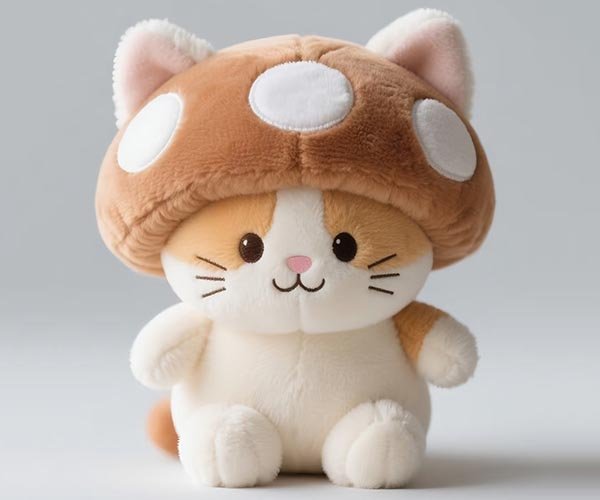
Premium Character Plush
- Built for higher-end projects that require stronger material quality, elevated finishing, and more presentation value.
- Often paired with custom gift boxes, story cards, premium tags, and branded inserts.
- Suitable for anniversary campaigns, collaboration projects, and premium retail launches.
- A strong option for brands positioning their character products above entry-level merchandise.

Character Plush with Costume Variations
- One core character can be developed into multiple outfits, roles, or themed versions.
- Suitable for seasonal campaigns, school themes, career themes, sports themes, and special edition launches.
- Supports collectible expansion without changing the core character identity.
- Helps brands build long-term character programs with stronger release potential.

Seasonal Character Plush
- Designed for Christmas, Halloween, Easter, Valentine’s Day, Lunar New Year, and other seasonal campaigns.
- Characters can be adapted through themed clothing, color accents, embroidery details, and gift packaging.
- Suitable for annual promotions, retail updates, and limited-time brand campaigns.
- A practical way to keep character merchandise active across the calendar year.

Character Plush Gift Set
- Combines the plush item with packaging elements or companion accessories for stronger gifting value.
- Can include cards, mini accessories, themed packaging, or coordinated campaign inserts.
- Suitable for holiday gifting, loyalty rewards, VIP packages, and collaboration boxes.
- Useful for brands that want stronger presentation and higher-value merchandising.

Character Plush with Accessories
- Designed with additional wearable, removable, or stitched-on elements such as hats, scarves, bags, capes, or props.
- Helps improve storytelling, visual richness, and character recognition.
- Suitable for narrative-based characters and projects with strong visual identity requirements.
- Delsney can support accessory coordination through its stable partner factory network.

Character Plush Pillow Style
- Combines character identity with comfort-oriented function.
- Suitable for home, travel, gifting, and lifestyle retail channels.
- Works well for softer shapes, sleep-themed characters, and comfort-focused character branding.
- Helps extend character products into practical everyday-use categories.

Flat or Simplified Character Plush
- A cleaner and more cost-controlled version of the character format.
- Suitable for high-volume campaigns, promotions, and projects where efficiency and broad distribution matter.
- Keeps key visual elements while reducing structural complexity.
- A practical option for brands balancing budget, speed, and recognizable design.

Large Character Plush
- Built for display, premium gifting, flagship promotions, and attention-grabbing retail presentation.
- Creates stronger visual impact and emotional connection.
- Suitable for events, store openings, branded environments, and photo-driven campaigns.
- Requires stronger engineering, filling balance, and packaging coordination, which Delsney can support through its in-house capabilities.

Character Plush Collection Series
- Developed as a coordinated multi-SKU program rather than a single standalone item.
- Can include different sizes, costumes, expressions, colors, or themed editions.
- Suitable for long-term merchandise programs, loyalty systems, and collector-focused release strategies.
- Helps brands turn one character asset into a scalable product family.

Licensed Character Plush
- Suitable for projects that require stricter approval logic, better shape consistency, and more controlled detail execution.
- Focuses on matching artwork, controlling embroidery placement, stabilizing color accuracy, and maintaining character recognition.
- Ideal for brands with strong IP rules or formal approval stages.
- Delsney’s experience serving international brand-standard projects supports this execution model.

Event and Campaign Character Plush
- Created for exhibitions, corporate promotions, school programs, sports events, museum shops, tourism campaigns, and public brand activities.
- Can include event logos, dates, campaign messages, regional elements, or commemorative packaging.
- Suitable for time-sensitive launches that need visual identity and dependable delivery.
- Delsney’s 5–7 day standard sampling speed and 20–30 day production lead time help support campaign schedules more effectively.
Common Failures in Character Plush Development and Production
Character Shape Loses Accuracy During Sampling
Facial Expression Becomes Inconsistent
Material Selection Changes Visual Appearance
Sample Approval Takes Too Long
Bulk Production Does Not Match Approved Sample
Packaging and Branding Are Not Aligned
Design Considerations for Character Plush Production
Character designs are often created without considering material behavior and production methods. During plush development, some elements may need to be adjusted to maintain shape, durability, and visual clarity.
Thin or Extended Parts May Lose Shape
- Long or narrow elements such as thin arms, legs, or accessories may not hold their intended shape after filling.
- These areas often require structural adjustment, internal reinforcement, or proportion changes to maintain stability during use and transport.
Small Details May Need Simplification
- Very small features, such as fine lines, tiny symbols, or detailed patterns, are difficult to reproduce using fabric and stitching.
- These elements are typically converted into embroidery or slightly enlarged to remain visible and consistent across production.
Color Gradients Cannot Be Fully Replicated
- Soft gradients and shading effects in artwork are not easily reproduced in plush materials.
- Color transitions are usually simplified into solid fabric sections or embroidery to achieve a clean and stable visual result.
Complex Shapes Require Panel Adjustment
- Highly irregular or multi-layered shapes may need to be divided into multiple pattern pieces.
- This can slightly change seam positions or proportions, but helps maintain the overall structure and improves production feasibility.
Fabric Type Affects Visual Appearance
- Different fabrics produce different visual effects. Long plush softens edges, while short plush shows more detail.
- Material selection may require adjustment to balance softness, detail clarity, and structural stability.
Standing or Structured Designs Need Internal Support
- Characters designed to stand upright or maintain a fixed posture require additional internal structure or adjusted weight distribution.
- Without this, the product may not hold its intended position after production.
Embroidery Has Physical Limitations
- Embroidery cannot replicate extremely fine lines or very dense overlapping details.
- Thread thickness, stitch density, and fabric type must be considered when translating artwork into embroidered features.
Size Changes Affect Proportion and Detail
- Scaling a design up or down can change how details appear and how the structure behaves.
- Smaller sizes may require simplification, while larger sizes may need additional structural support to maintain shape.
Filling Density Influences Final Shape
- The amount and distribution of filling material affect firmness, volume, and overall proportions.
- Adjustments are often required during sampling to achieve the intended balance between softness and structure.
DELSNEY DEVELOPMENT SYSTEM
Structured Development System for Custom Character Plush Projects
Character plush development requires coordination between design, sampling, and manufacturing. A structured system reduces errors and shortens approval cycles.
1. Multi-Input Project Start
2. Feasibility Evaluation
3. Pattern and Structure Development
4. Controlled Sample Production
5. Structured Revision Process
6. Material and Detail Adjustment
7. Standard Sample Confirmation
8. Production Preparation
9. Controlled Production Execution
Character Plush Development Requires Engineering, Not Just Design
From 2D artwork to 3D plush through controlled pattern and structure development.
Character plush development begins with interpreting artwork into a manufacturable structure. Flat illustrations must be converted into three-dimensional forms while preserving proportions, expression, and identity.
At Delsney, this process is handled by a team of 25+ engineers and 10+ designers who work together on pattern development, proportion balancing, and structural feasibility.
Key development factors include:
- Translating head-to-body ratio into plush volume
- Maintaining facial symmetry during sewing and stuffing
- Adjusting panel segmentation to avoid distortion
- Planning internal structure for standing, sitting, or hanging forms
This stage determines whether a character remains recognizable after production. Poor engineering leads to shape drift, especially in bulk orders.

Sampling Process for Custom Character Plush Development
A structured workflow designed to improve design accuracy and reduce approval time. Sampling is the most critical stage in character plush development. It determines whether the design can be translated into a stable, production-ready product.
1. Design Input and Initial Review
2. Pattern Development and Structure Setup
3. Material Selection and Preparation
4. First Sample Construction
5. Sample Evaluation and Revision
6. Final Sample Confirmation
Manufacturing System for Consistent Character Plush Production
Specialized Factory Structure
Production is divided across three dedicated facilities covering plush fabric, plush manufacturing, and embroidery. Each factory focuses on a specific stage, improving control over material quality, assembly accuracy, and detail execution. This structure reduces dependency on external suppliers and helps maintain consistency across different production stages.
Integrated Engineering and Production Support
A team of 25+ engineers works alongside production units to support structure development, pattern adjustments, and process optimization. Design intent is continuously aligned with manufacturing feasibility. This integration helps reduce errors between sampling and production, especially for complex character designs.
Flexible Production Capacity
Controlled Production Execution
Production follows defined standards for stitching, filling, embroidery, and finishing. A team of 20+ QC staff monitors key checkpoints to reduce variation across units. This ensures that approved samples are consistently replicated during bulk production, maintaining product stability across batches.
Material Strategy for Custom Character Plush Development
Fabric and filling choices directly affect appearance, structure, and long-term product performance. Material selection is a critical step in character plush development. Different fabrics and fillings produce different visual effects, textures, and structural behaviors. During sampling, materials are tested and adjusted to match design requirements and production feasibility.
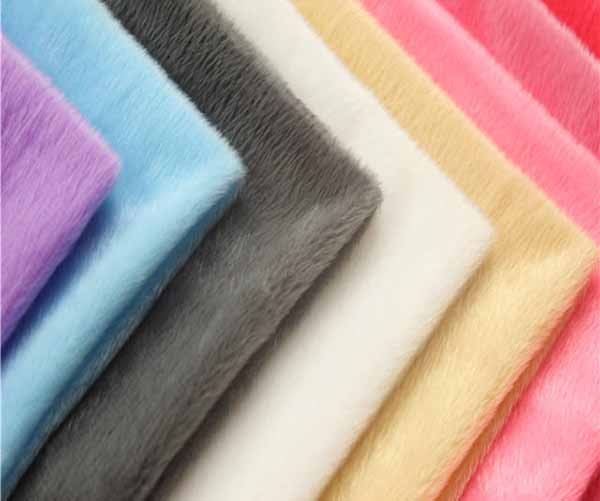
1. Short Plush Fabric

2. Long Plush Fabric
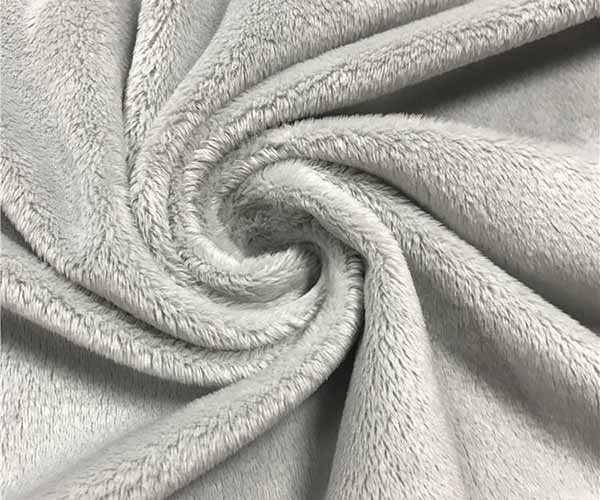
3. Ultra-Soft Fabric (Velboa / Minky Type)
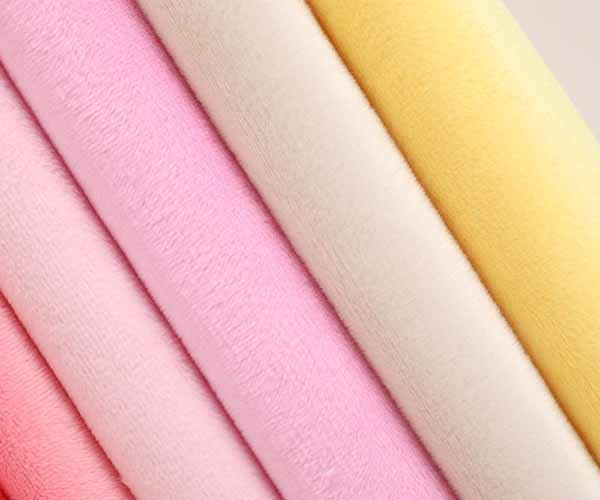
4. Custom-Dyed Fabric

5. PP Cotton Filling

6. Reinforced Filling Structure

7. Weighted Filling Options

8. Embroidery Thread and Detail Materials

9. Accessory Materials and Components
Embroidery and Detail Execution Define Character Recognition
Embroidery Techniques
- Flat embroidery for clean and simple details
- Patch embroidery for layered visual effects
- High-density stitching for fine features
Detail Control
- Facial symmetry alignment
- Consistent stitch density
- Accurate logo positioning
- Color matching for thread and fabric
Application
Embroidery is used for:
- Character facial features
- Brand logos
- Decorative elements
- Limited-edition details
Quality Control Applied at Every Production Stage
Incoming Inspection
- Fabric color and texture verification
- Accessories and trims inspection
- Material consistency checks
In-Process Inspection
- Stitching quality and seam strength
- Shape and proportion consistency
- Filling balance and firmness
- Embroidery accuracy
Final Inspection
- Visual consistency across products
- Size tolerance verification
- Logo and detail confirmation
- Packaging completeness
Control Result
- Reduced variation between sample and bulk
- Stable output across production runs
- Lower defect rate during shipment
Safety & Compliance for Custom Character Plush Toys
For character plush projects, safety compliance is not a secondary requirement. It is a core part of product development, material control, production planning, and export readiness. Character plush products often enter retail channels, brand campaigns, gift programs, children’s markets, and licensed merchandise systems. That means safety expectations are usually much higher than for ordinary promotional items. Delsney supports custom character plush development with a compliance-oriented production process, helping brands reduce risk, improve approval efficiency, and prepare products for international markets more confidently. With long-term experience serving high-standard international projects and supporting export testing requirements such as EN71, ASTM, CPSIA, and CE, Delsney builds compliance into the product from the early development stage rather than treating it as a final-step check.
Material and Product Safety Control
- Safe character plush production starts with material selection, component review, and structural planning.
- Delsney uses plush fabrics, fillings, dyes, embroidery threads, and accessory materials that are aligned with export-market safety requirements.
- During development, the team reviews details such as small parts, detachable accessories, hard trims, sharp points, stitching strength, and filling consistency.
- For projects involving plastic accessories, molded parts, sound modules, or decorative attachments, structure and attachment methods are reviewed more carefully to reduce safety risk.
- Character facial expression, embroidery placement, applique details, and accessory fixation are controlled not only for appearance, but also for durability and product safety.
- This approach is especially important for brands that need character plush products suitable for children’s markets, retail shelves, or formal compliance testing.
Factory Compliance and Export Testing Readiness
- Delsney supports character plush projects with a factory system built for international brand requirements and export workflows.
- The company has experience working through BSCI, Sedex, ISO9001, and Disney Audit processes, which helps support stronger factory management, documentation control, and production discipline.
- Products can be developed to meet the testing expectations commonly required for the US and European markets, including EN71, ASTM, CPSIA, and CE-related requirements.
- Quality control is built into production, with 20+ quality inspectors and 100% pre-shipment inspection before goods leave the factory.
- This reduces the risk of shipment issues, approval delays, quality inconsistency, or compliance problems after production is complete.
- For established brands, licensed programs, and retail-focused projects, this kind of compliance readiness helps make supplier selection more dependable and long-term cooperation more efficient.
Character Plush Projects Delivered Across Different Markets

Brand Mascot Plush for Marketing Campaign (USA)
Project Background: A marketing agency in the United States required a custom mascot plush for a nationwide campaign. The product needed to match brand identity and be distributed at events within a fixed timeline. Key Challenges:
- Tight deadline for campaign launch
- Strict logo and color consistency requirements
- Need for consistent appearance across large quantity
Solution Approach: The project started from design files and brand guidelines. Pattern structure and embroidery placement were adjusted during sampling to maintain logo visibility and shape balance. Sampling was completed within 6 days, followed by one revision for color adjustment. Production was scheduled across dedicated manufacturing and embroidery facilities to maintain alignment between stitching and branding elements. Result and Data:
- 3,000 units delivered within 22 days
- Consistent logo placement across all units
- Stable shape retention during distribution and display

Licensed Character Plush for Retail Collection (Germany)
Project Background: A European retail company developed a series of character plush toys based on licensed artwork for seasonal store distribution. Key Challenges:
- High accuracy requirement for facial expression and proportions
- Multiple SKUs with consistent style
- Strict quality expectations for retail shelves
Solution Approach: Artwork was translated into structured patterns with attention to head-to-body ratio and facial alignment. Embroidery settings were standardized to maintain expression consistency across all units. Material selection focused on short plush fabric to preserve detail clarity, and sample refinement was completed in two iterations before approval. Result and Data:
- 5 SKUs produced with consistent proportions
- 5,000+ units delivered across batches
- Reduced variation between sample and bulk production

Promotional Character Plush for Event Distribution (UAE)
Project Background: A company in the UAE required a lightweight character plush for exhibition giveaways and promotional campaigns. Key Challenges:
- Cost control for large-volume distribution
- Need for fast production and delivery
- Requirement for strong visual impact despite simplified structure
Solution Approach: The product structure was simplified while maintaining recognizable character features. Material selection focused on cost efficiency and lightweight handling. Sampling was completed in 5 days, with minor adjustments to embroidery detail for better visibility. Production planning focused on efficiency to meet event deadlines. Result and Data:
- 8,000 units produced for event distribution
- Production completed within 18 days
- Improved transport efficiency due to reduced product weight
Production Timeline Designed for Predictable Delivery
Clear development stages from sampling to shipment with defined timeframes. Project timelines are structured to reduce uncertainty and improve planning for product launches, campaigns, and retail distribution.
Sampling Stage
- Typical lead time: 5–7 days
- Includes structure development and material selection
- Supports up to 2 revisions for refinement
Production Stage
- Typical lead time: 15–25 days
- Based on quantity and product complexity
- Supports multi-SKU and mixed orders
Delivery Coordination
- Multiple logistics options available
- Support for bulk shipping and batch delivery
- Packaging and labeling prepared for shipment
Timeline Stability
- Defined stages reduce delays
- Faster approval leads to faster production
- Consistent workflow improves repeat orders
Packaging and Branding Support for Custom Character Plush Products
For character plush products, packaging is not a secondary detail. It affects retail presentation, shipping efficiency, perceived value, and brand recognition. A well-developed plush product can still lose commercial impact if the logo is poorly applied, the packaging feels generic, or the final presentation does not match the intended market. Character plush used for retail, licensed merchandise, corporate gifting, or online sales needs packaging and branding decisions to be planned together with product development. Delsney supports product branding through its integrated development and manufacturing system, including logo embroidery resources, product design support, packaging coordination, and production execution. That structure helps keep product appearance and presentation aligned from sample stage to bulk production.

Logo Integration on the Plush Product
- Logo placement must fit the character structure without damaging the visual identity
- Embroidery density must be adjusted to remain clear on different fabric surfaces
- Woven labels, sewn tags, and embroidery should follow the same brand logic
- Positioning should remain consistent across production batches

Packaging Structure Selection by Product Type
- Polybag packaging works for bulk distribution and cost-sensitive projects
- Color box packaging supports shelf display and stronger visual branding
- Window box packaging helps show the plush while protecting the product
- Gift box packaging increases value perception for premium or campaign items
- Insert cards and printed wraps can help explain the character or reinforce branding
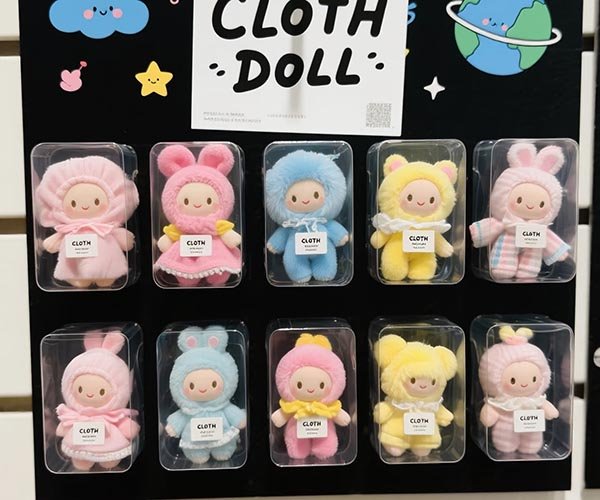
Brand Consistency Across Product, Label, and Packaging
- Fabric color and packaging print color should follow the same visual system
- Embroidery thread colors should align with character art and brand standards
- Woven labels, hangtags, and outer packaging should use consistent naming and identity
- Typography, icon style, and color accents should support the same product positioning
- Retail, e-commerce, and campaign packaging should still feel part of one product family

Packaging Solutions for Different Sales and Distribution Channels
- Retail packaging should support display, visibility, and strong front-facing branding
- E-commerce packaging should reduce shipping volume and protect the plush during delivery
- Promotional packaging should stay simple, cost-efficient, and easy to distribute
- Corporate gift packaging should look cleaner and more premium
- Multi-unit projects may need carton planning, label coding, or mixed packaging formats
Why Character Plush Projects Are Better Managed with Delsney
Development and Production Alignment
Pattern Development Focused on Repeatability
Structured Sampling Process
Targeted Revision Approach
Material Selection Based on Product Requirements
Controlled Production Standards
Early Control of Key Details
Application-Oriented Product Planning
Consistency Across Repeat Orders
Information Required to Start a Character Plush Project
Design Files
Reference Images
Sample Products
Basic Project Details
- Target size
- Estimated quantity
- Intended use (retail, promotion, branding)
- Packaging requirements
Optional Details
- Logo placement
- Material preference
- Timeline expectations
Frequently Asked Questions About Custom Character Plush Manufacturing
Minimum order quantity typically starts from 500 units, depending on size, structure, and material requirements. This level allows product testing without committing to large volumes. It is commonly used for new product launches, promotional projects, and early-stage brand development. For more complex structures or mixed designs, MOQ may be adjusted based on production efficiency and material usage.
Sampling usually takes around 5–7 days after confirming design details and materials. The timeline may vary depending on complexity, especially for designs with multiple components, embroidery details, or special structures. A structured sampling workflow helps reduce delays and allows faster movement into revision and approval stages.
Up to two rounds of revisions are typically included during sampling. Revisions focus on improving shape accuracy, embroidery placement, and material selection without restarting the process. This approach helps refine the product efficiently while maintaining a clear development timeline.
With proper development and material selection, finished products can reach up to 98% similarity to the original design. Accuracy depends on factors such as fabric type, structure complexity, and detail requirements. Early adjustments during sampling are important to ensure that the approved version can be reproduced consistently in bulk.
Projects can begin with design files such as AI, PSD, or PDF, as well as reference images or physical samples. Providing clear front, side, and detail views helps improve evaluation accuracy and reduces development time. Basic information such as size, quantity, and intended use also helps define the correct production approach.
Bulk production generally takes around 15–25 days after sample approval, depending on order quantity and product complexity. Projects with multiple SKUs or special packaging requirements may require additional planning time. Clear timelines at the beginning help ensure better coordination with product launches and campaigns.
Branding elements such as embroidery logos, woven labels, and hangtags can be integrated into the product. Packaging options include polybags, retail boxes, and custom gift packaging, depending on the intended sales channel. Coordinating product and packaging during development helps maintain consistency and reduces the need for additional handling after production.
Confidentiality can be supported for projects involving proprietary designs, licensed characters, or unreleased products. A non-disclosure agreement can be arranged before sharing detailed files or development information. Project materials, samples, and production details are handled within a controlled workflow to reduce unnecessary exposure.

Start Your Custom Character Plush Project
Accurate input at the beginning helps reduce revisions and improves production stability. Character plush development works best when key details are clarified early. Most delays and adjustments come from incomplete information at the start rather than production issues. Before moving into sampling, it is important to confirm the main structure, size, and intended use of the product. This helps determine pattern development, material selection, and production approach from the beginning. Projects can start from simple inputs. A clear image or design file is usually enough for initial evaluation. Additional details can be adjusted during sampling.
Information That Helps Move Faster
- Character design (AI file, image, or reference sample)
- Target size and approximate quantity
- Intended use (retail, promotion, or internal distribution)
- Packaging or logo requirements if already defined
Providing this information allows a more accurate assessment before sampling begins.
