 Skip to content
Convert Technical Files Into High-Quality Plush Products
From specifications and CAD files to production-ready prototypes — handled by Delsney’s integrated design and manufacturing system.
Many brands and designers have professional technical files detailing plush design: dimensions, proportion ratios, material specs, embroidery or print patterns. The challenge is converting these files into accurate, manufacturable plush products.
Projects are developed with:
- Sample lead time: 5–7 days
- 2 free sample revisions
- MOQ starting from 500 units
- Production lead time: 15–25 days
- Up to ~98% design-to-product accuracy
This structure allows technical specifications to be translated into reliable, repeatable production outcomes.

Turning Technical Files Into Plush Requires Precision Engineering
A technical file is detailed, but converting it into 3D plush requires alignment of structure, material, and decoration.
A technical file contains exact dimensions, seam placements, and material specifications, but does not account for 3D plush behaviors:
- Fabric stretch and texture can affect final shape
- Filling can distort proportions if not engineered
- Embroidery or print alignment must match 3D panels
- Minor errors in pattern conversion can cause costly rework
Delsney approaches these challenges systematically, integrating:
- engineering checks
- design optimization
- material assessment
- sampling and production validation
This ensures that plush products reflect the technical specifications accurately while remaining practical to manufacture.

How Delsney Converts Technical Files Into Plush Products

Technical File Interpretation & Design Integration
The 10+ design team handles:
- interpreting CAD, AI, PDF, and vector files
- refining color segmentation and visual hierarchy
- identifying print vs embroidery areas
- adjusting details for plush material behavior

Engineering Validation & Feasibility Analysis
Key checks include:
- dimensional feasibility
- structural balance after stuffing
- material compatibility
- durability under real usage
- unrealistic specifications
- structural instability
- costly redesign during sampling

Pattern Engineering & Panel Mapping
Delsney’s pattern room creates:
- cutting patterns aligned with specifications
- panel segmentation for 3D structure
- seam placement to avoid distortion
- maintaining proportions
- aligning decorative elements across panels

Material & Process Coordination
This includes:
- plush fabric selection (short, medium, long pile)
- filling material and density
- printing or embroidery method
- plush fabric production
- plush manufacturing
- embroidery facilities

Sampling System & Iteration Control
- sample lead time: 5–7 days
- 2 free revisions
- real materials and processes applied
adjustments are faster and more accurate.
This leads to:
- reduced iteration cycles
- improved alignment with technical files

Production Integration & Quality Control
Once approved, projects move directly into production with controlled processes.
Delsney operates:
- 3 specialized factories
- 20+ QC staff monitoring all stages
Quality control covers:
- material inspection
- in-process checks
- final product verification
This ensures:
- consistency across units
- alignment with technical specifications
- reliable bulk production
Step-by-Step: From Technical File to Plush
Each stage is controlled to ensure accuracy, manufacturability, and production stability.
Step 1: Technical File Review & Requirement Alignment
- CAD drawings
- vector artwork
- dimension specifications
- material notes
- proportion feasibility
- structural complexity
- production risks
Step 2: Design Adjustment for Manufacturing
The 10+ designer team refines:
- color segmentation
- embroidery vs printing areas
- visual balance after stuffing
- proportion adjustments for 3D form
Step 3: Pattern Engineering & Panel Mapping
- cutting patterns
- panel segmentation
- seam placement
- alignment of printed or embroidered elements
- preserving dimensions after assembly
Step 4: Material & Process Selection
- plush fabric type
- filling materials
- decoration method
- fabric production
- manufacturing
- embroidery
Step 5: Sample Production (5–7 Days)
- lead time: 5–7 days
- full structure and material application
- shape
- color
- dimensions
Step 6: Revision & Production Preparation
- 2 free revisions
- adjustments based on real sample feedback
- specifications are locked
- production begins (15–25 days)
Material & Structural Decisions from Technical Specifications
Technical specifications must be translated into materials, structure, and production methods.
Interpreting Technical Specifications
- dimensions
- shape outlines
- surface details
- material suggestions
- actual fabric selection
- structural design
- production parameters
Fabric Selection Based on Specification
- precise detail
- suitable for printed designs
- balanced structure and softness
- softer feel
- less detail precision
Structural Engineering
- 3D shape requirements
- internal support
- seam placement
- correct proportions after stuffing
- structural stability
Filling and Shape Control
- size
- shape complexity
- target firmness
- consistent appearance
- durability during use
Decoration Method Selection
- printing for color areas
- embroidery for fine details
- hybrid solutions for balance
Integrated Decision Advantage
- decisions are aligned early
- fewer errors occur
- production remains consistent
How Delsney Maintains High Fidelity to Technical Files
Accurate results come from controlled processes across design, engineering, sampling, and production.
Engineering Validation Before Sampling
This includes:
- checking dimensional feasibility
- evaluating structural stability after stuffing
- identifying risk areas such as thin parts or complex joints
- verifying compatibility between materials and specifications
By resolving issues early, Delsney reduces:
- design deviation
- unnecessary sample revisions
- production risks
Pattern Precision & Structural Accuracy
Delsney’s pattern room ensures:
- cutting patterns match file specifications
- panel segmentation supports 3D structure
- seam placement avoids distortion of key visual areas
- maintaining proportions after filling
- aligning printed or embroidered elements across panels
Sample Verification with Production-Level Standards
- sample lead time: 5–7 days
- 2 free revisions
- actual materials and processes used
- dimensional accuracy
- visual alignment
- structural balance
With this system, Delsney achieves up to ~98% design-to-product matching.
Production Consistency & Quality Control
- 3 specialized factories handle integrated production
- 20+ QC staff monitor multiple stages
- material consistency checks
- in-process inspection
- final product verification
- consistent dimensions
- stable color and materials
- uniform shape across batches
Who Benefits Most from Technical File-Based Plush Manufacturing
This approach is ideal for projects requiring precision, consistency, and production scalability.
Established Brands with Product Specifications
- Brands with internal design teams
- Detailed product specs and standards
- strict adherence to dimensions
- consistent material and color output
- engineering validation
- controlled production process
- stable quality across batches
Product Developers & Industrial Designers
- teams using CAD or technical drawings
- products designed with clear structure
- manufacturable patterns
- production-ready samples
Licensing & IP Merchandising Projects
- character-based products
- licensed merchandise
- high visual accuracy
- consistent reproduction across orders
E-commerce Brands Scaling Products
- brands with validated products
- expanding into larger production
- repeatable production
- consistent quality
Retail Buyers & Private Label Projects
- retailers developing custom plush lines
- private label programs
- precise specifications
- stable supply
Promotional Product Companies
- companies producing branded merchandise
- projects requiring consistency across large batches
- scalable production
- controlled quality
Compliance and Safety Standards for Reliable Plush Production

Why Compliance Matters in Plush Manufacturing
- material safety (non-toxic, skin-friendly)
- restricted chemical compliance
- physical safety (no sharp edges or loose parts)
- labeling and packaging requirements
- product recalls
- customs clearance issues
- brand reputation damage
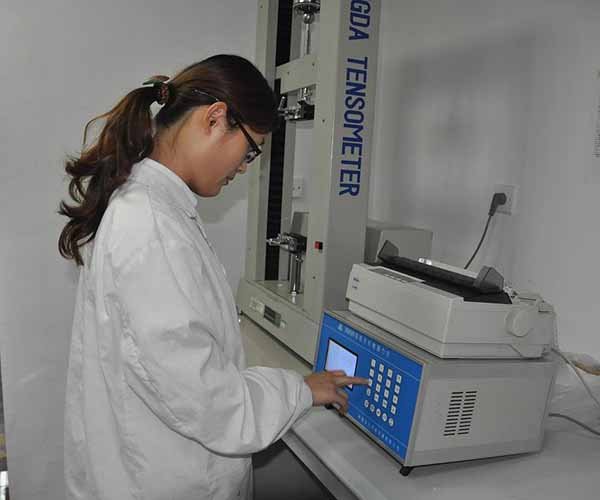
Material Safety & Testing Standards
- ASTM F963 (United States toy safety standard)
- EN71 (EU compliance for toy products)
- CPSIA (lead and phthalate limits)
- safe fabric composition
- compliant dyes and printing processes
- suitability for intended use (including children’s products)

Production Process Compliance
- stitching strength to prevent part detachment
- secure attachment of accessories (eyes, labels, etc.)
- consistent construction methods
- safe finishing processes

Quality Control & Inspection System
- incoming material inspection
- in-process production checks
- final product inspection
- structural safety
- appearance consistency
- compliance with approved specifications

Support for Brand & Retail Requirements
- customized labeling
- packaging standards
- product testing coordination
- aligning production with brand requirements
- preparing products for third-party testing if needed
- ensuring consistency across repeat orders
Case Studies: Technical File to Plush Production

Retail Brand Product Development
Background
A European brand provided detailed technical drawings for a plush product line.
Challenge
- strict dimension requirements
- consistent appearance across units
- need for scalable production
Solution
- engineering validation of specifications
- optimized pattern development
- controlled material selection
Production Data
- Sample: 6 days
- Production: 20 days
- MOQ: 500 units
Result
- consistent product output
- successful retail launch
- repeat orders placed

Licensed Character Plush
Background
A licensing company required plush toys based on precise character specifications.
Challenge
- high detail accuracy
- strict brand guidelines
Solution
- hybrid printing + embroidery
- refined pattern alignment
- multiple sample validations
Production Data
- Accuracy: ~98%
- Sample: 5 days
- Production: 22 days
Result
- approved for licensing standards
- expanded into multiple SKUs

E-commerce Scaling Project
Background
A seller with existing designs wanted consistent bulk production.
Challenge
- maintain consistency across orders
- scale production efficiently
Solution
- standardized materials
- production process optimization
- QC monitoring
Production Data
- 3 SKUs
- 500 units per SKU
- 21-day production
Result
- stable quality
- scalable supply chain
Technical File Plush Development FAQ
Technical files such as CAD drawings, AI files, or specification sheets provide a strong foundation, but they almost always require adjustment before production. Plush products behave differently from rigid products due to fabric stretch, stitching, and filling, which can affect dimensions and proportions. At Delsney, every technical file is reviewed by both the design team and the 25+ engineering team to adapt the file for real manufacturing conditions, ensuring that the final product remains accurate while also being structurally stable and production-ready.
Accuracy depends on how well the file is translated into structure, materials, and production processes. In general industry terms, achieving high fidelity requires multiple iterations and careful validation, as plush products can deform during assembly and filling. Delsney controls this through engineering validation, pattern precision, and production-level sampling, allowing design-to-product matching to reach approximately 98% for most projects. This level of consistency is especially important for brand, IP, and retail products that require repeatable quality across batches.
In the broader industry, developing and producing custom plush products can take several weeks to a few months depending on complexity, revisions, and logistics. Delsney shortens this cycle by integrating design, engineering, and manufacturing. Sample development typically takes 5–7 days, followed by 15–25 days for production after approval. This significantly reduces development time compared to traditional fragmented workflows, allowing faster product launches and quicker iteration cycles.
Most standard formats can be used, including CAD files, Adobe Illustrator (AI), PDFs, vector drawings, and detailed specification sheets. Files that include dimensions, color references, material notes, and structural details are especially useful. Even if the file is incomplete, Delsney’s design and engineering teams can refine it into a production-ready format, ensuring that all critical details are defined before sampling begins.
Consistency is achieved by treating the approved sample as a production benchmark and maintaining strict control across all stages. Industry practice shows that quality control must be continuous rather than limited to final inspection. Delsney supports this with a structured QC system involving 20+ quality control staff, covering material inspection, in-process checks, and final verification. Because sampling and production are handled within the same system, there is minimal deviation between the approved sample and bulk output.
MOQ in plush manufacturing exists because of material sourcing and production setup requirements, and typically ranges from around 100 to 500 units depending on the factory and complexity. Delsney sets MOQ at 500 units, which balances production feasibility with flexibility. This level allows brands to test products without excessive investment while still maintaining stable quality and efficient manufacturing.

Turn Your Technical Files Into Production-Ready Plush Products
- Send technical file
- Receive evaluation
- Start sampling
- Move to production
