 Skip to content
Custom Weighted Plush Toys Manufacturer | Safe & Certified Production
- Sample lead time: 5–7 days
- 2 free revisions
- MOQ from 500 units
- Production lead time: 15–25 days
- Stable weight accuracy across batches

Common Problems in Weighted Plush Development
Weight Shifting and Imbalance
Weighted components may shift during use, causing the plush to lean or lose stability. Uneven distribution can compromise comfort and structural integrity. Delsney Approach
- Internal compartments are precisely designed for stable weight placement
- Multi-zone weight distribution ensures balance during handling
- Adjustments are made during sampling to prevent shifting across the product
Outer Fabric Deformation
Heavy filling or incorrect structure can cause the outer plush fabric to stretch or collapse over time, reducing aesthetic appeal. Delsney Approach
- Fabrics are selected with adequate density and resilience
- Internal support layers protect the outer plush from stress
- Stress points are reinforced with structured seams and lining
Filling Compression or Loss of Softness
Inconsistent fiber filling can lead to uneven softness or loss of tactile feel, affecting user experience. Delsney Approach
- Filling density is controlled per zone to maintain comfort
- Layered construction balances softness with support
- Sampling ensures repeatable feel across units
Seam and Stitch Failure
Weighted plush puts additional load on seams and joints, leading to potential tearing or deformation. Delsney Approach
- High-strength threads are used in load-bearing areas
- Reinforced stitching at stress points
- Multi-stage QC checks seam integrity before shipment
Bulk Production Variation
Even if the sample is perfect, mass production can introduce differences in weight, shape, or feel if processes are not controlled. Delsney Approach
- Standardized production procedures across 3 factories
- 20+ QC inspectors monitor each stage
- Batch-level inspection ensures consistency for all units
Packaging and Shipping Damage
Improper packaging can compress the plush or displace weight, causing deformation during transport. Delsney Approach
- Custom inserts and protective packaging for each product
- Packaging tested for compression and transport conditions
- Logistics planned to minimize impact during shipping
Delsney Plush Manufacturing System for Custom Weighted Plush Development
Integrated Factory Infrastructure
- Plush production requires coordination across multiple stages
- Fabric, assembly, and branding must align for consistency
- External outsourcing often causes delays and quality variation
- Integrated systems improve speed and control
Delsney Capability
- Invested in 3 specialized factories
- Plush fabric production
- Plush toy manufacturing
- Logo embroidery
- Maintain direct control across key production stages
- Reduce dependency on third-party suppliers
- Ensure stable quality from raw material to finished product
Engineering-Led Product Development
- Weighted plush requires structural planning, not simple filling
- Internal weight affects shape, balance, and durability
- Early engineering decisions determine production success
- Lack of engineering leads to repeated corrections
Delsney Capability
- 25+ engineers involved in product development
- Define weight distribution and internal structure early
- Optimize design for manufacturability
- Reduce development risk before sampling stage
Design & Pattern Coordination System
- Design must align with structure and production feasibility
- Pattern development controls final shape and proportions
- Misalignment leads to distortion in finished products
- Requires coordination between design and technical teams
- 10+ professional designers covering product and packaging
- Convert artwork into production-ready patterns
- Adjust proportions based on weight and structure
- Maintain high visual accuracy (~98% matching)
Rapid Sampling & Iteration Workflow
- Sampling is the key stage for validating structure and feel
- Weighted plush often requires multiple adjustments
- Slow iteration increases cost and delays product launch
- Efficient sampling improves overall project success
- Standard sample lead time: 5–7 days
- Provide free sampling and design support
- Allow up to 2 free revisions
- Enable fast refinement of weight, shape, and materials
Production Control & Consistency Management
- Bulk production must match approved samples
- Weight variation affects product performance
- Inconsistent filling or stitching reduces product quality
- Requires controlled production processes
- Operate with standardized production procedures
- Maintain stable 15–25 day production cycles
- Control weight distribution and filling consistency
- Ensure repeatability across production batches
Multi-Level Quality Control System
- Quality control must cover all production stages
- Weighted plush requires inspection beyond appearance
- Structural integrity and weight balance must be verified
- Consistency is critical for large orders
- 20+ QC inspectors across production stages
- Inspect materials, assembly, and final products
- Monitor batch consistency and structure stability
- Ensure each unit aligns with approved sample
Weighted Plush Product Types Built for Different Commercial Applications
Different product types require specific weight distribution, structure design, and material combinations

Sensory Comfort Weighted Plush
- Designed for relaxation, comfort, and daily use
- Weight distributed across body or lower sections
- Focus on soft touch and natural pressure
- Requires balance between softness and structure
Key Product Features
- Even weight distribution for stable holding
- Soft outer fabric with controlled internal support
- Flexible structure that adapts to body contact
- Consistent shape retention after repeated use

Character & IP Weighted Plush
- Used for branded characters, mascots, and licensed products
- Requires accurate shape, proportions, and facial expression
- Weight must not distort design appearance
- Needs high consistency across production units
- Internal structure aligned with character proportions
- Reinforced support to maintain posture
- Stable weight placement to avoid deformation
- High visual consistency across batches

Animal Weighted Plush Collection
- Includes bears, dogs, cats, rabbits, and wildlife styles
- Focus on natural posture and universal appeal
- Weight enhances realism and tactile experience
- Requires balanced internal structure
- Weight positioned to support sitting or lying posture
- Soft filling combined with stable internal zones
- Proportion control for realistic appearance
- Durable structure for repeated handling

Baby & Kids Weighted Plush
- Designed for younger users with controlled weight levels
- Focus on durability, softness, and stable construction
- Requires secure internal components
- Needs consistent stitching and filling
- Lightweight structure with controlled pressure zones
- Reinforced seams for long-term use
- Soft-touch materials for comfortable handling
- Stable internal filling to prevent shifting

Educational & Therapy Weighted Plush
- Used as support tools for structured comfort or learning environments
- Requires controlled pressure and predictable weight distribution
- Focus on usability and repeatable performance
- Needs consistent tactile response
Key Product Features
- Defined weight zones for functional use
- Balanced structure for consistent feel
- Stable internal compartments
- Uniform performance across units

Promotional & Retail Weighted Plush
- Used for marketing campaigns, gifting, and retail display
- Focus on visual appeal and perceived value
- Weight enhances product presence and stability
- Requires efficient production and consistent appearance
- Clean external shape for display
- Balanced internal structure for shelf stability
- Consistent surface finish and detailing
- Uniform appearance across production runs

Large & Oversized Weighted Plush
- Larger products increase complexity in structure and balance
- Requires multi-zone weight distribution
- Risk of deformation is higher
- Needs reinforced internal support
Key Product Features
- Segmented weight placement for stability
- Reinforced internal framework
- Controlled filling to maintain volume
- Consistent posture under load

Multi-Functional Weighted Plush
- Combines plush with additional functions such as pillows or cushions
- Requires integration of structure and usability
- Focus on comfort and versatility
- Needs durable construction
- Dual-purpose structure design
- Balanced weight for both functions
- Soft yet supportive internal composition
- Stable shape across different uses

Wearable Weighted Plush Products
- Includes plush hoodies, slippers, or wearable accessories
- Focus on comfort and flexibility
- Weight must not restrict movement
- Requires ergonomic structure
- Lightweight distributed weight zones
- Flexible construction for movement
- Soft materials for skin contact
- Stable structure during wear

Seasonal & Limited Edition Weighted Plush
- Developed for holidays, events, or special releases
- Focus on visual impact and themed design
- Requires fast development and consistent output
- Needs stable structure under time constraints
Key Product Features
- Defined structure for rapid production
- Consistent weight distribution across batches
- Clean finishing for retail presentation
- Stable quality during high-volume production
Material and Weighting Systems That Define Product Performance
Outer fabric, internal filling, and weight components must be engineered together to achieve stability, softness, and repeatability
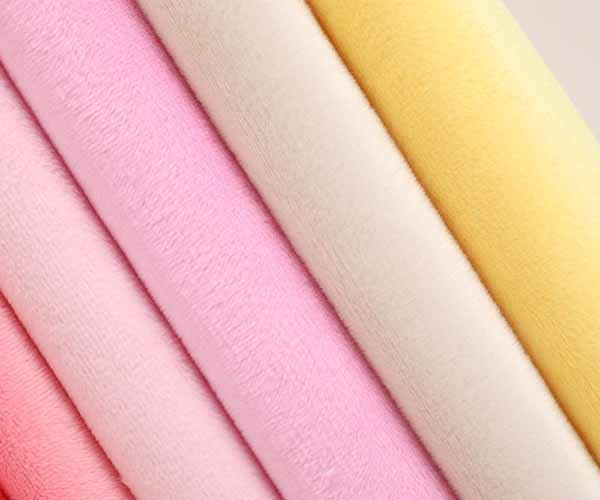
Outer Plush Fabric Types
- Determines surface touch, appearance, and durability
- Common options include short plush, long plush, velvet, and microfiber
- Fabric density affects how weight is supported internally
- Must maintain softness without collapsing under pressure
- Short plush → smooth surface and clean appearance
- Long plush → softer texture and higher perceived value
- Dense weave → better support for internal weight
- Stable fabric structure → reduces deformation over time

Inner Lining and Support Layers
- Acts as a structural layer between outer fabric and filling
- Prevents weight components from directly stressing outer fabric
- Improves durability and internal stability
- Essential for long-term shape retention
Key Structural Features
- Reinforced lining fabric for weight-bearing areas
- Separation between filling and weight compartments
- Reduced friction between internal layers
- Improved overall structural integrity

Filling Materials and Density Control
- Filling determines softness, rebound, and shape retention
- Commonly uses polyester fiberfill with adjustable density
- Density must match weight level and product size
- Incorrect filling leads to collapse or excessive stiffness
- Low density → softer feel but less support
- High density → better structure but reduced softness
- Layered filling → balance between comfort and stability
- Controlled distribution → consistent shape across units

Weighting Materials Selection
- Core element that defines pressure and stability
- Common materials include plastic pellets and glass beads
- Material choice affects feel, durability, and cost
- Must remain stable during long-term use
- Plastic pellets → lightweight and cost-efficient
- Glass beads → smoother feel and higher density
- Fine granularity → more even weight distribution
- Stable material → prevents degradation over time

Weight Compartment Construction
- Weight must be securely contained within internal compartments
- Prevents movement and uneven distribution
- Protects outer structure from internal stress
- Essential for product safety and consistency
- Segmented internal pockets for controlled placement
- Reinforced stitching around weight zones
- Fixed positioning to prevent shifting
- Even distribution across defined areas

Multi-Zone Weight Distribution System
- Weight is rarely placed in a single location
- Multiple zones improve balance and usability
- Placement depends on product function and posture
- Incorrect distribution leads to instability
- Lower-body weighting for sitting stability
- Distributed zones for hugging comfort
- Central balance for symmetrical products
- Controlled ratio between weight and size

Layered Construction Architecture
- Weighted plush requires a multi-layer internal structure
- Combines fabric, lining, filling, and weight components
- Each layer contributes to performance
- Poor layering leads to instability and inconsistency
- Outer fabric layer for touch and appearance
- Inner lining for support and protection
- Filling layer for softness and shape
- Weight layer for pressure and stability

Stitching and Reinforcement Materials
- Weight increases stress on seams and joints
- Requires stronger stitching materials and techniques
- Weak seams lead to failure during use
- Reinforcement is critical for durability
- High-strength thread for load-bearing areas
- Reinforced stitching at stress points
- Double-layer seams for durability
- Consistent stitch density across units

Surface Finishing and Treatment
- Affects product feel, appearance, and durability
- Includes brushing, trimming, and surface refinement
- Must remain consistent across production
- Enhances perceived product quality
- Smooth and even surface texture
- Controlled fiber direction for uniform look
- Clean edges and seams
- Stable appearance after handling
Material Stability in Mass Production
Consistency of materials affects final product quality
- Consistency of materials affects final product quality
- Variations lead to differences in weight, shape, and feel
- Requires controlled sourcing and inspection
- Essential for repeat orders
Key Stability Factors
- Uniform fabric batches for consistent appearance
- Controlled filling density across production
- Standardized weight component specification
- Reduced variation between production runs

Structural Engineering for Weighted Plush
Weighted plush requires precise internal architecture to maintain comfort, stability, and consistency from sample to mass production
Weight Distribution Architecture
- Defines how weight is positioned inside the plush body
- Directly affects balance, posture, and usability
- Improper distribution causes leaning or deformation
- Must align with product function and shape
Delsney Support
- Define weight zones during early development stage
- Adjust placement through 5–7 day sampling cycles
- Optimize balance for sitting, holding, or display
- Maintain consistent weight distribution across production
Internal Skeleton & Support Structure
- Provides structural stability under added weight
- Prevents collapse or loss of shape
- Supports large or complex plush forms
- Works together with filling and fabric layers
- Integrate support through pattern and internal layering
- Reinforce key structural areas during sampling
- Adjust support based on size and weight ratio
- Ensure stability before entering bulk production
Center of Gravity Control
- Determines how the plush behaves when placed or held
- Affects sitting stability and user interaction
- Misalignment leads to tipping or imbalance
- Requires precise positioning of weight components
- Analyze center of gravity during structure planning
- Adjust weight positioning through sample iterations
- Optimize for stable posture and natural feel
- Maintain alignment across production units
Zoning of Filling and Weight Layers
- Separates soft filling areas from weight zones
- Prevents mixing or shifting of internal components
- Ensures consistent tactile experience
- Improves durability over time
- Design segmented internal compartments
- Control filling density across different zones
- Prevent weight migration during use
- Maintain uniform internal structure in production
Seam Engineering & Stress Distribution
- Weight increases pressure on seams and joints
- Stress must be distributed evenly across structure
- Weak seams lead to deformation or failure
- Reinforcement required at high-load areas
- Apply reinforced stitching techniques
- Strengthen stress points during pattern development
- Inspect seam durability through QC processes
- Ensure consistent stitching quality across batches
Shape Retention & Deformation Control
- Weighted plush must maintain shape under pressure
- Filling compression can affect appearance
- Long-term use may cause structural changes
- Requires balance between flexibility and support
- Optimize filling density and material combination
- Adjust structure during sampling revisions
- Maintain shape consistency across production
- Control deformation through layered construction
Dynamic Load Behavior During Use
- Product must perform under real handling conditions
- Weight shifts during movement and repeated use
- Structure must adapt without losing balance
- Requires flexible yet controlled internal design
Delsney Support
- Evaluate performance during sampling stage
- Adjust weight zones for dynamic use scenarios
- Improve comfort through structure refinement
- Ensure stable performance across repeated handling
Multi-Size Structural Scaling
- Different sizes require different structure adjustments
- Weight ratios must scale proportionally
- Larger products need additional reinforcement
- Smaller products require precision in placement
- Adjust structure based on size specifications
- Redefine weight zones for each size variant
- Maintain consistency across size ranges
- Support scalable product development
Production Repeatability of Structure
- Sample structure must translate into bulk production
- Variations affect product performance
- Requires standardized manufacturing process
- Consistency is critical for large orders
- Define production standards before bulk manufacturing
- Use 20+ QC inspectors for monitoring
- Maintain 15–25 day controlled production cycles
- Ensure repeatable structure across batches
Structural Optimization Through Sampling
- Sampling is used to refine structure and performance
- Multiple adjustments are often required
- Final structure must meet both visual and functional goals
- Reduces risk before production
- Provide free sampling with 2 free revisions
- Adjust structure based on real sample feedback
- Improve weight balance and shape accuracy
- Achieve about 98% design-to-product matching
A Structured Sampling Process That Reduces Development Risk
Project Input & Requirement Confirmation
- Start from artwork, sketches, or physical samples
- Define size, weight range, and product purpose
- Confirm structure expectations and visual requirements
- Align on timeline and production targets
- Accept artwork, technical files, or reference samples
- Provide free design support before sampling
- Clarify key development risks early
- Assign project coordination for follow-up
Engineering Evaluation & Structure Planning
- Analyze weight distribution feasibility
- Define internal structure and filling zones
- Evaluate material compatibility
- Identify potential design challenges
- Involve 25+ engineers in structure planning
- Adjust design for manufacturability
- Optimize weight placement before sampling
- Reduce trial-and-error during later stages
Sample Development (5–7 Days)
- Produce initial prototype based on approved plan
- Integrate fabric, filling, and weight components
- Test shape, balance, and tactile feel
- Prepare sample for evaluation
- Standard sample lead time: 5–7 days
- Develop prototypes with production-level materials
- Ensure sample reflects real production conditions
- Provide visual updates during development
Sample Review & Adjustment
- Evaluate weight balance and comfort
- Check shape accuracy and visual consistency
- Identify structure or material improvements
- Prepare revision plan if needed
- Support up to 2 free sample revisions
- Adjust filling, structure, or weight placement
- Maintain communication via video or images
- Improve accuracy before production stage
Final Sample Approval & Production Preparation
- Confirm final structure and specifications
- Lock materials, weight, and dimensions
- Prepare for bulk production execution
- Define quality standards for production
- Align sample with production requirements
- Ensure design-to-product matching (~98%)
- Prepare production documentation
- Transition directly into 15–25 day production cycle
Quality Control System for Weighted Plush
From raw materials to final inspection, each stage is controlled to ensure consistent structure, weight balance, and product performance
1. Incoming Material Verification
- Material consistency directly affects final product performance
- Variations in fabric or filling impact weight balance and shape
- Weight components must meet uniform specifications
- Early-stage control prevents downstream defects
- Inspect all incoming fabrics, fillings, and weight materials
- Verify consistency of density, texture, and specifications
- Reject unstable or inconsistent material batches
- Establish standardized material input criteria
2. Pre-Production Sample Validation
- Approved samples define production standards
- Structure, weight distribution, and feel must be confirmed
- Any deviation at this stage leads to production issues
- Requires alignment before mass manufacturing
- Validate samples against final production requirements
- Confirm weight zones, structure, and material combination
- Ensure alignment with approved specifications
- Achieve about 98% design-to-product consistency
3. In-Line Production Inspection
- Errors often occur during cutting, sewing, and assembly
- Weight placement and filling must be monitored in real time
- Structural inconsistencies can accumulate during production
- Continuous inspection reduces defect rates
- Apply inspection checkpoints across production stages
- Monitor weight insertion and filling distribution
- Verify structural alignment during assembly
- Reduce defects before reaching final stage
4. Structural Integrity & Seam Testing
- Added weight increases stress on seams and joints
- Weak stitching leads to deformation or product failure
- Stress points require reinforcement and validation
- Durability must match real usage conditions
Delsney Control
- Reinforce high-stress stitching areas
- Inspect seam strength during production
- Test structural integrity under load conditions
- Maintain consistent stitching quality across batches
5. Final Product Inspection
- Finished products must match approved samples
- Includes shape, weight distribution, and visual quality
- Inconsistencies affect usability and brand perception
- Final inspection ensures shipment readiness
- Check overall shape, balance, and finishing
- Verify weight consistency across units
- Compare products with approved sample standards
- Ensure packaging readiness before shipment
6. Batch Consistency & Production Stability
- Large orders require uniform quality across all units
- Variation in weight or structure impacts product reliability
- Repeat orders must maintain the same standard
- Requires continuous monitoring during production
- Operate with 20+ QC inspectors across production
- Monitor batch consistency throughout manufacturing
- Apply standardized inspection processes
- Maintain stable quality across 15–25 day production cycles
Branding and Packaging Systems for Premium Weighted Plush Products
From logo application to retail packaging, every detail influences product value, positioning, and market performance

Embroidery Logo
- One of the most widely used branding methods for plush products
- Provides a textured and premium visual effect
- Suitable for character facial details and brand logos
- Offers strong durability under repeated handling
Key Features
- High stitching density for clean detailing
- Long-lasting performance without fading
- Suitable for curved or uneven plush surfaces
- Consistent appearance across production batches

Heat Transfer Printing
- Suitable for complex graphics and gradient colors
- Allows detailed artwork reproduction
- Works well for flat plush areas
- Offers flexibility for multi-color designs
- High-resolution image transfer capability
- Smooth surface finish without raised texture
- Suitable for detailed logos and patterns
- Stable color consistency in production

Screen Printing
- Common method for simple logos and solid colors
- Cost-efficient for large production runs
- Works best on flat and smooth fabric surfaces
- Limited in fine detail compared to other methods
- Clean and bold logo appearance
- Strong color coverage and opacity
- Suitable for high-volume production
- Consistent repeatability across batches

Woven Labels
- Used for brand identification and product information
- Typically attached to seams or edges
- Adds a professional and retail-ready look
- Suitable for long-term brand recognition
- High durability with minimal wear
- Clear text and logo representation
- Flexible placement options
- Consistent quality in mass production

Printed Fabric Patches
- Combines fabric base with printed design
- Suitable for decorative branding elements
- Allows more flexibility in logo placement
- Adds visual layering to product design
- Custom shapes and sizes available
- Soft integration with plush surface
- Suitable for multi-color designs
- Stable attachment during use

Embossed or Debossed Details (Synthetic Areas)
- Applied on non-plush surfaces such as PU or accessories
- Creates subtle brand texture without color contrast
- Suitable for premium product positioning
- Often used for minimalistic branding
- Clean and understated appearance
- Durable under repeated use
- No risk of color fading
- Enhances perceived product quality

Care Labels & Instruction Tags
- Provide product care and usage information
- Required for many retail markets
- Must remain readable after repeated use
- Typically attached internally
- Multi-language printing options
- Durable fabric or satin materials
- Resistant to washing and friction
- Standardized format for compliance

Hang Tags & Brand Cards
- Used for retail display and branding communication
- Provide product story, specifications, or instructions
- Enhance shelf presentation and perceived value
- Often customized for different product lines
- Custom shapes, sizes, and materials
- High-quality printing and finishing
- Flexible attachment methods
- Consistent branding across product series

Retail Display Packaging
- Designed for in-store presentation and visibility
- Protects product while showcasing appearance
- Often used for premium or branded plush products
- Requires structural compatibility with product shape
- Color boxes with window display options
- Custom inserts for product positioning
- High-quality printing for branding
- Stable structure for shelf display

Gift Packaging
- Focus on premium presentation and unboxing experience
- Used for special editions or high-end products
- Enhances perceived product value
- Often combined with decorative elements
- Rigid boxes or premium folding cartons
- Custom interior supports
- Decorative finishes (matte, gloss, embossing)
- Consistent visual identity across packaging

E-commerce Shipping Packaging
- Designed for safe transport and cost efficiency
- Focus on protection during long-distance shipping
- Must reduce damage and deformation risk
- Optimized for logistics and storage
Key Features
- Compact packaging structure
- Protective internal materials
- Lightweight design for cost control
- Easy handling for fulfillment operations

Vacuum Compression Packaging
- Used to reduce volume during shipping
- Suitable for large or soft plush products
- Requires recovery of shape after unpacking
- Helps optimize shipping costs
- Significant reduction in shipping volume
- Maintains product cleanliness during transport
- Requires controlled filling recovery
- Suitable for bulk shipments
Custom Insert & Structural Support
- Internal packaging structure to maintain product shape
- Prevents deformation during transport
- Supports consistent presentation in retail packaging
- Designed based on product dimensions
Key Features
- Foam, cardboard, or molded inserts
- Customized for different product shapes
- Maintains positioning during shipping
- Improves unboxing experience

Client Types Supported Across Different Weighted Plush Applications
From concept-driven brands to large-scale retail programs, different client types require different levels of development, control, and production stability
1. Brand Owners & Private Label Programs
- Focus on building long-term product lines
- Require consistent quality across repeat orders
- Emphasize product differentiation and branding
- Need scalable production with stable timelines
- Custom design and product development
- Consistent material and structure across batches
- Reliable lead times for inventory planning
- Flexible MOQ for new product launches
2. IP Owners & Character Licensing Projects
- Work with licensed characters or original IP
- Require high accuracy in shape and expression
- Focus on visual consistency across units
- Need controlled sampling before scaling
Typical Needs
- Accurate conversion from artwork to product
- Stable structure that preserves character design
- Consistent production quality across large volumes
- Reliable development timelines for product launches
3. E-commerce Brands & Online Sellers
- Operate through platforms such as Amazon or DTC stores
- Focus on product consistency and fulfillment efficiency
- Require packaging suitable for shipping
- Depend on stable supply for continuous sales
- Reliable production cycles for restocking
- Consistent product quality across batches
- Optimized packaging for logistics
- Scalable production for growth phases
4. Retail Chains & Offline Stores
- Sell products through physical retail channels
- Require consistent product presentation and quality
- Focus on shelf display and visual appeal
- Need stable supply for multiple locations
- Uniform appearance across all units
- Packaging designed for retail display
- Consistent quality for brand reputation
- Reliable delivery schedules
5. Corporate Clients & Promotional Programs
- Develop products for marketing campaigns or events
- Focus on branding and cost control
- Require delivery within fixed timelines
- Often involve large quantity orders
- Efficient production aligned with campaign schedules
- Consistent branding across all units
- Controlled cost structure for bulk orders
- Reliable execution under time constraints
6. Product Designers & Development Studios
- Focus on concept creation and product innovation
- Require technical support from manufacturers
- Need efficient communication during development
- Expect flexibility in sampling and revisions
Typical Needs
- Support in converting ideas into real products
- Fast sampling cycles for iteration
- Engineering input for structure optimization
- Clear communication throughout development
7. Importers & Distributors
- Source products for resale across different markets
- Focus on stable supply and consistent quality
- Require scalable production capacity
- Often manage multiple product lines
- Consistent product standards across shipments
- Reliable production timelines
- Flexible product range options
- Support for repeat orders
8. Toy Brands Expanding Product Lines
- Existing toy brands entering weighted plush category
- Require alignment with existing product standards
- Focus on maintaining brand consistency
- Need structured development process
- Integration with current product collections
- Consistent material and structure quality
- Reliable sampling and production workflows
- Scalable manufacturing for expansion
9. Subscription Box & Gift Set Businesses
- Provide curated product bundles on a recurring basis
- Require consistent product sizing and packaging
- Focus on presentation and unboxing experience
- Need reliable production for scheduled releases
- Standardized product specifications
- Consistent packaging design
- Reliable production timelines
- Uniform appearance across shipments
10. Educational & Therapy Product Providers
- Develop products for structured environments
- Require predictable performance and consistency
- Focus on usability and repeatable results
- Need stable product behavior across units
Typical Needs
- Controlled weight distribution
- Consistent tactile performance
- Reliable product structure
- Uniform quality across production
11. Seasonal & Campaign-Based Brands
- Launch products for holidays or limited campaigns
- Require fast development and production
- Focus on visual impact and timing
- Need consistent output under time pressure
- Fast sampling and approval cycles
- Reliable production timelines
- Consistent quality across batches
- Flexible production planning
12. Startups & New Product Ventures
- Launching new products without prior manufacturing experience
- Require guidance during development
- Focus on cost control and risk reduction
- Need manageable entry requirements
- Support in product design and structure planning
- Flexible MOQ for initial production
- Clear development and production workflow
- Reliable communication throughout project
Why Delsney Is Selected for Custom Weighted Plush Manufacturing
A combination of engineering capability, controlled production, and structured workflow designed for reliable commercial execution
Integrated Manufacturing System
- Weighted plush production requires coordination across materials, structure, and branding
- Fragmented supply chains often lead to delays and inconsistent quality
- Control over multiple stages improves speed and stability
- Integrated systems reduce communication gaps
Delsney Advantage
- Operates with 3 specialized factories
- Plush fabric production
- Plush toy manufacturing
- Logo embroidery
- Maintains control from material to finished product
- Reduces dependency on external suppliers
- Improves production coordination and consistency
Engineering-Driven Development Capability
- Weighted plush requires structural planning, not basic assembly
- Internal weight affects shape, balance, and durability
- Early-stage engineering determines production success
- Weak development leads to repeated corrections
- Supported by 25+ engineers in product development
- Define weight distribution and internal structure early
- Optimize designs for manufacturability
- Reduce development risk before production stage
Fast and Controlled Sampling System
- Sampling speed impacts product launch timelines
- Multiple revisions are often required for weighted plush
- Slow iteration increases cost and delays
- Controlled sampling improves project efficiency
- Standard sample lead time: 5–7 days
- Provide free design and sampling support
- Include up to 2 free revisions
- Enable faster transition from concept to production
Stable Production and Lead Time Management
- Production delays affect inventory and sales cycles
- Inconsistent timelines disrupt planning
- Stable production cycles are critical for scaling
- Requires structured scheduling and process control
- Maintain 15–25 day production lead time
- Operate with standardized production workflow
- Ensure stable scheduling for repeat orders
- Support long-term product programs
Multi-Level Quality Control System
- Weighted plush requires inspection beyond visual quality
- Structure, weight, and durability must be verified
- Inconsistent QC leads to product variation
- Large orders require batch-level consistency
- 20+ QC inspectors across production stages
- Apply multi-step inspection process
- Monitor structure and weight consistency
- Maintain uniform quality across batches
High Design-to-Production Accuracy
- Differences between sample and bulk production create risk
- Poor alignment reduces product reliability
- Accurate execution improves market acceptance
- Requires strong coordination between teams
- Achieve about 98% design-to-product matching
- Align sampling with production standards
- Reduce variation between prototype and bulk
- Ensure consistent output across production cycles
Lead Time, MOQ and Workflow at Delsney
Defined timelines and controlled processes from sampling to bulk production
Minimum Order Quantity
- Standard MOQ starts from 500 units per design
- Suitable for initial product development and market testing
- Supports gradual scaling into larger production volumes
- Compatible with both single SKU and multi-SKU programs
Sampling Timeline and Revision
- Sample development completed within 5–7 days
- Built using actual production materials and structure
- Includes free design support during development
- Provides up to 2 free sample revisions
- Achieves approximately 98% design-to-product matching
Production Lead Time
- Standard production cycle: 15–25 days
- Based on approved samples and confirmed specifications
- Suitable for repeat orders and ongoing product programs
- Maintains stable output across production batches
Project Workflow Structure
- Artwork, sketch, or reference sample submission
- Engineering evaluation and structure planning
- Sampling within 5–7 days
- Sample revision (up to 2 rounds)
- Final sample approval
- Bulk production within 15–25 days
Production Capacity and Team Support
- Supported by 25+ engineers for development
- Includes 10+ designers for product and packaging
- Managed by 20+ QC inspectors during production
- Backed by 3 specialized factories for stable output
Logistics and Delivery
- Supports air, sea, and express shipping options
- Coordinates delivery based on project timeline
- Packaging prepared for safe long-distance transport
- Suitable for both single shipment and repeat delivery cycles
Weighted Plush Projects Developed for Real Market Applications
Applications across different industries, sales channels, and product strategies
Direct-to-Consumer Brand Launch
- Weighted plush developed as a core product line
- Sold through Shopify or independent brand websites
- Focus on product differentiation and user experience
- Requires consistent quality for repeat purchases
- Stable structure and consistent weight feel
- Repeatable production for inventory cycles
- Packaging aligned with brand positioning
- Scalable supply for growth stages
Amazon & Marketplace Product Lines
- Designed for high-volume online platforms
- Focus on product consistency and cost efficiency
- Requires optimized packaging for shipping
- Dependent on stable restocking cycles
- Consistent product specifications across batches
- Controlled packaging size for logistics efficiency
- Stable lead times for inventory planning
- Reliable repeat production capability
Licensed Character Merchandise
- Plush developed based on licensed IP or brand characters
- Requires strict visual accuracy and consistency
- Weight must not affect character proportions
- Often released in batches tied to campaigns
- Precise alignment with original artwork
- Stable structure to maintain shape integrity
- Consistent appearance across all units
- Controlled production for large-scale distribution
Retail Chain Product Programs
- Products distributed across multiple retail locations
- Requires uniform appearance and packaging
- Focus on shelf display and visual appeal
- Needs consistent supply across regions
- Standardized product specifications
- Consistent packaging for retail presentation
- Reliable production cycles
- Stable quality across large quantities
Corporate Gifting & Promotional Campaigns
- Used for brand campaigns, events, or seasonal promotions
- Focus on branding and delivery timing
- Often involves bulk production in short timeframes
- Requires consistent output for large quantities
- Uniform branding across all units
- Controlled production timelines
- Consistent product appearance
- Efficient large-scale manufacturing
Subscription Box & Bundle Products
- Included as part of monthly or seasonal product kits
- Requires consistent size and packaging format
- Focus on presentation and unboxing experience
- Needs reliable scheduling for recurring shipments
- Standardized product dimensions
- Consistent packaging structure
- Stable production timelines
- Uniform appearance across batches
Product Line Expansion for Existing Brands
- Added as a new category within an existing product range
- Must align with current brand standards
- Requires consistency in quality and presentation
- Needs scalable production for long-term sales
- Matching material and design standards
- Consistent structure across product lines
- Reliable production for ongoing supply
- Integration with existing brand collections
Seasonal and Limited Edition Releases
- Developed for holidays or short-term campaigns
- Requires fast turnaround from concept to production
- Focus on visual impact and themed design
- Needs consistent output under time constraints
- Rapid sampling and approval process
- Stable production within fixed timelines
- Consistent quality across all units
- Efficient execution for limited runs
Educational and Therapy Product Use
- Used in structured environments for comfort or support
- Requires predictable weight distribution
- Focus on consistency and usability
- Needs stable performance across units
- Controlled weight placement
- Consistent tactile experience
- Stable internal structure
- Uniform product behavior
Large-Scale Distribution & Wholesale Programs
- Products distributed through distributors or wholesalers
- Requires large quantity production
- Focus on consistency and cost control
- Needs reliable repeat manufacturing
- Stable production output across batches
- Consistent quality for bulk orders
- Efficient manufacturing workflow
- Reliable long-term supply capability
Cross-Border E-commerce Brands
- Selling across multiple international markets
- Requires packaging suitable for long-distance shipping
- Focus on consistency and logistics efficiency
- Needs stable supply across regions
- Packaging optimized for international transport
- Consistent product specifications
- Stable production scheduling
- Reliable delivery planning
Startup Product Validation Projects
- Early-stage product testing before scaling
- Focus on controlling cost and minimizing risk
- Requires flexible production entry
- Needs fast development cycles
- Small-batch production starting at MOQ 500
- Fast sampling and iteration
- Controlled development process
- Smooth transition into larger production
Materials & Safety Compliance for Weighted Plush Products
Ensuring all weighted plush products meet international safety and regulatory standards
All weighted plush products are manufactured to meet major international standards and regulatory requirements, ensuring safety for children and adults. The products undergo rigorous testing for materials, weight containment, and structural integrity.
Key Certifications
- ASTM F963 — U.S. standard for toy safety, covering mechanical, physical, and chemical properties
- CPSIA — U.S. Consumer Product Safety Improvement Act, ensuring non-toxic materials and lead-free components
- EN71 — European toy safety standard, including mechanical, flammability, and chemical testing
- REACH Compliance — European regulation for safe chemical use in materials
- ISO 9001 — Quality management system ensuring consistency in production
- OEKO-TEX? Standard 100 — Ensures textiles are free from harmful substances
Delsney Implementation
- Material selection verified against regulatory lists for all regions
- Weighted components securely enclosed to prevent accidental exposure
- Finished products tested in-house for durability and safety
- Certificates provided for every production batch to support compliance documentation

Real Weighted Plush Projects Delivered by Delsney
Examples showing how concepts are developed, refined, and scaled into stable production

Case 1 — DTC Brand Weighted Plush Launch
A direct-to-consumer brand approached Delsney to develop a weighted plush product as a core item for its online store. The project started from concept sketches, requiring full support from design, engineering, and sampling teams to convert the idea into a manufacturable product. Delsney completed the first prototype within 6 days, using production-grade materials and internal structure planning. Two rounds of revisions were carried out to refine weight distribution and improve tactile softness, ensuring the product maintained both comfort and structural stability. After final approval, bulk production of 3,000 units was completed within 21 days, supported by Delsney’s integrated factory system and coordinated production workflow. The final product achieved consistent weight balance across batches and supported stable restocking cycles, with Delsney maintaining production consistency through its 20+ QC inspectors and standardized manufacturing process.

Case 2 — Licensed Character Weighted Plush Program

Case 3 — E-commerce Weighted Plush Product Line
An e-commerce seller partnered with Delsney to develop a weighted plush product optimized for marketplace sales. The focus was on balancing product structure, weight distribution, and packaging efficiency to support large-scale shipping and continuous inventory turnover. Delsney completed the initial sample in 5 days, followed by 1 revision to optimize internal structure for better compression and recovery during packaging. The final design ensured that the product maintained shape and balance after long-distance transport. Bulk production of 8,000 units was completed in 20 days, with stable quality maintained throughout the batch. The project leveraged Delsney’s 3-factory system and standardized production workflow, ensuring consistent product specifications and reliable delivery schedules. This allowed the client to maintain steady inventory replenishment and reduce variation across multiple sales cycles.
Frequently Asked Questions About Custom Weighted Plush Manufacturing

Start Your Custom Weighted Plush Project with Delsney
What You Can Expect
- Clear development workflow from design to production
- Consistent product quality across all batches
- Controlled weight distribution and structural stability
- Reliable timelines for both sampling and bulk production
Project Entry Options
- Start from sketches, artwork, or reference samples
- Develop new product lines or expand existing ones
- Validate ideas with small-batch production before scaling
- Transition smoothly into repeat manufacturing cycles
