 Skip to content
From 3D Model to Production-Ready Plush Toy
- Sample lead time: 5–7 days
- 2 free revisions
- MOQ starting from 500 units
- Production lead time: 15–25 days
- Up to ~98% model-to-product accuracy

Why 3D Models Cannot Be Directly Manufactured as Plush Products
From Rigid Geometry to Soft Structure
3D models are created as rigid forms with precise edges, clean curves, and exact proportions.
Plush products, however, are made from flexible fabric and filled with soft materials.
This creates fundamental differences:
- edges become rounded after stuffing
- surfaces lose sharp definition
- proportions shift due to internal pressure
- bulkier than intended
- less defined in shape
- inconsistent with the original model
Delsney’s 25+ engineering team analyzes model geometry and adjusts:
- curvature and volume distribution
- structural proportions for soft materials
- internal support where needed
Maintaining Proportions After Stuffing
Challenge
A 3D model does not account for filling behavior.
During production:
- stuffing expands internal volume
- different areas fill unevenly
- weight distribution affects posture
This often leads to:
- enlarged heads or bodies
- distorted limbs
- imbalance when standing or sitting
Delsney Solution
Delsney controls proportions through:
- pre-adjusted pattern scaling
- controlled filling density per section
- structure optimization for balance
These adjustments are validated during sampling, ensuring consistent proportions across production.
Converting Complex Surfaces into Fabric Panels
3D models are continuous surfaces, while plush products are constructed from multiple fabric panels.
This creates issues such as:
- visible seams disrupting design
- difficulty aligning complex shapes
- loss of detail in curved areas
Delsney’s pattern development team converts 3D geometry into:
- optimized panel segmentation
- seam placement aligned with design features
- balanced panel size for easier assembly
Surface Detail & Texture Limitations
Challenge
3D models can include:
- fine textures
- gradients
- small details
Plush materials cannot always replicate these precisely due to:
- fabric texture
- printing limitations
- embroidery constraints
Delsney Solution
Delsney selects appropriate decoration methods:
- printing for gradients and color transitions
- embroidery for key details
- hybrid solutions for balance
Material selection is also adjusted to improve detail clarity, ensuring the final product retains key visual elements.
Structural Stability and Durability
Some 3D designs are visually appealing but structurally unstable when converted into plush.
Common problems include:
- weak limbs
- unstable standing posture
- deformation during shipping
Delsney reinforces structure by:
- adjusting proportions for stability
- redistributing internal filling
- reinforcing key areas
Consistency from Sample to Bulk Production
Challenge
Even if a sample matches the 3D model, maintaining that consistency across hundreds or thousands of units is difficult.
Variations can occur due to:
- manual stitching differences
- material inconsistencies
- production workflow gaps
Delsney Solution
Delsney ensures consistency through:
- integrated production across 3 specialized factories
- 20+ QC staff monitoring each stage
- standardized workflows from sampling to production
Approved samples are used as production references, ensuring stable results across all units.
Time and Iteration Challenges
Without a structured system, converting a 3D model into plush can require:
- multiple redesign cycles
- repeated sampling
- long development timelines
Delsney reduces iteration cycles through:
- integrated design + engineering workflow
- fast sampling (5–7 days)
- 2 free revisions
Delsney 3D Model Conversion System
A 9-Step System for Converting 3D Models Into Plush Products.
Accurate plush development from 3D models requires coordinated execution across design, engineering, materials, sampling, and production.
3D Model Intake & Format Compatibility
Delsney accepts standard 3D formats such as:
- OBJ
- STL
- FBX
- STEP (for industrial design cases)
The design team reviews:
- geometry structure
- polygon complexity
- surface details
This ensures the model can be properly interpreted before development begins.
Geometry Interpretation & Feature Extraction
The 10+ design team analyzes the model to extract:
- key proportions and volumes
- defining visual features
- critical character elements
Complex geometry is simplified where necessary to make the design suitable for plush construction while preserving identity.
Engineering Feasibility Evaluation
- structural stability after stuffing
- balance and weight distribution
- risk areas (thin parts, complex joints)
Proportion Optimization for Soft Materials
- head-to-body ratios
- limb thickness
- volume distribution
Pattern Engineering & Panel Breakdown
- panel segmentation
- cutting pattern creation
- seam positioning
- reduce visual disruption
- support structural integrity
Material & Fabric Alignment
- short pile for detail accuracy
- medium pile for balanced structure
- long pile for softness
Surface Detail Conversion (Print & Embroidery)
- printing for gradients and textures
- embroidery for key features
- hybrid solutions for visual balance
Sampling System & Iteration Control
- 5–7 day lead time
- 2 free revisions
- shape accuracy
- proportion consistency
- material performance
Production Integration & Quality Control
- production runs across 3 specialized factories
- monitored by 20+ QC staff
- consistent dimensions
- stable structure
- uniform appearance across units
A 6-Step Process to Convert 3D Models Into Plush Products
From digital geometry to production-ready plush, each step is controlled to ensure accuracy, speed, and consistency.
Step 1 — 3D Model Review & Requirement Alignment
Step 2 — Design Simplification & Feature Optimization
Step 3 — Pattern Engineering & Structure Development
Step 4 — Material Selection & Process Planning
Based on the design, Delsney selects appropriate plush fabrics, filling materials, and decoration methods such as printing or embroidery. Because fabric sourcing, manufacturing, and embroidery are integrated, all material decisions are aligned with production capabilities. This ensures consistent quality and reduces the risk of mismatch between sample and bulk production.
Step 5 — Sample Production & Evaluation (5–7 Days)
Step 6 — Final Approval & Mass Production (15–25 Days)
Material & Structure Decisions Based on 3D Models
A 3D model defines shape and volume, but materials and structure determine how that shape performs in real production.

Translating Digital Geometry Into Physical Form
- exact proportions
- volume and surface geometry
- visual hierarchy of features
- fabric cannot replicate sharp edges
- soft materials change under pressure
- internal filling affects final shape
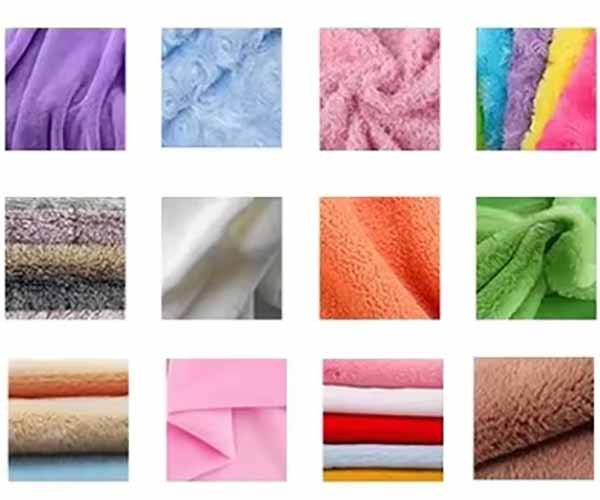
Plush Fabric Selection from Model Requirements
- supports high-detail areas
- suitable for precise facial features
- balances softness and structure
- suitable for most commercial products
- enhances softness
- reduces sharp detail visibility

Structural Engineering for Shape Retention
- internal proportions for head, body, limbs
- seam placement to support structure
- reinforcement in stress areas
- stable posture
- reduced deformation
- consistent shape across units

Filling Strategy and Volume Control
- filling density for different sections
- balance between softness and firmness
- internal pressure distribution
- correct volume representation
- consistent product feel
- improved durability during shipping

Surface Detail & Decoration Decisions
- printing for gradients and color transitions
- embroidery for key details (eyes, logos)
- hybrid techniques for balance

Integrated Material & Structure Advantage
- design
- engineering
- fabric sourcing
- production
Who Benefits Most from 3D Model to Plush Development
Best suited for projects where digital design already exists and accuracy, speed, and scalability matter.
Game Studios & Digital IP Owners
- Characters already created in 3D pipelines
- Need physical merchandise based on existing assets
Animation & Film Production Companies
- High-detail characters
- Strict visual consistency requirements
Product Designers Using 3D Software
- Designers working in Blender, ZBrush, or CAD tools
- Designs already optimized digitally
E-commerce Brands Developing New Products
- Testing multiple product concepts
- Using 3D models for faster product iteration
Licensing & Merchandise Companies
- Require consistent reproduction across SKUs
- Need accurate and repeatable results
Creative Studios & Agencies
- Developing branded characters
- Creating physical products from digital assets
Case Studies: Real Projects Converted from3D Model into Plush Products
Structured development, controlled sampling, and stable production across different industries.
Game Character Plush Development
- Project Background: A game studio provided a high-resolution 3D character model designed for in-game use and merchandising. The objective was to convert the digital asset into a physical plush product while maintaining recognizable proportions and facial identity for brand consistency across platforms.
- Key Challenges: The 3D model included complex geometry, sharp edges, and detailed facial features that could not be directly translated into soft materials. Maintaining correct proportions after stuffing and ensuring stability for display and handling were critical challenges during development.
- Delsney Solution: Delsney’s design and engineering teams (10+ designers, 25+ engineers) simplified geometry while preserving key visual features. Pattern segmentation and seam placement were optimized, and a hybrid approach combining printing and embroidery was applied to maintain facial detail accuracy.
- Production Data: Sample development was completed in 6 days, followed by 1 revision round to refine proportions and facial alignment. Mass production was completed in 20 days with an order quantity of 500 units, using production-level materials and processes.
- Final Result: The final plush product achieved approximately 98% visual consistency with the original 3D model. The product was successfully launched as official merchandise, and follow-up orders were placed for expanded distribution across additional markets.
Animation Character Plush Series
- Project Background: An animation company required a series of plush toys based on multiple 3D character models. The goal was to create a consistent product line that maintained uniform style, proportions, and material quality across all characters.
- Key Challenges: Each character had unique proportions and surface details, making it difficult to maintain consistency across the product line. Ensuring uniform material selection and consistent structure across multiple SKUs was essential for brand presentation and retail display.
- Delsney Solution: Delsney standardized material selection and structural design across all characters while adapting patterns individually for each model. Integrated production across 3 specialized factories ensured coordination between fabric sourcing, embroidery, and assembly processes.
- Production Data: The project included 5 SKUs, each produced at 500 units per design. Sampling was completed within 5–7 days per SKU, and bulk production was completed in 22 days, supported by 20+ QC staff monitoring all stages.
- Final Result: The final product line achieved strong visual consistency across all SKUs, meeting brand requirements for retail presentation. The client successfully launched the series and expanded into additional character designs for future production cycles.
E-commerce Plush Product Testing
- Project Background: An e-commerce brand used 3D models to develop and test multiple plush product concepts for online sales. The objective was to validate product performance while minimizing inventory risk and maintaining consistent quality.
- Key Challenges: The project required fast development timelines, consistent quality across multiple designs, and cost control for small-batch production. Ensuring that each design maintained its intended shape and visual appeal after production was a key requirement.
- Delsney Solution: Delsney organized a multi-SKU development workflow, optimizing structure and materials for each design while maintaining shared production resources. Sampling and production were coordinated to reduce setup time and improve efficiency across all SKUs.
- Production Data: The project included 4 SKUs, each produced at 500 units, with sample development completed in 5–7 days and bulk production completed in 21 days. All products followed standardized quality control processes to ensure consistency.
- Final Result: Two products were identified as top performers based on sales data, allowing the client to scale production efficiently. The controlled low MOQ approach reduced risk while enabling rapid product iteration and expansion into new designs.
3D Model to Plush Development FAQ

Turn Your 3D Model Into a Real Product
3D models provide a strong design foundation, but successful product development depends on how that model is translated into real materials and structure. Delsney provides a complete system to convert digital models into reliable plush products with controlled quality and predictable timelines.
Start Process
- Upload 3D model
- Receive evaluation
- Start sampling
- Move to production