Skip to content
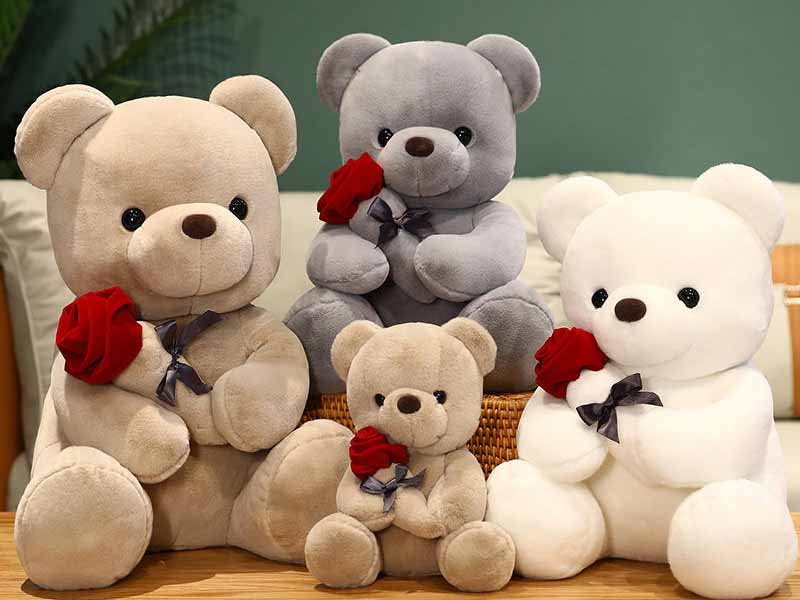
Starting a plush toy business often begins with a simple idea: a cute animal, a funny mascot, a soft character, a fan product, or a gift collection that feels different from everything already online. But the real challenge is not only creating something cute. A plush toy must be designed, patterned, sewn, filled, tested, packed, shipped, and sold at a price that leaves enough profit. Many first-time founders underestimate how many details affect the final product: fabric pile length, embroidery size, stuffing density, seam position, safety labels, carton size, freight method, MOQ, and packaging cost.
A plush toy business can succeed when the founder chooses a clear niche, validates demand, prepares practical artwork, controls cost, works with a capable manufacturer, confirms safety requirements, and launches with a focused product line. The safest starting path is not producing many designs at once, but developing one strong plush concept, testing customer interest, improving the sample, and scaling production only after the numbers make sense.
The market still offers room for new brands because plush products are no longer limited to children’s toys. They now serve creators, IP owners, collectors, baby brands, gift companies, museums, lifestyle stores, promotional campaigns, and online communities. A small character can become a product line. A mascot can become a retail item. A drawing can become a limited-edition plush drop. But the brands that grow are usually the ones that treat plush toys as both emotional products and manufactured goods.
A founder may begin with a sketch on paper. A creator may only have a digital character. A company may have a mascot used on its website. A gift brand may want a seasonal animal collection. Each project can become a real plush product, but each one needs a different development path. The guide below explains how to move from idea to sample, from sample to production, and from production to a product customers actually want to buy.
What Is a Plush Toy Business?

A plush toy business sells soft stuffed products such as animals, characters, mascots, dolls, pillows, plush keychains, baby toys, collectibles, and branded gifts. The business may sell through online stores, retail shops, marketplaces, events, fan communities, gift distributors, or private label programs. Strong plush brands usually combine attractive design, stable production quality, safe materials, and clear customer positioning.
What products can a plush toy business sell?
A plush toy business can sell many product types, not only teddy bears or children’s stuffed animals. Modern plush products cover emotional comfort, fandom, gifting, decoration, collectibles, promotional marketing, baby care, holiday retail, and creator merchandise.
New brands should choose product types based on customer use. A plush keychain is usually small, affordable, and easy to ship. A 30 cm character plush has stronger visual value and can carry a higher price. A baby plush requires stricter safety design, softer fabric, and fewer detachable parts. A mascot plush for companies needs accurate logo colors and stable repeat production.
A practical product selection should answer four questions:
Who will buy it?
Why will they want it?
Where will it be sold?
Can it be produced with stable cost and quality?
| Product Type | Common Size Range | Main Customer Group | Production Focus | Sales Advantage |
|---|---|---|---|---|
| Character plush | 15–35 cm | Creators, IP owners, fan brands | Face accuracy, body shape, embroidery | Strong emotional connection |
| Animal plush | 20–45 cm | Gift stores, kids’ brands, online shops | Soft fabric, cute expression, safe sewing | Easy to understand and sell |
| Plush keychain | 8–15 cm | Event sellers, social commerce stores, gift brands | Small details, hardware strength | Lower shipping cost |
| Baby plush | 15–30 cm | Baby brands, parents, retailers | Embroidered features, washable fabric, safety | Higher trust value |
| Mascot plush | 20–40 cm | Companies, schools, sports teams | Color matching, logo placement, repeat accuracy | Good for branding |
| Pillow plush | 30–70 cm | Lifestyle stores, comfort product brands | Filling density, fabric stretch, softness | Strong home-use appeal |
| Holiday plush | 15–50 cm | Retailers, gift companies, campaigns | Seasonal colors, packaging, delivery timing | Repeat seasonal demand |
| Plush dolls | 20–45 cm | Fashion toy brands, collectors | Clothing, accessories, details | Higher perceived value |
| Promotional plush | 10–30 cm | Marketing teams, events, corporate gifts | Cost control, logo, fast delivery | Useful for bulk orders |
For a new plush business, the best first product is usually not the most complicated one. A design with a clear face, recognizable shape, moderate size, and limited accessories is easier to sample, easier to price, and easier to ship.
Is a plush toy business suitable for beginners?
A plush toy business can be suitable for beginners when the first project is kept focused. Many beginners fail because they start with too many styles, choose complex designs, ignore MOQ, or calculate profit only from the factory unit price.
A beginner-friendly plush project usually has these characteristics:
One main design rather than a large collection
One size range, usually 15–30 cm for the first launch
Limited accessories and simple sewing structure
Embroidered eyes and mouth for better safety and durability
A clear target customer group
A realistic sales price before sampling starts
A manufacturer that can explain cost changes clearly
A production plan that leaves enough time for revisions
The advantage of plush toys is that customers understand them quickly. A strong plush character can gain attention from photos, short videos, unboxing posts, fan pages, conventions, gift shops, and online marketplaces. Customers often react emotionally: “I want to hug it,” “It looks like my pet,” “It reminds me of that character,” or “It would make a perfect gift.”
The challenge is that plush toys are three-dimensional sewn products. A flat drawing must be converted into fabric panels, sewing lines, embroidery files, filling structure, and quality standards. A cute face on screen can look different after cutting and sewing. A tiny mouth may disappear in long-pile fabric. A big head may fall forward if the body structure is not balanced.
For beginners, factory support matters. Delsney helps new plush brands review ideas, create three-view drawings, develop 3D effects, make samples, suggest materials, adjust patterns, and prepare for bulk production. With more than 18 years of plush product development and manufacturing experience, Delsney can help founders avoid mistakes that usually appear only after money has already been spent.
Which customers buy custom plush toys?
Custom plush toys are purchased by many customer groups. Each group has different priorities, budgets, safety needs, and design expectations. Knowing the end customer before production helps the brand choose the right size, fabric, packaging, and certification path.
| Customer Type | What They Usually Need | Key Purchase Concern | Suitable Plush Solution |
|---|---|---|---|
| IP owners | Character plush based on original artwork | Accuracy and IP protection | Custom character plush with approved sample |
| Content creators | Fan merchandise and limited drops | Fast sample, low risk, visual appeal | Pre-order plush or small-batch custom run |
| Children’s brands | Safe plush toys for kids | Compliance, materials, durability | Embroidered baby-safe plush |
| Gift companies | Seasonal or promotional plush | Delivery time and cost control | Bulk plush with custom packaging |
| Online sellers | Differentiated products for stores | MOQ, profit margin, photo appeal | Private label plush collections |
| Retail brands | Stable quality for store shelves | Packaging, repeat quality, barcode labels | OEM/ODM plush production |
| Museums | Cultural or educational plush | Design meaning and detail accuracy | Custom animal, artifact, or mascot plush |
| Game studios | Plush characters from games | Shape matching and fan recognition | Licensed or original character plush |
| Schools and teams | Mascot products | Color, logo, reorder stability | Mascot plush with woven label |
| Premium brands | High-end soft products | Handfeel, finishing, presentation | Premium fabric plush with refined QC |
A founder should not design for “everyone.” A plush toy for toddlers, a plush toy for anime fans, and a plush toy for a corporate event should not be developed in the same way. Toddler products need safety and washability. Fan plush needs character accuracy. Promotional plush needs cost control and logo visibility. Premium retail plush needs fine stitching, balanced filling, attractive packaging, and consistent bulk quality.
Delsney’s custom service is useful for these different customer groups because the factory supports reference-file sampling, artwork-based sampling, sample-based development, free design support, flexible MOQ, private label service, OEM/ODM customization, fast sampling, and compliance support for European and American markets.
Are plush toys profitable for new brands?
Plush toys can be profitable, but only when pricing is built around total landed cost, not only factory unit cost. Many new brands look at a unit price and think the margin is high, but later they discover that packaging, freight, duties, platform fees, ads, storage, returns, and replacement products reduce profit.
A healthy plush toy pricing plan should include:
Product manufacturing cost
Sample and development cost spread across the first batch
Packaging cost
Inspection and testing cost
International freight
Import duties and taxes
Warehouse or fulfillment cost
Platform commission
Payment processing fee
Marketing and creator sample cost
Replacement and defect allowance
Target profit margin
| Cost Item | Example Range or Impact | Why It Matters |
|---|---|---|
| Sample development | Varies by complexity | Needed to confirm structure before bulk order |
| Factory unit cost | Depends on size, fabric, embroidery, labor | Main production cost |
| Packaging | Low for polybag, higher for gift box | Affects retail value and freight volume |
| Safety testing | Depends on market and age group | Important for children’s products |
| Freight | Changes greatly by volume and method | Large plush toys may cost more to ship |
| Platform fee | Often 3%–20% depending on channel | Reduces net margin |
| Marketing | Often 10%–40% of sales for new launches | Needed to attract first customers |
| Defect allowance | Usually planned as a small percentage | Protects customer service budget |
A simple profit example:
| Item | Amount |
|---|---|
| Retail price | USD 24.99 |
| Factory unit cost | USD 5.20 |
| Packaging cost | USD 0.60 |
| Freight and duty allocation | USD 1.80 |
| Platform and payment fees | USD 3.00 |
| Marketing allocation | USD 4.00 |
| Fulfillment and handling | USD 2.50 |
| Replacement allowance | USD 0.40 |
| Estimated total cost | USD 17.50 |
| Estimated gross profit | USD 7.49 |
| Estimated margin | 30.0% |
The numbers above are only an example, but they show why cost planning matters. A plush toy with a beautiful design can still become a weak business if the retail price cannot cover all costs. On the other hand, a simple plush with strong emotional value, controlled packaging, efficient carton volume, and clear demand can become a stable product.
For first-time plush brands, the best profit strategy is usually not chasing the cheapest unit price. It is designing a product that customers want at a price that leaves room for quality, shipping, marketing, and future growth.
How Do You Choose a Plush Toy Niche?
Choose a plush toy niche by matching customer demand, emotional value, product complexity, retail price, and production feasibility. A good niche is not only cute; it has a clear customer group, a strong reason to buy, manageable manufacturing cost, and enough room for future collections, limited editions, seasonal designs, or repeat orders.
What plush toy ideas are popular?
Popular plush toy ideas usually connect with emotion. People buy plush toys because they feel comfort, joy, nostalgia, humor, identity, fandom, love, or gift value. The product may be simple, but the reason behind the purchase is often personal.
Strong plush ideas often fall into these categories:
Original character plush
Animal plush collections
Pet-inspired plush
Anime-style plush
Creator mascot plush
Food-shaped plush
Mini plush keychains
Soft pillow plush
Baby comfort plush
Holiday plush toys
Corporate mascot plush
Museum or cultural plush
Game character plush
Eco-conscious plush collections
Limited-edition collectible plush
| Plush Idea | Why Customers Like It | Development Difficulty | Suitable First Batch |
|---|---|---|---|
| Simple animal plush | Easy to understand, giftable | Low to medium | 300–1,000 pcs |
| Original mascot | Strong brand identity | Medium | 300–1,000 pcs |
| Plush keychain | Affordable, easy to ship | Medium due to small details | 500–2,000 pcs |
| Pillow plush | Comfort and lifestyle use | Low to medium | 300–800 pcs |
| Character plush with clothing | More collectible value | High | 500–1,500 pcs |
| Baby comfort toy | Trust and repeat purchase potential | Medium to high | 500–2,000 pcs |
| Holiday plush | Seasonal demand | Medium | 500–3,000 pcs |
| Premium collectible plush | Higher selling price | High | 300–1,000 pcs |
A beginner should be careful with overly complex ideas. Wings, shoes, hats, small accessories, mixed fabrics, printed panels, large embroidery areas, and special stuffing can all increase cost and sampling time. Complex does not always mean better. A plush toy with a simple body, memorable face, strong color, and clear story can sell better than a product with too many details.
Delsney can help evaluate whether a design is suitable for plush production. The team can suggest changes to reduce cost without weakening the design, such as simplifying accessories, adjusting fabric choice, replacing plastic parts with embroidery, or changing size to improve shipping efficiency.
Which niche fits your target market?
The right plush niche depends on who will buy the product and where the product will be sold. A plush toy for social commerce may need strong visual impact in the first three seconds of a video. A plush toy for a baby brand needs softness, safety, and trust. A plush toy for a museum shop needs cultural meaning. A plush toy for collectors needs detail, limited value, and packaging that feels worth keeping.
Before choosing a niche, answer these questions:
Who is the main customer?
Is the product for children, teens, adults, fans, parents, gift shoppers, or companies?
Will the customer buy it for personal use, collection, comfort, gifting, or promotion?
What retail price can the customer accept?
Will it sell online, offline, through pre-order, wholesale, or events?
Does the design need safety testing for children?
Can the niche support more designs later?
| Target Market | Better Product Direction | Avoid |
|---|---|---|
| Baby and toddler brands | Soft fabric, embroidered details, washable design | Small detachable parts |
| Creator fans | Character plush, mascot plush, limited editions | Generic designs without story |
| Gift shops | Animal plush, holiday plush, themed collections | Overly niche characters |
| Marketplace sellers | Clear demand, simple features, strong photos | High defect risk products |
| Premium retail | Better fabric, clean sewing, quality packaging | Cheap handfeel and loose seams |
| Corporate campaigns | Mascot plush, logo plush, event gifts | Designs with unclear brand connection |
| Collectors | Limited runs, special labels, detailed finish | Plain products without uniqueness |
A useful rule: choose a niche that can grow into a series. One plush product may start the business, but a series builds repeat purchase. A fox plush can grow into a forest animal collection. A mascot can grow into mini plush, pillow plush, keychain plush, and holiday versions. A creator character can grow into different moods, outfits, or story scenes.
Delsney’s OEM/ODM service helps brands build product lines instead of only single products. The factory can support material consistency, pattern improvement, packaging continuity, private label elements, and repeat production across future releases.
How do you validate demand before production?
Demand validation means checking whether customers are willing to pay before placing a large production order. A plush idea may receive likes and compliments, but paid demand is different from casual interest. New brands should test the product carefully before committing too much budget.
Useful validation methods include:
Posting sketches and asking customers to vote
Sharing color options
Building an email waitlist
Showing 3D effects before sampling
Making one physical sample for photos and videos
Collecting wholesale interest from stores
Running a small paid ad test
Launching a pre-order campaign
Testing at local events or conventions
Asking existing fans which size and price they prefer
| Validation Stage | What to Show | Strong Signal | Weak Signal |
|---|---|---|---|
| Concept test | Sketch, mood board, character story | Comments asking price or launch date | Only “cute” comments |
| Design test | Color options, size options | Clear favorite version | Mixed feedback with no reason |
| Sample test | Real prototype photos/videos | Waitlist signups, pre-orders | Likes without purchase intent |
| Price test | Expected retail price | Customers accept price range | Customers disappear after price |
| Channel test | Product page or event booth | Deposits, orders, wholesale requests | Browsing without action |
A good first target is not necessarily thousands of orders. Even 100–300 serious interested customers can help a founder understand demand, preferred style, price tolerance, and launch timing. For creators, pre-orders can be useful because they connect production quantity to real demand. For retail brands, store feedback or distributor interest may be more useful.
The important point is to confirm manufacturing feasibility before taking money from customers. A founder should know sample timing, MOQ, estimated unit cost, packaging cost, and safety requirements before promising delivery dates. Delsney supports early-stage feasibility review, helping brands understand whether their design, quantity, budget, and launch timeline are realistic.
Do you need original characters or licensed designs?
A plush toy business can use original characters, licensed IP, private label designs, generic animals, promotional mascots, or existing product samples for development. The right choice depends on business goals, legal rights, budget, and customer audience.
Original characters are often the best path for long-term brand value. They give the founder full control over story, design, packaging, future collections, and fan connection. A simple original character can become valuable when it has a name, personality, visual consistency, and emotional meaning.
Licensed designs can sell well when the IP already has demand, but they require proper authorization. If a plush toy uses a cartoon, game character, logo, celebrity image, sports symbol, or protected artwork, the brand should prepare proof of licensing. A professional factory may request authorization documents before development or mass production.
Private label plush is useful for retailers and online sellers who want customized products without creating a full character universe. The factory may develop a product based on market direction, then customize fabric, color, label, hang tag, packaging, or small design details.
| Design Source | Main Advantage | Main Risk | Best For |
|---|---|---|---|
| Original character | Ownable brand value | Needs audience building | Creators, artists, startups |
| Licensed IP | Existing demand | Requires legal authorization | Game, anime, media brands |
| Private label design | Faster launch | Less unique than original IP | Retailers, online sellers |
| Generic animal plush | Broad appeal | More competition | Gift shops, marketplaces |
| Corporate mascot | Clear brand use | Must match brand identity | Companies, schools, events |
| Sample-based development | Easier reference | Must avoid copying protected designs | Product improvement projects |
For new founders, original characters and private label plush often provide the most practical starting options. They allow creative control while keeping the project manageable. Delsney can support both paths with artwork review, three-view development, 3D effect creation, material selection, free design support, sampling, private label service, and OEM/ODM bulk production.
How Do You Design Your First Plush Toy?

Designing your first plush toy means turning an idea into a soft, safe, sewable, and repeatable product. You need artwork, size direction, fabric choice, color reference, embroidery details, filling preference, packaging goals, and target market information. A skilled plush manufacturer can help convert sketches, photos, digital images, or physical samples into production-ready plush products.
What files do you need to prepare?
A founder does not need a perfect factory file at the beginning, but better information reduces sampling mistakes and saves time. The more details a factory receives, the easier it is to estimate cost, choose materials, make patterns, and create a close sample.
Useful files and information include:
Front-view artwork
Side-view artwork
Back-view artwork
Reference photos
Existing physical sample
Size target
Fabric preference
Pantone color or color reference
Embroidery details
Printing details
Accessories or clothing notes
Logo placement
Label and tag requirements
Packaging style
Target age group
Sales country
Estimated order quantity
Target retail price
Launch deadline
| Information Needed | Why It Matters | Example |
|---|---|---|
| Product size | Affects cost, pattern, packing, freight | 25 cm sitting plush |
| Three-view artwork | Reduces shape misunderstanding | Front, side, back views |
| Fabric reference | Controls softness and appearance | Minky, short plush, sherpa |
| Color reference | Improves color matching | Pantone or fabric swatch |
| Embroidery position | Controls facial expression | Eyes, mouth, logo |
| Filling preference | Affects handfeel and shape | Soft, medium, firm |
| Target age | Guides safety choices | 3+, 6+, adult collectible |
| Sales market | Guides testing needs | U.S., EU, UK, Canada |
| Order quantity | Helps quote MOQ and unit cost | 500 pcs, 1,000 pcs |
| Packaging | Affects retail value and shipping volume | Hang tag, polybag, gift box |
Delsney can work with different starting materials, including technical files, sketches, pictures, reference samples, and early creative ideas. For brands without complete drawings, Delsney can help create three-view drawings and 3D effects, making the product easier to review before sampling.
How can a sketch become a plush sample?
A sketch becomes a plush sample through several practical steps: design review, structure adjustment, pattern making, material selection, embroidery setup, cutting, sewing, filling, shaping, finishing, and revision. The process requires both creative understanding and manufacturing skill.
The first step is feasibility review. A pattern maker checks whether the drawing can be sewn into a stable plush shape. Some designs have thin limbs, tiny details, sharp corners, oversized heads, or complex accessories that may need adjustment. A good factory should not simply say yes to everything. It should explain what can be made, what may increase cost, and what may affect safety or durability.
The second step is pattern development. The product is divided into fabric pieces. The curve of each piece affects the final shape. Poor pattern making can make the head flat, the body twisted, or the face expression wrong.
The third step is material and embroidery matching. Eye size, mouth curve, nose shape, logo, and color areas are prepared according to the design. Small changes may strongly affect the product’s personality.
| Sampling Step | Main Work | Customer Should Check |
|---|---|---|
| Design review | Check structure and feasibility | Shape, size, complexity |
| Pattern making | Convert design into fabric panels | Body balance, head shape |
| Material selection | Choose fabric, filling, accessories | Softness, color, texture |
| Embroidery setup | Prepare eyes, mouth, logo | Expression accuracy |
| First sample | Sew and fill prototype | Overall look and handfeel |
| Revision | Adjust shape, face, fabric, filling | Specific improvement points |
| Final sample | Confirm production standard | Ready for bulk production |
Delsney offers 5–7 day fast sampling for many custom plush projects, helping brands shorten the distance between idea and real product. Fast sampling is especially valuable for product launches, creator drops, trade shows, crowdfunding pages, and seasonal retail planning.
Do you need 3D views before sampling?
Three-view drawings and 3D effects are not always required, but they are very useful for custom plush projects, especially when accuracy matters. A front drawing alone cannot explain thickness, posture, tail position, ear angle, clothing structure, belly shape, or side profile.
Three-view development helps both the customer and the factory. The customer can see whether the plush direction matches the original idea. The factory can use the views to build a better pattern. The sales team, design team, and production team can also communicate around the same visual reference.
3D effects are helpful when:
The character has a special body shape
The product includes clothing or accessories
The head is large compared with the body
The plush must match an IP character closely
The customer needs internal approval before sampling
The product will be used for pre-order marketing
The founder wants to reduce sampling uncertainty
| Design Area | Risk Without Three-View | Benefit With Three-View |
|---|---|---|
| Head shape | May become too flat or too round | Better control of face volume |
| Side profile | Nose, belly, and posture unclear | More realistic plush structure |
| Tail and ears | Wrong angle or position | Clear placement before cutting |
| Clothing | Poor fit or wrong proportion | Better accessory planning |
| Expression | Face may lose character | More accurate embroidery layout |
| Approval process | Team opinions may differ | Easier internal decision |
Delsney provides three-view drawing and 3D effect support for custom plush brands. For high-requirement projects, this step helps improve communication before sample making and supports stronger matching between the finished plush and the approved artwork.
How do materials affect the final look?
Material choice affects appearance, softness, durability, safety, cost, sewing difficulty, and customer perception. The same pattern can look premium, playful, cheap, fluffy, clean, or messy depending on fabric selection.
Short-pile plush is good for clean shapes and visible embroidery. Minky fabric feels smooth and soft, often used for premium character plush and baby products. Long-pile plush gives a furry animal look but can hide small details. Sherpa creates a cozy handmade feeling. Velboa can be more economical for promotional projects. Recycled plush fabric can support sustainability-focused brands, but supply stability and testing should be checked early.
| Fabric Type | Best For | Advantage | Possible Limitation |
|---|---|---|---|
| Short plush | Character plush, baby plush | Clean look, good detail visibility | Less fluffy than long pile |
| Minky | Premium plush, comfort toys | Smooth, soft, high perceived quality | Higher cost than basic fabric |
| Long-pile plush | Animal plush, furry styles | Rich texture, soft touch | May cover embroidery details |
| Sherpa | Cozy plush, lifestyle products | Warm and textured appearance | Less precise for small details |
| Velboa | Promotional plush, budget projects | Cost-effective, stable supply | Lower premium feeling |
| Faux fur | Luxury animal plush | Strong visual texture | Higher sewing and trimming control |
| Recycled plush | Eco-focused products | Sustainability appeal | Material availability may vary |
| Cotton/linen details | Natural-style accessories | Better lifestyle appearance | Wrinkle and shrinkage control |
Material must match the selling position. A premium collectible should not feel thin or rough. A baby plush should avoid irritating textures and risky accessories. A mascot plush needs color accuracy. A keychain plush needs fabric that can hold small shapes well.
Delsney can customize many plush material types and help select fabric according to design, safety, budget, and target market. Good material advice at the beginning can prevent expensive revisions later.
How close can the sample match the design?
A custom plush sample can match the design very closely when the artwork is clear, the pattern maker is experienced, the fabric is suitable, and the revision process is specific. Delsney supports high-accuracy plush development and can achieve up to 98% matching between the approved design direction and finished product for suitable projects.
Matching depends on many small details:
Eye size and spacing
Mouth curve
Head volume
Ear angle
Body posture
Fabric direction
Stuffing density
Seam position
Color accuracy
Accessory scale
Logo placement
Embroidery thickness
Face symmetry
Handfeel
A founder should review samples carefully from all angles, not only from a front photo. The sample should be checked in hand, under normal light, and from the customer’s viewing distance. A plush toy that looks good in a close-up photo may feel too small, too flat, too stiff, or too light in real life.
| Review Point | What to Check | Why It Matters |
|---|---|---|
| Overall shape | Head, body, limbs, posture | Controls first impression |
| Face expression | Eyes, mouth, nose, eyebrow | Defines character personality |
| Fabric color | Compare with artwork or Pantone | Affects brand consistency |
| Handfeel | Softness, firmness, filling balance | Affects customer satisfaction |
| Sewing quality | Seam strength, clean lines | Affects durability |
| Embroidery | Thread density, position, shape | Affects accuracy and safety |
| Size | Height, width, thickness | Affects price and shipping |
| Accessories | Position, strength, proportion | Affects appearance and safety |
| Labels | Brand label, care label, warning label | Needed for retail and compliance |
| Packaging fit | Polybag, box, carton | Affects delivery and presentation |
Clear feedback is better than general comments. Instead of saying “make it cuter,” a customer can say “raise the eyes by 3 mm,” “increase cheek filling,” “make the ears 10% larger,” or “change the mouth thread to dark brown.” Professional factories work better with measurable revision points.
Delsney’s value is strongest in projects where customers care about accurate development, fast sampling, high product consistency, flexible MOQ, private label details, and reliable bulk delivery. For new plush brands, that combination can make the difference between a nice idea and a product ready for real customers.
How Much Does It Cost to Start?
The cost of starting a plush toy business depends on design complexity, size, fabric, sample development, MOQ, packaging, testing, shipping, and sales channel. A small plush keychain project may require a very different budget from a premium 30 cm character plush. New brands should calculate total landed cost before confirming retail price or production quantity.
What startup costs should you calculate?
A plush toy business needs more than production money. Many founders prepare funds for the first batch but forget design revision, photography, packaging, freight, testing, storage, marketing, platform fees, and replacement costs. A realistic budget should cover the full path from concept to customer delivery.
The most important cost groups include:
Design development
Prototype sampling
Sample shipping
Material selection
Bulk production
Custom labels
Hang tags and packaging
Safety testing
Product photography
Website or marketplace setup
Advertising and influencer samples
International freight
Import taxes or duties
Warehouse and fulfillment
Replacement or after-sales allowance
| Cost Category | What It Covers | Why It Matters |
|---|---|---|
| Design preparation | Artwork, three-view drawing, 3D effect, file adjustment | Reduces misunderstanding before sampling |
| Sample development | Pattern making, fabric matching, embroidery setup, sewing | Turns the idea into a real product |
| Sample revision | Shape changes, color changes, facial adjustment, filling update | Improves final product quality |
| Bulk production | Fabric, stuffing, sewing, embroidery, trimming, inspection | Main inventory cost |
| Branding | Woven label, care label, hang tag, logo tag, barcode label | Builds retail identity |
| Packaging | Polybag, gift box, display box, carton, insert card | Affects customer experience and shipping volume |
| Testing | Age grading, physical tests, chemical tests, compliance reports | Needed for children’s products and retail access |
| Freight | Express, air, sea, local trucking | Often changes profit margin significantly |
| Marketing | Photos, video, ads, samples, creator promotion | Helps the first batch sell |
| Fulfillment | Storage, picking, packing, last-mile delivery | Affects customer delivery cost |
| Risk reserve | Defects, returns, lost packages, remake cost | Protects cash flow |
A beginner should avoid spending the whole budget on inventory. A safer structure is to reserve money across the entire launch process. For example, a founder with USD 10,000 should not spend USD 9,500 only on production. There should be room for sample improvements, packaging, shipping, product content, and early marketing.
A practical budget split may look like:
| Budget Area | Suggested Share |
|---|---|
| Design and sample development | 10%–20% |
| Bulk production | 35%–50% |
| Packaging and labels | 5%–12% |
| Testing and inspection | 5%–10% |
| Freight and import costs | 10%–20% |
| Marketing and product content | 10%–20% |
| Emergency reserve | 5%–10% |
The exact percentage depends on the product and sales market. A baby plush brand may spend more on testing. A creator plush drop may spend more on photos, videos, and pre-order promotion. A retail gift brand may spend more on packaging and carton presentation.
How much does plush sampling cost?
Plush sampling cost depends on size, shape complexity, fabric type, embroidery area, accessory count, clothing structure, number of colors, and revision rounds. A simple animal plush is usually easier to sample than a detailed character plush with clothes, wings, shoes, printed fabric, and multiple embroidery positions.
Sampling is not only sewing one toy. It may include pattern development, material sourcing, embroidery digitizing, cutting, handwork, filling adjustment, quality review, and communication between design and production teams. For custom projects, the first sample is often the most important investment because it reveals whether the idea can become a sellable product.
Factors that increase sampling difficulty include:
Large head with small body
Special sitting or standing posture
Thin arms, tails, horns, or wings
Multiple fabric types
Long-pile fabric with small embroidery
Detailed clothing or removable accessories
Printed panels requiring alignment
Complex facial expression
Special sound, light, or internal parts
Strict matching with an IP character
| Design Feature | Effect on Sampling | Reason |
|---|---|---|
| Simple animal body | Lower difficulty | Fewer pattern pieces and easier shaping |
| Big character head | Medium to high difficulty | Requires balance and filling control |
| Clothing details | Higher difficulty | Needs extra pattern and sewing steps |
| Embroidered logo | Medium difficulty | Requires digitizing and placement control |
| Long-pile fabric | Medium difficulty | Details may be hidden by hair length |
| Multiple accessories | Higher difficulty | Adds labor and safety review |
| Mini plush size | Medium difficulty | Small details are harder to sew accurately |
| Light or sound module | Higher difficulty | Requires internal structure and safety planning |
Delsney offers free design support and free sample options for qualified projects, which can reduce the early development pressure for serious brands. More importantly, Delsney’s sample team can help customers adjust details before production, such as changing a fabric type, improving face expression, strengthening seams, or simplifying accessories to protect the final cost.
A useful sampling mindset is to treat the first sample as a working prototype, not the final product. New founders should expect some adjustments. The goal is not only to make one beautiful sample, but to create a production standard that can be repeated across hundreds or thousands of pieces.
Which factors affect unit price?
Plush toy unit price is affected by size, material, sewing complexity, embroidery area, stuffing amount, accessories, packaging, MOQ, inspection requirements, and production efficiency. Two plush toys with the same height can have very different prices if one has simple construction and the other has layered clothing, special fabric, and detailed embroidery.
The main unit price drivers include:
Product size
Fabric type and fabric usage
Number of pattern pieces
Sewing difficulty
Embroidery size and thread colors
Printing method
Filling weight
Accessory quantity
Internal structure
Label and tag requirements
Packaging type
MOQ
Quality inspection level
Compliance requirements
Delivery schedule
| Price Factor | Low-Cost Direction | Higher-Cost Direction |
|---|---|---|
| Size | 10–15 cm mini plush | 40–70 cm large plush |
| Fabric | Standard short plush or velboa | Premium minky, faux fur, specialty fabric |
| Pattern | Simple animal or pillow shape | Complex character body with many panels |
| Face details | Basic embroidery | Large multi-color embroidery or applique |
| Accessories | No clothing or simple ribbon | Full outfit, bag, hat, shoes, wings |
| Filling | Standard PP cotton | Special filling, weighted parts, extra firmness |
| Packaging | Polybag and carton | Gift box, printed display box, insert card |
| MOQ | Higher quantity | Smaller custom batch |
| Testing | Basic internal QC | Market-specific lab testing |
| Timeline | Standard lead time | Urgent production schedule |
Size is one of the most misunderstood price factors. A plush toy that is twice as tall does not simply cost twice as much. Larger plush products use more fabric, more filling, bigger cartons, more shipping volume, and more warehouse space. A 50 cm plush may appear attractive online, but freight cost can reduce margin quickly.
Embroidery also has a strong effect. Small embroidered eyes are usually manageable. Large embroidered faces, logos, patterns, or clothing details require more machine time and thread. If a design has many colors, the setup and production process become more complicated.
Packaging can also change the economics. A custom gift box may raise perceived value, but it increases printing cost, carton volume, and international freight. For first launches, many brands use a balanced packaging plan: woven label, hang tag, care label, protective polybag, and strong export carton. Gift boxes can be added later for premium retail versions.
How does MOQ influence your budget?
MOQ affects total investment, unit price, material purchasing, production scheduling, packaging cost, and risk level. Lower MOQ reduces upfront inventory pressure, but the unit price is often higher. Higher MOQ can reduce unit cost, but it increases cash pressure and storage risk.
New plush brands often ask for the lowest possible MOQ because they want to test the market. That is reasonable. However, they should also understand why factories set MOQ. Fabric suppliers, embroidery setup, cutting efficiency, production line scheduling, packaging printing, and quality inspection all require a minimum scale to operate efficiently.
| MOQ Level | Advantage | Risk | Best For |
|---|---|---|---|
| Very low MOQ | Lower inventory risk | Higher unit price, fewer material options | Early testing, creator samples |
| Flexible MOQ | Balanced entry point | Requires focused design and planning | First product launch |
| Medium MOQ | Better cost control | More inventory responsibility | Growing online brands |
| High MOQ | Lower unit cost | Higher capital and storage pressure | Retail chains, large campaigns |
A founder should not choose MOQ only by emotion. The right MOQ depends on expected sales speed, cash flow, storage capacity, and marketing strength. A creator with a strong fan base may sell 1,000 pieces through pre-order. A new shop with no audience may struggle to sell 300 pieces without ads or wholesale channels.
A useful MOQ decision method:
Estimate realistic monthly sales
Calculate total landed cost at different quantities
Compare retail margin at each quantity
Confirm storage and fulfillment ability
Check whether packaging MOQ matches product MOQ
Confirm whether the design may need future changes
Leave budget for marketing and second batch
Delsney’s flexible MOQ support is valuable for new and growing brands because it allows customers to start with a more controlled quantity while still accessing custom development, private label service, fabric selection, and OEM/ODM production. Flexible MOQ does not mean ignoring production efficiency; it means helping customers find a practical starting point instead of forcing a quantity that creates unnecessary risk.
Are there hidden costs in production?
Yes, hidden costs can appear when planning is incomplete. Many plush projects become more expensive because important details are discussed too late. The most common hidden costs involve packaging, shipping volume, sample revisions, testing, barcode labels, carton marks, rush schedules, product photography samples, replacement allowance, and compliance documentation.
Common hidden costs include:
Extra sample revision rounds
New fabric sourcing after sample rejection
Embroidery file changes
Pantone color matching adjustments
Custom packaging printing MOQ
Barcode stickers and retail labels
Care labels and warning labels
Third-party lab testing
Inspection before shipment
Carton redesign for shipping efficiency
Air freight due to missed timeline
Storage fees after goods arrive
Returns and replacements
Product liability preparation
Import duties and customs handling
| Hidden Cost | Why It Happens | How to Control It |
|---|---|---|
| Extra revisions | Feedback was unclear or design was too complex | Prepare clear reference and measurable comments |
| Packaging changes | Packaging discussed after production quote | Confirm packaging style early |
| Freight increase | Carton volume higher than expected | Ask for packing estimate before order |
| Testing delay | Target market not confirmed early | Define sales region and age group at the start |
| Rush shipping | Production timeline too tight | Start sampling earlier |
| Color remake | No clear color reference | Use Pantone or fabric swatch |
| Label remake | Missing legal or retail information | Confirm label content before bulk production |
| Low margin | Only factory price was calculated | Build full landed cost table |
A serious plush manufacturer should help customers identify these costs before the order is placed. Delsney supports customers with cost review, material recommendations, packaging planning, compliance guidance, and production feasibility checks, helping brands reduce surprises during development.
For a first launch, the best financial strategy is not to remove every cost. It is to spend money where it protects product quality and customer trust, while avoiding unnecessary complexity that does not increase sales.
How Do You Find a Manufacturer?

Find a plush toy manufacturer by checking experience, sample ability, material options, MOQ flexibility, communication quality, quality control, compliance knowledge, private label support, and export experience. A reliable factory should not only quote a price; it should help you turn an idea into a safe, repeatable, sellable plush product.
What makes a reliable plush toy factory?
A reliable plush toy factory has strong development ability, stable production systems, clear communication, quality control procedures, material sourcing capacity, safety awareness, and experience with international customers. For new brands, the best factory is not always the cheapest one. It is the one that can help avoid costly mistakes.
A good plush factory should be able to support:
Artwork review
Three-view drawing development
3D effect creation
Pattern making
Fabric sourcing
Embroidery and printing setup
Prototype sampling
Sample revision
MOQ planning
Private label customization
Bulk production
Quality inspection
Packaging development
Export cartons
Compliance support
Shipping coordination
| Factory Capability | Why It Matters |
|---|---|
| 18+ years plush experience | Helps solve design and production problems faster |
| In-house design and pattern team | Improves sample accuracy and speed |
| Fabric customization ability | Supports different product styles and budgets |
| Fast sampling | Helps brands move quickly from idea to launch |
| Flexible MOQ | Reduces entry pressure for new projects |
| OEM/ODM service | Supports both custom and full development projects |
| Private label support | Helps brands add logo, label, tag, packaging |
| Quality control system | Protects bulk order consistency |
| Compliance awareness | Supports U.S. and European market requirements |
| Export experience | Reduces communication and shipping mistakes |
When evaluating a factory, ask for real development details, not only product photos. Product photos may look good, but they do not prove whether the factory can develop your design. Ask how they handle sample revisions, fabric matching, embroidery placement, safety labels, carton packing, and inspection.
Delsney is a China plush product factory with more than 18 years of experience in research, design, pattern making, manufacturing, and sales. The company supports custom plush products across many fabric types and product styles, with end-to-end OEM/ODM services for foreign medium-to-large customers and premium brands.
Should you choose OEM or ODM service?
Choose OEM service when you already have your own design, artwork, technical files, brand identity, or product sample. Choose ODM service when you need the factory to help develop the concept, structure, material direction, product line, or design solution from an early idea.
OEM and ODM are both useful, but they serve different project stages.
| Service Type | Best For | What the Factory Does |
|---|---|---|
| OEM | Customer has design or sample | Produces according to customer’s specifications |
| ODM | Customer has concept or market direction | Helps design, develop, sample, and manufacture |
| Private label | Customer wants custom branding on product | Adds logo, label, tag, packaging, color changes |
| Reference-file sampling | Customer has drawings or technical files | Makes sample based on provided file |
| Artwork-based sampling | Customer has 2D art or character image | Turns artwork into plush sample |
| Sample-based development | Customer has physical reference sample | Improves or customizes based on sample |
OEM is common for IP owners, creators, game studios, and brands with clear character designs. The factory focuses on matching the design, improving structure, and producing consistently.
ODM is useful for retailers, gift companies, and new brands that know the market but need product development support. The factory may suggest plush types, materials, sizes, features, packaging, and cost-saving ideas.
Delsney supports both OEM and ODM customization, including technical-file sampling, artwork-based sampling, sample-based sampling, free design support, three-view creation, 3D effects, flexible MOQ, fast sampling, and private label production. For customers with high standards, this combined service helps shorten development time and improve product accuracy.
How do you compare factory quotations?
Compare factory quotations by checking what is included, not only the final unit price. A low quote may exclude important details such as premium fabric, embroidery size, packaging, labels, safety testing, inspection, or better filling. A higher quote may actually be more complete and safer.
A proper plush quotation should make these details clear:
Product size
Fabric type
Filling material
Embroidery or printing method
Accessory details
Label and tag details
Packaging method
MOQ
Sample fee or sample policy
Sample time
Bulk production time
Testing requirements
Inspection standard
Shipping terms
Payment terms
Quotation validity
| Quotation Item | What to Check | Risk If Missing |
|---|---|---|
| Size | Height, width, sitting/standing measurement | Product may differ from expectation |
| Fabric | Exact fabric type and quality level | Low-grade material may be used |
| Embroidery | Area, colors, positions | Face or logo may cost extra later |
| Filling | Type and density | Product may feel too soft or cheap |
| Accessories | Clothing, ribbons, hardware, parts | Extra cost may appear |
| Labels | Woven label, care label, warning label | Retail or compliance issue |
| Packaging | Polybag, hang tag, carton, gift box | Freight and retail cost unclear |
| MOQ | Quantity per design or per color | Budget may change |
| Sample time | Development schedule | Launch may be delayed |
| Lead time | Bulk production schedule | Sales plan may be affected |
| Testing | Included or excluded | Compliance cost may appear later |
When comparing factories, ask them to quote the same product details. If one factory quotes a 20 cm plush in standard short plush with simple packaging, and another quotes 25 cm minky plush with hang tag and woven label, the prices cannot be compared directly.
The cheapest quote may create problems later:
Poor fabric handfeel
Weak seam strength
Incorrect shape
Low embroidery accuracy
Inconsistent bulk quality
Late delivery
Unclear packaging
No compliance support
Poor communication after payment
Delsney’s quotation approach is built around practical production details. Customers can discuss design, material, MOQ, sample requirements, packaging, and target market before confirming the final cost. That makes the quotation more useful for real business planning, not only price comparison.
What questions should you ask before ordering?
Before ordering, ask questions that reveal whether the factory understands custom plush development, quality control, compliance, and delivery. Good questions help prevent problems before sample and bulk production.
Important questions include:
Can you make a sample from my sketch, picture, or physical sample?
Can you create three-view drawings or 3D effects before sampling?
What fabric options do you recommend for my product?
What MOQ can you support for this design?
How long does sampling take?
How many revisions are included or expected?
How close can the finished plush match the design?
Can you support private label, woven labels, hang tags, and packaging?
What safety standards should I consider for my sales market?
How do you inspect bulk production?
Can you provide pre-production samples before mass production?
How do you control color consistency?
What happens if bulk goods do not match the approved sample?
How do you pack plush toys for export?
Can you support repeat orders with consistent quality?
| Question Area | Why It Matters |
|---|---|
| Sampling | Shows whether the factory can develop custom designs |
| Materials | Reveals fabric knowledge and cost-control ability |
| MOQ | Helps match production with budget |
| Compliance | Important for children’s products and retail access |
| Packaging | Affects brand value and freight cost |
| QC | Protects bulk production quality |
| Delivery | Helps plan launch and sales schedule |
| Communication | Reduces mistakes during development |
| Repeat production | Important for long-term business growth |
Avoid factories that only answer with short price messages and do not ask about target market, size, fabric, age group, packaging, or quality expectations. Custom plush production requires detail. A factory that does not ask questions may not fully understand the project.
Delsney is suitable for high-requirement brand projects because the team can support early design review, material suggestions, sampling, revision, private label details, compliance planning, and production quality control. This level of support is especially important for brands entering plush products for the first time.
Why does factory experience matter?
Factory experience matters because plush production contains many small decisions that affect the final product. An experienced factory can identify problems before they become expensive. A less experienced supplier may accept the design too quickly, produce a weak sample, or fail to control bulk consistency.
Experience helps in these areas:
Understanding which designs are production-friendly
Reducing sample revision rounds
Choosing suitable fabrics
Controlling embroidery expression
Improving body shape and balance
Preventing seam weakness
Planning safe children’s products
Managing color and material consistency
Controlling filling density
Designing export packaging
Handling private label details
Supporting compliance documents
Meeting delivery deadlines
Maintaining repeat order quality
A plush toy is not judged only by how it looks in one photo. Customers hold it, squeeze it, wash it, gift it, display it, and compare it with the product image. Poor quality appears quickly through loose seams, uneven filling, wrong facial expression, rough fabric, weak accessories, or shape deformation after shipping.
Delsney’s more than 18 years of plush product experience gives customers access to a mature development and production process. The company combines R&D, design, pattern making, manufacturing, and sales, allowing smoother communication from idea to shipment. For premium projects, the ability to keep finished plush products close to the approved design is a serious advantage.
A new plush brand should think of the manufacturer as a product development partner, not only a sewing supplier. The right factory helps protect the brand’s reputation before customers ever touch the product.
How Does Plush Production Work?

Plush production works through a clear sequence: design confirmation, sample development, sample revision, pre-production approval, material preparation, cutting, embroidery, sewing, filling, shaping, inspection, packaging, and shipment. For new brands, the most important point is to approve every detail before bulk production begins, because small changes in plush manufacturing can affect cost, appearance, safety, and delivery time.
What happens during sample development?
Sample development is the stage where a drawing, photo, reference file, or physical sample becomes a real plush product. It is the most important bridge between creative idea and factory production. A good sample does not only show how the plush looks; it also proves whether the product can be repeated consistently during bulk production.
The sample development process usually includes:
Design file review
Structure feasibility check
Three-view or 3D effect adjustment
Material selection
Pattern making
Embroidery file setup
Fabric cutting
Sewing and assembly
Filling adjustment
Hand shaping
Internal quality review
Customer review
Revision and final approval
| Sample Stage | Main Work | What the Customer Should Confirm |
|---|---|---|
| Design review | Check artwork, size, fabric, structure | Whether the design is practical for production |
| Material matching | Select fabric, color, filling, accessories | Handfeel, texture, color, safety |
| Pattern making | Convert design into fabric pieces | Shape, proportion, posture |
| Embroidery setup | Prepare eyes, mouth, logo, details | Expression, accuracy, thread colors |
| First sample | Create the first physical prototype | Overall look, size, softness |
| Revision | Adjust details based on feedback | Face, filling, ears, limbs, clothing |
| Final sample | Confirm approved production standard | Ready for mass production |
Many first-time plush brands expect the first sample to be perfect. In real product development, the first sample is often a working version. It helps identify what needs improvement. The head may need more volume. The eyes may need to be moved slightly. The arms may need stronger filling. The fabric may need a softer finish. The mouth may need a different thread color.
Useful sample feedback should be specific:
Increase head width by 5%
Make the ears firmer
Move the eyes 3 mm higher
Reduce belly filling slightly
Change the fabric to a shorter pile
Make the logo embroidery thicker
Adjust the tail angle
Use a warmer cream fabric
Make the sitting position more stable
Delsney supports reference technical file sampling, artwork-based sampling, and sample-based development. For brands that only have a sketch or idea, Delsney can also help with three-view drawing, 3D effect, free design support, and fast prototype development. The goal is to reduce guesswork before production and help customers approve a plush sample that can become a reliable bulk product.
How long does plush toy sampling take?
Plush toy sampling time depends on design complexity, fabric availability, embroidery details, accessories, and revision rounds. For many standard custom plush projects, Delsney can complete fast sampling in about 5–7 days after design details are confirmed. More complex projects may require longer because special fabrics, complicated clothing, internal parts, or strict design matching need additional development time.
Sampling time is affected by:
Design clarity
Number of product views available
Fabric sourcing difficulty
Color matching requirements
Embroidery area
Printing or applique details
Accessory development
Product size
Internal structure
Light or sound module
Safety requirements
Number of revision rounds
| Project Type | Approximate Sampling Difficulty | Time Consideration |
|---|---|---|
| Simple animal plush | Low to medium | Faster when fabric is available |
| Basic mascot plush | Medium | Needs logo and color matching |
| Character plush | Medium to high | Face and proportion need careful review |
| Plush keychain | Medium | Small details require precision |
| Plush with clothes | High | Extra patterns and sewing steps |
| Large pillow plush | Low to medium | Filling and carton planning matter |
| Light or sound plush | High | Internal structure and safety need review |
| Baby plush | Medium to high | Safety and material choices need attention |
Fast sampling does not mean skipping important checks. A rushed sample with poor pattern control can create problems later. The better approach is to prepare clear information before sampling begins. When the factory receives front, side, and back views, color references, target size, fabric preferences, and quantity expectations, the development team can work much faster.
To shorten sampling time, customers should prepare:
Clear product size
Main design image
Three-view files if available
Pantone or color reference
Fabric direction or handfeel preference
Embroidery detail notes
Logo files
Packaging preference
Target age group
Sales market
Expected order quantity
Launch deadline
A realistic product launch plan should leave time for at least one sample review. Even when the first sample looks close, small changes may improve the final product. For creator drops, crowdfunding campaigns, holiday retail, or trade shows, starting sample development early protects the sales schedule. Delsney’s 5–7 day fast sampling capability helps brands move quickly, but final delivery success still depends on clear approval, timely feedback, and stable production planning.
What should be checked before mass production?
Before mass production, every important detail should be confirmed through an approved sample. In plush manufacturing, the approved sample becomes the production standard. If a detail is not confirmed before bulk production, it may cause disputes, delays, remake costs, or inconsistent products.
Key items to confirm before mass production include:
Product size
Front, side, and back appearance
Fabric type
Fabric color
Pile length
Embroidery position
Embroidery thread color
Face expression
Stuffing density
Sitting or standing balance
Accessory strength
Logo placement
Woven label
Care label
Warning label
Hang tag
Packaging method
Carton packing quantity
Safety testing requirement
Inspection standard
Delivery schedule
| Checkpoint | What to Review | Why It Matters |
|---|---|---|
| Size | Height, width, thickness | Affects cost, packing, customer expectation |
| Shape | Head, body, limbs, posture | Controls product identity |
| Face | Eyes, mouth, nose, expression | Determines emotional appeal |
| Fabric | Color, softness, pile length | Affects perceived quality |
| Filling | Softness, firmness, weight | Affects handfeel and shape |
| Sewing | Seam strength, neatness | Affects durability |
| Accessories | Hats, bows, clothing, hardware | Affects safety and appearance |
| Labels | Brand, care, warning, batch info | Needed for retail and compliance |
| Packaging | Polybag, tag, box, carton | Affects presentation and freight |
| Testing | Market and age standard | Reduces compliance risk |
A pre-production sample is especially important for large orders or high-standard brand projects. It confirms that the factory will produce according to the final approved version, not an earlier sample. Customers should keep one approved sample and ask the factory to keep one as well. During production inspection, bulk products can be compared against that standard.
Before mass production, customers should also confirm tolerance. Plush products are soft sewn items, so tiny differences may occur between pieces. However, important details such as face position, size range, color, label, packaging, and stitching quality should remain controlled.
Delsney supports strict sample approval and production alignment. For premium custom plush projects, the team focuses on keeping the bulk goods close to the approved design, with strong attention to pattern accuracy, material consistency, embroidery placement, and finished product appearance.
How is quality controlled during production?
Quality control in plush production should happen before, during, and after manufacturing. It should not only happen when all goods are finished. Early checks help prevent large-scale mistakes, while final inspection confirms whether the order meets the approved standard before shipment.
A complete plush quality control process may include:
Material inspection
Fabric color check
Embroidery check
Cutting accuracy check
Sewing line inspection
Stuffing weight check
Shape and symmetry review
Accessory strength check
Needle detection
Seam strength check
Label verification
Packaging check
Carton marking check
Random finished goods inspection
Final shipment review
| QC Stage | Inspection Focus | Possible Problem Prevented |
|---|---|---|
| Incoming material check | Fabric, filling, accessories | Wrong color, poor handfeel, dirty material |
| Cutting check | Pattern pieces, fabric direction | Shape distortion, mismatched panels |
| Embroidery check | Eye, mouth, logo, thread color | Wrong expression, poor logo quality |
| Sewing check | Seam strength, symmetry, neatness | Open seams, twisted body |
| Filling check | Softness, firmness, weight | Flat shape, uneven handfeel |
| Finishing check | Trimming, cleaning, shaping | Loose threads, poor appearance |
| Safety check | Needles, sharp parts, small parts | Safety risk |
| Packaging check | Tag, label, polybag, carton | Retail or shipping problems |
| Final inspection | Compare with approved sample | Bulk inconsistency |
Customers often care most about what their end customer will notice immediately. These include face accuracy, softness, clean stitching, no dirty marks, no loose threads, no strange smell, balanced filling, correct label, and proper packaging. A plush toy may pass a basic visual check but still disappoint customers if the filling is weak or the facial expression is inconsistent.
For children’s plush products, quality control must be stricter. Seams should be strong. Small parts should be avoided or tested. Embroidery is often safer than plastic eyes for younger children. Labels should match the sales market. Needle detection should be performed before packing.
Delsney provides 100% quality guarantee and follows production control from sample development to finished goods. For high-requirement brand projects, stable quality is not optional. It protects customer reviews, repeat orders, retail relationships, and long-term brand trust.
How fast can bulk orders be delivered?
Bulk production lead time depends on order quantity, product complexity, fabric availability, packaging requirements, testing needs, factory schedule, and shipping method. A simple plush design with standard materials can move faster than a complex character plush with multiple fabrics, clothing, special packaging, and compliance testing.
Factors that affect delivery speed include:
Quantity per design
Number of styles
Fabric stock availability
Embroidery workload
Sewing complexity
Packaging printing time
Third-party testing time
Inspection schedule
Peak production season
Shipping method
Customs clearance
Customer approval speed
| Project Factor | Effect on Lead Time |
|---|---|
| Standard fabric in stock | Shorter preparation time |
| Custom-dyed fabric | Longer material lead time |
| Simple embroidery | Faster production |
| Large embroidery area | More machine time |
| Many accessories | More sewing and inspection time |
| Gift box packaging | Extra printing and assembly time |
| Lab testing required | Adds testing schedule |
| Air shipping | Faster transit, higher cost |
| Sea shipping | Slower transit, lower cost for bulk goods |
| Late sample approval | Delays production start |
New brands should separate production time from total delivery time. Production time refers to manufacturing goods. Total delivery time also includes sample approval, material preparation, packaging, inspection, international shipping, customs, warehouse receiving, and fulfillment preparation.
A safer launch plan includes:
Sample development time
Revision time
Final approval time
Bulk production time
Packaging production time
Inspection time
Shipping time
Customs and receiving time
Marketing preparation time
Buffer for unexpected delay
Delsney supports short bulk delivery cycles by combining design, pattern making, manufacturing, inspection, and export coordination. For time-sensitive projects, customers should share the launch date early so the factory can recommend realistic production and shipping options. Holiday products, crowdfunding rewards, and retail campaigns should not be planned at the last minute, because freight and packaging delays can damage the launch.
What Safety Rules Should You Know?
Plush toy safety rules depend on the sales market, target age, material, accessories, labeling, and product structure. Toys sold for children usually need stricter testing than adult collectibles. Brands should confirm safety requirements before sampling, because eyes, seams, labels, filling, fabric, and packaging can all affect compliance.
Which certifications do plush toys need?
The certifications and tests needed for plush toys depend on where the product will be sold. A product sold in the United States may need to meet different requirements from one sold in the European Union, the United Kingdom, Canada, or Australia. The age group also matters. A plush toy for children under 3 years old faces stricter requirements than a plush collectible sold for adults.
Common safety-related standards and requirements may include:
ASTM F963 for the U.S. toy market
CPSIA requirements for children’s products in the U.S.
EN71 for European toy safety
CE marking for toys sold in the EU
UKCA marking for the UK market
REACH chemical requirements in Europe
SOR/2011-17 for Canadian toys
AS/NZS ISO 8124 for Australia and New Zealand
Labeling and warning requirements
Age grading review
Physical and mechanical testing
Flammability testing
Chemical testing
Small parts testing
Seam strength testing
| Sales Market | Common Requirement Area | Why It Matters |
|---|---|---|
| United States | ASTM F963, CPSIA, tracking label | Children’s product safety and legal sale |
| European Union | EN71, CE, REACH | Toy safety and chemical control |
| United Kingdom | UKCA, UK toy safety rules | Required for UK distribution |
| Canada | Toy safety regulations | Protects children from mechanical and chemical risks |
| Australia/New Zealand | AS/NZS toy standards | Market access and retailer acceptance |
| Global retail | Lab reports, warning labels, age grading | Needed by many retailers and distributors |
Not every plush project needs the same testing path. A plush keychain sold as an adult accessory may have different requirements from a baby comfort toy. A promotional mascot used at an event may have different requirements from a children’s retail toy. However, brands should never guess compliance based on appearance. A soft product can still fail if it contains unsafe small parts, weak seams, restricted chemicals, or incorrect labeling.
Delsney supports plush products for European and American safety compliance needs and can help customers plan materials, labels, construction, and testing direction based on target market and product use.
Are plush toys safe for children?
Plush toys can be safe for children when they are designed with the correct materials, construction, age grading, seam strength, labeling, and testing. Safety should be considered from the first design stage, not added at the end.
For children’s plush products, important safety choices include:
Using embroidered eyes instead of plastic eyes for younger children
Avoiding small detachable parts
Using strong seams
Choosing safe filling
Avoiding sharp accessories
Checking fabric colorfastness
Avoiding loose ribbons for young children
Using secure labels
Testing seam strength
Conducting needle detection
Following age warning requirements
Using washable or easy-care materials when needed
| Design Area | Safer Choice | Riskier Choice |
|---|---|---|
| Eyes | Embroidery or securely tested parts | Loose plastic eyes |
| Nose | Embroidered or soft fabric nose | Hard detachable nose |
| Accessories | Sewn securely and size-appropriate | Small loose items |
| Filling | Clean PP cotton or approved filling | Unknown filling material |
| Seams | Reinforced and inspected | Weak seams near limbs |
| Fabric | Tested, soft, colorfast material | Shedding or poor-quality fabric |
| Labels | Proper care and warning labels | Missing safety information |
| Packaging | Age-appropriate packaging | Plastic bags without warnings |
Safety also affects design decisions. A cute mini button may look good, but it may not be suitable for young children. A long ribbon may look premium, but it may create risk for certain age groups. A plush toy with sound or light may need additional safety review because electronic modules introduce battery and internal structure concerns.
For brands entering children’s markets, it is better to discuss target age early with the manufacturer. “For kids” is not specific enough. A toy for 0–3 years, 3+ years, 6+ years, and adult collectors may require different design choices.
Delsney helps customers review plush structure before sampling and can recommend safer construction options, such as embroidery, simplified accessories, stronger sewing methods, and suitable fabric choices.
How do Europe and U.S. standards differ?
Europe and the United States both care about toy safety, but the testing systems, labeling rules, chemical requirements, and documentation process can differ. A plush toy that is suitable for one market may still need additional checks before entering another market.
The U.S. market often requires attention to ASTM F963, CPSIA, tracking labels, lead, phthalates, flammability, mechanical hazards, and third-party testing for children’s products. The EU market often focuses on EN71, CE marking, REACH chemical requirements, mechanical and physical properties, flammability, and chemical safety.
| Area | U.S. Market Focus | EU Market Focus |
|---|---|---|
| Main toy standard | ASTM F963 | EN71 |
| Children’s product law | CPSIA | Toy Safety Directive |
| Marking | Tracking label, required warnings | CE marking, required warnings |
| Chemical control | Lead, phthalates, restricted substances | REACH and EN71 chemical parts |
| Mechanical tests | Small parts, sharp points, seams | Mechanical and physical safety |
| Flammability | Toy flammability requirements | EN71 flammability section |
| Documentation | Test reports, certificates, tracking | Declaration, technical file, reports |
The most important practical point is that brands should decide sales markets before final sample approval. If the product will be sold in both the U.S. and Europe, the design should be reviewed for both markets from the beginning. Changing a product after bulk production because of compliance issues can be expensive.
Labels should also be planned early. Care labels, age warnings, importer information, tracking information, CE or UKCA-related details, and packaging warnings may be required depending on market and product type.
Delsney has experience supporting plush products for Europe and U.S. market requirements. For customers with high compliance needs, early communication helps reduce redesign risk and supports smoother retail or online marketplace entry.
What quality tests should factories provide?
A plush factory should provide internal quality checks and support external lab testing when needed. Internal checks help control production consistency, while third-party lab reports help satisfy legal, marketplace, or retailer requirements.
Common quality and safety checks include:
Material inspection
Color comparison
Embroidery inspection
Seam strength check
Pull test for accessories
Needle detection
Metal detection
Filling cleanliness check
Size measurement
Weight check
Appearance inspection
Packaging inspection
Carton drop consideration
AQL inspection
Third-party lab testing if required
| Test or Check | Purpose | When It Matters Most |
|---|---|---|
| Seam strength check | Prevents seams from opening | Children’s plush, high-use products |
| Pull test | Checks accessory attachment | Eyes, noses, bows, tags |
| Needle detection | Reduces sharp object risk | All sewn plush products |
| Color check | Controls bulk consistency | Brand and IP products |
| Filling check | Controls handfeel and shape | Premium plush and pillow plush |
| Size check | Confirms product matches approval | Retail and packaging planning |
| Embroidery check | Ensures expression and logo accuracy | Character and mascot plush |
| Packaging check | Confirms label, tag, carton accuracy | Retail and export orders |
| Lab testing | Confirms market compliance | Children’s toys and retail products |
A professional factory should compare bulk goods with the approved sample. For custom plush products, the approved sample is the visual and quality standard. The finished product should match the confirmed shape, expression, fabric, filling, label, and packaging.
Delsney provides quality support through sample approval, production control, inspection procedures, and 100% quality guarantee. For premium brand customers, quality is not only about passing inspection. It is about delivering products that customers trust, recommend, and reorder.
How Do You Sell Plush Toys?
Selling plush toys requires a clear customer, attractive product story, correct pricing, good photos, reliable inventory planning, and suitable sales channels. New brands can sell through independent websites, marketplaces, social commerce, creator stores, conventions, gift shops, retail partners, crowdfunding, or wholesale programs. The best channel depends on product type, audience, margin, and fulfillment ability.
Which sales channels are best?
The best sales channel depends on the plush product and customer group. A creator plush may sell best through a personal website or fan platform. A handmade-style plush may perform well on craft-focused marketplaces. A standardized animal plush may fit larger e-commerce platforms. A visual novelty plush may grow quickly through short video content. Premium gift plush may work better through retail stores and wholesale partners.
| Sales Channel | Best For | Advantage | Challenge |
|---|---|---|---|
| Independent website | Brands with their own audience | Full control, better branding | Need traffic and marketing |
| Craft marketplace | Handmade-style and niche designs | Built-in craft audience | Price competition and fees |
| Large online marketplace | Standardized products with search demand | Large customer base | Competition and strict rules |
| Social commerce | Visual, cute, impulse products | Strong video-driven sales | Requires content speed |
| Crowdfunding | New concepts and creator launches | Pre-order funding | Needs strong campaign trust |
| Conventions | Fan plush, anime plush, creator merch | Direct customer feedback | Event cost and inventory planning |
| Gift shops | Animal plush, seasonal plush | Repeat wholesale orders | Needs packaging and pricing discipline |
| Corporate sales | Mascot and promotional plush | Bulk order potential | Requires clear deadline and approval process |
| Museum shops | Educational and cultural plush | Strong storytelling | Requires accurate design and quality |
| Retail chains | Scalable plush collections | Larger volume | Strict compliance and delivery needs |
New brands should not try every channel at once. Each channel has different rules. Large marketplaces need keyword research, packaging control, reviews, and inventory management. Social commerce needs short videos and fast content testing. Wholesale needs margin for retailers. Crowdfunding needs storytelling, trust, and production transparency.
A good first sales path may be:
Creator with audience: sample photos, pre-order, limited drop, repeat collection
Retail gift brand: sample set, wholesale catalog, seasonal order, repeat production
Online seller: market research, custom design, small production run, ads and reviews
IP owner: character sample, fan validation, licensed product launch, wider retail
Delsney can support different channel needs by adjusting product size, packaging, label, MOQ, and production plan. A plush toy for online fulfillment may need compact packing. A retail plush may need hang tags and barcode labels. A premium gift plush may need a box or display-ready packaging.
How should you price plush toys?
Plush toy pricing should cover landed cost, sales fees, marketing, fulfillment, returns, and profit. A product price based only on factory cost can create serious cash flow problems. The retail price must leave enough margin for promotion, future product development, and unexpected costs.
A practical pricing formula:
Factory unit cost
Packaging cost
Freight and duty allocation
Testing allocation
Platform fee
Payment fee
Fulfillment cost
Marketing cost
Defect and return allowance
Profit margin
Retail price target
| Price Component | Example for One Plush |
|---|---|
| Factory unit cost | USD 5.00 |
| Packaging | USD 0.60 |
| Freight and duty allocation | USD 1.50 |
| Testing allocation | USD 0.30 |
| Platform and payment fees | USD 2.80 |
| Fulfillment | USD 2.40 |
| Marketing allocation | USD 3.50 |
| Defect and return allowance | USD 0.40 |
| Total estimated cost | USD 16.50 |
| Retail price | USD 24.99 |
| Estimated profit | USD 8.49 |
| Estimated margin | 34.0% |
The right retail price also depends on perceived value. A 20 cm plush with no story and basic packaging may feel expensive at USD 29.99. A character plush with strong fan demand, premium fabric, custom tag, beautiful photos, and limited-edition positioning may sell at a higher price.
Ways to improve perceived value include:
Better fabric handfeel
Accurate facial expression
Original character story
Custom woven label
Hang tag with character name
Gift-ready packaging
Limited edition numbering
Matching keychain version
High-quality product photos
Short product video
Clear size comparison
Strong customer reviews
Discounting should be used carefully. If a brand launches with constant discounts, customers may wait for lower prices. It is often better to create value through product story, packaging, limited quantity, bundle offers, or collector editions.
Do pre-orders reduce inventory risk?
Pre-orders can reduce inventory risk when the brand already has a sample, a reliable manufacturer, a realistic timeline, and clear customer communication. They help founders estimate demand before producing large inventory. However, pre-orders can damage trust if delivery dates are unrealistic or product quality is not confirmed.
Pre-orders work well for:
Creators with loyal fans
Limited edition plush drops
Crowdfunding campaigns
New character launches
Seasonal products planned early
High-cost premium plush
Testing new product lines
Small brands with limited cash flow
| Pre-Order Benefit | Explanation |
|---|---|
| Lower inventory risk | Production quantity can match paid demand |
| Cash flow support | Customer deposits help fund production |
| Demand validation | Real orders show stronger intent than likes |
| Marketing momentum | Launch countdown creates excitement |
| Better forecasting | Helps decide first batch quantity |
| Community involvement | Fans feel part of the product journey |
Pre-order risks include:
Late sample approval
Underestimated production time
Freight delays
Unclear refund policy
Product changes after customers order
Insufficient quality control
Poor communication after payment
Unexpected compliance issues
A safer pre-order process:
Develop and approve a real sample
Confirm MOQ and unit cost
Confirm packaging and freight plan
Build realistic delivery timeline
Take clear photos and videos of the sample
Explain production stage honestly
Collect orders within a fixed window
Place production order quickly
Update customers during manufacturing
Inspect goods before shipping
Delsney can help brands prepare for pre-order launches by creating fast samples, reviewing production feasibility, confirming material and packaging choices, and planning bulk delivery. A strong pre-order campaign should not be built only on a drawing. Customers trust the project more when they can see a real plush sample.
How can packaging improve brand value?
Packaging can change how customers judge the plush product before they even touch it. Good packaging protects the toy, explains the brand, improves gifting value, supports retail display, and makes unboxing more enjoyable. Poor packaging can make even a nice plush feel cheap.
Common plush packaging options include:
Protective polybag
Custom hang tag
Woven label
Care label
Barcode sticker
Printed insert card
Gift box
Window box
Display box
Reusable drawstring bag
Mailer box
Master export carton
| Packaging Type | Best For | Advantage | Cost Impact |
|---|---|---|---|
| Polybag | Basic protection and shipping | Low cost, practical | Low |
| Hang tag | Brand story and retail info | Simple branding upgrade | Low to medium |
| Woven label | Permanent brand identity | Looks professional | Low |
| Insert card | Character story, care guide | Adds emotional value | Low to medium |
| Gift box | Premium retail or gifting | Better presentation | Medium to high |
| Window box | Shelf display | Shows product clearly | High volume impact |
| Drawstring bag | Premium or eco-style packaging | Reusable and attractive | Medium |
| Custom carton | Wholesale and export | Better logistics control | Medium |
Packaging should match the channel. A plush toy sold through online fulfillment may need compact packaging to reduce shipping cost. A retail plush may need hang tags, barcode labels, and display-ready cartons. A premium collector plush may need a box, certificate card, or limited-edition tag.
Important packaging details to confirm:
Product name
Brand logo
Barcode
Age warning
Care instructions
Material information
Country of origin
Importer information if needed
Batch or tracking information
Recycling marks if needed
Carton quantity
Carton size
Gross weight and net weight
Shipping marks
Delsney supports private label and custom packaging services, including logo customization, labels, tags, packaging planning, and export carton preparation. For new brands, packaging does not need to be expensive at the first launch, but it should look intentional, clean, and suitable for the sales channel.
How do you grow repeat orders?
Repeat orders come from product satisfaction, stable quality, clear brand identity, and smart collection planning. A plush business becomes stronger when customers want the next design, not only the first one.
Ways to grow repeat orders include:
Create a product series
Offer seasonal versions
Launch mini and large sizes
Add keychain versions
Build character stories
Use customer feedback for new designs
Maintain consistent fabric quality
Improve packaging over time
Offer limited editions
Create bundles
Work with retailers on repeat seasonal orders
Track best-selling colors and sizes
Keep patterns and materials stable for reorders
Plan production calendar early
| Growth Method | Example | Business Benefit |
|---|---|---|
| Size expansion | 15 cm mini, 30 cm standard, 60 cm pillow | Reaches different price points |
| Character series | Fox, bear, rabbit, cat collection | Encourages collecting |
| Seasonal version | Christmas scarf, Halloween outfit | Creates repeat demand |
| Accessory update | Bag charm, keychain, plush pouch | Adds low-price products |
| Premium edition | Better fabric, special tag, limited box | Raises perceived value |
| Wholesale program | Gift shops and retailers | Creates recurring orders |
| Creator drops | New mood or outfit every season | Keeps fans engaged |
The factory also affects repeat growth. If the second order does not match the first order, customers may lose trust. Brands should keep approved samples, material records, embroidery files, packaging specifications, and color references. A professional factory should also keep production records for repeat consistency.
Delsney helps customers build long-term plush product programs by supporting custom development, private label continuity, material sourcing, repeat production, and quality control. For growing brands, that consistency can protect customer reviews and make every new launch easier than the last.
Why Choose Delsney?

Delsney helps new and established plush brands turn ideas into real products through design, pattern making, sampling, material customization, OEM/ODM production, private label service, quality control, compliance support, and flexible MOQ. With more than 18 years of plush manufacturing experience, Delsney supports projects that require accuracy, speed, quality, and reliable delivery.
How does Delsney support new plush brands?
Delsney supports new plush brands from the earliest idea stage. Customers can provide technical files, sketches, photos, reference samples, digital artwork, or only an early product concept. The team can help review feasibility, suggest materials, create three-view drawings, prepare 3D effects, make samples, adjust details, and prepare the final product for bulk production.
Support for new brands includes:
Product idea review
Design feasibility analysis
Free design support
Three-view drawing creation
3D effect support
Reference-file sampling
Artwork-based sampling
Sample-based development
Fabric recommendation
Cost optimization
Flexible MOQ planning
Fast sample development
Private label setup
Packaging suggestions
Compliance direction
Bulk production planning
| Customer Starting Point | Delsney Support |
|---|---|
| Only an idea | Help turn concept into design direction |
| Hand sketch | Review and develop plush-ready structure |
| Digital artwork | Convert 2D character into plush sample |
| Technical file | Follow file details for accurate sample |
| Physical sample | Improve, customize, or reproduce with changes |
| Brand logo | Apply to label, tag, embroidery, packaging |
| Sales market | Recommend safety and labeling direction |
For first-time founders, the biggest value is not only production. It is guidance. Many customers know what they want the plush to feel like, but they do not know how to describe fabric, filling, sewing structure, or MOQ. Delsney’s team helps translate creative language into production language.
What custom plush services does Delsney offer?
Delsney provides end-to-end custom plush services for brands, creators, retailers, IP owners, gift companies, and high-standard projects. The company integrates research and development, design, pattern making, manufacturing, sales, quality control, and export support.
Main services include:
Custom plush toy design
OEM plush manufacturing
ODM plush product development
Private label plush production
Custom mascot plush
Custom character plush
Plush keychain production
Baby plush development
Animal plush manufacturing
Gift plush production
Premium plush collections
Fabric customization
Embroidery customization
Printing customization
Logo customization
Label and tag customization
Packaging customization
Fast sampling
Flexible MOQ
Bulk production
Quality inspection
Compliance support
| Service Area | What Customers Receive |
|---|---|
| Design support | Concept review, three-view drawings, 3D effect |
| Sampling | 5–7 day fast sample for many projects |
| Pattern making | Plush-ready structure and shape development |
| Material sourcing | Multiple fabric options for different markets |
| Branding | Logo, woven label, hang tag, care label |
| Packaging | Polybag, gift box, insert card, carton support |
| OEM | Production based on customer design |
| ODM | Development support from concept to product |
| Quality control | Inspection and bulk consistency management |
| Compliance | Support for European and American safety needs |
Delsney is especially suitable for customers who want more than standard wholesale plush. The factory supports custom, private label, OEM, and ODM projects for foreign medium-to-large customers and premium brands that need accurate samples, reliable delivery, and consistent quality.
How does Delsney improve sample accuracy?
Delsney improves sample accuracy through early design review, three-view development, 3D effect support, experienced pattern making, fabric matching, embroidery control, sample revision, and strict comparison with the approved design. For suitable projects with clear design direction and production-friendly materials, Delsney can achieve up to 98% matching between the finished plush and the approved artwork direction.
Accuracy comes from controlling many details:
Head shape
Face expression
Eye position
Mouth curve
Body proportion
Fabric pile direction
Color matching
Embroidery density
Accessory scale
Filling amount
Sitting balance
Seam placement
Logo position
Handfeel
Final shaping
| Accuracy Factor | Delsney Control Method |
|---|---|
| Design interpretation | Three-view and 3D effect support |
| Shape | Experienced pattern making |
| Face | Embroidery placement and revision |
| Color | Fabric matching and reference checking |
| Handfeel | Filling density adjustment |
| Bulk consistency | Approved sample comparison |
| Brand detail | Label, logo, tag, packaging confirmation |
A plush toy’s expression can change with very small differences. Slightly lower eyes may make a character look tired. A fuller cheek may make it look younger. A shorter pile fabric may make embroidery clearer. A firmer body may help it sit better. Delsney’s experience helps customers identify and adjust these details during sampling, before bulk production starts.
Why is flexible MOQ important?
Flexible MOQ is important because new brands need room to test the market without taking unnecessary inventory risk. Not every customer is ready for a large first order. Some need a small launch batch. Some need a pre-order quantity. Some need samples for retail presentation. Some need to test different characters before scaling.
Flexible MOQ helps customers:
Reduce starting pressure
Test product-market fit
Control cash flow
Avoid excess inventory
Launch limited editions
Support creator pre-orders
Try new designs
Prepare for wholesale pitches
Start with one hero product
Scale after demand is proven
| Business Stage | MOQ Need | Why Flexibility Helps |
|---|---|---|
| Idea testing | Small sample run or prototype | Allows early validation |
| First launch | Controlled first batch | Reduces inventory pressure |
| Creator drop | Quantity tied to fan demand | Supports pre-order model |
| Retail trial | Limited wholesale batch | Helps test store response |
| Growth stage | Medium repeat orders | Improves unit cost |
| Large program | Higher production volume | Supports campaign or retail scale |
Flexible MOQ does not mean ignoring cost reality. Lower quantity may have a higher unit price because material, labor, cutting, embroidery, and production setup are spread across fewer pieces. The goal is to find a smart balance between risk and cost.
Delsney supports flexible MOQ for custom plush projects, helping customers enter the market with more practical order plans. As demand grows, order quantity can increase, unit cost can improve, and production planning becomes more efficient.
How can Delsney help with global compliance?
Delsney helps customers plan plush products for European and American market expectations by reviewing materials, construction, labels, accessories, age group, and testing needs before production. Compliance should be considered early because product structure can affect whether a plush toy is suitable for certain markets or age groups.
Delsney can support compliance planning in areas such as:
Material selection
Embroidered detail recommendation
Small parts risk reduction
Seam strength awareness
Age label planning
Care label support
Warning label support
Market-specific documentation guidance
Testing coordination direction
Inspection before shipment
Export packaging support
| Compliance Concern | Delsney Support |
|---|---|
| Children’s safety | Suggest safer construction and materials |
| Small parts | Recommend embroidery or secure attachment |
| Labeling | Support care labels and warning labels |
| EU market | Help plan EN71 and CE-related needs |
| U.S. market | Help plan ASTM and CPSIA-related needs |
| Quality checks | Support inspection and approved sample control |
| Export readiness | Help with cartons, packing, and shipment preparation |
For customers selling in regulated markets, compliance is not only a legal issue. It affects retail access, marketplace approval, customer trust, and brand reputation. A product recall, failed inspection, or missing label can cost far more than planning properly at the beginning.
Delsney’s experience with foreign customers and premium brand projects allows the team to help customers think beyond one sample. The goal is to develop plush products that look good, feel good, pass the right checks, ship properly, and support long-term sales.
Start Your Plush Toy Business with Delsney
Starting a plush toy business is not only about having a cute idea. It is about making the right product decisions before money is spent on inventory. You need to choose a clear niche, understand your customer, prepare useful design files, calculate full cost, confirm MOQ, develop a strong sample, check safety needs, choose packaging, and work with a factory that can keep quality stable from first sample to bulk production.
Delsney helps brands turn sketches, photos, characters, mascots, samples, and early ideas into custom plush products ready for real markets. With more than 18 years of plush R&D, design, pattern making, manufacturing, and sales experience, Delsney provides end-to-end OEM/ODM service for customers who need reliable development, accurate samples, flexible MOQ, private label support, fast sampling, quality control, and compliance support for European and American markets.
Delsney can help review your idea, suggest practical materials, create three-view drawings, develop a sample, improve product accuracy, plan packaging, and prepare bulk production. Whether the project is a first character plush, a creator merchandise drop, a mascot plush, or a private label plush collection, Delsney can support the full path from concept to finished product.