Skip to content
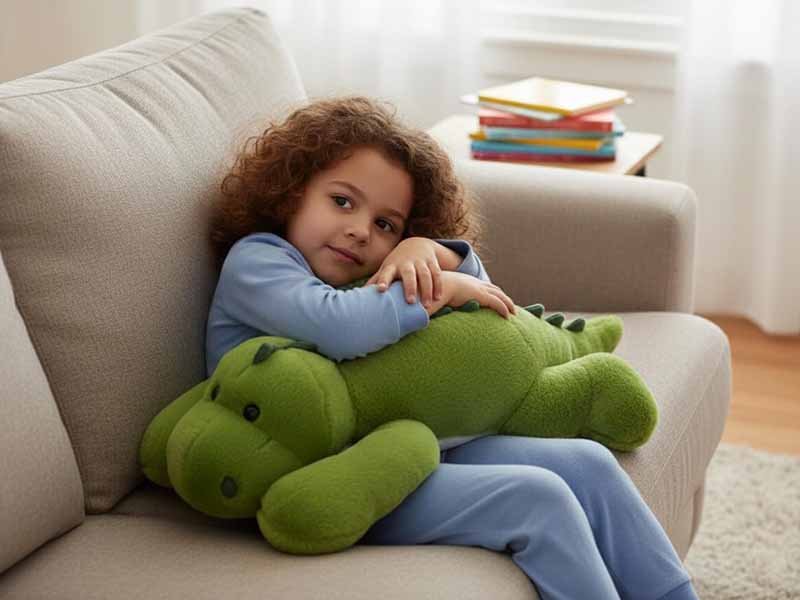
A weighted plush looks like a cute stuffed animal, but the real reason people buy it often goes deeper than appearance. It may sit on a child’s lap during reading time, rest beside an adult after a stressful workday, travel in a backpack for comfort, or become part of a bedtime routine. The soft fabric creates the first emotional connection; the added weight creates the second. Together, they give the product a calm, secure, “held” feeling that ordinary plush toys do not always provide.
A weighted plush is a stuffed toy made with added internal weight, usually from glass beads, plastic pellets, or sealed weighted inserts. It is designed to feel soft, huggable, and gently grounding when held, placed on the lap, or used during rest. Good weighted plush design depends on safe weight, balanced filling, strong seams, soft fabrics, clear labeling, and reliable quality control.
For brands, weighted plush toys are not just another plush category. They connect with comfort gifting, sensory products, wellness retail, sleep routines, emotional support, character merchandise, and premium plush collections. A weighted bear, dinosaur, bunny, cat, capybara, dog, mascot, or custom character can become a product people keep close for years. But making one well is not as simple as adding beads into a normal plush toy. Weight placement, inner bag structure, fabric stretch, seam strength, washing method, and safety testing all matter. A good weighted plush should feel calm in the arms, stable in shape, safe in use, and polished enough for retail shelves.
What Is a Weighted Plush?

A weighted plush is a soft stuffed toy with extra weight built inside its body. It is made to provide a gentle pressure feeling when hugged, held, or placed on the lap. Compared with a regular plush, it needs stronger seams, controlled filling, safer internal structure, balanced weight placement, and clear use guidance.
What Is It?
A weighted plush is made from plush fabric, fiber stuffing, and added weighted material. The outer layer may look like any other stuffed animal, but the inside is designed differently. Instead of filling the whole toy only with polyester fiber, the factory adds weighted beads, pellets, or a sealed inner weight bag into specific areas.
Common weighted plush forms include:
| Product Form | Common Weight Range | Common Use |
|---|---|---|
| Small hand-held plush | 0.3–0.8 kg | Travel, desk use, light comfort |
| Lap weighted plush | 0.8–1.8 kg | Reading, study, sofa, relaxation |
| Bedtime plush | 0.8–2.5 kg | Hugging, sleep routine, rest |
| Shoulder plush | 0.5–1.2 kg | Shoulder comfort, sensory support |
| Large weighted animal | 1.5–3.5 kg | Adult comfort, premium gifts |
| Custom mascot plush | Based on design | Retail, IP, event, private label |
A well-made weighted plush should not feel like a loose bag of beads. The toy still needs a soft body, cute face, stable shape, and smooth hand feel. The weighted part should be hidden inside the body, surrounded by soft fiber, and secured inside a reinforced compartment.
For custom production, the factory must confirm several points before sampling:
. Product size
. Target weight
. Target age group
. Fabric type
. Character shape
. Inner weight position
. Filling material
. Washing method
. Safety standard
. Retail packaging style
Delsney can develop weighted plush from sketches, digital artwork, photos, mascot drawings, reference samples, or technical files. For premium projects, the team can support three-view drawings, 3D visual effect reference, fabric matching, pattern making, 5–7 day fast sampling, and OEM/ODM production.
Why Is It Popular?
Weighted plush toys are popular because they combine softness, emotional value, visual cuteness, and physical comfort in one product. A regular plush may be adorable, but a weighted plush feels more present in the arms. The added weight gives users a stronger sense of contact, making the product feel more comforting during quiet moments.
Several consumer trends support weighted plush growth:
| Trend | Customer Need | Product Direction |
|---|---|---|
| Self-care products | Simple comfort after stress | Calming plush animals |
| Sleep routines | Soft bedtime object | Weighted sleep companions |
| Sensory products | Gentle pressure and touch | Sensory-friendly plush |
| Adult plush demand | Cozy home lifestyle | Premium weighted animals |
| Gift market | Meaningful emotional gifts | Boxed weighted plush |
| Character merchandise | Collectible comfort item | IP weighted plush |
| Social media sharing | Cute and photogenic products | Trendy animal designs |
Weighted plush products also work well because they have a strong emotional selling point. Customers are not only buying a toy. They are buying a feeling: comfort, calm, warmth, security, companionship, or nostalgia. That gives brands more room to build product stories and collections.
Popular weighted plush themes include:
. Bear
. Bunny
. Cat
. Dog
. Dinosaur
. Capybara
. Turtle
. Penguin
. Axolotl
. Frog
. Panda
. Koala
. Whale
. Custom mascot
. Licensed character
. Holiday character
For brands, the opportunity is larger than one product. Weighted plush can be developed into collections by weight, animal type, age group, season, fabric texture, or emotional use. For example, a brand can launch a “calm animal series,” a “bedtime weighted plush series,” or a “desk comfort plush series.”
Who Uses It?
Weighted plush toys are used by many different customer groups. Children may use lighter versions for comfort. Teenagers may use them during study or rest. Adults may keep them on a bed, sofa, desk, or travel bag. Gift customers may choose weighted plush toys because they feel more thoughtful than ordinary stuffed animals.
Different user groups care about different product details:
| User Group | Main Need | Design Priority |
|---|---|---|
| Young children | Soft comfort and safe use | Light weight, strong seams, safe labels |
| Teenagers | Stress relief and cute style | Trendy animals, soft colors, social appeal |
| Adults | Relaxation and sleep routine | Larger size, premium fabric, balanced weight |
| Students | Study comfort | Lap size, portable weight |
| Office workers | After-work relaxation | Medium weight, compact design |
| Travelers | Familiar comfort away from home | Smaller size, easy packing |
| Plush collectors | Character value | Unique design and fine details |
| Gift customers | Emotional gifting | Attractive packaging and story card |
Product development should always begin with the user group. A plush made for children should not use the same weight level as a plush made for adults. A plush for lap comfort should have a lower, stable center of gravity. A plush for hugging should have softer weight distribution across the body. A shoulder plush should curve well and stay in position without sliding.
Customer concerns usually include:
. Is it too heavy?
. Is it safe for kids?
. Can it be washed?
. Will beads leak out?
. Does the fabric shed?
. Does the toy lose shape?
. Is the weight evenly placed?
. Does it feel soft or hard inside?
. Is the product suitable as a gift?
Delsney’s custom service helps brands solve these concerns during the design and sample stage. The factory can adjust weight, body shape, fabric pile, embroidery details, stuffing level, seam reinforcement, and packaging based on the target market.
How Is It Different?
A weighted plush is different from a regular plush in structure, filling, weight control, safety risk, and inspection requirements. A normal plush mainly focuses on softness, shape, cuteness, stitching, and surface details. A weighted plush must do all of that while also controlling inner weight, pressure feel, seam strength, and filling security.
| Feature | Regular Plush | Weighted Plush |
|---|---|---|
| Main filling | Polyester fiber | Fiber plus weighted filling |
| Main purpose | Play, décor, gift, collection | Comfort, calm, sensory feel, gift |
| Inner structure | Simple body stuffing | Weight pouch or divided compartments |
| Weight balance | Not critical | Very important |
| Seam strength | Standard plush requirement | Higher stress control |
| Washing method | Often easier | Depends on weighted insert |
| Safety labeling | Standard toy label | Age, weight, care, warning details |
| Sample testing | Shape and workmanship | Shape, weight, seam, leak, comfort |
A common mistake is taking an existing plush design and simply adding beads into the belly. That can create several problems:
. The toy sags badly.
. The weight falls to one side.
. The seams carry too much pressure.
. The plush feels lumpy.
. The body loses the intended shape.
. Beads may collect near corners.
. The finished product feels cheap instead of calming.
A better design uses an inner weight system. The weighted material can be placed inside a secure fabric pouch, divided pocket, belly insert, bottom insert, or removable bag. Polyester stuffing is then used around the weighted part to keep the plush soft and rounded.
Good weighted plush engineering should achieve:
. Stable weight placement
. Soft outer hand feel
. No sharp or hard bead feeling
. Strong seam protection
. Smooth body shape
. Safe inner pouch closure
. Correct sitting or lying posture
. Clear weight consistency across units
Delsney’s plush development process is useful for this type of product because weighted plush requires both creative design and factory engineering. Pattern making, fabric choice, filling ratio, inner bag structure, embroidery, sampling, inspection, and bulk production must work together.
How Does a Weighted Plush Work?

A weighted plush works by giving the body a gentle, steady pressure feeling. When a user holds it, rests it on the lap, or hugs it against the chest, the added weight creates a grounded sensation. The comfort level depends on weight amount, plush size, fabric softness, filling balance, body shape, and safe product design.
What Is Deep Pressure?
Deep pressure means a firm but gentle pressure applied to the body. In a weighted plush, this pressure comes from the plush’s added weight. The user may feel it when the toy rests on the lap, chest, shoulder, arms, or beside the body during rest.
The pressure should feel soft and steady, never harsh or restrictive. A good weighted plush feels like a calm weight, not a heavy object. That feeling comes from the relationship between total weight and contact area.
For example:
| Plush Size | Weight | Pressure Feel |
|---|---|---|
| 20 cm small plush | 0.8 kg | Dense and heavy for size |
| 30 cm plush | 0.8 kg | Balanced and easy to hold |
| 40 cm plush | 1.2 kg | Gentle lap or hug weight |
| 50 cm plush | 2.0 kg | Stronger adult comfort feel |
| 60 cm plush | 2.5 kg+ | Premium large comfort item |
The same weight can feel very different depending on size. A 1 kg small plush may feel too concentrated, while a 1 kg medium plush may feel calm and comfortable. Weight distribution also matters. If all beads sit in one pouch, the toy may feel hard. If the weight is divided across several sections, the plush usually feels more natural.
Factory design points include:
. Contact area
. Inner pouch size
. Bead movement control
. Fiber padding around weight
. Plush body shape
. Seam position
. Finished posture
. Target user age
Delsney can adjust inner compartments and stuffing levels so the finished plush keeps a cute appearance while still giving a stable weighted feel.
Why Does Weight Feel Calming?
Weight can feel calming because it gives the user a steady physical sensation. Many people naturally find comfort in pressure: a hug, a blanket, a pet resting nearby, or a soft object held close. A weighted plush brings that feeling into a small, portable, emotional product.
The calming effect is not only from weight. It comes from several parts working together:
| Product Detail | Comfort Role |
|---|---|
| Soft fabric | Creates pleasant skin contact |
| Rounded shape | Feels safe and huggable |
| Balanced weight | Gives steady pressure |
| Cute face | Builds emotional connection |
| Quiet filling | Avoids annoying bead noise |
| Smooth seams | Keeps touch comfortable |
| Right size | Makes holding easy |
Brands should be careful with claims. A weighted plush can be described as comforting, calming, relaxing, sensory-friendly, cozy, or useful for daily decompression. It should not be described as a medical cure unless supported by proper certification and legal review.
Better product language includes:
. Designed for cozy comfort
. Made with gentle weighted filling
. Soft support for quiet moments
. A calming plush for rest and relaxation
. Suitable for bedtime routines and cozy spaces
. Made for hugging, holding, and unwinding
Poor product language includes:
. Cures anxiety
. Treats sleep disorders
. Replaces therapy
. Guaranteed stress removal
. Medical treatment plush
From a design angle, a calming plush should avoid overcomplicated accessories, hard plastic parts, scratchy embroidery, noisy fillings, or uneven weight. The toy should invite touch immediately.
Can It Reduce Anxiety?
A weighted plush may help some users feel calmer during nervous or stressful moments because it gives them something soft, steady, and familiar to hold. For many customers, holding a weighted plush can become part of a personal routine: sitting on the sofa, reading, doing homework, working at a desk, traveling, or preparing for bed.
For product development, anxiety-related use means the plush must feel trustworthy. Customers who buy comfort products often notice small flaws quickly. Rough fabric, leaking beads, strong smell, hard lumps, or weak stitching can ruin the experience.
Important product features for comfort-focused weighted plush:
. Ultra-soft fabric
. Smooth embroidered facial details
. Quiet inner filling
. Rounded body shape
. Stable bead placement
. No rough seams near hands or face
. Gentle color palette
. Clear care instructions
. Attractive but calm packaging
Comfort-related weighted plush products can be divided into several market directions:
| Product Direction | Design Style | Sales Scene |
|---|---|---|
| Calm animal plush | Soft colors, friendly face | Gift shops, wellness stores |
| Desk comfort plush | Small to medium size | Students, office workers |
| Bedtime plush | Larger hugging shape | Home, sleep, self-care |
| Travel comfort plush | Compact and portable | Travel retail, online shops |
| Sensory plush | Balanced weight, soft touch | Specialty stores |
| Character plush | IP or mascot design | Retail, events, licensing |
For brands, clear and honest positioning builds trust. Customers appreciate products that explain weight, size, material, care method, and use suggestions. Overpromising creates risk. Practical detail sells better than exaggerated claims.
Delsney can help develop weighted plush for comfort product lines, including fabric testing, embroidery sampling, filling comparison, inner bag design, packaging support, and quality inspection before shipment.
Can It Improve Sleep?
A weighted plush may help support a relaxing bedtime routine for some users. Many people like holding something soft at night because it feels familiar and comforting. A weighted plush adds gentle pressure, making the product feel more grounded than a regular stuffed toy.
For sleep-related products, comfort and safety must come first. A bedtime plush should not be too heavy, too hot, too stiff, or difficult to clean. The shape should be easy to hug or place beside the body. The fabric should feel soft against skin. The filling should stay quiet when the user moves.
Sleep plush design considerations:
| Design Point | Why It Matters |
|---|---|
| Moderate weight | Avoids uncomfortable pressure |
| Soft fabric | Better skin feel |
| Quiet filling | Less disturbance |
| Rounded body | Easier to hug |
| No hard parts | Safer and more comfortable |
| Washable cover | Better long-term use |
| Clear care label | Reduces customer confusion |
| Breathable construction | More comfortable in warm seasons |
For children, age guidance matters more. Heavy plush toys should not be marketed casually for very young children. Product labels should explain age suitability, care method, and safe-use notes. For adult products, size, softness, weight balance, and packaging become more important.
Common weighted plush sleep product ideas:
. Weighted teddy bear
. Weighted bunny
. Weighted dinosaur
. Weighted cat
. Weighted pillow plush
. Weighted long-body animal
. Weighted bedtime mascot
. Weighted plush gift set
. Removable cover weighted plush
. Warmable weighted plush with proper safety review
For private label brands, sleep-themed weighted plush can be paired with retail packaging, story cards, calming color palettes, soft-touch hangtags, and gift boxes. A premium product should feel thoughtful from the moment the customer sees the package.
Delsney can support weighted plush sleep products with custom design, soft fabric selection, inner weight planning, safe stitching, sample development, private label branding, and bulk production for retail, e-commerce, gift, wellness, and character merchandise projects.
Which Materials Are Used?

Weighted plush materials usually include soft outer fabric, polyester fiber filling, weighted beads or pellets, reinforced inner pouches, strong sewing thread, embroidery details, labels, and packaging materials. The best material choice depends on target age, target weight, softness level, washing method, price point, safety requirements, and retail positioning.
Which Fabrics Work Best?
Fabric is the first thing customers touch, so it has a direct impact on whether a weighted plush feels comforting or cheap. Even if the inner weight is well designed, rough fabric can make the product feel unpleasant. For weighted plush, the outer fabric should be soft, skin-friendly, durable, and stable enough to hold shape after stuffing.
Common fabric options include:
| Fabric Type | Touch Feel | Best Use | Notes |
|---|---|---|---|
| Minky plush | Smooth, soft, short pile | Baby-style plush, sleep plush | Clean look, easy embroidery |
| Velboa | Short pile, smooth | Cost-effective plush | Good for simple custom projects |
| Long-pile plush | Fluffy, cozy | Premium animals, gift plush | Needs brushing and quality control |
| Sherpa | Warm, textured | Cozy home plush | Popular for winter and comfort products |
| Crystal super soft | Very smooth and soft | Retail plush, character plush | Strong customer appeal |
| Faux fur | Rich and fluffy | Premium animal plush | Higher cost and more shedding control |
| Stretch plush | Flexible, soft | Round plush, pillow plush | Needs good pattern control |
| Cotton-blend fabric | Natural feel | Minimalist plush, baby-style designs | Less fluffy, more lifestyle-oriented |
For comfort-focused weighted plush, soft-touch fabrics usually perform better than stiff fabrics. Minky, crystal super soft, short-pile plush, and soft sherpa are common choices because they feel smooth against the skin and work well for hugging.
Fabric pile length should match the character design. A long-pile bear may feel warm and premium, but facial embroidery can become less visible if the pile is too long. A short-pile plush makes eyes, mouth, logo embroidery, and small details look cleaner. A rounded animal such as a capybara, seal, dinosaur, or pillow-style character may work better with short, smooth fabric because the shape looks cleaner.
Key fabric decisions for brands:
. Should the plush feel smooth or fluffy?
. Will the user hug it against the face?
. Does the design need detailed embroidery?
. Is the product for children, adults, or gift retail?
. Will the plush be used in warm or cold seasons?
. Does the fabric shed easily?
. Can the fabric pass required tests?
. Does the color match the brand’s design?
Delsney can help compare fabric swatches, pile heights, color options, softness levels, and cost differences before sampling. For high-end custom plush projects, fabric selection should happen before final pattern approval because fabric stretch and thickness can change the final shape.
What Fillings Add Weight?
Weighted plush toys need two main filling systems: soft stuffing and weighted filling. Polyester fiber gives the plush its shape, softness, and huggable body. Weighted filling adds pressure and stability. The challenge is making both work together without creating lumps, sagging, noise, or safety problems.
Common weighted filling options include:
| Filling Type | Weight Feel | Advantages | Concerns |
|---|---|---|---|
| Glass beads | Smooth, dense, fine | Premium feel, compact weight | Higher cost, must be securely sealed |
| Plastic pellets | Light to medium density | Cost-effective, common in plush | Bulkier than glass beads |
| Micro glass beads | Very smooth and fine | Soft pressure feel | Higher control requirements |
| Steel beads | Very dense | Small volume for high weight | Not common for children’s plush |
| Sand-like filling | Heavy and soft | Stable weight feel | Moisture and leakage risk if poor quality |
| Removable weight bag | Controlled and serviceable | Easier washing and QC | More complex design |
Glass beads are often chosen for premium weighted plush because they are dense and can create weight without making the plush overly bulky. Plastic pellets are more cost-effective and widely used, but they may require more volume to achieve the same weight. The right choice depends on cost, safety standard, weight target, product size, and customer positioning.
A weighted plush should usually not be filled with loose beads directly inside the whole body. A better method is to place weighted material inside a separate inner pouch or compartment. This helps control bead movement and reduces leakage risk.
Weighted filling design should consider:
. Bead size
. Bead density
. Inner pouch fabric
. Double stitching
. Weight position
. Noise level
. Leakage risk
. Washing method
. Metal detection needs
. Safety testing
For a 30–40 cm plush, a common weight range may sit around 0.8–1.5 kg depending on the body shape and target age. For a larger adult plush, 2 kg or more may be considered, but comfort and safety must be reviewed carefully. Delsney can produce weighted samples with different filling options so brands can physically compare hand feel before confirming bulk production.
Glass Beads or Pellets?
Glass beads and plastic pellets are two common choices for weighted plush. Neither is automatically “best” for every project. The better option depends on product size, budget, desired hand feel, target market, safety requirements, and whether the plush needs a premium or cost-friendly positioning.
| Comparison Point | Glass Beads | Plastic Pellets |
|---|---|---|
| Density | Higher | Lower |
| Hand feel | Smoother, finer | More noticeable texture |
| Volume needed | Less | More |
| Cost | Higher | Lower |
| Premium perception | Stronger | Moderate |
| Noise level | Usually lower if well packed | Can be more noticeable |
| Weight control | Good | Good |
| Common use | Premium weighted plush | Cost-effective plush |
| Safety need | Secure inner pouch | Secure inner pouch |
Glass beads are useful when the plush should feel smooth and compact. Because glass beads are dense, the factory can add weight without making the plush look oversized or swollen. This is helpful for smaller plush toys, premium characters, sleep plush, and adult comfort plush.
Plastic pellets are useful when the project needs cost control. They can work well in larger plush bodies where there is enough space. For promotional weighted plush or entry-level product lines, plastic pellets may be more practical.
The real quality difference often comes from the inner structure, not only the bead type. A poorly made glass bead plush can still leak or feel lumpy. A well-made plastic pellet plush can feel stable, safe, and comfortable if the pouch design is good.
Important questions before choosing filling:
. What is the target retail price?
. What total weight is needed?
. How large is the plush body?
. Should the plush feel premium?
. Is the product for children or adults?
. Will the plush be washed?
. Are there testing requirements?
. Does the filling make noise when moved?
Delsney can help brands compare sample versions using glass beads, plastic pellets, or removable weighted inserts. Testing two or three options during sampling is often cheaper than discovering after bulk production that the hand feel is not right.
How Is Weight Balanced?
Weight balance is one of the most important parts of weighted plush design. The toy should feel naturally heavy, not awkward or unstable. If weight collects in one corner, the plush may sag, lean, fall over, or feel uncomfortable to hold. If weight is spread too widely without control, it may shift during use and make the product feel poorly made.
The balance depends on plush shape:
| Plush Shape | Best Weight Position | Reason |
|---|---|---|
| Sitting animal | Belly and bottom | Helps the plush sit upright |
| Long-body plush | Middle body sections | Spreads pressure evenly |
| Pillow plush | Flat center area | Creates comfortable hugging pressure |
| Shoulder plush | Curved body sections | Helps it stay on shoulders |
| Small hand plush | Lower body | Feels stable in hand |
| Large animal plush | Belly, paws, and bottom | Prevents sagging and improves realism |
A good weighted plush often uses inner compartments instead of one loose pocket. Compartments can divide beads into sections, reduce shifting, and create a smoother feeling. Some designs place weight in the belly only. Others use a belly pouch plus weighted paws or bottom sections to make the plush sit better.
Weight balance also affects the final look. A plush character may look cute in artwork, but once weight is added, the body may flatten, legs may pull downward, or the head may tilt. Pattern makers need to adjust proportions, seam positions, and stuffing levels to protect the design.
Factory control points include:
. Inner pouch shape
. Bead volume per section
. Stitching strength
. Fiber stuffing around beads
. Weight position compared with body center
. Sitting or lying posture
. Finished appearance after shaking
. Drop and pull testing
Delsney’s sample process can adjust weight distribution after the first prototype. For example, if a weighted bunny leans forward, weight may need to move lower. If a dinosaur feels too hard in the belly, more fiber padding may be added. If a shoulder plush slides off, the curve and weight zones may need redesign.
Is It Washable?
Washability is a major customer concern for weighted plush toys. Because these products are often hugged, held, used in bed, or carried around, customers naturally want to know how to clean them. The answer depends on fabric, filling, inner pouch structure, accessories, and whether the weighted part is removable.
There are three common cleaning structures:
| Wash Structure | How It Works | Best For |
|---|---|---|
| Spot clean only | Surface cleaning with damp cloth | Heavy plush, complex designs |
| Removable cover | Outer cover can be washed | Premium sleep plush, adult comfort plush |
| Removable weight insert | Weight bag can be taken out | Higher-end designs |
| Fully washable design | Entire plush can be washed carefully | Light weighted plush only |
Many weighted plush toys are spot-clean only because weighted filling can make machine washing risky. Water can affect drying time, inner pouch strength, bead movement, smell, and shape recovery. If the plush is large or heavy, full washing may also damage the sewing structure.
For premium products, removable covers or removable weight inserts can improve customer experience. The outer plush cover can be cleaned more easily, while the weighted insert stays dry. However, this structure needs better pattern design, hidden zippers, safe closures, and careful child safety review.
Cleaning label suggestions should be clear:
. Spot clean with damp cloth
. Do not bleach
. Air dry fully
. Do not tumble dry unless tested
. Do not microwave unless designed for heat use
. Keep inner weighted pouch dry if removable
. Follow age and care instructions
For retail brands, care instructions should be placed on the sewn label, hangtag, package insert, or product detail page. Customers dislike guessing. Clear care guidance reduces returns and negative reviews.
Delsney can design weighted plush with spot-clean construction, removable covers, removable inserts, or special cleaning guidance depending on the brand’s price level and market needs. For children’s products, any removable part must be reviewed carefully for safety and age suitability.
How Heavy Should It Be?

Weighted plush weight should match the user’s age, body size, use scenario, and product shape. A safe and comfortable weighted plush is not always the heaviest one. Good design focuses on balanced pressure, easy handling, secure filling, and clear labeling. For many retail products, lighter weights work better for children, while larger plush toys can carry more weight for adults.
What Weight Is Safe?
Safe weight depends on age, product size, body placement, and how the plush is used. A weighted plush for holding in the hands can be lighter than one used on the lap. A plush for adults can be heavier than one for children. A plush used near sleep should be reviewed more carefully than one used as a desk comfort item.
A useful starting guide for product development:
| User Type | Suggested Weight Range | Product Size Reference | Notes |
|---|---|---|---|
| Young children | 0.3–0.8 kg | Small to medium | Use extra caution and clear age label |
| Older children | 0.6–1.2 kg | Medium | Good for lap or hand comfort |
| Teens | 0.8–1.8 kg | Medium to large | Popular for study and sleep routines |
| Adults | 1.2–3.0 kg | Medium to large | Depends on comfort preference |
| Large premium plush | 2.0–4.0 kg | Large body | Better for adult use |
For safety, the product should not restrict movement, breathing, or posture. It should not be too heavy for the user to remove easily. A weighted plush should never be placed on babies or very young children in unsafe sleep situations.
Brands should define the product’s safe-use scenario early:
. Lap use
. Hugging use
. Bedside use
. Shoulder use
. Travel use
. Desk use
. Gift use
. Sensory comfort use
Each use case may need a different weight level. A lap plush can be heavier because it rests on the legs. A shoulder plush should be lighter and carefully shaped. A bedtime plush should feel comforting but not restrictive.
Delsney can help brands test different weight levels during sampling. Many projects benefit from making two sample weights in the same plush size, such as 1.0 kg and 1.5 kg, so the brand can compare comfort directly.
Which Weight Fits Kids?
Weighted plush for kids should be designed with extra care. Children may drag, throw, sleep near, squeeze, or carry plush toys in ways adults do not expect. The product should be soft, secure, age-appropriate, and not too heavy.
For children, lighter weights are usually safer and easier to use. The plush should feel comforting without becoming difficult to move. The inner weighted pouch must be strongly sealed, and seams should be reinforced to prevent bead leakage.
Kids’ weighted plush development should focus on:
. Lower total weight
. Soft fabric
. Secure inner pouch
. Strong outer seams
. Embroidered details where suitable
. No sharp hard parts
. Clear age label
. Simple cleaning instructions
. Proper safety testing
| Child Product Type | Suggested Direction |
|---|---|
| Small comfort plush | Light weight, easy to carry |
| Lap animal | Stable bottom weight |
| Reading plush | Soft body, moderate weight |
| Bedtime companion | Careful weight and safe-use label |
| Sensory plush | Balanced filling and strong seams |
| Gift plush | Cute style and clear care label |
For children’s products, testing and labeling are extremely important. Brands selling to the US, EU, UK, or other regulated markets should confirm toy safety requirements early. Safety review may include physical and mechanical testing, small parts, seam strength, flammability, chemical restrictions, labeling, and age grading.
A weighted plush for kids should not be developed only by appearance. The factory needs to review how weight affects safety, shape, and durability. Delsney can help adjust plush pattern, weight placement, stuffing ratio, embroidery, fabric choice, and sewing strength for children’s weighted plush projects.
Which Weight Fits Adults?
Adults often prefer heavier weighted plush toys because they want a stronger calming or grounding feeling. Adult products can also be larger, more decorative, and more premium in fabric and packaging. A weighted plush for adults may be used on the bed, sofa, desk chair, reading corner, dorm room, travel bag, or office.
Adult weighted plush commonly ranges from around 1.2 kg to 3.0 kg, though larger plush can go beyond that if designed carefully. The key is comfort. A plush that is too dense may feel hard and awkward. A plush that is large but underfilled may feel floppy and cheap.
Adult product priorities include:
. Premium fabric touch
. Larger hugging shape
. Balanced pressure
. Aesthetic colors
. Emotional gift packaging
. Strong seams
. Low-noise filling
. Better shape retention
. Optional removable cover
. Collectible character design
| Adult Product Direction | Suggested Weight Feel | Design Notes |
|---|---|---|
| Desk plush | Light to medium | Easy to move, compact |
| Sofa plush | Medium | Comfortable lap use |
| Sleep plush | Medium to heavy | Soft, quiet, huggable |
| Gift plush | Medium | Premium packaging matters |
| Large animal plush | Heavy | Needs strong internal support |
| Character plush | Depends on shape | Must protect design accuracy |
Adults are also more likely to care about interior style. A weighted plush that looks childish may not appeal to them, but a clean bear, capybara, cat, dinosaur, seal, or minimal mascot may fit home décor better. Color choices such as cream, brown, grey, sage green, soft pink, muted blue, and warm beige often perform well in adult comfort collections.
Delsney can help brands create adult weighted plush lines with premium fabric, refined embroidery, private label branding, gift boxes, hangtags, and custom packaging.
Does Size Matter?
Size matters a lot because it changes how weight feels. The same weight can feel soft and balanced in a large plush but too dense in a small plush. Size also affects shipping cost, carton volume, shelf display, photography, user age, and retail price.
Important size factors include:
| Size Factor | Product Impact |
|---|---|
| Body length | Affects hugging comfort |
| Body width | Controls contact area |
| Belly volume | Holds weighted insert |
| Limb size | Affects character look |
| Head proportion | Changes balance and cuteness |
| Bottom shape | Helps sitting stability |
| Carton size | Affects shipping cost |
| Shelf size | Affects retail display |
A small weighted plush is easy to carry, but limited inner space makes weight placement harder. A large plush can feel more luxurious, but it costs more to produce and ship. Medium sizes are often the most practical for retail because they balance comfort, cost, and shelf appeal.
Useful size planning table:
| Plush Length | Common Product Feel | Good For |
|---|---|---|
| 15–20 cm | Small and portable | Key comfort plush, travel |
| 25–30 cm | Easy to hold | Kids, gifts, desk use |
| 35–45 cm | Strong retail size | Lap plush, bedtime plush |
| 50–65 cm | Premium large plush | Adult comfort, sofa plush |
| 70 cm+ | Oversized plush | Special gifts, premium collections |
For character plush, size must match the design. A long dinosaur, round seal, sitting bear, flat pillow plush, and shoulder animal all distribute weight differently. Pattern making should be adjusted around weight, not only artwork.
Delsney’s pattern and sampling team can help convert 2D artwork into a realistic plush structure, including weight space, body volume, seam position, and final posture.
Can Weight Be Customized?
Yes, weighted plush toys can be customized by weight, size, filling type, fabric, structure, character design, logo, label, packaging, and market requirement. Weight customization is one of the strongest advantages for private label and OEM/ODM plush projects.
Brands can customize:
. Total product weight
. Weight position
. Number of weight compartments
. Glass bead or pellet filling
. Removable or fixed insert
. Fabric softness
. Character shape
. Embroidery details
. Logo label
. Packaging style
. Age label
. Care instruction
Common custom weight plans:
| Custom Plan | Best For |
|---|---|
| One standard weight | Simple retail launch |
| Two weight options | Kids and adult versions |
| Size-based weight series | Product collection |
| Removable weight insert | Premium washable design |
| Weight in paws and belly | More realistic animal feel |
| Bottom-weighted design | Sitting plush animals |
| Long-body divided weight | Hugging plush or pillow plush |
For brands, customized weight can create better product segmentation. A 0.8 kg plush may be promoted as a light comfort toy. A 1.5 kg version may be positioned as a cozy lap plush. A 2.5 kg larger version may become a premium adult comfort gift.
Delsney supports flexible MOQ, fast sampling, free design support, sample development from drawings or reference samples, and OEM/ODM weighted plush production. For high-requirement projects, the factory can help create technical files, three-view drawings, 3D visual effects, fabric comparisons, sample revisions, and bulk production quality control.
Are Weighted Plush Toys Safe?

Weighted plush toys can be safe when the weight is suitable, the inner filling is sealed well, the seams are reinforced, the fabric meets market requirements, and the product includes clear age and care labels. Safety depends on design, testing, filling control, sewing strength, and honest product positioning.
Are They Safe for Kids?
Weighted plush toys for kids need more careful design than ordinary stuffed animals. Children may hug, drag, throw, sit on, sleep near, or chew plush toys. If the toy is too heavy, poorly sealed, or made with weak seams, it can create real product risk.
Important kid-focused safety points include:
. Use lighter weight ranges
. Avoid loose internal beads
. Use reinforced inner pouches
. Strengthen outer seams
. Choose soft and tested fabrics
. Use embroidery instead of hard parts when suitable
. Add clear age guidance
. Add proper care instructions
. Avoid unsafe sleep claims
. Test before bulk production
| Safety Point | Why It Matters |
|---|---|
| Age grading | Prevents unsuitable use |
| Weight control | Keeps the plush easy to move |
| Seam strength | Reduces leakage risk |
| Inner pouch sealing | Keeps beads contained |
| Small parts review | Reduces choking risk |
| Fabric testing | Supports market compliance |
| Label clarity | Helps parents use it correctly |
A children’s weighted plush should never be treated as “just a heavier stuffed animal.” The factory needs to review the user age, body size, toy shape, total weight, bead size, seam construction, and care method before sampling.
Which Tests Are Needed?
Testing depends on the target market, age group, and sales channel. A weighted plush sold as a toy may need toy safety testing. A plush sold as a wellness comfort item may still need material and physical safety checks, especially when sold through major retailers or e-commerce platforms.
Common test areas include:
| Test Area | What It Checks |
|---|---|
| Physical safety | Sharp points, small parts, seam strength |
| Mechanical safety | Pulling, twisting, tension, abuse use |
| Flammability | Fabric burning behavior |
| Chemical safety | Restricted substances in fabric and filling |
| Filling security | Bead leakage risk |
| Label review | Age, care, warning, origin, material |
| Color fastness | Fabric color transfer |
| Odor review | Customer opening experience |
| Wash test | Shape and seam stability after cleaning |
For US, EU, UK, Canada, Australia, and other regulated markets, brands should confirm the exact compliance route before production. Requirements may change based on whether the product is for children, adults, gifting, sensory use, or retail toy shelves.
Delsney can support plush projects aligned with international safety expectations, including material review, sample checks, production inspection, and packaging label support.
How Is Safety Improved?
Safety improves when the weighted plush is engineered from the inside out. The most important safety area is the weighted filling system. Beads or pellets should not move freely across the entire plush body. They should be placed inside secure inner bags or stitched compartments.
Safety-focused construction may include:
. Double-layer inner pouch
. Reinforced seams around weighted areas
. Divided bead compartments
. Strong sewing thread
. Lock stitching at stress points
. Soft fiber padding around weighted zones
. No sharp internal edges
. Secure closing method
. Proper needle inspection
. Random pull testing
| Risk | Better Factory Solution |
|---|---|
| Bead leakage | Double pouch and reinforced stitching |
| Uneven pressure | Divided weight compartments |
| Sagging body | Balanced fiber stuffing |
| Seam opening | Stronger thread and stitch density |
| Hard inner feel | More padding around weight |
| Wrong age use | Clear label and package warning |
| Poor washing result | Removable cover or spot-clean label |
Good safety design is not only about passing tests. It is also about reducing real-life complaints. A plush that leaks beads, feels lumpy, smells strong, or loses shape after one week will damage the brand, even if it looked fine in photos.
Are Heated Plush Safe?
Heated weighted plush toys can be attractive, but they need stricter review. Some products use removable warming inserts, microwaveable packs, or heat-retaining filling. These designs can create comfort value, but heat also adds risk.
Brands should not casually combine heat and weight without checking materials, filling, inner bag structure, heating instructions, and market regulations.
Important heated plush checks include:
. Can the filling be heated safely?
. Is the heating insert removable?
. Can the outer plush tolerate heat?
. Are there clear heating time limits?
. Is the product suitable for children?
. Does the packaging include warnings?
. Has the product been tested after repeated heating?
. Does the filling create odor after heating?
. Are seams stable after heat exposure?
| Heated Design | Risk Level | Notes |
|---|---|---|
| Non-heated weighted plush | Lower | Easier to control |
| Removable warm pack | Medium | Needs clear instructions |
| Microwaveable insert | Higher | Needs strict material testing |
| Fully microwaveable plush | High | Requires careful safety validation |
For most first-time brands, a non-heated weighted plush is easier and safer to launch. Heated versions may be developed later after the brand has stronger testing resources and clear compliance support.
What Labels Are Required?
Weighted plush labels should help customers understand what the product is, who it is for, how to use it, and how to clean it. Label requirements vary by market, but clear labeling is always good product practice.
Useful label and packaging information may include:
. Product name
. Material composition
. Filling material
. Net weight
. Age recommendation
. Care instructions
. Warning notes
. Manufacturer information
. Country of origin
. Batch or lot number
. Compliance marks when required
. Storage instructions
. Heating instructions if applicable
| Label Item | Why It Matters |
|---|---|
| Weight | Helps customers choose correctly |
| Age guide | Reduces unsuitable use |
| Care method | Prevents washing damage |
| Filling info | Builds trust |
| Warning notes | Supports safer use |
| Batch code | Helps quality tracking |
| Brand label | Supports private label sales |
For private label weighted plush, labels can be added as woven labels, printed satin labels, hangtags, insert cards, belly bands, gift box cards, or QR code instruction cards. Delsney can help brands prepare label placement and packaging structure during sampling.
How Are Weighted Plush Made?
Weighted plush toys are made through design review, pattern making, fabric cutting, embroidery, inner weight pouch production, stuffing, seam reinforcement, sample testing, quality inspection, and packing. Compared with ordinary plush, weighted plush needs more control over inner structure, weight balance, seam strength, and finished comfort.
How Is It Designed?
Weighted plush design starts with the character shape and use purpose. A plush made for lap comfort needs a different structure from a shoulder plush, bedtime plush, or small travel plush. The design must consider both appearance and internal weight space.
The design process usually includes:
. Concept review
. Size confirmation
. Weight target
. Fabric selection
. Color matching
. Pattern engineering
. Inner pouch planning
. Embroidery design
. Accessory review
. Packaging direction
| Design Input | Factory Review |
|---|---|
| Sketch | Can the shape hold weight? |
| 2D artwork | Where should seams go? |
| Mascot design | How close can the plush match? |
| Reference sample | Which parts need improvement? |
| Photo idea | What fabric and shape are suitable? |
| Tech file | Are dimensions and weight realistic? |
For high-end weighted plush, Delsney can support three-view drawing and 3D visual effect development. This helps customers see the front, side, and back structure before sampling. It also helps reduce the gap between artwork and final product.
How Is Weight Added?
Weight is usually added through an internal pouch or divided pocket system. The weighted material should be measured accurately, sealed securely, and placed in the correct area before the plush is fully closed.
Common weight structures include:
| Structure | Best For |
|---|---|
| Single belly pouch | Simple weighted animals |
| Bottom weight pouch | Sitting plush |
| Divided body compartments | Long plush and pillow plush |
| Weighted paws | Realistic animal feel |
| Removable insert | Premium washable plush |
| Shoulder weight zones | Shoulder plush |
| Flat weight panel | Lap plush and comfort pillows |
Production steps may include:
. Weigh beads or pellets accurately
. Fill inner pouch
. Stitch and seal pouch
. Inspect pouch for leakage
. Place pouch into plush body
. Add polyester fiber around it
. Adjust body shape
. Close final seam
. Check final weight
. Test hand feel
The inner pouch material must be strong enough to hold weighted filling during use. Cheap thin fabric may tear inside the plush, even if the outer fabric looks fine. For better results, the inner pouch can be double stitched or divided into sections.
How Are Seams Strengthened?
Seam strength is critical because weighted plush toys carry more internal stress than normal plush toys. The extra weight pulls on seams, especially when the toy is lifted by an arm, leg, ear, tail, or corner.
High-risk seam areas include:
. Belly closure
. Neck joint
. Limb connection
. Tail connection
. Ear base
. Inner pouch seam
. Zipper area
. Bottom seam
. Shoulder curve
. Removable insert opening
| Seam Area | Common Risk | Better Solution |
|---|---|---|
| Belly seam | Opens under pressure | Reinforced closing stitch |
| Limb seam | Pull damage | Stronger stitch density |
| Inner pouch | Bead leakage | Double stitching |
| Neck seam | Head sagging | Pattern support and filling control |
| Zipper opening | Weak edge | Hidden zipper and fabric guard |
| Bottom seam | Weight pressure | Wider seam allowance |
For weighted plush, stitch density, thread strength, seam allowance, and worker skill all matter. A cute sample can still fail if the seam cannot handle repeated use. Delsney checks plush structure during sampling and can reinforce high-stress areas before bulk production.
How Are Samples Tested?
Weighted plush samples should be tested for look, touch, weight, balance, seam strength, filling security, odor, size, and washing direction. A sample should not only look cute on the table. It should feel right when held, hugged, shaken, placed on the lap, and packed.
Sample review checklist:
. Does the plush match the artwork?
. Is the weight correct?
. Does the weight feel balanced?
. Does the plush sit or lie properly?
. Are beads felt through the fabric?
. Are seams strong enough?
. Is the face expression correct?
. Does the fabric shed?
. Is there strong odor?
. Does packaging damage the shape?
. Are labels correct?
. Is the product easy to photograph?
| Sample Issue | Possible Adjustment |
|---|---|
| Too heavy | Reduce bead weight |
| Too light | Increase weight or change filling |
| Lumpy feel | Add padding or divide compartments |
| Poor sitting posture | Move weight lower |
| Face looks wrong | Adjust embroidery or pattern |
| Body sagging | Increase stuffing or reinforce structure |
| Strong bead noise | Change filling or pouch design |
| Hard belly | Add fiber layer around weight |
Delsney’s 5–7 day fast sampling helps brands test designs quickly, especially when working on seasonal launches, retail review, online product testing, or character merchandise.
How Is Quality Controlled?
Bulk quality control checks whether the approved sample is reproduced consistently. Weighted plush requires both regular plush inspection and weight-specific inspection.
Bulk inspection points include:
| QC Area | What to Check |
|---|---|
| Fabric | Color, softness, defects, shedding |
| Cutting | Shape accuracy and pile direction |
| Embroidery | Face expression, logo position |
| Inner pouch | Stitching, sealing, leakage |
| Weight | Unit weight tolerance |
| Stuffing | Softness and shape |
| Seams | Strength and appearance |
| Metal control | Needle detection when required |
| Labels | Material, age, care, brand |
| Packaging | Shape protection and carton marks |
Weight tolerance should be controlled clearly. If one plush weighs 1.0 kg and another weighs 1.35 kg in the same order, customers may feel inconsistency. The factory should define acceptable weight range before bulk production.
Delsney supports quality inspection from material to finished goods, helping reduce defects before shipment.
How to Custom Weighted Plush?
Custom weighted plush projects should begin with the product user, weight plan, character design, fabric feel, filling choice, safety target, and retail positioning. A strong custom project is not only cute; it is safe, comfortable, well-balanced, visually appealing, and practical for production.
Which Styles Sell Best?
Best-selling weighted plush styles usually have strong emotional appeal and easy-to-understand comfort value. Animals perform especially well because they feel friendly, familiar, and giftable.
Popular styles include:
. Weighted teddy bear
. Weighted bunny
. Weighted cat
. Weighted dog
. Weighted dinosaur
. Weighted capybara
. Weighted turtle
. Weighted frog
. Weighted panda
. Weighted seal
. Weighted penguin
. Weighted axolotl
. Weighted pillow plush
. Weighted mascot plush
. Weighted long-body plush
| Style | Why It Works |
|---|---|
| Bear | Classic comfort gift |
| Cat | Cozy home feeling |
| Dinosaur | Popular with kids and adults |
| Capybara | Trendy and social-media friendly |
| Bunny | Soft bedtime appeal |
| Turtle | Natural weighted shell concept |
| Seal | Rounded huggable body |
| Long-body animal | Great for hugging |
| Mascot plush | Strong brand identity |
For brands, a collection strategy often works better than one isolated product. A series can include different animals, colors, sizes, weights, or seasonal editions.
How Are Logos Added?
Weighted plush logos can be added through embroidery, woven labels, printed labels, hangtags, belly patches, foot embroidery, packaging cards, custom boxes, or sewn-in brand tags.
Common logo methods:
| Logo Method | Best Use |
|---|---|
| Embroidery | Premium and durable |
| Woven label | Private label plush |
| Printed satin label | Care and brand info |
| Foot logo | Subtle retail branding |
| Belly patch | Character or brand detail |
| Hangtag | Product story and selling points |
| Gift box logo | Premium shelf display |
| QR code card | Care instructions or brand story |
For plush toys, logo placement should not damage the emotional look. A large logo on the face or belly may feel too commercial. Smaller details often feel more premium.
Good logo placements include:
. Foot pad
. Side seam label
. Hangtag
. Back label
. Packaging card
. Gift box sleeve
. Small chest patch
. Custom story card
Delsney can support private label branding for weighted plush, including labels, hangtags, packaging, embroidery, and custom product inserts.
What Packaging Works Best?
Packaging affects retail value, gift appeal, shipping protection, and customer first impression. Weighted plush is heavier than ordinary plush, so packaging must protect shape and seams during transport.
Common packaging options:
| Packaging Type | Best For |
|---|---|
| Individual polybag | Basic wholesale packing |
| Custom printed bag | E-commerce and private label |
| Window box | Retail shelves and gifts |
| Kraft gift box | Wellness and eco-style branding |
| Belly band | Simple premium display |
| Hangtag only | Cost-effective retail |
| Vacuum packing | Shipping savings, not always ideal |
| Carton divider | Premium shape protection |
For weighted plush, vacuum packing should be used carefully. It can reduce shipping volume, but it may flatten the plush, crease fabric, affect shape recovery, or make premium products look less attractive after opening.
Gift packaging can include:
. Product name
. Weight information
. Fabric description
. Comfort story
. Care guide
. Age guidance
. Brand card
. QR code
. Collection list
. Custom thank-you card
Delsney can help design packaging for Amazon, Shopify, retail stores, gift shops, wellness brands, character merchandise, and private label programs.
How Fast Is Sampling?
Sampling speed depends on design complexity, fabric availability, embroidery difficulty, inner weight structure, and packaging needs. Simple weighted plush samples can move faster. Complex character plush with special fabric, removable inserts, embroidery details, accessories, or premium packaging may need more development time.
To speed up sampling, brands should provide:
. Artwork or reference photo
. Target size
. Target weight
. Fabric preference
. Filling preference
. Logo file
. Age group
. Sales market
. Packaging idea
. Expected quantity
. Target price range
. Safety requirements
| Project Detail | Faster Choice | Slower Choice |
|---|---|---|
| Design | Simple animal | Complex IP character |
| Fabric | Stock plush fabric | Custom-dyed fabric |
| Weight | Fixed belly pouch | Removable insert system |
| Logo | Woven label | Complex embroidery |
| Packaging | Polybag | Custom gift box |
| Sample review | Clear feedback | Many unclear revisions |
Delsney provides 5–7 day fast sampling for many plush projects, with support for design adjustment, pattern making, fabric selection, embroidery, stuffing, and weight testing.
Why Choose Delsney?
Delsney is a Chinese plush manufacturer with more than 18 years of experience in plush product research, design, pattern making, sampling, manufacturing, and sales. The factory supports custom plush toys, weighted plush, stuffed animals, mascot plush, character plush, private label plush, OEM plush, and ODM plush projects.
| Brand Need | Delsney Support |
|---|---|
| New idea | Free design and structure advice |
| Character project | Three-view and 3D visual support |
| Fast launch | 5–7 day sample development |
| High similarity | Finished plush can closely match artwork |
| Private label | Logo, label, hangtag, packaging |
| Quality control | Material, seam, filling, weight inspection |
| Safety concern | Compliance-focused production planning |
| Flexible order | MOQ support for different project stages |
| Premium project | Fabric, embroidery, and packaging refinement |
A good weighted plush must be more than cute. It needs safe weight, soft touch, balanced pressure, strong seams, secure filling, accurate shape, clear labeling, and packaging that fits the product value. Delsney helps brands manage these details from idea to sample to bulk production.
If you are planning to create custom weighted plush toys for retail, gifts, wellness, sensory comfort, sleep routines, character merchandise, or private label collections, Delsney can help turn your concept into a real product. Send your sketch, reference image, size, target weight, logo, quantity plan, sales market, and packaging idea. The Delsney team can help recommend fabric, filling, weight structure, sample direction, and production solutions for your custom weighted plush project.