Skip to content
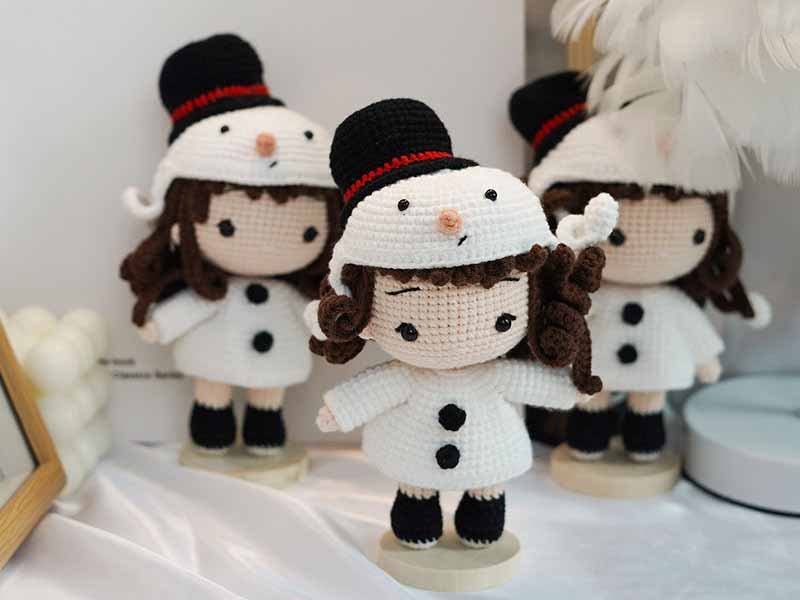
Crochet stuffed animals are no longer just small weekend craft projects. They have become a strong part of the handmade toy market, gift market, nursery décor market, and social media creator economy. A tiny crochet bear, bunny, frog, cat, or dinosaur can carry more emotional value than many mass-produced toys because people can see the handwork, softness, patience, and personality inside each stitch. That is exactly why crochet plush toys perform so well on Etsy, TikTok, Pinterest, YouTube, Instagram, craft blogs, and small handmade stores.
For beginners, crochet stuffed animals are attractive because the entry cost is low. A hook, yarn, stuffing, stitch marker, safety eyes, and a simple pattern are enough to start. Most easy crochet animals are built from simple shapes such as balls, tubes, ears, tails, and small limbs. Once a maker learns the magic ring, single crochet, increase, decrease, and basic assembly, many animal styles become possible.
Crochet stuffed animals are made by crocheting yarn into shaped parts, filling them with soft stuffing, and sewing the parts together into a finished plush toy. Beginners often start with bears, bunnies, cats, bees, whales, frogs, or dinosaurs because these designs use simple rounded shapes and basic stitches. Good yarn, tight stitches, even stuffing, and clean assembly make the toy look more professional.
For craft lovers, crochet stuffed animals bring relaxation and creative joy. For small sellers, they can become a handmade business. For growing plush brands, crochet-inspired designs can be developed into larger commercial plush collections with help from an experienced manufacturer. Delsney supports custom plush development from sketches, reference images, samples, technical files, and brand ideas, helping creators and companies turn soft toy concepts into market-ready products.
A beginner may start with one handmade crochet bunny at home. Later, that bunny may inspire a full plush collection, a gift brand, an online store, or a licensed character line. That journey often begins with one simple question: how do you crochet stuffed animals that people truly want to keep?
What Are Crochet Stuffed Animals?

Crochet stuffed animals are soft toys made by crocheting yarn into three-dimensional shapes, filling them with stuffing, and assembling the parts into animals, characters, or plush figures. They are often called amigurumi and are popular because they are cute, customizable, handmade, and emotionally meaningful.
What Is Amigurumi?
Amigurumi is the craft of making small stuffed toys with crochet or knitting techniques. In most modern craft communities, amigurumi usually means crochet animals, dolls, mascots, fantasy creatures, food characters, and mini plush figures made with yarn.
The key difference between amigurumi and flat crochet projects is shape. A scarf or blanket is usually flat, while an amigurumi animal is three-dimensional. The maker builds round heads, bodies, legs, ears, wings, tails, and accessories by increasing and decreasing stitches.
Common amigurumi features include:
| Feature | Common Choice | Why It Matters |
|---|---|---|
| Main stitch | Single crochet | Creates dense fabric and holds stuffing well |
| Starting method | Magic ring | Makes a clean closed center |
| Shape method | Increase and decrease | Controls curves, head size, body shape, and limbs |
| Filling | Polyester fiberfill | Gives softness and volume |
| Eyes | Safety eyes or embroidery | Creates facial expression |
| Assembly | Yarn sewing | Connects parts firmly |
Amigurumi became popular because it is easy to personalize. A simple bear pattern can become a baby gift, holiday toy, school mascot, pet memorial, anime-style character, or limited-edition collectible by changing colors, size, face details, accessories, and fabric textures.
For brands, amigurumi-inspired plush has strong design value. The handmade look creates warmth and uniqueness, while factory production can improve consistency, safety, and volume when the product needs to scale.
How Are They Made?
Crochet stuffed animals are made in a step-by-step process. Although the final toy looks cute and simple, the structure needs planning. Each part must be shaped correctly, stuffed evenly, and attached securely.
A basic crochet animal usually follows this process:
| Step | What Happens | Main Quality Point |
|---|---|---|
| 1. Choose a pattern | Select animal style and size | Pattern should match skill level |
| 2. Select yarn | Choose cotton, acrylic, chenille, or blended yarn | Yarn affects softness and stitch visibility |
| 3. Crochet parts | Make head, body, ears, arms, legs, and tail | Stitches should be even and tight |
| 4. Add stuffing | Fill each part before closing | Stuffing should be smooth, not lumpy |
| 5. Add face | Use safety eyes, embroidery, nose, or mouth | Face position affects cuteness |
| 6. Assemble | Sew parts together | Symmetry and strength matter |
| 7. Finish details | Add accessories, blush, clothes, labels | Details improve perceived value |
For beginners, the most difficult part is usually not the stitching itself. It is counting stitches and keeping the shape balanced. Missing one increase or decrease can make the head uneven or make the body lean to one side.
The second challenge is stuffing. Too little stuffing makes the plush look flat. Too much stuffing stretches the stitches and may expose gaps. Good stuffing should fill the shape firmly while keeping the toy soft.
For commercial products, handmade crochet construction is often too slow for large orders. One small crochet animal may take several hours, while complex designs may take several days. When a creator or brand wants to scale, Delsney can help translate the handmade look into plush production using fabric, embroidery, shaping, 3D effect support, sample development, and OEM/ODM manufacturing.
Which Animals Trend?
Crochet stuffed animal trends change quickly because social media plays a huge role in what people want to make, share, gift, and buy. Cute shapes, soft colors, expressive faces, and small collectible sizes usually perform well.
Some animal styles remain strong year after year because they have wide emotional appeal.
| Animal Style | Market Appeal | Common Use |
|---|---|---|
| Teddy bear | Classic comfort toy | Baby gifts, birthdays, keepsakes |
| Bunny | Soft and gentle image | Nursery décor, Easter, baby products |
| Cat | Strong internet culture | Gifts, desk décor, character toys |
| Dinosaur | Cute and playful | Kids’ toys, collectible plush |
| Frog | Viral and quirky | Social media products, youth gifts |
| Duck | Simple and cheerful | Mini plush, keychain plush |
| Whale | Easy shape and clean look | Beginner projects, ocean collections |
| Capybara | Current cute animal trend | Novelty plush and gift items |
Seasonal demand also matters. Certain styles rise during specific periods:
| Season | Popular Crochet Animal Ideas |
|---|---|
| Valentine’s Day | Heart bear, love bunny, pink cat |
| Easter | Bunny, chick, lamb |
| Halloween | Black cat, ghost bear, pumpkin frog |
| Christmas | Reindeer, polar bear, penguin |
| Summer | Whale, turtle, crab, dolphin |
Food-animal combinations are also popular because they look playful and work well for online content. Examples include strawberry bunny, mushroom frog, bread cat, milk tea bear, avocado dinosaur, and cupcake dog.
For product development, trend value should be judged carefully. A viral animal may bring quick traffic, but classic animals usually have longer sales life. A smart plush collection often combines stable evergreen styles with several trend-driven designs.
Why Are They Popular?
Crochet stuffed animals are popular because they offer something many modern consumers want: softness, personality, comfort, and a handmade feeling. People do not buy them only as toys. They buy them as gifts, emotional objects, desk companions, nursery decorations, collectibles, and symbols of care.
Several reasons explain the demand:
| Reason | What It Means for Customers |
|---|---|
| Handmade look | Feels warmer and more personal |
| Cute size | Easy to display, gift, and collect |
| Custom colors | Matches personal taste or brand style |
| Soft texture | Creates comfort and emotional value |
| Social media appeal | Easy to photograph and share |
| Low entry cost | Beginners can start without expensive tools |
Crochet also gives people a sense of control and calm. Many makers treat the process as a relaxing hobby after work or study. The repeated stitches help them slow down, focus, and create something physical with their hands.
For gift customers, crochet animals feel more thoughtful than ordinary toys. A handmade-looking bunny for a baby shower or a custom cat plush for a pet lover can feel deeply personal.
For sellers, crochet stuffed animals are attractive because small designs can command good prices when the design is cute, clean, and well photographed. A simple mini animal may sell as a keychain, desk toy, nursery gift, bag charm, or holiday ornament.
For brands, crochet-inspired plush offers a strong visual identity. The stitched texture and handcrafted look can make a plush line feel softer, more emotional, and more collectible.
Are They Beginner-Friendly?
Crochet stuffed animals can be beginner-friendly when the design is simple, the yarn is easy to see, and the pattern uses basic shapes. Not every animal is suitable for a first project, but many small round designs are very approachable.
Good beginner projects usually have:
| Beginner-Friendly Feature | Why It Helps |
|---|---|
| Round body | Easier shaping |
| Few parts | Less sewing work |
| Simple face | Lower mistake risk |
| Medium yarn | Easier stitch visibility |
| Clear pattern | Easier counting |
| Small size | Faster completion |
Best first crochet animal ideas include:
- Small whale
- Round bee
- Mini bear
- Simple bunny
- Chubby cat
- Baby dinosaur
- Tiny frog
- Ball-shaped penguin
Beginners should avoid starting with overly detailed toys, such as animals with many fingers, complex clothing, sharp shaping, color changes, tiny parts, or realistic facial details. These designs can quickly become frustrating.
The most useful beginner skills are:
- Magic ring
- Single crochet
- Increase
- Invisible decrease
- Slip stitch
- Fasten off
- Basic sewing
- Simple embroidery
A small plush may take 2–5 hours for a beginner, depending on size and difficulty. A more detailed toy may take 8–20 hours or more.
For new makers, the goal of the first project should not be perfection. The goal is to understand yarn tension, stuffing amount, stitch counting, and assembly. Once these basics feel comfortable, the finished toys begin to look cleaner very quickly.
How to Start Crochet Stuffed Animals?

Starting crochet stuffed animals is easier when beginners keep the first project simple. The best starting point is a small animal with a round body, basic stitches, medium-weight yarn, clear stitch markers, and a simple face. Good tools and easy yarn help new makers avoid frustration and finish their first plush with confidence.
Crochet plush making looks complicated at first because finished toys have heads, ears, eyes, limbs, colors, and cute expressions. But most beginner animals are built from a few simple forms. A round whale, chubby bear, bee, bunny, or mini dinosaur may look adorable, yet the structure often comes from repeated single crochet stitches, increases, decreases, and basic sewing.
The first project should be chosen carefully. A beginner who starts with a realistic animal, tiny parts, fluffy yarn, and complicated color changes may give up quickly. A beginner who starts with a simple body, visible stitches, and soft but manageable yarn will learn faster and enjoy the process more.
For craft sellers and early-stage plush creators, the starting stage is also where design thinking begins. The first question is not only “Can I make it?” but also “Would someone want to keep it, gift it, photograph it, or buy it?” A crochet stuffed animal becomes stronger when the design has a clear purpose: baby gift, desk toy, keychain plush, holiday product, mascot, pet keepsake, or collectible character.
What Tools Matter?
Crochet stuffed animals do not require expensive tools, but the right basic tools make the process much smoother. Many beginners struggle not because they lack talent, but because their hook size, yarn type, stitch marker, or stuffing method makes the work harder than necessary.
A simple starter tool kit usually includes:
| Tool | Recommended Choice | Why It Matters |
|---|---|---|
| Crochet hook | 2.5mm–4.5mm for most small plush | Controls stitch tightness and final size |
| Yarn | Cotton, acrylic, or chenille | Affects texture, softness, and visibility |
| Stitch markers | Plastic locking markers | Helps track round starts and stitch count |
| Stuffing | Polyester fiberfill | Creates soft shape and volume |
| Yarn needle | Large-eye blunt needle | Used for sewing parts together |
| Scissors | Small sharp scissors | Clean yarn trimming |
| Safety eyes | Plastic safety eyes or embroidered eyes | Builds expression |
| Row counter | Manual or app-based | Helps avoid counting mistakes |
For beginners, stitch markers are not optional. Amigurumi is often worked in continuous spirals, meaning there is no clear row ending unless marked. Missing the first stitch of a round can distort the entire shape.
Hook size also matters. A smaller hook creates tighter stitches, which helps prevent stuffing from showing through gaps. A larger hook makes the toy looser and softer, but it may create visible holes. Many makers use a hook slightly smaller than the yarn label recommendation when making stuffed animals.
Safety eyes are popular because they look clean and professional, but they are not always suitable for toys intended for babies or very young children. Embroidered eyes are safer for infant products because they cannot detach as hard plastic parts.
For handmade hobby projects, the tool setup can stay simple. For commercial plush development, tool choices become product decisions. A plush brand must consider safety, repeatability, washing performance, color consistency, packaging, labeling, and compliance. Delsney can help turn handmade inspiration into safer, more consistent custom plush toys through fabric selection, embroidery development, prototype sampling, and production testing.
Which Yarn Works?
Yarn choice has a huge impact on how a crochet stuffed animal looks, feels, photographs, and lasts. Two toys made with the same pattern can look completely different if one uses cotton yarn and the other uses chenille yarn.
The most common yarn options include:
| Yarn Type | Texture | Skill Level | Best Use |
|---|---|---|---|
| Cotton yarn | Smooth and firm | Beginner to advanced | Clean stitch definition, small toys |
| Acrylic yarn | Soft and affordable | Beginner | Practice projects, colorful plush |
| Chenille yarn | Thick and velvety | Intermediate | Soft jumbo plush, gift toys |
| Velvet yarn | Plush and shiny | Intermediate | Premium soft toys |
| Wool blend | Warm and textured | Intermediate | Artisan-style toys |
Cotton yarn is often the easiest for learning because stitches are visible. Clear stitch visibility helps beginners count accurately, fix mistakes, and understand shaping.
Acrylic yarn is budget-friendly and available in many colors. It is useful for practice and small handmade projects. However, lower-quality acrylic may feel rough or pill over time.
Chenille yarn has become extremely popular because it creates chunky, soft, cuddly plush animals. It photographs beautifully and works well for social media. But beginners may find chenille difficult because the fuzzy texture hides stitches. It can also shed or snap if pulled too hard.
Yarn weight also changes the final size:
| Yarn Weight | Final Toy Look |
|---|---|
| Fine yarn | Small detailed toy |
| DK yarn | Clean compact plush |
| Worsted yarn | Standard handmade toy |
| Bulky yarn | Large soft plush |
| Jumbo yarn | Oversized cuddle plush |
Color choice affects market appeal. Soft neutrals, pastel tones, and warm earthy colors work well for nursery gifts and lifestyle products. Bright colors work better for children’s toys, holiday collections, and character-based designs.
For commercial product development, yarn texture can inspire fabric selection. For example, a crochet bunny made with chenille yarn may later be transformed into a factory-made plush using plush fabric, embroidery, fabric panels, and soft filling while keeping the original handmade look.
How to Hold Hooks?
Hook grip affects comfort, stitch consistency, and long-term hand fatigue. Beginners often underestimate this part, but holding the hook correctly can make crocheting stuffed animals much easier.
There are two common ways to hold a crochet hook:
| Grip Style | Description | Good For |
|---|---|---|
| Pencil grip | Hook held like a pencil | Detail control and small stitches |
| Knife grip | Hook held like a dinner knife | Stronger movement and comfort |
There is no single correct grip. The best grip is the one that feels relaxed and allows steady tension. Crochet plush making often requires tight stitches, so hand comfort matters. If the grip is too stiff, the hand may feel sore after only 20–30 minutes.
Yarn tension is just as important as hook grip. Tension means how tightly or loosely the yarn flows through the fingers. Uneven tension causes uneven stitch size, which can make the plush shape look bumpy or twisted.
Beginners can improve control by practicing small rounds before starting the full toy. A simple practice ball teaches:
- Magic ring control
- Stitch counting
- Increase spacing
- Decrease shaping
- Stuffing amount
- Closing technique
For stuffed animals, tight stitches are usually better because they hold stuffing inside. But stitches should not be so tight that the hook becomes hard to insert. Overly tight work slows production and causes hand strain.
For small business makers, hand comfort also affects output. A maker who sells handmade crochet plush must calculate production time carefully. If one toy takes 6 hours and causes wrist pain, pricing and production planning need to reflect that reality.
For larger product runs, handmade crochet production can become difficult to scale. Delsney helps brands solve this by developing plush versions of handmade concepts with consistent shaping, softer materials, embroidery details, and reliable production capacity.
Which Stitches First?
Most crochet stuffed animals are built from a small group of essential stitches. Beginners do not need to learn every crochet technique before starting. They only need the stitches that control shape and structure.
The most important first stitches are:
| Stitch | Function in Plush Making |
|---|---|
| Magic ring | Starts round parts cleanly |
| Single crochet | Builds dense fabric |
| Increase | Makes shapes wider |
| Decrease | Makes shapes narrower |
| Slip stitch | Joins or finishes sections |
| Chain stitch | Starts some flat or small parts |
| Fasten off | Secures the end |
Single crochet is the foundation of most amigurumi because it creates a dense surface. Dense stitching helps keep stuffing inside and gives the toy a clean shape.
Increase and decrease are the real shaping tools. Increasing adds stitches to widen a round, making a head or body expand. Decreasing removes stitches to narrow the shape and close the form.
For example, a simple round head may follow a pattern like:
| Round Stage | What Happens |
|---|---|
| Start | Magic ring creates center |
| Expansion | Increases create width |
| Middle | Even rounds build height |
| Narrowing | Decreases close the shape |
| Finish | Stuffing and closure complete the part |
Invisible decrease is especially useful because it makes shaping cleaner. Regular decreases may create visible bumps or gaps, especially on the face area.
Beginners should also learn how to read abbreviations commonly used in crochet patterns:
| Abbreviation | Meaning |
|---|---|
| sc | Single crochet |
| inc | Increase |
| dec | Decrease |
| sl st | Slip stitch |
| ch | Chain |
| st | Stitch |
| rnd | Round |
A good first plush pattern should avoid complicated stitches, frequent color changes, and tiny accessories. Clean basics create better learning results than an ambitious design that becomes frustrating halfway through.
How Long Does It Take?
The time needed to crochet a stuffed animal depends on size, yarn type, stitch complexity, parts count, and maker experience. A small beginner-friendly animal may take only a few hours, while a detailed collectible plush may take several days.
General time estimates:
| Project Type | Approximate Time |
|---|---|
| Mini whale or bee | 1.5–3 hours |
| Small bear or bunny | 3–6 hours |
| Medium cat or dinosaur | 5–10 hours |
| Detailed animal with clothes | 10–20 hours |
| Large chenille plush | 6–15 hours |
| Custom character plush | 15–40+ hours |
Beginners usually work more slowly because they need to count stitches, check tutorials, undo mistakes, and learn assembly. Speed improves naturally after several projects.
The most time-consuming parts are often:
- Counting rounds correctly
- Sewing parts symmetrically
- Creating facial expression
- Adding accessories
- Fixing tension problems
For handmade sellers, time tracking is essential. Many new sellers underprice crochet animals because they only calculate yarn cost and forget labor time. If a plush takes 8 hours to make, the selling price must reflect skill, time, materials, packaging, and platform fees.
For example:
| Cost Factor | Handmade Plush Example |
|---|---|
| Yarn and stuffing | $3–$12 |
| Safety eyes/accessories | $0.50–$3 |
| Packaging | $1–$5 |
| Labor time | Main cost driver |
| Platform fees | Etsy, Shopify, marketplace cost |
| Photography and marketing | Hidden cost |
This is why handmade crochet plush can sell at higher prices when the design is unique and finishing quality is strong.
When demand grows beyond handmade capacity, creators often need manufacturing support. Delsney can help transform a popular handmade concept into a scalable plush product through custom pattern development, fabric sampling, embroidery, size grading, packaging, and production planning.
Which Crochet Stuffed Animals Are Easy?

The easiest crochet stuffed animals usually have round bodies, simple faces, few parts, and limited color changes. Bears, bunnies, cats, whales, bees, frogs, and small dinosaurs are good starting choices because they use basic shapes and familiar animal features that beginners can manage.
Easy does not mean boring. Some of the most successful crochet plush designs are simple, rounded, and expressive. A clean face, soft color, and balanced body shape often matter more than complicated construction.
For beginners, the best animal design should meet these conditions:
- No tiny fingers or toes
- No complex facial shaping
- Few separate parts
- Easy body structure
- Clear stitch count
- Minimal sewing
- Friendly expression
For craft sellers, easy animals are also useful because they reduce production time. A simple design that can be made quickly and consistently may be more profitable than a complex design that takes too long to repeat.
How to Make Bears?
Crochet bears are one of the best first stuffed animal projects because the shape is familiar and forgiving. A basic bear can be made from one round head, one oval body, two small ears, two arms, two legs, and a simple embroidered nose.
A beginner-friendly bear structure often includes:
| Part | Shape | Difficulty |
|---|---|---|
| Head | Round ball | Easy |
| Body | Oval shape | Easy |
| Ears | Small circles | Easy |
| Arms | Short tubes | Easy |
| Legs | Small ovals | Easy |
| Nose | Embroidery or felt | Medium |
The bear’s personality comes mostly from proportions. A larger head with a smaller body creates a cute baby-like look. Small ears placed slightly lower can make the bear look softer and younger. Wide-set eyes create a gentle expression.
For a cleaner result, beginners should mark eye placement before attaching safety eyes or embroidery. Even a few millimeters can change the expression dramatically.
Popular bear styles include:
- Classic brown teddy bear
- Cream baby bear
- Pastel nursery bear
- Valentine heart bear
- Christmas bear
- Sleepy bear
- Mini keychain bear
For commercial plush brands, bears remain a strong product category because they are emotionally stable and less dependent on short-term trends. Delsney can help develop custom teddy bear plush from crochet-inspired designs, sketches, reference images, or existing samples, with options for embroidery, clothing, hangtags, private labels, and custom packaging.
How to Make Bunnies?
Crochet bunnies are popular because they feel soft, gentle, and giftable. They work especially well for baby gifts, Easter products, nursery décor, spring collections, and pastel-themed plush lines.
A simple bunny usually includes:
- Round head
- Oval body
- Long ears
- Small arms
- Small legs
- Tiny tail
The ears are the most important visual feature. Long ears instantly make the animal recognizable, even if the body shape is very simple.
Bunny design options:
| Bunny Style | Key Feature | Best Market |
|---|---|---|
| Baby bunny | Small body, soft face | Nursery gifts |
| Long-ear bunny | Large floppy ears | Easter and children’s gifts |
| Chubby bunny | Round body | Social media plush |
| Dress-up bunny | Clothing accessories | Boutique plush |
| Mini bunny | Small size | Keychains and ornaments |
For beginners, floppy ears can be easier than stiff upright ears because they do not need perfect symmetry. If the ears are slightly different, the plush may still look charming.
Color selection strongly affects bunny appeal. White, cream, blush pink, beige, lavender, and light gray are especially popular for soft gift markets.
Safety matters when making bunny plush for babies. Plastic safety eyes may not be ideal for very young children. Embroidered eyes are safer and also create a softer handmade look.
For brands, bunny plush has strong seasonal and evergreen value. A well-designed bunny can sell during Easter, baby shower seasons, birthday gifting, and everyday nursery décor. Delsney supports custom bunny plush development with material recommendations, 3-view drawing support, fast sampling, and production suitable for overseas markets.
How to Make Cats?
Crochet cats are popular because cats already have a massive online fan base. A cat plush can be cute, funny, sleepy, grumpy, elegant, or cartoon-like, giving makers many design directions.
A simple crochet cat can be made with:
- Round head
- Small triangular ears
- Oval body
- Thin tail
- Embroidered whiskers
- Simple paws
The easiest cat plush usually has the head and body combined into one chubby shape. Adding small ears and a tail is enough to make the animal recognizable.
Common crochet cat styles include:
| Cat Style | Design Feel |
|---|---|
| Chubby cat | Cute and simple |
| Sleepy cat | Calm and cozy |
| Black cat | Halloween and gothic style |
| Calico cat | Colorful and pet-inspired |
| Long-tail cat | Playful character look |
| Sitting cat | Display-friendly |
Facial expression is extremely important for cat plush. Small changes in eyes, mouth angle, and whiskers can create very different emotions.
Crochet cat plush also works well for custom pet-inspired products. Customers often want toys based on real cats, including coat colors, markings, tail shape, and facial expression.
For handmade sellers, cat designs can be expanded into collections:
- Cat keychains
- Cat pillows
- Cat dolls
- Cat bag charms
- Cat holiday ornaments
- Cat mascot plush
For larger product development, Delsney can help convert handmade cat concepts into soft plush products with accurate color blocking, embroidery details, custom fabric textures, and brand packaging.
How to Make Dinosaurs?
Crochet dinosaurs are beginner-friendly when simplified into rounded cartoon shapes. They are popular with children, collectors, classroom gifts, museum shops, and novelty toy brands.
A simple dinosaur plush may include:
- Round body
- Small head
- Short legs
- Tiny arms
- Tail
- Back spikes
The key is to avoid realistic dinosaur anatomy at the beginning. Cartoon dinosaurs are easier, cuter, and more forgiving.
Popular dinosaur styles include:
| Dinosaur Style | Market Appeal |
|---|---|
| T-Rex | Recognizable and playful |
| Brontosaurus | Gentle and cute |
| Triceratops | Character-rich |
| Stegosaurus | Strong visual spikes |
| Baby dinosaur | Soft nursery style |
Back spikes make dinosaur plush more interesting, but they also add sewing time. Beginners can start with felt or simple crocheted triangles instead of complex shaped spikes.
Color choice can make dinosaur plush feel more modern. Instead of only green, many successful designs use:
- Sage green
- Dusty blue
- Soft yellow
- Lavender
- Peach
- Cream
- Mint
Dinosaur plush has strong commercial value because it works across children’s gifts, educational toys, museum souvenirs, and character collections. It also allows wide style variation, from cute baby dinos to bold cartoon mascots.
For brands, dinosaur plush can be developed into a full series with different sizes, colors, species, expressions, and packaging themes. Delsney can support dinosaur plush design from concept art, physical handmade samples, drawings, or reference photos.
Which Styles Sell?
The crochet stuffed animal styles that sell best usually combine cuteness, clear identity, easy gifting, and strong photo appeal. Designs do not need to be complicated. They need to be instantly lovable.
High-selling crochet plush styles often share several traits:
| Selling Trait | Why It Works |
|---|---|
| Round shape | Looks soft and comforting |
| Simple face | Easy emotional connection |
| Soft colors | Better gift appeal |
| Small size | Easier pricing and shipping |
| Collectible series | Encourages repeat purchase |
| Seasonal theme | Creates timely demand |
| Custom option | Adds personal value |
Strong selling categories include:
- Mini crochet animals
- Crochet keychain plush
- Emotional support plush
- Baby shower plush
- Pet memorial plush
- Holiday animal plush
- Kawaii animal collections
- Food-animal hybrids
A design with repeatable variations often has better business value. For example, one bear pattern can become:
- Birthday bear
- Graduation bear
- Christmas bear
- Wedding bear
- Baby bear
- Sport mascot bear
- Brand character bear
This allows a creator or brand to build a product family instead of relying on one single item.
For handmade sellers, product photography is almost as important as the plush itself. A simple crochet bunny photographed with clean lighting, soft background, and clear size reference can outperform a more complex toy photographed poorly.
For companies planning custom plush production, the strongest designs are usually those that balance originality with manufacturability. Delsney helps evaluate whether a crochet-inspired plush concept can be produced efficiently while keeping the original charm, softness, and character identity.
How to Improve Crochet Stuffed Animals?

Crochet stuffed animals look more professional when the stitches are even, the stuffing is smooth, the shape is balanced, the face is carefully placed, and the parts are sewn firmly. Small details such as eye distance, ear position, yarn tension, and stuffing amount can completely change the final look of the plush.
A good crochet plush does not need to be complicated. It needs to feel clean, soft, balanced, and expressive. Many beginners think professional-looking plush comes from advanced patterns, but the real difference usually comes from control: controlled tension, controlled stuffing, controlled shaping, and controlled finishing.
For handmade sellers and plush brands, quality details are not small things. They affect customer reviews, product photos, repeat orders, and perceived value.
How Tight Are Stitches?
Stitch tension is one of the biggest differences between beginner crochet plush and professional-looking crochet plush. If the stitches are too loose, stuffing may show through the gaps. If the stitches are too tight, the toy may feel hard, uneven, and difficult to work with.
For crochet stuffed animals, stitches should usually be tighter than regular crochet blankets or scarves. The goal is to create a dense surface that holds stuffing securely.
Common stitch tension problems include:
| Problem | Result | Solution |
|---|---|---|
| Loose stitches | Stuffing shows through | Use a smaller hook |
| Uneven tension | Bumpy surface | Practice steady yarn control |
| Overly tight stitches | Hard shape and hand fatigue | Relax grip slightly |
| Large gaps after decreases | Visible holes | Use invisible decrease |
| Twisted fabric | Uneven shape | Count stitches carefully |
Most amigurumi makers use a hook that is 0.5mm to 1.5mm smaller than the yarn label recommendation. For example, if a yarn label suggests a 4.0mm hook, a plush maker may use 3.0mm or 3.5mm for a tighter finish.
Good tension also helps the toy keep its shape after repeated touching, squeezing, and display. For commercial plush development, the same idea applies in a different way: surface firmness, seam tension, filling control, and fabric recovery all affect product quality.
At Delsney, plush sampling teams pay close attention to seam tension, fabric stretch, filling density, and finished shape. A plush toy must look cute when new, but it should also keep its shape after handling, packaging, and shipping.
Which Stuffing Feels Better?
Stuffing determines the hand feel, shape, weight, and long-term appearance of a crochet stuffed animal. Even a well-crocheted toy can look poor if the filling is lumpy, uneven, too soft, or too hard.
The most common filling for crochet stuffed animals is polyester fiberfill because it is soft, lightweight, washable, and easy to shape. However, not all fiberfill feels the same.
| Stuffing Type | Feel | Best Use |
|---|---|---|
| Standard polyester fiberfill | Soft and affordable | General crochet plush |
| Premium fiberfill | Smoother and more resilient | Higher-value handmade plush |
| Recycled polyester fill | Eco-conscious option | Sustainable product lines |
| Weighted beads | Heavier calming feel | Weighted plush concepts |
| Foam particles | Bouncy texture | Novelty plush styles |
Stuffing should be added gradually instead of pushed in all at once. Small amounts help create a smoother shape. Corners, ears, noses, arms, and legs should be filled carefully so they do not collapse.
Common stuffing mistakes include:
- Underfilling the head, making the face look flat
- Overfilling the body, stretching the stitches open
- Uneven filling, creating lumps
- Forgetting to fill small limbs before closing
- Using poor-quality fill that clumps after washing
For baby-oriented plush, stuffing must also be clean, safe, and securely contained. Loose filling leakage is a serious quality issue in commercial toys.
In factory plush production, filling control is a major quality checkpoint. Delsney adjusts filling density based on product use. A mascot plush may need firmer shaping, while a baby plush may need softer touch. A collectible plush may need accurate body proportions, while a pillow-style plush may need a more relaxed squishy feel.
How to Shape Plush?
Good shaping makes a crochet stuffed animal recognizable and appealing. A bear should feel round and comforting. A cat should have clear ears and a soft body. A dinosaur should have a stable tail and readable silhouette. Shaping is where a simple yarn project starts to feel like a real character.
Crochet shaping depends mainly on increases, decreases, round count, and stuffing distribution.
Basic shaping logic:
| Shape Goal | Crochet Method |
|---|---|
| Make wider | Add increases |
| Make narrower | Add decreases |
| Add height | Work even rounds |
| Create curve | Place increases gradually |
| Flatten area | Adjust stitch count or stuffing |
| Create firmness | Add more stuffing carefully |
Beginners often follow patterns exactly without understanding shape logic. Once they learn why increases and decreases are placed in certain areas, they can adjust designs more confidently.
Face shaping is especially important. A round head may look cute, but adding a small muzzle, raised cheeks, or slightly lowered eyes can create much stronger personality.
Assembly also affects shape. Even well-made parts can look wrong if sewn at poor angles. Before sewing permanently, makers should pin all parts in place and view the toy from front, side, and back.
For handmade selling, shape consistency is important. Customers expect the product they receive to look close to the product photo. If every piece looks very different, quality perception may drop.
For commercial plush production, Delsney uses design drawings, sample adjustment, pattern engineering, filling tests, and 3D effect support to improve shape accuracy. For complex plush projects, a small change in head width, ear angle, or eye placement can make the product much more attractive.
How to Add Eyes?
Eyes are one of the most important parts of a crochet stuffed animal because they create emotion immediately. The same bear can look sleepy, happy, shy, silly, premium, or strange depending on eye size and placement.
Common eye options include:
| Eye Type | Best Use | Notes |
|---|---|---|
| Plastic safety eyes | Clean and toy-like | Not ideal for babies under 3 |
| Embroidered eyes | Baby-safe and soft | Requires neat stitching |
| Felt eyes | Cartoon style | Needs strong attachment |
| Bead eyes | Small collectible toys | Not suitable for young children |
| Printed fabric eyes | Commercial plush | Good for consistent production |
Safety eyes should be installed before the head is fully closed. Once attached, they are difficult to reposition, so placement should be tested first.
Eye placement tips:
- Place eyes lower for a cuter baby-like look
- Keep eye distance balanced with head size
- Use pins to test position before attaching
- Check from front and side angles
- Add eyebrows or mouth only after eyes are fixed
For baby toys, embroidered eyes are usually safer because there are no hard detachable parts. Commercial plush for children must follow relevant safety standards, including pull tests and small-part risk control.
Facial expression also affects market positioning. For example:
| Face Style | Market Feeling |
|---|---|
| Sleepy eyes | Calm, nursery, bedtime |
| Round eyes | Cute, cheerful, child-friendly |
| Tiny eyes | Kawaii, minimalist |
| Embroidered smile | Soft and handmade |
| Blushing cheeks | Giftable and emotional |
Delsney supports different face techniques for plush production, including embroidery, fabric applique, printing, heat transfer, and mixed-material details. For brand projects, face design is often one of the most important sampling steps because it controls the emotional connection with customers.
How to Fix Mistakes?
Mistakes are normal in crochet stuffed animals. Even experienced makers undo stitches, adjust eyes, restuff parts, and resew limbs. The difference is that experienced makers know which mistakes must be fixed and which ones add handmade charm.
Common crochet plush mistakes include:
| Mistake | Effect | Fix |
|---|---|---|
| Wrong stitch count | Shape becomes uneven | Undo to the mistake point |
| Loose magic ring | Hole at starting center | Pull tail tighter and weave securely |
| Visible stuffing | Gaps between stitches | Use smaller hook or less stuffing |
| Uneven limbs | Toy looks tilted | Reposition before final sewing |
| Crooked face | Expression looks strange | Mark placement before attaching |
| Lumpy stuffing | Uneven surface | Remove and refill gradually |
Beginners should check stitch count at the end of every round. Fixing one round is easy. Fixing ten rounds later is painful.
A useful quality check before finishing:
- Does the toy stand or sit as intended?
- Are both ears at the same height?
- Are arms and legs evenly placed?
- Is the face centered?
- Is stuffing smooth?
- Are all yarn ends hidden?
- Are accessories securely attached?
For handmade products sold online, finishing quality matters a lot. Customers may forgive tiny handmade differences, but they will notice loose parts, visible knots, uneven faces, and poor stuffing.
For factory plush development, mistake control becomes formal quality management. Delsney checks pattern accuracy, embroidery placement, seam strength, stuffing consistency, accessory security, and packaging condition before shipment. Quality is not only about making the first sample look good. It is about making every piece in bulk production match the approved standard.
Can You Sell Crochet Stuffed Animals?

Yes, crochet stuffed animals can be sold as handmade gifts, online store products, craft market items, social media drops, nursery décor, collectibles, custom pet plush, and character merchandise. Strong-selling products usually have cute design, clean finishing, clear photos, safe materials, fair pricing, and a memorable style.
Selling crochet plush is not only about making something cute. It also involves pricing, production time, market positioning, photography, packaging, customer service, and sometimes legal safety requirements. Many creators start casually, then slowly realize they are building a small product business.
Where to Sell Plush?
Crochet stuffed animals can be sold through many channels. The best platform depends on product style, order volume, customization level, and target customers.
Common selling channels include:
| Channel | Best For | Strength |
|---|---|---|
| Etsy | Handmade and custom plush | Strong craft audience |
| Shopify | Independent brand | Better brand control |
| Visual storytelling | Direct community building | |
| TikTok Shop | Viral products | Fast trend sales |
| Craft fairs | Local handmade sales | Face-to-face trust |
| Long-term discovery | Strong visual search | |
| Amazon Handmade | Wider marketplace | Larger audience |
| Gift stores | Small wholesale | Offline exposure |
Etsy is often the first platform for handmade crochet sellers because customers already search for handmade gifts there. Instagram and TikTok work well when the product has strong visual appeal and the creator can show making processes.
Offline craft markets are useful because customers can touch the toy. Softness, weight, and handmade quality are easier to appreciate in person.
For sellers who receive frequent repeat orders, private websites can improve control over customer experience, packaging, email lists, and brand storytelling.
Once demand grows beyond handmade capacity, sellers may face problems such as:
- Not enough time to produce
- Inconsistent output
- Long waiting lists
- Hand fatigue
- Difficulty fulfilling wholesale orders
At that stage, some sellers explore manufacturing partnerships. Delsney can help turn original crochet-inspired characters into plush toys suitable for larger production while keeping the soft emotional design style.
Which Styles Trend?
Trending crochet stuffed animals often have a strong visual hook. The design should be easy to understand within one second, because social media users scroll quickly.
Popular trend directions include:
| Trend Style | Why It Works |
|---|---|
| Chubby animals | Soft and comforting |
| Mini keychain plush | Affordable and collectible |
| Food animals | Cute and funny |
| Emotional support plush | Strong emotional value |
| Pastel animals | Giftable and photo-friendly |
| Pet-inspired plush | Personalized and meaningful |
| Holiday animals | Seasonal urgency |
| Capybara plush | Current animal trend |
Some trends are short-lived, while others have long-term value. For example, frogs may rise strongly during a social media trend, while bears and bunnies remain steady year after year.
For business planning, it is safer to build a product line with three layers:
| Product Layer | Purpose |
|---|---|
| Evergreen styles | Stable long-term sales |
| Seasonal styles | Holiday traffic |
| Trend styles | Short-term attention |
A good crochet plush shop might sell classic bears and bunnies all year, add pumpkins and ghosts in October, then test a viral capybara or mushroom frog when social interest rises.
For plush brands, trend adaptation must be faster but also more controlled. A viral idea should still be checked for manufacturability, safety, cost, and long-term brand fit. Delsney can support fast sample development, 3-view drawings, material matching, and design refinement to help brands react quickly without sacrificing quality.
How Much Can You Earn?
Earnings from crochet stuffed animals vary widely. A hobby seller may earn a small side income, while a strong handmade brand or character product line can grow into a much larger business. Profit depends on design quality, labor time, material cost, pricing, platform fees, and marketing ability.
A simple pricing structure should include:
| Cost Item | Example Range |
|---|---|
| Yarn | $2–$15 |
| Stuffing | $0.50–$3 |
| Eyes/accessories | $0.20–$3 |
| Packaging | $1–$5 |
| Platform fees | Usually percentage-based |
| Labor | Often the largest cost |
| Shipping materials | Depends on size |
Many new sellers underprice their work because they only count materials. Labor must be included. If a crochet dinosaur takes 8 hours to make, selling it for only a little above material cost is not sustainable.
Example pricing logic:
| Plush Type | Time Needed | Possible Price Range |
|---|---|---|
| Mini keychain animal | 1–2 hours | $8–$25 |
| Small plush | 3–5 hours | $25–$60 |
| Medium plush | 6–10 hours | $60–$150 |
| Custom pet plush | 10–25+ hours | $120–$400+ |
| Detailed character plush | 15–40+ hours | Higher custom pricing |
Actual pricing depends heavily on market, quality, and design uniqueness.
Sellers can improve profit by:
- Creating repeatable patterns
- Offering limited color options
- Selling pattern downloads
- Building themed collections
- Using strong product photography
- Creating bundle offers
- Reducing unnecessary custom complexity
For brands planning larger commercial plush production, the earning model changes. Instead of pricing by personal labor time, the focus shifts to unit cost, MOQ, retail margin, packaging, shipping, and sales volume. Delsney helps customers evaluate custom plush production from sampling to bulk orders so the product can be developed with realistic cost control.
How to Build a Brand?
A crochet stuffed animal brand needs more than cute products. It needs a recognizable style, clear customer group, consistent quality, memorable packaging, and a reason for people to return.
Strong plush brands often build around one clear direction:
| Brand Direction | Example Focus |
|---|---|
| Baby gift brand | Soft colors, safe eyes, gentle faces |
| Kawaii collectible brand | Mini animals, series drops, cute packaging |
| Pet memorial brand | Custom animal replicas |
| Holiday gift brand | Seasonal plush collections |
| Character brand | Original mascots and stories |
| Eco plush brand | Recycled materials and simple packaging |
A brand becomes stronger when customers can recognize it without reading the logo. That recognition may come from:
- Signature face style
- Consistent color palette
- Repeated character shape
- Special packaging
- Storytelling
- Limited collections
For handmade sellers, consistency can be difficult because every item is made by hand. Clear patterns, photo records, measurement notes, and material lists help keep products stable.
For companies, the challenge is different. They need to turn an idea into a product that can be produced repeatedly at scale. That requires drawings, patterns, material standards, safety checks, sample revisions, and packaging development.
Delsney supports plush brand development with:
- Free design support
- 3-view drawing creation
- 3D effect support
- Sample development
- Fabric selection
- Embroidery refinement
- OEM/ODM production
- Private label packaging
A good plush brand is not built by copying random trends. It is built by creating products customers want to touch, gift, photograph, and remember.
Do You Need OEM?
Not every crochet plush seller needs OEM manufacturing. If the goal is to sell small handmade batches, handmade production may be enough. OEM becomes useful when demand grows, order volume increases, or the creator wants to launch a more professional plush product line.
OEM manufacturing may be helpful when:
| Situation | Why OEM Helps |
|---|---|
| Orders exceed handmade capacity | Production can scale |
| Product needs safer construction | Factory testing and standards help |
| Brand wants consistent quality | Approved samples guide production |
| Wholesale orders appear | Volume production becomes necessary |
| Character line expands | Multiple styles can be developed |
| Packaging needs upgrading | Private label options improve presentation |
A handmade crochet toy and a factory-made plush toy are not the same product, and they should not be treated as identical. The goal of OEM is usually to keep the original charm while improving consistency, safety, cost structure, and production capacity.
For example, a crochet frog that sells well online can be developed into:
- Soft fabric plush
- Keychain plush
- Pillow plush
- Mini collectible series
- Bag charm
- Holiday edition
- Gift-box set
Delsney can help convert handmade samples, photos, sketches, or technical files into factory-ready plush projects. The process can include design review, material matching, pattern development, sampling, sample revision, and bulk production.
For creators who want to grow, OEM is not just about making more units. It is about turning a creative idea into a stable product system.
How Can Delsney Support Brands?
Delsney helps crochet plush creators, gift brands, toy companies, online sellers, and character owners turn handmade ideas into scalable custom plush products. With over 18 years of plush product development experience, Delsney supports design, sampling, fabric selection, pattern making, logo customization, private label packaging, OEM/ODM production, and export-ready quality control.
Many crochet plush ideas start small. A handmade bunny, cat, frog, capybara, or dinosaur may first appear as a personal craft project, then gain attention through social media, an online shop, or customer requests. The challenge comes when demand grows. Handmade production is beautiful, but it is slow, inconsistent, and difficult to scale.
That is where a professional plush manufacturer becomes valuable. Delsney does not simply copy a toy shape. The team helps evaluate the design from a real production point of view: size, fabric, filling, safety, stitching, embroidery, packaging, MOQ, target price, and final customer use.
For brands, the goal is not only to make a plush toy. The real goal is to make a product that can be sold confidently, photographed beautifully, shipped safely, and reordered consistently.
Which Plush Can Be Made?
Delsney can customize a wide range of crochet-inspired plush products, from small collectible animals to full private label plush collections. A crochet idea can be transformed into different finished product formats depending on market needs, price level, and sales channel.
| Product Type | Best For | Custom Options |
|---|---|---|
| Crochet-style animal plush | Gift brands, toy brands, online stores | Size, fabric, embroidery, labels |
| Mini plush keychains | Retail gifts, bag charms, events | Metal rings, clips, custom cards |
| Character plush dolls | IP owners, creators, mascots | 3-view design, clothing, accessories |
| Baby soft plush | Nursery and infant gift markets | Soft fabrics, embroidered eyes, safety design |
| Pillow plush | Home décor, lifestyle brands | Larger size, soft filling, shaped body |
| Seasonal plush | Holiday sales | Halloween, Christmas, Easter, Valentine themes |
| Pet replica plush | Custom gift businesses | Color matching, markings, expression |
| Plush blind box series | Collectible brands | Multiple styles, series packaging |
Crochet-inspired plush does not need to look exactly like hand-crocheted yarn. Some brands want to keep the stitch-like visual feeling through printed textures, embroidery, ribbed fabrics, or shaped seams. Other brands only use crochet as the original creative source and then convert the idea into a softer fabric plush for wider customer use.
Common custom plush categories include:
- Teddy bears
- Bunnies
- Cats
- Dogs
- Frogs
- Dinosaurs
- Capybaras
- Ducks
- Whales
- Penguins
- Fantasy animals
- Mascot characters
- Food-animal hybrids
- Holiday plush
- Baby comfort toys
- Plush bag charms
Delsney can work from different starting materials:
| Client Provides | Delsney Can Develop |
|---|---|
| Handmade crochet sample | Plush pattern and production sample |
| Sketch | 3-view drawing and sample |
| Photo reference | Shape and material plan |
| Digital artwork | Character plush prototype |
| Technical file | Production-ready plush sample |
| Existing plush sample | Improved OEM/ODM version |
For many brands, the most important value is not simply production capacity. It is product interpretation. A crochet toy may look charming because of its roundness, face spacing, small imperfections, or handmade softness. Delsney helps preserve these emotional details while improving product stability for larger production.
How Does OEM Work?
OEM plush development usually starts with an idea, reference, or sample. Delsney then helps turn that concept into a manufacturable plush toy through design review, material planning, prototype development, revision, approval, and mass production.
A standard OEM process may include:
| Step | What Happens | Output |
|---|---|---|
| 1. Concept review | Discuss animal style, size, purpose, quantity, market | Clear product direction |
| 2. Design support | Create or refine drawings | Better visual structure |
| 3. Material selection | Choose plush fabric, filling, eyes, accessories | Cost and feel control |
| 4. Pattern making | Build the toy structure | Accurate shape foundation |
| 5. Sample making | Produce first physical sample | Real product review |
| 6. Sample revision | Adjust face, size, fabric, shape, details | Closer match to target |
| 7. Bulk production | Manufacture approved design | Stable volume supply |
| 8. Inspection | Check sewing, filling, logo, packaging | Quality assurance |
| 9. Shipping support | Prepare export packaging | Delivery-ready goods |
For crochet-inspired plush, the most difficult part is often shape translation. Handmade yarn toys have a unique structure created by stitch tension. Factory plush uses fabric panels, seams, embroidery, and filling. A good manufacturer must understand how to convert one form into another without losing the character’s charm.
Key OEM decisions include:
- What size should the plush be?
- Should the surface look yarn-like or smooth?
- Should the eyes be embroidered or attached?
- Should the toy be soft, firm, squishy, or structured?
- Is the plush for children, collectors, pets, gifts, or display?
- Does it need hangtags, labels, retail boxes, or gift packaging?
- What safety standards apply in the target market?
Delsney supports flexible MOQ, which is useful for growing brands that want to test a new plush design before placing larger orders. Fast sampling within 5–7 days also helps customers move quickly during product launches, holiday preparation, or social media trend windows.
OEM is especially helpful when a brand wants consistency. Handmade plush often varies slightly from piece to piece. Factory production follows approved samples, patterns, color standards, embroidery files, and quality checks, making repeat orders more stable.
Can Designs Be Produced?
Yes, crochet stuffed animal designs can be developed into factory-made plush products, but the design must be evaluated carefully before production. Some handmade features are easy to scale, while others need adjustment for safety, cost, durability, or manufacturing efficiency.
A production review usually checks:
| Design Element | Production Question |
|---|---|
| Shape | Can the body be made with fabric panels cleanly? |
| Face | Can the expression be repeated accurately? |
| Small parts | Are they safe and strong enough? |
| Accessories | Can they survive pulling and washing? |
| Fabric | Does it match the original texture and feeling? |
| Size | Is it suitable for packaging and shipping? |
| Filling | Does it keep the right softness and shape? |
| Cost | Can the design meet the target price? |
Some crochet designs need simplification before mass production. For example, tiny fingers, very thin tails, loose accessories, small beads, or fragile decorations may create safety and durability risks.
Instead of removing charm, smart simplification improves the product. A thin yarn tail may become a soft fabric tail with reinforced stitching. A small plastic eye may become embroidery. A complex color-change area may become applique or printed fabric. A fragile bow may become a securely sewn fabric accessory.
Delsney helps customers improve designs in practical ways:
- Make the plush safer for children
- Improve facial consistency
- Reduce unnecessary sewing complexity
- Keep the cute proportions
- Select softer and stronger fabrics
- Improve filling balance
- Add private label details
- Prepare production files for repeat orders
For high-requirement projects, Delsney can support 3-view drawings and 3D visual effects before sampling. This helps customers review the plush from front, side, and back, reducing misunderstanding before the physical sample stage.
The finished plush can match the design concept closely when the project includes proper communication, clear references, and sample revisions. Delsney’s development goal is to help customers achieve strong design-to-product matching while keeping the plush practical for real production and real customer use.
How Fast Is Sampling?
Delsney supports fast plush sampling, often within 5–7 days for many custom projects, depending on design complexity, material availability, and required details. More complex plush toys with special fabrics, accessories, embroidery, or multiple revisions may require additional time.
Sampling speed depends on several factors:
| Factor | Effect on Sampling |
|---|---|
| Simple animal shape | Faster |
| Complex character design | Slower |
| Standard plush fabric | Faster |
| Custom-dyed fabric | Slower |
| Embroidered face | Medium |
| Many accessories | Slower |
| 3-view drawing required | Adds development time |
| Special packaging | Adds preparation time |
A fast sample is valuable, but accuracy matters more than speed alone. A rushed sample without correct proportions, fabric choice, or facial expression may not help the project move forward.
A good sample should answer key questions:
- Does the plush look like the intended character?
- Is the size suitable for the sales channel?
- Does the fabric feel right?
- Is the face cute and balanced?
- Are the parts securely attached?
- Does the filling density feel comfortable?
- Can the product meet safety requirements?
- Is the estimated cost acceptable?
For crochet-inspired plush, customers may provide a handmade sample or photos from multiple angles. The more complete the reference materials, the faster and more accurate sampling usually becomes.
Recommended materials to provide include:
| Material Provided | Why It Helps |
|---|---|
| Front photo | Face and body proportion |
| Side photo | Shape thickness |
| Back photo | Tail and seam reference |
| Size requirement | Controls final product scale |
| Color reference | Improves fabric matching |
| Target market | Guides safety and packaging |
| Logo file | Supports label or embroidery |
| Quantity plan | Helps cost estimation |
Sample revision is normal in plush development. The first sample may need changes in eye size, head width, body height, fabric texture, filling density, or accessory placement. A professional factory treats revision as part of product development, not as a problem.
Delsney’s fast sampling service helps customers test product ideas quickly while still giving enough attention to shape, detail, and quality.
Why Choose Delsney?
Delsney is suitable for brands that need more than a simple plush supplier. With over 18 years of experience in plush product development, design, pattern making, sampling, and manufacturing, Delsney supports customers from early idea to finished product.
Core strengths include:
| Delsney Capability | Customer Value |
|---|---|
| 18+ years plush experience | Better problem solving |
| OEM/ODM support | Full custom development |
| Free design assistance | Lower development barrier |
| Flexible MOQ | Easier market testing |
| 5–7 day fast sampling | Faster project launch |
| 3-view drawing support | Clearer product communication |
| 3D effect support | Better pre-sample review |
| Multiple fabric options | More product possibilities |
| Private label service | Stronger brand presentation |
| Safety compliance support | Better export readiness |
Delsney can support customers such as:
- Gift brands
- Toy companies
- Etsy sellers moving into volume production
- Online plush stores
- Character IP owners
- Baby product brands
- Museum gift shops
- Event merchandise companies
- Pet memorial product brands
- Premium lifestyle brands
The factory can customize a wide range of plush materials and styles, including soft plush fabric, short plush, long plush, sherpa, minky, velvet, fleece, faux fur, printed fabric, embroidery details, clothing accessories, labels, hangtags, and packaging.
For crochet stuffed animal projects, Delsney’s advantage is the ability to understand both the emotional side of handmade design and the technical side of factory production. A plush toy must look cute, feel soft, pass safety expectations, hold its shape, and be produced consistently.
That requires more than sewing ability. It requires design judgment, sampling experience, material knowledge, quality control, and clear communication.
For brands planning to grow from handmade concepts into larger plush collections, Delsney can help reduce development risk and shorten the path from idea to finished product.
Conclusion
Crochet stuffed animals are popular because they carry warmth, creativity, and emotional value. For beginners, they offer an easy entry into handmade toy making. With a hook, yarn, stuffing, and simple stitches, anyone can start with small bears, bunnies, cats, frogs, whales, dinosaurs, or other cute animals.
For creators and sellers, crochet plush can become more than a hobby. A small handmade animal can grow into a product line, online store, custom gift service, collectible series, or character brand. The strongest products usually combine cute design, clean finishing, safe materials, good photography, and a clear style that customers remember.
As demand grows, handmade production may become difficult to manage. Orders take time, quality can vary, and large-volume requests may exceed personal capacity. At that stage, working with an experienced plush manufacturer can help turn a creative idea into a stable, scalable product.
Delsney helps customers develop custom plush toys from sketches, photos, handmade crochet samples, technical files, or existing products. With over 18 years of plush development and manufacturing experience, Delsney supports free design, fast sampling, flexible MOQ, OEM/ODM production, private label branding, 3-view drawings, 3D visual effects, and export-ready quality control.
Whether you want to create a crochet-inspired plush collection, convert a handmade animal into a retail product, launch a private label plush brand, or develop custom character toys for your market, Delsney can help bring your idea to life with professional manufacturing support.
Contact Delsney today to start your custom plush project, request a sample, discuss your design, and build plush toys your customers will love, keep, and remember.