Skip to content
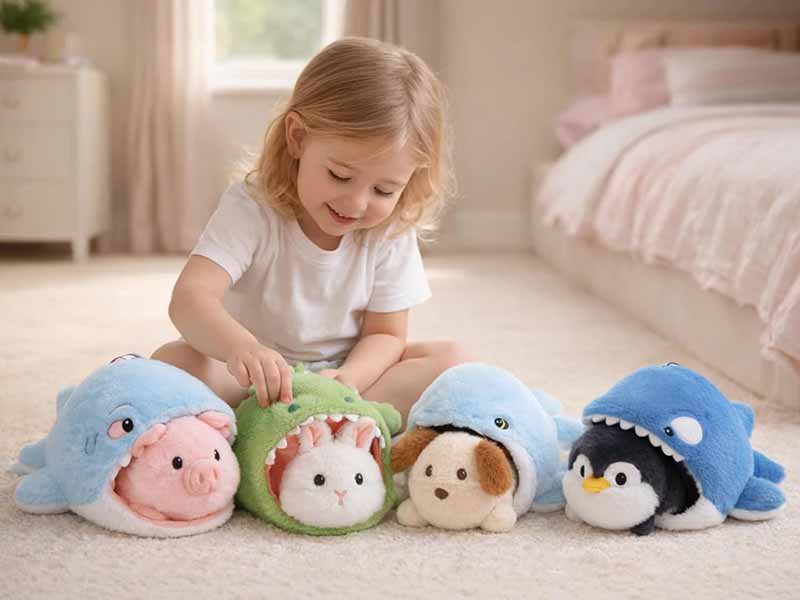
Stuffed animals are more than toys—they are cultural icons that provide comfort, companionship, and creative play for children worldwide. Their history dates back to the 19th century when handmade animal-shaped dolls were crafted in Europe. The introduction of industrial production in the early 20th century, combined with the famous Teddy Bear story in 1902, transformed stuffed animals into a globally recognized product.
Stuffed animals were first created in Europe during the late 1800s as handmade toys. The iconic Teddy Bear in 1902 popularized stuffed animals internationally. Over time, manufacturing methods, materials, and designs evolved, resulting in safe, durable, and highly collectible plush toys used for play, decoration, and custom-branded products today.
The evolution of stuffed animals demonstrates a blend of craftsmanship, cultural influence, and innovation. From simple fabric scraps to modern customizable plush toys, they have become both sentimental items and valuable collectibles. Brands like Delsney exemplify this evolution by providing end-to-end design, prototyping, and manufacturing, ensuring high-quality plush toys that meet international safety standards.
What Are Stuffed Animals?

Stuffed animals are soft, plush toys shaped like animals, characters, or imaginary creatures. Filled with cotton, wool, or synthetic fibers, they provide comfort, play value, and decorative appeal. Children use them for imaginative play and emotional support, collectors prize limited editions, and brands use custom plush for marketing or gifts. They remain a versatile, popular product due to durability, design variety, and emotional connection.
Stuffed animals first appeared as handmade toys, crafted from fabric scraps, cotton, and wool. Early designs were simple, often reflecting common domestic or wild animals. Artisans hand-sewed each toy, making them unique. Families valued these toys for play and comfort, and they were often gifted as keepsakes. Durability and tactile experience were primary concerns, with soft fillings allowing the toys to be hugged, carried, or cuddled safely.
Over time, materials evolved to meet both safety standards and market demand. Modern stuffed animals are predominantly made from polyester fiberfill, plush fabrics like velboa or minky, and other synthetic materials that are hypoallergenic and washable. These improvements have made toys more durable and accessible, allowing for bright colors, realistic textures, and consistent quality. Advanced stitching methods and secure components, such as embroidered eyes or tightly sewn seams, prevent accidents and extend lifespan.
The role of stuffed animals has expanded beyond mere toys. They serve as comfort objects, helping children feel secure during sleep or stressful situations. Many caregivers and educators use stuffed animals as educational tools—introducing animal names, colors, and even cultural symbols. Collectors and hobbyists, meanwhile, value limited-edition or branded plush for display, investment, and nostalgic purposes.
Global consumer demand for stuffed animals has grown alongside their versatility. Market data indicates that plush toys account for approximately 20–25% of soft toy sales worldwide. Collectible and character-based designs contribute significantly to revenue, with licensed characters from movies, cartoons, and games driving both adult and children’s markets. This broad appeal has encouraged manufacturers, such as Delsney, to offer customizable OEM/ODM plush solutions that satisfy both brand and consumer needs.
Manufacturers now provide full-service options: technical file-based prototyping, 3D modeling, rapid sampling (5–7 days), and mass production with high design fidelity (over 98% match between prototype and final product). These capabilities enable clients to create plush toys tailored to specific markets, themes, or branding requirements. Whether for play, gifting, or collectibles, stuffed animals continue to be a versatile, highly valued product worldwide.
Definition
Stuffed animals are plush toys shaped like real or imaginary creatures. They are soft, huggable, and often anthropomorphized, making them suitable for children, collectors, and decorative purposes. They can be standalone items or part of a larger themed set.
Materials
Materials include cotton, wool, polyester fibers, and synthetic plush. Modern stuffed animals often use hypoallergenic fillings and durable fabrics that can withstand frequent handling. The choice of material affects softness, durability, safety, and tactile experience.
Popularity
Stuffed animals are enjoyed by children for play and comfort, by adults for collecting or gifting, and by brands for marketing and custom merchandise. They are valued for their emotional connection, decorative appeal, and versatility across ages and markets.
Stuffed Animal Uses and Audiences
| Use Case | Audience | Material/Feature | Notes |
|---|---|---|---|
| Play & Comfort | Children | Soft plush, polyester filling | Safe for hugging, imaginative play |
| Collecting | Adults/Collectors | Premium plush, embroidery | Limited editions, display items |
| Gifts & Branding | Families, Brands | Custom sizes, logos, characters | OEM/ODM, private label |
| Decoration | All ages | Plush, themed designs | Nursery, bedroom, office décor |
| Education | Children & Schools | Animal shapes, colors | Teaching animals, colors, counting |
When selecting stuffed animals for manufacturing or retail, consider the target audience, material durability, and potential for customization. Customization—such as character designs, branded logos, and color choices—enhances appeal and increases perceived value for both collectors and general consumers.
When Were Stuffed Animals First Made?

Stuffed animals first appeared as handmade toys in Europe in the late 1800s. Early industrial production in Germany and the United States in the early 1900s increased durability and accessibility. The 1902 Teddy Bear, inspired by President Theodore Roosevelt, popularized stuffed animals worldwide. Today, manufacturers produce plush toys using safe materials, diverse designs, and high-quality craftsmanship for play, gifting, and collectible markets.
The origins of stuffed animals trace back to the mid-to-late 19th century, when European artisans hand-sewed soft toys from fabric scraps, wool, or cotton. These early toys were simple animal shapes or generic dolls, designed primarily for children’s play and comfort. Each toy was unique, reflecting the craftsmanship and creativity of the maker. Families treasured them as keepsakes, and they were often passed down as heirlooms.
Industrialization in the early 1900s transformed the stuffed animal market. Germany’s Steiff company, founded in 1880, introduced mass-produced stuffed animals with jointed limbs and high-quality mohair fabrics. These toys were more durable, uniform, and widely available compared to handmade versions. Around the same time, the United States saw the commercialization of the Teddy Bear, named after President Theodore Roosevelt. The story of Roosevelt refusing to shoot a bear during a hunting trip inspired the first Teddy Bear, which became an instant cultural and commercial success.
Materials also evolved over this period. Early stuffed toys used natural fibers such as cotton, wool, and mohair. By the 20th century, polyester fibers, plush fabrics, and hypoallergenic fillings were introduced. These materials allowed toys to be softer, more durable, and easier to clean, while maintaining a safe environment for children. Safety standards eventually emerged, including reinforced stitching, embroidered features, and secure fillings, to reduce hazards such as choking and allergic reactions.
Culturally, stuffed animals became more than toys. They began to serve as collectibles, decorative items, and promotional merchandise. The rise of branded characters and limited-edition releases created a market for adult collectors as well as children. Companies like Delsney, with over 18 years of experience, now produce customized plush toys that maintain high design fidelity (over 98% match between design and product), rapid prototyping (5–7 days), and international safety compliance.
The global popularity of stuffed animals grew as manufacturing improved. By the 1920s and 1930s, standardized production allowed for international distribution. Today, the plush toy industry continues to thrive, combining craftsmanship with modern materials, custom designs, and branding opportunities. Collectors, parents, and brands benefit from safe, durable, and visually appealing toys that reflect more than a century of evolution.
Early Toys
Handmade in Europe during the 1800s, early stuffed animals were crafted from cotton, wool, or fabric scraps. Each toy was unique and valued as a play companion or keepsake.
Industrial Production
By the early 1900s, German and U.S. manufacturers introduced standardized production, jointed limbs, and durable fabrics. This increased availability and consistency, allowing toys to reach a wider audience.
Teddy Bear
The 1902 Teddy Bear, inspired by President Roosevelt, became the first commercially successful stuffed animal. Its popularity spread internationally, setting the stage for modern plush toys and licensed character designs.
Materials Evolution
Materials transitioned from cotton and wool to polyester fibers, plush fabrics, and hypoallergenic fillings. Modern choices improve softness, safety, durability, and design possibilities for collectors, children, and brands.
Historical Milestones of Stuffed Animals
| Year | Event | Location | Notes |
|---|---|---|---|
| 1860s–1890s | Handmade soft toys | Europe | Wool, cotton, and fabric scraps; artisanal |
| 1900–1910 | Industrial production begins | Germany/USA | Standardized patterns, jointed limbs |
| 1902 | Teddy Bear commercialized | USA | Inspired by Roosevelt hunting incident |
| 1920s–1930s | International spread of plush toys | Global | Increased production, branding, collectibles |
| 2000s–Present | Custom and licensed plush | Global | OEM/ODM, rapid prototyping, high design fidelity |
Cultural Impact
Stuffed animals became collectibles, decorative items, and promotional products. Licensing and character branding expanded the audience beyond children, creating a market that includes adult collectors and custom designs.
Modern Manufacturing
Companies like Delsney provide end-to-end plush toy production: material selection, design, prototyping, 3D visualization, and mass manufacturing. Flexible MOQs and international safety compliance ensure high-quality products for play, gifting, and commercial use.
How Have Stuffed Animals Changed?

Stuffed animals have evolved from simple handmade toys to safe, durable, and customizable plush. Changes include improved materials, more intricate designs, and interactive features. Industrial production enabled consistency and wider distribution, while modern companies like Delsney offer custom designs, 3D modeling, and rapid prototyping. Today, stuffed animals serve multiple purposes, from play and comfort to collectibles and brand merchandise, meeting diverse market needs worldwide.
The evolution of stuffed animals reflects technological advancements, cultural trends, and consumer demands. Initially, stuffed animals were handmade from cotton, wool, or fabric scraps, with basic shapes and stitched features. Durability was limited, and each toy was unique. Families valued these toys for comfort and imaginative play, often passing them down as keepsakes.
Industrialization in the early 1900s transformed the market. German manufacturers like Steiff standardized designs, introduced jointed limbs, and used high-quality mohair fabrics. These changes allowed for consistent production, durability, and broader distribution. In the United States, the commercial success of the Teddy Bear in 1902 demonstrated how cultural events and storytelling could drive global popularity, setting a model for future plush marketing.
Materials have continued to evolve. Polyester fibers, synthetic plush fabrics, and hypoallergenic fillings became standard, allowing toys to be softer, more durable, and safe for children. Modern fabrics also permit vibrant colors, realistic textures, and uniformity across production batches. Advanced stitching techniques, secure embroidery, and reinforced seams ensure long-lasting quality and compliance with international safety standards like EN71 and ASTM F963.
Design innovation has also expanded possibilities. Modern stuffed animals feature articulated limbs, character-inspired designs, interactive elements such as sound modules, or removable accessories. These enhancements provide play value, collectible appeal, and decorative utility. Custom designs for brands and licensed characters allow companies to create plush that aligns with marketing campaigns or special promotions.
The global spread of stuffed animals has influenced both design and manufacturing. Regional preferences shaped color choices, sizes, and material selection. Asia, Europe, and North America each contributed to stylistic and functional diversity, resulting in a wide array of products that suit different markets and purposes.
Manufacturers like Delsney exemplify modern evolution by combining craftsmanship, technology, and flexibility. Their end-to-end services include design, prototyping, 3D modeling, and mass production with over 98% design-to-product accuracy. Flexible minimum order quantities and rapid 5–7 day sample production allow brands to launch custom plush efficiently, whether for play, gifting, or limited-edition collectibles.
Materials
Stuffed animal materials evolved from cotton, wool, and fabric scraps to polyester fibers, synthetic plush, and eco-friendly alternatives. Modern materials improve softness, durability, and safety, allowing for more detailed textures and brighter, long-lasting colors.
Designs
Early toys had simple shapes; today, designs include articulated limbs, embroidered features, and character-specific forms. Interactive elements such as sound modules or detachable accessories increase engagement and versatility.
Global Reach
Stuffed animals moved from local European production to a worldwide market. Manufacturing techniques, material choices, and design preferences adapted to cultural differences, making plush toys popular globally across age groups and markets.
Evolution of Stuffed Animals
| Era | Material / Fabric | Design Features | Market Impact |
|---|---|---|---|
| 1860–1890 | Cotton, wool, fabric scraps | Simple animal shapes, hand-sewn | Handmade, local market, limited durability |
| 1900–1920 | Mohair, cotton | Jointed limbs, standardized shapes | Wider distribution, early mass production |
| 1930–1950 | Mohair blends, early synthetics | Decorative elements, limited editions | Collectible and display appeal |
| 1960–1990 | Polyester, plush fabrics | Cartoon characters, interactive features | Mass-market expansion, global reach |
| 2000–Present | Hypoallergenic fibers, eco-friendly plush | Custom designs, character licensing | OEM/ODM, collectibles, branded products |
Modern clients, especially brands, need to consider material quality, design accuracy, and manufacturing reliability. Working with experienced manufacturers like Delsney ensures products meet safety standards, maintain visual fidelity, and satisfy market expectations, whether for children, collectors, or corporate promotional use.
Which Brands Shaped Stuffed Animals?

Key brands like Steiff in Germany and early Teddy Bear makers in the U.S. established standards for design, durability, and mass production. Modern brands, including Delsney, specialize in custom and licensed plush, ensuring high-quality, safe, and collectible stuffed animals for global clients. Character-themed plush from licensed media also reshaped the market, creating lasting cultural and commercial impact.
Steiff, founded in Germany in 1880, pioneered high-quality plush toys with jointed limbs and durable mohair fabrics. Steiff’s attention to craftsmanship set industry standards and inspired global competitors. Early U.S. Teddy Bear makers capitalized on the story of President Theodore Roosevelt, combining cultural narrative with commercial production to achieve international recognition. These brands laid the groundwork for a global stuffed animal market.
Modern manufacturers like Delsney have further developed the industry. They provide end-to-end solutions including design, prototyping, and mass production. OEM/ODM services allow brands to create custom plush, branded toys, or character merchandise. Rapid prototyping (5–7 days), 3D modeling, and multi-view design ensure that the final product closely matches the original concept, meeting strict international safety standards.
Character-themed plush has transformed the market. Licensing agreements with movies, cartoons, and digital IPs allow brands to capitalize on popular culture. These toys appeal to children and adult collectors alike, blending entertainment, brand loyalty, and aesthetic appeal. Collectible limited editions have added a new layer of value, driving secondary markets and premium pricing.
The combination of quality manufacturing, creative design, and cultural relevance has cemented stuffed animals as a significant toy and collectible category worldwide. Companies focusing on design fidelity, safety, and customization continue to set benchmarks for the industry, responding to both consumer and brand requirements.
Early Brands
Steiff and early U.S. Teddy Bear makers established durability, quality, and commercial strategies, creating the first international plush markets.
Modern Brands
Companies like Delsney specialize in OEM/ODM, custom designs, and rapid prototyping to deliver high-fidelity plush for brands and retailers worldwide.
Character Plush
Licensed movie and cartoon characters boosted market demand and collectible value, expanding plush toys into a cultural phenomenon.
Brand Influence
| Brand | Origin | Contribution | Modern Impact |
|---|---|---|---|
| Steiff | Germany | Mohair plush, jointed limbs | Collector standards, premium quality |
| Early Teddy Bear | USA | Mass-market, cultural story | International popularity |
| Delsney | China | OEM/ODM, custom plush, 3D prototyping | Brand licensing, high-fidelity plush |
| Character Licenses | Global | Media-inspired plush | Collectible and brand-driven toys |
Are There Different Types?

Stuffed animals can be standard play toys, collectible editions, custom designs, or oversized display plush. Size, material, and design determine their purpose and audience. Standard plush is for children, collectible plush appeals to enthusiasts, and custom plush serves brands or private label projects. Different types allow flexibility in use, from play and decoration to corporate marketing and gifting.
Standard stuffed animals are produced for everyday play. They prioritize durability, safety, and affordability. Sizes range from small handheld toys to medium huggable plush. Standard designs are widely available and appeal to general consumers, making them ideal for retail or gifting purposes.
Collectible stuffed animals target enthusiasts and adult collectors. They often feature premium materials such as mohair, limited edition runs, and intricate detailing. These toys retain value over time and are often displayed rather than used for play. Collectible plush are frequently associated with characters, special events, or anniversaries.
Custom stuffed animals are made for brands, retailers, or private clients. Companies like Delsney provide complete end-to-end services including design, sampling, 3D rendering, and mass production. Flexible minimum orders and rapid sample turnaround enable clients to produce limited or large-scale runs that are tailored to their brand or project needs.
Oversized or novelty plush serves promotional, decorative, or thematic purposes. They can be several feet tall and are often used in events, stores, or as display pieces. These products require careful material selection and structural reinforcement to maintain shape and durability.
Standard vs Collectible
Standard plush is designed for play and affordability; collectible plush is made with premium materials, detailed designs, and limited runs for enthusiasts.
Custom Designs
Custom plush can be tailored in size, design, materials, and branding. OEM/ODM services allow brands to create unique products for private label or corporate purposes.
Sizes & Uses
Small plush for gifts, medium plush for play, and large or novelty plush for displays or events. Modular sizes allow diverse uses across markets.
Types and Applications
| Type | Size Range | Target Audience | Use Case |
|---|---|---|---|
| Standard Plush | 10–40 cm | Children | Everyday play, gifts |
| Collectible Plush | 20–60 cm | Adult collectors | Display, limited edition |
| Custom Plush | 15–50 cm | Brands, retailers | Private label, corporate gifts |
| Large/Novelty Plush | 60–100+ cm | All ages | Displays, promotional events |
Why Are Stuffed Animals Still Popular?
Stuffed animals remain popular because they provide comfort, companionship, and collectible value. They appeal to children for play, adults for nostalgia and decoration, and brands for merchandising. Emotional connection, aesthetic appeal, and customization options have sustained their relevance across generations, making them versatile products for gifts, play, and brand promotion.
The enduring popularity of stuffed animals can be attributed to multiple factors. For children, they are comfort objects that provide tactile reassurance and imaginative play. Plush toys often become companions, helping children develop social skills and empathy as they role-play caring for their stuffed animals. Parents value stuffed animals for educational purposes, using them to teach animals, colors, and storytelling.
Adults also contribute to the market. Collectors seek limited-edition plush or high-quality character toys, which often retain or increase in value over time. Nostalgia plays a key role: people purchase stuffed animals reminiscent of their own childhood or iconic cultural characters. Luxury plush, vintage reproductions, and themed character plush appeal to adult buyers seeking decorative items or collectibles.
Branded and licensed character plush has expanded market relevance. Media tie-ins, cartoons, and video games create immediate demand, appealing to fans across age groups. Limited-edition runs, seasonal products, and event-themed toys encourage both gifting and collecting. This versatility ensures stuffed animals remain relevant despite changing trends in children’s toys.
The emotional connection is reinforced by high-quality materials and craftsmanship. Soft fabrics, hypoallergenic fillings, and detailed embroidery contribute to the sensory and aesthetic appeal. Manufacturers like Delsney ensure design fidelity and quality, producing toys that are durable, safe, and visually faithful to client specifications. Their custom services allow for private label or branded plush, enabling businesses to offer products that combine functionality, emotion, and brand recognition.
Data from global toy industry reports shows that plush toys consistently account for 20–25% of soft toy sales worldwide. Seasonal spikes occur during holidays and special promotions, highlighting their continued relevance in gifting and retail markets. Additionally, surveys indicate that 70% of parents and 60% of adult collectors believe stuffed animals provide emotional value beyond play, reinforcing their cultural significance.
Emotional Value
Stuffed animals provide comfort and companionship for children and adults alike. They support emotional development, imaginative play, and nostalgia, creating lifelong connections with the user.
Collecting & Gifting
Limited-edition and licensed plush toys appeal to collectors and gift buyers. Seasonal, branded, or custom plush toys are highly sought after, offering both sentimental and decorative value.
Safety & Standards
Modern stuffed animals meet international safety standards such as EN71 and ASTM F963. High-quality stitching, hypoallergenic fillings, and durable fabrics ensure they are safe for children while maintaining aesthetic and collectible quality.
Customization & Brand Appeal
Custom plush allows brands to create private label or promotional products. Delsney specializes in OEM/ODM production, rapid prototyping, and high-fidelity design matching, helping clients launch unique stuffed animals tailored to their audience.
Conclusion: The Enduring Appeal of Stuffed Animals and Delsney’s Custom Services
Stuffed animals have evolved from simple 19th-century handmade toys into globally recognized, customizable, and collectible products. Their enduring popularity stems from emotional connections, aesthetic appeal, play value, and collectible significance.
For businesses and collectors seeking high-quality, custom plush products, Delsney provides end-to-end services:
- Material sourcing and fabric selection
- Concept design and 3D visualization
- Technical file-based prototyping
- Flexible MOQ and rapid sample turnaround (5–7 days)
- Full-scale OEM/ODM manufacturing with 98% design fidelity
- Compliance with international safety standards (EN71, ASTM F963)
Whether you are designing a branded character plush, limited-edition collectible, or custom gift toy, Delsney ensures precision, quality, and reliability from concept to finished product. Their expertise enables brands to deliver products that are functional, visually appealing, and market-ready.