 Skip to content
Quality Control Built on Engineering, Data & 18+ Years of Production
# The QC System Behind 2,800+ Plush SKUs and 2000+ Shipments Every Year
Quality at Delsney is not defined by “checking products.” It is engineered across every production stage—from fabric selection and embroidery digitizing to needle control, stuffing density calibration, and final metal detection.
With 2,800+ plush SKUs developed, a 98% sample-to-mass accuracy rate, and products shipped to 86+ countries, Delsney maintains a QC structure built on measurable checkpoints and documented manufacturing discipline.
Each project is governed by:
- Structured QC plans
- Pre-production risk assessment
- Testing protocol for fabrics & accessories
- Operator-level control sheets
- Daily defect pattern analysis
- International safety compliance (EN71, ASTM F963, CPSIA)
QC at Delsney is engineered to prevent issues—not just detect them.
Our Multi-Layer QC Architecture
From Material Verification to Final AQL Inspection
Delsney’s QC system covers 6 independent but synchronized layers—each designed to eliminate risks early and document every critical step.
1. Material & Fabric QC
- Fiber composition testing
- Colorfastness testing
- Shrinkage test (pre-wash)
- Hand-feel consistency control
- Accessory QC (eyes, noses, zippers, sequins)
Outcome: Only verified materials enter production.
2. Pre-Production QC
- Golden sample verification
- Sewing pattern check
- Embroidery/printing accuracy
- Stuffing density matrix
- Seam strength pre-test
Outcome: Prevents issues from spreading across entire batches.
3. In-Line QC Control
QC staff placed along each sewing line inspect:
- Seam symmetry
- Thread tension
- Position accuracy
- Logo & accessory alignment
- Shape consistency
Outcome: Defects are caught before moving forward.
4. End-Line QC
- Full-unit inspection
- Deformation check
- Measurement verification
- Hand-feel & softness check
- Safety stitching reinforcement
Outcome: Ensures each unit meets the approved Golden Sample.
5. Metal Detection + Needle Control
Every plush item passes needle detection using industrial-grade machines. Broken needle logs are strictly maintained and verified daily.
Outcome: Zero metal contamination incidents in 18+ years.
6. Final AQL Inspection
- AQL 0/2.5/4.0 based on client requirement
- Carton drop test
- Packaging QC
- Label accuracy check
Outcome: Batch approved for shipment.
Material & Fabric Quality Verification
Premium Plush Starts With Scientific Fabric Testing
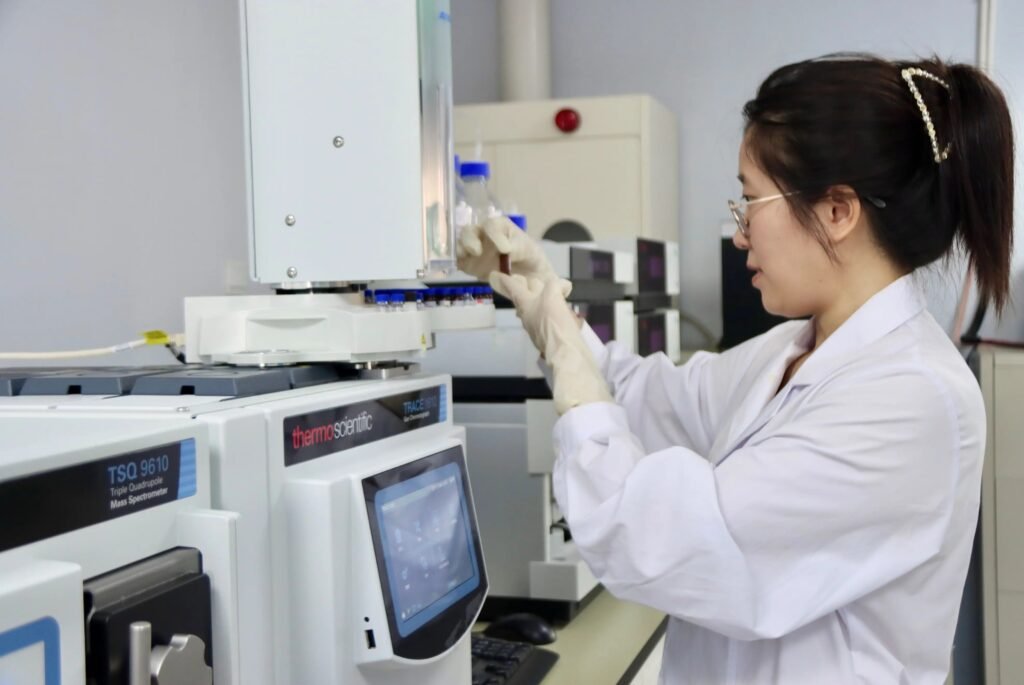
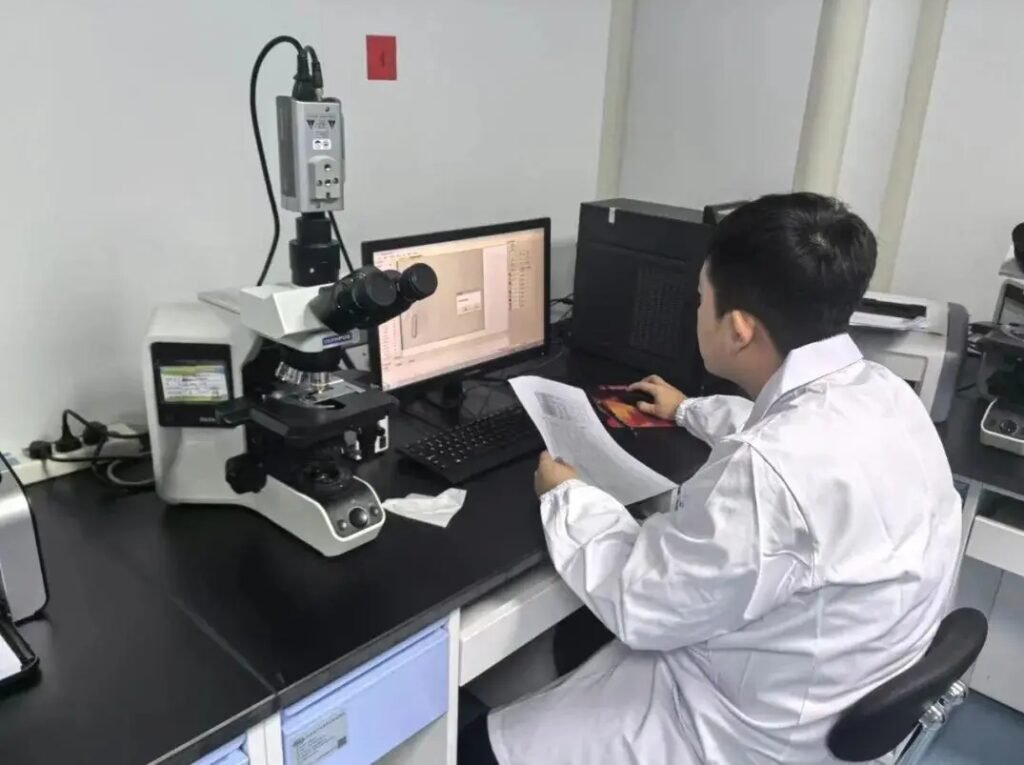
Before any plush prototype is produced, all materials undergo technical analysis by Delsney’s QC and sourcing team.
Material control prevents the top three plush manufacturing risks:
- Incorrect softness or GSM
- Color fading or transfer
- Fabric deformation during stuffing
Fabric Testing Protocol
1. GSM Weight Check (±3% Tolerance)
Ensures fabric matches the softness and density required for curves, shapes and stuffing balance.
2. Colorfastness Testing
Testing includes:
- Dry rub
- Wet rub
- Washing simulation Prevents color bleeding when the plush is handled or cleaned.
3. Shrinkage & Deformation Testing
Performed before cutting patterns to ensure mass-production accuracy.
4. Fiber Safety Testing
Materials must comply with:
- EN71 Part 1/2/3
- ASTM F963
- CPSIA lead limits
5. Accessory QC
Eyes, noses, and small pieces undergo:
- Pull tests
- Age-grade safety checks
- Sharp edge verification
Golden Sample Engineering & Approval
The Technical Blueprint That Controls 100% of Mass Production Accuracy
The Golden Sample is the central engineering reference for all plush production at Delsney. It is not just a visual approval item—it is a technical blueprint containing all measurement values, seam tolerances, stitching placements, fabric combinations, stuffing density levels and accessory specifications.
Across 2,800+ plush SKUs, Delsney maintains an average 98% consistency between Golden Samples and mass-production units.
Golden Sample Engineering Includes
1. Full Measurement Mapping (±0.5–1.0 cm Tolerance)
Every dimension is recorded, including:
- Body length
- Width & depth
- Ear / limb positioning
- Eye & nose alignment
- Accessory placement
QC uses digital calipers and laser horizontal tools for accuracy.
2. Stitching Path Documentation
Each seam is labeled with:
- Stitch density (SPM)
- Curve radius
- Reinforcement points
- Inside-out turning areas
- Hidden-stitch positions
This prevents size distortion and ensures structural durability.
3. Embroidery File Calibration
Embroidery digitizing files are matched 1:1 with sample output. QC checks thread thickness, density, sharp angle accuracy, border clarity and color contrast.
4. Stuffing Density Matrix
Different body sections require different filling densities. For example:
- Head: 115–130 g
- Body: 150–180 g
- Limbs: 55–75 g
These values ensure balanced shape and prevent deformation.
5. Accessory Engineering
Eyes, clothing, accessories, magnets, Velcro, sequins and zippers are approved with:
- Pull tests
- Stability tests
- Overlock stitching verification
Once approved, the Golden Sample is stored digitally and physically. Every production line uses it as the absolute reference, guaranteeing visual and structural consistency across thousands of units.
Sewing & Construction Quality Control
Sewing is the core of plush manufacturing. Even the best materials fail if the construction is weak or inconsistent.
Delsney maintains a dedicated sewing QC team positioned along each line to verify structural accuracy, reduce shape distortion, and ensure compliance with Golden Sample data.
Sewing QC Includes
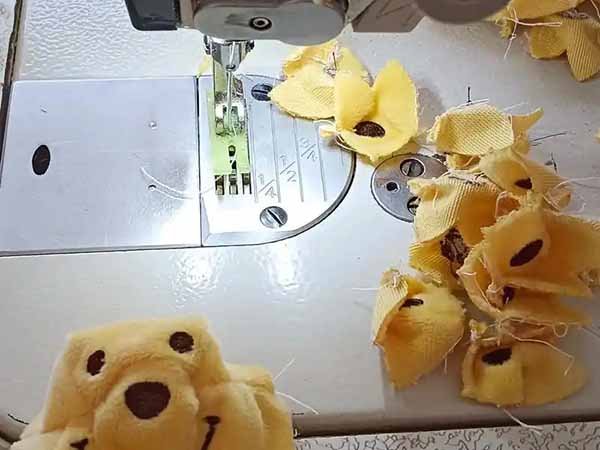
1. Stitch Density Control (6–8 Stitches per cm)
QC checks stitch count and spacing to ensure:
- Seam durability
- Balanced tension
- Avoidance of puckering
- Clean curve shapes
2. Symmetry Verification
Left and right limbs, ears, wings, and facial elements are compared with:
- Layered transparency sheets
- Digital symmetry markers
- Tolerance references
This prevents shape imbalance.
3. Curve & Corner Accuracy
QC verifies smooth curvature and clean corner turning—critical for character-based plush toys and licensed IP products.
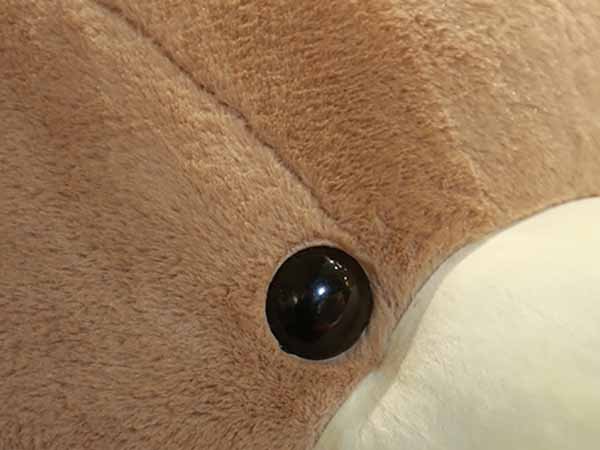
4. Inner Seam Trimming & Hidden Stitch QC
Hidden stitches must be invisible and structurally strong. QC verifies proper trimming to avoid bulges after stuffing.
5. Stress-Point Reinforcement (Double Stitch Zones)
High-stress areas such as neck joints, wing joints, and tail/limb attachments receive reinforced stitching to prevent tearing.
6. Sewing Machine Calibration
Technicians adjust:
- Thread tension
- Needle size matching fabric
- Oil-free operation for light-colored fabrics
- SPM (stitches per minute) to maintain consistency
Even with large-volume production (up to 25,000 units per batch), Delsney maintains a stable shape, strong structure and uniform stitching quality across every line.
Embroidery & Printing Quality Control
High-Resolution Details for Characters, Textures & Brand Elements
Many plush products include detailed embroidery or printed elements such as:
- Eyes
- Logos
- Textures
- Facial features
- Graphics
- Patterns
For IP-driven and collectible plush, accuracy is critical. Delsney’s embroidery QC team ensures pixel-level fidelity between artwork files and physical output.
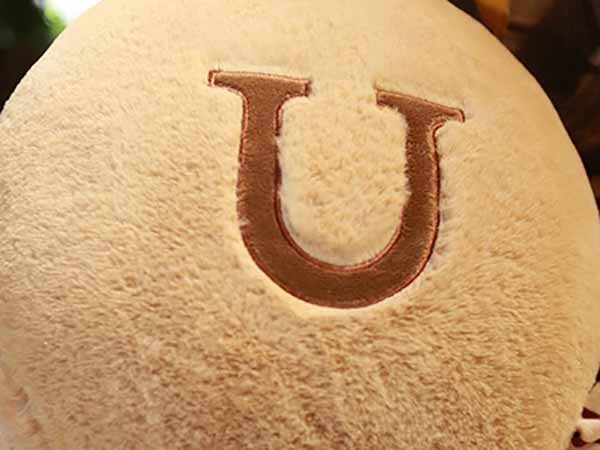
Embroidery QC Protocol
1. Thread Density Calibration
Density adjusted to avoid:
- Gaps
- Thread pull
- Overdensity causing stiffness
Based on artwork complexity.
2. Color Matching Under Standard Light Conditions
QC evaluates colors under D65 and TL84 lighting to ensure stability across production.
3. Edge Sharpness Verification
Sharp edges around eyes, nose, eyebrows and logos must match the approved Golden Sample.
4. Embroidery Placement Accuracy (±1–2 mm)
Digital templates ensure consistent left-right placement.
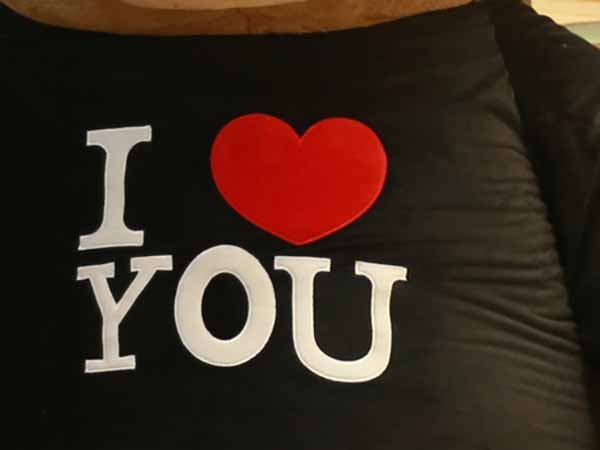
Printing QC Protocol
For heat transfer or sublimation printing on plush accessories:
1. DPI Pattern Check
Ensures crisp artwork without pixelation.
2. Alignment Control
Printing lines must match cut patterns accurately.
3. Color Stability Test
Heat resistance, rub resistance and washing resistance are checked before approval.
All embroidery and printed elements on the plush remain clean, sharp and consistent—suitable for retail and licensed product standards.
Stuffing Density & Shape Stability QC
Stuffing is the soul of plush manufacturing. It determines:
- Softness
- Shape stability
- Balance
- Symmetry
- Touch quality
- Long-term deformation resistance
Delsney uses a quantitative filling system rather than “experience-based” filling.
Across 2,800+ plush models, Delsney maintains 95% shape stability after 72-hour compression testing, a key metric in retail-grade plush manufacturing.
Weight-Controlled Filling (±2–5 g Tolerance)
Every section of the plush has assigned filling weight:
- Head: 115–130 g
- Body: 150–180 g
- Limbs: 55–75 g
- Tail/ears: 10–25 g
Digital scales ensure high accuracy.
Multi-Zone Density Mapping
Delsney develops density maps for complex characters to avoid:
- Overstuffing (causing hardness)
- Understuffing (causing sagging)
- Asymmetric proportions
Rebound & Elasticity Testing
QC performs:
- Compression tests
- 24-hour deformation tests
- Drop tests
Ensures long-term shape retention, crucial for premium retail plush.
Filling Fiber QC
Filling fibers undergo:
- Cleanliness check
- Odor-free requirement
- Fiber length consistency
- EN71/ASTM safety compliance
Even after extended compression, Delsney plush toys maintain shape and softness with minimal deformation—ideal for IP merchandise, retail chains, and collectible plush.
Safety & International Compliance Testing
EN71, ASTM F963, CPSIA — Every Product Built for Global Market Regulations
Safety is non-negotiable in plush manufacturing. Delsney manufactures for clients in Europe、USA、Japan、Korea、Australia and maintains compliance with the world’s strictest toy regulations.
QC and engineering teams prepare all documents required for:
- Retail audits
- Licensing approvals
- Amazon / Walmart compliance
- Customs clearance






Global Safety Standards Delsney Supports
EN71 (Europe)
- Part 1: Physical & mechanical tests
- Part 2: Flame retardancy
- Part 3: Heavy metal migration
ASTM F963 (USA)
- Mechanical testing
- Stuffing material safety
- Small parts testing
CPSIA (USA)
- Lead limit
- Phthalates restrictions
REACH (EU)
- Chemical safety compliance
AS/NZS (Australia)
- Mechanical & flammability requirements
ST Mark (Japan)
- Strict mechanical safety tests
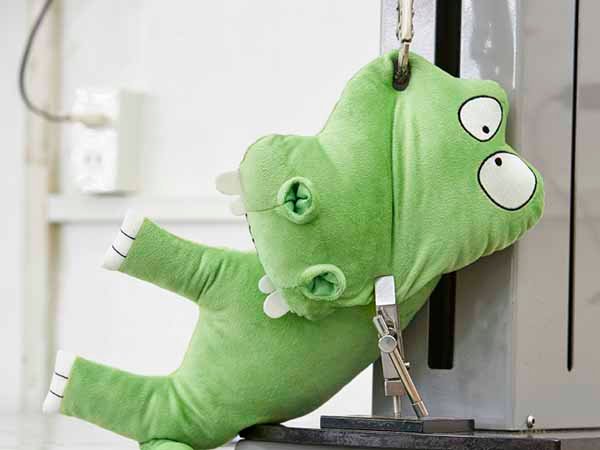
Safety Testing Conducted During QC
1. Pull Test (90N Standard)
Ensuring eyes, noses, and accessories cannot detach.
2. Torque Test
Guarantee that twisting elements stay secure.
3. Tension & Seam Strength Test
Prevents tearing under normal play.
4. Sharp-Edge & Sharp-Point Test
Ensures no hidden hazards inside or outside the plush.
5. Metal Detection
100% of plush toys pass industrial-level metal detection.
Every plush item produced by Delsney meets international toy safety requirements, backed by clear documentation and verifiable testing records.
In-Line QC & Final Inspection Protocols
Every Plush Inspected at Multiple Checkpoints Before Leaving the Factory
Delsney uses a multi-checkpoint QC system to catch issues early and ensure final consistency. With 2000+ shipments annually, maintaining predictable output is essential.
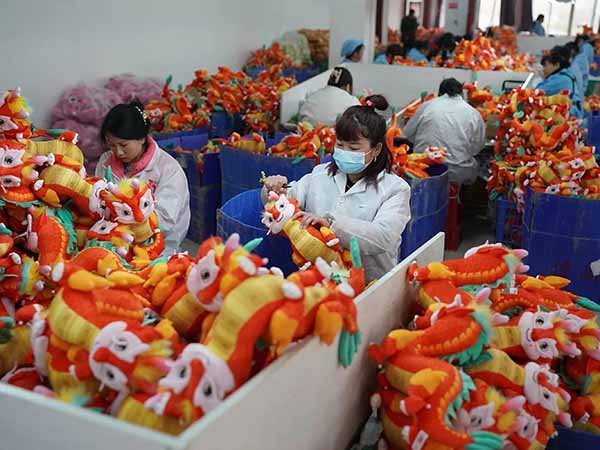
In-Line QC & Final Inspection Protocols
QC staff are positioned along production lines and perform checks on every batch of semi-finished units.
In-Line QC Includes
- Seam accuracy
- Symmetry consistency
- Embroidery alignment
- Filling density
- Hand-feel check
- Accessory stability
- Facial expression matching Golden Sample
Any deviations are stopped immediately, preventing mass errors.
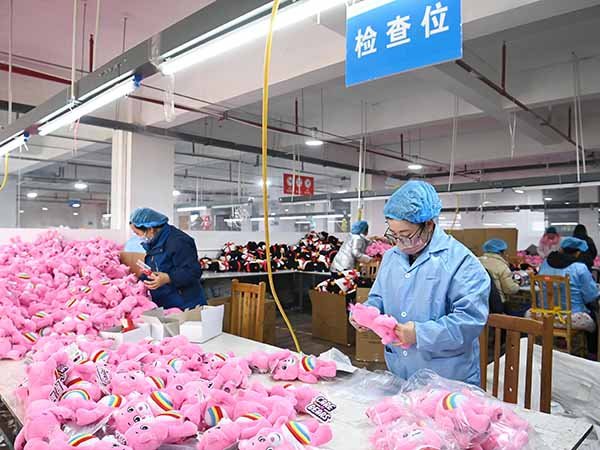
End-Line QC (After Full Assembly)
Once plush units are fully assembled:
End-Line QC Includes
- Full visual inspection
- Deformation test
- Loose thread trimming
- Measurement verification
- Softness & rebound test
- Golden Sample comparison
End-line QC maintains Delsney’s 98% mass-production accuracy.
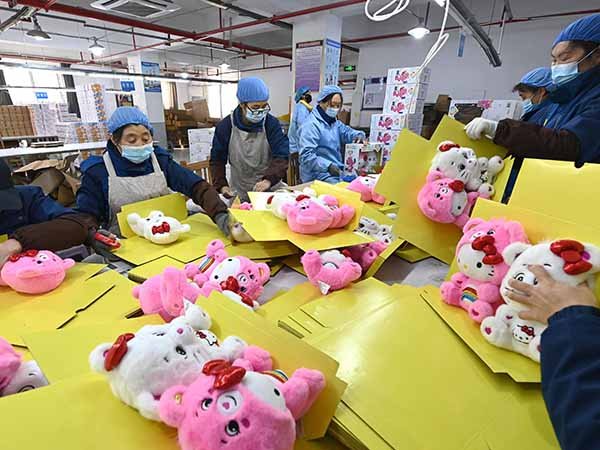
Final AQL Inspection Before Shipment
AQL Standards:
- AQL 0 (Critical)
- AQL 2.5 (Major)
- AQL 4.0 (Minor)
QC performs carton-by-carton sampling:
Final QC Includes
- Packaging inspection
- Label accuracy
- Barcode readability
- Carton strength
- Carton drop test
- Moisture control checks
No shipment leaves Delsney without passing full AQL inspection, ensuring each order arrives in retail-ready condition.
Metal Detection & Needle Control Management
Industrial-Grade Safety Systems Ensuring Zero Metal Contamination for 18+ Years
Metal contamination is one of the most strictly controlled safety risks in global plush manufacturing. Delsney enforces a zero-tolerance metal management system, combining strict needle logs, machine-level detection and a dual-check protocol.
Across 18+ years and thousands of batches delivered, Delsney has maintained a 0 incident record with retailers, licensing companies and corporate merchandise brands.
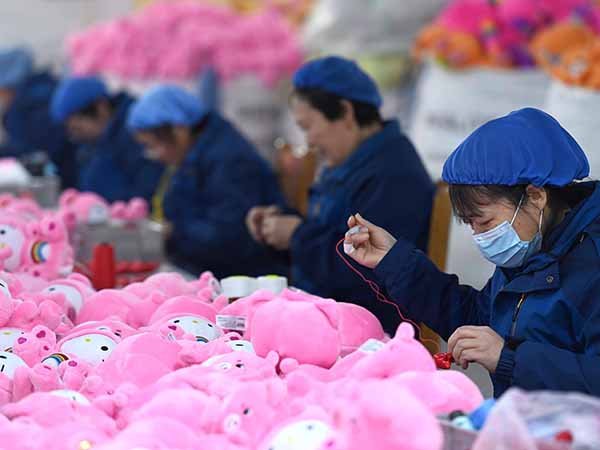
Needle Control System
1. Daily Needle Log (Registered & Signed)
Every needle is registered before use, including:
- Needle ID
- Operator name
- Machine number
- Start time & end time
- Reason for replacement
A supervisor signs each log.
2. Broken Needle Procedure
If a needle breaks:
- All fragments must be accounted for
- The machine is paused immediately
- QC re-inspects all surrounding units
- Broken needle fragments are stored in a sealed container
- Supervisor signature is required to resume work
This ensures no metal fragments enter the plush body.
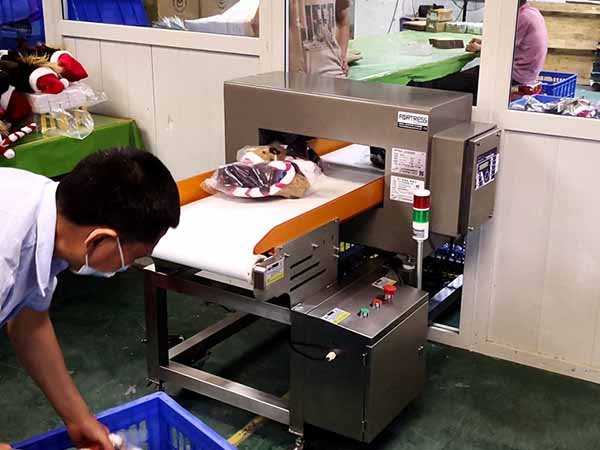
Metal Detection Process
1. 100% Unit Metal Scan
Every plush product passes through an industrial-level metal detector set at high sensitivity.
2. Two-Pass Detection
Each plush is scanned twice:
- Before packaging
- After packaging
3. Batch-Level Traceability
Each approved batch has a metal-detection certificate tied to:
- Order number
- Production line
- Operator
- Date and time
Delsney ensures each plush toy is fully free of metal contamination—meeting EN71, ASTM F963 and CPSIA safety requirements for global retail markets.
Packaging Quality Control & Carton Safety Testing
Ensuring Every Plush Survives Transport, Storage & Retail Handling Without Damage
Packaging directly impacts product safety, carton strength and final retail presentation. Delsney integrates packaging QC into every production cycle to achieve zero-damage shipments, especially for large-volume ocean freight.
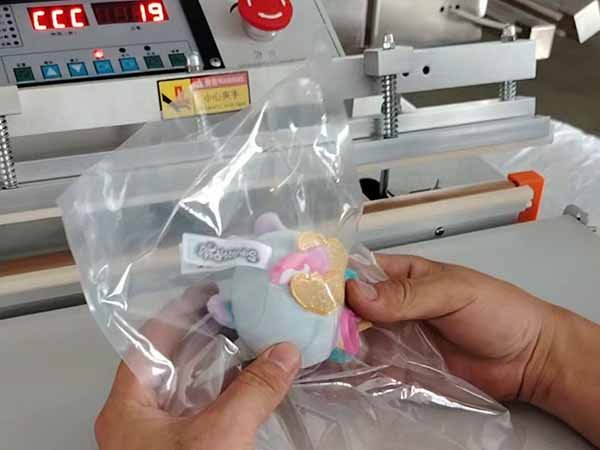
Primary Packaging QC
1. Polybag QC
- Thickness control (0.03–0.05 mm)
- Seal integrity inspection
- Warning label accuracy
- Air-vent hole testing
2. Barcode & Label Verification
- UPC/EAN validation
- Smudge-proof tests
- Placement accuracy (±2 mm)
3. Accessory Protection
Hats, clothing, wings or fragile decorative elements are supported with cardboard or tissue to prevent crushing.
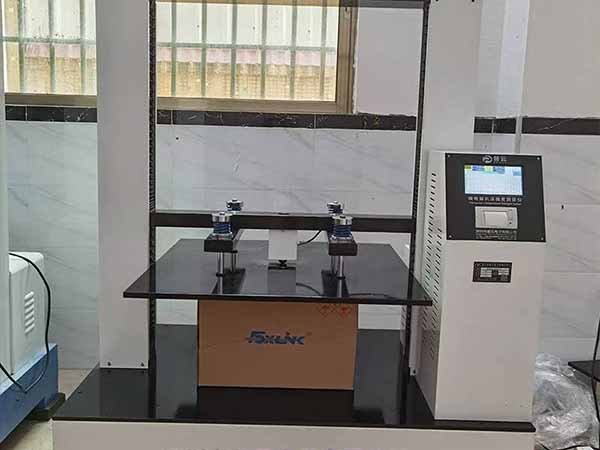
Carton QC
1. Carton Strength Test
Using ECT 44–48 corrugated material for export-grade strength.
2. Carton Drop Test
Performed from 80–120 cm height on 8 angles:
- 1 corner
- 3 edges
- 6 surfaces
Ensures plush arrives in perfect condition worldwide.
3. Moisture Content Control
Cartons are checked with a moisture meter to ensure < 12% humidity before loading containers — preventing mold growth during long shipping routes.
4. Packing Density Optimization
Delsney engineers packing layouts to avoid:
- Over-compression
- Shape deformation
- Excess wasted space
- Shipping cost inflation
With optimized packaging engineering and carton QC, Delsney maintains a less than 0.3% transit-related defect rate across 2000+ shipments annually.
Frequently Asked Questions
Clear, Practical Answers Based on Delsney’s Real QC, Production & Compliance Systems
Q1: How does Delsney ensure sample accuracy matches mass production?
Sample accuracy is controlled through a strict Golden Sample engineering process with full measurement mapping, stitch-density documentation, embroidery calibration and stuffing-density matrices. The approved Golden Sample is digitally archived and physically sealed, then used on every production line as the single reference source. With this system, Delsney maintains a 98% consistency rate across thousands of units—even for complex character plush with multiple colorways or accessories.
Q2: What QC checkpoints occur before mass production begins?
Before production starts, Delsney performs material testing (GSM, colorfastness, shrinkage), accessory strength tests, pre-production embroidery checks, pattern verification and stuffing trials. Engineering also completes a risk assessment to identify issues that may arise during high-volume output. Only after these steps are verified does the project move into formal line scheduling.
Q3: How does Delsney control sewing quality across high-volume orders?
Sewing quality is managed through multi-stage QC: in-line inspectors verify stitch density, seam durability, curve precision and symmetry at each workstation. High-stress areas receive reinforcement stitches, and technicians adjust tension, SPM and needle type based on fabric thickness. With these controls, Delsney prevents seam distortion and maintains consistent shape even in 25,000-unit batches.
Q4: How is filling softness and shape stability guaranteed?
Each plush component has a precise filling weight range measured in grams, with tolerances as low as ±2–5 grams. QC performs multi-zone density mapping, compression tests and rebound evaluations. Filling fibers are also tested for cleanliness, odor, elasticity and compliance. This engineered approach ensures softness, balanced weight and long-term shape retention.
Q5: What safety tests are used to meet international toy regulations?
Delsney complies with EN71, ASTM F963, CPSIA, REACH and other global standards. Safety tests include pull tests, torque tests, tension tests, seam-strength tests, sharp-edge inspection, color migration analysis and 100% metal detection. Compliance documents are provided to support retail audits, customs clearance and licensing approvals.
Q6: What is the needle-control system, and why is it important?
Needle control prevents metal fragments from entering plush toys. Delsney registers each needle before use, logs every replacement, stores broken needle fragments in sealed containers and performs re-inspection on affected units. Combined with 100% metal detection on all finished products, Delsney has maintained a zero-incident safety record for over 18 years.
Q7: How does Delsney ensure consistency across left-right symmetrical parts?
QC uses layered transparency sheets, digital alignment tools and tolerance markers to compare left vs. right limbs, ears, wings and facial details. Symmetry is checked during in-line and end-line QC stages. This prevents crooked features, uneven shapes and misalignment—common issues in lower-skilled factories.
Q8: How is embroidery and printing accuracy maintained?
Embroidery accuracy is controlled through thread-density calibration, color matching under D65/TL84 light, edge sharpness checks and ±1–2 mm placement verification. For printed elements, QC verifies DPI clarity, heat-transfer alignment and rubbing resistance. All outputs are compared to the Golden Sample to ensure identical appearance and color performance.
Q9: What steps occur during final inspection before shipment?
Final AQL inspection covers visual appearance, measurements, stitching integrity, shape consistency, accessory firmness, barcode readability and packaging safety. QC also performs carton-drop tests, polybag seal checks, humidity measurements and outer carton strength tests. Only batches meeting the assigned AQL standard (0/2.5/4.0) are cleared for shipment.
Q10: How does Delsney maintain low defect rates across large orders?
Delsney maintains a defect rate far below industry averages through multi-layer QC, real-time defect pattern analysis, daily operator feedback loops, precise material control, documented sewing procedures and strict end-line inspection. Production data is reviewed each morning by engineering, QC and production teams to continuously refine processes. This system provides predictable quality even for 20,000–50,000-unit seasonal programs.

Start Your Project With a Proven QC System
A strong QC system is not built overnight. Delsney’s quality control framework comes from 18+ years of production, 2,800+ developed plush SKUs, global compliance expertise, and a continuous loop of improvement based on real defect analysis and engineering data.
For brand owners, IP licensors, retailers and e-commerce teams who need reliable plush manufacturing, a factory’s QC system determines:
- Consistency across large quantities
- Retail compliance success
- Product safety
- Long-term customer satisfaction
- Total project reliability
Delsney provides a quality system that is measurable, transparent and engineered—not guesswork.
