 Skip to content
Request a Free Plush Sample From Delsney
# 5–7 Day Prototypes, Engineering-Level Accuracy & No Upfront Risk
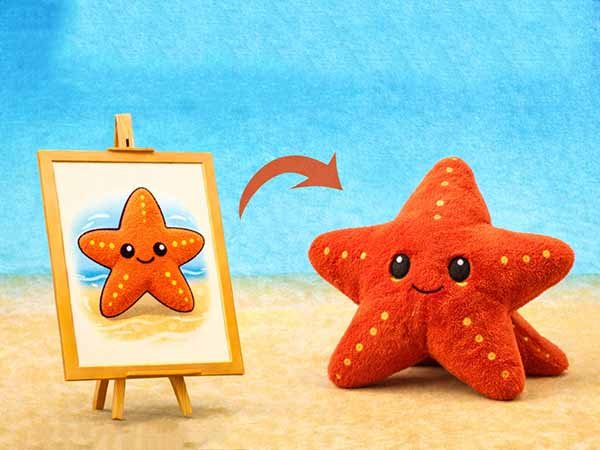
Delsney provides free plush samples for qualified projects to help partners evaluate craftsmanship, engineering precision and material performance before moving into production. With a structured sampling system and a dedicated team of pattern makers, sewing specialists and embroidery technicians, Delsney completes most prototypes in 5–7 days with an average design match accuracy of 98%+.
Each free sample demonstrates:
- accurate 3-view interpretation
- correct body proportions & symmetry
- high-density embroidery quality
- precise stitching and finishing
- material softness & GSM performance
- filling behavior and shape retention
This free sample program allows brands, IP owners and retail teams to validate design feasibility, production reliability and overall visual appeal without upfront risk.
Why Delsney Offers Free Samples
Building Long-Term Partnerships Through Transparent Engineering & Consistent Quality
Delsney’s free sample program is designed to help partners experience real production capability before making volume commitments. With 18+ years of plush engineering experience, the company believes that accurate prototypes and transparent engineering work build long-term trust. Over the past three years alone, more than 2,500 samples were produced for global partners across the U.S., Europe, Japan, Australia and Korea.
The goal is simple: allow partners to evaluate shaping, stitching, embroidery precision, material behavior and QC standards before moving forward with larger production planning. Strong sample quality leads to confident decision-making, faster approvals and smoother production cycles.
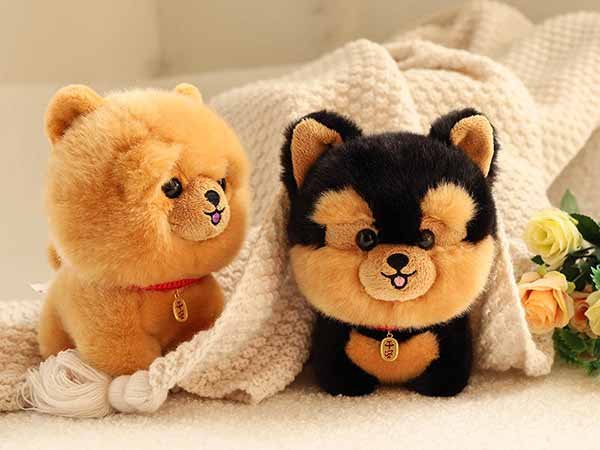
What’s Included in a Free Sample
Full-Accuracy Prototype With QC Validation, Not a Simplified Draft
A Delsney free sample undergoes the same engineering and QC procedures used in mass production.
It is a final-quality prototype—not a downgraded version—designed to give partners a completely accurate understanding of final production performance.
Each free sample typically includes:
High-accuracy pattern structure:
Patterns are derived from precise 3-view geometry reconstructed by in-house engineers. This ensures correct curves, seam matching and symmetry.
Material verification:
All fabrics undergo GSM testing, fiber-density checks and color comparison using ΔE ≤ 0.8 standards. Softness and stretch behavior are evaluated to ensure proper shaping.
Embroidery precision:
Expressions and details are created using embroidery files with ±1 mm tolerance, ensuring clarity even in small features.
Stitching performance:
Seams follow a 3–4 mm stitch-density guideline to maintain durability and shape retention.
Filling consistency:
PP cotton density varies within ±5% across limbs, head and body to prevent deformation.
Accessory safety checks:
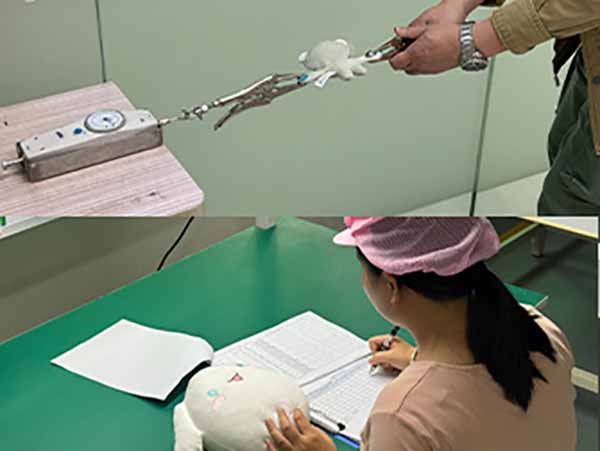
Pull tests are performed on safety eyes, noses and attached accessories.
QC validation report:
Engineers review proportions, balance, expression alignment and shaping before presenting the sample to the partner.
This ensures that the sample reflects genuine production standards, making it suitable for internal approvals, investor presentations, licensing evaluations or retail decision-making.
How Delsney Creates Your Free Sample
Delsney’s free sample program follows the exact same engineering workflow used for retail-grade mass production. Each prototype passes through a 7-stage development pipeline, built to ensure shape accuracy, structural stability, and design consistency.
Stage 1
3-View Analysis & Digital Reconstruction
Engineers review artwork, evaluate head-to-body proportions, limb angles, symmetry expectations, and facial geometry. If a 3-view is missing, the team reconstructs it using silhouette mapping and proportional deduction.
Stage 2
Pattern Engineering & Geometry Correction
Pattern makers convert the 3-view into 10–25 precision pattern pieces. Seam allowances (3–5 mm) and curve-matching angles are carefully calculated to ensure consistent shaping during stuffing.
Stage 3
Material Testing & GSM Evaluation
Fabric is tested for GSM (120–180g typical plush), fiber density, softness index, stretch behavior, and color deviation (ΔE ≤ 0.8). Only materials matching the design’s intended texture and handfeel are used.
Stage 4
Prototype Construction
Sewing teams follow stitch-density guidelines (3–4 mm), reinforcement rules for high-stress seams, and embroidery maps with ±1 mm tolerance.
Every prototype undergoes controlled PP cotton filling with density variation limited to ±5%.
Stage 5
Symmetry & Proportion Verification
QC teams measure facial symmetry, limb lengths, stuffing balance, and overall silhouette accuracy using calipers and soft rulers.
Stage 6
Accessory & Safety Testing
Safety eyes, noses, beads and attached elements undergo pull tests. Embroidery edges are tested for fray resistance. Large plush formats receive extra seam stress tests.
Stage 7
Final Review & Photography
The prototype is photographed from eight angles under neutral lighting. Engineers conduct a final review before sending it to the partner.
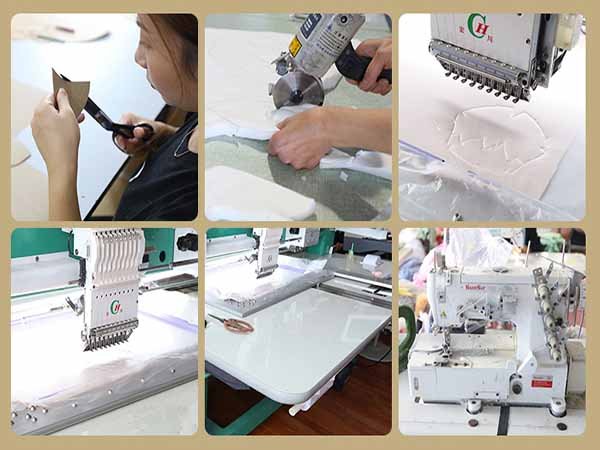
Material Options for Your Free Sample
Materials determine the plush toy’s softness, expression clarity, durability, and overall tactile experience.
Delsney’s sampling studio sources from long-term certified partners and verifies every batch with technical testing before use.
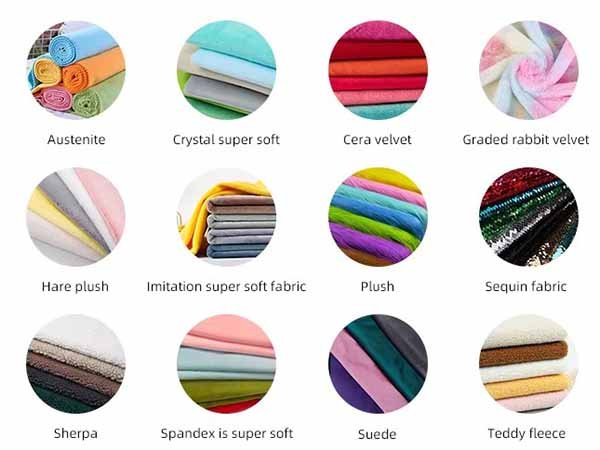
Plush Fabrics
- Short plush, velboa, microfiber, rabbit plush, custom-texture fabrics
- GSM range from 120g to 180g
- Fiber density chosen based on desired softness & facial detail clarity
- Color verification using ΔE ≤ 0.8 tolerance
- Optional GRS-certified recycled plush for sustainable lines
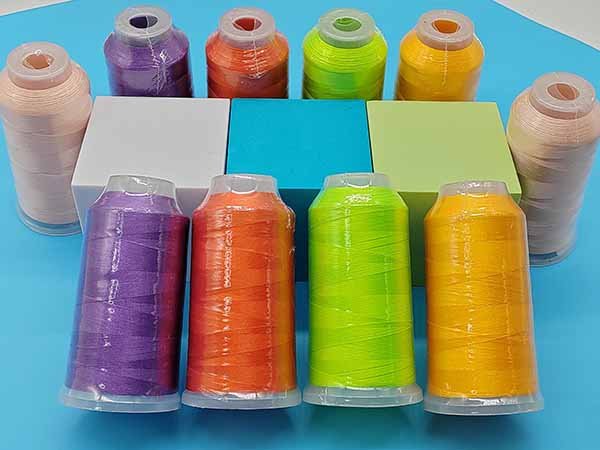
Embroidery Threads
- High-density polyester embroidery thread
- Thread thickness mapping to reduce distortion on curved surfaces
- Precision-controlled stitch count for facial details
- Thread color matched with swatches under LED & daylight sources
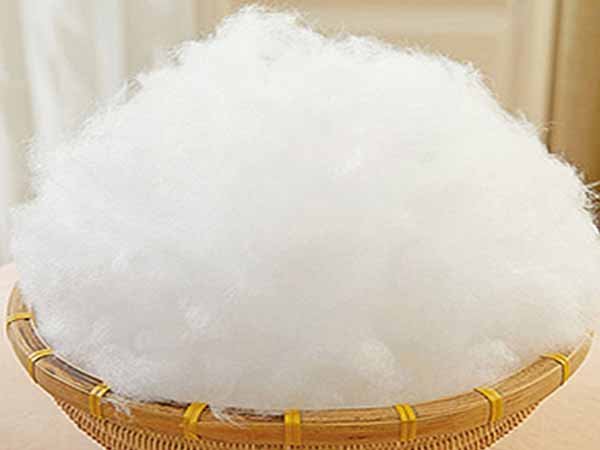
Stuffing Materials
- High-resilience PP cotton
- Softness ratio selected based on character shape
- Bead filling (sealed bags) for weighted plush
- Shape-retention testing to prevent uneven settling
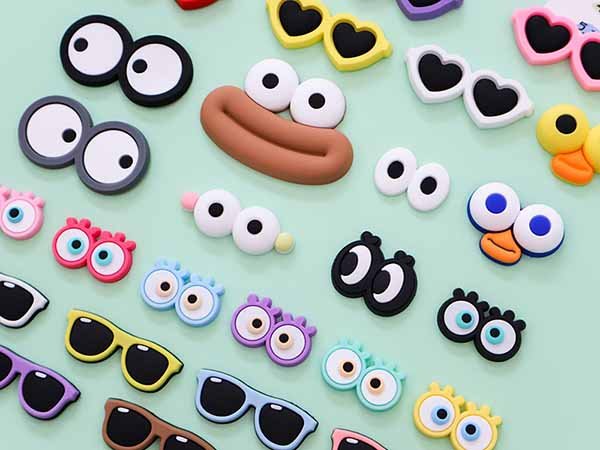
Safety Accessories
- EN71/F963 compliant eyes, noses, joints
- Pull-force tests performed before use
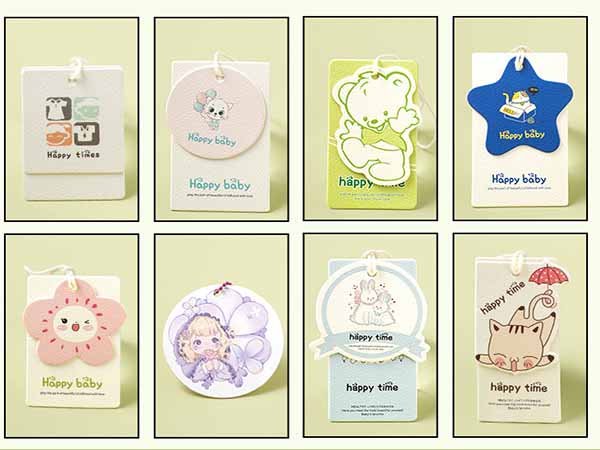
Packaging Elements (optional for sample)
- OPP polybags
- Hangtags
- Stickers for retail mockups
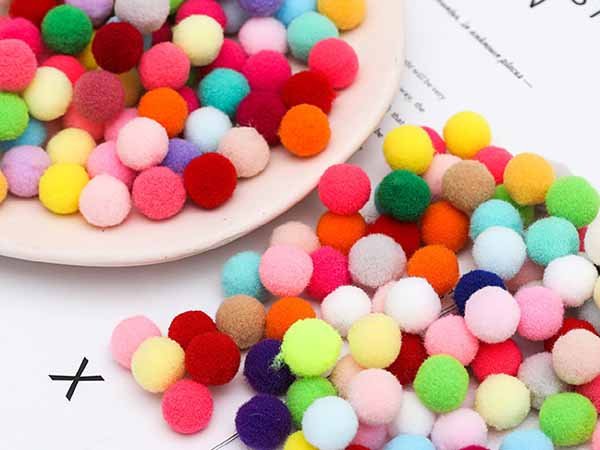
More Materials series
Every material undergoes both mechanical and visual testing to ensure prototypes match real production performance.
What You Need to Prepare Before Requesting Your Free Sample
To start your free sample efficiently, Delsney requires a small set of essential information that helps engineers evaluate structure, material choices, and production feasibility without unnecessary back-and-forth.
Required Inputs:
- Artwork / 3-view drawings If unavailable, our team can reconstruct the 3-view based on your artwork.
- Preferred size For example: 15 cm, 25 cm, 35 cm, or custom dimensions.
- Material preference (Short plush, velboa, microfiber, recycled plush)
- Estimated quantity range Pilot: 100–500 pcs Retail: 5,000–25,000+ pcs
- Accessories Clothing, props, embroidery complexity, labels, etc.
- Packaging requirements Polybag, box, hangtag, barcode layout.
- Destination region Determines compliance path (EN71 / ASTM F963 / CPSIA).
Processing Time After Submission Most submissions complete engineering review within 24–48 hours, allowing quick movement into sampling.
A complete submission ensures maximum sampling speed and accuracy, minimizing revision cycles and shortening your production timeline.
Free Sample Timeline & Delivery Speed
Delsney follows a highly structured timeline to ensure rapid sample completion while maintaining engineering accuracy.
Thanks to a dedicated sampling studio operating six days a week and supported by material technicians, pattern engineers, sewing specialists and QC reviewers, most free samples follow a predictable schedule:
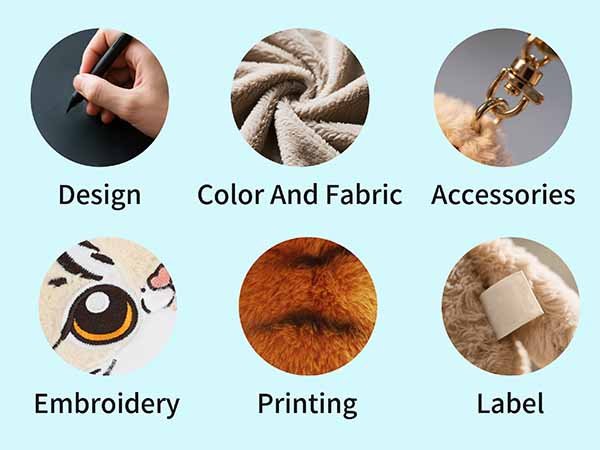
Day 1 — Engineering Assessment Artwork or 3-view drawings are evaluated for structure, proportion, and symmetry. Engineers plan materials, stitch density, embroidery maps, and filling behavior.
Day 2–3 — Pattern Drafting & Prototype Assembly Pattern makers reconstruct shapes into 10–25 panels, ensuring seam alignment and curve accuracy. Sewing technicians assemble the prototype following reinforcement rules.
Day 4 — Embroidery & Material Validation Facial details and logos undergo embroidery mapping with ±1 mm tolerance. Technicians confirm GSM, color accuracy and softness behavior during shaping.
Day 5 — Filling, Shaping & Structural Reinforcement Stuffing teams apply PP cotton at controlled density levels (±5%), followed by silhouette calibration and seam stress checks.
Day 6 — QC Review & Symmetry Measurement QC measures symmetry deviation (<3%), verifies embroidery clarity, checks seam durability and evaluates shape retention. Any adjustments are completed the same day.
Day 7 — Final Approval & Dispatch The finished sample is photographed under neutral lighting, packed securely and dispatched via preferred shipping method.
Typical Delivery Times:
- Express: 3–7 days
- Air Mail: 7–12 days
- Courier to FBA or fulfillment centers: 5–8 days
Over the last 36 months, 92% of samples were completed within 5–7 days, even during seasonal peaks.
Delsney’s Sample Quality Guarantee
Each Free Sample Follows the Same QC Standards Used in Large-Scale Retail Production
Every sample receives a full QC process, including:
Symmetry & Proportion Validation: QC staff measure head-body ratios, limb lengths, and facial spacing using calipers and soft rulers. Maximum allowed deviation is ≤3%.
Embroidery Precision Testing: Embroidery is evaluated for density, clarity, thread consistency and ±1 mm tolerance on curves.
Seam Durability Checks: Stitching follows a strict 3–4 mm density guideline and undergoes gentle stress tests around vulnerable areas such as neck, arms and accessories.
Material Verification: Fabric GSM, softness index, fiber density and color deviations are validated. Plush materials must pass ΔE ≤ 0.8 and texture consistency checks before approval.
Filling Uniformity: PP cotton is distributed with ±5% density variance to maintain stable shape and prevent long-term deformation.
Accessory Safety Test: Pull tests are applied on safety eyes, noses and attachments to ensure compliance with EN71 or ASTM F963 requirements.
Every free sample is photographed from eight angles and inspected by both engineers and QC managers. As a result, Delsney maintains a long-term defect rate of <1.5% across production orders, and a sample match rate of 98%+ from artwork to physical prototype.
Frequently Asked Questions
Clear, Practical Answers Based on Real Engineering & Production Experience
Q1: How long does the free sample take?
Most free samples are completed in 5–7 days because Delsney’s sampling studio operates six days a week with dedicated pattern makers, sewing technicians and embroidery specialists. Prototypes follow the same engineering workflow used in mass production, including GSM validation, symmetry checks and embroidery precision testing.
Q2: Is the free sample the same quality as mass production?
Yes. The free sample is created using the exact materials, stitch density, pattern structure and QC standards used in full-scale orders. It reflects true retail-grade quality, including proportion accuracy, shape retention, color consistency (ΔE ≤ 0.8), and seam strength testing.
Q3: What information do I need to provide to begin the sample?
To start efficiently, partners typically provide artwork or a 3-view drawing, target size range, material preferences, estimated quantity, accessory details and packaging requirements. With complete information, Delsney can begin engineering review and move to sampling within 24–48 hours.
Q4: Why does Delsney offer free samples?
Delsney’s business model prioritizes long-term cooperation, and the free sample program helps partners judge softness, craftsmanship, proportional accuracy and QC reliability firsthand. Experience shows that the overwhelming majority of partners who receive a sample proceed to full production after evaluating the engineering precision.
Q5: Can Delsney help if my artwork doesn't include a 3-view?
Yes. Delsney’s engineering team regularly reconstructs 3-view layouts based on a single illustration. Engineers analyze silhouette lines, weight distribution, curve behavior and facial geometry to rebuild a complete 3D-accurate pattern foundation before sampling.
Q6: How accurate is the sample compared to my artwork?
Delsney maintains a sample-to-artwork match rate of 98%+, achieved through geometric pattern mapping, proportion reconstruction, ±1 mm embroidery tolerance, and symmetry measurements. QC ensures deviations stay within ≤3% for body shaping and alignment.
Q7: How is the sample shipped internationally?
Samples are packed using reinforced micro-cartons, moisture-controlled storage, and protective OPP bags. They can be shipped via express (3–7 days), air mail (7–12 days) or direct-to-FBA courier routes. All shipments include tracking, weight confirmation and pre-dispatch photos.
Q8: Are there any hidden costs?
No. The sample is free for qualified projects, and Delsney clearly communicates any optional costs, such as custom materials or special accessories, before production. Clear transparency ensures partners understand the full manufacturing path before committing.
Q9: What happens after I approve the sample?
Once approved, the project moves into pre-production sampling (PPS) and scheduling. Most mass-production cycles take 15–25 days, depending on design complexity, embroidery density and accessory requirements. QC checks occur at each milestone to maintain consistency.
Q10: What makes Delsney a reliable long-term plush manufacturing partner?
Delsney’s reliability is built on engineering-driven workflow, three-factory scalability, strict QC discipline, safety compliance (EN71, ASTM F963, CPSIA), accurate shipping, and fast communication. With over 900 shipments per year and 18+ years of plush expertise, Delsney consistently delivers professional outcomes for global brands and licensing programs.

Start Your Free Sample Today
The best way to evaluate a plush manufacturer is by holding the prototype in your hands. Delsney’s free sample program is designed to provide complete clarity—real materials, precise stitching, accurate shaping, compliant accessories, and consistent engineering standards identical to mass production.
With fast 5–7 day sampling, strict QC validation, and nearly two decades of plush-specific manufacturing experience, Delsney helps partners move from concept to execution with confidence. Whether developing licensed characters, retail collections, collectibles, mascots or e-commerce-focused designs, the engineering team ensures every detail—from facial expression alignment to fiber softness—meets professional expectations.
Your project can begin within 24–48 hours once your artwork and size preferences are submitted. Delsney becomes not just a manufacturer, but a technical partner supporting the entire lifecycle of your plush products.
