Skip to content
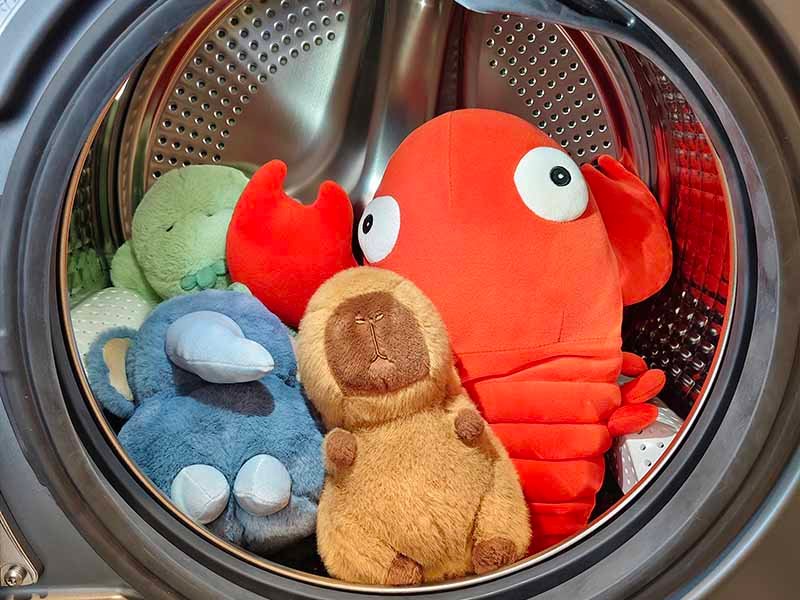
A plush toy carries more than fabric and filling. It may be a child’s bedtime friend, a holiday gift, a retail product with a logo, a collectible character, or a custom mascot made for a campaign. Once it gets dirty, the cleaning method matters. A simple mistake such as hot water, strong spinning, harsh detergent, or high-heat drying can flatten the surface, fade the color, loosen plastic parts, clump the filling, or leave hidden moisture inside the toy.
The safest way to wash plush toys is to check the care label, inspect the fabric and accessories, then choose machine washing, hand washing, or spot cleaning. Use cool water, mild detergent, gentle pressure, full rinsing, and slow air drying. Plush toys with electronics, fragile trims, vintage fabric, or glued parts should not be fully soaked.
For families, the goal is hygiene without damage. For retailers and custom plush brands, the goal is even bigger: the product should stay cute, safe, and soft after real use. A plush toy may be hugged every night, carried to school, dropped in a stroller, packed in luggage, or used in a daycare environment. Cleaning performance often reveals the real quality of fabric selection, seam strength, filling stability, and accessory attachment. A plush toy that survives daily handling and careful cleaning earns more trust than one that only looks good on the shelf.
Can You Wash Plush Toys?

Most plush toys can be cleaned, but not every plush toy should go into water or a washing machine. The safest method depends on the care label, fabric type, filling, seam strength, accessories, electronic parts, and age of the toy. Machine washing fits durable toys, hand washing protects delicate toys, and spot cleaning is safest for electronic, vintage, or collectible plush.
What Does the Care Label Say?
The care label is the first decision point before washing any plush toy. It usually tells the user whether the toy can be machine washed, hand washed, surface cleaned only, air dried, or kept away from bleach and high heat. A good label protects both the toy and the customer because it removes guesswork.
For household users, the care label helps prevent common washing mistakes. For custom plush brands, care labels reduce returns, complaints, poor reviews, and customer confusion. A plush toy sold for babies, pets, events, museums, resorts, e-commerce shops, or character licensing needs clear care guidance because different users handle cleaning in different ways.
A care label should match the real structure of the toy. If a toy has sound modules, battery boxes, glued decorations, delicate embroidery, printed panels, fluffy long pile, or special filling, the label must give practical instructions. A label that says “machine washable” without considering these details can create problems later.
For custom plush projects, Delsney can help define suitable care instructions during product development. With 18+ years of plush R&D, design, sampling, and manufacturing experience, Delsney can recommend washable fabrics, stable filling, stronger seams, child-safe accessories, and private label care tags that match the product’s real cleaning tolerance.
| Care Label Instruction | What It Usually Means | Customer Risk If Ignored |
|---|---|---|
| Machine wash cold | Wash with cool water and gentle movement | Hot water may fade color or deform fabric |
| Hand wash only | Clean gently with mild detergent and low pressure | Machine spinning may damage shape or seams |
| Surface clean only | Do not soak the full toy | Internal parts, filling, or glue may be damaged |
| Do not bleach | Avoid chlorine or strong whitening products | Fabric discoloration and fiber damage |
| Air dry only | Dry naturally with ventilation | Heat may melt parts, shrink fabric, or clump filling |
| Do not tumble dry | Avoid dryer heat and heavy rotation | Shape loss, accessory damage, or surface flattening |
Which Plush Toys Are Machine Washable?
Machine washing works best for simple, durable plush toys made from polyester-based short plush, velboa, or other stable fabrics. The toy should have strong seams, secure embroidery or safety-locked parts, colorfast fabric, and resilient filling. It should not contain batteries, lights, speakers, motion devices, paperboard inserts, loose trims, fragile glue, or delicate decorative pieces.
Small and medium plush toys usually handle machine washing better than oversized plush toys. Large toys absorb more water, become heavy, and twist more easily during the spin cycle. Once the filling shifts, the toy may dry with a lumpy body or uneven face shape. For character plush, even a small change in head shape or eye position can affect the product’s appearance.
Customers often want machine-washable plush toys because they are easier to maintain. Parents prefer them for children’s everyday toys. Pet product brands prefer them because plush pet toys collect saliva, dust, and odor quickly. Travel gift brands, daycare suppliers, and hospitality brands also value easy-clean plush designs.
For factory development, machine washability is not only a marketing claim. It depends on material testing, seam quality, filling density, accessory strength, and colorfastness. Delsney can help clients develop plush toys that are easier to clean by choosing suitable fabrics, embroidery options, reinforced seams, and stable stuffing methods.
| Plush Feature | Machine Wash Suitability | Reason |
|---|---|---|
| Short plush fabric | High | Surface is more stable and less likely to tangle |
| Long fur plush | Medium to low | Fibers may knot, mat, or lose smooth direction |
| Embroidered eyes | High | No hard small parts, safer for washing |
| Plastic safety eyes | Medium | Secure when well-made, but surface can scratch |
| Glued accessories | Low | Glue may weaken in water |
| Sound module | Not suitable | Water can damage electronic components |
| Removable outer cover | High | Easier to wash without soaking internal parts |
| Dense oversized plush | Medium to low | Harder to rinse and dry evenly |
Which Plush Toys Need Hand Washing?
Hand washing is safer for plush toys with delicate textures, complex shapes, long fur, soft minky fabric, embroidered details, appliqué panels, ribbons, bows, clothing, or premium finishing. It gives the user more control over pressure, water amount, stain treatment, and drying shape.
Hand washing is also recommended for custom samples, licensed character plush, collectible plush, promotional mascot toys, and plush products with important visual details. During sampling, many clients care about face proportion, body curve, logo placement, and fabric touch. A harsh machine wash can change these details before the product has even been approved.
Compared with machine washing, hand washing reduces friction. The toy is pressed gently rather than thrown around inside a drum. That helps protect seam lines, filling balance, and surface pile. It is especially useful for long plush, faux fur, sherpa-like textures, and toys with layered fabric details.
For brands, a “hand wash recommended” instruction can be more honest and safer when the product includes premium fabric or delicate trims. Not every plush toy needs to be machine washable. A collectible plush displayed on a shelf has different cleaning needs from a baby comfort toy. A good manufacturer helps the client match cleaning expectations with the product’s final use.
Which Plush Toys Should Not Be Washed?
Some plush toys should not be fully washed because water can damage internal parts, weaken construction, or create hidden moisture. Electronic plush toys are the clearest example. Toys with battery boxes, lights, music chips, voice recorders, heating pads, vibration modules, or motion sensors should usually be spot cleaned unless the electronic unit is fully removable and the fabric shell is designed for washing.
Vintage plush toys also need caution. Older fabric, thread, dye, glue, and filling may not react well to water. A toy that looks stable while dry may tear, bleed color, or lose shape after soaking. Collectible plush toys with original tags, limited-edition fabric, special prints, or delicate surface texture may lose value if cleaned too aggressively.
Plush toys with glued eyes, rhinestones, sequins, leather patches, paper tags, metallic prints, hand-painted surfaces, fragrance sachets, or internal cardboard supports should be cleaned carefully. These details are often chosen for visual appeal, but many are not suitable for full washing.
From a product development view, cleaning limitations should be considered early. If a plush toy is meant for babies, travel, pets, daycare, hospitals, or repeated handling, washable construction becomes more important. If the toy is meant for display, gifting, or limited-edition collecting, gentle surface cleaning may be enough. Delsney can help clients choose the right structure before bulk production, so care instructions and customer expectations stay aligned.
How Do You Machine Wash Plush Toys?

Machine wash plush toys only when the care label allows it and the toy has no fragile parts or electronics. Put the toy in a laundry bag, use cold water, choose a gentle cycle, add mild detergent, and avoid bleach, strong spin, and high heat. After washing, reshape the toy and air dry it fully.
How Should You Prepare the Toy?
Before machine washing, inspect the plush toy from top to bottom. Check the seams around the neck, arms, legs, ears, tail, and belly. These points handle the most pulling during use and washing. If there is a loose seam, repair it before washing. A small hole can become a large opening once water and spin pressure push the filling outward.
Remove any detachable clothing, scarves, hats, ribbons, tags, keychains, or accessories. These items may need separate cleaning. If the toy has a zipper, make sure it is closed. If the toy has hook-and-loop fasteners, close them so they do not scratch the fabric.
Stains should be treated before the full wash. Food, milk, juice, mud, marker, makeup, and pet saliva often need direct attention. Apply a small amount of mild detergent to a damp cloth and gently press the stained area. Do not scrub hard because rubbing can flatten plush fibers or create a visibly worn patch.
A color test is useful for darker plush toys, printed panels, or contrast fabrics. Lightly dab a hidden area with a damp white cloth. If color transfers, machine washing may cause bleeding. For custom plush brands, colorfast fabric and stable printing are important because customers may clean the toy after regular use.
Which Wash Cycle Is Best?
The best washing machine setting is cold water with a gentle or delicate cycle. Cold water helps reduce color fading, fiber stress, and shrinkage risk. Gentle movement lowers the chance of seam pulling, filling shift, and accessory damage.
Avoid heavy-duty cycles. A plush toy is not like denim or bath towels. Strong agitation can twist limbs, flatten the face, stretch seams, or damage surface fibers. A low spin setting is better than a high spin setting because wet plush toys become heavy. Strong spinning may pull the toy out of shape.
Wash plush toys with soft, lightweight items only if needed. Do not wash them with jeans, jackets, towels, shoes, or garments with metal zippers. Heavy items increase friction and may scratch eyes, noses, or printed surfaces. A front-loading machine is often gentler than a top-loading machine with a central agitator.
If several toys are washed together, each one should have enough space. Overloading the machine prevents proper rinsing and may leave detergent inside the filling. For plush toys used by children, detergent residue is a real concern because children often hug toys close to the face.
What Detergent Should You Use?
A mild liquid detergent is usually the safest option. It dissolves more easily than powder and rinses out better from plush fabric and filling. Strong detergents, heavy fragrance formulas, bleach, and harsh stain removers may clean quickly, but they can affect fabric softness, color, and skin comfort.
For baby plush toys, fragrance-free detergent is often preferred. Babies and young children may put plush toys near their mouth, nose, or eyes. Any strong scent or residue can become unpleasant or irritating. Less detergent is better than too much detergent. A plush toy is thick, and excess soap can stay trapped inside.
Bleach should be avoided for most plush toys. It may weaken fibers, discolor fabric, and damage embroidery thread. Fabric softener is also not always needed. Some softeners leave a coating on fibers, changing the original hand feel. For long plush and faux fur, softness should come from the fabric quality and gentle drying, not chemical coating.
For private label plush brands, care instructions should name simple household cleaning actions. Customers prefer clear language such as “use mild detergent,” “wash cold,” “air dry only,” and “do not bleach.” Clear care wording makes the product easier to trust.
How Can You Protect Eyes and Accessories?
Plastic eyes, noses, buttons, bows, labels, ribbons, and decorative parts need extra protection. Even when these parts are securely attached, washing friction can scratch surfaces, loosen trims, or weaken stitching over time. For children’s plush toys, embroidered features are often safer and easier to maintain because there are no hard parts to scratch or loosen.
A laundry bag is one of the simplest protective tools. It reduces direct rubbing against the washing drum and lowers the chance of parts catching on other items. A clean pillowcase tied loosely can also work. The toy should have enough space inside the bag, not be tightly compressed.
If the plush toy has printed logos, heat-transfer graphics, appliqué patches, or woven labels, place those areas facing inward when possible. Printed areas can be sensitive to friction. For promotional plush, mascot plush, and retail plush with logos, protecting decoration during washing helps preserve product value.
During custom manufacturing, accessory attachment is a major quality concern. Delsney can recommend embroidery, woven labels, reinforced stitching, lock washers, stronger seam allowance, and better trim placement based on the product’s target age and cleaning needs. These choices affect both safety and long-term appearance.
Do Plush Toys Need a Laundry Bag?
A laundry bag is strongly recommended for most machine-washable plush toys. It protects the surface fibers, reduces twisting, keeps small parts from catching, and helps the toy keep a more stable shape. It is especially useful for plush toys with long fur, embroidered details, soft textures, or attached accessories.
The bag should not be packed too tightly. Water and detergent need room to move through the toy. If the toy is pressed into a small bag, some areas may not rinse properly. Poor rinsing can leave soap residue and cause stiffness or odor after drying.
For large plush toys, one laundry bag may not be enough, and machine washing may not be the best choice. Large toys may be too heavy when wet, too difficult to rinse, and too slow to dry. Hand washing or surface cleaning may be safer, depending on the construction.
For commercial plush products, adding a care card or simple cleaning icon set can improve customer experience. Many end users do not read long instructions, but they understand clear icons and short phrases. Delsney can support custom care label development, packaging inserts, and instruction cards for private label plush projects.
| Machine Washing Step | Recommended Action | Why It Matters |
|---|---|---|
| Inspect seams | Repair loose stitching before washing | Prevents filling leakage |
| Remove accessories | Take off detachable clothes and trims | Reduces tearing and tangling |
| Pre-treat stains | Press stains gently with mild detergent | Improves cleaning without harsh washing |
| Use laundry bag | Place toy in mesh bag or pillowcase | Protects surface and accessories |
| Choose water | Use cold water | Reduces fading and shrinkage |
| Choose cycle | Use gentle or delicate cycle | Protects shape and seams |
| Use detergent | Add a small amount of mild liquid detergent | Reduces residue and skin irritation |
| Drying | Air dry fully before use | Prevents odor and hidden dampness |
How Do You Hand Wash Plush Toys?

Hand washing is done with cool or lukewarm water, mild detergent, gentle pressing, careful rinsing, towel drying, and slow air drying. It is the safer option for delicate plush toys, long fur toys, embroidered designs, premium samples, collectible items, and plush products with trims or complex shapes.
What Water Temperature Is Safe?
Cool or lukewarm water is safest for most plush toys. Hot water may seem more hygienic, but it can create several problems. It may fade dye, weaken glue, affect printed details, shrink textile parts, or change the surface feel of synthetic fibers. For plush toys made with mixed materials, heat is even riskier because each material reacts differently.
A basin or clean sink gives better control than running water directly over the toy. Mix a small amount of mild detergent into the water before placing the toy inside. Do not pour detergent directly onto the plush surface because concentrated detergent can be hard to rinse out and may leave marks.
Long soaking is not recommended for many plush toys. Dense filling absorbs water and can take a long time to dry. Hidden dampness may lead to odor, mildew, or clumped filling. A short, controlled wash is usually better than leaving the toy underwater for a long period.
For baby plush toys, gentle water temperature and complete rinsing are especially important. The toy touches sensitive skin and may be chewed or held close to the mouth. Cleaning should remove dirt without leaving chemical residue.
How Should You Clean Stains First?
Stain treatment should happen before washing the whole toy. Use a damp cloth, mild detergent, and light pressure. Press the stained area rather than rubbing aggressively. Plush fibers have direction and texture. Hard rubbing can create a flattened spot that looks different from the rest of the toy.
Different stains need different handling. Mud should be allowed to dry first, then brushed off gently before using water. Milk, juice, and food stains should be cleaned sooner because they can create sour odor if left inside the fibers. Makeup, ink, or dye stains may spread if too much water is used. In those cases, clean from the outside edge toward the center of the stain.
For white or pastel plush toys, stain treatment needs patience. Strong chemicals may remove color from the stain and the fabric at the same time. A hidden color test is useful before cleaning visible areas. For custom plush production, fabric selection, colorfastness, and stain resistance can affect how well the toy handles real-life use.
How Do You Wash Without Deforming the Toy?
The safest hand washing method is gentle pressing. Hold the toy with both hands and support the largest body areas. Do not twist the neck, arms, legs, ears, or tail. Do not wring the toy like a towel. Wringing pushes filling to one side, stretches seams, and may leave the toy with a lumpy body after drying.
For plush toys with special shapes, such as animals, mascots, cartoon characters, or custom brand characters, shape protection matters. The face, head size, body ratio, and limb position create the emotional appeal of the toy. Once the shape changes, the toy may no longer look like the original design.
During washing, press water through the toy slowly. Use fingertips to clean around seams, embroidery, and fabric joins. For long fur plush, follow the direction of the fur. For short plush, avoid scraping the surface. For toys with embroidered faces, clean around the embroidery gently without pulling threads.
After washing, reshape the toy while it is damp. Straighten ears, adjust limbs, smooth the face, and gently distribute filling by hand. These small steps help the toy dry closer to its original appearance.
How Do You Rinse Out Detergent?
Rinsing is just as important as washing. Detergent left inside plush filling can cause stiffness, skin irritation, or odor after drying. Drain the soapy water, refill with clean cool water, and press the toy gently. Repeat until the water becomes clear and no foam appears when the toy is pressed.
Large plush toys need more rinsing time because soap may remain deep in the filling. Rushing this step often creates problems later. The toy may smell clean at first but develop a damp or sour odor after one or two days because detergent and moisture remain inside.
For plush toys used by babies or pets, rinsing must be extra careful. These users have closer contact with the toy. A soft toy should feel clean, not heavily perfumed or sticky. Mild detergent and full rinsing are better than strong fragrance.
For manufacturers, filling quality affects rinsing and drying. Loose, low-grade filling may clump more easily. Overstuffed toys may hold too much water. Balanced filling density helps the toy feel soft while still allowing better cleaning and drying.
How Do You Keep the Filling Even?
Filling shifts when water, pressure, and gravity push stuffing away from its original position. To reduce clumping, avoid twisting and squeeze gently with both hands. After rinsing, place the toy on a dry towel, roll the towel around it, and press lightly. The towel absorbs water without damaging the shape.
Do not hang a heavy wet plush toy by one ear, arm, or tag. The weight of water can stretch seams and distort the toy. Lay it flat on a clean towel or drying rack with good airflow. Turn it from time to time so all sides dry evenly.
When the toy is still slightly damp, gently massage the filling back into place. For the head and face, use extra care. For arms, legs, and tail, move the filling from thick areas toward thin areas. After the toy is fully dry, fluff the surface with fingers or a soft brush.
For custom plush development, filling structure can be adjusted according to cleaning needs. Delsney can recommend PP cotton density, stuffing points, seam reinforcement, and inner structure improvements to help plush toys keep a better shape after careful cleaning.
| Hand Washing Concern | Better Method | Problem Prevented |
|---|---|---|
| Fabric fading | Use cool water | Color loss and uneven tone |
| Surface damage | Press instead of scrub | Flattened plush fibers |
| Filling clumps | Avoid twisting | Lumpy body shape |
| Soap residue | Rinse several times | Stiffness and odor |
| Slow drying | Press with towel first | Hidden dampness |
| Shape distortion | Reshape while damp | Uneven head, body, or limbs |
| Baby safety | Use mild fragrance-free detergent | Skin and mouth contact irritation |
| Long fur care | Brush after drying | Tangling and matting |
How Do You Spot Clean Plush Toys?
Spot cleaning is the safest method for plush toys that should not be fully soaked, such as electronic plush, vintage toys, collectible plush, delicate trims, glued decorations, and toys with unknown care labels. Clean only the dirty area with a damp cloth, mild detergent, light pressure, and careful drying to avoid water damage inside the toy.
Which Toys Need Spot Cleaning?
Spot cleaning is best for plush toys where full washing may create more risk than benefit. Electronic plush toys, sound toys, light-up toys, moving plush, and toys with battery compartments should not be soaked unless the electronic module can be removed completely. Even a small amount of water entering the inner unit can cause sound failure, rust, short circuits, or battery leakage.
Vintage and collectible plush toys also need gentle cleaning. Older plush fabric may look strong from the outside, but the stitching, glue, dye, and filling may already be weak. Once soaked, the fabric may tear, the color may bleed, or the filling may collapse. Collectors also care about hangtags, original labels, shape, and surface texture. Full washing may reduce the toy’s value even if it looks cleaner afterward.
Spot cleaning also works well for plush toys with glued eyes, sequins, rhinestones, leather patches, metallic prints, heat-transfer logos, delicate embroidery, small clothing pieces, paper tags, or stiff internal structures. These details may be added for visual appeal, but many of them are not designed for full washing.
For custom plush brands, spot-clean-only products are not always a weakness. A shelf-display collectible, museum souvenir, luxury gift plush, or limited-edition character toy may prioritize appearance and detail over frequent washing. The key is to make the care instruction honest and clear, so customers know how to protect the product.
| Plush Toy Feature | Cleaning Method | Main Reason |
|---|---|---|
| Battery box | Spot clean only | Water may damage electronics |
| Sound module | Spot clean only | Moisture may stop sound function |
| Glued eyes or trims | Spot clean carefully | Glue may weaken after soaking |
| Vintage fabric | Spot clean gently | Fabric and thread may be fragile |
| Collectible hangtag | Avoid soaking | Tag damage can reduce value |
| Metallic print | Spot clean lightly | Surface may crack or fade |
| Leather patch | Avoid full wash | Leather may harden or stain fabric |
| Paperboard insert | Do not soak | Inner support may warp |
| Fragrance sachet | Spot clean only | Scent pack may leak or clump |
How Do You Clean Electronic Plush Toys?
Electronic plush toys need extra caution because the soft outside hides sensitive internal parts. Before cleaning, turn the toy off and remove batteries if possible. If the battery compartment is accessible, check whether it is sealed or removable. Many electronic plush toys are only safe for surface cleaning because the sound module, wires, or circuit board may stay inside the body.
Use a soft white cloth dampened with clean water and a small amount of mild detergent. The cloth should be damp, not dripping. Press the dirty area gently and avoid soaking seams around the battery box, speaker holes, switch panels, or light-up areas. After removing the stain, wipe again with a second cloth dampened with clean water to remove detergent.
Drying is important. Place the toy in a well-ventilated area and keep the electronic area facing upward or outward so moisture does not move deeper into the toy. Do not use a hair dryer on high heat because heat can damage plastic parts, shrink fabric, or affect glue.
For custom electronic plush development, washable design needs to be planned from the beginning. Delsney can help clients design removable sound modules, hidden zipper compartments, safer battery access, reinforced module pockets, and separate washable outer covers when the project requires easier cleaning.
How Do You Clean Vintage Plush Toys?
Vintage plush toys should be cleaned slowly and carefully. The goal is not to make them look brand new. The goal is to remove surface dirt while keeping the original fabric, stitching, shape, and character as safe as possible. Before adding any moisture, gently remove dust with a soft brush or a low-suction vacuum covered with a thin cloth.
Next, test a hidden area with a damp white cloth. If color transfers, avoid wet cleaning or use very limited moisture. For small stains, use a cotton cloth with diluted mild detergent and press lightly. Never scrub old plush fabric aggressively. Older fibers can break, and old thread may loosen around seams.
Avoid soaking vintage plush toys. Internal filling may include older cotton, foam, wool, kapok, wood wool, or unknown materials. Some fillings hold moisture for a long time and may develop odor. Others may harden or collapse after contact with water.
If the toy has sentimental or collectible value, professional textile cleaning may be safer. For brands producing retro-style plush toys today, vintage appearance can be created with modern washable materials. Delsney can help develop old-fashioned plush designs with safer seams, modern filling, and clearer care labels, giving customers a nostalgic look without fragile construction.
How Do You Remove Surface Stains?
Surface stains should be treated according to the stain type and fabric texture. For light dust, a soft brush or lint roller may be enough. For food, milk, juice, or saliva marks, use mild detergent diluted in water. For mud, let it dry first, then brush away loose dirt before damp cleaning. For oily stains, use a very small amount of mild detergent and repeat gently rather than applying strong chemicals.
Always clean from the edge of the stain toward the center. This reduces spreading. Use a white cloth to avoid dye transfer from the cloth onto the toy. For light-colored plush, avoid colored towels and strong stain removers. For dark plush, test for color bleeding before touching a visible area.
After stain treatment, wipe the same area with a clean damp cloth to remove detergent residue. Then press with a dry towel. The area should feel damp, not wet. A wet patch can pull dirt deeper into the filling and create water rings around the cleaned area.
For retail plush, small stains are common during storage, shipping, display, and photography. A good plush supplier should understand surface cleaning from both user care and warehouse handling. Delsney’s production and quality teams can help reduce stain risk through clean packing, protective polybags, proper carton handling, and fabric inspection before shipment.
How Do You Avoid Over-Wetting?
Over-wetting is one of the biggest mistakes in spot cleaning. A plush toy may look dry on the surface while moisture remains inside the filling. Hidden moisture can cause odor, mildew, filling clumps, or yellowish water marks. To avoid this, use a damp cloth rather than pouring water directly onto the toy.
Clean in several light rounds instead of one wet round. Press, wipe, dry, and repeat if needed. For stains near seams, use even less moisture because seams can pull water into the inner filling quickly. For electronic toys, keep water away from buttons, switches, speakers, and battery covers.
After spot cleaning, press the area with a clean towel to remove extra moisture. Then place the toy in a ventilated space. Do not put the toy back into a box, closet, bed, or plastic bag before the cleaned area is fully dry. Air movement matters more than heat.
For plush brands, over-wetting risk can be reduced through smart construction. Removable covers, washable shells, embroidered details, colorfast fabrics, and clear care cards all help customers clean the toy more safely. Delsney can support these choices during sampling so the final product fits real use, not only catalog photos.
| Stain Type | Safer Cleaning Method | Avoid |
|---|---|---|
| Dust | Soft brush or lint roller | Wet cleaning without need |
| Mud | Let dry, brush, then damp clean | Spreading wet mud deeper |
| Milk | Mild detergent, light pressing | Leaving residue inside fibers |
| Juice | Clean early with damp cloth | Hot water that may set stains |
| Makeup | Gentle repeated dabbing | Strong rubbing |
| Ink | Very limited moisture, test first | Spreading stain with water |
| Pet saliva | Mild detergent, full surface drying | Strong fragrance cover-up |
| Odor spot | Light cleaning and ventilation | Heavy soaking in perfume |
How Do You Dry Plush Toys?

Dry plush toys by pressing out water with a towel, reshaping the toy, and air drying in a ventilated area. Avoid high heat, harsh sunlight, and strong tumble drying unless the care label allows it. Full drying is essential because hidden moisture inside the filling can cause odor, mildew, clumping, and shape loss.
Is Air Drying Better?
Air drying is usually the safest method for plush toys. It is slower than machine drying, but it protects fabric texture, plastic parts, embroidery, glue, filling, and shape. Many plush fabrics are made from polyester fibers, which can be sensitive to high heat. Heat may flatten the surface, stiffen fibers, affect printed details, or deform plastic accessories.
Before air drying, remove as much water as possible with a towel. Lay the plush toy on a clean towel, roll it gently, and press. Do not twist. After that, reshape the toy by hand. Straighten ears, smooth the face, adjust limbs, and spread the filling evenly. These steps are easier while the toy is damp.
Good airflow is more important than direct heat. Place the toy near a fan, open window, or well-ventilated room. Turn the toy every few hours so the underside dries too. Large plush toys may need more than one day to dry fully, depending on size, filling density, and room humidity.
For clients developing plush toys for children, travel, daycare, or pets, drying performance should be considered early. Toys that trap too much water inside can create customer complaints. Delsney can adjust filling density, seam placement, fabric selection, and product size to improve practical care.
Can Plush Toys Go in the Dryer?
Some plush toys can go in the dryer on a no-heat or low-heat setting, but only when the care label allows it. Even then, a dryer should be used carefully. High heat can damage synthetic fur, shrink fabric clothing, loosen glue, deform plastic eyes, melt small parts, or make filling clump.
If dryer use is allowed, place the toy in a laundry bag or pillowcase and choose air-only or the lowest heat setting. Add clean dry towels to reduce impact inside the drum. Check the toy often. Do not leave it tumbling for a long cycle without checking shape, temperature, and accessories.
Dryers are not recommended for vintage plush, electronic plush, toys with glued accessories, plush with delicate prints, faux fur plush, oversized plush, or toys with mixed materials. For these products, air drying is safer. A fan can speed up drying without the same heat risk.
From a product development side, “dryer safe” is a demanding claim. It requires stronger materials and careful testing. Many plush products are better positioned as air-dry items because air drying protects long-term appearance. Delsney can help custom clients decide whether machine drying is realistic for the target product or whether air-dry care guidance is more suitable.
How Do You Prevent Mold and Odor?
Mold and odor usually happen when the outside looks dry but the inner filling stays damp. Dense plush toys, oversized toys, heavily stuffed toys, and thick fabrics dry more slowly. If a toy is placed on a bed, shelf, or inside a closet too soon, trapped moisture may create a sour smell.
To prevent odor, remove water with a towel before drying. Then dry the toy in a place with moving air. Turn the toy regularly. For large toys, press different body areas after several hours to check for hidden dampness. The head, belly, arms, and leg joints often hold moisture longer than the surface.
Do not use heavy perfume to cover odor. Fragrance may make the toy smell better for a short time, but it does not remove moisture or bacteria. If a toy smells after washing, it may need more rinsing or longer drying. Sometimes detergent residue causes odor because soap remains inside the filling and attracts dirt.
For manufacturers, odor problems can also come from low-quality filling, poor storage, damp packaging, or insufficient drying after production processes. Delsney controls material sourcing, production handling, QC inspection, and packing conditions to help reduce these risks before products reach customers.
How Do You Restore Fluffiness?
After washing and drying, some plush toys may look flat. Fluffiness can often be restored with gentle brushing, hand massage, and slow fiber lifting. For short plush, use fingers or a soft cloth to smooth the surface in the natural direction of the pile. For long plush, use a soft brush or wide-tooth comb and work slowly from the tips rather than pulling from the base.
Do not brush aggressively when the toy is wet. Wet fibers stretch and tangle more easily. Wait until the toy is mostly dry, then loosen the surface gently. If the toy has minky or very short velvet-like fabric, brushing may not be needed. Light hand smoothing is usually better.
Filling can also be fluffed. Gently massage the body, head, arms, and legs to separate clumped stuffing. Roll small areas between the palms to distribute filling. For plush toys with character faces, be careful not to distort the expression.
Fluffiness depends heavily on material quality. High-quality plush fabric and resilient PP cotton recover better after cleaning. Low-grade fabric may stay flat, and poor filling may clump permanently. For custom plush projects, Delsney can offer fabric and filling recommendations based on whether the toy needs a soft cuddle feel, display quality, washable performance, or premium retail texture.
How Do You Avoid Shape Damage?
Shape damage often happens during water removal and drying, not during washing alone. Wringing, hanging from one part, strong spin cycles, and uneven drying can stretch or deform a plush toy. A wet plush toy is much heavier than a dry one. If it hangs by an ear or arm, the seam may stretch and the shape may change.
Lay the toy flat or support it evenly while drying. For round plush toys, keep the body balanced so one side does not dry flattened. For animals with ears, tails, wings, or limbs, arrange each part in its intended position before drying. For plush dolls or mascots, adjust the face and clothing carefully.
Oversized plush toys may need extra support. Place towels under the body and change them when they become damp. For very large plush, surface cleaning may be safer than full washing because drying the interior fully can be difficult at home.
For commercial projects, shape recovery is a sign of good engineering. Pattern accuracy, seam allowance, filling balance, fabric stretch, and stuffing technique all affect whether a plush toy returns to its original look after use and care. Delsney’s sampling process focuses on matching the physical product to the design artwork, with up to 98% finished-product matching accuracy to help brands maintain character consistency.
| Drying Method | Best For | Risk Level | Important Note |
|---|---|---|---|
| Towel pressing | Most washed plush toys | Low | Removes water without twisting |
| Flat air drying | Medium and large plush | Low | Supports shape evenly |
| Fan-assisted drying | Thick plush or humid rooms | Low | Speeds drying without heat damage |
| Low-heat dryer | Only label-approved toys | Medium | Check often and use laundry bag |
| High-heat dryer | Rarely recommended | High | May damage fabric, glue, and plastic parts |
| Hanging by limbs | Not recommended | High | May stretch seams |
| Direct strong sun | Limited use | Medium | May fade colors |
| Closet drying | Not recommended | High | Traps moisture and odor |
Which Plush Materials Need Special Care?
Different plush materials react differently to washing. Short plush is usually easier to clean, while long plush, minky, faux fur, sherpa-like fabric, embroidered panels, and printed surfaces need gentler handling. The right cleaning method depends on fiber length, surface texture, dye stability, backing strength, filling, and decorative details.
How Do You Wash Short Plush?
Short plush is one of the easier materials to clean because the pile is shorter, smoother, and less likely to tangle. Many everyday plush toys, promotional plush, and small animal toys use short plush or velboa because it is cost-effective, soft, and practical for production. If the care label allows machine washing, short plush often performs well with cold water, mild detergent, and a gentle cycle.
Even so, short plush can still flatten if washed harshly. Strong spinning, hot water, and heavy friction may make the surface look worn. If the toy has printed features, glued parts, or weak seams, the cleaning method should be adjusted.
For custom projects, short plush is a good choice when clients need a balance of softness, cost control, color variety, and easier maintenance. It works well for promotional giveaways, retail plush lines, mascot toys, and many animal shapes. Delsney can help clients choose pile height, fabric weight, backing quality, and colorfastness level according to the cleaning needs of the final product.
How Do You Wash Long Plush?
Long plush needs more care because the fibers can tangle, mat, or clump during washing. Machine washing may be possible for some durable long plush toys, but hand washing is often safer. The key is to avoid harsh friction. Press the toy gently in cool water with mild detergent, rinse carefully, and dry with airflow.
After drying, long plush usually needs light brushing to restore the fur direction. Use a soft brush and work slowly. Pulling too hard can remove fibers or create uneven patches. Never brush aggressively while the toy is wet, as wet long fibers are easier to stretch and knot.
Long plush is popular for premium stuffed animals, luxury character toys, comfort plush, animal plush, teddy bears, and high-end gift products. It gives a rich, cuddly appearance, but cleaning guidance must be clear. A toy made with beautiful long fur can lose its premium look if customers wash it like a towel.
For brands, long plush should be chosen with both appearance and care in mind. Delsney can recommend suitable long-pile fabrics, backing strength, seam methods, and care label wording to help reduce customer damage after washing.
How Do You Clean Minky Plush?
Minky plush is known for its smooth, soft, almost velvety touch. It is common in baby plush, comfort toys, blankets, sensory toys, and soft character products. Minky feels gentle against skin, but the surface can change if washed with heat, strong detergent, or rough friction.
Hand washing or gentle machine washing may be suitable depending on the product structure. Cool water and mild detergent are preferred. Avoid bleach and high heat. After washing, minky should be air dried or dried on very low heat only if the label allows it. Heavy brushing is not usually needed because minky has a short, smooth surface.
Minky plush products often target young children, so cleaning safety matters. Detergent residue, fragrance, and incomplete drying are bigger concerns than heavy stain removal. Parents usually want soft, clean, and safe products, not strong perfume or harsh chemical cleaning.
For custom baby plush projects, Delsney can help clients choose skin-friendly minky fabric, embroidery instead of hard eyes, stable filling, stronger seam construction, and clear washing instructions. These details help the product feel safer and more suitable for daily use.
How Do You Protect Faux Fur?
Faux fur plush can look beautiful, but it needs careful cleaning. The fibers are usually longer and more textured than standard plush. Heat can damage the fiber shape, and rough washing can create matting. Hand washing is often the safer choice unless the care label clearly allows gentle machine washing.
Use cool water and mild detergent. Do not scrub the surface hard. Press the water through the fabric and rinse fully. After towel pressing, air dry the toy with good ventilation. Once dry, gently brush the fur in sections to restore volume. If the faux fur has curls, waves, or special texture, brushing should be very light to avoid changing the intended look.
Faux fur is often used for premium animals, fantasy characters, holiday toys, and plush products where texture is part of the design. Cleaning mistakes can make the product look cheaper or older very quickly. For retailers, care guidance should be easy to understand because customers may assume all plush can be washed the same way.
Delsney can support faux fur plush development by checking fabric density, backing strength, shedding risk, seam direction, and finishing quality before bulk production.
How Do You Wash Embroidered Plush?
Embroidered plush toys need gentle washing because threads can distort, snag, or loosen with rough handling. Embroidery is often used for eyes, mouths, logos, names, patches, and decorative details. It is especially valuable for baby plush toys because it avoids small hard parts.
For cleaning, avoid scrubbing across embroidery. Use light pressing with a damp cloth or gentle hand washing. If machine washing is allowed, place the toy in a laundry bag and use a gentle cycle. After washing, check the embroidery while damp and smooth the surrounding fabric into place.
Embroidery quality affects wash durability. Thread type, stitch density, backing material, and placement all matter. Dense embroidery on stretchy plush may create puckering after washing if not designed correctly. Poor trimming may leave rough thread ends. For logo plush or private label toys, embroidery should be tested during sampling.
Delsney can help clients develop embroidered eyes, facial features, brand logos, names, and decorative patterns with better durability. For children’s plush, embroidery can improve both safety and cleanability when properly made.
| Material Type | Cleaning Difficulty | Best Method | Main Care Risk |
|---|---|---|---|
| Short plush | Low | Gentle machine wash or hand wash | Surface flattening |
| Velboa | Low to medium | Gentle machine wash if label allows | Wear from friction |
| Long plush | Medium | Hand wash preferred | Tangling and matting |
| Minky | Medium | Gentle hand wash or mild machine wash | Texture change from heat |
| Faux fur | High | Hand wash and air dry | Fiber deformation |
| Sherpa-like plush | High | Spot clean or gentle hand wash | Clumping and matting |
| Embroidered plush | Medium | Hand wash or protected machine wash | Thread distortion |
| Printed plush | Medium to high | Spot clean or gentle wash | Print cracking or fading |
| Plush with trims | High | Spot clean or hand wash | Accessory loosening |
How Often Should Plush Toys Be Washed?

Plush toys should be cleaned based on how often they are used, who uses them, and where they are used. A daily comfort toy may need light cleaning every 1–2 weeks and deeper cleaning every 2–4 weeks. Display plush may only need dust removal every few months. Baby, pet, daycare, travel, and illness-exposed plush toys need more frequent care.
How Often Should Baby Plush Toys Be Cleaned?
Baby plush toys need more careful cleaning than display toys because they often touch the baby’s face, hands, mouth, bed, stroller, and floor. A baby may chew the ears, hold the toy during sleep, drop it during travel, or carry it after eating. Even when the toy looks clean, saliva, milk, dust, and skin oils can build up on the surface.
For daily-use baby plush toys, light surface cleaning once a week is reasonable. If the toy is visibly dirty, smells unpleasant, or has been exposed to food, milk, vomit, or illness, it should be cleaned sooner. A deeper wash every 2–4 weeks may be suitable if the care label allows washing. For toys that cannot be fully washed, spot cleaning and regular airing are better than soaking.
Cleaning baby plush toys should focus on safety, not strong fragrance. Use mild, fragrance-free detergent, rinse thoroughly, and dry completely. Residue left in the fabric can irritate sensitive skin. Hidden moisture inside the toy can create odor or mildew.
For baby plush product development, cleaning needs should be considered from the first sample. Embroidered eyes, short-pile soft fabric, stable PP cotton, secure seams, washable labels, and simple shapes are often better for daily care. Delsney can help baby plush brands create products that feel soft, look cute, and support safer cleaning in real family use.
How Often Should Daily Plush Toys Be Washed?
Daily plush toys are the ones children sleep with, carry around, take to school, place in backpacks, bring into cars, or hold while watching TV. These toys collect skin oils, dust, food particles, and odors faster than people notice. A toy does not need to look dirty to need cleaning.
For a daily comfort plush, light cleaning every 1–2 weeks helps maintain freshness. A full wash every 2–4 weeks can be suitable if the toy is machine washable or hand washable. If the toy is used only indoors and kept mostly on the bed, the cleaning cycle can be longer. If it goes outdoors, travels, or touches food often, cleaning should be more frequent.
Rotating two or three similar plush toys can reduce wear. Parents often buy a backup toy because a child’s favorite plush may be hard to wash and dry in one day. From a brand view, offering washable comfort plush or duplicate gift sets can solve a real customer pain point.
Daily plush toys should be designed for durability. Strong seams, good filling recovery, stable fabric color, and clear care labels make a big difference after repeated cleaning. Delsney supports custom plush projects where the toy is not only cute, but also practical for repeat handling, storage, and cleaning.
How Often Should Display Plush Be Cleaned?
Display plush toys do not need frequent washing because they are not handled as much. These may include collectible plush, store display plush, licensed characters, museum souvenirs, limited-edition toys, office mascots, seasonal decorations, or brand showcase samples. For these items, dust control is usually more important than full washing.
A soft brush, lint roller, low-suction vacuum with a cloth cover, or gentle surface wipe can be used every few weeks or months. Full washing may not be necessary unless there is a stain, odor, or accidental spill. For collectible plush, keeping the original texture, tag, and shape is often more important than deep cleaning.
Display plush should be kept away from direct sunlight, damp storage, kitchen grease, smoke, and dusty corners. Sunlight can fade colors. Humidity can create odor. Long-term compression inside boxes can flatten fur and distort shape. A breathable storage bag is better than sealing a slightly damp plush in plastic.
For custom brands, display plush often uses premium fabric, long fur, complex embroidery, clothing, accessories, or special packaging. These details improve visual value but may reduce wash tolerance. Delsney can help clients choose whether a product should be washable, spot-clean-only, or packaged with special care instructions based on retail positioning.
How Should Plush Toys Be Cleaned After Illness?
After illness, plush toys may need more careful cleaning because they can collect saliva, mucus, sweat, medicine spills, and germs from close contact. If the care label allows washing, clean the toy with warm or cool water, mild detergent, and a full rinse. Dry it completely before returning it to the child. If the toy cannot be washed, spot clean the surface and air it out in a ventilated area.
Avoid using harsh disinfectants directly on plush toys unless the product label and toy care label both allow it. Strong sprays may leave residue, affect fabric color, or create skin contact issues. Steam should also be used carefully because heat and moisture can damage certain plush materials or push dampness into the filling.
For toys used during illness, drying is just as important as washing. A damp plush toy placed back into bed too soon can develop odor. A fan-assisted drying area is safer than a closed room or closet. If the toy is thick, check the head, belly, and limb joints for hidden moisture.
For healthcare-related plush, baby comfort toys, therapy plush, and daycare plush, easier-clean design is valuable. Shorter pile, embroidered features, washable outer shells, removable inserts, and clear care labels can help caregivers maintain hygiene with less risk of product damage.
| Use Scenario | Light Cleaning | Deeper Cleaning | Best Method |
|---|---|---|---|
| Baby daily plush | Weekly | Every 2–4 weeks if washable | Hand wash or gentle machine wash |
| Child comfort toy | Every 1–2 weeks | Every 2–4 weeks | Machine wash if label allows |
| Display plush | Every 1–3 months dust removal | Only when stained | Brush or spot clean |
| Travel plush | After each trip if dirty | After heavy outdoor use | Hand wash or machine wash |
| Daycare plush | Weekly or as needed | More often after illness | Washable design preferred |
| Pet plush toy | Weekly | After heavy chewing or outdoor play | Machine wash if durable |
| Collectible plush | As little as possible | Avoid full washing | Spot clean |
| Promotional plush | Before storage or gifting if dusty | Only when needed | Depends on material |
How Are Washable Plush Toys Made?
Washable plush toys are made by combining durable fabric, stable filling, strong seams, secure accessories, colorfast materials, and clear care instructions. A toy becomes easier to clean when washable design is planned during development. Fabric choice, embroidery, stuffing density, seam reinforcement, and removable parts all affect washing performance.
What Makes a Plush Toy Washable?
A washable plush toy is not created by simply adding a care label. It needs the right structure. The fabric must resist color fading and surface damage. The filling should recover after water pressure and drying. The seams should stay closed after movement, squeezing, and repeated handling. The facial features and accessories must stay secure.
A truly washable plush toy also needs a practical size. Small and medium plush toys are easier to wash, rinse, and dry. Oversized plush toys may be washable in theory, but difficult for customers to clean at home. Dense stuffing can make drying slow. Complex shapes can trap water in joints, ears, tails, or clothing areas.
The intended user matters. A baby plush needs safer materials and simpler details. A pet plush needs stronger seams and more odor-resistant care options. A promotional plush may need a logo that survives gentle cleaning. A premium collectible plush may not need full washability, but it should have clear spot-clean guidance.
For Delsney, washable design begins during sampling. The team can review the client’s sketch, reference photos, technical file, target age group, fabric preference, budget, and cleaning expectations before recommending a structure. With free design support, free sampling support, fast 5–7 day sample development for regular plush projects, and 3D effect support, Delsney helps clients reduce risk before bulk production.
Which Fabrics Are Easier to Clean?
Polyester-based short plush, velboa, and certain minky fabrics are often easier to clean than long-pile faux fur or delicate textured materials. Shorter fibers tangle less, dry faster, and recover more easily after gentle washing. Long fur, sherpa-like fabric, curly plush, and faux fur can look premium, but they need more careful cleaning because the fibers may mat or lose direction.
Fabric weight and backing quality also matter. A soft surface with weak backing may stretch or deform after washing. A stable backing helps the toy hold shape. Colorfastness is another key point. Bright red, navy, black, and contrast-color fabrics should be tested carefully because color bleeding can ruin light-colored areas.
For baby and daily-use plush, easy-clean fabric is often a better choice than highly decorative fabric. For premium display plush, texture may be more important than washability. The right choice depends on the product’s market, price point, and customer expectations.
Delsney can customize many fabric types for plush products, including short plush, long plush, minky, faux fur, velboa, fleece-like textures, printed plush, and specialty fabrics. The factory can help clients compare hand feel, cleaning difficulty, cost, durability, and final visual effect before finalizing the material.
| Fabric Option | Cleaning Ease | Best Use | Development Note |
|---|---|---|---|
| Short plush | High | Daily toys, promotional plush, animal plush | Good balance of cost and care |
| Velboa | High | Small plush, mascot plush, logo plush | Smooth surface, easier cleaning |
| Minky | Medium to high | Baby plush, comfort toys | Soft touch, avoid heat |
| Long plush | Medium | Teddy bears, premium animals | Needs gentle drying and brushing |
| Faux fur | Medium to low | Luxury plush, fantasy characters | High visual value, careful care needed |
| Sherpa-like plush | Low to medium | Cozy plush, winter toys | Can clump if washed harshly |
| Printed plush | Medium | Character details, patterns | Print durability should be tested |
| Mixed fabric plush | Medium to low | Fashion plush, gift plush | Each material may need different care |
How Does Filling Affect Washing?
Filling affects softness, shape, drying speed, and long-term recovery. Most modern plush toys use PP cotton because it is soft, lightweight, and suitable for many shapes. However, not all PP cotton performs the same. Higher-quality filling has better resilience and is less likely to collapse after gentle washing. Low-grade filling may clump, flatten, or shift unevenly.
Filling density also matters. A lightly stuffed toy may dry faster, but may feel less full. An overstuffed toy may look firm and round, but water can be harder to remove. A balanced filling level helps the toy feel soft while keeping shape. For plush pillows, cushions, baby comfort toys, and mascot plush, different filling densities may be needed.
Some plush toys include bean filling, weighted beads, foam, sound modules, squeakers, crinkle paper, or fragrance packs. These materials can change cleaning recommendations. Weighted plush may not be suitable for machine washing. Foam may hold moisture. Crinkle paper can deform. Fragrance packs may leak or lose scent.
Delsney can help clients choose filling based on product use. For washable plush, high-resilience PP cotton and balanced stuffing are often preferred. For display plush, shape stability may matter more. For pet plush, seam strength and filling containment are key. For baby plush, softness, safety, and cleanability must be considered together.
How Do Seams Affect Durability?
Seams are one of the most important parts of a washable plush toy. During washing, seams face pressure from water, movement, spinning, and filling expansion. Weak seams may open, especially around arms, legs, ears, tails, necks, and curved body parts. Once a seam opens, filling can leak out and the toy becomes unsafe for young children.
Good seam durability depends on pattern design, seam allowance, stitch density, thread quality, sewing accuracy, and stress-point reinforcement. A plush toy with many small parts or complex curves needs more careful sewing than a simple round pillow. Decorative seams also need testing because they may affect shape after washing.
For children’s plush, seam strength is not only about appearance. It is also a safety issue. Loose filling, detached parts, or open seams can create hazards. For retail brands, seam failures cause customer complaints and returns. For premium brands, poor seam recovery after washing can damage brand reputation.
Delsney’s production system includes experienced pattern making, sample development, sewing control, and quality inspection. With 18+ years of plush product manufacturing experience, a mature factory team, and quality-focused production processes, Delsney can help clients strengthen plush construction before mass production.
How Can Brands Customize Care Labels?
Care labels can be customized to match the product, market, and brand voice. A private label plush toy may need washing symbols, written instructions, age guidance, material composition, safety notes, origin information, batch details, or multilingual content. Clear care information is especially useful for exports to Europe, North America, Australia, and other markets where customers pay attention to safety and product transparency.
A care label should be accurate. If a toy is surface-clean-only, the label should not suggest machine washing. If a toy is baby-safe and washable, the label should explain water temperature, detergent type, drying method, and restrictions. Good care wording protects the customer and the brand.
Care labels can also support better reviews. Many negative reviews come from misunderstanding: “The toy lost shape after washing,” “The fur became rough,” “The sound stopped working,” or “The filling clumped.” Clear instructions can reduce these issues.
Delsney can support custom woven labels, printed labels, hangtags, packaging cards, instruction inserts, and private label care guidance. For OEM/ODM projects, the team can align the label with the toy’s fabric, structure, accessory design, and target market requirements.
| Washable Design Factor | Better Choice | Customer Benefit |
|---|---|---|
| Fabric | Colorfast short plush or stable minky | Easier cleaning and better surface recovery |
| Eyes | Embroidery for baby plush | Lower risk of hard part damage |
| Filling | High-resilience PP cotton | Better shape after washing |
| Seams | Reinforced stress points | Less risk of opening |
| Size | Practical washable size | Easier home cleaning |
| Electronics | Removable module design | Safer cleaning |
| Logo | Embroidery or durable woven label | Better wash resistance |
| Care label | Clear washing and drying instructions | Fewer customer mistakes |
| Packaging | Care card included | Better user confidence |
Common Washing Mistakes to Avoid
The most common plush toy washing mistakes are using hot water, harsh detergent, strong spin cycles, bleach, over-soaking, rough scrubbing, high-heat drying, and washing toys with electronics. These mistakes can damage fabric, fade colors, loosen parts, clump filling, trap moisture, and change the toy’s original shape.
Do Hot Water and Bleach Damage Plush Toys?
Hot water and bleach are two of the most common causes of plush toy damage. Hot water may fade colors, shrink fabric clothing, soften glue, deform plastic accessories, and change fiber texture. Bleach may whiten stains, but it can also weaken fabric, discolor thread, damage embroidery, and create uneven patches.
Many users choose hot water because they believe it cleans better. For plush toys, safer cleaning is often more important than aggressive cleaning. Cool or lukewarm water with mild detergent is enough for most household dirt. If hygiene is a concern after illness, washing carefully and drying fully is usually more useful than using harsh chemicals that may damage the toy.
Bleach is especially risky for colorful plush toys, baby plush, printed plush, and toys with contrast fabric. Once fabric color is damaged, it cannot usually be restored. Strong chemical smell can also remain inside the filling.
For brands, material testing can reduce these risks. Delsney can help clients choose colorfast fabrics and suitable care instructions, so end users understand how to clean the toy without ruining its appearance.
Does Strong Spinning Ruin Plush Shape?
Strong spinning can distort plush toys because wet filling becomes heavy and moves under pressure. The toy may come out with a twisted neck, lumpy belly, flattened head, stretched limbs, or uneven stuffing. Small simple plush toys may handle gentle spinning, but large plush toys and complex character shapes are more sensitive.
A lower spin setting is safer. For hand-washed toys, towel pressing is better than twisting. For machine-washed toys, using a laundry bag and gentle cycle helps reduce movement. The toy should be reshaped immediately after washing while the filling is still adjustable.
Shape is especially important for custom character plush. A bear with a shifted face, a mascot with a flattened head, or a plush pillow with uneven corners may look lower quality even if it is clean. Shape recovery depends on pattern design, seam control, fabric stretch, and filling balance.
Delsney’s sample-making process pays close attention to physical product accuracy. For custom plush projects, the finished sample can reach up to 98% matching accuracy with the design artwork, helping clients maintain the intended look from sample approval to bulk production.
Can Too Much Detergent Cause Odor?
Too much detergent can absolutely cause odor. Plush toys are thicker than normal clothing. Detergent can stay inside the filling if it is not fully rinsed. After drying, leftover soap can attract dirt, stiffen fibers, irritate skin, and create a sour or musty smell when mixed with trapped moisture.
The best approach is to use a small amount of mild liquid detergent and rinse thoroughly. More foam does not mean better cleaning. For hand washing, rinse until the water is clear. For machine washing, an extra rinse cycle can help, especially for baby plush toys or thick stuffed animals.
Strong fragrance can hide odor for a short time but does not solve the cause. If a plush toy smells bad after washing, it may still contain detergent, moisture, or organic residue from stains. Re-rinsing and drying with better airflow may be needed.
For commercial plush products, care guidance should mention detergent amount in simple terms. Customers appreciate practical advice. A plush toy that is easy to care for creates a better ownership experience and supports repeat purchase.
Why Is High Heat Drying Risky?
High heat drying is risky because many plush toys use synthetic fibers, plastic parts, glue, embroidery, and mixed materials. Heat can flatten fur, melt or deform plastic eyes, crack printed areas, shrink clothing, weaken glue, and make the surface feel rough. It can also cause the outside to dry too quickly while the inside remains damp.
Air drying is usually safer, especially for long plush, faux fur, minky, vintage toys, electronic plush, and toys with accessories. A fan can speed drying without exposing the toy to high heat. If the label allows dryer use, choose air-only or low heat and check the toy often.
Direct strong sunlight can also be risky. It may help with drying, but it can fade bright colors and make some fabrics feel dry or stiff. A shaded, ventilated area is usually better.
For brands, drying instructions should be realistic. If the toy is not dryer-safe, say so clearly. Delsney can help clients select labels, hangtags, and packaging inserts that explain drying steps in easy words, reducing damage from customer care mistakes.
Why Work With Delsney for Custom Washable Plush Toys?
Delsney helps brands develop custom plush toys that balance softness, appearance, safety, cleanability, and production efficiency. With 18+ years of plush product R&D, design, pattern making, sampling, and manufacturing experience, Delsney supports OEM/ODM projects, private label plush, washable material selection, fast samples, flexible MOQ, safety compliance, and high design-to-product matching accuracy.
What Custom Plush Products Can Delsney Make?
Delsney can customize a wide range of plush products for overseas brands, retailers, gift companies, character owners, e-commerce sellers, promotional agencies, baby product brands, pet product companies, and premium private label projects. Product options can include stuffed animals, mascot plush, character plush, baby plush toys, plush pillows, plush cushions, pet plush toys, holiday plush, keychain plush, branded promotional plush, and plush accessories.
The factory can work from technical files, sketches, reference photos, physical samples, or early product ideas. If a client only has a rough concept, Delsney can support design development, three-view drawings, 3D effects, material suggestions, sampling, and production planning. This is useful for clients who want to turn a character, brand mascot, animal shape, or campaign idea into a real plush product.
Washability can also be planned by product type. A baby comfort toy may need embroidered features and soft washable fabric. A pet plush may need stronger seams and durable fabric. A collectible character plush may need premium texture and spot-clean guidance. A promotional plush may need cost control and consistent logo placement.
By connecting design, sample making, material sourcing, and bulk manufacturing, Delsney helps clients reduce communication gaps between idea and finished product.
How Does Delsney Support OEM and ODM Projects?
Delsney provides end-to-end OEM/ODM support, from concept development to finished plush production. Clients can provide reference technical documents, drawings, brand artwork, product photos, original samples, or design concepts. The team can help turn these materials into workable plush patterns, material plans, sample structures, and production-ready specifications.
For new projects, sampling is critical. A plush toy often needs adjustment in head shape, body size, eye position, fabric direction, filling amount, embroidery details, logo placement, and hand feel. Delsney offers fast sample development, usually 5–7 days for regular plush toys, with free sample support and free design support depending on project details. This helps clients test the product before ordering in bulk.
Three-view drawings and 3D effects can also help clients see the product more clearly before physical sampling. This is useful for high-standard brand projects where the finished plush must match a character design closely.
Delsney focuses on high design-to-product matching accuracy, up to 98% for finished plush products compared with approved design artwork. For brands, this accuracy helps maintain visual consistency across samples, marketing photos, and bulk goods.
How Does Delsney Control Plush Toy Quality?
Quality control for plush toys includes fabric inspection, color checking, embroidery review, pattern accuracy, sewing quality, filling balance, accessory security, shape consistency, cleanliness, packaging, and final inspection. A plush toy may look soft and simple, but every small detail affects customer satisfaction.
For washable plush projects, extra attention should be placed on seam strength, fabric stability, filling recovery, colorfastness, and accessory attachment. If the toy will be sold for children, compliance and safety expectations are even higher. Delsney can support products designed to meet European and American safety compliance needs according to project requirements.
The factory provides 100% quality assurance and manages production with the goal of reducing defects before shipment. For overseas clients, stable QC is important because product returns, poor reviews, and inconsistent batches can be expensive. A reliable factory should check not only the first sample, but also bulk production consistency.
Delsney’s experience with large and medium overseas clients and high-end brand customers gives the team a practical understanding of packaging, labeling, private label needs, logo customization, and export quality expectations.
What Should You Prepare for an Inquiry?
To receive a faster and more accurate quote, clients should prepare clear project information. The more details provided, the easier it is to recommend suitable materials, estimate cost, confirm MOQ, and plan sample development. Even if the idea is not fully finished, Delsney can help organize the next steps.
Useful information includes product type, size, target age group, target market, expected quantity, fabric preference, filling preference, logo needs, packaging requirements, washing requirements, safety standard needs, reference images, design files, or physical samples. If the product should be machine washable, hand washable, or surface-clean-only, mention that at the beginning.
For character plush or mascot plush, front, side, and back views are very helpful. If the client does not have three-view artwork, Delsney can help create it. For brand projects, logo files, Pantone colors, packaging style, and label requirements should also be shared.
| Inquiry Information | Why It Helps |
|---|---|
| Product type | Determines pattern, material, and production method |
| Size | Affects cost, filling, packaging, and shipping |
| Quantity | Helps confirm flexible MOQ and unit pricing |
| Target user | Affects safety design and material choice |
| Target market | Helps plan compliance and labeling |
| Fabric preference | Affects softness, appearance, and washability |
| Filling type | Affects touch, shape, and drying performance |
| Logo method | Affects embroidery, label, print, or patch cost |
| Washing requirement | Helps choose fabric and structure |
| Reference images | Improves design accuracy |
| Packaging needs | Affects retail presentation and cost |
| Timeline | Helps plan sampling and bulk delivery |
Start Your Custom Plush Project With Delsney
Washing a plush toy safely starts with the right care method, but creating a plush toy that customers can love for years starts much earlier. Fabric choice, filling quality, seam strength, accessory safety, care labels, packaging, and production control all decide whether the toy stays soft, clean, and beautiful after real use.
Delsney is a China-based plush product factory with more than 18 years of experience in plush R&D, design, pattern making, sampling, manufacturing, and sales. The company supports custom plush products in many fabric types and product styles, with flexible MOQ, fast 5–7 day sampling, free design support, free sample support, three-view drawing support, 3D effect support, OEM/ODM customization, private label production, logo customization, and safety compliance support for European and American markets.
If you are developing washable plush toys, baby plush, mascot plush, retail stuffed animals, promotional plush, pet plush, plush pillows, or high-end private label plush products, Delsney can help turn your idea into a finished product with strong visual accuracy, reliable quality, and practical care guidance.
To start an inquiry, send your product idea, size, reference image, target quantity, target market, fabric preference, logo requirement, packaging needs, and expected cleaning method. Delsney’s team can review your project, recommend suitable materials and structure, prepare sample plans, and help you build plush products that look good, feel soft, and stand up to real customer use.