Skip to content
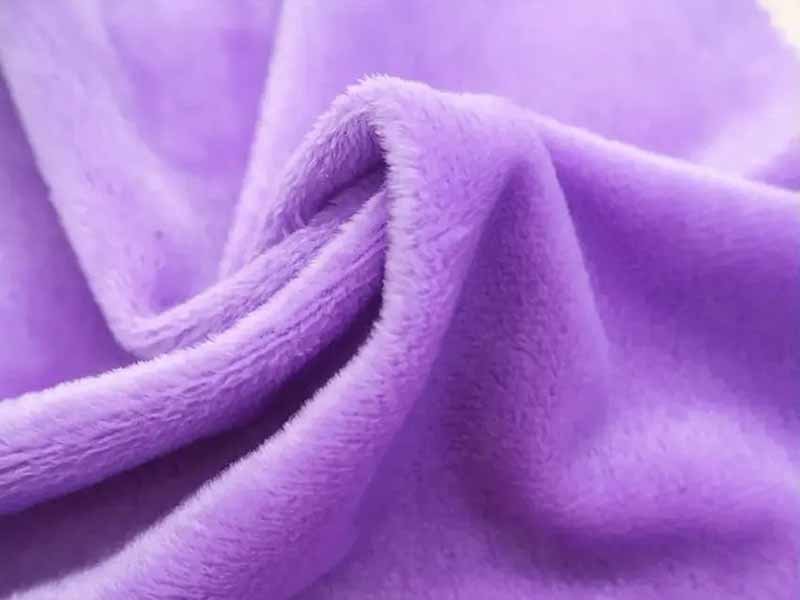
Plush fabric is the reason a stuffed animal feels huggable before anyone reads the product tag. A child touches a teddy bear and instantly decides whether it feels safe. A collector holds a character plush and knows within seconds whether the product feels premium. A parent checks the surface and quietly asks: is it soft enough, clean enough, and safe enough? For brands developing custom plush toys, fabric is not a small detail hidden behind the design. It is the first thing customers see, touch, and remember.
Plush fabric is a soft textile with a raised pile or fuzzy surface. It is commonly made from polyester, acrylic, cotton blends, or mixed fibers. It is widely used for stuffed animals, baby toys, plush pillows, blankets, pet toys, mascots, character dolls, and gift products because it feels warm, gentle, full, and comforting.
For plush toy development, fabric choice affects far more than touch. It influences the toy’s face shape, embroidery clarity, seam accuracy, stuffing volume, safety performance, washing result, shedding risk, retail price, and production consistency. A cute design can look completely different when made with the wrong pile height or fabric weight. A small mascot may lose its facial detail under long fur. A baby plush may feel soft but still fail if the surface sheds too much. A premium gift toy may look ordinary if the fabric is too thin. That is why experienced plush manufacturers review fabric together with pattern, filling, sewing method, artwork, age group, safety needs, and cost target before sampling starts.
What Is Plush Fabric?

Plush fabric is a soft raised-pile textile used to create a warm, fuzzy, furry, or cushioned surface. It can be smooth, fluffy, curly, dense, stretchy, short-pile, or long-pile. In plush toy manufacturing, the fabric controls the product’s touch, appearance, shape accuracy, durability, safety performance, and perceived value.
The word “plush” does not describe only one fabric. It describes a group of soft pile fabrics used across toys, blankets, cushions, clothing, baby products, pet goods, mascots, costumes, and home textiles. The visible surface is created by raised fibers above the backing cloth. Those fibers may be short and smooth like velboa, dense and silky like minky, long and furry like faux fur, or curly and wool-like like sherpa.
For custom plush toys, the most important part is not simply choosing the softest fabric. The better decision is choosing the fabric that matches the design purpose. A plush rabbit with rounded cheeks may need medium-pile fabric to look soft and full. A cartoon mascot with small embroidered eyes may need short-pile fabric to keep facial details clear. A realistic lion may need long-pile faux fur for the mane. A baby comfort toy may need low-shedding, gentle, short-pile material with stable color and safe construction.
Fabric also affects production accuracy. Plush fabric has pile direction, stretch, thickness, and backing strength. If these factors are ignored, the final toy may twist, wrinkle, look uneven, or fail to match the design drawing. Long-pile fabric can hide seams, but it can also cover small details. Stretchy fabric can feel soft, but it can distort during sewing. Thick fabric can create a premium feel, but it may be difficult to use on tiny arms, ears, tails, or facial parts.
From a manufacturing view, plush fabric should be judged through several measurable points:
| Fabric Factor | Why It Matters for Plush Products |
|---|---|
| Pile Height | Controls surface look, softness, detail clarity, and animal texture |
| GSM | Affects thickness, warmth, hand feel, cost, and premium impression |
| Backing Strength | Helps the fabric hold shape after cutting, sewing, and stuffing |
| Stretch Level | Influences pattern accuracy and body symmetry |
| Shedding Control | Reduces customer complaints and safety risk |
| Colorfastness | Helps the toy keep its color during handling, rubbing, and washing |
| Surface Density | Affects fullness, softness, and whether the backing shows through |
| Sewing Stability | Controls seam neatness and production efficiency |
| Compliance Potential | Important for children’s products sold in Europe and North America |
| Supply Stability | Helps keep color and texture consistent during bulk orders |
For Delsney, fabric selection is part of the full plush development process. With more than 18 years of experience in plush product R&D, design, pattern making, sampling, manufacturing, and sales, Delsney helps customers choose suitable fabric based on product type, age group, target market, design complexity, cost range, and safety requirement. The goal is not only to make a sample look cute, but to make bulk production match the approved design with stable quality.
What Is It?
Plush fabric is a textile with a soft raised surface. The raised fibers create the fuzzy, fluffy, smooth, furry, or cozy hand feel people associate with stuffed animals and soft toys. In plush manufacturing, this surface becomes the “skin” of the product, so it directly affects how the finished toy looks and feels.
A plush fabric usually has two parts: the backing and the pile. The backing is the base fabric that gives structure. The pile is the raised fiber surface that creates softness and texture. Both parts matter. A surface may feel soft, but if the backing is weak, the fabric may stretch, tear, or lose shape during production. A backing may be strong, but if the pile is sparse, the toy may look thin or cheap.
In custom plush toys, plush fabric is selected according to the product’s role. For example:
| Product Type | Better Fabric Direction | Reason |
|---|---|---|
| Baby comfort toy | Short-pile soft plush or minky | Gentle touch and lower shedding risk |
| Cartoon mascot | Velboa or short-pile plush | Keeps embroidery and face details clear |
| Animal plush | PV plush, rabbit plush, or faux fur | Creates fuller animal texture |
| Premium gift plush | High-density minky or soft rabbit plush | Gives richer hand feel |
| Pet plush toy | Short-pile durable plush | Easier to clean and harder to pull loose |
| Plush pillow | Minky, coral fleece, or PV plush | Soft, comfortable, and full-looking |
The best plush fabric is not always the most expensive one. A practical fabric must support the product shape, price range, safety requirement, and sales channel.
What Is It Made Of?
Most plush fabric used in modern stuffed animals is made from polyester because polyester offers softness, strong color stability, good durability, wide availability, and better cost control for bulk production. Some plush materials may also use acrylic, cotton blends, spandex blends, recycled polyester, or mixed fibers to create different touch, stretch, warmth, or texture effects.
Polyester plush is common in toy manufacturing because it can be produced in many colors, pile heights, surface textures, and weights. It also works well with embroidery, appliqué, sewing, stuffing, and large-scale production. For brands selling plush toys in retail or online channels, polyester-based plush often provides a strong balance between softness, appearance, production stability, and price.
Different fiber bases create different product feelings:
| Fiber Base | Main Features | Common Use |
|---|---|---|
| Polyester | Soft, stable color, durable, cost-friendly | Most stuffed animals, pillows, gifts |
| Acrylic | More fur-like, warm, fluffy | Faux fur details, animal plush |
| Cotton Blend | Softer natural touch, breathable feel | Baby comfort products, soft accessories |
| Spandex Blend | Adds stretch and flexibility | Minky, fitted soft items, rounded plush shapes |
| Recycled Polyester | Eco-positioning and lower virgin fiber use | Sustainable plush collections |
| Mixed Fiber | Adjusts softness, cost, stretch, and texture | Custom surface effects |
For production, composition alone is not enough. A 100% polyester plush can feel thin or luxurious depending on pile density, GSM, brushing process, backing quality, and finishing. That is why customers should review physical swatches before confirming bulk orders.
Useful fabric data to request before sampling:
| Data Point | Good to Confirm |
|---|---|
| Composition | Polyester, acrylic, cotton blend, recycled polyester, etc. |
| GSM | Common plush toy fabric may range from around 180–450 GSM depending on type |
| Pile Height | Short pile may be around 1–3mm; longer plush may exceed 10mm |
| Width | Affects cutting layout and fabric consumption |
| Stretch | Important for pattern accuracy |
| Backing Type | Knitted or woven backing affects stability |
| Color Option | Stock color or custom dyed |
| MOQ | Custom color usually requires higher fabric quantity |
| Testing | Colorfastness, shedding, safety-related checks |
Delsney can help customers evaluate fabric based on both surface feel and production behavior, which is especially important for high-requirement brand projects.
How Does It Feel?
Plush fabric usually feels soft, warm, cozy, and comforting. The exact feel depends on pile length, pile density, fiber fineness, backing flexibility, fabric weight, and finishing process. Short-pile plush feels smooth and clean. Medium-pile plush feels fuller and more classic for stuffed animals. Long-pile plush feels fluffy and more realistic for animal designs.
For customers, touch is emotional. A plush toy may be purchased because it looks cute, but it is loved because it feels good. A baby toy must feel gentle. A character plush should feel pleasant enough to hold. A premium collectible should feel dense and expensive in hand. A pet plush should feel soft but still strong enough for rougher use.
Common hand-feel directions:
| Hand Feel | Fabric Direction | Suitable Product |
|---|---|---|
| Smooth and gentle | Minky, short PV plush | Baby plush, comfort toys |
| Dense and neat | Velboa, short-pile plush | Mascots, character dolls |
| Fluffy and furry | Faux fur, long-pile plush | Animal plush, fantasy characters |
| Curly and cozy | Sherpa | Lamb plush, winter toys, pillows |
| Soft and full | Medium-pile PV plush | Classic stuffed animals |
| Silky and premium | Rabbit plush, high-density minky | Gift plush, premium retail toys |
Hand feel should also stay consistent from sample to bulk production. If the sample feels soft but the bulk fabric feels rougher, customers will notice immediately. For private label brands and premium plush projects, Delsney helps control fabric selection, sample confirmation, and bulk material consistency to reduce this risk.
A practical test is simple: touch the fabric, rub it, bend it, stuff a small panel, and check how it looks under normal light. Plush fabric should not only feel nice as a flat swatch; it should still look good after cutting, sewing, turning, stuffing, and finishing.
Why Is It Popular?
Plush fabric is popular because it creates comfort, cuteness, warmth, and emotional connection. Few materials can make a product feel friendly as quickly as plush. That is why it is used in teddy bears, cartoon mascots, baby comfort toys, plush pillows, pet toys, holiday gifts, theme park merchandise, game IP products, and branded promotional items.
For product developers, plush fabric offers strong design freedom. It can be dyed into bright character colors, matched with embroidery, combined with printed fabric, used with accessories, shaped into animals or mascots, and adapted into different sizes from small keychains to oversized plush toys.
Main reasons brands choose plush fabric:
- It creates instant touch appeal.
- It works across many age groups and sales channels.
- It can support cute, premium, realistic, cozy, or playful styles.
- It allows strong custom color and texture development.
- It can improve gift value and emotional value.
- It works well for IP products, mascots, retail gifts, and private label toys.
- It can be combined with embroidery, appliqué, sound modules, accessories, and packaging.
Plush products are also highly visual. In online sales, the surface texture affects product photos. In retail, the hand feel affects purchase decisions. In gifting, the softness affects perceived care. In brand merchandise, the fabric quality affects how customers judge the brand.
For Delsney customers, plush fabric becomes part of a complete product development plan. The company supports reference-file sampling, drawing-based sampling, sample-based development, free design, free sampling, three-view artwork, 3D visual effect creation, and OEM/ODM customization. With finished product matching to design artwork up to 98%, Delsney helps brands turn soft material into reliable, market-ready plush products.
What Are the Main Types?

The main plush fabric types include minky, velboa, faux fur, sherpa, PV plush, rabbit plush, crystal plush, coral fleece, and other short- or long-pile fabrics. Each type has a different surface, softness, sewing behavior, cost level, and product fit. The right choice depends on the toy’s shape, age group, texture goal, safety requirement, and target price.
Plush fabric selection should never be based only on a swatch that feels nice in the hand. The same fabric can behave very differently after cutting and sewing. A stretchy fabric may feel beautiful but distort small details. A long-pile fabric may look premium but hide embroidery. A curly sherpa fabric may look cozy but make tiny facial features less clear. A dense minky may feel soft but increase fabric cost and sewing difficulty.
For custom plush toy projects, the most common fabric decisions are related to pile height, surface density, and backing strength. Short-pile fabrics create cleaner shapes. Medium-pile fabrics create classic stuffed animal softness. Long-pile fabrics create realistic animal or fantasy effects. Curly fabrics create cozy texture. High-density fabrics create a richer feel but can increase cost and sewing complexity.
A practical fabric comparison:
| Fabric Type | Pile Style | Softness | Shape Clarity | Common Product Fit |
|---|---|---|---|---|
| Minky | Smooth, short to medium | Very high | Medium-high | Baby plush, pillows, premium toys |
| Velboa | Short, dense | Medium-high | High | Mascots, small dolls, clean shapes |
| Faux Fur | Long, fluffy | High | Low-medium | Animal plush, manes, tails |
| Sherpa | Curly, wool-like | High | Medium-low | Lambs, winter toys, cozy pillows |
| PV Plush | Smooth, versatile | High | Medium | Stuffed animals, gifts, cushions |
| Rabbit Plush | Fine, soft, fur-like | Very high | Medium | Premium plush, baby-style products |
| Crystal Plush | Smooth, bright, soft | High | Medium-high | Character toys, cushions |
| Coral Fleece | Warm, lightweight | Medium-high | Medium | Blankets, pillows, simple plush |
The best plush type depends on the product’s job. A plush toy for infants should prioritize safety, low shedding, smooth touch, and easy cleaning. A collectible mascot may need strong shape control and clean embroidery. A realistic animal toy may need richer pile texture. A pet plush may need durable short pile and stronger seams.
Fabric also affects the cost structure. Higher GSM, longer pile, special colors, custom textures, and more complex finishing can increase material cost. Long-pile fabrics may create more cutting loss. Very stretchy fabrics may slow sewing speed. Custom-dyed materials may require higher fabric MOQ. These points should be discussed before sample approval, not after bulk production starts.
Delsney helps customers compare fabric choices during early design planning. The team can review product drawings, reference photos, target users, size, logo needs, embroidery details, accessories, and compliance requirements, then recommend suitable plush materials for sampling. This reduces the risk of choosing a fabric that feels good as a swatch but fails as a finished product.
What Is Minky?
Minky is a very soft plush fabric often used for baby blankets, comfort toys, plush pillows, stuffed animals, and premium soft goods. It usually has a smooth surface, gentle hand feel, and light stretch. It is popular when a product needs to feel extra soft and safe to touch.
Minky is a strong option for:
- Baby plush toys
- Comfort blankets
- Soft character dolls
- Premium pillows
- Huggable animals
- Sensory toys
- Gentle gift products
Main advantages:
- Very soft hand feel
- Smooth surface for gentle touch
- Good color options
- Works well for cute character styles
- Can look premium when fabric density is high
- Suitable for embroidered faces when pile is controlled
Main points to control:
- Stretch can distort pattern pieces.
- Thin minky may show backing or stuffing pressure.
- Long or loose pile may affect embroidery clarity.
- Cutting and sewing need careful handling.
For Delsney projects, minky is often recommended when the plush toy targets babies, children, premium gifts, or comfort use. However, the sample must be tested for shape accuracy after stuffing.
What Is Velboa?
Velboa is a short-pile plush fabric with a smooth, dense, neat surface. It is often used for stuffed animals, mascot dolls, costumes, plush accessories, cushions, and shaped toys. Because the pile is short, it helps product details stay clearer after sewing.
Velboa is useful for designs that need:
- Clear facial embroidery
- Clean body shape
- Sharp color blocks
- Small arms, ears, tails, or accessories
- Stable sewing performance
- Controlled material cost
Compared with fluffy plush, velboa may feel less luxurious, but it can be more practical for complex shapes. A small mascot with printed or embroidered features may look better in velboa than in long-pile fabric because the surface does not bury the details.
Velboa is also useful for projects that need consistent bulk production. Its shorter pile can make cutting, sewing, and inspection more predictable. For high-volume plush orders, this can help control cost and reduce variation.
When to use velboa:
| Project Need | Why Velboa Works |
|---|---|
| Small plush toy | Keeps shape cleaner |
| Mascot doll | Supports clear design lines |
| Promotional plush | Balances cost and appearance |
| Character toy | Helps embroidery stay visible |
| Multi-color design | Easier panel joining |
For premium products, velboa can also be combined with softer fabrics in selected areas, such as ears, belly panels, paws, or accessories.
What Is Faux Fur?
Faux fur is a long-pile plush fabric designed to create a furry animal-like appearance. It is commonly used for realistic animal plush, fantasy creatures, monsters, holiday toys, costumes, tails, manes, collars, ears, and decorative panels.
Faux fur is powerful because it changes the personality of a plush product immediately. A lion without a proper mane may look flat. A fox without fur texture may feel less alive. A monster toy may need shaggy pile to look playful. A premium animal plush may need mixed pile lengths to create a more natural look.
Best uses:
- Lion manes
- Fox tails
- Bear bodies
- Wolf plush
- Rabbit texture
- Monster toys
- Fantasy characters
- Holiday plush details
- Premium animal collections
Main production concerns:
- Long pile can hide seams and small embroidery.
- Cutting can create loose fibers.
- Pile direction must be aligned.
- Shedding control is important.
- Cleaning after sewing takes more time.
- Material waste can be higher due to directional cutting.
For children’s toys, faux fur should be tested carefully for shedding and fiber security. For adult collectibles or decorative plush, it can create a strong premium effect when used well.
A good approach is to use faux fur strategically instead of covering the entire toy. For example, it can be used for a mane, tail, ear lining, chest panel, or costume detail while the main body uses shorter plush for better shape control.
What Is Sherpa?
Sherpa is a curly, wool-like plush fabric with a cozy and warm appearance. It is often used for lamb plush, sheep toys, winter-themed characters, soft pillows, blankets, baby comfort products, and holiday gift items.
Sherpa gives a handmade, warm, and gentle feeling. It looks less shiny than many smooth plush fabrics and creates a relaxed, natural texture. It works well for products that should feel cozy rather than polished.
Suitable products:
- Lamb and sheep plush
- Winter bears
- Holiday plush toys
- Soft pillows
- Baby comfort toys
- Cozy character dolls
- Warm-feel gift items
Main advantages:
- Warm and soft look
- Strong seasonal appeal
- Good for cozy product lines
- Nice contrast with smooth plush
- Works well for simple rounded shapes
Main limitations:
- Curly texture may hide small embroidery.
- Surface may mat if fabric quality is weak.
- Fine details may become less visible.
- It may not suit sharp cartoon features.
For toy design, sherpa often works best on larger body panels instead of small facial areas. A smooth fabric can be used for the face, while sherpa can be used on the body to create warmth and texture.
What Is PV Plush?
PV plush is a widely used plush fabric for stuffed animals, pillows, cushions, character toys, promotional plush, and gift products. It can be made in different pile heights, weights, colors, and surface finishes, which makes it one of the most versatile plush materials.
PV plush is often chosen because it balances softness, cost, availability, and production practicality. It can create a classic stuffed animal feel without being too difficult to sew. Medium-pile PV plush is suitable for many animal toys, while shorter versions can help with cleaner character shapes.
PV plush is suitable for:
- Teddy bears
- Animal plush
- Character plush
- Plush pillows
- Promotional toys
- Retail gifts
- Seasonal plush
- Medium-size stuffed animals
What to confirm before using PV plush:
| Item | Why It Matters |
|---|---|
| Pile Height | Controls softness and detail clarity |
| GSM | Affects thickness and cost |
| Density | Prevents backing from showing |
| Color Shade | Important for brand and character matching |
| Stretch | Affects pattern accuracy |
| Shedding | Important for safety and complaints |
| Surface Finish | Changes visual value |
| Bulk Supply | Keeps repeat orders consistent |
PV plush is often a strong starting material for custom plush projects because it can be adapted across many product types. For Delsney customers, the team can recommend PV plush options based on toy size, design artwork, target price, and required market standards.
What Is It Used For?

Plush fabric is used for products that need softness, warmth, comfort, cuteness, or emotional value. Common uses include stuffed animals, baby toys, plush pillows, blankets, pet toys, mascot dolls, character merchandise, holiday gifts, cushions, costumes, and branded soft goods. In plush product development, the use scene decides fabric type, pile height, safety level, sewing method, and cost range.
Plush fabric has a wide application range because it can turn a flat design into a product people want to touch. A cartoon animal becomes more lovable when the surface feels soft. A baby comfort toy feels safer when the pile is smooth and gentle. A gift plush feels more valuable when the fabric is dense and warm. A pet toy needs stronger fabric because the product may be bitten, pulled, dragged, and washed more often.
For brands developing custom plush products, the use scene should be confirmed before fabric selection. A fabric that works well for a collectible toy may not work for a baby product. A fabric that looks beautiful for an animal plush may not survive pet chewing. A fabric that feels soft on a pillow may not keep the shape of a small mascot. Fabric should be selected according to product function, target age, design detail, retail channel, and expected product life.
Plush fabric also influences customer trust. Parents may check softness, smell, shedding, and washability. Gift customers may check hand feel, color, and shape. Retail customers may compare fullness and surface finish. Online customers may judge from photos first, then decide from touch after delivery. If the fabric looks thin or sheds easily, negative reviews can appear quickly.
Different products require different fabric logic:
| Product Use | Fabric Priority | Suggested Fabric Direction |
|---|---|---|
| Baby plush toys | Softness, low shedding, safety | Short-pile minky, crystal plush, soft PV plush |
| Character plush | Shape accuracy, embroidery clarity | Velboa, short-pile plush, minky |
| Animal plush | Texture, realism, fullness | PV plush, faux fur, rabbit plush |
| Plush pillows | Comfort, softness, volume | Minky, coral fleece, PV plush |
| Pet plush toys | Durability, seam strength, easy cleaning | Short-pile durable plush |
| Mascot dolls | Color accuracy, clean details | Velboa, short-pile PV plush |
| Holiday gifts | Texture, warmth, decoration | Sherpa, faux fur, minky |
| Premium collectibles | Rich hand feel, high density | Rabbit plush, high-GSM minky, custom plush |
For Delsney projects, plush fabric selection is usually reviewed with the product’s full development plan. The team considers artwork, three-view drawings, 3D effect, pattern structure, embroidery, stuffing volume, accessory attachment, compliance needs, packaging, and bulk production consistency. Material is never treated as an isolated choice.
Is It Good for Toys?
Plush fabric is one of the best materials for soft toys because it creates a gentle surface, cute appearance, and strong emotional appeal. Stuffed animals, mascots, character dolls, plush keychains, pillows, and comfort toys all rely on fabric texture to create personality.
For toy production, the fabric must do more than feel soft. It should support accurate cutting, stable sewing, safe stuffing, clean embroidery, and strong seam performance. If the fabric stretches too much, the toy can lose symmetry. If the pile is too long, the face may become unclear. If the backing is weak, seams may pull open after stuffing.
Toy fabric selection should consider:
- Target age group
- Toy size
- Facial detail level
- Embroidery position
- Filling density
- Surface shedding
- Washability
- Safety testing needs
- Color consistency
- Cost target
For simple cute animals, medium-pile PV plush or minky works well. For detailed mascot toys, velboa or short-pile plush may be better. For realistic animals, faux fur or mixed fabrics can add texture. For baby toys, low-shedding short-pile plush is usually safer and easier to manage.
Is It Good for Babies?
Plush fabric can be good for baby products when it is soft, low-shedding, skin-friendly, odor-controlled, colorfast, and selected with safety standards in mind. Baby plush toys need stricter attention than general gift plush because babies may hug, bite, rub, sleep with, or mouth the product.
For baby plush products, fabric should usually have:
- Short or controlled pile
- Gentle hand feel
- Low lint and shedding
- Stable colorfastness
- No sharp texture
- No strong smell
- Strong seam compatibility
- Washable performance
- Suitable safety documentation
Long-pile faux fur is often less ideal for babies because fibers may shed or get into the mouth. Short-pile minky, crystal plush, soft PV plush, or fine rabbit plush may work better, depending on product design and compliance needs.
Delsney can help customers match baby plush fabric with filling, embroidery, labels, accessories, and finished-toy testing requirements for European and American markets. For baby products, fabric softness is only one part of safety. The whole finished product must be reviewed as one complete item.
Is It Good for Blankets?
Plush fabric is excellent for blankets because it provides warmth, softness, and comfort. Minky, coral fleece, sherpa, PV plush, flannel fleece, and rabbit plush are often used for baby blankets, throw blankets, travel blankets, nap blankets, and gift sets.
For blankets, the key points are different from stuffed toys. A blanket needs soft drape, skin comfort, good edge finishing, washing performance, and stable size. It does not need to hold a 3D shape like a toy, so stretchy or fluffy materials can be easier to use.
Common plush blanket choices:
| Fabric Type | Blanket Feel | Common Use |
|---|---|---|
| Minky | Smooth, soft, gentle | Baby blankets, premium throws |
| Sherpa | Warm, cozy, wool-like | Winter blankets, gift blankets |
| Coral fleece | Lightweight, warm | Travel blankets, kids’ blankets |
| Rabbit plush | Very soft, premium | Luxury throws, gift sets |
| PV plush | Soft and full | Character blankets, cushions |
For custom plush blanket projects, brands should confirm fabric weight, edge binding, size tolerance, washing shrinkage, lint control, label placement, packaging, and carton compression. A blanket may look large and soft in photos, but if the fabric weight is too low, it may feel thin after delivery.
Is It Good for Pets?
Plush fabric can be used for pet toys, but material and construction must be selected more carefully. Pets play differently from children. Dogs may bite, shake, pull, and chew. Cats may scratch, kick, and drag. A fabric that works for a child’s plush toy may not be strong enough for pet use.
For pet plush toys, the priorities should be:
- Shorter pile
- Stronger backing
- Reinforced seams
- Lower shedding
- Easy cleaning
- Safe filling choice
- Secure squeaker placement if used
- No small detachable decorations
- Stronger stitch density
Pet plush products often use short-pile plush because it is easier to clean and less likely to create loose fibers. Long faux fur may look cute, but it can shed more and may be pulled out during play. Embroidered details are often safer than plastic eyes for pet products.
A pet plush toy should not be promoted as indestructible unless it has been engineered and tested for heavy chewing. A more honest positioning is soft play, comfort toy, light chew toy, or interactive plush, depending on construction.
Is It Good for Gifts?
Plush fabric is very good for gift products because it creates instant warmth and emotional value. Plush toys are often bought for birthdays, holidays, anniversaries, baby showers, brand events, fan merchandise, theme parks, and limited-edition collections.
For gift plush, the fabric should match the emotion of the product. A Valentine’s plush may use soft red or pink minky. A Christmas bear may use sherpa, faux fur, or velvet-like accents. A premium brand mascot may use dense short-pile plush with clean embroidery. A collectible toy may use custom colors, unique textures, and detailed packaging.
Gift plush fabric should focus on:
- First-touch softness
- Strong visual fullness
- Clean color
- Low odor
- Neat embroidery
- Stable shape
- Good packaging presentation
- Repeatable quality for bulk orders
Delsney supports custom plush gift development with free design, fast sampling, three-view creation, 3D effect support, and OEM/ODM manufacturing. For high-end brand projects, the company can help match fabric, design, packaging, and safety needs so the final product looks polished from first touch to final delivery.
Which Plush Fabric Is Best?

The best plush fabric depends on product type, age group, softness target, pile height, durability, design detail, safety requirement, and cost range. Minky is often chosen for soft comfort items, velboa for clean shapes, faux fur for animal texture, sherpa for cozy effects, PV plush for versatile stuffed animals, and rabbit plush for premium softness.
There is no single “best plush fabric” for every product. A fabric can be excellent for one item and wrong for another. A long-pile faux fur may make a wolf plush look realistic, but it can hide small facial embroidery on a tiny keychain. Minky can feel extremely soft, but its stretch may create shape problems if the pattern is not adjusted. Velboa can give clean lines, but it may not feel as rich as higher-density plush.
The best fabric choice should start from five questions:
- What product is being made?
- Who will use it?
- How much detail does the design have?
- What price range should the final product reach?
- What safety or compliance needs must be met?
For plush toys, practical performance matters as much as softness. A customer may first love the touch, but later judge the product by shape, seam strength, lint control, wash result, and long-term appearance. A plush toy with a very soft surface but poor stitching will still create complaints. A fabric that looks beautiful but sheds heavily can harm trust.
A useful decision table:
| Product Goal | Best Fabric Direction | Reason |
|---|---|---|
| Soft baby plush | Short minky, crystal plush | Gentle touch, controlled pile |
| Low-cost plush toy | Velboa, standard PV plush | Easier production and cost control |
| Premium gift plush | Rabbit plush, high-GSM minky | Rich hand feel and strong value |
| Realistic animal plush | Faux fur, mixed pile plush | Natural texture and fuller look |
| Small mascot | Velboa, short-pile plush | Clear embroidery and shape |
| Cozy pillow | Minky, sherpa, coral fleece | Comfort and warmth |
| Pet plush | Short-pile durable plush | Lower shedding and easier cleaning |
| IP character plush | Minky, PV plush, velboa | Color control and design accuracy |
Brands should also consider bulk stability. A fabric that is available only in small lots may create problems for repeat orders. A custom color may require higher MOQ. A special texture may need more time for sourcing and approval. For long-term plush product lines, fabric repeatability is important.
Delsney can support customers by reviewing product artwork, age group, market standards, target price, and expected quantity before recommending fabrics. With in-house experience in R&D, design, pattern making, sampling, and production, the team can help balance softness, cost, appearance, safety, and production stability.
Which Is Softest?
The softest plush fabrics are often minky, rabbit plush, high-density PV plush, crystal plush, and selected faux fur with fine fibers. Softness depends on fiber fineness, pile density, finishing process, fabric weight, and backing flexibility. A dense, fine-pile fabric usually feels softer than a sparse, rough, or low-density fabric.
Softness can be judged in several ways:
| Softness Factor | What to Check |
|---|---|
| Surface Touch | Does it feel smooth, silky, fluffy, or dry? |
| Density | Does the backing show through when brushed? |
| Flexibility | Does the fabric bend naturally? |
| Skin Feel | Does it feel gentle on face, hands, or arms? |
| Stuffed Shape | Does it stay soft after sewing and filling? |
| Washing Result | Does it remain soft after cleaning? |
For baby toys and comfort plush, softness must be paired with low shedding and safety. A very fluffy fabric may feel soft but may not be ideal if fibers pull out easily. For premium collectibles, softness can be richer and more luxurious, especially if the product is not designed for infants.
Delsney often recommends physical fabric swatches before sample approval because photos cannot show softness accurately. Hand feel must be confirmed through touch, rubbing, stretching, and sample stuffing.
Which Lasts Longer?
The plush fabric that lasts longer usually has strong backing, dense pile, good colorfastness, low shedding, stable finishing, and suitable thickness for the product. Durability depends not only on fabric type but also on sewing quality, seam strength, stuffing pressure, washing method, and end use.
For plush toys, durability should be checked in real product form. A fabric may look strong as a flat swatch but fail after sewing if the backing stretches or the pile sheds near seams. A toy may also lose appearance if the pile mats, flattens, or pills after rubbing.
Durability checklist:
- Strong backing fabric
- Stable pile attachment
- Low lint or fiber loss
- Good seam performance
- Colorfastness to rubbing
- Resistance to pilling
- Stable shape after stuffing
- Washable or surface-cleanable performance
- No obvious pile bald spots after handling
Short-pile plush and velboa can be durable for many toy types because the fibers are easier to control. High-quality minky can also last well when sewn properly. Faux fur needs more careful selection because long pile can shed or tangle if quality is weak.
For pet plush, durability requirements are higher. Short-pile durable plush, reinforced seams, and stronger stitching are usually better than ultra-soft long-pile fabrics.
Which Sheds Less?
Short-pile plush fabrics usually shed less than long-pile or loosely constructed faux fur. Velboa, short PV plush, short minky, and crystal plush are often easier to control for shedding. Long faux fur, low-density pile fabrics, and poorly finished plush may release more fibers during cutting, sewing, or use.
Shedding matters because customers quickly notice loose fibers on clothes, bedding, hands, or a child’s face. For baby plush, shedding control is especially important. A fabric may feel soft, but if fibers pull out easily, it can create safety concerns and poor customer reviews.
Ways to reduce shedding risk:
- Choose controlled short-pile fabric for young children’s products.
- Test fabric by rubbing and pulling the pile before sampling.
- Avoid low-density long-pile fabric for baby items.
- Clean cut panels during production.
- Use correct cutting direction and tools.
- Check seams after stuffing.
- Inspect finished products for loose fibers.
- Confirm fabric quality from stable suppliers.
A simple hand test is helpful: rub the fabric surface firmly, brush it in different directions, and check whether fibers collect on your fingers. For more serious projects, factories can perform more structured material and finished-product checks.
Delsney reviews shedding risk during fabric selection and sample development, especially for plush products sold to European and American markets.
Which Is Easy to Sew?
Short-pile plush fabrics such as velboa, short PV plush, and some crystal plush are usually easier to sew than long faux fur, thick sherpa, or highly stretchy minky. Easier sewing means better seam control, faster production, cleaner shape, and lower risk of distortion.
Fabric sewing difficulty depends on:
| Factor | Sewing Impact |
|---|---|
| Pile Height | Long pile can get trapped in seams |
| Stretch | High stretch can distort pattern shape |
| Thickness | Thick fabric makes small parts harder to sew |
| Backing Stability | Weak backing may shift during sewing |
| Surface Slipperiness | Slippery fabric may move under the presser foot |
| Directional Pile | Requires careful panel alignment |
| Cutting Loss | Long pile may require directional cutting |
For complex character plush, easy-to-sew fabric is often better than extremely fluffy material. A toy with tiny arms, ears, tails, and embroidered features needs stable fabric. If the fabric shifts or stretches, the finished product may not match the drawing.
Delsney’s pattern making and sample team can adjust seam allowance, panel shape, pile direction, and stuffing volume based on fabric behavior. That is why sample development is important before bulk production.
Which Feels Premium?
Premium plush fabric usually feels dense, soft, smooth, full, and stable. Rabbit plush, high-GSM minky, fine PV plush, and selected faux fur can create a higher-end feel when matched with good design and sewing. Premium feeling comes from fabric density, finishing, shape control, embroidery quality, and packaging together.
A plush toy feels premium when:
- The fabric surface is full and even.
- The backing does not show through.
- The toy keeps its shape after stuffing.
- Embroidery is clean and aligned.
- Seams are neat and hidden where possible.
- The product has no strong odor.
- The fabric color looks rich and consistent.
- The packaging matches the product level.
Fabric data can help guide premium selection:
| Premium Factor | Recommended Direction |
|---|---|
| GSM | Medium to high fabric weight, often 250–450 GSM depending on fabric |
| Pile Density | Dense enough to hide backing |
| Hand Feel | Smooth, soft, and pleasant on skin |
| Color | Rich, stable, accurate to design |
| Surface Finish | Clean, silky, fluffy, or intentionally textured |
| Safety | Suitable for target market requirements |
| Repeatability | Stable enough for bulk and reorder |
For high-end brand projects, Delsney can create three-view designs and 3D effects before sampling, then use fabric selection, pattern adjustment, and sample modification to improve the match between design artwork and finished plush product. The company’s finished product and design matching can reach up to 98%, which is valuable for IP characters, mascots, retail gifts, and premium custom plush lines.
How Do You Choose It?

Choosing plush fabric starts with the product, not the fabric swatch. A good plush material should match the toy’s size, shape, age group, texture goal, washing need, safety requirement, price range, and production quantity. Softness matters, but fabric stability, pile height, shedding control, color accuracy, and sewing performance matter just as much.
Many plush projects start with a simple request: “We want the softest fabric.” Softness sounds like the right goal, but in real plush manufacturing, the softest fabric may not always create the best finished product. A very soft fabric can stretch too much. A long-pile fabric can hide embroidery. A thick plush may make small ears or paws look bulky. A shiny fabric may look beautiful under studio lighting but too bright for a warm baby toy. Good fabric choice needs both emotion and engineering.
The first step is to define product use. A baby comfort plush needs a different fabric from a pet plush. A high-end IP mascot needs a different fabric from a low-cost event giveaway. A realistic animal plush may use several fabrics on one body: short plush for the face, faux fur for the mane, sherpa for the belly, and embroidered fabric for paws. Fabric selection becomes more accurate when the product purpose is clear.
The second step is to check the artwork. Plush toys are three-dimensional products, so flat illustrations need fabric translation. A character with tiny eyes, thin eyebrows, and sharp mouth lines may need short-pile plush. A round bear with simple features can use medium-pile plush. A fantasy creature may need long-pile accents. Delsney supports three-view drawing and 3D effect development, which helps customers see how fabric texture, pattern structure, and filling volume may affect the finished toy before production.
The third step is to compare fabric data. Pile height, GSM, backing strength, stretch, and shedding risk should be reviewed during sampling. A surface may feel soft, but if the backing is weak, the toy may deform after stuffing. A fabric may look rich, but if shedding is high, it may not suit children’s products. A material may be low-cost, but if cutting waste is high, the final unit cost may rise.
The fourth step is to review market needs. For European and American markets, safety compliance, colorfastness, seam strength, and small-part risk are important. Brands targeting high-end retail should also consider fabric consistency, packaging, and repeat-order stability. A plush toy line may start with one character, then grow into multiple SKUs. Fabric availability and color repeatability become important for long-term product planning.
By Product Type
Fabric choice should match the product category. A stuffed animal, baby comfort toy, mascot, plush keychain, pet toy, pillow, and holiday gift all need different fabric behavior. Product type controls the best pile height, thickness, softness, stretch, and durability level.
A useful product-based fabric guide:
| Product Type | Better Fabric Choice | Key Reason |
|---|---|---|
| Baby plush toy | Short minky, crystal plush, soft PV plush | Gentle touch, controlled pile, lower shedding risk |
| Character plush | Velboa, short PV plush, minky | Clean face details and stable shape |
| Animal plush | PV plush, rabbit plush, faux fur | Fuller body and natural texture |
| Plush keychain | Short-pile plush, velboa | Holds small shape better |
| Pet plush toy | Durable short-pile plush | Easier cleaning and lower fiber pull risk |
| Plush pillow | Minky, coral fleece, PV plush | Soft surface and comfortable volume |
| Holiday plush | Sherpa, faux fur, minky | Warm and seasonal look |
| Premium collectible | Rabbit plush, high-GSM minky | Richer hand feel and better shelf value |
For Delsney projects, fabric is usually reviewed together with product size, face details, embroidery, filling, accessories, and target market. A fabric that looks perfect for a 30cm teddy bear may not work for an 8cm keychain.
By Age Group
Age group matters because plush products are touched, hugged, rubbed, squeezed, and sometimes bitten. A plush toy for adults or collectors can use richer textures and decorative details. A plush toy for babies or toddlers needs more controlled pile, safer construction, low shedding, and softer contact.
Age-based fabric planning:
| Age Group | Fabric Priority | Better Direction |
|---|---|---|
| 0–3 years | Low shedding, gentle touch, secure seams | Short-pile minky, soft PV plush, crystal plush |
| 3–6 years | Softness, durability, washable surface | Minky, PV plush, velboa |
| 6–12 years | Color, character accuracy, play durability | PV plush, velboa, mixed plush |
| Teens | Style, character identity, collectibility | Minky, faux fur accents, premium plush |
| Adults | Display value, texture richness, finish quality | Rabbit plush, high-GSM minky, custom textures |
| Pets | Strength, seam security, low loose fiber | Durable short-pile plush |
For younger users, long loose pile should be considered carefully. The product may feel soft, but fiber shedding and cleaning behavior matter more. For older collectors, rich textures, special colors, and character accuracy may carry more value.
Delsney can help review fabric selection against target age group and finished product requirements, especially for projects that need European and American safety compliance.
By Pile Height
Pile height is one of the most important plush fabric decisions. It affects softness, facial clarity, animal texture, cutting loss, sewing difficulty, and final product style. Short pile creates clean shapes. Medium pile creates classic plush softness. Long pile creates furry and realistic texture.
Pile height guide:
| Pile Height | Surface Look | Suitable Products | Main Concern |
|---|---|---|---|
| 1–2mm | Very short, smooth | Mascots, keychains, detailed faces | May feel less fluffy |
| 2–5mm | Short and soft | Baby plush, character dolls, small toys | Needs good density |
| 5–10mm | Classic plush feel | Teddy bears, animals, pillows | May soften fine details |
| 10–20mm | Fluffy and furry | Animal plush, fantasy toys | Higher shedding and cutting care |
| 20mm+ | Long fur effect | Manes, tails, special parts | Harder sewing and more waste |
A plush toy with small embroidered eyes should not use overly long pile on the face. The fibers may cover the embroidery and make the expression unclear. A realistic animal body may benefit from longer pile because it creates depth and texture. The best approach is often mixed fabric: short plush for facial areas, longer plush for body texture, and special fabric for decorative parts.
By Budget
Budget should guide fabric choice, but cost should not be judged only by fabric price per meter. Cutting waste, sewing speed, logo method, defect rate, packing volume, and inspection time all affect the final unit cost. A fabric that looks cheaper at first may become expensive if it creates production problems.
Cost direction by fabric:
| Fabric Direction | Cost Level | Good For |
|---|---|---|
| Basic velboa | Low to medium | Promotional plush, small mascots |
| Standard PV plush | Medium | General stuffed animals and gifts |
| Minky | Medium to high | Baby plush, comfort toys, premium soft goods |
| Rabbit plush | High | Premium gifts and high-touch products |
| Faux fur | Medium to high | Animal texture, special parts |
| Sherpa | Medium to high | Cozy and seasonal products |
| Custom-dyed plush | Higher | Brand color matching and IP projects |
Brands should also consider MOQ. Stock fabric colors can support faster sampling and lower development risk. Custom-dyed fabric may need higher material MOQ and longer preparation time. For first runs, many customers begin with stock colors, then move to custom colors once demand becomes clearer.
Delsney’s flexible MOQ service helps customers test plush ideas without forcing an oversized first order. For premium brand projects, higher-quality material may increase unit cost but also improve perceived value and customer satisfaction.
By Safety Needs
Safety needs should be reviewed before confirming plush fabric, especially for children’s products sold in Europe and North America. Fabric should be checked for shedding, colorfastness, smell, fiber security, surface quality, and compatibility with the finished toy’s safety requirements.
Fabric-related safety points include:
| Safety Point | Why It Matters |
|---|---|
| Shedding control | Loose fibers can create complaints and possible risk |
| Colorfastness | Poor dye stability can stain skin, clothing, or saliva-contact areas |
| Odor | Strong smell may indicate poor material handling or finishing |
| Pile length | Long loose fibers may not suit baby products |
| Backing strength | Weak backing may tear near seams |
| Flame behavior | Some markets or uses may require special review |
| Chemical compliance | Important for children’s goods in regulated markets |
| Washing behavior | Fabric should not degrade heavily after cleaning |
Fabric should be reviewed together with the whole product. Safety is not only a material issue. Eyes, noses, accessories, labels, seams, stuffing, sound modules, batteries, magnets, and packaging all matter. Delsney supports plush development for European and American market requirements, helping customers choose fabric and construction with compliance in mind.
Can Plush Fabric Be Customized?

Plush fabric can be customized in color, texture, pile height, pattern, printing, embroidery, surface effect, backing, and material composition. For custom plush toys, fabric customization helps match brand colors, character artwork, product personality, and retail positioning. The best result comes when fabric customization is planned together with design, pattern making, sampling, safety testing, and bulk production needs.
Fabric customization is valuable because plush products often need emotional precision. A mascot may require a very specific shade of blue. A licensed character may need a face color that matches approved artwork. A baby plush collection may need soft pastel colors. A fantasy animal may need gradient fur, curly body texture, or special accent fabric. Custom fabric gives more control, but it also brings MOQ, cost, and development-time considerations.
Color customization is the most common request. Brands may ask for Pantone-matched colors, seasonal colors, or character-specific shades. Stock colors are faster and more cost-friendly, while custom dyeing gives better identity control but may require higher fabric MOQ. For IP projects, color accuracy can be especially important because fans notice small differences quickly.
Texture customization can include short pile, long pile, curly pile, embossed patterns, dotted minky, printed plush, mixed pile, sherpa panels, faux fur accents, and special surface finishing. These details make a plush product more memorable. A plain bear and a bear with textured belly fabric may have the same shape, but the second one may feel more designed and giftable.
Decoration methods also affect fabric choice. Embroidery works better on shorter pile because thread details remain visible. Printing works better on smoother surfaces. Appliqué can help add sharp color blocks. Rubber patches, woven labels, and accessories can strengthen branding. A factory must test the decoration method on the selected fabric, because a logo that looks good on flat polyester may not work the same way on fluffy plush.
Delsney offers end-to-end OEM/ODM customization, including reference technical file sampling, artwork-based sampling, sample-based development, free sample support, free design, three-view drawing, 3D effect creation, and finished product matching up to 98% with design artwork. These services are especially useful when fabric customization needs to align with character shape, color, texture, and safety requirements.
Custom Colors
Custom plush fabric colors help match a brand identity, IP character, seasonal collection, school mascot, sports team, event campaign, or retail product line. Color can affect whether a plush toy feels cute, premium, playful, calm, realistic, or gift-ready.
Color options usually fall into two groups:
| Color Option | Advantage | Limitation |
|---|---|---|
| Stock color | Faster, lower material risk, easier sampling | May not match exact brand color |
| Custom dyed color | Better color control and artwork matching | Higher MOQ and longer lead time |
For many new projects, stock colors are enough. For licensed character projects, custom dyeing may be needed. A small shade difference in a mascot’s face, fur, or costume can make the finished plush feel less accurate.
Custom color planning should include:
- Pantone code
- Color area on product
- Fabric type
- Pile direction
- Lighting condition for approval
- Bulk color tolerance
- Repeat-order color consistency
- Packaging color match
Delsney can help customers review color swatches and sample effects before bulk production, reducing the chance of mismatch between artwork and finished plush.
Custom Texture
Custom texture gives plush products a stronger personality. Texture can be smooth, fluffy, curly, dotted, ribbed, embossed, long-pile, short-pile, or mixed across different body areas. A product with the right texture often feels more memorable than one made only with standard smooth plush.
Texture ideas include:
| Texture Style | Product Effect |
|---|---|
| Smooth minky | Gentle and clean |
| Dotted minky | Cute, playful, sensory feel |
| Long faux fur | Wild, fluffy, realistic |
| Sherpa | Warm, cozy, wool-like |
| Rabbit plush | Soft and premium |
| Embossed plush | Subtle pattern and visual depth |
| Mixed pile | More realistic animal appearance |
| Printed plush | Graphic detail or character pattern |
Texture should match the product’s design language. A monster toy can use shaggy fur. A baby comfort toy may need smooth short-pile fabric. A winter lamb plush may use sherpa body fabric. A premium animal collection may use several pile lengths to create natural depth.
Texture also changes production difficulty. Long pile and mixed fabrics need more careful cutting, seam handling, and finishing. Delsney’s pattern and sampling team can test texture effects before bulk orders, helping customers avoid designs that look good in concept but become difficult to produce.
Embroidery Options
Embroidery is widely used on plush products for eyes, mouth, nose, eyebrows, logos, paw marks, names, and decorative details. It is often safer and more durable than plastic parts for children’s products, especially when small detachable pieces are a concern.
Embroidery works best on:
- Short-pile plush
- Velboa
- Short PV plush
- Minky with controlled pile
- Smooth fabric panels
- Appliqué areas
Embroidery may be harder on:
- Long faux fur
- Thick sherpa
- Very fluffy plush
- Highly stretchy fabric
- Loose or uneven pile surfaces
Embroidery planning should consider:
| Embroidery Factor | Why It Matters |
|---|---|
| Stitch density | Controls clarity and durability |
| Thread color | Affects facial expression and brand accuracy |
| Fabric pile | Long pile can cover stitch lines |
| Stabilizer use | Helps prevent distortion |
| Placement | Must match pattern and stuffing expansion |
| Size | Tiny embroidery can lose clarity after stuffing |
For character plush, embroidery placement is often adjusted after sample stuffing because the fabric expands around curved areas. Delsney’s finished product matching rate of up to 98% depends on careful coordination between design, pattern, embroidery, fabric, and filling.
Printing Options
Printing can be used on plush fabric for patterns, character details, gradients, logos, clothing effects, animal markings, decorative panels, or product labels. Printing works best on smoother plush surfaces where ink or transfer details stay visible.
Common printing directions include:
| Printing Method | Better Use |
|---|---|
| Screen printing | Simple logos and bold graphics |
| Heat transfer | Small details, logos, limited runs |
| Sublimation | Polyester fabric with colorful patterns |
| Digital printing | Complex artwork and gradients |
| All-over printing | Animal markings, clothing patterns, fantasy designs |
Printing on plush is more complex than printing on flat woven fabric. The pile can blur details, absorb color differently, or shift under heat. Long pile may make printed graphics unclear. Short-pile plush, velboa, and smooth polyester surfaces usually work better for sharp printed details.
For plush toys, printed areas should be tested after cutting and sewing. A pattern may look aligned on flat fabric but shift after stuffing. Delsney can help test print size, placement, color, and surface effect during sample development before bulk production.
Safety Standards
Customized plush fabric and finished plush products should be reviewed against safety requirements for the target market. European and American markets often require attention to physical safety, chemical safety, labeling, small parts, seam strength, flammability, and age grading.
Fabric-related safety checks may include:
| Safety Area | Fabric Concern |
|---|---|
| Fiber shedding | Loose fibers from pile surface |
| Colorfastness | Dye transfer during rubbing or washing |
| Chemical content | Restricted substances and material safety |
| Flammability | Surface behavior under flame exposure |
| Odor | Material finishing and storage quality |
| Seam strength | Fabric tearing near stitches |
| Washing durability | Surface and color after cleaning |
| Age suitability | Fabric pile and construction for younger users |
For plush toys, finished-product safety matters more than fabric alone. A compliant fabric does not automatically mean the finished toy is compliant. The full product must be reviewed after sewing, stuffing, embroidery, accessory attachment, and packaging.
Delsney supports plush products that meet European and American safety compliance requirements. For projects with strict market needs, customers can share target country, age grade, product use, and testing requirements early, so fabric and construction can be planned correctly from the start.
Why Work with Delsney?
Delsney is a custom plush product factory with more than 18 years of experience in plush R&D, design, pattern making, sampling, manufacturing, and sales. The company supports various fabric types, flexible MOQ, 5–7 day fast sampling, free sampling, free design, three-view creation, 3D effects, OEM/ODM service, private label production, short bulk lead time, and European and American safety compliance.
A plush project can look easy in the beginning: choose a cute design, pick a soft fabric, add stuffing, and sew. In real production, every detail affects the final result. Fabric pile changes face shape. Pattern structure changes body proportion. Filling volume changes expression. Embroidery placement shifts after stuffing. Accessories affect safety. Packaging affects how the product arrives. A strong factory helps customers control these details before mistakes become expensive.
Delsney’s biggest value is full-process development. Some customers already have technical files. Some only have a character sketch. Some have an existing sample and want a better version. Some need a plush toy made from a digital IP character. Delsney can support reference technical file sampling, drawing-based sampling, sample-based development, and end-to-end OEM/ODM customization.
For high-requirement brand projects, design matching is especially important. A plush toy must not only be soft; it must look like the approved artwork. Delsney provides three-view drawing support and 3D effect creation, helping customers review front, side, back, shape, proportion, fabric texture, color blocks, and key details before sampling. With careful pattern making and sample adjustment, finished plush products can match design artwork up to 98%.
Production speed also matters. Delsney offers 5–7 day fast sampling for many plush projects, flexible MOQ for custom orders, free sample support, and short bulk lead time. This helps brands test new products, launch seasonal designs, prepare retail collections, or respond to IP and gift market opportunities faster.
Quality assurance is another major point. Delsney provides 100% quality assurance and supports products meeting European and American safety compliance requirements. For overseas customers, stable quality control reduces risks related to returns, negative reviews, shipment delay, and inconsistent bulk production.
Fabric Selection
Delsney helps customers choose plush fabric based on product type, target age group, design detail, touch goal, safety requirement, budget, and production quantity. Instead of selecting fabric only by softness, the team reviews how the material will perform after cutting, sewing, embroidery, stuffing, finishing, and packing.
Fabric selection support includes:
- Plush type recommendation
- Pile height comparison
- GSM and thickness review
- Shedding risk check
- Color option review
- Embroidery compatibility
- Printing compatibility
- Safety and compliance planning
- Bulk supply stability review
- Cost and MOQ comparison
For example, a baby plush may need short-pile low-shedding fabric. A mascot may need velboa for clean embroidery. A premium animal toy may need rabbit plush or faux fur accents. A pet plush may need stronger short-pile fabric. Delsney helps align fabric with real product use.
Custom Plush Toys
Delsney customizes a wide range of plush products using different fabric types, shapes, sizes, fillings, accessories, logos, labels, packaging, and production methods. The company serves overseas medium and large customers, high-end brands, private label projects, and OEM/ODM plush programs.
Custom plush products can include:
| Product Category | Custom Options |
|---|---|
| Stuffed animals | Size, fabric, filling, embroidery, accessories |
| Character plush | 3D shape, colors, expressions, clothing |
| Mascot plush | Brand identity, logo, pose, packaging |
| Baby plush | Soft fabric, safe construction, gentle colors |
| Plush keychains | Mini size, chain type, logo tag |
| Pet plush | Durable fabric, reinforced seams, squeaker option |
| Plush pillows | Shape, size, fabric, filling density |
| Holiday plush | Seasonal fabric, costume, gift packaging |
| IP plush | Artwork matching, color accuracy, detail control |
Custom development can begin from a sketch, photo, digital character, physical sample, technical file, or simple product idea. Delsney’s design and sampling process helps convert creative concepts into manufacturable plush products.
3D Design Support
Delsney provides three-view creation and 3D effect support to help customers see the plush product before physical sampling. This is especially useful for character plush, IP toys, mascots, animal designs, and high-value brand projects where shape accuracy matters.
3D and three-view support helps review:
- Front shape
- Side profile
- Back details
- Head-to-body proportion
- Eye and mouth placement
- Ear, arm, leg, and tail position
- Clothing and accessory layout
- Color block division
- Fabric texture direction
- Logo or label position
A flat drawing may look cute, but a plush toy needs volume. The head may become too large after stuffing. The eyes may sit too high. The arms may look too short from the side. The body may lose character identity if the pattern is not adjusted. 3D support helps solve these issues earlier.
For customers developing plush products from digital IP, three-view and 3D effects can make communication much easier between the brand team, designer, factory, and approval team.
98% Design Match
Delsney can achieve up to 98% matching between finished plush products and design artwork through careful fabric selection, pattern making, embroidery adjustment, sample correction, filling control, and production inspection. This is valuable for brands that need their plush toys to look close to approved character designs.
High design matching depends on several points:
| Control Point | Effect on Final Plush |
|---|---|
| Fabric choice | Affects shape, texture, color, and detail visibility |
| Pattern making | Controls body proportion and symmetry |
| Embroidery | Controls expression and character identity |
| Filling amount | Affects roundness, posture, and softness |
| Sample revision | Fixes proportion and detail issues |
| Color matching | Keeps character artwork accurate |
| Accessory placement | Improves final visual accuracy |
| Quality inspection | Keeps bulk goods close to approved sample |
For IP products, mascots, and collectible plush, matching accuracy is not just a technical goal. It protects brand identity. Fans notice if a character’s face looks wrong. Retail customers notice if product photos look different from the delivered item. Delsney’s development process is designed to reduce those gaps.
OEM/ODM Service
Delsney offers end-to-end OEM/ODM plush customization, including reference technical file sampling, drawing-based sampling, sample-based development, free design, free sampling, material selection, pattern making, embroidery, filling, accessories, packaging, bulk production, and quality inspection.
OEM service is suitable when customers already have a developed design, technical file, or sample and need reliable manufacturing. ODM service is suitable when customers need help developing a plush product from an idea, character, logo, or rough concept.
OEM/ODM support can include:
- Product concept review
- Plush fabric recommendation
- Three-view drawing
- 3D effect creation
- Sample making in 5–7 days for many projects
- Free sample support
- Free design support
- Pattern development
- Embroidery and logo planning
- Private label packaging
- Flexible MOQ
- Short bulk lead time
- Safety compliance support for Europe and America
- 100% quality assurance
For a faster quote, customers can prepare:
| Information Needed | Example |
|---|---|
| Product type | Teddy bear, mascot, baby plush, pet plush |
| Design file | AI, PDF, JPG, PNG, sketch, or reference photo |
| Size | 10cm, 20cm, 30cm, 50cm, or custom |
| Fabric preference | Minky, velboa, PV plush, faux fur, sherpa |
| Quantity | Trial order, medium order, large order |
| Market | USA, Europe, Japan, Australia, etc. |
| Age group | Baby, child, adult collector, pet |
| Logo need | Label, embroidery, hangtag, packaging |
| Packaging | Polybag, retail box, paper card, custom set |
| Timeline | Sample deadline and bulk delivery date |
If you are developing custom stuffed animals, mascot plush, baby plush toys, IP character plush, pet plush toys, plush pillows, or private label plush gifts, Delsney can help turn your idea into a soft, safe, and market-ready product.
Send your design, reference sample, size, quantity, fabric preference, and target market to Delsney. The team can help recommend suitable plush fabric, create three-view and 3D effects, make a fast sample, refine details, and prepare reliable bulk production for your brand.