Skip to content
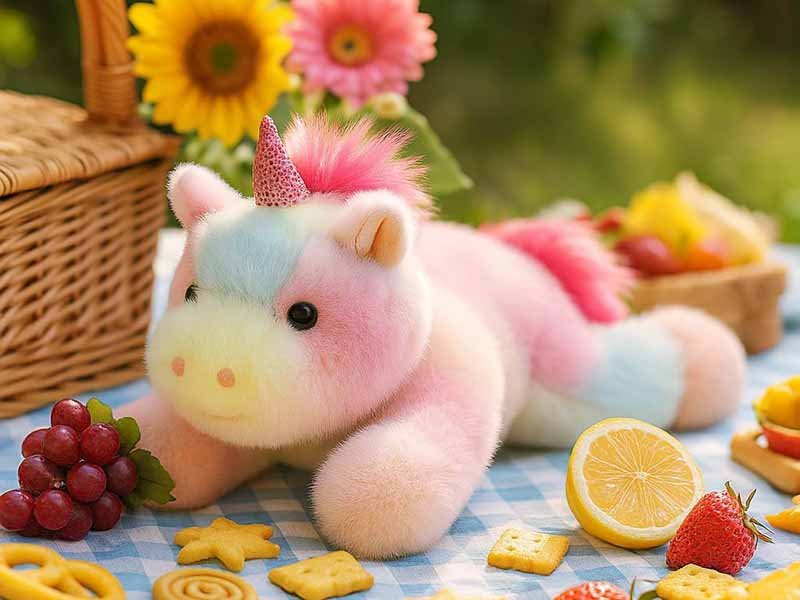
A plush toy may look like a soft product on the surface, yet for a brand, it can carry far more value than fabric and stuffing. A well-made plush toy can become a mascot customers remember, a retail item fans collect, a gift people keep for years, or a product drop that turns a flat character into something warm, physical, and sellable. Many brands now use custom plush toys not only for children’s products, but also for IP merchandise, retail gifts, influencer merch, pet brands, food brands, school mascots, event giveaways, and limited-edition campaigns.
The best-selling custom plush toy ideas for brands include mascot plush toys, animal plush collections, mini plush keychains, character plush dolls, food-shaped plush, weighted plush, plush pillows, seasonal plush gifts, baby-safe plush, and collectible plush series. A strong plush product usually has clear character identity, soft hand feel, safe structure, photo appeal, practical production cost, and packaging that supports gifting or retail display.
For many brand teams, the first question is often simple: “What kind of plush should we make?” The better question is: “Which plush idea can our customers recognize, love, keep, share, and buy again?” A sketch may look cute in a presentation, but a factory needs to solve the real details: size, fabric, embroidery, filling, balance, seam strength, packaging, safety testing, MOQ, freight cost, and launch schedule. That is where Delsney brings value. With over 18 years of experience in plush product development, design, pattern making, sampling, manufacturing, and export sales, Delsney helps brands turn plush ideas into products that look close to the approved artwork, feel premium in hand, and meet real market requirements.
What Makes Custom Plush Toys Sell Well?

A custom plush toy sells well when it has emotional pull, clear design, comfortable texture, reliable quality, and a practical use case. A product may be cute, but cuteness alone does not guarantee sales. The plush must fit the brand’s audience, price range, launch purpose, and sales channel.
For commercial projects, a plush toy needs to do several jobs at once. It should attract attention in photos, feel soft when touched, hold shape after shipping, and match the approved sample during bulk production. It should also carry the brand message naturally. A small woven label, embroidered logo, custom outfit, branded hangtag, or retail box often works better than placing a large logo across the whole plush.
Many successful plush products are easy to understand within three seconds. A capybara plush, coffee cup mascot, mini dog keychain, school tiger mascot, or game character doll communicates quickly. Overdesigned plush toys may look impressive at the concept stage, yet every small part adds cost, sewing difficulty, inspection risk, and possible safety concerns. A cleaner design with strong character expression often performs better.
For brands selling to the United States, Europe, Canada, Australia, or other regulated markets, safety planning matters early. Children’s plush toys may need testing based on market rules. Stitching, small parts, fabric quality, stuffing material, labels, and packaging all need attention before bulk production. Waiting until finished goods are ready can create costly delays.
Delsney’s process supports practical decision-making before production begins. The factory can help with three-view drawings, 3D effect presentation, fabric selection, structure adjustment, fast sample making, sample revision, private label details, and bulk quality control. For regular plush toys, sampling can often be completed in 5–7 days. For projects involving molded parts, special accessories, or complex structures, more development time may be needed.
| Sales Factor | Customer Concern | Practical Manufacturing Point | Strong Product Example |
|---|---|---|---|
| Character appeal | Will people remember it? | Clear face, balanced body, strong outline | Brand mascot plush |
| Soft texture | Does it feel worth the price? | Minky, short plush, faux fur, sherpa | Premium animal plush |
| Photo appeal | Will people share it online? | Good color contrast, cute posture, clean details | Mini plush charm |
| Safety | Can it enter target markets? | Embroidery, secure seams, safe filling | Baby-safe plush |
| Cost control | Can profit stay healthy? | Smart size, fabric choice, simplified parts | 20 cm mascot plush |
| Production stability | Will bulk match the sample? | Pattern control, fabric approval, QC inspection | Retail plush series |
| Packaging value | Does it feel giftable? | Hangtag, story card, window box | Limited-edition plush |
What Do Brand Customers Want Most?
Brand customers usually want five things from a custom plush project: accurate design, soft materials, stable quality, clear pricing, and dependable delivery. They are not only asking whether a factory can sew a toy. They need confidence that the approved sample can be repeated across hundreds or thousands of pieces.
Key concerns usually include:
- Whether the final plush can match artwork, mascot files, character sheets, or physical samples.
- Whether fabric colors and hand feel match the brand image.
- Whether embroidery details such as eyes, mouth, logo, or clothing patterns stay clean.
- Whether the plush can sit, stand, hang, or compress as planned.
- Whether packaging can support retail, gifting, or e-commerce shipping.
- Whether the supplier can meet MOQ, launch date, and compliance needs.
Delsney supports reference technical file sampling, artwork-based sampling, physical sample matching, free design, free sampling, and sample adjustment. For high-standard brand projects, the 98% design-to-product matching capability is especially valuable because plush details are sensitive. A small change in eye position, head shape, or body proportion can change the whole character feeling.
Why Are Mascot Plush Toys Popular?
Mascot plush toys are popular because they turn a brand identity into a physical character. A logo may be seen for a second; a mascot plush can stay on a desk, sofa, car seat, bed, school shelf, or retail display for months. That longer exposure gives mascot plush strong value for brand memory.
Mascot plush works especially well for:
- Food and beverage brands with cute product characters.
- Schools, universities, and sports teams with animal mascots.
- Game studios and animation brands with existing characters.
- Museums and cultural brands with educational icons.
- Corporate events needing warm and memorable gifts.
- Children’s brands needing approachable product companions.
- Pet brands wanting animal-based emotional connection.
The manufacturing challenge lies in structure. Mascots often have large heads, short legs, unusual body shapes, small accessories, or special outfits. A design may look balanced in 2D artwork but lean forward when made as a plush. Delsney can adjust pattern structure, filling density, sitting posture, limb placement, and fabric direction before bulk production. Three-view drawings and 3D effects help brands check the product from the front, side, and back before physical sampling begins.
Which Plush Styles Get Shared Online?
Plush toys that perform well online usually have strong visual hooks. People share products that feel cute, funny, emotional, nostalgic, tiny, oversized, collectible, or highly personal. Mini plush keychains, food plush, animal plush, IP character dolls, and soft pillows often work well because they are easy to photograph and easy to understand.
Highly shareable plush features often include:
- Round body shapes.
- Large embroidered eyes.
- Tiny arms or feet.
- Funny facial expressions.
- Soft pastel or high-contrast colors.
- Mini accessories such as scarves, hats, bags, or clothing.
- Portable size for bags, keys, or backpacks.
- Limited colors or seasonal outfits.
- Packaging designed for unboxing photos.
A plush toy does not need complicated construction to attract attention. Many shareable products are simple but expressive. A small frog plush with sleepy eyes, a milk tea cup with tiny legs, or a plush keychain shaped like a brand mascot may work better than a highly detailed product that costs more and photographs poorly.
Delsney can help brands improve online appeal through proportion adjustment, embroidery development, accessory scaling, fabric matching, and packaging layout. For social commerce, product photography should be considered during development, not after production.
How Do Plush Toys Build Brand Memory?
Plush toys build brand memory through repeated touch and long-term presence. Customers may forget a flyer, discount card, or online ad, but a soft plush item often stays in daily life. A plush toy can sit beside a laptop, hang from a bag, rest on a child’s bed, decorate a car, or remain in a gift box as a collectible item.
Brand memory becomes stronger when the plush carries identity in a natural way. Heavy logo placement can make the product feel like an advertisement. A more refined approach often works better:
- Small woven label on the side seam.
- Embroidered logo on a shirt or scarf.
- Custom hangtag with story text.
- Brand color used in fabric or accessory.
- Retail box with character name.
- Story card explaining the mascot.
- Limited-edition number tag.
For premium brands, packaging and storytelling often raise perceived value. A plush toy with only a polybag may feel like a giveaway. The same plush with a story card, custom box, care label, and well-designed tag can feel like a collectible product. Delsney supports private label and OEM/ODM details, helping brands align plush design, labels, packaging, and launch purpose.
Are Custom Plush Toys Good for Repeat Sales?
Custom plush toys can support repeat sales when they are planned as a product system instead of a one-time gift. A single mascot may support one campaign, while a collection can create repeat buying, seasonal updates, and stronger customer loyalty.
Repeat sales can come from:
- Multiple characters in the same visual style.
- Different sizes of one popular mascot.
- Seasonal outfits for holidays.
- Limited color editions.
- Mini keychain versions of larger plush dolls.
- Gift-box sets for special occasions.
- New releases linked to events or product launches.
- Blind-box plush series with collectible logic.
For example, a coffee brand can start with a coffee cup plush, then add croissant, donut, latte, and coffee bean characters. A pet brand can develop dog, cat, rabbit, duck, and capybara plush in one collection. A game IP can begin with one main character and later add side characters after testing demand.
Brands planning repeat production should protect consistency from the beginning. Pattern files, embroidery files, fabric codes, color references, packaging dimensions, and QC standards should be saved carefully. Delsney’s OEM/ODM production system supports repeat orders and private label programs, helping brands keep product quality stable across future releases.
Which Custom Plush Toy Ideas Work Best?

The strongest plush toy idea depends on audience, sales channel, target price, and launch goal. Mascot plush toys work well for brand memory. Mini plush keychains work well for high-volume accessories. Animal plush works well for broad retail appeal. Character plush works well for IP brands and creators. Food plush works well for lifestyle, café, snack, and beverage brands.
A good idea should not be judged by cuteness alone. Brands need to ask:
- Can customers understand the concept quickly?
- Does the plush connect with the brand story?
- Can the structure be produced at stable quality?
- Can the unit cost support the target retail price?
- Can the item pass safety requirements for the target market?
- Will customers keep it, gift it, share it, or buy more styles?
For first-time plush projects, launching one strong hero design is often safer than developing too many SKUs at once. A brand can begin with one 20–30 cm mascot plush, then expand into a mini keychain, pillow version, holiday outfit, or collectible series after market feedback. For brands with mature fan demand, a multi-SKU collection may create stronger sales because customers enjoy collecting full sets.
Delsney manufactures many custom plush categories, including stuffed animals, plush dolls, plush keychains, plush pillows, baby plush, food plush, mascot plush, seasonal plush, private label plush, and OEM/ODM plush series. With flexible MOQ, free design, fast sampling, three-view development, 3D effects, and quality-controlled bulk production, brands can move from idea to real product with less uncertainty.
| Plush Idea | Best For | Common Size Range | Cost Level | Development Risk | Main Selling Point |
|---|---|---|---|---|---|
| Mascot plush | Brands, schools, events | 15–35 cm | Medium | Medium | Strong identity |
| Animal plush | Retail, gifts, kids | 15–45 cm | Low–Medium | Low | Broad appeal |
| Mini keychain plush | Fashion, creators, events | 8–15 cm | Low–Medium | Medium | Portable and collectible |
| Character plush doll | IP, games, animation | 15–45 cm | Medium–High | High | Fan demand |
| Food plush | Cafes, snacks, lifestyle | 12–35 cm | Medium | Medium | Fun visual hook |
| Weighted plush | Wellness, gift brands | 25–50 cm | High | Medium | Comfort value |
| Plush pillow | Home, travel, lifestyle | 30–60 cm | Medium–High | Low–Medium | Practical use |
| Baby-safe plush | Baby brands, gift sets | 15–30 cm | Medium | High | Safety and softness |
| Blind-box plush | IP, collectibles, retail | 8–18 cm | Medium | High | Repeat purchase |
Which Animal Plush Toys Sell Fast?
Animal plush toys often sell fast because customers already understand them. Dogs, cats, rabbits, bears, dinosaurs, cows, ducks, frogs, pandas, monkeys, penguins, and capybaras are easy to recognize and easy to adapt into different styles. Animal plush can work for children, adults, pet lovers, gift shoppers, tourists, students, and collectors.
Strong animal plush ideas usually have one clear angle:
- Cute animal plush for children’s retail.
- Realistic animal plush for museums or education.
- Funny animal plush for social media.
- Breed-specific plush for pet brands.
- Oversized animal pillow for home decor.
- Mini animal keychain for gift shops.
- Seasonal animal plush with clothing or accessories.
Animal plush should avoid looking too generic. A plain brown bear may compete only on price. A bear with a custom scarf, special expression, brand color, soft premium fabric, and story card can become a stronger product. Delsney helps brands adjust proportions, select plush fabrics, develop embroidery, and design packaging so animal plush products feel unique rather than copied from common market styles.
Are Mascot Plush Toys Worth Making?
Mascot plush toys are worth making when the brand already has a recognizable character, animal, logo symbol, product shape, or campaign figure. A mascot plush gives customers a physical way to connect with the brand. It can be sold in stores, gifted at events, included in welcome kits, used in loyalty programs, or launched as limited merchandise.
Mascot plush works especially well when:
- The mascot appears often in brand visuals.
- Customers already recognize the character.
- The brand has fans, students, members, or event attendees.
- The product can be used for gifting or display.
- The brand wants long-term memory rather than short-term exposure.
Production planning matters. Mascots often have non-standard shapes. Large heads may need stronger internal balance. Thin arms may need simplification. Special accessories may need extra sewing or safety review. Delsney’s design and pattern-making team can review mascot artwork and suggest practical adjustments before sampling. For regular mascot plush, 5–7 day sampling is often possible. More complex designs with special components may need 7–15 days.
Do Mini Plush Keychains Sell Well?
Mini plush keychains sell well because they are small, giftable, lightweight, and easy to collect. Customers can attach them to handbags, backpacks, keys, school bags, car mirrors, or product packaging. For brands, mini plush keychains often create a good balance between visibility, cost, and repeat purchase.
Mini keychains fit many brand categories:
- Beauty brands launching cute campaign gifts.
- Fashion brands creating bag charms.
- Cafes selling small mascot souvenirs.
- Game brands offering character accessories.
- Schools selling mascot keychains.
- Events giving portable branded gifts.
- Retail stores building low-price add-on items.
Small size can also create production challenges. Tiny embroidery may lose clarity. Thin limbs may be hard to sew. Small labels may not fit. Metal hooks must be strong enough for daily use. Packaging must protect the shape without increasing cost too much. Delsney can help simplify small plush designs while keeping key character features clear. For retail display, hang cards, header cards, and custom backing cards can make keychains easier to sell.
What Food Plush Ideas Are Trending?
Food plush ideas work well because they are playful, colorful, and easy to connect with everyday habits. Coffee cups, milk tea, croissants, donuts, burgers, fries, strawberries, avocados, cookies, ice cream, dumplings, sushi, and cakes can all become strong plush concepts. Food plush is especially suitable for café brands, snack brands, beverage companies, dessert shops, restaurant chains, grocery campaigns, and lifestyle retailers.
A good food plush needs more than a food shape. It should have character. A sleepy coffee cup, smiling croissant, round strawberry pillow, or milk tea mascot with tiny hands can feel far more memorable than a plain replica. Facial expression, color accuracy, body proportion, and accessory design all influence sales appeal.
Food plush projects should pay close attention to color matching. Customers recognize food quickly through color. A dull strawberry red or wrong coffee brown can weaken appeal. Delsney can help with fabric color selection, embroidery design, appliqué details, filling balance, and packaging development. Food plush can be used as retail merchandise, store opening gifts, loyalty rewards, seasonal gift sets, or limited campaign products.
Which Character Plush Toys Fit IP Brands?
Character plush toys fit IP brands when the character already has strong recognition or emotional value. Game characters, animation figures, comic mascots, digital avatars, creator mascots, and storybook characters can all become plush products. Fans often care deeply about accuracy, so character plush projects require careful development.
Important character plush details include:
- Eye shape and placement.
- Head-to-body ratio.
- Signature clothing.
- Hair, ears, horns, wings, tails, or accessories.
- Color accuracy.
- Facial expression.
- Pose and body balance.
- Fabric texture matching the character mood.
Not every artwork detail should become a sewn part. Some details may work better as embroidery, printed fabric, appliqué, or simplified shapes. Overly complex construction can raise cost and increase defect risk. Delsney supports artwork review, three-view creation, 3D effect development, sampling, revisions, and bulk manufacturing. For IP projects where artwork accuracy is important, the factory’s high design-to-product matching capability helps reduce the gap between digital character and finished plush.
How Can Brands Use Custom Plush Toys?
Brands can use custom plush toys for retail sales, fan merchandise, event gifts, school fundraising, corporate campaigns, loyalty rewards, holiday gift boxes, influencer merch, and private label product lines. A plush toy can create revenue, strengthen brand memory, support community engagement, or make a campaign feel more personal.
A plush product can serve different goals at different stages. During a brand launch, it can introduce a mascot. During a product campaign, it can become a gift-with-purchase. During an event, it can become a memorable giveaway. During holiday seasons, it can become a limited-edition gift. For mature brands, plush can become a recurring product category with new characters, new outfits, new sizes, or collectible drops.
Sales channel matters. Retail brands need strong shelf appeal, barcode planning, safety labels, and packaging. IP brands need accurate character reproduction and fan-focused storytelling. Event brands need controlled cost and firm delivery schedules. Schools need mascot accuracy, durable sewing, and family-friendly safety. Creator brands need photo appeal, emotional value, and manageable MOQ.
Delsney works with foreign medium-to-large clients and premium brands that need custom, private label, OEM, or ODM plush products with their own logos. The factory offers end-to-end support from design to finished goods, including fabric sourcing, three-view development, 3D effects, fast sampling, bulk production, packaging, inspection, and export support.
| Brand Goal | Plush Strategy | Recommended Style | Key Planning Point |
|---|---|---|---|
| Build memory | Create a physical mascot | Mascot plush | Keep identity clear |
| Sell merchandise | Launch a product collection | Character plush | Protect artwork accuracy |
| Increase add-on sales | Offer small accessories | Plush keychains | Control small detail quality |
| Support events | Create warm giveaways | Logo plush | Plan delivery early |
| Grow loyalty | Create reward items | Limited plush | Add story and packaging |
| Enter retail | Build shelf-ready products | Animal plush series | Plan labels and cartons |
| Improve gifting | Create premium sets | Plush gift boxes | Upgrade packaging |
| Launch seasonal products | Refresh existing plush | Holiday outfits | Reuse patterns smartly |
How Do Retail Brands Use Plush?
Retail brands use plush toys as shelf products, seasonal gifts, checkout add-ons, collectible items, private label lines, and bundled merchandise. A plush toy has a strong advantage in physical retail because customers can see the face, touch the fabric, and judge softness instantly.
Retail plush must be designed with commercial discipline. Size affects shelf space, carton quantity, freight cost, and retail price. Packaging affects display and perceived value. Labels affect compliance and store acceptance. Fabric quality affects reviews and repeat orders. Poor stuffing or uneven seams can damage customer trust quickly.
For retail projects, brands should plan:
- Target retail price.
- Estimated wholesale cost.
- Size range.
- Packaging type.
- Barcode and label placement.
- Safety testing requirements.
- Carton packing quantity.
- Shelf display method.
- Repeat order plan.
Delsney can help retail brands compare fabric options, size choices, embroidery methods, packaging formats, and cost ranges before sampling. That helps protect profit while keeping the plush attractive enough for real customers.
How Do IP Brands Launch Plush?
IP brands launch plush by choosing characters with strong fan demand and turning them into products that feel faithful to the original artwork. The first plush release often matters because fans judge quality closely. If the face or body shape feels wrong, future launches may be harder to sell.
A practical IP plush launch may follow several steps:
- Select one hero character.
- Review artwork for plush feasibility.
- Create three-view structure.
- Decide size and fabric.
- Simplify small details where needed.
- Make the first sample.
- Review face, body, color, and posture.
- Adjust sample details.
- Confirm packaging and labels.
- Move into bulk production.
Delsney can work from reference technical files, images, drawings, or physical samples. The factory’s free design support, free sampling, sample revision service, and high design-matching capability are useful for IP brands that need accuracy and production speed.
How Do Influencers Sell Plushies?
Influencers sell plushies by turning community identity into a product fans can own. A creator’s mascot, pet, avatar, catchphrase, or inside joke can become a plush toy with strong emotional value. Fans often buy because the plush represents belonging, not just because it is cute.
Creator plush should be easy to photograph, easy to ship, and easy to understand. Medium plush dolls, mini plush keychains, plush pillows, and limited character editions are good starting points. The first launch should focus on quality and one memorable design rather than too many rushed styles.
Useful creator plush features include:
- Cute facial expression.
- Signature accessory.
- Small story card.
- Numbered hangtag.
- Soft fabric.
- Compact shipping size.
- Packaging suitable for unboxing.
- Clear care label.
Delsney can help creators turn rough artwork into factory-ready plush designs. For standard plush toys, fast sampling can help creators prepare launch content, pre-sale pages, and campaign photos earlier.
How Do Event Brands Use Plush Gifts?
Event brands use plush gifts to make conferences, exhibitions, sports events, school events, charity campaigns, and product launches easier to remember. A plush gift feels warmer than many common promotional items and often remains visible after the event.
For event plush, delivery time and cost control are critical. The design should avoid unnecessary complexity if the event date is fixed. Simple mascot shapes, logo T-shirts, small plush keychains, or existing character adaptations can reduce risk. Packaging should also match the event format. A giveaway may only need a hangtag and polybag, while a VIP gift may need a custom box.
Event plush planning should include:
- Event date.
- Required arrival date.
- Quantity.
- Target unit cost.
- Logo position.
- Product size.
- Packaging level.
- Shipping method.
- Safety needs.
- Backup time for sample revision.
Delsney’s short lead time, flexible MOQ, and fast sample development are useful for event projects. Early confirmation still matters, especially for overseas shipping and safety documentation.
How Do Schools Use Mascot Plush?
Schools use mascot plush for campus stores, fundraising, alumni gifts, sports games, graduation, welcome packs, club events, and family activities. A school mascot already carries pride and memory, so plush can turn that identity into a product students and families want to keep.
Popular school plush ideas include:
- Mascot animal plush.
- Logo T-shirt bear.
- Graduation bear.
- Sports team plush.
- Mini mascot keychain.
- Spirit week plush.
- Alumni gift plush.
- Club event plush.
- Holiday campus plush.
School plush needs to balance cost, safety, and durability. Products may be handled by children, sold to families, or used at crowded events. Embroidered details, strong seams, safe filling, and clear labels are important. Delsney can help schools, school merchandise partners, and licensed product teams match mascot colors, logo details, clothing designs, and packaging requirements while keeping production efficient.
What Custom Details Should Brands Add?

Custom details decide whether a plush toy feels ordinary, promotional, collectible, or premium. A basic plush shape can become a strong brand product when the fabric, embroidery, logo placement, accessories, packaging, and story elements are planned carefully. The best details should improve product value without making the toy too expensive, fragile, or difficult to produce.
For many brands, the biggest mistake is adding too many details without asking whether customers will notice them or pay for them. A tiny pocket, small button, extra ribbon, printed sleeve, metal charm, custom zipper, and multi-layer tag may look nice in a design file, but every part increases development time, labor, inspection work, and possible defect risk. Good custom design is not about adding everything. It is about choosing the details that make the plush more recognizable, more desirable, and easier to sell.
The most useful custom details usually fall into five areas: logo display, fabric selection, face expression, accessory design, and packaging. A logo can appear on a woven label, embroidered patch, plush T-shirt, scarf, foot pad, hangtag, or gift box. Fabric can change the whole product mood: short plush feels clean and common for retail; minky feels smooth and premium; faux fur feels fluffy and expressive; sherpa feels warm and lifestyle-oriented; velvet feels soft and giftable. Embroidery controls the face, which is often the emotional center of the toy.
Packaging should not be treated as the final step. For plush products, packaging affects shelf display, shipping protection, gift value, and customer impression. A plush sold through retail may need a hangtag, barcode sticker, warning label, care label, and carton plan. A limited-edition character plush may need a story card, collector card, custom box, or numbered tag. A corporate giveaway may need a simple branded polybag and hangtag to control cost.
Delsney supports end-to-end OEM/ODM customization, including fabric sourcing, artwork review, three-view drawing, 3D effect presentation, sample development, embroidery, labels, hangtags, packaging, and private label details. For brands with high visual standards, early review of these custom details can reduce sampling revisions and help the final product stay close to the approved design.
| Custom Detail | Best Use | Cost Impact | Value Impact | Production Note |
|---|---|---|---|---|
| Woven label | Subtle brand identity | Low | Medium | Good for side seams or bottom seams |
| Embroidered logo | Premium branding | Medium | High | Best for small, clean logo shapes |
| Plush T-shirt | Corporate mascot, school plush | Medium | High | Allows logo display without changing toy body |
| Custom scarf | Sports teams, winter gifts | Medium | High | Adds character and seasonal feeling |
| Printed fabric | Patterns, clothing, special features | Medium–High | High | Needs color and wash testing |
| Appliqué patch | Eyes, belly, logo area | Medium | Medium–High | Adds texture and layered detail |
| Hangtag | Retail, gifting, storytelling | Low | High | Useful for brand story and barcode |
| Story card | IP, creator, collectible plush | Low–Medium | High | Helps explain character background |
| Window box | Retail and premium gifts | High | High | Improves shelf value but increases freight volume |
| Recycled filling | Eco product lines | Medium | Medium–High | Needs material documentation |
Can Logos Be Added to Plush Toys?
Logos can be added to plush toys in several ways, but the best method depends on logo shape, product size, fabric type, order quantity, target price, and brand style. A large logo directly on the plush body is not always the best choice. It may make the toy feel less warm and more like an advertisement. For many premium products, subtle branding feels more natural.
Common logo methods include:
- Woven label on side seam.
- Embroidered logo on foot pad.
- Embroidered logo on plush T-shirt.
- Printed logo on scarf, ribbon, or clothing.
- Rubber patch or fabric patch.
- Custom hangtag with logo and product story.
- Logo sticker on retail box.
- Branded care label.
- Logo on inner packaging card.
- Custom zipper pull or charm for plush bags.
For small plush keychains, woven labels and hang cards often work better than detailed embroidery because the available space is limited. For mascot plush, a shirt or scarf gives enough logo area while keeping the character body clean. For luxury or lifestyle brands, tonal embroidery or a small side label can make the product feel more refined.
Delsney can review logo files and suggest the most suitable method based on size, fabric, and budget. For complex logos, simplification may be needed so the embroidery stays clean during bulk production.
Which Fabrics Feel More Premium?
Fabric choice strongly affects how customers judge plush value. A product with the same pattern can feel cheap, playful, cozy, or high-end depending on fabric. For brands selling to premium customers, fabric selection should be treated as a core design decision rather than a sourcing detail.
Common plush fabric options include:
| Fabric Type | Hand Feel | Best For | Notes |
|---|---|---|---|
| Short plush | Smooth, clean, stable | Mascots, retail plush, promotional plush | Good for clear shapes and controlled cost |
| Minky | Ultra-soft, smooth, premium | Baby plush, IP plush, gift plush | Popular for soft-touch products |
| Faux fur | Fluffy, expressive, textured | Animal plush, premium character plush | Needs careful cutting direction |
| Sherpa | Warm, cozy, lifestyle feel | Pillows, winter gifts, home plush | Good for seasonal and comfort products |
| Velvet plush | Soft, elegant, slightly shiny | Gift plush, beauty brand plush | Works well for premium positioning |
| Crystal super soft | Smooth, bright, soft | Toy brands, colorful plush | Good color performance |
| Cotton fabric | Natural surface feel | Eco-style plush, baby concepts | Less stretchy, different sewing behavior |
| Recycled polyester plush | Sustainable positioning | Eco collections, modern brands | May need documentation for claims |
Premium does not always mean the thickest or most expensive fabric. The right fabric must fit the character. A capybara plush may need short plush or minky to keep a clean rounded shape. A lion plush may need faux fur for the mane. A baby-safe comfort toy may need minky, soft fleece, or certified fabric. A lifestyle pillow may work better with sherpa or velvet.
Delsney can help brands choose fabric based on visual style, softness, production stability, safety needs, and target cost.
How Do Embroidery Details Improve Value?
Embroidery often decides whether a plush face feels alive. Eyes, eyebrows, mouth shape, blush, logo marks, clothing details, and small expressions can all be created through embroidery. Compared with plastic eyes, embroidered features are often safer for children’s plush and give brands more control over expression.
Good embroidery improves value in several ways:
- It makes facial expressions clearer.
- It creates safer designs for baby and children’s plush.
- It supports precise brand colors.
- It avoids loose small parts.
- It helps character plush match artwork better.
- It creates a cleaner premium look.
- It can add logos without heavy branding.
Embroidery quality depends on stitch density, thread color, fabric backing, position control, and fabric stretch. On very fluffy fabric, small embroidery may disappear or look uneven. On small keychain plush, tiny eye details may need simplification. On large plush, embroidery may need thicker thread or larger artwork to stay visible.
Brands should prepare embroidery files or approve factory-developed embroidery samples before bulk production. Delsney can convert artwork into embroidery-friendly details, adjust scale, test thread colors, and inspect embroidery during production. For character plush and mascot plush, this step is especially important because face expression affects customer acceptance.
What Packaging Makes Plush More Giftable?
Packaging can change a plush toy from a simple soft item into a complete gift. For retail, packaging helps display the product, protect the plush, carry compliance information, and support barcode scanning. For premium campaigns, packaging creates the first emotional impression before the customer even touches the plush.
Common plush packaging options include:
- Clear polybag for basic protection.
- Branded polybag for cost-effective presentation.
- Hangtag for retail and storytelling.
- Header card for mini plush keychains.
- Backing card for bag charms.
- Window box for shelf display.
- Drawer box for premium gift sets.
- Paper sleeve for plush bundles.
- Story card for IP and character plush.
- Gift box with tissue paper for luxury campaigns.
Different packaging levels suit different goals:
| Packaging Type | Best For | Cost Level | Perceived Value | Shipping Note |
|---|---|---|---|---|
| Plain polybag | Bulk giveaways | Low | Low | Efficient carton packing |
| Branded polybag | Events, online orders | Low–Medium | Medium | Lightweight |
| Hangtag | Retail, schools, mascot plush | Low | Medium–High | Easy to apply |
| Header card | Mini keychains | Low–Medium | Medium | Good for hanging display |
| Window box | Retail shelf products | High | High | Increases carton volume |
| Gift box | Premium campaigns | High | Very High | Needs stronger packing plan |
| Story card | IP, creators, collectibles | Low | High | Adds emotional value |
Delsney can support hangtags, labels, story cards, branded polybags, paper boxes, window boxes, and private label packaging. For export projects, packaging should also leave space for safety marks, age labels, warning text, barcode, SKU code, and country-specific requirements.
Can 3D Views Improve Sampling?
Three-view drawings and 3D effects can greatly improve sampling because plush toys are three-dimensional products. A front-view illustration alone does not show side thickness, back structure, tail position, ear angle, body balance, or sitting posture. Many sampling problems happen because the artwork does not show enough physical information.
Three-view and 3D development can help brands check:
- Front, side, and back proportions.
- Head size compared with body size.
- Limb length and placement.
- Tail, ear, horn, wing, or accessory position.
- Sitting or standing balance.
- Face scale and expression.
- Clothing and logo placement.
- Product thickness.
- Shape feasibility before cutting fabric.
For mascot plush, IP plush, and character dolls, this step is especially useful. A character may look perfect from the front but strange from the side. A large head may need a wider bottom to sit properly. A long tail may affect packing. A tiny accessory may need to be enlarged or simplified.
Delsney provides three-view creation and 3D effect support to help brands see the product more clearly before physical sampling. This reduces back-and-forth revisions and helps the finished plush match the approved concept more closely.
How Do Brands Choose the Right Plush Idea?

Brands should choose a plush idea by matching customer profile, product purpose, target price, visual identity, safety needs, and production feasibility. A strong plush idea is not simply the cutest concept. It is the concept that customers understand quickly, want to keep, can afford to buy, and can be manufactured consistently.
The selection process should begin with the target customer. A children’s brand needs soft fabric, safe structure, washable materials, and gentle colors. A game brand needs character accuracy and collectible value. A beauty brand may need a small charm that feels elegant and photo-ready. A food brand may need a playful mascot that looks good in stores and online. A school may need a durable mascot plush that works for fundraising and events.
Next comes the product role. Is the plush meant to sell at retail? Support a launch? Reward loyal customers? Promote an event? Build IP merchandise? Enter a gift market? A plush designed for retail needs different planning than a plush designed for a one-day event. Retail products need packaging, labels, shelf appeal, and repeat production plans. Event gifts need fast delivery, controlled cost, and clear logo placement.
Cost and MOQ should be considered early. Larger size, long-pile fabric, multiple embroidery areas, clothing, printed parts, accessories, custom boxes, and safety testing all increase cost. A brand that only focuses on the idea may end up with a product that is too expensive for its sales channel. Delsney can help brands compare different size, fabric, and structure options before sampling so the product stays attractive and realistic.
Choosing the right plush idea also means thinking about future product expansion. A mascot can become a keychain, pillow, holiday edition, or full character family. A food plush can become a restaurant collection. An animal plush can become a retail series. A strong first product should leave room for future releases.
| Decision Point | What to Ask | Better Choice When Unsure |
|---|---|---|
| Audience | Who will receive or buy the plush? | Start with familiar animals or mascot plush |
| Use case | Is it for retail, gift, event, or merch? | Match size and packaging to channel |
| Price range | What unit cost can the brand accept? | Use simple structure and smart fabric |
| Design complexity | Are details essential or decorative? | Keep core features, simplify tiny parts |
| Safety | Will children use the product? | Use embroidery and secure seams |
| Launch timing | Is the date fixed? | Avoid special molds or rare materials |
| Future expansion | Can the idea become a series? | Build a clear style system |
Which Plush Fits Your Audience?
The right plush must match the lifestyle, age, taste, and buying reason of the audience. A plush product for toddlers should not be designed the same way as a plush product for anime fans, pet lovers, or corporate event guests. Each group notices different things.
For children and family markets, customers often care about softness, safety, washability, friendly expressions, and trusted materials. For teens and young adults, social media appeal, character style, colors, size, and collectability may matter more. For premium lifestyle customers, the product should feel more refined, with better fabric, cleaner embroidery, and stronger packaging. For fans of a creator or IP, accuracy and emotional meaning are often more important than low price.
Useful audience matching examples:
- Baby brands: soft minky plush, embroidered eyes, no detachable small parts.
- Pet brands: dog and cat plush, breed-based design, emotional story card.
- Coffee brands: cup mascot, croissant plush, mini keychains.
- Fashion brands: plush bag charm, small mascot, premium tag.
- Game brands: character plush, collectible series, detailed embroidery.
- Schools: mascot plush, logo T-shirt bear, graduation plush.
- Corporate events: logo bear, campaign mascot, simple packaging.
Delsney can help brands translate audience needs into size, fabric, structure, packaging, and safety choices.
What Size Should a Brand Choose?
Size affects cost, shipping, customer use, shelf space, and perceived value. A 10 cm plush keychain and a 35 cm plush doll may use similar character design, but they serve very different purposes. Small plush is portable and collectible. Medium plush is easier to sell as a gift. Large plush has stronger emotional impact but higher material and freight cost.
Common size choices include:
| Plush Size | Best Use | Advantages | Limitations |
|---|---|---|---|
| 8–12 cm | Keychains, bag charms, mini gifts | Low shipping cost, collectible | Small details are harder |
| 15–20 cm | Mascot gifts, creator merch | Good balance of cost and visibility | May feel small for premium retail |
| 25–30 cm | Retail plush, IP dolls, animal plush | Strong gift value, clear details | Higher material and carton volume |
| 35–45 cm | Premium plush, pillows, collector items | High perceived value | Higher freight and storage cost |
| 50 cm+ | Event display, oversized gifts | Strong visual impact | Expensive shipping and packing |
For first-time projects, 20–30 cm is often a safe range for mascot plush or character plush because the face and body details are visible without making cost too high. For high-volume campaigns, 10–15 cm mini plush may be more practical. For premium gift products, larger sizes or pillow forms can raise value.
Delsney can recommend size based on the product goal, target cost, packing method, and artwork complexity.
Should Brands Make One Style or a Series?
Brands should start with one style when demand is untested, the design is complex, or the launch budget is limited. A series is better when the brand already has fans, retail channels, or multiple characters with clear demand. Both approaches can work, but the risk level is different.
One-style launch advantages:
- Easier sampling.
- Lower development cost.
- Faster decision-making.
- Easier inventory control.
- Clearer marketing message.
- Better for first test orders.
Series launch advantages:
- Stronger shelf impact.
- More collector interest.
- Higher average order value.
- Better for IP and retail.
- More content for marketing.
- Easier seasonal refresh.
A smart middle path is to create one main plush first, then plan future versions. For example, a brand may launch one mascot in 25 cm size, then add a mini keychain, pillow version, holiday outfit, and new color after initial sales. This keeps risk lower while leaving room for growth.
Delsney can help brands prepare a product roadmap. The factory can save pattern files, fabric references, embroidery files, and packaging details so follow-up styles remain consistent with the first launch.
How Do You Control Plush Toy Cost?
Plush toy cost is controlled by size, fabric, structure, embroidery, accessories, packaging, quantity, testing, and shipping. Many brands focus only on the factory unit price, but total landed cost matters more. A plush with a low unit price but bulky packaging may become expensive after freight. A plush with too many tiny parts may create higher defect rates and inspection costs.
Main cost factors include:
- Product size and fabric consumption.
- Fabric type and pile length.
- Number of fabric colors.
- Embroidery size and stitch density.
- Printed or appliqué details.
- Clothing and accessories.
- Filling weight.
- Hardware for keychains.
- Packaging type.
- Safety testing requirements.
- Order quantity.
- Carton size and shipping method.
Cost-control strategies:
- Use embroidery only for important features.
- Keep the body shape clear and stable.
- Reduce tiny decorative parts.
- Choose standard fabric colors where possible.
- Use a logo T-shirt instead of changing the whole body design.
- Start with one hero design before adding more SKUs.
- Use hangtags instead of expensive boxes for basic retail.
- Confirm packing method early.
- Review safety needs before sampling.
Delsney can help brands compare cost options before sample approval. This is important because once a sample is approved, changing size, fabric, or packaging later may delay the launch.
What Makes a Plush Easy to Produce?
A plush toy is easier to produce when the shape is clear, the structure is stable, the fabric is suitable, the details are not too tiny, and the approved sample can be repeated during mass production. Easy does not mean boring. Many best-selling plush toys are simple, but they are carefully designed.
Production-friendly plush usually has:
- Balanced body shape.
- Clear front and side structure.
- Enough seam allowance.
- Reasonable limb thickness.
- Embroidery that fits the fabric.
- Limited number of tiny parts.
- Stable fabric supply.
- Good stuffing access.
- Practical packaging size.
- Clear QC standards.
Difficult designs often include very thin arms, sharp corners, oversized heads without support, many tiny accessories, hard-to-match colors, irregular printed patterns, and delicate parts that may fail safety tests. These designs may still be possible, but they require more sampling time, higher cost, and stricter inspection.
Delsney’s pattern-making and sampling team can review artwork before production and suggest adjustments that preserve the character while improving manufacturability. For high-standard brand projects, this early technical review can save time, reduce sample revisions, and make bulk production more reliable.
What Should Brands Know Before Production?
Before production begins, brands need clear answers about MOQ, sampling time, artwork accuracy, fabric approval, safety requirements, packaging, delivery schedule, and quality control. A plush toy may look simple, but factory production involves many small decisions that affect cost, appearance, safety, and launch timing.
A successful plush project usually starts with complete project information. The factory needs product artwork, reference photos, target size, expected quantity, market destination, packaging needs, safety requirements, launch date, and budget range. Without these details, quotation and sampling may become less accurate. For example, a 25 cm mascot plush with embroidered eyes, short plush fabric, and hangtag packaging will have a very different cost from a 25 cm character doll with printed clothing, faux fur hair, multiple accessories, and a custom gift box.
Brands should also understand that sample approval is not only about appearance. A good sample should answer practical questions:
- Does the plush match the artwork closely?
- Is the face expression correct?
- Does the plush sit, stand, hang, or hold shape as planned?
- Is the fabric soft enough for the target customer?
- Are seams strong and clean?
- Are embroidery details neat?
- Is the filling even?
- Is the logo position suitable?
- Is packaging practical for shipping and retail?
- Are safety requirements clear before bulk production?
For overseas markets, compliance planning is very important. U.S. and European markets may require toy safety testing depending on product age grading, material, and usage. Even if a plush is intended as a promotional gift, brands should still confirm whether children may use it. If a plush contains small accessories, plastic parts, long fibers, batteries, sound modules, or weighted filling, testing and risk review become more important.
Delsney helps brands reduce production uncertainty through end-to-end OEM/ODM service. The factory can support technical file review, artwork-based sampling, sample-based replication, three-view drawing, 3D effect development, fabric selection, free design, fast sampling, quality inspection, packaging customization, and export-ready manufacturing. For regular plush toys, sampling can often be completed within 5–7 days. For products involving molded accessories, complex structures, special fabrics, or special processes, sampling may require 7–15 days.
| Production Question | Why It Matters | Better Project Practice |
|---|---|---|
| What is the MOQ? | Affects budget and launch planning | Confirm quantity by style, size, and color |
| How long is sampling? | Affects product launch date | Allow revision time before bulk order |
| Which fabric is approved? | Affects hand feel and appearance | Approve fabric swatches before sample |
| Is artwork complete? | Affects sample accuracy | Provide front, side, back, and detail views |
| What safety rules apply? | Affects market access | Confirm target country and age group early |
| What packaging is needed? | Affects cost and freight | Decide retail, gift, or bulk packing early |
| How will QC be handled? | Affects final product consistency | Set inspection points before production |
| How will goods ship? | Affects landed cost and timing | Plan carton size and shipping method early |
What Is the MOQ for Custom Plush?
MOQ depends on product size, fabric type, design complexity, color quantity, packaging, and production method. For many custom plush factory projects, 500 pieces per style is a practical starting point. Delsney supports flexible MOQ, making it easier for brands to test new designs, launch limited collections, or start with one hero plush before scaling into a larger product line.
MOQ should not be viewed only as a number. A low MOQ can help reduce inventory risk, but unit cost may be higher because fabric sourcing, pattern making, embroidery setup, cutting, sewing, packing, and inspection are still required. A larger order usually improves unit cost because fixed setup work is spread across more pieces.
Common MOQ planning examples:
| Project Type | Suggested Starting Quantity | Best For | Planning Note |
|---|---|---|---|
| First mascot test | 500 pcs | New brand launch, school mascot, event gift | Good for testing customer response |
| Mini plush keychain | 500–1,000 pcs | Creator merch, retail add-on, event item | Small size still needs precise sewing |
| Retail animal plush | 1,000–3,000 pcs | Gift stores, online shops, private label | Better unit cost and shelf planning |
| IP character plush | 500–2,000 pcs | Game, animation, influencer product | Artwork accuracy matters more than low cost |
| Multi-SKU collection | 3,000–10,000 pcs total | Retail line, collectible series | Quantity can be spread across several designs |
| Large campaign order | 10,000+ pcs | Corporate events, national promotions | Needs early production and shipping planning |
For a first project, many brands begin with 500–1,000 pieces of one core design. After sales feedback, they can reorder or expand into new sizes, colors, outfits, or keychain versions. Delsney can help calculate a practical MOQ based on design, launch channel, and long-term product plan.
How Long Does Sampling Take?
Sampling time depends on the plush structure, design detail, fabric availability, embroidery complexity, accessory needs, and revision rounds. For regular plush toys, Delsney can usually provide fast sample development within 5–7 days. More complex plush products may need 7–15 days, especially when molded accessories, special materials, complex clothing, printed fabric, weighted filling, or special processes are involved.
A clear artwork package can shorten sampling time. If a brand provides only one front-view sketch, the factory may need more communication before pattern making. If the brand provides front, side, back, logo position, size target, fabric preference, and packaging direction, sample development becomes faster and more accurate.
A practical sampling timeline may look like:
| Step | Time Range | Key Work |
|---|---|---|
| Artwork review | 1–2 days | Check shape, fabric, size, and production feasibility |
| Three-view or 3D effect | 1–3 days | Confirm front, side, back, and structure |
| Fabric and color selection | 1–3 days | Match hand feel and brand color |
| Pattern making | 1–2 days | Build plush shape and sewing structure |
| Embroidery setup | 1–2 days | Convert face and logo details |
| Sample sewing | 2–4 days | Cut, sew, stuff, shape, finish |
| Internal QC review | 1 day | Check expression, size, seams, balance |
| Brand revision | Depends on feedback | Adjust face, body, filling, logo, or fabric |
Sampling should include time for revision. Delsney offers free sample modification support, helping brands improve the product before bulk approval. Rushing sample approval may save a few days early but create bigger problems during mass production. A well-reviewed sample is the foundation for stable bulk quality.
Are Custom Plush Toys Safety Compliant?
Custom plush toys can be made to meet safety requirements when compliance is planned during design, sampling, and material selection. Safety is not only a laboratory step after production. It begins with the choice of fabric, stuffing, embroidery, small parts, seams, accessories, labels, and age grading.
For children’s plush products, safety planning may involve:
- Secure seam strength.
- Safe stuffing material.
- No loose small parts for young children.
- Embroidered eyes instead of detachable plastic eyes.
- Colorfast fabric.
- Safe printed inks.
- Strong accessory attachment.
- Proper warning labels.
- Age grading.
- Market-specific testing.
- Proper care label and traceability details.
Brands selling in the U.S. may need ASTM F963 and CPSIA-related checks depending on age group and product type. Brands selling in Europe may need EN71-related testing and CE-related documentation depending on product category. Other markets may have additional requirements. Plush products for babies require extra caution because infants pull, bite, hug, and sleep with soft toys.
Delsney can manufacture plush products for European and American safety compliance requirements. For best results, brands should confirm the destination market and intended age group before sampling begins. If the plush is for adults only, compliance needs may differ. If the plush may be handled by children, safer construction should be chosen from the start.
| Safety Area | Risk If Ignored | Safer Choice |
|---|---|---|
| Eyes and nose | Detachment risk | Embroidery or securely attached parts |
| Small accessories | Choking risk | Enlarge, secure, or remove for young ages |
| Long fibers | Shedding concern | Test fabric and choose suitable pile length |
| Seams | Stuffing leakage | Reinforced stitching and pull checks |
| Filling | Uneven or unsafe material | Approved filling with good recovery |
| Printing | Color transfer | Test inks and fabric colorfastness |
| Labels | Missing legal information | Add age, care, and market labels |
| Packaging | Warning or suffocation risk | Correct bag thickness and warning text |
How Close Can Samples Match Artwork?
A strong plush sample can match artwork closely when the design is reviewed properly before pattern making. Delsney can achieve up to 98% matching between finished plush and design artwork for many custom projects, supported by three-view creation, 3D effect presentation, skilled pattern making, and careful sample adjustment.
However, brands should understand that plush is a soft product, not a molded plastic figure. Fabric has thickness, stretch, pile direction, and sewing limits. Some flat artwork details need adjustment to work in three dimensions. A very thin line may become embroidery. A sharp corner may need a softer curve. A tiny accessory may need to be enlarged. A flat character body may need extra depth to sit properly.
Better artwork matching starts with good reference material:
- Front view.
- Side view.
- Back view.
- Close-up face details.
- Color references.
- Fabric mood references.
- Logo file.
- Size target.
- Sitting or standing pose.
- Accessory details.
- Packaging direction.
For character plush, the face usually deserves the most attention. Eye size, eye distance, mouth curve, cheek placement, and head shape affect emotional recognition. During sample review, brands should compare the sample to the artwork from multiple angles and under natural light. Delsney’s sample revision process helps brands adjust these details before bulk production.
How Do OEM and ODM Plush Projects Work?
OEM and ODM plush projects differ in how much design work the brand provides and how much development support the factory contributes. In an OEM project, the brand often provides artwork, technical files, samples, size requirements, logo files, and packaging direction. The factory focuses on turning those details into production-ready plush. In an ODM project, the brand may provide only a concept, market idea, customer group, or rough reference, while the factory helps develop the design more deeply.
Delsney supports both paths.
OEM projects may include:
- Sampling from technical files.
- Sampling from artwork.
- Sampling from reference images.
- Sampling from physical samples.
- Logo customization.
- Private label production.
- Packaging customization.
- Bulk manufacturing based on approved sample.
ODM projects may include:
- New concept development.
- Character design support.
- Material recommendation.
- Three-view drawing.
- 3D effect creation.
- Product structure planning.
- Cost optimization.
- Packaging solution development.
- Series planning for future launches.
For high-standard brand projects, a hybrid approach is common. The brand provides the main character or idea, and Delsney helps refine proportions, fabric choices, sewing structure, packaging, and production details. Good collaboration can protect the brand’s creative direction while making the plush easier to manufacture at scale.
| Project Type | Brand Provides | Delsney Provides | Best For |
|---|---|---|---|
| OEM | Artwork, tech pack, logo, sample | Pattern, sampling, production | Established brands with clear files |
| ODM | Concept, market direction, references | Design, development, sampling | Brands needing product creation support |
| Private label | Product direction, logo, packaging need | Product customization and branding | Retailers and premium product lines |
| Sample replication | Physical sample | Pattern and material matching | Brands improving or reordering plush |
| IP plush | Character files | 3D conversion and plush production | Creators, games, animation brands |
Why Choose Delsney for Brand Plush Toys?
Delsney is suitable for brands that need more than a basic plush supplier. The company brings over 18 years of experience in plush product research, design, pattern making, manufacturing, and export sales. It supports custom plush projects from concept to finished goods, including OEM, ODM, private label, free design, free sampling, flexible MOQ, fast sample development, three-view drawing, 3D effect presentation, safety compliance support, and strict quality control.
For foreign medium-to-large customers and premium brands, plush production is rarely about the lowest price only. The real value comes from design accuracy, stable quality, responsive development, compliance awareness, and delivery reliability. A plush toy may represent a brand mascot, IP character, retail product, event campaign, or customer gift. Poor quality can damage customer trust. A good plush product can strengthen emotional connection and support repeat purchases.
Delsney’s advantage lies in connecting creative ideas with factory execution. A brand can provide artwork, a rough sketch, a physical sample, a logo, or only a product idea. Delsney can help develop the plush structure, recommend fabric, prepare three-view drawings, show 3D effects, make samples, revise samples, produce bulk goods, inspect quality, and support packaging customization. For regular plush toys, 5–7 day fast sampling helps brands move faster from concept to review. For more complex plush products, the factory can plan a more suitable development timeline.
The company can customize many fabric types and plush product styles, helping brands develop stuffed animals, plush dolls, mascot plush, plush keychains, plush pillows, baby plush, food plush, seasonal plush, weighted plush, promotional plush, private label collections, and OEM/ODM plush products with their own logo. Finished products can be developed to meet safety compliance needs for European and American markets.
For brands with serious launch plans, Delsney’s 100% quality guarantee and high artwork-to-product matching capability help lower project risk. Instead of guessing whether a sketch can become a plush toy, brands can work with a factory team that understands plush structure, fabric behavior, embroidery, stuffing, balance, packaging, and export production.
| Delsney Capability | Customer Value |
|---|---|
| 18+ years plush experience | Mature production knowledge and fewer development mistakes |
| Design and pattern-making team | Better conversion from concept to real plush |
| Free design support | Lower early-stage development barrier |
| Free sampling support | Easier for brands to test new ideas |
| Flexible MOQ | Suitable for first launches and premium limited runs |
| 5–7 day fast sampling | Faster concept review for regular plush products |
| Three-view and 3D effects | Clearer product preview before physical sample |
| 98% artwork matching focus | Better character and mascot accuracy |
| OEM/ODM/private label service | Full support for brand-owned product lines |
| Safety compliance support | Suitable for U.S. and European markets |
| Short bulk lead time | Better support for launches and campaigns |
| 100% quality guarantee | Stronger confidence before large orders |
What Custom Plush Products Can Delsney Make?
Delsney can customize a wide range of plush products for different brand needs, sales channels, and customer groups. Whether a brand needs a simple mascot bear, a detailed IP character doll, a mini plush keychain, or a full retail plush collection, the factory can support design development and production.
Delsney can make:
- Custom mascot plush toys.
- Custom stuffed animals.
- Custom plush dolls.
- Custom character plush.
- Custom animal plush collections.
- Custom baby-safe plush.
- Custom plush keychains.
- Custom plush bag charms.
- Custom plush pillows.
- Custom food plush.
- Custom weighted plush.
- Custom holiday plush.
- Custom event plush gifts.
- Custom school mascot plush.
- Custom sports team plush.
- Custom corporate logo plush.
- Custom IP plush merchandise.
- Custom private label plush products.
- Custom OEM plush toys.
- Custom ODM plush collections.
The factory can also work with many fabric types, including short plush, minky, faux fur, sherpa, velvet plush, fleece, cotton fabrics, recycled polyester materials, and other soft textile options depending on project requirements. Product details such as embroidery, labels, hangtags, clothing, scarves, hats, packaging, and logo applications can be customized according to brand needs.
How Does Delsney Support Brand Design?
Delsney supports brand design by helping turn ideas, sketches, images, technical files, or physical samples into workable plush products. Many brands come with creative concepts but do not know how to convert flat artwork into soft three-dimensional products. Delsney helps bridge that gap.
Design support may include:
- Product idea review.
- Character proportion adjustment.
- Three-view drawing creation.
- 3D effect presentation.
- Fabric and color recommendation.
- Logo placement planning.
- Embroidery detail development.
- Accessory structure review.
- Size recommendation.
- Packaging concept support.
- Sample development.
- Sample revision.
For brands creating mascot or IP plush, design support is especially important. The factory needs to preserve the character’s emotion while making the structure practical for sewing, stuffing, inspection, and shipping. A cute drawing may need a wider base, thicker arms, larger embroidery, or adjusted head shape to become a stable plush. Delsney’s team can guide these changes without losing the core identity of the character.
How Does Delsney Ensure Quality?
Delsney ensures quality through controlled development, approved samples, material checks, sewing inspection, embroidery review, filling control, shape checking, packaging inspection, and final QC before shipment. Plush quality depends on many small steps, so inspection must happen during production, not only at the end.
Important quality control points include:
- Fabric color and hand feel.
- Cutting accuracy.
- Embroidery position.
- Eye and mouth expression.
- Seam strength.
- Stuffing weight and balance.
- Sitting or standing posture.
- Logo placement.
- Label attachment.
- Accessory security.
- Packaging accuracy.
- Carton packing.
- Final appearance consistency.
For character plush, QC needs to focus heavily on expression and proportion. For baby plush, safety and seam quality are more important. For retail plush, packaging, labeling, and product consistency matter strongly. For plush keychains, hardware strength and attachment quality require attention.
Delsney’s 100% quality guarantee gives brands confidence that production will be handled with a clear quality mindset. For repeat orders, approved samples and documented standards help maintain consistency across batches.
Why Is Delsney Suitable for Premium Brands?
Delsney is suitable for premium brands because it combines creative development, manufacturing experience, fast sampling, private label customization, quality control, and export compliance awareness. Premium brands usually care about more than price. They care about how the product feels, how closely it matches artwork, how packaging presents the brand, and whether bulk goods can meet launch expectations.
Premium plush projects often require:
- Better fabric hand feel.
- Cleaner embroidery.
- More accurate color matching.
- Stronger character expression.
- Custom labels and packaging.
- Lower defect tolerance.
- Clear communication.
- Reliable sampling.
- Market safety compliance.
- Stable repeat production.
Delsney’s ability to provide three-view drawings and 3D effects helps premium brands review design details before physical sampling. The 98% design-to-product matching focus is useful for mascot plush, IP plush, and private label collections where visual accuracy directly affects brand value. Flexible MOQ also helps premium brands launch limited editions without committing to excessive inventory at the beginning.
How Can Brands Start a Plush Project?
Brands can start a plush project by preparing clear product information and sending it to Delsney for review and quotation. The more complete the project details are, the faster the factory can provide useful suggestions, cost direction, and sampling plans.
Useful information to provide:
- Product idea or plush type.
- Brand logo file.
- Character artwork or reference images.
- Target size.
- Expected quantity.
- Target market or selling country.
- Customer age group.
- Preferred fabric or hand feel.
- Required colors.
- Logo placement.
- Packaging requirements.
- Safety testing needs.
- Target launch date.
- Budget range.
- Shipping destination.
- Any previous sample or tech pack.
A simple first message can be enough to start:
“We want to develop a 25 cm custom mascot plush for our brand. The first order may be around 500–1,000 pieces. We need soft fabric, embroidered eyes, a branded hangtag, and packaging suitable for U.S. retail. Artwork and logo files are attached. Please advise sampling time, MOQ, estimated cost range, and production timeline.”
Delsney can then review the design, recommend materials, prepare a sample plan, provide design support, and help move the project from idea to finished product.
Start Your Custom Plush Project with Delsney
Best-selling plush products do not happen by chance. They come from a clear idea, the right fabric, accurate pattern making, clean embroidery, safe structure, strong packaging, and a factory team that understands both design and production. A brand mascot, IP character, animal plush, mini keychain, food plush, or plush pillow can become a valuable product when every detail supports the customer’s reason to buy and keep it.
Delsney helps brands develop custom plush products with over 18 years of plush manufacturing experience, end-to-end OEM/ODM service, flexible MOQ, free design support, free sampling support, 5–7 day fast sampling for regular plush toys, three-view drawing, 3D effect presentation, 98% artwork-to-product matching capability, short bulk lead time, European and American safety compliance support, private label service, and 100% quality guarantee.
If your brand is planning a plush toy collection, mascot plush, IP character doll, plush keychain, retail stuffed animal, event gift, or private label plush line, send your artwork, reference photos, target size, estimated quantity, and packaging needs to Delsney. The team can help review your idea, recommend practical production options, and prepare a custom sample plan for your next product launch.