Skip to content
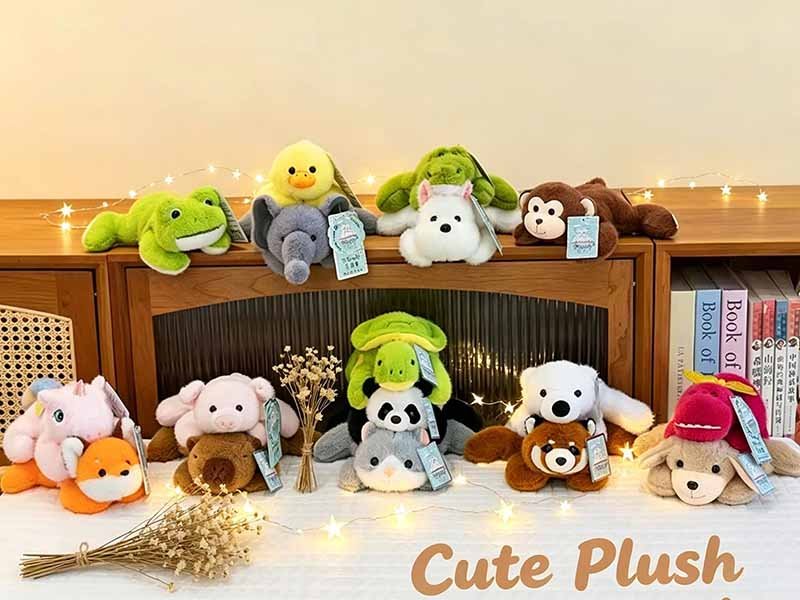
A great stuffed animal is never just a soft toy. It can become a child’s bedtime friend, a baby shower gift, a collectible shelf piece, a retail bestseller, or a brand’s first emotional product. The reason famous stuffed animal brands stay popular is not luck. They understand shape, touch, safety, storytelling, shelf appeal, and repeat purchase behavior better than ordinary toy sellers.
The best stuffed animal brands usually win in one or more areas: ultra-soft fabrics, baby-safe construction, recognizable character design, strong collectible value, premium craftsmanship, realistic animal shaping, or gift-ready packaging. Names such as Jellycat, Squishmallows, GUND, Steiff, Douglas, Aurora, Ty, Wild Republic, Mary Meyer, Kaloo, and Build-A-Bear all succeed for different reasons.
For parents, the main concern is safety and comfort. For gift shoppers, the focus is cuteness, emotional value, and presentation. For retailers, the concern is sell-through, repeat orders, and product margin. For brands planning custom stuffed animals, the real question goes deeper: why do certain plush styles become loved, collected, photographed, and reordered year after year?
Look closely at a small plush bunny, teddy bear, capybara, dinosaur, or mascot. The fabric pile, embroidery angle, sitting balance, stuffing density, face proportion, hangtag, and packaging all influence whether a customer says, “That’s cute, I want it.” Behind every successful stuffed animal brand is a chain of design and manufacturing decisions. Understanding those decisions can help companies create better plush collections, avoid poor-quality production, and build products customers actually want to keep.
What Are Stuffed Animal Brands?

Stuffed animal brands are companies or product lines that create soft toys with a clear identity, reliable quality, and emotional appeal. A strong plush brand does more than make animals with filling inside. It builds a recognizable style through fabric feel, face design, product size, color palette, storytelling, packaging, safety standards, and customer trust.
Stuffed animal brands can be divided into several major groups: classic teddy bear brands, baby gift plush brands, collectible plush brands, realistic animal plush brands, licensed character plush brands, boutique plush labels, and custom private label plush lines. Each group serves a different customer need.
A baby plush brand must focus on safety, softness, washable materials, and gentle expressions. A collectible plush brand needs character variety, limited editions, and strong visual identity. A realistic animal plush brand needs accurate pattern design, lifelike color control, and stable body structure. A premium gift plush brand needs excellent touch, elegant packaging, and strong perceived value.
For companies planning custom plush products, famous stuffed animal brands are useful references. They show how design language, price range, material choice, packaging, and product series can influence market performance. Delsney supports clients who want to develop similar custom plush lines through OEM/ODM services, design assistance, three-view artwork, 3D effect development, fabric sourcing, sample making, and bulk production.
What Makes a Stuffed Animal Brand Popular?
A stuffed animal brand becomes popular when customers can recognize its products without reading the label. Strong brands usually have a clear design language. Jellycat is known for playful shapes and soft textures. Squishmallows is known for round, squishy bodies and large character collections. Steiff is known for heritage teddy bears and premium craftsmanship. GUND is known for classic soft toys and giftable plush.
Popularity usually comes from several connected factors:
| Factor | Customer Impact | Product Development Impact |
|---|---|---|
| Soft fabric | Creates instant touch appeal | Requires stable fabric sourcing and pile control |
| Safe construction | Builds parent trust | Needs seam strength, age grading, and small-part control |
| Cute face design | Increases emotional response | Depends on embroidery, eye placement, and head shape |
| Stable quality | Reduces returns and complaints | Requires QC standards during bulk production |
| Series design | Encourages repeat purchase | Needs style consistency across multiple SKUs |
| Gift packaging | Raises perceived value | Requires hangtags, boxes, cards, or display-ready packs |
| Collectible identity | Drives long-term demand | Needs character names, sizes, colors, and seasonal releases |
A plush toy can be soft and still fail if the face looks strange, the stuffing collapses, the seams twist, or the packaging feels cheap. Famous brands usually control the full product experience, from the first touch to the final shelf display.
For custom stuffed animal projects, Delsney often helps clients review key design points before sampling: head-to-body ratio, sitting posture, limb length, embroidery position, stuffing firmness, fabric direction, label placement, and packaging format. These small details decide whether a plush toy feels premium or ordinary.
Why Do Buyers Compare Plush Brands?
Customers compare stuffed animal brands because plush toys are emotional products. A low-price plush may look acceptable online, but after arrival it may feel rough, smell unpleasant, lose fibers, have weak seams, or look different from the product photo. For baby gifts, premium retail, and licensed characters, quality inconsistency can damage trust quickly.
Different customer groups compare different points:
| Customer Type | Main Concern | Better Brand Choice |
|---|---|---|
| Parents | Safety, softness, washable fabric | Baby plush and trusted family brands |
| Gift shoppers | Cuteness, packaging, emotional value | Premium gift plush brands |
| Collectors | Character variety, rarity, display appeal | Collectible plush brands |
| Retailers | Sell-through, margin, reorder potential | Brands with proven shelf appeal |
| IP owners | Character accuracy, logo control, quality match | Custom OEM/ODM plush partners |
| Amazon sellers | Reviews, cost, packaging, defect rate | Factory-developed private label plush |
| Boutique brands | Style, storytelling, small-batch flexibility | Custom plush manufacturers |
A plush product for a baby shower cannot be developed in the same way as a collector plush for teenagers. A zoo gift shop tiger plush needs different design logic from a kawaii mushroom plush. A mascot plush for a digital IP brand must match artwork more closely than a general animal toy.
For custom projects, Delsney helps clients compare product direction before production begins. A client may provide a sketch, reference sample, tech pack, or product photo. The factory team can then recommend fabric type, filling weight, embroidery technique, size range, packaging method, MOQ plan, and sampling path. A good comparison process reduces redesign cost and avoids bulk production mistakes.
Are Stuffed Animals Still Popular?
Stuffed animals remain popular because they meet several needs at once. They are toys, gifts, decorations, comfort objects, collectibles, souvenirs, and brand merchandise. Unlike many electronic toys, plush products do not rely on batteries or complex instructions. They are easy to understand, easy to gift, and easy to display.
The market has also expanded beyond classic teddy bears. Current plush demand includes:
| Plush Category | Common Size Range | Main Use |
|---|---|---|
| Baby plush | 6–12 inches | Newborn gifts, nursery, comfort |
| Classic teddy bears | 8–24 inches | Birthdays, holidays, romantic gifts |
| Collectible plush | 4–12 inches | Shelf display, character collection |
| Jumbo plush | 24–60 inches | Room décor, event gifts, retail displays |
| Plush keychains | 3–6 inches | Bags, accessories, impulse gifts |
| Weighted plush | 10–20 inches | Comfort, relaxation, sensory support |
| Heatable plush | 8–16 inches | Warmth, wellness gifts |
| Realistic animal plush | 8–30 inches | Zoos, museums, educational stores |
| Mascot plush | 6–18 inches | IP merchandise, brand campaigns |
| Holiday plush | 6–20 inches | Christmas, Valentine’s Day, Easter |
Social media has changed plush product demand. A cute product can spread through short videos, unboxing posts, gift guides, shelf collections, nursery photos, and lifestyle content. Plush toys with round shapes, expressive faces, unusual animals, food themes, or emotional concepts often perform well because they photograph clearly and create quick emotional reaction.
For brands, plush products also have strong SKU expansion potential. One character can become a small plush, jumbo plush, plush keychain, pillow, bag charm, holiday edition, gift box set, or limited-color version. Delsney supports multi-SKU plush development for clients who want to build collections rather than single products.
What Is the Difference Between Stuffed Animals and Plush Toys?
“Stuffed animals” usually refers to soft toys shaped like animals, such as bears, dogs, rabbits, cats, elephants, capybaras, dinosaurs, monkeys, whales, and wildlife species. “Plush toys” covers a wider range. It can include animals, dolls, mascots, pillows, keychains, food shapes, cartoon characters, fantasy creatures, branded figures, and soft decorative products.
For shoppers, both terms often mean soft cuddly toys. For product development, the difference matters. A stuffed animal may need realistic posture, body balance, tail structure, ears, nose embroidery, and species-specific fabric. A plush toy may be more stylized, simplified, round, flat, oversized, or character-driven.
Product type affects manufacturing decisions:
| Product Type | Key Design Focus | Manufacturing Challenge |
|---|---|---|
| Teddy bear | Face expression, sitting posture, hug feel | Balanced stuffing and symmetrical sewing |
| Baby plush | Safety, softness, washable details | Small-part control and fabric safety |
| Animal plush | Body proportion, fur texture, color match | Pattern accuracy and posture control |
| Character plush | Artwork match, facial detail, logo position | High design-to-sample accuracy |
| Plush keychain | Small size, strong attachment, clear shape | Detail control at mini scale |
| Jumbo plush | Filling stability, shipping volume, shape support | Compression recovery and cost control |
| Weighted plush | Comfort weight, body balance, safety | Correct filling placement |
| Heatable plush | Insert structure, scent control, safety | Material compatibility and testing |
For custom production, Delsney treats plush development as a full product system. The process can include design discussion, fabric selection, three-view drawing, 3D effect review, pattern making, sample sewing, adjustment, safety review, bulk production, inspection, packaging, and export shipment. For brands aiming at overseas markets, a clear product category helps determine testing needs, labeling details, and packaging requirements early.
Which Are the Top 26 Stuffed Animal Brands?

The top stuffed animal brands are not all famous for the same reason. Some win through luxury craftsmanship. Some win through cute character design. Some focus on baby gifts. Some dominate collectible plush. Some are strong in realistic animal toys. Others succeed through licensed characters, in-store experiences, or affordable family gifting.
A useful top 26 list should help customers understand positioning, not only names. A parent buying a newborn gift has different needs from a collector looking for limited editions. A gift shop needs products that look good on shelves. A digital IP brand needs a factory partner that can turn artwork into accurate plush products. A retailer may care about price range, MOQ, packaging, and reorder stability.
The following list gives a practical view of 26 well-known stuffed animal and plush toy brands across different market segments.
| No. | Brand | Main Positioning | Common Customer Group |
|---|---|---|---|
| 1 | Jellycat | Premium soft plush with playful designs | Gifts, boutiques, collectors |
| 2 | Squishmallows | Round squishy collectible plush | Teens, collectors, comfort plush fans |
| 3 | GUND | Classic teddy bears and soft toys | Families, baby gifts, general gifting |
| 4 | Steiff | Luxury teddy bears and heritage plush | Collectors, premium gift shoppers |
| 5 | Douglas | Soft animal plush with realistic charm | Children, animal lovers |
| 6 | Aurora World | Wide-range affordable plush | Retail stores, everyday gifts |
| 7 | Ty | Collectible plush and Beanie Babies | Collectors, impulse gift shoppers |
| 8 | Build-A-Bear | Personalized plush experience | Children, birthdays, family outings |
| 9 | Melissa & Doug | Educational toys and plush animals | Families, learning play |
| 10 | FAO Schwarz | Classic premium toy-store plush | Gift shoppers, holiday retail |
| 11 | Mary Meyer | Baby plush and soft character toys | Baby boutiques, newborn gifts |
| 12 | Manhattan Toy | Baby activity plush and soft toys | Infants, toddlers, parents |
| 13 | Wild Republic | Wildlife and educational plush | Zoos, museums, nature stores |
| 14 | Folkmanis | Plush puppets | Schools, storytelling, education |
| 15 | Hansa Toys | Realistic animal plush | Museums, collectors, display use |
| 16 | Kaloo | French baby gift plush | Newborn gifts, premium baby retail |
| 17 | Moulin Roty | Storybook-style plush | Boutique gifts, nursery décor |
| 18 | Bunnies By The Bay | Gentle baby animal plush | Baby showers, soft gifts |
| 19 | Cuddle + Kind | Handmade-style dolls with purpose-led appeal | Premium gifts, nursery décor |
| 20 | Warmies | Heatable comfort plush | Wellness gifts, relaxation |
| 21 | Bellzi | Simple cute animal characters | Kids, online collectors |
| 22 | Fluffnest | Kawaii plush characters | Fans, collectors, online shoppers |
| 23 | IKEA Plush | Affordable family soft toys | Everyday children’s use |
| 24 | Hasbro Plush Lines | Licensed entertainment plush | Character fans, retail channels |
| 25 | Disney Store Plush | Disney character plush | Fans, family gifts, theme products |
| 26 | Pokémon Plush | Game and anime character plush | Collectors, fans, franchise shoppers |
A brand list becomes more valuable when readers understand why each group works. Plush products compete on emotion first, then quality, then price. A $10 plush can sell well because it is cute and affordable. A $60 plush can sell well because it feels premium and giftable. A $150 plush can sell well because it carries heritage, rarity, or collector value.
Which Brands Are Best Known Worldwide?
Several stuffed animal brands have strong worldwide recognition because they have built trust over many years or created a very clear product identity. Jellycat, Squishmallows, GUND, Steiff, Ty, Aurora, Douglas, Disney Store Plush, Pokémon Plush, and Build-A-Bear are among the names most customers recognize quickly.
These brands are strong for different reasons:
| Brand | Recognition Driver | Product Strength |
|---|---|---|
| Jellycat | Playful premium design | Soft touch, gift appeal, unique characters |
| Squishmallows | Collector culture | Large character universe, comfort feel |
| GUND | Long soft toy history | Classic bears, baby plush, family gifting |
| Steiff | Heritage and craftsmanship | Premium teddy bears, collector trust |
| Ty | Collectible plush history | Small plush, tags, impulse purchase |
| Disney Plush | Licensed characters | Strong IP and emotional connection |
| Pokémon Plush | Fan-driven demand | Character loyalty and collection depth |
| Build-A-Bear | Personalization | Experience-led product value |
A famous plush brand usually has one clear memory point. Customers do not need to remember every product. They remember the feeling. Jellycat feels soft and whimsical. Squishmallows feels squishy and collectible. Steiff feels premium and traditional. Build-A-Bear feels personal and interactive.
For brands planning a new plush line, copying famous brands is a weak strategy. A better route is learning from their structure. Choose one clear strength first. For example:
- Softest baby-safe plush
- Cute capybara and animal series
- Digital IP mascot plush
- Premium boutique rabbit collection
- Weighted comfort animal line
- Eco-friendly plush gift series
- Zoo-style realistic wildlife plush
- Mini plush keychain collection
Delsney helps clients turn these product directions into manufacturable plush through design review, sample development, fabric matching, pattern making, embroidery control, packaging design, and bulk production quality checks.
Which Brands Are Best for Babies?
Baby plush brands need to build trust immediately. Parents and gift shoppers usually look for soft fabrics, gentle colors, secure stitching, washable construction, embroidered facial features, and a safe age recommendation. Brands such as Baby GUND, Mary Meyer, Manhattan Toy, Kaloo, Moulin Roty, Bunnies By The Bay, Jellycat baby ranges, and Cuddle + Kind often appear in baby gift and nursery plush categories.
Baby plush development requires stricter thinking than ordinary plush. The product may be touched, hugged, chewed, pulled, washed, dropped, and carried daily. For younger children, loose parts, long fibers, poorly attached ribbons, hard accessories, and weak seams can create problems.
Important baby plush quality points include:
| Quality Point | Recommended Direction |
|---|---|
| Eyes and nose | Embroidery preferred for infant products |
| Fabric pile | Short to medium pile for easier cleaning |
| Filling | Soft, even, non-lumpy polyester fiberfill |
| Accessories | Avoid detachable buttons, beads, or sharp trims |
| Labels | Soft woven labels or printed care labels |
| Seams | Reinforced stitching at arms, ears, and neck |
| Color | Soft neutral, pastel, or nursery-friendly tones |
| Packaging | Gift box, belly band, story card, or clean polybag |
| Testing | Plan around target market safety rules |
A baby plush does not need complicated design. In fact, simple and gentle often sells better. A rabbit with soft ears, a bear with embroidered eyes, or a small comfort animal with a blanket body can perform well when the fabric and face expression feel right.
For custom baby plush projects, Delsney can help clients control practical details:
- Soft fabric selection for baby skin contact
- Embroidered face instead of plastic eyes
- Balanced stuffing for a gentle hug feel
- Washable construction planning
- Newborn gift packaging options
- Logo label and hangtag development
- Sample revision before bulk production
- Export-focused quality inspection
A baby plush line can also become a long-term collection. One animal may be expanded into rabbit, bear, elephant, lamb, puppy, and dinosaur designs. Matching colors and packaging can create a consistent product family for boutiques, online stores, and baby gift brands.
Which Brands Are Best for Collectors?
Collector plush brands work because they give customers reasons to buy more than one product. A single stuffed animal may satisfy a child. A collector line encourages customers to chase characters, sizes, colors, seasonal drops, rare editions, and matching sets. Squishmallows, Ty, Steiff, Jellycat, Pokémon Plush, Disney Plush, Fluffnest, Bellzi, and many kawaii online plush brands all attract collector behavior in different ways.
Collector plush success depends on variety and consistency at the same time. Every new product must feel fresh, but still belong to the same family. Squishmallows uses rounded forms and many characters. Ty used small sizes, names, tags, and collectible energy. Pokémon Plush relies on character loyalty built across games, animation, and merchandise. Steiff uses heritage, limited editions, and premium teddy bear culture.
A strong collector plush line often includes:
| Element | Why It Matters |
|---|---|
| Character names | Makes each plush feel personal |
| Series logic | Encourages customers to collect sets |
| Size options | Supports different price points |
| Seasonal drops | Creates urgency and repeat visits |
| Limited colors | Adds rarity and social sharing |
| Story cards | Builds emotional value |
| Display-friendly shape | Helps shelf photos and collections |
| Strong tags | Improves brand recall and authenticity |
| Consistent proportions | Keeps the collection visually connected |
For new brands, collector plush can be more powerful than one-off products. A 12-piece animal collection, 8-piece emotional support plush set, 6-piece food plush series, or seasonal holiday plush line can create better repeat order potential.
Delsney can support collector plush development through three-view artwork, 3D visual effects, sample making, multiple fabric choices, embroidery testing, tag and packaging design, and bulk production control. For high-requirement brand projects, sample correction is especially important because collectors notice small differences in face shape, symmetry, softness, and color.
A good collector plush line should not rely only on “cute.” It needs a reason for customers to continue buying. Character identity, size planning, packaging, release calendar, and product photography all matter.
Which Brands Are Best for Gifts?
Gift plush brands succeed because they help customers express emotion. A stuffed animal can say “congratulations,” “I miss you,” “feel better,” “happy birthday,” “welcome baby,” or “you are loved” without a long message. Brands such as Jellycat, GUND, Steiff, Kaloo, Moulin Roty, Mary Meyer, Cuddle + Kind, FAO Schwarz, Warmies, and Build-A-Bear are strong in gift situations.
Gift plush usually needs three things: visual charm, soft touch, and presentation. The customer may not know much about plush manufacturing, but they can quickly judge whether a product feels gift-worthy.
Gift plush planning can be viewed by occasion:
| Occasion | Suitable Plush Style | Packaging Idea |
|---|---|---|
| Baby shower | Bunny, bear, lamb, elephant | Gift box, ribbon, story card |
| Birthday | Teddy bear, character plush, jumbo plush | Hangtag, greeting card, custom bag |
| Valentine’s Day | Bear, heart plush, couple plush | Red/pink packaging, message card |
| Christmas | Reindeer, bear, snowman, holiday animal | Seasonal box, printed tag |
| Get-well gift | Warmies, comfort plush, weighted plush | Soft-touch packaging, care card |
| Graduation | Mascot plush, custom character | Logo tag, school color ribbon |
| Brand event | Mascot plush, mini plush keychain | Logo card, retail display box |
| Boutique retail | Premium animal plush | Paper box, belly band, hangtag |
A giftable plush can sell at a higher perceived value when packaging supports the product. A plain polybag may be fine for wholesale shipment, but retail gift lines often need upgraded presentation. Even small details such as a woven label, printed hangtag, story card, or branded sleeve can make the product feel more complete.
For Delsney’s custom clients, gift plush projects can include:
- Logo embroidery
- Custom woven labels
- Printed hangtags
- Belly bands
- Gift boxes
- Story cards
- Sticker sets
- Drawstring bags
- Seasonal packaging
- Retail display cartons
Strong gift plush is not only about the toy. It is about the moment when someone opens the package and smiles.
Which Brands Are Best for Realistic Animals?
Realistic animal plush brands attract customers who want accuracy, educational value, and natural beauty. Brands such as Hansa Toys, Wild Republic, Douglas, Aurora, Melissa & Doug, and museum or zoo plush collections are often connected with realistic animal designs. These products may appear in zoos, aquariums, museums, nature parks, school programs, wildlife shops, and educational retail channels.
Realistic animal plush requires different manufacturing skill from cute round plush. A realistic tiger, eagle, horse, sea turtle, dinosaur, or monkey needs species-specific shape, color, texture, and posture. Customers expect the animal to be recognizable at first glance.
Key development points include:
| Animal Type | Main Challenge | Design Focus |
|---|---|---|
| Big cats | Fur pattern and body posture | Printed plush, head shape, tail balance |
| Sea animals | Smooth body shape | Pattern accuracy and stuffing control |
| Birds | Wings, beak, feet | Small detail sewing and balance |
| Dinosaurs | Body structure and scale texture | Sitting/standing stability |
| Farm animals | Friendly realism | Softness plus recognizable features |
| Monkeys | Limb length and facial detail | Arm position, face embroidery |
| Dogs and cats | Breed recognition | Ear shape, color patches, expression |
| Wildlife species | Accurate silhouette | Fabric color, proportion, posture |
Realistic plush often has higher sample complexity because small errors are easier to notice. A cute bear can still look charming with simple proportions, but a realistic fox with the wrong face shape may lose credibility. Fabric direction, printed pattern alignment, eye position, nose shape, and limb structure all affect final appearance.
Delsney can work from sketches, reference photos, physical samples, or technical documents. The team can help adjust body balance, sitting posture, face proportion, fabric texture, embroidery placement, and stuffing firmness. For clients developing zoo plush, wildlife plush, dinosaur plush, pet plush, or educational animal toys, accurate sampling and revision control are essential before mass production.
Realistic animal plush can also support premium pricing when paired with good labeling. A hangtag with animal facts, habitat information, care instructions, or conservation messaging can make the product more meaningful for educational retail.
How Do Top Plush Brands Compare?

Top plush brands differ in design style, price range, customer age group, sales channel, and product purpose. Some brands focus on premium gifting, some focus on collectible value, while others win through affordability, realistic animal details, baby-safe construction, or licensed characters. Comparing them by use case gives customers and product developers a clearer way to choose.
A brand should not be judged only by popularity. A famous plush name may not be the right fit for every project. A boutique baby brand needs different materials from a collectible plush series. A wildlife plush line needs stronger pattern accuracy than a simple round comfort plush. A custom mascot plush needs artwork accuracy, logo placement, and consistent repeat production.
For companies planning their own stuffed animal collection, brand comparison is useful because it reveals how successful plush lines position themselves. A soft toy can compete through touch, design, story, safety, size, packaging, price, or emotional meaning. The strongest brands usually choose one or two clear strengths and repeat them across many products.
| Brand Group | Strong Examples | Main Advantage | Best Product Direction |
|---|---|---|---|
| Premium soft plush | Jellycat, Kaloo, Moulin Roty | Softness, gift feel, design charm | Boutique gifts, baby gifts, premium retail |
| Collectible plush | Squishmallows, Ty, Pokémon, Fluffnest | Character variety, series value | Fan products, ecommerce, youth market |
| Heritage plush | Steiff, GUND | Trust, history, craftsmanship | Classic bears, premium gifts, family products |
| Realistic animal plush | Hansa Toys, Wild Republic, Douglas | Animal accuracy, education value | Zoo stores, museums, wildlife shops |
| Experience plush | Build-A-Bear | Personalization and emotional activity | Retail experience, birthdays, family events |
| Licensed plush | Disney, Hasbro, Pokémon | IP recognition | Entertainment merchandise, fan gifts |
How Do Jellycat and Squishmallows Differ?
Jellycat and Squishmallows are both highly recognizable, but they serve different emotional needs. Jellycat often feels like a premium gift brand. Its products usually rely on soft fabrics, gentle expressions, playful shapes, and elegant simplicity. A Jellycat plush can work well in a nursery, boutique gift shop, coffee table display, or adult gift setting.
Squishmallows wins through comfort, roundness, character variety, and collectability. The body shape is simple and highly recognizable. Many designs use a large soft belly, minimal limbs, and a clear front-facing expression. That makes the product easy to hug, easy to stack, and easy to display in collections.
For custom plush brands, the lesson is clear. Jellycat-style products need stronger fabric selection, expression control, and gift positioning. Squishmallows-style products need consistent body shape, large character range, soft filling, and strong series planning.
| Comparison Point | Jellycat Direction | Squishmallows Direction |
|---|---|---|
| Main appeal | Premium softness and playful design | Squishy comfort and collecting |
| Shape | Varied animals, foods, objects | Round, pillow-like bodies |
| Best market | Gifts, boutiques, lifestyle retail | Collectors, mass retail, youth market |
| Product strategy | Unique charm per item | Large character universe |
| Custom lesson | Focus on texture and expression | Focus on shape system and SKU depth |
How Do Gund and Douglas Compare?
GUND and Douglas are both respected plush names, yet they have different strengths. GUND is strongly connected with classic teddy bears, baby plush, soft animals, and giftable family products. Many customers see GUND as safe, familiar, and warm. Its brand feeling is close to traditional comfort and trusted soft toy heritage.
Douglas is especially strong in animal plush. The brand is often associated with soft, expressive animals that can feel more natural, detailed, or species-focused than simple cartoon plush. Douglas products often appeal to children who love dogs, cats, horses, wildlife, farm animals, and nature-themed toys.
For product developers, GUND offers lessons in trust, baby gifting, and classic plush structure. Douglas offers lessons in animal variety, realistic charm, and broader species coverage. A company creating custom dog plush, monkey plush, dinosaur plush, or zoo-themed plush may learn more from Douglas-style animal development. A company creating a newborn gift collection may study GUND-style softness and approachable design.
| Comparison Point | GUND | Douglas |
|---|---|---|
| Strongest image | Classic soft toy and baby gift | Animal plush specialist |
| Customer emotion | Comfort, trust, nostalgia | Animal love, discovery, play |
| Good reference for | Teddy bears, baby plush, gift plush | Dogs, cats, wildlife, farm animals |
| Design focus | Softness and familiar shapes | Species variety and expression |
| Custom product idea | Baby bear collection | Realistic animal plush series |
Is Steiff a Luxury Plush Brand?
Steiff is widely viewed as a luxury or premium plush brand because of its long heritage, craftsmanship image, teddy bear culture, and collectible appeal. The brand does not compete mainly on low price. It competes on trust, tradition, material quality, and emotional value. A Steiff bear is often bought as a keepsake, collector item, baby gift, or meaningful present rather than a simple toy.
Luxury plush depends on details that many ordinary customers may not notice at first but feel quickly. These include fabric density, balanced stuffing, precise sewing, clean face symmetry, premium labels, strong brand story, and controlled presentation. A luxury teddy bear should sit properly, hold shape well, feel pleasant in hand, and look refined from every angle.
For custom brands, Steiff teaches an important lesson: premium value must be built into both product and perception. High-end plush requires quality materials, excellent pattern making, neat sewing, careful inspection, and packaging that supports the price point.
| Luxury Plush Factor | Practical Requirement |
|---|---|
| Premium fabric | Dense plush, mohair-style fabric, high-grade faux fur, or specialty textile |
| Clean shape | Accurate pattern and symmetrical sewing |
| Stable stuffing | Firm but huggable body support |
| Heritage feeling | Story, label, packaging, certificate, or limited edition card |
| Collector appeal | Numbered editions, special materials, seasonal releases |
| Strong QC | Careful inspection on face, seams, filling, and labels |
Are Aurora and Wild Republic Good for Animal Plush?
Aurora and Wild Republic are both strong references for animal plush, but they are not identical. Aurora offers a wide range of plush products across many price points, including cute animals, fantasy plush, mini plush, seasonal styles, and retail-friendly collections. It is a useful reference for brands that need variety and accessible pricing.
Wild Republic has a stronger connection to wildlife, nature, and educational plush. Its products often fit zoo shops, museum stores, aquariums, nature centers, and children who love animals. A Wild Republic-style plush does not always need to look overly cute. It needs to help customers recognize the animal and connect with nature.
For custom development, Aurora-style planning is useful when a brand wants a wide SKU range at retail-friendly cost. Wild Republic-style planning is better when the product line needs animal accuracy, educational hangtags, species variety, and destination retail appeal.
| Product Direction | Aurora-Like Strategy | Wild Republic-Like Strategy |
|---|---|---|
| Main strength | Variety and retail range | Wildlife and education |
| Ideal channel | Toy stores, gift shops, ecommerce | Zoos, museums, aquariums |
| Design tone | Cute, colorful, accessible | More realistic, nature-focused |
| Price approach | Broad price coverage | Mid-range educational value |
| Custom idea | Multi-animal gift series | Wildlife plush with fact tags |
Which Brands Offer the Best Value?
Value does not always mean the lowest price. A good-value stuffed animal gives customers the right balance of softness, safety, durability, cuteness, packaging, and price. Aurora, Douglas, IKEA plush, Melissa & Doug, Wild Republic, and some GUND products often fit value-minded shoppers because they offer recognizable quality without luxury pricing.
For retailers and private label brands, value is also about margin and reorder stability. A plush toy that costs slightly more to produce may still be better if it has fewer defects, stronger reviews, better shelf appeal, and lower return rates. Cheap fabric, weak stitching, poor filling, and unstable color matching can damage profit after complaints, returns, and unsellable stock.
A strong value plush line usually has clear cost control. It may use 8–12 inch sizes, efficient pattern design, standard plush fabrics, embroidery instead of complicated accessories, simple but attractive tags, and carton-friendly packaging.
| Value Factor | Good Practice | Risk If Ignored |
|---|---|---|
| Fabric | Soft but stable supply | Rough hand feel, shedding, color variation |
| Size | Easy-to-ship dimensions | High freight cost |
| Shape | Simple and recognizable | High labor cost, poor consistency |
| Filling | Balanced softness | Lumpy body or collapsed shape |
| Packaging | Clean but cost-efficient | Low perceived value |
| QC | Clear inspection points | Returns, complaints, bad reviews |
For clients developing private label plush, Delsney can help balance price and quality by recommending suitable fabric grades, size ranges, filling density, packaging options, and production methods based on target retail price.
What Makes a High-Quality Stuffed Animal?

A high-quality stuffed animal feels soft, looks balanced, stays durable, passes safety expectations, and matches the design approved during sampling. Quality is not one single feature. It comes from fabric, pattern, stitching, filling, embroidery, accessories, washing performance, labeling, packaging, and inspection working together.
Customers often judge quality within seconds. They touch the fabric, look at the face, squeeze the body, check whether the toy sits properly, and notice whether any part feels loose or cheap. For parents, safety matters most. For gift shoppers, appearance and softness matter first. For collectors, accuracy and consistency matter. For retailers, defect rate and packaging quality can decide whether a product is worth reordering.
For custom plush projects, quality must be planned before bulk production starts. A sample may look good, but mass production can go wrong if material standards, stitching requirements, stuffing weight, color tolerance, embroidery files, label position, and inspection rules are not clearly controlled.
| Quality Area | What Customers Notice | Manufacturing Control |
|---|---|---|
| Fabric | Softness, color, shedding | Fabric selection and incoming inspection |
| Shape | Cute proportion, sitting balance | Pattern making and sewing accuracy |
| Face | Expression, symmetry, emotion | Embroidery position and eye placement |
| Filling | Hug feel, body firmness | Filling weight and distribution |
| Seams | Durability and safety | Stitch density and pull strength |
| Accessories | Safety and appearance | Attachment strength and material choice |
| Packaging | Gift value and protection | Box, tag, polybag, carton standards |
| Compliance | Market access | Testing plan and labeling |
What Fabrics Do Premium Plush Brands Use?
Fabric is the first thing customers touch, so it strongly influences perceived quality. A plush toy made with poor fabric may lose trust immediately, even if the design is good. Premium stuffed animal brands often use soft, stable, skin-friendly materials with consistent color and pile direction.
Common plush fabric options include short-pile plush, long-pile plush, minky, velboa, sherpa, faux rabbit fur, PV fleece, coral fleece, recycled polyester plush, cotton fabric, corduroy, and specialty textured fabrics. Each material creates a different look and touch.
| Fabric Type | Touch Feel | Common Use |
|---|---|---|
| Short-pile plush | Smooth and clean | Baby plush, mini plush, animal toys |
| Long-pile plush | Fluffy and warm | Teddy bears, premium animals |
| Minky | Soft and gentle | Baby plush, comfort toys |
| Velboa | Short, smooth, stable | Printed animal plush, budget plush |
| Sherpa | Cozy, textured | Lambs, bears, winter plush |
| Faux rabbit fur | Very soft, premium | Gift plush, boutique plush |
| Recycled polyester plush | Eco-focused soft texture | Sustainable plush collections |
| Corduroy | Ribbed and stylish | Boutique character plush |
Fabric choice affects cost, sewing difficulty, safety, shedding control, washing performance, and final appearance. Delsney can help custom clients compare fabrics by hand feel, pile length, color options, MOQ, cost level, and target market. For high-end plush projects, fabric testing during sampling is often worth the extra time because fabric choice can decide whether customers see the toy as ordinary or premium.
How Important Is Softness?
Softness is one of the strongest reasons customers buy stuffed animals. A plush toy may look cute online, but the moment a customer touches it, the fabric and filling must confirm the purchase decision. Poor softness can make even a good design feel cheap.
Softness comes from three areas: outer fabric, inner filling, and construction. Long-pile plush may feel fluffy, while minky feels smooth and gentle. Polyester fiberfill can feel light and huggable when evenly distributed. Overfilled plush may feel stiff. Underfilled plush may collapse or look wrinkled.
Different product types need different softness levels:
| Product Type | Ideal Softness Level | Reason |
|---|---|---|
| Baby plush | Very soft, light, gentle | Safe comfort and easy holding |
| Collectible plush | Soft with shape stability | Shelf display plus hand feel |
| Jumbo plush | Soft but supportive | Large body must not collapse |
| Keychain plush | Medium firmness | Small details need clear shape |
| Realistic animal plush | Medium softness | Body posture and detail matter |
| Weighted plush | Soft exterior, stable inner weight | Comfort and balance |
For Delsney custom projects, softness can be adjusted through fabric selection, filling type, filling amount, body structure, and internal construction. A premium plush rabbit may need loose, huggable stuffing. A mascot plush may need firmer stuffing to hold shape. A baby lovey may need a lighter body. Sampling helps find the right balance before large production.
What Filling Materials Are Common?
Filling controls how a stuffed animal feels, sits, squeezes, and recovers after compression. Most plush toys use polyester fiberfill because it is light, soft, cost-effective, and suitable for many shapes. However, not all filling is equal. Fiber length, elasticity, cleanliness, filling density, and distribution all affect quality.
Common filling options include:
| Filling Type | Main Feature | Common Use |
|---|---|---|
| Standard polyester fiberfill | Soft, light, affordable | General plush toys |
| High-elastic fiberfill | Better rebound | Premium plush and pillows |
| Recycled polyester filling | Eco-focused option | Sustainable plush lines |
| PP cotton | Soft and fluffy | Toys, cushions, comfort plush |
| Plastic pellets | Adds weight and sitting balance | Beanbag plush, weighted sections |
| Glass beads | Smooth weighted feel | Weighted plush, sensory plush |
| Heat-safe filling inserts | Used with warming products | Heatable plush |
| Foam pieces | Shape support | Structured plush or novelty items |
Filling mistakes are easy to notice. Too much filling can make a toy hard and uncomfortable. Too little filling can make the body sag. Uneven filling can create lumps, twisted limbs, or an unbalanced sitting posture. For plush animals, the head, belly, arms, legs, and tail may need different filling levels.
Delsney can control filling based on approved sample weight, hand feel, sitting posture, and customer requirements. For weighted plush, heatable plush, or special comfort plush, filling placement needs extra care because comfort, safety, and durability depend on internal structure.
How Do Safety Standards Affect Quality?
Safety is one of the most important parts of stuffed animal quality, especially for baby products, children’s toys, and products sold in the United States or Europe. Customers may focus on softness and design, but retailers and importers must also think about testing, labeling, age grading, small parts, seam strength, flammability, and chemical safety.
For the U.S. market, plush toys may need to meet applicable toy safety requirements such as ASTM F963 and CPSIA-related rules. For the EU market, CE marking and EN71-related testing are commonly required for toy products. Other markets may have additional rules, depending on sales region and product age group.
Important safety concerns include:
| Safety Area | What Needs Attention |
|---|---|
| Small parts | Eyes, buttons, beads, clips, bells, accessories |
| Seam strength | Arms, ears, tails, heads, attached parts |
| Chemicals | Fabric dyes, printing, coatings, trims |
| Flammability | Fabric and filling behavior |
| Sharp points | Plastic parts, wires, accessories |
| Age grading | Baby, toddler, child, adult collectible |
| Labels | Tracking label, care label, warning label |
| Packaging | Suffocation warning, plastic bag thickness |
For brands planning custom stuffed animals, safety should not be added at the end. It should guide design from the beginning. A plush for infants may use embroidered eyes instead of plastic parts. A keychain plush may require strong metal attachment testing. A scented or heatable plush may require extra material checks.
Delsney supports overseas-facing plush projects by helping clients consider safety requirements, material choices, construction details, and inspection needs before production.
Do Premium Plush Toys Last Longer?
A stuffed animal may be hugged hundreds of times, washed repeatedly, dragged across floors, packed in backpacks, squeezed during sleep, and pulled by small hands. Good durability protects customer satisfaction and reduces complaints. For retail brands, durability also protects reviews and repeat purchase.
Durability depends on more than thick fabric. Sewing quality, seam allowance, stitch density, fabric backing strength, embroidery quality, filling recovery, and accessory attachment all matter. Weak points often appear at ears, arms, tails, neck seams, crotch areas, keychain loops, and attached clothing.
Washability is also important, especially for baby plush, pet plush, school plush, and everyday comfort toys. Not every plush can be machine washed, but care instructions should be clear. Plush with delicate fabric, electronic parts, heat inserts, or special trims may need surface cleaning only.
| Durability Test Point | Why It Matters |
|---|---|
| Pull test on ears and limbs | Prevents parts from tearing off |
| Seam inspection | Reduces stuffing leakage |
| Embroidery rub check | Keeps face clean after use |
| Washing sample review | Checks shape, color, and filling recovery |
| Compression recovery | Important for shipping and jumbo plush |
| Keychain loop test | Prevents accessory failure |
| Colorfastness check | Avoids dye transfer |
| Carton drop review | Protects products during transport |
Delsney can help clients improve durability by adjusting seam structure, reinforcement points, fabric choice, filling density, and packaging method. For large orders, inspection before shipment is important because even small sewing defects can create high return risk when products reach overseas markets.
How Do Stuffed Animal Brands Build Demand?
Stuffed animal brands build demand by turning soft toys into emotional products with clear design identity, repeat purchase value, gift appeal, and social sharing potential. A plush toy sells once when it is cute. A plush brand grows when customers remember the character, trust the quality, collect more designs, and recommend the product to others.
Strong plush demand usually comes from several forces working together: cute design, soft touch, safe construction, price fit, packaging, character story, seasonal timing, retail display, and online visibility. A plush toy with no story may still sell, but a plush toy with a name, personality, series logic, and good packaging has a stronger chance of repeat orders.
For brands planning private label stuffed animals, demand should be planned from the beginning. A single plush design can become a product. A full plush world can become a brand.
How Do Cute Designs Drive Sales?
Cute design is one of the most powerful sales drivers in stuffed animals. Customers often decide within seconds whether a plush feels lovable. The face, eye distance, head size, cheek shape, body roundness, limb length, color tone, and posture all influence emotional response.
A cute plush does not always mean childish. Jellycat-style food plush, kawaii animal plush, simple mascot plush, capybara plush, dinosaur plush, and emotional support plush can appeal to children, teens, adults, collectors, and gift shoppers. The design needs to match the target audience.
Common cute design rules include:
| Design Detail | Customer Effect | Development Note |
|---|---|---|
| Large head | Feels baby-like and friendly | Works well for animals and mascots |
| Round body | Feels soft, safe, and huggable | Good for comfort plush |
| Low facial detail | Creates clean visual appeal | Works for kawaii and baby plush |
| Wide eye spacing | Feels gentle and innocent | Needs careful embroidery placement |
| Small limbs | Adds charm without complexity | Reduces sewing difficulty |
| Soft colors | Feels calm and giftable | Good for baby and boutique plush |
| Bright colors | Feels fun and collectible | Good for youth and character lines |
| Sitting posture | Improves shelf display | Requires balanced stuffing |
For custom projects, Delsney can help adjust facial expression, body shape, fabric texture, and sitting balance during sampling. Many clients send a drawing that looks cute on paper, but a plush toy needs three-dimensional correction. A face that works in 2D may need eye repositioning, head shape adjustment, or embroidery changes after the first sample.
Why Are Collectible Plush Lines Popular?
Collectible plush lines grow because customers enjoy building sets. One plush may be a gift. Five plush toys become a collection. Twenty plush characters become a small personal world. Brands such as Squishmallows, Ty, Pokémon Plush, Disney Plush, Bellzi, Fluffnest, and limited-edition boutique plush labels all benefit from collection behavior.
A collectible line needs structure. Without structure, products feel random. With structure, customers can understand the relationship between designs and feel motivated to buy more.
Useful collectible line structures include:
| Collection Type | Example Direction | Best For |
|---|---|---|
| Animal family | Bear, bunny, dog, cat, fox, frog | Kids, gift shops, boutique brands |
| Food plush | Avocado, toast, strawberry, milk tea | Lifestyle gifts, social media |
| Emotion plush | Happy, sleepy, shy, calm, brave | Comfort products, teen market |
| Zodiac plush | 12 zodiac animals or signs | Seasonal gifting, collectors |
| Holiday series | Christmas, Valentine, Easter, Halloween | Retail events |
| City souvenir plush | Mascots based on location | Tourism, museums, events |
| IP character set | Main character plus side characters | Animation, game, influencer brands |
| Mini keychain set | 6–20 small plush charms | Bag accessories, impulse gifts |
A successful collection should keep visual consistency. Similar eye style, fabric feel, label position, hangtag format, and body proportion make the line feel connected. Size planning also matters. A brand may offer 4-inch keychains, 8-inch standard plush, 12-inch gift plush, and 24-inch jumbo plush under one design system.
Delsney can help clients build full plush collections instead of isolated products. The factory can support three-view design, sample development, matching fabrics, embroidery consistency, size grading, packaging series, and bulk production quality control.
How Do Social Media Trends Affect Plush Brands?
Social media has changed how stuffed animals become popular. Plush toys now sell through emotion, lifestyle photos, short videos, shelf displays, unboxing content, gift reactions, and character storytelling. A plush that photographs well can gain attention faster than a product that only looks good in a catalog.
Plush products perform well online because they are visual, simple, cute, and emotionally direct. Customers do not need long explanations to understand a soft animal hugging a heart, a sleepy capybara, a giant frog pillow, or a tiny plush keychain clipped to a backpack.
Social media-friendly plush usually has:
| Feature | Why It Works Online |
|---|---|
| Clear shape | Easy to recognize in small images |
| Expressive face | Creates instant emotional response |
| Unusual animal | Feels fresh and shareable |
| Soft texture | Looks touchable on camera |
| Color story | Matches room décor or outfits |
| Size contrast | Tiny or jumbo plush creates visual impact |
| Packaging reveal | Works well for unboxing videos |
| Character name | Helps users talk about the plush |
Trend-driven plush categories include capybaras, frogs, ducks, cats, axolotls, dinosaurs, mushrooms, fruit plush, milk tea plush, emotional support plush, weighted animals, plush keychains, and creator mascot plush.
For brands, trend chasing can be risky when done without product planning. A trend may bring traffic, but weak quality can damage reviews. A smarter method is to combine trend themes with stable manufacturing: safe fabric, clean embroidery, good filling, durable stitching, and repeatable sampling.
Why Do Limited Editions Sell Well?
Limited editions work because customers value scarcity. When a plush is available for a short period, in a special color, seasonal theme, collaboration design, numbered batch, or event package, customers may act faster. Limited editions are especially useful for collectors, influencer merchandise, fan communities, gift shops, and holiday retail.
Limited plush products can be created in several ways:
| Limited Edition Type | Product Example | Commercial Purpose |
|---|---|---|
| Seasonal color | Pink bunny for Valentine’s Day | Holiday sales |
| Event edition | Mascot plush for a concert | Fan merchandise |
| Numbered release | 1,000-piece teddy bear run | Collector value |
| Special fabric | Sherpa bear or metallic star plush | Premium feel |
| Collaboration | Artist-designed plush | Audience expansion |
| City edition | Local animal souvenir | Tourism retail |
| Gift box edition | Plush plus card and accessories | Higher gift value |
| Anniversary edition | Brand milestone plush | Loyalty building |
Limited editions should still be easy to produce with stable quality. Too many unusual trims, small accessories, or complex fabrics may increase defect risk. A good limited plush uses one or two special elements while keeping the core structure production-friendly.
Delsney can support limited-edition plush projects with flexible MOQ, fast sampling, custom hangtags, color changes, embroidery updates, packaging variation, and short production planning. For seasonal campaigns, earlier sample approval is important because retail delivery windows are strict.
How Do Brands Use Packaging?
Packaging can turn a simple stuffed animal into a gift-ready product. Many customers judge value before touching the plush. A clean hangtag, belly band, story card, ribbon, gift box, printed paper sleeve, or branded drawstring bag can make the product feel more premium.
Packaging also helps brands communicate important information: character name, material, care instructions, age recommendation, safety label, brand story, collection name, QR code, website, and social media account. For private label brands, packaging is often where brand identity becomes visible.
Common packaging options include:
| Packaging Type | Best Use | Value Level |
|---|---|---|
| Hangtag | Most plush toys | Basic branding |
| Woven label | Long-term brand recognition | Standard to premium |
| Belly band | Small and medium plush | Boutique presentation |
| Story card | Character plush and gifts | Emotional value |
| Gift box | Baby gifts and premium plush | High value |
| Window box | Retail display | Strong shelf impact |
| Drawstring bag | Gift sets and travel plush | Reusable value |
| Paper sleeve | Plush pillows and simple gifts | Clean retail look |
| Display carton | Store shelf and wholesale | Better retail efficiency |
| Sticker set | Kids and collector plush | Added fun |
Packaging should match price range. A budget plush does not need an expensive rigid box. A premium baby gift may look incomplete without one. A collector plush may need a strong hangtag and character card. A mascot plush may need logo packaging to support campaign value.
Delsney offers packaging design support for custom plush projects, including printed tags, labels, story cards, gift boxes, retail cartons, and logo packaging. Good packaging can raise perceived value without changing the plush body, making it one of the most effective upgrades for many brands.
How Can Brands Create Custom Stuffed Animals?
Brands can create custom stuffed animals by turning a product idea, character drawing, reference sample, or technical file into a manufacturable plush design. The process usually includes concept review, fabric selection, three-view design, pattern making, sample sewing, revision, safety planning, packaging development, bulk production, inspection, and shipment.
A successful custom plush project needs more than a cute sketch. The design must work in fabric. The face must remain charming after embroidery. The body must hold shape after stuffing. The fabric must match the intended price and market. The packaging must fit the sales channel. Production must stay consistent across hundreds or thousands of pieces.
Delsney supports custom stuffed animal development for overseas brands, gift companies, IP owners, ecommerce sellers, boutique labels, and high-end projects. With more than 18 years of plush product development and manufacturing experience, the company can provide OEM/ODM support from idea to finished product.
How Do You Start a Plush Toy Brand?
Starting a plush brand begins with choosing a clear product direction. Many new brands fail because they try to make “cute plush toys” without knowing who will buy them and why. A stronger approach is to define customer group, use scenario, price range, style, size, safety level, and sales channel first.
Before development, brands should answer:
| Question | Why It Matters |
|---|---|
| Who will buy the plush? | Defines style, size, and safety needs |
| Is it for babies, kids, fans, collectors, or gifts? | Affects fabric, details, and testing |
| What price range is expected? | Guides fabric, size, and packaging |
| How many SKUs are planned? | Helps plan collection structure |
| Where will it sell? | Online, retail, events, boutiques, museums |
| What makes it different? | Avoids generic product design |
| What MOQ is realistic? | Helps choose production plan |
| What packaging is needed? | Supports retail and gift value |
A plush brand can begin with one hero product, but growth usually comes from a line. For example, a brand may launch with one capybara plush, then expand into baby capybara keychains, jumbo plush pillows, holiday editions, and gift box sets.
Delsney can help clients evaluate whether a plush idea is production-friendly. The team can recommend design adjustments, fabric options, sample direction, and cost-saving choices before development goes too far.
What Design Files Are Needed?
Good design files make custom plush development faster and more accurate. A rough idea can start a discussion, but production requires clear visual and technical details. Better files reduce misunderstanding, sample revisions, and bulk production risk.
Useful files include:
| File Type | What It Should Show |
|---|---|
| Front view | Main face, body shape, colors, logo position |
| Side view | Body depth, nose length, tail, posture |
| Back view | Back color, seams, labels, tail details |
| Size chart | Height, width, depth, limb length |
| Color reference | Pantone, fabric swatches, or clear color samples |
| Material notes | Plush type, pile length, texture preference |
| Embroidery file | Eyes, mouth, logo, small details |
| Packaging layout | Tag, box, card, label, barcode |
| Reference sample | Existing product for size or touch comparison |
| Tech pack | Full production details when available |
Many clients do not have complete files at the beginning. Delsney can support free design assistance, three-view creation, and 3D effect development. For character projects, three-view artwork is especially important because it helps turn a flat image into a plush body with correct proportions.
Design accuracy matters most for IP plush, mascot plush, realistic animals, and premium brand projects. If the final plush does not match the approved artwork, customer trust may suffer. Delsney focuses on improving the match between design and finished sample through pattern adjustment, facial correction, fabric testing, and sample revision.
How Does Sampling Work?
Sampling is where a plush idea becomes real. A sample helps check size, fabric feel, face expression, stuffing density, posture, color, embroidery, accessories, label placement, and packaging. Many important problems can only be found after the first sample is made.
A practical sampling path usually includes:
| Step | Main Work | Client Review Point |
|---|---|---|
| 1. Concept review | Understand design and use case | Product direction |
| 2. Fabric selection | Choose material and color | Touch, texture, cost |
| 3. Pattern making | Create plush structure | Shape and proportion |
| 4. First sample | Sew the first physical piece | Overall look |
| 5. Revision | Adjust face, stuffing, posture, details | Accuracy and feel |
| 6. Packaging sample | Review tags, box, labels | Retail presentation |
| 7. Pre-production sample | Confirm final standard | Bulk production reference |
| 8. Bulk production | Make approved quantity | Consistency |
| 9. Inspection | Check before shipment | Defect control |
Delsney can provide 5–7 day fast sampling for regular plush toys. For products involving mold accessories, complex structures, special techniques, or unusual materials, sampling may take longer. The company also supports sample modification, which is important because most strong plush products need at least one round of adjustment.
Sample approval should be detailed. Clients should not only say “looks good.” They should check measurements, face symmetry, sitting posture, color, fabric hand feel, stuffing weight, seam quality, label position, and packaging. The approved sample becomes the production standard.
What MOQ Should Brands Expect?
MOQ affects cost, production efficiency, fabric sourcing, packaging, and launch risk. A very low MOQ can be useful for testing the market, but it may increase unit cost. A larger order can reduce unit cost but creates inventory pressure. The right MOQ depends on sales channel, product complexity, SKU count, and budget.
Delsney offers flexible MOQ support, making it easier for brands to test custom plush designs before scaling larger orders. For many custom plush projects, around 500 pieces can be a practical starting point, depending on fabric, size, accessories, and packaging needs.
MOQ planning by product type:
| Product Type | Suggested Trial Quantity | Notes |
|---|---|---|
| Mini plush keychain | 500–1,000 pcs | Good for ecommerce and event gifts |
| Standard 8–12 inch plush | 500–1,500 pcs | Common private label launch range |
| Baby gift plush | 500–1,000 pcs | Packaging and safety planning needed |
| Collector plush series | 500 pcs per SKU or mixed plan | Series strategy matters |
| Jumbo plush | 300–800 pcs | Freight volume affects cost |
| Mascot plush | 500–1,000 pcs | Logo and artwork accuracy important |
| Holiday plush | 500–2,000 pcs | Delivery timing is critical |
| Retail display plush | 1,000+ pcs | Packaging and carton planning needed |
A product line with many SKUs requires careful MOQ planning. Launching 10 designs at once may look attractive, but each design needs sample time, fabric planning, production tracking, and inventory control. A smarter launch may start with 3–5 strongest designs, then expand after sales feedback.
Delsney can help clients choose order structures based on launch goals: single hero SKU, small collection, mixed-color series, gift set, or seasonal campaign.
How Can Delsney Support OEM and ODM Plush Projects?
Delsney supports custom stuffed animal brands through design, sampling, manufacturing, quality control, packaging, and export production. The company is suitable for clients who need more than a simple plush supplier. Many overseas clients need a factory that understands product development, design accuracy, brand presentation, and quality consistency.
Delsney’s main support areas include:
| Service Area | What Delsney Provides |
|---|---|
| Product design | Free design support, three-view drawings, 3D effect review |
| Sample making | 5–7 day fast sampling for regular plush projects |
| OEM/ODM | Custom production based on artwork, tech packs, samples, or ideas |
| Fabric sourcing | Multiple plush fabrics, recycled materials, baby-friendly options |
| Pattern making | Shape development, posture adjustment, size control |
| Logo customization | Embroidery, woven labels, printed labels, hangtags |
| Packaging | Gift boxes, story cards, belly bands, retail packaging |
| Quality control | Material check, sewing inspection, final product review |
| Compliance support | Development aligned with U.S. and EU market expectations |
| Flexible MOQ | Supports testing, private label launches, and larger orders |
Delsney is especially useful for projects requiring high artwork match. Character plush, mascot plush, IP plush, realistic animals, and premium gift plush all need careful sample control. The company’s design-to-finished-product match target of up to 98% gives clients a stronger path from concept to market-ready plush.
For clients building their first plush line, Delsney can help reduce uncertainty. For established brands, Delsney can support repeat production, multi-SKU development, packaging upgrades, and OEM/ODM expansion.
What Should Customers Know Before Choosing a Brand?
Customers should choose a stuffed animal brand based on age group, product use, safety needs, softness, design style, price range, and long-term value. A famous name is helpful, but it does not automatically make a product the right fit. The best choice depends on who will use the plush, where it will be sold, and what kind of emotional value it needs to create.
For companies developing custom stuffed animals, choosing a reference brand is only the first step. The real work is deciding what market gap the new product will fill. A plush brand can compete through baby-safe design, cute character identity, collectible series, eco-friendly materials, premium packaging, realistic animal detail, or IP accuracy.
A clear choice at the beginning saves time and cost later.
Which Brand Fits Your Target Market?
The target market decides almost every plush design choice. A baby plush should not look or feel like a teen collector plush. A zoo souvenir should not be designed like a romantic gift bear. A premium boutique toy should not use the same packaging approach as a low-cost event giveaway.
Market fit can be planned through a simple framework:
| Target Market | Best Plush Direction | Key Concern |
|---|---|---|
| Newborn gifts | Soft animals, loveys, pastel colors | Safety, fabric, packaging |
| Children 3–8 | Animals, dinosaurs, characters | Durability, play value |
| Teens | Kawaii plush, emotional plush, collectibles | Style, social sharing |
| Adult gifts | Premium animals, comfort plush | Quality, packaging |
| Collectors | Series plush, limited editions | Character depth, rarity |
| Retail stores | Shelf-ready plush | Price, display, reorder |
| Museums and zoos | Realistic animals | Accuracy, education |
| IP brands | Character plush | Artwork match, logo control |
| Corporate gifts | Mascot plush, keychains | Branding, MOQ, delivery |
| Ecommerce sellers | Trend plush and gift sets | Reviews, packaging, cost |
A plush product with unclear target market often becomes too generic. It may be cute, but not memorable. Strong plush brands usually make sharp decisions. They know whether they are selling comfort, character, gift value, education, nostalgia, or collectible excitement.
Delsney can help clients refine target market fit before sampling. Small adjustments such as fabric pile, plush size, face style, color palette, and tag wording can make a product better aligned with its intended audience.
How Should You Compare Price and Quality?
Price and quality should be considered together. The cheapest plush is not always the most profitable, and the most expensive plush is not always the best choice. A strong product has a cost structure that supports its retail price, channel margin, packaging needs, and customer expectations.
A plush sold as a premium gift must look and feel premium. A plush sold as an impulse item must be cost-efficient. A plush sold to collectors must be consistent. A plush sold for babies must prioritize safety and softness over complicated decoration.
Useful price positioning:
| Product Level | Common Features | Suitable Use |
|---|---|---|
| Economy plush | Simple fabric, basic tag, small size | Event giveaways, low-price retail |
| Standard plush | Soft fabric, stable filling, clean embroidery | Ecommerce, gift shops, children’s toys |
| Premium plush | Higher-grade fabric, refined shape, gift packaging | Boutique retail, baby gifts |
| Collector plush | Character story, series design, tags, limited colors | Fans, online communities |
| Luxury plush | Premium materials, craftsmanship, special packaging | Keepsakes, collectors, high-end gifts |
Cost is influenced by size, fabric type, fabric consumption, sewing complexity, embroidery area, accessories, filling weight, packaging, testing, order quantity, and shipping volume.
For private label plush, Delsney can help clients find a practical balance. A product may reduce cost by simplifying accessories, optimizing pattern pieces, choosing a more stable fabric, or adjusting size from 14 inches to 12 inches. A product may increase value by upgrading only the face embroidery, tag, and packaging instead of changing the entire structure.
Are Eco-Friendly Plush Toys Worth Considering?
Eco-friendly plush is becoming more important for brands that sell to parents, premium gift stores, lifestyle customers, and sustainability-focused retailers. Customers increasingly ask about recycled materials, safer textiles, reduced plastic packaging, and responsible production.
Eco-friendly plush can include recycled polyester fabric, recycled filling, organic cotton, FSC paper packaging, water-based printing, less plastic packaging, recyclable hangtags, and reusable fabric bags. However, sustainability claims should be handled carefully. Brands should avoid vague promises and use clear material information when available.
Eco-friendly plush planning:
| Eco Option | Benefit | Development Note |
|---|---|---|
| Recycled polyester plush | Reduces use of virgin polyester | Check hand feel and color options |
| Recycled filling | Supports sustainability claims | Confirm rebound and softness |
| Organic cotton fabric | Natural material appeal | Cost and texture may vary |
| FSC paper tags | Better packaging story | Useful for gift brands |
| Reduced polybags | Less plastic use | Must still protect products |
| Reusable bags | Adds gift value | Higher packaging cost |
| Water-based printing | Cleaner printing direction | Check color durability |
| Simple packaging | Lower waste | Works for minimalist brands |
Eco-friendly plush should still be soft, durable, safe, and attractive. Customers may like sustainability, but poor texture or weak construction will still hurt sales.
Delsney can help clients explore recycled plush fabrics, recycled filling, FSC-style paper packaging, and lower-plastic packaging structures. For overseas brands, documentation and clear product labeling should be discussed early when eco claims are part of marketing.
How Do You Avoid Poor-Quality Plush?
Poor-quality stuffed animals can damage a brand quickly. Problems may appear as bad reviews, product returns, safety complaints, failed inspections, delayed launches, or unsellable inventory. Many issues can be avoided when quality points are checked before mass production.
Common plush quality problems include:
| Problem | Possible Cause | Prevention |
|---|---|---|
| Crooked face | Poor embroidery placement | Use approved embroidery file and positioning guide |
| Uneven stuffing | Inconsistent filling process | Set filling weight and hand-feel standard |
| Weak seams | Low stitch density or poor sewing | Reinforce stress points |
| Fabric shedding | Poor fabric quality | Check fabric before cutting |
| Color mismatch | Uncontrolled fabric batches | Confirm color standard before production |
| Bad smell | Material or storage issue | Inspect materials and packing conditions |
| Loose accessories | Weak attachment | Pull test and attachment review |
| Poor sitting posture | Pattern or filling issue | Adjust sample before approval |
| Shape collapse | Weak structure or underfilling | Improve pattern and filling density |
| Packaging damage | Weak carton or compression | Carton test and packing method review |
Brands should always approve a physical sample before bulk production. Photos alone are not enough. The sample should be touched, measured, squeezed, checked under normal lighting, and compared with artwork.
Delsney’s QC team can inspect fabric, stitching, embroidery, filling, labels, packaging, and final appearance during production. For high-end or overseas retail projects, clear inspection standards help keep bulk products close to the approved sample.
Should You Buy Existing Brands or Create Your Own?
Buying existing stuffed animal brands is suitable for customers who need ready-made products with known demand. Creating custom stuffed animals is better for brands that want unique products, private label control, character ownership, packaging identity, and long-term product differentiation.
Existing brands offer convenience. Custom plush offers ownership.
| Choice | Advantage | Limitation |
|---|---|---|
| Buy existing brands | Faster, lower development work, known customer trust | Less uniqueness, limited control, harder to build own identity |
| Create custom plush | Unique design, logo control, packaging freedom, collection building | Needs sampling, MOQ, planning, production time |
| Private label plush | Faster than full custom, still allows branding | Product may be less unique |
| Full OEM plush | Strong design control | Needs clear files and development process |
| ODM plush | Factory helps develop product direction | Needs trust and communication |
For retailers, existing brands can fill shelves quickly. For companies building long-term value, custom plush can create stronger differentiation. A mascot plush, original animal series, baby gift line, emotional support plush, or licensed character collection can become a recognizable product asset.
Delsney is suitable for clients who want control over design, fabric, size, logo, packaging, and production quality. The company can help develop products from drawings, samples, concepts, or technical files, then produce private label or OEM/ODM plush for overseas markets.
FAQs About Stuffed Animal Brands
Choosing a stuffed animal brand depends on purpose. A baby gift needs safety and softness. A collector plush needs character variety and rarity. A premium gift needs beautiful texture and packaging. A custom plush project needs accurate design development, stable production, and quality control. The following questions cover common concerns from customers, retailers, and brands planning plush products.
What Is the Most Popular Stuffed Animal Brand?
There is no single most popular stuffed animal brand for every customer group. Jellycat is highly popular for premium soft gifts. Squishmallows is very strong in collectible comfort plush. GUND is trusted for classic family gifting. Steiff is respected for luxury teddy bears. Disney and Pokémon plush are powerful because of licensed characters and fan loyalty.
Popularity changes by market, age group, and sales channel. A baby boutique may sell more Jellycat, Kaloo, or Mary Meyer. A mass retailer may see stronger demand for Squishmallows, Ty, or licensed plush. A museum shop may perform better with Wild Republic or realistic animal plush.
For custom product planning, the better question is not “Which brand is biggest?” The better question is “Which brand is closest to my target customer?” Delsney can help clients choose reference directions before sample development.
Which Stuffed Animal Brand Is Best for Babies?
The best baby stuffed animal brands are usually those that focus on soft materials, gentle colors, safe construction, washable details, and trusted gift presentation. Baby GUND, Mary Meyer, Kaloo, Moulin Roty, Manhattan Toy, Bunnies By The Bay, and selected Jellycat baby plush are common references for newborn and infant gifting.
For baby plush, embroidered eyes are often preferred over hard plastic parts. Fabric should feel gentle against skin. Seams should be strong. Accessories should be limited or securely attached. Packaging should look clean, warm, and gift-ready.
Brands developing baby plush with Delsney can request soft fabrics, baby-friendly embroidery, gentle color palettes, gift packaging, woven labels, and sample revisions before production. Safety planning should begin before the first sample, not after bulk production.
Which Plush Brand Is Most Collectible?
Squishmallows, Ty, Pokémon Plush, Steiff, Jellycat, Disney Plush, Fluffnest, and Bellzi all have collectible appeal, but for different reasons. Squishmallows works through character quantity and soft round comfort. Ty is known for collectible plush history. Pokémon and Disney rely on character fandom. Steiff attracts heritage collectors. Jellycat has strong gift and character charm.
A collectible plush needs more than one cute design. It needs a series plan. Customers should feel there are more characters to discover, more sizes to compare, and more special releases to look forward to.
For private label plush, Delsney can help develop collectible systems such as animal families, emotional characters, seasonal colors, mini plush keychains, jumbo versions, and limited gift boxes.
Are Expensive Stuffed Animals Better?
Expensive stuffed animals are not always better, but premium price often reflects better fabric, more refined pattern making, cleaner sewing, stronger packaging, brand value, or collector appeal. A higher price should bring visible or touchable benefits. If customers cannot feel the difference, the product may be overpriced.
A premium plush should offer at least some of the following:
- Softer or more distinctive fabric
- Better face expression
- Cleaner stitching
- Stronger shape stability
- Safer construction
- Better packaging
- Clearer brand story
- More accurate character match
- Higher durability
- Stronger gift value
For custom plush, Delsney can help clients decide where to spend money wisely. Upgrading fabric and face embroidery may improve perceived quality more than adding unnecessary accessories. Good packaging can raise retail value without making the plush body too complex.
Make Your Own BrandAre Expensive Stuffed Animals Better?
To make your own stuffed animal brand, start with a clear product idea, target customer, price range, and style direction. Then prepare sketches, reference images, size requirements, material preferences, logo files, packaging ideas, and expected order quantity. A reliable plush manufacturer can help turn these materials into samples and bulk products.
A practical launch path may look like:
| Stage | Action |
|---|---|
| 1 | Choose target market and plush style |
| 2 | Prepare drawings, references, or sample photos |
| 3 | Decide size, fabric, color, and packaging direction |
| 4 | Ask manufacturer for development advice |
| 5 | Make first sample |
| 6 | Review and revise details |
| 7 | Confirm pre-production sample |
| 8 | Produce bulk order |
| 9 | Inspect products before shipment |
| 10 | Launch online, retail, event, or wholesale channels |
Delsney can support the whole path, including free design assistance, 5–7 day fast sampling for regular plush projects, flexible MOQ, OEM/ODM production, private label support, packaging development, and quality inspection.
Ready to Create Your Own Stuffed Animal Brand?
The top 26 stuffed animal brands show one clear lesson: plush products become successful when design, softness, safety, story, packaging, and production quality work together. Some brands win through heritage. Some win through collectible characters. Some win through baby-safe softness. Some win through realistic animals. Some win through emotional gifting.
For companies planning custom stuffed animals, the opportunity is not to copy famous brands. The real opportunity is to create a plush product with its own reason to exist.
Delsney helps brands develop custom plush toys from idea to finished product. With more than 18 years of experience in plush product R&D, design, pattern making, sampling, manufacturing, and sales, Delsney supports clients who need OEM/ODM custom stuffed animals, private label plush toys, mascot plush, baby plush, collectible plush, plush keychains, gift plush, realistic animals, and character-based plush products.
Delsney can help with:
- Free design support
- Three-view drawings
- 3D effect development
- Custom fabric selection
- 5–7 day fast sampling for regular plush toys
- Sample adjustment before bulk production
- Flexible MOQ
- Logo embroidery and private label options
- Custom hangtags, story cards, labels, and gift packaging
- Short bulk production lead time
- Quality inspection
- U.S. and European market compliance support
If you are planning a plush toy collection, baby gift line, IP character plush, boutique animal series, or private label stuffed animal brand, Delsney can help turn your concept into a soft, market-ready product.
Send your design files, reference images, product size, target quantity, fabric preference, packaging idea, and market requirements to Delsney for a custom plush development quote.