Skip to content
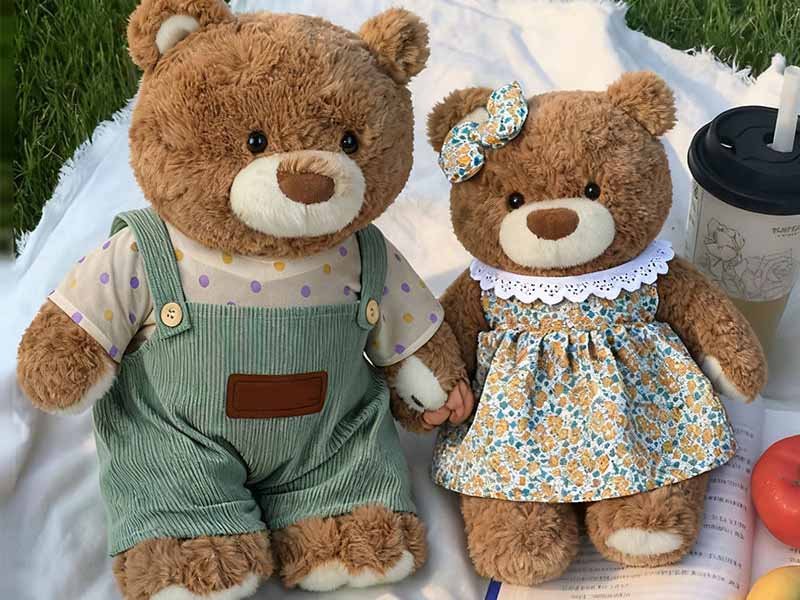
A good brand merchandise program does not begin with a catalog product. It begins with a memory the brand wants people to keep. A mascot from a sports team, a cartoon figure from a digital IP, a soft animal for a baby brand, a plush keychain for a school event, or a boxed character gift for a retail launch can all carry a story far better than a printed logo alone. That is why more brands are turning plush toys into campaign assets, fan products, retail add-ons, and long-term merchandise collections.
Plush toys for brand merchandise programs are custom soft products developed from a mascot, IP character, campaign theme, logo concept, or product story. They can be used for events, retail shelves, online stores, fan communities, corporate gifts, loyalty rewards, and limited-edition drops. A successful project depends on design accuracy, safe materials, correct size planning, fast sampling, stable bulk production, and packaging that matches the brand.
For many companies, the idea sounds simple at the beginning: “Can we turn our character into a plush toy?” The real work starts after that. A flat illustration may not stand properly in plush form. A tiny logo may lose detail after embroidery. A bright brand color may need several fabric lab dips before it looks right. A beautiful sample may still fail if bulk production cannot repeat the same face, shape, and filling level. Delsney helps brands handle these details from early design review to final delivery, with over 18 years of plush product development, design, pattern making, sampling, and manufacturing experience.
What Are Brand Plush Toys?

Brand plush toys are custom soft products made to represent a company, IP, mascot, campaign, product line, event, or retail collection. They are developed around a clear visual identity and commercial purpose, not randomly selected from stock. A strong brand plush product should look close to the original design, feel pleasant to hold, meet safety requirements, and remain consistent across bulk orders.
Brand plush products usually fall into one of several directions. Some are made for marketing campaigns, where the goal is exposure and customer engagement. Some are made for retail, where shelf appeal, barcode labels, packaging, and margin matter. Some are made for IP licensing, where character accuracy becomes the center of the project. Some are made for corporate gifting, where texture, box design, and presentation affect the perceived value.
The difference between a normal plush toy and a brand plush toy is not only the logo. A normal plush toy may focus on general cuteness. A brand plush toy must carry brand meaning. That meaning may appear through character shape, color, clothing, accessories, embroidery, hangtags, story cards, retail packaging, or a full product series. Every detail should help people connect the plush with the brand behind it.
For example, a sports club may need a lion mascot plush for match-day sales. A food chain may create a smiling burger character for store opening gifts. A baby care brand may develop a soft animal plush for gift boxes. A gaming studio may turn its digital character into a collectible plush series. A museum may produce animal plush based on local exhibits. Different industries need different styles, but all successful projects share one thing: the toy must feel like a natural extension of the brand.
Delsney supports these projects through end-to-end OEM/ODM customization. Brands can provide technical files, reference pictures, hand drawings, AI artwork, 3D references, physical samples, or early concept sketches. Delsney can assist with three-view drawings, 3D effect presentation, pattern development, fabric recommendations, free design support, fast sampling, and bulk production. For high-requirement brand projects, this development support helps reduce risk before large orders begin.
A brand plush program should be planned as a product system, not a single toy. Size, cost, MOQ, packaging, safety level, delivery schedule, and usage channel should be clear before sampling starts. A 10 cm plush keychain for an event and a 35 cm premium mascot plush for retail sale require very different decisions.
| Brand Plush Type | Common Size Range | Main Use | Key Production Focus |
|---|---|---|---|
| Mascot plush | 20–40 cm | Brand identity, events, retail | Shape accuracy, facial expression, logo placement |
| Mini plush | 8–18 cm | Gift boxes, giveaways, blind bags | Cost control, simplified details, clean embroidery |
| Plush keychain | 8–15 cm | Bag charms, school gifts, tourism goods | Ring strength, small-size detail, portable design |
| Character plush | 18–45 cm | IP products, fan merchandise | Design match, accessories, expression control |
| Plush pillow | 25–60 cm | Home gifts, retail shelves, promotional sets | Filling balance, fabric softness, packaging volume |
| Baby plush | 15–30 cm | Baby gifts, family brands | Safety, soft fabric, no sharp or loose parts |
Brand Plush Basics
Brand plush toys are made around a brand’s own identity. That identity may be a mascot, cartoon figure, animal icon, product character, logo-inspired doll, or licensed IP. The work includes far more than sewing fabric together. A factory must understand shape conversion, plush structure, fabric behavior, embroidery limits, filling balance, seam strength, and final presentation.
A brand plush project usually begins with artwork review. The factory checks whether the drawing can be made into plush form. Important points include:
- Can the head shape stand naturally after stuffing?
- Are the arms, legs, ears, horns, or tails too thin?
- Can small facial details be embroidered clearly?
- Will the logo fit better on clothing, a label, a scarf, or packaging?
- Does the plush need to sit, stand, hang, or fit inside a gift box?
- Is the product for children, adults, fans, retail stores, or events?
Good early review saves time. If the artwork has production risks, they should be solved before sampling. Delsney can help adjust the plush structure while keeping the original character recognizable, which is especially useful for mascot and IP projects.
Why Plush Works
Plush toys work because they feel personal. People may ignore many promotional products, but a soft toy often gets touched, kept, photographed, gifted, or displayed. That gives the brand longer exposure and stronger emotional value.
A plush product also has strong visual power. It can appear in retail displays, unboxing videos, social media posts, office desks, children’s rooms, event booths, school bags, or gift boxes. Compared with flat printed items, plush products create a warmer interaction. They do not only show the logo; they make the brand feel alive.
For brand teams, the value often comes from several angles:
- Longer retention than disposable promotional products
- Better emotional response from fans, families, children, and collectors
- Stronger photo appeal for online sharing
- Higher perceived value when paired with good packaging
- Wider usage across events, retail, membership gifts, and campaigns
- Easier character extension for brands with mascots or IP assets
Plush toys are especially powerful when the brand already has a character people recognize. Turning that character into a soft product gives customers something physical to hold and remember.
Common Use Cases
Brand plush toys can be used in many commercial scenes. The same mascot may appear as a giveaway plush, retail plush, mini plush keychain, collector’s edition, or seasonal gift. The best format depends on the campaign goal.
Common applications include:
- Product launch gifts for new collections or seasonal campaigns
- Store opening gifts for retail chains, cafés, restaurants, and family brands
- Fan merchandise for IP brands, creators, animation studios, and game companies
- Event giveaways for exhibitions, sports events, campus activities, and conferences
- Loyalty rewards for membership programs, points programs, and VIP customers
- Gift shop products for museums, parks, zoos, resorts, and tourist destinations
- Corporate gifts for annual events, partner gifts, employee welcome kits, and holiday boxes
- School and club merchandise for teams, alumni programs, graduation gifts, and fundraising
Each use case affects production. Event giveaways often focus on lower cost and faster delivery. Retail products need stronger packaging and better shelf display. IP products need high design accuracy. Baby-related plush needs stricter safety review. Premium gift plush needs softer fabric, cleaner finishing, and more attractive presentation.
From Gift to Asset
A plush product becomes more valuable when it grows beyond a one-time order. Many brands begin with one mascot plush and later develop mini versions, keychains, seasonal outfits, pillows, gift sets, or collectible series. A single character can become a long-term merchandise asset if the design language stays consistent.
Consistency matters in repeat orders. Customers expect the same face, same color, same fabric feel, same logo position, and same filling level. If the second order looks different from the first order, brand trust may suffer. That is why bulk production standards should be prepared after sample approval.
For a stronger program, brands should prepare:
- Approved sample photos from front, side, back, and detail angles
- Fabric names, colors, pile length, and hand-feel references
- Embroidery thread colors and stitch details
- Filling weight range and softness level
- Logo size, location, and application method
- Packaging files and label information
- Inspection points for face, shape, seams, accessories, and cleanliness
Delsney works with brand clients that need stable OEM/ODM production, private label support, and repeatable quality across multiple SKUs. For long-term merchandise programs, these details are not small matters. They are what keep the plush line looking professional after the first order.
Why Brands Choose Plush

Brands choose plush toys because they combine emotional value, product visibility, and commercial flexibility. A plush toy can work as a gift, retail product, loyalty reward, event attraction, fan collectible, or mascot extension. When the design is strong and production is stable, plush can turn a brand image into something customers keep, share, and remember.
Many promotional products compete for attention, but only a few create attachment. Plush toys have an advantage because they are soft, expressive, and easy to personify. People often give plush toys names, place them near their workspace, keep them in bedrooms, or collect them by series. That behavior gives brands a deeper connection than ordinary logo merchandise.
For marketing teams, plush toys are useful because they fit both offline and online scenes. Offline, they attract attention at events, stores, gift counters, booths, and pop-up campaigns. Online, they appear naturally in photos, videos, social posts, unboxing content, and fan collections. A cute plush mascot can become a visual hook without feeling like a hard advertisement.
For retail teams, plush toys offer product potential. A well-designed plush can sell as a standalone item, bundle gift, limited-edition drop, membership reward, or seasonal product. The same character can be developed into multiple price points. A 10 cm keychain may attract impulse purchases. A 25 cm plush may fit gift shelves. A 40 cm premium plush may support higher perceived value. A multi-character collection may encourage repeat purchases.
For IP owners, plush toys help move digital assets into the physical world. A character that lives on screen can become a product people own. This matters for animation, games, comics, creator brands, virtual characters, and education IP. The plush becomes a bridge between content and commerce.
However, brands should not choose plush only because it looks cute. Plush is a product with real manufacturing requirements. Complex shapes, small details, mixed fabrics, embroidery, packaging, testing, and shipping volume all affect cost and delivery. Larger plush products may look impressive but increase carton size and freight cost. Mini plush products save space but limit detail. High-pile fabric feels soft but may hide small embroidery. Premium packaging improves presentation but adds cost and shipping weight.
A strong plush project balances creativity and manufacturing logic. That is where an experienced plush factory becomes important. Delsney has over 18 years of experience in plush development, design, pattern making, manufacturing, and sales. The company can support custom fabric types, flexible MOQ, 5–7 day fast sampling, free design support, free sampling support for suitable projects, three-view creation, 3D effects, and finished product accuracy up to 98% against approved design files.
| Brand Goal | Plush Advantage | Suggested Product Direction |
|---|---|---|
| Increase campaign memory | Soft, visible, easy to keep | Mascot plush, mini plush |
| Build fan attachment | Character ownership and collectability | Character plush, limited editions |
| Support retail sales | High gift value and shelf appeal | Boxed plush, plush series |
| Improve event traffic | Touch-friendly booth attraction | Display plush, giveaway plush |
| Add premium feel | Texture, weight, packaging impact | Larger plush, gift box plush |
| Create low-cost entry item | Easy to carry and distribute | Plush keychains, mini plush |
Stronger Brand Recall
Plush toys stay in people’s lives longer than many promotional items. A plush mascot can sit on a desk, shelf, bed, car dashboard, or store display. That repeated visibility helps people remember the brand without repeated advertising.
Strong recall comes from three factors:
- Shape: the character should be easy to recognize from a distance.
- Color: fabric should follow the brand’s visual system as closely as possible.
- Face: eyes, mouth, expression, and proportions should remain consistent.
- Logo: branding should appear naturally, not forced.
- Texture: soft materials create a more pleasant memory.
For best results, brands should avoid overloading the plush with too much text or too many small graphic details. A clean character with one strong visual feature is often easier to remember than a complex design with many tiny elements. Delsney can help review artwork and suggest plush-friendly changes before sampling begins.
Emotional Connection
A plush toy carries emotion because it feels like a companion, not a standard product. That emotional quality is useful for brands that serve children, families, fans, travelers, students, pet owners, collectors, or community groups.
For example:
- A baby brand may use a soft animal plush to create warmth and trust.
- A school may use a mascot plush to build community identity.
- A game company may use character plush to deepen fan loyalty.
- A charity may use plush toys to make fundraising gifts more meaningful.
- A resort may sell location-themed plush as souvenirs.
The emotional value depends heavily on execution. A plush that feels cheap, stiff, or poorly shaped can weaken the brand. Soft fabric, clean stitching, balanced filling, accurate expression, and safe construction all affect how customers feel after receiving the product.
Better Event Impact
Plush toys perform well at events because people naturally want to touch them. A display table with mascot plush, mini plush, or keychain plush can create more interaction than flat printed materials. That makes plush useful for exhibitions, store openings, sports events, fan meetings, campus fairs, product launches, and holiday campaigns.
For event projects, timing is usually the biggest pressure. Brands often need samples approved quickly and bulk products delivered before a fixed date. A realistic timeline should include:
| Stage | Common Time Range | Notes |
|---|---|---|
| Artwork review | 1–2 days | Check structure, size, fabric, logo method |
| Sample development | 5–7 days | Delsney supports fast sampling for custom plush projects |
| Sample revision | 3–7 days | Depends on design changes and material availability |
| Bulk production | 15–35 days | Varies by order quantity, complexity, and packaging |
| Final inspection | 1–3 days | Check appearance, seams, labels, packing |
| International shipping | 5–35 days | Air, express, sea, or combined logistics |
A small plush keychain order with simple packaging may move quickly. A multi-SKU character plush series with retail boxes, labels, and testing may need more time. Early planning protects the campaign date.
Retail Potential
Plush toys can become profitable retail products when design, quality, price, and packaging work together. Retail plush needs more than a cute sample. It needs a clear product position.
Brands should think about:
- Target selling price
- Product size and perceived value
- Shelf display or online listing images
- Packaging format
- Barcode and label requirements
- Material safety for target market
- Shipping carton size
- Repeat order potential
- Product series planning
A retail plush line may include different levels:
| Product Level | Common Size | Positioning | Best For |
|---|---|---|---|
| Entry item | 8–12 cm | Low-price add-on | Keychains, blind bags, checkout sales |
| Core item | 18–28 cm | Main retail plush | Gift shops, online stores, fan shops |
| Premium item | 30–50 cm | Higher perceived value | Gift boxes, limited drops, collector items |
| Display item | 50 cm+ | Visual impact | Events, store displays, brand showcases |
Delsney can support private label plush production for overseas brands, including custom labels, hangtags, packaging, logo solutions, fabric selection, and bulk quality control. For brands selling through online stores or retail channels, that support helps turn an idea into a finished product ready for customers.
Best Plush Styles for Brands

The best plush style depends on audience, budget, brand identity, sales channel, and project goal. Mascot plush works well for recognition. Character plush fits IP and fan products. Mini plush and keychains are strong for events and low-cost distribution. Collectible series can support long-term retail programs and repeat customer interest.
Choosing a plush style is not only a design decision. It is also a cost, production, shipping, and customer-use decision. A large mascot plush may create strong visual impact but increase material use and freight volume. A mini plush may be easier to distribute but cannot carry many details. A keychain plush may support high-volume campaigns, but metal rings and attachment strength need careful testing. A collectible series may improve repeat purchase, but SKU consistency becomes harder.
Brands should start by asking where the product will be used. If it will be handed out at a crowded event, small and light products are better. If it will sit on a retail shelf, packaging and facial appeal matter more. If fans will compare it with original character artwork, accuracy becomes the main requirement. If the product is for babies or young children, safety design should guide every detail.
Delsney can customize many plush types, including mascot plush, character plush, animal plush, plush keychains, baby plush, pillows, themed dolls, plush accessories, and multi-SKU product lines. The company can support different fabric types and design approaches based on customer needs. For projects that require stronger visual control, Delsney can provide three-view drawings and 3D effects before or during sample development.
| Plush Style | Best Use | Common Size | Cost Level | Detail Capacity | Shipping Volume |
|---|---|---|---|---|---|
| Mascot plush | Brand identity, events, retail | 20–40 cm | Medium | High | Medium |
| Character plush | IP, games, animation, fan goods | 18–45 cm | Medium to high | High | Medium to high |
| Mini plush | Gift boxes, giveaways, blind bags | 8–18 cm | Low to medium | Medium | Low |
| Plush keychain | School, tourism, events, add-ons | 8–15 cm | Low to medium | Medium | Low |
| Plush pillow | Home gifts, retail shelves | 25–60 cm | Medium | Medium | High |
| Collectible plush | Fan series, seasonal drops | 10–30 cm | Medium | Medium to high | Medium |
Good style selection also affects MOQ. Smaller products often support more flexible order planning because material and shipping pressure are lower. More complex products may require higher preparation effort due to pattern difficulty, embroidery setup, fabric sourcing, packaging, and inspection standards. Delsney’s flexible MOQ helps brands test ideas before committing to larger programs.
Mascot Plush
Mascot plush is one of the most direct ways to turn brand identity into a physical product. It works well for companies with animal mascots, cartoon logos, team symbols, school characters, restaurant icons, product mascots, or campaign figures.
Good mascot plush usually has:
- A clear head shape
- Strong facial expression
- Recognizable color palette
- Simple but memorable body structure
- Natural logo placement
- Safe and durable accessories
- A size suitable for display or gifting
Common mascot plush sizes range from 20 cm to 35 cm. Smaller sizes are easier to distribute, while larger sizes create stronger visual presence. For mascot plush, the face is the most important part. If the eyes, mouth, ears, nose, or head proportion feels wrong, customers may not recognize the character.
Delsney can help convert mascot artwork into plush patterns, adjust structure, suggest fabric, create three-view drawings, and make samples that closely match approved designs.
Character Plush
Character plush is ideal for IP brands, animation studios, game companies, online creators, comic brands, education brands, and entertainment projects. Fans often care about small details, so character plush requires a higher level of design control.
Important details include:
- Eye shape and embroidery style
- Mouth position and expression
- Hair, ears, horns, tails, or accessories
- Clothing pattern and fabric choice
- Body proportion and sitting or standing posture
- Printed or embroidered decoration
- Color match with original artwork
A character plush may need multiple sample rounds if the design is complex. Small changes in head width, eye spacing, stuffing amount, or clothing fit can change the whole look. For high-value IP projects, early 3D effects and three-view drawings are useful because they reduce misunderstanding before fabric cutting begins.
Delsney supports reference technical file sampling, picture-based sampling, physical sample development, free design assistance, and OEM/ODM customization for character plush projects.
Mini Plush
Mini plush products are practical for campaigns that need high quantity, easy packing, and controlled unit cost. They are often used for event gifts, blind bags, subscription boxes, membership rewards, retail add-ons, school programs, and holiday promotions.
Common mini plush sizes range from 8 cm to 18 cm. At this size, every detail needs discipline. A design that looks charming at 30 cm may look crowded at 10 cm. Small embroidery, thin arms, tiny clothes, and complex accessories may need simplification.
Mini plush design should focus on:
- One clear character feature
- Simple facial expression
- Clean embroidery
- Soft but stable filling
- Light weight
- Easy packing
- Good hand feel
Mini plush can also be developed as a series. A brand may create 6–12 designs with the same size and packaging format. For blind bags or collectible drops, consistent shape and quality across all SKUs become very important.
Plush Keychains
Plush keychains are popular because they are small, portable, and easy to use every day. Customers can attach them to bags, backpacks, keys, luggage, pencil cases, or zipper pulls. For brands, that means more daily visibility.
Keychain plush is suitable for:
- Schools and universities
- Sports teams
- Tourist attractions
- Museums and gift shops
- Game and anime IP
- Café and restaurant campaigns
- Retail checkout add-ons
- Event giveaways
Production needs to check both plush quality and attachment strength. The metal ring, cord, chain, or loop must handle pulling. Stitching around the attachment point should be reinforced. If the plush is sold to children, safety requirements become even more important.
Packaging options may include hang cards, header cards, OPP bags, kraft cards, retail display boxes, or custom printed backing cards. Delsney can support logo placement through embroidery, woven labels, printed labels, small clothing, or packaging design.
Collectible Series
Collectible plush series can create stronger commercial value than one single plush design. A series gives customers a reason to come back, collect more styles, compare characters, and share photos. For brands with multiple mascots, IP characters, seasonal campaigns, or fan communities, series development can become a strong merchandise direction.
A collectible plush series may include:
- Different characters from the same IP
- One mascot in different outfits
- Seasonal editions for holidays
- Color variations
- Size variations
- Blind box or blind bag plush
- Limited-edition packaging
- Numbered hangtags or story cards
The challenge is consistency. All products in the series should feel like they belong together. That means similar size logic, fabric quality, face style, stitching standard, label placement, and packaging structure. Without consistency, the collection may look random.
Delsney can help brands plan multi-SKU plush lines with matched fabric options, repeatable pattern standards, packaging formats, and bulk production controls. For brands preparing long-term merchandise programs, collectible series planning can turn one idea into a product family with stronger sales potential.
How Plush Projects Start

A custom plush project starts with a clear idea, but it succeeds through clear files, clear decisions, and clear communication. Brands do not need to have a perfect technical package at the beginning. A sketch, mascot image, logo file, product photo, sample toy, or character reference can all become a starting point. The key is to turn that starting point into production-ready details before bulk manufacturing begins.
The early stage decides most of the project risk. If the design direction, size, fabric, logo method, safety level, packaging, and delivery deadline are not confirmed early, the sample may look nice but fail to match the real commercial plan. A plush toy for retail sale needs different planning from a plush toy for event giveaways. A baby plush needs different construction from a fan collectible. A 10 cm keychain cannot carry the same detail as a 35 cm mascot plush. These details should be discussed before pattern making.
For a brand team, the first step is usually sharing all available references. Useful files include front-view artwork, side-view artwork, back-view artwork, logo files, color codes, fabric preferences, target size, target quantity, packaging ideas, safety market, and project deadline. If the brand has no three-view drawing, Delsney can help create one. If the brand only has a character image, the design team can study the shape and suggest a plush-friendly structure.
A professional factory does not simply copy an image. Plush manufacturing requires interpretation. Flat lines become seams. Color blocks become fabric panels. Tiny graphics become embroidery or print. Sharp angles become soft curves. Thin arms may need to be thickened. Oversized heads may need internal balance. Small accessories may need safety adjustment. Every conversion should protect the brand’s design while making the product manufacturable.
Delsney supports reference technical file sampling, artwork-based sampling, picture-based sampling, physical sample development, free design support, fast sampling, three-view drawing creation, and 3D visual effects. For brands with high design requirements, this helps reduce the gap between concept and finished product. The target is not only to make a plush toy, but to make one that matches the approved design closely and can be repeated in bulk production.
A good development process also avoids surprises. Before sample production, the factory should clarify whether the plush needs to sit, stand, hang, be packed in a gift box, pass child safety requirements, or match an existing product series. These choices affect fabric, pattern, filling, stitching, labels, accessories, and packaging. Early clarity saves sample revision time and prevents cost changes late in the project.
| Development Stage | Main Work | Brand Should Provide | Factory Should Confirm |
|---|---|---|---|
| Idea review | Check design direction | Artwork, sketch, photo, sample, logo | Feasibility, risk points, rough cost |
| Design setup | Convert idea to plush form | Size, use case, colors, market | Structure, fabric, logo method |
| Visual planning | Build views and details | Front image, side image, brand guide | Three-view drawing, 3D effect |
| Sampling | Make physical sample | Approval notes, deadline | Pattern, fabric, embroidery, filling |
| Revision | Adjust sample details | Clear change comments | Shape, face, color, softness |
| Approval | Lock final standard | Final confirmation | Production file, QC standard |
| Bulk order | Produce and inspect goods | Quantity, packaging, shipping info | Lead time, packing, inspection |
Design Files
Design files are the foundation of a custom plush project. The better the files, the easier it is to control shape, color, size, logo position, and final appearance. However, many brands do not start with professional production documents. Some only have a mascot image from a website, a character sketch, an AI-generated concept, a logo, or a rough idea from a campaign team. That is normal.
Useful design materials include:
- Front-view character artwork
- Side-view and back-view images
- Logo files in AI, PDF, PNG, or SVG format
- Pantone, CMYK, RGB, or brand color references
- Size target, such as 10 cm, 20 cm, 30 cm, or 40 cm
- Fabric preference, such as short plush, long plush, fleece, sherpa, or velboa
- Reference product photos
- Physical sample, if available
- Packaging idea or retail channel requirements
- Target market, such as US, EU, UK, Canada, Australia, or Japan
If a brand only has one front-view image, Delsney can help develop additional views and make the design more production-friendly. This is important because plush toys are three-dimensional. The side shape, back shape, body depth, limb thickness, sitting angle, tail position, and stuffing balance all affect the finished look.
Poor file preparation often creates later problems. A logo may be too small to embroider. A color may look different on long-pile fabric. A character may look cute in flat artwork but unstable after stuffing. Delsney’s early review helps brands find these problems before time and money are spent on repeated samples.
Sample Making
Sample making is where a brand first sees whether the idea can become a real product. For custom plush toys, sampling usually includes pattern cutting, fabric selection, embroidery setup, sewing, stuffing, shaping, finishing, and photo review. A simple plush may move quickly, while a complex character with clothing, accessories, mixed fabrics, or detailed embroidery may need more time.
Delsney supports 5–7 day fast sampling for many custom plush projects. For brands with strict campaign schedules, this can be very useful. A fast sample allows the team to check shape, size, softness, logo position, facial expression, color direction, and packaging fit before moving toward bulk production.
Sample review should focus on practical details:
- Does the plush match the approved character?
- Is the face expression correct?
- Is the head shape too flat, too wide, or too narrow?
- Are the arms, legs, ears, or tail in the right position?
- Is the fabric soft enough for the target audience?
- Is the logo clear and properly placed?
- Does the plush sit, stand, or hang as expected?
- Is the filling level too soft or too firm?
- Does the size fit the gift box or retail shelf plan?
The first sample does not always need to be perfect. Its purpose is to expose what needs adjustment. The best results usually come from clear comments, marked photos, and exact change requests rather than vague feedback such as “make it cuter” or “make it more premium.”
3D Preview
A 3D preview can help brands see the plush structure before or during sample development. It is especially useful for mascot plush, IP characters, complex shapes, or projects where the brand only has flat artwork. A front-view drawing may look clear, but it does not always show side thickness, back shape, sitting angle, limb position, or head balance.
Three-view drawings and 3D effects help solve several problems:
- Show front, side, and back proportions
- Clarify hidden details before sampling
- Reduce misunderstanding between brand and factory
- Help internal teams approve the design faster
- Give marketing teams a clearer product direction
- Improve design-to-sample matching
- Reduce unnecessary sample revisions
For example, a mascot with a large round head may look stable in a flat image. In plush form, the head may pull the body forward unless the pattern and filling are adjusted. A 3D preview helps the team notice balance issues earlier. A character with clothing may need side-view checks to confirm sleeve length, collar shape, and accessory position.
Delsney can provide three-view production support and 3D effects for brand projects that need stronger visual control. This is especially helpful for overseas customers because it reduces the risk of approving a sample based only on imagination.
Shape Adjustment
Shape adjustment is one of the most important parts of plush development. A plush toy is soft, so it will never behave like plastic, metal, or a flat printed graphic. Fabric stretches. Filling expands. Seams pull. Embroidery can tighten the face. Long-pile fabric can hide small details. These material realities need to be managed carefully.
Common shape adjustments include:
- Making thin limbs slightly thicker for sewing and durability
- Rounding sharp corners for a softer plush look
- Enlarging eyes or facial features for better recognition
- Changing small printed details into embroidery or appliqué
- Adjusting head-to-body ratio for cuteness and balance
- Adding internal seam lines to control shape
- Changing sitting or standing posture
- Simplifying tiny accessories for safety and production stability
Good adjustment does not mean changing the brand character randomly. It means protecting the original idea while making it work as a soft product. A good factory should explain why changes are needed. For example, a tail may need reinforcement because it will be pulled by children. A narrow horn may need a thicker base to avoid twisting. A tiny logo may need to move from the plush body to a woven label or hangtag for better readability.
Delsney’s finished plush products can reach up to 98% matching against approved design files for suitable projects. That level of matching comes from pattern experience, sample review, material selection, detail adjustment, and bulk production control.
Final Approval
Final approval should be treated as the moment when the brand locks the production standard. Once the sample is approved, the factory should use it as the reference for bulk production. Any later changes may affect cost, timing, material purchase, packaging, or quality control.
Before approving the final sample, brands should check:
- Front, side, and back appearance
- Size and measurement tolerance
- Fabric type and hand feel
- Color match under normal lighting
- Embroidery quality and thread color
- Logo size and position
- Accessory safety and attachment strength
- Filling softness and weight
- Seam strength and finishing
- Label, hangtag, or packaging details
- Carton packing method
- Compliance needs for the target market
A useful approval standard includes photos, measurements, material notes, embroidery references, packaging files, and written comments. This prevents confusion during bulk production. For repeat orders, the same standards help maintain consistency.
Delsney can support final approval through sample photos, physical samples, design comparisons, packaging confirmation, and production notes. For brands that need private label or OEM/ODM plush products, final approval is not just a design checkpoint. It is the bridge between a creative idea and scalable manufacturing.
Custom Options That Matter

Custom options decide how a plush toy feels, looks, performs, and sells. Fabric, size, embroidery, logo method, filling, accessories, packaging, labels, and safety design all affect the final product. A good plush program does not use customization for decoration alone. It uses customization to make the product match the brand, audience, channel, and budget.
Many brands first focus on shape, but material choices can be just as important. A mascot made with short plush may look clean and structured. The same mascot made with long plush may feel softer but lose small details. A baby plush may need gentle fabric and safer construction. A retail plush may need better filling weight and packaging. A low-cost event plush may need a simpler structure to control unit price.
Logo application is another key decision. Some brands want the logo directly on the plush body. Others get better results by placing it on clothing, a woven label, a scarf, a belly badge, a hangtag, or a gift box. The right method depends on the logo size, product style, and target use. A detailed logo may not embroider clearly on a small plush, while a woven label or printed hangtag may preserve details better.
Packaging can change perceived value quickly. A plush in a simple polybag may be suitable for bulk event distribution. A plush with a hangtag may work for retail display. A plush in a window box can feel more premium. A plush gift set with story cards, tissue paper, and branded sleeves can support higher-end merchandise programs. Packaging should not be an afterthought because it affects customer experience, shipping volume, and retail presentation.
Delsney offers end-to-end customization for plush products, including fabric selection, design support, sample development, logo methods, private label details, packaging options, and bulk production. The company works with overseas medium-to-large customers and premium brand projects that need custom, private label, OEM, or ODM plush products with their own logos and specifications.
| Custom Area | Options | Why It Matters |
|---|---|---|
| Fabric | Short plush, long plush, rabbit plush, fleece, sherpa, velboa, felt, recycled polyester | Controls touch, look, cost, and detail visibility |
| Filling | PP cotton, softer filling, firmer filling, weighted options | Controls hand feel, shape, and perceived quality |
| Logo | Embroidery, woven label, printed patch, clothing logo, hangtag, packaging | Controls brand visibility and detail accuracy |
| Size | 8–60 cm+ | Controls cost, shipping volume, use case, and shelf appeal |
| Accessories | Clothing, scarves, hats, bags, small props | Adds character and brand storytelling |
| Packaging | OPP bag, hangtag, retail box, window box, gift box, paper sleeve | Controls retail value and presentation |
| Labels | Care label, warning label, barcode, age label, brand label | Supports compliance and sales channel needs |
Fabric Choices
Fabric choice has a major effect on the final plush. It changes softness, appearance, durability, cost, detail visibility, and customer perception. A premium character plush may need ultra-soft fabric. A mascot plush may need shorter pile fabric to keep the shape clean. A baby plush may need gentle materials and safer finishing. A decorative plush pillow may need fabric that feels good against the skin.
Common fabric options include:
- Short plush for clean shapes and clear embroidery
- Long plush for fluffy animal styles
- Rabbit plush for soft premium touch
- Velboa for smooth surface and printed effects
- Fleece for warm and simple character designs
- Sherpa for cozy lifestyle products
- Felt for small decorative details
- Cotton fabric for clothing or accessories
- Recycled polyester for sustainability-focused projects
Pile length matters. Shorter fabric shows facial details better. Longer fabric feels softer but may cover embroidery or small seams. For brand plush products, the fabric should support both the design and the intended customer experience. Delsney can recommend fabrics based on the design, budget, target market, and product use.
Logo Methods
Logo placement should feel natural. A logo forced onto the middle of a plush can make the product look like a cheap giveaway. A better method is to integrate the logo into the character, clothing, accessory, label, or packaging.
Common logo methods include:
- Embroidery on the plush body
- Embroidery on clothing or scarf
- Woven side label
- Printed fabric patch
- PVC or felt badge
- Hangtag with brand story
- Packaging logo
- Care label or brand label
- Printed belly panel
Embroidery works well for simple logos and text with enough size. Small or detailed logos may work better on woven labels or printed tags. For mini plush and keychains, logo size is limited, so packaging often carries more brand information than the toy itself.
Delsney can help brands choose logo methods that match product size, fabric texture, and brand requirements. This avoids unclear embroidery, distorted text, or logo placement that weakens the design.
Color Matching
Color is one of the hardest parts of plush production because fabric does not look the same as a screen file. A Pantone color may appear different on short plush, long plush, fleece, or printed fabric. Lighting, pile direction, dye lot, and fabric texture can all affect perception.
For strong color control, brands should provide:
- Pantone references
- Brand color guide
- Existing product samples
- Approved fabric swatches, if available
- Clear priority colors
- Notes on acceptable color tolerance
Not every color can be matched perfectly from ready fabric stock. If the project requires exact color, custom dyeing may be needed, which can affect MOQ, cost, and lead time. For many projects, the best approach is to select the closest available fabric and confirm with physical swatches or sample photos.
Delsney can help review color expectations early and recommend fabric options that balance accuracy, cost, and delivery time. For brand programs where color is a core identity element, early color approval is essential.
Packaging Design
Packaging is part of the product experience. It protects the plush, supports retail presentation, carries brand information, and can make the product feel more valuable. A beautiful plush packed poorly may lose impact. A simple plush with smart packaging can feel more complete.
Common packaging options include:
| Packaging Type | Best For | Cost Level | Brand Impact |
|---|---|---|---|
| OPP bag | Bulk giveaways, event packs | Low | Basic protection |
| Hangtag | Retail plush, gift shop products | Low | Clear brand identity |
| Header card | Keychains, mini plush | Low to medium | Better display |
| Paper sleeve | Gift sets, mascot plush | Medium | Stronger shelf appeal |
| Window box | Retail and premium gifts | Medium to high | High visual value |
| Gift box | Corporate gifts, limited editions | High | Premium presentation |
| Display box | Multi-SKU retail sets | Medium to high | Good for store counters |
Packaging should be chosen based on channel. E-commerce products need protection during shipping. Retail products need shelf impact. Event gifts need fast packing and easy distribution. Corporate gifts may need premium boxes, cards, and clean presentation. Delsney can support packaging customization, including printing, hangtags, story cards, labels, and private label presentation.
Hangtags and Cards
Hangtags and story cards are small details, but they can add a lot of value to brand plush products. A hangtag can explain the character name, brand story, care instructions, age grading, barcode, material information, or campaign message. A story card can make the plush feel more personal, especially for IP brands, baby gifts, charity programs, and collectible series.
Useful hangtag and card content may include:
- Character name
- Short brand story
- Product collection name
- Care instructions
- Material description
- Safety warning
- Age recommendation
- Barcode or SKU
- QR code to website or campaign page
- Limited-edition number
- Gift message
For collectible series, cards can increase the sense of value. For retail products, tags help customers understand the item quickly. For corporate gifts, a well-written card makes the product feel intentional rather than generic. Delsney can help brands prepare plush products with custom hangtags, story cards, care labels, and packaging inserts based on project needs.
How to Choose a Factory

Choosing a plush factory is not only about finding the lowest quotation. A good factory should understand design conversion, sampling, fabric selection, safety requirements, bulk quality control, packaging, communication, and delivery planning. For brand merchandise programs, the factory becomes part of the product development team, not just a sewing supplier.
Many problems in plush projects come from weak early judgment. A factory may agree to every design request but fail during sampling. Another factory may make a nice sample but cannot repeat the same quality in bulk. Some factories may quote a low price first and add costs later when they realize the design is complex. A reliable factory should explain risks clearly and help brands make better decisions before production starts.
Experience matters because plush products are soft and flexible. A small pattern change can affect the face. A different filling amount can change the body shape. A fabric pile direction can change color appearance. A logo method can decide whether the brand mark looks premium or messy. Factories with more development experience can catch these issues earlier.
Brands should also consider project fit. A factory good at low-cost stock plush may not be suitable for high-detail IP plush. A factory good at large plush pillows may not be strong at mini keychains. A factory without safety experience may create risk for children’s products entering the US or EU market. A factory without private label experience may not handle packaging and labels properly.
Delsney is positioned for custom plush projects that need design support, sample development, OEM/ODM manufacturing, flexible MOQ, fast sampling, quality control, safety compliance, and private label services. With over 18 years in plush product development and manufacturing, Delsney can support overseas brands that need reliable production rather than simple catalog sourcing.
| Factory Checkpoint | What to Ask | Why It Matters |
|---|---|---|
| Experience | Have you made mascot, IP, or brand plush before? | Reduces design conversion risk |
| Sampling | How fast can you make a custom sample? | Affects project schedule |
| MOQ | Can you support test orders? | Helps brands reduce inventory pressure |
| Materials | Can you source different plush fabrics? | Affects touch, look, and cost |
| Accuracy | How do you control design match? | Protects brand identity |
| Compliance | Can products meet US/EU safety needs? | Reduces market risk |
| Packaging | Can you support private label packaging? | Improves retail readiness |
| QC | What do you inspect before shipment? | Protects bulk order quality |
Factory Experience
Factory experience should match the project type. A brand mascot, licensed character, baby plush, and plush keychain all have different production requirements. A factory with strong custom experience can review artwork, identify risks, suggest better structures, and guide the project toward a manufacturable result.
Important experience signs include:
- Ability to work from artwork, samples, and technical files
- Pattern making for custom shapes
- Fabric recommendation based on design needs
- Embroidery and facial detail control
- Knowledge of plush safety requirements
- Experience with logo and private label orders
- Ability to manage multiple SKUs
- Stable communication during revisions
Delsney has more than 18 years of experience in plush R&D, design, pattern development, manufacturing, and sales. The company works with overseas medium-to-large customers and premium brand projects that need custom plush products under OEM/ODM or private label models.
MOQ Flexibility
MOQ matters because not every brand wants to begin with a very large order. Some need a small run to test market response. Some need a limited edition. Some need samples for internal approval. Some need different SKUs in smaller quantities. Flexible MOQ helps brands reduce risk.
MOQ depends on several factors:
- Product size
- Fabric availability
- Color requirements
- Embroidery setup
- Accessories
- Packaging type
- Number of SKUs
- Custom dyeing needs
- Safety testing requirements
A simple mini plush using available fabric may be easier to start with a lower MOQ. A custom-colored character plush with special fabric, retail box, and multiple accessories may need a higher order quantity to control cost. Delsney offers flexible MOQ support, helping brands test product ideas while still maintaining production quality.
Fast Sampling
Fast sampling is valuable because brand merchandise programs often follow fixed campaign dates. Product launches, events, holidays, retail drops, and fan campaigns cannot wait endlessly. A factory that can move quickly during the sample stage helps the brand make decisions sooner.
Delsney supports 5–7 day fast sampling for many custom plush projects. Fast sampling does not mean rushing without control. It means the factory has the design, pattern, material, and sampling workflow to turn a concept into a physical sample efficiently.
Brands can speed up sampling by providing:
- Clear artwork
- Target size
- Brand colors
- Logo files
- Fabric preference
- Quantity estimate
- Packaging direction
- Market and safety requirements
- Deadline
The sample stage is where the project becomes real. Good speed helps, but clear feedback matters just as much. Brands should mark revision comments directly on sample photos whenever possible.
Safety Standards
Safety standards are important when plush products enter overseas markets, especially products for children. Different markets may require different testing and labeling. Brands should discuss safety expectations before sampling, not after bulk production.
Common safety concerns include:
- Small parts
- Loose accessories
- Sharp edges
- Seam strength
- Filling cleanliness
- Fabric safety
- Colorfastness
- Flammability
- Age labels
- Warning labels
For US, EU, UK, and other international markets, brands may need standards such as ASTM, CPSIA, EN71, CE, UKCA, or related product safety requirements, depending on product type and sales channel. Delsney can support plush projects that need to meet European and American safety compliance expectations.
Safety choices may affect design. A decorative bead eye may need to become embroidery for younger users. A small detachable accessory may need to be removed or reinforced. A long cord may need adjustment. These changes are not only technical; they protect the brand’s reputation.
Quality Control
Quality control decides whether the bulk order matches the approved sample. A beautiful sample means little if bulk products arrive with uneven faces, loose seams, wrong colors, poor filling, dirty fabric, or weak accessories. For brand plush projects, consistency is part of brand trust.
Key inspection points include:
- Overall shape
- Face expression
- Size tolerance
- Fabric color and hand feel
- Embroidery position
- Logo clarity
- Stitching quality
- Seam strength
- Filling level
- Accessory attachment
- Cleanliness
- Label accuracy
- Packaging correctness
- Carton marks
Delsney provides 100% quality assurance for custom plush production. For high-requirement projects, inspection should be built into the production process, not only checked at the end. Material checking, embroidery review, in-line inspection, final inspection, and packing review all help protect the finished order.
For brands selling to retail customers or using plush in public campaigns, quality control is not optional. It affects reviews, repeat orders, customer photos, and long-term brand image.
Why Work with Delsney
Delsney is suitable for brand merchandise programs because the company combines plush product design, pattern making, fast sampling, fabric customization, OEM/ODM manufacturing, private label support, quality control, and overseas compliance experience in one factory workflow. For brands that need mascot plush, IP plush, retail plush, campaign gifts, or multi-SKU plush collections, Delsney helps turn early ideas into finished products ready for real commercial use.
A strong plush merchandise project needs more than a supplier that can sew toys. It needs a factory that can understand brand identity, protect design details, manage production risk, and deliver consistent products across samples and bulk orders. Many brands come to a plush project with one of three starting points: a rough character idea, a finished design file, or a physical sample they want to improve. Each starting point requires different technical handling.
Delsney has more than 18 years of experience in plush product research, design, pattern development, manufacturing, and sales. The factory can customize plush products with different fabric types and product styles, including mascot plush, character plush, animal plush, mini plush, plush keychains, baby plush, pillows, collectible series, and private label plush collections. For brand programs, that product range allows companies to build more than one SKU from a single character or campaign.
The biggest advantage for overseas brands is development support. Delsney can work from reference technical files, drawings, pictures, physical samples, or early creative ideas. The team can provide free design help, three-view creation, 3D effects, and fast sample making. For many custom plush projects, sample development can be completed in 5–7 days, helping brands move faster when launch dates, events, or seasonal campaigns are close.
Design match is another important point. A plush product must feel close to the approved artwork, especially for mascot and IP projects. Delsney’s finished plush products can reach up to 98% matching with approved design files for suitable projects. That level of accuracy depends on correct pattern making, fabric selection, embroidery control, filling balance, and careful sample revision. For customers who cannot visit the factory in person, clear visual comparison and communication are especially valuable.
Delsney also supports flexible MOQ. That matters because many brands want to test a plush idea before placing a large order. A brand may begin with a small pilot run for an event, online store, or fan community, then scale after checking sales response. Flexible MOQ gives brands more room to test, adjust, and grow the product line without carrying unnecessary inventory pressure.
Quality and compliance are central for overseas markets. Plush toys may need to meet European and American safety expectations depending on target users and selling regions. Delsney can support safety compliance needs for brand plush projects, including material control, seam checking, accessory review, label preparation, and production quality inspection. The company provides 100% quality assurance, helping brands reduce the risk of inconsistent bulk goods.
| Delsney Capability | What It Means for Brands | Project Value |
|---|---|---|
| 18+ years experience | Long-term plush development and manufacturing know-how | Lower development risk |
| OEM/ODM service | Support for custom, private label, and logo products | Suitable for brand programs |
| Free design help | Assistance from early concept to production direction | Easier project startup |
| 5–7 day sampling | Fast sample development for many custom plush projects | Faster approval cycle |
| Three-view and 3D support | Better visual control before or during sampling | Fewer design misunderstandings |
| 98% design match | Strong product accuracy for approved designs | Better mascot and IP consistency |
| Flexible MOQ | Support for pilot orders and scaling plans | Lower inventory pressure |
| Safety compliance support | Helps products meet overseas market needs | Lower market risk |
| 100% quality assurance | Bulk production checked against approved standards | More stable delivery |
18+ Years Experience
Experience matters in plush manufacturing because soft products are not as predictable as hard goods. Fabric stretches, filling changes shape, embroidery pulls the surface, and seams decide the final structure. A factory with long experience can see many problems before they appear in the sample.
Delsney has worked in plush product research, design, pattern making, manufacturing, and sales for more than 18 years. That background helps the team understand different customer needs, from simple event plush to high-detail mascot plush and premium private label products.
For brand merchandise projects, experience brings several practical benefits:
- Faster review of artwork feasibility
- Better judgment on size, fabric, and structure
- More accurate pattern development
- Stronger control of face and expression details
- Better advice on logo placement
- More stable bulk production planning
- Clearer understanding of overseas quality requirements
A brand may only see one plush toy, but the factory sees the whole production path behind it. Pattern logic, fabric sourcing, embroidery setup, sewing difficulty, filling balance, inspection standards, and shipping volume all affect the final result. Delsney’s experience helps connect these details before cost or schedule problems grow.
For companies developing their first plush merchandise program, this guidance can prevent common mistakes. For mature brands with strict requirements, experience helps protect consistency across repeat orders and multi-SKU collections.
OEM/ODM Support
Delsney supports end-to-end OEM/ODM customization for brands that need plush products under their own logo, design, packaging, and product standards. This is useful for companies that do not want stock toys. They need products made around their own brand assets.
OEM support is suitable when the brand already has clear design files, technical drawings, reference samples, or detailed product requirements. In this case, Delsney helps turn those references into patterns, samples, and bulk production.
ODM support is useful when the brand has a direction but needs design help. For example, a company may have a mascot logo but no plush structure. A creator may have a 2D character but no side or back view. A retail brand may know the product theme but need style suggestions, fabric choices, or size planning. Delsney can help with design development, sample ideas, and production solutions.
Delsney can support:
- Reference technical file sampling
- Artwork-based sampling
- Picture-based sampling
- Physical sample-based development
- Mascot plush development
- Character plush development
- Private label plush production
- Custom fabric selection
- Logo customization
- Packaging customization
- Multi-SKU plush line development
For brand teams, OEM/ODM support reduces the pressure of managing many separate suppliers. Design support, sample making, production, packaging, and quality control can move through one coordinated factory process.
Free Design Help
Many plush projects begin before the brand has complete production files. A marketing team may have a campaign character. An IP company may have digital artwork. A school may have a mascot logo. A retailer may have a product idea based on a seasonal theme. Delsney’s free design help can turn early references into clearer production direction.
Design help may include:
- Reviewing artwork for plush feasibility
- Suggesting better plush size
- Adjusting shapes for sewing and stuffing
- Recommending fabric types
- Planning logo placement
- Creating three-view references
- Preparing 3D effect presentations
- Simplifying small details for mini plush
- Improving product structure for safety
- Matching packaging with product use
Good design support does not remove the brand’s original idea. It protects the idea by making it manufacturable. A flat drawing may have thin lines, floating objects, sharp corners, or tiny graphics that cannot work well in plush form. Early adjustment prevents sample disappointment.
For high-requirement brand programs, free design help also improves internal approval. A clearer three-view drawing or 3D effect can help marketing, product, licensing, and purchasing teams discuss the project with fewer misunderstandings. That makes the whole development process smoother.
98% Design Match
For mascot and IP plush, design match can decide whether the product succeeds. Customers recognize characters through face, proportion, posture, color, and small signature details. If those details are wrong, the plush may feel generic or off-brand.
Delsney can achieve up to 98% finished-product matching with approved design files for suitable projects. The result comes from several layers of control:
- Careful artwork review before sampling
- Three-view planning for front, side, and back structure
- Pattern development based on plush material behavior
- Fabric selection that supports shape and color
- Embroidery control for eyes, mouth, logo, and details
- Filling adjustment for proper body volume
- Sample revision based on clear comparison
- Bulk production checks against approved sample
Design match does not mean copying flat artwork without changes. Plush is soft, rounded, and three-dimensional. Some details need technical interpretation. The goal is to keep the character identity clear while making the product safe, attractive, and repeatable.
For overseas customers, Delsney can provide sample photos, measurement checks, visual comparisons, and revision communication. These steps help brands approve products with more confidence before production starts.
Brand-Ready Production
Brand-ready production means the plush product is prepared for real commercial use, not only made as a sample. The toy should be ready for gifting, retail sale, fan merchandise, corporate programs, event distribution, or private label delivery.
A brand-ready plush order often includes:
- Approved custom plush design
- Correct fabric and filling
- Brand logo application
- Private label or care label
- Hangtag or story card
- Retail or gift packaging
- Barcode or SKU label if needed
- Safety label or warning information
- Bulk inspection standard
- Carton packing plan
- Shipping support
Delsney works with overseas medium-to-large customers and premium brand clients that need custom, private label, OEM, or ODM plush products with their own logos. These customers often care about more than price. They need stable product quality, clear communication, reliable sampling, packaging support, and bulk delivery that matches approved standards.
For brand merchandise programs, production readiness also means thinking ahead. If a plush design may later become a keychain, pillow, holiday edition, or multi-character set, the first product should be developed with future expansion in mind. Delsney can help brands plan product families instead of isolated one-time items.
Cost, MOQ, and Lead Time
Cost, MOQ, and lead time depend on size, fabric, structure, logo method, detail complexity, packaging, testing needs, and order quantity. Small and simple plush products are usually easier to control. Larger plush, complex IP characters, special fabrics, custom packaging, and multi-SKU programs require more development time and higher production planning. Clear project details help the factory quote more accurately.
Brands often ask for a price before the design is fully defined. That is understandable, but plush pricing changes quickly when details change. A 20 cm simple animal plush may use standard fabric, basic embroidery, and simple packing. A 20 cm IP character may need custom colors, complex clothing, multiple embroidery areas, small accessories, retail packaging, and stricter inspection. Same size does not mean same cost.
MOQ also depends on project structure. Available fabric usually allows more flexibility. Custom-dyed fabric may require higher quantity. Special accessories, printed fabric, unique packaging, and safety testing may also influence MOQ. For brands developing a new merchandise idea, flexible MOQ can help reduce first-order risk.
Lead time should include more than production days. A realistic schedule includes artwork review, sample making, revisions, final approval, material preparation, bulk production, inspection, packaging, and shipping. If the campaign has a fixed date, development should start early enough to allow at least one revision round.
Delsney supports flexible MOQ and 5–7 day fast sampling for many custom plush projects. Bulk delivery can be arranged based on order quantity, product complexity, packaging requirements, and shipping method. The factory helps brands balance budget, schedule, quality, and design goals.
| Factor | Low-Cost Direction | Premium Direction | Impact on Project |
|---|---|---|---|
| Size | 8–15 cm mini plush | 30–50 cm mascot plush | Affects fabric use, filling, carton size, freight |
| Fabric | Standard short plush | Rabbit plush, sherpa, custom fabric | Affects touch, color, cost, MOQ |
| Logo | Woven label or hangtag | Embroidery, patch, clothing logo | Affects appearance and setup cost |
| Structure | Simple animal shape | Complex character with accessories | Affects sample time and labor |
| Packaging | OPP bag | Window box, gift box, sleeve | Affects retail value and shipping volume |
| Quantity | Pilot order | Large bulk order | Affects unit cost and production efficiency |
| Compliance | Basic internal QC | Market-specific safety testing | Affects label, material, and schedule |
Price Factors
The final price of a custom plush toy comes from many connected details. Size is important, but it is not the only cost driver. Fabric, embroidery, stuffing, accessories, sewing difficulty, packaging, order quantity, and quality requirements all matter.
Key price factors include:
- Product height and width
- Fabric type and pile length
- Filling weight and softness
- Number of fabric colors
- Embroidery size and complexity
- Printed or appliqué details
- Clothing and accessories
- Metal keychain parts or hanging loops
- Custom labels and hangtags
- Retail box or gift box
- Number of SKUs
- Order quantity
- Safety testing needs
- Final packing method
For example, a 12 cm plush keychain with simple embroidery may cost far less than a 12 cm mini character plush with six fabric colors, clothing, accessories, and custom display packaging. A good quotation should show what is included, not only the unit price.
Brands can control cost by simplifying tiny details, choosing available fabrics, using smart logo placement, limiting color count, and planning packaging according to the sales channel.
MOQ Planning
MOQ planning should match the purpose of the project. A first test order does not need the same quantity as a national retail launch. A brand can begin with a pilot run, check customer feedback, then scale to larger production after proving demand.
Delsney supports flexible MOQ for custom plush programs. This helps brands in several cases:
- Testing a new mascot plush
- Launching a limited-edition product
- Preparing event merchandise
- Building a small online store collection
- Trying several SKUs in smaller quantities
- Checking fan response before a larger order
- Creating samples for internal approval
MOQ may still vary by design. Ready fabric, simple structure, and standard packing usually allow more flexibility. Custom dyeing, special fabric, unique accessories, retail boxes, and multiple SKUs may increase the required quantity. A practical factory should explain these factors clearly instead of giving one fixed answer for every project.
For brands with long-term plans, MOQ can be managed through product staging. Start with one hero plush, then add keychains, mini plush, or seasonal versions after the first market response.
Sampling Time
Sampling time matters because the sample is where the brand first sees the real product. Delsney can support 5–7 day fast sampling for many custom plush projects, depending on design complexity and material availability.
A simple sampling process may include:
| Sampling Step | Main Work | Estimated Time |
|---|---|---|
| File review | Check design, size, fabric, logo, risk points | 1–2 days |
| Pattern making | Create plush structure and cutting pattern | 1–2 days |
| Embroidery setup | Prepare eyes, mouth, logo, or details | 1–2 days |
| Sewing and stuffing | Build first physical sample | 2–3 days |
| Photo review | Send front, side, back, and detail photos | Same day after completion |
| Revision | Adjust based on brand comments | 3–7 days if needed |
Fast sampling is easier when the brand provides clear files and accepts available fabrics. More complex products, custom-dyed materials, special accessories, or retail packaging samples may need extra time.
Brands should treat the first sample as a working sample, not always a final sample. A clear revision round often improves facial expression, body shape, filling balance, logo position, and finishing quality.
Bulk Delivery
Bulk production lead time depends on order quantity, product complexity, material preparation, packaging, inspection, and shipping method. A simple plush keychain order may move faster than a multi-SKU retail plush line with custom boxes and safety labels.
Common bulk lead time factors include:
- Total order quantity
- Number of SKUs
- Fabric stock or custom dyeing
- Embroidery setup and production capacity
- Sewing difficulty
- Accessory preparation
- Packaging printing
- Safety testing
- Final inspection
- Carton packing
- Shipping method
Air shipping and express delivery are faster but cost more. Sea shipping is more economical for large plush orders but takes longer and requires earlier planning. Plush toys are light but bulky, so carton volume can affect freight cost significantly. Compression packing may help in some cases, but it must not damage product shape.
Delsney can help brands plan production and delivery according to launch dates, event schedules, retail deadlines, or seasonal sales windows. Clear timelines at the beginning reduce stress near shipment.
Safety and Compliance
Safety and compliance protect both customers and brands. Plush toys may be used by children, families, fans, employees, or retail shoppers, so materials, seams, accessories, labels, and packaging should be reviewed carefully. For products sold in overseas markets, safety expectations may include ASTM, CPSIA, EN71, CE, UKCA, or related regional requirements depending on market and age group.
Safety should be considered at the design stage, not only after the product is finished. A plush with small removable parts, weak seams, long cords, hard accessories, or loose decorations may create risk. A beautiful sample can still need adjustment if the product will be used by children or sold through retail channels with strict compliance rules.
Different markets may ask for different documents and labels. A product sold in the United States may require different requirements from a product sold in the European Union or the United Kingdom. Product age grading also matters. A plush for adult fans may have more design freedom than a plush intended for babies or young children. Brands should tell the factory where the product will be sold and who will use it before sampling begins.
Delsney can support plush projects for European and American safety compliance needs. The factory can help review materials, accessory risks, seam strength, label content, and production quality. For brand programs, this reduces the risk of product returns, customer complaints, failed inspections, or channel rejection.
Compliance is not only about passing a test. It also affects design decisions. Embroidered eyes may be safer than plastic eyes for younger users. A stitched scarf may be safer than a loose removable one. A printed label may work better than a detachable small tag for certain products. Good safety planning keeps the product attractive while reducing avoidable risk.
| Safety Area | What to Check | Why It Matters |
|---|---|---|
| Fabric | Material safety, colorfastness, touch | Direct skin contact |
| Filling | Cleanliness, softness, shape recovery | Comfort and product quality |
| Small parts | Eyes, buttons, beads, accessories | Choking risk |
| Seams | Pull strength, stitching density | Durability and safety |
| Cords | Length and attachment | Strangulation or pulling risk |
| Labels | Age grading, care info, warnings | Retail and market requirements |
| Packaging | Vent holes, warning labels, carton marks | Distribution and sales compliance |
Material Safety
Material safety starts with fabric, filling, thread, accessories, labels, and packaging. A plush toy may be touched, hugged, slept with, carried, pulled, or even chewed by children. Materials should be suitable for the intended user group and sales market.
Material review may include:
- Fabric composition
- Filling material
- Dye and colorfastness
- Thread strength
- Embroidery safety
- Accessory material
- Printing safety
- Odor control
- Cleanliness
- Skin-contact comfort
For baby plush or children’s plush, soft fabric alone is not enough. Small parts, sharp parts, loose decorations, long pile, shedding, and seam durability should also be checked. For adult collectible plush, the safety focus may be different, but product quality still affects brand reputation.
Delsney can recommend fabric and construction choices based on the product’s target use. A baby gift plush, corporate mascot plush, retail IP plush, and event keychain plush should not all use the same safety logic.
Seam Strength
Seam strength is one of the most practical quality points in plush manufacturing. Plush toys are squeezed, hugged, pulled, packed, shipped, and displayed. Weak seams can cause stuffing leakage, shape loss, or customer complaints.
Important seam areas include:
- Neck connection
- Arm and leg joints
- Ear and horn bases
- Tail attachment
- Keychain loop point
- Clothing seams
- Accessory attachment points
- Side seams and bottom seams
For plush keychains, the loop or metal ring area needs extra attention because it carries pulling force during daily use. For mascot plush with large heads, the neck seam and body balance should be checked carefully. For baby plush, seam durability becomes even more important because loose filling can create risk.
Delsney’s quality process can include sample checking, in-line inspection, and final inspection against the approved sample. Strong seam control helps keep bulk products closer to the approved standard.
Age Labels
Age labels help communicate the intended user group and safety level. A plush designed for adult collectors may not be suitable for babies. A plush for children under 3 years old needs stricter design review than a decorative mascot for office use.
Age labeling may affect:
- Eye type
- Nose type
- Accessory design
- Cord length
- Embroidery method
- Fabric choice
- Filling choice
- Warning label
- Packaging text
- Testing requirements
Brands should clarify the target age group early. If the product is for babies or toddlers, embroidered features are often safer than hard plastic parts. If the product is for older children or collectors, more accessories may be possible, but they still need secure attachment.
Delsney can help brands prepare plush products based on the intended age group and market expectations. Early age planning prevents late redesign after samples are already made.
Market Needs
Different markets may have different safety expectations, labeling practices, and retail channel requirements. Brands selling in the United States, European Union, United Kingdom, Canada, Australia, Japan, or other regions should clarify product compliance before bulk order.
Common market-related concerns include:
- ASTM requirements
- CPSIA considerations
- EN71 testing
- CE marking
- UKCA marking
- Care label details
- Warning statements
- Import documentation
- Retail channel requirements
- Packaging language
Not every plush project needs the same testing path. A corporate gift for adults may have different requirements from a baby plush sold in retail stores. A keychain accessory may be evaluated differently from a sleeping plush for young children. Product use, market, age group, and sales channel all matter.
Delsney can support overseas brand projects by discussing compliance needs early, helping prepare product construction, and supporting quality control during production. For brands entering larger retail or e-commerce channels, this preparation can save time and reduce risk.
Build Your Brand Plush Program with Delsney
A plush merchandise program can begin with a simple idea: a mascot, a sketch, a logo, a campaign animal, a digital character, or a product story. With the right factory support, that idea can become a soft product people keep, gift, photograph, collect, and buy. The strongest plush projects are not made by chance. They come from clear design planning, good materials, reliable sampling, careful quality control, and a factory that understands brand standards.
Delsney helps overseas brands turn plush ideas into custom products through design support, fast sampling, pattern development, fabric customization, OEM/ODM manufacturing, private label service, safety compliance support, and bulk production. Whether the project is a mascot plush for events, a character plush for IP merchandise, a mini plush series for retail, or a premium gift set for brand campaigns, Delsney can help build the product from early concept to final delivery.
Brands can send:
- Character artwork
- Mascot files
- Logo files
- Reference photos
- Physical samples
- Target size
- Target quantity
- Fabric preferences
- Packaging ideas
- Safety market
- Delivery deadline
- Retail or campaign use details
Delsney’s team can review the project, suggest production-friendly improvements, create three-view or 3D references when needed, prepare samples, adjust details, and support bulk manufacturing after approval.
For brands that care about design accuracy, fast development, private label presentation, and stable production, Delsney offers a practical route from idea to finished plush product. Share the design concept, target quantity, and launch plan with Delsney to start a custom plush merchandise project built around your brand.