Skip to content
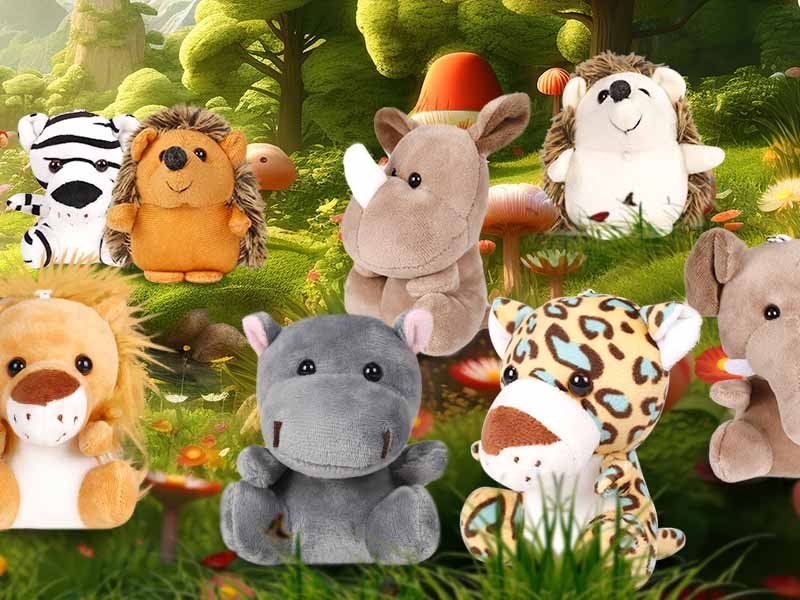
A zoo or museum visit often ends in the gift shop, but the best-selling product is rarely just a product. It is usually a memory that visitors can hold. A child who spends ten minutes watching red pandas climb branches may ask for a red panda plush before leaving. A family standing under a dinosaur skeleton may choose a soft T. rex as a reminder of the day. A museum member may buy a limited-edition animal mascot because it feels connected to an exhibition, not because it is another stuffed toy on a shelf.
Custom animal plush toys for zoos and museums are made-to-order stuffed animals created around real species, exhibit themes, mascot characters, conservation stories, or educational programs. Strong plush ideas combine accurate animal features, soft and safe materials, custom labels, retail-ready packaging, and story-based design, helping gift shops increase product value while giving visitors a meaningful souvenir.
For zoo shops, museum stores, aquariums, wildlife parks, science centers, and natural history institutions, animal plush can support retail sales, public education, membership campaigns, school programs, fundraising, and seasonal exhibitions. A plush toy may look simple from the outside, but behind every strong custom project are many business decisions: Which animal should be developed first? What size sells best? Should eyes be embroidered or plastic? How much does packaging affect retail price? What MOQ is reasonable? How close can the finished plush match the design file? These questions matter because a poor plush design becomes slow-moving inventory, while a strong plush line can become a repeat-purchase collection.
Delsney helps zoos, museums, gift companies, attraction retailers, and private label brands turn animal ideas into finished plush products. With more than 18 years of plush product R&D, design, pattern making, manufacturing, and sales experience, Delsney supports custom fabric selection, free design support, free sample development, 5–7 day fast sampling for regular plush, three-view drawings, 3D effect presentation, flexible MOQ, OEM/ODM customization, logo branding, private label packaging, and export-ready safety compliance for European and American markets. The goal is not only to make a cute animal plush, but to create a product that visitors understand, children love, stores can sell, and brands can proudly place their name on.
What Are Custom Animal Plush Toys for Zoos and Museums?

Custom animal plush toys for zoos and museums are stuffed animals designed for a specific institution, animal species, exhibit, mascot, conservation program, or retail collection. They are different from ordinary wholesale plush because they need stronger visual accuracy, safer construction, educational value, custom branding, and packaging that matches gift shop sales.
Custom animal plush sits at the intersection of retail product development, toy safety, educational storytelling, and souvenir design. A standard lion plush can be bought from many suppliers, but a lion plush created for a zoo’s African savanna zone, printed with the zoo logo, packed with a species card, and designed in a consistent collection style becomes more valuable. A generic dinosaur plush may sell anywhere, but a dinosaur plush linked to a museum’s fossil exhibit, children’s workshop, or annual exhibition becomes part of a cultural experience.
For zoo and museum retail teams, the main concern is not simply whether the plush looks attractive. They need to know whether the product can sell through, match the institution’s positioning, fit shelf space, meet child safety requirements, and support multiple visitor groups. A good plush product has to satisfy children, parents, educators, retail managers, and brand teams at the same time.
Animal plush for institutional gift shops usually carries several roles:
| Role | What It Means for the Institution | What It Means for the Visitor |
|---|---|---|
| Souvenir | Extends the memory of a visit | A soft reminder of the day |
| Educational Item | Teaches species, habitat, history, or science | A fun way to learn animal facts |
| Retail Product | Creates shop revenue and repeat sales | A gift with emotional value |
| Campaign Tool | Supports conservation, membership, or events | A purchase linked to a meaningful cause |
| Brand Asset | Strengthens zoo or museum identity | A product connected to a place, not just a toy |
A strong animal plush program usually starts with product planning rather than artwork alone. The institution should decide whether the plush is meant for daily retail, school trips, holiday gifts, exhibit launches, donor programs, or membership packages. Each purpose affects size, price, material, label design, and production quantity.
For example, a zoo may need a low-cost 5-inch plush keychain for checkout counters, a 10-inch red panda plush for children, and a 16-inch premium elephant plush for higher-value gifts. A natural history museum may need a dinosaur plush family with a consistent visual style across T. rex, triceratops, stegosaurus, mammoth, and saber-tooth cat. An aquarium may prefer ocean animals made with recycled fabric and FSC paper hangtags to match a marine conservation message.
Delsney supports the full custom process from animal concept to bulk production. Clients can provide reference photos, sketches, tech packs, samples, mascot artwork, species lists, or exhibition themes. Delsney can then assist with three-view design, 3D effect presentation, fabric matching, structure adjustment, sample development, logo placement, packaging planning, and production quality control. For clients without a complete design file, Delsney’s design team can help build a workable plush concept based on target animal, size, audience, price range, and retail purpose.
What Makes Zoo Plush Different?
Zoo plush is usually linked to animals that visitors see in person. The emotional connection is direct and immediate. A child who has just watched otters swim or giraffes eat leaves can connect strongly with a plush version of the same animal. For that reason, zoo plush needs fast recognition. The animal should be easy to identify within three seconds on a shelf.
Important zoo plush details include:
- Clear species features, such as giraffe neck shape, zebra stripes, red panda tail rings, elephant ears, penguin body color, or otter face structure.
- Soft fabric that feels comfortable for children to hug.
- Strong seams that can handle frequent touching in a gift shop.
- Safe eye and nose options based on target age group.
- Product sizes suitable for strollers, school bags, family travel, and checkout counters.
- Custom hangtags with zoo logo, animal name, habitat facts, or conservation message.
Zoo gift shops often perform better with a mixed-size product system rather than one single plush size. A practical range may include:
| Plush Format | Common Size | Suggested Use | Retail Advantage |
|---|---|---|---|
| Mini Plush Keychain | 4–6 inches | Checkout counters, school groups | Easy impulse purchase |
| Small Plush | 7–9 inches | Children’s gifts | Lower shelf space, easier price point |
| Standard Plush | 10–12 inches | Main gift shop display | Strong balance of size and value |
| Premium Plush | 14–20 inches | Member gifts, holiday gifts | Higher perceived value |
| Plush Set | 3–6 animals | Habitat education, gift boxes | Encourages collection buying |
Zoo plush can also help promote lesser-known species. Animals such as pangolin, okapi, tapir, fennec fox, shoebill, axolotl, capybara, and red panda may not have the same instant recognition as lions or pandas, but they can become highly memorable when paired with a story card. Lesser-known animals often give zoos a stronger retail identity because visitors cannot easily find the same product elsewhere.
What Makes Museum Plush Different?
Museum plush is usually connected to collections, exhibitions, history, science, art, or cultural storytelling. A museum plush may be based on a fossil animal, ancient object, sculpture, painting, mythology figure, natural history specimen, or museum mascot. Compared with zoo plush, museum plush often needs a stronger narrative layer.
A natural history museum may develop:
- Dinosaur plush for fossil halls.
- Mammoth plush for Ice Age exhibits.
- Saber-tooth cat plush for prehistoric life zones.
- Trilobite plush for early life galleries.
- Ancient sea creature plush for marine fossil displays.
- Bird, reptile, or mammal plush linked to local ecology.
An art or history museum may develop:
- Cat plush inspired by ancient Egyptian collections.
- Horse plush inspired by sculpture or ceramic objects.
- Owl plush linked to classical symbols.
- Mythical creature plush based on folklore or artifacts.
- Animal mascot plush for children’s programs.
- Limited-edition plush linked to a temporary exhibition.
Museum plush often benefits from more refined packaging. A simple plush can become a premium gift when paired with a story card, collection card, printed sleeve, or gift box. The card can explain the exhibit connection, animal background, historical context, or design inspiration. This makes the plush feel less like a toy and more like a museum-exclusive keepsake.
Museum retail teams should also consider color tone and material texture. A children’s museum may prefer bright, rounded, playful animal plush. A fine art museum may prefer softer color palettes, subtle embroidery, cleaner labels, and gift-ready packaging. A science museum may prefer modular plush sets, educational tags, and QR codes leading to learning content.
Why Do Gift Shops Need Custom Designs?
Gift shops need products that can turn visitor emotion into purchase decisions. Animal plush works well because it is tactile, child-friendly, easy to display, and strongly connected to memory. However, the shelf performance of plush depends on more than cuteness. The product must fit price expectations, basket size, visitor age, shelf layout, and perceived uniqueness.
Gift shop teams usually care about:
- Sell-through speed.
- Gross margin.
- Shelf density.
- Reorder stability.
- Packaging durability.
- Barcoding and SKU management.
- Product safety documents.
- Seasonal campaign flexibility.
- Multi-SKU collection planning.
A custom plush line can create better retail control than random wholesale buying. The institution can decide which animals to launch first, how many sizes to offer, how packaging should look, which logo position works best, and whether the collection should expand later.
Possible gift shop product planning structure:
| Product Tier | Example Product | Target Visitor | Quantity Strategy |
|---|---|---|---|
| Entry Tier | 5-inch plush keychain | School groups, tourists | Larger quantity, faster turnover |
| Core Tier | 10-inch animal plush | Families with children | Main production focus |
| Premium Tier | 16-inch realistic plush | Members, collectors, gift shoppers | Smaller quantity, higher margin |
| Education Tier | Plush with fact card | Parents, teachers, schools | Strong for learning programs |
| Campaign Tier | Endangered species plush | Donors, conservation supporters | Good for limited editions |
A zoo or museum should not treat every animal equally. Hero animals deserve better fabric, more detailed pattern work, stronger packaging, and larger initial quantities. Supporting animals can be developed with simpler structures. Seasonal or campaign animals can be tested with flexible MOQ before expanding.
Is Custom Plush Better Than Wholesale Plush?
Custom plush and wholesale plush both have value, but they serve different goals. Wholesale plush can be useful when a shop needs quick stock, broad animal variety, or low development effort. Custom plush is better when the institution wants exclusive products, stronger visitor connection, higher perceived value, and long-term product ownership.
The biggest problem with wholesale plush is sameness. A visitor may see the same plush in another store, online marketplace, airport shop, or amusement park. When the plush has no special connection to the zoo or museum, price becomes the main reason to buy. Custom plush changes the conversation. The product becomes connected to a species, exhibit, logo, campaign, mascot, or story that belongs to the institution.
Comparison table:
| Factor | Wholesale Plush | Custom Plush |
|---|---|---|
| Design Ownership | Limited | Strong |
| Logo Branding | Usually basic | Fully customizable |
| Animal Accuracy | Depends on existing style | Can match real species or exhibit needs |
| Packaging | Generic | Hangtag, story card, gift box, barcode, QR code |
| MOQ | Often lower per existing style | Flexible based on design and factory planning |
| Sampling | Usually not required | Required for accuracy and approval |
| Retail Uniqueness | Low to medium | High |
| Long-Term Collection Value | Limited | Strong |
| Best Use | Fast stock filling | Signature products and repeat programs |
For institutions that are testing a new category, a hybrid approach can work. Start with several private label or semi-custom plush items, then develop full custom plush for hero animals or exhibition products. Delsney can support both directions through OEM/ODM development, logo customization, private label packaging, fabric adjustment, sample modification, and scalable production planning.
Which Animal Plush Ideas Work Best?

The best animal plush ideas for zoos and museums are easy to recognize, connected to visitor memories, suitable for safe production, and strong enough to support retail sales. Popular directions include zoo icons, endangered species, aquarium animals, dinosaur plush, local wildlife, exhibit mascots, and animal collections with educational cards.
Animal selection should be based on more than popularity. A lion plush may be easy to sell, but many suppliers already offer lions. A red panda, capybara, otter, pangolin, or local endangered animal may create stronger differentiation. A dinosaur plush may be common, but a dinosaur designed around a specific museum exhibit, fossil pose, or children’s learning program can feel exclusive.
Strong plush ideas usually come from the overlap of four factors:
| Factor | Key Question | Example |
|---|---|---|
| Visitor Emotion | Which animal creates the strongest memory? | Red panda, penguin, otter, giraffe |
| Retail Potential | Which size and price can sell daily? | 8–12 inch core plush |
| Story Value | Which animal can carry education or conservation? | Sea turtle, pangolin, tiger |
| Production Feasibility | Can the shape be made safely and consistently? | Rounded body, stable limbs, embroidered details |
A good animal plush line often includes a mix of safe sellers and special animals. Safe sellers bring steady sales. Special animals make the store unique. A zoo may start with lion, giraffe, elephant, red panda, otter, penguin, and capybara. A museum may start with T. rex, triceratops, mammoth, saber-tooth cat, owl, ancient cat, and fossil fish. An aquarium may start with shark, sea turtle, octopus, penguin, whale, stingray, and axolotl.
The product format also matters. A single animal can be developed into multiple retail formats:
| Animal Concept | Mini Item | Core Plush | Premium Version | Education Add-On |
|---|---|---|---|---|
| Red Panda | Keychain | 10-inch plush | 16-inch sitting plush | Habitat card |
| Sea Turtle | Backpack clip | 8-inch plush | Recycled fabric plush | Ocean protection card |
| Dinosaur | Mini dino set | 12-inch plush | Gift-boxed fossil plush | Fossil fact card |
| Capybara | Plush charm | 9-inch plush | Weighted plush | Species story tag |
| Penguin | Magnet plush | 10-inch plush | Parent-and-baby set | Climate learning card |
For zoo and museum clients, Delsney can help assess which animals are suitable for plush conversion. Some animals require special pattern engineering because of horns, tails, shells, wings, tentacles, long necks, or unusual body shapes. Delsney’s design and pattern teams can adjust proportions while keeping the animal recognizable, soft, safe, and production-friendly.
Which Animals Sell Well in Zoos?
Zoo bestsellers usually come from animals with strong visual identity and emotional appeal. The most dependable choices include giraffe, elephant, lion, tiger, panda, zebra, penguin, koala, red panda, otter, sloth, meerkat, flamingo, monkey, gorilla, and capybara. These animals are easy for children to recognize and easy for parents to connect with the zoo visit.
A balanced zoo plush range may include:
- Large iconic animals: lion, tiger, elephant, giraffe, gorilla.
- Cute and soft-looking animals: otter, sloth, koala, red panda, capybara.
- Colorful animals: flamingo, toucan, parrot, frog.
- Cold-zone animals: penguin, polar bear, seal, arctic fox.
- Conservation animals: pangolin, rhino, snow leopard, orangutan, sea turtle.
Zoo plush should also be built around visitor flow. Animals near entrance exhibits, children’s zones, photo spots, feeding programs, and education talks often generate stronger sales because visitors have fresh emotional contact. A giraffe feeding experience, red panda encounter, penguin show, or otter talk can directly increase interest in matching plush products.
A practical launch plan may include 6–10 animals first, then expand based on sales data. Many gift shops can start with one hero animal, three core animals, two mini items, and one premium plush. This reduces risk while allowing the store to test visitor response.
Which Plush Fits Museums?
Museum animal plush should be selected by exhibit connection. Natural history museums can use plush to make large, ancient, or complex topics easier for children to understand. Dinosaurs, mammoths, saber-tooth cats, prehistoric birds, ancient reptiles, fossil fish, trilobites, ammonites, and early mammals can all become soft learning tools.
Museum plush should answer one question: why does this animal belong here? If the answer is clear, the product becomes easier to sell. A T. rex plush belongs in a dinosaur hall. A mammoth plush belongs near Ice Age displays. An owl plush may belong in ancient mythology, art, or local nature exhibits. A cat plush may link to Egyptian collections. A whale plush may connect to marine biology or natural history.
Museum plush can also use more stylized design language. Not every product needs strict realism. A fossil-inspired plush may use simplified bone patterns. A sculpture-inspired animal may use elegant shape and muted colors. A children’s discovery plush may use larger eyes, shorter limbs, and softer curves. The key is to match the museum’s audience and retail tone.
Useful museum plush categories:
| Museum Type | Plush Ideas | Retail Angle |
|---|---|---|
| Natural History Museum | Dinosaur, mammoth, fossil fish | Science learning |
| Art Museum | Cat, owl, horse, mythical animal | Collection-inspired gift |
| History Museum | Ancient animal, heritage mascot | Cultural memory |
| Children’s Museum | Soft mascot, animal learning set | Play and education |
| Science Museum | Lab animal, space animal, robot-animal plush | STEM gift |
Which Styles Suit Aquariums?
Aquarium plush should feel soft, clean, and easy to hold. Sea animals often work well in plush because many have rounded forms, simple silhouettes, and strong color contrast. Popular choices include shark, whale, dolphin, sea turtle, octopus, jellyfish, penguin, seal, stingray, crab, seahorse, clownfish, axolotl, and otter.
For aquarium shops, sustainability can be a major selling point. Recycled PET plush fabric, recycled filling options, FSC paper hangtags, plastic-free packaging, and ocean conservation messages can make the product feel aligned with marine education. A sea turtle plush made from recycled fabric with an ocean protection card tells a stronger story than a generic turtle toy.
Design and safety need careful planning for sea animals:
- Octopus tentacles should be securely stitched and not too thin.
- Jellyfish ribbons should be age-appropriate and tested for pulling strength.
- Shark teeth should be embroidered or made with soft felt.
- Turtle shells should have enough structure but remain soft.
- Stingray wings should not curl badly after packing.
- Whale tails and fins should hold shape after compression.
Aquarium plush also works well in compact formats because visitors often buy them during school trips or family travel. Mini plush, bag charms, backpack clips, and 8-inch soft animals can perform well near checkout areas.
Which Animals Support Conservation?
Conservation species plush can create strong emotional and educational value. Animals such as red panda, pangolin, sea turtle, tiger, elephant, rhino, gorilla, orangutan, snow leopard, polar bear, whale, shark, and native endangered species can help institutions talk about habitat protection, rescue work, breeding programs, ocean plastic, and wildlife preservation.
A conservation plush should include more than an animal shape. It should carry a message. Useful add-ons include:
- Species fact card.
- Habitat map.
- Threat level information.
- Conservation program note.
- QR code linking to education content.
- Donation or adoption campaign message.
- Recycled material explanation.
- Limited-edition numbered tag.
Product development should stay respectful. Conservation plush should not feel like cheap promotional merchandise. The design should be warm and approachable, but not careless. Small details such as accurate color, correct body markings, and meaningful packaging help make the product credible.
A good retail strategy is to create seasonal conservation plush drops. For example:
| Campaign Theme | Animal Plush | Suggested Add-On |
|---|---|---|
| Ocean Protection Month | Sea turtle plush | Recycled hangtag and ocean card |
| Endangered Species Week | Pangolin plush | Conservation QR code |
| Rainforest Education | Orangutan plush | Habitat story card |
| Polar Habitat Program | Polar bear plush | Climate learning card |
| Wildlife Adoption Gift | Red panda plush | Adoption-style certificate |
Which Plush Works for Kids?
Plush for kids needs soft touch, safe construction, friendly expression, and easy handling. Children often choose plush by face and feel before reading a tag. Parents, however, check safety, cleanliness, durability, and price. A strong kids’ plush must satisfy both sides.
Important kid-friendly plush details include:
- Rounded body shape.
- Soft short plush or velboa fabric.
- Balanced filling, neither too flat nor too hard.
- Embroidered eyes for younger age groups.
- Strong seam allowance.
- No loose small parts for young children.
- Wash-care label.
- Clear age grading.
- Smooth touch on ears, tails, horns, and feet.
The best kid-focused animal plush often uses a soft-realistic style. It keeps the animal recognizable while making the expression gentle. A realistic tiger can feel too serious for a toddler, while an overly cartoon tiger may not fit a zoo’s education image. A soft-realistic tiger with correct stripe direction, rounder paws, and friendly eyes can satisfy both educational and emotional needs.
For clients targeting children’s programs, Delsney can adjust plush size, fabric, embroidery method, filling density, and safety structure based on age group and market rules. For European and American markets, safety planning should begin before sampling, not after bulk production. That saves time, reduces redesign risk, and helps the finished plush move smoothly through compliance review.
How Can Animal Plush Support Education?

Animal plush supports education when the toy is connected to species facts, exhibit stories, habitat learning, conservation messages, or hands-on programs. For zoos and museums, plush can help children remember animal names, understand habitats, ask better questions, and continue learning after the visit. The strongest designs combine soft play value with clear, simple knowledge points.
Animal plush is one of the easiest educational products for families to accept because it does not feel like homework. A child may forget a printed brochure, but a plush turtle on a bed can keep the ocean story alive for months. A dinosaur plush can make fossil learning less abstract. A red panda plush can help children remember endangered species. A mammoth plush can become the starting point for conversations about climate, extinction, and prehistoric life.
For institutions, educational plush has a clear advantage over ordinary souvenirs. It can serve multiple departments at the same time. The retail team gains a sellable product. The education team gains a teaching tool. The marketing team gains a shareable item. The conservation team gains a soft way to introduce serious topics to families. When the plush line is planned with species cards, QR codes, activity sheets, or exhibit maps, it becomes part of the learning journey rather than a product placed near the exit.
Education does not mean the plush must become complicated. In fact, the best educational plush usually keeps information simple. One plush may teach three facts: animal name, habitat, and one surprising behavior. Another plush may include a QR code linking to a video, keeper story, fossil page, or downloadable activity. Families do not need a long textbook attached to a stuffed animal. They need a clear reason to care.
The educational value also depends on accuracy. If a plush animal has the wrong color, incorrect markings, unrealistic body shape, or poor species recognition, it can weaken the learning purpose. A tiger plush should not look like a generic orange cat. A sea turtle should show shell shape and flippers clearly. A red panda should carry the correct face pattern, ringed tail, and body proportions. Delsney can help clients improve species recognition through three-view design, 3D effect presentation, fabric matching, embroidery planning, and multiple sample adjustments before bulk production.
Educational plush also works well for group programs. School visits, summer camps, museum workshops, animal adoption programs, and children’s membership packages can all use plush as a take-home learning item. A class may receive mini plush animals linked to a habitat lesson. A museum workshop may include a dinosaur plush with a fossil card. A zoo adoption package may include a conservation animal plush, certificate, and care story. These small details give the plush a stronger reason to exist.
A useful planning model is to connect each plush style to one education goal:
| Plush Type | Education Goal | Best Add-On | Suitable Institution |
|---|---|---|---|
| Endangered Animal Plush | Teach species protection | Conservation card | Zoos, wildlife parks |
| Dinosaur Plush | Explain prehistoric life | Fossil fact card | Natural history museums |
| Ocean Animal Plush | Teach marine habitats | QR code video | Aquariums |
| Local Wildlife Plush | Teach regional ecology | Habitat map | Nature centers |
| Mascot Plush | Support children’s learning programs | Activity card | Museums, science centers |
| Animal Plush Set | Compare species or habitats | Multi-animal booklet | Zoos, schools, camps |
For Delsney clients, educational add-ons can be planned together with the plush, not treated as afterthoughts. Hangtags, woven labels, printed cards, story cards, paper sleeves, gift boxes, and QR code labels can all be customized. When product design, packaging, and learning content are developed together, the plush feels more complete and easier to present in retail displays.
How Do Species Cards Add Value?
Species cards add value because they give the plush a reason beyond softness. A child may choose the plush because it feels cute, but a parent often feels better about the purchase when it also teaches something. A small card can explain the animal’s habitat, diet, behavior, conservation status, or connection to the zoo or museum.
A strong species card does not need to be long. It should be easy to read in a gift shop and suitable for children. The most useful format usually includes:
- Animal name.
- Scientific name, if suitable for the audience.
- Habitat location.
- 3–5 short facts.
- Conservation message.
- Institution logo.
- QR code for further learning.
- Simple illustration or habitat icon.
For example, a red panda plush card may mention bamboo forests, climbing behavior, ringed tails, and conservation needs. A sea turtle card may explain nesting beaches, ocean plastic, and migration. A mammoth card may explain Ice Age habitats and fossil discovery. These details help the product feel exclusive to the institution.
From a production view, species cards are low-cost but high-impact. They can be printed as hangtags, folded cards, paper sleeves, or small insert cards. For gift shops, they improve shelf storytelling without taking much space.
How Can QR Codes Tell Stories?
QR codes help zoos and museums connect a physical plush with online learning. A small QR code on a tag or card can lead visitors to animal videos, exhibit pages, conservation programs, keeper talks, donation pages, membership offers, or activity downloads. This is especially useful when printed packaging space is limited.
The best QR code experience should be simple. A family scans the tag and immediately sees useful content. Long menus or confusing landing pages reduce engagement. A good page may include one short video, three animal facts, a photo from the exhibit, and one clear action such as “learn more,” “support conservation,” or “join our children’s program.”
QR codes can also support seasonal campaigns. A zoo can update online content for the same plush across different months. A museum can connect a dinosaur plush to a temporary fossil exhibit. An aquarium can link a turtle plush to ocean cleanup education. The plush remains the same, while the digital story can keep changing.
For manufacturing, QR code placement should be planned early. It can be printed on the hangtag, sewn label, story card, belly band, or gift box. Delsney can help reserve proper artwork space so the code remains scannable after printing and packaging.
How Do Plush Sets Teach Habitats?
Plush sets are powerful because they help children see relationships between animals. One animal teaches a species. A set teaches a habitat, ecosystem, food chain, period of history, or exhibit theme. A rainforest set may include monkey, frog, sloth, jaguar, and toucan. A savanna set may include lion, giraffe, zebra, elephant, and meerkat. A prehistoric set may include T. rex, triceratops, mammoth, pterosaur, and saber-tooth cat.
Habitat sets also support stronger retail displays. Instead of scattered single animals, the store can create a complete shelf story. Families may buy one plush first and return later for another. Schools may purchase sets for classrooms. Membership programs may use full sets as premium gifts.
Plush sets require careful design consistency. Animals should look like they belong together. They should share similar eye style, fabric quality, label format, hangtag design, and size logic. If one animal looks realistic and another looks cartoonish, the collection may feel messy. Delsney can help create consistent plush families through shared design language, pattern standards, fabric coordination, and packaging systems.
A practical habitat set can be planned in three levels:
| Set Type | Number of Animals | Best Use | Retail Benefit |
|---|---|---|---|
| Mini Habitat Set | 3 animals | Gift boxes, school programs | Easy to carry and price |
| Core Habitat Set | 5 animals | Gift shop collection | Strong shelf story |
| Premium Habitat Set | 6–10 animals | Membership, donor gifts | High perceived value |
How Can Plush Promote Conservation?
Plush can promote conservation when the product clearly connects to a species protection story. The message should be gentle, honest, and easy for families to understand. A sea turtle plush may talk about ocean plastic. A pangolin plush may explain illegal wildlife trade. A snow leopard plush may explain mountain habitat protection. A red panda plush may mention forest loss.
The design should support the message. Recycled fabric, recycled filling, FSC paper tags, plastic-free packaging, and low-waste packing options can strengthen the conservation story. A conservation plush made with careless materials or excessive plastic packaging may feel inconsistent to informed visitors.
A conservation plush campaign may include:
- A named animal story from the zoo.
- A species recovery message.
- A donation card.
- A QR code to a conservation page.
- A limited-edition hangtag.
- A recycled material statement.
- A simple action for families, such as “protect habitats” or “reduce plastic.”
Conservation plush also works well in annual product planning. Instead of launching random animals, institutions can release one conservation plush per quarter. Each launch can support a keeper talk, social post, school activity, member email, or gift shop display. Delsney can help clients develop these seasonal plush ideas with flexible MOQ, fast sampling, and private label packaging support.
What Custom Details Can Be Added?

Custom details can include embroidered logos, woven labels, species cards, story hangtags, gift boxes, QR codes, recycled fabric, custom eyes, printed patterns, sound chips, special fillings, mascot shapes, and 3D design support. The right details make the plush more accurate, more sellable, and more connected to the zoo or museum.
Customization is where animal plush becomes a real retail asset. Without custom details, even a well-made plush may look like a general market product. With smart details, the same plush can become an exclusive zoo animal, museum mascot, conservation gift, exhibition item, or private label product. The goal is not to add every possible option, but to choose details that match the product’s purpose.
A zoo gift shop may need logo embroidery, species fact tags, and durable child-safe construction. A museum store may need refined color matching, story cards, collection notes, and gift-ready packaging. An aquarium may need recycled fabric, ocean-themed tags, and soft marine animal shapes. A children’s museum may need larger embroidered eyes, colorful fabrics, washable materials, and activity cards.
Custom details should also match the product price tier. A 5-inch keychain may only need a small woven label and paper hangtag. A 10-inch core plush may use logo embroidery, species tag, and retail barcode. A 16-inch premium plush may include a full story card, gift box, custom belly band, and special fabric. Over-customizing a low-price item can damage margins. Under-customizing a premium item can make it feel ordinary.
A simple customization planning table can help:
| Custom Detail | Best For | Value Added | Cost Impact |
|---|---|---|---|
| Logo Embroidery | Zoo and museum exclusive plush | Strong identity | Low to medium |
| Woven Label | Private label plush | Clean brand presence | Low |
| Species Hangtag | Educational plush | Adds learning value | Low |
| Story Card | Museum gifts, campaigns | Adds emotional value | Low to medium |
| Gift Box | Premium plush | Higher shelf value | Medium |
| QR Code | Digital education | Links to online story | Low |
| Recycled Fabric | Conservation plush | Supports sustainability | Medium |
| Sound Chip | Animal call plush | Interactive experience | Medium to high |
| 3D Design View | Complex animal shapes | Improves approval accuracy | Development value |
Delsney’s development process allows clients to review many details before bulk production. The team can create three-view designs and 3D effect presentations so clients can understand front, side, back, proportion, expression, and structure before sampling. For regular plush, sampling can often be completed in 5–7 days. For styles with accessories, special materials, sound parts, complex embroidery, or mold-related components, development may require a longer sample window. Clear planning at the start helps reduce repeated changes later.
Can Logos Be Embroidered?
Logos can be embroidered on many plush areas, including foot pads, belly panels, chest patches, back labels, scarves, clothing accessories, hangtags, and gift packaging. For zoos and museums, logo placement should feel natural rather than forced. A large logo on the animal’s face or body can damage the design. A smaller logo on the foot, tag, or accessory usually looks cleaner.
Common logo methods include:
- Direct embroidery on plush fabric.
- Embroidered patch sewn onto the plush.
- Woven label on side seam.
- Printed satin label.
- Logo on scarf, shirt, vest, or accessory.
- Logo printed on hangtag or story card.
- Logo embossed or printed on gift box.
Embroidery works best on stable fabric areas. Very long pile fabric can hide small letters, so short plush, foot pads, felt, or accessory fabric may be better for detailed logos. For small text, woven labels or printed tags may be more readable than embroidery.
Delsney can help clients choose logo size, stitch method, placement, and backing material based on plush fabric and product size.
Can Plush Match Real Animals?
Plush can match real animals closely when the design process uses clear reference material and proper pattern development. A plush will never be a museum specimen, but it can capture the most important species traits: body shape, color zones, facial expression, markings, tail shape, ear position, posture, and overall feeling.
To improve accuracy, clients should provide:
- Front, side, and back reference photos.
- Animal color references.
- Important markings or pattern notes.
- Desired posture, such as sitting, standing, lying, or baby style.
- Target size.
- Age group and safety needs.
- Preferred level of realism.
Delsney can create three-view drawings and 3D effect images before sampling. This helps clients review proportion, color blocking, face shape, limb position, and tail structure early. For many animal plush projects, design-to-finished-product matching can reach high accuracy when reference files are clear and sample feedback is specific.
The key is choosing which details matter most. A red panda needs the correct face pattern and tail rings. A giraffe needs proper neck proportion and spot layout. A sea turtle needs shell structure and flipper shape. A dinosaur may need a recognizable silhouette more than scientific perfection, depending on the audience.
Can Packaging Tell a Story?
Packaging can turn a plush from a soft toy into a meaningful gift. For zoo and museum stores, packaging often explains why the animal matters. A tag or card can tell visitors where the animal lives, why it is important, how it connects to the exhibit, or what conservation work the institution supports.
Useful packaging options include:
- Hangtag with species facts.
- Folded story card.
- Belly band around plush body.
- Kraft paper sleeve.
- Gift box with window.
- Fabric drawstring bag.
- Recycled paper card.
- Barcode and SKU sticker.
- QR code learning label.
- Limited-edition numbered tag.
Packaging should match the retail shelf. A small keychain may only need a hangtag. A premium museum plush may need a box. A conservation plush may need recycled paper and minimal plastic. A school program plush may need a name label and activity card.
Delsney can support packaging design, logo placement, material selection, and production coordination, helping clients keep plush and packaging visually consistent.
Can Plush Be Made Eco-Friendly?
Animal plush can be made with more sustainable materials and packaging, especially for zoos, aquariums, nature centers, and conservation campaigns. Common options include recycled PET plush fabric, recycled polyester filling, FSC paper hangtags, kraft paper sleeves, plastic-free packaging, reusable fabric bags, and reduced-volume packing.
Eco-friendly plush planning should be honest and practical. Not every component can always be fully sustainable, especially when safety, softness, color matching, and cost must be balanced. The important point is to choose meaningful improvements that fit the product and target market.
Common eco-conscious choices:
| Option | Use Case | Benefit |
|---|---|---|
| Recycled PET Plush Fabric | Conservation animals, aquarium plush | Supports recycled material story |
| Recycled Filling | Core plush and premium plush | Reduces virgin polyester use |
| FSC Paper Tag | Zoo and museum retail | Better packaging credibility |
| No Plastic Blister | Gift shop plush | Less visible plastic waste |
| Vacuum Packing Optimization | Bulk shipping | Reduces carton volume |
| Reusable Cloth Bag | Premium gift sets | Adds long-term value |
For conservation products, the material story should be printed clearly on tags or cards. Visitors appreciate knowing why the plush was made with recycled fabric or reduced packaging.
Can 3D Design Improve Accuracy?
3D design can improve accuracy because it helps clients visualize the plush before a physical sample is made. Flat drawings are useful, but plush is three-dimensional. Body volume, head size, sitting balance, limb angle, ear position, and tail shape are easier to review when a 3D effect or three-view drawing is available.
For animal plush, 3D planning is especially useful for:
- Long-neck animals such as giraffes.
- Animals with shells, such as turtles.
- Animals with wings, such as birds and bats.
- Marine animals such as rays, sharks, and whales.
- Dinosaurs with special body shapes.
- Mascot animals with strict character proportions.
- Museum animals based on artifacts or sculptures.
3D review can reduce misunderstanding between the client and factory. A client may imagine a standing tiger, while the factory may interpret a sitting tiger. A 3D effect image helps both sides confirm posture, proportion, and expression earlier.
Delsney offers three-view creation and 3D effect support for custom plush projects. Combined with pattern making and fast sampling, this can help zoo and museum clients develop animal plush that better matches the original idea, reference file, or exhibit concept.
What Materials and Safety Standards Matter?
Materials and safety standards matter because zoo and museum plush products are often bought for children, handled by many visitors, sold in public gift shops, and exported into regulated markets. The right fabric, filling, stitching, labeling, and testing plan can reduce product risk, improve shelf quality, and help the plush meet EU and US compliance requirements.
A soft animal plush may look simple, but the material decision affects almost every part of the product: hand feel, shape, durability, cleaning, safety, color accuracy, retail price, shipping volume, and customer satisfaction. A red panda plush needs a different fabric plan than a sea turtle plush. A dinosaur plush may need structured filling and embroidered details. A baby-safe animal plush may need embroidered eyes instead of plastic eyes. A conservation plush may need recycled PET fabric and FSC paper tags to match the institution’s environmental message.
Zoo and museum clients should not choose materials only by softness. Very long pile plush may feel premium, but it can hide embroidery, distort small animal markings, and make logo placement difficult. Short plush may show details better, but it may not feel as rich for premium gift items. Printed fabric can show complex animal patterns, but colorfastness and repeat accuracy must be checked. Felt accessories may work for horns, claws, teeth, and fins, but they need proper pull strength and edge finishing.
A practical material decision should consider:
- Target age group.
- Animal shape complexity.
- Required safety standard.
- Expected retail price.
- Logo and label placement.
- Shelf display method.
- Cleaning and care needs.
- Sustainability positioning.
- Bulk order quantity.
- Shipping and packing method.
For Delsney projects, material planning starts before sampling. The team can recommend suitable plush fabric, filling, embroidery, printing, accessories, label structure, and packaging according to the target market. For European and American markets, safety requirements should be built into the design from day one, not corrected after the first sample fails review. This saves time, avoids repeated sample changes, and helps the final plush move more smoothly into production.
Which Fabrics Are Best?
The best fabric depends on the animal style, price level, target age, and retail positioning. Zoo and museum plush often uses short plush, super soft velboa, minky, PV fleece, faux fur, sherpa, recycled PET plush, felt, suede-like fabric, and printed polyester fabric. Each material creates a different look and feel.
For animal plush that needs clear markings, short plush and printed polyester are often practical because stripes, spots, shells, and facial markings remain easier to see. For premium animals, faux fur or longer plush can create a richer hand feel, but details may need embroidery or fabric patchwork to stay visible. For baby-safe plush, soft short-pile fabric with embroidered features is usually easier to manage.
Common fabric options include:
| Fabric Type | Best For | Main Benefit | Notes |
|---|---|---|---|
| Short Plush | Zoo animals, small plush, keychains | Clear shape and easy embroidery | Good for detailed faces |
| Super Soft Velboa | Kids’ plush, standard animal plush | Smooth touch and stable surface | Good cost-performance balance |
| Minky Fabric | Baby plush, soft animals | Very soft hand feel | Often used for gentle styles |
| Faux Fur | Premium wildlife plush | Realistic and rich texture | Needs careful cutting and sewing |
| Recycled PET Plush | Conservation plush, aquarium plush | Supports eco product story | Good for sustainability programs |
| Printed Fabric | Tigers, giraffes, turtles, dinosaurs | Shows patterns efficiently | Color testing is important |
| Felt | Teeth, claws, fins, small details | Holds shape well | Pull strength must be checked |
| Sherpa | Sheep, polar animals, soft mascots | Warm and cozy texture | May not suit fine details |
For custom zoo and museum plush, fabric should not only look good in one sample. It must remain stable across bulk production. Color consistency, pile direction, cutting loss, seam behavior, and packing recovery all affect the finished product. A premium animal plush may lose its value if the fur direction changes between panels or if the fabric crushes badly during shipping.
Are Recycled Materials Available?
Recycled materials are available and increasingly useful for zoos, aquariums, wildlife parks, natural history museums, and conservation gift programs. Common options include recycled PET plush fabric, recycled polyester filling, recycled woven labels, FSC paper hangtags, kraft paper sleeves, and reduced-plastic packaging.
Recycled PET plush is often made from post-consumer plastic bottles processed into polyester fiber. For product storytelling, this material can support themes such as ocean protection, habitat care, climate awareness, and responsible retail. It is especially suitable for sea turtle plush, whale plush, penguin plush, polar bear plush, endangered species plush, and campaign products linked to conservation.
However, recycled material should be selected carefully. Clients need to consider:
- Whether the fabric hand feel matches the product level.
- Whether the color can match the animal accurately.
- Whether the material can pass required safety tests.
- Whether certification or traceability documents are needed.
- Whether the cost fits the target retail price.
- Whether the packaging message is honest and clear.
A conservation plush made with recycled fabric can be more persuasive when the tag clearly explains the material choice. For example, a sea turtle plush may include a short note such as “Made with recycled polyester fabric” and a QR code linking to ocean education content. The message should be simple, accurate, and not exaggerated.
Delsney can help clients select recycled fabric, recycled filling, FSC paper tags, and plastic-reduced packaging based on the project budget and market requirements. For higher-standard projects, material certification, supplier documentation, and compliance planning can be discussed before production.
What Filling Options Are Used?
Filling affects softness, shape, safety, weight, and shipping volume. Most animal plush uses PP cotton or polyester fiber filling because it is soft, lightweight, resilient, and suitable for many plush structures. Some products may also use recycled polyester filling, weighted beads, foam inserts, or structured inner components depending on the design.
For zoo and museum plush, filling should be matched to the product purpose. A child’s 8-inch otter plush should feel soft and easy to hug. A 16-inch premium elephant plush may need firmer filling to hold body shape. A sitting red panda plush may need balance control so it does not fall forward on the shelf. A long-neck giraffe may need proper support in the neck area. A sea turtle may need flatter filling in the shell and softer filling in the flippers.
Common filling choices:
| Filling Type | Best For | Benefit | Notes |
|---|---|---|---|
| PP Cotton | Most animal plush | Soft, light, common | Good for standard styles |
| High-Resilience Fiber | Premium plush | Better shape recovery | Higher material cost |
| Recycled Polyester Filling | Eco plush | Supports sustainability story | Certification may be needed |
| Weighted Beads | Sensory plush, premium plush | Adds calming weight and stable sitting | Must meet safety rules |
| Foam Insert | Structured parts | Maintains special shape | Needs careful safety review |
| Bean Bag Pellets | Sitting plush, bottom weight | Helps plush sit upright | Inner bag sealing is important |
Filling density should be controlled in production. Too little filling makes the plush look flat and cheap. Too much filling makes it hard, heavy, and less huggable. Uneven filling can cause crooked heads, twisted limbs, unstable sitting posture, and poor shelf display. For animal plush, balance is especially important because many styles have tails, long necks, horns, shells, or non-standard bodies.
Delsney’s production team can control filling weight, sitting balance, head shape, limb position, and finished size during sampling and bulk inspection. For clients who care about accurate display, sample approval should include product weight, sitting stability, body proportion, and compression recovery.
What Safety Tests Are Needed?
Safety tests depend on the destination market, target age group, material, accessories, and product design. For European and American markets, plush toys often need to meet standards such as EN71, ASTM F963, CPSIA, REACH-related requirements, labeling rules, and age-grade requirements. Specific testing scope should be confirmed based on the product and sales region.
Common safety checks include:
- Physical and mechanical safety.
- Small parts risk.
- Seam strength.
- Pull test for eyes, nose, labels, accessories, and small parts.
- Flammability testing.
- Heavy metal testing.
- Phthalates testing when relevant.
- Colorfastness testing.
- Sharp point and sharp edge inspection.
- Fiber content and labeling review.
- Needle detection during production.
Zoo and museum plush should be especially careful with products for young children. Plastic eyes, sound parts, ribbons, long cords, beads, bells, magnets, detachable accessories, and decorative parts may require additional review. If a plush is intended for babies or toddlers, embroidered eyes and noses are often safer and easier to manage.
A simple safety planning table:
| Product Feature | Possible Risk | Safer Planning Option |
|---|---|---|
| Plastic Eyes | Small parts if detached | Embroidered eyes for young children |
| Long Ribbon | Entanglement or pull risk | Shorter sewn-in label or printed tag |
| Sound Chip | Battery and part safety | Secure internal pouch and testing |
| Beads or Pellets | Leakage risk | Double inner bag and seam inspection |
| Felt Teeth | Pull strength issue | Soft embroidered teeth or reinforced felt |
| Metal Keychain | Small hardware risk | Age-grade clearly and test hardware |
Delsney can support safety-oriented design review before sampling, helping clients avoid risky structures early. For export projects, test requirements, label content, warning language, and packaging details should be discussed before mass production begins.
How Is Quality Controlled?
Quality control should cover the whole process, not only the final carton check. For custom animal plush, small differences in fabric color, face embroidery, ear position, tail length, filling weight, or body balance can change the product’s appearance. A lion plush with uneven eyes or a red panda plush with the wrong tail ring spacing can look unprofessional even if the sewing is technically acceptable.
A practical plush quality control process includes:
- Material inspection before cutting.
- Color and fabric matching.
- Pattern and cutting accuracy check.
- Embroidery and printing inspection.
- Sewing line inspection.
- Accessory pull strength review.
- Filling weight and shape control.
- Finished size measurement.
- Sitting balance check.
- Needle detection.
- Final appearance inspection.
- Packaging and carton inspection.
For zoo and museum plush, consistency matters because products are often displayed in groups. If one batch has darker fabric or different facial embroidery, the shelf may look inconsistent. Repeat orders should also match the approved sample as closely as possible.
Delsney provides 100% quality guarantee and manages quality from sample development to bulk production. The company’s experience in plush R&D, design, pattern making, manufacturing, and sales allows it to control both creative details and production details. For high-standard brand projects, Delsney can help clients confirm pre-production samples, inspection points, packaging standards, and final shipment requirements.
How Does Custom Plush Production Work?

Custom plush production works through concept review, design creation, fabric selection, pattern making, sample development, sample revision, pre-production approval, bulk manufacturing, quality inspection, packaging, and shipping. A clear process helps zoos and museums reduce risk, control cost, shorten development time, and receive plush products that match the approved design.
Many plush projects start with an idea but not a complete technical file. A zoo may say, “We want a capybara plush for our gift shop.” A museum may say, “We need a mammoth plush for a new Ice Age exhibit.” An aquarium may say, “We want a recycled sea turtle plush for our conservation campaign.” These ideas are valuable, but they need to be turned into manufacturable product specifications.
The first step is to define the product goal. Is the plush for daily retail, event giveaways, school programs, premium gift boxes, membership packages, or private label sales? The purpose affects everything that follows. A giveaway plush needs cost control. A premium museum plush needs stronger finishing and packaging. A children’s program plush needs safety and durability. A conservation plush may need recycled materials and printed story content.
The second step is to define the product shape. Animal plush needs careful pattern planning because animals have different body structures. A giraffe has a long neck. A turtle has a shell. A stingray has wide wings. A dinosaur may need a tail strong enough to balance the body. A red panda needs tail rings and face markings. These features must be converted into fabric panels, embroidery, printing, stuffing, and sewing methods.
The third step is sample development. A sample is not just a preview; it is the foundation for production. During sampling, the client should check size, color, softness, facial expression, animal recognition, sitting balance, logo position, packaging fit, and safety structure. A good sample review can prevent costly changes after bulk production begins.
Delsney supports 5–7 day fast sampling for regular plush products. For products involving special accessories, molded parts, unusual structures, sound modules, complex printing, or special craft requirements, sampling may take longer. Delsney also offers free sample modification up to two times, helping clients refine the product before production confirmation.
A clear production path may look like this:
| Step | Main Work | Client Should Confirm |
|---|---|---|
| 1. Idea Review | Animal, size, use case, market | Product goal and target audience |
| 2. Design Planning | Three-view drawing, style direction | Shape, posture, expression |
| 3. Material Selection | Fabric, filling, accessories | Hand feel, color, safety needs |
| 4. Pattern Making | Plush structure and panels | Size and proportion |
| 5. Sampling | First physical plush | Overall look and function |
| 6. Revision | Adjust face, body, fabric, logo | Final correction points |
| 7. Pre-Production | Confirm final sample | Bulk production standard |
| 8. Manufacturing | Cutting, sewing, filling, finishing | Production updates if needed |
| 9. Inspection | Size, seams, filling, packaging | Quality approval |
| 10. Delivery | Carton packing and shipping | Shipping method and documents |
For zoo and museum clients, the best results come from early clarity. The more specific the animal reference, size, target price, safety market, and packaging needs are, the smoother the project becomes.
How Do Ideas Become Samples?
Ideas become samples through design translation. The factory turns animal references, sketches, mascot files, or exhibit concepts into a plush structure that can be cut, sewn, filled, and repeated in bulk production. This is where experience matters because not every beautiful drawing can become a stable plush product without adjustment.
A common process includes:
- Review the animal or mascot concept.
- Decide realistic, semi-realistic, cute, or stylized direction.
- Choose standing, sitting, lying, baby, or chubby shape.
- Create three-view artwork.
- Confirm fabric and color direction.
- Build paper pattern.
- Cut sample materials.
- Sew and fill the first sample.
- Add embroidery, labels, accessories, and packaging trial.
- Review and modify.
For animal plush, some design changes are almost always needed. Thin legs may need to be widened. Sharp horns may need to be softened. Long tails may need extra stitching. Complex markings may need embroidery or printing instead of separate fabric panels. A museum artifact may need to be simplified so it feels soft and safe.
Delsney’s design and pattern teams help clients keep the soul of the animal while making it suitable for production. The aim is to create a plush that looks close to the concept, feels good in hand, and can be manufactured consistently.
What Files Should Clients Provide?
Clients can provide different types of files depending on project stage. A complete tech pack is helpful, but it is not always required. Delsney can work from reference photos, sketches, samples, mascot artwork, AI-generated concept images, species lists, packaging ideas, or written product descriptions.
Helpful project materials include:
| File or Information | Why It Helps |
|---|---|
| Animal Reference Photos | Improves species accuracy |
| Front, Side, Back Views | Helps build correct plush structure |
| Mascot Artwork | Supports character consistency |
| Size Requirement | Controls pattern and cost |
| Target Quantity | Helps estimate MOQ and unit price |
| Target Market | Defines safety and labeling needs |
| Fabric Preference | Guides material sourcing |
| Logo File | Helps plan embroidery or label |
| Packaging Idea | Supports retail presentation |
| Target Launch Date | Helps plan sampling and production |
Clients should also mention the intended sales channel. A museum store, zoo shop, children’s program, online gift store, donor campaign, and wholesale retail program may all need different details. If the plush will be sold in the US or EU, safety expectations should be discussed early.
For clients without artwork, Delsney can help create design drawings based on the animal, theme, target audience, and product purpose. This is useful for smaller zoo shops, museum programs, or brands that have ideas but no technical design team.
How Long Does Sampling Take?
Regular custom plush sampling can often take 5–7 days at Delsney when the structure is not overly complex and materials are available. More complex plush may require 7–15 days or longer when special fabric sourcing, accessories, sound modules, printing, embroidery, molding, or unusual body structures are involved.
Sampling time depends on several factors:
| Project Type | Estimated Sample Time | Reason |
|---|---|---|
| Simple Animal Plush | 5–7 days | Standard fabric and simple shape |
| Plush Keychain | 5–7 days | Small size, fewer structure issues |
| Realistic Animal Plush | 7–12 days | More pattern and color matching |
| Dinosaur or Shell Animal | 7–15 days | Complex body structure |
| Plush with Clothing | 7–15 days | Extra pattern and sewing work |
| Plush with Sound Chip | 10–20 days | Component testing and placement |
| Premium Gift Box Set | 10–20 days | Plush and packaging coordination |
Clients should not judge sampling speed only by the first sample date. A better measure is how quickly the factory can turn feedback into correct revisions. Delsney provides free sample modification up to two times, helping clients adjust face shape, body proportion, embroidery, fabric, filling density, and logo placement before bulk production.
To avoid delays, clients should give clear feedback with marked photos, not only general comments such as “make it cuter” or “more realistic.” Better comments include “make the eyes 10% larger,” “shorten the nose,” “increase tail thickness,” or “move the logo to the left foot pad.”
What Affects MOQ and Price?
MOQ and price are affected by fabric type, product size, design complexity, number of colors, embroidery area, printing method, filling weight, accessories, packaging, safety testing, and total order quantity. For custom plush, a low unit price is not always the best target if it weakens the product’s retail value.
Main cost factors include:
- Plush size and fabric consumption.
- Number of fabric colors.
- Complexity of pattern pieces.
- Embroidery or printing area.
- Plastic eyes, noses, sound parts, or accessories.
- Filling weight.
- Custom labels and hangtags.
- Gift box or special packaging.
- Safety testing requirements.
- Quantity per design.
- Number of SKU styles.
- Shipping volume.
Cost planning table:
| Cost Factor | Low-Cost Choice | Premium Choice | Impact |
|---|---|---|---|
| Fabric | Short plush | Faux fur or recycled plush | Affects feel and price |
| Eyes | Plastic safety eyes | Embroidered eyes | Affects safety and look |
| Pattern | Simple sitting body | Realistic multi-panel body | Affects labor and accuracy |
| Branding | Hangtag only | Embroidery + tag + box | Affects retail value |
| Packaging | Polybag | Gift box or paper sleeve | Affects shelf presentation |
| Quantity | Small test order | Larger bulk order | Affects unit cost |
Delsney offers flexible MOQ to support different project sizes. This is helpful for zoos and museums launching new animals, testing seasonal plush, or developing multiple SKUs. Clients can start with core animals first, then expand into full collections after sales feedback.
How Is Bulk Production Managed?
Bulk production is managed by using the approved sample as the production standard. Once the client confirms the sample, the factory prepares materials, cuts fabric panels, completes embroidery or printing, arranges sewing, fills the plush, closes seams, attaches labels, checks quality, packs products, and prepares shipment.
For animal plush, production control should focus on:
- Fabric color consistency.
- Correct cutting direction.
- Accurate embroidery position.
- Stable facial expression.
- Correct body size.
- Filling balance.
- Seam strength.
- Sitting or standing stability.
- Label accuracy.
- Packaging consistency.
- Carton protection.
Bulk production for zoo and museum plush must remain close to the approved sample because gift shop products are often displayed face-forward. Small defects can be visible to customers immediately. Crooked eyes, uneven ears, twisted tails, loose stitching, or flat filling can make the product feel low quality.
Delsney manages plush production with experienced teams, quality control procedures, and export-oriented manufacturing standards. With short bulk lead times, OEM/ODM support, private label service, and safety compliance experience, Delsney can help clients move from approved sample to finished retail product with fewer surprises.
How to Choose a Plush Manufacturer?
Choosing a plush manufacturer for zoo and museum projects should not be based only on the lowest unit price. The right factory should understand animal accuracy, retail shelf needs, child safety, custom packaging, private label requirements, export compliance, and repeat-order consistency. A good partner can turn an animal idea into a product that looks right, feels right, passes inspection, and sells with confidence.
For zoos and museums, plush manufacturing is not the same as buying ordinary stuffed animals. Many projects carry institutional value. The animal may represent a real species, an exhibit, a conservation program, a children’s education plan, or a museum collection. If the factory only focuses on quick production, the finished plush may lose the details that make the product special. A red panda may look like a raccoon. A mammoth may look like a brown elephant. A sea turtle may lose its shell shape. A dinosaur may look too generic for a natural history museum.
The best manufacturer should help clients think through the product before production begins. That includes animal style, size, fabric, eye method, logo position, tag content, packaging, safety market, order quantity, and launch timeline. A professional factory will ask clear questions instead of rushing directly to a quotation.
For zoo and museum clients, a reliable plush manufacturer should be able to support:
- Custom animal concept development.
- Three-view artwork and 3D effect presentation.
- Pattern making for complex animal shapes.
- Fast sample development and revision.
- Multiple fabric options, including recycled materials.
- Logo embroidery, woven labels, hangtags, and packaging.
- Safety planning for European and American markets.
- Flexible MOQ for new programs or multi-SKU projects.
- Stable bulk production and inspection control.
- Private label, OEM, and ODM production.
- Reorder consistency for long-term retail programs.
A useful supplier checklist:
| Supplier Ability | Why It Matters for Zoos and Museums | What to Check |
|---|---|---|
| Plush R&D Experience | Animal shapes need proper structure | Years of plush development experience |
| Design Support | Many clients have ideas but no tech pack | Sketch, three-view, 3D effect capability |
| Sampling Speed | Exhibit launches often have deadlines | Regular sample lead time |
| Animal Accuracy | Products must match species or exhibit theme | Reference-to-sample matching ability |
| Safety Knowledge | Plush is often sold to children | EN71, ASTM, CPSIA planning |
| MOQ Flexibility | New styles may need market testing | MOQ per design and per SKU |
| Packaging Service | Gift shops need retail-ready products | Hangtag, card, box, barcode, QR code |
| Quality Control | Shelf products must look consistent | Inspection points and final QC process |
| Export Experience | Overseas clients need smooth delivery | Documents, carton packing, shipping support |
Delsney is built for this kind of project. With more than 18 years of experience in plush product R&D, design, pattern making, manufacturing, and sales, Delsney supports custom plush products for overseas medium-to-large clients and premium brands. The factory can create animal plush from reference photos, design files, samples, mascot artwork, or early-stage ideas. Clients can request custom fabrics, custom sizes, logo placement, private label packaging, free design support, free sample support, fast sampling, and OEM/ODM development.
For clients who care about product accuracy, Delsney can provide three-view drawings and 3D effect presentation before sampling. This is especially useful for animal plush with special body structures, such as giraffes, turtles, sharks, dinosaurs, birds, capybaras, red pandas, otters, mammoths, and mascot animals. A better visual approval process can reduce misunderstanding and improve the final result.
Does Factory Experience Matter?
Factory experience matters because plush development is full of small decisions that affect the final product. A factory with limited experience may know how to sew a simple bear, but zoo and museum animal plush often requires more complex pattern work, better facial control, accurate markings, stronger safety planning, and consistent bulk production.
Experienced factories understand how to convert a flat animal image into a soft three-dimensional product. They know when to use embroidery instead of printing, when to simplify a horn or tail for safety, when to add inner support, when to adjust filling density, and how to make a sitting animal remain stable on a shelf. These details are difficult to judge from a quotation alone.
For zoo and museum projects, experience is especially important in the following areas:
- Animal body proportion control.
- Face expression adjustment.
- Fabric pile direction.
- Color matching across fabric batches.
- Safe accessory attachment.
- Pattern balance for standing or sitting plush.
- Packing recovery after compression.
- Bulk consistency after sample approval.
- Compliance planning for target markets.
A manufacturer with many years of plush experience can often identify risks before sampling. For example, a long-neck giraffe may collapse if the neck is too narrow and lightly filled. A turtle shell may look flat if fabric and filling are not structured correctly. A shark fin may curl after packing if the material is too soft. A dinosaur tail may fail to balance the body if the pattern is not planned properly.
Delsney’s 18+ years of plush product development and manufacturing experience helps reduce these risks. The team can review the animal idea from both creative and production angles, helping clients avoid designs that look good on paper but become weak in physical form.
Can the Factory Offer OEM/ODM?
OEM and ODM service is very important for custom animal plush. OEM means the factory produces according to the client’s design, artwork, sample, or technical file. ODM means the factory helps create or improve the design based on the client’s idea, target animal, use case, or market need. Zoo and museum projects often need both.
Some clients already have a mascot, exhibit character, or approved artwork. They need OEM support to turn that design into a plush product while keeping the original look. Other clients only have an animal list, a campaign theme, or a rough idea. They need ODM support to create the plush style, size, structure, material plan, and packaging concept.
Delsney supports both OEM and ODM development, including:
- Reference technical file sampling.
- Artwork-based sampling.
- Sample-based reproduction.
- Free design support.
- Free sample development support.
- Three-view drawing creation.
- 3D effect presentation.
- Pattern making and structure planning.
- Fabric and color matching.
- Logo, label, and packaging customization.
- Bulk production after sample approval.
For zoo and museum clients, ODM support can be especially useful when building a full animal collection. Instead of developing one animal at a time with unrelated styles, Delsney can help create a consistent design language across multiple species. This can include similar eye style, body softness, tag format, packaging structure, size system, and shelf display logic.
OEM/ODM support also helps clients control future expansion. A zoo may begin with five animals and later add another ten. A museum may launch a dinosaur series, then expand into Ice Age animals. An aquarium may start with sea turtle and penguin plush, then add whale, shark, ray, and octopus. A strong factory can help keep the collection consistent over time.
Can It Support Private Label?
Private label support matters because zoos and museums want products that feel exclusive to their own institution. A plush without branding may still be cute, but it does not fully support the store’s identity. Private label details help visitors understand that the product belongs to a specific place, exhibit, or program.
Private label options can include:
- Logo embroidery on foot, chest, belly, clothing, or accessory.
- Woven label sewn into side seam.
- Printed satin label.
- Custom hangtag.
- Story card.
- Species fact card.
- Gift box.
- Paper sleeve or belly band.
- Barcode and SKU sticker.
- QR code label.
- Care label and safety label.
- Retail carton labeling.
Different products need different branding levels. A mini plush keychain may only need a small woven label and hangtag. A core 10-inch animal plush may need logo embroidery, species card, and barcode label. A premium museum plush may need a story card, gift box, and limited-edition tag.
Private label planning should also consider how the product appears in photos. Many zoo and museum stores sell both offline and online. If the plush has a clean logo, attractive tag, and strong packaging, it is easier to photograph for web stores, social media, email campaigns, and membership promotions.
Delsney can help clients develop private label plush products with logo placement, packaging design support, hangtags, labels, custom cards, and retail-ready packaging. For clients building long-term collections, Delsney can also help maintain consistent branding across multiple animal styles.
Can It Meet EU and US Rules?
A plush manufacturer serving zoo and museum clients should understand EU and US safety expectations because many animal plush products are sold to children. Compliance is not only a document issue. It affects design choices from the beginning, including eyes, nose, accessories, fabric, filling, label content, packaging, and age grading.
For products sold in the United States, clients may need to consider ASTM F963, CPSIA requirements, tracking labels, small parts rules, flammability, lead, phthalates, and age grading. For products sold in Europe, EN71 testing, REACH-related concerns, CE marking, labeling, and product safety documentation may be relevant. The exact test scope depends on product structure, material, age group, and sales market.
Common compliance-sensitive parts include:
| Product Part | Risk Area | Safer Planning |
|---|---|---|
| Plastic Eyes | Detachment risk for young children | Use embroidered eyes or tested safety eyes |
| Nose Accessories | Small part risk | Embroidered nose or securely attached nose |
| Ribbons and Cords | Pull or entanglement risk | Shorter design and secure stitching |
| Sound Module | Battery and component safety | Internal pouch and proper testing |
| Weighted Beads | Leakage risk | Double-layer inner bag |
| Printed Fabric | Chemical and colorfastness | Test ink and material |
| Metal Keyring | Hardware safety | Age-grade clearly and test attachment |
| Long Fur | Shedding or fiber issue | Check fabric quality and pull resistance |
Delsney can help clients plan safety requirements before sampling, reducing the chance of redesign after the sample is made. For export projects, clients should confirm the target market early so material selection, labeling, and testing direction can be planned correctly. This is especially important for products intended for children under 3 years old, school programs, museum shops, and large retail channels.
Why Choose Delsney?
Delsney is a strong choice for custom animal plush projects because it combines design support, plush engineering, factory manufacturing, flexible MOQ, fast sampling, private label service, and export-focused quality control. For zoos, museums, aquariums, wildlife parks, gift brands, and attraction retailers, this means one supplier can help from idea to finished product.
Delsney’s advantages include:
- More than 18 years of plush product R&D, design, pattern making, manufacturing, and sales experience.
- Custom support for many plush fabric types and product styles.
- End-to-end OEM/ODM customization.
- Reference file sampling, drawing-based sampling, and sample-based development.
- Free design support and free sample support.
- Flexible MOQ for custom projects.
- 5–7 day fast sampling for regular plush products.
- Two free sample modification rounds.
- Three-view drawings and 3D effect presentation.
- Up to 98% matching between finished plush and approved design draft when project files and feedback are clear.
- Short bulk production lead time.
- Private label and logo customization.
- Packaging design and retail-ready product support.
- Quality guarantee and production inspection control.
- Experience serving overseas medium-to-large clients and premium brands.
- Support for European and American safety compliance needs.
For animal plush, these capabilities are practical, not decorative. A zoo may need a red panda plush that matches real markings. A museum may need a dinosaur series with consistent shape and packaging. An aquarium may need recycled sea animal plush for a conservation program. A wildlife park may need a flexible MOQ test order before expanding to a full retail line. Delsney can support these needs with design, sampling, material, packaging, and production coordination.
Custom Animal Plush Inquiry Guide
Before starting a custom animal plush project, zoos and museums should prepare a clear product brief. A good brief helps the factory quote faster, design more accurately, reduce sample changes, and control cost. Even if the client does not have a complete tech pack, basic information can make the project much smoother.
Clients do not need to prepare everything perfectly before contacting Delsney. Early-stage ideas are welcome. A simple message such as “We want to create a 10-inch red panda plush for our zoo gift shop with logo tag and species card” is enough to start a useful discussion. However, the more details a client provides, the more accurate the design direction, sample plan, and quotation can be.
A zoo or museum project often has a deadline linked to an exhibit opening, holiday season, conservation campaign, school program, or gift shop launch. Because sampling, revision, material preparation, production, inspection, and shipping all take time, early planning is important. For regular plush, Delsney can support fast sampling, but bulk delivery still depends on quantity, complexity, packaging, inspection, and logistics method.
A complete inquiry should answer five core questions:
- What animal or character do you want to make?
- What size and style do you prefer?
- How many pieces do you need?
- What market will the product be sold in?
- What logo, packaging, and safety requirements are needed?
A helpful project information table:
| Information Needed | Example |
|---|---|
| Animal Species | Red panda, sea turtle, mammoth, capybara, penguin |
| Product Style | Realistic, soft-realistic, cute, mascot, baby animal |
| Size | 5-inch keychain, 10-inch plush, 16-inch premium plush |
| Quantity | 500 pcs, 1,000 pcs, 3,000 pcs, multi-SKU order |
| Fabric Preference | Short plush, minky, faux fur, recycled PET plush |
| Logo Need | Foot embroidery, woven label, hangtag, packaging logo |
| Packaging | Polybag, hangtag, story card, gift box, paper sleeve |
| Target Market | USA, EU, UK, Canada, Australia |
| Safety Requirement | ASTM, CPSIA, EN71, CE, age-grade label |
| Launch Date | Exhibition opening, holiday season, school program |
| Reference Files | Photos, drawings, tech pack, sample, mascot artwork |
For custom animal plush, images are very useful. Clear front, side, and back references help the factory understand body shape, color layout, tail length, ears, facial markings, and posture. If the product is based on a real zoo animal, clients can provide photos of that animal. If the product is based on a museum artifact, clients can provide object photos and notes about which details should be kept.
What Should Clients Prepare?
Clients should prepare animal references, target size, quantity, style direction, logo needs, packaging ideas, safety market, and expected delivery date. These details help the factory quickly judge design difficulty, material needs, sample timing, MOQ, and estimated cost.
The most useful preparation items include:
- Animal name or character name.
- Front, side, and back reference images.
- Desired posture: sitting, standing, lying, chubby, baby style, realistic, or mascot style.
- Target plush size.
- Estimated order quantity per design.
- Number of SKUs.
- Target retail price or cost target.
- Fabric preference.
- Logo file.
- Packaging style.
- Safety market.
- Launch schedule.
- Any strict design details that cannot be changed.
For example, if a zoo wants a red panda plush, it should mention whether the product should look realistic or cute, whether the tail rings must be accurate, whether the logo should go on the foot, whether the plush will be sold to young children, and whether a species card is required. These details help avoid unnecessary sample revisions.
For museum projects, clients should mention the exhibit connection. A mammoth plush for a natural history museum may need a different style from a cartoon mammoth for a children’s program. A cat plush inspired by an ancient artifact may need specific colors, posture, and story packaging. A dinosaur plush for a fossil hall may need more accurate body shape than a general toy dinosaur.
How to Plan a Multi-SKU Plush Line?
A multi-SKU plush line should be planned with consistent size, visual style, fabric quality, labeling, and packaging. This makes the collection easier to display, easier to reorder, and easier for visitors to understand. Random animals from different design styles can make a gift shop shelf feel messy, even when each plush looks good alone.
A practical multi-SKU plan may include:
| SKU Type | Number of Designs | Example | Purpose |
|---|---|---|---|
| Hero Animal | 1–2 | Red panda, dinosaur mascot | Main visual product |
| Core Animals | 3–5 | Giraffe, elephant, otter, penguin | Daily retail sales |
| Mini Items | 2–4 | Keychains, bag charms | Entry-price purchase |
| Premium Plush | 1–2 | Large elephant, boxed mammoth | Higher-value gift |
| Campaign Plush | 1 per season | Sea turtle, pangolin | Conservation or exhibit launch |
For a zoo, a first launch could include a 10-inch red panda, 10-inch giraffe, 10-inch otter, 5-inch penguin keychain, and 16-inch premium elephant. For a museum, a launch could include T. rex, triceratops, mammoth, saber-tooth cat, and a mini fossil animal set. For an aquarium, a launch could include sea turtle, shark, octopus, penguin, whale, and a recycled keychain range.
Delsney can help clients create a consistent design system across multiple animals. This may include shared eye style, similar body softness, matching hangtags, fixed logo position, consistent carton labeling, and unified packaging design. A planned system helps future reorders and new animal expansions stay consistent.
How to Reduce Project Risk?
Project risk can be reduced by confirming design direction early, reviewing the first sample carefully, choosing safe materials, planning compliance before production, and using the approved sample as the bulk standard. Many plush problems happen because details are left unclear at the beginning.
Common project risks include:
- Animal does not look recognizable.
- Fabric color does not match the reference.
- Plush is too soft or too firm.
- Body cannot sit or stand properly.
- Logo embroidery is unreadable.
- Packaging does not fit the plush.
- Accessories create safety concerns.
- Bulk product looks different from the sample.
- Carton packing crushes the plush shape.
- Safety labels are incomplete.
- Delivery misses the launch date.
Risk control checklist:
| Risk | How to Reduce It |
|---|---|
| Poor animal accuracy | Provide clear references and approve three-view design |
| Wrong size | Confirm sample measurements before production |
| Unsafe small parts | Plan age-grade and safety structure early |
| Weak packaging | Test packaging with actual sample |
| Cost overrun | Set target price before design gets too complex |
| Slow sampling | Provide complete feedback with marked photos |
| Bulk inconsistency | Approve pre-production sample and QC standards |
| Shipping damage | Confirm carton packing and compression recovery |
Delsney helps reduce risk through design support, fast sampling, sample revisions, material advice, safety planning, and quality inspection. For high-value zoo and museum programs, clients can also request pre-production sample confirmation before mass production begins.
When Should Clients Start Development?
Clients should start custom animal plush development as early as possible, especially if the product is linked to an exhibition opening, holiday season, conservation campaign, or school program. Even with fast sampling, clients need time for design review, sample revision, packaging approval, bulk production, inspection, and shipping.
A practical planning timeline:
| Stage | Suggested Time |
|---|---|
| Concept and Inquiry | 1–3 days |
| Design and Quotation | 2–5 days |
| Regular Sampling | 5–7 days |
| Complex Sampling | 7–15+ days |
| Sample Revision | 3–7 days per round |
| Packaging Design | 5–10 days |
| Bulk Production | Depends on quantity and complexity |
| Inspection and Packing | 2–5 days |
| Shipping | Depends on air, sea, or express method |
For seasonal retail, clients should avoid starting too close to the sales date. A Christmas plush, summer camp plush, new exhibit plush, or conservation event plush should be planned well ahead of launch. Early development allows better fabric choice, better packaging, smoother safety review, and lower logistics pressure.
Delsney’s fast sampling and short production lead time can help clients move quickly, but the best results still come from early planning and clear communication.
Start Your Custom Animal Plush Project with Delsney
Custom animal plush for zoos and museums is more than a soft toy. It can become a memory from a family visit, a learning tool for children, a conservation message, a museum-exclusive gift, a mascot product, a membership reward, or a profitable retail collection. The strongest products are not created by chance. They come from clear animal selection, strong design thinking, safe materials, good packaging, reliable sampling, and careful production control.
For zoos, a plush line can help visitors take home the animals they loved most. For museums, plush can turn fossils, collections, artworks, and exhibit themes into products children can touch and understand. For aquariums, plush can connect sea animals with ocean education and sustainability. For wildlife parks and nature centers, plush can support local species stories, donor programs, and conservation campaigns.
Delsney can help bring these ideas to life. With over 18 years of plush product R&D, design, pattern making, manufacturing, and sales experience, Delsney provides end-to-end OEM/ODM custom plush service for overseas clients, medium-to-large companies, and premium brands. The factory supports custom animal plush, private label plush, logo embroidery, fabric selection, recycled material options, three-view drawings, 3D effect presentation, free design, free sample support, 5–7 day fast sampling for regular plush, flexible MOQ, quality guarantee, and export-ready safety compliance support.
To receive a custom quote, clients can send Delsney:
- Animal species or mascot idea.
- Reference photos, drawings, or samples.
- Target plush size.
- Expected quantity.
- Fabric preference.
- Logo and label requirements.
- Packaging idea.
- Target market and safety needs.
- Launch timeline.
Whether you want a red panda plush for a zoo shop, a dinosaur plush collection for a museum store, a recycled sea turtle plush for an aquarium campaign, or a full private label animal plush line, Delsney can help turn your concept into a retail-ready product.
Contact Delsney today to start your custom animal plush project and create a product visitors will remember long after they leave your zoo, museum, aquarium, or exhibition space.