Skip to content
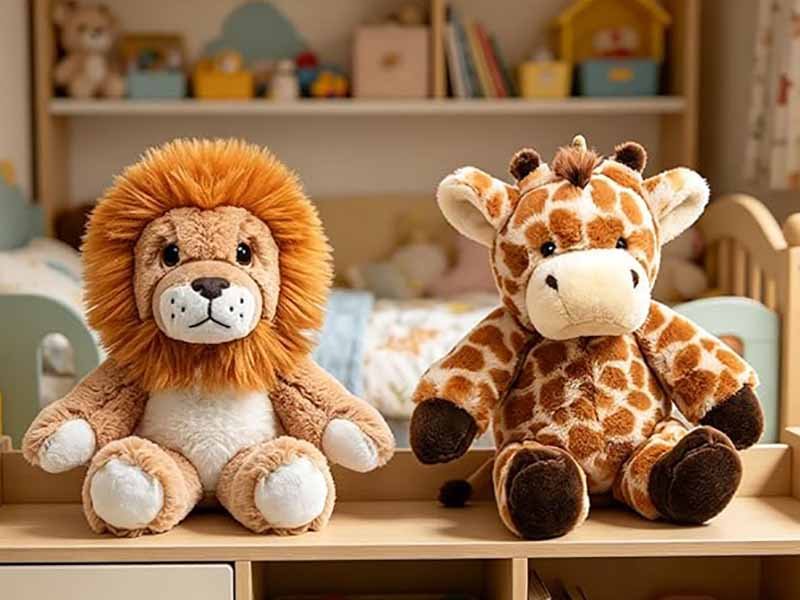
A small word can change how customers understand a soft toy. When people see “plushie,” they often imagine a cute stuffed toy, a collectible character, a mascot, a baby gift, or a soft companion sitting on a shelf. When they see “plushy,” they usually think about texture: soft, fluffy, cozy, thick, and pleasant to touch. For casual conversation, the difference may feel minor. For a brand preparing a product name, Amazon listing, Shopify category, retail package, influencer drop, or private label plush collection, the difference can affect search visibility, product trust, and customer expectations.
The better word depends on use. “Plushie” works best as a noun for a soft stuffed toy. “Plushy” works best as an adjective for a soft texture or cozy material feel. For product titles, category pages, packaging, and custom toy projects, brands usually get stronger clarity from “plushie,” “plush toy,” or “stuffed animal.” “Plushy” should support sensory descriptions, such as plushy fabric, plushy-soft filling, or plushy hand feel.
A creator may spend weeks designing a character, testing facial expressions, choosing colors, and building a fan story. Then one small naming question appears before launch: should the product be called a plushie, plushy, plush toy, or stuffed animal? The answer is not only about grammar. It is about how customers search, how retailers classify products, how AI tools understand intent, and how a factory like Delsney turns a sketch into a real plush product with accurate shape, safe materials, and production quality that matches the original concept.
What Does Plushie Mean?

A plushie is a soft stuffed toy made with plush fabric, filling, stitching, and shaped pattern pieces. It may be an animal, cartoon character, mascot, plush doll, pillow toy, baby comfort item, plush keychain, collectible figure, or custom brand merchandise. The word feels warm, simple, and easy for customers to understand.
The word “plushie” has become popular because modern plush products are no longer limited to teddy bears or animal toys. Many brands now use plushies as emotional products, not only children’s toys. A plushie can carry a story, represent an online character, support a product launch, become a collectible gift, or strengthen a community around a creator or brand.
For product naming, “plushie” has strong customer appeal. It sounds soft, cute, personal, and easy to own. A “custom plushie” feels more approachable than a “custom stuffed product.” A “character plushie” feels closer to fan culture than a “stuffed doll.” A “limited plushie drop” sounds more exciting for collectors than a “soft toy promotion.” The word helps brands connect product function with emotion.
At the same time, “plushie” should be used with clear commercial structure. Retailers, importers, safety documents, and factory quotations may still prefer terms such as “plush toy,” “stuffed toy,” or “stuffed animal.” Good product content can use several words together without confusion. For example, a page may use “custom plushies” in the headline, “custom plush toys” in service descriptions, and “stuffed animals” for animal-shaped products.
For Delsney projects, “plushie” often fits products with visual identity and emotional value. Examples include IP character plushies, digital creator merchandise, mascot plush toys, baby keepsake plush, event gifts, collectible animal plush, fashion brand plush charms, and private label plush collections. Delsney supports reference tech packs, artwork-based sampling, sample-based development, free design help, free sampling support, three-view drawing creation, and 3D effect presentation. Those services help brands move from a rough concept to a production-ready plushie with controlled shape, fabric, details, and finish.
Is Plushie a Real Word?
Yes, “plushie” is a real and widely used English word. It refers to a soft stuffed toy, usually made from plush fabric and filled with soft material. It appears in product listings, fan communities, gift shops, toy collections, social media captions, and custom merchandise projects. The word sounds casual, but that casual feeling can help product pages sound closer to real customer language.
For consumer-facing content, “plushie” is especially useful when the product has emotional or collectible value. A bunny toy, anime mascot, pet replica, creator character, holiday figure, or baby gift can all be called a plushie. The word helps customers quickly understand that the product is soft, huggable, and giftable.
For professional sourcing, “plushie” can be paired with more standard words. A brand may write “custom plushie” on a product page and “custom plush toy” in quotation files. For export, safety, and production communication, terms like “plush toy” and “stuffed toy” may reduce confusion. A balanced wording system protects both customer appeal and manufacturing clarity.
What Is a Plushie Toy?
A plushie toy is a soft toy built through fabric cutting, pattern making, sewing, stuffing, shaping, and finishing. It may include embroidery, printed fabric, appliqué pieces, woven labels, sound modules, accessories, removable clothes, weighted filling, scented inserts, heatable packs, or custom packaging. A simple plushie may look easy, but accurate production depends on many small decisions.
Several details affect the final result:
| Production Detail | Why It Matters | Customer Impact |
|---|---|---|
| Pattern accuracy | Controls head shape, body ratio, limbs, sitting posture | Better match with artwork |
| Fabric choice | Affects softness, color, pile direction, stretch | Stronger hand feel and visual style |
| Embroidery tension | Controls eyes, mouth, logo, small facial features | Cleaner expression and fewer defects |
| Stuffing density | Affects softness, balance, weight, rebound | Better hugging feel and shape stability |
| Seam allowance | Affects durability and final size | Fewer seam breaks and size errors |
| Accessory fixing | Controls safety and long-term use | Lower risk of loose parts |
| Final shaping | Adjusts ears, face, body, arms, and legs | More polished finished product |
Delsney focuses on high matching accuracy between design draft and finished plush product. Under clear specifications, finished products can reach up to 98% similarity with the original design. For brands, that number matters because small changes in eye distance, head roundness, limb position, or smile angle can change the entire personality of a plushie.
Are Plushies Only Animals?
No, plushies are not only animals. Animal plush toys are common, but plushies now cover many product forms. A plushie can be a human character, fantasy creature, logo mascot, food item, plant, object, pet replica, plush pillow, baby comforter, game character, event souvenir, or educational toy.
Examples across different markets include:
| Market Type | Plushie Example | Common Use |
|---|---|---|
| Creator merchandise | YouTuber mascot plushie | Fan sales, limited drops |
| Game studios | Character plushie | Collector products, launch gifts |
| Baby brands | Soft animal plushie | Newborn gift sets, comfort products |
| Pet brands | Custom dog or cat plushie | Pet memorials, personalized gifts |
| Food brands | Burger, milk tea, fruit plushie | Promotional gifts, store displays |
| Museums | Dinosaur or art character plushie | Gift shop retail |
| Fashion brands | Plush bag charm | Seasonal accessory collection |
| Sports teams | Team mascot plushie | Stadium shop merchandise |
The broad product range creates stronger need for a flexible manufacturer. A plush factory must understand more than sewing. It must understand artwork translation, brand style, material behavior, safety compliance, packaging, order size, and delivery timing. Delsney’s OEM/ODM service covers concept review, design support, sampling, fabric sourcing, production, quality inspection, and packaging support, making it suitable for both creative projects and retail-ready plush product lines.
Why Do People Say Plushie?
People say “plushie” because the word feels friendly and emotional. A plush toy is rarely just fabric and filling. Customers often buy comfort, memory, cuteness, fandom, companionship, gifting value, or a physical version of a character they love. “Plushie” fits that emotional meaning better than many formal product terms.
Social media has made the word even stronger. Fans post plushie collections, creators launch plushies as merchandise, and customers use plushies in lifestyle photos. A product tagged as a “plushie” feels easy to share, photograph, name, and collect. The word also fits short captions and product launch language.
For brands, the emotional tone creates real commercial value. A product named “custom plushie” can feel more personal than “custom stuffed item.” Yet naming still needs structure. A Delsney product page may use “custom plushies” for warmth, “OEM/ODM plush toys” for manufacturing credibility, and “stuffed animals” for animal-based products. That combination supports customer interest, search clarity, and serious sourcing decisions at the same time.
What Does Plushy Mean?

“Plushy” usually means soft, thick, cozy, fluffy, or plush-like. It is more often used as an adjective than as a product name. A blanket can feel plushy. A cushion can feel plushy. A toy can have a plushy surface. A fabric can have a plushy texture. For toy naming, “plushy” is useful for describing touch, but weaker as the main name for a stuffed toy.
The key difference is simple: “plushie” tells people what the product is, while “plushy” tells people how the product feels. A customer searching for a toy is more likely to understand “plushie,” “plush toy,” or “stuffed animal.” A customer reading material details may respond well to “plushy-soft fabric,” “plushy hand feel,” or “plushy filling.”
For product pages, that distinction matters. A title like “Custom Plushy Manufacturer” may sound less natural than “Custom Plushie Manufacturer” or “Custom Plush Toy Manufacturer.” However, the phrase “plushy-soft custom plushie” can work well in a product description because it combines product clarity with sensory appeal.
Texture plays a major role in plush toy purchases. Customers want to know whether a toy feels soft enough for babies, dense enough for display, smooth enough for embroidery, fluffy enough for animals, or premium enough for gift packaging. “Plushy” helps answer that sensory question. It can make the product feel more touchable in the customer’s mind.
For Delsney, “plushy” is best used in material and comfort descriptions. Since Delsney can customize many plush fabrics, filling options, surface textures, and product forms, the word can describe the final hand feel. Yet service pages, category titles, and quotation documents should still rely on clearer words such as “custom plush toys,” “custom plushies,” “stuffed animals,” “plush dolls,” and “character plush toys.”
Is Plushy Correct?
Yes, “plushy” is correct. It usually describes a soft, rich, thick, or plush-like texture. People may say a blanket feels plushy, a sofa looks plushy, or a plush toy has a plushy surface. The word is not wrong, but it does not work equally well in every product title.
For toy products, “plushy” can create small confusion when used alone. A customer may wonder whether the page is about toys, cushions, blankets, fabric, or home products. A product title should make the product category clear immediately. “Plushie” and “plush toy” do that better.
Better examples:
| Less Clear | Better |
|---|---|
| Custom plushy supplier | Custom plush toy manufacturer |
| Plushy for kids | Soft plushie for kids |
| Plushy animal factory | Custom stuffed animal factory |
| Plushy character toy | Custom character plushie |
| Plushy brand product | Private label plush toy |
The safest structure is to use “plushy” for feel and “plushie” or “plush toy” for the product. Example: “A custom bunny plushie made with plushy-soft fabric and balanced stuffing.”
Is Plushy a Noun or Adjective?
“Plushy” is mainly an adjective. It describes the quality of a fabric, surface, cushion, toy, or filling. It helps express softness, thickness, comfort, and a cozy touch. In product copy, it can help customers imagine how the item feels before they hold it.
“Plushie” is mainly a noun. It names the toy. A brand can sell plushies, design plushies, collect plushies, or manufacture plushies. “Plushy” should support that noun instead of replacing it.
A clear product wording system may look like the table below:
| Content Area | Recommended Wording | Reason |
|---|---|---|
| Product title | Custom bunny plushie | Clear product name |
| Service page | Custom plush toy manufacturing | Professional and broad |
| Material section | Plushy-soft minky fabric | Strong tactile description |
| Product specs | Stuffed toy with embroidered eyes | Clear for production and safety |
| Retail category | Stuffed animals | Familiar for parents and retailers |
| Launch campaign | Limited-edition plushie drop | Natural for fans and collectors |
For custom manufacturing, that structure reduces confusion between marketing, production, sourcing, and retail use.
What Does Plushy Fabric Mean?
Plushy fabric means fabric with a soft, full, fluffy, or cozy hand feel. In plush toy manufacturing, fabric selection affects appearance, texture, shape, cost, safety, and production difficulty. Two toys with the same pattern can look very different if one uses short plush and the other uses long-pile faux fur.
Common plush fabric options include short plush, crystal super soft fabric, minky, velboa, PV fleece, coral fleece, sherpa, faux fur, rabbit faux fur, recycled PET plush, and textured mixed fabrics. Each material has different pile height, stretch, weight, color effect, sewing behavior, embroidery performance, and surface finish.
| Fabric Type | Hand Feel | Best For | Production Notes |
|---|---|---|---|
| Short Plush | Smooth, clean, stable | Mascots, plush dolls, animals | Good for small details and embroidery |
| Minky | Very soft, premium touch | Baby plush, comfort toys | Popular for soft-touch products |
| Velboa | Low pile, neat surface | Promotional plush, character toys | Good print and embroidery control |
| PV Fleece | Fluffy, warm, full | Animal plush, large plush toys | Adds volume but may reduce fine detail |
| Faux Fur | Long, rich, expressive | Luxury animals, fantasy toys | Needs careful cutting and brushing |
| Sherpa | Wool-like, cozy | Winter plush, lifestyle gifts | Strong texture, less precision for tiny parts |
| Recycled PET Plush | Soft, eco-minded | Sustainable plush collections | Suitable for brands with material goals |
For Delsney customers, fabric choice should be decided early because it affects sample cost, MOQ, final size, shape accuracy, safety tests, and production lead time.
When Should You Use Plushy?
Use “plushy” when describing texture, softness, comfort, surface touch, or filling feel. It is useful in product descriptions, material sections, lifestyle copy, and packaging language. It helps customers imagine the softness of the product before purchase.
Good uses include:
| Sentence | Why It Works |
|---|---|
| The plushie has a plushy-soft surface. | Names the toy and describes texture |
| The minky fabric gives a plushy hand feel. | Focuses on material touch |
| The body feels plushy but keeps its shape. | Connects softness with structure |
| The cushion uses plushy filling with good rebound. | Explains comfort and function |
| The bear has a plushy coat and embroidered eyes. | Combines texture and design detail |
Avoid using “plushy” as the main product word for toy pages. A stronger phrase would be “custom plushie with plushy-soft fabric” or “custom plush toy made with plushy minky.” That wording keeps the product clear while still making the material feel attractive.
Which Word Is Correct?

“Plushie” and “plushy” can both be correct, but they serve different jobs. “Plushie” is better for naming the soft toy. “Plushy” is better for describing the soft feel. “Plush toy” works well for professional product categories. “Stuffed animal” works best when the toy has an animal shape, especially for children’s gifts and retail shelves.
The right word depends on product type, customer group, sales channel, and page purpose. A fan merchandise store may use “plushie” because fans speak that way. A factory service page may use “custom plush toys” because the term covers more product types. A baby gift page may use “stuffed animal” because parents recognize the category quickly. A premium gift page may use “plushy-soft texture” to highlight comfort.
For SEO and AI search visibility, a page should not rely on one word only. Natural content should include related terms in useful places: plushie, plush toy, stuffed animal, soft toy, plush doll, character plush, custom plush, OEM plush toy, private label plush, and plush manufacturer. That range helps search systems understand the topic while keeping the writing natural for real readers.
For brands preparing custom plush products, a practical naming system works better than a single-word rule:
| Product Situation | Best Main Term | Supporting Term |
|---|---|---|
| Cute character toy | Plushie | Character plush |
| Factory service page | Plush toy | OEM/ODM plush |
| Animal-shaped toy | Stuffed animal | Animal plushie |
| Baby gift item | Stuffed animal | Soft plush toy |
| Fan merchandise | Plushie | Limited plush drop |
| Retail category | Plush toy | Stuffed toy |
| Fabric description | Plushy | Plush fabric |
| Premium comfort product | Plush toy | Plushy-soft feel |
For Delsney, the practical answer is direct. Use “custom plushies” when the product is cute, collectible, or character-based. Use “custom plush toys” when describing manufacturing services. Use “stuffed animals” for animal-shaped products. Use “plushy” when describing fabric feel, softness, and comfort.
Plushie vs Plushy
“Plushie” names the object. “Plushy” describes the texture. A rabbit plushie is the toy. A plushy rabbit describes how soft or fluffy the toy feels. Both expressions can make sense, but they are not equally strong for product naming.
For online product pages, clarity matters. Customers should understand the product immediately. “Plushie” does that better because it points directly to a soft stuffed toy. “Plushy” works better when customers already know the product and want to understand the feel.
Better product wording:
| Product Idea | Stronger Wording |
|---|---|
| Soft rabbit toy | Bunny plushie |
| Fluffy mascot toy | Custom mascot plushie |
| Soft fabric toy | Plush toy with plushy-soft fabric |
| Collector character | Limited-edition character plushie |
| Premium stuffed toy | Plush toy with high-density filling |
A strong sentence may read: “Our custom bunny plushie uses plushy minky fabric, balanced stuffing, embroidered facial details, and child-safe stitching.” That sentence clearly explains product category, touch, structure, detail, and safety.
Plushie vs Plush Toy
“Plushie” feels warmer and more personal. “Plush toy” feels broader and more professional. Many brands need both. A product launch may use “plushie” to attract fans, while a supplier page may use “custom plush toy manufacturer” to show production capability.
“Plush toy” covers a wide product range: animal plush, plush dolls, plush pillows, plush keychains, mascot toys, weighted plush, baby plush, promotional plush, and branded gift plush. “Plushie” may feel more emotional, but “plush toy” gives stronger category coverage.
For Delsney, a balanced wording example would be:
“Delsney manufactures custom plush toys for brands, creators, retailers, and product companies, including character plushies, stuffed animals, plush dolls, plush pillows, plush keychains, and private label plush collections.”
That wording is clear for customers, useful for search, and broad enough for manufacturing services.
Plushie vs Stuffed Animal
A stuffed animal is usually an animal-shaped soft toy. A plushie can be an animal, character, object, mascot, plant, food shape, game figure, or fantasy creature. The two words overlap, but “plushie” is broader in modern online product language.
For children’s gifts, parents may search “stuffed animal.” For fan communities and collectors, “plushie” may feel more natural. For sourcing teams and retail categories, “plush toy” may be clearer. The best product name should match how the target customer thinks.
Examples:
| Product | Strong Term | Reason |
|---|---|---|
| Teddy bear | Stuffed animal | Familiar gift category |
| Anime character | Plushie | Fan and collector language |
| Baby deer toy | Stuffed animal | Parent-friendly wording |
| Game mascot | Character plushie | Strong link to character identity |
| Dinosaur toy | Dinosaur plush / stuffed animal | Good for retail and search |
| Logo mascot | Custom plush toy | Professional manufacturing term |
Delsney can support both soft animal toys and wider plush product development, so product wording can change by market and use case.
Plushy vs Plush
“Plush” is more standard than “plushy” for product categories and materials. Brands often use “plush toy,” “plush doll,” “plush fabric,” “plush pillow,” and “plush keychain.” “Plushy” is more emotional and descriptive, often used to emphasize extra softness.
For technical and factory communication, “plush” is more precise. A production team may discuss plush pile height, plush fabric GSM, plush cutting direction, plush sewing tension, and plush brushing. “Plushy” is more useful for customer-facing sensory language.
Practical difference:
| Term | Best Use |
|---|---|
| Plush | Fabric, category, product type |
| Plushy | Texture, softness, comfort |
| Plushie | Finished soft toy |
| Plush toy | Professional product category |
| Stuffed animal | Animal-shaped soft toy |
A product description may say: “The plush toy uses short plush fabric with a plushy-soft surface and firm internal stuffing.” Each word has a clear job.
Which Term Sounds Natural?
The most natural term depends on the sentence. “I bought a plushie” sounds natural. “The fabric feels plushy” sounds natural. “We manufacture custom plush toys” sounds natural. “We need a stuffed animal supplier” sounds natural for animal-shaped products.
For brands, natural wording should also support business goals. The name must help customers understand the product, help search engines classify the page, help AI search tools answer questions, and help factory teams prepare accurate samples.
A simple rule can guide product naming:
| Use Case | Natural Term |
|---|---|
| Customer-friendly toy name | Plushie |
| Factory and service page | Plush toy |
| Animal-shaped gift | Stuffed animal |
| Texture description | Plushy |
| Fabric discussion | Plush |
| Character merchandise | Character plushie |
| Product specification | Stuffed toy / plush toy |
| Private label collection | Custom plush toys |
Delsney’s advantage is not only producing soft toys. The company helps brands choose materials, develop samples, improve structure, control details, and build production-ready plush products. When wording and manufacturing are both handled carefully, the final plush product becomes easier to search, easier to sell, and easier for customers to love.
How Should Brands Name Plush Products?

Product naming should help customers understand the toy quickly, feel attracted to it, and find it through search. “Plushie” is strong for cute, collectible, character-based, and social-media-friendly products. “Plush toy” is stronger for factory service pages and commercial product categories. “Stuffed animal” works best for animal-shaped toys, baby gifts, and retail shelves.
A good plush product name does more than describe a soft toy. It sets expectation before a customer sees the full product page. A weak name can make the product feel unclear, cheap, or hard to classify. A strong name can help customers imagine the item in real life: who it is for, how soft it feels, what story it carries, and why it is worth buying.
For brands preparing custom plush products, naming should be planned early. Product names may appear in many places: website titles, Amazon listings, Shopify collections, TikTok Shop pages, packaging, hangtags, care labels, ads, wholesale catalogs, safety documents, and factory quotations. One casual word may work well on social media but feel vague in a product specification. A more formal term may work well in a catalog but feel cold in a customer-facing campaign.
A practical naming system can use different terms for different places. For example, a brand can call a product “Milo Bunny Plushie” on the product page, use “custom bunny plush toy” in SEO text, place “soft stuffed animal” in gift-related descriptions, and write “plush toy with embroidered eyes” in the technical file. Good naming does not force one word everywhere. It creates a clear language map.
For Delsney customers, naming also connects to manufacturing. A product called “plushie” may require specific work: character proportion adjustment, fabric selection, embroidery placement, stuffing balance, sitting posture, hand feel, packaging fit, and logo placement. A name like “baby stuffed animal” adds extra concerns: safety compliance, small-part control, washable structure, skin-friendly fabric, seam strength, and age grading. A name like “collectible plushie” may need sharper visual accuracy, limited-edition packaging, hangtags, serial labels, or premium materials.
The table below shows how brands can choose words by product goal:
| Product Goal | Recommended Main Term | Why It Works |
|---|---|---|
| Fan merchandise | Plushie | Feels personal and collectible |
| Factory sourcing page | Plush toy | Broad, professional, clear |
| Baby gift product | Stuffed animal | Familiar and trusted by parents |
| Animal character | Animal plush / stuffed animal | Clear shape and category |
| Digital IP product | Character plushie | Strong connection to character identity |
| Retail catalog | Plush toy | Easy for category management |
| Premium gift | Plush doll / plush toy | Can sound more polished |
| Softness description | Plushy | Good for hand feel and comfort |
| Eco product line | Recycled plush toy | Connects material value with product type |
Which Word Fits Product Titles?
Product titles should make the item clear within the first few words. A customer scrolling through search results, a marketplace, or a social feed does not spend much time decoding language. The title should say what the product is, who it is for, and what makes it special.
For most consumer-facing plush products, “plushie” works well when the item has personality, character, or collectible appeal. Product titles such as “Bunny Plushie,” “Custom Cat Plushie,” “Kawaii Character Plushie,” and “Mini Mascot Plushie” sound natural. They feel close to how customers talk and search.
For manufacturing and wholesale pages, “plush toy” is usually stronger. Titles such as “Custom Plush Toy Manufacturer,” “OEM Plush Toy Factory,” “Private Label Plush Toys,” and “Custom Character Plush Toys” sound more serious and complete. They also cover more product types than “plushie” alone.
For animal-shaped products, “stuffed animal” should not be ignored. Parents, gift shoppers, toy retailers, and educational brands often understand “stuffed animal” immediately. A strong title may combine both emotional and category terms.
| Product Type | Strong Title Example | Notes |
|---|---|---|
| Character toy | Custom Character Plushie | Best for IP, mascot, creator products |
| Animal toy | Custom Stuffed Animal | Strong for parents and gift markets |
| Factory service | Custom Plush Toy Manufacturer | Strong for sourcing and commercial intent |
| Baby product | Soft Baby Stuffed Animal | Clear and parent-friendly |
| Collector item | Limited-Edition Plushie | Works well for drops and fan products |
| Promotional gift | Custom Plush Mascot Toy | Good for events and brand campaigns |
| Bag charm | Mini Plush Keychain | Product form is clear |
| Pillow toy | Plush Pillow Toy | More accurate than plushie alone |
For Delsney, product titles should balance warmth and production clarity. A page can lead with “custom plushies” when targeting creative brands, then use “custom plush toy manufacturing” to explain deeper services.
How to Name IP Plush Toys?
IP plush toys need names that protect the character’s identity while making the product easy to understand. A good name should include the character name, product type, and a key product form. For example: “Luna Fox Character Plushie,” “Miko Game Mascot Plush Toy,” or “Baby Dino Collectible Plush.”
IP products are sensitive because fans care about details. The face, body proportion, color, clothing, posture, accessories, and expression must match the original character. A naming mistake may not ruin a product, but weak production accuracy can disappoint customers quickly. If a character is famous for a tiny smile, oversized head, special ears, or a unique outfit, those details must be reflected in the plush sample.
Useful IP plush naming patterns include:
| Naming Pattern | Example | Suitable For |
|---|---|---|
| Character name + plushie | Luna Plushie | Simple fan merchandise |
| Character name + animal type + plush | Luna Fox Plush | Animal-based IP |
| Brand name + mascot plush toy | Nova Mascot Plush Toy | Brand campaigns |
| Character name + collectible plushie | Miko Collectible Plushie | Limited editions |
| Character name + plush keychain | Pip Plush Keychain | Small accessories |
| Character name + plush doll | Aria Plush Doll | Human or doll-like characters |
Delsney supports IP plush development through three-view drawing, 3D effect presentation, sample making, fabric matching, embroidery testing, and structure adjustment. For IP projects, those steps matter because the final plush must feel recognizable at first glance. A product that reaches high visual matching is easier for fans to accept, photograph, and share.
How to Name Baby Plush Toys?
Baby plush toy names should sound safe, soft, warm, and easy to trust. Parents and gift shoppers often care less about trendy wording and more about comfort, safety, fabric, washability, age suitability, and durability. For baby products, “stuffed animal,” “soft plush toy,” “baby plush toy,” and “comfort plush” often work better than highly casual wording.
Good baby plush names may include:
| Product Style | Name Example | Customer Concern Addressed |
|---|---|---|
| Animal comfort toy | Soft Bunny Stuffed Animal | Softness and giftability |
| Lovey blanket plush | Baby Plush Lovey | Comfort and sleep support |
| Rattle plush | Plush Rattle Toy | Function and age use |
| Organic-style plush | Soft Cotton Plush Toy | Material trust |
| Gift set plush | Newborn Plush Gift Set | Gift occasion |
| Washable plush | Washable Baby Stuffed Animal | Easy care |
| Sensory plush | Baby Sensory Plush Toy | Texture and development |
Baby plush naming should avoid vague or exaggerated language. Words like “safe,” “baby,” “soft,” and “washable” should only be used when the product design and materials support those claims. A baby plush project should consider seam strength, embroidery instead of hard plastic eyes, soft labels, secure accessories, fabric testing, and compliance requirements for target markets.
Delsney can support baby plush projects with material selection, safety-conscious structure review, sample adjustments, and production quality control. For baby products sold in Europe and North America, brands should plan safety testing and compliance early instead of treating it as a final step.
How to Name Collectible Plushies?
Collectible plushies should feel special, memorable, and worth keeping. A collectible plush is not only a toy. It may be part of a limited release, fan campaign, seasonal drop, game launch, artist collaboration, subscription box, or premium gift series. Naming should create a sense of identity and series value.
Strong collectible plush names often include a character name, edition type, size, version, or theme. Examples include “Milo Winter Edition Plushie,” “Luna Mini Collectible Plush,” “Galaxy Cat Plush Series,” or “Festival Mascot Plush Doll.”
Useful naming elements include:
| Naming Element | Example | Why It Helps |
|---|---|---|
| Character name | Milo Plushie | Builds memory |
| Edition name | Winter Edition | Creates seasonal value |
| Size | 8-Inch Mini Plushie | Sets clear expectation |
| Series name | Galaxy Plush Series | Helps future product expansion |
| Material note | Sherpa Plushie | Adds texture value |
| Limited wording | Limited Release | Supports launch urgency |
| Packaging note | Gift Box Edition | Adds premium feel |
Collectible plushies often require higher visual control than basic promotional plush. Customers may compare product photos with original artwork. Small differences can become obvious, especially with character faces. For that reason, Delsney’s three-view drawing, 3D effect preview, sample revision support, and high design-to-product matching are useful for brands preparing collectible lines.
Which Keywords Help SEO?
SEO keywords should match both customer language and commercial intent. A page about plush wording can target “plushie or plushy,” but a product or service page should also include terms that lead to custom manufacturing. The goal is to connect language questions with real plush product needs.
Useful keyword groups include:
| Keyword Group | Example Keywords | Best Page Type |
|---|---|---|
| Word meaning | plushie or plushy, plushie meaning, plushy meaning | Blog article |
| Product category | plush toy, stuffed animal, plush doll | Category page |
| Custom service | custom plushies, custom plush toys | Service page |
| Manufacturing | plush toy manufacturer, plush toy factory | Landing page |
| IP products | character plushie, mascot plush toy | Case or solution page |
| Private label | private label plush toys, OEM plush toys | Commercial page |
| Material terms | plush fabric, minky plush, recycled plush | Material guide |
| Safety terms | child-safe plush toy, tested plush toy | Compliance content |
For Delsney, the article should not end at grammar. It should guide readers toward practical product planning: what product type they want, what fabric they need, what quantity they expect, what safety market they target, and what design materials they can provide. That turns a simple wording question into a useful starting point for custom plush development.
How Are Custom Plushies Made?
Custom plushies are made through design review, material selection, pattern development, sampling, revision, testing, bulk production, inspection, packaging, and shipping preparation. A strong plush project starts with clear artwork and product goals. A reliable factory then turns flat ideas into a soft, balanced, safe, and visually accurate finished product.
Many people think plush production is simple because the final product looks soft and friendly. In reality, custom plush manufacturing is a detail-heavy process. Every curve, stitch, fabric direction, embroidery size, filling level, and accessory placement changes the final result. A flat sketch may look cute on screen, but after cutting, sewing, turning, stuffing, and shaping, the toy can become wider, shorter, rounder, or less expressive than expected if pattern work is weak.
Good factories solve those problems before mass production. They review the design, judge whether the proportions can work as a 3D plush, suggest fabric choices, create pattern pieces, make a first sample, check accuracy, revise details, and confirm production standards. A high-quality sample is not only a preview. It becomes the physical standard for bulk production.
Delsney’s process is built for brands that care about custom results, not generic catalog toys. The company supports tech pack sampling, artwork-based sampling, sample-based duplication, free design support, free sampling help, three-view drawing creation, and 3D effect presentation. Normal plush samples can be completed in about 5–7 days, while projects involving molds, complex accessories, special structures, or advanced craft may require longer development.
Custom plush production should also consider order size, MOQ, lead time, compliance, packaging, shipping method, and target market. Delsney offers flexible MOQ and supports overseas brands that need custom, private label, OEM, or ODM plush products with their own logo.
What Files Do Brands Need?
Clear files help a factory understand the product faster and reduce sample revisions. A brand does not always need a complete technical file, but better input usually leads to faster development and better accuracy. At minimum, a factory should receive front artwork, side or back reference, size target, material preference, color reference, logo position, quantity estimate, target age group, and packaging idea.
Useful project files include:
| File or Information | Why It Matters | Best Format |
|---|---|---|
| Front artwork | Shows main character look | JPG, PNG, AI, PDF |
| Side and back views | Helps 3D structure planning | AI, PDF, sketch |
| Size requirement | Controls pattern scale and cost | cm or inch |
| Color reference | Reduces color mismatch | Pantone, fabric swatch, artwork |
| Material preference | Guides hand feel and price | Fabric name or reference photo |
| Logo file | Needed for label, embroidery, packaging | AI, EPS, PDF |
| Quantity estimate | Affects price and production plan | MOQ / target order |
| Target market | Affects safety compliance | US, EU, UK, Japan, etc. |
| Packaging idea | Helps box, bag, hangtag planning | Reference image or dieline |
Brands without full files can still start development. Delsney can help create three-view drawings and 3D effect visuals based on sketches, character images, reference toys, or product ideas. That service is valuable for creators, startups, and product teams that have a strong concept but limited technical design resources.
How Does Sampling Work?
Sampling turns the idea into a physical plush toy. The first sample helps check shape, size, fabric, color, embroidery, stuffing, balance, hand feel, and overall expression. For normal plush toys, Delsney can usually make samples in about 5–7 days. Projects with molded accessories, special materials, complex clothing, electronic modules, or unusual structures may require more time.
A practical sampling process may include:
| Step | What Happens | Main Checkpoint |
|---|---|---|
| Design review | Factory studies artwork and requirements | Feasibility and cost |
| Material matching | Fabric and color options are selected | Hand feel and appearance |
| Pattern making | 2D pattern pieces are prepared | Shape and proportion |
| First sample | Physical toy is sewn and stuffed | Overall look |
| Client review | Brand checks sample photos or video | Design match |
| Revision | Details are adjusted if needed | Face, shape, size, fabric |
| Final sample approval | Approved sample becomes standard | Bulk production reference |
Delsney offers sample modification support, which helps brands refine the plush before committing to larger production. Sampling should not be rushed blindly. A few careful adjustments at sample stage can prevent expensive bulk production problems later.
How Are Fabrics Selected?
Fabric selection should match product style, customer age, hand feel, detail level, price target, and safety requirements. A cute baby toy, a premium collectible plush, a long-fur animal, and a plush keychain may all require different fabrics. Choosing fabric only by softness can create problems if the material does not hold shape or support fine details.
Key fabric factors include:
| Factor | Why It Matters |
|---|---|
| Pile height | Affects softness, detail visibility, and shape |
| Fabric stretch | Changes pattern accuracy and stuffing result |
| GSM/weight | Influences durability, fullness, and cost |
| Color availability | Affects brand color matching |
| Embroidery stability | Important for eyes, mouth, logo, and small details |
| Shedding control | Important for baby toys and premium products |
| Washability | Important for children’s and daily-use plush |
| Compliance | Needed for target market safety standards |
For example, short plush works well for precise character faces because embroidery stays cleaner. Minky offers a very soft touch for baby and premium comfort products. Faux fur creates a richer animal look but can hide small seams and facial details. Recycled PET plush can support sustainability goals, but brands should plan certification and traceability needs early.
Delsney can help compare fabric options based on cost, softness, visual effect, order quantity, and compliance goals. That guidance helps brands avoid choosing a beautiful fabric that later causes production delays, cost jumps, or quality issues.
How Is Shape Accuracy Controlled?
Shape accuracy is one of the hardest parts of custom plush production. A plush toy is soft, so it changes after stuffing. The same pattern can look different depending on fabric stretch, filling density, seam tension, and final shaping. A good factory controls those variables from the first sample.
Important shape-control points include:
| Control Point | What It Affects |
|---|---|
| Pattern engineering | Head shape, body ratio, limb angle |
| Seam placement | Face structure and body smoothness |
| Stuffing weight | Softness, volume, balance |
| Fabric direction | Surface texture and symmetry |
| Embroidery position | Facial expression and character identity |
| Hand shaping | Final posture and polish |
| Sample standard | Consistency in bulk production |
Delsney focuses on matching finished plush products closely with approved designs. Under clear specifications, finished products can reach up to 98% match with the design draft. For character plushies, that level of control is important because customers notice small differences. Eye position, smile curve, ear angle, and body posture can decide whether a toy feels “right.”
How Is Safety Tested?
Safety testing depends on target market, age group, product structure, and materials. Plush products for children usually need stricter checks than adult collectibles or display items. A responsible plush project should consider safety from the design stage, not after bulk production.
Common safety concerns include:
| Safety Area | What to Check |
|---|---|
| Small parts | Eyes, buttons, beads, charms, accessories |
| Seam strength | Risk of filling leakage or tearing |
| Fabric safety | Chemical limits, colorfastness, skin contact |
| Filling quality | Cleanliness, rebound, even distribution |
| Sharp edges | Plastic accessories, internal parts |
| Flammability | Required in some markets |
| Labeling | Age grade, care label, warning text |
| Packaging | Suffocation warning, material safety |
For North American and European markets, brands may need testing related to toy safety standards, chemical restrictions, labeling rules, and age grading. Delsney can manufacture plush products to meet overseas safety and compliance needs, helping brands prepare products for higher-standard markets.
Safety also affects design choices. For baby plush, embroidery is often safer than plastic eyes. For plush keychains, metal parts must be fixed securely. For weighted plush toys, filling compartments should be stable. For heatable plush, inserts and fabric must be reviewed carefully. Good safety planning protects the customer, the brand, and the long-term reputation of the product.
Why Choose Delsney for Custom Plushies?
Delsney is a China-based plush product factory with more than 18 years of experience in plush product research, design, pattern development, sampling, manufacturing, quality control, and export service. For brands creating custom plushies, stuffed animals, plush dolls, mascot toys, baby plush toys, collectible plush products, or private label plush collections, Delsney provides end-to-end OEM/ODM support from concept to production.
Choosing a plush manufacturer is not only about price. A plush product carries visual identity, customer emotion, safety responsibility, retail value, and brand reputation. A low-cost sample may look acceptable in photos, yet fail in bulk production because of unstable stitching, wrong stuffing density, inaccurate embroidery, poor fabric color, loose accessories, or weak packaging protection. A serious plush supplier must control the whole chain: design interpretation, fabric sourcing, pattern making, sample correction, production management, inspection, compliance, labeling, packaging, and delivery.
Delsney is built for custom projects rather than only stock toys. Many overseas brands come with their own logo, character artwork, reference samples, technical files, style ideas, or product line concepts. Delsney can support those projects through reference-file sampling, artwork-based development, sample-based duplication, free design support, free sampling assistance, three-view drawing creation, and 3D effect presentation. For regular plush toys, sampling can usually be completed in 5–7 days. More complex items involving special accessories, molded parts, unusual fabric combinations, electronic functions, heatable inserts, or detailed clothing may need a longer development schedule.
For brands selling in Europe and North America, compliance and consistency are also important. A plush toy may need safe fabrics, secure seams, controlled small parts, proper labels, packaging warnings, and testing readiness. Delsney can manufacture plush products to meet overseas safety compliance requirements, helping brands reduce risk before entering retail, ecommerce, gift, baby, creator merchandise, and premium private label channels.
A strong plush supplier should also help brands make smarter decisions before production. Sometimes the original idea needs adjustment: a very tiny embroidered eye may not read clearly on high-pile fabric; a long tail may need internal support; a sitting plush may need weight balance; a baby toy may need embroidered details instead of plastic parts; a collectible plush may need stricter facial alignment. Delsney’s role is not only to sew what appears in the drawing, but also to help turn the idea into a product that can be manufactured, tested, packed, shipped, and sold with confidence.
What Can Delsney Customize?
Delsney can customize a wide range of plush products across different shapes, functions, materials, and brand uses. Products can be developed for retail sales, promotional campaigns, IP merchandise, baby products, gift lines, subscription boxes, event souvenirs, ecommerce stores, mascot programs, pet-inspired products, and premium private label collections.
Custom plush product options include:
| Custom Product Type | Common Uses | Key Development Focus |
|---|---|---|
| Character plushies | IP brands, creators, games, animation | Face accuracy, body ratio, color match |
| Stuffed animals | Toy brands, gift brands, children’s products | Safety, softness, durability |
| Plush dolls | Fashion dolls, human characters, mascots | Clothing, hair, facial expression |
| Mascot plush toys | Corporate brands, sports teams, schools | Logo identity, posture, recognizability |
| Baby plush toys | Newborn gifts, comfort toys, baby brands | Safe materials, embroidery, washability |
| Plush keychains | Retail accessories, fashion gifts, events | Small-size detail, hardware strength |
| Plush pillows | Lifestyle brands, home gifts, cushions | Filling density, fabric comfort |
| Weighted plush toys | Comfort products, wellness gifts | Weight balance, compartment structure |
| Heatable plush toys | Winter gifts, wellness plush | Insert safety, material tolerance |
| Plush bag charms | Fashion, boutique brands, accessories | Miniature accuracy, premium finish |
| Pet replica plush | Personalized gifts, pet brands | Photo-based similarity, color matching |
| Food-shaped plush | Food brands, cafés, lifestyle shops | Shape recognition, color impact |
Delsney can also customize materials, stuffing, embroidery, printing, labels, hangtags, packaging boxes, care labels, brand cards, and logo placement. For brands building a full product line, product consistency matters. A collection of 5, 10, or 20 plush SKUs should share similar fabric quality, body softness, label style, packaging logic, and inspection standards.
For example, a digital IP brand may need one hero character plushie, three mini plush keychains, and a gift-box version for a limited launch. A baby brand may need a soft animal plush, a lovey blanket, and a rattle plush using coordinated colors and safe embroidered details. A boutique gift company may need seasonal plush animals with matching hangtags, story cards, and retail-ready boxes. Delsney’s custom system supports single-SKU development and multi-SKU plush collections.
How Fast Is Sampling?
For regular plush products, Delsney can usually complete samples in 5–7 days after design details, size, fabric direction, and basic requirements are confirmed. Faster sampling helps brands test ideas, review hand feel, prepare launch photos, confirm product structure, and move toward production without losing market timing.
Sampling time depends on project complexity. A simple animal plush with standard fabric and embroidery can move quickly. A complex IP plush with clothing, molded accessories, mixed materials, printed parts, special stuffing, packaging design, or safety-sensitive baby use may require more time. Good sampling should be fast, but not careless.
A practical sampling timeline may look like:
| Project Type | Estimated Sample Time | Notes |
|---|---|---|
| Standard animal plush | 5–7 days | Common fabric, regular embroidery |
| Simple character plush | 5–7 days | Clear artwork and normal structure |
| Plush keychain | 5–8 days | Hardware and small details may need adjustment |
| Plush doll with clothing | 7–12 days | Clothing pattern and fit need review |
| Baby plush product | 7–12 days | Safety structure and fabric choice need extra care |
| Mixed-material plush | 7–15 days | Different fabrics need sewing tests |
| Plush with molded accessories | 10–15+ days | Mold or accessory development may extend time |
| Heatable or functional plush | 10–20+ days | Insert design and safety review matter |
Delsney also supports sample revision. Revision is often necessary because plush products change after real sewing and stuffing. A character head may need to be rounder. Ears may need firmer support. Eyes may need to move 2–3 mm for a better expression. A body may need more stuffing to sit properly. A logo embroidery may need thread adjustment. Those small changes often decide whether a product looks ordinary or professional.
For brands with a strict launch date, early preparation helps. The best approach is to provide artwork, size, material preference, logo file, quantity range, target market, and expected delivery date at the beginning. Clear input reduces back-and-forth and helps the sample team choose the right production path.
How Accurate Is the Final Plush?
Delsney can achieve up to 98% similarity between finished plush products and approved design drafts under clear specifications. For custom plushies, accuracy means more than copying a drawing. It means preserving the character’s identity after fabric cutting, sewing, stuffing, shaping, and finishing.
Accuracy is especially important for IP owners, creators, boutique brands, game studios, animation brands, pet product companies, and premium gift brands. A customer may forgive minor differences in a generic plush bear, but fans notice when a character’s eyes, mouth, ears, body shape, or clothing details feel wrong. A plush product must look like the original idea, not just resemble it loosely.
Key accuracy factors include:
| Accuracy Factor | What Delsney Controls | Why Brands Care |
|---|---|---|
| Head shape | Pattern curve, stuffing volume, seam location | Character recognition |
| Face expression | Eye size, mouth shape, embroidery placement | Emotional appeal |
| Body proportion | Height, width, limb ratio, sitting balance | Visual consistency |
| Color match | Fabric color, thread color, print color | Brand and IP identity |
| Fabric behavior | Pile direction, stretch, thickness | Final look and touch |
| Detail placement | Labels, accessories, clothes, appliqué | Premium finish |
| Bulk consistency | Production standard and inspection | Stable customer experience |
A design file is flat, but a plush toy is three-dimensional and soft. During development, a factory must predict how fabric will curve, how stuffing will expand, how embroidery pulls the surface, and how seams reshape the face. Delsney’s three-view drawing and 3D effect presentation help reduce uncertainty before sampling. Those tools allow brands to review front, side, and back structure more clearly.
High accuracy also improves commercial performance. Product photos look closer to artwork. Customers receive what they expected. Influencer content looks more consistent. Retail returns may decrease. Brand trust grows. For private label plush collections, stable accuracy across repeated orders is just as important as the first sample.
What OEM/ODM Support Is Offered?
Delsney provides end-to-end OEM/ODM support for custom plush products. That includes idea review, artwork interpretation, material recommendations, pattern development, sampling, revision, logo customization, packaging support, production, inspection, and export coordination. Brands can start with a complete technical file, a rough sketch, a reference image, a physical sample, or a product concept.
OEM and ODM needs can differ. Some brands know exactly what they want and need a factory to produce according to technical files. Others need design help, material suggestions, product structure advice, and packaging ideas. Delsney can support both paths.
| Service Type | What It Means | Best For |
|---|---|---|
| OEM plush toys | Manufacture based on brand’s design and requirements | Established brands with clear artwork |
| ODM plush toys | Factory helps develop or improve the product concept | Brands needing design and structure support |
| Private label plush | Products customized with brand logo, labels, and packaging | Retailers, gift brands, ecommerce stores |
| Artwork sampling | Plush developed from drawings or digital files | IP owners, creators, design teams |
| Sample-based development | Plush made by referencing an existing sample | Product upgrades, collection expansion |
| Tech-pack sampling | Product made from detailed production documents | Mature brands and professional buyers |
| Free design support | Factory helps improve visual or production details | Early-stage ideas and new product lines |
| Three-view creation | Front, side, and back views prepared for development | Character plush and mascot plush |
| 3D effect presentation | Visual preview before physical sample | Projects needing better pre-sample review |
Logo customization can include woven labels, printed labels, embroidery, hangtags, care labels, branded ribbons, story cards, gift boxes, polybags, display boxes, belly bands, and retail-ready packaging. For plush products, packaging should not be treated as decoration only. It protects shape during transport, communicates brand value, and affects shelf or unboxing experience.
Delsney’s flexible MOQ also helps brands test new plush ideas without forcing oversized starting orders. For growing brands, MOQ flexibility can reduce inventory pressure and support more SKU testing. For larger brands, Delsney can support bulk production with shorter lead times and consistent quality control.
Which Brands Does Delsney Serve?
Delsney serves overseas brands that need custom, private label, OEM, or ODM plush products with their own logo and product identity. Customers may include medium and large retail brands, high-end gift brands, IP owners, ecommerce sellers, boutique brands, baby product brands, game studios, animation companies, pet brands, creator merchandise teams, event companies, and promotional product businesses.
Different customer types have different concerns:
| Customer Type | Main Concern | Delsney Support |
|---|---|---|
| IP owners | Character accuracy and brand protection | 3-view design, sample refinement, shape control |
| Ecommerce brands | Fast launch, attractive product photos, stable quality | Quick sampling, packaging support, flexible MOQ |
| Baby brands | Safety, softness, washable structure | Material guidance, embroidery options, compliance support |
| Gift brands | Premium look, retail packaging, seasonal timing | Custom boxes, hangtags, multi-SKU production |
| Game studios | Fan recognition, limited release quality | Character plush development, detail control |
| Pet brands | Similarity to real pets, emotional value | Color matching, shape adjustment, custom details |
| Retailers | Cost control, consistency, delivery timing | Production planning, inspection, export support |
| Boutique brands | Small collections, unique design, premium finish | Low MOQ flexibility, material customization |
| Event companies | Deadlines, mascot identity, gift packaging | Fast sample review, bulk delivery planning |
For serious brands, choosing a plush supplier is a risk-management decision. A plush toy may seem simple from outside, but each order carries deadlines, customer expectations, design ownership, compliance needs, and retail pressure. Delsney’s experience across design, sampling, manufacturing, and quality control gives brands a more stable path from idea to finished product.
The best fit for Delsney is a customer who cares about design accuracy, custom service, quality assurance, safety compliance, and reliable production rather than only the lowest possible unit price. Plush products often become customer-facing brand assets. A well-made plushie can become a bestseller, a loyal fan item, a repeat gift, a social media photo prop, or a long-term brand symbol.
Final Thoughts: Plushie or Plushy?
“Plushie” and “plushy” are both useful words, but they should not be used in the same way. “Plushie” is the better choice when naming a soft stuffed toy, character product, collectible item, mascot, or gift. “Plushy” is better when describing a soft, cozy, thick, or pleasant texture. “Plush toy” works well for professional product categories and custom manufacturing pages. “Stuffed animal” remains strong for animal-shaped toys, baby gifts, and retail products.
For brands, the smarter choice is not simply choosing one word and ignoring the others. A strong plush product strategy uses each word in the right place:
| Wording Need | Best Choice |
|---|---|
| Product name for cute toy | Plushie |
| Factory service page | Plush toy |
| Animal-shaped product | Stuffed animal |
| Softness description | Plushy |
| Fabric and material discussion | Plush |
| Character merchandise | Character plushie |
| Baby gift category | Baby stuffed animal |
| Custom sourcing term | Custom plush toys |
| Private label service | Private label plush toys |
| OEM/ODM service | OEM/ODM plush products |
A brand preparing a custom plush line should think beyond the word on the page. Product success also depends on fabric choice, character accuracy, stuffing balance, safety compliance, sample speed, packaging, MOQ, quality control, and delivery timing. The right name helps customers find the product. The right manufacturing partner helps customers love it after they receive it.
Delsney helps brands turn plush ideas into real products through 18+ years of plush product development and manufacturing experience. From custom plushies and stuffed animals to plush dolls, mascot toys, plush keychains, baby plush products, collectible plush lines, and private label plush collections, Delsney supports design, sampling, pattern development, material selection, production, inspection, packaging, and export service.
Brands can send product drawings, reference photos, tech packs, logo files, target sizes, quantity plans, material preferences, packaging ideas, and safety market requirements to Delsney for review. The team can help check feasibility, suggest better materials, prepare samples, adjust details, and build a production plan matched to the project.
For custom plush products, contact Delsney to start a quotation and sample discussion. A clear concept, a reliable factory, and a well-made plush product can turn a simple soft toy idea into a product customers remember, collect, gift, and share.