Skip to content
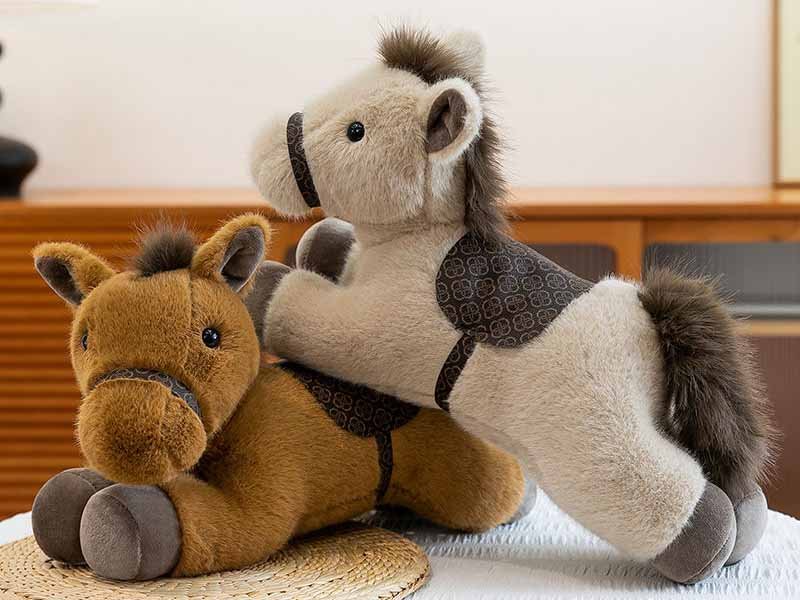
A plush toy looks soft, friendly, and simple on the shelf. Behind the softness, every good plush product depends on many exact decisions. The eye distance may need to stay within a few millimeters. The ear angle may change the whole character. The fabric pile direction may decide whether the plush looks premium or flat. The filling weight may affect shape, hand feel, carton size, and even how the toy sits during product photography. For brands, IP owners, retailers, gift companies, museums, theme parks, animation teams, and online sellers, plush toy manufacturing is no longer only sewing and stuffing. It is a full development process covering design files, fabric selection, pattern making, embroidery, sampling, safety checks, production control, and packaging.
Technology in plush toy manufacturing helps convert artwork, reference files, drawings, or physical samples into accurate plush products through digital design, 3D visual review, pattern records, laser cutting, embroidery programming, controlled filling, safety inspection, and production tracking. It helps reduce sample rounds, improve design accuracy, shorten development time, and keep bulk goods closer to the approved sample.
A client may send a cute character drawing and expect a plush toy that “feels exactly like the artwork.” That sounds easy until the first sample arrives with a face that feels slightly wrong, ears too long, body too thin, or embroidery placed too low. Modern technology does not remove craftsmanship. It gives craftsmanship better direction. That is why technology now plays such a large role in custom plush manufacturing.
What Tech Is Used in Plush Toy Manufacturing?

Technology used in plush toy manufacturing includes digital design, 3D modeling, pattern making, laser cutting, embroidery programming, filling control, material tracking, needle detection, pull testing, QC records, and production management. Each tool improves a different stage, from early artwork review to final shipment, making plush development faster, clearer, safer, and more repeatable.
A plush toy is a soft product, but its production is highly structured. The head, body, limbs, accessories, embroidery, seams, fabric direction, and stuffing must work together. A small mistake in one part can affect the whole product. Technology helps factories control those parts instead of relying only on memory or hand feeling.
For custom plush projects, clients usually care about five things:
Can the factory turn artwork into a real plush shape?
Can the first sample get close to the design?
Can the factory revise quickly after feedback?
Can bulk production match the approved sample?
Can the finished product meet safety and quality requirements?
Technology helps answer these questions with files, measurements, records, and controlled production steps. For example, three-view drawings clarify the front, side, and back structure. 3D effects help review volume before fabric cutting. Pattern records help repeat approved shapes. Embroidery programming keeps faces and logos consistent. Needle detection and pull tests help reduce safety risks. QC records help confirm bulk goods before shipment.
Delsney integrates plush product R&D, design, pattern making, sampling, manufacturing, and export sales. The factory supports technical-file sampling, artwork-based sampling, sample-based development, free design support, three-view drawing creation, 3D visual effects, flexible MOQ, and fast sampling within 5–7 days for many projects. For high-requirement custom plush programs, finished goods can reach up to 98% design-to-product matching when design files, material direction, size requirements, and approval standards are clearly confirmed.
Technology also improves communication. Overseas clients may not visit the factory during development. Clear digital records help both sides discuss the same product. Instead of unclear feedback such as “make it cuter,” better feedback can become:
Move both eyes upward by 3 mm.
Reduce head width by 5%.
Keep ear length but increase filling firmness.
Change embroidery thread from light brown to dark brown.
Move woven label to the left side seam.
Reduce belly stuffing by 8 g for softer hand feel.
That level of detail makes revisions easier and reduces wasted sample rounds.
| Production Stage | Technology Used | What Clients Gain |
|---|---|---|
| Artwork Review | Digital design, structure notes | Early warning before sampling |
| Shape Development | Three-view drawings, 3D effects | Clearer front, side, and back views |
| Pattern Work | Digital pattern records | Better repeatability across samples and bulk |
| Fabric Cutting | Laser cutting, cutting templates | More stable fabric pieces |
| Face Details | Embroidery programming | Consistent eyes, mouth, nose, logo |
| Filling | Filling weight control | Stable softness and body shape |
| Safety Control | Needle detection, pull tests, material checks | Lower product risk |
| Bulk Production | QC sheets, sample reference, production photos | Better consistency before shipment |
| Packaging | Packing records, carton planning | Cleaner delivery and retail preparation |
Digital Design
Digital design helps turn rough artwork into a plush-ready direction. Many character files look beautiful on screen but are not ready for sewing. A flat drawing may have very thin arms, tiny fingers, sharp hair points, delicate lines, or facial details too small for embroidery. If those details go directly into sampling without review, the first sample often misses the target.
Digital design allows the factory to adjust the character before materials are cut. The goal is not changing the brand character. The goal is making the character possible in soft fabric while keeping its identity. A thin tail may need more width. A tiny mouth may need embroidery instead of fabric sewing. A flat printed logo may need woven label or heat transfer. A complicated costume may need simplified seam lines to stay clean in bulk production.
For Delsney projects, digital design support can include:
Front, side, and back visual direction.
Size proportion review.
Fabric and color planning.
Embroidery area marking.
Logo placement suggestion.
Accessory structure review.
Packaging and label placement discussion.
For clients developing licensed plush, mascot plush, baby plush, anime plush, or promotional plush, digital design reduces blind sampling. It also gives internal teams a clearer file for approval before physical sampling starts.
3D Modeling
3D modeling helps review volume, proportion, and character posture before a real plush sample is made. A plush toy is not a flat image. Once filled, the head becomes rounder, the belly expands, the limbs curve, and the face may appear different from the original drawing. A 3D preview helps catch these shape changes earlier.
For character plush, 3D modeling is especially useful when the design includes a large head, short body, special ears, animal tail, cartoon hands, clothing, wings, horns, or brand mascot features. It allows the client to check whether the plush still feels balanced after becoming three-dimensional.
Useful 3D review points include:
Head-to-body ratio.
Ear angle and thickness.
Side profile of the face.
Belly curve and sitting posture.
Arm and leg placement.
Tail position.
Accessory size.
Logo visibility.
3D modeling does not replace physical sampling. Fabric pile, stuffing, seam tension, and hand feel still require a real sample. But a 3D review can reduce unnecessary trial-and-error. Delsney can provide three-view drawings and 3D effects for projects where shape accuracy matters, helping clients make decisions before sample production moves too far.
Pattern Making
Pattern making is one of the most important technical steps in plush toy manufacturing. It decides how flat fabric pieces become a soft three-dimensional product. Head roundness, body curve, ear shape, limb angle, seam placement, sitting posture, and filling volume all depend on pattern work.
A weak pattern can create many problems:
Head shape looks flat.
Body twists after filling.
Arms sit at different angles.
Ears fall in the wrong direction.
Fabric pile direction looks inconsistent.
Seams appear in visible or awkward places.
Bulk goods look different from the approved sample.
Pattern records help reduce these risks. Once a sample is approved, pattern files can be saved for bulk production, repeat orders, size changes, or product line extensions. For example, a mascot plush may later need 15 cm, 25 cm, and 40 cm versions. Pattern records help keep the same character feeling across different sizes.
Delsney supports pattern making from artwork, technical files, reference photos, or physical samples. For high-accuracy projects, pattern work is reviewed together with embroidery, fabric behavior, stuffing level, and product size. That full review helps the final plush stay closer to the client’s approved direction.
Laser Cutting
Laser cutting helps improve fabric piece consistency for certain plush designs, especially repeated parts, small appliqué pieces, clothing panels, logo patches, felt details, and projects with higher order quantity. In plush production, small cutting differences can affect seam position, product symmetry, and final shape.
Laser cutting can support:
Cleaner small detail pieces.
More consistent repeated fabric panels.
Faster cutting for stable shapes.
Reduced manual cutting variation.
Better control for appliqué and decorative parts.
Improved accuracy for accessories and clothing details.
Laser cutting is not the best choice for every material. Long pile plush, thick faux fur, or heat-sensitive fabric needs careful testing because edge condition and pile direction matter. A skilled factory should choose the right cutting method based on fabric type, design complexity, pile length, and product purpose.
Delsney reviews fabric behavior before choosing cutting methods. For some projects, manual cutting with templates works better. For others, laser cutting supports cleaner and faster production. The correct method should protect final product quality, not only reduce production time.
Auto Embroidery
Automated embroidery is essential for plush faces, noses, mouths, eyebrows, logos, icons, name details, clothing decorations, and small character features. For many plush toys, the face decides whether the product feels cute, premium, or off-target.
Embroidery programming turns artwork into stitch files. The factory must control stitch density, thread color, line thickness, angle, border, backing material, and placement. Poor embroidery can cause uneven eyes, puckered fabric, rough edges, color mismatch, or weak character expression.
For brand and IP plush, embroidery approval should be treated as a key development stage. A difference of 2–3 mm in eye position may change the expression. A mouth curve that is slightly too flat may make the character look unhappy. Thread color that looks correct on screen may look different on minky, short pile plush, or long pile fabric.
Delsney can support embroidery file adjustment, thread color matching, sample embroidery review, and bulk embroidery control. For licensed characters, baby plush, mascot plush, and private label plush, stable embroidery helps protect the final product identity.
How Does Tech Improve Plush Design?
Technology improves plush design by helping factories translate artwork into a manufacturable plush form with better shape, cleaner details, closer artwork match, and faster approval. It gives clients clearer review points before sampling, helps reduce unclear feedback, and keeps design decisions recorded for bulk production.
Plush design is not only drawing a cute toy. It is about turning a two-dimensional idea into a soft, filled, safe, and repeatable product. That process requires many choices. Which fabric should be used? Should the eyes be embroidered or plastic? How much should the head be enlarged after filling? Can the character sit by itself? Should the logo be printed, embroidered, or sewn as a label? How can the product stay cute after being packed in a carton?
Technology helps answer these questions before bulk production. Three-view drawings clarify shape. 3D previews show volume. Pattern records control structure. Embroidery programs stabilize facial details. Fabric cards control material direction. Sample photos and revision sheets keep communication clear.
A common design problem in plush manufacturing is “almost right.” The sample may look similar to the artwork, but something feels wrong. The head may be too narrow. The eyes may be too far apart. The mouth may be too thick. The fabric may change the color feeling. The body may not sit well. These are not always big mistakes, but they can hurt product value.
For high-end plush programs, small details are commercial details. Better design accuracy can help:
Improve product photos.
Reduce internal approval time.
Protect licensed character identity.
Support retail shelf quality.
Reduce product return risk.
Improve gift and collectible value.
Make repeat orders easier.
Delsney focuses on custom plush projects where design accuracy matters. The factory supports free design, three-view creation, 3D effects, flexible MOQ, 5–7 day fast sampling for many projects, and end-to-end OEM/ODM customization. When files and approval standards are clear, Delsney can help finished plush products reach up to 98% matching with the approved design direction.
| Design Problem | Technology Support | Result |
|---|---|---|
| Flat artwork does not show side shape | Three-view drawings | Better front, side, back clarity |
| Character looks different after filling | 3D review and pattern adjustment | Better volume control |
| Face expression changes in sample | Embroidery programming | More stable facial details |
| Revisions become unclear | Revision notes and sample records | Faster approval |
| Bulk differs from sample | Pattern and QC records | More stable repeat production |
| Fabric color looks different | Material cards and sample review | Better color confirmation |
Better Shape
Better shape comes from strong pattern work, fabric understanding, and filling control. A plush toy may look simple, but shape is built through many fabric pieces. A round head may require curved panels. A sitting body may require bottom structure. Long ears may need the right fabric direction. Short limbs may need accurate seam placement so they do not twist after filling.
Technology helps designers check shape before and after sampling. Three-view drawings show expected structure. 3D effects show volume. Pattern files control cutting and sewing. Sample measurement sheets help compare versions.
For clients, shape control affects market performance. A mascot plush with a weak head shape may not represent the brand well. A baby plush with uneven body shape may feel low quality. A collectible plush with the wrong proportions may fail with fans.
Delsney reviews shape through design, pattern, sample, and revision stages. The team focuses on head shape, body curve, limb balance, sitting or standing posture, seam position, and stuffing level, helping the finished plush feel closer to the intended character.
Cleaner Details
Cleaner details decide whether a plush looks retail-ready. Eyes, mouth, nose, cheeks, paws, clothing lines, accessories, hair pieces, wings, horns, labels, and logos all need the right method. Some details should be embroidered. Some should be sewn as appliqué. Some should be printed. Some should be simplified for safety or production stability.
Technology helps clean up these details through:
Embroidery file development.
Thread color matching.
Laser-cut appliqué pieces.
Pattern marking.
Sample photos.
Revision records.
Detail size review.
For baby plush, cleaner details may also mean safer details. Embroidered eyes are often preferred over small hard parts for younger age groups. For mascot plush, logo clarity may matter more. For anime plush, face expression and hair details may be the highest priority.
Delsney helps clients choose detail methods according to use scene, age group, safety needs, and product value. Cleaner details are not about adding more decoration. They are about choosing details that look good, pass inspection, and remain stable in bulk production.
Closer Artwork Match
Closer artwork match means the final plush keeps the key identity of the design: face, expression, color, proportion, posture, fabric feeling, and special features. Plush manufacturing cannot copy a flat image directly. Soft fabric changes shape. Stuffing adds volume. Seams change lines. Embroidery changes facial expression. Good technology helps manage these changes.
Delsney supports custom development from artwork, technical files, reference images, and physical samples. The team can prepare three-view files, 3D effects, fabric direction, pattern structure, embroidery files, and physical samples. These tools help the client compare the real plush against the approved design.
Design matching depends on clear information from the client. Useful files include:
Front artwork.
Side and back view if available.
Pantone or color reference.
Target size.
Fabric preference.
Logo file.
Reference sample.
Age group.
Packaging requirement.
Approval notes.
When details are clear, the factory can control shape and expression more accurately. For demanding projects, Delsney can help achieve up to 98% design-to-product matching after proper file confirmation, material confirmation, sample review, and revision approval.
Faster Approval
Faster approval comes from clearer review materials. When a client sees three-view drawings, 3D effects, fabric cards, embroidery samples, and sample photos, decisions become easier. The client can approve one part and revise another instead of restarting the whole sample.
A smooth approval process may include:
Artwork review.
Structure suggestion.
Material choice.
Three-view confirmation.
3D effect review if needed.
First sample.
Revision notes.
Final sample approval.
Bulk pre-production confirmation.
Technology makes feedback more measurable. Instead of saying “the head looks strange,” feedback can say “reduce head width by 6%, keep eye size, move mouth up by 2 mm.” Instead of saying “fabric looks wrong,” feedback can say “change from long pile to short pile minky for cleaner face shape.”
Delsney’s design and sample team helps clients organize feedback and convert it into production changes. For many standard plush projects, sampling can be completed in 5–7 days after key details are confirmed. That speed helps clients prepare photos, packaging, sales plans, and launch schedules earlier.
How Does Tech Speed Up Plush Sampling?
Technology speeds up plush sampling by making artwork review, material selection, pattern adjustment, embroidery setup, sample comparison, and revision communication more accurate. Clear files and production records help the factory avoid repeated mistakes, reduce sample rounds, and move from concept to approved plush faster.
Sampling is often the most stressful part of a custom plush project. The client wants to see the idea quickly. The factory needs enough information to build the product correctly. The design may still be changing. The fabric may need matching. The embroidery may need adjustment. The final size may need internal approval. Without a controlled process, one sample can easily become three or four rounds.
Technology improves sampling by creating a clearer path:
Digital design clarifies structure.
Three-view drawings reduce missing side and back details.
3D effects help review volume before sewing.
Pattern files make shape revisions easier.
Embroidery files help control face expression.
Material cards help confirm color and texture.
Sample records keep changes organized.
For clients, faster sampling means more than saving a few days. It can affect product photography, packaging design, retail presentation, online listing, compliance testing, and launch timing. A plush product developed for Christmas, Valentine’s Day, Easter, Halloween, game release, animation campaign, museum event, or corporate promotion cannot afford endless sample confusion.
Delsney supports flexible MOQ, free design, free sampling support based on project conditions, and 5–7 day fast sampling for many custom plush projects. Complex products may need longer, such as sound plush, light-up plush, weighted plush, large plush, or character plush with detailed accessories. Still, clear technology-supported development helps shorten the path from idea to sample approval.
| Sampling Factor | Poor Preparation | Better Technology Support |
|---|---|---|
| Artwork | Only one front image | Front, side, back, notes |
| Size | Rough size only | Target height, width, tolerance |
| Fabric | No material direction | Fabric cards and reference texture |
| Face | Unclear expression | Embroidery file and sample review |
| Shape | Verbal feedback | Pattern adjustment records |
| Revision | Mixed comments | Organized revision sheet |
| Approval | Sample judged by memory | Approved sample photos and notes |
| Bulk Readiness | Sample only | Production file package |
Quick Samples
Quick samples need complete information at the start. A factory can move faster when the client sends artwork, target size, fabric preference, logo files, reference images, product purpose, target market, packaging needs, and expected order quantity. Missing details cause delays because the sample team must stop and ask questions.
A practical sample brief should include:
Product name.
Target plush size.
Artwork or reference images.
Front, side, and back views if available.
Fabric preference.
Filling softness preference.
Logo placement.
Age market.
Safety requirement.
Packaging style.
Target quantity.
Delivery deadline.
For many standard projects, Delsney can support 5–7 day sampling after important details are confirmed. Larger or more complex items may need additional time. The fastest sample is not always the best sample; the goal is a sample close enough for meaningful review.
Quick sampling helps clients prepare product photos, internal review, sales presentations, crowdfunding materials, retail meetings, and pre-order campaigns. A strong first sample can shorten the whole product launch path.
Fewer Revisions
Fewer revisions come from better planning before the first sample. Many plush sample problems happen because the design was not translated clearly. The character may have details too small for sewing. The fabric may not support the expected shape. The embroidery may need more space. The size may not match the intended use.
Technology helps reduce these problems by checking structure earlier. Three-view drawings show missing angles. 3D effects reveal proportion issues. Embroidery files clarify face details. Pattern records make size changes more controlled. Material cards avoid fabric misunderstanding.
Common revision causes include:
Wrong head proportion.
Face embroidery too high or too low.
Fabric pile too long for small details.
Arms or legs not balanced.
Body too firm or too soft.
Logo too small for embroidery.
Accessories hard to sew.
Color not matching reference.
Delsney helps organize sample feedback into clear revision actions. Better feedback shortens revision time. A note like “reduce belly filling by 10 g and move nose embroidery 2 mm lower” is much more useful than “make it look better.” Clear revision language helps the next sample move closer to approval.
Three-View Drawings
Three-view drawings show front, side, and back structure. Many plush projects begin with only a front image, but plush toys need full three-dimensional planning. A character may have a tail on the back, side hair details, clothing seams, wings, ears, a backpack, or side logo placement. Without side and back views, the factory must guess.
Three-view drawings help confirm:
Body width.
Side thickness.
Ear angle.
Tail position.
Back details.
Clothing structure.
Logo placement.
Accessory location.
Seam direction.
Sitting or standing posture.
For licensed characters, three-view drawings are especially useful because approval teams often care about small shape differences. They also help reduce misunderstandings between design teams, sales teams, sample makers, and production teams.
Delsney can support three-view creation for custom plush projects. These drawings become a project reference through sample making, revision, bulk production, and repeat orders. They also help overseas clients review product direction without needing to visit the factory.
3D Preview
3D preview helps clients see the plush shape before a physical sample is made. It is useful for reviewing proportion, volume, posture, and character feeling. A design may look cute as a flat illustration but become too bulky, too thin, or unbalanced after becoming a plush toy.
3D preview can help check:
Head volume.
Body curve.
Face position.
Limb angle.
Sitting balance.
Accessory scale.
Side profile.
Overall cuteness.
3D preview does not replace real sampling because fabric, filling, softness, seams, and hand feel still need physical confirmation. But it reduces blind development. Clients can spot large shape problems earlier and make decisions before the sample team spends time cutting and sewing.
Delsney offers 3D visual support for projects that need stronger shape review. For mascot plush, anime plush, brand characters, IP plush, and complex gift plush, 3D preview can help internal teams approve direction faster and reduce sample risk.
How Does Tech Improve Bulk Production?

Technology improves bulk plush production by keeping cutting, embroidery, sewing, filling, inspection, and packing closer to the approved sample. Pattern records, cutting templates, embroidery files, filling standards, QC sheets, production photos, and shipment records help reduce batch differences, improve consistency, control defects, and make repeat orders easier.
Bulk production is where many plush projects face the real test. A sample may look perfect, but a bulk order of 1,000, 5,000, or 50,000 pieces needs the same shape, face, color, size, softness, and packaging again and again. Without production control, small differences can spread quickly across the order.
For custom plush clients, bulk quality is not only about avoiding broken products. It is about keeping the approved look. A mascot plush must keep the same face. A baby plush must keep the same softness and safety standard. A gift plush must look clean in packaging. A licensed character must match approved artwork. A promotional plush must meet delivery dates before a campaign or event.
Technology helps by turning sample approval into production instructions. A factory should not rely only on verbal notes after sample approval. The approved version should become a record package, including pattern files, material list, color references, embroidery files, filling weight, size tolerance, sewing notes, accessory details, label position, packaging method, and QC requirements.
Delsney supports bulk production for custom plush, private label plush, OEM plush, ODM plush, mascot plush, character plush, baby plush, weighted plush, sound plush, light-up plush, scented plush, and promotional plush projects. For high-requirement projects, production teams can follow approved samples, digital files, inspection standards, and order records to keep bulk output stable.
Bulk production control usually covers:
| Production Area | Control Point | Client Value |
|---|---|---|
| Fabric Cutting | Pattern size, pile direction, cutting accuracy | Stable body shape and cleaner seams |
| Embroidery | Stitch file, position, thread color | Consistent face and logo |
| Sewing | Seam allowance, stitch strength, part alignment | Better shape and durability |
| Filling | Filling weight, softness, body volume | Stable hand feel and appearance |
| Accessories | Sound module, light module, labels, tags | Correct function and branding |
| Safety | Needle detection, pull tests, material review | Lower compliance risk |
| Packing | Polybag, hang tag, carton, shipping mark | Cleaner shipment and retail readiness |
| Final QC | Size, appearance, function, packaging | Fewer shipment problems |
The goal is not to make production complicated. The goal is to make production predictable. For overseas clients, predictability matters because goods may travel by sea or air for weeks. Once products leave the factory, fixing mistakes becomes expensive. Better production technology helps solve more issues before shipment.
Stable Cutting
Stable cutting helps every plush piece start from the same shape. In plush toy manufacturing, cutting is not a small step. Fabric pieces decide head shape, body curve, arm length, ear symmetry, clothing position, and final size. If cutting varies too much, sewing workers may still finish the toy, but the plush may look different from piece to piece.
Cutting control depends on pattern accuracy, fabric direction, cutting method, and worker handling. Plush fabric has pile direction, stretch direction, and thickness differences. A piece cut in the wrong direction may reflect light differently or feel different when touched. For animal plush, face panels cut with inconsistent pile direction can make one side look darker or flatter.
Technology supports stable cutting through:
Digital pattern records.
Laser cutting for suitable materials.
Cutting templates for repeated panels.
Fabric direction marking.
Layer control during cutting.
Pre-production piece checking.
Cut part grouping by size and color.
For many plush orders, the approved sample should become the cutting reference. If the approved head pattern is changed casually during production, bulk goods may lose shape. Delsney can keep production files and sample references so repeat orders and size extensions remain more controlled.
Stable cutting is especially important for:
Character plush with recognizable faces.
Mascot plush with fixed proportions.
Small plush keychains where tiny errors are obvious.
Plush with clothing panels.
Plush accessories with appliqué details.
Multi-size product series.
A 2–3 mm cutting difference may look small on paper, but on a 10 cm plush keychain, it can noticeably change the face. On a 30 cm mascot, larger errors can affect sitting posture and body balance. Accurate cutting protects the design from the first production step.
Consistent Faces
Consistent faces are one of the most important quality points in plush production. Customers often judge plush toys by the face first. If eyes are uneven, the mouth is crooked, the nose is too low, or embroidery color changes, the product may feel defective even when sewing and filling are acceptable.
Automated embroidery and embroidery programming help control facial details across bulk production. Once the face embroidery file is approved, the same file can be used across production, reducing variation. However, embroidery quality still depends on fabric tension, backing material, placement, thread quality, machine settings, and inspection.
Face consistency should be controlled through:
Approved embroidery file.
Thread color reference.
Position marking.
Embroidery backing choice.
Fabric tension control.
Sample comparison.
In-line checking.
Final appearance review.
Common face issues include:
| Face Issue | Possible Cause | Control Method |
|---|---|---|
| Eyes not level | Poor placement marking | Embroidery positioning template |
| Mouth curve too thick | Wrong stitch density | Embroidery file adjustment |
| Fabric puckering | High stitch tension | Backing and machine setting control |
| Color mismatch | Wrong thread batch | Thread card and batch check |
| Face looks off-center | Cutting or sewing shift | Pattern and embroidery alignment |
| Nose shape unclear | Poor stitch direction | Stitch file revision |
| Logo embroidery rough | Too small or too dense | Logo size adjustment |
Delsney can support embroidery review during sampling and bulk production. For plush products with facial expression requirements, embroidery samples should be approved carefully before mass production. For licensed characters and high-end brand projects, face details should be checked against approved sample photos, not only general QC standards.
Consistent faces protect product reviews, retail appearance, and brand trust. A plush toy with a charming face can feel valuable. A plush toy with a slightly wrong face may feel cheap immediately.
Filling Control
Filling control decides plush softness, shape, weight, and hand feel. Many clients focus heavily on fabric and face embroidery, but filling is just as important. Too much filling can make a plush stiff, swollen, and less huggable. Too little filling can make it flat, wrinkled, or unable to sit properly.
Filling control is partly technical and partly experience-based. Workers need to know where to add more stuffing and where to keep softness. A plush head may need firm support to keep shape. A baby plush body may need softer filling for comfort. A sitting plush may need heavier lower-body filling. A weighted plush may need carefully placed pellets or inner bags.
Production teams can control filling through:
Approved sample reference.
Filling weight range.
Softness standard.
Part-by-part filling instruction.
Body shaping photos.
Weight check.
Hand-feel comparison.
Final appearance inspection.
Different plush types need different filling logic:
| Plush Type | Filling Focus | Key Risk |
|---|---|---|
| Baby Plush | Softness and safety | Too firm or unsafe loose parts |
| Mascot Plush | Shape and posture | Head too soft or body imbalance |
| Anime Plush | Face and hair shape | Uneven head volume |
| Weighted Plush | Weight distribution | Pellets shifting or uneven feel |
| Sound Plush | Module position | Hard area felt through fabric |
| Light-Up Plush | Component spacing | Uneven surface or pressure points |
| Keychain Plush | Small shape control | Overfilling changes face |
| Jumbo Plush | Body support | Collapsing or uneven stuffing |
For Delsney projects, filling control can follow approved samples, target weight, and hand-feel standards. For repeat orders, keeping filling records helps maintain consistency. A plush toy should not feel different every time a client reorders the same design.
Filling also affects logistics. Overfilled plush may increase carton volume. Underfilled plush may deform during shipping. Proper filling balances appearance, comfort, cost, and packing efficiency.
Production Records
Production records help turn one approved sample into stable bulk production. Without records, production depends too much on memory, and memory is risky when orders include many materials, colors, sizes, labels, accessories, and packaging requirements.
A useful plush production record may include:
Approved sample photos.
Final pattern files.
Fabric name and color.
Fabric supplier or batch.
Embroidery file version.
Thread color reference.
Filling weight.
Accessory list.
Logo position.
Label placement.
Packaging method.
Carton quantity.
QC standard.
Revision history.
Production records help in several ways. First, they reduce mistakes during bulk production. Second, they help future repeat orders. Third, they make quality problems easier to trace. Fourth, they support communication between design, sampling, production, QC, and sales teams.
For overseas clients, records are especially valuable. If a repeat order is placed six months later, the factory can check the approved file instead of restarting from memory. If a client wants a new size, the pattern and proportion records help development move faster. If there is a quality question, inspection photos and production records help identify the source.
Delsney can support order communication with sample photos, production updates, inspection information, packing details, and shipment preparation according to project needs. For complex plush programs, good records can reduce reorder risk and keep long-term product lines more stable.
How Does Tech Support Plush Safety?

Technology supports plush safety through material checks, needle detection, pull tests, seam strength checks, filling control, accessory inspection, electronic module testing, QC records, and compliance preparation. These steps help reduce risks for children’s products, retail programs, licensed items, and markets requiring standards such as EN71, ASTM, CPSIA, CE, or related safety documentation.
Plush toy safety is not one single test at the end. It starts from design. A plush made for babies should avoid risky small hard parts. A sound plush needs safe module placement. A light-up plush needs proper battery compartment planning. A weighted plush needs secure pellet containment. A scented plush needs controlled scent pack placement and material review. Safety depends on design, material, structure, production, and inspection working together.
Clients entering European and American markets often need stronger safety control. Requirements may involve physical and mechanical tests, flammability, chemical limits, small parts, sharp points, sharp edges, labeling, age grading, and documentation. The exact requirement depends on market, age group, product type, material, and whether the plush includes electronics or special filling.
Delsney can manufacture plush products that meet European and American safety compliance needs, and can support custom projects requiring EN71, ASTM, CPSIA, CE, and related compliance preparation. For high-requirement clients, safety should be discussed before sampling, not after bulk production.
Technology improves safety by making checks repeatable. Needle detection machines scan finished plush for broken metal fragments. Pull testing checks whether small parts or seams can resist force. Material records help confirm fabric and component sources. QC sheets record inspection results. Electronic module checks help confirm sound, light, battery, and wiring function.
Safety control areas usually include:
| Safety Area | What to Check | Why It Matters |
|---|---|---|
| Fabric | Fiber content, colorfastness, flame behavior if required | Skin contact and market compliance |
| Filling | Cleanliness, softness, weight, containment | Comfort and internal safety |
| Small Parts | Eyes, noses, buttons, accessories | Choking risk control |
| Embroidery | Thread quality, loose stitches | Safer alternative to hard parts |
| Seams | Strength and opening risk | Prevents stuffing leakage |
| Metal Risk | Needle detection | Finds broken needle fragments |
| Electronics | Battery, wiring, module position | Prevents function and safety issues |
| Labels | Age grade, warning, care label | Retail and compliance requirement |
| Packing | Suffocation warning if needed | Shipping and consumer safety |
A plush product that looks cute but ignores safety can create serious commercial risk. Good technology helps factories catch problems before the product reaches the market.
Material Checks
Material checks confirm that fabrics, fillings, threads, labels, accessories, and special components meet project requirements. For plush toys, materials touch skin directly and may be used by children, so material selection should never be casual.
Common plush materials include short pile plush, long pile plush, minky, faux fur, high-density polyester plush, cotton fabric, recycled plush, organic cotton, felt, fleece, and blended fabrics. Each material has different texture, pile length, stretch, color behavior, cutting behavior, and safety considerations.
Material checks may include:
Fabric color confirmation.
Pile length review.
Hand-feel comparison.
Shedding check.
Odor check.
Colorfastness concern.
Filling cleanliness.
Accessory safety review.
Batch consistency check.
For baby plush or toys for younger children, material choice becomes even more important. Softness, lint, loose fibers, hard parts, and chemical compliance should be reviewed early. Embroidered eyes may be safer than plastic eyes in many baby plush projects. Simple structures may be safer than complicated small accessories.
Delsney can help clients choose fabric and filling according to product use, target market, age group, and required compliance. For premium custom plush, material cards and sample swatches can be reviewed before bulk production to avoid color or texture surprises.
Needle Detection
Needle detection is a key safety process in plush toy manufacturing. During sewing, needles may occasionally break. If a broken needle fragment remains inside a plush toy, it can create serious safety risk. Needle detection machines help scan finished products before packing.
Needle detection is especially important for plush toys sold to children, retail chains, gift programs, and high-compliance markets. It should be part of final quality control, not an optional step after complaints happen.
A needle detection process may include:
Machine calibration.
Finished plush scanning.
Rejected product isolation.
Rechecking after correction.
Record keeping.
Packing only after passing inspection.
Needle detection does not replace good sewing management. Factories should also control needle use, broken needle records, machine maintenance, and worker reporting. A strong process combines prevention and final scanning.
Delsney can support needle detection and safety-oriented inspection for custom plush projects. For clients selling into Europe, North America, and other regulated markets, needle detection helps reduce risk before shipment.
Pull Tests
Pull tests check whether attached parts can resist force without coming loose. Plush toys may include eyes, noses, labels, ribbons, buttons, suction cups, keychains, accessories, sound buttons, light switches, or clothing details. If parts detach too easily, they can create safety and quality problems.
Pull tests are especially important for children’s plush toys and products with small components. Even decorative parts need review because children may pull, bite, twist, or chew plush toys during play. A part that looks secure in a sample may fail after repeated use if attachment is weak.
Common pull test areas include:
Plastic eyes and noses.
Sewn-on accessories.
Ribbons and bows.
Labels and tags.
Keychain loops.
Buttons.
Decorative patches.
Sound or light activation parts.
Seam openings.
For baby plush, many brands prefer embroidered features to reduce small-part risk. For older age groups or collectible plush, plastic or decorative parts may be acceptable depending on testing and market requirement.
Delsney can help review attachment methods during sampling. If a part creates risk, the factory may suggest embroidery, fabric appliqué, stronger stitching, larger component size, safer placement, or design simplification.
QC Records
QC records help prove that inspection was not based on memory or verbal promises. For plush toy orders, records may include approved sample photos, size measurements, fabric checks, embroidery checks, needle detection results, pull test notes, production inspection photos, packing photos, carton marks, and final shipment confirmation.
Good QC records help clients answer important questions:
Were bulk goods compared with the approved sample?
Were sizes checked?
Was embroidery position reviewed?
Were broken needles checked?
Were accessories attached correctly?
Were labels and packing requirements followed?
Were cartons marked correctly?
Were shipment quantities confirmed?
For complex plush projects, QC records also help future orders. If a client reorders a product, previous inspection notes can guide the next batch. If a problem appears after delivery, records help trace whether the issue came from material, sewing, filling, packing, or shipping.
Delsney supports 100% quality guarantee and can provide inspection communication according to project needs. For high-end brand programs, QC records help build trust between the factory and overseas clients, especially when clients cannot be present during production.
Are Smart Plush Toys Growing?

Smart plush toys are growing because brands want plush products that do more than sit on a shelf. Sound modules, light modules, sensors, recording functions, vibration parts, and interactive features can make plush toys more engaging for gifts, education, entertainment, therapy, brand promotion, and collectible product lines.
Smart plush toys create more value, but they also create more responsibility. A standard plush toy mainly needs soft goods safety. A smart plush toy may need electronic function checks, battery safety, module placement, wiring protection, button durability, sound quality, light brightness, washable structure planning, and extra compliance review.
The market interest is clear. Many brands want plush toys that sing, talk, glow, respond to touch, play voice messages, or support interactive storytelling. A sound plush may be used as a children’s gift. A light-up plush may be used for bedtime comfort. A sensor plush may be used for educational play. A branded mascot may include a short voice message. A promotional plush may include a QR code, NFC tag, or interactive campaign element.
However, smart features should be added carefully. Not every plush needs electronics. A poorly placed sound module can make the toy uncomfortable. A light module may create hard spots. A battery box may affect softness. If the plush is for young children, safety requirements become more serious. Smart plush development should begin with product purpose, age group, market, and safety plan.
Delsney can support custom sound plush, light-up plush, scented plush, weighted plush, and other special plush projects. For OEM/ODM clients, the factory can help review structure, module placement, fabric compatibility, safety concerns, and sample testing before bulk production.
Smart plush development often includes:
| Smart Feature | Common Use | Key Production Concern |
|---|---|---|
| Sound Module | Voice, music, animal sounds, brand message | Button placement, sound clarity, module pocket |
| Light Module | Night light, glowing parts, visual effect | Battery safety, LED position, fabric thickness |
| Sensor | Touch response, squeeze activation | Sensitivity and durability |
| Recording Module | Custom voice message | Sound quality and reset method |
| Vibration Part | Comfort plush, sensory plush | Module comfort and placement |
| Scent Pack | Aroma plush, gift plush | Scent intensity and containment |
| Weighted Filling | Comfort plush, sensory plush | Weight distribution and seam strength |
Smart plush toys can help a product stand out, but the design must protect comfort, safety, and production stability.
Sound Modules
Sound modules are widely used in plush toys for music, voice messages, animal sounds, character phrases, lullabies, learning content, and promotional messages. A sound plush can feel more emotional than a silent plush, especially when used for gifts, baby products, mascots, or branded campaigns.
Sound module design should consider:
Button position.
Speaker opening.
Sound clarity.
Battery access.
Module size.
Module pocket strength.
Washability limits.
Age group.
Safety label.
A common mistake is placing the sound module where users can feel a hard lump immediately. The module should be placed where it can be activated easily but does not ruin the plush hand feel. For a bear, belly placement may work. For a small plush keychain, sound modules may be too bulky. For baby plush, safety and softness require extra care.
Delsney can help design sound plush structure around module size and user interaction. During sampling, clients should test sound volume, button feel, module location, fabric thickness, and comfort.
Light Modules
Light modules are used for glowing eyes, stars, hearts, bellies, night-light effects, decorative accents, and holiday plush toys. Light-up plush products can work well for seasonal gifts, bedtime products, character toys, theme park merchandise, and promotional items.
Light module planning should consider fabric thickness. If fabric is too thick, the light may not show well. If fabric is too thin, the module may look harsh or create an uneven glow. Battery box location also matters because it can feel hard through the plush.
Important light plush checks include:
LED brightness.
Light color.
Battery box position.
Switch position.
Wire protection.
Fabric transparency.
Heat concern.
Seam strength around module pocket.
Battery replacement method.
For light-up plush, comfort and safety must be balanced with visual effect. A plush toy should not feel like a plastic gadget wrapped in fabric. Delsney can help review module position, fabric selection, and sample performance before bulk order.
Sensors
Sensors can make plush toys respond to touch, squeeze, motion, or sound. Sensor plush products are often used for interactive toys, educational products, companion plush, brand campaigns, and special gift programs. They can create a stronger user experience, but they require careful structure planning.
Sensor placement matters. If the sensor sits too deep inside the filling, it may not respond well. If it sits too close to the surface, it may create a hard spot. A squeeze sensor needs the right location and filling density. A motion sensor may need a stable internal pocket. A touch sensor may need compatible fabric and reliable activation.
Sensor plush projects should review:
Activation method.
Sensor position.
Internal pocket structure.
Filling density around sensor.
Battery and wiring safety.
User age group.
Testing requirement.
Packaging instruction.
For clients, sensor plush can add value but also increases development cost and testing needs. Delsney can help evaluate whether a smart function is suitable for the plush size, target market, and production budget.
Extra Testing
Smart plush toys often need extra testing because electronics introduce more risks than standard plush. A plush with sound, light, sensor, recording, or battery components may need function tests, battery checks, wiring checks, module placement checks, durability checks, and market-specific compliance review.
Extra testing may include:
Sound function test.
Light function test.
Button press test.
Battery compartment check.
Wire pull and protection check.
Drop or shake check if required.
Heat concern review.
Washability instruction check.
Age labeling review.
Physical and mechanical safety testing.
Smart plush packaging should also include clear user information. If the product contains batteries, sound modules, lights, or non-washable components, care instructions must be clear. For products sold in Europe or North America, electronic and toy safety requirements should be reviewed early.
Delsney can help clients plan smart plush projects from sample stage, including module selection, structure design, function review, and production inspection. For overseas brands, it is better to confirm safety and testing needs before finalizing the design rather than after the bulk order is complete.
How to Choose a Tech-Ready Plush Factory?

A tech-ready plush factory should have design ability, pattern making experience, fast sampling, 3D and three-view support, stable embroidery control, fabric knowledge, safety inspection, QC records, flexible OEM/ODM service, and clear communication. The right factory helps clients reduce sampling risk, protect character accuracy, control bulk quality, and launch plush products with fewer delays.
Choosing a plush toy factory is not only comparing price. A low quotation may look attractive at the beginning, but if the sample misses the artwork, if the face changes in bulk production, if fabrics do not match, if safety checks are weak, or if delivery is delayed, the real cost becomes much higher. For custom plush products, factory ability directly affects product value.
A strong plush factory should understand both creative design and production limits. Clients may provide a brand mascot, anime character, baby toy concept, museum souvenir idea, game IP, pet plush, weighted plush, sound plush, or promotional gift. Each project has different needs. Some need accurate face embroidery. Some need very soft fabric. Some need safe baby-friendly structure. Some need low MOQ trial production. Some need retail packaging, barcode labels, or compliance documents for Europe and North America.
A tech-ready factory should not simply say “yes, we can make it.” It should ask useful questions:
What size do you want?
Which market will the plush enter?
Is the product for children or adults?
Do you need EN71, ASTM, CPSIA, CE, or other compliance support?
Will the plush include sound, light, scent, weight, or special filling?
Do you have front, side, and back artwork?
Do you need three-view drawings or 3D effects?
What fabric hand feel do you prefer?
Will the product be sold online, in retail stores, or used for promotion?
Do you need custom logo, hang tag, woven label, care label, or packaging?
These questions help prevent errors before sampling. A professional factory saves time by finding risks early, not by rushing into production blindly.
Delsney is a China plush product manufacturer with more than 18 years of experience in R&D, design, pattern making, sampling, manufacturing, and export sales. The factory supports custom plush products in many fabric types and product styles, including baby plush, character plush, mascot plush, anime plush, weighted plush, sound plush, light-up plush, scented plush, promotional plush, collectible plush, keychain plush, and private label plush programs.
Delsney supports end-to-end OEM/ODM customization, including technical-file sampling, artwork sampling, sample-based development, free design, free sampling support under suitable project conditions, flexible MOQ, 5–7 day fast sampling for many projects, three-view creation, 3D visual effects, 98% design-to-product matching under clear approval standards, short bulk lead time, and European and American safety compliance support.
| Factory Ability | What Clients Should Check | Why It Matters |
|---|---|---|
| Design Support | Can the factory adjust artwork for plush production? | Reduces early design mistakes |
| Three-View Support | Can front, side, and back views be created? | Prevents missing structure details |
| 3D Review | Can volume and proportion be shown before sampling? | Helps internal approval |
| Pattern Making | Does the factory have experienced pattern makers? | Controls shape and repeatability |
| Embroidery Control | Can faces and logos stay consistent? | Protects character identity |
| Fabric Knowledge | Can the factory suggest suitable plush materials? | Improves hand feel and appearance |
| Fast Sampling | Can samples be made quickly after details are clear? | Helps launch schedule |
| Safety Support | Can products meet EN71, ASTM, CPSIA, CE needs? | Reduces market risk |
| QC Records | Can inspection details be documented? | Supports overseas order control |
| OEM/ODM Service | Can the factory handle logo, packaging, and private label? | Builds a complete product program |
Design Ability
Design ability is the first sign of a capable plush factory. A strong factory does not only wait for perfect files. It can help review artwork, identify production risks, suggest fabric choices, simplify difficult details, adjust shape, and prepare clearer files for sampling.
Many custom plush projects begin with incomplete information. A client may have only a front-view illustration, a brand mascot logo, a rough sketch, a photo of an old sample, or a product idea. A skilled design team can turn that early material into a manufacturable plush direction.
Good plush design ability includes:
Artwork review.
Character proportion adjustment.
Fabric direction suggestion.
Face embroidery planning.
Logo method selection.
Accessory simplification.
Safety risk review.
Three-view drawing support.
3D effect support.
Packaging direction support.
Design ability is especially important for high-requirement projects. A licensed character cannot lose identity. A baby plush cannot include risky small parts. A museum souvenir must feel refined. A promotional plush must show the logo clearly. A weighted plush must feel comfortable and balanced. A sound plush must hide the module without hurting softness.
Delsney provides free design support for custom plush projects. The team can help clients review artwork, create three-view directions, prepare 3D visual effects, choose suitable materials, and improve plush structure before sampling. For clients without complete technical files, this support makes development easier and reduces early uncertainty.
Clients should look for a factory that can give constructive suggestions instead of simply copying artwork without review. Sometimes the best factory decision is telling the client that one detail needs adjustment before production. That honesty protects the final product.
Sample Speed
Sample speed matters because plush projects often follow fixed launch dates. Retail seasons, holiday campaigns, licensed product releases, crowdfunding schedules, gift programs, and online listing plans all depend on sample approval. A slow sample can delay photography, packaging, testing, sales pages, and bulk production.
Fast sampling does not mean careless sampling. A good factory moves quickly because the workflow is organized: artwork review, material selection, pattern making, embroidery file setup, cutting, sewing, filling, shaping, internal checking, and sample photos all move in order.
For many standard custom plush projects, Delsney can support 5–7 day fast sampling after key details are confirmed. Complex plush products may need longer, especially when they include sound modules, light modules, weighted filling, special fabric, detailed clothing, unusual shapes, or multiple accessories. A reliable factory should explain the timeline honestly based on product complexity.
Sample speed is affected by:
Artwork completeness.
Target size.
Fabric availability.
Embroidery complexity.
Pattern difficulty.
Need for 3D effect or three-view creation.
Sound or light module development.
Packaging requirement.
Revision scope.
Internal approval speed from the client.
A strong sample process should produce a sample that can be reviewed seriously, not just quickly. The client should check shape, face, fabric, hand feel, size, filling, label, logo, accessories, safety concerns, and packaging direction. If the first sample is close to the target, the whole project moves faster.
Delsney helps clients speed up sample approval by using clear design files, revision records, photo communication, and experienced pattern making. For overseas clients, this means fewer unclear emails and fewer repeated sample rounds.
Quality Control
Quality control is where factory promises become visible. A custom plush product should be checked from material arrival to final packing, not only after production is finished. Strong QC helps control appearance, size, softness, stitching, embroidery, accessories, safety, labels, packaging, and carton condition.
Plush QC should include several layers:
Material check before cutting.
Pattern and cutting check.
Embroidery position check.
Sewing quality check.
Filling and shape check.
Accessory attachment check.
Needle detection.
Pull test where required.
Final appearance inspection.
Packaging and carton check.
Shipment confirmation.
For clients, QC should focus on the real risks of the product. A baby plush needs stronger attention to small parts, seams, fabric softness, and safety labels. A character plush needs face accuracy and shape consistency. A weighted plush needs filling containment and weight distribution. A sound plush needs function checks and module placement. A promotional plush needs logo clarity and delivery timing.
Common QC checkpoints:
| QC Area | What to Inspect | Risk if Ignored |
|---|---|---|
| Fabric | Color, pile, texture, stains, shedding | Product looks different from sample |
| Embroidery | Position, color, density, rough edges | Face expression changes |
| Sewing | Seam strength, alignment, loose threads | Product durability issues |
| Filling | Weight, softness, shape, balance | Plush feels different across order |
| Small Parts | Attachment strength, placement | Safety and quality risk |
| Electronics | Sound, light, switch, battery area | Function complaints |
| Labels | Logo, care label, age label, warning label | Retail and compliance issues |
| Needle Detection | Metal fragment scan | Serious safety risk |
| Packaging | Polybag, box, hang tag, carton mark | Shipment and warehouse problems |
Delsney offers 100% quality guarantee and can support inspection communication for custom plush projects. The factory can follow approved samples, project files, client requirements, and safety standards to reduce shipment risk. For orders going to Europe and North America, Delsney can support products that meet relevant safety compliance needs such as EN71, ASTM, CPSIA, CE, depending on product type and final testing requirements.
Good QC does not only catch defects. It protects the client’s launch plan, brand reputation, customer reviews, and repeat order stability.
OEM/ODM Support
OEM and ODM support decides whether a factory can handle a full custom plush program rather than only sewing an existing design. OEM service means producing according to the client’s approved design, logo, material, and packaging requirements. ODM service means helping develop the product from concept, artwork, sample, or reference idea into a finished plush product.
For many overseas clients, ODM support is valuable because plush development requires technical decisions. A client may know the character and market but may not know which fabric, filling, embroidery method, size, safety structure, or packaging direction is best. A capable factory can help turn the idea into a product plan.
Delsney supports end-to-end OEM/ODM plush customization, including:
Artwork-based plush development.
Technical-file sampling.
Reference photo sampling.
Physical sample replication.
Free design support.
Three-view drawing creation.
3D visual effects.
Fabric and filling selection.
Embroidery and logo customization.
Sound, light, scent, and weighted plush development.
Private label service.
Custom hang tags, woven labels, care labels, and packaging.
Flexible MOQ.
Fast sampling.
Bulk production.
Quality inspection.
Export shipment support.
OEM/ODM support also affects long-term product planning. A brand may start with one plush toy, then expand into a full product line: different sizes, seasonal colors, keychains, jumbo plush, scented versions, sound versions, gift packaging, or retailer-exclusive editions. A factory with good records and development ability can help build that line more efficiently.
For high-end clients, OEM/ODM service should feel organized. The factory should help define the sample route, required files, timeline, quality standard, packaging details, safety needs, and shipment plan. Delsney’s integrated design, pattern, sampling, and manufacturing workflow helps reduce communication gaps between creative idea and finished product.
Start a Custom Plush Project with Delsney
Technology has changed plush toy manufacturing, but the purpose remains very human: make a soft product that people want to hold, keep, gift, collect, photograph, and remember. Better tools help protect that feeling. Digital design protects the original idea. Three-view drawings protect structure. 3D effects help shape approval. Pattern records protect repeatability. Embroidery programming protects the face. Cutting control protects symmetry. Filling standards protect hand feel. Safety inspection protects the market. QC records protect the final shipment.
For brands, IP owners, retailers, gift companies, museums, theme parks, online sellers, and premium custom projects, the real value of technology is not about using more machines. The value is reducing uncertainty at every stage:
Will the plush match the artwork?
Will the sample be close enough to approve?
Will the face stay consistent in bulk production?
Will the fabric feel right?
Will the toy meet safety requirements?
Will the product arrive before the launch date?
Will repeat orders match the previous batch?
Delsney helps clients answer these questions with more than 18 years of plush product development and manufacturing experience. The factory integrates R&D, design, pattern making, sampling, production, QC, and export sales. Clients can develop custom plush products using many fabric types, rich product styles, private label options, and OEM/ODM customization support.
For high-requirement projects, Delsney can support technical-file sampling, artwork sampling, sample-based development, free design, free sampling support based on project conditions, three-view drawing creation, 3D visual effects, flexible MOQ, and 5–7 day fast sampling for many custom plush products. With clear files and approval standards, Delsney can help finished plush products reach up to 98% design-to-product matching.
Clients preparing a custom plush inquiry can send:
Artwork, sketch, or reference photo.
Front, side, and back view if available.
Target plush size.
Product purpose.
Target market and age group.
Fabric preference.
Filling preference.
Logo file.
Packaging requirement.
Safety compliance needs.
Order quantity.
Expected delivery time.
Shipping destination.
If a design is still early, Delsney can help review it before sampling. The team can suggest fabric, structure, embroidery method, filling, size, packaging, and safety points. That early support helps prevent unnecessary sample rounds and gives the project a clearer path.
A plush toy may begin as a drawing on a screen, but the final product must pass through real hands: the designer, the pattern maker, the sewing worker, the filling worker, the QC inspector, the shipping team, and finally the customer who opens the package. Technology helps every hand work toward the same approved product.
Contact Delsney to start your custom plush project. Send your artwork, product idea, target size, quantity, and logo requirement. Delsney can help review your design, prepare a sample plan, suggest materials, create three-view or 3D references when needed, and move your plush product from idea to finished goods with a clearer, safer, and more reliable process.