Skip to content
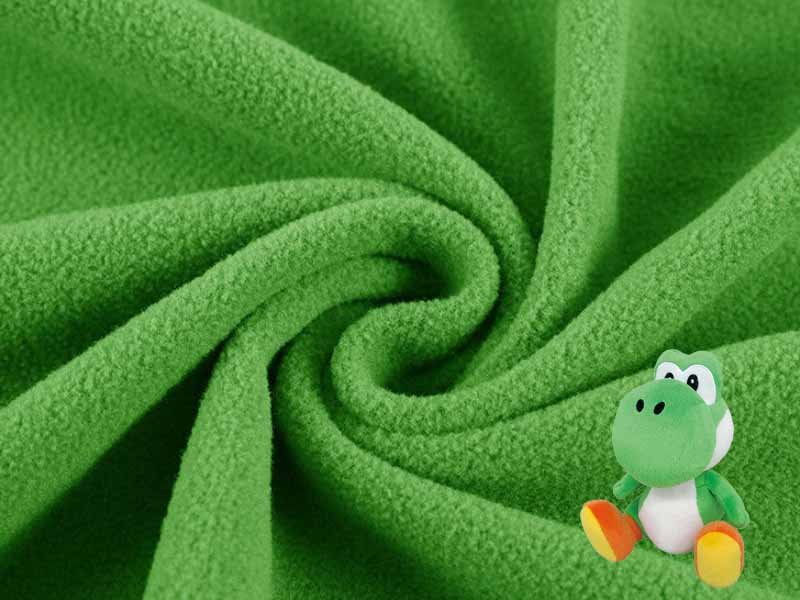
Fabric decides far more than the surface feel of a plush toy. It affects how close the final product looks to the artwork, how well the shape holds after stuffing, how clean the embroidery appears, how safe the toy feels for children, how many sample rounds may be needed, and how much the finished order may cost. Many plush development problems begin before pattern making. A design team may choose a fabric because it looks soft in photos, only to find later that the pile hides the eyes, the color shifts under light, the fabric stretches during sewing, or the face loses its original expression after filling.
For custom plush toys, fabric should be selected according to product type, target age group, artwork details, market safety requirements, softness goal, order quantity, and cost range. Common options include minky, velboa, short-pile plush, long-pile plush, faux fur, fleece, sherpa, printed plush, recycled plush, and mixed-texture materials. A strong fabric choice can reduce sample revisions, improve design accuracy, support safety testing, and help bulk production stay consistent.
A plush toy project usually feels simple at the beginning: send artwork, make sample, approve production. In real manufacturing, small fabric decisions can change the full result. A 20 cm baby comfort plush, a 30 cm IP character, a 45 cm mascot doll, and a retail animal plush may all need different fabrics even when all of them are called “custom plush toys.” Delsney helps international brands and product teams review fabric direction before sampling, so hand feel, appearance, safety, cost, and lead time can be balanced from the first prototype.
What Are Custom Plush Fabrics?

Custom plush fabrics are soft textile materials selected for a specific plush product design. They influence touch, structure, color, sewing accuracy, filling effect, washing performance, testing needs, and bulk production stability. In OEM/ODM plush manufacturing, fabric selection should happen before sample development, not after the first sample looks wrong.
What fabrics are used for plush toys?
Most plush toys use polyester-based plush fabrics because they are soft, stable, color-friendly, and suitable for scaled production. Polyester plush can be made in different pile heights, weights, textures, colors, and finishes, giving product teams many design choices without losing production control. For custom plush projects, common fabric options include minky, velboa, short-pile plush, long-pile plush, faux fur, coral fleece, sherpa, crystal super soft fabric, spandex plush, printed plush, recycled plush, and fabric mixes for ears, paws, clothing, belly panels, labels, or accessories.
Different plush styles need different fabric behavior. A blind-box plush usually needs clean surface, neat sewing, and stable small-size detail. A baby plush needs low-shedding fabric, soft touch, secure embroidery, and easy cleaning. A mascot plush often needs strong color blocks and accurate shape. A premium animal plush may need longer pile or faux fur to create a richer look.
For Delsney projects, fabric selection usually begins with several basic questions:
What is the target plush size?
What age group will use the product?
Will the toy be used for play, gifting, retail display, baby comfort, pet-related promotion, or IP merchandise?
Does the design need embroidery, printing, clothing, accessories, or mixed textures?
Will the product need EN71, ASTM, CPSIA, CE, or other market-related compliance support?
Is the order focused on fast launch, premium hand feel, strict brand color, or cost control?
Once those points are clear, fabric matching becomes more accurate. Without those answers, even a soft fabric may be the wrong fabric.
| Plush Product Type | Common Fabric Direction | Why It Works |
|---|---|---|
| Baby plush toys | Minky, short-pile plush, smooth low-shed plush | Soft hand feel, cleaner embroidery, easier safety review |
| IP character plush | Minky, velboa, short-pile plush | Better artwork accuracy and facial detail |
| Mascot plush | Velboa, short-pile plush, low-stretch plush | Clear shape, logo visibility, stable color panels |
| Animal plush | Faux fur, long-pile plush, sherpa, mixed pile fabrics | More realistic fur texture and warmer appearance |
| Plush pillows | Coral fleece, crystal super soft, spandex plush | Comfortable touch, fuller cushion feel |
| Promotional plush | Velboa, short-pile plush, stock-color plush | Efficient sampling and controlled cost |
| Collectible plush | Faux fur, minky, special texture plush | Higher perceived value and stronger shelf appeal |
What makes plush fabric different?
Plush fabric is different from regular fabric because its surface has raised fibers, usually called pile. Pile height, pile density, backing strength, stretch, brushing direction, and surface finish all change the final toy. A flat woven fabric mainly affects sewing and appearance. Plush fabric affects touch, thickness, shadow, color depth, expression, and body shape at the same time.
Pile direction is one of the most important details. Plush fabric often looks darker or lighter depending on the direction of the fibers. When panels are cut in mixed directions, one arm may appear slightly different from the body, even when the fabric comes from the same roll. Good factories control pile direction during pattern layout and cutting. Poor control can make bulk goods look inconsistent under store lighting or product photography.
Pile height also changes detail visibility. Short pile shows embroidery and facial features clearly. Long pile feels richer, but small details can disappear inside the fibers. For example, a bear made with long-pile faux fur may look premium, but the mouth line may need deeper embroidery, trimming, or a different facial panel fabric. A mascot with a tiny logo on the chest may need velboa or short-pile plush instead of fluffy fabric.
Stretch matters as well. Some soft plush fabrics stretch during sewing and filling. Extra stretch can make a plush feel huggable, but it can also distort character proportion. A rounder head, wider body, or uneven limbs may appear after stuffing. Delsney’s pattern team reviews stretch and fabric direction before cutting sample panels because pattern adjustment is often needed when moving from artwork to real plush.
Key fabric properties worth checking before sample development include:
Pile height: usually short, medium, or long depending on design detail and texture need
Fabric weight: often compared by GSM, affecting fullness, cost, and durability
Pile density: affects softness, coverage, and premium feel
Backing strength: affects sewing stability and seam durability
Stretch rate: affects shape control after stuffing
Color stability: affects sample-to-bulk consistency
Shedding risk: affects baby plush and children’s toy safety planning
Washability: affects care label and daily-use performance
Embroidery compatibility: affects eyes, mouth, logo, and facial accuracy
Cutting direction: affects visual color and surface consistency
Are plush fabrics always polyester?
Plush fabrics are not always polyester, but polyester is the dominant material for modern plush toy manufacturing. It offers strong softness, stable color, broad sourcing options, efficient cutting and sewing, and better repeatability for bulk production. Polyester also supports many surface effects, including smooth minky, short-pile velboa, long-pile faux fur, sherpa texture, coral fleece, printed designs, and recycled plush options.
Other materials can be added when design or positioning requires them. Cotton fabric may be used for clothing, tags, lining, or natural-style decorative areas. Felt may be used for small shapes, eyes, noses, badges, or appliqué details. Satin, ribbon, mesh, faux leather, webbing, or woven labels may appear on mascot plush, fashion plush, retail gifts, or licensed merchandise. For eco-focused projects, recycled polyester plush can be reviewed as an alternative to standard polyester plush.
The material decision should always follow product purpose. A plush toy for toddlers does not need the same fabric plan as a decorative collector item. A soft baby toy may benefit from smooth, short-pile, low-shed polyester plush with embroidered details. A premium animal toy may need long-pile faux fur with trimming around the face. A corporate mascot may need velboa for logo clarity and shape control.
For customers comparing fabric options, polyester should not be seen only as a “cheap synthetic material.” In plush manufacturing, polyester covers a wide performance range. Low-grade polyester plush can feel thin and weak. High-density minky or premium faux fur can feel soft, full, and retail-ready. The difference comes from yarn quality, pile density, fabric weight, finishing, dyeing, and factory handling.
Delsney can help review whether standard polyester plush, recycled polyester plush, minky, velboa, faux fur, fleece, or mixed-material construction is more suitable based on:
Target retail price
Product size and filling level
Artwork complexity
Age group and safety market
Color requirements
Expected hand feel
Packaging method
Order quantity
Sampling deadline
Bulk delivery schedule
Why does fabric choice matter?
Fabric choice matters because it changes the entire development path. A wrong fabric can create sample delays, higher cost, weak design accuracy, safety concerns, or poor retail presentation. A correct fabric can help the first sample look closer to the artwork, reduce revision rounds, control production risk, and make the plush product easier to approve.
For example, a 25 cm IP character with detailed eyes, blush marks, and clothing lines may not perform well with long-pile plush. The face may look blurry, and embroidery may sink into the pile. A short-pile plush, minky, or velboa may protect the expression better. A 40 cm animal plush, however, may look flat if made with a very short pile. In that case, faux fur or mixed-pile fabric may create better shelf value.
Fabric also affects cost in several ways:
Higher GSM increases material cost and may increase shipping weight.
Longer pile can increase cutting waste and labor handling.
Custom-dyed fabric may require MOQ and longer lead time.
Printed plush fabric may need proofing, setup, and placement control.
Directional fabric can create more waste during cutting.
Special textures may require more sample testing before bulk approval.
Baby-safe or market-specific projects may need stricter material review.
A fabric decision can also affect lead time. Stock fabrics can support faster sampling, sometimes within 5–7 days for standard plush projects. Custom colors, printed fabrics, rare textures, recycled fabrics, or complex mixed-material designs may need longer preparation. For complex plush projects, sampling may require 7–15 days depending on design details, fabric sourcing, embroidery, accessories, and structural requirements.
Delsney’s value is not only providing fabric choices. The more important part is helping customers avoid wrong choices before sample production. With more than 18 years of plush product development, design, pattern making, and manufacturing experience, Delsney can connect artwork, fabric, pattern, filling, embroidery, safety, and production into one practical plan.
Which Fabrics Are Best?
The best plush fabric depends on product use, target age group, artwork style, softness goal, safety needs, and budget. Minky and short-pile plush work well for baby plush and IP characters. Velboa suits mascot plush and logo designs. Faux fur and long-pile plush fit animal toys. Fleece, sherpa, and crystal super soft fabric suit cozy plush and pillows.
Which fabric is softest?
Softness comes from pile density, yarn quality, surface finishing, fabric weight, backing flexibility, and filling balance. Among common plush toy fabrics, minky, crystal super soft fabric, coral fleece, and selected high-density short-pile plush are often chosen when soft hand feel is the main goal. Faux fur can also feel very soft, especially when pile is fine and dense, but it creates a different touch from smooth minky.
For plush products, the softest fabric is not always the best option. A very soft fabric may stretch too much, making the toy shape less accurate. A very fluffy fabric may hide embroidery. A very thick fabric may increase cost and make small plush parts harder to sew. A product team should define the kind of softness needed before choosing fabric.
There are several types of softness customers usually care about:
Smooth softness: suitable for baby plush, comfort plush, and IP dolls
Fluffy softness: suitable for animal plush and premium gift plush
Cushion softness: suitable for pillows, neck pillows, and hug plush
Warm softness: suitable for fleece, sherpa, and winter gift plush
Luxury softness: suitable for high-density minky or premium faux fur
A 20 cm baby plush may need smooth softness with low shedding. A 60 cm hug pillow may need cushion softness with good rebound. A realistic animal plush may need fluffy softness with controlled trimming. Delsney can compare fabric swatches and finished sample feel because fabric alone does not create the full hand feel. Filling amount, sewing tension, pattern shape, and product size also matter.
| Softness Goal | Better Fabric Choice | Suitable Product |
|---|---|---|
| Smooth and gentle | Minky, short-pile plush | Baby plush, comfort toys |
| Fluffy and warm | Faux fur, long-pile plush | Animal plush, premium toys |
| Cozy and relaxed | Coral fleece, sherpa | Gift plush, pillows |
| Clean and soft | Velboa, dense short-pile plush | Mascots, IP characters |
| Stretchy and full | Spandex plush, crystal super soft | Pillows, cushion plush |
Which fabric is best for baby plush?
Baby plush fabric should be soft, low-shedding, color-stable, washable, and suitable for secure sewing. Minky, short-pile plush, and smooth low-pile polyester plush are commonly used because they can provide gentle touch while keeping embroidery and seams clean. For baby plush, facial details are often embroidered instead of using hard plastic parts, especially when the product is designed for younger children.
The best baby plush fabric is not only the softest one. It must support safety review, repeated handling, cleaning, and stable construction. Loose fibers, weak seams, unstable dye, sharp trims, detachable accessories, or poorly secured labels can all create problems. Fabric should be selected with the whole product structure in mind.
Important points for baby plush fabric selection include:
Low shedding performance
Smooth surface without rough backing
Secure embroidery compatibility
Strong seam performance after filling
Good color fastness
Washable or surface-clean suitability
Soft touch after bulk production
No unpleasant smell from fabric or filling
Suitable fabric weight for small hands
Clear care label and age-grade planning
For baby plush projects, Delsney usually recommends early review of material, filling, embroidery, label placement, and packaging. A sample should not only look cute. It should feel safe, clean, and stable in daily use. Delsney can support EN71, ASTM, CPSIA, CE, and related safety compliance coordination according to the destination market and product requirement.
Baby plush also needs visual warmth. Parents often judge quality in seconds by touch, smell, stitching, and facial expression. A baby toy with a soft surface but poor embroidery still feels cheap. A well-made baby plush should combine gentle fabric, calm color, stable seams, and friendly expression.
Which fabric suits mascot plush?
Mascot plush usually needs strong shape accuracy, clear color blocks, visible facial details, and good logo presentation. Velboa, short-pile plush, minky, and low-stretch plush fabrics are often suitable because they keep the character outline cleaner than long-pile fabrics. For company mascots, event mascots, sports mascots, museum gifts, school mascots, and IP characters, surface clarity is often more important than maximum fluffiness.
A mascot plush may include detailed eyes, mouth lines, uniforms, hats, shoes, printed badges, or embroidered logos. If the fabric pile is too long, those details may disappear. If the fabric stretches too much, the head and body may lose the original proportion. If the fabric color direction is poorly controlled, the mascot may look inconsistent in photos.
For mascot plush, several fabric factors matter most:
Low to medium pile height
Stable fabric backing
Good color availability
Clean embroidery surface
Low distortion after filling
Easy panel color matching
Good performance for small accessories
Reliable sample-to-bulk repeatability
Delsney can support mascot plush projects with three-view creation, 3D effect reference, artwork-based sample development, fabric matching, embroidery planning, and pattern adjustment. When the design file includes only a front view, Delsney’s design team can help develop side and back views before sample making. That step helps fabric and pattern engineers understand body depth, limb angle, tail position, clothing structure, and accessory placement.
For demanding mascot projects, Delsney aims for high design-to-product matching, with finished plush matching approved artwork up to 98% when the design, fabric, pattern, and sample approval process are properly managed.
Which fabric works for animal plush?
Animal plush often needs richer texture than mascot plush. Faux fur, long-pile plush, sherpa, and mixed-pile fabrics can make bears, rabbits, dogs, cats, lions, sheep, dinosaurs, sea animals, and fantasy creatures feel more alive. The goal is not only softness, but personality. A rabbit may need smooth plush on the face and longer pile on the body. A lion may need a special mane fabric. A lamb may need sherpa texture. A bear may need dense plush with a warm classic touch.
Animal plush fabric should be selected by species, body shape, target price, and detail level. Long pile can add realism, but it may make the toy look messy if the pattern is not designed well. Faux fur can create a premium look, but it may require trimming around eyes, nose, mouth, paws, and seams. Sherpa can create a cozy lamb-like surface, but it may not show tiny embroidery clearly.
Common animal plush fabric decisions include:
Short pile for face panels when expression needs clarity
Long pile for body when a fluffy animal look is needed
Different fabric for belly, inner ears, paws, horns, mane, or tail
Faux fur for premium bears, dogs, cats, and wild animals
Sherpa for lambs, winter animals, and cozy gift designs
Printed plush for spots, stripes, scales, or fantasy patterns
Animal plush also has a strong retail challenge: it must look attractive from a distance and feel good when held. A plush toy may look nice in artwork but become heavy, shapeless, or visually crowded after fabric and filling are added. Delsney can help review pile height, trimming areas, filling balance, embroidery visibility, and packaging pressure before bulk approval.
Which fabric is best for pillows?
Plush pillows need comfort, fullness, smooth touch, and shape recovery. Crystal super soft fabric, coral fleece, minky, spandex plush, and selected short-pile plush are often used for plush pillows, cushion toys, neck pillows, sleeping plush, and hug pillows. The best fabric depends on whether the pillow should feel smooth, stretchy, warm, fluffy, or supportive.
A plush pillow is different from a character doll. A doll must keep facial proportion and body structure. A pillow must feel comfortable against the skin and recover after compression. Fabric and filling must work together. If the fabric is too thin, the pillow may feel weak. If the fabric has too much stretch, the shape may collapse. If the filling is too dense, the pillow may feel hard rather than comforting.
For pillow plush, customers should consider:
Fabric GSM and surface density
Stretch and recovery
Filling weight and rebound
Seam strength under pressure
Washability or care method
Label placement
Compression packing suitability
Carton size and freight cost
Retail display shape after unpacking
Large plush pillows may increase shipping volume. A 45–60 cm pillow plush can occupy much more carton space than a small stuffed animal. Compression packing may reduce freight cost, but over-compression can affect surface appearance, especially with fluffy fabrics. Delsney can help balance fabric selection, filling level, packing method, and carton planning so the pillow arrives soft, full, and retail-ready.
How Do Fabric Types Compare?

Plush fabrics should be compared by softness, pile height, stretch, detail visibility, sewing stability, cost level, safety suitability, and bulk consistency. Minky, velboa, faux fur, fleece, sherpa, printed plush, and recycled plush all serve different plush goals. A fabric that works well for a baby comfort toy may not work well for a mascot or premium animal plush.
Fabric comparison should never stop at “soft” or “not soft.” In custom plush manufacturing, the real question is how the fabric behaves after cutting, sewing, stuffing, embroidery, trimming, inspection, packing, and long-distance shipping. A fabric may feel excellent as a swatch but perform poorly after being sewn into a 30 cm character. Another fabric may look simple as a roll material but deliver better shape, cleaner details, and stronger bulk consistency.
For brands planning private label, OEM, ODM, or IP plush products, fabric comparison should include both emotional value and production value. Emotional value means hand feel, visual appeal, gift quality, and shelf impact. Production value means stable sourcing, reasonable MOQ, controlled waste, repeatable color, sewing efficiency, safety review, and lead time.
A common mistake is choosing the most premium-feeling fabric for every plush product. A high-pile faux fur may feel luxurious, but it may hide a small embroidered logo. A stretch fabric may feel huggable, but it may distort a licensed character’s face. A custom-printed plush fabric may create beautiful patterns, but it may increase proofing time and material MOQ. Better fabric comparison helps avoid expensive sample rounds.
Delsney usually compares fabric options through finished sample performance, not swatch feel alone. The factory can review fabric surface, hand feel, GSM, pile direction, stretch, embroidery performance, color matching, and stuffing behavior. For standard plush projects, sample development can usually be completed within 5–7 days. For complex fabric combinations, printed materials, special textures, or structural plush, sampling may require 7–15 days.
| Fabric Type | Surface Feel | Detail Accuracy | Shape Control | Cost Level | Better For | Risk to Check |
|---|---|---|---|---|---|---|
| Minky | Smooth, soft, gentle | High | Medium-high | Medium | Baby plush, IP dolls, comfort toys | Pile direction and color shift |
| Velboa | Smooth, short, clean | High | High | Medium | Mascots, logo plush, character plush | Less fluffy hand feel |
| Short-Pile Plush | Soft, neat, controlled | Very high | High | Low-medium | Small plush, blind box, promotional plush | Low-density options may feel flat |
| Faux Fur | Fluffy, premium, rich | Medium | Medium | Medium-high | Animal plush, collectible plush | May hide facial details |
| Long-Pile Plush | Warm, furry, expressive | Low-medium | Medium | Medium-high | Bears, pets, fantasy animals | Cutting waste and shedding control |
| Coral Fleece | Cozy, soft, warm | Medium | Medium | Medium | Pillows, cuddle plush, comfort gifts | May lose sharp outline |
| Sherpa | Curly, wool-like, cozy | Low-medium | Medium | Medium-high | Lamb plush, winter gifts, texture plush | Bulk seams may look thick |
| Spandex Plush | Stretchy, smooth, full | Medium | Low-medium | Medium-high | Pillows, round plush, cushions | Shape distortion risk |
| Printed Plush | Patterned, visual-rich | High for surface artwork | Medium | Medium-high | Spots, gradients, character prints | Print placement and MOQ |
| Recycled Plush | Soft, eco-positioned | Medium-high | Medium-high | Medium-high | Eco plush, retail campaigns | Certification and color range |
What is minky fabric?
Minky fabric is a soft polyester plush fabric with a smooth surface and short pile. It is widely used for baby blankets, comfort products, plush dolls, character toys, soft accessories, and premium gift plush. In custom plush manufacturing, minky is popular because it offers a warm touch while still allowing relatively clean embroidery and panel shaping.
Minky works especially well when the plush design needs a soft, friendly, and polished surface. Baby comfort plush, kawaii animals, character dolls, cuddle toys, and retail gift plush often use minky because it feels gentle without looking too furry. It also photographs well, which matters for Amazon, Shopify, TikTok shops, influencer merchandise, and retail product pages.
The main value of minky is balance. It feels softer than many basic short-pile plush fabrics but still keeps enough surface clarity for eyes, mouth lines, blush embroidery, logo patches, and small facial expressions. For products where softness and accuracy both matter, minky is often one of the safest first options to review.
Key advantages of minky fabric:
Soft and smooth hand feel
Good option for baby plush and comfort toys
Works well with embroidery and appliqué
Suitable for character plush and IP plush
Available in many colors and textures
Good retail appearance under photography
Better detail visibility than long-pile plush
Suitable for small to medium plush sizes
Points to check before approval:
Pile direction may change color appearance under light
Some minky fabrics stretch more than expected
Low-grade minky may look thin after filling
Custom colors may require longer sourcing time
Embroidery thread color must be matched carefully
Fabric weight should fit product size and filling pressure
Delsney often recommends minky for designs that need soft touch, clean expression, and reliable sample development. For strict color projects, fabric swatches and lighting checks should be completed before bulk material confirmation.
What is velboa fabric?
Velboa is a short-pile plush fabric with a smooth, tight, and clean surface. It is often used for mascot plush, promotional plush, corporate gifts, character toys, and plush products requiring clear shapes or sharp visual details. Compared with minky or faux fur, velboa usually feels less fluffy, but it gives better control over line, proportion, and surface accuracy.
Velboa is especially useful when the plush toy includes logo embroidery, color-block panels, clothing shapes, simple printed features, or detailed facial expressions. A company mascot, university mascot, sports team doll, exhibition giveaway, or retail promotional plush often needs strong recognition. In those cases, a clean fabric surface can be more valuable than a very fluffy hand feel.
Velboa also works well for projects where order cost, sampling speed, and bulk stability matter. Since the pile is short, it is easier to cut, sew, inspect, and pack than some long-pile fabrics. It can help reduce hidden embroidery issues and improve visual repeatability between samples and bulk goods.
Key advantages of velboa fabric:
Clean surface for mascot and logo plush
Good detail visibility
Stable shape after filling
Suitable for medium and large plush toys
Efficient for bulk production
Better for color-block designs
Works well with embroidery and appliqué
Often more controlled than long-pile fabrics
Points to check before approval:
Hand feel may be less fluffy than minky
Low-quality velboa may feel thin or stiff
Surface can show sewing tension if pattern is not refined
Color consistency should be checked for bulk orders
May not suit premium animal plush requiring rich fur texture
For mascot projects, Delsney may recommend velboa when the customer cares about accurate character shape, logo readability, short lead time, and controlled production cost. When a plush needs both softness and structure, velboa can also be combined with minky, felt, satin, or short-pile plush in selected areas.
What is faux fur fabric?
Faux fur fabric is a synthetic plush material designed to create a fluffy, animal-like, or luxury surface. It can have long pile, mixed colors, curly texture, dense fibers, special brushing, or realistic fur effects. Faux fur is often used for bears, dogs, cats, rabbits, lions, fantasy animals, premium plush, collectible toys, and high-value gift collections.
Faux fur can make a plush toy feel more expensive because it adds depth, movement, and warmth. A bear made with dense faux fur can look more premium than one made with simple short-pile plush. A lion with a separate mane material can feel more realistic. A dog plush with mixed-length pile can look more natural. For retail shelves, faux fur can create strong first-touch appeal.
However, faux fur requires more careful development. Long fibers can hide embroidery, bury small eyes, cover mouth lines, and create uneven seams. Cutting waste may increase because pile direction must be controlled. Some faux fur needs trimming around the face, paws, ears, and seam lines. If trimming is poorly handled, the toy may look messy rather than premium.
Key advantages of faux fur fabric:
Premium and realistic surface
Strong value for animal plush
Rich visual depth under lighting
Good for collectible and gift plush
Available in many pile lengths and colors
Can create natural animal texture
Useful for mane, tail, belly, ears, and accent parts
Points to check before approval:
Long pile may hide facial details
Cutting direction must be controlled carefully
Trimming may be needed after sewing
Higher labor cost than short-pile fabric
Bulk inspection requires more surface checking
Not always suitable for baby plush or tiny designs
Packing compression may affect surface appearance
Delsney usually treats faux fur projects as higher-detail sample work. The team may review pile height, trimming zones, panel direction, eye placement, nose material, embroidery depth, and brushing method before approval. Faux fur can deliver excellent results, but only when design and manufacturing decisions are aligned early.
What is fleece fabric?
Fleece is a soft brushed fabric known for warmth, comfort, and casual texture. In plush toys, fleece can be used for comfort plush, pillows, simple animals, seasonal gifts, soft accessories, and cozy products. Coral fleece, polar fleece, and other brushed fleece variations may be selected depending on softness, thickness, surface texture, and product goal.
Fleece feels approachable and warm. It does not always create the polished surface of minky or the clean detail of velboa, but it works well when the plush product should feel relaxed, huggable, and comfortable. Fleece is often suitable for larger plush pillows, simple cuddle toys, holiday gifts, and low-detail soft shapes.
The limitation is structure. Some fleece fabrics stretch, compress, or lose sharp outline after filling. For character plush with exact facial details, fleece may need careful testing. Low-density fleece may look thin or show pressure marks. Heavy fleece may add bulk at seams. If the design has many small parts, fleece may not be the easiest choice.
Key advantages of fleece fabric:
Warm and soft surface
Good for comfort-focused plush
Suitable for pillows and cuddle toys
Casual, friendly appearance
Works for seasonal gift plush
Can be economical depending on fabric grade
Available in many weights and textures
Points to check before approval:
May not show sharp details clearly
Stretch can affect shape accuracy
Low-density fleece may feel weak
Heavy fleece can thicken seam areas
Surface may pill depending on quality
Care instructions should be reviewed
Delsney may suggest fleece when the goal is comfort, warmth, and softness rather than precise character restoration. For plush pillows, neck pillows, or hug toys, fleece can be an effective option when matched with suitable filling and pattern engineering.
What is sherpa fabric?
Sherpa fabric has a curly, wool-like texture that creates a cozy and warm appearance. It is often used for lamb plush, winter gift plush, comfort animals, decorative plush, and texture-focused collections. Sherpa gives a plush product a handmade, relaxed, and soft visual style, especially when paired with simple shapes and warm color palettes.
Sherpa works well when texture is part of the design identity. A lamb, sheep, alpaca, cloud character, winter bear, or cozy mascot may look more appealing with sherpa than with flat plush. It can also be used as an accent fabric on belly panels, ear interiors, collars, hats, scarves, paws, or decorative clothing pieces.
However, sherpa is not ideal for all plush products. Its curly surface can reduce detail visibility. Small embroidery may look less clear. Thick sherpa can create bulky seams, especially in small plush parts. It can also be harder to keep perfectly neat in high-volume production compared with short-pile plush.
Key advantages of sherpa fabric:
Cozy wool-like texture
Strong for lamb, sheep, alpaca, and winter plush
Adds warmth and gift value
Works well for accent panels
Creates relaxed, handmade-style appearance
Good for simple soft shapes and seasonal products
Points to check before approval:
Not suitable for tiny facial details
May create thick seams
Surface texture can hide embroidery
Bulk cutting and sewing need careful control
May require brushing or surface cleaning
Not always best for strict logo plush
Delsney often recommends sherpa when the plush design benefits from texture rather than sharp detail. For better results, sherpa can be combined with smoother fabric on the face, ears, paws, or logo areas. That approach keeps the cozy look while protecting key details.
How Does Fabric Affect Cost?

Fabric affects plush toy cost through material grade, GSM, pile height, custom color, printing, cutting waste, sewing difficulty, order quantity, safety testing, packaging volume, and sample revision risk. The cheapest fabric is not always the lowest total cost. A better-matched fabric can reduce waste, shorten development time, and improve bulk approval speed.
Custom plush cost is rarely decided by size alone. Two 25 cm plush toys can have very different prices if one uses stock short-pile plush with simple embroidery and the other uses custom-dyed faux fur, printed clothing, mixed fabrics, and safety-sensitive details. Fabric is one of the first cost drivers because it influences material cost, labor cost, waste rate, sample complexity, and carton volume.
Brands often ask for a quote before fabric is confirmed. A factory can give a rough range, but accurate pricing requires material direction. For serious OEM/ODM plush projects, Delsney usually reviews artwork, size, fabric type, filling, embroidery, accessories, packaging, testing requirements, and quantity before confirming a practical quotation.
A smart fabric choice can control cost without making the plush feel cheap. For example, using premium minky on the face and standard short-pile plush on the body may protect hand feel and visual quality while keeping the full product within budget. Using faux fur only on ears, tail, mane, or belly can add texture without raising cost too much. Choosing stock colors can speed up sampling and reduce material MOQ.
| Cost Driver | Why It Matters | Possible Cost Impact |
|---|---|---|
| Fabric type | Premium fabrics cost more than standard plush | Medium to high |
| GSM | Heavier fabric uses more material and may increase freight | Medium |
| Pile height | Longer pile increases material use and labor handling | Medium to high |
| Custom dyeing | Lab dips, MOQ, and lead time may increase | Medium to high |
| Printing | Proofing, setup, and placement control add cost | Medium |
| Mixed materials | More sourcing and sewing steps | Medium |
| Cutting waste | Directional pile and complex panels increase waste | Medium |
| Embroidery compatibility | Poor fabric may require deeper or denser embroidery | Low to medium |
| Safety needs | Testing and stricter material review add cost | Medium |
| Order quantity | Larger volume improves material efficiency | High |
Does pile height affect price?
Pile height affects price because longer pile generally uses more fiber, requires more careful cutting, creates more waste, and needs more labor during sewing and finishing. Short-pile plush is usually easier to handle, inspect, and pack. Long-pile plush can create a richer surface, but it may increase processing time and QC work.
Longer pile also affects sewing efficiency. Fibers can get trapped inside seams, making seam lines look uneven or bulky. Workers may need to brush pile away from seams or clean the surface after sewing. Around the face, long fibers may need trimming so eyes, nose, and mouth can be seen clearly. Those extra steps add labor cost.
Pile height also changes cutting waste. For many plush fabrics, all panels must follow the same pile direction. When pile is long or highly directional, pattern pieces cannot be rotated freely to save material. As a result, fabric utilization decreases. For large orders, even a 3–8% waste difference can affect total cost.
For cost-sensitive projects, Delsney may recommend:
Short-pile plush for small character plush
Medium-pile plush for soft toys needing better hand feel
Long-pile plush only for animal texture or premium positioning
Faux fur accents instead of full-body faux fur
Face panels in short-pile fabric when detail clarity matters
Prototype testing before approving long-pile fabric for bulk
Pile height should match product identity. Paying for long pile makes sense when fur texture adds real value. Paying for long pile on a logo mascot with small embroidery may create cost and quality problems.
Does fabric weight change cost?
Fabric weight changes cost because heavier fabric uses more material and can increase shipping weight. Fabric weight is commonly compared by GSM. Higher GSM fabrics usually feel thicker, fuller, and more premium, but heavier fabric is not always better. A small plush made with overly heavy fabric may become bulky and difficult to sew. A large plush made with thin fabric may look weak and underfilled.
For plush manufacturing, fabric weight must be matched with product size, filling density, and expected use. A 10 cm keychain plush may perform well with a lighter but stable fabric. A 45 cm pillow plush may need higher GSM fabric to avoid a thin or loose feel. A baby plush may need soft medium-weight fabric that supports washing and safe handling.
Fabric weight can also affect carton planning. A heavier fabric may raise per-unit weight, especially for large plush or pillow plush. In ocean shipping, carton volume often matters more than weight, but for air freight or express delivery, both weight and size can affect shipping cost. For urgent launches, fabric weight may become more important than expected.
Practical fabric weight considerations:
Small plush: lighter fabric may improve sewing and reduce bulk
Medium character plush: medium GSM often balances shape and softness
Large plush: higher GSM may improve fullness and premium feel
Pillow plush: fabric weight and filling rebound must be tested together
Baby plush: soft surface and low shedding matter more than heavy weight
Premium plush: higher-density fabric can improve perceived value
Delsney can compare fabric weight through sample making rather than swatch review only. A swatch may feel fine in hand, but the finished plush will reveal whether fabric weight, filling, and pattern structure truly work together.
Do custom colors cost more?
Custom colors can increase cost when fabric needs special dyeing, lab dip approval, small-batch sourcing, or repeat color matching. Stock colors are usually faster and more economical. For many plush projects, choosing a close stock color can reduce lead time and support 5–7 day sampling. For licensed characters, strict mascot colors, brand logos, or official IP palettes, custom dyeing may be necessary.
Custom colors usually involve more decision points. The customer may provide Pantone numbers, artwork files, physical samples, previous products, or color chips. The fabric supplier may prepare lab dips for approval. Color should be checked under natural light, indoor light, and product photography conditions because plush pile direction can make the same color appear slightly different.
Custom color cost can come from:
Lab dip development
Fabric MOQ
Longer material lead time
Color approval rounds
Shade variation control
Bulk fabric reservation
Possible remake if color is not approved
Extra communication between factory, fabric mill, and customer
For many projects, Delsney may suggest a practical approach: use stock fabric for early sample shape approval, then move to custom color after shape and structure are confirmed. That approach can save time during early development, especially when the main uncertainty is pattern shape rather than final color.
For strict color projects, final approval should include:
Fabric swatch
Sample under normal lighting
Sample under camera lighting
Embroidery thread match
Accessory color match
Bulk material confirmation before cutting
Clear written approval from the customer
Does printed fabric need MOQ?
Printed plush fabric often needs MOQ because printing requires base fabric preparation, artwork setup, proofing, machine adjustment, color testing, and waste allowance. Printed plush is useful for animal spots, stripes, gradients, clothing effects, fantasy textures, branded patterns, character details, and surface designs that would be too costly to sew from many fabric panels.
The challenge is placement. A printed pattern on flat fabric may look perfect, but after cutting and sewing, the position may shift. If spots, stripes, eyes, clothing lines, or logo marks must appear in specific areas, the pattern must be engineered with cutting layout in mind. Poor placement control can make bulk goods look inconsistent.
Printed fabric cost depends on:
Printing method
Base fabric type
Number of colors
Artwork complexity
Print repeat size
Placement accuracy requirement
Proofing rounds
Fabric MOQ
Color fastness requirement
Waste rate during cutting
Printed plush works best when used with clear planning. For all-over patterns, placement is more flexible. For exact-position prints, the factory needs more time for layout and sample testing. Delsney can review artwork scale, fabric base, print direction, seam position, and sample proof before bulk production.
Printed plush can reduce sewing complexity when used wisely. For example, a dinosaur pattern, leopard spots, galaxy effect, or clothing print may be easier to print than to assemble from many small fabric pieces. Yet for high-end plush, embroidery, appliqué, and mixed fabric may still deliver a more premium result than flat printing alone.
How does fabric waste affect price?
Fabric waste affects price because plush toys are made from many shaped panels, and plush fabrics often have direction. Pattern pieces cannot always be rotated freely like paper cutouts. If the pile must face the same direction, the cutting layout becomes less efficient. Long-pile fabric, printed fabric, striped fabric, and directional texture fabrics often create higher waste.
Waste also increases when a plush design has many small parts. Ears, tails, hands, feet, horns, clothing pieces, belly panels, and accessories may require separate materials. Every fabric change adds cutting preparation, material sorting, and sewing management. If a toy uses five or more fabrics, material control becomes more important.
Common causes of higher fabric waste:
Long pile requiring fixed direction
Printed pattern placement
Striped or gradient materials
Small curved parts
Many color panels
Mirror-image parts needing correct direction
Large plush panels with irregular shapes
Strict surface matching requirements
Material defects requiring panel removal
Extra allowance for sample and QC
For bulk orders, waste rate has real financial impact. A 5% waste improvement on a large order can save meaningful material cost. But waste reduction should not damage product appearance. Cutting one panel in the wrong direction may save fabric but create shade difference. Saving a small amount of material can cause larger losses through rejected goods, poor photos, or customer complaints.
Delsney’s pattern and cutting teams review fabric direction, panel nesting, material width, and product size before bulk cutting. For customers, the best way to control waste is to confirm fabric and pattern after sample approval, avoid unnecessary fabric changes late in development, and keep key design areas clear and manufacturable.
Are Plush Fabrics Safe?
Plush fabrics can be safe when material sourcing, dyeing, pile control, sewing, filling, accessories, testing, and inspection are managed together. Safety is not decided by softness alone. For children’s plush toys, fabric should be reviewed for shedding, color fastness, seam strength, chemical limits, flammability, washing performance, and age-grade suitability.
A plush toy may look harmless because it feels soft, but children’s products need stricter thinking. A soft surface does not automatically mean the product is safe for babies or young children. Loose fibers, weak seams, unstable dyes, small detachable parts, poorly secured accessories, and unclear care instructions can all create risk. Fabric is only one part of the safety picture, yet it is one of the first parts that should be checked.
For brands selling into the United States, European Union, United Kingdom, Japan, Korea, Canada, Australia, or other regulated markets, safety planning should begin before sampling. Waiting until bulk goods are ready for testing can be expensive. If the chosen fabric sheds too much, if an accessory fails pull testing, if the filling leaks through seams, or if the product structure does not match the target age group, the project may need redesign after time and money have already been spent.
Delsney supports plush projects that require EN71, ASTM, CPSIA, CE, and related market requirements. The factory can help review fabric, embroidery, filling, accessories, labels, packaging, and inspection points before bulk production. For demanding overseas programs, safety planning is not a final report at the end of production. It is a development method from the first material decision.
Safety-related fabric review usually includes:
Fiber shedding risk
Surface softness and skin contact feel
Color fastness and dye stability
Fabric odor after storage and shipping
Seam performance after filling
Pile height around eyes, nose, and mouth
Embroidery strength and thread density
Accessory attachment strength
Washability and care label direction
Age-grade and market requirement review
Needle detection planning when required
Pre-shipment inspection checklist
| Safety Concern | Fabric-Related Risk | Better Development Practice |
|---|---|---|
| Shedding | Loose fibers may transfer during play | Use low-shed fabric and clean cutting process |
| Color fastness | Dye may fade or transfer | Review fabric quality and color stability |
| Small details | Long pile may hide weak stitching | Use short-pile panels for faces and logos |
| Seam strength | Thin fabric may tear after filling | Match GSM with filling pressure |
| Baby use | Rough or loose surface may be unsuitable | Choose smooth, low-pile, washable fabrics |
| Washing | Fabric may deform or pill | Test care method before label approval |
| Flammability | Some fabrics may need extra review | Confirm market requirement early |
| Accessories | Fabric around parts may weaken | Reinforce stitching and avoid risky designs |
What fabric is safe for kids?
Safe plush fabric for kids should be soft, low-shedding, stable in color, clean in smell, comfortable against skin, and strong enough to hold seams after repeated handling. Minky, short-pile plush, dense velboa, and selected smooth polyester plush are common choices for children’s plush because they offer a controlled surface and good detail visibility. For younger children, embroidered eyes, noses, mouths, and facial details are often preferred over hard plastic parts.
A child-safe plush toy is not created by fabric alone. The full product must be designed as one system. Fabric, filling, thread, embroidery, accessories, labels, seams, and packaging all need to work together. A toy with soft fabric but loose plastic eyes may still raise safety concerns. A toy with safe fabric but weak seams may fail after pulling or washing. A toy with fluffy long pile may look cute, but the fibers may cover the face or shed if the fabric quality is poor.
For children’s plush projects, product teams should review:
Target age group
Market destination
Fabric pile height
Fiber shedding control
Embroidery instead of detachable parts
Seam strength after stuffing
Filling containment
Washability or surface-clean instructions
Color fastness
Label and warning language
Packaging airflow and deformation risk
Final inspection standards
Delsney can help customers choose safer fabric directions before the first sample is made. For baby plush and young children’s toys, the factory often recommends conservative fabric choices: smooth surface, short pile, secure embroidery, fewer loose accessories, and careful seam design. A plush toy designed for children should feel friendly, but it also needs to survive real use: hugging, squeezing, dropping, cleaning, pulling, and shipping.
Do plush fabrics need testing?
Plush fabrics and finished plush toys may need testing when sold as children’s products in regulated markets. Testing requirements depend on destination country, age grade, product structure, material composition, filling, accessories, packaging claims, and sales channel requirements. Large retailers, licensed IP programs, Amazon sellers, and national distributors may request test reports before shipment or listing approval.
Fabric testing is often connected with the final toy, not only the raw material. A fabric may pass internal review, but the finished product still needs to be assessed for mechanical safety, flammability, chemical limits, small parts, labeling, and construction. If a plush toy has removable clothing, bead filling, sound modules, lights, plastic accessories, magnets, suction cups, keychains, or weighted inserts, the testing plan may become more complex.
Common plush testing and review areas include:
Mechanical and physical safety
Small parts risk
Seam strength
Filling leakage
Flammability
Chemical restrictions
Heavy metals in coatings or trims
Color fastness
Azo dyes when relevant
Phthalates in plastic parts when relevant
Age labeling
Care label review
Packaging safety
Battery or electronic module safety when applicable
Testing should be planned early because fabric affects many later decisions. For example, long-pile fabric around small embroidered eyes may require trimming. A fabric with poor backing may need reinforced seams. A printed fabric may need color fastness review. A baby plush may need a simpler construction than a collectible plush.
Delsney can support safety compliance coordination according to project needs. The factory’s experience with EN71, ASTM, CPSIA, CE, BSCI, Sedex, ISO9001, and Disney audit-related manufacturing expectations helps customers avoid careless development choices. The goal is not to add paperwork after production. The goal is to make safer fabric, structure, and production decisions from the beginning.
Are recycled fabrics suitable?
Recycled plush fabrics can be suitable for custom plush toys when the material quality, hand feel, color consistency, and documentation meet the project’s needs. Recycled polyester plush is often considered for eco-focused retail lines, corporate sustainability campaigns, gift programs, children’s collections, and private label plush products where environmental positioning matters.
Recycled plush fabric can look and feel close to standard polyester plush, depending on yarn quality and finishing. It may be available in minky-like surfaces, short-pile plush, fleece-like textures, or other plush variations. For many brands, recycled material adds marketing value, especially when paired with responsible packaging, hangtags, and clear product storytelling.
However, recycled fabric should be selected carefully. It may have higher MOQ, limited stock colors, longer lead time, or slightly different hand feel compared with standard plush. Some recycled fabrics may not be suitable for very tight color matching or urgent projects. If customers need certification claims, supporting documents must be reviewed before product marketing language is finalized.
Practical checks for recycled plush fabric include:
Available colors
Minimum fabric quantity
Lead time for sourcing
Hand feel compared with standard plush
Pile density and surface quality
Color consistency between batches
Shedding performance
Testing suitability
Certification or document availability
Price difference from standard fabric
Compatibility with embroidery and printing
Retail packaging story
Delsney can help compare recycled plush against standard plush based on appearance, touch, cost, lead time, and sample results. For eco-themed projects, recycled fabric can be a strong option when expectations are realistic. It should not be chosen only for a label claim. It should still deliver soft touch, safe use, stable sewing, and good retail appearance.
How is shedding controlled?
Shedding is controlled through material choice, fabric quality, cutting method, sewing process, trimming, brushing, cleaning, and inspection. Low-shed fabric is especially important for baby plush, children’s plush, comfort toys, and products designed for frequent handling. Poor shedding control can make a plush product feel cheap, dirty, or unsafe, even when the shape looks good.
Shedding risk is higher with long-pile plush, faux fur, low-quality fleece, poorly bonded pile, and fabrics with weak backing. Cutting can also create loose fibers along panel edges. If loose fibers are not cleaned during production, they may remain on the surface or inside packaging. For dark-colored plush, loose fibers may be more visible. For baby plush, even minor shedding concerns should be taken seriously.
Shedding control usually includes:
Selecting stable fabric with good pile bonding
Checking fabric surface before cutting
Using proper cutting tools
Controlling pile direction
Cleaning loose fibers after cutting
Avoiding excessive trimming in weak areas
Brushing long-pile plush after sewing
Inspecting face, seams, and high-touch areas
Using suitable packaging to prevent fiber transfer
Checking samples after rubbing and handling
Fabric choice should also protect key visual areas. Long pile around the eyes may need trimming so the character expression stays visible. Faux fur around a mouth line may need deeper embroidery or a short-pile face insert. Sherpa near a small logo may make the logo hard to read. Delsney reviews shedding and detail visibility during sample development because both affect customer experience.
A plush toy should feel clean when removed from the package. If customers see fibers falling off during the first touch, the product loses trust instantly. For brand programs, that first-touch moment matters as much as the product photo.
Can plush toys be washable?
Many plush toys can be designed for better washability, but washability depends on fabric, filling, stitching, accessories, electronics, printing, embroidery, and care instructions. Smooth short-pile plush, minky, and selected fleece fabrics can often support easier cleaning than complex long-pile or heavily accessorized plush. Baby plush, comfort plush, travel plush, and daily-use plush should be reviewed for cleaning needs before sampling.
Washing can change plush fabric in several ways. It may flatten pile, affect embroidery, shift filling, weaken seams, fade color, create pilling, or deform accessories. A toy may look strong when new but perform poorly after washing if fabric and construction are not matched well. Care labels should not be guessed after production. They should reflect real material and construction behavior.
Washability planning should include:
Fabric type
Pile height
Filling material
Embroidery density
Printed fabric color fastness
Accessory attachment
Sound or light modules
Removable parts
Product size
Drying method
End-user age group
Market labeling requirement
For plush products with electronic modules, weighted filling, delicate accessories, or special finishes, surface cleaning may be more suitable than machine washing. For baby comfort plush, stronger washability may be necessary. Delsney can help customers define care direction during development, then align fabric, filling, stitching, and label wording with actual product use.
A washable plush toy should not only survive cleaning. It should still feel soft, look balanced, and keep its expression afterward. Product teams should consider washability as part of design quality, not only after-sales information.
How Should Brands Choose Fabric?

Brands should choose plush fabric by matching product purpose, artwork detail, age group, market safety needs, hand feel, target price, sample deadline, and bulk order plan. A good fabric decision reduces sample revisions, improves design accuracy, controls cost, and gives the finished plush a stronger chance of passing approval.
Fabric selection works best when the product team has clear project information. Many delays happen because the factory receives only a front-view drawing, without target size, target market, fabric preference, age group, packaging idea, or order quantity. Without those details, the sample team can still make a plush, but fabric matching becomes guesswork.
A stronger fabric selection brief usually includes:
Front, side, and back views
Target plush size
Target age group
Market destination
Product use scenario
Preferred hand feel
Reference fabric or sample
Pantone color references
Embroidery or print details
Logo files
Packaging plan
Testing expectations
Estimated order quantity
Launch schedule
Target price range
Delsney supports customers who already have technical files, artwork, physical samples, or early ideas. The factory can develop samples based on reference technical files, image drawings, physical products, or design concepts. For projects without complete drawings, Delsney can support free design communication, three-view creation, and 3D effect reference, helping customers make fabric decisions with more confidence.
| Project Stage | Fabric Decision Needed | Delsney Support |
|---|---|---|
| Idea stage | Basic fabric direction | Material suggestion based on product type |
| Artwork stage | Fabric and color match | Three-view and 3D effect support |
| Sample stage | Fabric behavior after sewing | 5–7 day sampling for standard plush |
| Revision stage | Hand feel, shape, detail adjustment | Two free sample modifications for qualified projects |
| Pre-production stage | Bulk fabric confirmation | Color, GSM, pile direction, and material check |
| Bulk production stage | Consistency control | 100% quality inspection before shipment |
| Shipment stage | Packing and surface protection | Carton planning, packaging review, logistics support |
How do you match fabric to artwork?
Matching fabric to artwork starts by identifying which parts of the design must stay visually accurate and which parts can be softened for touch. A plush toy is not a flat drawing. Fabric thickness, pile height, seam allowance, stuffing pressure, and embroidery all change the final look. Good fabric matching protects the character’s most important features.
For a character plush, the face usually carries the highest recognition value. Eyes, mouth, blush, nose, eyebrows, logo marks, and head shape should be protected first. Short-pile plush, minky, or velboa may work better for those areas because they keep embroidery visible. For body areas where softness matters more, a different fabric can be used. Mixed-fabric design often produces better results than forcing one fabric across the whole toy.
Artwork review should ask:
Which part of the character must be most accurate?
Does the face need embroidery, printing, appliqué, or plastic parts?
Are there small logos or tiny expressions?
Does the design need a fluffy animal texture?
Will long pile hide key details?
Does the body need structure or hug softness?
Can different fabrics improve both look and touch?
Will the fabric color match the approved artwork?
Does the design need front, side, and back views before sampling?
Delsney can help convert artwork into production-ready plush planning. When customers provide only a flat drawing, the design team can help build side and back structure. The sample team then matches fabric to each area: face, body, belly, ears, limbs, clothing, tail, accessories, and logo details.
A strong fabric match should make the plush feel natural. Customers should not notice the engineering behind it. They should simply feel that the finished toy looks like the original character.
How do you choose fabric by age group?
Age group affects fabric choice because different users handle plush toys differently. A baby may chew, pull, rub, sleep with, and wash the plush often. A young child may drag it around, squeeze it, and play with it daily. A teenager may use it as room décor or collectible merchandise. An adult fan may care more about design accuracy, premium material, and packaging presentation.
For babies and toddlers, safer fabric direction usually means smooth, short pile, low shedding, strong seams, soft filling, and embroidered features. For older children, fabric choices can become more playful, including printed plush, mixed textures, clothing parts, or shaped accessories. For collectors, premium faux fur, special textures, fine embroidery, and detailed accessories may be acceptable when the product is positioned as a collectible rather than a baby toy.
Age-based fabric planning may look like:
0–3 years: smooth short-pile plush, minky, low-shed fabric, embroidered features
3–6 years: soft plush with stronger seams and limited accessories
6–12 years: character plush, mascot plush, printed plush, mixed fabrics
Teen users: IP plush, social media plush, collectible designs, fashion details
Adult collectors: premium faux fur, complex accessories, display packaging
Corporate gifting: velboa, short-pile plush, logo-friendly fabric
Retail gift plush: minky, crystal super soft, faux fur, seasonal textures
Age group also affects compliance planning. A plush toy sold for children may need stricter testing and labeling than a decorative plush. Delsney can help review age grade, safety concerns, material direction, and product structure before sampling. That early review helps avoid making a beautiful sample that later needs major changes for safety.
How do you balance softness and shape?
Softness and shape often compete with each other. Very soft fabrics may stretch, collapse, or round out the design. More structured fabrics may hold shape better but feel less fluffy. A successful plush product finds the right balance for its purpose. A baby plush needs comfort. A mascot needs recognition. A pillow needs fullness. An animal plush needs texture. A licensed character needs artwork accuracy.
The balance comes from four areas: fabric, pattern, filling, and sewing. Fabric provides the surface. Pattern creates the body structure. Filling controls volume. Sewing controls final tension. If one part is wrong, the plush can lose quality even when the other parts are strong.
For better balance, product teams should consider:
Use short-pile fabric for detailed face areas
Use softer fabric for hug areas
Adjust pattern panels when fabric stretches
Control filling amount by body part
Use denser embroidery on pile fabrics
Avoid long pile over small logos
Add internal structure when shape must stand
Use fabric mixing to solve conflicting needs
Approve sample by both look and hand feel
Delsney’s pattern and sample teams adjust fabric direction, panel shape, filling density, and embroidery placement during development. For many projects, the first sample reveals whether the fabric can support the design. With two free sample modifications for qualified projects, customers can refine softness, shape, facial details, and filling before bulk production.
A plush toy should not be judged only by photos. It should be held, pressed, turned around, and checked from different angles. Real users experience plush toys with their hands as much as with their eyes.
How do you confirm fabric before bulk?
Fabric should be confirmed through swatch approval, sample approval, color review, hand-feel check, embroidery test, seam review, washing or handling review when needed, and bulk material confirmation. A fabric swatch shows surface quality, but a finished sample shows how the fabric performs after cutting, sewing, stuffing, and finishing. Both steps are necessary for serious plush programs.
Before bulk production, customers should confirm several details in writing:
Fabric name or code
Fabric color reference
Pile height
Fabric weight or density range
Pile direction
Surface texture
Embroidery thread colors
Printed fabric artwork if used
Accessory material
Filling feel
Care label direction
Packaging method
Approved sample version
Testing or inspection requirement
Bulk production quantity
Shipment schedule
Bulk approval should not rely only on “same as sample” if the fabric has not been clearly recorded. Factories need precise records to repeat the approved result. Color, pile direction, fabric weight, embroidery density, and filling level should all be controlled.
Delsney supports customers from sample to bulk production with material confirmation, pattern record management, production preparation, in-process checking, and 100% quality inspection before shipment. Standard plush projects can move from sample to production efficiently when artwork, fabric, and packaging decisions are confirmed early. Bulk lead time is generally short compared with more complex multi-material toy programs, depending on order quantity and design complexity.
For customers working under a product launch date, fabric confirmation is one of the most important timeline controls. Late material changes can delay sampling, price confirmation, packaging size, testing, and shipment.
How can Delsney support fabric selection?
Delsney supports fabric selection through end-to-end OEM/ODM plush product development, including artwork review, material recommendation, free design communication, free sample support for qualified projects, pattern making, three-view creation, 3D effect support, sample production, sample revisions, compliance coordination, bulk production, quality inspection, packaging, and shipment communication.
With more than 18 years of experience in plush product R&D, design, pattern making, manufacturing, and export sales, Delsney understands how fabric decisions affect real production. The factory can customize plush toys, stuffed animals, mascot plush, baby plush, character dolls, pillows, IP plush, promotional plush, weighted plush, scented plush, blind-box plush, and private label plush products across many fabric types.
Delsney’s project advantages include:
18+ years plush manufacturing experience
Integrated R&D, design, pattern, sampling, production, and sales support
Custom plush development from artwork, technical files, or physical samples
Free design support for qualified custom projects
Free sampling support for qualified projects
Flexible MOQ for custom plush programs
5–7 day fast sampling for standard plush projects
7–15 day sampling for complex plush designs
Three-view drawing and 3D effect support
Finished plush match with approved design up to 98%
Short bulk lead time after sample approval
100% quality assurance and pre-shipment inspection
Support for EN71, ASTM, CPSIA, CE, and related compliance needs
OEM/ODM and private label plush production for overseas brands
Custom logo, label, packaging, and retail presentation support
Delsney is suitable for customers who care about more than low price. For high-requirement plush programs, fabric accuracy, sample speed, communication, safety planning, and bulk consistency are often more important than saving a few cents on material. A plush product represents the brand in a very personal way. People hold it, gift it, sleep with it, collect it, and photograph it. The fabric must support that emotional connection.
Request Custom Plush Fabric Support from Delsney
Choosing the right plush fabric can save time, reduce sample changes, control cost, and make the final product feel closer to the original idea. A strong plush project does not start with random fabric selection. It starts with clear artwork review, product use planning, fabric matching, sample testing, and bulk production control.
Delsney helps international brands, IP owners, retailers, gift companies, e-commerce teams, distributors, and high-end custom plush programs develop plush products from idea to finished goods. Whether the project needs baby-safe softness, mascot accuracy, premium animal texture, recycled plush fabric, printed surface design, private label packaging, or fast sample development, Delsney can help compare material options before production begins.
Delsney can review the project, recommend suitable fabric options, prepare a sample plan, estimate cost direction, and support OEM/ODM production from sampling to shipment.
Contact Delsney to request custom plush fabric recommendations, fast sampling support, or a quotation for your next plush product program.