Skip to content
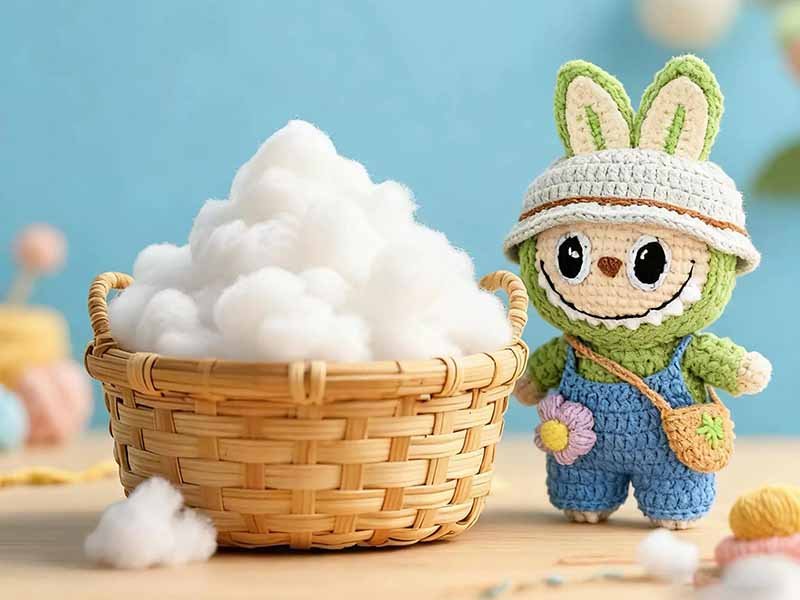
A stuffed animal can win attention with a cute face, soft fabric, smooth embroidery, and perfect proportions. Yet the material hidden inside often decides whether the product earns long-term trust. Stuffing affects safety, softness, smell, weight, squeeze recovery, wash behavior, shelf appearance, and customer reviews after delivery. For plush programs aimed at children, retail chains, gift companies, IP owners, online stores, and high-end private label collections, filling cannot be treated as a low-level material purchase. It belongs inside the safety plan from the first sample.
Brands ensure non-toxic stuffing materials in stuffed animals by choosing clean and compliant fillings, checking supplier documents, inspecting incoming batches, controlling filling weight, preventing contamination, testing finished toys, keeping production records, and working with a plush factory familiar with ASTM, CPSIA, EN71, and export-market safety expectations.
Many product teams focus heavily on outer fabric, logo placement, packaging, and character shape. Those details matter, of course. Still, one unpleasant odor, one failed seam, one unverified filling batch, or one shipment with poor rebound can turn a promising plush launch into complaint management. A parent may only see a bear, bunny, mascot, anime character, or soft gift plush. A factory sees fiber grade, storage condition, filling path, stitch pressure, batch code, compression recovery, and final inspection. Safe stuffing comes from process discipline, not from a material name alone.
What Are Non-Toxic Stuffing Materials?

Non-toxic stuffing materials are fillings used inside stuffed animals that meet safety expectations for the target user, sales market, toy structure, and required testing plan. Common choices include polyester fiberfill, PP cotton, recycled polyester filling, organic cotton, bamboo fiber, kapok, PLA fiber, and approved pellets for weighted plush. Safety depends on controlled sourcing, clean handling, batch records, chemical review, filling control, and final product testing.
Stuffing material selection starts with product purpose. A baby comfort plush, a retail mascot, a prize plush, a weighted sensory plush, a licensed character plush, and a collector item may need different filling structures. A soft baby plush needs gentle hand feel, secure seams, clean filling, and clear age-grade thinking. A mascot plush needs better shape support around the head, muzzle, ears, limbs, and belly. A weighted plush may use fiberfill plus pellets, with inner bags and stronger seam control.
“Non-toxic” needs a practical definition during manufacturing. It may involve restricted chemical limits, clean raw materials, no abnormal odor, low dust, no foreign matter, safe dye and fabric contact, no contaminated recycled fiber, and suitability for the intended market. A safe filling material should not create avoidable risk during production, shipping, unpacking, play, washing, or long storage.
Polyester fiberfill and PP cotton remain widely used because they balance softness, rebound, cost, availability, and mass production stability. Natural options such as organic cotton, bamboo fiber, kapok, wool, or PLA-based fiber can support eco-positioned or premium projects, but they require closer review around moisture behavior, compression recovery, odor, storage, cost, and supply consistency. Recycled fillings can support sustainability goals, yet they need stronger traceability and contamination control.
For high-requirement plush projects, filling cannot be chosen from a name on a quotation sheet. A factory should compare physical hand feel, fiber cleanliness, whiteness, odor, rebound, clumping risk, filling speed, storage condition, and compatibility with fabric structure. Delsney supports custom plush development with fabric options, filling selection, free design support, reference-file sampling, artwork-based sampling, sample-based development, standard 5–7 day sampling, three-view production, 3D effect support, and high design-to-finished-product matching. Filling choice can be reviewed together with character structure, fabric, embroidery, accessories, packaging, testing needs, and target market.
| Filling Material | Main Strength | Main Risk to Review | Better Use Scenario | QA Focus |
|---|---|---|---|---|
| Polyester fiberfill | Soft, light, stable, cost-controlled | Odor, dust, weak rebound, poor grade | Retail plush, mascot plush, gift plush | Incoming inspection, rebound check, cleanliness |
| PP cotton | Fluffy feel, common supply, good volume | Supplier quality varies | Character plush, pillow plush, soft toys | Fiber grade, filling uniformity, shape recovery |
| Recycled polyester | Supports eco-positioned collections | Source traceability, contamination, texture variation | Sustainable plush lines, brand campaigns | Batch proof, test report, odor check |
| Organic cotton | Natural material story, soft touch | Higher cost, moisture control | Baby plush, premium natural plush | Storage, moisture, certification documents |
| Bamboo fiber | Soft feel, eco image | Supply stability, processing consistency | Lifestyle plush, premium gift plush | Material proof, fiber consistency |
| Kapok fiber | Lightweight, plant-based | Less uniform feel, handling difficulty | Niche natural plush | Clumping review, filling balance |
| PLA fiber | Bio-based positioning | Cost, heat behavior, supplier stability | Sustainable plush development | Material data, sample performance |
| PE or PP pellets | Adds weight and sitting stability | Leakage, inner bag failure | Weighted plush, sensory plush | Inner pouch strength, seam test, weight control |
What stuffing is used in stuffed animals?
Stuffed animals most often use polyester fiberfill or PP cotton because both materials are soft, light, resilient, and suitable for large-volume production. They allow the factory to adjust firmness across different plush styles. A sitting animal may need more support in the base. A mascot character may need more filling around the head and facial areas. A baby plush may need softer filling with less pressure on seams.
Common stuffing choices include:
- Polyester fiberfill for soft toys, animal plush, character plush, mascot plush, pillows, and gift plush
- PP cotton for fluffy body feel and good volume
- Recycled polyester filling for eco-positioned projects
- Organic cotton for premium baby or natural material programs
- Pellet filling for weighted plush, sitting plush, and sensory products
- Mixed filling structures when one toy needs both softness and stability
For custom work, filling distribution matters as much as material type. A plush head may need firmer shaping than the belly. Thin arms or ears may need controlled filling tools to avoid lumps. Large bodies may need layered filling to avoid hollow areas. Delsney can adjust filling route, filling volume, and firmness during sampling so the physical sample matches the design goal more closely.
Is polyester fiberfill safe?
Polyester fiberfill can be safe for stuffed animals when it comes from a controlled supplier, passes required toy safety checks, has no abnormal odor, stays clean during storage, and is used inside a properly sewn plush structure. It is widely used because it gives reliable softness, low weight, good rebound, and stable bulk production.
The material name alone does not prove safety. A strong QA process should check:
- Supplier source and material grade
- Batch label and delivery record
- Odor before production
- Fiber color, dust, and visible impurities
- Rebound after compression
- Moisture or storage damage
- Chemical testing plan for target market
- Clean handling during filling
- Final toy inspection after sewing
Polyester filling quality can vary sharply. Low-grade filling may feel flat, dusty, uneven, or harsh. It may also recover poorly after shipping compression. For brand projects, a factory should use an approved sample as the filling reference. Bulk filling should be compared against the approved sample for softness, volume, whiteness, smell, and rebound. Delsney can help clients confirm filling grade during the sample stage before moving into mass production.
Which natural fillings are available?
Natural fillings for stuffed animals may include organic cotton, bamboo fiber, kapok, wool, and plant-based fiber blends. They are often considered for baby plush, premium gift plush, eco collections, boutique retail lines, or products where material story plays an important role.
Natural filling has strong appeal, yet it needs careful evaluation. Organic cotton can feel trustworthy and soft, but it usually costs more and needs moisture control. Kapok is lightweight and plant-based, but it may not provide the same uniform volume as polyester fiberfill. Wool offers natural warmth and texture, yet odor, allergy perception, washing needs, and market acceptance must be reviewed. Bamboo fiber can support a natural-positioned line, but supplier reliability and document proof should be checked.
Natural filling should be reviewed across several points:
| Review Point | Why It Matters |
|---|---|
| Moisture behavior | Natural fibers may absorb moisture more easily |
| Odor control | Storage and fiber source can affect smell |
| Compression recovery | Some natural fillings flatten faster |
| Wash behavior | Clumping and drying time need review |
| Cost | Natural options may raise unit price |
| Supply stability | Repeat orders need consistent material access |
| Document proof | Claims require supporting records |
For many plush programs, natural filling works best when the product story, target price, and user age all support the choice. Delsney can help compare natural and synthetic filling samples so clients can evaluate hand feel, shape, and cost before final selection.
Are recycled fillings safe?
Recycled fillings can be safe for stuffed animals when their sources are controlled, contamination risks are managed, batch records are kept, and the finished toy passes market-relevant safety checks. Recycled polyester filling is often chosen for sustainability-focused plush projects, but quality control must be stricter than a simple material swap.
A recycled filling program should check:
- Source of recycled fiber
- Supplier reliability
- Batch separation
- Odor and visible contamination
- Fiber length and texture
- Whiteness or color variation
- Rebound after compression
- Test reports or material declarations
- Compatibility with fabric color and product shape
Recycled filling can vary in softness and recovery. Some recycled fibers feel slightly different from virgin polyester fiberfill. For premium plush, the sample must be reviewed carefully by hand. If the filling feels uneven, the product may lose perceived value even when the sustainability story is strong.
For retail and brand programs, recycled material claims should be written carefully and supported by documents. A product team should avoid vague statements without proof. Delsney can help clients balance eco goals with safety, softness, delivery schedule, and repeat-order consistency.
What makes stuffing non-toxic?
Stuffing becomes suitable for non-toxic stuffed animal use when the material source, chemical control, cleanliness, handling process, and finished toy testing all support the safety requirement. A filling material should be clean, low-odor, traceable, free from visible contamination, and appropriate for the product’s age grade and sales market.
A strong non-toxic stuffing control plan usually includes:
- Approved supplier list
- Material specification sheet
- Supplier declaration or SDS when applicable
- Incoming batch inspection
- Odor and cleanliness check
- Storage separation from chemicals, food, oil, and dust
- Controlled filling station
- Filling weight reference
- Seam strength review after stuffing
- Finished toy inspection
- Third-party testing support when needed
Non-toxic also depends on product structure. Loose fiber inside a well-sewn plush body is different from loose pellets inside a poorly secured weighted toy. A stuffing material may be acceptable, yet the final toy may still become unsafe if seams open, accessories detach, or pellets escape. For children’s plush, the whole product must be considered: fabric, filling, stitching, embroidery, accessories, labels, packaging, and testing.
Delsney can help clients review filling choices during sample development and align them with target markets such as North America, Europe, Japan, or other regions requiring stronger safety documentation.
Why Does Stuffing Safety Matter?

Stuffing safety matters because children hug, squeeze, bite, drag, sleep with, and sometimes mouth stuffed animals. Poor filling can create odor, contamination, leakage, clumping, uneven shape, seam pressure, or compliance problems. For custom plush projects, safe filling helps protect market access, reduce complaints, support product claims, and improve customer confidence after purchase.
Stuffing is hidden, but it affects almost every touchpoint of a plush toy. A toy can use beautiful fabric and clean embroidery yet still feel cheap if the filling is lumpy, thin, hard, or smelly. A plush can look safe on a product page yet create concern when a customer opens the box and smells chemical odor. A mascot plush can look close to artwork at sample approval yet lose shape after compression if the filling grade is weak.
Safety and quality are connected. Clean filling helps reduce odor and contamination concerns. Proper filling weight helps keep seams from being overstressed. Even distribution helps the toy hold shape. Strong inner bags help keep pellets secure in weighted plush. Stable fiber grade helps keep bulk production close to the approved sample.
Product type changes the safety focus:
| Plush Type | Main Stuffing Concern | Better Control Direction |
|---|---|---|
| Baby plush | Mouthing, softness, seam security | Clean filling, embroidery, strong seams |
| Mascot plush | Shape accuracy, head support | Controlled filling zones, sample reference |
| Gift plush | Hand feel and opening experience | Low odor, smooth filling, clean packaging |
| Weighted plush | Pellet containment and weight accuracy | Inner bag, double seam, weight check |
| Eco plush | Material proof and claims | Recycled or natural filling documents |
| IP character plush | Design match and consistency | Filling map, firmness standard, QC photo records |
| Pillow plush | Compression and rebound | Fiber grade, recovery review |
| Retail plush | Shelf shape and repeat quality | Bulk filling consistency, carton control |
Cheap filling can look like an easy way to reduce cost during quotation. In practice, savings may disappear if products flatten in shipping, smell bad after unpacking, fail inspection, or receive negative reviews. A factory may also spend more labor correcting poor filling because workers need extra time to shape the toy manually. Good filling reduces rework and makes production more stable.
For brands planning custom plush products, filling quality should be locked during sample approval. The approved sample should record filling type, filling weight, firmness level, key shaping areas, and any special notes for the head, body, limbs, tail, ears, or base. For character plush, a few grams of filling difference in small parts can change the face or posture. Delsney can build filling references into the sample and production process to help maintain strong design accuracy.
Can stuffing affect child safety?
Stuffing can affect child safety when it leaks from weak seams, contains contamination, carries restricted substances, has abnormal odor, or is used incorrectly in products intended for young children. Children may pull, chew, hug, squeeze, and sleep with plush toys, so inner materials must be treated as part of the safety system.
Key safety points include:
- Filling should stay inside the toy during normal use.
- Stitching should resist pressure from hugging and squeezing.
- Pellet filling should stay inside secure inner pouches.
- Filling should not have sharp, dirty, or unknown foreign matter.
- Strong odor should be investigated before shipment.
- Material choice should match age grade and market rules.
For baby or toddler plush, embroidery is often safer than hard plastic parts for eyes and noses. Filling should not create excessive hardness near the face. Seams should be strong enough to prevent fiber access. Delsney can support safer plush development through fabric review, filling choice, embroidery planning, seam review, sample modification, and testing coordination.
Do odors signal material risk?
Odors do not always prove a material is unsafe, but strong or unusual smell is a serious warning sign. Customers often connect odor with poor material quality, chemical residue, dirty filling, damp storage, or weak production control. Even when a toy later passes testing, a bad opening experience can hurt trust and reviews.
Odor may come from several areas:
| Odor Source | Possible Cause | Control Method |
|---|---|---|
| Filling | Low-grade fiber, recycled contamination, damp storage | Incoming smell check, supplier control |
| Fabric | Dyeing, finishing, coating residue | Fabric airing and material review |
| Printing | Ink or heat transfer process | Curing control, odor review |
| Glue | Adhesive residue | Proper material selection and drying |
| Packaging | Plastic bag odor, sealed packing | Airing time, packaging material review |
| Warehouse | Humidity, mixed storage | Clean and dry storage environment |
For export plush orders, odor control should happen before packing. If plush toys are sealed quickly after sewing, smell may become stronger inside cartons during sea freight. Delsney can help plan airing, inspection, and packing steps so products arrive cleaner and more pleasant for final customers.
Are cheap fillings a problem?
Cheap fillings become a problem when low cost brings odor, poor rebound, uneven texture, dust, contamination, weak volume, or unstable supply. Low price alone does not automatically mean unsafe, yet very low-cost filling should be reviewed carefully before sample approval.
Cheap filling can create several visible and hidden problems:
- Plush body looks flat after shipping.
- Head shape does not match artwork.
- Limbs feel uneven or hollow.
- Fabric wrinkles because filling support is weak.
- Seams carry extra stress when workers overfill.
- Product feels light and low value.
- Bad smell appears after sealed packing.
- Bulk goods differ from approved sample.
For online sales, poor filling often leads to quick complaints because customers judge plush toys by touch right after unboxing. A stuffed animal that looks smaller, flatter, or less soft than product photos can damage ratings. For brand programs, filling grade should be approved through a physical sample, not only through a price quote.
Delsney can help compare filling grades during sampling and show how different options affect softness, shape, weight, cost, and delivery schedule.
How does stuffing affect durability?
Stuffing affects durability by controlling how well a stuffed animal keeps shape after hugging, squeezing, shipping, display, and washing. Good filling supports the body, returns after compression, and keeps the toy balanced. Poor filling can flatten, clump, shift, or create pressure points around seams.
Durability depends on three main factors:
| Factor | Good Control | Poor Control |
|---|---|---|
| Filling grade | Soft, clean, resilient fiber | Flat, dusty, uneven fiber |
| Filling amount | Matches approved sample | Overfilled or underfilled |
| Filling distribution | Supports key shape areas | Hollow areas and lumps |
Overfilling can make a toy too hard and increase seam stress. Underfilling can make the toy collapse and look cheap. Uneven filling can distort facial expression, body posture, ears, limbs, and tail. For IP character plush, filling quality affects design accuracy as much as fabric and embroidery.
Delsney’s sample process can adjust filling weight and distribution before bulk production. For high-requirement projects, the team can build a filling reference for production workers, including target weight, firmness, special shaping zones, and QC photo comparison. That helps bulk plush stay closer to the approved sample and supports the factory’s 98% design-to-finished-product matching goal.
How Do Factories Check Stuffing?
Factories check stuffing through supplier approval, incoming material inspection, batch labeling, odor review, cleanliness control, filling weight records, production-area management, and finished toy inspection. A reliable plush factory does not wait until final packing to find filling problems. Quality control should begin before fiber enters the workshop and continue until finished stuffed animals are packed for shipment.
A safe stuffing control process needs more than one visual check. Plush filling is a hidden material, so problems may not appear in product photos. Poor fiber can create odor after sealed packing. Weak rebound can make the toy flat after shipping. Uneven filling can damage character shape. Mixed contamination can raise safety concerns. Wrong filling weight can make the toy feel different from the approved sample.
Professional factories usually build stuffing inspection around five main stages:
| Stage | Control Point | Main Purpose |
|---|---|---|
| Supplier approval | Review source, material grade, documents, stability | Reduce material risk before ordering |
| Incoming inspection | Check fiber appearance, smell, cleanliness, moisture, packaging | Stop poor material before production |
| Batch tracking | Label material lot, production order, date, operator record | Support traceability and repeat quality |
| Filling process control | Confirm filling weight, softness, firmness, distribution | Keep bulk goods close to approved sample |
| Finished toy inspection | Check shape, seam stress, leakage, odor, hand feel | Confirm product quality before packing |
A factory may use different control levels depending on product type. A small promotional plush may need standard fiber checks and finished toy inspection. A baby plush, licensed character plush, or weighted plush needs more detailed records. A large retail order may require pre-production sample confirmation, in-line inspection, random final inspection, and third-party testing support.
Delsney works with clients through a development-driven process. Sampling can be based on technical files, reference images, artwork, or physical samples. During sample review, filling type, weight, softness, and shape support can be confirmed before bulk production. Standard sample projects can move quickly in 5–7 days, while more complex plush structures may need additional time for material review, 3D effect, three-view development, inner structure, weighted filling, or special accessories.
A strong stuffing QA process should answer practical questions:
- Does the filling match the approved sample?
- Does the filling have abnormal smell?
- Is the fiber clean and free from visible dirt?
- Is the filling stored away from moisture, oil, dust, and mixed materials?
- Is every material batch connected with a production order?
- Is filling weight controlled by toy size and style?
- Are seams strong enough after stuffing?
- Are weighted fillers sealed inside inner bags?
- Are final plush toys checked before packing?
- Can inspection records support client review?
Factory inspection should not slow development unnecessarily. Good process makes production smoother. Workers know which filling grade to use. QC staff know what to check. Sales and project teams can explain material choices clearly. Clients receive safer, more consistent products.
How is stuffing inspected?
Stuffing inspection begins when raw filling arrives at the factory. QC staff should check packaging condition, material label, supplier information, batch number, color, fiber texture, odor, moisture signs, dust level, and visible foreign matter. If filling arrives in damaged bags, damp cartons, or mixed labels, the material should not enter production until reviewed.
A simple but effective incoming inspection can include:
| Inspection Item | Acceptable Condition | Warning Sign |
|---|---|---|
| Outer packaging | Clean, sealed, labeled | Broken bags, damp marks, dirty surface |
| Fiber color | Matches approved reference | Yellowing, gray tone, mixed color |
| Odor | Neutral or mild material smell | Chemical, moldy, oily, sour, smoky smell |
| Texture | Fluffy and even | Hard clumps, dusty feel, rough fiber |
| Moisture | Dry and loose | Damp fiber, sticky fiber, mildew risk |
| Visible contamination | No obvious dirt or debris | Hair, thread waste, plastic chips, black spots |
| Rebound | Recovers after compression | Flat, weak recovery, dead fiber |
After incoming inspection, a sample from the batch should be compared with the approved filling reference. For high-requirement plush, QC can keep a sealed reference sample in the production file. Workers and inspectors can compare hand feel, volume, and fiber appearance during production.
Delsney can help clients define inspection points before bulk production, especially for baby plush, mascot plush, IP plush, weighted plush, and premium private label plush programs.
What documents are needed?
Stuffing documents help prove material source, safety planning, and production control. Required documents depend on product market, age grade, filling type, and client requirements. For export plush toys, document control can become as important as physical quality.
Useful stuffing-related documents may include:
| Document | What It Supports |
|---|---|
| Material specification sheet | Filling type, composition, grade, color, basic performance |
| Supplier declaration | Material source and supplier responsibility |
| SDS or material safety data | Chemical and handling information when applicable |
| COA or internal quality statement | Batch-level quality support |
| Third-party test report | Chemical safety or toy compliance verification |
| Incoming inspection record | Factory check after material arrival |
| Batch tracking record | Traceability from material to production order |
| Filling weight sheet | Consistent hand feel and product size control |
| Pre-production sample approval | Locks filling standard before bulk work |
| Final inspection record | Confirms finished plush quality before shipment |
For U.S. children’s toy programs, brands often need testing and certification planning connected with ASTM F963, CPSIA, and Children’s Product Certificate requirements. For European programs, EN71-related testing is often part of the plan. The exact document package should be confirmed according to product age grade, sales market, product structure, and importer requirements.
Delsney can assist with document preparation, sample testing coordination, filling records, QC communication, and pre-shipment review. Clear documents help clients avoid unclear claims and reduce risk during customs, platform review, retail onboarding, or internal quality approval.
How are batches tracked?
Batch tracking connects each filling material lot with a production order, sample approval, QC record, and final shipment. Without batch tracking, factories may struggle to explain which material was used if a client asks about odor, softness, test reports, or production consistency.
A practical batch tracking system may record:
- Supplier name
- Filling material type
- Batch or lot number
- Arrival date
- Inspection result
- Storage location
- Production order number
- Product SKU or style
- Filling operator or line
- Filling weight reference
- QC approval record
- Final packing date
Batch tracking is especially important for multi-SKU plush programs. One order may include 3–20 character styles with different sizes, shapes, firmness levels, and filling weights. If all materials are mixed without control, softness and shape can vary. For licensed plush characters, even small shape differences around the head, ears, or body can reduce approval accuracy.
Delsney’s development workflow can support sample records and production references for high-accuracy plush projects. For styles requiring close design matching, filling notes can be added to the production file along with artwork, pattern, embroidery files, fabric records, and QC photos.
How is filling weight controlled?
Filling weight control keeps stuffed animals consistent in hand feel, shape, size, and perceived quality. A toy with too little filling may look flat. A toy with too much filling may feel hard, distort seams, or change character expression. Proper filling weight depends on size, fabric stretch, pattern shape, and desired softness.
A factory can control filling weight through sample approval and production reference sheets. After the approved sample is confirmed, the filling weight can be recorded for each product area.
| Plush Area | Filling Control Need | Possible Issue Without Control |
|---|---|---|
| Head | Shape accuracy and facial expression | Flat face, distorted embroidery |
| Body | Main hand feel and volume | Hollow belly, hard body, uneven softness |
| Arms and legs | Symmetry and touch | One side heavier or thinner |
| Ears and tail | Detail shaping | Limp shape or overfilled stiffness |
| Sitting base | Stability | Toy falls forward or sideways |
| Weighted pocket | Accurate total weight | Safety concern or poor sensory feel |
For small plush toys, a few grams can change hand feel. For large plush toys, filling distribution matters more than total weight alone. Skilled workers often combine weighing, hand feel, and visual shaping. QC should compare bulk goods with the approved sample, not only with a number.
Delsney can adjust filling weight during sample modification. For brand projects, the team can help create a filling standard so bulk products keep a closer match to the sample and artwork.
Do factories check contamination?
Factories should check contamination because filling materials may collect dust, foreign objects, mixed fibers, plastic pieces, thread waste, metal fragments, moisture, or odor during storage and handling. Contamination control is especially important for children’s plush toys and export orders.
Good contamination control includes:
- Sealed material packaging before use
- Clean, dry storage area
- Separation from chemicals, oil, food, and waste
- No direct floor contact for loose filling
- Covered containers near filling stations
- Worker hygiene and workshop cleaning
- Needle and metal control after sewing
- Final product odor and surface check
- Packing inspection before carton sealing
For filling rooms, cleanliness affects more than safety. Dusty filling can reduce product appearance, create odor complaints, and make production less efficient. Mixed fibers may create inconsistent softness. Moisture may create mildew risk during long shipping. Metal contamination can create serious inspection concerns.
Needle control deserves special attention in plush production. Sewing needles can break during manufacturing, and metal fragments must not remain inside finished toys. Factories may use broken needle records, magnetic tools, and needle detection systems depending on client and market requirements. For high-requirement projects, needle detection can be added before final packing.
Delsney can support final inspection and production control for custom plush orders, including material review, seam review, filling check, odor review, packaging inspection, and shipment preparation.
Which Tests Apply to Stuffed Animals?

Tests for stuffed animals can include chemical safety, mechanical safety, seam strength, small parts, flammability, wash behavior, labeling, and finished toy review. Relevant standards depend on sales market, age grade, product design, fabric, filling, accessories, and claims. For non-toxic stuffing, testing should verify both material safety and finished toy safety.
Testing should not be treated as a final step only. A well-managed plush project considers testing during design and sampling. If a toy includes long fur, plastic eyes, sound modules, pellets, scented filling, printed fabric, or small accessories, testing risk may increase. If the toy is intended for babies or toddlers, requirements become stricter.
For stuffed animals, compliance planning often covers three levels:
| Level | Focus | Example Checks |
|---|---|---|
| Material level | Filling, fabric, thread, accessories | Restricted substances, odor, colorfastness |
| Component level | Eyes, nose, pellets, labels, sound parts | Pull strength, small parts, leakage control |
| Finished toy level | Complete plush structure | Seam strength, flammability, mechanical safety, labeling |
A common mistake is checking only the filling material and ignoring finished toy structure. Safe filling can still become a hazard if seams open, pellets escape, buttons detach, or fabric fails. Finished toy testing helps confirm the whole product works as intended.
For export markets, clients often ask about ASTM F963, CPSIA, EN71, CE, REACH, and other regional requirements. Exact testing scope should be confirmed with the target country, age group, distribution channel, and product details. Some platforms or retail chains may ask for additional reports beyond legal minimums.
Delsney can support testing coordination according to project needs. The factory can prepare samples, material information, product details, and production records for client review. For high-requirement plush orders, testing can be planned before mass production so major risks are addressed during sampling.
What does ASTM F963 cover?
ASTM F963 is a major toy safety standard used for the U.S. market. For stuffed animals, relevant areas may include mechanical hazards, small parts, sharp points, sharp edges, seams, stuffing access, flammability, and certain chemical requirements depending on the toy design.
For plush toys, common concerns include:
- Can small parts detach during use?
- Can seams open and expose filling?
- Does the toy contain sharp or unsafe components?
- Does fabric meet flammability expectations?
- Are accessible materials suitable for children?
- Are labels and age grading appropriate?
- Do sound modules, batteries, or accessories add risk?
ASTM planning should happen early if a product will enter the U.S. children’s toy market. A plush toy with embroidered eyes may carry lower small-parts risk than one with plastic safety eyes. A weighted plush with pellets needs careful inner containment. A scented plush may need extra review due to fragrance ingredients. Delsney can help clients review product structure and prepare samples for testing support.
What does CPSIA require?
CPSIA requirements apply to many children’s products sold in the U.S. and can involve third-party testing, lead limits, phthalate limits, tracking labels, and Children’s Product Certificate preparation. For stuffed animals, CPSIA planning often works together with ASTM F963 testing.
For brand programs, CPSIA-related planning should consider:
| Area | Why It Matters |
|---|---|
| Lead limits | Relevant to paint, coatings, prints, accessories, and some surface materials |
| Phthalates | Important for certain plastics, coated parts, or flexible components |
| Tracking label | Helps identify manufacturer, date, batch, and production source |
| Third-party testing | Required for many children’s products |
| Certification | Supports U.S. market entry and compliance records |
Stuffing itself may not always be the highest-risk component, but the entire plush toy must be reviewed. If a toy includes plastic eyes, PVC accessories, printed labels, electronic modules, or coated fabric, testing scope may expand. A strong factory should help clients identify potential risk points before production.
Delsney can assist with sample preparation, material documentation, production records, and coordination for client-required testing. Clear planning helps avoid rushed changes near shipment.
How does EN71 apply?
EN71 is widely used for toy safety in European markets. For stuffed animals, relevant parts may involve mechanical and physical properties, flammability, and migration of certain elements. Plush toys with fabric, filling, embroidery, plastic parts, prints, coatings, or accessories may require different checks depending on design and age grading.
For soft-filled toys, EN71-related review may focus on:
- Seam strength and filling access
- Small part detachment risk
- Cord, loop, and accessory safety
- Flammability behavior
- Migration of certain elements from accessible materials
- Labeling and warning requirements
- Suitability for intended age group
European plush programs should be careful with loose components, long cords, removable accessories, and weak seams. Baby plush toys often use embroidered facial features to reduce detachable part risk. Weighted plush toys need secure inner structures so pellets cannot escape during normal use.
Delsney can support plush development for European clients by reviewing fabric, filling, embroidery, accessories, labels, and sample structure before testing. Good early review helps reduce test failure risk and sample revision rounds.
Do plush toys need chemical tests?
Plush toys often need chemical tests when sold as children’s toys, especially for markets with strict safety rules. Chemical testing may apply to fabric, filling, dyes, prints, coatings, plastics, accessories, labels, and packaging contact materials depending on product structure and market requirements.
Chemical test concerns may include:
| Chemical Concern | Possible Source |
|---|---|
| Heavy metals | Dyes, pigments, paints, prints, coatings |
| Phthalates | Some plasticized components |
| Formaldehyde | Certain textiles or finishing processes |
| Azo dyes | Textile dyeing risk in some materials |
| Organotin compounds | Certain coatings or plastics |
| PAHs | Some rubber or dark plastic materials |
| Fragrance allergens | Scented plush products |
Stuffing materials need review when claims such as non-toxic, organic, recycled, hypoallergenic, or baby-safe are used. Claims should be supported by records. A product should not rely on attractive wording alone. If a client wants eco or safety claims, the factory should help match claim language with available test support and material proof.
Delsney can assist with material selection, document review, and sample submission planning according to client market needs.
Are seam tests important?
Seam tests are very important for stuffed animals because seams keep filling inside the toy. Even clean and safe filling can create risk if a seam opens and allows children to access inner material or pellets. Seam strength also affects durability, appearance, and customer satisfaction.
Seam risk increases in several situations:
- Plush is overfilled.
- Fabric has stretch or loose backing.
- Toy has small limbs, ears, or tails.
- Weighted pellets create pressure inside.
- Children may pull or bite parts.
- Toy will be washed or compressed.
- Seams sit near hard accessories.
- Product size is large and heavy.
A good seam review should check stitch density, thread strength, seam allowance, tension, turning quality, reinforcement points, and stress areas. For weighted plush, inner pellet bags may need double seams or reinforced closure. For baby plush, seams should be secure and smooth enough for close contact.
Delsney can review seam strength during sampling and adjust pattern, sewing method, filling pressure, and reinforcement before bulk production. Strong seams protect both safety and product shape.
How Is Stuffing Controlled in Production?
Stuffing is controlled in production through approved sample references, filling weight standards, material batch labels, clean filling stations, trained operators, in-line QC checks, seam inspection, metal control, and final product review. A good plush factory controls both safety and hand feel, so finished stuffed animals stay close to the approved sample in softness, shape, weight, and appearance.
Production control begins before workers start filling toys. The approved sample should become the physical standard for bulk production. The sample shows softness, shape, firmness, weight, fabric stretch, seam pressure, and character posture. For complex plush toys, the factory may also prepare filling notes for different body areas, such as head, belly, limbs, ears, tail, muzzle, base, or weighted pocket.
Stuffing control matters because plush toys are not flat products. Shape depends on how much filling goes into each part and how evenly workers distribute it. A character plush with the right fabric and embroidery can still fail approval if the head is too soft, the belly too hard, the ears uneven, or the body leaning forward. For brand projects, filling consistency affects product photos, retail display, customer reviews, and repeat orders.
A reliable production process should include:
| Production Step | Control Detail | Quality Goal |
|---|---|---|
| Pre-production review | Approved sample, pattern, filling type, filling weight | Align all teams before bulk work |
| Material release | Correct filling batch assigned to order | Prevent wrong material use |
| Filling station setup | Clean bins, separated materials, covered storage | Reduce contamination |
| Operator guidance | Filling route, firmness, key shaping zones | Keep style consistent |
| In-line check | Shape, symmetry, softness, seam pressure | Catch problems early |
| Weighted part control | Inner pouch, pellet weight, closure strength | Prevent leakage and weight variation |
| Sewing closure check | Stitch density, seam security, loose threads | Keep filling inside |
| Final QC | Appearance, hand feel, odor, leakage, weight | Confirm shipment quality |
| Packing review | Compression level, carton count, moisture control | Protect product during transit |
Delsney can support custom plush programs with design-to-sample development, three-view making, 3D effect support, free design assistance, 5–7 day standard sampling, and production references for approved styles. For high-requirement brand projects, filling control can be added into the production file along with pattern, fabric, embroidery, color, accessory, label, packaging, and QC requirements.
How is filling volume measured?
Filling volume is measured through a mix of weight control, hand-feel comparison, visual shape review, and approved sample matching. For plush toys, weight alone is not enough. Two toys with the same filling weight may feel different if the fiber grade, fabric stretch, or filling distribution changes.
Factories usually begin with a sample standard. After the client approves the sample, the factory records the filling weight and firmness level. For small plush toys, a difference of 2–5 grams can affect hand feel. For medium plush toys, 5–15 grams may affect body fullness. For large plush toys, distribution across body parts becomes even more important than total weight.
A practical filling control table may look like:
| Plush Size | Filling Control Focus | Possible Tolerance Review |
|---|---|---|
| 8–12 cm mini plush | Small weight change affects shape sharply | Tight gram control needed |
| 15–25 cm standard plush | Head, belly, limbs, and sitting position | Area-by-area comparison |
| 30–50 cm medium plush | Volume, symmetry, and rebound | Weight plus hand-feel check |
| 60 cm+ large plush | Bulk shape and compression recovery | Distribution and carton recovery |
| Weighted plush | Total weight and inner pellet location | Scale check for every sample group |
For character plush, some parts need special control. A round head may need firmer filling to hold facial embroidery. Long ears may need lighter filling to hang naturally. A sitting base may need denser filling or pellets for stability. Delsney can record these details during sample development so production workers have clear references for bulk manufacturing.
How is softness controlled?
Softness is controlled by filling material grade, fiber length, filling amount, filling method, fabric stretch, and operator skill. A plush toy should feel soft enough for hugging, yet firm enough to keep shape. The correct softness depends on product style, target user, and brand positioning.
Softness levels can be planned during sampling:
| Softness Direction | Product Feel | Suitable Plush Type |
|---|---|---|
| Extra soft | Floppy, cozy, gentle | Baby plush, comfort plush, pillow plush |
| Medium soft | Balanced hug feel and shape | Retail stuffed animals, mascot plush |
| Medium firm | Better structure and standing shape | Character plush, display plush |
| Firm support | Stronger form and posture | Sitting plush, sculpted mascot plush |
| Mixed firmness | Different parts use different filling strength | IP character plush, complex plush |
Softness problems often come from uneven filling. A toy may have a firm head but hollow arms. A belly may feel lumpy because fiber was pushed unevenly. A sitting plush may collapse because the base lacks support. A pillow plush may feel hard because workers overfilled the body to reach a size target.
Softness should be checked by hand and by visual comparison. For bulk orders, QC can pull random pieces from production and compare them with the approved sample. For plush products with multiple sizes, each size needs its own softness reference. Delsney can help clients set a clear sample standard so final goods feel close to the approved version instead of changing from line to line.
Do weighted plush toys need inner bags?
Weighted plush toys need secure inner bags when pellets, beads, or granules are used. The inner bag keeps weighted material separated from loose fiberfill and helps prevent leakage. Without a secure inner pouch, pellets may move unevenly, gather in one corner, or escape if an outer seam is damaged.
Weighted plush requires stricter control than regular stuffed animals because added weight changes seam pressure, hand feel, safety review, and shipping cost. A weighted plush may use polyester fiberfill for softness and PE or PP pellets for weight. The pellets should be placed in specific zones, such as belly, paws, base, or full-body pockets, depending on design.
Key weighted plush controls include:
| Control Point | Requirement |
|---|---|
| Pellet material | Clean, approved, low-odor, suitable for toy use |
| Inner bag fabric | Strong enough to hold pellets under pressure |
| Inner bag stitching | Secure seam, no gaps, reinforced closure |
| Weight accuracy | Scale check against approved standard |
| Pellet placement | Even position according to design |
| Outer seam strength | Must handle extra internal pressure |
| Drop and compression review | Check leakage risk after stress |
| Final hand feel | Weight should feel balanced, not sharp or hard |
For sensory plush or comfort plush, weight placement affects the user experience. Too much weight in one point can feel uncomfortable. Too little weight may fail the product concept. Delsney can help develop weighted plush structures with inner pouch design, filling balance, sample testing, and production weight records.
How are needles and metal checked?
Needles and metal are checked through broken needle control, production-area discipline, magnetic tools, metal detection when required, and final inspection. Plush toys pass through sewing, trimming, filling, and closing steps, so needle control is a critical safety practice.
Needle risks can appear when sewing thick seams, attaching small limbs, closing filled bodies, or working with dense fabric. If a needle breaks, every fragment must be found and recorded before production continues. A factory should not rely only on worker memory. Records and tools help prevent small metal fragments from entering finished toys.
A practical needle control process includes:
| Control Step | Purpose |
|---|---|
| Needle issue record | Track needle use by line or operator |
| Broken needle record | Confirm all broken pieces are recovered |
| Magnetic search | Help locate small fragments |
| Worktable cleaning | Reduce mixed metal and thread waste |
| In-line inspection | Check sewn pieces before filling |
| Needle detection | Add stronger control for high-requirement orders |
| Final inspection | Review surface, seams, and finished goods |
Metal detection may be required by some clients, retailers, or markets. It is especially useful for baby plush, high-end brand plush, and large export orders. Delsney can support needle control and final inspection according to project requirements. For safety-focused programs, needle detection can be included before packing to reduce shipment risk.
How is final QC recorded?
Final QC is recorded through inspection forms, sample comparison photos, measurement records, weight checks, odor review, seam checks, material confirmation, packing records, and shipment preparation notes. These records help prove that finished stuffed animals were checked before leaving the factory.
A final QC record for stuffed animals may include:
| QC Item | Inspection Detail |
|---|---|
| Appearance | Shape, symmetry, color, face, embroidery, fabric direction |
| Stuffing | Firmness, volume, weight, rebound, lump check |
| Seams | Closure strength, skipped stitches, loose threads |
| Safety | Small parts, sharp points, filling leakage, metal risk |
| Odor | No abnormal smell before packing |
| Size | Height, width, sitting position, key dimensions |
| Label | Correct logo, care label, warning label, batch info |
| Packaging | Polybag, hangtag, color box, carton count, barcode |
| Carton | Quantity, carton mark, compression level, moisture care |
For high-accuracy character plush, QC photos can be compared with the approved sample. Front, side, back, and detail photos help confirm facial expression, embroidery placement, limb position, fabric direction, and filling balance. These records are useful when clients cannot visit the factory before shipment.
Delsney provides 100% quality guarantee thinking across custom plush development, sampling, production, and inspection. For large or high-end brand projects, inspection communication can include approved sample references, filling records, QC notes, packaging checks, and final shipment photos.
What Should Brands Ask Suppliers?

Brands should ask suppliers about filling source, material documents, test reports, sample matching, batch tracking, filling weight control, contamination prevention, seam strength, weighted plush inner bags, needle control, and final QC records. A professional plush supplier should explain how safe stuffing is selected, inspected, used, and verified before shipment.
Many plush sourcing problems begin with unclear questions. Asking only for the lowest price or fastest delivery can hide material risk. A better supplier discussion should connect product safety, market requirements, sample quality, production consistency, and packaging protection. For non-toxic stuffing materials, the right questions help separate experienced manufacturers from simple trading suppliers.
A strong supplier question list may include:
| Question | Why It Matters |
|---|---|
| What filling material do you recommend for our product? | Matches softness, cost, safety, and product shape |
| Can you provide material documents? | Supports compliance and internal review |
| Can the approved sample filling be used in bulk? | Prevents sample-to-bulk mismatch |
| How do you inspect incoming filling? | Reduces odor and contamination risk |
| How do you track filling batches? | Supports traceability |
| How do you control filling weight? | Keeps shape and hand feel consistent |
| How do you prevent filling leakage? | Protects child safety and durability |
| Can you support testing? | Helps with market access |
| Can you make free design or sample adjustments? | Improves product development |
| Can you support OEM/ODM private label work? | Helps build a full product program |
A good supplier should not answer safety questions with only “yes.” The supplier should explain process, documents, and production control. If a factory cannot explain filling grade, batch handling, seam strength, testing support, or final QC, the order may carry hidden risk.
Delsney is built for custom plush programs requiring development support, design accuracy, safe materials, quick sampling, flexible MOQ, and export-market compliance. With over 18 years of plush product development, design, pattern making, manufacturing, and sales experience, Delsney can help clients move from rough concept to approved sample and bulk production with clearer control.
Can the factory provide test reports?
A qualified plush factory should be able to support test reports or testing coordination according to the client’s target market. Reports may cover finished toy safety, chemical requirements, physical and mechanical safety, flammability, seam strength, small parts, or material-specific checks.
The exact report package depends on:
- Target country or region
- Product age grade
- Toy size and structure
- Filling type
- Fabric and dyeing method
- Accessories, eyes, nose, buttons, or sound modules
- Weighted pellets or inner pouches
- Scented materials or special treatments
- Retailer or platform requirements
For U.S. programs, ASTM F963 and CPSIA-related testing may be required for children’s toys. For European programs, EN71-related testing may apply. Some clients may also request REACH, OEKO-TEX-related material proof, or retailer-specific test packages. Testing should be planned before mass production, not after cartons are packed.
Delsney can help prepare samples, material information, production details, and test submission support based on client requirements. Early testing saves time because problems can be corrected during the sample stage.
Can samples use approved stuffing?
Samples should use the same filling material intended for bulk production whenever possible. If the sample uses one filling grade and bulk production uses another, softness, shape, weight, rebound, and customer feel may change. Filling mismatch is one of the most common reasons plush products look different after production.
A good sample approval record should include:
| Sample Record Item | Purpose |
|---|---|
| Filling material type | Confirms approved filling |
| Filling weight | Controls hand feel and body volume |
| Firmness level | Keeps softness consistent |
| Key shaping zones | Protects character accuracy |
| Fabric type | Affects stuffing pressure and shape |
| Pattern version | Avoids old sample confusion |
| Embroidery version | Connects face details with filling shape |
| Client revision notes | Keeps improvement history clear |
Delsney offers 5–7 day fast sampling for standard plush projects, with support for reference technical files, artwork, physical samples, free design, and free sample development depending on project conditions. During sample revision, filling can be adjusted to improve softness, sitting posture, head shape, body fullness, and overall design match.
How should non-toxic claims be written?
Non-toxic claims should be written carefully and backed by material documents, safety testing, and finished product review. A claim should match the product, market, and proof available. Overstated wording may create risk if testing or documentation cannot support it.
Better claim directions may include:
| Safer Claim Direction | When It Works |
|---|---|
| Made with tested filling materials | When test support is available |
| Filled with clean polyester fiberfill | When material grade and supplier are controlled |
| Designed for children’s toy safety requirements | When finished toy testing supports target market |
| Supports ASTM/CPSIA or EN71 testing | When factory can coordinate testing |
| Recycled filling available upon request | When recycled material proof can be provided |
| Organic cotton filling option available | When organic material documents are available |
Claims to avoid without proof include:
- 100% chemical-free
- Completely non-toxic under all conditions
- Safe for all ages
- Medical-grade plush
- Hypoallergenic guarantee
- Certified organic without documents
- Fully compliant worldwide without test scope
Clear wording protects both client and factory. Delsney can help clients match product copy with actual material selection, testing plan, and target market needs. Honest claims are more reliable than exaggerated ones and support long-term brand trust.
Can Delsney support OEM/ODM projects?
Delsney can support end-to-end OEM/ODM custom plush projects, including idea review, free design support, technical-file sampling, artwork-based sampling, sample-based development, fabric selection, filling selection, pattern making, 3-view production, 3D effect support, sample adjustment, production, QC, packaging, and shipment preparation.
Delsney’s custom plush capabilities include:
| Capability | Client Value |
|---|---|
| 18+ years plush experience | Better development judgment |
| Product design support | Turns ideas into workable plush styles |
| Pattern making | Builds accurate plush structure |
| 5–7 day fast sampling | Shortens development schedule |
| 3-view and 3D effect support | Helps review shape before production |
| Multiple fabric options | Supports different plush styles |
| Filling selection | Balances softness, cost, safety, and shape |
| Flexible MOQ | Supports different project sizes |
| OEM/ODM service | Supports private label and custom logo programs |
| Export safety support | Helps meet Europe and North America expectations |
| Short bulk lead time | Supports launch schedule |
| 98% design-to-product match | Improves character accuracy |
For high-demand brand projects, Delsney can help create production references so bulk goods follow the approved sample more closely. These references may include artwork, pattern file, embroidery file, fabric record, filling standard, QC notes, packaging specifications, and final inspection requirements.
Why choose Delsney for safe plush toys?
Clients choose Delsney for safe custom plush toys because the factory combines design, development, sampling, filling control, material selection, manufacturing, packaging, and inspection in one workflow. The team understands that safe plush production is not only about a soft outside. It is about every hidden detail inside the product.
Delsney is suitable for:
- Brand plush programs
- IP character plush toys
- Mascot plush projects
- Baby plush products
- Gift plush and promotional plush
- Weighted plush toys
- Retail plush collections
- Private label plush toys
- OEM/ODM custom stuffed animals
- Multi-SKU plush production
Delsney can help clients make better early decisions:
- Which filling fits the target plush style?
- Which fabric works with the filling?
- How firm should the toy feel?
- How should weighted pellets be contained?
- What safety testing may be needed?
- How can sample shape match artwork more closely?
- How can packaging protect plush during shipping?
- How can bulk goods stay close to the approved sample?
For clients developing products for foreign markets, Delsney can support safety-conscious material choices and compliance coordination for Europe and North America. For clients with high design requirements, Delsney’s sample and production process helps improve visual match, hand feel, and final product reliability.
Final Thoughts: Build Stuffed Animals People Can Trust
Safe stuffing materials are not only a factory detail. They shape the whole customer experience. A stuffed animal should feel soft, clean, pleasant, and reliable from the first touch. It should not smell strange after unpacking. It should not feel lumpy or hollow. It should not lose shape after a few squeezes. It should not expose filling through weak seams. For children’s products, safe inner materials and strong construction are part of the promise behind every cute face.
Quality assurance for non-toxic stuffing materials starts long before bulk production. It begins with the right material choice, supplier review, incoming inspection, filling weight control, production cleanliness, seam strength, testing support, batch tracking, and final QC. Every step reduces risk. Every record gives clients more confidence. Every good sample standard helps bulk goods stay consistent.
Delsney helps clients develop custom stuffed animals with safety, softness, and design accuracy in mind. With more than 18 years of plush product development, design, pattern making, manufacturing, and sales experience, Delsney supports a wide range of custom plush products across different fabrics, styles, fillings, and packaging directions. The factory provides end-to-end OEM/ODM custom service, including reference-file sampling, artwork sampling, sample-based development, free design support, fast sampling, flexible MOQ, three-view production, 3D effect support, quality control, and export-market compliance support.
If you are planning a custom stuffed animal project and need safe filling options, clear sample development, high design accuracy, private label support, or OEM/ODM plush manufacturing, contact Delsney with your artwork, reference sample, target size, filling preference, age grade, market, logo needs, packaging plan, and estimated order quantity. Delsney can help review material choices, sample structure, filling safety, production feasibility, and QC requirements before bulk manufacturing begins.