Skip to content
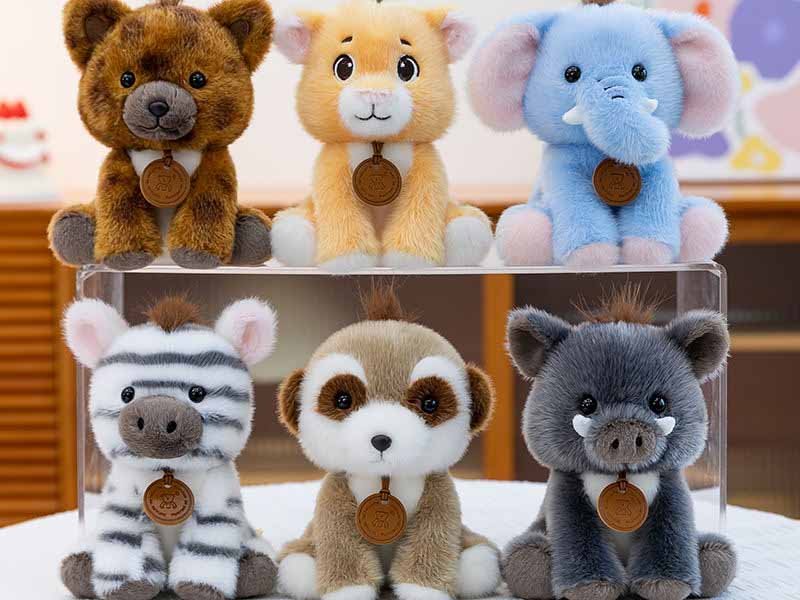
A plush toy can win attention in three seconds, but production growth can expose every weak detail behind the cute face. One small mascot sample may look perfect in a photo. The head shape is round, the eyes feel alive, the fabric feels soft, and the first comments from fans are exciting. Then a larger order comes in. The same plush now needs stable fabric supply, accurate embroidery, repeatable stuffing weight, safe seams, correct labels, export packaging, carton planning, and delivery before a launch date. Growth suddenly becomes more than “make more pieces.” It becomes a test of process, discipline, and factory control.
Scaling plush toy production means turning an approved sample into repeatable bulk orders with stable shape, fabric touch, embroidery, filling, packaging, cost, lead time, and safety standards. Brands should lock a golden sample, confirm material and embroidery files, plan MOQ by SKU, standardize filling weight, prepare packaging early, and work with a factory able to manage design, sampling, production, inspection, and export delivery.
Many plush projects fail at scale for reasons that feel small at the beginning. A fabric chosen only for softness may not have stable supply. A cute expression may depend on embroidery placement within 1–2 mm. A low sample price may not include packaging, safety testing, or freight reality. A large SKU plan may look impressive in a deck but drain cash in production. The brands that scale well usually do one thing better: they build production rules before the market asks for more.
What Does Scaling Plush Toy Production Mean?

Scaling plush toy production means increasing quantity, SKU range, or reorder frequency while keeping product quality stable. A plush project is ready to scale when the sample is approved, key files are locked, materials are available, packaging is confirmed, compliance needs are clear, and the factory can repeat the same standard across bulk production.
Scaling is often mistaken for “placing a larger order.” In real plush manufacturing, order growth changes the whole risk map. A sample maker can adjust one piece by hand. A production line needs clear cutting patterns, fabric records, sewing standards, embroidery files, filling weight references, inspection rules, and packaging instructions. Without those references, bulk production depends too much on worker memory, and quality begins to drift.
Plush toys are soft products, so quality control is more complex than many hard goods. A plastic item may rely heavily on mold accuracy. A plush item depends on fabric stretch, pile direction, stuffing volume, seam curve, hand shaping, embroidery tension, accessory placement, and final brushing. The same pattern can look different if fabric pile direction changes. The same embroidery file can create a different facial expression if the material stretches during sewing. The same filling material can feel different if weight is not controlled.
For growing IP brands, gift companies, retailers, game studios, animation teams, social commerce sellers, and premium merchandise programs, scale should be planned in stages. A strong path usually follows a clear order:
Concept review.
Artwork and structure feasibility.
Sample development.
Sample revision.
Golden sample approval.
Material and accessory confirmation.
Bulk production file setup.
First-piece production check.
In-line inspection.
Final inspection.
Packing and shipping.
Delsney supports plush scaling with over 18 years of experience in plush product research, design, pattern making, manufacturing, and export service. The factory offers end-to-end OEM/ODM customization, reference-file sampling, artwork-based sampling, physical-sample-based development, free design support, flexible MOQ, 5–7 day fast sampling for standard plush, 3-view creation, 3D preview support, short bulk lead time, and export compliance support for Europe and North America.
A strong scaling plan should answer several production questions before the deposit is paid:
Can the approved fabric be purchased again for reorders?
Are embroidery thread colors and stitch density locked?
Is filling weight measured by grams instead of hand feeling only?
Has packaging been tested for carton space and shipping pressure?
Are labels, hang tags, wash tags, and warning labels confirmed?
Does the product need EN71, ASTM, CPSIA, CE, or other market testing?
Can the factory manage multiple SKUs without mixing accessories or packaging?
The table below shows how scaling changes from idea to repeat orders.
| Scale Stage | Quantity Range | Main Focus | Main Risk | Factory Control Needed |
|---|---|---|---|---|
| Concept Review | 1–3 designs | Feasibility and cost direction | Design too complex for budget | Structure review, material advice |
| Sample Stage | 1–5 samples | Shape, fabric, face, handfeel | Repeated revisions delay launch | Pattern notes, 3-view, sample records |
| Test Order | 300–1,000 pcs | Market response and price check | MOQ pressure, weak packaging plan | Flexible MOQ, simple SKU control |
| First Bulk Order | 1,000–5,000 pcs | Stable mass production | Sample and bulk mismatch | Golden sample, first-piece approval |
| Multi-SKU Order | 5,000+ pcs | Series management | SKU mix-up, material mismatch | SKU coding, fabric records, QC checklist |
| Reorder Program | Repeat orders | Same quality across batches | New batch differs from old order | Pattern archive, material archive, order history |
What Is Plush Toy Scaling?
Plush toy scaling is the move from one approved sample or small production run into stable bulk manufacturing. The goal is not only higher quantity. The real goal is controlled repetition. Every unit should keep the same character look, fabric softness, embroidery position, filling balance, label placement, and packaging method as the approved reference.
A sample can hide many future problems. One experienced worker may hand-shape the head, adjust the ears, brush the fabric, and make the toy look perfect for approval. Bulk production cannot rely on one person’s hand adjustment. Scaling begins when every important detail becomes a standard file, physical reference, or measurable inspection point.
For plush products, good scaling means:
The character face stays consistent.
Fabric color and pile direction remain stable.
Embroidery position stays within agreed tolerance.
Filling weight follows a gram standard.
Accessories are sewn in the correct position.
Labels and packaging match the correct SKU.
Carton packing protects shape during transport.
Delsney helps clients convert artwork, reference images, or physical samples into production-ready plush standards. For high-requirement projects, 3-view files and 3D preview support can help reduce misunderstanding before sample making begins.
How Do Small Runs Become Bulk Orders?
Small plush runs become bulk orders through a step-by-step approval process. The process should not jump directly from “sample looks good” to “make thousands.” A safer path includes sample confirmation, golden sample lock, material confirmation, pattern file storage, embroidery file approval, filling standard setup, packaging confirmation, and production inspection planning.
A small run may allow more manual adjustment. Bulk orders need repeatability. For example, a mascot plush with large eyes and a small mouth may rely heavily on embroidery placement. If eye spacing moves by only 2 mm, the character may look sleepy, angry, or unfamiliar. A sample maker can fix one piece. A production line needs a clear embroidery placement guide.
A good bulk order usually requires the following items before production:
Approved golden sample.
Final pattern file.
Fabric name, color, pile length, and material lot.
Embroidery file and thread color code.
Filling type and gram weight range.
Accessory list.
Logo label or hang tag file.
Packaging file and carton quantity.
Inspection checklist.
Shipping method and deadline.
Delsney’s process supports clients who have complete technical files, simple sketches, reference photos, or existing samples. The factory can develop from technical documents, artwork, or physical samples, then prepare production references after sample approval.
Which Plush Projects Are Ready to Scale?
A plush project is ready to scale when the design no longer changes every week. Before bulk production, the client should approve the final size, shape, fabric, embroidery, filling, label, packaging, and compliance direction. If the team is still changing the face, color, body ratio, or accessory design, bulk production should wait.
Ready-to-scale projects usually share several signs:
The target market is clear.
Main character design is locked.
Sample feedback has been completed.
Retail price or campaign price has been calculated.
MOQ and budget range are accepted.
Packaging artwork is prepared.
Safety requirements are known.
Launch or delivery timeline is realistic.
Material supply has been checked.
Projects not ready for scale often show warning signs:
Too many characters planned for the first order.
No final size decision.
Logo files are unclear.
Packaging design starts too late.
Compliance requirements are unknown.
Target price does not match design complexity.
Repeated sample changes continue after approval.
A growing plush line does not need to be perfect forever before production, but it needs a stable version for the first controlled run. Delsney can help clients review whether a design is suitable for immediate bulk production or better handled through a staged sample and test order plan.
What Risks Grow With Volume?
Production volume increases risk because each small issue repeats across more units. A weak seam on one sample is easy to fix. A weak seam across 5,000 units becomes a return problem. A wrong hang tag on one sample is a minor mistake. Wrong hang tags across ten SKUs can delay delivery.
The most common plush scale-up risks include:
Fabric color difference between sample and bulk.
Pile direction mismatch on visible panels.
Embroidery position shift.
Stitch density difference on facial details.
Uneven filling weight.
Hard or flat handfeel.
Weak seams at arms, ears, tail, or accessories.
Wrong label or hang tag placement.
Mixed packaging across SKUs.
Carton compression changing product shape.
Safety testing arranged too late.
A stronger risk-control plan includes:
Incoming fabric inspection.
First-piece production approval.
Embroidery sample check.
Filling weight check.
In-line sewing inspection.
Shape comparison against golden sample.
Metal detection or needle detection when required.
Packaging inspection.
Pre-shipment inspection.
Delsney’s support includes design, engineering, sampling, production, QC, and export coordination. The factory’s ability to manage shape accuracy, 98% design-to-product match, quality inspection, and export compliance support helps growing plush programs reduce avoidable production problems before goods leave the factory.
How Should Brands Plan Plush SKUs?

Brands should plan plush SKUs by starting with a focused core line and expanding after demand, cost, production stability, and material supply are proven. A safer launch often uses 1–3 core characters, 1–2 sizes, shared materials, and simple packaging before adding blind box series, seasonal versions, accessories, or full collections.
SKU planning is where many plush programs become too heavy. Creative teams often want a full character world from day one: main character, side character, mini version, large cushion, keychain, holiday outfit, blind box series, and limited color. The idea is exciting. The production reality is more complex. Each added SKU means more patterns, more samples, more fabric colors, more embroidery files, more labels, more packaging versions, more QC points, and more inventory decisions.
A plush SKU may include far more than a character name. It can include size, fabric, face expression, clothing, accessory, scent, sound module, weight, packaging, hang tag, barcode, carton mark, and regional warning label. When a project has five characters, two sizes, and two packaging styles, the factory is already managing twenty finished combinations. Add language labels or retailer-exclusive colors, and operational pressure grows again.
A strong SKU plan should balance creativity and supply chain control. The best first order is often not the biggest collection. It is the order with the clearest demand and the strongest chance of repeat purchase. For many projects, that means launching a small hero line, collecting sales feedback, then expanding the winning characters.
Delsney supports many custom plush categories, including mascot plush, animal plush, kawaii plush, character plush, baby plush, weighted plush, scented plush, blind box plush, keychain plush, cushion plush, pet plush, IP plush, and promotional plush. For scale planning, the factory can help identify which styles are easier to manufacture consistently and which styles need longer development because of complex structure, small accessories, embroidery detail, or compliance concerns.
A smart SKU strategy should answer the following questions:
Which character has the strongest commercial pull?
Which design is easiest to manufacture consistently?
Which SKUs can share fabric, thread, labels, or packaging?
Which styles require safety testing or extra structure review?
Which sizes create acceptable freight cost?
Which SKUs can support reorders instead of one-time sales only?
Which items may create slow inventory?
The table below shows SKU planning options.
| SKU Plan | Launch Structure | Main Advantage | Main Risk | Best Use Case |
|---|---|---|---|---|
| 1 Hero SKU | One main character | Lowest risk, easier approval | Limited collection appeal | First IP test, influencer plush |
| 2–3 Core SKUs | Main character plus companions | More choice, still manageable | Demand split across styles | Small retail launch, online drop |
| 4–6 SKUs | Small collection | Stronger shelf impact | More sample and inventory pressure | Gift range, character series |
| 8–12 SKUs | Full series | High collectability | Higher cash and QC pressure | Mature IP, proven demand |
| Multi-Size Line | Same design in several sizes | Easy upsell | More pattern and carton planning | Retail plush range |
| Seasonal Line | Holiday or event version | Strong campaign value | Short selling window | Christmas, Halloween, anniversary |
| Blind Box Line | Hidden character series | Repeat purchase potential | Packaging and SKU control harder | Fan communities, collectible toys |
How Many SKUs Should You Start With?
Most plush projects should start with fewer SKUs than the creative team wants. A first launch with 1–3 designs is often easier to control than a large collection. It gives the brand enough market feedback without spreading budget across too many patterns, materials, packaging files, and inventory positions.
A focused first order helps reduce several risks:
Lower sample development cost.
Faster approval process.
Easier MOQ planning.
Less fabric color pressure.
Lower inventory exposure.
Simpler packaging control.
Faster QC comparison.
Clearer reorder data.
For example, a new character brand may start with one 25 cm hero plush, one 12 cm keychain version, and one companion character. That gives enough variety for online content and product bundles while keeping production manageable. A larger collection can follow after sales data shows which design deserves scale.
Delsney can help review artwork and advise which designs should launch first. Designs with clean shapes, strong facial memory, simple accessories, and stable fabric choices usually scale more smoothly than designs with many tiny parts, complicated clothing, or unusual materials.
Which Plush Sizes Scale Better?
Mid-size plush toys often scale better because they balance visual value, handfeel, cost, and shipping. Very small plush toys can be difficult to sew and embroider cleanly. Very large plush toys increase fabric use, filling weight, carton volume, and freight pressure. For many custom programs, 15–30 cm is a useful starting range.
Small plush, such as 8–12 cm keychains or mini collectibles, can work well for blind boxes, event gifts, fan merchandise, and add-on sales. The challenge is detail. Small eyes, tiny mouths, thin arms, and small accessories may need simplified embroidery or stronger pattern adjustment.
Large plush, such as 40–80 cm cushions or oversized characters, can support premium pricing and strong photo impact. The challenge is cost. Fabric consumption, filling weight, packing volume, and freight cost rise quickly. Oversized plush should be planned with carton dimensions early, not after production.
A good size ladder can include:
Mini size for collectible or keychain use.
Main size for retail or online sale.
Large size for premium gift or display.
Delsney can estimate size impact on fabric use, filling weight, packaging volume, and production difficulty during sample planning.
How Do Materials Affect Scaling?
Materials affect scaling because fabric supply, color consistency, pile length, stretch, density, and handfeel all influence final appearance. A fabric that looks beautiful in one sample may not be the best option for repeated orders if supply is unstable or color matching is difficult.
Common plush material choices include:
Short plush for clean surface and easier embroidery.
Long plush for fluffy handfeel and cute animal styles.
Minky for soft baby and premium touch.
Faux fur for high-texture character or animal designs.
Velboa for cost-controlled smooth plush.
Sherpa for warm, cozy texture.
Recycled plush for sustainability-focused programs.
Organic cotton components for natural-positioned products.
PP cotton filling for common soft stuffing.
Weighted pellets for sensory or weighted plush.
A scaling-friendly material plan often uses shared fabrics across several SKUs. For example, three characters may share the same white belly fabric, black embroidery thread, and standard filling. Shared materials reduce procurement complexity and help keep reorder quality more stable.
Delsney helps clients choose materials based on appearance, softness, cost, availability, compliance needs, and repeat order feasibility. For high-end brand projects, fabric selection should not only look good in one sample. It should remain stable across future production.
Are Multi-SKU Plush Lines Worth It?
Multi-SKU plush lines are valuable when the audience already wants collectability, character variety, or retail shelf impact. They can increase average order value, repeat purchase, gift appeal, and social content opportunities. They also create more production pressure, so they should be launched carefully.
A multi-SKU line can work well for:
Established IP characters.
Animation or game merchandise.
Influencer plush collections.
Blind box programs.
Retail gift shelves.
Seasonal plush campaigns.
Theme park or event merchandise.
The biggest risk is inventory imbalance. One character may sell out quickly while another stays in storage. A full series may look strong at launch, but slow-moving SKUs reduce cash flow. For new plush programs, staged expansion is often safer than a large first order.
A controlled multi-SKU plan may start with three hero designs, then add new characters after reorder demand is proven. Delsney can support SKU coding, pattern archives, fabric records, embroidery file management, packaging matching, and inspection tracking, helping larger plush collections stay organized during bulk production.
How Can Sampling Reduce Bulk Risk?

Sampling reduces bulk risk by turning artwork, ideas, photos, or reference samples into a physical production standard. A strong sample confirms shape, fabric, embroidery, filling, size, accessories, labels, packaging direction, and safety concerns before larger orders begin. Better sampling means fewer bulk surprises, fewer revisions, clearer costing, and more stable delivery planning.
Sampling is often treated as a small pre-production step, but in plush toy manufacturing it is one of the most important stages. A plush sample is not only a display piece. It is a test of structure, proportion, fabric behavior, embroidery placement, stuffing balance, and production feasibility. If a problem appears in sampling, the cost is low. If the same problem appears after fabric cutting or bulk sewing, the cost becomes much higher.
For custom plush projects, sampling should answer practical questions:
Can the character shape be made with fabric and sewing?
Does the face match the artwork closely enough?
Can the factory repeat the same expression in bulk?
Does the fabric support the required softness and color?
Can accessories, clothing, labels, and packaging be sewn safely?
Will the target cost still work after materials and labor are checked?
Are safety requirements suitable for the target market?
A strong sample stage also protects the relationship between the client and factory. Many disagreements in bulk production come from unclear sample approval. One side thinks the approved sample is only a rough direction. The other side thinks it is final. To avoid confusion, the sample should be recorded with photos, notes, material details, size measurements, embroidery files, filling weight, and packaging comments.
Delsney supports several sample development routes:
Sampling from technical files.
Sampling from artwork or character images.
Sampling from reference photos.
Sampling from physical samples.
Sampling from brand mascot concepts.
Sampling with 3-view creation.
Sampling with 3D preview support.
Free design support for suitable projects.
Fast sampling in 5–7 days for standard plush structures.
More complex plush may require extra development time because of unusual shape, special fabric, clothing, sound modules, weighted filling, scent elements, embroidery density, or baby-use requirements. For high-requirement projects, a rushed sample can create more problems than it solves. A better approach is to confirm the right structure early, revise carefully, then lock a clear golden sample before bulk production.
| Sampling Item | Why It Matters | Common Risk | Better Factory Practice |
|---|---|---|---|
| Pattern shape | Controls body, head, limbs, and sitting position | Character looks different from artwork | Pattern revision with photo comparison |
| Fabric choice | Controls softness, color, pile, and stretch | Bulk fabric differs from sample feel | Material name, color, pile length, and lot record |
| Embroidery file | Controls eyes, mouth, logo, expression | Face looks wrong at scale | Fixed file, thread color, stitch density |
| Filling weight | Controls handfeel and shape | One batch feels flat, another feels too hard | Gram standard by size and body part |
| Accessories | Controls clothes, tags, ribbons, sound modules | Small parts create safety or sewing issues | Attachment test and sewing method review |
| Packaging | Controls display, shipping, and cost | Packaging approved too late | Packaging structure confirmed before bulk |
| Compliance | Controls access to retail or children’s markets | Testing delays shipment | Market standard checked during sample stage |
What Makes a Good Plush Sample?
A good plush sample should do more than look cute. It should prove that the product can be made repeatedly. The sample should confirm character proportion, face expression, fabric touch, seam shape, filling firmness, accessory placement, label position, and overall product size. If the sample only impresses in photos but cannot guide production, it is not ready for bulk orders.
A strong plush sample should include clear checks:
Front, side, back, top, and bottom views.
Height, width, sitting height, and key body measurements.
Fabric name, pile length, color, and surface direction.
Embroidery file, thread color, and stitch density.
Filling material and filling weight.
Accessory construction and attachment method.
Label, hang tag, and packaging position.
Handfeel and shape recovery after compression.
For character plush, face accuracy deserves special attention. Eyes, mouth, nose, eyebrow angle, cheek shape, and head proportion decide personality. A 1–2 mm shift may change the whole expression. Delsney focuses on design-to-product match and can support 3-view files, 3D preview, and sample revisions to bring the final plush closer to the original artwork.
How Do Tech Files Guide Production?
Technical files guide production by turning design ideas into clear manufacturing instructions. A tech file can include size chart, artwork, fabric notes, Pantone references, embroidery files, logo files, label artwork, packaging layout, safety notes, and quantity plan. For plush products, technical files reduce guessing and help the factory repeat the approved sample more accurately.
A useful plush tech file may include:
Product name and SKU code.
Final size and measurement points.
Front, side, back, and detail artwork.
Fabric references and color codes.
Embroidery artwork in vector format.
Logo and label placement.
Accessory list.
Filling requirement.
Packaging file.
Target market and compliance requirement.
Carton mark and shipping notes.
Not every client has a complete tech file at the beginning. Some teams only have sketches, AI artwork, photos, or a physical toy reference. Delsney can still help develop the product, but clear files shorten development time and reduce revisions. When a project moves toward larger orders, file control becomes even more important. Without locked files, different production runs may slowly drift away from the approved sample.
How Do 3-View and 3D Previews Help?
3-view drawings and 3D previews help reduce misunderstanding before sample making. A flat front artwork may look clear to the designer but leave many open questions for the factory. The side thickness, back shape, tail angle, ear depth, belly curve, foot size, and sitting posture may not be visible. A 3-view file gives the factory better shape direction before pattern making begins.
A 3-view file usually shows:
Front view.
Side view.
Back view.
Sometimes top or bottom view.
Key proportion marks.
Accessory position.
Embroidery placement.
Color block separation.
A 3D preview can help clients understand how a flat character becomes a soft toy. It is especially useful for mascots, IP characters, game figures, animals, fantasy creatures, and plush with unusual head or body shapes. It does not replace a physical sample, but it can reduce early mistakes.
Delsney can support 3-view creation and 3D effect presentation for plush development. For high-end projects, such visual tools help the client approve direction before sample sewing. That can save revision time and help the sample team build a more accurate first version.
Which Details Must Be Locked Before Bulk?
Before bulk production, all major plush details should be locked. A bulk order should not begin while the client is still changing size, face, fabric, packaging, or accessory structure. Late changes can affect cost, material purchasing, production schedule, inspection, and shipping.
Key details to lock before bulk include:
Final golden sample.
Final product measurements.
Fabric color, pile length, and material type.
Embroidery file and thread color.
Face position and expression.
Filling material and weight standard.
Seam structure and accessory attachment.
Logo label and care label.
Hang tag and barcode if needed.
Individual packaging.
Master carton quantity.
Export safety standard.
Shipping method and delivery deadline.
For multi-SKU orders, SKU matching becomes critical. Each character, size, color, label, tag, and packaging file should have a clear code. Without SKU coding, mix-ups can happen during cutting, sewing, packing, or carton labeling. Delsney helps organize production references after sample approval so bulk teams can follow the same standard from cutting table to final packing.
How Do Costs Change at Scale?
Plush toy costs change at scale through material usage, MOQ, labor time, embroidery complexity, filling weight, accessories, packaging, testing, inspection, and shipping volume. Larger orders can reduce some unit costs, but poor SKU planning, complex designs, late packaging decisions, or weak reorder planning can increase total cost and hurt margin.
Many clients expect larger orders to automatically create much lower unit prices. That can happen, but only within realistic manufacturing limits. Plush cost is not decided by quantity alone. It is shaped by product structure. A simple 20 cm animal plush and a 20 cm character plush with clothing, embroidery, custom fabric, sound module, and retail box will not scale the same way.
A larger order may reduce setup cost per unit because pattern work, embroidery file setup, cutting preparation, and production management are spread across more pieces. Material purchasing may also become more efficient. However, complex designs still require more labor, more inspection, and more production control. If a plush has many small parts, long pile fabric, detailed embroidery, handmade accessories, or strict packaging, the unit cost may not drop as much as expected.
Cost planning should include the full landed product picture, not factory unit price only. The final business cost may include:
Sample development.
Pattern and revision time.
Bulk material.
Embroidery and printing.
Filling.
Accessories.
Labels and hang tags.
Individual packaging.
Cartons.
Testing and compliance.
Inspection.
Domestic transport.
International freight.
Import duties or destination charges.
Storage and fulfillment.
A low factory price can become expensive if packaging volume is poor or rework is needed. A slightly higher factory price can sometimes protect margin if the product is easier to sell, receives fewer complaints, and supports better repeat orders.
Delsney helps clients review cost from design stage. The factory can suggest ways to reduce cost without damaging product value, such as simplifying tiny accessories, sharing fabrics across SKUs, choosing better size ranges, using embroidery only where necessary, improving carton efficiency, or starting with fewer color versions.
| Cost Factor | Cost Impact | Common Client Mistake | Better Planning Method |
|---|---|---|---|
| Plush size | Larger size increases fabric, filling, and freight | Choosing size only by visual effect | Compare size, retail price, and carton volume |
| Fabric type | Long pile, faux fur, and special fabrics may cost more | Selecting rare fabric without reorder check | Confirm availability and bulk color stability |
| Embroidery | Dense or multi-color embroidery increases labor and machine time | Over-detailing small facial features | Simplify details by size and character style |
| Filling weight | More filling improves shape but raises cost | No gram standard | Set filling weight by body part |
| Accessories | Clothing, ribbons, zippers, sound modules add cost | Adding details after sample approval | Confirm accessories before quotation |
| Packaging | Retail boxes, inserts, and custom bags increase cost and volume | Packaging starts after bulk production | Develop packaging with sample stage |
| MOQ | Higher MOQ may reduce unit setup cost | Splitting order into too many SKUs | Group colors and materials where possible |
| Testing | Required for children’s and retail markets | Testing planned too late | Confirm market standard before production |
| Shipping | Big plush increases volume cost | Ignoring carton size | Check carton quantity early |
What Drives Plush Toy Cost?
Plush toy cost is driven by size, fabric, pattern complexity, embroidery, filling, accessories, labor time, packaging, testing, and order quantity. Among those factors, size and structure often create the largest cost difference. A plush with a simple body can be efficient. A plush with special clothes, small parts, long ears, tail, wings, or complex facial embroidery needs more work.
Main cost drivers include:
Fabric consumption based on product size and pattern layout.
Fabric type, pile length, and softness level.
Number of fabric colors.
Embroidery area, color count, and stitch density.
Filling material and gram weight.
Number of parts and sewing steps.
Accessories such as clothes, tags, ribbons, bells, sound modules, scent packs, or weighted pellets.
Logo method and label type.
Packaging style.
Inspection and testing requirements.
For example, a 25 cm plush with one fabric color and simple embroidered eyes may have a very different cost from a 25 cm plush with four fabric colors, jacket, embroidered logo, plastic accessory, hang tag, and custom display box. Both may have the same height, but production effort is far from equal.
Delsney reviews design details before quotation so clients understand which features raise cost and which details can be simplified without harming product appeal.
How Does MOQ Affect Unit Price?
MOQ affects unit price because setup work, material purchasing, cutting preparation, embroidery setup, and production management are spread across the order quantity. Higher quantities often improve unit cost, but SKU split can reduce that advantage. An order of 3,000 pieces in one design is easier to price efficiently than 3,000 pieces split across ten designs.
Flexible MOQ helps growing brands test demand, but MOQ should still be planned carefully. Very low quantities may carry higher unit cost because material waste, setup work, and sample-to-production effort remain. A balanced first order gives enough quantity for a real market test without forcing too much inventory risk.
MOQ planning should consider:
Quantity per SKU.
Material sharing across SKUs.
Packaging sharing.
Embroidery file count.
Color variation count.
Production schedule.
Reorder possibility.
Delsney offers flexible MOQ support for custom plush projects. For early-stage growth, a practical approach may be to start with fewer SKUs at a manageable quantity, then reorder winning designs. For mature programs, higher quantities can improve production efficiency and support better cost planning.
How Do Packaging Choices Affect Cost?
Packaging choices affect cost more than many clients expect. A plush toy may be soft and light, but packaging can change unit price, carton volume, labor time, and shipping cost. Simple polybag packaging is usually easier and cheaper. Retail boxes, window boxes, custom paper bags, printed inserts, and display packaging increase material cost and packing volume.
Packaging should match sales channel. Online sellers may need clean individual packing, barcode labels, and carton marks. Retail stores may need hang tags, display boxes, safety labels, and shelf-ready presentation. Gift programs may need custom cards, branded bags, or premium boxes. Children’s products may need warning labels and market-specific information.
Packaging cost risks include:
Packaging design approved too late.
Box size too large for carton efficiency.
Wrong barcode or label file.
Weak box material for international shipping.
Packaging not matched with plush shape.
Retail box crushing during transport.
Missing warning labels for target market.
Delsney recommends reviewing packaging during sample development. A sample without packaging may look good, but final cost can change after box, insert, label, and carton plan are added. Early packaging planning helps avoid last-minute price changes and delivery pressure.
Which Cost Mistakes Hurt Margin?
The biggest cost mistakes in plush production usually come from over-complex design, too many SKUs, unclear packaging, late compliance planning, and ignoring freight volume. Margin can disappear even when the factory unit price looks acceptable.
Common mistakes include:
Launching too many designs before demand is proven.
Using rare materials that are hard to reorder.
Adding small accessories that require extra labor.
Making embroidery too detailed for small plush sizes.
Choosing oversized plush without checking freight cost.
Approving packaging after production has started.
Splitting order quantity across too many colors.
Ignoring safety testing until shipment deadline.
Changing design after material purchase.
Using a low-price sample without confirming bulk standards.
A better cost strategy starts before sampling. The client should define target retail price, target order quantity, main market, packaging style, and desired product level. With that information, Delsney can suggest a structure that fits both design goals and cost reality.
A plush product does not need to be cheap to be profitable. It needs value that matches cost. A slightly higher-cost plush with strong character appeal, clean finishing, safe construction, and attractive packaging can sell better and support repeat orders.
How Can Brands Plan Reorders?
Reorder planning begins before the first bulk order ships. A plush product that sells well may need fast replenishment, but fast reorders are difficult if fabric, embroidery files, packaging, and production notes were not saved properly. Good reorder planning reduces delays and helps keep quality stable across batches.
A strong reorder file should include:
Golden sample photos.
Pattern file.
Fabric supplier and material code.
Color record.
Embroidery file.
Thread color code.
Filling weight standard.
Accessory list.
Label and packaging files.
Carton packing method.
Previous inspection notes.
Previous shipment quantity and date.
Reorder planning also requires demand thinking. If a brand sells through online campaigns, social media drops, retail programs, or seasonal events, stock timing matters. A fast-selling plush may need reorder planning before inventory reaches zero. Waiting until stock runs out can create lost sales, rushed production, and higher freight cost.
Delsney keeps production references for approved projects, helping clients repeat successful plush styles with more stable quality. For long-term programs, material and packaging records become valuable assets because they help each reorder stay close to the original approved product.
How Do Factories Control Plush Quality?

Factories control plush quality by using a golden sample, fixed production files, fabric batch checks, embroidery standards, filling weight records, in-line inspection, final inspection, needle detection when required, and export compliance review. Good plush quality control must manage shape, safety, softness, expression, seams, labels, packaging, and shipment condition together.
Plush toy quality is not only about whether the toy looks cute. A strong plush QC system checks many hidden areas: fabric color, pile direction, seam strength, embroidery position, filling weight, accessory attachment, label accuracy, package matching, carton strength, and safety requirements. A plush toy can pass a quick visual check but still fail in retail use if the seam is weak, filling is uneven, or a small accessory is not attached properly.
For scaling programs, quality control must begin before bulk production. Waiting until final inspection is too late. If the fabric color is wrong, embroidery is off, or filling standard is unclear, thousands of pieces may already be affected. A better factory checks quality at each production stage.
A strong plush QC flow may include:
Incoming fabric inspection.
Material color and handfeel comparison.
Cutting piece size check.
Embroidery sample approval.
First-piece sewing approval.
In-line inspection during sewing.
Filling weight and shape check.
Accessory attachment check.
Needle detection when required.
Label and packaging check.
Carton drop or packing review when needed.
Final pre-shipment inspection.
Quality control for plush also needs human judgment. Machines can help check weight, size, metal, and seam strength, but character expression needs trained eyes. For mascot plush, IP plush, and character plush, facial consistency is often the most important quality point. A smile placed too low, eyes placed too wide, or ears sewn at different angles can make the character feel wrong.
Delsney supports plush quality control through experienced design, engineering, sampling, production, and QC teams. With over 18 years of plush manufacturing experience, 500+ employees, 18 production lines, 25+ engineers, 10+ designers, and 20+ quality staff, Delsney can support larger custom plush programs with more structured control from sample approval to shipment. The goal is simple: make bulk goods stay close to the approved sample, with the plush product matching the design direction as closely as possible.
| QC Stage | Main Check | Why It Matters | Common Problem Prevented |
|---|---|---|---|
| Material Arrival | Fabric color, pile, GSM, handfeel | Keeps bulk material close to sample | Color shift, rough touch, pile mismatch |
| Cutting | Panel size, grain direction, quantity | Keeps body shape stable | Twisted body, wrong size, uneven limbs |
| Embroidery | Eye, mouth, logo, thread color | Controls expression and brand mark | Wrong face, unstable stitch density |
| Sewing | Seam line, part position, strength | Controls durability and shape | Loose seams, crooked ears, weak arms |
| Filling | Gram weight, softness, balance | Controls handfeel and sitting shape | Flat body, hard head, uneven stuffing |
| Finishing | Brushing, trimming, thread cleaning | Improves final appearance | Loose threads, rough surface |
| Safety Check | Needle detection, small parts, seams | Reduces export risk | Metal risk, weak accessories |
| Packing | Label, tag, bag, carton quantity | Avoids shipment and retail errors | Wrong SKU, wrong barcode, crushed goods |
What Is a Golden Sample?
A golden sample is the approved physical plush toy used as the main production reference for bulk orders. It confirms the final shape, fabric, face, size, filling, labels, accessories, and handfeel. During bulk production, workers and inspectors compare finished goods against the golden sample to keep production consistent.
A useful golden sample should include more than one approved piece when possible. For larger programs, the factory may keep one sample in the sample room, one on the production line, and one for QC comparison. Photos are helpful, but a real plush reference is still important because softness, pile direction, filling balance, and handfeel cannot be fully judged from a photo.
Golden sample control should include:
Approved front, side, back, top, and bottom views.
Final size measurements.
Fabric and color records.
Embroidery thread and file records.
Filling weight standard.
Accessory placement.
Label and tag position.
Packaging reference.
Client approval notes.
Without a golden sample, bulk production may slowly drift. One line may stuff the head firmer. Another worker may place the ears slightly higher. Another batch may use fabric with a slightly different pile. Delsney uses golden sample comparison to help keep mass production closer to the approved standard.
How Is Fabric Color Controlled?
Fabric color control starts with material selection and continues through bulk material inspection. Plush fabric color can change because of dye lot, pile length, lighting, surface direction, and supplier batch. A small shade difference may look minor on fabric rolls but become obvious when placed on a finished character face or body.
For scaling plush toy production, fabric color should be confirmed before bulk cutting. The factory should compare bulk fabric against the approved sample under consistent lighting. For multi-SKU series, shared colors must be tracked carefully. A white belly fabric, pink cheek fabric, or black ear fabric used across several characters should remain consistent across all styles.
Fabric color control points include:
Material name and supplier record.
Color reference or Pantone direction when available.
Bulk fabric swatch approval.
Pile length and surface direction check.
Fabric touch and thickness comparison.
Batch record for reorder use.
For long-pile fabric, color can appear different depending on pile direction. Cutting panels in the wrong direction may make one side look darker or lighter. Delsney checks fabric direction and material use during cutting and sewing so the finished plush keeps a consistent visual effect.
How Is Embroidery Kept Consistent?
Embroidery consistency is critical because plush expressions depend heavily on eyes, eyebrows, mouth, nose, logo, and small decorative details. The same character can look happy, sleepy, angry, or strange if embroidery position shifts by only a small distance. For IP plush and mascot plush, face control is one of the highest-value inspection points.
A stable embroidery standard should include:
Final embroidery file.
Thread color code.
Stitch density.
Embroidery size.
Placement guide.
Fabric backing method.
Tolerance range.
Approved embroidery sample.
Embroidery must be checked before large-scale sewing begins. A first embroidery sample should be compared with the golden sample. If the fabric stretches or shrinks during embroidery, the file may need adjustment. For small plush, embroidery details may need simplification because dense stitches on tiny faces can make the surface hard or distorted.
Delsney helps clients review embroidery feasibility during sampling. For high-detail characters, the team may suggest adjusting line thickness, eye size, stitch density, or placement to improve bulk consistency. A clear face standard helps reduce rejected pieces and protects character recognition.
How Is Filling Weight Checked?
Filling weight controls plush handfeel, shape, and posture. A plush toy with too little filling may feel flat and weak. A plush toy with too much filling may feel hard, overstuffed, or distorted. For plush that needs to sit, hug, stand, or hold a specific shape, filling control is especially important.
A good filling standard may include:
Total filling weight per plush.
Separate filling weight for head, body, arms, legs, tail, or ears.
Softness target.
Shape recovery check.
Sitting or standing balance.
Touch comparison against golden sample.
For example, a 25 cm character plush may need the head to stay round while the body remains soft enough for hugging. If all filling goes into the body without balance, the toy may lean forward or look flat in the face. Weighted plush requires more control because pellets must be placed safely and evenly.
Delsney can set filling standards by grams and by body part when needed. The QC team checks filling feel, body balance, seam tension, and final shape before packing. For repeat orders, filling records help the next production batch stay closer to the previous batch.
Which Tests Do Export Markets Need?
Export plush toys may need different tests depending on market, age group, material, and sales channel. Products for children usually require more safety attention than adult collectibles or decorative plush. Common markets may ask for EN71, ASTM, CPSIA, CE, or other safety-related checks. Retail chains may also require their own inspection rules.
Safety-related areas may include:
Small parts attachment.
Seam strength.
Sharp points or sharp edges.
Flammability.
Chemical safety.
Fiber content or material declarations.
Labeling and warning information.
Needle detection or metal control.
Packaging safety.
For baby plush, children’s plush, retail programs, and licensed projects, testing should be planned before bulk production. Late testing can delay shipment, packaging approval, or retail launch. If a product includes plastic eyes, sound modules, batteries, scents, weighted pellets, long fur, or removable accessories, safety review becomes more important.
Delsney supports export-oriented plush development and can help clients prepare products for European and North American compliance needs. The factory has experience with standards such as EN71, ASTM, CPSIA, CE, and factory audit-related requirements including BSCI, Sedex, ISO9001, and Disney-level project expectations.
Which Supplier Can Support Plush Growth?

A supplier that can support plush growth should offer design development, sample making, pattern control, material sourcing, flexible MOQ, bulk production, quality inspection, compliance support, packaging coordination, and export delivery. The right factory should understand both creative plush design and repeatable manufacturing, not only basic sewing.
Choosing a plush supplier for one sample is different from choosing a supplier for growth. A small workshop may make a cute sample, but larger production needs stable management. As order volume grows, the supplier must control fabric batches, embroidery files, filling standards, accessories, SKU coding, packaging, inspection, and shipping documents. Growth needs a factory with systems.
A strong plush factory should be able to answer production questions clearly:
How fast can standard samples be made?
How are sample revisions handled?
How are patterns stored after approval?
How is fabric color controlled across reorders?
How does the factory manage multi-SKU production?
What QC checks happen before shipment?
Can the factory support compliance for Europe and North America?
Can packaging, labels, hang tags, and cartons be managed together?
Can the factory help when the client only has artwork or photos?
Delsney is built for custom plush projects that need more than basic production. With over 18 years of plush product development and manufacturing experience, Delsney provides design, pattern making, sampling, OEM/ODM production, private label service, quality control, and export support. The factory can work from technical files, drawings, reference photos, physical samples, or brand mascot concepts. For projects needing higher visual accuracy, Delsney supports 3-view files and 3D effect presentation.
Flexible MOQ is valuable for growth because not every brand wants to commit to a large first run. A first custom plush order may need a market test, influencer campaign, retail sample review, or preorder validation. After demand becomes clear, the same factory should be able to scale toward larger bulk orders and repeat programs.
Supplier choice also affects long-term margin. A factory with poor communication may create delays. A factory without material records may struggle on reorders. A factory without QC discipline may ship inconsistent plush toys. A factory without compliance awareness may create retail risk. The right supplier becomes part of the brand’s growth system.
| Supplier Capability | Why It Matters for Scaling | What to Ask |
|---|---|---|
| Design Support | Helps turn artwork into manufacturable plush | Can you develop from drawings, files, photos, or samples? |
| Sampling Speed | Reduces launch waiting time | How many days for standard plush sampling? |
| Pattern Control | Keeps repeat orders consistent | Do you store approved patterns and sample notes? |
| Material Sourcing | Protects fabric and color stability | Can you record material lots for reorders? |
| Flexible MOQ | Helps test market with lower risk | What MOQ works for each design or SKU? |
| Multi-SKU Management | Prevents mix-ups in series orders | How do you code SKUs, tags, and cartons? |
| QC System | Reduces defects and returns | What inspections happen before shipment? |
| Compliance Support | Helps enter retail and export markets | Can you support EN71, ASTM, CPSIA, CE needs? |
| Packaging Support | Improves retail and shipping readiness | Can you manage hang tags, labels, bags, boxes, and cartons? |
| Export Experience | Reduces delivery and document problems | Which shipping terms and markets can you support? |
How Do You Choose a Plush Factory?
Choose a plush factory by checking development ability, sample quality, bulk control, communication speed, compliance awareness, MOQ flexibility, and export experience. The lowest quotation is rarely the safest choice when a plush toy carries original artwork, IP value, retail deadlines, or strict quality expectations.
A strong factory should show ability in three areas:
Creative conversion: turning artwork into a soft 3D plush product.
Production control: repeating the approved sample in bulk.
Export readiness: managing labels, packaging, testing, inspection, and shipment.
Clients should check sample photos, project experience, production process, available materials, quality control steps, and communication clarity. A factory should explain cost drivers instead of only sending a number. If a price looks low but excludes packaging, testing, revisions, or realistic material quality, the final project may become more expensive later.
Delsney’s advantage comes from integrated plush development and manufacturing. The team supports design review, sample making, pattern work, material selection, production planning, QC, and export service under one system.
Do You Need OEM or ODM Support?
OEM support is useful when the client already has a clear design, technical files, artwork, size chart, and production requirements. ODM support is useful when the client has an idea, concept, mascot, or rough reference but needs the factory to help develop the product structure, material choice, pattern, and sample direction.
Many plush projects need a mix of both. An IP team may have beautiful character artwork but no plush production knowledge. A retailer may have a target price and product category but need design suggestions. A game studio may have 3D character assets but need plush simplification. An influencer may have a mascot sketch and need the factory to make it soft, cute, and manufacturable.
Delsney supports both OEM and ODM customization. The factory can work from technical files, drawings, photos, physical samples, or creative concepts. Free design support, 3-view creation, 3D effect preview, fast sampling, and sample revision support help clients move from idea to production-ready plush more smoothly.
Is Flexible MOQ Important?
Flexible MOQ is important for scaling because growth often starts with market testing. A brand may not want to order a very large quantity before confirming sales data, fan response, retail approval, or preorder demand. Flexible MOQ helps reduce first-order pressure while still allowing a path toward larger production.
MOQ should be planned by SKU, not only by total order quantity. A 3,000-piece order across one design is different from a 3,000-piece order across six designs. Each SKU may require separate fabric cutting, embroidery setup, labels, packaging, and QC tracking. The more SKUs in a small order, the harder cost control becomes.
Flexible MOQ works best when paired with smart SKU planning:
Start with fewer core designs.
Use shared fabric colors when possible.
Keep packaging consistent across styles.
Limit special accessories in first run.
Reorder winning designs after market proof.
Delsney offers flexible MOQ support for suitable custom plush projects, helping clients test new designs, build launch programs, and scale after demand becomes clearer.
How Can Delsney Support Scaling?
Delsney supports scaling by combining design, sampling, pattern making, manufacturing, quality control, compliance support, and export service. The factory has over 18 years of plush product experience and can support custom, private label, OEM, and ODM projects for overseas brands, retailers, IP teams, gift companies, and premium merchandise programs.
Core support includes:
Custom plush development from artwork, technical files, photos, or physical samples.
Free design support for suitable projects.
Fast sampling in 5–7 days for standard plush.
Longer development support for complex plush structures.
3-view drawing and 3D effect preview support.
Flexible MOQ for custom projects.
98% design-to-product match direction.
Short bulk production lead time.
100% quality guarantee focus.
Export compliance support for Europe and North America.
Private label, logo, packaging, and carton support.
Delsney can customize many plush product types, including mascot plush, animal plush, kawaii plush, baby plush, weighted plush, scented plush, blind box plush, keychain plush, cushion plush, IP plush, and promotional plush. For scaling programs, Delsney helps clients control both the creative look and the manufacturing process.
What Should You Ask Before Ordering?
Before ordering custom plush toys, clients should ask clear questions about design, sample timing, MOQ, cost, materials, revision policy, production lead time, QC, packaging, testing, and shipping. Good questions reduce misunderstanding and help the factory build an accurate plan.
Useful questions include:
Can you make plush from artwork, photos, tech files, or physical samples?
How many days do standard samples need?
How many sample revisions are included?
What MOQ applies per design, size, or color?
Which fabric options fit my target handfeel and cost?
How do you control embroidery position?
How do you set filling weight?
Can you support hang tags, labels, retail packaging, or custom boxes?
Which safety standards apply to my target market?
How do you inspect bulk goods before shipment?
Can you keep production files for reorders?
What shipping options do you support?
Clients should also provide enough project information at the beginning. A good inquiry should include artwork, target size, quantity, market, packaging idea, logo needs, timeline, and target price range if available. The more complete the information, the more accurate the factory plan.
Work With Delsney for Scalable Plush Toy Production
Scaling plush toy production is not only a question of making more units. It is a question of building a product system that can repeat quality again and again. A strong plush program needs clear SKU planning, controlled sampling, locked production files, realistic MOQ, stable materials, accurate embroidery, measured filling, safe construction, proper packaging, export compliance, and a factory able to support growth after the first successful order.
A small plush toy can carry a large amount of brand value. For an IP owner, the plush may represent a character fans already love. For a retailer, the plush may become a seasonal gift item. For an influencer, the plush may turn online attention into real merchandise. For a company, the plush may become a mascot, giveaway, or premium promotional product. In every case, poor production control can damage more than one order. It can damage customer trust.
Delsney helps clients develop custom plush products from concept to bulk production. With over 18 years of experience in plush product research, design, pattern making, manufacturing, and export service, Delsney supports custom, private label, OEM, and ODM plush projects for overseas brands and high-end clients.
To start a custom plush project, send Delsney the design artwork, reference image, target size, order quantity, market, logo needs, packaging idea, and delivery timeline. The team can review the project, suggest suitable materials and structure, prepare a sample plan, estimate production cost, and help turn the plush concept into a scalable product ready for real market demand.