Skip to content
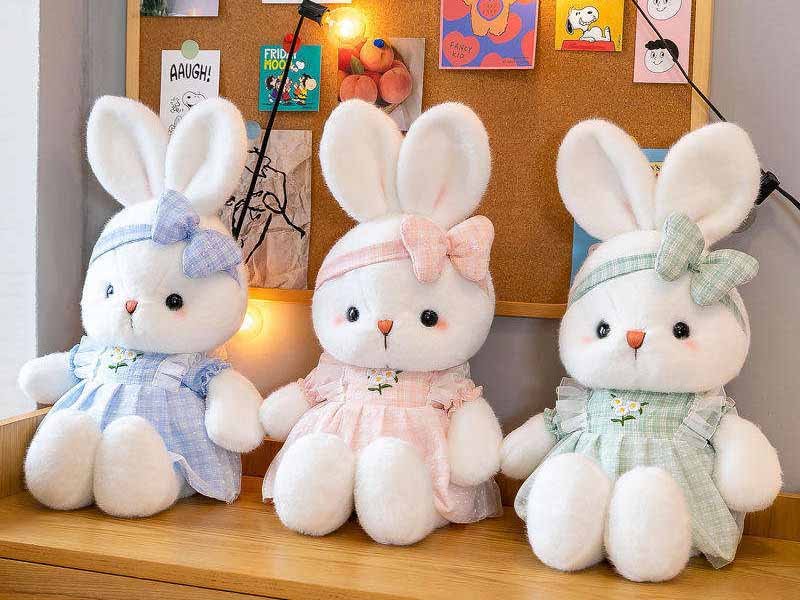
A licensed plush toy may look soft, simple, and playful, but the production path is rarely simple. Before fabric is selected or a pattern is cut, the project team must know who owns the character, which plush formats are permitted, where the products may be sold, how long the rights remain active, and who has authority to approve samples. Missing one answer can delay material purchasing, packaging printing, safety testing, or an entire market launch.
Licensing gives a company defined permission to place protected characters, artwork, names, logos, or other intellectual property on plush products. The agreement may control product categories, territories, sales channels, approval stages, factories, quantities, packaging, royalties, reporting, and production dates. Manufacturing must follow both the approved character design and the commercial limits written into the license.
Consider a 25 cm character plush prepared for a holiday release. The body shape passes inspection, but the embroidery uses an outdated eye design. Five thousand printed boxes already carry an old copyright line, and the selected production site was never submitted for approval. The toy may be safe and well sewn, yet shipment can still stop. Licensing matters because it connects ownership, creative control, manufacturing records, and market access long before a finished plush reaches the shelf.
What Does Plush Licensing Cover?

Plush licensing defines who may use a protected character, which plush products may be developed, where they may be sold, and how designs must be approved. The agreement may also control factories, subcontractors, production quantities, labels, packaging, marketing images, royalties, audit records, surplus stock, rejected goods, and the handling of molds or patterns after the license ends.
What Is Character Licensing?
Character licensing is a written commercial arrangement between the intellectual property owner and an authorized company. The owner may be an animation studio, game publisher, sports organization, film company, illustrator, artist, entertainment group, or creator of an original mascot.
Permission may cover several protected elements at once:
- Character artwork
- Character names
- Logos and word marks
- Costumes and accessories
- Signature colors
- Story-related symbols
- Packaging illustrations
- Catchphrases
- Sound recordings
- Celebrity or performer likenesses
Ownership and permission are not the same. A company may receive permission to manufacture and sell a defined product without owning the character itself. The agreement can be exclusive, non-exclusive, limited to one distributor, or restricted to a named campaign.
Factories should receive enough written information to confirm that the commissioning company has authority to proceed. A screenshot from social media, a product photo found online, or a verbal statement does not provide a reliable basis for commercial reproduction.
For an original mascot, ownership records may include artist agreements, copyright assignments, trademark documents, or contracts confirming commercial merchandise rights.
Which Rights Must Be Confirmed?
Rights confirmation should cover every visible or audible element included in the plush product. A project may legally control the main character while lacking permission for a costume logo, music file, sports emblem, printed fabric pattern, or celebrity face.
A useful rights review asks:
- Who owns the main character?
- Who owns the supplied artwork?
- Does the agreement include stuffed toys?
- Are plush keychains and plush pillows included?
- Can the character be changed for manufacturing?
- Can the factory receive and store the artwork?
- Can marketing photographs show the character?
- Can distributors use the supplied images?
- Are multilingual names approved?
- Are sound files or voice recordings cleared?
- Are third-party logos included?
- Can an approved production partner be appointed?
Artwork commissioned from an outside designer deserves close attention. Payment for design work does not always transfer every commercial right. The design agreement should state who owns the files, who may modify them, whether merchandise production is allowed, and whether manufacturing partners may receive the artwork.
Delsney can protect files through controlled access and project-based production records, but legal ownership must be confirmed by the company placing the order. Manufacturing skill cannot replace valid permission.
Which Products Are Authorized?
A license often lists exact product categories. Permission for apparel, stationery, digital content, or printed gifts may not include plush toys. Even within the plush category, individual formats may need separate approval.
| Plush Format | Licensing Questions | Manufacturing Impact |
|---|---|---|
| Standard character plush | Which sizes and poses are approved? | Pattern sets, stuffing levels and packaging vary by size |
| Plush keychain | Is the item licensed as a toy or accessory? | Small parts, metal fittings and compact embroidery need review |
| Plush pillow | Is decorative or sleep-related use allowed? | Filling density, labels and age positioning may change |
| Baby comforter | Is infant use included? | Facial parts, seams, fibers and labels require stricter control |
| Sound plush | Are voice and music rights cleared? | Sound modules, battery access and recording files need approval |
| Interactive plush | Are electronic functions included? | Sensors, movement parts and software may add approval stages |
| Vinyl-face plush | Are molded character parts authorized? | Mold files, color matching and facial tolerances become critical |
| Blind-box plush | Are collectible series and hidden designs allowed? | Assortment ratios, sealed packaging and anti-counterfeit control matter |
A 30 cm plush toy and an 8 cm plush charm may use the same character but require different rights, artwork, construction, warning labels, and packaging. Product names should therefore be specific.
Before quotation, the project list should define:
- Product format
- Finished size
- Standing, seated, or lying pose
- Number of character versions
- Colorways
- Removable or fixed accessories
- Electronics
- Packaging type
- Target age
- Planned quantity per design
Adding a new size or format after approval may trigger another design review, another sample, and additional packaging work.
Where Can Licensed Plush Be Sold?
Territory clauses determine where the products may be offered, shipped, marketed, or distributed. Rights may cover one country, a group of countries, a region, or worldwide sales. Manufacturing location and sales territory may be governed by separate clauses.
Channel restrictions can be equally important. A license may allow sales through theme parks, department stores, specialty retailers, ecommerce stores, promotional campaigns, subscription boxes, exhibitions, or corporate programs while excluding other channels.
The sales plan should confirm:
- Authorized countries
- Authorized languages
- Online marketplace permissions
- Cross-border ecommerce rules
- Distributor rights
- Wholesale permissions
- Promotional giveaway rights
- Travel-retail permissions
- Theme-park exclusivity
- Retail price restrictions
- Approved fulfillment locations
- Authorized importers
A web store may appear local while shipping internationally. Marketplace settings, warehouse regions, advertising reach, and cross-border fulfillment should match the licensed territory.
Territory also changes production details. A single plush design may require several versions of:
- Care labels
- Safety warnings
- Age markings
- Product names
- Legal lines
- Packaging languages
- Barcodes
- Importer information
- Recycling symbols
- Carton marks
Combining regional versions in one production order can reduce setup cost, but every version needs separate artwork control and packing records.
How Long Does a License Last?
Licenses normally have defined start and end dates. Product development, manufacturing, shipping, selling, discounting, and stock disposal may not share the same deadline.
The project calendar should identify:
- Date when design work may begin
- Date when samples may be submitted
- Earliest production date
- Last permitted manufacturing date
- Last shipment date
- Last retail sales date
- Approved sell-off period
- Inventory reporting date
- Rules for returns
- Rules for unsold goods
- Disposal requirements for unused labels
- Handling of patterns, molds and embroidery files
A one-year license does not provide a full year for selling. Development and supply-chain stages may consume several months.
| Project Stage | Planning Range |
|---|---|
| Rights and product-scope confirmation | 1–4 weeks or longer |
| Character artwork preparation | 3–15 working days |
| First plush sample at Delsney | About 5–7 working days after complete files and materials |
| Sample review by approval teams | Depends on review schedule |
| Sample revisions | 5–7 working days per approved revision direction |
| Safety testing | Depends on product, market and laboratory |
| Bulk material preparation | 7–20 working days |
| Mass production | Based on quantity and construction |
| International delivery | Based on freight method and destination |
Approval time is often less predictable than sewing time. A project tied to a movie premiere, game release, anniversary, holiday, or event should be planned backward from the required arrival date.
When the license ends, remaining fabric, printed boxes, woven labels, hangtags, sound files, embroidery programs, and surplus products may require documented handling. The agreement should define whether materials are destroyed, returned, archived, or used during an approved sell-off period.
How Does Licensing Shape Plush Design?

Licensing turns character development into a controlled approval process. Body proportions, facial expression, colors, fabrics, embroidery, accessories, labels, and packaging may all require review. A manufacturer can recommend safer or more stable construction, but any visible change should be recorded and approved before mass production begins.
What Is a Character Style Guide?
A character style guide gives the factory the approved visual rules for development. Strong source files reduce interpretation and help the sample team preserve the character’s identity when converting flat artwork into a soft three-dimensional product.
Useful files include:
- Front view
- Side view
- Back view
- Three-quarter view
- Facial close-up
- Approved expressions
- Color references
- Height relationships
- Costume details
- Logo rules
- Packaging graphics
- Copyright wording
- Prohibited poses or changes
Flat artwork alone rarely explains how the character should look from every angle. A front-facing illustration may hide the tail position, back markings, ear depth, body thickness, or the way a costume wraps around the torso.
Delsney can prepare three-view drawings and 3D visual presentations to clarify shape before physical sampling. Early visual work is especially valuable when:
- Only one character view is available
- Several teams must approve proportions
- A complex costume covers body seams
- An unusual pose needs structural support
- The character combines plush and molded parts
- Multiple sizes must share one appearance
Digital visuals guide discussion, but a physical sample remains necessary because fabric stretch, pile direction, embroidery tension, filling, and gravity affect the final shape.
How Are Colors and Proportions Controlled?
Character recognition often depends on several small measurements rather than total height alone. Eye spacing, muzzle width, ear angle, head-to-body ratio, and color-block position can change the entire expression.
A 20 cm plush may need control over measurements such as:
| Control Point | Example Development Record |
|---|---|
| Finished seated height | Target measurement with agreed tolerance |
| Head width | Measured at the widest point |
| Eye spacing | Center-to-center distance |
| Eye height | Distance from chin or facial centerline |
| Muzzle width | Finished width after stuffing |
| Ear angle | Position compared with approved drawing |
| Body width | Measured after filling |
| Arm length | Seam to endpoint |
| Foot direction | Forward angle and symmetry |
| Tail position | Distance from center back |
| Main color block | Distance from key seams |
A few millimeters can matter on small faces. Embroidery placement should therefore use positioning templates, approved stitch files, and first-piece inspection.
Color approval should not rely only on digital screens. Plush fabric changes appearance according to:
- Fiber composition
- Pile length
- Brushing direction
- Surface shine
- Dye lot
- Room lighting
- Photography settings
- Embroidery thread texture
- Printed ink absorption
Physical swatches should be reviewed beside the approved artwork. Production records can include fabric codes, supplier references, thread numbers, print values, and approved shade ranges.
Bulk rolls should be separated by dye lot when visible color differences appear. Mixing shade groups within one character can make the head, body, ears, and limbs look mismatched.
Can Character Details Be Changed?
Factories often discover details that cannot be reproduced safely or consistently at the requested size. Long thin fingers, narrow horns, sharp accessories, loose cords, tiny text, unsupported ears, and detachable decorations may create production or safety concerns.
A manufacturing recommendation should explain both the problem and the proposed solution.
| Design Concern | Possible Adjustment | Approval Reason |
|---|---|---|
| Very thin fingers | Replace separate fingers with embroidery lines | Improves seam strength and shape consistency |
| Long unsupported ears | Add internal support or adjust width | Helps the ears hold the approved angle |
| Sharp hard accessory | Use soft stuffed fabric or embroidery | Reduces contact risk |
| Tiny printed lettering | Enlarge, simplify or embroider | Improves readability and repeatability |
| Loose character prop | Add hidden anchor stitches | Reduces loss and movement |
| Narrow ankle or wrist | Increase width slightly | Prevents seam breakage during filling |
| Complex small pattern | Use applique or simplified print | Maintains visual recognition at small scale |
| Heavy head | Adjust body pattern or filling balance | Helps the toy sit or stand correctly |
The licensor or appointed approval team should review every visible alteration. Production staff should not make unrecorded line-side changes, even when the adjustment appears minor.
A useful change request includes:
- Original artwork
- Photograph of the problem
- Proposed construction
- Measurement difference
- Safety or quality reason
- Effect on appearance
- Revised drawing or sample image
Clear records prevent confusion when several sample versions circulate among designers, factories, agents, and approval teams.
Which Materials Need Approval?
Material approval covers far more than the outer plush fabric. Visible materials define the character, while hidden materials determine structure, durability, softness, and test performance.
| Product Area | Approval Details |
|---|---|
| Main fabric | Fiber, weight, pile length, density, stretch, color and hand feel |
| Short facial fabric | Surface texture, embroidery stability and shade |
| Long-pile areas | Fiber length, shedding level and brushing direction |
| Embroidery | Thread color, stitch density, backing and placement |
| Applique | Fabric, edge treatment and attachment method |
| Filling | Fiber grade, softness, recovery and filling weight |
| Weighted parts | Bead material, inner pouch and placement |
| Internal support | Foam, plastic sheet, wire or board |
| Clothing | Fabric, print, trim, fasteners and wash behavior |
| Electronics | Sound module, speaker, switch and battery system |
| Labels | Woven label, care label, tracking code and legal wording |
| Packaging | Bag, box, insert, hangtag, sticker and sealing method |
Fabric weight alone does not predict the finished look. Two materials with similar weight may differ in pile density, shine, stretch, and embroidery performance.
A licensed character with a smooth face may require short minky or velboa so the eyes and mouth remain clear. Long faux fur may suit the body but hide small markings. Dense fabric supports cleaner embroidery, while loose backing can wrinkle around high stitch counts.
Substitutions should follow a controlled approval path. When a material becomes unavailable, the replacement should be checked for:
- Color
- Texture
- Weight
- Stretch
- Pile direction
- Sewing performance
- Embroidery stability
- Shedding
- Chemical compliance
- Finished appearance
No replacement should enter mass production only because the supplier describes it as “similar.”
Who Approves the Final Design?
Approval authority should be defined before the first sample is made. The factory, licensee, distributor, creative agency, compliance team, and IP owner may all provide comments, but final authority normally belongs to named representatives in the licensing arrangement.
A controlled route may include:
- Delsney reviews artwork, size, materials, and construction feasibility.
- Three-view or 3D visuals are prepared when source artwork is incomplete.
- The first physical sample checks silhouette, proportion, expression, and assembly.
- Commercial teams review size, cost, packaging, and planned quantity.
- The licensor reviews character accuracy, colors, logos, and legal wording.
- Compliance specialists review age grading, components, labels, and test planning.
- A revised sample incorporates consolidated comments.
- A pre-production sample confirms final materials and workmanship.
- Written approval releases the design for mass production.
Comments should be consolidated into one numbered file. Conflicting instructions from several reviewers can cause unnecessary revisions and introduce new errors.
The final approval record should identify:
- Sample version
- Approval date
- Finished dimensions
- Approved fabrics
- Filling weight or softness
- Embroidery files
- Print artwork
- Accessory construction
- Label files
- Packaging files
- Accepted deviations
- Production quantity
- Approved factory location
Delsney can retain a sealed production reference for line setup and inspection. A physical sample is more reliable than photographs for checking softness, pile, balance, filling, seam shape, embroidery texture, and accessory strength.
Mass production should begin only after character, construction, material, packaging, and commercial approvals are complete.
How Are Licensed Plush Samples Approved?

Licensed plush sampling follows a controlled sequence from artwork review to a sealed pre-production sample. Each version should record dimensions, materials, colors, embroidery, accessories, labels, packaging, and approval comments. Sampling is complete only when the authorized approval team accepts character accuracy, manufacturing structure, safety planning, and commercial presentation in writing.
Which Files Start Development?
Strong sample development begins with complete, organized source files. A single front-view image may help explain the character, but it rarely gives enough information for accurate three-dimensional construction.
A useful development package may include:
- Front, side, and back character views
- Three-quarter views
- Facial close-ups
- Character height and proportion rules
- Pantone or approved color references
- Fabric preferences
- Embroidery artwork
- Printed graphics
- Costume construction
- Accessory details
- Logo files
- Care-label text
- Copyright wording
- Packaging artwork
- Target age
- Target market
- Planned order quantity
- Required completion date
Vector files such as AI, EPS, SVG, or editable PDF formats help preserve logo lines and embroidery details. High-resolution PNG or layered PSD files may support printed artwork and color review.
When side or back views are missing, Delsney can prepare three-view drawings before pattern cutting. A 3D visual can also help clarify the body volume, head angle, ear position, tail direction, costume depth, and accessory scale.
Development should not begin from several conflicting character versions. The project team needs to identify one approved source package and assign a version number. Old drawings should remain archived but clearly marked as inactive.
How Is 2D Artwork Made Three-Dimensional?
A flat illustration does not contain all the information needed to build a soft product. Pattern engineers must decide how much depth belongs in the head, body, muzzle, limbs, ears, tail, and costume.
The conversion process may examine:
- Head-to-body ratio
- Front and side head depth
- Muzzle projection
- Eye position after stuffing
- Ear thickness and support
- Torso width
- Shoulder and hip shape
- Limb angle
- Sitting balance
- Tail attachment
- Seam placement
- Filling distribution
A round cartoon head may require several curved pattern panels rather than two simple pieces. A flat muzzle drawn on paper may need a separate gusset to create the correct projection. Large ears may require internal support, while a narrow neck may need pattern adjustment to carry the head safely.
Delsney’s pattern team can create three-view drawings and 3D presentations before physical sampling. Those visual stages reduce avoidable misunderstanding, especially for complex licensed characters.
The goal is not merely to make the toy resemble the front artwork. The finished plush should remain recognizable from the side, back, top, and seated position.
What Does the First Sample Check?
The first sample checks whether the character can be translated into a stable, manufacturable plush form. Early review should focus on shape and structure before small decorative details receive excessive attention.
Key review points include:
| Review Area | Questions to Ask |
|---|---|
| Silhouette | Does the outline match the approved character? |
| Proportion | Are the head, body and limbs correctly related? |
| Expression | Do the eyes, mouth and muzzle create the right personality? |
| Pose | Can the plush sit, stand or lie as intended? |
| Fabric | Does pile length support the visual design? |
| Filling | Is the toy too firm, too soft or uneven? |
| Accessories | Are costume parts stable and correctly scaled? |
| Embroidery | Are lines clean, centered and readable? |
| Seams | Do seam positions interfere with facial or costume details? |
| Safety | Are small, sharp or detachable parts controlled? |
The first sample may use available fabrics when exact custom materials are still being prepared. Any substitution should be recorded so reviewers do not approve a temporary fabric by mistake.
A sample review should include front, side, back, top, and close-up photographs. Measurements should accompany the images. Physical review remains valuable because softness, balance, pile direction, and filling pressure cannot be judged fully from photographs.
How Are Revisions Recorded?
Sample revisions should be specific, measurable, and connected to photographs or drawings. Comments such as “make the face cuter” or “the body feels wrong” leave too much room for interpretation.
Clear comments may read:
- Move both eyes downward by 3 mm
- Increase eye spacing by 2 mm
- Reduce muzzle width from 48 mm to 44 mm
- Shorten both arms by 8 mm
- Increase ear angle by 10 degrees
- Change the main fabric to approved code PL-214
- Reduce body filling by 12 g
- Move tail attachment 6 mm toward center back
- Replace printed nose with satin-stitch embroidery
- Increase logo size from 22 mm to 26 mm
A revision file should include:
- Sample version number
- Date of review
- Photograph of the affected area
- Current measurement
- Required measurement
- Material or artwork reference
- Person responsible for approval
- Completion status
Delsney can support two free sample revisions for qualified projects according to the confirmed development scope. Extra revisions caused by major design changes, new sizes, new materials, or additional accessories may require another development review.
Consolidated comments help prevent one department from changing the eyes while another asks to enlarge the head without considering how the two changes interact.
When Is the Production Sample Approved?
A pre-production sample should represent the actual bulk product as closely as possible. It should use approved fabrics, filling, embroidery, printed details, accessories, labels, hardware, electronic parts, and packaging.
Approval should cover:
- Finished size
- Weight
- Character proportions
- Facial placement
- Fabric codes
- Color references
- Pile direction
- Filling density
- Seam structure
- Embroidery files
- Printed artwork
- Accessory attachment
- Label wording
- Copyright line
- Tracking code
- Packaging
- Carton arrangement
A useful approval file may include a measurement table such as:
| Measurement Point | Target | Allowed Variation |
|---|---|---|
| Overall height | 300 mm | ±5 mm |
| Head width | 160 mm | ±3 mm |
| Eye spacing | 42 mm | ±2 mm |
| Arm length | 95 mm | ±3 mm |
| Body width | 135 mm | ±4 mm |
| Tail position | 28 mm from center seam | ±2 mm |
| Finished weight | 260 g | ±10 g |
Exact tolerances should match the design, size, fabric stretch, and construction method. Small collectible plush may need tighter facial tolerances than a large long-pile toy.
Written approval should identify the sample version and approval date. Delsney can retain a sealed reference sample for production setup, line inspection, and final quality comparison. Bulk cutting should begin only after required approvals are complete.
Which Factory Controls Protect the IP?
Factory controls protect licensed artwork, approved designs, production quantities, labels, molds, patterns, and finished goods. Effective control combines written authorization, restricted file access, approved factory locations, order-based material release, production-count records, subcontractor restrictions, surplus handling, and batch traceability. Security must cover the entire project, not only the final product.
Does the Factory Need Authorization?
Many licensors require the actual manufacturing site to be declared, reviewed, or approved before production begins. A trading company’s approval does not automatically cover every factory used for cutting, embroidery, sewing, printing, electronics, or packing.
The project team should confirm:
- Legal factory name
- Factory address
- Production activities performed on site
- Approved subcontracting activities
- Factory audit status
- Social compliance documents
- Quality management records
- Product safety capabilities
- Security controls
- Valid authorization period
Some licensors issue factory-specific authorization documents. Others maintain approved vendor lists or require registration through a licensing portal.
No universal factory document applies to every intellectual property owner. Each licensor may use a different process. A factory accepted for one entertainment property should not claim automatic authorization for unrelated properties.
Before materials are purchased, the commissioning company should verify whether Delsney’s production location needs formal submission. Early confirmation prevents a finished sample from reaching approval while the factory itself remains unapproved.
How Are Design Files Protected?
Character files may include unreleased artwork, future product plans, hidden collectible designs, confidential packaging, voice recordings, and launch dates. File protection should begin as soon as development materials arrive.
Useful controls include:
- Signed confidentiality agreements
- Project-specific folders
- Restricted employee access
- Password-protected file transfer
- Version numbers
- Download records
- Watermarked review images
- Controlled printing
- Locked sample storage
- Prohibition on personal-device copying
- Archived approval records
- Secure deletion rules
Access should follow job responsibilities. Pattern engineers may need construction drawings, while packing teams may need only approved box artwork and SKU lists.
Printed character sheets should not remain openly displayed after production. Old artwork should be removed from workstations when a new version becomes active.
Sample photography also requires control. Employees, visitors, and subcontractors should not photograph licensed projects without permission. Images of unreleased characters can damage a launch even when no physical product leaves the factory.
Delsney can organize artwork, pattern files, embroidery programs, and approval records by project code so production teams use the correct version.
How Is Overproduction Prevented?
Unauthorized overproduction can damage pricing, exclusivity, launch timing, and brand trust. Production control should connect approved order quantity with material release, labels, packaging, line output, inspection records, and shipment quantity.
A controlled quantity system may record:
| Control Stage | Record |
|---|---|
| Purchase order | Approved quantity by SKU |
| Material issue | Fabric and filling released to production |
| Label issue | Number of licensed labels or tags issued |
| Cutting | Number of component sets cut |
| Sewing | Daily output by line |
| Inspection | Passed, repaired and rejected quantities |
| Packing | Units packed by SKU and carton |
| Shipment | Final shipped quantity |
| Balance | Remaining materials, labels and finished goods |
Production may include a limited allowance for process loss, testing samples, approval samples, or replacement units. The permitted allowance should be agreed in writing.
Licensed labels, holograms, serialized tags, or branded boxes deserve strict counting because they can turn an unauthorized product into something that appears legitimate.
Excess finished goods should not be sold, given away, or removed by staff. The project agreement should define whether surplus units are shipped, destroyed, retained for replacements, or handled under another approved method.
Are Subcontractors Allowed?
Many plush toys rely on specialized processes such as embroidery, fabric printing, molded parts, sound modules, batteries, metal fittings, or rigid gift boxes. Outside processing may be necessary, but subcontracting should never happen without approval when licensing rules restrict production locations.
The factory should identify:
- Which process leaves the main site
- Name and address of the outside processor
- Materials sent out
- Quantity sent out
- Files shared
- Expected return quantity
- Security requirements
- Quality checks
- Waste handling
- Return date
Subcontractors should receive only the files needed for their task. An embroidery supplier may need a stitch file and color chart but not the complete character launch plan.
Components sent outside should be counted before dispatch and after return. Rejected pieces, test runs, print screens, embroidery samples, and unused labels should also be accounted for.
Unapproved subcontracting creates several risks:
- Artwork leakage
- Unauthorized samples
- Excess components
- Material substitution
- Poor color control
- Missing production records
- Unverified labor conditions
- Inconsistent quality
Delsney’s project planning can identify outside processes during quotation so approval teams know the proposed manufacturing route before sampling.
How Are Materials and Batches Traced?
Traceability connects finished plush toys with fabrics, filling, embroidery, accessories, labels, packaging, production dates, and inspection records. Good records help investigate color variation, stitching defects, test failures, returns, or complaints.
A batch record may include:
- Project code
- SKU
- Character version
- Purchase order
- Material supplier
- Fabric lot
- Filling lot
- Thread code
- Print batch
- Electronic component batch
- Label version
- Production line
- Sewing date
- Inspection date
- Packing date
- Carton numbers
- Shipment reference
Lot separation matters when several fabric batches show small shade differences. Heads cut from one dye lot should not be mixed randomly with bodies cut from another lot when the color difference is visible.
Tracking labels, printed codes, or carton records may be used depending on the product and licensing requirements. Serialized anti-counterfeit labels can provide stronger control for high-value collectibles.
A traceability exercise should answer three questions quickly:
- Which materials were used in the affected product?
- Which other units used the same material or production batch?
- Where were those units packed and shipped?
Delsney can combine approved sample records, material references, line inspection, final inspection, and carton data to support consistent production and faster investigation when an issue appears.
How Do Licensing and Toy Compliance Differ?

Licensing confirms permission to use a protected character, name, logo, artwork, or other intellectual property. Toy compliance determines whether the finished plush product meets the safety, labeling, documentation, and market-entry requirements of its destination. A licensed character plush still needs product testing and compliance records, while a compliant plush cannot legally use protected artwork without proper authorization.
Is Licensing a Safety Certification?
A licensing agreement and a safety certificate solve different problems.
Licensing answers questions such as:
- Who owns the character?
- Who may manufacture the product?
- Which plush formats are permitted?
- Which countries and sales channels are covered?
- How must the character look?
- Who approves samples and packaging?
- How many units may be produced?
- How are royalties or production reports handled?
Toy compliance answers another group of questions:
- Is the fabric suitable for the intended age group?
- Can seams withstand foreseeable pulling?
- Are small components securely attached?
- Are chemical limits met?
- Is the filling clean and properly contained?
- Do cords, loops, magnets, batteries, or electronics create hazards?
- Are warnings and tracking details correct?
- Can the product legally enter the intended market?
One approval cannot replace the other. A license from an IP owner does not prove that the toy is safe. A laboratory report does not grant permission to use a copyrighted character.
A licensed product project therefore needs two parallel approval routes:
| Approval Route | Main Purpose | Common Records |
|---|---|---|
| IP approval | Protects the character and controls commercial use | License confirmation, style guide, artwork approval, factory authorization |
| Product compliance | Protects users and supports market entry | Risk assessment, test reports, certificates, labels, technical documents |
| Production approval | Controls repeatability in mass production | Pre-production sample, material list, inspection criteria, packing standard |
| Commercial approval | Confirms price, quantity, delivery and sales plan | Purchase order, SKU list, launch schedule, territory and channel plan |
Problems arise when teams complete only one route. A sample may receive creative approval but fail testing because an accessory detaches. Another product may pass laboratory testing but use artwork outside the licensed territory.
The strongest projects connect IP, safety, production, and commercial approvals before bulk materials are ordered.
Which Toy Standards Apply?
Applicable requirements depend on destination, age grading, materials, construction, intended use, and product features. A standard seated plush without electronics follows a different testing plan from a baby comforter, sound toy, heated plush, magnetic character, or large floor cushion.
For the United States, children’s toys commonly require review under ASTM F963 and applicable CPSIA requirements. Depending on the product and age group, testing may involve mechanical and physical hazards, flammability, lead, phthalates, small parts, seam strength, labeling, and tracking information.
For the European Union, toys require conformity assessment, technical documentation, applicable testing, a declaration of conformity, and CE marking. Projects entering the EU during the regulatory transition should confirm whether the existing directive or newer regulation applies on the planned placement date.
Other markets may require separate routes, including:
- United Kingdom requirements and UK market documentation
- Canada Consumer Product Safety Act requirements
- Australian and New Zealand toy standards
- Japanese toy safety or retailer requirements
- Korean safety certification requirements
- Market-specific chemical restrictions
- Retailer testing protocols
- Importer or distributor documentation
A test report prepared for one country should not automatically be assumed valid everywhere. Standards may examine similar hazards while using different methods, age categories, limits, report formats, or labeling rules.
A useful compliance brief should include:
- Destination countries
- Intended user age
- Toy or decorative classification
- Product dimensions
- Materials
- Filling
- Accessories
- Batteries or electronics
- Magnets
- Sound functions
- Removable clothing
- Packaging
- Claims printed on the product
Testing can then be planned around the actual product instead of purchasing a broad report that does not cover the final construction.
What Product Tests Are Required?
Testing should be based on the finished design and intended market. Material reports are useful, but they do not replace testing of the assembled plush where finished-product testing is required.
Common review areas include:
| Test Area | What Is Examined | Plush Production Concern |
|---|---|---|
| Seam strength | Whether filling becomes accessible after pulling or use testing | Weak seams, skipped stitches and narrow seam allowance |
| Small parts | Whether components detach and create a hazard | Plastic eyes, buttons, bells, zipper pulls and decorations |
| Tension and torque | Strength of attached components | Noses, ears, tails, ribbons and accessories |
| Flammability | Burning behavior of materials and finished products | Long pile, loose fibers, costumes and surface coatings |
| Chemical content | Restricted substances in materials and finishes | Fabric dyes, prints, coatings, plastics and metal parts |
| Filling cleanliness | Condition and containment of stuffing | Contamination, foreign material and broken inner bags |
| Sharp points and edges | Accessible hard or metal components | Wire, clips, batteries, sound modules and molded parts |
| Cord and loop hazards | Length and accessibility of cords | Hanging loops, straps, elastic and decorative ties |
| Label durability | Whether required information remains readable | Poor printing, weak attachment or incorrect wording |
| Packaging safety | Bags, films and packaging components | Suffocation warnings and unsuitable packaging thickness |
A basic plush body may appear low risk, yet a character costume can introduce several new concerns. A detachable cape adds seams and fastening parts. A metal badge adds a hard component. A sound unit adds a battery enclosure, speaker, wiring, and activation switch.
Testing plans should therefore be updated after any construction change involving:
- New fabric
- New filling
- New supplier
- New print or coating
- Added accessory
- Different eye or nose construction
- Added electronics
- Changed size
- Changed age grade
- Changed packaging
- Changed production site
A larger version is not always covered by testing completed for a smaller version. Increased weight can place more force on seams and accessories. A miniature version may introduce small-part concerns not present in the larger product.
Delsney can prepare material lists, component descriptions, finished samples, packaging samples, and production records for laboratory submission. The commissioning company, importer, or appointed compliance team should confirm the final testing scope.
How Are Labels and Warnings Managed?
Licensed plush labels carry both commercial identity and compliance information. Artwork approval should cover every label and package panel, not only the character illustration.
A complete label and packaging review may involve:
- Product name
- Character name
- Licensor name
- Copyright line
- Trademark line
- Manufacturer or responsible-party details
- Importer information
- Country of origin
- Age grade
- Material composition
- Care instructions
- Batch or tracking code
- Safety warnings
- Certification marks
- Barcode
- SKU
- Recycling information
- Anti-counterfeit label
Legal wording should come from the authorized commercial or compliance team. Factories should not invent copyright lines, age warnings, or responsible-party information.
Label placement also affects product appearance and use. A large care label sewn into a 10 cm collectible may overwhelm the product. A label hidden under clothing may be difficult to inspect. A stiff label near a baby comforter’s edge may feel uncomfortable.
Possible label structures include:
- Sewn-in satin care label
- Woven brand label
- Printed fabric label
- Paper hangtag
- Tracking sticker
- Serialized hologram
- QR verification code
- Packaging legal panel
Version control matters when one character is sold in several regions. English-only packaging, multilingual EU packaging, North American warnings, and market-specific importer data should be treated as separate artwork versions.
Packing teams need a clear SKU matrix showing which product receives which:
- Care label
- Hangtag
- Barcode
- Box
- Warning sticker
- Language version
- Carton mark
A correct plush packed inside the wrong regional box can still become an unsellable unit.
Do Licensed Products Need Factory Audits?
Some licensors, retailers, importers, and distribution groups require factory audits before production. Requirements vary by organization and should be confirmed for each project.
Reviews may cover:
- Legal business registration
- Factory location
- Production capabilities
- Labor practices
- Working hours
- Wage records
- Health and safety
- Fire protection
- Environmental management
- Chemical controls
- Quality systems
- Security procedures
- Subcontracting
- Record retention
- Corrective actions
An audit does not replace product testing or sample approval. It evaluates the production site and management systems rather than one finished toy.
The commissioning team should confirm:
- Which audit program is accepted
- Whether an existing audit report can be used
- Required audit validity period
- Whether announced or unannounced visits apply
- Which production sites must be included
- Whether subcontractors also require review
- Which corrective actions must close before production
- Who pays audit costs
Factory approval should be completed early. Waiting until the pre-production sample is finished can create a schedule gap if an audit is needed before mass production.
Delsney can provide available factory, quality, compliance, and production information for project review. Exact documents should be matched to the licensor’s current requirements rather than presented as universal authorization for every character property.
How Does Licensing Affect the Project?
Licensing adds design reviews, factory controls, documentation, artwork management, testing coordination, production reporting, and packaging approval to the normal plush manufacturing process. Costs and schedules depend on character complexity, number of approval stages, sample revisions, material development, packaging versions, testing scope, factory requirements, and the speed of decision-making by authorized reviewers.
What Increases Development Cost?
Licensed plush development cost comes from more than fabric, filling, and sewing. Each approval-sensitive feature can add design, tooling, sampling, testing, or production-control work.
Main cost areas include:
| Cost Area | Cost Driver |
|---|---|
| Character engineering | Complex shapes, unusual poses and limited artwork |
| Pattern development | Number of panels, gussets, sizes and character versions |
| Sample rounds | Changes to proportion, expression, materials or accessories |
| Custom fabrics | Special colors, prints, pile lengths or fiber requirements |
| Embroidery | High stitch count, gradients, dense fills and small facial details |
| Printing | Number of colors, print method and registration accuracy |
| Accessories | Clothing, bags, hats, shoes, props and removable parts |
| Molded components | Vinyl faces, plastic eyes, sound housings and custom molds |
| Electronics | Sound modules, sensors, batteries and movement systems |
| Packaging | Printed boxes, inserts, blind boxes and anti-counterfeit features |
| Testing | Number of markets, designs, materials and product functions |
| Factory controls | Audits, serialized labels, reporting and secure storage |
| Personalization | Individual names, codes or market-specific artwork |
Cost can often be reduced without weakening the character. Effective adjustments may include:
- Using embroidery instead of several tiny fabric parts
- Sharing one body pattern across related characters
- Keeping common packaging dimensions across a series
- Using standard approved fabric colors where visually acceptable
- Fixing accessories rather than making them removable
- Reducing unnecessary internal structure
- Combining regional information on one multilingual label
- Approving several colorways in one review round
- Reusing tested materials where permitted
- Limiting custom hardware to high-visibility areas
Poor cost reduction removes value or creates risk. Weak seams, low-density filling, unsuitable fabric, loose accessories, reduced quality checks, or unapproved material substitution can lead to rejection, retesting, returns, and lost launch time.
Quotation should separate one-time and recurring costs.
One-time costs may include:
- Pattern development
- Embroidery digitizing
- Printing screens
- Logo molds
- Plastic or vinyl molds
- Packaging setup
- Laboratory setup
- Audit preparation
Recurring costs may include:
- Fabric
- Filling
- Thread
- Accessories
- Electronics
- Labels
- Packaging
- Assembly
- Inspection
- Freight
Clear separation helps the project team understand why the first order may carry more setup cost than a repeat order using unchanged designs.
How Long Does Approval Take?
Factory sampling may be fast, but the complete licensed project calendar depends heavily on review speed. Delsney can prepare many first samples in approximately 5–7 working days after receiving complete artwork, confirmed dimensions, available materials, and clear construction requirements. Licensor review time sits outside sewing time and may vary considerably.
A planning schedule may look like:
| Project Stage | Working Time or Planning Basis |
|---|---|
| Rights and product-scope confirmation | Project dependent |
| Artwork and file organization | 3–10 days |
| Three-view or 3D presentation | Based on character complexity |
| First physical sample | About 5–7 working days after confirmation |
| Internal review | 2–5 days |
| Licensor review | Based on approval calendar |
| Sample revision | About 5–7 working days after consolidated comments |
| Material color development | 7–20 days where custom dyeing is required |
| Packaging sample | 5–12 days after artwork approval |
| Product testing | Based on laboratory and test scope |
| Bulk material preparation | 7–25 days |
| Mass production | Based on quantity, size and construction |
| Final inspection and packing | Based on order quantity |
| Freight and customs | Based on destination and shipping method |
Schedules become longer when:
- Review comments arrive from several departments separately
- Artwork changes after pattern development
- Custom fabric colors are rejected
- Packaging is designed late
- The factory requires new authorization
- Testing reveals a construction issue
- Several territories need different labels
- Sound or molded parts require new tooling
- Approval samples must be shipped internationally
- Launch quantities change after material booking
A useful project calendar includes decision deadlines, not only factory completion dates. The team should know the final date for approving:
- Character shape
- Fabric
- Embroidery
- Accessories
- Labels
- Packaging
- Testing samples
- Production samples
- Shipment
Late approval compresses production and inspection time. It does not make fabric dyeing, edge processes, printing, sewing, testing, or international freight happen instantly.
Who Pays for Testing and Revisions?
Payment responsibility should be agreed before sampling. Different projects allocate costs differently depending on the license agreement, commercial relationship, order value, and reason for revision.
Possible responsibility areas include:
- Factory sample development
- Sample freight
- Licensor submission samples
- Custom fabric trials
- Embroidery digitizing
- Mold charges
- Packaging samples
- Laboratory testing
- Retesting
- Factory audits
- Inspection
- Anti-counterfeit labels
- Destruction of obsolete materials
The reason for a revision matters.
A factory should correct workmanship or construction that fails to follow confirmed instructions. A project team may need to cover changes caused by new artwork, a new character pose, changed product size, replaced accessories, new packaging, or expanded market requirements.
A clear revision record can classify changes as:
| Revision Type | Example |
|---|---|
| Factory correction | Eye placed outside the approved measurement |
| Design change | Character owner changes the eye shape |
| Scope change | One passport-sized mascot becomes a 40 cm plush |
| Material change | New fabric requested after sample approval |
| Compliance change | Accessory modified after risk review |
| Market change | Additional labels required for another country |
Delsney supports free design and sampling services for qualified custom projects under an agreed development scope. The project team should confirm what is included, how many revisions are covered, which materials are available, and whether special tooling or shipping charges remain separate.
What Should Be Confirmed Before Quotation?
A useful quotation needs enough technical and commercial information to avoid hidden assumptions. “Please quote 5,000 licensed plush toys” does not reveal size, materials, character complexity, approval route, or packaging.
A complete inquiry should include:
- Proof or confirmation of authorization
- Character name
- Product format
- Front, side and back artwork
- Finished size
- Quantity per character
- Quantity per size
- Target market
- Target age
- Fabric preference
- Filling requirement
- Embroidery or print details
- Clothing and accessories
- Electronics
- Labels
- Packaging
- Testing requirements
- Factory audit requirements
- Delivery destination
- Required arrival date
A quotation may also need to identify:
- Sample cost
- Sample time
- Mold or tooling cost
- Unit price
- Quantity per color
- Packaging price
- Testing estimate
- Audit cost
- Inspection method
- Bulk lead time
- Freight terms
- Payment terms
- Price validity
- Material assumptions
When the target cost is fixed, share it early. The factory can evaluate whether the requested size, materials, accessories, and packaging fit the budget.
When the target retail price is known, the team should still avoid calculating factory cost through a simple fixed percentage. Distribution, royalties, freight, duties, retailer margin, marketing, warehousing, and returns differ by project.
A better approach is to define the product quality and landed-cost target, then adjust construction without damaging recognition or safety.
How Do You Choose a Licensed Plush Manufacturer?
A capable manufacturer needs more than sewing capacity. Licensed projects require character interpretation, sample discipline, file control, material consistency, compliance coordination, quantity records, and clear communication.
Evaluate potential factories across the following areas:
| Area | Questions to Ask |
|---|---|
| Experience | Has the factory handled detailed character projects? |
| Design support | Can it create three-view drawings and 3D visuals? |
| Pattern skill | Can flat artwork be converted into a stable plush shape? |
| Sample speed | Is a realistic sample schedule available? |
| Character match | How are proportions and facial positions measured? |
| Material control | Are fabric codes, dye lots and thread colors recorded? |
| File security | Who can access artwork and unreleased designs? |
| Production control | How are quantities, labels and surplus units tracked? |
| Compliance | Can the factory support destination-market testing? |
| Inspection | Are incoming, in-process and finished goods checked? |
| Communication | Are revisions documented with measurements and photos? |
| Packaging | Can regional labels and boxes be separated correctly? |
A strong factory should be willing to identify risks. Agreeing to every request without discussing weak seams, unstable accessories, hidden small parts, difficult colors, or unrealistic timing may create trouble later.
Useful evidence includes:
- Detailed sample reports
- Measurement sheets
- Material cards
- Production photographs
- Inspection records
- Packaging plans
- Traceability examples
- Audit documents where applicable
- Test coordination experience
- Clear revision logs
Delsney brings more than 18 years of plush product development and manufacturing experience to licensed and demanding character projects. Available services include:
- Artwork review
- Free design support for qualified projects
- Three-view development
- 3D visual presentation
- Pattern engineering
- Reference-file sampling
- Artwork-based sampling
- Physical-sample duplication
- Fabric sourcing
- Embroidery development
- Printing
- Accessory engineering
- Sample revisions
- Compliance preparation
- Mass production
- Quality inspection
- Custom labels
- Retail packaging
- Export packing
First samples can often be developed within 5–7 working days after complete project confirmation. Finished products can reach up to 98% visual correspondence with approved design references when suitable artwork, materials, construction limits, and review standards are provided.
Flexible order planning can support character launches, retail collections, promotional campaigns, licensed gift programs, animation releases, game merchandise, mascots, collectibles, and seasonal projects.
Start Your Licensed Plush Project with Delsney
A successful licensed plush toy must satisfy four groups at once: the intellectual property owner, the commercial team, the safety and compliance team, and the person who finally holds the toy. Character accuracy alone is not enough. The product must also be manufacturable, testable, traceable, durable, correctly labeled, and ready for its planned market.
Send Delsney the following information to begin a project review:
- Character artwork
- Authorization status
- Required product format
- Planned size
- Order quantity
- Destination market
- Target age
- Material preference
- Packaging direction
- Required delivery date
The development team can review character structure, prepare three-view or 3D directions, recommend suitable fabrics, identify fragile details, estimate sample work, and organize a production path around the approval schedule.
For projects with incomplete specifications, begin with the character artwork and intended use. Delsney can help convert the concept into a measurable plush specification covering dimensions, fabrics, embroidery, filling, accessories, labels, packaging, and inspection points.
Request a custom quotation from Delsney to develop licensed plush products with controlled artwork, accurate sampling, secure production records, reliable manufacturing, and market-ready quality.