Skip to content
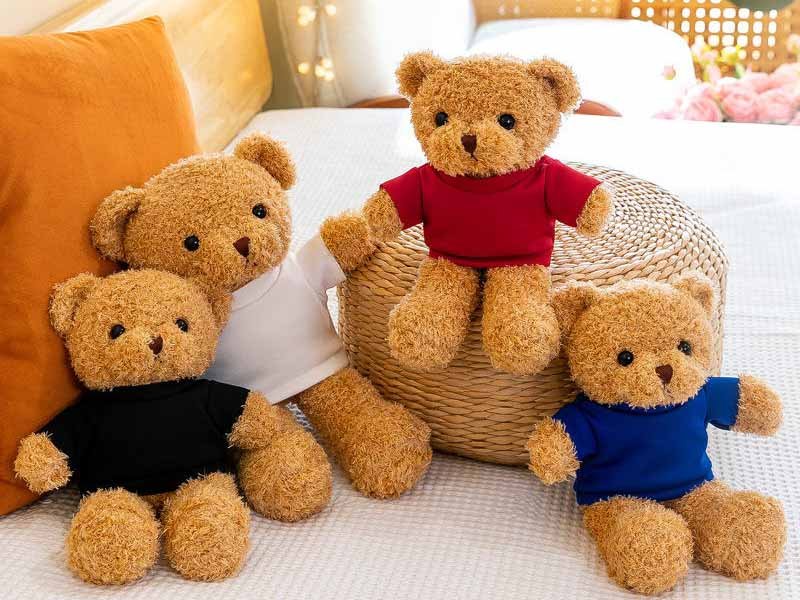
Large plush orders are often discussed as if quantity were the hardest part. In reality, producing 5,000 pieces is not simply making one approved sample 5,000 times. Every unit passes through fabric inspection, cutting, embroidery, printing, sewing, filling, shaping, needle detection, visual inspection, packaging, and carton control. A small uncertainty at the design stage can spread across an entire production run.
Successful bulk plush production begins with a clear product brief, accurate artwork, confirmed dimensions, an approved physical sample, locked materials, written tolerances, safety requirements, packaging files, and a realistic shipping date. The manufacturer then converts those decisions into patterns, cutting files, embroidery programs, sewing instructions, filling standards, inspection points, and packing specifications that production teams can repeat consistently.
Good cooperation therefore depends on decisions made before fabric reaches the cutting table. Price matters, but incomplete specifications often create more cost than a slightly higher unit price. A missing care label can delay packing. An unconfirmed eye position can require thousands of embroidered face panels to be remade. An overlooked carton limit can raise freight charges after production is complete.
One experienced project manager once described bulk plush manufacturing as “protecting a character from a thousand small changes.” That is exactly where professional development, written approval, and disciplined factory control earn their value.
What Should Buyers Prepare?

A reliable quotation requires more than one character image and a target quantity. Procurement teams should provide the product concept, artwork, finished dimensions, quantities by SKU, target market, age grade, material direction, logo method, packaging format, testing needs, delivery deadline, and destination. Clear inputs allow the factory to calculate construction, material use, labor, testing, packing, and production time with far greater accuracy.
Incomplete information does not always stop a quotation, but it usually turns the first price into an estimate rather than a production-ready offer. The project may later face additional costs when embroidery size, fabric pile, packaging, labels, accessories, or safety requirements become clear.
A useful project file should answer five practical questions:
- What product is being developed?
- Who will use or purchase it?
- How should it look, feel, and function?
- How many versions will enter production?
- Where and when must the finished goods be delivered?
The table below shows the information a factory normally needs before giving a detailed production proposal.
| Project Detail | Information to Provide | Why It Matters |
|---|---|---|
| Product type | Mascot, doll, animal, keychain, pillow, baby plush, weighted plush | Determines construction, filling, components, and inspection |
| Finished size | Height, width, depth, sitting height | Affects pattern scale, fabric use, labor, and packaging |
| Quantity | Total pieces and quantity per SKU | Controls material purchasing and production scheduling |
| Artwork | Front, side, back, details, color references | Reduces pattern and appearance errors |
| Target market | USA, EU, UK, Canada, Japan, or other region | Determines testing, labels, warnings, and documentation |
| Age grade | Under 3, 3+, 6+, adult collectible | Affects small parts, accessories, seams, and risk review |
| Materials | Preferred fabric, filling, accessories | Influences hand feel, appearance, safety, and price |
| Logo | Embroidery, woven label, print, patch, hangtag | Requires artwork, size, position, and color approval |
| Packaging | Polybag, box, display tray, blind box, gift box | Changes unit cost, carton size, and packing time |
| Delivery | Required arrival date and destination | Helps calculate production and shipping deadlines |
What Is the Product Idea?
A factory needs to understand the commercial purpose of the product, not only its appearance. A plush item designed for a museum gift shop has different priorities from a baby comfort toy, an event mascot, a game character collectible, or a promotional giveaway.
Begin with the intended use. Explain whether the product will be sold individually, included in a gift set, used in a subscription box, attached to a backpack, displayed at retail, or distributed during an event. Usage affects size, materials, construction strength, packaging, and acceptable cost.
Several details should be defined at the concept stage:
- Product category and intended use
- Target age group
- Preferred finished size
- Desired hand feel
- Required sitting or standing position
- Important character features
- Retail price range
- Expected order quantity
- Sales region
- Planned launch date
A 12 cm collectible may need dense embroidery and sharply controlled facial proportions. A 35 cm bedtime toy may need softer filling, rounded construction, and fewer rigid accessories. A weighted plush requires careful weight distribution and reinforced internal bags. A keychain needs a secure attachment point capable of handling repeated pulling.
Mark the elements that carry the character identity. Eye distance, mouth angle, ear shape, hairstyle, costume, tail position, or color blocking may matter more than decorative details. When the factory knows which features cannot be altered, pattern makers can simplify less important areas without weakening the overall design.
Which Files Are Needed?
Clear artwork reduces interpretation and shortens development time. The most useful file set includes front, side, and back views, finished dimensions, Pantone color references, logo artwork, facial details, accessory drawings, and packaging requirements.
Preferred artwork formats include:
- AI, EPS, SVG, or PDF for vector artwork
- PSD for layered character files
- High-resolution PNG or JPG for visual references
- Dimension sheets for product measurements
- Pantone codes for controlled color matching
- DXF or technical files when available
- Packaging dielines for printed boxes or inserts
A front view alone rarely shows enough information for accurate pattern development. Pattern makers still need to know the depth of the head, thickness of the body, shape of the back, placement of the tail, construction of the feet, and way the product should sit.
Three-view artwork is especially valuable for characters with oversized heads, side-facing ears, wings, tails, layered clothing, hats, hair, or asymmetrical details. Delsney can prepare three-view drawings and 3D visual effects when a project begins with a sketch, reference image, concept file, or written idea.
Physical samples may also be supplied. The project instructions should clearly state:
- Which dimensions should remain unchanged
- Which colors need adjustment
- Which materials should be replaced
- Which logos or labels need removal
- Which features are protected design elements
- Which structural problems should be improved
Reference products should never be treated as complete production instructions without written notes. Even a close reproduction project needs confirmed dimensions, materials, branding, safety requirements, and packaging.
How Many SKUs?
Total order quantity can hide a great deal of production complexity. An order of 12,000 identical plush toys is easier to organize than 12,000 pieces divided among 24 characters, four sizes, and three packaging versions.
A separate SKU may be created by changing any of the following:
- Character design
- Product size
- Fabric color
- Embroidery artwork
- Costume or accessory
- Label language
- Packaging artwork
- Barcode
- Carton mark
- Sales region
Every additional SKU may require its own sample record, material list, cutting files, embroidery program, production instruction sheet, packaging artwork, barcode, inspection reference, and carton plan.
Consider two projects with the same total quantity:
| Order Structure | Project A | Project B |
|---|---|---|
| Total quantity | 12,000 pcs | 12,000 pcs |
| Number of designs | 1 | 12 |
| Quantity per design | 12,000 pcs | 1,000 pcs |
| Fabric colors | 2 | 18 |
| Embroidery files | 1 set | 12 sets |
| Packaging versions | 1 | 4 |
| Production complexity | Lower | Higher |
Project B requires more material separation, more frequent line changes, more packaging checks, and more inspection references. Unit pricing may therefore differ even though the total order volume is equal.
Provide a complete SKU breakdown before quotation. Include forecast quantities for repeat orders where possible. A first production run of 1,000 pieces followed by scheduled replenishment may justify reserving materials, preserving embroidery files, and preparing reusable cutting tools.
Delsney supports flexible order planning and can review quantity by design rather than looking only at the combined total. Final MOQ depends on fabric availability, color requirements, printing setup, accessory tooling, packaging method, and the number of pieces allocated to each variation.
What Is the Target Market?
Target market and age grade should be confirmed before sample construction. Safety requirements affect materials, seams, plastic components, cords, accessories, filling, labels, packaging warnings, and testing plans.
Products intended for the United States may need evaluation under CPSIA and ASTM F963. Products entering the European Union commonly require EN 71 assessment and supporting chemical documentation. The United Kingdom, Canada, Japan, Australia, and other regions may have separate labeling, testing, and documentation requirements.
Age grading is equally important. A decorative collectible intended for adults may use details that are unsuitable for a product designed for children under three. Plastic eyes, detachable clothing, bells, metal chains, long cords, magnets, batteries, scented fillings, and small accessories require early review.
The project team should confirm:
- Country or region of sale
- Intended age group
- Retail or promotional use
- Applicable safety standard
- Required laboratory
- Label language
- Warning statements
- Importer information
- Batch or tracking information
- Testing report format
Packaging must also match the sales channel. Amazon fulfillment, supermarket shelves, boutique retail, subscription boxes, promotional distribution, and direct online shipping have different needs.
For example, an Amazon product may require barcode placement, protective packaging, carton labeling, and dimensional control. A retail gift box may need a window position that keeps the face visible. A blind-box series may require sealed packaging, random packing ratios, character cards, and outer display cartons.
Delsney develops products for European and North American markets and can assist with material selection, labeling details, test preparation, third-party inspection, and compliance documentation. Safety planning at the design stage reduces the risk of replacing components or revising labels after production has begun.
How Is a Plush Sample Made?

A plush sample is developed through artwork review, structure planning, pattern creation, material selection, cutting, embroidery or printing, sewing, filling, shaping, measurement, and visual comparison. Standard projects can reach the first physical sample in 5–7 days. Complex characters, molded accessories, special fabrics, electronic components, or highly detailed clothing may require a longer development period.
Sampling is not only a visual exercise. It tests whether the design can be produced repeatedly, safely, and within the required price range. A sample may look appealing but still be unsuitable for mass production if it needs excessive hand adjustment, unstable materials, difficult sewing angles, or components that fail safety tests.
A controlled development process normally follows the sequence below.
| Stage | Main Work | Main Approval |
|---|---|---|
| Design review | Proportions, materials, seams, features, safety risks | Product direction |
| Three-view or 3D review | Front, side, back, volume, pose | Shape and structure |
| Pattern making | Fabric panels, seam allowance, pile direction | Construction method |
| First sample | Cutting, embroidery, sewing, filling | Appearance and hand feel |
| Revision | Measurements, shape, color, details | Corrected sample |
| Pre-production sample | Bulk materials and approved processes | Mass production standard |
| Packaging sample | Box, label, insert, polybag, carton | Packing standard |
How Does Design Review Work?
Design review converts artwork into a product that can be sewn and repeated. Pattern engineers study the shape, number of fabric panels, seam locations, embroidery areas, filling distribution, material stretch, pile direction, accessory attachment, and safety risks.
Not every line in an illustration should become a seam. Extra seams can increase labor, create uneven curves, and make a small product feel stiff. Some details may be produced more cleanly through embroidery, appliqué, printing, folded fabric, or color blocking.
A professional review should identify concerns such as:
- Head size compared with neck width
- Body balance in sitting or standing positions
- Facial embroidery on curved surfaces
- Ear and tail attachment strength
- Clothing that may twist during filling
- Long-pile fabric covering small embroidered features
- Narrow limbs that are difficult to fill evenly
- Accessories that may detach under pulling force
- Large embroidery areas that stiffen the fabric
- Dark fabric showing through light embroidery thread
Construction also affects cost. A simple seated animal may use 12–18 main fabric panels. A detailed character with clothing, hair, shoes, wings, and facial appliqué may require 30–60 individual pieces. More components increase cutting, sorting, sewing, inspection, and material-loss rates.
Delsney brings design, pattern making, embroidery, sewing, and quality teams into the review process. Feedback from production staff is valuable because a shape that works for one handmade sample may still need adjustment before thousands of units can be sewn at a stable speed.
When Are 3D Views Used?
Three-view drawings and 3D visuals are useful when flat artwork leaves important shapes open to interpretation. They allow project teams to review the character from several angles before physical materials are cut.
Digital views are especially useful for:
- Oversized heads
- Deep muzzles or projecting noses
- Seated or leaning poses
- Layered costumes
- Sculpted hairstyles
- Wings and tails
- Asymmetrical characters
- Multiple connected accessories
- Products reviewed by several departments
A front-facing illustration may make a head look round, while the intended side view is actually flat. An ear may appear attached to the top of the head in one image but sit behind the side seam in the original concept. A 3D review brings such differences into view before pattern work advances.
Digital images do not replace sewn samples. Fabric thickness, stretch, seam tension, pile direction, stuffing pressure, and gravity all affect the physical result. A rounded digital cheek may become flatter after sewing. A slim neck may widen after filling. Long fur may reduce the visible definition of a small limb.
Delsney uses three-view and 3D support to improve communication and reduce major structural revisions. The greatest value comes from approving proportions, pose, and viewing angles early, while keeping material behavior for the physical sample stage.
How Is the Pattern Made?
Pattern making turns a three-dimensional character into flat fabric panels. Each panel must include seam allowance, notches, alignment points, embroidery location, pile direction, stretch direction, and identification marks.
Pattern engineers need to predict how fabric will behave after sewing and filling. A 2 mm curve change can alter cheek volume. A slightly wider forehead panel can move the eyes farther apart. A narrow body gusset can reduce depth and make the product lean forward.
Fabric choice changes pattern performance:
- Minky and short plush show curves clearly and support precise embroidery.
- Velboa provides a smooth surface but may reveal seam irregularities.
- Sherpa and lamb-like fleece create volume but can hide small features.
- Long-pile faux fur softens outlines and requires careful pile control.
- Stretch fabric can create fuller shapes but may produce size variation.
- Non-stretch woven fabric needs more accurate panel shaping.
Pile direction must be marked for every panel. Reversed pile on one arm or cheek can create a visible color difference even when the fabric comes from the same roll.
After the first sample, pattern corrections should be recorded numerically. Instead of relying on verbal instructions, the factory should update panel files, measurement charts, embroidery coordinates, and sewing notes.
Delsney’s pattern team develops products from technical documents, artwork, reference images, physical samples, or early concepts. Standard sample development takes around 5–7 days, with two sample revisions available according to the confirmed project arrangement.
What Should Buyers Check?
Sample approval should follow a written checklist rather than a quick visual reaction. Review the plush toy from the front, side, back, top, and bottom under neutral lighting. Compare it with the artwork, dimensions, color references, and intended use.
Key appearance checks include:
- Head-to-body proportion
- Eye distance and height
- Mouth angle and position
- Ear height and symmetry
- Limb length and direction
- Tail angle
- Clothing fit
- Embroidery density
- Printed color coverage
- Visible seams
- Fabric pile direction
- Sitting or standing balance
Key construction checks include:
- Seam strength
- Filling distribution
- Hand feel
- Product weight
- Loose thread control
- Accessory attachment
- Label location
- Opening closure
- Embroidery backing
- Hard components inside the toy
Measurements should be recorded rather than judged only by eye.
| Measurement Point | Approved Size | Suggested Control Range |
|---|---|---|
| Overall height | 250 mm | ±5 mm |
| Head width | 135 mm | ±3 mm |
| Body width | 105 mm | ±3 mm |
| Eye spacing | 42 mm | ±2 mm |
| Ear height | 58 mm | ±2 mm |
| Product weight | 235 g | ±8 g |
Control ranges depend on product size, fabric stretch, filling method, and construction. Very small products may require tighter placement control, especially around facial features. Larger soft products often need a wider allowance for overall dimensions.
Feedback should be measurable and visual. “Make the face cuter” can produce several interpretations. “Move both eyes inward by 2 mm, lower the mouth by 3 mm, and add 5 g of filling to each cheek” gives the development team clear actions.
Delsney aims for up to 98% agreement between approved artwork and finished products. Accurate feedback, marked photographs, measurement data, and signed sample records are important parts of reaching that level.
When Is the Sample Approved?
Approval should be given only after the product’s appearance, measurements, materials, colors, embroidery, printing, accessories, labels, weight, filling, packaging direction, and safety requirements have been confirmed.
The final pre-production sample should use bulk-intended materials whenever possible. A sample made with substitute fabric may differ in pile length, thickness, stretch, shade, hand feel, or sewing performance. Those differences can alter the finished shape even when the same pattern is used.
Before approval, record the following:
- Sample version number
- Approval date
- Finished measurements
- Product weight
- Fabric codes
- Pantone references
- Embroidery thread colors
- Printing artwork
- Filling material and weight
- Accessory specifications
- Label artwork and position
- Packaging method
- Approved revision notes
- Allowed tolerances
The factory and project team should retain matching records. Approved photographs should show front, side, back, and detail views. Material swatches, embroidery files, label artwork, and packaging files should carry clear version numbers.
Late changes can affect much more than the sample. Moving an eye after embroidery has started may require new digital files and replacement face panels. Changing a fabric color after purchasing may leave unusable material. Enlarging the product can change carton dimensions and freight cost. Adding a retail box may require a new packing line schedule.
Sample approval should therefore act as a firm production gate. Delsney begins bulk planning against the confirmed sample and written specification, helping production, quality, packing, and inspection teams work from the same standard.
Which Materials Work Best?

The best material is not simply the softest or most expensive option. Fabric, filling, embroidery thread, printed parts, labels, plastic components, and packaging must work together. Product size, target age, hand feel, character detail, selling price, safety requirements, and order quantity all affect the final choice. A suitable material should look right, sew cleanly, remain available for repeat orders, and perform consistently during testing and production.
Material decisions made during sampling should be recorded by supplier code, color number, pile length, width, weight, and composition. Descriptions such as “soft pink plush” are not accurate enough for repeat production. Two fabrics with similar photographs may differ in stretch, shade, thickness, shedding, and sewing performance.
A product aimed at premium retail may justify custom-dyed minky, dense embroidery, and heavier filling. A promotional mascot may need a simpler fabric structure, printed details, and compact packaging. The goal is not to reduce every cost. The goal is to spend money where the product gains visible value and avoid spending where customers will not notice a difference.
Which Fabric Should You Choose?
Fabric controls the first impression of a plush product. It affects color, softness, shape definition, seam visibility, embroidery quality, and perceived value. Pile length, fabric weight, stretch, backing strength, and surface finish matter as much as fiber composition.
Common plush fabrics include:
| Fabric Type | Surface | Main Strength | Best Use |
|---|---|---|---|
| Minky | Short, smooth pile | Soft hand feel and clear colors | Character toys, baby plush, premium animals |
| Velboa | Low pile, compact surface | Good shape control and clean printing | Promotional plush, mascots, small toys |
| Short plush | Dense, even pile | Balanced softness and sewing stability | General stuffed animals and dolls |
| Sherpa | Curly, wool-like surface | Warm, textured appearance | Sheep, bears, winter collections |
| Faux fur | Medium or long pile | Rich volume and realistic texture | Animals, luxury collections, fantasy characters |
| Coral fleece | Soft, brushed surface | Comfortable touch and good color range | Cushions, pillows, soft dolls |
| Tricot | Very short, smooth surface | Precise printing and small-scale details | Mini plush, face panels, promotional items |
| Organic cotton fabric | Natural woven or knitted surface | Natural-fiber positioning | Baby products and eco-focused collections |
| Recycled polyester plush | Similar to standard polyester plush | Supports recycled-material programs | Sustainability-focused retail lines |
Pile length should match product size. A 5 cm keychain with 20 mm fur may lose its facial definition because the pile covers embroidery and small seams. A 40 cm animal with 1 mm velboa may look flat unless the pattern and stuffing create enough volume.
Practical pile ranges include:
- 0.5–1.5 mm for tiny products and printed faces
- 1.5–3 mm for detailed character plush
- 3–8 mm for general stuffed animals
- 8–20 mm for soft animal styles
- 20 mm and above for furry or realistic effects
Stretch also changes shape. Highly elastic material can produce rounded forms but may increase dimensional variation. Less elastic material supports sharper silhouettes, although more pattern panels may be needed to create curves.
Color should be approved with physical swatches. Screen images are unreliable because monitors, lighting, and camera settings change the appearance. For key character colors, Pantone references should guide development, followed by physical approval under controlled lighting.
Fabric availability deserves early attention. A stock color may support a 500-piece project quickly. A custom-dyed color may require several thousand meters, longer preparation, and color-lot approval. Repeat-order programs should reserve a reliable fabric source and keep approved swatches on file.
What Filling Is Suitable?
Filling affects softness, weight, shape, recovery, shipping volume, and long-term appearance. Polyester fiberfill is widely used because it is light, washable, soft, and easy to distribute. Density and fiber quality still vary, so the filling specification should not stop at “PP cotton.”
Common filling choices include:
| Filling Type | Main Characteristics | Suitable Products |
|---|---|---|
| Virgin polyester fiber | Clean, resilient, light | Standard plush toys and dolls |
| Recycled polyester fiber | Similar performance with recycled content | Eco-focused collections |
| Cluster fiber | Small fiber balls with good movement | Soft cushions and rounded toys |
| Foam particles | Light and compressible | Pillows and decorative plush |
| EPS beads | Flowing and shape-adjustable | Beanbag-style products |
| Plastic pellets | Adds concentrated weight | Weighted paws and seated toys |
| Glass beads | High weight in small volume | Adult weighted products with reinforced inner bags |
| Memory foam pieces | Slow recovery and soft support | Cushions and comfort products |
Filling quantity should be controlled by weight and touch. Too little filling causes wrinkles, unstable sitting, and inconsistent dimensions. Too much filling creates hard seams, distorted faces, and increased seam pressure.
A filling standard may include:
- Total product weight
- Filling weight by body area
- Firmness reference
- Placement instructions
- Weight tolerance
- Shaping method
- Inner bag construction
For example, a 30 cm seated bear may contain 180–240 g of polyester fiber depending on fabric stretch and desired firmness. A weighted plush may require 500–2,000 g of pellets or beads, divided into reinforced inner compartments. Exact values depend on size, design, market, and age grade.
Weighted materials require extra care. Pellets or glass beads should not move freely throughout the toy. Separate inner bags help control balance and reduce the risk of leakage. Inner bags may need double stitching, reinforced seams, and pull testing.
Stuffing distribution also matters. A large head may require denser filling around the cheeks and forehead, while the neck may need extra support. Long arms should be filled evenly to avoid thin sections. Small ears may need light filling so they do not become bulky.
Delsney records filling weight and distribution for approved samples, allowing operators and inspection teams to compare production units against the confirmed standard.
Which Logo Method Works?
Logo method should match the fabric surface, design detail, quantity, budget, and expected use. A logo that looks clear on packaging may not work on long-pile fabric or a curved plush body.
Common options include:
| Logo Method | Main Advantage | Main Limitation |
|---|---|---|
| Embroidery | Durable, premium, colorfast | Large areas may stiffen fabric |
| Woven label | Fine detail and consistent branding | Requires seam or attachment point |
| Printed label | Flexible colors and low weight | Print durability must be checked |
| Heat transfer | Smooth detail on flat surfaces | Less suitable for high-pile fabric |
| Screen printing | Strong solid colors | Best for simpler artwork |
| Digital printing | Fine gradients and complex artwork | Cost and color may vary by fabric |
| Appliqué | Adds texture and dimension | More cutting and sewing labor |
| Rubber or silicone patch | Strong visual impact | Higher tooling cost and extra weight |
| Hangtag | Carries story, barcode, and retail details | Can be removed after purchase |
Embroidery remains one of the most common choices for facial details and small logos. Thread density, stitch direction, backing material, and fabric stretch affect the result. Large embroidery areas can pull the fabric inward and create wrinkles. Reducing stitch density or dividing the artwork into smaller sections may improve the surface.
Logo position should be measured from stable reference points. “Place near the lower left side” is not precise enough. A better instruction is “center the logo 25 mm above the bottom seam and 18 mm from the side seam.”
For curved products, the factory should embroider or print panels before sewing. Once the toy is filled, machine access becomes limited. Artwork files must therefore be confirmed before cutting begins.
Brand labels should also include practical information such as fiber content, care instructions, country of origin, tracking code, age warning, importer details, and certification marks where required.
How Do Materials Affect Cost?
Material cost depends on more than fabric price per meter. Width, usable yield, pile direction, color quantity, cutting loss, printing setup, embroidery area, accessory tooling, and minimum purchasing quantity all influence the final unit price.
A wide fabric may produce more panels per meter than a narrow fabric. Long-pile material may require greater spacing between pieces so pile direction remains correct. Striped or printed fabric may need pattern matching, increasing waste. Small custom-dyed quantities may carry a surcharge because the dye house cannot run a full production lot efficiently.
A simplified cost structure may look like:
| Cost Area | Approximate Share |
|---|---|
| Fabric and filling | 25–40% |
| Cutting and sewing labor | 20–35% |
| Embroidery, printing, and accessories | 8–20% |
| Packaging | 5–15% |
| Inspection, testing, and overhead | 5–12% |
| Carton and internal handling | 3–8% |
Percentages vary by product. A simple 20 cm animal may spend more of its cost on fabric and sewing. A 10 cm licensed character with dense embroidery and a retail box may spend more on decoration and packaging.
Several design choices can increase cost quickly:
- Many small fabric panels
- Multiple custom colors
- Large embroidery areas
- Layered clothing
- Removable accessories
- Molded plastic parts
- Sound or light modules
- Weighted filling
- Custom-printed fabric
- Rigid gift packaging
Cost control works best when the factory knows the target retail range. A good manufacturer can suggest alternatives without weakening the main visual features. One embroidered costume pattern may replace several tiny sewn pieces. A printed face panel may work better than six appliqué sections on a very small plush. A standard fabric color may be close enough to avoid custom dyeing.
Delsney reviews cost together with appearance, production stability, and market positioning. The aim is to keep the character recognizable while avoiding unnecessary construction that customers will not value.
How Is Bulk Production Planned?

Bulk production starts after the sample, specifications, materials, packaging, testing plan, quantity, and payment terms are approved. The factory then purchases materials, confirms production files, prepares cutting and embroidery programs, schedules lines, sets inspection checkpoints, and plans packing. Standard production may take 20–30 days, although order size, SKU count, materials, packaging, testing, and factory schedule can change the timeline.
Good planning works backward from the required arrival date. Production time alone is not enough. Material preparation, testing, inspection, export booking, customs clearance, and local delivery must also be included.
A realistic timeline for a standard project may look like:
| Stage | Common Time Range |
|---|---|
| Design review | 1–3 days |
| Sample development | 5–7 days |
| Sample revisions | 3–7 days per round |
| Material preparation | 7–15 days |
| Bulk production | 20–30 days |
| Testing | 5–10 working days |
| Final inspection | 1–3 days |
| Packing and booking | 3–7 days |
| Air transport | 5–12 days |
| Sea transport | 20–45 days |
Several stages can overlap, but only after critical approvals are complete. Packaging artwork may be prepared during sample revision. Testing materials may be reserved while bulk fabric is ordered. Shipping bookings may begin before packing ends. Such overlap shortens the total schedule without skipping necessary checks.
What Is the MOQ?
MOQ is the minimum quantity a factory can produce efficiently under a specific product structure. It is influenced by fabric purchasing, color dyeing, embroidery setup, printing plates, accessories, packaging, labor, and line change time.
A flexible MOQ does not mean every design can be produced at any quantity with the same price. A stock-fabric mascot with simple embroidery may support a smaller run. A custom-dyed product with molded parts and a printed gift box may require a higher starting quantity.
MOQ should be discussed at three levels:
- Total order quantity
- Quantity per design
- Quantity per color or packaging version
For example:
| Order Plan | Quantity |
|---|---|
| Total order | 5,000 pcs |
| Character A | 2,000 pcs |
| Character B | 1,500 pcs |
| Character C | 1,500 pcs |
| Packaging language 1 | 3,000 pcs |
| Packaging language 2 | 2,000 pcs |
A factory may accept 5,000 pieces in total, but each design still needs enough volume to cover setup and material use.
MOQ is also affected by:
- Custom fabric dye lots
- Printed fabric minimums
- Embroidery program setup
- Molded plastic tooling
- Electronic components
- Custom labels
- Box printing
- Inner tray production
- Special filling
- Licensed packaging versions
Delsney supports flexible project planning and reviews MOQ according to product complexity, available materials, and quantities per SKU. A clear quantity breakdown allows the factory to recommend the most economical structure.
How Is Pricing Set?
Bulk pricing is calculated from material use, labor time, decoration, accessories, packaging, testing, overhead, order quantity, and production difficulty. Unit price usually falls as quantity increases because setup costs are spread across more pieces and material purchasing becomes more efficient.
However, price does not always decrease at the same rate. A jump from 500 to 1,000 pieces may create a visible reduction. A jump from 10,000 to 11,000 pieces may have a smaller effect because most setup savings have already been reached.
A detailed quotation should clarify:
- Product size
- Approved materials
- Filling
- Embroidery or printing
- Accessories
- Labels
- Packaging
- Quantity per SKU
- Sample cost
- Testing cost
- Tooling cost
- Carton details
- Trade term
- Payment term
- Lead time
- Price validity
Common trade terms include EXW, FOB, CIF, and DDP. Each term covers different responsibilities. A low unit price under EXW may not include inland transport, export handling, freight, duty, or local delivery. Compare quotations on the same trade term.
Price validity also matters because fabric, labor, exchange rates, and freight can change. Quotations may remain valid for 15–30 days, depending on the project.
A very low price can indicate missing items rather than better efficiency. Ask whether packaging, labels, testing, sample revisions, cartons, and inspection are included. Compare the complete landed cost, not only the factory unit price.
How Long Does Production Take?
Production time depends on quantity, product complexity, SKU count, material readiness, decoration, packaging, testing, and factory workload. Standard orders may take 20–30 days after final approval and material preparation. Large or complex projects may need 30–60 days.
A basic 10,000-piece plush order may follow a schedule such as:
| Production Step | Estimated Duration |
|---|---|
| Material inspection | 1–2 days |
| Cutting | 3–5 days |
| Embroidery or printing | 4–7 days |
| Sewing | 8–15 days |
| Filling and shaping | 4–7 days |
| In-line inspection | Throughout production |
| Final inspection | 1–3 days |
| Packing | 3–5 days |
The stages often overlap. Sewing may start while later panels are still being cut. Filling may begin while sewing continues. Inspection takes place at each stage rather than only at the end.
Lead time becomes longer when:
- Custom fabric must be dyed
- Several samples need approval
- Many SKUs share the same line
- Packaging is not ready
- Accessories require tooling
- Testing identifies a problem
- Artwork changes after approval
- Peak-season capacity is limited
The safest schedule includes a buffer between factory completion and market launch. A project due for a fixed event should not plan final delivery one day before the event. Shipping delays, customs review, weather, or inspection findings can still occur.
Delsney’s standard sampling time is 5–7 days, and standard mass production is commonly completed within 20–30 days after all approvals and materials are ready.
How Are SKUs Scheduled?
Multi-SKU projects require more planning because each design may use different fabrics, embroidery files, accessories, labels, and boxes. The factory must prevent mixing while keeping production lines efficient.
A common approach groups SKUs by shared materials or construction. Characters using the same fabric and body pattern may be cut together. Products with similar embroidery can run on the same machine group. Packaging versions are separated later with barcode and carton controls.
Production records should identify:
- SKU code
- Character name
- Size
- Color
- Quantity
- Pattern version
- Embroidery file
- Material code
- Label version
- Packaging code
- Carton mark
- Destination
Color-coded bins, bundle tickets, barcode labels, and separate work areas help reduce mixing. A small error can create serious problems. Using the wrong care label or barcode may make an otherwise acceptable product unsellable in its destination market.
For blind-box or collectible sets, packing ratios need special control. A series may require fixed ratios such as:
- 12 regular characters per display box
- 1 hidden character per 144 boxes
- Equal distribution across master cartons
- Random arrangement within retail packs
Such requirements should be tested with a packing mock-up before full production. The factory should record final counts by SKU and carton.
Delsney manages multi-design projects with separate production and packing records, helping maintain artwork, material, label, and carton accuracy across each variation.
Do Changes Cause Delays?
Changes after sample approval can affect price, materials, patterns, tooling, testing, and delivery. The impact depends on when the change is requested.
Early design changes are easier to manage. A change made before material purchase may require only a revised sample. The same change after cutting may create unusable panels. A packaging change after boxes are printed may require complete replacement.
Change impact by production stage:
| Change Stage | Likely Impact |
|---|---|
| Before pattern making | Low impact |
| During first sampling | Moderate development time |
| After sample approval | New approval and possible price change |
| After material purchase | Material waste or delay |
| After cutting | Replacement panels and production interruption |
| After embroidery | New files and remade parts |
| During sewing | Line disruption and rework |
| After packing | Repacking, new labels, or new cartons |
All changes should be recorded in writing with:
- Requested modification
- Reason
- Affected SKU
- New dimensions or artwork
- Cost impact
- Schedule impact
- Old version number
- New version number
- Approval date
Version control prevents old files from remaining on the production floor. Pattern files, embroidery programs, labels, boxes, and inspection sheets should carry matching revision numbers.
Urgent changes should be judged carefully. Accepting every late request may protect one detail while damaging delivery reliability. In some cases, keeping the approved version for the current run and applying the change to the repeat order is the safer decision.
Delsney reviews late changes with design, production, quality, and packaging teams before confirming feasibility. Clear written approval protects both product quality and delivery planning.
How Is Quality Controlled?

Quality control begins before bulk fabric is cut. Approved materials, signed samples, measurement charts, embroidery files, filling weights, label artwork, packaging instructions, and inspection limits must all point to the same product version. Incoming material checks, first-piece approval, in-line inspection, final inspection, and packing verification then protect the approved design throughout production.
A finished plush toy can look simple from the outside, yet dozens of variables influence the final result. Fabric shade, pile direction, stitch tension, filling weight, eye position, seam allowance, and operator shaping can all change the appearance. Reliable control therefore combines measurable data with visual comparison against an approved physical sample.
A practical inspection plan may include the following stages:
| Inspection Stage | Main Checks | Purpose |
|---|---|---|
| Incoming materials | Shade, pile, weight, width, defects, certificates | Prevent unsuitable materials from entering production |
| First-piece review | Shape, measurements, embroidery, sewing | Confirm production settings before volume increases |
| In-line inspection | Seams, placement, filling, workmanship | Find problems while correction remains manageable |
| Mid-production review | Size, weight, color, SKU accuracy | Check consistency across operators and production days |
| Final inspection | Appearance, function, labels, quantity | Confirm finished goods against approved standards |
| Packing inspection | Polybags, boxes, barcodes, carton marks | Prevent destination and retail errors |
| Pre-shipment check | Quantity, workmanship, reports, cartons | Release finished goods for delivery |
Quality should never depend on one final inspection alone. Finding a structural problem after 10,000 pieces are packed is far more expensive than finding it during the first 100 pieces.
How Is Color Controlled?
Color control starts with a physical reference. Pantone numbers help communicate direction, but plush fabric creates additional challenges because pile length, fiber sheen, backing color, and viewing angle affect how a shade appears.
A red fabric may look darker when the pile is brushed downward and lighter when brushed upward. Artificial lighting can make a warm beige appear gray. Camera images may also shift color because of white balance, exposure, and screen settings. Physical swatches remain the most dependable approval method.
A controlled color process normally includes:
- Pantone reference from the design team
- Factory fabric swatches
- Approved physical color standard
- Fabric supplier code
- Dye-lot identification
- Lighting condition for comparison
- Acceptable shade range
- Production roll inspection
Key character colors should be reviewed under neutral daylight or a controlled light source. When a light booth is available, D65 lighting is often used for daylight comparison. Retail programs may also request checks under store lighting to identify metamerism, where two materials match under one light source but appear different under another.
Instrument readings can support color control, although plush pile may affect measurement accuracy. Projects with strict color requirements may define a Delta E range, often around 1.0–1.5 for critical solid colors. Textured or long-pile fabrics may require a wider numerical range combined with visual approval.
Fabric rolls from different dye lots should not be mixed freely within one SKU. Even a small shade difference may become obvious when an arm, ear, or face panel sits beside another fabric section. Production records should trace which lot was used for each batch.
Embroidery thread, printed fabric, labels, and packaging also need color coordination. Matching every material to the same Pantone number does not guarantee a visual match because thread, paper, plastic, and fabric reflect light differently. The goal is visual harmony across the finished product rather than identical instrument readings on unrelated surfaces.
Delsney keeps approved material samples and color references with production instructions. Incoming fabric checks help identify shade variation before cutting begins, reducing the chance of mixed-color products reaching sewing or packing.
How Is Shape Checked?
Shape control requires both measurements and visual comparison. Overall height alone cannot confirm whether a plush toy matches the approved sample. Head width, face placement, body depth, limb length, ear angle, tail position, and sitting balance all influence character recognition.
A measurement chart should use fixed reference points. Soft products can compress or stretch during measuring, so the method must be consistent. Operators should place the toy in the approved position without pulling the fabric or flattening the filling.
Common control points include:
| Control Point | Why It Matters | Example Range |
|---|---|---|
| Overall height | Controls retail size and packaging fit | ±3–5% |
| Head width | Protects character proportion | ±3–5 mm |
| Body depth | Affects volume and sitting stability | ±3–5 mm |
| Eye spacing | Strong effect on expression | ±1–2 mm |
| Mouth position | Changes facial emotion | ±1–2 mm |
| Ear height | Controls symmetry and silhouette | ±2–3 mm |
| Limb length | Affects balance and pose | ±3–5 mm |
| Filling weight | Controls firmness and size | ±3–5% |
| Finished weight | Supports packing and product consistency | Project-specific |
Ranges must be set according to product size and construction. A 7 cm mini collectible may require facial placement control within 1 mm. A 50 cm soft animal may allow a wider overall height range while still needing accurate eye positioning.
Visual templates can improve consistency. A transparent positioning guide may be placed over embroidered face panels before sewing. Cardboard gauges can check ear angles, body width, or accessory placement. Approved photographs should show front, side, and back views at a fixed camera angle.
Filling has a major influence on shape. Two toys made from identical panels may look different when one contains more filling in the forehead and the other contains more in the cheeks. Production instructions should define filling weight by section where shape is sensitive.
Operator shaping also matters. After filling, the toy may need massage, seam rolling, pile brushing, and pose adjustment. Such steps should follow a consistent method rather than personal preference.
Delsney compares production units with the signed sample and measurement sheet. Its target of up to 98% agreement between design artwork and finished product depends on pattern accuracy, material control, filling standards, and repeated visual checks.
How Are Seams Tested?
Seams carry the mechanical load of a plush product. Weak sewing can release filling, expose internal components, or create small detachable parts. Seam quality depends on thread type, stitch length, seam allowance, needle selection, fabric backing, operator control, and the direction of stress.
Inspection should cover both visible workmanship and hidden strength.
Visible checks include:
- Skipped stitches
- Loose threads
- Open seams
- Uneven stitch lines
- Fabric caught incorrectly
- Exposed seam allowance
- Puckering
- Mismatched panel edges
- Filling trapped in seams
- Untrimmed embroidery backing
Structural checks include:
- Seam pull resistance
- Accessory attachment
- Limb connection strength
- Ear and tail security
- Label attachment
- Closing seam durability
- Inner bag security
- Plastic component retention
Stitch length should suit the fabric. Very long stitches may open under pressure. Extremely short stitches can perforate delicate backing and weaken the seam. Plush products commonly use stitch settings around 2–3 mm, adjusted according to material thickness, stretch, and construction.
Seam allowance often falls between 5 and 10 mm, although small products, thick fur, curved areas, and high-stress sections may require different values. Narrow allowances save fabric but provide less protection against fraying or operator variation.
High-stress areas may need reinforcement. Common examples include:
- Neck connection on large-headed characters
- Arms used as carrying points
- Tails extending from narrow seams
- Keychain loops
- Backpack clips
- Weighted inner bags
- Zipper openings
- Sound-module pockets
Reinforcement may involve backstitching, double sewing, bar tacks, binding tape, internal fabric patches, or stronger thread. Adding reinforcement everywhere is not always useful; unnecessary stiffness can distort small shapes. Engineering should focus on stress points identified during risk review.
Closing seams deserve special attention because they are often sewn after filling. The stitch line should remain secure and visually clean. Ladder stitching, hidden machine closure, or another approved method may be used according to construction.
Pull and torque tests may be applied to eyes, noses, buttons, accessories, cords, and sewn components according to destination requirements and age grade. The test method, force, duration, and acceptance criteria should be agreed before production.
Which Safety Tests Apply?
Safety requirements depend on the sales market, age grade, materials, construction, and product features. A simple fabric animal may require physical and chemical testing. A plush toy with batteries, magnets, sound, fragrance, heat packs, or weighted filling may require additional assessment.
Common safety areas include:
- Mechanical and physical performance
- Small parts
- Seam strength
- Component pull resistance
- Sharp points and edges
- Cord and loop length
- Flammability
- Heavy metals
- Phthalates
- Restricted chemicals
- Labeling and warnings
- Tracking information
- Battery compartment security
- Magnet safety
- Filling cleanliness
Products sold in the United States may be prepared for CPSIA and ASTM F963 requirements. European projects commonly consider EN 71 requirements. CE documentation, chemical records, material declarations, and third-party laboratory reports may also be needed according to product type and destination.
A test plan should be created before the final sample is approved. Waiting until production is complete creates unnecessary risk. A plastic eye that fails a pull test may require a new component or a switch to embroidery. A coating that fails chemical testing may require the full accessory batch to be replaced.
Age grading affects nearly every safety decision. Products intended for children under three demand careful control of detachable parts and accessible components. Decorative pieces suitable for an adult collectible may be unacceptable for a young child’s toy.
A useful compliance file may contain:
| Document | Main Purpose |
|---|---|
| Product specification | Records materials, construction, size, and age grade |
| Bill of materials | Identifies every fabric, filling, component, and label |
| Material reports | Supports chemical and safety review |
| Risk assessment | Identifies foreseeable product hazards |
| Test request form | Defines standards and test scope |
| Laboratory report | Records test results |
| Label artwork | Confirms warnings and tracking details |
| Production batch record | Supports traceability |
| Inspection report | Confirms shipment condition |
Testing samples must represent production materials and construction. A handmade sample using substitute fabric may not accurately represent the finished order. Pre-production or early production units are generally more suitable for laboratory review.
Delsney supports plush projects for European and North American markets and can coordinate material documentation, test preparation, inspection, and product records. Early communication regarding market and age grade helps avoid late changes.
How Is Bulk Consistency Kept?
Bulk consistency comes from controlling inputs, methods, and records. An approved sample alone cannot keep thousands of units identical. Production teams need clear specifications, trained operators, stable materials, calibrated equipment, first-piece approval, and repeated checks.
Consistency controls should cover:
- Pattern version
- Fabric lot
- Embroidery file
- Thread colors
- Stitch settings
- Filling weight
- Product measurements
- Accessory position
- Label version
- Packaging code
- Carton quantity
- Inspection criteria
The first-piece inspection is one of the most valuable controls. Before full production accelerates, the factory should complete several units using bulk materials and normal operators. Quality, engineering, and production teams then compare them with the signed sample.
Problems found at the first-piece stage may include:
- Embroidery shifted after fabric stretching
- Face panels becoming narrower during sewing
- Filling weight changing body height
- Tail position rotating after closure
- Labels being sewn into the wrong seam
- Fabric shade differing from the approval swatch
- Packaging being too tight for the finished shape
In-line inspection should continue as volume increases. Checking only the first and last units can miss gradual changes caused by machine tension, new fabric rolls, operator replacement, or filling variation.
A practical inspection rhythm may include:
- First 20–50 units from each line
- Checks after every fabric-lot change
- Checks after machine adjustment
- Random checks during each shift
- Daily measurement and weight records
- Final inspection before packing
- Packed-carton verification before shipment
Inspection sampling levels should be agreed in the purchase order or quality agreement. Many retail programs use zero acceptance for critical defects and AQL limits such as 2.5 for major defects and 4.0 for minor defects. Stricter programs may require lower limits or full inspection for selected features.
Critical defects include safety risks, sharp objects, exposed metal, loose magnets, or incorrect hazardous components. Major defects include open seams, incorrect characters, missing accessories, severe shape differences, or wrong labels. Minor defects may include small loose threads or slight cosmetic marks that do not affect function.
Delsney performs pre-shipment inspection and supports 100% quality assurance across approved production requirements. Its quality team follows material, sewing, filling, appearance, packing, and quantity controls before shipment release.
How Do You Choose a Manufacturer?
Choose a plush manufacturer by reviewing development ability, pattern engineering, material knowledge, production capacity, quality systems, safety support, communication, and experience with similar products. A low quotation has little value when the factory cannot reproduce the sample, manage several SKUs, pass required tests, or meet the launch date.
A reliable evaluation should go beyond website photographs. Ask for production records, comparable products, factory videos, sample details, quality procedures, test experience, and clear answers about responsibility at every stage.
A capable manufacturer should explain not only what can be produced, but also what may fail and how the risk will be controlled.
Is the Factory Experienced?
Years in business matter, but relevant experience matters more. A factory may have operated for twenty years while producing only simple promotional animals. A detailed licensed character, weighted comfort product, infant plush, or electronic toy requires different engineering and quality knowledge.
Experience should be evaluated through practical evidence:
- Similar product categories
- Comparable sizes
- Similar fabric types
- Multi-SKU projects
- Licensed character work
- Complex embroidery
- Clothing and accessory construction
- Safety testing history
- Retail packaging experience
- Repeat-order management
Ask how the factory handled a difficult project. Strong answers often describe a clear problem, such as unstable sitting, embroidery distortion, failed pull strength, mixed fabric shades, or oversized cartons. The explanation should include measurements, material changes, pattern corrections, and final results.
Development experience is especially important. A skilled pattern team knows how to preserve character identity while simplifying construction for stable production. A factory that only follows finished samples may struggle when the project begins with artwork or early concepts.
Delsney has more than 18 years of experience in plush product research, design, pattern making, sampling, manufacturing, and sales. Its team develops animals, character dolls, mascots, keychains, pillows, baby plush, weighted products, collectibles, and private-label collections across a wide range of fabrics.
The company supports development from technical documents, drawings, reference images, physical products, three-view artwork, and 3D visuals. Such experience is valuable when a project needs both creative interpretation and production discipline.
Can It Handle Bulk Orders?
Bulk capability is not measured only by maximum monthly output. Production stability, line management, workforce, equipment, material coordination, quality staffing, and peak-season planning are equally important.
Questions worth asking include:
- How many production lines are available?
- Which processes are handled internally?
- How many pieces can be produced per day?
- How are multiple SKUs separated?
- How is peak-season capacity reserved?
- Are embroidery and printing controlled in-house?
- How many quality inspectors support production?
- How are subcontractors managed?
- What happens when one material arrives late?
- How are urgent repeat orders scheduled?
A factory may quote a high monthly capacity while relying heavily on outsourced sewing. Outsourcing is not automatically a problem, but control methods must remain clear. Production instructions, material traceability, inspection, and final responsibility should remain with the contracted manufacturer.
Capacity should match product complexity. One line may produce several thousand simple plush toys per day, while a detailed character with clothing and hand-finished accessories may move much more slowly.
Calculate required daily output before confirming a schedule:
Required daily output = total quantity ÷ available production days
For a 30,000-piece order with 20 effective production days, average output must reach 1,500 pieces per day. The factory also needs time for line setup, repairs, inspection, rework, packing, and shipment preparation. Capacity should therefore include a margin rather than matching the minimum calculation exactly.
Delsney operates an established production system with multiple manufacturing lines, specialist development staff, designers, engineers, and quality personnel. Flexible scheduling supports both trial production and larger international orders, while standard mass-production periods are commonly around 20–30 days after approval and material readiness.
Are Samples Made In-House?
In-house sample development creates a stronger connection between the approved product and the production floor. Designers, pattern makers, embroidery technicians, sewing teams, and quality staff can discuss changes directly instead of passing instructions through several unrelated suppliers.
Ask where the following work is completed:
- Pattern making
- Sample sewing
- Embroidery programming
- Fabric sourcing
- Printing
- Filling trials
- Accessory development
- Packaging mock-ups
- Pre-production review
An in-house sample room should keep version-controlled patterns, artwork, measurement charts, and material records. Every revision should update the production file rather than relying on the memory of one sample maker.
Fast sampling should not mean rushed approval. A 5–7 day prototype can be valuable when the factory has experienced staff and available materials. Speed has less value when dimensions, fabric codes, or construction notes are not recorded.
Free sampling also needs clear boundaries. Ask what is included:
- Number of concepts
- Number of revisions
- Standard or custom materials
- Artwork support
- Three-view drawings
- 3D visuals
- Shipping cost
- Tooling or mold fees
- Electronic component development
Delsney provides end-to-end OEM and ODM development, including technical-file sampling, artwork-based sampling, reference-sample development, design assistance, and free sampling under agreed project conditions. Two sample revisions are available for qualifying projects, and standard prototypes can be completed in 5–7 days.
Its development team can also prepare three-view artwork and 3D effects, helping project owners confirm shape and structure before physical sampling.
Is Compliance Supported?
A capable manufacturer should understand how product design, material choice, labeling, testing, and documentation connect. Simply stating “we can pass testing” is not enough.
Ask the factory to explain:
- Which markets it regularly supplies
- Which laboratories it works with
- How test samples are selected
- How materials are documented
- How failed results are corrected
- How production batches are traced
- How labels and warnings are checked
- How age grading affects construction
- How magnets, batteries, or weighted parts are handled
- Who pays for retesting after design changes
Compliance support should begin during design review. A factory that identifies risk early may recommend embroidered eyes instead of plastic eyes, shorter cords, stronger internal bags, revised battery closures, or different coatings before costs increase.
Factory management systems also matter. ISO 9001, BSCI, Sedex, retailer audits, and internal quality procedures do not replace product testing, but they provide useful evidence of management discipline, social compliance, traceability, and documented processes.
Requested documents may include:
- Business license
- Factory audit reports
- Quality certifications
- Social compliance reports
- Material declarations
- Previous test-report examples
- Quality manuals
- Inspection procedures
- Corrective-action records
- Traceability samples
Confidential information may be removed from examples, but the factory should still demonstrate familiarity with test formats and documentation.
Delsney supports EN 71, ASTM, CPSIA, CE, and related requirements according to product and destination. Its manufacturing system also works with recognized quality and social-compliance frameworks, helping international projects prepare for testing, inspection, and retail documentation.
Why Work with Delsney?
Delsney brings product development and manufacturing together under one coordinated system. More than 18 years of plush-industry experience allows its team to review design feasibility, create patterns, recommend materials, prepare samples, organize production, inspect finished goods, and support packaging and delivery.
Delsney can work with minky, velboa, short plush, faux fur, sherpa, recycled polyester, organic cotton, printed fabrics, and other specialized materials. Products may include mascots, animals, character dolls, keychains, pillows, baby plush, weighted toys, electronic plush, mini collectibles, and gift sets.
Standard sample development can be completed in 5–7 days for many designs. Two sample revisions help refine proportions, facial details, materials, and construction. Three-view and 3D support give project teams a clearer view before physical sampling begins.
The development target reaches up to 98% agreement between approved designs and finished products. Production quality is supported through material inspection, first-piece approval, in-line checks, final inspection, packing control, and pre-shipment review.
Delsney works with established international companies and premium product programs requiring private-label, custom-logo, OEM, and ODM services. Flexible MOQ planning allows quantities to be reviewed according to design complexity, material availability, packaging, and SKU structure rather than applying one rigid number to every project.
After receiving the project information, Delsney can review design feasibility, recommend materials, estimate MOQ, calculate pricing, and prepare a sampling plan.
Send your artwork, product dimensions, quantity, target market, and packaging ideas to Delsney for a custom project review. Whether the program involves one mascot, a multi-character collection, a retail gift set, or a long-term private-label range, the team can support the journey from the first drawing to approved samples and stable bulk production.