Skip to content
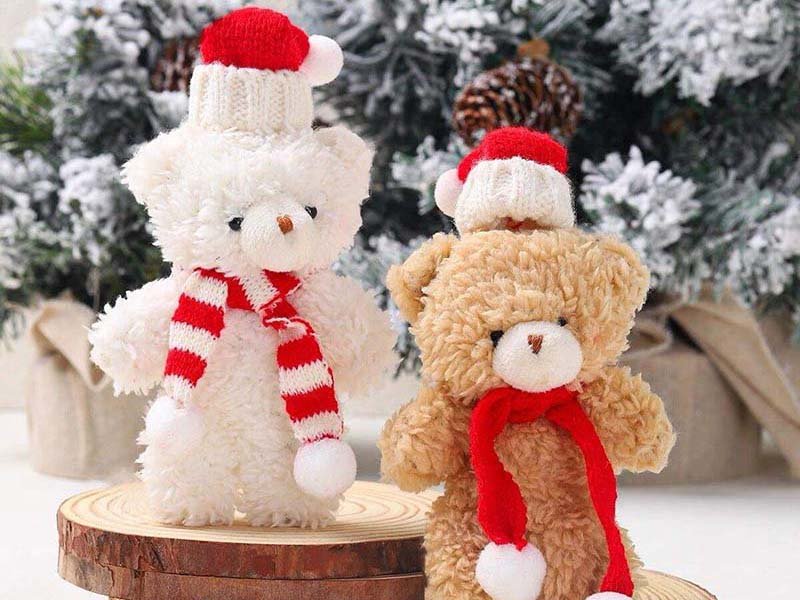
Seasonal soft toys are often treated as simple holiday products: change the color, add a festive accessory, print a themed hangtag, and launch the item before the event. That approach may work for a basic promotional item, but it rarely creates a strong retail collection. Seasonal plush sales depend on a much wider set of decisions, including launch timing, gift purpose, character appeal, size, price, packaging, production capacity, regional preferences, safety requirements, and stock availability.
The most important seasonal soft toy sales trends include earlier holiday shopping, stronger demand from teenagers and adults, growing interest in collectible characters, higher expectations for gift packaging, rapid sales spikes caused by social platforms, and stricter inventory control. Christmas remains the largest general gifting period, while Valentine’s Day, Easter, Halloween, Lunar New Year, graduation, and event campaigns create shorter sales windows with more specific design requirements.
A profitable seasonal range usually answers five questions before product development begins:
- Who will receive the plush product?
- Who will pay for it?
- What emotional role will the product serve?
- How long will the selling window remain open?
- What happens to unsold stock after the event?
A Christmas reindeer, for example, may attract families, gift shoppers, collectors, office gift programs, schools, hotels, and retail chains. A Valentine plush flower may target couples, friends, teenagers, event companies, and gift-box sellers. Both products belong to the seasonal plush category, yet their pricing, packaging, order timing, and risk profile can be very different.
Product timing has a direct effect on sales performance. A seasonal plush collection that reaches warehouses eight weeks before the main event has time to collect reviews, appear in gift guides, support advertising, and receive repeat orders. A collection that arrives two weeks before the holiday may face rushed fulfillment, limited promotion, expensive freight, and immediate discount pressure.
Seasonal success comes from aligning demand signals with product development and production reality. The strongest programs do not simply follow the holiday calendar. They build a clear product role, a realistic price structure, a safe stock plan, and enough time for sampling, testing, manufacturing, shipping, and retail preparation.
What Drives Seasonal Soft Toy Sales?

Seasonal soft toy sales are mainly driven by gifting occasions, emotional relevance, character recognition, retail timing, pricing, product visibility, packaging quality, and stock availability. Demand increases when a plush toy gives customers a clear reason to purchase immediately instead of waiting for another occasion.
A holiday date can bring traffic, but traffic alone does not guarantee conversion. Christmas attracts large numbers of gift shoppers, yet competition is intense. Valentine’s Day creates strong emotional demand, but hundreds of similar red and pink bears can make product differentiation difficult. Easter supports rabbits and chicks, although success depends on basket size, age suitability, color direction, packaging, and local holiday customs.
Strong seasonal plush products normally combine three layers:
- A clear occasion, such as Christmas, Valentine’s Day, Easter, Halloween, graduation, or a sports event
- A clear emotional purpose, such as affection, comfort, celebration, nostalgia, humor, collecting, or personal identity
- A clear product advantage, such as softness, character accuracy, personalization, limited availability, premium packaging, sound, scent, weighted filling, or display value
Without all three layers, a product may look seasonal but still struggle to sell.
A red bear with a heart may communicate Valentine’s Day, but the product may have little value beyond color and decoration. A more developed version could include a removable message patch, embroidered name, matching mini character, gift drawer box, printed story card, and a design that remains useful for anniversaries or birthdays. Such changes increase perceived value while reducing the risk of the product becoming unusable after February 14.
Pricing also changes seasonal demand. Customers often accept higher prices for limited-edition products, licensed characters, gift-ready sets, premium fabrics, larger sizes, or personalized features. However, price increases must be supported by visible value. A product cannot rely on a holiday label alone to justify a premium.
The following factors normally have the greatest effect on seasonal plush sales:
| Sales Factor | Customer Question | Commercial Effect |
|---|---|---|
| Occasion relevance | Does the product clearly fit the holiday? | Improves immediate recognition |
| Character appeal | Is the design memorable and emotionally engaging? | Increases clicks, sharing, and repeat interest |
| Price position | Does the product feel worth the price? | Affects conversion and margin |
| Product size | Is it suitable for gifting, display, or collecting? | Influences shipping, shelf space, and order value |
| Packaging | Is it ready to give without extra preparation? | Raises perceived value |
| Availability | Can it arrive before the event? | Determines whether demand can convert into sales |
| Product reviews | Do previous customers confirm quality? | Reduces purchase hesitation |
| Promotion timing | Did marketing start early enough? | Expands the useful selling period |
| Regional fit | Does the design match local culture and habits? | Reduces poor market response |
| Reorder ability | Can stock be replenished before demand ends? | Limits lost sales |
What Makes Soft Toys Seasonal?
A soft toy becomes seasonal when its design, message, packaging, accessories, or marketing links it to a limited period or event. Obvious examples include a Santa bear, pumpkin cat, Easter rabbit, heart cushion, or zodiac dragon. Less obvious seasonal products include graduation mascots, wedding plush gifts, summer travel characters, sports tournament mascots, school-opening gifts, and anniversary editions.
Seasonality can be created through several product elements:
- Main body shape
- Color palette
- Clothing and accessories
- Embroidery and printed messages
- Character story
- Hangtag artwork
- Gift packaging
- Event date
- Limited-edition numbering
- Campaign photography
The more seasonal elements built into the permanent structure, the shorter the selling life may become. A plush product embroidered with “Christmas 2026” has a narrow sales period. A winter bear wearing a removable scarf can continue selling after Christmas as a cold-weather gift or comfort product.
For better inventory control, many product teams use a modular structure. The core plush body stays unchanged, while clothing, packaging sleeves, tags, embroidery patches, or accessories change for each campaign. One animal shape may appear as:
- A Valentine character with a heart pouch
- An Easter character with a floral headband
- A Halloween character with a removable cape
- A Christmas character with a scarf and gift box
- A graduation character with a cap and diploma
Such planning reduces repeated pattern-development work, simplifies fabric purchasing, and improves consistency across several launches.
Which Months Have the Highest Sales?
November and December normally provide the largest broad holiday opportunity because of Christmas, year-end gifting, Black Friday, Cyber Monday, family gatherings, corporate gifts, and school celebrations. However, product interest often begins long before November.
Many successful Christmas programs follow a sales pattern similar to the one below:
| Period | Customer Behavior | Recommended Action |
|---|---|---|
| July–August | Retail teams finalize ranges | Confirm samples, pricing, and packaging |
| September | Early listings and wholesale delivery begin | Prepare stock, images, and product pages |
| October | Gift research increases | Start campaigns and collect early orders |
| November | Promotion and gifting accelerate | Track sell-through and reorder risk |
| Early December | Main purchase period | Protect stock and fulfillment speed |
| Mid–late December | Last-minute orders dominate | Focus on local inventory and fast shipping |
| January | Seasonal demand falls | Reposition neutral designs or clear dated stock |
Valentine’s Day demand usually begins in late December and becomes stronger from mid-January. Search activity and gift purchases often rise sharply during the final two weeks before February 14. That short period makes late delivery especially dangerous.
Easter demand shifts each year because the holiday date changes. Product teams should calculate launch timing from the actual Easter date rather than using the same monthly schedule every year. A March Easter requires earlier production and sales preparation than an April Easter.
Halloween sales often begin in August, especially for collectors, home decoration, and online product launches. Mainstream demand generally becomes stronger in September and October.
Graduation plush products often sell from April through June, but school calendars differ by country and region. University, high school, kindergarten, and training-program graduations may require different designs and delivery dates.
Lunar New Year programs need special attention because manufacturing, domestic logistics, and factory holidays can overlap with final delivery schedules. Product development and order confirmation should happen well before the holiday period.
How Do Holidays Change Demand?
Each holiday changes purchase motivation, preferred size, acceptable price, packaging expectations, and product design.
Christmas supports the widest range of products. Customers may purchase stocking fillers, main gifts, collectible editions, office gifts, school gifts, hotel gifts, and licensed character merchandise. A Christmas range can include several price levels because customers often purchase for multiple recipients.
Valentine’s Day is more emotionally focused. Personalization, paired characters, message embroidery, romantic packaging, and smaller gift combinations can perform well. Delivery timing is critical because most demand disappears immediately after February 14.
Easter often favors soft colors, spring animals, basket-sized plush, child-focused shapes, and gift sets. Products that also work for baby gifting or nursery decoration have a longer selling period.
Halloween supports stronger humor, costume details, dark colors, monsters, ghosts, pumpkins, bats, and collectible themes. Teenagers and adults may represent a larger share of demand than in some child-focused holiday categories.
Lunar New Year requires cultural accuracy. Zodiac animals, dragons, lions, fish, oranges, lanterns, lucky symbols, and red-and-gold packaging may be used, but symbols, language, clothing, and expressions should be reviewed carefully for each target market.
Holiday demand also affects product presentation. A basic promotional giveaway may only need a branded label and protective bag. A retail gift product may require:
- Window box
- Drawer box
- Folding carton
- Story card
- Character card
- Gift message area
- QR code insert
- Ribbon or sleeve
- Barcode label
- Care label
- Shipping protection
Packaging cost should be calculated early. A rigid box can improve presentation, but it also increases unit cost, carton volume, warehouse space, and freight expense.
Are Seasonal Patterns Different by Market?
Seasonal patterns vary by country, climate, culture, school calendar, religion, gifting habit, and retail channel. A design that performs well in one region may require major changes elsewhere.
Christmas is widely commercialized across North America, Europe, Australia, and many Asian markets, but visual preferences differ. North American ranges may use bold red, green, white, and character-led packaging. European collections may favor softer winter palettes, woodland animals, or traditional craft details. Australian Christmas ranges may combine festive elements with summer, beach, or local wildlife themes.
Lunar New Year products can perform strongly in China, Singapore, Malaysia, Vietnam, and overseas Asian communities. However, product names, zodiac interpretation, language, embroidery symbols, and packaging copy should be localized.
Halloween is highly developed in the United States, Canada, and parts of Europe. Demand may be smaller or more event-based in other regions. A large Halloween order should not be placed solely because similar products perform well in the U.S. market.
Climate also affects product relevance. Heavy winter imagery may feel less natural in tropical regions. Festive colors, local animals, gift messaging, and celebration themes may work better than snow-based designs.
Before finalizing a regional seasonal range, product teams should review:
- Holiday importance in the destination market
- Main shopping period
- Preferred retail price
- Common gift size
- Local animal and color preferences
- Language requirements
- Safety regulations
- Labeling rules
- Packaging expectations
- Shipping lead time
- Local warehouse availability
- Return and discount risk
A market-specific approach is often more profitable than using one design and one package everywhere.
Which Holidays Sell the Most Soft Toys?

Christmas usually creates the largest overall opportunity because it combines family gifting, children’s products, adult self-purchases, collectibles, office gifts, school events, retail promotions, and licensed merchandise. Valentine’s Day, Easter, Halloween, and Lunar New Year offer shorter sales periods but can generate strong results when product design closely matches the occasion.
A smaller holiday can sometimes produce better margins than Christmas. Competition may be lower, customer intent may be clearer, and product differentiation may be easier. A graduation mascot wearing an accurately designed school uniform serves a very specific purpose. A generic Christmas bear may compete with hundreds of nearly identical products.
Holiday potential should be judged through four commercial questions:
- How large is the available audience?
- How long is the useful selling period?
- How crowded is the product category?
- How much stock remains valuable after the date?
Christmas has a large audience but intense competition and heavy discounting after the event. Valentine’s Day provides strong emotional demand but almost no recovery period after February 14. Easter products can remain suitable for spring and nursery gifting when they avoid dated wording. Halloween products may continue selling among gothic, fantasy, and collector audiences if the design is not limited to one year.
A practical holiday range should balance high-recognition seasonal products with designs that retain value after the event.
| Holiday | Main Sales Opportunity | Strong Price Position | Product Risk |
|---|---|---|---|
| Valentine’s Day | Emotional gifts and paired products | Low to medium, with premium gift sets | Sudden demand drop after February 14 |
| Easter | Children’s gifts and basket fillers | Low to medium | Holiday date changes annually |
| Graduation | Personalized gifts and school mascots | Medium | Local calendars and custom details |
| Halloween | Collectibles, decoration, teen and adult products | Low to medium | Highly themed stock can age quickly |
| Christmas | Broad gifting across many customer groups | All price levels | Heavy competition and post-holiday markdowns |
| Lunar New Year | Cultural gifts, zodiac products, event merchandise | Medium | Short relevance cycle and early production deadlines |
Which Plush Toys Sell Best at Christmas?
Christmas supports traditional characters, licensed products, winter animals, comfort products, gift sets, collectibles, personalized plush, and promotional mascots.
Common product directions include:
- Reindeer
- Snowmen
- Penguins
- Polar bears
- Gingerbread characters
- Elves
- Santa-inspired animals
- Winter woodland animals
- Christmas food characters
- Mini stocking plush
- Plush ornaments
- Gift-box character sets
- Personalized name plush
- Limited-edition colorways
Traditional characters remain commercially useful because customers understand them immediately. However, familiarity also creates strong competition. A reindeer with no distinctive shape, expression, material, or packaging may become difficult to separate from lower-priced alternatives.
Product differentiation can come from:
- A recognizable character silhouette
- Mixed short-pile and long-pile fabrics
- Detailed embroidery
- Removable clothing
- Matching mini and large versions
- A coordinated character family
- Premium story cards
- Numbered edition tags
- Reusable gift boxes
- Personalized patches
- Sound or scent features
A balanced Christmas range may use three product levels:
| Product Level | Recommended Role | Common Size |
|---|---|---|
| Entry product | Stocking filler, add-on gift, impulse item | 8–15 cm |
| Core product | Main retail gift | 20–35 cm |
| Premium product | Display item, collector edition, major gift | 40 cm and above |
Smaller plush products reduce freight and shelf-space pressure. Larger products create stronger visual impact but require more filling, larger cartons, higher storage cost, and more expensive delivery.
Christmas designs should also be reviewed for post-holiday value. A winter fox, bear, or penguin can remain relevant in January. A product with a permanently sewn “Merry Christmas 2026” message has far less flexibility.
What Sells for Valentine’s Day?
Valentine’s Day products need to communicate affection quickly. Teddy bears remain popular, but successful collections increasingly use humor, personalization, paired characters, floral themes, friendship messages, and social-media-ready presentation.
Useful product concepts include:
- Paired animal characters
- Plush flowers
- Heart-shaped cushions
- Animals holding removable messages
- Mini plush for gift boxes
- Long-distance relationship characters
- Friendship plush
- Personalized name embroidery
- Matching keychain sets
- Character-and-card combinations
- Plush combined with artificial flowers
- Gift drawer boxes with inserts
Color direction can go beyond red and pink. Cream, lavender, burgundy, black, light blue, neutral beige, and metallic details can appeal to older recipients and premium gift markets.
Size should reflect the role of the product. A 10 cm mini plush can accompany jewelry, cosmetics, confectionery, or flowers. A 25 cm plush can work as a main gift. An oversized plush creates strong emotional and photographic impact but increases shipping cost and storage needs.
Packaging carries greater importance during Valentine’s Day because the product is often given directly to another person. A well-made gift box, message card, ribbon, or flower insert can raise perceived value more effectively than adding unnecessary construction complexity to the plush body.
To reduce leftover-stock risk, avoid printing the date directly on the main product. Removable tags, sleeves, cards, or patches allow the plush to be repositioned for birthdays, anniversaries, weddings, or everyday gifting.
Which Designs Work for Easter?
Easter ranges often begin with rabbits, but a complete collection can include chicks, lambs, ducklings, calves, flowers, eggs, carrots, woodland animals, and spring-inspired fantasy characters.
Popular visual directions include:
- Pastel colors
- Floral prints
- Soft natural tones
- Gingham fabrics
- Embroidered flowers
- Long rabbit ears
- Basket-sized shapes
- Removable headbands
- Spring clothing
- Egg-shaped bodies
- Nursery-style faces
- Lightweight gift packaging
Basket compatibility is commercially important. Products between 10 and 20 cm often work well as basket fillers, gift additions, party gifts, or children’s event products. Seated or flat-bottom structures can improve presentation inside baskets and retail displays.
Products intended for infants or young children require careful construction decisions. Embroidered eyes, secure seams, controlled pile length, age-appropriate accessories, cleanable fabrics, and market-specific testing should be discussed before sampling.
A spring rabbit with floral embroidery can remain relevant for nursery decoration, baby gifting, or general animal collections. A rabbit holding a sign printed with a specific Easter date has a much shorter selling life.
How Strong Is Halloween Demand?
Halloween offers a concentrated but highly visual sales opportunity. The occasion supports cute, humorous, gothic, fantasy, horror-inspired, and collectible product directions.
Common character themes include:
- Pumpkins
- Ghosts
- Bats
- Black cats
- Spiders
- Skeletons
- Witches
- Monsters
- Mummies
- Costume animals
- Haunted food characters
- Dark fantasy creatures
Teenagers and adults often play a larger role in Halloween demand compared with some child-focused events. Plush products may be used as room decoration, desk items, shelf collectibles, photo props, party gifts, or seasonal home accessories.
Small collectible sizes can encourage multiple purchases. A series of six 10 cm characters may create more repeat interest than one large character. Character cards, rarity levels, coordinated packaging, and limited color versions can strengthen the collection.
Halloween accessories add production complexity. Hats, horns, wings, capes, printed fabric, embroidery, and small costume pieces create extra sewing operations and inspection points. Every added component should be checked for:
- Placement accuracy
- Attachment strength
- Age suitability
- Material consistency
- Packing efficiency
- Cost effect
- Risk of deformation during shipping
A strong inventory approach uses permanent characters with removable Halloween accessories. A black cat or monster may sell year-round, while a cape, hat, hangtag, or package sleeve creates the seasonal version.
Do Lunar New Year Plush Toys Sell Well?
Lunar New Year plush toys can sell well when cultural details, delivery timing, packaging, and annual themes are managed carefully.
Common concepts include:
- Zodiac animals
- Dragons
- Lions
- Lucky cats
- Fish
- Oranges
- Lanterns
- Dumplings
- Red envelopes
- Traditional clothing
- Prosperity symbols
- Family character sets
Red and gold are widely used, but color alone does not create cultural credibility. Product teams should review facial expression, clothing details, embroidery symbols, wording, packaging copy, and regional preferences before approving the sample.
Zodiac products have a clear annual opportunity but also carry high leftover-stock risk. A character embroidered with the zodiac year may lose value quickly. A safer structure uses a standard plush character with removable zodiac clothing, a replaceable tag, or a dated package sleeve.
Production schedules require extra attention because factory closures and domestic logistics can affect final delivery. Orders intended for sale before Lunar New Year should allow enough time for:
- Artwork review
- Pattern development
- Sample revisions
- Material booking
- Packaging printing
- Safety testing
- Mass production
- Final inspection
- Export shipping
- Customs clearance
- Local warehouse delivery
Early approval is especially important when custom-dyed fabrics, special embroidery, rigid boxes, or several character styles are required.
A well-planned Lunar New Year collection can combine cultural relevance with long-term character value. Delsney can support annual zodiac projects, event mascots, red-and-gold gift sets, character families, and removable seasonal accessory systems based on artwork, reference products, technical files, or three-view drawings.
Which Soft Toy Trends Increase Demand?

Seasonal soft toy demand grows when a product connects with current culture, emotional needs, collecting behavior, gifting habits, and social sharing. Licensed characters, small collectible formats, blind-box packaging, food-inspired designs, pet themes, comforting textures, and sustainable materials can all increase interest. However, a trend only creates commercial value when the product can be developed, priced, manufactured, and delivered before customer attention moves elsewhere.
Product teams often make one of two mistakes. The first is ignoring fast-moving trends and relying only on traditional holiday designs. The second is chasing every viral animal, meme, color, or character without checking whether demand can last long enough to support sampling and production.
A stronger approach separates trends into three groups:
- Long-term movements that may remain relevant for several years
- Seasonal movements connected to holidays or annual events
- Short viral moments that may disappear within weeks
Comfort-focused products, adult collectors, licensed entertainment, character families, and small portable plush formats are long-term movements. Christmas colors, zodiac animals, Easter rabbits, and Halloween costumes are seasonal movements. A meme or viral character may belong to the short-cycle group unless it develops a larger fan community.
Before approving a trend-led plush project, decision-makers should review several practical questions:
- Is demand growing across several platforms or only one post?
- Are customers asking where to purchase the product?
- Can the design be developed legally without copying protected characters?
- Can the target retail price support materials, labor, packaging, and freight?
- Can sampling and production finish before interest declines?
- Does the concept have enough originality to avoid direct price competition?
- Can the product become part of a series?
- Will the product remain attractive after the seasonal event?
The table below helps separate stronger opportunities from short-lived noise.
| Trend Signal | Stronger Commercial Evidence | Warning Sign |
|---|---|---|
| Social activity | Repeated posts from unrelated creators | One viral video with little follow-up |
| Search growth | Interest increases for several weeks or months | Sudden one-day spike |
| Customer intent | Comments ask where to purchase | Mostly jokes or passive likes |
| Retail demand | Stores request samples or quotations | No commitment beyond curiosity |
| Collecting behavior | Customers ask for more characters | Interest focuses on one novelty |
| Repeat potential | Product can support new colors or editions | No clear reason to purchase again |
| Production fit | Design uses workable shapes and materials | Complex form with unstable structure |
| Legal position | Original design or authorized license | Close copy of protected artwork |
Are Licensed Characters Still Popular?
Licensed characters remain highly influential because recognition reduces the amount of explanation needed at the point of sale. A familiar character already carries a story, audience, emotional connection, and visual identity. Seasonal editions can add urgency through holiday clothing, limited packaging, exclusive colors, or event-specific accessories.
Licensing can work across many categories:
- Film and television characters
- Game characters
- Animation properties
- Sports mascots
- Music artists
- Museum and cultural characters
- Corporate mascots
- School and university mascots
- Theme park characters
- Book and comic characters
Licensed seasonal plush often performs best when the holiday element feels natural rather than forced. A winter costume, gift accessory, themed color, or event packaging can refresh the character without changing its core identity.
Accuracy becomes a major production concern. Small differences in eye position, head width, ear angle, body shape, embroidery, or costume placement can weaken character recognition. Licensed projects often require tighter approval control than generic animal designs.
A practical approval process may include:
- Original artwork review
- Three-view drawing development
- Pattern draft
- First physical sample
- Proportion corrections
- Color and fabric confirmation
- Embroidery approval
- Costume approval
- Packaging approval
- Pre-production sample
- Mass-production reference sample
File control also matters. Character artwork, color references, logo files, packaging dielines, and approval records should remain organized throughout development. Every revision should be dated and clearly identified to avoid production from an outdated version.
For authorized projects, Delsney can develop plush products from technical files, reference artwork, physical samples, three-view drawings, and 3D concepts. The factory can also support embroidery, printed fabric, woven labels, hangtags, care labels, character cards, and retail packaging.
How Do Collectibles Affect Sales?
Collectible plush changes purchasing from a single transaction into an ongoing series. Customers may return for new characters, expressions, colors, costumes, sizes, seasonal editions, or rare versions. The commercial value comes from continuity, not only from one attractive design.
Strong collectible ranges usually share a common visual system. Characters may use the same body proportions, eye style, embroidery technique, packaging dimensions, or naming structure. Variation then comes from:
- Animal type
- Color
- Facial expression
- Costume
- Theme
- Seasonal accessory
- Rarity
- Character story
- Packaging artwork
- Limited-edition number
A clear system helps customers recognize that several products belong together. It also helps factories maintain consistent dimensions, materials, and quality standards.
Small formats often suit collectible programs because they lower retail price and shipping cost. Sizes from 6 cm to 15 cm can work well for bag charms, desk characters, blind boxes, display trays, and multi-character sets. Larger 20 cm to 35 cm products can serve as core characters or premium editions.
Collectible planning should control character count carefully. Launching too many designs at once can increase pattern work, sampling cost, material variety, embroidery setup, packaging complexity, and stock risk. A phased release may provide better control:
- Phase 1: Three to five core characters
- Phase 2: Two new characters based on sales data
- Phase 3: Seasonal color editions
- Phase 4: Limited premium character
- Phase 5: Mini or oversized format
Quality consistency is especially important. Collectors may compare several products side by side. Uneven eye placement, different stuffing levels, incorrect labels, color variation, or damaged boxes can reduce trust in the entire line.
For mass production, a collectible range should use approved placement guides, measurement tolerances, embroidery references, filling standards, and clear inspection criteria for every character.
Do Blind Box Plush Toys Sell Better?
Blind-box plush can generate repeat purchases because customers do not know which character they will receive. Surprise adds entertainment to the purchase, while rarity levels, secret designs, and character sets encourage collecting and sharing.
A blind-box format may support:
- Standard characters
- Rare characters
- Secret editions
- Holiday editions
- Regional exclusives
- Store exclusives
- Limited colorways
- Artist collaborations
However, blind packaging does not automatically improve sales. Every regular character must feel worth receiving. If only the rare figure is desirable, disappointed customers may stop purchasing after one or two boxes.
A healthy assortment should balance character value. Standard characters need strong design, clear differences, and equal production quality. Rare versions should feel special without making the rest of the range appear inferior.
Operational control is more complex than standard plush packing. Production teams may need to manage:
- Character ratio
- Box coding
- Inner bag sealing
- Random packing
- Secret-edition insertion
- Carton assortment
- Barcode control
- Weight consistency
- Anti-tampering seals
- Quality checks before final packing
Packaging should prevent customers from identifying the character through shape, weight, or sound unless the sales model allows partial identification. Inner bags, cardboard inserts, or structural trays may be needed.
Blind-box plush generally works best when:
- Character size is compact
- Designs have clear visual differences
- Packaging displays the full collection
- The story supports multiple characters
- Retail price encourages repeat purchase
- Carton volume remains efficient
- Character ratios are carefully controlled
A six-character series may use five standard figures and one secret figure. Before production, the company should decide how many secret editions will appear per master carton or per production batch. Poor ratio control can create disputes with distributors and retailers.
Why Are Food and Pet Plush Trending?
Food and pet plush products perform well because they turn familiar subjects into expressive characters. A smiling dumpling, coffee cup, croissant, strawberry, mushroom, cat, dog, frog, or capybara can be understood immediately without a long backstory.
Food plush often benefits from simple rounded shapes that are suitable for efficient pattern development and stable stuffing. The main challenge is differentiation. Many products use similar oval bodies, small limbs, and embroidered faces. Without a distinctive silhouette, expression, fabric, or story, the design may look interchangeable.
Originality can come from:
- Unusual proportions
- Layered fabric details
- Printed surface patterns
- Removable toppings
- Local food references
- Character names
- Packaging based on food containers
- Multi-piece meal sets
- Seasonal flavors or colors
- Scented filling
Food themes also work well for holiday programs. Examples include gingerbread characters for Christmas, pumpkin drinks for Halloween, chocolate or strawberry designs for Valentine’s Day, and dumplings or oranges for Lunar New Year.
Pet plush carries stronger emotional value when it reflects a real animal. Customers may look for certain breeds, coat colors, ear shapes, tail forms, or markings. Personalized pet plush can include:
- Name embroidery
- Custom collar
- Breed-specific proportions
- Printed coat patterns
- Memorial message
- Photo-based markings
- Owner-and-pet gift sets
Photo-based development requires realistic expectations. Fabric, pile direction, embroidery, and sewing cannot reproduce every visual detail in the same way as digital printing or photography. Three-view reference images and clear marking maps help improve accuracy.
Pet products can also support veterinary clinics, shelters, pet brands, adoption events, memorial programs, and animal charities. Those projects may need custom labels, story cards, QR codes, and cause-related packaging.
Are Sustainable Materials Influencing Sales?
Sustainable material choices can affect product selection, especially for companies with environmental goals, retail compliance programs, or customers who compare materials and packaging. Common options include recycled polyester fabric, recycled polyester filling, organic cotton, reduced-plastic packaging, FSC-certified paper components, and compact carton planning.
Material claims should be precise. Words such as “green” or “eco” are too vague without supporting information. A product team should know:
- Which component uses recycled content
- What percentage of recycled content is used
- Which documents are available
- Whether the fabric has certification
- Whether the filling is recycled
- Whether packaging avoids unnecessary plastic
- Whether printing inks meet required standards
- Whether the material passes required safety tests
Recycled fabric may have a slightly different hand feel, color response, or pile appearance compared with conventional polyester. Sampling is needed before approving the final material. Color consistency should also be reviewed if several production batches are planned.
Sustainability can be improved through design and logistics, not only through material substitution. Useful measures include:
- Reducing unnecessary accessories
- Designing durable seams
- Using reusable packaging
- Lowering carton volume
- Standardizing box sizes
- Avoiding dated product markings
- Reducing defect rates
- Designing products with longer selling life
- Using removable seasonal accessories
- Combining several characters in one carton plan
A product that remains sellable for twelve months may create less waste than a heavily dated holiday item, even when both use the same fabric. Development teams should therefore review the full product cycle rather than focusing only on one material claim.
Who Buys Seasonal Soft Toys?

Seasonal soft toys are purchased for children, teenagers, adults, collectors, couples, families, employees, students, fans, event visitors, and community members. The person paying for the product may not be the person using it. That difference affects design, price, packaging, messaging, and delivery expectations.
A parent may purchase an Easter rabbit for a child. A teenager may purchase a Halloween collectible for personal display. A company may order a Christmas mascot as an employee gift. A university may order graduation bears. A game publisher may release a limited seasonal character for fans. Every group evaluates value differently.
Product planning should therefore consider both the purchaser and the recipient.
| Purchaser | Recipient | Main Purchase Reason | Product Priority |
|---|---|---|---|
| Parent | Child | Gift, comfort, holiday activity | Safety, softness, durability |
| Partner | Partner | Affection and emotional expression | Message, packaging, appearance |
| Collector | Self | Completion, rarity, fandom | Accuracy, consistency, edition value |
| Company | Employee or customer | Promotion and appreciation | Logo, packaging, schedule |
| School | Student | Graduation or achievement | Personalization, mascot accuracy |
| Retailer | End customer | Seasonal resale | Price, margin, sell-through |
| Event organizer | Visitor | Souvenir or participation gift | Portability, branding, quantity |
| Charity | Supporter | Fundraising or awareness | Story, cause connection, cost control |
Age remains relevant, but motivation often provides more useful direction. A 30-year-old collector and a 30-year-old parent may purchase the same product for completely different reasons. One values rarity and display condition. The other values safety, delivery time, and whether the product suits a child.
Before finalizing a seasonal collection, customer research should answer:
- Who is most likely to pay?
- Who will use or receive the product?
- What emotional purpose does it serve?
- Is it a toy, gift, collectible, souvenir, or decoration?
- What retail price feels reasonable?
- What packaging does the purchaser expect?
- Is the product likely to be purchased once or repeatedly?
- Which safety and labeling rules apply?
Are Adults Buying More Plush Toys?
Adults are buying more plush products for collecting, stress relief, nostalgia, fandom, home decoration, office display, gifting, and emotional comfort. Adult-oriented plush no longer sits at the edge of the market. It has become an important part of licensed merchandise, collectibles, limited editions, designer toys, blind boxes, and lifestyle products.
Adult demand often responds to different product signals than children’s demand.
Adults may value:
- Character accuracy
- Limited availability
- Premium fabric
- Subtle facial expression
- Display balance
- High-quality packaging
- Artist collaboration
- Nostalgic references
- Numbered tags
- Matching series
- Emotional story
- Social identity
Products for adults do not need to look serious. Cute, strange, exaggerated, humorous, or highly expressive characters may perform well because they offer relief from routine and provide a strong visual identity.
Premium adult products may use:
- Long-pile faux fur
- Minky fabric
- Velvet-textured fabric
- Weighted filling
- Mixed material surfaces
- Detailed embroidery
- Structured internal support
- Removable clothing
- Rigid gift boxes
- Character certificates
Weight and size should be managed carefully. Weighted plush can provide a comforting feel, but pellet material, internal bag construction, seam strength, total weight, shipping cost, and age labeling require proper review.
Adult customers are also more likely to preserve boxes, tags, cards, and labels. Packaging damage may therefore reduce satisfaction even when the plush itself remains undamaged.
How Do Children and Teens Choose Differently?
Children often respond to softness, familiar animals, bright colors, simple expressions, play value, and comfort. Parents influence the purchase through safety, price, washability, age suitability, and trust.
For younger children, practical priorities may include:
- Embroidered eyes
- Secure seams
- Controlled accessories
- Suitable pile length
- Lightweight structure
- Soft filling
- Easy handling
- Washable materials
- Clear age grading
- Proper safety testing
Teenagers often use plush products as identity objects, accessories, room decoration, collectibles, or fandom items. Social platforms, music, games, animation, online communities, and peer culture influence their choices.
Portable formats are especially relevant for teenagers:
- Bag charms
- Keychain plush
- Clip-on characters
- Mini desk plush
- Phone accessories
- Pencil-case companions
- Backpack mascots
Teen products often benefit from stronger design personality. Neutral, sarcastic, sleepy, strange, or exaggerated expressions may work better than very young child styling. Color direction can also shift toward muted tones, monochrome palettes, dark themes, or fashionable seasonal combinations.
Fast-moving youth trends create timing risk. A product based on a short online joke may lose attention before large-scale production finishes. Development teams should look for repeated interest, active fan communities, and collection potential before committing to large quantities.
Which Products Appeal to Collectors?
Collectors often value consistency, rarity, condition, story, display value, and long-term series development. Packaging, labels, cards, and even carton condition may become part of the perceived product value.
A collectible plush range should define:
- Core character family
- Standard size
- Material system
- Facial style
- Color rules
- Packaging structure
- Edition plan
- Release calendar
- Rarity levels
- Quality tolerance
Collectors compare characters side by side, making quality variation more visible. Eye placement, embroidery density, body shape, stuffing firmness, label position, and color matching should remain controlled across every style.
Useful collectible features include:
- Character cards
- Numbered hangtags
- Edition names
- Release dates
- Series checklists
- Secret characters
- Matching packaging
- Display windows
- Protective inner bags
- Authentication marks
Limited editions should be handled carefully. Scarcity can create urgency, but poor communication about quantity or availability may frustrate customers. Core characters should remain valuable even when rare versions exist.
Seasonal editions can extend a collectible line without changing the main identity. A permanent character may receive Christmas clothing, Halloween colors, Lunar New Year accessories, or Valentine packaging. Such planning helps maintain recognition while creating new reasons to purchase.
How Do Gift Shoppers Make Decisions?
Gift shoppers often decide faster than collectors. They want to know whether the product suits the recipient, occasion, budget, and required delivery date.
Several product details reduce hesitation:
- Clear dimensions
- Suitable age range
- Product weight
- Material description
- Packaging images
- Delivery deadline
- Gift message option
- Care instructions
- Safety information
- Character story
- Personalization choice
Price architecture can help gift shoppers choose quickly. A seasonal range may include three levels:
| Gift Level | Product Role | Recommended Format |
|---|---|---|
| Entry | Small gift or add-on | Mini plush, keychain, clip |
| Core | Main holiday gift | Medium plush in retail packaging |
| Premium | Major gift or collector edition | Large plush, gift set, rigid box |
Gift-ready packaging can improve perceived value without changing the plush structure. Window boxes show the product clearly, while drawer boxes and rigid boxes create a stronger opening experience. Story cards, gift message fields, ribbons, and inserts make the item easier to present.
Delivery reliability remains critical. A Valentine plush arriving on February 16 or a graduation bear arriving after the ceremony loses most of its purpose. Product teams should set order cut-off dates based on real production and shipping capacity rather than optimistic estimates.
For custom seasonal projects, Delsney can support mini gifts, retail plush, premium gift sets, collectible series, licensed characters, promotional mascots, private-label packaging, sewn labels, hangtags, care labels, story cards, and shipping carton planning. Artwork, physical samples, technical documents, three-view drawings, and 3D references can all be used as development inputs.
How Can Brands Forecast Seasonal Sales?

Seasonal soft toy sales should be forecast through several connected signals rather than one number. Historical sales, product-page traffic, search activity, social engagement, preorder volume, retailer commitments, regional calendars, price response, and replenishment speed all help build a more dependable forecast.
No forecast removes uncertainty. The goal is to define a realistic sales range, protect cash flow, avoid excessive stock, and keep enough production flexibility to respond when demand changes.
A reliable forecast usually includes three levels:
- Conservative demand
- Expected demand
- High demand
The conservative level protects cash and limits leftover stock. The expected level supports normal sales and promotion. The high-demand level prepares the company for a stronger-than-planned launch without immediately committing to the full quantity.
For example, a company preparing a Christmas plush range may estimate:
| Forecast Level | Expected Sales | Production Decision |
|---|---|---|
| Conservative | 5,000 units | Secure core inventory only |
| Expected | 8,000 units | Produce planned launch volume |
| High demand | 12,000 units | Reserve fabric and packaging for replenishment |
Rather than producing 12,000 units immediately, the company may produce 8,000 units and reserve enough fabric, embroidery capacity, labels, and packaging for another 4,000 units. Such an approach lowers inventory exposure while preserving the ability to react.
Forecasting should also consider the length of the selling window. A year-round animal plush can tolerate slower sales. A Valentine product carrying a dated message has a much narrower recovery period. The shorter the selling window, the more cautious the opening quantity should be.
Several questions should be answered before approving the production volume:
- How many units sold during the same period last year?
- How many days did the main sales peak last?
- Which styles sold at full price?
- Which styles required discounts?
- How many orders were lost because of stockouts?
- How quickly can replenishment arrive?
- Which markets have the strongest demand?
- How much inventory can be carried after the event?
- Can the product be reused for another occasion?
- Does the retail price leave enough margin for air freight if needed?
A forecast becomes more useful when commercial data and production data are reviewed together. Sales teams may see strong customer interest, while the factory may face a six-week lead time for custom fabric. A collection may look profitable on paper, yet late material delivery can reduce the number of selling weeks and weaken the entire launch.
What Sales Data Should Brands Track?
Total revenue alone does not explain whether a seasonal plush range performed well. A useful review should include units, margin, discounting, returns, stock levels, sales speed, channel performance, and remaining inventory.
The most useful data points include:
- Units ordered
- Units received
- Units sold
- Weekly sales rate
- Sell-through rate
- Average retail price
- Gross margin
- Discount percentage
- Return rate
- Damage rate
- Stockout days
- Remaining stock after the event
- Sales by character
- Sales by size
- Sales by color
- Sales by region
- Sales by channel
- Repeat-order speed
- Customer review themes
Sell-through rate is one of the most important numbers for a seasonal product.
Sell-through rate can be calculated as:
Units sold ÷ Units received × 100
For example:
- 8,000 units received
- 6,400 units sold
- 80% sell-through
An 80% sell-through rate may look healthy, but the result still needs context. If most units sold at full price, performance was strong. If half the units sold only after a heavy discount, the original forecast or price may have been too aggressive.
Sales should also be reviewed by week. A product may finish with a good total sell-through rate but sell too slowly during the first half of the season. Slow early sales can prevent a profitable repeat order.
A weekly review can reveal:
| Week | Units Sold | Remaining Stock | Action |
|---|---|---|---|
| Week 1 | 600 | 7,400 | Monitor customer response |
| Week 2 | 900 | 6,500 | Increase promotion |
| Week 3 | 1,300 | 5,200 | Prepare repeat-order decision |
| Week 4 | 1,500 | 3,700 | Confirm remaining selling window |
| Week 5 | 1,200 | 2,500 | Avoid late over-ordering |
| Week 6 | 900 | 1,600 | Focus on profitable sell-through |
Character-level data is equally important. One strong design can hide weak secondary products. A six-character series may appear successful overall, while two characters create most of the demand.
Product teams should compare:
- Fastest-selling character
- Slowest-selling character
- Highest-margin character
- Most-returned character
- Best-selling color
- Best-selling size
- Most frequently reordered product
- Product receiving the strongest reviews
Customer reviews should be coded into practical categories:
- Product smaller than expected
- Product larger than expected
- Color different from photos
- Face looks uneven
- Fabric feels soft
- Stuffing feels too firm
- Packaging arrived damaged
- Gift presentation looks premium
- Delivery arrived too late
- Recipient liked the character
Such feedback can guide the next sample more effectively than general comments such as “sales were good” or “customers liked it.”
How Can Google Trends Predict Demand?
Google Trends can help identify when search interest begins, how demand changes by region, and whether a seasonal phrase grows earlier or later than expected.
Useful search comparisons may include:
- Christmas plush toys
- Christmas stuffed animals
- Valentine teddy bear
- Valentine plush gift
- Easter bunny plush
- Halloween stuffed animal
- Lunar New Year plush
- Graduation teddy bear
- Personalized plush toy
- Collectible plush
- Plush keychain
Search wording differs by market. “Soft toy” may be more common in some countries, while “stuffed animal” or “plush toy” may be more common elsewhere. Several word groups should be compared before drawing conclusions.
A practical Google Trends review can follow five steps.
First, compare at least three years of seasonal interest. Repeated peaks are more dependable than one unusual spike.
Second, compare related phrases. “Christmas plush toys” and “Christmas stuffed animals” may show different regional behavior.
Third, review interest by country, state, province, or city where data is available.
Fourth, study related rising searches. New animal types, character styles, materials, or gift formats may appear before they become obvious in retail stores.
Fifth, compare search movement with real website and sales data.
Google Trends should not be treated as a unit forecast. A rising graph does not show how many products will sell. It shows relative attention.
For example, search interest may rise 40%, while actual sales rise only 10% because:
- Retail price increased
- Shipping cost became too high
- Competitors launched similar products
- Product reviews were weak
- Stock arrived late
- Website conversion declined
- The strongest traffic came from non-selling regions
Search data works best as an early warning system. It can show when customers begin looking, which phrases gain momentum, and which regions deserve closer attention.
A search-led planning calendar may look like:
| Search Movement | Recommended Action |
|---|---|
| Interest begins rising | Confirm samples and product pages |
| Related searches expand | Adjust content and advertising |
| Regional interest becomes clear | Allocate stock by market |
| Search reaches peak growth | Protect inventory and fulfillment |
| Search begins declining | Stop late production commitments |
Search data should be reviewed weekly during short holiday periods and monthly during longer planning periods.
Which Social Signals Reveal New Trends?
Social platforms can reveal new animals, expressions, colors, formats, jokes, and character styles before large retail reports become available. However, social visibility and purchase demand are not the same.
The strongest social signals usually show several forms of customer action:
- People ask where the product can be purchased
- Customers tag friends with gift suggestions
- Users save or share the post
- Several unrelated creators discuss the same theme
- Fan art and handmade versions begin appearing
- Similar search terms increase
- Resale activity begins
- Retailers request samples
- Customers join waitlists
- Comments request more characters
One viral video is not enough evidence for a large order. A stronger signal appears when interest remains active across several weeks and several platforms.
A useful social review can separate signals by strength:
| Signal | Commercial Strength |
|---|---|
| Views | Low without further action |
| Likes | Low to medium |
| Comments | Medium |
| Saves | Medium to high |
| Shares | High |
| Product clicks | High |
| Waitlist registrations | Very high |
| Preorders | Very high |
| Retail commitments | Very high |
Comments deserve close attention because they reveal what people actually want. Useful comments may mention:
- Preferred color
- Desired size
- Price concern
- Missing character
- Packaging preference
- Gift occasion
- Shipping country
- Interest in a mini version
- Interest in a larger version
- Request for personalization
A product team may discover that customers love a character but want a 10 cm keychain rather than a 40 cm plush. Such a detail can change production cost, packaging, and sales volume.
Trend timing should also be tracked. Record:
- First date the trend appeared
- Date engagement accelerated
- Date search interest increased
- Date competitors began selling
- Date samples were completed
- Date mass production could finish
A trend may no longer be attractive if competing products are already widely available before the first sample is approved.
How Do Past Sell-Through Rates Help?
Past sell-through data helps companies understand how quickly stock moved, which styles required discounting, and where demand was stronger or weaker than expected.
The most useful comparison is between products with similar:
- Size
- Retail price
- Character recognition
- Packaging
- sales channel
- Marketing support
- Launch date
- Region
- Product quality
- Holiday purpose
Comparing a licensed Christmas character with a generic Easter rabbit may provide little forecasting value. Their customer base, price, demand cycle, and competitive environment are too different.
Past data should be reviewed across several dimensions.
Sales speed shows whether the opening quantity was appropriate.
Discount rate shows whether customers accepted the original price.
Stockout days show whether stronger sales were possible.
Remaining stock shows how much inventory risk remained after the event.
Return reasons show whether product expectations were met.
Repeat-order timing shows whether the replenishment process was fast enough.
A product that sold out can still provide misleading information. Selling out 1,000 units does not prove that 10,000 units could have sold. The company should review:
- Waitlist size
- Back-in-stock requests
- Product-page traffic after stockout
- Customer messages
- Retailer reorder requests
- Competitor stock levels
- Remaining selling days
Past sell-through can also improve assortment planning.
Suppose a previous holiday range included:
| Character | Units Received | Units Sold | Sell-Through |
|---|---|---|---|
| Reindeer | 3,000 | 2,850 | 95% |
| Penguin | 2,500 | 2,100 | 84% |
| Snowman | 2,000 | 1,300 | 65% |
| Gingerbread | 1,500 | 1,425 | 95% |
The next range may increase reindeer and gingerbread quantities, maintain penguin volume, and redesign or reduce the snowman.
However, sales volume should not be the only factor. A lower-volume product may still be valuable if it:
- Completes the character family
- Improves display presentation
- Attracts a different customer group
- Supports gift sets
- Raises average order value
- Performs strongly in one region
Product-level judgment should combine numbers and merchandising purpose.
How Should Regional Demand Be Compared?
Regional sales should be compared through conversion, margin, audience size, local holidays, price tolerance, shipping cost, and cultural relevance.
Raw sales totals can be misleading. A large market may generate more units but lower margin. A smaller market may have stronger conversion and lower return rates.
Useful regional measures include:
- Units sold per store
- Units sold per 1,000 visitors
- Product-page conversion
- Average order value
- Gross margin
- Return rate
- Delivery cost
- Discount rate
- Repeat purchase rate
- Search interest
- Stockout frequency
For example:
| Region | Conversion | Average Order Value | Return Rate | Interpretation |
|---|---|---|---|---|
| United States | 3.8% | $42 | 5% | Strong volume and gifting demand |
| United Kingdom | 3.2% | $38 | 4% | Stable demand, price-sensitive |
| Germany | 2.9% | $45 | 3% | Lower volume, stronger order value |
| Japan | 4.1% | $36 | 2% | Strong response to compact collectibles |
| Australia | 2.7% | $48 | 6% | Higher freight affects conversion |
Such numbers are examples of how regional performance can be organized. Each company should use its own sales and traffic data.
Regional preferences may affect:
- Character type
- Color
- Product size
- Packaging language
- Gift message
- Holiday imagery
- Safety labeling
- Retail price
- Delivery method
- Launch date
A Christmas collection for Australia may use lighter fabrics, summer references, local wildlife, or beach-themed accessories. A Japanese collectible line may favor compact sizes, refined packaging, and character series. A North American graduation plush may require school colors, mascots, caps, gowns, and personalized names.
Regional testing should begin with controlled quantities. A smaller launch can reveal local conversion, packaging response, and price tolerance before a wider rollout.
How Should Brands Plan Seasonal Production?
Seasonal production should be planned backward from the date when stock must reach the warehouse, retailer, event venue, or fulfillment center.
The final retail date is not the same as the factory completion date. Time must be allowed for:
- Artwork review
- Product planning
- Pattern development
- Material selection
- Sample production
- Sample shipping
- Customer feedback
- Revisions
- Final sample approval
- Safety testing
- Packaging development
- Packaging printing
- Material preparation
- Mass production
- Inline inspection
- Final inspection
- Export booking
- Shipping
- Customs clearance
- Local delivery
- Warehouse receiving
- Product photography
- Listing preparation
- Retail distribution
A strong seasonal schedule includes buffer time. Every stage can create delay. A fabric color may need replacement. Embroidery may require adjustment. Packaging artwork may change. Testing may reveal a construction issue. Vessel space may become limited.
The shorter the deadline, the fewer options remain. Late projects often require:
- Stock fabric instead of custom fabric
- Simplified embroidery
- Basic packaging
- Fewer character styles
- Air freight
- Smaller opening quantity
- Reduced revision time
Such changes can protect the launch date, but they may also reduce product value or margin.
A reverse-planning schedule may look like:
| Stage | Working Time |
|---|---|
| Concept and file review | 3–7 days |
| Pattern and first sample | 5–15 days |
| Customer review | 2–7 days |
| Sample revision | 5–10 days |
| Final approval | 1–3 days |
| Testing | 7–21 days or longer |
| Packaging development | 7–21 days |
| Material preparation | 7–30 days |
| Mass production | 20–30 days |
| Inspection | 1–3 days |
| Shipping | Based on route |
Complex products require more time. Additional time may be needed for:
- Custom-dyed fabric
- Long-pile faux fur
- Printed fabric
- Sound modules
- Light modules
- Scented filling
- Weighted filling
- Rigid boxes
- Licensed approvals
- Several character styles
- Special accessories
- Market-specific testing
Seasonal projects should not rely on the shortest possible timeline. A plan based on ideal conditions leaves no room for correction.
How Early Should Product Development Start?
Development should begin according to product complexity, market requirements, shipping method, and sales channel.
Large retail programs often begin many months before the holiday. Online launches using available materials can move faster. Licensed projects, complex packaging, electronics, custom fabric, and multi-character collections need longer preparation.
A practical planning range may be:
| Project Type | Recommended Start |
|---|---|
| Simple stock-fabric plush | 3–5 months before launch |
| Custom animal with retail packaging | 4–6 months before launch |
| Multi-character collection | 5–8 months before launch |
| Licensed character project | 6–12 months before launch |
| Electronic or sound plush | 6–10 months before launch |
| Complex gift-box collection | 5–9 months before launch |
Early development creates several advantages:
- More time for accurate samples
- More material options
- More packaging choices
- Lower freight pressure
- More testing time
- More time for photography
- More time for preorder campaigns
- More time for repeat production
- Lower risk of rushed approval
Early development does not require an immediate commitment to the highest quantity. Product teams can approve design, materials, safety structure, and packaging before confirming the final volume.
A useful sequence is:
- Approve the concept
- Approve the first sample
- Approve the revised sample
- Confirm testing plan
- Confirm packaging
- Review sales forecast
- Confirm production quantity
- Approve pre-production sample
- Begin mass production
The pre-production sample should represent the approved materials, embroidery, labels, accessories, stuffing, and packaging. Mass production should not begin from an unfinished sample or verbal agreement.
What Sampling Timeline Protects Launch Dates?
Sampling protects the launch only when feedback is accurate, organized, and fast.
A five-to-seven-day sample can still create a long delay if the customer takes two weeks to respond or sends comments in several separate messages.
A controlled sample process should include:
- One responsible contact on each side
- One approved artwork version
- Clear dimensions
- Pantone or color references
- Fabric preference
- Filling requirement
- Embroidery files
- Accessory drawings
- Packaging requirement
- Destination market
- Target age group
- Target quantity
- Required delivery date
Feedback should be measurable.
Weak feedback:
- Make the face cuter
- Make the body better
- The head looks wrong
- The color is not good
Useful feedback:
- Move both eyes 3 mm upward
- Reduce head width by 8 mm
- Increase ear length from 60 mm to 72 mm
- Use a warmer beige close to Pantone reference
- Reduce stuffing in the lower body by 10%
- Increase embroidery line thickness
- Move the logo 5 mm toward the center
- Shorten the arms by 12 mm
Three-view drawings and 3D visual references can reduce misunderstanding before the first physical sample. They are especially useful when the original artwork only shows the front.
A physical sample is still necessary because digital files cannot fully show:
- Hand feel
- Fabric pile direction
- Stuffing balance
- Sitting stability
- Seam behavior
- Product weight
- Accessory movement
- Packaging fit
A sample approval checklist should cover:
| Area | Review Point |
|---|---|
| Shape | Head, body, limbs, ears, tail |
| Face | Eye position, mouth, nose, expression |
| Fabric | Color, pile, softness, direction |
| Stuffing | Firmness, balance, weight |
| Embroidery | Placement, density, thread color |
| Accessories | Size, position, attachment |
| Labels | Content, location, size |
| Packaging | Fit, protection, presentation |
| Safety | Age suitability and test plan |
| Measurement | Height, width, depth, tolerance |
Delsney supports artwork-based sampling, technical-file development, physical-sample replication, three-view drawing, and 3D visualization. Standard plush samples can often be completed in five to seven days, while complex designs require additional time.
How Can Flexible MOQ Reduce Inventory Risk?
Flexible order quantities can lower seasonal inventory risk, especially when demand is uncertain or the product has a short sales period.
A smaller opening order can help test:
- Character response
- Price acceptance
- Packaging performance
- Regional demand
- Retail conversion
- Customer reviews
- Repeat-order potential
However, the lowest possible quantity is not always the best commercial decision. Very small orders may increase:
- Unit price
- Fabric waste
- Embroidery setup cost
- Packaging cost
- Production handling
- Quality variation
- Shipping cost per unit
The right opening quantity should balance risk, margin, and replenishment ability.
Inventory risk can also be lowered through product design.
Useful methods include:
- Shared body patterns across several characters
- Common fabric across several styles
- Replaceable seasonal clothing
- Common packaging boxes with different sleeves
- Neutral core products with seasonal tags
- Shared embroidery colors
- Standardized labels
- Reusable gift packaging
- Undated product wording
For example, one 25 cm bear body may support:
- Valentine heart accessory
- Easter flower accessory
- Graduation cap
- Halloween cape
- Christmas scarf
Such a system lowers repeated pattern work and allows unused core stock to move into another campaign.
A flexible production plan may divide materials into two groups.
Committed materials are prepared for the approved opening quantity.
Reserved materials are held for possible replenishment.
Reserved material planning may include:
- Main plush fabric
- Filling
- Embroidery thread
- Woven labels
- Care labels
- Hangtags
- Packaging sleeves
- Printed boxes
Material reservation should be agreed clearly because custom materials may still create financial commitments even when final assembly has not started.
When Should Brands Place Repeat Orders?
Repeat orders should be placed before stock reaches zero and before the remaining selling period becomes too short.
The decision should consider:
- Current stock
- Weekly sales rate
- Production lead time
- Shipping lead time
- Remaining sales weeks
- Promotion schedule
- Profit margin
- Freight method
- Stock after the event
A simple reorder calculation can use:
Expected sales during replenishment lead time + safety stock
For example:
- Weekly sales: 500 units
- Replenishment lead time: 6 weeks
- Expected sales during lead time: 3,000 units
- Safety stock: 500 units
- Reorder point: 3,500 units
Seasonal products require a second calculation:
Will the new stock arrive before demand falls?
A repeat order that arrives after Christmas, Valentine’s Day, or graduation season may create more risk than lost sales.
The reorder decision can be organized through four conditions.
Place a repeat order when:
- Sales remain strong
- Enough selling weeks remain
- Materials are available
- Margin can support the freight method
Avoid or reduce a repeat order when:
- Demand is already declining
- Stock requires discounting
- Delivery will miss the event
- The product carries dated markings
- Air freight removes most profit
- Customer complaints remain unresolved
Partial replenishment can be safer than repeating the full opening order. A company may reorder only the fastest-selling characters or sizes.
For example:
| Product | Opening Quantity | Sell-Through | Reorder Decision |
|---|---|---|---|
| Mini reindeer | 3,000 | 92% | Reorder |
| Medium penguin | 2,000 | 78% | Small reorder |
| Large snowman | 1,000 | 45% | No reorder |
| Gingerbread keychain | 2,500 | 95% | Reorder quickly |
Production speed alone does not determine replenishment success. Shipping, customs, warehouse receiving, labeling, and listing updates must also fit the remaining window.
What Should Brands Ask an OEM/ODM Factory?
A seasonal plush factory should be evaluated on more than price. Character accuracy, sample speed, quality control, material sourcing, testing support, packaging capability, and delivery discipline directly affect commercial performance.
Important questions include:
- How many years has the factory produced plush products?
- Does the factory handle design, pattern making, sampling, and production?
- Can it work from artwork, technical files, photos, or physical samples?
- Can it create three-view drawings or 3D visuals?
- How long does the first sample take?
- How many sample revisions are supported?
- Can custom fabric, embroidery, printing, and accessories be developed?
- Which safety standards can be supported?
- How is pre-production approval managed?
- How is character consistency checked?
- How are labels and packaging controlled?
- How are late material risks handled?
- Can the factory reserve capacity for repeat orders?
- How are final inspections performed?
- Can the factory support private-label packaging?
- Can carton size be optimized for freight?
Character accuracy should receive special attention. Plush products are highly sensitive to:
- Pattern shape
- Seam position
- Fabric direction
- Embroidery placement
- Stuffing amount
- Accessory angle
- Limb position
- Head-to-body ratio
A small change can alter the entire expression.
The factory should use:
- Approved master sample
- Measurement chart
- Embroidery placement guide
- Material reference
- Color standard
- Filling standard
- Packaging sample
- Inspection checklist
Packaging capability should also be reviewed. Seasonal programs may require:
- Woven labels
- Printed labels
- Care labels
- Hangtags
- Story cards
- Character cards
- QR code inserts
- Window boxes
- Folding cartons
- Rigid boxes
- Drawer boxes
- Polybags
- Carton marks
- Barcode stickers
A factory that only sews the plush body may not be able to coordinate the full retail package efficiently.
Delsney has more than 18 years of experience in plush product research, design, pattern making, sampling, manufacturing, private labeling, packaging, and OEM/ODM development. The factory can work from technical documents, reference artwork, customer samples, three-view drawings, and 3D concepts.
Available development support includes:
- Free design assistance for suitable projects
- Free sampling support for qualified programs
- Five-to-seven-day sampling for many standard designs
- Three-view drawing development
- 3D visual preparation
- Fabric and filling selection
- Embroidery and printing
- Custom labels
- Retail packaging
- Flexible order planning
- Quality control
- Production for major international safety requirements
Delsney states that approved designs can reach up to 98% visual alignment with finished plush products when artwork, materials, measurements, and sample approvals are clearly controlled.
Seasonal soft toy programs perform best when product design, sales timing, inventory, packaging, compliance, and production are planned together. A popular character can still fail when delivery is late. A beautiful gift box can still reduce profit when carton volume becomes too large. A strong sales forecast can still create stock problems when repeat-order timing is ignored.
The most successful seasonal ranges usually share several qualities:
- Clear customer group
- Clear gifting purpose
- Distinct character identity
- Suitable price structure
- Realistic opening quantity
- Strong packaging
- Early sample approval
- Controlled production timeline
- Market-specific compliance
- Practical repeat-order plan
Delsney can support Christmas plush, Valentine gifts, Easter animals, Halloween collections, Lunar New Year characters, graduation mascots, licensed projects, blind-box plush, collectible series, pet replicas, food characters, promotional mascots, and seasonal accessory systems.
To receive a more accurate quotation, prepare the following information:
- Product artwork or reference image
- Required size
- Preferred fabric
- Estimated quantity
- Number of character styles
- Logo requirement
- Packaging requirement
- Destination market
- Safety standard
- Target delivery date
Contact Delsney with your seasonal plush concept, and the team can review the design, material options, sampling plan, production quantity, packaging structure, compliance needs, and delivery schedule for your project.