Skip to content
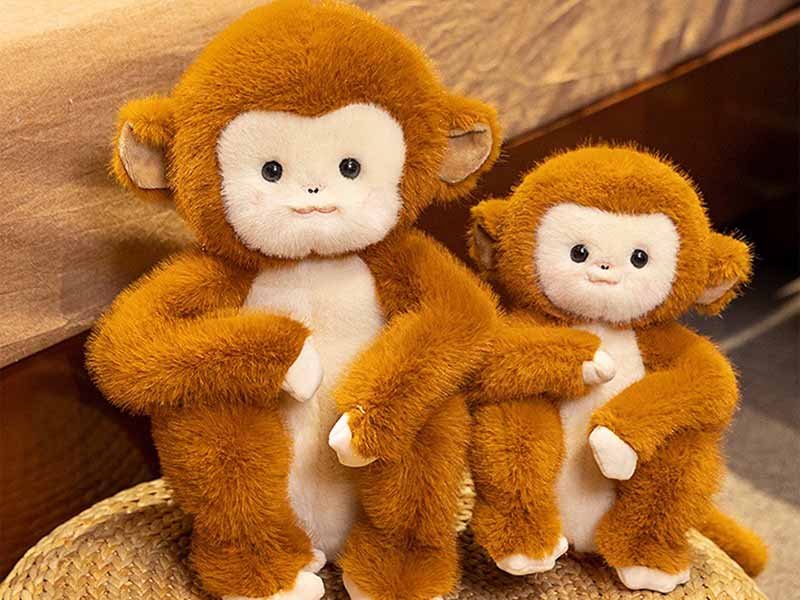
Stuffed animals are no longer competing only for space in a child’s toy box. They now appear on office desks, handbags, bedroom shelves, collector displays, gift lists, livestreams, and retail trend reports. The products receiving the most attention usually do more than look cute. They represent a favorite character, communicate a mood, offer tactile comfort, or give someone a recognizable way to express personal taste. Current demand is also being shaped by licensed entertainment, collectible systems, miniature accessories, and purchases by teenagers and adults as well as children.
The stuffed animals popular right now include collectible character plush, blind-box plush pendants, mini bag charms, capybaras, axolotls, frogs, Highland cows, pet-inspired animals, licensed characters, oversized cuddle plush, weighted companions, and whimsical food or object designs. The strongest products combine an instantly readable personality with satisfying texture, a clear use, and a format people can display, carry, gift, or collect.
Popularity, however, is not the same as lasting product potential. One viral animal may peak within months, while a well-designed cat, dog, rabbit, bear, or original mascot can generate repeat sales for years. Picture two product teams seeing the same viral capybara video. One copies the surface idea and reaches the market after dozens of similar products. The other studies the calm expression, compact silhouette, portable format, audience, and collection mechanics that made the idea spread. The second team has a much better chance of creating a product people remember after the feed moves on.
What Stuffed Animals Are Popular Right Now?

The strongest current demand centers on collectible characters, licensed properties, soft rounded animals, miniature plush accessories, blind-box plush, expressive unusual creatures, pet-inspired designs, and comfort-led products for teens and adults. Popular brands shape expectations, but emotional clarity, tactile quality, availability, portability, and collection value often matter more than brand recognition alone.
Which Plush Brands Lead?
No single brand leads every age group, country, price point, or sales channel. Jellycat, Squishmallows, Sanrio, Pop Mart, Build-A-Bear, Pokémon, and other licensed-character ranges remain highly visible, but each succeeds for a different reason. Jellycat demonstrates the commercial value of premium hand feel, restrained expressions, gift presentation, and whimsical objects that adults can enjoy without feeling they are buying a conventional children’s toy. Squishmallows built recognition around rounded silhouettes, soft filling, multiple sizes, and broad character assortments. Sanrio and Pokémon benefit from long-established character worlds. Pop Mart has helped make distinctive IP, surprise packaging, plush pendants, and bag charms part of fashion and social culture.
The practical lesson is not to imitate a successful brand’s surface style. Each leading brand owns a clear reason to buy: tactile luxury, collectibility, fandom, customization, scarcity, humor, or social visibility. A new line needs its own commercial promise. That promise might be unusually soft materials, a recognizable emotional character, a collectible story system, gift-ready presentation, or a wearable format. Products without a clear promise can look attractive in isolation but disappear when placed beside hundreds of similar items.
Large market gains can also hide category weakness. A fast-growing character franchise does not prove that every collectible plush idea will work, and strong results from licensed or fandom-driven products do not mean undifferentiated plush is growing at the same rate. Brands should separate the success of an individual character system from the performance of the general category before making inventory decisions.
Which Characters Sell?
Characters sell when people can understand their personality almost immediately. A memorable plush does not require a long backstory on the front of the package, but it usually needs a readable emotional identity: sleepy, shy, calm, chaotic, grumpy, curious, awkward, or mischievous. Licensed characters begin with an advantage because films, games, animation, sports, and online content have already introduced the audience to them. Licensing still does not guarantee a good product. Fans quickly notice when eye position, face width, costume color, pose, or body proportion feels wrong.
Original characters can compete when their visual language is just as clear. Useful signals include a recognizable silhouette, consistent eye shape, one dominant facial emotion, a repeatable color system, and a distinctive ear, horn, tail, hairstyle, or accessory. The design should also be flexible enough to survive changes in size and format. A character that works only as one front-facing illustration may be difficult to develop into a complete range.
- A clear silhouette that remains recognizable from a distance.
- Facial features that still read at small sizes.
- A personality that can support names, stories, poses, and accessories.
- A design system that can expand into charms, standard plush, oversized items, and seasonal editions.
- Enough visual consistency to remain recognizable across different factories, materials, and production batches.
A commercially useful character can become a 10 cm charm, a 20 cm collectible, a 35 cm cuddle plush, a seasonal outfit, a blind-box pose, and a retail display item without losing its identity. That expansion potential is often more valuable than one highly detailed sample that cannot be reproduced economically in other formats.
Which Animals Trend?
Current animal interest is divided between unusual social-media species and familiar evergreen pets. Capybaras, axolotls, frogs, Highland cows, sloths, woodland animals, and distinctive dog breeds attract attention because they are easy to recognize and translate into strong plush shapes. Familiar animals such as cats, dogs, rabbits, bears, lambs, and dinosaurs provide steadier long-term demand, but they need stronger differentiation because the market is crowded.
Not every trending animal has the same commercial life. A viral species may create rapid discovery but face saturation within one season. An evergreen animal may sell more steadily but compete against thousands of alternatives. The strongest opportunity often combines a recognizable animal with a useful format or emotional role: a weighted capybara for desk comfort, a Highland cow gift range, a frog bag charm, or a breed-specific dog collection.
| Trend Group | Current Appeal | Best Commercial Formats | Main Risk |
|---|---|---|---|
| Capybaras and axolotls | Calm, unusual, internet-friendly | Mini plush, weighted plush, blind boxes | Fast imitation and saturation |
| Frogs and woodland animals | Flexible personalities and seasonal themes | Collectibles, nursery ranges, gifts | Designs can become visually generic |
| Highland cows and fluffy animals | Strong texture and shelf impact | Medium plush, premium gifts, décor | Long pile can hide facial details |
| Cats and dog breeds | Emotional familiarity and repeat demand | Breed series, charms, realistic plush | High competition |
| Licensed creatures | Immediate recognition and fandom | Multi-size ranges, retail collections | Approval, royalty, and accuracy requirements |
| Food and object plush | Humorous, giftable, easy to share | Desk plush, impulse gifts, charms | Novelty may fade quickly |
Which Styles Stand Out?
The strongest current styles are not all traditionally cute. Rounded cuddle forms remain important, but intentionally strange expressions, oversized features, retro references, textured fabrics, and softly imperfect characters are gaining attention. Minimal soft forms feel calm and work well for gifts, nurseries, and home décor. Because they use few details, they require excellent proportion control; a small error in head shape or eye position is easy to notice.
Expressive misfits use unusual teeth, uneven eyes, exaggerated ears, or odd body proportions. They attract collectors who want personality rather than perfect sweetness. Textured animals use sherpa, faux fur, corduroy-like surfaces, or mixed pile lengths. Texture improves shelf impact but makes cutting direction, embroidery placement, and seam finishing more demanding. Whimsical objects turn bread, fruit, mushrooms, drinks, bags, and household items into characters. Their novelty is easy to understand, but the product still needs a strong face and recognizable form.
The right style is not simply the style receiving the most views. It is the style that fits the intended audience, retail price, packaging, sales channel, and expected product life. A highly textured 35 cm gift product and a 9 cm blind-box charm may share the same character, but they need different pattern logic, fabrics, feature sizes, and cost structures.
Which Animal Plushies Are Trending?

Capybaras, axolotls, frogs, Highland cows, lambs, ducks, pet breeds, woodland animals, cats, and dogs are among the most useful current directions. Unusual species create discovery and social interest, while familiar animals provide steadier demand. The strongest concepts add a distinct personality, function, material story, or collectible system instead of relying on the animal name alone.
Are Capybaras Still Popular?
Capybaras remain relevant because their natural shape translates easily into plush. A broad muzzle, tiny ears, short legs, and a heavy rounded body create instant recognition with relatively few pattern pieces. Their calm online image also gives designers an existing emotional direction. The market, however, already contains many basic brown capybaras, so a new product needs a clearer reason to exist.
- A weighted body for grounded comfort.
- Removable seasonal clothing or food-themed accessories.
- Workday, school, travel, or relaxation expressions.
- A compact bag-charm or blind-box format.
- A family of characters with different personalities.
- A floppy resting pose or unusually premium fabric.
Color accuracy is less important than character consistency for highly stylized products. A pastel capybara can work when the brand world supports it. A realistic wildlife range, by contrast, needs controlled proportions, natural colors, and more accurate facial construction. Capybaras are still commercially useful, but the opportunity has shifted from simply making the species to giving it a specific identity and purpose.
Why Are Axolotls and Frogs Loved?
Axolotls and frogs are unusual enough to feel special but simple enough to adapt across different price levels. The axolotl’s broad head, compact body, external gills, and gentle expression remain readable even at small sizes. Frogs offer a broad face, prominent eyes, and flexible limbs that can be made compact, floppy, realistic, magical, or humorous.
Axolotl development often depends on how the external gills are constructed. Embroidered gills are clean and durable but less dimensional. Stuffed fabric gills create a stronger silhouette but require secure seams and consistent positioning. Felt can produce crisp shapes, although its hand feel may not match a premium soft body. Frog designs require decisions about limb length and posture. Long legs create a casual dangling product suitable for shelves and bags, while a compact sitting frog is easier to pack and usually maintains its shape more consistently.
Both species support broad color variation. Natural greens and pinks work for familiar designs, while celestial, pastel, mushroom, Halloween, aquatic, or fantasy palettes can extend the range without changing the main pattern. That flexibility helps a brand build seasonal releases without losing recognition.
Are Farm Animals Rising?
Farm animals are benefiting from cozy interiors, nursery themes, countryside imagery, food culture, and interest in less conventional animal characters. Highland cows are especially noticeable because their horns and long hair create a distinctive profile. Lambs naturally communicate softness. Ducks, pigs, chickens, goats, and donkeys offer humor and familiarity without being as crowded as cats or bears.
Highland cow plush requires more control than the finished product may suggest. Long fabric pile can cover the eyes, distort the muzzle, and make horn placement appear uneven. The face often needs shorter pile or careful trimming so the expression remains visible. Horns must be proportionate and securely integrated, particularly for children’s products. Lambs are often made with sherpa or curly fabrics, but thick material can produce bulky seams in small sizes. Ducks need stable beaks that remain visually flat without becoming hard. Pigs depend heavily on snout shape and ear angle for recognition.
Farm animals work best when the material supports the animal rather than merely looking soft in a swatch. Texture, pile direction, embroidery visibility, cleaning requirements, and production consistency should all be reviewed before a range is approved.
Which Pets Stay Evergreen?
Cats and dogs remain dependable because consumers already attach memories, personalities, and relationships to them. Breed recognition depends on a limited number of visual signals. A corgi needs short legs, upright ears, and the correct body ratio. A dachshund needs a clearly extended torso. A pug or French bulldog needs a controlled muzzle and forehead. A golden retriever needs the right ear position and coat texture. Random markings can quickly make the result look like a generic dog.
| Animal | Recognition Features | Suitable Fabric Direction | Production Watchpoint |
|---|---|---|---|
| Corgi | Upright ears, short legs, white chest | Short plush or minky | Keep the body long enough to read as a corgi |
| Dachshund | Long torso, short legs, hanging ears | Short plush | Prevent body twisting after filling |
| French bulldog | Large ears, compact muzzle | Velboa or short plush | Avoid making the muzzle too hard |
| Highland cow | Long fringe, horns, broad muzzle | Mixed short and long pile | Keep eyes visible and horn positions even |
| Axolotl | Wide head, external gills, small limbs | Minky or short plush | Secure and align all gill pieces |
| Frog | Wide mouth, prominent eyes, flexible limbs | Minky, velboa, or soft knit | Balance limb length with sitting stability |
Pet ranges also have natural expansion potential. The same collection can add breeds, coat colors, sleeping poses, seasonal accessories, family sets, keychains, and gift packaging. This makes pet plush less dependent on one short-lived viral moment and more suitable for repeat retail programs.
Which Plush Formats Are Growing?

Blind-box plush, bag charms, clip-on minis, weighted companions, oversized cuddle plush, and sensory-focused soft products are among the most commercially important formats. Their appeal comes from more than appearance: people can collect, carry, display, exchange, photograph, or use them for comfort. Format now shapes purchasing behavior as strongly as the animal or character itself.
Are Blind Boxes Still Strong?
Blind boxes remain commercially important because they turn a purchase into a reveal. The buyer is not only selecting one character; they are entering a system with multiple outcomes, possible duplicates, a secret edition, and a reason to return. The format also creates natural unboxing content because the reveal is part of the experience.
The collection must be balanced. A weak series often has one highly desirable character, several nearly identical fillers, and a rare edition that receives all the attention. That structure may increase initial buying but can also produce disappointment, duplicate complaints, and reseller-driven frustration. A better series gives every regular character a distinct color or costume, a readable personality, a different pose or accessory, similar perceived value, and clear visual consistency across the collection.
Packaging must be developed alongside the plush. The inner bag, box dimensions, insert card, master display carton, barcode system, assortment ratio, and case quantity all affect retail execution. A beautiful sample can still fail if boxes crush in transit, customers can identify the contents by touch, the display carton does not fit the shelf, or the secret-edition ratio creates unreliable case assortments.
Why Are Plush Keychains Popular?
Plush keychains and bag charms have moved beyond children’s accessories. They function as visible signs of fandom, humor, mood, and personal style. A consumer can attach one to a handbag, backpack, key set, luggage, phone strap, or belt loop. The character becomes part of daily life, and every outing creates additional social exposure.
Small size lowers the entry price but makes production less forgiving. A face that looks balanced on a 30 cm plush may become unreadable at 10 cm. Long pile can cover the mouth, small hands may not turn cleanly, narrow limbs may have insufficient seam allowance, and heavy hardware can pull the head out of shape. The attachment point should be engineered rather than added at the end. A reinforced fabric loop usually distributes force better than hardware fixed through a lightly stuffed seam.
Strong mini designs use fewer details, larger embroidery shapes, controlled pile, and a silhouette that remains recognizable from several feet away. Metal components should be reviewed for finish, opening strength, corrosion risk, and target-market requirements. Packaging should prevent the hardware from scratching the fabric or damaging adjacent units.
Do Oversized Plushies Sell?
Oversized plush sells when size creates an experience: a dramatic gift, body pillow, bedroom feature, photo prop, event display, or comforting object. Large products create strong visual content because their scale is immediately obvious. The challenge is logistics. A product may be light but occupy substantial warehouse and container space.
Increasing a pattern from 30 cm to 90 cm does not simply triple its commercial requirements. Filling volume rises sharply, long body sections may need internal support, and dimensional inconsistency becomes easier to see. Vacuum compression can reduce freight volume, but the manufacturer should test whether the fabric, foam, and filling recover after storage. Dense filling may resist compression, while loose filling may leave the product flat after unpacking. Large heads and long necks may need internal fabric partitions to control movement.
Before approval, check packed dimensions, recovery time, carton quantity, seam loading, final weight, storage cost, shelf space, and return handling. An oversized item is attractive only when the delivered condition matches the promotional image and the freight model supports the retail price.
Are Weighted Plushies Growing?
Weighted plush fits the wider demand for tactile, sensory, and comfort-oriented products. It appeals to children, teenagers, students, travelers, office workers, and adults, but product claims should remain responsible. Descriptions such as comforting, calming, or sensory-friendly are more appropriate than promises to treat anxiety, insomnia, autism, or other medical conditions.
Weighted material should not move freely through the entire toy. Internal compartments help maintain balance and prevent pellets from collecting in one area. The outer seams, inner bags, and compartment seams must tolerate repeated handling. Removable weighted inserts can improve washability, but they introduce closures and access points that require additional safety review.
| Format | Common Size Range | Common Planning Weight | Main Engineering Concern |
|---|---|---|---|
| Plush keychain | 8-15 cm | 20-100 g | Facial clarity and attachment strength |
| Blind-box plush | 8-18 cm | 30-180 g | Assortment consistency and packaging |
| Standard cuddle plush | 20-40 cm | 150-700 g | Shape, stuffing balance, and washability |
| Weighted plush | 20-45 cm | 0.5-2 kg | Internal containment and weight distribution |
| Oversized plush | 50-120 cm | 1-6 kg | Freight volume and shape recovery |
| Plush pillow | 30-70 cm | 400 g-2 kg | Support, compression, and seam loading |
These ranges are practical product-development references, not mandatory standards. The actual age grading, weight, filling, safety tests, labeling, claims, and market requirements must be evaluated for each design.
Why Are These Plush Toys Popular?

Stuffed animals remain popular because they combine touch, character, comfort, collectibility, fandom, nostalgia, and self-expression in one accessible product. Social media makes unusual designs visible quickly, blind boxes encourage repeat buying, licenses provide familiarity, and original emotional characters give people something personal to carry, photograph, display, gift, or keep nearby.
How Does Social Media Drive Demand?
Social media allows a plush product to demonstrate its appeal instead of merely describing it. A shopper can watch someone squeeze the fabric, reveal a blind-box character, decorate a bag, compare sizes, or react to a rare edition. The distance between first discovery and purchase can shrink to minutes.
Plush content tends to spread when it includes a visible action or emotion: opening a surprise package, showing an unusually soft texture, revealing a secret character, placing a mini plush on a fashionable bag, comparing tiny and oversized versions, demonstrating a reversible expression, or building a relatable character story. The product becomes part of a narrative rather than a static catalog item.
The weakness of social-led demand is speed. Online attention can rise before materials, production capacity, packaging, testing, and logistics are ready. Brands that promise immediate availability without supply planning may lose the same audience that made the product visible. Flexible launch quantities, approved backup materials, clear reorder points, and realistic lead times are essential. Social media rewards speed, but rushed engineering often turns popularity into customer complaints.
Do Licenses Boost Popularity?
Licensing can provide immediate recognition, but recognition is only the first step. Fans compare the plush with animation frames, game models, artwork, and existing merchandise. Small errors in eye position, face width, costume color, or body proportion can make a familiar character feel wrong.
Licensed development often requires more checkpoints than an original product: approved front, side, and back references; official color values; embroidery and print artwork; material limitations; logo placement rules; packaging approvals; warnings and copyright statements; and regional distribution rights. Converting flat artwork into a stuffed object also requires interpretation. A sharp graphic shape may need to become a soft seam, a floating accessory needs an attachment point, and thin limbs may need extra width for reliable sewing and filling.
Licenses increase potential demand but also increase the cost of error. Accurate sampling, controlled revisions, documented approvals, file security, and production consistency are essential because the consumer already knows the character. A product that is technically well made but visually inaccurate can still fail its audience.
Why Do Adults Collect Plush?
Adults buy plush for décor, fashion, fandom, nostalgia, gifting, emotional comfort, and collecting. Adult customers often evaluate products differently from parents buying for young children. They may care more about limited editions, character backstory, packaging condition, display posture, material quality, authenticity, collaboration history, color consistency, release sequence, and scarcity.
Adult demand also supports a wider range of aesthetics. Some collectors want subtle colors and premium fabrics that fit a home interior. Others prefer bold licensed characters, unusual animals, artist collaborations, or deliberately strange expressions. Many use plush on desks, beds, couches, shelves, or bags rather than in traditional play.
A premium price still requires visible value. Adults may accept higher prices for a strong design identity, careful materials, controlled production, or credible limited availability. They are less likely to pay more for a product that looks interchangeable with mass-market alternatives. Artificial scarcity can also damage trust when genuine fans cannot access core characters. A healthier range combines dependable core items with occasional special editions.
How Does Emotional Design Help?
Emotional design gives a stuffed animal a role in the owner’s life. The same rabbit can appear confident, nervous, tired, curious, or comforting depending on eye spacing, eyelid shape, mouth angle, head tilt, and body posture. Consumers may not describe these technical details, but they respond to them immediately.
Eyes positioned closer together can feel more intense or youthful. Lower eyes and a larger forehead often create a baby-like impression. A curved body may look relaxed. Drooping ears can communicate calmness or sadness. A raised eyebrow can create humor. Texture adds another emotional layer: long faux fur feels wild or luxurious, minky feels smooth and gentle, sherpa suggests warmth, and a loosely filled body feels floppy and casual. Weighted filling can create a grounded, comforting sensation.
The best character briefs describe behavior, not only appearance. ‘A quiet friend who stays calm in busy places’ gives the product team more useful direction than ‘a cute blue bear.’ It guides expression, color, posture, material, packaging copy, naming, and accessories toward one consistent emotional result.
How Do Trends Differ by Audience?

Children usually respond to recognizable characters, softness, play value, and manageable size. Teenagers use plush as collectibles, bag accessories, social symbols, and room décor. Adults may prioritize premium touch, nostalgia, fandom, emotional comfort, or display quality. Gift buyers need immediate meaning, suitable packaging, and confidence that the product fits the recipient and occasion.
What Do Children Prefer?
Children are not one uniform audience. A toddler, a seven-year-old, and an eleven-year-old have different physical abilities, play habits, media interests, and product expectations. Younger children often respond to simple faces, easy-to-grip limbs, soft fabrics, familiar animals, and products that are not too heavy. Older children may care more about character stories, interactive functions, collectible groups, gaming links, and what their classmates recognize.
Parents and caregivers influence the final decision. They look at age suitability, detachable parts, seam quality, washability, material feel, care labels, and recognized safety requirements. A product can be attractive to a child but rejected by an adult if the accessories look fragile or cleaning appears impractical. Safety reports repeatedly show that detachable eyes, accessible fibrous filling, weak seams, and openable closures can turn an otherwise appealing product into a recall risk.
The design team should therefore separate the user from the purchaser. The child may want bright color, a funny face, or a familiar character. The adult needs evidence of responsible construction, sensible care instructions, traceability, and appropriate testing. A successful children’s plush satisfies both sides without looking clinical or overengineered.
What Do Teens Collect?
Teen consumers often choose plush products that become part of everyday identity. A small character on a backpack is visible to friends. A blind-box collection becomes a social activity. A shelf display communicates fandom or aesthetic preference. An expressive creature can become a reaction image or recurring part of online content.
Teen-focused products usually benefit from portable sizes, clear character personalities, packaging that does not feel too childish, accessible entry prices, collection logic, strong photography, and bags, clips, or display functions. The product should feel personal enough to express taste but recognizable enough to create peer connection.
Brands should not assume that all teen demand is a passing craze. Some products disappear quickly, but others become long-term identity items because the character remains relatable. The difference is usually a combination of storytelling, community, and product consistency rather than scarcity alone. A dependable core assortment gives new customers an entry point even after the first viral launch has passed.
What Do Adults Buy?
Adult plush purchases often fall into four groups: premium gifts, licensed collectibles, decorative characters, and comfort-focused products. Premium gift customers notice hand feel, balanced filling, presentation, and packaging. Licensed collectors prioritize accuracy and authenticity. Décor customers look for colors and proportions that fit a room or desk. Comfort buyers may prefer floppy bodies, large sizes, weighted filling, or especially soft surfaces.
Adults can also be more critical of variation. Uneven eyes, twisted limbs, inconsistent pile direction, visible seams, and color differences can become customer-service issues, particularly at higher price points. A collector purchasing a display piece may compare several units side by side or share close-up photographs online.
The opportunity is strongest when the product is designed for adult use from the beginning. Putting a conventional children’s plush in premium packaging is rarely enough. Materials, colors, scale, expression, branding, photography, and storytelling should all support a more mature purchase decision.
Which Plush Works for Gifts?
Giftable plush communicates meaning quickly. The purchaser should understand who it suits, why it is appropriate, and how it will be presented without studying a complicated character universe. Birthday gifts can be expressive and personal. Romantic gifts often use pairs, messages, symbolic animals, or shared characters. New-baby gifts need age-appropriate construction and soft presentation. Corporate gifts require brand accuracy and reliable delivery. Destination gifts work well with regional wildlife or mascots.
- Can the face be seen without opening the package?
- Is the size easy to carry, store, or ship?
- Does the hang tag explain the character or occasion?
- Is there space for a message card or branded insert?
- Does the product suit the intended age group?
- Will seasonal accessories remain secure?
- Can the package protect the shape during transport?
A gift does not need to be technically complex. It needs to feel intentional. Clear emotional meaning, suitable scale, a pleasant first touch, and protective presentation are often more important than adding extra functions.
How Can Brands Turn Trends Into Products?
Brands should use trends as evidence, not as finished product instructions. Validate the audience, price, format, channel, competition, and likely life of the trend before committing to production. Then create measurable specifications for size, fabric, expression, filling, safety, branding, packaging, and delivery. Controlled sampling and production planning matter more than being the fastest company to copy a viral image.
How Do You Validate Demand?
A viral video proves that people watched something; it does not prove that they will buy it at a profitable price. Demand validation should combine several signals. Search interest shows whether people are actively looking for the animal, character, or format. Retail listings reveal price bands and competition. Customer comments show which details matter. Repeated restocks are more useful than one sold-out page because a product may be unavailable for supply reasons rather than extraordinary demand.
- Who is the intended customer?
- What price will that customer accept?
- Which sales channel can reach them efficiently?
- How long is the trend likely to remain relevant?
- What makes the proposed product meaningfully different from existing options?
A concept becomes stronger when it can support more than one channel or SKU. A popular frog that works only as a single 25 cm plush is more fragile than a frog character that can support charms, blind boxes, seasonal editions, and gifts. Prototype photography, waitlists, retailer feedback, prelaunch sign-ups, controlled regional releases, and smaller initial production runs can reduce risk before a wider program.
Which Features Should You Specify?
A clear design file is not a complete production brief. Two manufacturers can interpret the same front-view drawing differently unless the dimensions, materials, construction, and commercial requirements are measurable. The brief should define the business target as carefully as the visual idea.
| Product Field | Information to Record | Useful Unit or Reference | Risk if Missing |
|---|---|---|---|
| Finished size | Height, width, depth, sitting height | cm or inches | Different quotations and proportions |
| Fabric | Type, color, weight, pile length | GSM, mm, color standard | Incorrect hand feel or appearance |
| Filling | Material and target amount | grams per unit | Inconsistent softness and shape |
| Expression | Eye, mouth, nose, embroidery positions | Approved artwork and measurements | Character loses its identity |
| Accessories | Material, size, attachment method | mm and pull-test plan | Detachment or visual variation |
| Quantity | Units per design and color | pieces per SKU | Incorrect material and cost planning |
| Market | Destination and age grading | country or region | Wrong tests, warnings, or labels |
| Packaging | Bag, box, insert, display, carton | dimensions and material | Damage, excess freight, poor display |
| Branding | Hang tags, woven labels, care labels | artwork files and placement | Delayed approval or relabeling |
| Deadline | Sample, approval, production, launch dates | calendar dates | Unrealistic production schedule |
A useful inquiry should include artwork, target size, estimated quantity, destination market, intended age group, desired fabric, filling, branding, packaging, compliance needs, and required delivery date. The more measurable the brief, the fewer assumptions enter sampling.
How Do You Protect IP?
Intellectual-property control matters for licensed characters, unreleased products, influencer projects, games, films, mascots, and original brand assets. Protection begins before files are sent. The project should identify who owns the artwork, who has authority to approve production, and which version is current. Sample photographs should be shared only through approved channels, and physical samples should be tracked when factories, laboratories, packaging vendors, or licensing teams are involved.
- NDA review where appropriate.
- Authorized artwork and ownership records.
- Version-controlled file names and restricted project access.
- Documented revision feedback and signed sample approval.
- Approved embroidery, print, label, and packaging files.
- Controlled product photography before launch.
- Recorded handling of obsolete files and rejected samples.
- No public display or replication without authorization.
IP protection is closely connected with accuracy. When teams work from different file versions, the final product may violate character guidelines even without intentional copying. One approved production specification should control the final sample, bulk units, labels, and packaging.
How Do You Scale Production?
A beautiful sample is not automatically ready for volume production. Scaling requires the design to be repeatable across operators, material batches, embroidery machines, filling stations, and packaging lines. Before bulk production, engineers should confirm pattern stability, seam sequence, fabric pile direction, embroidery position, filling access, internal support, accessory attachment, allowable visual variation, packaging recovery, and inspection points.
The final approved sample should become the physical production reference, supported by a specification sheet, color records, material approvals, embroidery files, packaging artwork, and inspection criteria. Toy safety must be planned for the destination market. Requirements can cover stuffing, small parts, fasteners, plastic film, cords, flammability, chemical restrictions, warnings, traceability, and third-party testing. The specific test program depends on product design, age grading, and market.
Delsney operates as a B2B custom plush manufacturing partner for brands, IP owners, retailers, and e-commerce companies. Its documented capabilities include more than 18 years of plush development experience, 500+ staff, 18 production lines, 25+ engineers, 10+ designers, and 20+ quality-control personnel. Standard samples usually take 5-7 days, complex samples 7-15 days, and standard bulk production commonly takes 20-30 days after sample approval. The company supports 100% pre-shipment inspection and compliance preparation for markets requiring standards such as EN71, ASTM F963, CPSIA, and CE.
A practical scalable workflow follows ten stages: project review, feasibility evaluation, quotation, sample development, sample revision, final sample approval, material preparation, bulk production, quality inspection, and shipping. Trend insight creates the concept; disciplined engineering turns it into a consistent product customers can receive, use, sell, and reorder.
From Trend Insight to a Production-Ready Plush Range
Current plush popularity is being shaped by unusual animals, familiar pets, licensed characters, original emotional IP, blind-box mechanics, wearable miniatures, adult collecting, nostalgia, and comfort-focused products. The opportunity is not to chase every trend. It is to understand why a particular product connects with a particular audience, then develop a design that remains recognizable, safe, consistent, and commercially workable after online attention changes.
Delsney develops custom character plush, mascot plush, animal plush, blind-box collections, plush keychains, weighted plush, interactive products, pillows, private-label ranges, and retail packaging for commercial projects. The process covers design evaluation, material advice, engineering samples, revisions, approved-sample production, quality inspection, packaging, and global delivery. The standard MOQ is 500 pieces.
For a quote on custom plush toys, please send your design or reference images, target size, estimated quantity, target market, target age group, preferred materials, packaging requirements, and release date to Delsney. Our team will review your design to assess its visual uniqueness, technical feasibility, and readiness for prototyping and mass production.