Skip to content
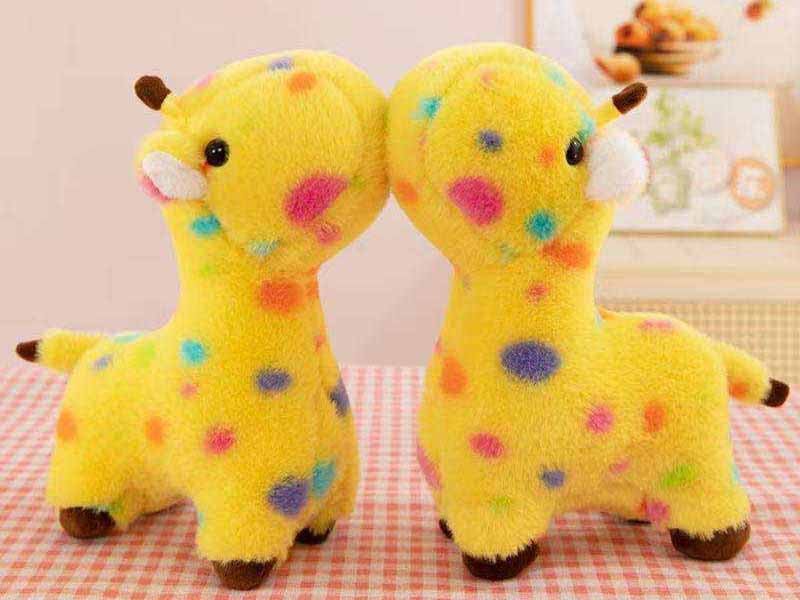
A plushie can cost less than lunch, more than a premium jacket, or almost anything in between. That range is not random. Two toys with the same listed height may use completely different amounts of fabric, filling, embroidery, hand finishing, packaging, licensing, testing, and freight space. A rounded animal made from standard short plush may be straightforward to produce, while a smaller licensed character with layered hair, fitted clothing, several embroidery zones, and a window box can require far more development and labor.
Most mass-market plushies retail for roughly $5 to $40. Mini products may cost less, while giant, licensed, weighted, interactive, handmade, personalized, or collectible plushies can reach $50 to several hundred dollars. Commercial custom plush pricing depends on size, material, design complexity, order quantity, packaging, testing, and delivery terms rather than size alone.
The most useful price comparison is therefore not “Which toy is cheaper?” but “What exactly is included?” A brand team may receive one quotation at $4.80 per piece and another at $7.20, only to discover that the lower figure excludes embroidery, labels, safety testing, retail packaging, inspection, and international delivery. Once those missing items are added, the apparent bargain may cost more and carry greater launch risk. The sections below separate retail pricing from one-off customization and factory production so you can compare real scope, not just headline numbers.
How Much Are Plushies?

Most plushies retail for about $5 to $40, although mini toys can cost less and large, licensed, weighted, handmade, or collectible products can exceed $100. Price depends on size, material, construction, branding, features, packaging, and sales channel. For custom production, quantity and development requirements matter as much as finished dimensions.
Average Retail Prices
There is no single dependable average because the word “plushie” covers products as different as a four-inch blind-box collectible, a twelve-inch teddy bear, a weighted companion, and a four-foot display animal. A useful estimate starts by separating products according to size, construction, brand position, and sales channel.
The ranges below are practical planning figures rather than fixed rules. Current large-retailer listings show low-priced mini products in the single digits, standard licensed plush commonly in the teens and twenties, and feature-rich or oversized products moving substantially higher. Build-A-Bear’s published price guide, for example, places mini products at $10-$17.50, standard products at $16-$48, and giant products at $98-$128. Promotions, regional pricing, availability, and licensing can change those numbers at any time.
Retail price also includes costs that never appear on a factory invoice: distributor and retailer margin, marketplace fees, advertising, domestic warehousing, returns, promotions, royalties, and last-mile delivery. A plush selling for $29.99 at retail does not mean the manufacturer receives anything close to $29.99. That distinction matters when a brand works backward from a target shelf price to an acceptable landed cost.
| Plush category | Common retail planning range | Typical use and price drivers |
|---|---|---|
| Mini plush, 3-6 in | $4-$18 | Blind boxes, keychains, impulse purchases, licensing and collectible packaging |
| Small plush, 6-10 in | $8-$25 | Gifts, character products, embroidery, branding and accessories |
| Standard plush, 10-16 in | $15-$40 | Mainline retail, material quality, construction and brand position |
| Large plush, 18-30 in | $30-$80 | Premium gifting, more filling, larger cartons and freight volume |
| Giant plush, 36 in or more | $60-$150+ | Display products, high material use and dimensional shipping |
| One-off custom plush | $100-$500+ | Individual pattern work, small-quantity sourcing, hand labor and revisions |
Size and Volume
Size raises cost because a larger plush requires more outer fabric, more filling, longer sewing lines, larger packaging, and more freight space. The increase is rarely proportional to height alone. When a toy grows from 20 cm to 40 cm, its width and depth normally grow too, so filling volume may rise far faster than the listed height suggests.
Shape can matter as much as height. Large ears, long tails, wings, oversized heads, hats, and clothing consume material and reduce cutting efficiency. A narrow 30 cm character may cost less than a broad 24 cm pillow-style design because the latter uses more surface area and filling.
Commercial buyers should track three measurements: finished height-width-depth, packed dimensions per unit, and master-carton dimensions with units per carton. Plush products are light but bulky, so air and courier charges are often driven by dimensional weight. A slight reduction from 32 cm to 28 cm can sometimes improve carton loading without noticeably weakening shelf presence or customer appeal.
Product Type
Different plush categories have different cost structures. A simple rounded animal with embroidered eyes is easier to develop and produce than a mascot with a shaped muzzle, layered hair, fitted jacket, shoes, and detachable accessories. A weighted plush needs secure internal compartments. An interactive product may need sound, lights, sensors, batteries, switches, and function testing.
Lower-cost formats often include compact collectibles, basic keychain plush, single-fabric animals, simple pillows, and products with limited embroidery. Higher-cost formats often include licensed characters, realistic animals, long-pile fur, multi-piece costumes, standing structures, weighting, electronics, and individual retail boxes.
Price comparisons are meaningful only within the same category. Comparing a basic teddy bear with a feature-rich licensed character produces the wrong conclusion because the development burden, approval process, component count, and packaging expectations are not comparable.
Price Versus Value
A higher-priced plush is not automatically better, but a very low price can hide compromises. The most useful signs of value are visible accuracy, balanced filling, secure seams, clean embroidery, controlled fabric direction, consistent dimensions, appropriate labeling, and packaging that protects the face and shape during transport.
Touch alone can be misleading. A toy may feel soft yet still have weak seams, shifting facial features, or inconsistent filling. Another may look simple but perform well because the pattern is efficient, the body is balanced, the embroidery is stable, and the inspection standard is clear.
For a brand or retailer, value also includes risk reduction. A price that covers design review, sample approval, material control, inspection, packaging verification, and compliance preparation can be more economical than a lower quote that leaves those tasks unresolved. The best question is not only “How much?” but “What does this number include, and what could still change?”
Which Plushies Cost More?

Plushies cost more when they require extra material, skilled labor, complex patterns, tighter visual tolerances, specialized components, branded packaging, or licensing approval. Large size matters, but detailed embroidery, long-pile fur, removable clothing, weighting, electronics, custom printing, and small production runs can raise cost more sharply than dimensions alone.
High-Cost Features
Certain features consistently raise development and production cost because they add materials, machine setup, skilled handling, extra assembly, or more inspection points. Dense embroidery increases machine time and thread changes. Long-pile fur requires directional cutting and trimming. Removable clothing is effectively a second miniature product with its own pattern, sewing, and fit checks.
Weighted filling needs secure internal pouches and controlled distribution so the product does not lean or develop hard spots. Sound and light modules introduce component sourcing, installation, battery considerations, and function tests. Standing products may need reinforced feet or internal support to hold their shape.
A feature should earn its cost by improving recognition, play value, comfort, storytelling, or shelf impact. Extra detail that customers barely notice can reduce margin without strengthening the product. Experienced developers protect the features that define the character and simplify those that add labor without adding meaningful value.
| Feature | Why it raises cost | Main control point |
|---|---|---|
| Dense embroidery | More machine time, digitizing and thread changes | Placement, stitch density and puckering |
| Long-pile faux fur | Directional cutting, seam cleaning and hand trimming | Pile direction and exposed backing |
| Removable clothing | Separate patterns, materials, sewing and fit checks | Fasteners, fit and small-part risk |
| Weighted filling | Internal pouches, stronger seams and controlled assembly | Weight balance and leakage prevention |
| Sound or light modules | Components, installation, batteries and function testing | Reliability, access and warnings |
| Custom printing | Artwork setup, color management and alignment | Registration, fading and consistency |
| Standing structure | Pattern engineering and possible reinforcement | Stability and shape retention |
| Multiple accessories | More components, assembly and inspection | Attachment strength and repeatability |
Licensed Products
Licensed plushies often cost more because buyers are paying for both the physical item and the character, artist, sports property, game, film, or entertainment world behind it. Royalties or minimum guarantees may be built into the commercial model, while the product itself may pass through additional artwork, sample, packaging, and quality approvals.
Character accuracy is less forgiving than a generic design. A familiar face can look wrong when the eyes shift only a few millimeters, the head narrows after filling, or the mouth angle changes. That sensitivity may require tighter embroidery placement, more pattern revisions, controlled fabrics, and additional approval samples.
Responsible manufacturing also requires proof that the customer is authorized to use protected artwork. A professional factory should not copy well-known IP without permission. For authorized projects, confidentiality, version control, sample sign-off, packaging approval, and production consistency are part of the value that sits behind the final price.
Handmade Plush
Handmade plush can cost substantially more because one maker performs work that a factory normally divides among pattern engineers, cutters, embroidery operators, sewing staff, filling workers, finishers, and inspectors. The price may need to cover pattern development, small-quantity fabric purchases, hand cutting, individual sewing, shaping, revisions, photography, selling fees, packaging, and shipping.
A detailed one-off piece can require ten, twenty, or more labor hours. Even when the raw fabric and filling are inexpensive, skilled time makes the final price much higher than a mass-produced retail product. That is not inefficiency; it is a different production model.
Handmade work suits personal commissions, art pieces, early concept exploration, and very limited runs. Factory production suits retail launches, licensed collections, promotional programs, and repeat orders that need measurable specifications and stable output. The two approaches should be compared by purpose, not by unit price alone.
Collectibles and Scarcity
Collectible plush may sell for far more than its manufacturing cost because the market is pricing rarity, community demand, emotional attachment, and resale opportunity. Limited production, retired designs, rare colors, original tags, special packaging, artist collaborations, and event exclusivity can all increase perceived value.
A small plush with simple construction may trade for several times its original price when supply is restricted and a strong fan community wants it. In that situation, fabric and sewing explain only a small part of the selling price.
For brands, scarcity works best when it supports a real collection strategy. Recognizable design, clear series logic, reliable production, attractive packaging, controlled release timing, and honest quantity claims create longer-term value. Artificial scarcity without product quality or audience interest may generate brief attention but rarely builds durable demand.
What Affects Plushie Prices?

The main plushie cost drivers are size, fabric, filling, pattern complexity, embroidery, printing, accessories, quantity, packaging, safety requirements, inspection, and freight. The design determines how much work each unit needs, while the order quantity determines how widely development and setup costs can be spread.
Materials and Filling
Fabric is both a visual surface and an engineering material. Short plush, minky, velboa, faux fur, sherpa, printed polyester, recycled polyester, and selected cotton blends behave differently during cutting, embroidery, sewing, filling, and cleaning. Pile height, density, stretch, backing strength, softness, and color availability all influence cost and production stability.
Long-pile fur usually requires directional markers and trimming around eyes, mouths, and seams. Stretchy fabric can distort the face if the pattern and embroidery are not compensated. Thin fabric may expose its backing or need lining. A specialty textile may also carry a higher supplier minimum, creating excess material when the finished order is small.
Filling changes both hand feel and shipping. Standard polyester fiberfill is light and adaptable. Denser filling improves shape but adds material and weight. Weighted pellets need sealed inner compartments. Crinkle film, foam, scent components, or recycled filling add sourcing and process controls. The right choice depends on use: a shelf collectible needs crisp form, while a cuddle product may need a softer body.
Pattern Complexity
Every plush begins as flat fabric pieces. Pattern engineers decide how those panels will create cheeks, muzzles, paws, bellies, tails, clothing, curves, and volume after sewing and filling. A round body can use relatively few panels; a detailed mascot may require dozens.
Each added piece introduces more development time, cutting operations, alignment marks, seam length, color matching, and opportunities for variation. Complex anatomy can also slow turning and filling, especially around narrow limbs, fingers, horns, or layered facial parts.
Facial details deserve the tightest control because customers notice asymmetry immediately. Eye spacing, mouth angle, eyebrow height, and embroidery position can shift after the panel stretches and the head is filled. Good engineering simplifies hidden construction while protecting the silhouette, expression, costume, and recognizable features customers actually value.
Packaging and Presentation
Packaging can add only a few cents or become a major part of the product cost. Common choices include clear bags, printed bags, header cards, belly bands, hangtags, woven labels, care labels, window boxes, folding cartons, blind boxes, gift boxes, display trays, and marketplace labels.
The cheapest package may not be the cheapest project solution. A thin bag can flatten ears or distort a face during transport. A premium collectible may lose perceived value in unbranded packaging. A window box improves shelf presentation but adds inserts, assembly, printing, and freight volume.
Packaging should be designed for the sales channel. E-commerce needs protection against compression and handling. Retail needs visible barcodes and stable shelf presentation. Collectibles may need packaging customers want to keep. Efficient developers test the product, inner package, master carton, and pallet logic together instead of treating packaging as a last-minute graphic exercise.
Compliance and Inspection
Safety and compliance requirements vary by destination market, age grade, materials, attachments, and product function. A basic adult collectible is different from an infant plush. Plastic eyes, keychain hardware, weighted inserts, batteries, detachable accessories, and long cords may introduce additional assessment or labeling needs.
Common frameworks include ASTM F963 and CPSIA considerations in the United States, EN71 requirements in Europe, CE-related documentation where applicable, chemical restrictions, flammability checks, small-part assessment, labeling, and traceability. No responsible manufacturer should promise that every design will automatically pass every test; the product must be reviewed and tested against its actual market and use.
Inspection reduces commercial risk by checking dimensions, embroidery position, seam quality, filling balance, symmetry, loose threads, labels, accessories, functions, packaging, and carton counts. Testing and inspection add cost, but late failures, rework, missed launch dates, and recalls cost far more. They should be planned before materials are ordered, not added after production is complete.
How Much Are Custom Plushies?

A one-off custom plush often costs $100 to several hundred dollars because one customer carries most of the design, pattern, sourcing, sewing, and revision cost. Commercial custom production uses a different model: a sample is developed first, then setup costs are spread across a bulk order, reducing the cost per finished unit.
Sample Development
A custom sample is not simply one expensive toy. It is the first physical test of appearance, structure, material selection, sewing feasibility, filling behavior, and production repeatability. The sample fee may include artwork review, pattern engineering, small-quantity material sourcing, embroidery digitizing, cutting, sewing, filling, shaping, internal review, photography, and revision planning.
The first prototype often reveals problems that are invisible in a drawing. A head may collapse after filling, arms may sit too low, facial embroidery may stretch, a tail may twist, or clothing may not fit the body consistently. These discoveries are part of development, not necessarily signs of failure.
Standard commercial samples often take several working days; more complex products take longer when they involve custom fabric, long fur, special accessories, fitted clothing, electronics, or unusual standing structures. A useful sample quotation should state what is included, how revisions are handled, whether shipping is separate, and which version will become the production reference.
Artwork to Product
Artwork shows how a character looks, but manufacturing requires information about how it occupies space. A front view may not explain back markings, body depth, tail length, sitting posture, clothing closures, or which details can be simplified. The strongest development package includes front, side, and back views, target dimensions, Pantone references, close-ups, and notes identifying non-negotiable features.
The manufacturer converts those references into two-dimensional patterns, fabric specifications, embroidery files, printing or appliqué instructions, sewing sequences, filling guidance, and a physical prototype. Some flat details must be moved, enlarged, layered, or reconstructed so they remain recognizable after seams consume material and filling changes the surface.
The best result is not a literal copy of every line in the drawing. It is a controlled translation that preserves expression, silhouette, proportion, color relationships, and brand identity while remaining safe, sewable, inspectable, and commercially repeatable.
Revisions and Approval
Most commercial plush projects need at least one refinement round. Common changes include eye spacing, mouth position, head proportion, ear angle, limb length, fabric texture, filling density, embroidery color, clothing fit, and packaging position.
Revisions should be prioritized by customer impact. A slightly different hidden seam may not matter, while a distorted face, incorrect logo, unstable standing position, or wrong color can affect acceptance immediately. Endless changes to minor details can also increase development time without improving sales.
Once approved, the final sample should become the bulk-production reference. Approval should cover visual appearance, key dimensions, fabric, filling, embroidery, labels, accessories, functions, and packaging. A physical sample works best with a written specification that defines measurable tolerances. Together they give production and quality teams a clearer standard than artwork alone.
Handmade Versus Factory Production
Handmade and factory-made custom plush use different economics. A handmade maker may buy materials at retail prices and personally complete every stage. A factory invests in engineering and setup, then uses repeatable patterns, batch cutting, embroidery programs, sewing stations, filling standards, inspection, and packaging procedures across a commercial order.
Producing one attractive sample is not enough for factory work. The design must remain stable across hundreds or thousands of units. Delicate seams, unstable proportions, inconsistent accessories, and difficult filling points may need engineering changes before the product is ready for scale.
Delsney operates as a B2B custom plush manufacturer rather than a one-piece gift shop. Its documented starting MOQ is 500 pieces. Standard samples generally take 5-7 days, complex samples 7-15 days, and standard bulk production commonly takes 20-30 days after approval, depending on materials, quantity, packaging, testing, and scheduling. Those timelines support commercial development, not instant retail personalization.
How Is Bulk Plush Pricing Calculated?

Bulk plush pricing combines material cost, labor time, pattern complexity, embroidery or printing, accessories, packaging, inspection, testing, quantity, and trade terms. Higher quantities often reduce unit price because fixed development and setup costs are spread across more pieces, but ordering beyond realistic demand can create inventory and cash-flow risk.
Fixed and Variable Costs
A bulk quotation contains both fixed or semi-fixed work and unit-by-unit expenses. Pattern development, sample engineering, embroidery digitizing, print preparation, material sourcing, line setup, packaging artwork, test planning, and quality documentation may remain similar whether the order is 500 or 5,000 pieces.
Variable costs grow with every unit: fabric, filling, thread, labels, hardware, sewing labor, finishing, packaging, inspection time, and freight volume. Design complexity can raise both groups. A complicated face increases digitizing and sampling work, then adds embroidery time to every production piece.
This is why two products of the same height can receive very different prices. The meaningful comparison is a bill of scope: what materials are used, which processes are required, what packaging is included, how quality is checked, and which delivery term applies.
| Cost group | Common items | Effect of higher quantity |
|---|---|---|
| Development | Pattern, sample and revisions | Allocated across more units |
| Setup | Embroidery, printing and line preparation | Lower setup cost per unit |
| Materials | Fabric, filling, labels and hardware | May improve with supplier quantity breaks |
| Labor | Cutting, sewing, filling and finishing | Usually remains design-dependent |
| Packaging | Bags, boxes, inserts and tags | May improve when print minimums are met |
| Compliance | Testing, reports and documentation | Fixed costs spread across the order |
| Logistics | Cartons, freight, duty and delivery | Depends on total volume and shipping mode |
Quantity Tiers
Factories often quote several quantity levels, such as 500, 1,000, 3,000, and 5,000 pieces, because the allocation of setup work changes as volume increases. Material purchasing may also become more efficient when order quantities align with fabric, label, and packaging supplier minimums.
The lowest unit price is not automatically the best business decision. A larger order requires more cash, warehouse space, and time to sell. It increases markdown exposure when demand is uncertain and can lock a brand into an early product version that has not yet been tested in the market.
A first commercial run may justify a higher unit cost if it protects cash and validates demand. An established product with stable sales may benefit from larger production and fewer stockouts. The right tier balances manufacturing efficiency, inventory turnover, launch timing, reorder speed, and forecast confidence.
MOQ by SKU
MOQ means minimum order quantity, but the definition must be confirmed. A manufacturer may set the minimum per design, color, size, packaging version, or total project. An order of 2,000 pieces divided among ten characters leaves only 200 units per SKU, even though the headline total looks substantial.
Each SKU may require a separate pattern, embroidery file, color combination, label, packaging artwork, production setup, and inspection reference. Collections become more economical when characters can share a body pattern, fabric palette, label system, carton size, or packaging structure.
Ask whether the MOQ applies per character, whether facial changes can be handled through embroidery, whether packaging has its own minimum, and whether production can be staged. Delsney’s documented starting MOQ is 500 pieces for commercial custom projects, but the practical minimum for a multi-SKU collection still depends on how much each design shares.
Landed Cost
The factory unit price is only one part of the real project cost. Landed cost may include samples, revision shipping, third-party testing, custom-dyed material minimums, special components, packaging design, print setup, inspection, export cartons, freight, insurance, duties, taxes, customs clearance, domestic delivery, warehousing, and fulfillment preparation.
A practical calculation is: landed cost per unit equals product cost plus allocated development, testing, packaging, inspection, freight, import charges, and domestic delivery. All supplier quotes must use the same trade term before they can be compared. EXW, FOB, DAP, and DDP place different responsibilities on the factory and customer.
Freight deserves special attention because plush products are bulky. Compression can reduce shipping volume, but excessive compression may flatten the face, disturb filling, crease long fur, or weaken retail presentation. Carton trials should balance cubic efficiency with the condition customers expect when the package is opened.
How Do You Get an Accurate Quote?
To receive an accurate plush quotation, provide clear artwork, finished dimensions, quantity, target market, age group, materials, filling, embroidery, accessories, branding, packaging, testing needs, and deadline. A quote based on one image and a rough size can only be provisional because too many cost-driving details remain undefined.
Design Files
A good quotation begins with useful reference material. Manufacturers can often start from AI, PDF, EPS, SVG, PSD, PNG, JPG, hand drawings, 3D models, reference photos, or a physical sample. Clear front, side, and back views reduce the amount of interpretation required.
Pantone references improve color matching. High-resolution logo and embroidery artwork helps estimate stitch area, thread changes, and placement. Mark the details that must remain exact, such as expression, silhouette, logo shape, costume colors, and trademark features. Also identify flexible areas where hidden construction or minor details may be simplified.
A single front image often leaves unanswered questions about body depth, back markings, tail length, posture, closures, and accessories. The more uncertainty a supplier must absorb, the more likely the first price will change after engineering review or sampling.
Core Specifications
An accurate brief includes product type, finished height-width-depth, order quantity, number of SKUs, target market, age group, fabric, filling, embroidery, printing, accessories, branding, packaging, testing requirements, and delivery date. Height alone is insufficient because a broad or deep character can use far more material than a narrow product of the same height.
Quantity should be realistic. Asking for a 100,000-piece price when the likely order is 500 creates a false cost expectation and may distort material and production planning. Target market and age grade should also be defined early because they influence components, labels, warnings, and testing.
Delsney’s quotation workflow starts with project review and feasibility evaluation before final pricing. The engineering team considers structure, sewing difficulty, fabric behavior, accessories, safety risks, and mass-production stability, then prices size, material, quantity, processes, packaging, testing, and delivery requirements as one project.
| Quotation input | Why it matters | Useful detail to provide |
|---|---|---|
| Product and size | Controls pattern, material, filling and freight | Height, width, depth and intended posture |
| Quantity and SKUs | Changes setup allocation and material purchasing | Units per design, color and size |
| Target market | Affects labels, testing and documentation | United States, EU, UK, Australia, Japan, etc. |
| Age group | Influences components and small-part review | Infant, child, teen or adult collectible |
| Materials | Changes feel, appearance and sewing behavior | Fabric type, pile, filling and sustainability needs |
| Decoration | Adds setup, machine time and placement controls | Embroidery, print, appliqué and logos |
| Accessories | Adds assembly and possible safety checks | Clothing, clips, electronics, weighting and hardware |
| Packaging | Affects presentation, protection and freight | Bag, box, blind box, labels, barcodes and FBA |
| Deadline | Shapes material, production and shipping choices | Launch date, event date and required arrival |
Cost-Control Choices
The best time to control cost is before the final sample is approved. A small size reduction, shared body pattern, standardized fabric palette, focused embroidery, stock material, or common packaging format can improve economics without weakening the customer-facing design.
Other practical choices include using premium fabric only on high-touch areas, replacing unnecessary detachable accessories with sewn details, simplifying hidden panels, standardizing label positions across SKUs, improving carton loading, and planning sea freight early enough to avoid emergency air shipment.
Cost reduction should never weaken seam security, attachment strength, truthful labeling, age-appropriate construction, inspection, or the character’s defining features. The most productive question is: “What can be simplified without changing what the customer recognizes and values?” That question creates better products than a blanket demand for the lowest possible unit price.
Quote Comparison
Compare supplier quotations line by line. Confirm whether sample development, revision rounds, labels, packaging, testing, inspection, export cartons, freight, trade terms, lead times, and payment conditions are included. A lower number is not comparable when important work is missing.
Ask how bulk consistency is controlled after approval. Useful answers explain dimensional checks, embroidery placement, material batch control, filling standards, defect recording, function testing, final inspection, and packaging verification. Delsney’s documented manufacturing resources include 18+ years of plush experience, 500+ staff, 18 production lines, 25+ engineers, 10+ designers, and 20+ QC personnel, with 100% pre-shipment inspection as part of its stated process.
For a project review, provide your artwork or reference sample together with the target size, quantity, destination market, age group, materials, branding, packaging, and required delivery date. The team can identify the main cost drivers, recommend practical construction options, and prepare a sample-to-production plan. A clear brief produces a more useful quote and gives both sides a stronger basis for a reliable custom plush launch.
Planning a commercial custom plush project? Send Delsney your artwork or reference sample, target dimensions, quantity, market, age group, materials, branding, packaging, and delivery date. The team can review production feasibility, identify major cost drivers, and prepare a practical quotation and sample plan for your collection.