Skip to content
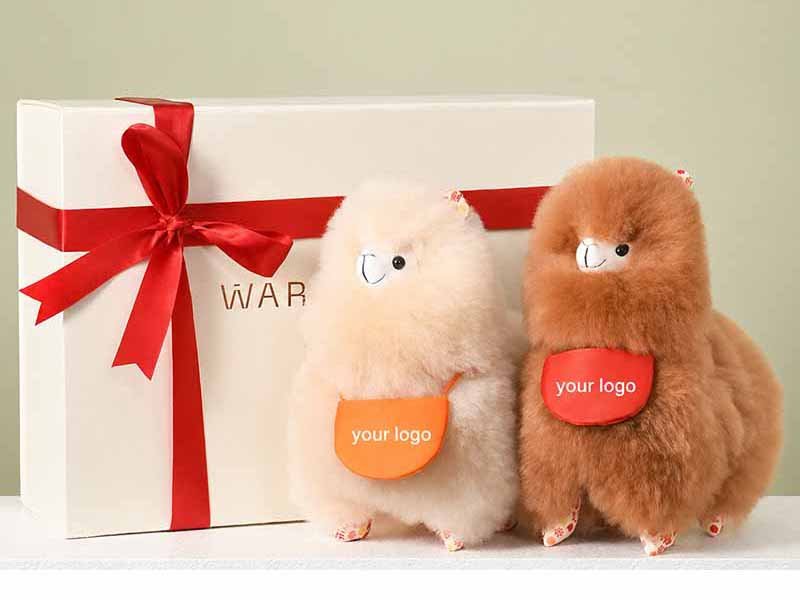
A stuffed animal can look like a simple gift, but the right one carries a surprisingly personal message. It can remind your girlfriend of a shared trip, represent her favorite animal, sit beside her while you are apart, or turn an inside joke into something she can hold. The difficult part is not finding a cute plush. It is choosing one that feels as though it was selected specifically for her rather than pulled from a generic romantic-gift shelf.
The best stuffed animals for a girlfriend include teddy bears, bunnies, cats, puppies, pandas, penguins, otters, capybaras, axolotls, frogs, dinosaurs, red pandas, food plush, oversized cuddle toys, weighted plush, and custom designs. The strongest choice matches her personality, interests, preferred colors, available space, and the meaning you want the gift to express.
Imagine two people giving the same teddy bear. One arrives in a plastic bag with no explanation. The other wears a tiny scarf in her favorite color and comes with a note about the first winter they spent together. Technically, the products are similar. Emotionally, they are completely different. The difference between merely cute and genuinely meaningful comes from relevance, design quality, and presentation. The following guide shows how to make those decisions without turning the gift into a stereotype or buying a product that looks impressive online but does not fit her life.
Are Stuffed Animals a Good Gift for a Girlfriend?

Yes. A stuffed animal can be a thoughtful gift when it reflects her personality, interests, living space, and shared experiences. The best choice is not necessarily the biggest or most expensive plush. It is the one with a clear emotional connection, comfortable materials, reliable construction, and a design she will genuinely want to keep, display, or cuddle.
Meaning Matters More
A plush gift becomes meaningful when the recipient understands why it was chosen. A rabbit may remind her of a childhood pet. A penguin may connect to an aquarium visit. A small coffee-cup plush may reference a first date. These details create emotional value that a product covered with generic romantic symbols cannot automatically provide.
Before buying, ask whether you can explain the choice in one natural sentence. ‘I chose this because it reminded me of you’ becomes far more convincing when followed by a specific reason. Price has less influence on emotional impact than relevance. A carefully selected 25 cm cat plush may feel more personal than a 150 cm teddy bear that does not match her taste or available space.
A strong plush can also serve several roles at once. It may be a decorative object, a travel companion, a pillow, a reminder of a relationship, or something comforting during time apart. The best products fit naturally into daily life rather than becoming temporary holiday clutter.
Adult or Childish?
Stuffed animals are not automatically childish. Their perceived age depends heavily on design language. A bright toy with exaggerated proportions, noisy prints, and many loose accessories may feel juvenile. A plush made with muted colors, clean embroidery, balanced proportions, and a soft but structured body can look appropriate in an adult bedroom, office, or living room.
Adult recipients often prefer minimalist plush in cream, gray, brown, or dusty colors; realistic animal designs with natural proportions; collectible characters with a clear visual identity; or functional plush pillows and weighted companions. The recipient’s existing environment offers useful clues. Someone who keeps figurines, character merchandise, pet photos, or decorative pillows is more likely to appreciate a plush gift. Someone with a very minimal home may prefer one small, carefully designed piece.
The practical question is not whether adult women like stuffed animals. It is which stuffed animal fits this particular person, her home, and the way she likes to use or display objects.
Quality Changes Perception
Construction quality strongly affects whether a plush feels thoughtful or disposable. Consumers may not use manufacturing terms, but they quickly notice uneven eyes, twisted seams, lumpy filling, weak accessories, shedding fabric, or an unpleasant odor. These flaws are particularly visible in a gift because the recipient is likely to examine the face and touch the fabric immediately.
- Symmetrical facial features and balanced eye placement
- Clean embroidery edges without puckering
- Even filling without hard lumps or empty corners
- Securely closed stuffing openings and stable accessories
- Consistent limb positions and a body that sits or lies as intended
- Fabric that recovers after compression and clear care information
The face deserves particular attention because it creates the emotional connection. Eye spacing, mouth angle, muzzle depth, and head filling can make the same basic animal appear friendly, nervous, sad, or awkward. A plush does not need complex decoration to feel well made. Fewer details executed accurately usually produce a better result than many features applied inconsistently.
When It Works Best
Stuffed animals work especially well for birthdays, anniversaries, Valentine’s Day, Christmas, graduation, travel departures, long-distance relationships, recovery periods, and spontaneous ‘thinking of you’ gifts. The occasion should influence the presentation without necessarily dominating the permanent design.
A neutral bear with a removable heart accessory can support a Valentine’s Day presentation and remain attractive throughout the year. A permanently printed romantic message may have less display value after the occasion. Plush gifts are also less successful when chosen as a substitute for understanding the recipient or as the only response to a serious disagreement.
The strongest gift combines a relevant plush, a short personal message, and timing that makes emotional sense. The product supports the relationship; it should not be expected to carry the entire message by itself.
Which Are the 16 Best Stuffed Animals for a Girlfriend?

The best options include teddy bears, bunnies, cats, puppies, pandas, penguins, otters, capybaras, axolotls, frogs, dinosaurs, red pandas, food-shaped plush, oversized plush, weighted plush, and custom designs. Each fits a different personality, use, and relationship story, so selection should be based on relevance rather than popularity alone.
Classic Choices
Teddy bears remain the most familiar romantic plush because their meaning is immediately understood. A medium-size bear in cream, caramel, cocoa, or dusty pink usually feels more versatile than a heavily decorated red bear. Removable scarves, sweaters, or small embroidered details can add personality without limiting year-round use.
Bunnies suit softer visual styles. Long ears, rounded limbs, and gentle expressions work well with pastel, neutral, or floral themes. Floppy ears create a calm appearance, while upright ears feel more playful. Cat and puppy plush toys are particularly effective when the recipient has a pet or a strong preference for a breed. Matching coat color, ear shape, markings, or posture creates a stronger connection than choosing a generic animal.
Pandas are another safe option because their black-and-white palette is recognizable, simple, and easy to display. They can be realistic, rounded, pillow-shaped, or collectible. In all four classic categories, facial symmetry and proportion matter more than decorative complexity.
Unusual Animals
Penguins, otters, capybaras, axolotls, frogs, dinosaurs, and red pandas offer more personality than a conventional bear. Penguins work well as matching pairs or winter-themed gifts. Otters carry an association with closeness and companionship. Capybaras appeal to people who enjoy calm humor and internet culture, while axolotls suit colorful, unconventional tastes.
Frogs fit nature, cottage, fantasy, and playful aesthetics. Dinosaurs can be unexpectedly romantic because they avoid predictable gender styling. A soft triceratops or long-necked dinosaur may be a much better fit for someone who likes museums, science, gaming, or nostalgic toys. Red pandas combine natural coloring, an expressive face, and a distinctive striped tail.
These designs work best when their silhouettes remain clear. Unusual animals often lose their identity when patterns are oversimplified, facial features are poorly positioned, or decorative accessories cover the features that make the species recognizable.
Functional Plush
Food-shaped plush, oversized cuddle toys, and weighted plush products offer more than visual appeal. Food plush can reference shared meals, favorite drinks, travel, or daily routines. A boba cup, croissant, strawberry, coffee, or cake becomes meaningful when connected to a real memory rather than selected only because it looks cute.
Oversized plush creates a dramatic first impression, but size must remain practical. A 100 cm product may suit a large bedroom and overwhelm a dormitory or small apartment. Long body-pillow shapes are generally more useful for cuddling than upright oversized bears. Weighted plush provides a more substantial holding experience. Good designs distribute the weighted material through secure internal pouches instead of placing it in one concentrated point.
Functional value should never be assumed. Confirm the available space, intended use, product weight, care instructions, and whether the recipient actually enjoys larger or heavier objects before purchasing.
| Plush Type | Best Match | Practical Size | What to Check |
|---|---|---|---|
| Teddy bear | Classic romantic style | 25-45 cm | Facial symmetry and balanced filling |
| Bunny | Soft or pastel aesthetic | 20-40 cm | Ear structure and seam quality |
| Cat | Cat owners and pet lovers | 15-35 cm | Markings, ears, and posture |
| Puppy | Dog lovers | 20-40 cm | Breed-specific proportions |
| Panda | Simple, broad appeal | 20-45 cm | Eye-patch alignment |
| Penguin | Playful couples | 15-35 cm | Secure paired accessories |
| Otter | Marine-life lovers | 20-40 cm | Body and tail proportions |
| Capybara | Calm, humorous personality | 20-45 cm | Simple, recognizable face |
| Axolotl | Quirky or colorful taste | 15-35 cm | Gill attachment and softness |
| Frog | Nature or cottage style | 15-35 cm | Eye placement and sitting balance |
| Dinosaur | Science and gaming interests | 20-45 cm | Soft horns, plates, and claws |
| Red panda | Wildlife lovers | 20-40 cm | Tail attachment and color blocking |
| Food plush | Shared food memories | 15-50 cm | Recognizable silhouette |
| Oversized plush | Dramatic surprise | 60-150 cm | Room size and shipping recovery |
| Weighted plush | Comfort-focused use | 25-50 cm | Weight distribution and care |
| Custom plush | Personal stories or brands | Project-specific | Artwork, samples, and production scope |
Custom Designs
Custom plush creates the strongest personal connection because it can be based on a pet, drawing, couple mascot, original character, meaningful object, or shared experience. Customization ranges from simple additions to full product development. A standard plush may receive a name, date, outfit, color, or message. A fully custom product requires pattern development, fabric selection, embroidery planning, sample revisions, and documented production specifications.
Individual consumers should confirm whether a provider accepts single-piece orders. Professional OEM and ODM manufacturers usually serve commercial programs and may require minimum quantities. Their role is to turn a concept into a repeatable product suitable for retail, gifting programs, licensed merchandise, or e-commerce.
For brands, custom designs can transform emotional gift themes into scalable collections. A pet-inspired range, couple-character series, weighted companion, or food-memory concept can remain personal while supporting several colors, sizes, accessories, and packaging formats.
How Do You Match a Plush to Her Personality?

Match the plush to what she already likes: favorite animals, pets, colors, hobbies, room style, humor, collections, and shared memories. Do not begin with stereotypes about what a girlfriend should want. The most successful gift reflects her actual identity and daily life, making the choice feel observed rather than generic.
Read Existing Clues
People reveal their preferences through ordinary choices. Social media saves, phone wallpapers, pet photos, clothing prints, room decor, favorite stickers, travel destinations, and repeated conversation topics all provide useful clues. Specific observations are more valuable than broad categories. ‘She likes animals’ offers little direction. ‘She follows otter rescue accounts and loved our aquarium trip’ points toward a clear product with a meaningful story.
- Which animals or characters appear repeatedly in her photos and conversations?
- Does she prefer realistic animals or simplified characters?
- Are her colors neutral, pastel, dark, natural, or bright?
- Does she collect small objects or prefer practical items?
- How much shelf, bed, sofa, or luggage space is available?
- Would she carry a plush keychain or display a full-size toy?
These clues reduce the risk of buying something that looks attractive online but feels unrelated to her. They also help distinguish between two visually similar choices, such as a display panda and a long panda pillow.
Match the Visual Style
Plush designs generally fall into several visual families: realistic, minimalist, kawaii, humorous, nostalgic, fantasy, and character-based. Realistic designs use species-specific proportions, natural colors, and detailed fabric work. Minimalist plush relies on simple shapes, restrained colors, and limited decoration. Kawaii designs usually feature larger heads, smaller limbs, wider eye spacing, and simplified expressions.
Humorous plush may exaggerate shapes or use costumes and unexpected objects. Nostalgic products often reference childhood toys, retro fabrics, or familiar animals. Fantasy plush may use horns, wings, unusual gradients, or mythical forms. A mismatch in style can matter more than a mismatch in species. Someone who loves real wildlife may dislike a heavily stylized pink fox, while a character collector may find a highly realistic animal too serious.
Observe the visual language already present in her wardrobe and living space. The plush should feel compatible with those choices rather than competing with them.
| Personality | Plush Direction | Useful Colors | Best Format | Avoid |
|---|---|---|---|---|
| Calm and minimalist | Bear, panda, capybara | Cream, taupe, gray | 25-40 cm display plush | Oversized novelty styling |
| Soft and romantic | Bunny, otter, teddy bear | Blush, lavender, oat | Medium cuddle plush | Too many permanent hearts |
| Playful and humorous | Frog, food plush, capybara | Bright or mixed | Desk plush or pillow | A joke with no personal link |
| Pet-focused | Cat, puppy, custom pet plush | Pet-specific | Sitting or portrait form | Ignoring markings and ear shape |
| Nature-loving | Red panda, frog, otter | Natural greens and browns | Realistic or semi-stylized | Arbitrary color blocking |
| Quirky and creative | Axolotl, dinosaur, fantasy plush | Lavender, blue, bold | Collectible character | Following a trend she dislikes |
| Practical and cozy | Weighted plush, body pillow | Neutral or muted | 35-60 cm functional plush | Hard-to-clean construction |
| Collector | Mini character series | Coordinated color sets | 8-20 cm collectibles | One design with no series logic |
Use Hobbies and Habits
Hobbies connect the plush to real use. A reader may appreciate a long animal pillow. A traveler may prefer a compact mascot. A gamer may want a character that sits beside a monitor. A plant enthusiast may enjoy frogs, mushrooms, insects, or botanical designs. The stronger the link between the product and a familiar activity, the more likely it is to remain visible and useful.
Consider habits as well as interests. Someone who works from home may appreciate a small desk companion. Someone who watches films on the sofa may use a soft pillow-style plush. A frequent traveler may value a 10-15 cm plush more than a large display toy. A gift should fit the recipient’s routines rather than requiring her to invent a use for it.
Commercial product developers can apply the same principle. ‘Cute gifts’ is a broad and crowded category. A plush specifically developed for readers, pet owners, cafe enthusiasts, gamers, travelers, or nature communities has a clearer audience and more credible storytelling opportunities.
Build Around a Memory
Shared memories are one of the most reliable sources of personalization. A first holiday, favorite restaurant, pet, nickname, film, song, or daily ritual can inspire the choice. The reference does not need to be literal. A scarf in a meaningful color, a small embroidered symbol, a date on a label, or a food-shaped accessory may be enough.
Subtle details often feel more intimate because they are understood mainly by the people involved. Choose positive memories and avoid references connected to stressful travel, serious disagreements, or private jokes that may become uncomfortable outside their original context.
For gift brands, memory-based personalization can be built into a product system through optional embroidery, writable story cards, date labels, interchangeable accessories, or customizable packaging. This allows buyers to add meaning without requiring a completely new pattern for every order.
Which Size, Fabric, and Filling Should You Choose?

Choose size according to how the plush will be used, fabric according to the desired texture and appearance, and filling according to softness, structure, and weight. These elements must work together. A product can use excellent fabric and still disappoint if it is overfilled, poorly shaped, too large for the room, or difficult to clean.
Pick the Right Size
Size affects use, price, shipping, storage, and visual impact. Mini plush around 8-15 cm works well as a keychain, bag charm, small collectible, or desk accessory. Details must be simplified because tiny facial embroidery and narrow limbs become difficult to reproduce accurately.
Products around 20-40 cm offer the most flexible balance. They are large enough to cuddle, easy to display, and practical to ship. This range suits most teddy bears, cats, bunnies, pandas, and character plush gifts. Products above 50-60 cm create more visual impact and can function as pillows or floor decor, but they use more fabric and filling, require larger cartons, and occupy more space in the recipient’s home.
Height alone does not determine usefulness. A 70 cm long cat pillow may be easier to use than a 70 cm upright bear with wide arms. Compare total depth, width, posture, and intended placement before deciding.
Understand Fabric Differences
Fabric selection changes appearance, softness, shape, durability, and how clearly details can be seen. Minky is smooth, soft, and suitable for clean character designs. Short plush and velboa support defined shapes, printing, and smaller details. Faux fur creates visual depth and works well for realistic animals but requires control of pile direction and trimming.
Sherpa and coral fleece produce a warm, cozy texture, although fine embroidery may become less visible. Stretch velvet and similar elastic fabrics can create rounded pillow forms but may distort if the pattern and filling pressure are not controlled. Fabric should be assessed through weight, pile height, stretch direction, shedding, colorfastness, embroidery compatibility, compression recovery, and batch color consistency.
Longer pile is not automatically better. It may hide facial features, change the apparent shape, or become uneven around seams. The correct fabric is the one that supports the intended visual result and production method.
Balance the Filling
Polyester fiberfill is widely used because its density can be adjusted. A cuddle product usually needs enough filling to hold its shape without feeling rigid. A display character may require firmer filling around the head, neck, and base. Different zones may use different densities: the head may need more support, while the body remains softer for holding.
Thin arms, legs, tails, and ears require careful filling to prevent empty areas or hard clumps. Weighted products use pellets or other approved media inside secure internal pouches. Weight should be distributed so the product feels balanced and does not place excessive stress on one seam.
For production consistency, filling should be controlled with target weights and a physical approved sample. ‘Fill until it looks right’ is not sufficient for a large order because different workers can create noticeably different firmness levels and facial shapes.
| Element | Common Range | Best Use | Advantage | Main Risk |
|---|---|---|---|---|
| Mini size | 8-15 cm | Keychains and collectibles | Portable and lower shipping volume | Fine details may become unclear |
| Standard size | 20-40 cm | General gifts and cuddling | Flexible and practical | Needs balanced filling |
| Large size | 50-100 cm | Pillows and statement gifts | Strong visual impact | Higher freight and storage needs |
| Oversized size | 100 cm+ | Floor decor and dramatic gifts | Memorable presentation | Difficult cleaning and transport |
| Minky | Short, smooth pile | Cartoon and character plush | Soft with clean embroidery | Stretch may affect shape |
| Velboa/short plush | Low pile | Defined animal forms | Good detail visibility | Light grades may feel thin |
| Faux fur | Medium to long pile | Realistic animals | Rich visual texture | May shed or hide features |
| Sherpa/fleece | Textured surface | Cozy pillows and animals | Warm appearance | Fine details can disappear |
| Fiberfill | Soft to firm density | Most standard plush | Adjustable hand feel | Variation creates lumps |
| Weighted insert | Project-specific weight | Comfort-focused plush | Substantial holding feel | Needs reinforced containment |
Check Care and Safety
Cleaning instructions must match the actual product. Some plush can be machine washed gently. Others require spot cleaning because of electronics, long pile, rigid internal structure, weighted inserts, printed details, or delicate accessories. High temperatures may damage synthetic fibers, distort filling, or affect printing, and machine drying can change pile texture or create internal clumping.
Even for adult gifts, basic safety and construction matter. Check seams, accessory attachment, filling containment, labels, and electronic compartments. A product marketed to adults may still be handled by children or pets in the home.
For branded products, the target market and intended age should be defined before production. Testing and labeling requirements can differ by country and product function. Compliance planning should begin during design rather than after the full order is complete.
How Do You Make the Gift Feel Romantic?

A plush feels romantic when it shows attention to the recipient’s real preferences. Personal details, a sincere message, suitable timing, and thoughtful presentation matter more than oversized hearts or generic phrases. The objective is to make the gift feel connected to your relationship rather than copied from a standard holiday display.
Personalize Selectively
Personalization works best when it adds meaning without overwhelming the product. Useful options include an embroidered initial, a small date, a removable outfit, a scarf in her favorite color, a custom message tag, a symbol connected to a shared memory, or packaging inspired by a favorite place or activity.
Large names or phrases placed across the front can reduce long-term display value. Subtle details often feel more refined. A date hidden on a woven label or a small symbol beneath one paw can create a private connection. For commercial programs, personalization can be structured efficiently: one standard plush body can support variable embroidery, accessories, colors, tags, or packaging.
Full pattern changes provide greater uniqueness but require more development time and production control. Choose one or two details that clearly matter. More customization does not automatically create more emotional value.
Write a Real Message
A message should explain why the plush was chosen. It does not need to sound poetic. Specific messages are usually more effective than generic quotations: ‘This reminded me of the otters we saw together,’ ‘For the nights when I cannot be there,’ or ‘I chose this color because you wear it all the time.’
The tone should match the relationship. Some couples prefer direct affection; others communicate through humor, understatement, or private references. Avoid exaggerated promises, copied internet phrases, or jokes that could be misunderstood. A short message connected to a real memory is more credible than a long statement with no personal context.
Gift brands can support this behavior with blank cards, writable tags, or selectable message inserts instead of permanently printing one universal phrase on every product.
Present It Well
Presentation begins before the product is opened. A plush in a clean box with tissue paper and a personal note creates a more intentional experience than the same product handed over in a shipping bag. Folding gift boxes, window boxes, rigid boxes, printed sleeves, drawstring fabric bags, story cards, and coordinated flowers or snacks can all work when they fit the product and occasion.
Packaging should not crush the face, bend accessories, or prevent the fabric from recovering. If a plush has been vacuum packed, allow time for the filling and pile to return to shape. For online delivery, the package must also survive transport. Internal support, an appropriate carton, moisture protection, and secure placement are part of the gift experience.
The most attractive package is ineffective when it arrives damaged. Emotional presentation and logistics performance should be designed together.
Avoid Common Mistakes
The most common mistake is selecting a product based on a stereotype rather than the recipient. Not every girlfriend wants a pink bear, not everyone has space for a giant plush, and some people dislike hard plastic eyes, strong scents, glitter fabric, or heavily printed romantic wording.
- Choosing a character she does not recognize
- Ignoring her favorite colors, pets, or room style
- Buying a size that is difficult to store or transport
- Selecting poor-quality fabric, seams, or filling
- Adding personalization that feels too public or intense
- Choosing a difficult-to-clean product without warning
- Buying an unauthorized copy of a protected character
- Assuming a higher price automatically means a better match
A plush gift should support the relationship, not create pressure. It should feel easy to understand, easy to keep, and natural within the recipient’s life.
How Can Brands Develop Gift-Ready Stuffed Animals?
Brands should combine emotional storytelling with repeatable product engineering. A gift-ready plush needs a clear audience, recognizable concept, suitable size, controlled materials, stable construction, relevant packaging, and market-specific compliance planning. Commercial success depends on both emotional appeal and the ability to reproduce the approved sample consistently across hundreds or thousands of units.
Define the Product Role
Before sampling, clarify who the product is for and why that person would choose it. A commercially useful concept should define the recipient, emotion, occasion or lifestyle, intended use, differentiation, sales channel, and price position. ‘Cute girlfriend gift’ is too broad for disciplined development. ‘A compact weighted otter for long-distance couples’ provides clearer guidance for size, fabric, weight, storytelling, photography, packaging, and marketing.
Product role also affects construction. A display collectible needs stable posture. A cuddle toy needs a softer body. A pillow requires broader surfaces and controlled filling. A keychain needs simplified details and a reinforced attachment point. Clear positioning reduces unnecessary features and prevents a design from becoming a collection of unrelated ideas.
A product that can explain who it is for, what it expresses, and why it is different will be easier for customers, retailers, search engines, and AI systems to understand and recommend.
Engineer the Details
A two-dimensional drawing does not automatically become a stable three-dimensional product. Pattern development must account for seam curves, fabric stretch, filling pressure, pile direction, embroidery distortion, limb balance, and reasonable production tolerances. Important specifications may include overall dimensions, head-to-body ratio, eye and mouth positions, fabric type and color, embroidery density, filling weight, seam allowance, accessory attachment, label placement, and packaging orientation.
The face usually requires the most revision because small changes create large emotional differences. Moving the eyes a few millimeters, changing muzzle depth, or adjusting head filling can significantly alter the expression. A physical sample is essential. Digital renderings help communicate the concept, but they cannot fully predict softness, balance, hand feel, seam behavior, or how the face changes after filling.
The approved sample should become the physical reference for bulk production, supported by measurement points, material records, embroidery files, color references, filling targets, and packaging instructions.
Plan Quality and Compliance
Quality control should begin with the approved sample and continue through material receipt, cutting, embroidery, sewing, filling, finishing, labeling, and packaging. Useful controls include incoming fabric checks, color-lot records, embroidery placement templates, filling-weight references, seam inspection, functional checks, and final packaging verification.
Compliance planning depends on the intended market, age group, and product features. A simple adult decorative plush and a children’s electronic plush do not have the same risk profile. Sound modules, batteries, magnets, weighted media, long cords, hard accessories, scented components, and removable pieces require additional review. Responsible manufacturers support preparation for applicable third-party testing rather than promising that every design will automatically pass every standard.
| Development Stage | Main Decision | Practical Output | Risk Reduced |
|---|---|---|---|
| Concept review | Audience, use, market, quantity | Project brief | Unclear positioning |
| Feasibility review | Shape, materials, features | Engineering recommendations | Unproducible details |
| Pattern development | Proportions and construction | Digital and physical patterns | Shape inconsistency |
| Sample development | Appearance and hand feel | First physical sample | Design misunderstanding |
| Sample revision | Face, size, fabric, filling | Corrected sample | Poor customer acceptance |
| Final approval | Production reference | Approved sample and records | Sample-to-bulk variation |
| Material preparation | Fabric, filling, labels, packaging | Approved production materials | Color and material mismatch |
| Bulk production | Cutting, embroidery, sewing, filling | Finished units | Process variation |
| Quality inspection | Appearance, dimensions, function | Inspection records | Defective shipment |
| Packaging and delivery | Protection and presentation | Retail-ready cartons | Transit damage |
Build a Reliable Supply Program
A dependable plush manufacturer should contribute engineering, material knowledge, sample control, quality management, packaging coordination, and delivery planning – not only sewing capacity. For medium and large customers, important capabilities include multi-SKU scheduling, repeat-order consistency, material traceability, revision management, pre-shipment inspection, and the ability to scale after product validation.
Delsney supports B2B custom plush development from artwork and engineering sampling through bulk production, inspection, packaging, and global shipment. Documented capabilities include 18+ years of plush manufacturing experience, 500+ staff, 18 production lines, 25+ engineers, 10+ designers, and 20+ QC personnel. Standard samples commonly require 5-7 days, complex samples 7-15 days, and standard bulk production approximately 20-30 days after sample approval, depending on materials, quantity, packaging, testing, and scheduling.
The standard MOQ begins at 500 pieces, which suits retailers, gift companies, IP owners, established e-commerce brands, and other commercial programs seeking repeatable custom production rather than one personal gift. Support can include private-label details, hangtags, woven labels, care labels, barcodes, window boxes, gift boxes, retail packaging, FBA-oriented preparation, and global delivery planning.
Start a Custom Plush Gift Project
A girlfriend gift may begin with a simple emotional idea – comfort, humor, loyalty, a favorite pet, or a shared memory. Turning that idea into a successful commercial product requires more than making it look cute. The design must feel right in the hand, photograph clearly, hold its proportions, survive repeated handling, fit the packaging, support the intended market, and remain consistent across production.
Delsney works with brands, retailers, IP owners, gift companies, and established e-commerce businesses to develop custom teddy bears, animal plush, pet-inspired products, food plush, weighted companions, oversized cuddle toys, character collections, plush pillows, and private-label gift programs. Projects can begin with artwork, reference images, a 3D model, an existing sample, or an original concept.
For an engineering review and quotation, prepare the product concept or artwork, target size, estimated quantity, intended market and age group, preferred fabric and filling, branding requirements, packaging format, compliance needs, and required delivery date.