 Skip to content
Plush Fabric Library | Delsney Engineering-Grade Plush Materials
# An Engineering-Driven Archive Built From 600+ Tested Fabric Batches
Delsney’s plush fabric library is not a simple swatch display—it is an engineering archive built through over 600 documented fabric batches tested across more than 18 years of plush production. Each incoming batch is analyzed by the material engineering team using a standardized procedure that includes GSM measurement at three points, steam and water shrink simulation, pile compression endurance, stretch mapping in multiple directions, embroidery sinking tests, and seam tension performance under 3.5–4.5 stitches/cm.
All results are recorded in Delsney’s internal fabric database, where patterns and engineers reference performance metrics before creating prototypes. This database allows the team to predict:
- Which fabrics distort during digital cutting
- Which pile heights cause facial details to sink
- Which GSM ranges collapse after stuffing
- Which backings resist seam tearing
- Which materials pass infant-safe requirements consistently
- Which fabrics require cutting compensation to maintain shape accuracy
This system ensures that every plush design begins with reliable material behavior, reducing sampling cycles and eliminating avoidable defects during mass production. Designers, embroidery technicians, pattern makers and QC teams rely on this archive daily to maintain silhouette stability, tactile quality and long-term durability across all SKU lines.
Fabric Categories We Maintain
The Industry’s Most Complete Plush Fabric Spectrum, Engineered for Predictable Production
Delsney maintains one of the most comprehensive plush fabric archives in the industry, built across 600+ tested fabric batches. All materials are categorized based on production behavior, GSM stability, pile height, backing structure, colorfastness, printing accuracy, stretch directionality and seam compatibility. Every category below is part of our engineering database and used across mascot plush, collectibles, infant-safe items, fashion plush, holiday lines, IP licensing products and promotions.
Short-Pile Fabrics (1–3 mm)
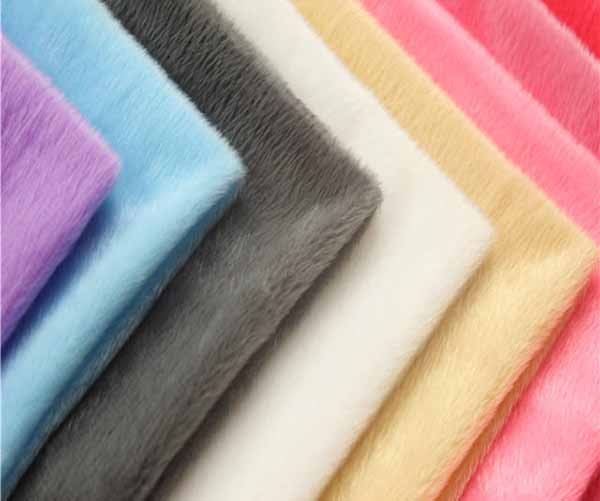
Short-Pile Velboa
- Extremely stable, low shading
- Best for mascots, retail plush, promotional plush
- Low risk of facial distortion
- Delsney uses velboa for 60%+ of mascot projects
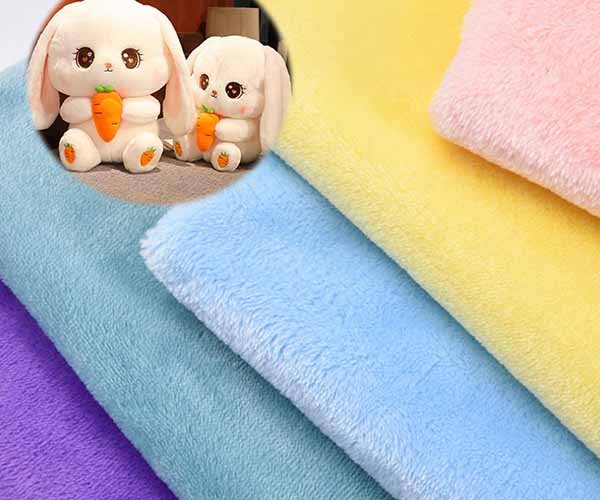
Micro Velboa
- Silkier texture, thinner backing
- Ideal for small plush and fine detailing
- Needs reinforced stitching on thin edges
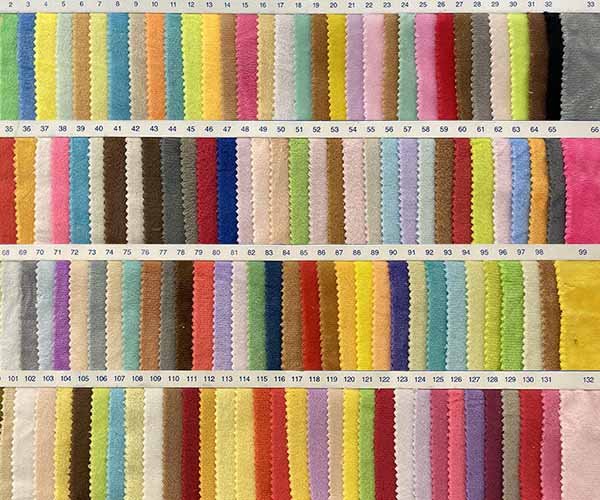
Tricot Short Pile
- Smooth stretch surface
- Suitable for sleek character designs
- Requires pattern compensation (2–6%)
Medium-Pile Fabrics (2.5–6 mm)
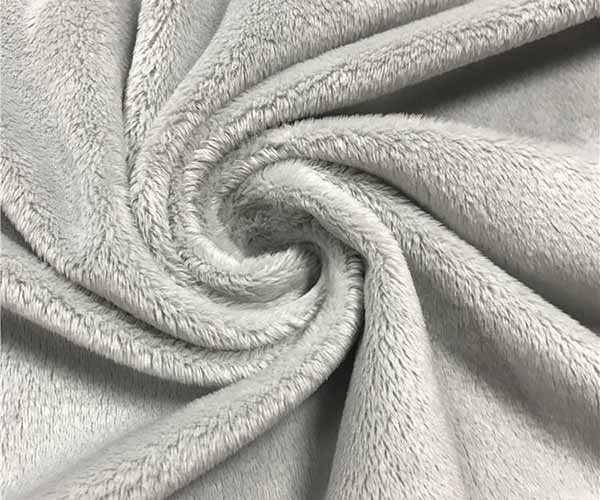
Standard Minky
- Very soft hand-feel
- Popular for infant plush
- Density must stay within ±3% GSM to avoid sinking
- Used in 40k+ infant-safe units/year
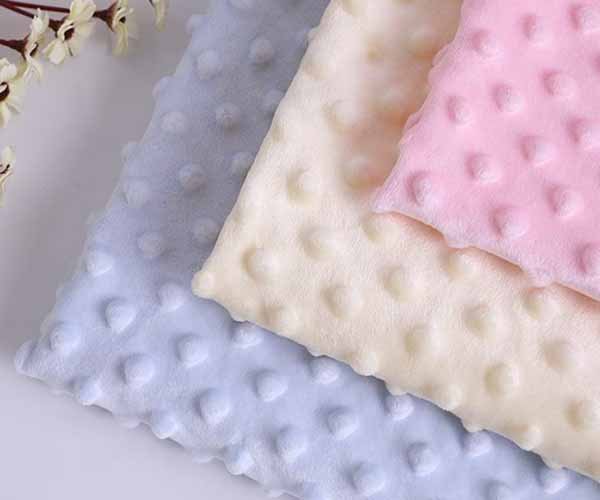
Dot Minky (Embossed)
- Raised dot texture
- Works well for blankets, baby plush and tactile characters
- Dot alignment must be considered during cutting
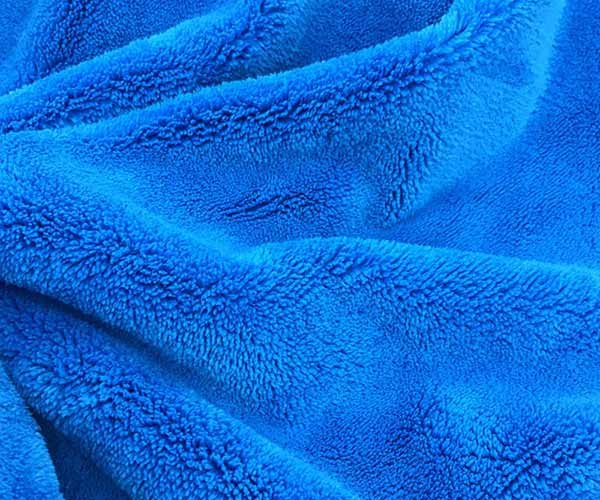
Coral Fleece
- Highly fluffy and compressible
- Excellent for snuggle plush
- Pile direction issues must be checked in photography products
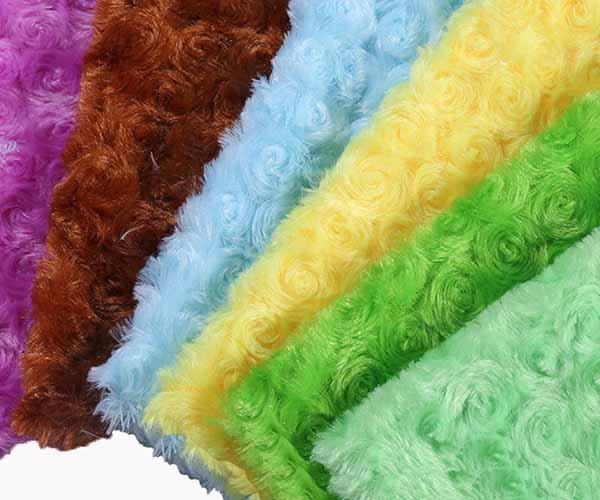
PV Plush
- Medium-long fibers, uniform texture
- Common in premium plush and cushion toys
- Controls: pile compression & recovery mapping
Long-Pile Fabrics (6–20+ mm)
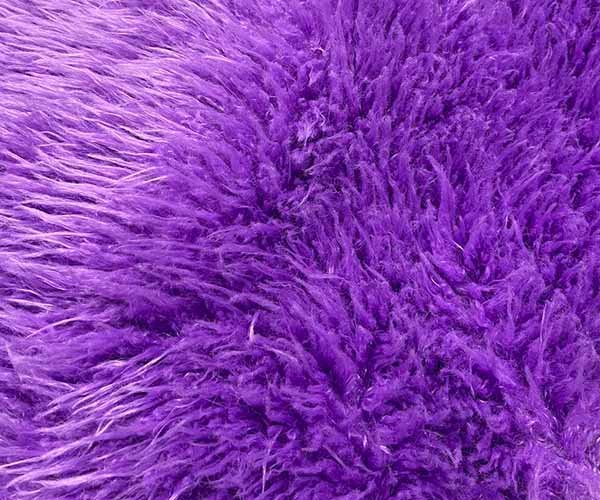
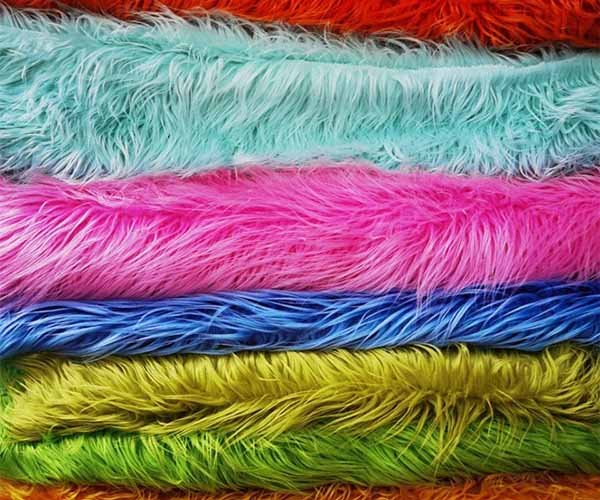
Long-Pile Shaggy Plush
- Dramatic texture
- Used for fashion plush and fantasy creatures
- Requires shaving around facial areas
- Delsney’s database shows a shrinkage range from 4–12%
Curly Plush / Lamb Fleece
- Curled fibers
- Great for lamb/sheep characters
- Needs stitch reinforcement because curl fiber creates seam stress
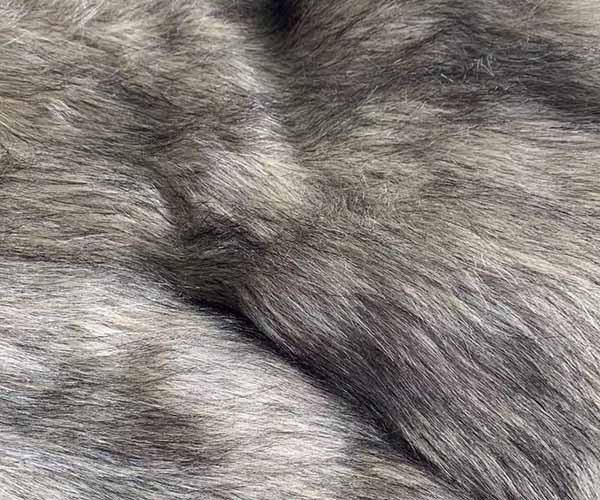
Mongolian Plush
- Very long fibers (20+ mm)
- High-end fashion plush or giant plush
- Must avoid embroidery sinking—face panels use short-pile inserts
Sherpa & Wool-Like Fabrics
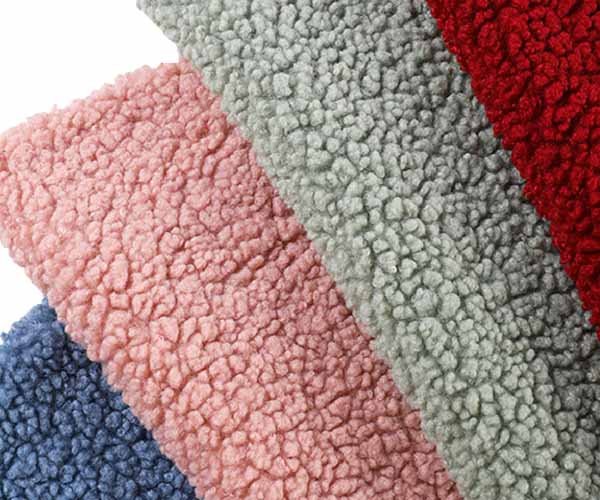
Sherpa Plush
- Thick, wooly look
- Ideal for winter collections
- Backing is thick; sewing needle must be adjusted
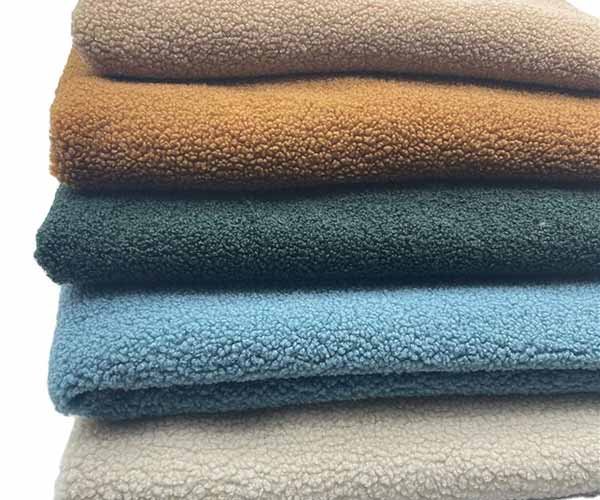
Wooly Plush
- Denser than sherpa
- Used for seasonal plush and pets
- Requires high-strength seam paths
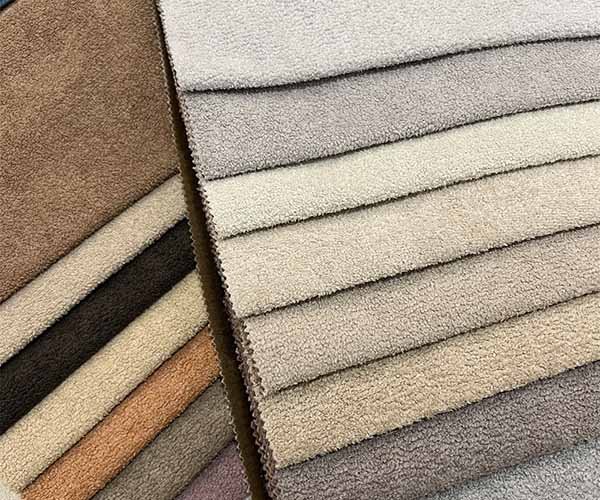
Bouclé Plush
- Loop-textured surface
- Premium fashion plush
- Loop direction must be checked to avoid asymmetry after stuffing
Stretch & Technical Fabrics
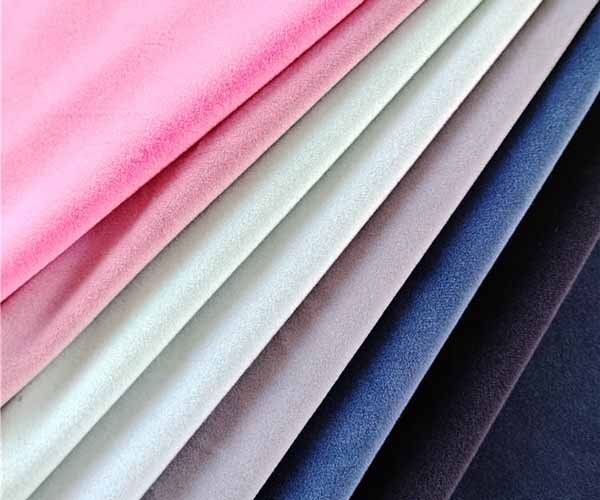
Tricot (High-Stretch Plush)
- Soft sheen
- Stretch behavior varies 10%–25%
- Must perform pre-cut stretching tests
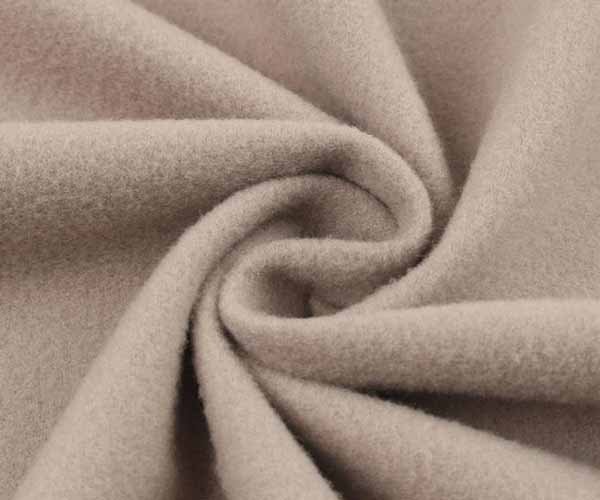
Spandex Plush / Lycra Plush
- Used in tight-fit plush or transformed-style characters
- Needs pattern distortion maps (Delsney maintains 120+ mapping samples)
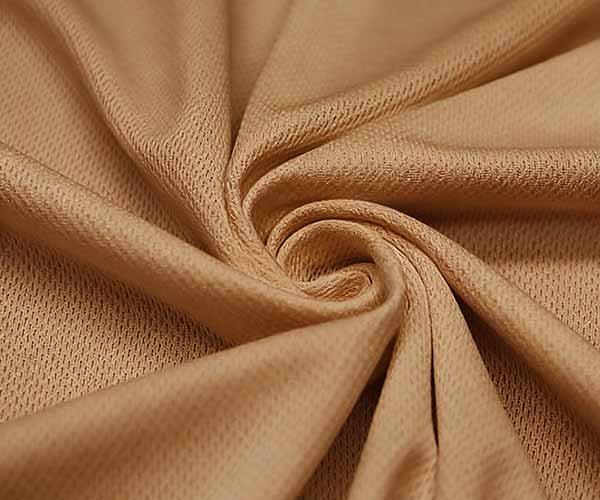
Sports Mesh Plush
- Breathable, light
- Secondary use in plush clothing/accessories
Suede & Felt Fabrics
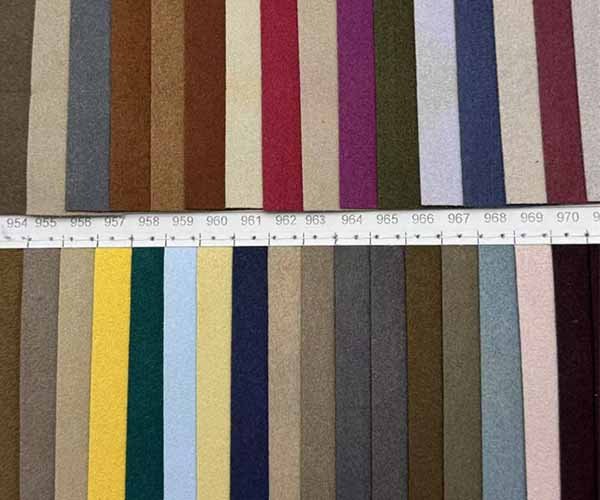
Suede Fabric / Imitation Suede
- Smooth, non-pile
- Good for noses, ears, paw pads
- Requires heat-resistance testing for glue operations
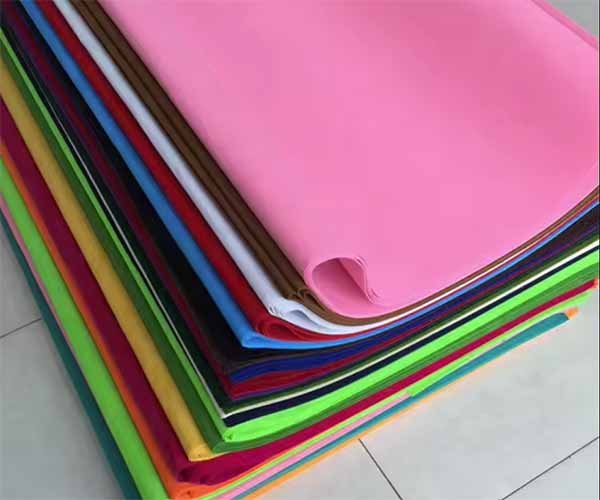
Felt Fabric
- Non-woven structure
- Zero fray
- Ideal for applique, details, stiff ears or accessories
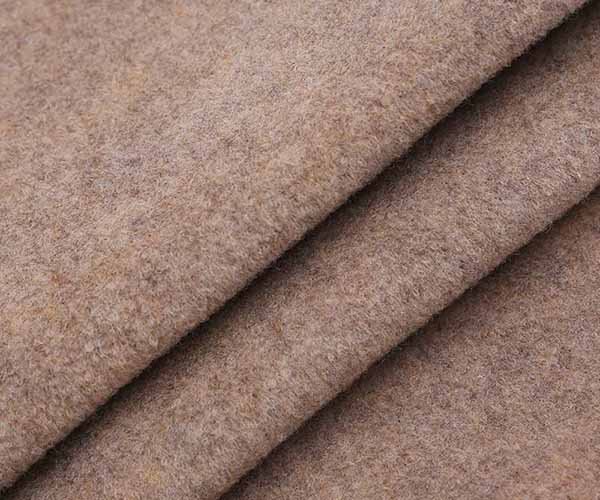
Brushed Felt
- Softer and fluffier
- Used in premium plush details
- Colorfastness must be tested
Printed Plush Fabrics
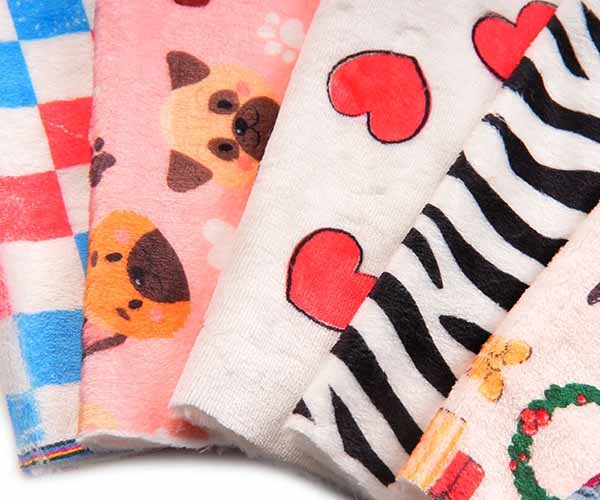
Heat Transfer Printed Plush
- Fast decoration for gradients or complex patterns
- Requires alignment testing after stuffing
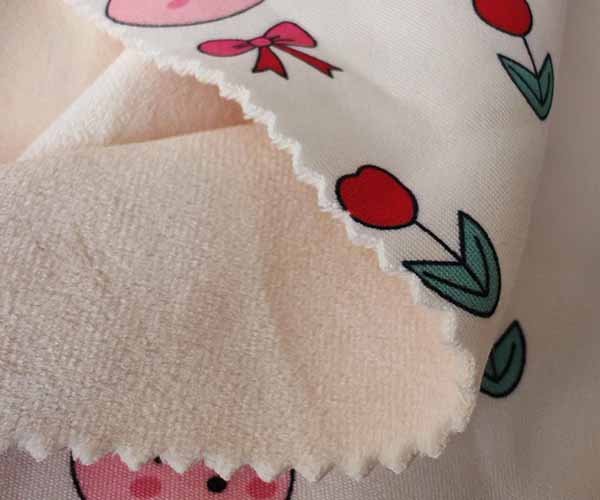
Digital Printed Plush
- Used for character-specific prints, face stylization
- Delsney performs 5-point color registration tests
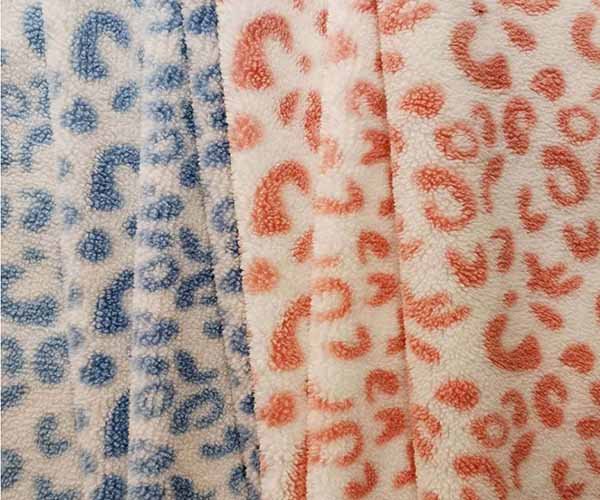
Rotary Screen Printed Plush
- Ideal for mass campaigns
- Low per-unit cost
- Requires ink penetration tests on long-pile materials
Specialty Plush Fabrics
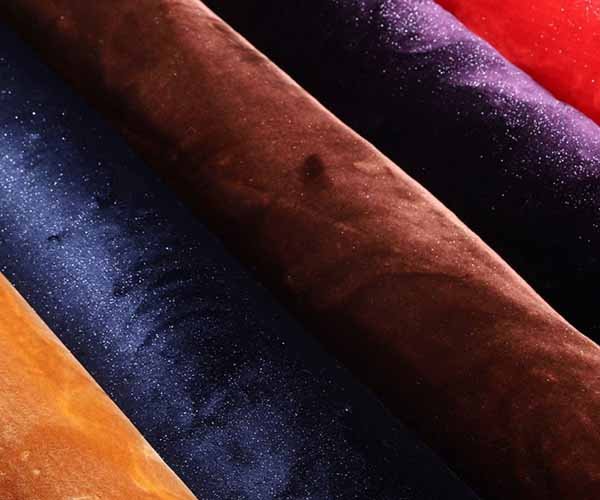
Metallic Plush / Glitter Plush
- Fashion plush
- Backing tends to stiffen post-print—compensate in pattern
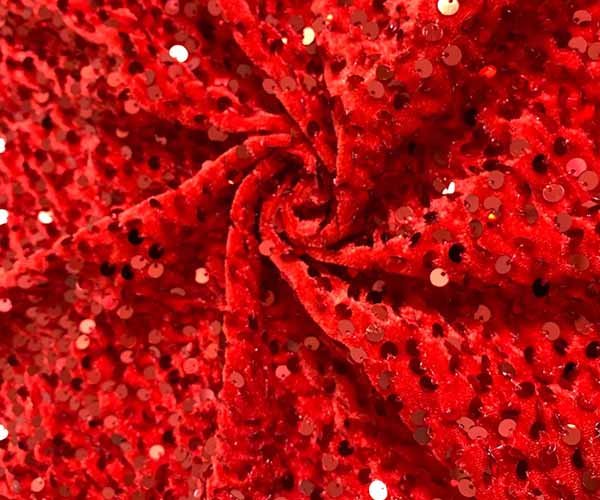
Sequined Plush
- For premium retail plush or “festival editions”
- Requires safety testing for infant items
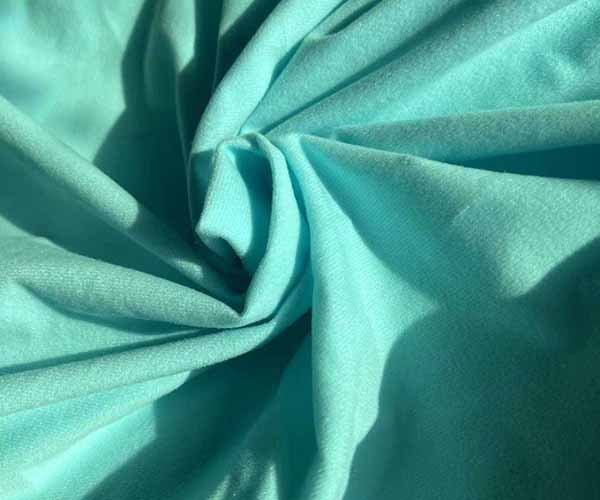
Glow-in-the-Dark Plush
- Uses photoluminescent dyes
- Needs light exposure tests
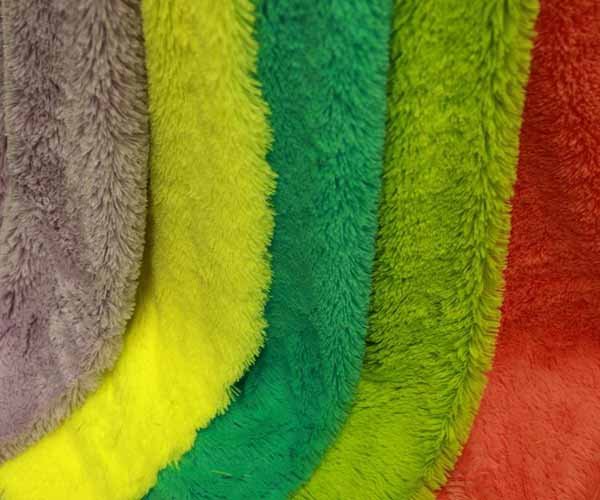
UV Color-Changing Plush
- Popular for interactive plush
- Delsney tests dye stability under heat and humidity
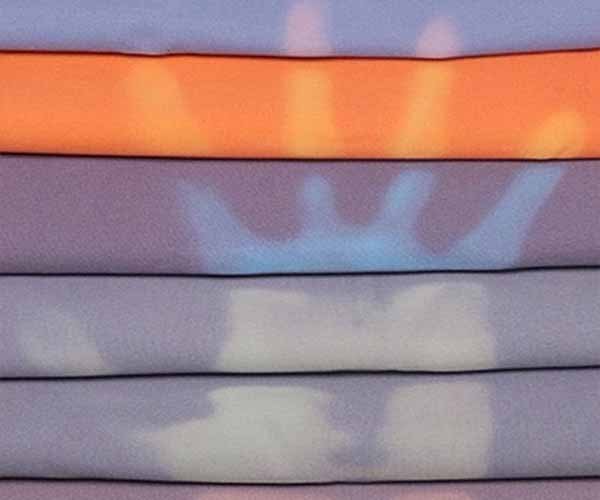
Thermochromic Plush
- Changes color with temperature
- Used for novelty plush
- Must run rubbing and migration tests
Eco & Recycled Plush Materials
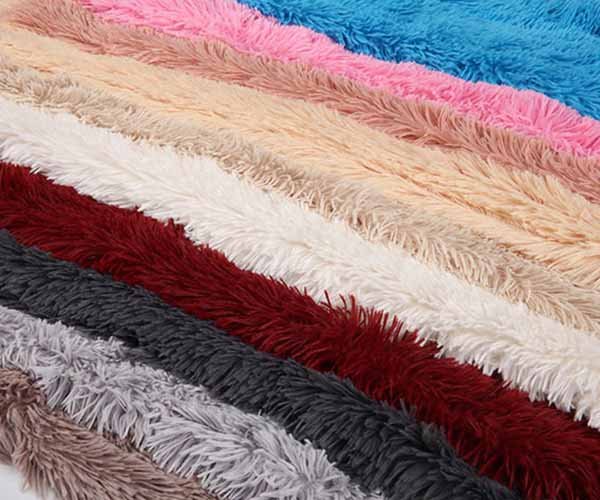
Recycled Polyester Plush (GRS Certified)
- Used increasingly in 2024–2026 global sustainability programs
- Delsney maintains GRS documentation per batch
- Slightly different stretch behavior than virgin polyester
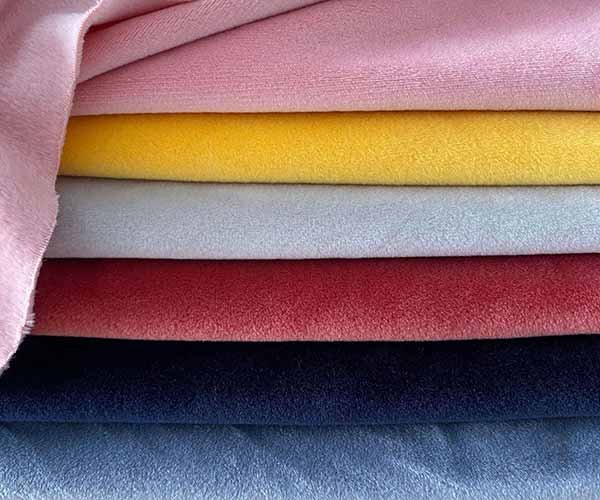
Recycled Minky
- Softer touch but slightly less dense
- Stitch calibration required
- Infant-safe lines require additional testing
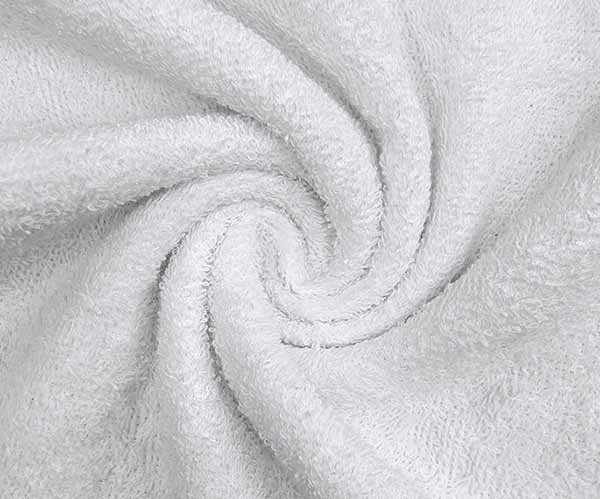
Organic Cotton Plush
- Rare but used in high-end baby products
- GSM stability must be verified for every roll
Ultra-Specialized Fabrics for Niche Plush
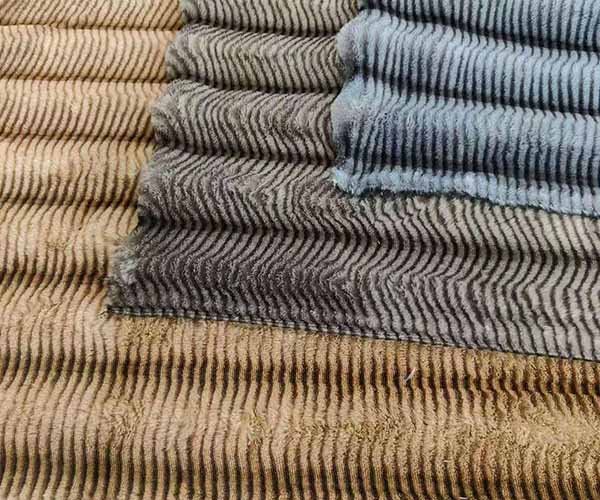
Faux Fur (Fashion-Grade)
- Used in life-size plush or animal plush
- Requires directional cutting rules
- Delsney maintains a “pile-lay direction map” for every faux-fur SKU
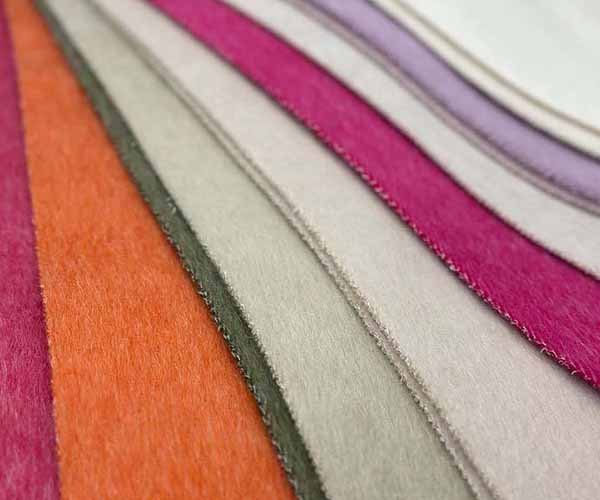
Mohair & Premium Wool Plush
- High-end collectible plush
- Requires very controlled humidity during sewing
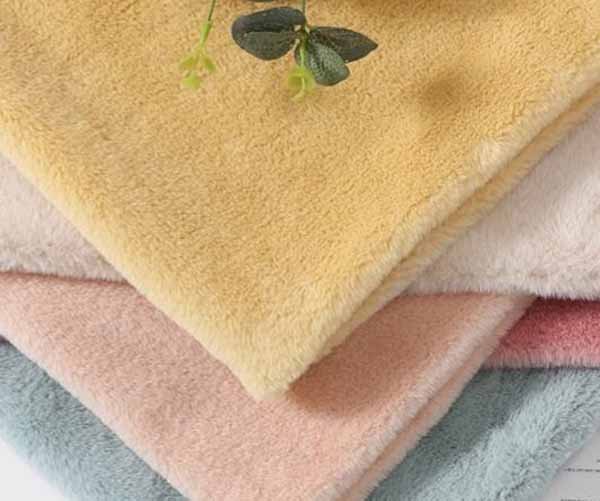
Knit Plush Fabrics
- Used in hybrid plush–doll styles
- Need seam reinforcement to prevent laddering
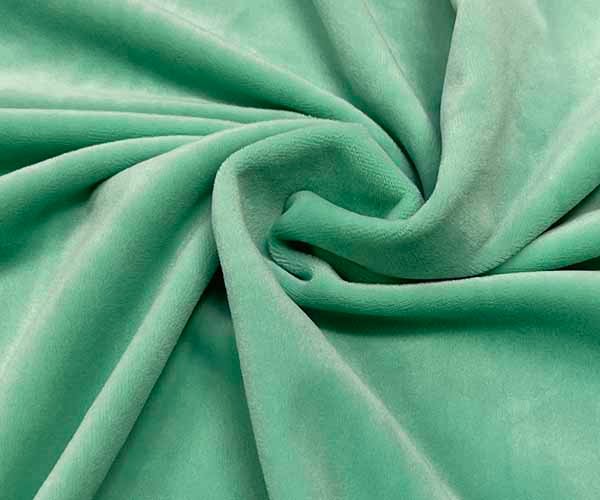
Velour Plush
- Smooth, velvet-like
- Popular in doll bodies
- Must check color migration with deep tones
Accessory-Grade Fabrics (For Plush Clothing & Props)
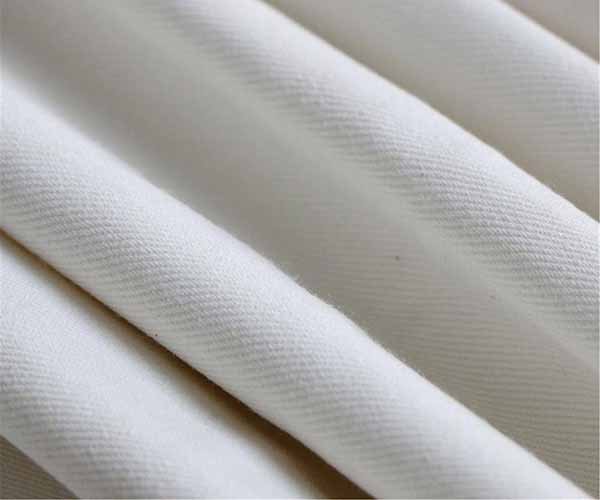
Cotton Fabrics (Woven / Knit)
- Shirts, dresses, overalls
- Sewing rules differ from plush body; requires separate production line
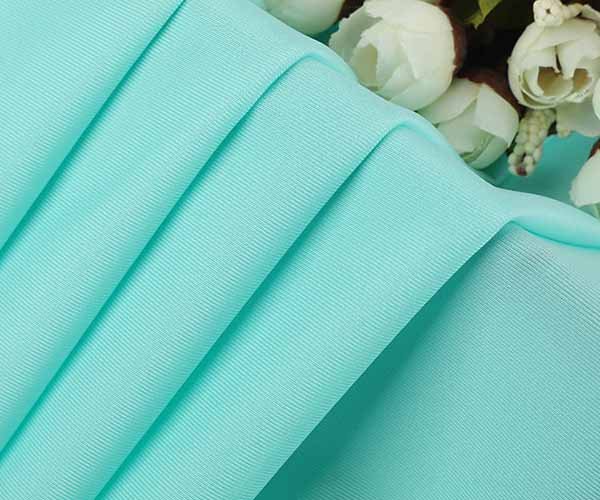
Satin / Silk-Look Fabrics
- For premium plush clothing
- Must test seam slippage
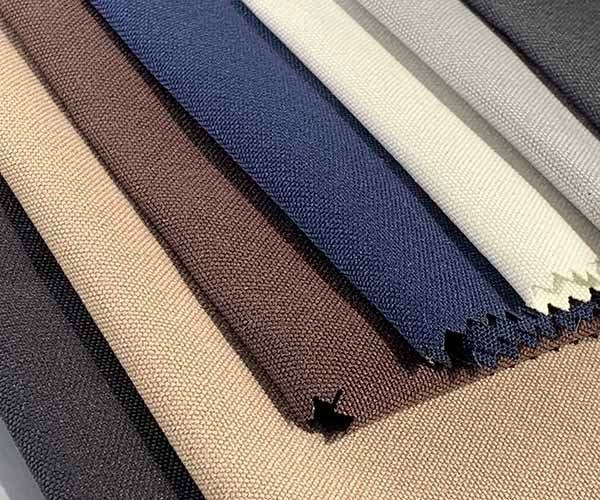
Denim, Canvas & Twill
- Used for plush overalls or streetwear-style plush
- Delsney maintains two accessory-only sewing teams
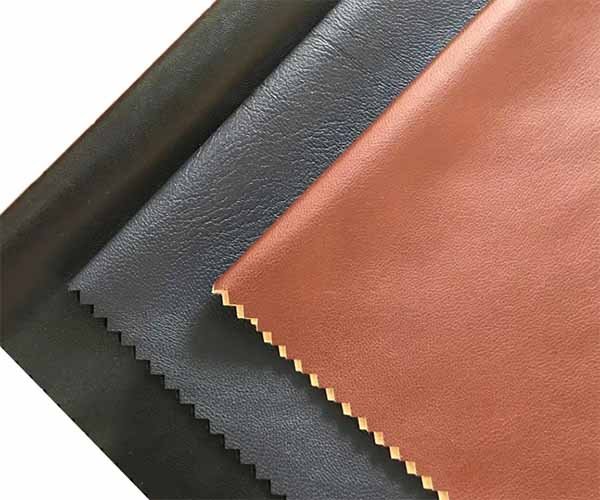
Vinyl / PU Leather
- Shoes, belts, props
- Requires puncture safety tests for certain markets
Fabric GSM Standards & Stability Control
GSM irregularities are one of the biggest causes of plush deformation, uneven stuffing, limp silhouettes and inconsistent weight. To prevent this, Delsney measures GSM from the beginning and stores all measurement data in the material database used by design and QC teams.
Every batch undergoes:
- Top, mid-roll and tail-end GSM measurement
- ±3% tolerance check
- Density mapping for seam stress tests
- Pile compression analysis to identify collapse risk
A fabric with a 5–7% GSM shift can cause:
- Facial distortion after stuffing
- Limb asymmetry
- Recovery weakness that causes collapse over time
- Over-stuffing to compensate, increasing unit weight and labor cost
- Seam tearing when pairing with high-stitch-density threads
Delsney’s GSM data from over 10 years of tracking helps the engineering team anticipate how each fabric will behave during stuffing and long-term use. For characters requiring symmetrical heads, GSM stability is essential to keep facial curves identical on both sides. For infant plush, GSM consistency ensures soft, safe touch without unexpected hardness or imbalance.
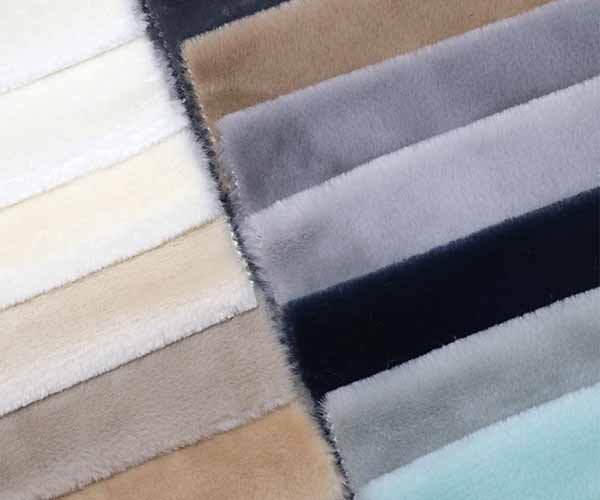
Pile Height Categories & Texture Behavior
Pile height determines how a plush character communicates emotion, depth, silhouette, softness and photographability. Delsney categorizes pile height using a tested range built across 600+ batches and records compression ratio, recovery behavior, shading shift and risk of embroidery sinking. These metrics guide our pattern makers and embroidery team when designing facial panels, proportional curves and stuffing balance.
1–2 mm Ultra Short Pile
- Used in mascots, corporate plush, collectible heads
- Embroidery remains sharp and stable
- Minimal shading risk under studio lighting
- Delsney maintains a ±0.3 mm height tolerance
- Ideal for projects needing perfect facial symmetry
3–5 mm Short–Medium Pile
- Dense surface with slight softness
- Suitable for retail plush, series collections
- Slight shading correction needed during photography
- Compression ratio averages 7–12% under stuffing pressure
6–10 mm Medium–Long Pile
- Rich texture with pronounced depth
- Perfect for fantasy creatures, stylized plush
- Embroidery sinking is tested using a “facial ring test”
- Delsney trims face areas for clean line visibility
11–20+ mm Long Pile / Shaggy Pile
- Maximum texture and character presence
- Requires directional layout during cutting to avoid inconsistent shading
- Recovery mapping done for each batch—high-pile fabrics can compress 15–25% after stuffing
- Often paired with short pile patches for facial clarity
Curly / Wool-Like Pile
- Pile height varies due to fiber curling
- Ideal for sheep/lamb characters
- Sewing rule: reduce stitch density to prevent fiber entanglement
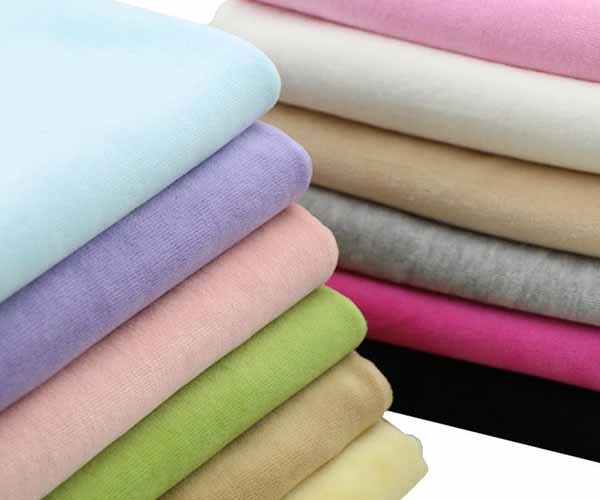
Delsney uses a pile-height library referencing real measurement data from every fabric batch. These records allow engineers to choose fabrics that will maintain silhouette and expression fidelity throughout mass production.
Fabric Stretch & Recovery Mapping
Stretch is one of the most influential variables in plush accuracy. Even a 6–10% change can warp facial embroidery, limb proportions and head shape. Delsney maintains an internal “stretch map” database where fabrics are tested for:
- Vertical stretch percentage
- Horizontal stretch percentage
- Recovery speed (1-second, 3-second, 10-second intervals)
- Distortion shape after stuffing
- Shrinkage under steam
- Backing tension response
This allows our pattern engineers to build distortion compensation directly into templates.
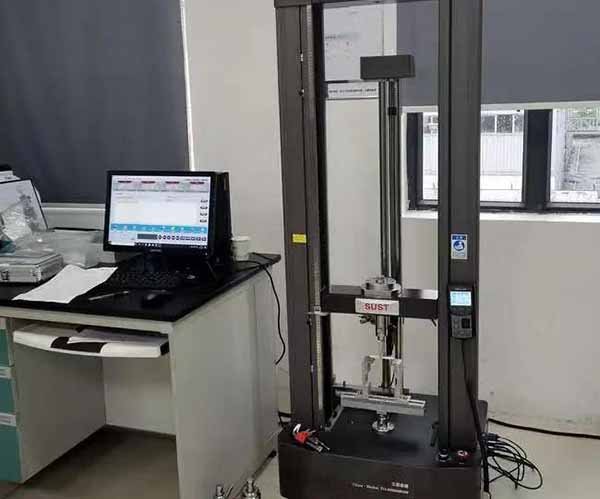
A. Low-Stretch Fabrics (1%–5%)
- Stable and predictable
- Ideal for mascots, corporate plush and infant plush
- Facial panels maintain symmetry with no additional compensation
- Delsney recommends these for collections demanding high repeatability
B. Medium-Stretch Fabrics (6%–15%)
- Common in minky, PV plush, soft-touch fabrics
- Great for round, soft characters
- Compensation: 1–2 mm panel reduction for heads
- Embroidery requires tension balancing
C. High-Stretch Fabrics (16%–25%+)
- Includes tricot, spandex plush
- Highly expressive but complex to control
- Requires 3–8 mm pattern adjustment depending on item size
- Delsney logs distortion values after stuffing each prototype
- Used in fashion plush and stylized character lines
Backing Structures & Stitch Compatibility
Backing determines how a plush fabric behaves during cutting, embroidery, stuffing and sewing.
Delsney tests backing tensile strength, weave density, fray behavior and seam tearing points before production. These tests help assign fabrics to the correct sewing line and needle/stitch setup.
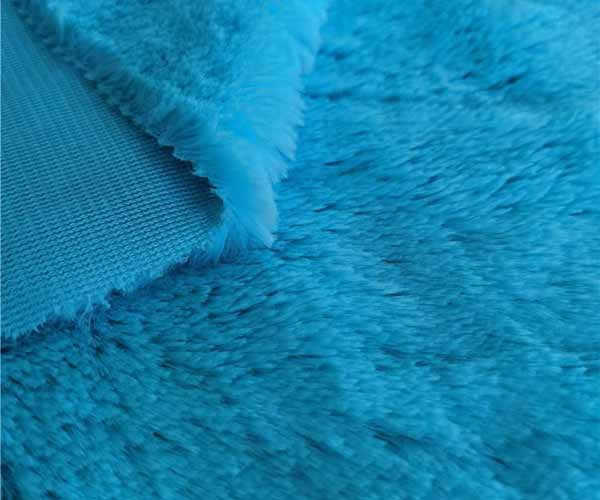
Knit Backing
- Found in most velboa, minky, PV plush
- Stretch behavior depends on knitting tension
- Ideal stitch density: 3.5–4.2 stitches/cm
- Needle size: 9–11 depending on GSM
- Delsney records tear-resistance values for each batch to prevent seam failures
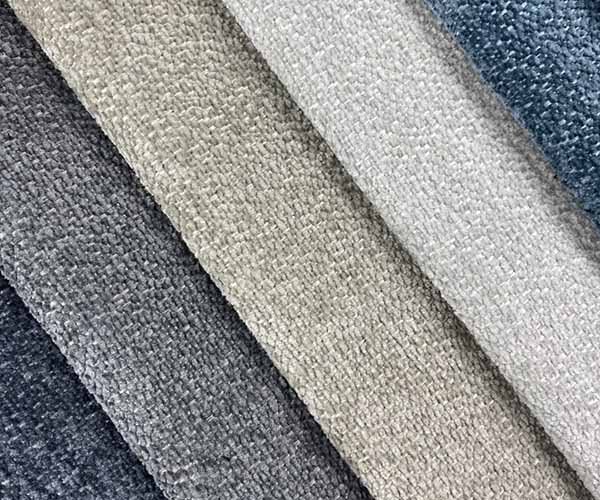
Woven Backing
- Strong, minimal stretch
- Common in faux fur and specialty plush
- Ideal for large plush or shapes requiring structural integrity
- Needle size: 11–14
- Stitch strength can reach 90–110N after reinforcement
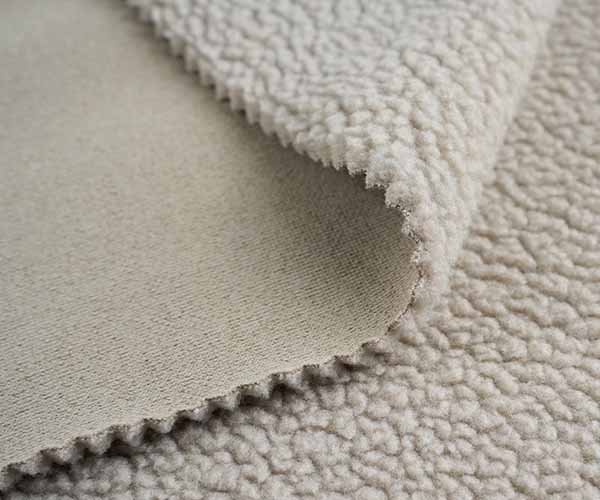
Jersey Backing
- High elasticity
- Used in tricot plush
- Requires tension-balanced stitching to prevent laddering
- Delsney’s pattern engineers apply compensation mapping due to jersey’s unpredictable recovery
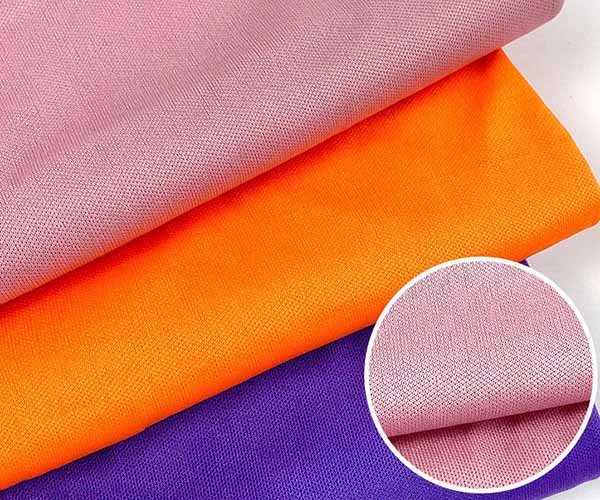
Double-Knit Backing
- Seen in premium medium-pile fabrics
- Offers excellent combination of stretch + stability
- Best for expressive plush that require both softness and structural control
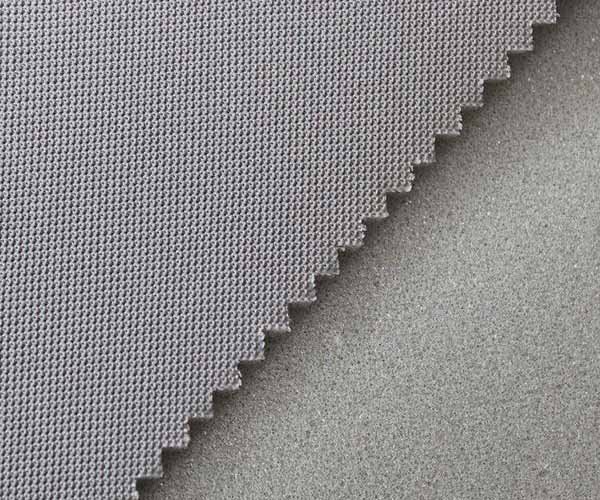
Foam-Backed Fabrics
- Used for structured plush heads or novelty plush
- Sewing requires slow-speed operations
- Backing must undergo peel-strength testing to ensure foam adhesion quality
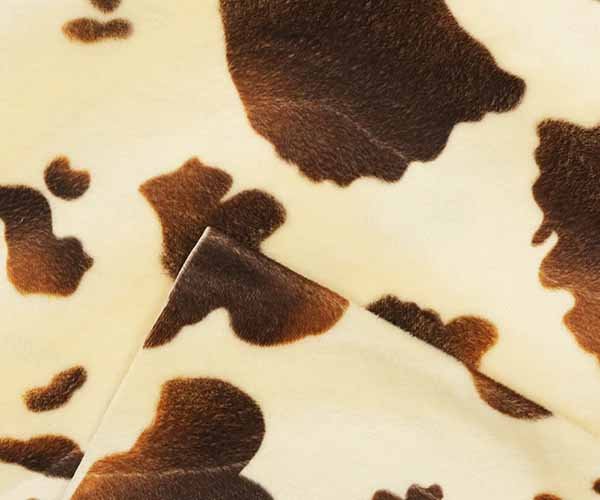
Printed Plush Backing (Heat Transfer / Digital)
- Backing integrity affects print alignment
- Delsney performs stretching tests to ensure the print does not deform after stuffing
- Often used for stylized faces or patterned bodies
Colorfastness & Dye-Lot Control
Color consistency affects brand identity, facial expressions, photography and retail presentation. Delsney maintains a strict dye-lot management system built from 450+ shade cards collected from long-term fabric partners. This database allows us to track subtle shifts caused by fiber differences, temperature conditions, dye saturation and finishing processes.
Every incoming batch of fabric undergoes:
A. Lightbox Shade Comparison (D65 Standard)
- Evaluated under daylight, warm white and cool white
- Engineers record ΔE values
- ΔE > 1.0 triggers further analysis
- Used for matching character lines that require precise colors
B. Rubbing Colorfastness Testing
- Tested both dry and wet
- Target grade: 4–5
- Any fabric scoring below 4 is either downgraded or rejected
- Essential for dark colors, especially black, navy, wine red
C. Washing Colorfastness Testing
- Simulates long-term consumer washing
- Delsney uses a standard 30-minute wash test at 40°C
- Results recorded with batch ID for future traceability
D. Sunlight & UV Stability Testing
- Fabrics exposed to UV for 8–24 hours
- Used especially for seasonal plush or products displayed in store windows
- Fabrics prone to yellowing are flagged for limited applications
Fabric Safety & Compliance Standards
Safety Engineering for EN71, ASTM F963, CPSIA & Global Compliance
Safety is not a formality—it determines whether a plush product can legally enter markets like the EU, USA, UK, Japan or Australia.
Delsney’s compliance team integrates safety requirements directly into fabric evaluation and production decisions. This avoids the common situation where a plush passes visual inspection but fails lab testing due to fabric, dye or accessory risk.
Chemical Safety (EN71-3, CPSIA)
Each fabric batch is evaluated for potential heavy metal, phthalate, and formaldehyde risks.
Delsney maintains updated certification files from fabric mills and conducts random third-party lab checks when required.
Infant products always undergo additional saliva-resistant tests.
Seam Strength (Mechanical Safety)
Before a fabric is approved for infant or toddler plush, its seams undergo tensile testing:
- Minimum tensile strength target: 90N
- Plush with clothes or accessories require reinforced seams to reach 100–110N
- Tensile tests reflect real-world pulling by children
Fiber-Shedding Assessment
Essential for long-pile shaggy, wooly, faux-fur fabrics.
Delsney uses a shake test and rub test to evaluate loose fibers.
Fabrics with excessive shedding are not approved for infant lines.
Metal Detection Integration
Delsney’s production lines include metal detection systems calibrated to detect 1.2–1.5 mm fragments, ensuring full compliance even when using dense fabrics.
Flammability Testing (16 CFR Part 1610)
Fabric behavior under flame exposure is recorded.
Fabrics failing Class 1 or Class 2 standards are flagged for restricted use.
Delsney’s Safety Advantage
With 100k+ infant-safe plush units produced annually and cooperation with global brands, our team has predictable knowledge of which fabrics consistently pass or fail compliance requirements.
Delsney uses a pile-height library referencing real measurement data from every fabric batch. These records allow engineers to choose fabrics that will maintain silhouette and expression fidelity throughout mass production.






Frequently Asked Questions
Q1: How does Delsney choose the right plush fabric for a project?
Short-pile fabrics like velboa deliver the sharpest results with minimal sinking, while minky and medium-pile plush need tension adjustments and may require foam stabilizers. Long-pile fabrics almost always require shaved or short-pile facial panels. Delsney’s embroidery archive contains over 800 test sheets used to calibrate facial lines before mass production.
Q2: How do different fabrics affect facial embroidery accuracy?
Thread colors are selected from a 600+ color library and matched under D65 lighting with a Delta E tolerance under 1.0, ensuring that character palettes remain consistent through future reorders.
Q3: How does Delsney deal with shrink or distortion during production?
Each fabric batch undergoes steam, heat and water shrink testing. Patterns are adjusted by 2–8 mm depending on shrink curves. Stretch-prone fabrics receive compensation mapping to reduce deformation during stuffing and sewing, maintaining consistent proportions.
Q4: Which fabrics are safest for infant plush?
Short-pile velboa, minky and select organic cotton-based plush are preferred. These fabrics pass EN71, CPSIA and ASTM F963 testing due to low shedding, safe dyes and strong backing. Every infant product undergoes saliva-fastness testing and reinforced seam checks.
Q5: How does Delsney manage color consistency across reorders?
A dye-lot archive of 600+ swatches helps match new batches to previous orders. ΔE values are measured under D65, warm and cool lighting. Fabric rolls outside tolerance are either reprocessed or reassigned. This prevents unwanted shade shifts in future production.
Q6: Why do some plush fabrics deform after stuffing?
Deformation results from stretch inconsistency, GSM instability or insufficient recovery. Delsney’s stuffing database measures silhouette retention and recovery curves for every fabric. Fabrics with poor stability are assigned stricter stuffing guidelines or excluded from precise facial designs.
Q7: How does digital cutting impact fabric accuracy?
Vacuum tables can stretch certain fabrics, especially tricot or light minky. Delsney records suction-stretch behavior for each fabric and adjusts CAD files to maintain ±1–2 mm accuracy for facial panels and ±2–4 mm for body panels.
Q8: How does Delsney prevent long-term matting or pilling?
Long-pile fabrics undergo fiber rubbing tests, and minky fabrics are checked for GSM variance before approval. Premium lines receive pre-brushing and pile direction fixing. Durability data from 1,200+ reports helps predict long-term texture behavior.
Q9: Are recycled plush materials reliable?
Recycled polyester plush can perform as well as virgin fiber when GSM and backing tension are controlled. Delsney tests every recycled batch for tensile stability, colorfastness and shrink behavior to ensure compliance with international standards.
Q10: How does fabric selection influence mass-production efficiency?
Stable fabrics reduce sewing time, stuffing correction, embroidery adjustments and QC rework. Delsney’s fabric archive allows engineers to select materials that maximize efficiency for each production line category, improving output by 12–22% depending on fabric type.

Build Better Plush With Delsney’s Fabric Engineering
Choosing the right fabric determines 70% of a plush product’s success—from silhouette retention to long-term durability and facial clarity. Delsney’s fabric library is built on 600+ tested fabric batches, 3,500+ prototypes, 1,200+ durability reports, and 18+ years of plush production. Every GSM measurement, shrink curve, stitch test and embroidery mapping is recorded to ensure predictable results across thousands of units.
Whether the goal is infant-safe plush, collectible characters, retail mascots, or seasonal gift plush, Delsney provides the material science foundation to build reliable, expressive and market-ready products.
