 Skip to content
Custom Plush Printing Manufacturer with High Artwork Accuracy
From complex artwork to consistent bulk production — engineered plush printing solutions for brands, IP owners, and promotional projects.
In plush product development, printing is where most projects fail. Colors shift, gradients disappear, outlines blur, and facial expressions lose precision after sewing and stuffing. A visually strong design can quickly turn into an inconsistent product if printing is not engineered correctly.
Delsney approaches plush printing as a controlled development process rather than a simple decoration step. Each project is evaluated from artwork structure, fabric compatibility, print method selection, and pattern layout, ensuring that the printed result remains stable from sample stage to mass production.
Custom plush printing projects are supported with:
- Free design support
- Free sampling
- Sample lead time: 5–7 days
- Two free sample revisions
- MOQ from 500 units
- Production lead time: 15–25 days
- Design-to-product matching up to approximately 98%
Why Plush Printing Fails in Many Projects
Most issues are not caused by printing machines, but by poor engineering before production starts.
Printed plush products introduce variables that do not exist in standard plush manufacturing. Unlike embroidery or solid-color fabric, printing must remain visually correct after the product is cut, sewn, stuffed, and shaped into a three-dimensional form.
Common production failures in printed plush include:
- Facial features shifting due to seam placement
- Color inconsistency between fabric batches
- Gradient loss on textured surfaces
- Distortion caused by stuffing pressure
- Misalignment between printed panels
- Logos partially hidden after assembly
These issues typically originate from early-stage decisions, not from the printing step itself.
A reliable plush printing supplier must control the full chain:
- Artwork breakdown
- Pattern engineering
- Fabric selection
- Print method matching
- Sample correction
- Bulk production consistency
Delsney’s internal structure combines product development, design, pattern room support, and manufacturing execution, allowing these variables to be managed as one system instead of separate steps.

Delsney’s Printing-Focused Manufacturing System
Printing quality depends on how well design, fabric, and production are connected.
Printed plush projects require tighter coordination between multiple production stages compared with standard plush manufacturing. A disconnected supply chain often leads to inconsistencies between design, sample, and bulk production.
Delsney operates a vertically coordinated system designed specifically to reduce these gaps:
1. Plush Fabric Production Support Control over plush fabric characteristics such as pile length, density, and surface uniformity improves print performance and color stability.
2. Plush Product Manufacturing Facility In-house production ensures pattern execution, sewing accuracy, and assembly consistency, which directly affect printed alignment.
3. Logo Embroidery Factory Allows hybrid solutions where printing and embroidery are combined for improved durability and premium appearance.
4. Engineering and Design Teams
- 25+ engineers supporting structure and manufacturability
- 10+ designers handling product, packaging, and graphic design
- Coordinated development from artwork to sample
5. Quality Control Team (20+) Dedicated inspection across sampling and production stages to maintain batch consistency.

Commercial Applications of Custom Plush Printing
Plush printing is used across branding, IP development, retail products, and promotional campaigns.
Plush printing is not limited to decorative purposes. It is widely used in commercial product development where visual identity plays a central role. Delsney supports a wide range of applications, allowing different industries to translate artwork into physical plush products.
1. Brand Mascot Plush Used by companies for brand recognition, exhibitions, and corporate gifting. Printed surfaces allow accurate color matching and scalable production.
2. IP Character Plush Used for animation, gaming, illustration, and creator-based brands. Printing enables detailed facial expressions, patterns, and costume elements that embroidery alone cannot achieve.
3. Promotional Plush Products Used in campaigns, product launches, and marketing activities. Cost-effective printing methods allow large-volume production with consistent branding.
4. Retail Plush with Pattern Design Used in gift shops, museum stores, and lifestyle brands. All-over printing supports unique visual identity and seasonal collections.
5. Functional Plush Products Includes pillows, neck pillows, and multi-use plush items. Printing adds branding and decorative value while maintaining softness.
6. Premium Hybrid Plush (Printing + Embroidery) Used for higher-end products requiring both color richness and texture detail.
Different applications require different engineering decisions. Delsney adjusts printing methods, materials, and structure based on product positioning, ensuring that each category performs well in both appearance and production.

Plush Printing Methods and How to Choose the Right One
Printing method selection directly affects color accuracy, cost structure, and bulk consistency.
Why Method Selection Matters
In plush production, printing is not interchangeable. The same artwork processed through different methods can result in completely different outcomes in color, sharpness, durability, and production cost.
Incorrect method selection often leads to:
- Washed-out colors after production
- Blurred edges on logos or facial details
- Inconsistent results between batches
- Increased rework during sampling
Delsney evaluates printing methods during the early development stage, combining artwork analysis, fabric type, and production scale to reduce these risks before sampling begins.


Sublimation Printing (Heat Transfer)
Suitable for: full-color artwork, gradients, complex patterns
Fabric requirement: polyester-based plush
Performance data:
- Color penetration rate: high
- Gradient smoothness: strong
- Bulk consistency: stable
Typical use cases:
- IP character plush
- Anime-style plush
- Pattern-heavy retail plush

Screen Printing on Plush
- Suitable for: solid colors, simple logos
- Best for: large-volume production
Performance characteristics:
- Color density: high
- Cost efficiency: strong for 1,000+ units
- Limitation: not suitable for gradients or fine details
Typical use cases:
- Promotional plush
- Corporate mascot plush
- Event giveaway products

Digital Direct Printing (Adapted for Plush)
- Suitable for: medium complexity designs
- Flexible for smaller batch runs
Performance characteristics:
- Detail retention: moderate to high
- Setup cost: lower than screen printing
- Limitation: surface feel may change slightly

Hybrid Solution (Printing + Embroidery)
- Combines printed surfaces with embroidered key areas
- Used to enhance facial clarity and logo durability
Typical improvement:
- Face expression clarity increased by ~30–50%
- Logo durability significantly improved

Delsney Method Selection Framework
Delsney does not select printing methods based on a single factor. Each project is evaluated using:
- Artwork complexity (color layers, gradients, outlines)
- Key visual zones (face, logo, branding areas)
- Fabric compatibility
- Target price range
- Production quantity
- Required durability
This structured evaluation reduces sampling iterations and improves bulk production consistency.
How Artwork Is Converted Into Production-Ready Plush
Accurate plush printing starts with engineering the artwork before production begins.
The Core Challenge
Plush products are three-dimensional objects built from multiple fabric panels. When flat artwork is applied without adjustment, distortion occurs after cutting, sewing, and stuffing.
Common issues include:
- Face deformation after filling
- Misaligned patterns across seams
- Logo displacement
- Proportion distortion
Delsney addresses these problems at the engineering stage, not after production.

Delsney Artwork Engineering Workflow
Step 1 — Artwork Breakdown
- Separate printable zones from embroidery-required areas
- Identify high-risk distortion zones
- Optimize color layers for fabric behavior
Step 2 — Pattern & Structure Planning
- Convert artwork into 3D-compatible cutting patterns
- Adjust seam placement to avoid key visual areas
- Balance proportions for stuffed form
Step 3 — Print Alignment Mapping
- Map artwork to individual fabric panels
- Pre-calculate alignment after sewing
- Reduce deviation during assembly
Step 4 — Sample Development (5–7 Days)
- First physical validation of print + structure
- Evaluate color accuracy, alignment, and shape
Step 5 — Sample Optimization (2 Free Revisions)
- Adjust pattern distortion
- Refine print positioning
- Improve facial and logo clarity
Step 6 — Production Lock
Once confirmed:
- Artwork, pattern, and print method are standardized
- Used as reference for bulk production consistency
Accuracy Outcome
With this workflow, Delsney achieves:
- Up to ~98% design-to-product matching
- Reduced sampling cycles
- Improved consistency across production batches

Choosing the Right Fabric for Printed Plush
Fabric selection determines print sharpness, color performance, and product positioning.
Why Fabric Selection Is Critical
Printing results are heavily influenced by surface structure. Even with the same artwork and printing method, different plush fabrics can produce significantly different outcomes.
Typical risks of incorrect fabric selection:
- Blurred edges due to long fibers
- Color fading or uneven absorption
- Loss of fine details
- Inconsistent texture between batches
Delsney integrates fabric selection early in development to avoid these issues.
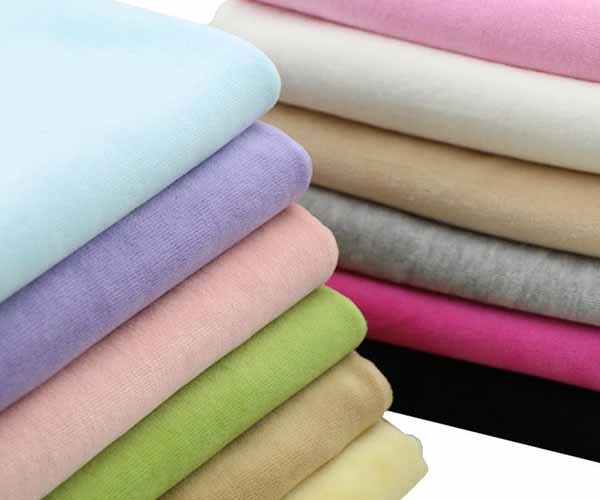
Common Plush Fabrics for Printing

Short Pile Plush (Velboa / Super Soft)
Surface: smooth and flat
Print performance: high precision
Best for:
- detailed graphics
- facial features
- logo clarity

Medium Pile Plush
- Balanced softness and clarity
- Suitable for most commercial plush products

Long Pile Plush
Soft and premium feel
Limitations:
- reduced detail sharpness
- softer color appearance

Customized Plush Materials
Delsney can adjust:
- pile density
- fiber composition
- surface treatment
to match specific project requirements.
Practical Application Examples

Case 1 — IP Character Plush
- Fabric: short pile plush
- Reason: maintains facial detail and color accuracy

Case 2 — Promotional Plush
- Fabric: medium pile
- Reason: balances cost and visual quality

Case 3 — Premium Gift Plush
- Fabric: long pile + embroidery combination
- Reason: enhances tactile experience
Printing, Embroidery, or Hybrid — Which Is Right for Your Plush?
Each method serves a different purpose. Choosing the correct combination improves both appearance and production stability.
Why This Decision Matters
Many plush projects fail because decoration methods are chosen based on appearance alone, without considering structure, durability, and production limitations.
Typical problems:
- Printed faces look flat or unclear
- Embroidery increases cost beyond target
- Logos fade or lose sharpness after use
- Over-complicated decoration slows production
Delsney evaluates decoration methods based on how the plush will actually be produced and used.

Method Comparison Table
| Factor | Printing | Embroidery | Hybrid (Printing + Embroidery) |
|---|---|---|---|
| Color complexity | High | Low | High |
| Gradient support | Strong | Not suitable | Strong |
| Detail sharpness | Moderate | Very high | High |
| Texture feel | Soft | Raised texture | Balanced |
| Cost level | Low–Medium | Medium–High | Medium–High |
| Durability | Medium | High | High |
| Production speed | Fast | Moderate | Moderate |
Practical Selection Guidelines
Use Printing when:
- Design includes gradients or multiple colors
- Cost control is important
- Surface coverage is large
Use Embroidery when:
- Logo or facial features must remain sharp
- Durability is a priority
- Premium positioning is required
Use Hybrid when:
- Face clarity matters (eyes, mouth, expressions)
- Brand logo needs long-term durability
- Product targets mid-to-high-end market

Delsney Recommendation Logic5
Delsney does not push a single method. Each project is evaluated based on:
- Artwork structure
- Key visual zones
- Fabric type
- Target price range
- Production quantity
Because Delsney operates both printing and embroidery production, hybrid solutions can be implemented without outsourcing, improving consistency and lead time control.

Fast Sampling System Designed for Custom Plush Printing
Short development cycles reduce risk and accelerate product launch.
Delsney’s sampling system is designed to reduce iteration time and improve first-sample accuracy.

Delsney Sampling Data
Sample lead time: 5–7 days
Free sampling supported
Free design support included
Sample revision: 2 free modifications
Artwork-to-sample matching: up to ~98%

Sampling Workflow
Step 1 — Requirement Confirmation
- Artwork, size, function, and target cost reviewed
Step 2 — Design & Engineering Preparation
- Artwork adjustment
- Pattern planning
- Printing method selection
Step 3 — Sample Production
- First prototype completed within 5–7 days
Step 4 — Evaluation & Feedback
- Visual accuracy
- Structure and proportion
- Print alignment
Step 5 — Sample Optimization
- Up to two free revisions
- Fine adjustments for production readiness
Scalable Production for Printed Plush Projects
From small batch validation to large-scale production with controlled quality.
Production Structure
Delsney supports both flexible small-batch production and stable large-scale manufacturing.
Key production capabilities:
- MOQ starting from 500 units
- Multi-SKU production supported
- Parallel production lines for different designs
- Consistent process control across batches
Lead Time Overview
| Stage | Time Range |
|---|---|
| Sample development | 5–7 days |
| Sample revision | 3–5 days |
| Mass production | 15–25 days |
These timelines depend on:
- design complexity
- printing method
- order quantity
Production Control Points
To maintain consistency in printed plush production, Delsney focuses on:
- Fabric batch consistency
- Color control across printing runs
- Alignment accuracy during cutting and sewing
- Filling consistency to avoid shape distortion
- Final inspection before shipment
Supported by a 20+ member QC team, these checkpoints help maintain stable output across bulk orders.
Logistics & Delivery Flexibility
Delsney supports:
- Air freight for urgent orders
- Sea freight for cost optimization
- Express shipping for small batches
- Multi-address delivery
Quality Control for Printed Plush Production
Color, alignment, and shape must remain consistent from sample to bulk production.
Why Printed Plush Needs Stronger QC
Printed plush products are more sensitive than standard plush items. Small deviations in fabric, printing, or sewing can lead to visible inconsistencies.
Typical bulk production risks:
- Color variation between batches
- Misalignment of printed panels
- Shape distortion after stuffing
- Logo inconsistency
- Uneven stitching affecting appearance
Without structured quality control, these issues often appear only after shipment.

Material Inspection
- Fabric consistency check
- Color base verification
- Surface quality control

Printing Quality Check
- Color accuracy vs approved sample
- Gradient smoothness
- Edge sharpness
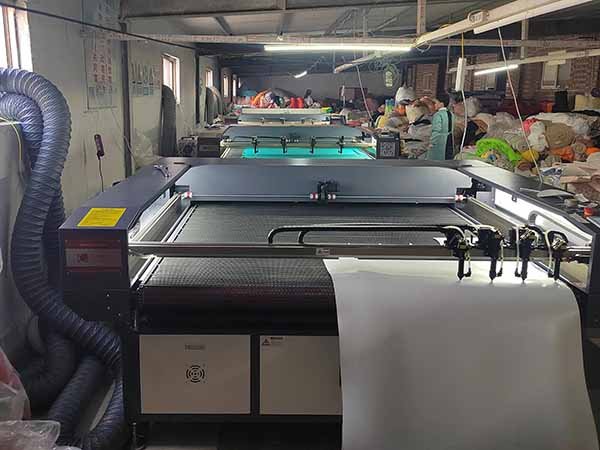
Cutting & Alignment Control
- Panel positioning accuracy
- Print alignment across seams
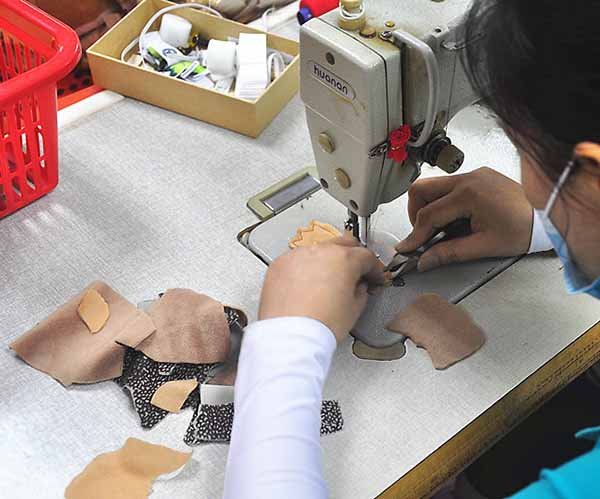
Sewing & Assembly Check
- Structural balance
- Shape consistency
- Symmetry control

Filling Control
- Uniform stuffing density
- Shape stability

Final Inspection
- Appearance consistency
- Logo clarity
- Packaging verification
Who Delsney Supports in Plush Printing Projects
Different industries require different levels of design accuracy, production control, and flexibility.
Delsney focuses on B2B clients who require custom development rather than standard products.

Brand Owners
- Consumer brands
- Lifestyle brands
- Toy brands
- Private label brands

IP & Creative Projects
- Animation and game IP owners
- Illustration and character brands
- Content creators and design studios

E-commerce Sellers
- Amazon sellers
- Shopify store owners
- DTC brands

Corporate & Promotional Projects
- Corporate gifting programs
- Marketing campaigns
- Event and exhibition projects
Frequently Asked Questions
Answers to common questions about custom plush printing, sampling, and production.
Q1: Can complex artwork be printed on plush?
Yes. Multi-color artwork, gradients, and detailed patterns can be achieved using sublimation or digital printing methods, depending on fabric type and design structure.
Q2: What is the minimum order quantity?
MOQ starts from 500 units, allowing both new product testing and scalable production.
Q3: How long does sampling take?
Sampling typically takes 5–7 days, depending on design complexity and material selection.
Q4: Are sample revisions supported?
Yes. Two rounds of sample modifications are supported without additional cost.
Q5: What printing method should be used?
It depends on artwork complexity, fabric type, and quantity. Delsney evaluates each project to recommend the most suitable method.
Q6: How accurate is the final product compared to the design?
With proper engineering and sampling, design-to-product matching can reach approximately 98%.
Q7: Can printing and embroidery be combined?
Yes. Hybrid solutions are commonly used to improve detail clarity and durability.
Q8: What is the production lead time?
Mass production usually takes 15–25 days after sample approval.
Q9: How is quality controlled during production?
Quality control is conducted across material inspection, printing, sewing, and final inspection stages by a 20+ member QC team.
Q10: What types of clients does Delsney work with?
Delsney works with brands, IP owners, e-commerce sellers, and companies requiring custom plush development for commercial use.

Turn Your Artwork Into Production-Ready Plush
Fast sampling, controlled printing accuracy, and reliable bulk production from an experienced team.
Printed plush projects often fail at the same stage — turning a design into a real product that looks right and can be produced consistently.
Delsney focuses on solving that gap.
With in-house design support, engineering coordination, and manufacturing integration, each project moves from artwork to sample and into production with fewer delays and fewer revisions.
Instead of testing multiple suppliers, projects can be developed within one system that already connects fabric, printing, structure, and quality control.
Simple Start Process
Step 1 — Send Artwork or Idea Share design files, sketches, or reference images
Step 2 — Get Evaluation & Suggestions Receive feedback on printing method, fabric, and structure
Step 3 — Start Sampling First sample completed within 5–7 days
Step 4 — Confirm & Move to Production Proceed with bulk production after sample approval

