 Skip to content
Custom Blind Box Plush Toy Manufacturer for Scalable Series and Collectible Systems
From concept to multi-SKU production with structured development, consistent quality, and integrated packaging solutions
- Multi-SKU blind box development system (6–12+ variants per series)
- 5–7 day sampling with parallel variant development
- 15–25 day production with stable batch consistency
- 3 specialized factories ensuring integrated production
- 25+ engineers and 20+ QC staff for structure and quality control
- MOQ starting from 500 units for flexible series launch

Why Blind Box Plush Requires a Different Manufacturing Approach Compared to Standard Plush Production
Series-based development, multi-SKU coordination, and packaging integration demand a structured production system
Series-Based Product Structure Instead of Single SKU
Standard plush production focuses on one product at a time, while blind box projects involve multiple SKUs developed as one system. Each variant must share the same base structure while maintaining controlled visual differences. Delsney solves this by:
- defining a unified base pattern for all SKUs
- controlling variation through embroidery, color, and accessories
- aligning all variants within a single development framework
Multi-SKU Coordination Within One Production Cycle
Blind box production requires multiple variants to be manufactured simultaneously within the same timeline. Without coordination, production becomes inconsistent and inefficient. Delsney ensures:
- synchronized production scheduling across all SKUs
- shared materials and processes for efficiency
- consistent workflow across 3 specialized factories
Consistency Across Variants as a Core Requirement
- standardized materials and filling systems
- engineering-defined structure control
- QC monitoring by 20+ staff across production stages
Controlled Variation Without Increasing Complexity
- limiting variation to specific design zones
- maintaining a consistent base structure
- optimizing embroidery and color differences
Packaging as Part of the Product System
- packaging design aligned with product dimensions
- standardized box formats across SKUs
- coordination between product and packaging production
Batch Consistency for Repeat Production and Scaling
- standardized materials and repeatable processes
- controlled production workflow across 3 factories
- consistent output from sampling (5–7 days) to production (15–25 days)
Custom Blind Box Plush Categories for Collectible Series, Retail Programs, and Multi-SKU Product Systems
A complete range of blind box plush products designed for scalable production, controlled variation, and repeat purchase models

Mini Collectible Plush Series
Small-format plush toys designed for blind box collections with controlled cost and high repeat purchase potential.
- compact size for efficient packaging
- consistent base structure across variants
- optimized for large SKU series
Delsney ensures uniform output across all units through standardized patterns and QC control.

Character Variation Plush Series
Plush collections built around a single character with multiple expressions, poses, or visual themes.
- shared base pattern across SKUs
- controlled variation through embroidery and color
- consistent proportions and finishing
With 10+ designers and 25+ engineers, variation remains clear while production stays stable.

Animal-Themed Blind Box Plush
Series based on animals with variations in color, accessories, or character styling.
- unified structure with diverse appearance
- simple variation system for scalability
- strong appeal for mass-market retail
Delsney supports large-volume production with stable material sourcing across batches.

Fashion Outfit Plush Series
- interchangeable clothing-style variations
- controlled accessory integration
- consistent shape across SKUs

Seasonal Limited Edition Series
- themed design variations
- fast sampling and production cycles
- coordinated packaging for seasonal branding

IP Licensed Plush Collections
- high-fidelity reproduction of character features
- controlled variation within brand guidelines
- coordinated packaging and branding

Mystery Rare Variant Plush
- controlled SKU distribution
- consistent quality across all variants
- integration with standard production workflow

Keychain Blind Box Plush
- reinforced loop or hook structure
- lightweight and durable design
- suitable for retail and online sales

Mascot-Based Plush Series
- consistent brand identity across SKUs
- scalable variation design
- repeatable production for long-term programs

Soft Vinyl + Plush Hybrid Series
- mixed material construction
- controlled integration of soft and rigid parts
- consistent finishing across variants

Interactive Blind Box Plush
- integrated basic modules
- stable internal structure
- consistent functionality across SKUs

Capsule Collection Plush Sets
- coordinated product and packaging design
- controlled production quantities
- aligned with marketing campaigns

Collaboration Series Plush
- integrated branding elements
- controlled design adaptation
- consistent production across SKUs

Subscription Box Plush Series
- consistent base structure across releases
- planned SKU rotation
- reliable repeat production cycles

E-commerce Exclusive Blind Box Plush
- compact packaging for shipping efficiency
- consistent product dimensions
- scalable SKU expansion
Blind Box Plush Development Capabilities
A structured approach to designing, testing, and scaling multi-SKU plush collections
Series Structure Planning
Blind box plush requires a unified base structure that supports multiple variations without affecting production efficiency.
- shared pattern system across all SKUs
- controlled variation points (color, embroidery, accessories)
- consistent size and proportions
Delsney defines base structures during development to ensure scalability across full series.
Character Variation Control
Variation must be visually distinct while remaining production-friendly.
- limited variation zones for efficiency
- embroidery and color adjustments
- accessory integration without structural changes
With design and engineering coordination, variation remains controlled and repeatable.
Multi-SKU Sampling System
Blind box projects often involve multiple samples developed at the same time.
- simultaneous development of multiple variants
- consistent evaluation across SKUs
- alignment of structure and materials
Sampling completed within 5–7 days allows faster validation of full product series.
Packaging and Product Integration
Packaging is part of the blind box system, not a separate element.
- box size aligned with product dimensions
- design supporting “mystery” experience
- coordination between product and packaging
Delsney integrates packaging development with product design to maintain consistency.
Cost and Production Balance
- shared materials and structure
- controlled variation to reduce cost
- efficient production planning
Development-to-Production Consistency
- standardized materials and processes
- coordinated production across 3 factories
- QC monitoring with 20+ staff
Sampling Process for Blind Box Plush
A structured sampling workflow ensuring consistency, variation control, and fast development across full product series
Series Design Confirmation
Sampling begins with confirmation of the full blind box concept, including character list, variation logic, and target quantity.
- define total number of SKUs
- confirm variation points (color, embroidery, accessories)
- align size and structure across all designs
Delsney coordinates design and engineering teams to ensure all variants share a consistent base before sampling starts.
Base Structure Development
A unified base structure is created to support all variants in the series.
- shared pattern and proportions
- consistent internal structure
- preparation for scalable production
With 25+ engineers involved, Delsney ensures the base structure supports both variation and production efficiency.
Multi-SKU Sample Production (5–7 Days)
- parallel sampling of key SKUs
- consistent material application across samples
- alignment of shape and finishing
Variation and Detail Adjustment
Each SKU is reviewed for visual difference while maintaining production feasibility.
- embroidery refinement
- color matching and fabric adjustments
- accessory placement control
Delsney ensures variation remains clear without increasing complexity in production.
Series Consistency Review
- compare size, shape, and proportions
- check consistency across variants
- confirm alignment with packaging dimensions
Final Sample Approval and Production Preparation
- finalize materials and structure
- confirm packaging alignment
- prepare production workflow
Materials, Filling & Craft Options
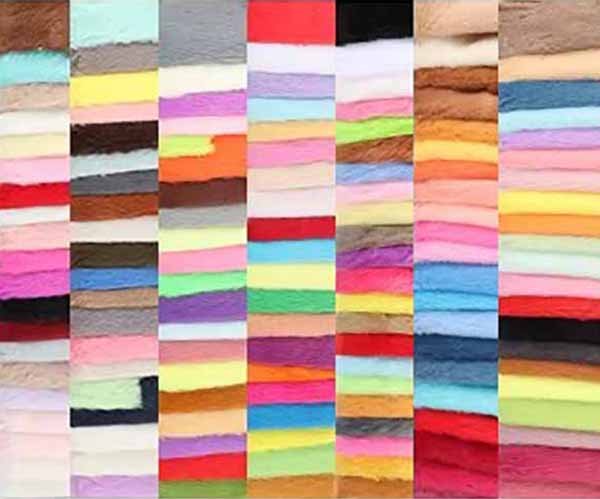
Plush Fabric System for Series Consistency
Blind box plush requires fabrics that remain visually and physically consistent across all SKUs while supporting variation. Key fabric options include:
- short plush fabric smooth surface, widely used for consistent appearance across large batches
- velboa / super soft fabric fine texture, suitable for detailed embroidery and clean finishing
- crystal plush / longer pile fabric used selectively for texture variation while maintaining base consistency
- color stability control fabrics are batch-matched to ensure uniform color across all variants
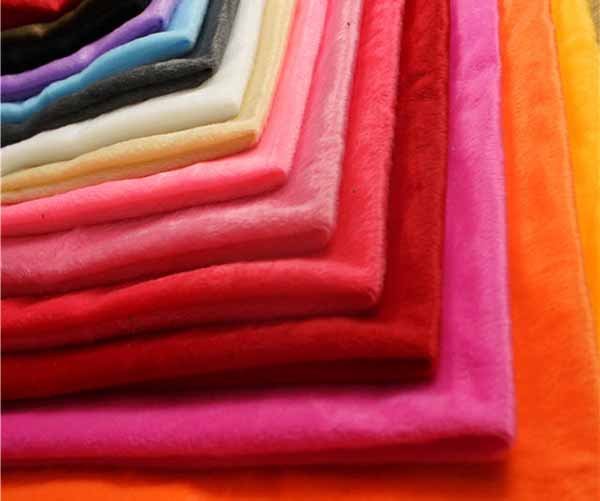
Color and Variation Material Control
Variation in blind box plush is achieved through controlled material adjustments rather than structural changes. Key control methods include:
- limited color palette system reduces production complexity while maintaining visual diversity
- shared base fabric across SKUs ensures uniform texture and cost control
- controlled contrast elements used for character differentiation without increasing material variation
- batch color matching process ensures all SKUs remain visually aligned

Filling System for Uniform Shape and Feel
Filling consistency is critical because all blind box plush are compared side by side by customers. Filling design includes:
- standardized filling density ensures uniform softness and shape across all units
- balanced structure support prevents deformation during packaging and shipping
- zoned filling adjustment slightly reinforced areas for structural stability
- recovery performance filling maintains shape after compression
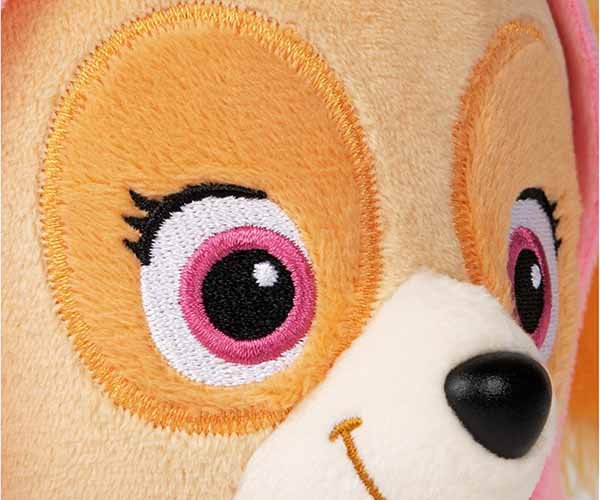
Embroidery and Surface Craft System
- flat embroidery for clean design widely used for eyes, logos, and simple patterns
- multi-color embroidery allows complex character features without printing
- high-density stitching improves durability and consistency across production
- precise positioning control ensures all variants maintain correct proportions

Accessories and Add-On Craft Integration
- fabric-based accessories such as hats, scarves, or small props
- stitched integration avoids detachable parts and improves durability
- limited accessory variation system controls complexity and production cost
- consistent attachment methods ensures durability across all units

Cost-Controlled Material and Craft System
Blind box plush requires strict cost control across multiple SKUs to maintain profitability. Cost control includes:
- shared material system across variants reduces sourcing complexity and cost
- standardized production processes improves efficiency and scalability
- controlled variation points avoids unnecessary cost increase
- optimized material usage reduces waste during production
Quality Control System for Blind Box Plush Ensuring Consistency Across Multiple SKUs
A structured QC system designed to maintain uniform quality, controlled variation, and stable output across full product series
Multi-SKU Material Consistency Control
Blind box plush requires all variants to share the same base materials while maintaining visual differences. Material inconsistency can break the overall series experience. Control includes:
- standardized fabric sourcing across all SKUs
- color batch matching for uniform appearance
- consistent filling materials across production
Pattern and Size Uniformity Inspection
All variants must maintain the same proportions and dimensions to ensure a cohesive collection. Inspection focuses on:
- pattern accuracy based on approved samples
- size consistency across all SKUs
- structural alignment during cutting and sewing
Variation Accuracy Control
Each SKU must clearly represent its intended variation without errors or inconsistencies. Control includes:
- embroidery accuracy for facial features and details
- color placement verification
- accessory positioning consistency
In-Process Production Monitoring
Quality is controlled throughout production rather than only at the final stage. Monitoring includes:
- cutting precision for all variants
- sewing quality and seam consistency
- filling distribution across units
Batch Consistency Verification
- comparison between units from different SKUs
- consistency of softness, shape, and finish
- alignment with approved sample set
Final Inspection and Packaging Check
Before shipment, all products are inspected as a complete series to ensure readiness for retail or distribution. Inspection includes:
- overall appearance and finishing
- consistency across SKUs
- packaging alignment with product dimensions
Factory and Production Capacity for Blind Box Plush with Multi-SKU Coordination and Scalable Outpu
A structured manufacturing system designed for simultaneous production of multiple variants with consistent quality and efficient delivery
Multi-SKU Production Coordination System
Blind box plush production requires multiple SKUs to be manufactured at the same time without disrupting workflow or consistency. This is fundamentally different from single-product production. Execution includes:
- synchronized production scheduling across all variants
- shared workflow for cutting, sewing, and finishing
- unified material allocation for all SKUs
With coordinated operations across 3 specialized factories, Delsney ensures that all variants are produced in parallel with stable output.
Standardized Base Structure Manufacturing
All blind box plush variants are built on a unified base structure to ensure consistency across the entire series. Production approach includes:
- shared pattern templates across all SKUs
- consistent size and proportion control
- repeatable structure across batches
With 25+ engineers defining structural standards, Delsney ensures that each unit matches the approved series specification.
Flexible MOQ and Scalable Output
Blind box projects often require flexibility in order size during testing and expansion stages. Production supports:
- MOQ starting from 500 units
- distribution of quantity across multiple SKUs
- scalable increase in production volume
This allows brands to launch small series and expand based on market response without changing suppliers.
Structured Production Workflow
Production follows a defined sequence to maintain efficiency and consistency across all SKUs. Workflow includes:
- fabric preparation and cutting
- embroidery and detailing
- sewing and structure formation
- filling and shaping
- finishing and inspection
With integrated coordination between departments, Delsney ensures each stage aligns with the approved sample and series requirements.
Production Timeline Control
- sampling completed within 5–7 days
- production completed within 15–25 days
Quality-Integrated Manufacturing Capacity
Production capacity is supported by a quality system that ensures consistency across all units. Control includes:
- material verification before production
- in-process checks across all stages
- batch consistency inspection across SKUs
- final inspection before shipment
With 20+ QC staff monitoring production, Delsney ensures that every unit meets both structural and visual standards across the entire series.
Branding and Packaging System for Blind Box Plush with Strong Identity and Retail Performance
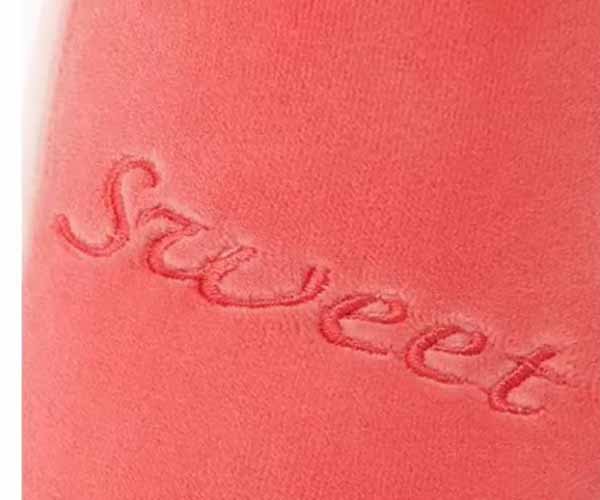
Embroidery Logo Techniques
Embroidery is the most widely used branding method for blind box plush, offering durability and consistent appearance across all SKUs. Key techniques include:
- flat embroidery clean and minimal branding, suitable for logos and facial details
- satin stitch embroidery dense and smooth finish for premium look
- multi-color embroidery supports complex character features without printing
- precision positioning control ensures all variants maintain consistent logo placement

Printed Logo and Graphic Techniques
- heat transfer printing ideal for detailed graphics and gradient effects
- screen printing suitable for bold and simple brand logos
- full-pattern printed fabric used for repeating series patterns
- localized graphic printing applied to specific areas for variation

Labels, Tags, and Brand Elements
- woven labels inserted into seams for long-term durability
- printed care labels include product and brand information
- folded brand tags provide a clean and premium finish
- hang tags for retail display enhance brand visibility at point of sale

Blind Box Packaging Structures
- sealed blind boxes maintain the “unknown” experience
- standardized box sizes ensure all SKUs fit uniformly
- reinforced box structures prevent deformation during shipping
- internal support inserts protect plush shape and positioning

Retail Display Packaging Formats
Packaging must perform well on shelves and support impulse purchases in retail environments. Common formats include:
- color printed retail boxes strong visual identity for brand recognition
- series display cartons designed to present multiple SKUs together
- stackable packaging structures improve shelf efficiency
- high-impact graphic design increases visibility and sales conversion
Delsney supports retail-ready packaging aligned with large-scale distribution needs.

E-commerce and Shipping Packaging Solutions
Blind box products must also be optimized for shipping and online fulfillment. Packaging includes:
- outer cartons for bulk transport protect products during long-distance shipping
- compact packing systems reduce shipping cost per unit
- protective inner layers maintain shape and prevent damage
- multi-SKU packing coordination ensures organized delivery of full series
With coordinated packaging and production across 3 factories, Delsney ensures safe and efficient delivery within 15–25 days production cycles.
Common Problems in Blind Box Production
Key production challenges in multi-SKU blind box systems and practical solutions to ensure consistency, efficiency, and scalability
Inconsistent Size Across SKUs
- reduced perceived product quality
- inconsistent display in retail packaging
- negative customer experience
- using a unified base pattern across all SKUs
- controlling cutting and sewing accuracy
- verifying dimensions during QC checks
Uncontrolled Variation Between Designs
- weak series identity
- inconsistent brand presentation
- difficulty in scaling production
- limiting variation to predefined design zones
- using embroidery and color instead of structural changes
- aligning all SKUs within one design system
Packaging Mismatch with Product Size
- damaged product appearance
- wasted packaging space
- higher shipping costs
- aligning box dimensions with plush structure
- standardizing packaging sizes across SKUs
- testing packaging during sampling
Multi-SKU Production Confusion
- wrong SKU assembly
- delays in production
- increased defect rates
- structured SKU tracking system
- clear production workflow for each variant
- coordinated scheduling across 3 factories
Color Inconsistency Across Batches
- mismatch within the same series
- inconsistent retail presentation
- reduced brand trust
- standardized fabric sourcing
- batch color matching before production
- QC verification during production
Poor Embroidery Accuracy and Positioning
- distorted character features
- inconsistent visual quality
- reduced product value
- digital embroidery templates
- controlled positioning during production
- QC inspection of all embroidery details
Cost Increase Due to Over-Complex Design
- reduced profit margins
- difficulty scaling production
- inefficient material usage
- defining controlled variation systems
- standardizing materials and processes
- optimizing design for production efficiency
Delays in Production Timeline
- missed retail opportunities
- delayed product launches
- inventory planning issues
- structured workflow across 3 factories
- clear production scheduling
- standard timeline of 15–25 days
Inconsistent Quality Across Large Orders
- variation in softness, shape, or finish
- inconsistent customer experience
- higher return rates
- standardized materials and processes
- in-process QC checks at every stage
- final inspection by 20+ QC staff
Blind Box Cost Structure & Pricing Logic
A clear breakdown of cost drivers and practical strategies to control pricing while maintaining product quality and consistency
SKU Quantity and Series Structure Impact
- number of variants in the series (typically 6–12 SKUs)
- quantity per SKU and overall order volume
- complexity of variation between designs
Size and Material Cost Drivers
- plush size and fabric consumption
- type of fabric (standard vs premium textures)
- filling quantity and density
Embroidery and Craft Complexity
- number of embroidery areas
- stitch density and color complexity
- additional craft techniques
Accessories and Variation Design Impact
- number of accessories per SKU
- attachment complexity
- material variation
Packaging and Blind Box System Cost
- box material and printing quality
- internal support structure
- series display packaging for retail
Production Efficiency and Cost Optimization
- shared materials across all variants
- standardized production processes
- coordinated workflow across 3 factories
Industries We Serve
Blind Box Plush Solutions for Different Brands, Channels, and Product Strategies
Designer Toy Brands
- multiple SKU coordination
- controlled variation across series
- consistent product quality
IP and Licensing Projects
- accurate reproduction of characters
- consistent execution across SKUs
- coordinated packaging and branding
E-commerce and DTC Brands
- sampling within 5–7 days
- MOQ starting from 500 units
- scalable product expansion
Retail Chains and Toy Stores
Retail requires consistent packaging and reliable supply across multiple locations.
- uniform packaging dimensions
- stable production output
- repeatable supply cycles
Delsney ensures consistency through coordinated production and QC monitoring.
Promotional and Campaign Projects
- customized series design
- fast production timelines
- coordinated delivery schedules
Subscription Box and Collectible Programs
Subscription models require continuous production and consistent product quality.
- recurring production cycles
- consistent SKU development
- reliable delivery planning
Delsney supports long-term programs through stable production systems.
Why Brands Switch to Delsney
Better Control of Multi-SKU Consistency
Blind box projects often fail when different SKUs vary too much in size, shape, or quality. This breaks the collectible experience and reduces perceived value. Delsney solves this by:
- using unified base structures across all variants
- standardizing materials and filling systems
- applying QC checks across all SKUs
Faster Series Development
Developing multiple SKUs at the same time can slow down product launches when sampling is not coordinated. Delsney supports:
- parallel sampling of multiple variants
- 5–7 day sample turnaround
- up to 2 revision rounds for full series
Controlled Variation Without Complexity
Many suppliers struggle to manage variation without increasing production difficulty and cost. Delsney controls variation through:
- defined variation zones (color, embroidery, accessories)
- consistent base patterns
- simplified production adjustments
More Reliable Production Timelines
Blind box launches often depend on strict timelines, especially for campaigns or retail distribution. Delsney ensures:
- production completed within 15–25 days
- coordinated scheduling across 3 factories
- reduced delays through structured workflow
Integrated Packaging and Product Development
- packaging design with product development
- box dimensions aligned with plush size
- consistent presentation across SKUs
Stable Long-Term Supply Capability
- standardized materials and processes
- repeatable production workflows
- consistent quality across orders
Logistics, Communication, and Delivery System for Blind Box Plush Series and Multi-SKU Orders
Coordinated production, packaging, and shipping ensuring consistent delivery across full product collections
Multi-SKU Shipment Coordination
- synchronized packing across variants
- SKU-level sorting and organization
- alignment with distribution requirements
Flexible Shipping Methods
- air freight for fast launches
- sea freight for bulk orders
- express for samples and small batches
Protective Packaging for Series Products
- outer cartons for bulk transport
- internal packaging to prevent deformation
- alignment between product and box structure
Split Shipment and Distribution Support
- partial shipments for early stock availability
- multi-destination delivery
- coordinated shipment scheduling
Clear Communication Workflow
- direct contact with project team
- updates during sampling and production
- visual progress reports
Global Delivery and Documentation
- commercial invoices and packing lists
- coordination with logistics partners
- documentation aligned with destination requirements
Compliance & Product Safety
Compliance and Product Safety System for Blind Box Plush with Multi-SKU Consistency and Global Market Readiness Certified material standards and structured safety design ensuring all variants meet international requirements across production
CPSIA Compliance (USA Market)
Compliance control includes:
- selection of non-toxic and compliant fabrics and dyes
- avoidance of detachable small parts in plush structure
- secure attachment of labels and accessories
- alignment with children’s product safety expectations
EN71 Toy Safety Standard (EU Market)
Compliance includes:
- structural safety through reinforced stitching and secure assembly
- controlled flammability through material selection
- safe chemical composition in fabrics, fillings, and dyes
- consistency across all variants in a series
ASTM F963 and Global Toy Standards
ASTM F963 is widely used in the U.S. and often referenced alongside other international toy safety standards.
Compliance approach includes:
- structural integrity testing for repeated use
- verification of stitching strength and durability
- alignment with global safety expectations for toys
- consistent performance across all SKUs
Material Safety and Chemical Control
Safety control includes:
- use of safe, skin-friendly fabrics
- controlled dyeing processes for color stability
- standardized filling materials across SKUs
- avoidance of harmful substances in all components
Structural Safety and Durability Design
Safety design includes:
- reinforced stitching in high-stress areas
- secure attachment of accessories and labels
- consistent internal structure across all units
- avoidance of loose or detachable components
Production-Level Safety Consistency
Safety must remain consistent across all units and batches, especially in multi-SKU blind box production.
Control includes:
- material verification before production
- in-process inspection across all stages
- batch-level consistency checks across variants
- final inspection before shipment
Case Studies
Blind Box Plush Projects Delivered with Consistent Quality and Scalable Series Production From concept development to multi-SKU production across different collectible and retail applications

Character Series for Retail Launch
A toy brand required a blind box plush series with 8 character variations for retail distribution. The main challenge was maintaining consistent size and structure while creating clear visual differences. Execution included:
- unified base structure across all SKUs
- controlled variation through embroidery and color
- coordinated packaging design for retail display
Sampling was completed within 7 days, followed by one revision round to refine details. Production was completed within 20 days, with QC ensuring consistency across all variants.

Seasonal Limited Edition Collection
- fast development timeline
- strong visual identity for the campaign
- controlled production quantity
- sampling within 5–7 days
- coordinated multi-SKU production
- packaging aligned with campaign branding

IP-Based Blind Box Plush Project
A licensed project required accurate reproduction of character designs across multiple SKUs. Challenges included:
- maintaining character identity across variations
- ensuring consistent proportions and finishing
- aligning packaging with brand requirements
With support from 25+ engineers and 10+ designers, Delsney ensured visual accuracy and production stability across the full series.
Frequently Asked Questions About Custom Blind Box Plush Manufacturing

Start Your Custom Blind Box Plush Project with a Structured Development Plan
- concept idea or reference images
- number of SKUs in the series
- target quantity per SKU
- preferred size or style

