...

Custom Plush for Corporate Events | Branded Plush Manufacturer for Promotions & Campaigns

Branded plush products designed for campaigns, promotions, and large-scale event distribution

Corporate events require products that deliver both visual impact and reliable execution. Plush items used for promotions, exhibitions, and brand campaigns must match brand identity while meeting strict timelines. Delsney supports event-focused projects with fast sampling, structured production, and scalable capacity, helping marketing teams deliver consistent, high-quality products across every stage of distribution.

  • 18+ years in plush manufacturing
  • 98% design-to-product consistency
  • Fast sampling: 5–7 days
  • MOQ from 500 units
  • 18 production lines for large orders
  • Full OEM/ODM with brand integration

Corporate Event Use Case Scenarios

Practical applications of plush products across different corporate event environments.

Trade Shows and Exhibitions

Plush products are often used to attract attention and increase booth traffic in crowded exhibition environments.

  • Acts as a visual anchor for booth displays
  • Encourages visitors to engage and stay longer
  • Easy to distribute as memorable giveaways

Well-designed mascot plush can significantly improve brand recall during large-scale events.

Product Launch Campaigns

During product launches, plush items can reinforce brand identity and create emotional connection with the audience.
  • Supports storytelling around new products
  • Enhances media and social content
  • Creates a tangible brand experience
Plush products often become part of launch visuals and marketing materials.

Brand Activation Events

Interactive campaigns rely on products that encourage participation and engagement.
  • Plush items increase audience interaction
  • Works well for experiential marketing setups
  • Supports photo opportunities and user-generated content
These products help extend campaign visibility beyond the event itself.

Corporate Gifting Programs

Plush products can be used as gifts for clients, partners, or employees.
  • Strengthens brand relationships
  • Suitable for internal and external distribution
  • Enhances perceived brand value
Premium materials and packaging are often applied in this scenario.

Employee Engagement Activities

Internal events such as company celebrations or team-building programs often include branded items.
  • Builds company culture and identity
  • Encourages participation and engagement
  • Creates memorable internal experiences
These products are designed to balance branding with usability.

Retail and Promotional Campaign Integration

Some corporate events are connected to retail promotions or marketing campaigns.
  • Plush products can be used as purchase incentives
  • Supports in-store or online campaigns
  • Aligns with broader marketing strategies
Consistent design ensures seamless integration across channels.

Why Corporate Event Plush Projects Require Specialized Manufacturing

Event-driven production requires speed, consistency, and alignment with brand standards

Strict Timeline Requirements

Corporate events follow fixed schedules such as trade shows, product launches, and promotional campaigns. Production delays directly affect event execution. A structured workflow with defined sampling and production timelines ensures that delivery aligns with event dates, reducing scheduling risk.

Brand Accuracy and Visual Consistency

Plush products used in corporate settings represent brand identity. Color matching, logo placement, and overall design must align with brand guidelines. Controlled sampling and standardized production help maintain consistency from prototype to final output.

High-Volume Production Needs

Event campaigns often require thousands of units for distribution. Production must scale efficiently while maintaining quality. With 18 production lines and an experienced workforce, large orders can be managed without affecting delivery schedules.

Marketing and Visual Impact

Products used in events must stand out in crowded environments. Material selection, color accuracy, and construction quality influence how products appear in displays, photos, and promotional content.

Budget Control for Campaigns

Corporate projects typically operate within defined budgets. Clear cost structures based on size, materials, and quantity allow better planning and prevent unexpected cost increases during production.

Multi-Channel Distribution Requirements

Products may be used across events, retail promotions, and corporate gifting. Packaging, labeling, and logistics must support different distribution scenarios, including international shipping and bulk handling.

Built for Corporate Event Clients and Marketing Teams

A production system designed for campaigns, promotions, and brand-driven distribution

Corporate Marketing Teams

Marketing teams use plush products to increase brand visibility during campaigns and events.
  • Require consistent brand representation
  • Focus on audience engagement and recall
  • Need reliable production timelines

Event Management Companies

Event planners coordinate multiple elements under strict schedules.
  • Require predictable production and delivery
  • Need flexibility in logistics
  • Focus on smooth execution

Promotional Product Distributors

Distributors manage bulk orders across multiple campaigns.
  • Require scalable production capacity
  • Need cost efficiency across large volumes
  • Focus on repeatable quality

Trade Show and Exhibition Teams

Exhibitions require products that attract attention and represent brands effectively.
  • Focus on visual impact
  • Require durable products for display
  • Need timely delivery

Brand Activation Agencies

Agencies create interactive campaigns to engage audiences.
  • Require unique and customized products
  • Need flexibility in design and production
  • Focus on differentiation

Retail Campaign Teams

Retail promotions often include branded plush as part of marketing strategies.
  • Require packaging integration
  • Need scalable production
  • Focus on brand alignment

Corporate Gift Programs

Plush products are used for internal or client gifting.
  • Require premium presentation
  • Need consistent quality
  • Focus on brand perception

Licensing and Collaboration Projects

Brand collaborations require strict adherence to design standards.
  • Require accurate execution of brand elements
  • Need compliance with market standards
  • Focus on consistency

Global Campaign Teams

International campaigns require distribution across different regions.
  • Require compliance with multiple standards
  • Need flexible shipping options
  • Focus on consistent global delivery

Product Development for Corporate Event Plush

From Concept to Event-Ready Plush

A structured development process that turns brand ideas into physical products aligned with event goals.

Brand Concept and Use-Case Alignment

Projects start with understanding where and how the plush will be used—trade shows, product launches, internal events, or retail promotions. Size, visual style, and durability are defined based on usage scenarios to ensure the product performs well in real environments.

Design Translation and Structure Planning

Logos, mascots, or campaign visuals are translated into 3D plush forms. Proportions, seam positions, and internal support are defined early to maintain brand identity while ensuring production feasibility.

Material Selection Based on Visual and Budget Needs

Fabric, filling, and surface techniques are selected according to both appearance and cost targets. Access to a wide supplier network allows flexibility in matching colors and textures while keeping supply stable.

Prototype Development for Approval

Samples are produced to represent the final product. Standard plush prototypes are completed within 5–7 days, allowing marketing teams to review physical results and confirm design direction before production.

Refinement and Final Specification

Adjustments are made to improve details such as color accuracy, logo placement, and shape stability. Final specifications are documented to ensure consistency during mass production.

Production Readiness Confirmation

Before bulk production begins, materials, construction details, and packaging are confirmed. This step ensures the approved design can be reproduced efficiently across all units.

Fast Sampling & Event Timeline Coordination

Sampling speed and production planning aligned with fixed event schedules.

Rapid Sampling for Campaign Preparation

Event projects often require quick turnaround for approval and marketing preparation. Standard samples are completed within 5–7 days, enabling faster decision-making and campaign readiness.

Structured Revision Process

Up to two revision rounds allow refinement of design details without extending timelines unnecessarily. Each revision focuses on key elements such as proportion, materials, and branding accuracy.

Timeline Planning for Event Deadlines

Production schedules are aligned with event dates, ensuring sufficient time for manufacturing, packaging, and shipping. Typical production lead time is 20–30 days after sample approval.

Parallel Workflow Coordination

Sampling, material sourcing, and packaging preparation can be coordinated simultaneously to reduce overall project duration and improve efficiency.

Reliable Delivery Scheduling

With defined timelines and stable production capacity, delivery can be planned to meet exhibition dates, campaign launches, or promotional schedules.

Communication for Time-Sensitive Projects

Direct communication channels allow quick updates and feedback during development, helping avoid delays caused by misalignment.

Cost Control & Budget Planning for Corporate Campaigns

A clear cost structure that supports budget approval, large-scale distribution, and predictable execution.

Early Budget Alignment with Campaign Objectives

Corporate campaigns often begin with a fixed marketing budget that must cover product development, production, packaging, and logistics. Establishing cost expectations at the early stage allows teams to align product specifications with financial targets before committing to development. By evaluating size, design complexity, and expected quantity, a realistic budget framework can be defined, reducing the risk of adjustments later in the process.

Design Complexity and Its Impact on Cost

The level of detail in a plush product directly affects production cost, including pattern development, stitching complexity, and surface finishing. Designs with multiple components, intricate shapes, or layered materials require more time and technical input, which increases overall cost. Through early-stage evaluation, design elements can be adjusted to maintain visual impact while improving production efficiency and cost stability.

Material Selection and Cost Balance

Material choice plays a key role in determining both product appearance and pricing. Premium fabrics and specialized finishes enhance visual quality but also increase cost, while more standardized materials provide a balance between appearance and efficiency. With access to a wide supplier network, materials can be selected to match brand requirements while maintaining consistent pricing across large production volumes.

Production Volume and Unit Cost Efficiency

Unit cost is closely tied to production volume. Corporate event projects typically benefit from economies of scale, where higher quantities reduce the cost per unit. A starting MOQ of 500 units provides a practical entry point, while larger orders allow better cost distribution across materials, labor, and production processes, supporting more efficient budget utilization for large campaigns.

Packaging and Logistics Cost Considerations

Packaging and shipping are often overlooked in early planning but can significantly impact the total project budget. The choice of packaging structure, product size, and shipping method affects both cost and delivery efficiency. By coordinating packaging design with logistics planning, it is possible to reduce shipping volume, optimize handling, and control overall distribution expenses.

Scalable Production for Budget Stability

Corporate campaigns may expand beyond initial projections, requiring additional production without major cost fluctuations. With established production capacity and stable supply resources, scaling up orders can be managed within the same system, maintaining consistent pricing and quality. This allows marketing teams to plan confidently, knowing that budget assumptions remain valid even as order volumes increase.

Plush Product Types for Corporate Events and Promotions

A wide range of plush formats designed for brand visibility, audience engagement, and scalable event distribution.

Brand Mascot Plush

  • Built from corporate mascots or campaign characters
  • High recognition for brand storytelling
  • Suitable for exhibitions and media exposure

Logo-Based Plush Products

  • Converts logos into 3D plush forms
  • Requires precise color matching and clean shapes
  • Ideal for promotional branding

Promotional Giveaway Plush

  • Designed for large-volume distribution
  • Cost-efficient with strong visual appeal
  • Suitable for trade shows and campaigns

Mini Plush and Keychain Versions

  • Compact and easy to distribute
  • Ideal for high-traffic events
  • Maintains brand visibility in smaller formats

Premium Plush for Corporate Gifts

  • Uses higher-end materials and finishes
  • Suitable for VIP clients and internal gifting
  • Focus on presentation and perceived value

Plush Sets for Campaign Bundles

  • Multiple characters packaged together
  • Supports tiered marketing strategies
  • Requires consistent quality across all units

Plush with Apparel or Accessories

  • Includes clothing or branded add-ons
  • Enhances brand storytelling
  • Adds visual depth to products

Seasonal or Event-Themed Plush

  • Designed for holidays or special campaigns
  • Aligns with marketing themes
  • Often produced in limited quantities

Custom-Shaped Plush Concepts

  • Unique forms based on campaign ideas
  • Strong visual impact in event settings
  • Requires advanced pattern development

Plush Pillows and Cushions

  • Combines decorative and functional use
  • Suitable for lounge areas or gifting
  • Easy to transport and distribute

Plush Figures for Display

  • Compact designs for desks or display areas
  • Strong brand presence in small formats
  • Suitable for long-term brand visibility

Interactive Plush Products

  • Includes functional features or movable parts
  • Increases engagement with audiences
  • Suitable for experiential campaigns

Retail-Ready Plush Merchandise

  • Designed for resale or retail campaigns
  • Requires packaging integration
  • Focus on consistency and presentation

Plush Toys with Sound or Features

  • Incorporates simple interactive elements
  • Enhances user engagement
  • Requires additional technical coordination

Gift Set Plush with Packaging Integration

  • Plush combined with branded packaging or items
  • Suitable for premium campaigns
  • Aligns product and packaging design
Product TypePrimary UseComplexityVolume SuitabilityEvent Fit
Mascot PlushBrandingMediumHighExhibitions
Logo PlushPromotionMediumHighCampaigns
Giveaway PlushDistributionLowVery HighTrade Shows
Mini PlushAdd-onLowVery HighHigh traffic events
Premium PlushGiftingMediumMediumVIP programs
Plush SetsBundlesMediumMediumCampaign tiers
Plush with AccessoriesStorytellingHighMediumBranding
Seasonal PlushCampaignMediumMediumHoliday events
Custom-ShapedCreativeHighMediumMarketing impact
Plush PillowFunctionalLowHighCorporate use
Plush FiguresDisplayMediumHighOffice branding
Interactive PlushEngagementHighMediumActivation events
Retail PlushSalesMediumHighRetail campaigns
Plush with FeaturesInteractiveHighMediumExperiential
Gift Set PlushPremiumMediumMediumCorporate gifting

Material & Construction for Brand Presentation

Material and construction decisions that directly influence brand image, product quality, and event impact.
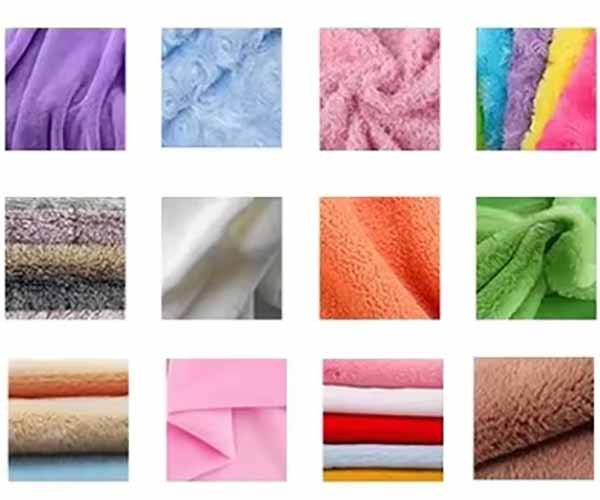
Fabric Selection for Brand Identity and Visual Impact

Fabric defines how a plush product is perceived at first glance, especially in event environments where visual clarity matters. The right material ensures accurate color reproduction and a consistent surface finish that aligns with brand guidelines.
  • Short plush provides a smooth and clean appearance, ideal for modern branding and logo-based designs
  • Long plush creates texture and depth, suitable for mascots or character-driven campaigns
  • Velboa offers a uniform surface and stable performance for large-scale production
  • Specialty fabrics can be used to create unique textures or premium finishes for high-end events
Careful fabric selection helps ensure that products appear consistent in photos, displays, and real-world use.

Internal Structure and Shape Stability for Large-Scale Distribution

A well-designed internal structure ensures that plush products maintain their shape during handling, transport, and event use. Without proper construction, products may lose form and affect brand perception.
  • PP cotton filling provides softness while maintaining structure
  • Reinforced internal areas support key design elements such as head and body
  • Balanced filling distribution prevents deformation during shipping
  • Structural adjustments improve consistency across production batches
These considerations ensure that each product maintains its intended form across thousands of units.

Surface Detailing Techniques for Accurate Branding

Surface techniques determine how clearly logos, colors, and design elements are presented. Precision in detailing is essential for maintaining brand consistency across all products.
  • Embroidery is used for logos, text, and detailed features requiring clarity and durability
  • Printing allows for complex patterns, gradients, and color transitions
  • Appliqué techniques add layered fabric elements for depth and dimension
  • Combined methods are applied for designs that require multiple visual effects
Selecting the appropriate technique ensures that brand elements remain consistent and durable over time.

Accessories and Integrated Branding Elements

Additional components enhance both functionality and brand visibility but must be integrated carefully to maintain quality and compliance.
  • Woven labels and logo tags provide consistent brand identification
  • Hangtags and inserts support marketing and product information
  • Functional elements such as zippers or attachments can add usability
  • Packaging coordination ensures alignment between product and presentation
With access to a stable network of material and accessory suppliers, these elements can be developed alongside the product to maintain consistency across all units.

Material Selection Guide for Corporate Plush Projects

A practical framework to choose materials based on budget, visual effect, and campaign goals.

Material Selection Based on Budget Level

Different budgets require different material strategies.
  • Entry-level: standard fabrics for cost efficiency
  • Mid-range: balanced materials for appearance and cost
  • Premium: high-end fabrics for strong brand impact
Selecting the right level ensures alignment between cost and expected visual quality.

Material Selection Based on Visual Effect

The visual outcome of plush products depends heavily on material choice.
  • Smooth fabrics create clean, modern branding
  • Textured fabrics enhance character and depth
  • Specialty materials add uniqueness and premium feel
Material selection should support the intended marketing message.

Material Selection Based on Usage Scenario

Different event environments require different material performance.
  • High-traffic events require durable materials
  • Gifting programs benefit from premium textures
  • Outdoor events may require more resistant fabrics
Matching materials to usage ensures product longevity and performance.

Material Selection for Production Consistency

Consistency is critical for large-scale distribution.
  • Stable materials reduce variation across batches
  • Standardized sourcing improves quality control
  • Compatible materials support efficient production
Reliable material selection helps maintain uniform appearance across all units.

Consistency Across Large Event Orders

Uniform quality across every unit, from sample approval to final delivery.

Color and Material Consistency

  • Pantone-based color matching for fabrics and threads
  • Approved samples used as reference standards
  • Stable sourcing to reduce variation between batches

Standardized Production Processes

  • Consistent construction methods across all units
  • Alignment between sampling and production teams
  • Controlled workflows across multiple production lines

Quality Control at Every Stage

  • In-process checks during production
  • Final inspection before shipment
  • 100% inspection ensures uniform output

Reliable Output at Scale

  • Supports orders from 500 units to large volumes
  • Maintains high consistency with approved samples
  • Reduces risk of variation across distributed products

Packaging and Distribution Consistency

  • Standardized packaging for all units
  • Organized packing for efficient distribution
  • Suitable for event logistics and bulk handling

Cost Structure & Budget Planning for Corporate Events

A clear and predictable cost framework that supports budget approval, large-scale distribution, and efficient execution.

Early Cost Estimation for Campaign Approval

Corporate projects often require internal approval before moving forward, which makes early cost visibility essential. Initial pricing is developed based on size, design complexity, materials, and expected quantity, allowing marketing and procurement teams to align product concepts with budget expectations from the beginning.
  • Supports faster internal decision-making
  • Reduces risk of redesign due to cost gaps
  • Aligns creative direction with financial targets
This early alignment helps keep projects moving without delays caused by budget adjustments.

Design Complexity and Its Cost Impact

The structure and detailing of a plush product directly influence production cost. Designs with multiple components, intricate shapes, or detailed finishing require more development time and production effort, increasing overall cost.
  • Complex shapes increase pattern development time
  • Detailed embroidery and printing raise production cost
  • Multi-part construction adds labor intensity
Evaluating design complexity early allows adjustments that maintain visual quality while improving cost efficiency.

Material Selection and Budget Balance

Material choice plays a major role in both appearance and pricing. Premium fabrics and finishes enhance brand perception, while standard materials offer better cost efficiency for large-scale campaigns.
  • Premium fabrics improve perceived value
  • Standard materials support cost control at volume
  • Balanced selection maintains visual quality within budget
With access to a wide supplier base, materials can be selected to match both brand requirements and budget constraints.

Production Volume and Unit Cost Optimization

Unit cost is closely linked to production volume. Corporate event projects benefit from economies of scale, where larger quantities reduce the cost per unit.
  • MOQ starting at 500 units supports initial campaigns
  • Larger volumes improve cost efficiency
  • Stable production capacity supports scaling without disruption
This allows campaigns to expand while maintaining consistent pricing and quality.

Packaging and Logistics Cost Planning

Packaging and shipping are key components of the total project budget. The size, structure, and weight of packaging influence transportation costs and distribution efficiency.
  • Compact packaging reduces shipping volume
  • Lightweight materials lower logistics cost
  • Early planning prevents unexpected expenses
Coordinating packaging design with logistics planning helps control total cost and improve delivery efficiency.

Scalable Production and Cost Stability

Corporate campaigns may grow beyond initial expectations, requiring additional production without major cost changes. A stable production system ensures consistent pricing even as volume increases.
  • Established production capacity supports large orders
  • Consistent processes maintain quality across batches
  • Reliable sourcing reduces price fluctuation
This stability allows marketing teams to plan campaigns confidently, knowing that cost assumptions remain valid as projects scale.

Packaging & Brand Presentation for Corporate Events

Packaging solutions that enhance brand visibility and support event distribution.

Retail-Ready Packaging for Brand Exposure

Packaging designed for display ensures products can be used directly in retail or event environments. Printed boxes, branded sleeves, and structured packaging maintain product shape while reinforcing brand identity.

Efficient Packaging for Large-Scale Distribution

For high-volume events, packaging must balance protection and cost. Lightweight solutions such as poly bags with inserts or header cards allow efficient distribution while maintaining a professional appearance.

Premium Packaging for Corporate Gifting

Corporate gift programs require higher presentation standards. Rigid boxes, custom gift sets, and refined finishes enhance perceived value and strengthen brand image during high-level engagements.

Integrated Brand Elements

Consistency between product and packaging is essential. Color matching, logo placement, and coordinated design ensure a unified brand experience from product display to unboxing.

Flexible Packaging Development

Packaging can be developed alongside the plush product to ensure compatibility in size, structure, and branding. This integrated approach improves efficiency and reduces redesign requirements.

Compliance & Global Delivery for Corporate Campaigns

Products prepared for international standards and efficient distribution.

Compliance with Key Market Standards

Corporate event products may be distributed across multiple regions. Production can align with standards such as EN71, ASTM, CPSIA, and CE, ensuring products meet safety requirements for different markets.

Factory Certifications and Production Systems

Production is supported by established systems including BSCI, Sedex, and ISO9001, ensuring consistent quality and alignment with international expectations for corporate projects.

Material and Component Verification

Materials and accessories are checked before production to ensure compliance and consistency. This reduces risk of issues during testing or distribution.

Flexible Logistics Options

Multiple shipping methods are available to match different timelines and budgets:
  • Express shipping for urgent delivery
  • Air freight for balanced speed and cost
  • Sea freight for large-volume shipments
Trade terms including EXW, FOB, DAP, and DDP provide flexibility for different procurement strategies.

Reliable Delivery for Event Deadlines

Production timelines of 20–30 days after sample approval allow projects to be scheduled around event dates. Stable capacity supports consistent delivery without delays.

Corporate Event Plush Project Workflow

A Clear Workflow from Concept to Event Delivery
Structured stages that keep projects aligned with brand requirements and event timelines.

Step 1 — Project Brief and Requirement Alignment

Projects begin with a clear brief including brand guidelines, usage scenario, quantity, and timeline. This ensures that product development aligns with marketing goals and event schedules from the start.

Step 2 — Design Evaluation and Feasibility Review

Artwork, logos, or mascots are reviewed to determine structure, materials, and production feasibility. Adjustments may be suggested to maintain visual accuracy while ensuring manufacturability.

Step 3 — Quotation and Timeline Confirmation

A detailed quotation is provided based on product specifications. Sampling and production timelines are defined to match event deadlines, allowing better planning across teams.

Step 4 — Prototype Development

Samples are produced within 5–7 days for standard designs. These prototypes reflect final product quality and are used for internal approval and marketing preparation.

Step 5 — Sample Review and Refinement

Feedback is applied to refine proportions, colors, and details. Structured revision cycles ensure the final sample aligns with brand expectations.

Step 6 — Pre-Production Confirmation

Materials, construction details, and packaging are finalized. This step ensures consistency between approved samples and production output.

Step 7 — Mass Production Execution

Production is scheduled across multiple lines, with a typical lead time of 20–30 days depending on quantity and complexity. Processes are standardized to maintain consistency.

Step 8 — Quality Control and Inspection

Products are checked during production and undergo final inspection before shipment. This ensures uniform quality across all units.

Step 9 — Packaging and Delivery

Finished products are packed according to requirements and shipped using suitable logistics methods, ensuring timely arrival for event use.

Common Challenges in Corporate Event Plush Projects

Typical issues encountered in event-driven production and how they are addressed.

Missed Event Deadlines

Delays in production or shipping can impact event execution. Defined timelines and structured scheduling help align production with fixed event dates.

Inconsistent Brand Representation

Differences in color, shape, or detailing can weaken brand identity. Controlled sampling and standardized production processes maintain consistency across all units.

Budget Overruns

Unexpected costs may arise due to design changes or material selection. Early cost evaluation and material optimization help keep projects within budget.

Scaling Challenges for Large Events

Large campaigns require high-volume production without quality variation. Scalable production capacity ensures consistent output across thousands of units.

Communication Gaps

Misalignment between teams can lead to errors or delays. Direct communication channels support clear coordination throughout the project.

Logistics and Distribution Issues

Complex distribution requirements can create delivery challenges. Flexible shipping options and organized packaging support efficient event logistics.

Corporate Event Plush Project Examples

Examples of branded plush products developed and delivered for campaigns and events.

Case 1 — U.S. Trade Show Mascot Campaign

A technology company in the United States required mascot plush products for a major trade show. The goal was to create visually recognizable items that could be distributed to attendees. The challenge was delivering a large quantity within a fixed exhibition timeline while maintaining brand accuracy. Delsney completed sampling within 7 days, followed by one revision cycle to refine color matching and proportions. Production of 8,000 units was completed within the planned schedule. The products were distributed successfully at the event, supporting brand visibility and engagement.

Case 2 — European Retail Promotion Campaign

A retail brand in Europe launched a seasonal promotion using plush products as part of a marketing campaign. The project required consistent quality across multiple stores. The main challenge was maintaining uniformity across a large number of units while meeting delivery deadlines. Standardized production processes and material sourcing ensured consistency. Over 15,000 units were produced and delivered on time, supporting a coordinated retail rollout.

Case 3 — Asia-Pacific Corporate Gift Program

A multinational company required plush products for corporate gifting across multiple regions. The products needed to meet both quality expectations and logistical requirements. The challenge was coordinating production and delivery across different markets while maintaining consistent quality. Delsney optimized packaging and logistics planning, ensuring efficient distribution. Approximately 6,000 units were delivered across multiple locations, meeting both quality and timeline requirements.

Why Delsney Is a Strong Fit for Corporate Event Projects

A production system aligned with brand standards, event timelines, and large-scale distribution.

Experience in Event-Driven Production

Corporate projects often involve fixed launch dates and coordinated campaigns. With over 18 years in plush manufacturing, Delsney has developed structured workflows that align sampling, production, and delivery with event schedules, reducing timing risk.

Consistent Brand Execution

Plush products represent brand identity in physical form. From color matching to logo placement, production is controlled to maintain visual consistency, with sample-to-production alignment reaching up to 98%.

Scalable Manufacturing Capacity

Event campaigns may require thousands of units within a short timeframe. With 18 production lines and a workforce of 500+, production can scale without affecting quality or delivery schedules.

Integrated Supply Support

A stable network of material and accessory suppliers supports consistent sourcing and reduces the risk of delays caused by supply issues, especially for large or repeat orders.

Quality Control System

Inspection is built into each stage of production, with final checks completed before shipment. This ensures that every unit meets defined standards and maintains uniform appearance across batches.

Flexible Communication and Coordination

Clear communication is essential for event-driven projects. Multiple channels, including email, messaging apps, and video calls, support efficient coordination between teams and reduce the risk of misunderstandings.

Frequently Asked Questions for Corporate Event Plush Projects
Yes. Logos, mascots, or campaign visuals can be translated into plush products through structured design evaluation and sampling.
Yes. Non-disclosure agreements can be signed before reviewing project details to protect brand assets and campaign information.
Standard samples are completed within 5–7 days, while more complex designs may require additional time.
The standard MOQ is 500 units per design, suitable for most corporate event projects.
Production typically takes 20–30 days after sample approval, depending on order size and complexity.
Yes. Production can align with standards such as EN71, ASTM, CPSIA, and CE depending on target markets.
Options include retail packaging, promotional packaging, and premium gift packaging, depending on project requirements.
Shipping options include express, air freight, and sea freight, allowing flexibility for different timelines and budgets.
Yes. With scalable production capacity, large orders can be managed while maintaining consistent quality.
Through standardized production processes, approved samples as benchmarks, and final inspection before shipment.

Start Your Corporate Plush Project

Move from concept to delivery with a structured and reliable process.
Corporate plush projects typically begin with brand assets such as logos, mascots, or campaign concepts. These materials are reviewed to determine structure, materials, and production feasibility. To begin, prepare the following:
  • Brand artwork or reference materials
  • Target product size and type
  • Estimated quantity for distribution
  • Packaging or presentation requirements
  • Event timeline or delivery deadline

Contact Us

Delsney.com is all about making what you dream up, a reality! Just try us! Completely Customized!Any design, any character, any logo or slogan.

Seraphinite AcceleratorOptimized by Seraphinite Accelerator
Turns on site high speed to be attractive for people and search engines.