 Skip to content
Make Your Own Plush Toy From Drawing, Photo, or Character Idea
From concept to production — custom plush development built for brands, retailers, and IP-driven projects.
- 18+ years plush manufacturing experience
- 500+ team with 18 production lines
- 25+ engineers & professional design support
- 5–7 days fast sampling with 2 free revisions
- MOQ starting from 500 pcs for scalable production
- 100% inspection before shipment

From Idea to Physical Product — What You Can Actually Create
Turning Visual Concepts Into Structured Plush Products
Translating Design Into Manufacturable Construction
Selecting Materials That Match Visual and Functional Goals
Preparing the Product for Consistent Production
Aligning Design With Safety and Market Requirements
Building a Product That Can Be Sold, Not Just Made
Designed for Brands, Product Teams, and Structured Custom Plush Projects
A practical fit for organizations that need reliable development, consistent production, and clear communication throughout the plush creation process.
Plush Toy Brands Expanding Product Lines
IP Owners and Licensing Companies
Retail Chains and Private Label Programs
E-commerce Brands Building Differentiated SKUs
Promotional Product Companies and Campaign Suppliers
Museums, Zoos, and Theme Park Retail Teams
Children’s Product Brands and Educational Companies
Pet Brands Developing Plush Replicas or Accessories
Subscription Box and Seasonal Product Brands
Creative Studios and Illustrators
Corporate Branding and Mascot Development Teams
Established Importers and Sourcing Teams
From Idea to Production-Ready Plush Toys: How Development Actually Works
A structured development process that keeps projects aligned from first concept to bulk production, reducing delays and improving sample accuracy.
Concept Submission and Initial Review
Feasibility Assessment and Design Adjustment
2D to 3D Pattern Development
Material and Accessory Selection
Prototype Sample Creation
Sample Evaluation and Refinement
Final Sample Approval and Specification Lock
Production Planning and Manufacturing Execution
Final Inspection and Global Delivery
What You Need to Provide to Get Started
Clear Inputs Lead to Faster Sampling and More Accurate Results
Providing structured information at the beginning helps reduce revisions, improve sample accuracy, and shorten development time.
Design Reference and Visual Direction
- Hand drawings, digital illustrations, or reference photos
- Front, side, and back views if available
- Close-up details for key features such as face, ears, or accessories
- Style direction (cute, realistic, simplified, etc.)
Product Specifications and Size Requirements
- Expected size (height, width, or length)
- Intended use (retail, promotional, collectible, etc.)
- Preferred shape (sitting, standing, flat, or soft body)
- Any functional requirements such as stability or weight
Material Preferences and Quality Expectations
- Preferred fabric types if known (short plush, long plush, minky, etc.)
- Softness level or texture expectations
- Color references or Pantone codes
- Any specific safety or compliance requirements
Quantity Planning and Commercial Information
- Target order quantity (standard MOQ: 500 pcs)
- Estimated reorder potential
- Budget range for sampling and production
- Expected launch timeline or delivery deadline
Packaging, Branding, and Market Requirements
- Logo placement (label, embroidery, hang tag)
- Packaging type (polybag, box, retail-ready)
- Target market (US, EU, or other regions)
- Barcode, labeling, or compliance requirements
Plush Product Types That Can Be Developed for Real Projects
From simple character plush to structured product lines — different applications require different construction approaches. Custom plush development is not limited to one format. Different use cases require different shapes, materials, and internal structures. Below are common plush product types developed for commercial projects:

Character Plush Toys
- Focus on expression accuracy and recognizability
- Suitable for IP, mascots, and storytelling products
- Requires careful balance between softness and structure

Animal Plush Toys
- Requires correct fabric selection for fur simulation
- Suitable for gift and retail channels
- Often produced in multiple sizes or variations

Brand Mascot Plush
- Must match brand guidelines and colors
- Often used for campaigns or corporate use
- Requires consistency across batches

Plush Keychains and Mini Plush
- Compact size reduces shipping cost
- Ideal for promotions and giveaways
- Suitable for bundling with other products

Plush Dolls with Clothing or Accessories
- Includes clothing, hats, or removable items
- Requires accessory coordination and assembly
- Higher perceived value for retail

Flat Plush and Cushion Plush
- Fewer seams and simpler construction
- Suitable for large-scale promotional use
- Easy to package and ship

Standing Plush Toys
- Requires internal balance control
- May involve reinforced base structure
- Suitable for store presentation

Sitting Plush Toys
- Natural sitting posture improves visual appeal
- Easier to produce consistently
- Widely used in retail environments

Weighted Plush Toys
- Filled with beads or weighted materials
- Provides sensory or comfort effect
- Used in comfort or therapeutic products

Plush with Accessories or Props
- Increases product complexity
- Requires additional assembly steps
- Adds storytelling value to the product

Pet Replica Plush
- Focus on color pattern matching
- Requires detailed fabric selection
- Popular in gift and e-commerce markets

Seasonal and Holiday Plush
- Requires fast development cycles
- Often produced in limited runs
- Focus on cost control and timing

Educational Plush Toys
- Simplified shapes for clarity
- Emphasis on safe construction
- Suitable for schools and educational programs

Collectible Plush Series
- Requires consistency across multiple SKUs
- Standardized size and structure
- Suitable for brand or IP collections

Promotional Plush Products
- Balance between cost and visual impact
- Suitable for large-volume production
- Often integrated with branding elements
Material Options for Custom Plush Projects
Different fabrics and fillings change how a plush toy looks, feels, performs, and scales in production. Material selection is one of the most underestimated parts of plush development. The same design can look completely different depending on fabric type, surface texture, and filling method. Choosing the right combination early helps reduce sampling rounds and keeps the final product closer to the intended result. With a supply network of 60+ fabric and accessory partners, Delsney can quickly match materials to both design intent and production feasibility.

Short Plush (Velboa / Super Soft Plush)
- Fine and even texture for clean visual appearance
- Suitable for embroidery and detailed designs
- Easy to control during cutting and sewing
- Cost-effective for large-scale production

Long Plush / Faux Fur
- Creates a soft and natural fur effect
- Enhances perceived product value
- Requires careful handling to maintain consistency
- Slightly higher material and labor cost
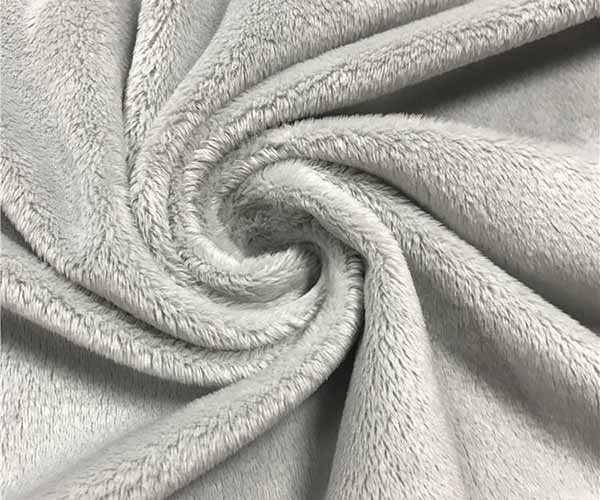
Minky Fabric
- Very soft and smooth touch
- Suitable for baby and comfort plush
- Adds premium feel to the product
- Requires controlled stitching for clean finishing

Sherpa Fabric
- Thick and warm surface texture
- Suitable for winter-themed plush
- Creates a unique visual effect
- Slightly bulkier in structure

Fleece Fabric
- Comfortable and breathable texture
- Easy to sew and shape
- Suitable for promotional or basic plush
- Moderate durability

Cotton Fabric
- Clean and simple appearance
- Less stretch compared to plush fabrics
- Suitable for minimal or flat designs
- May require additional reinforcement
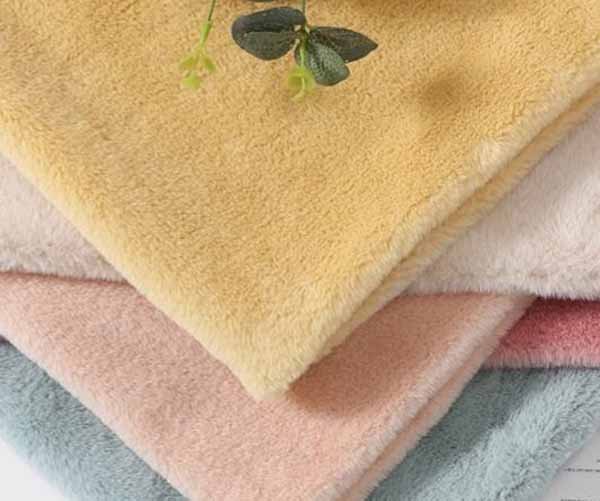
Knitted Fabric
- Stretchable and adaptable
- Suitable for unique character styles
- Can create different surface patterns
- Requires precise control during production
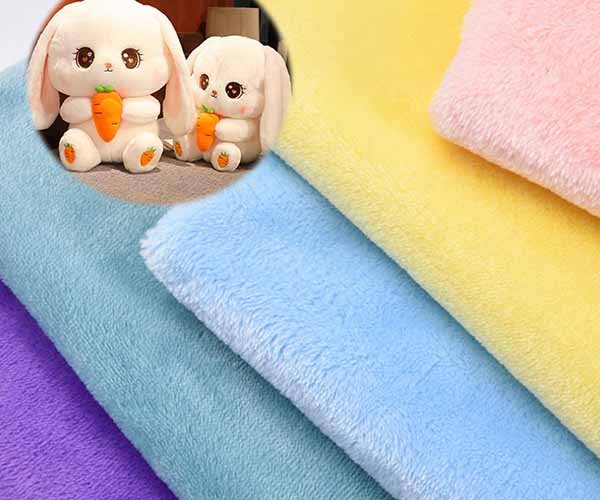
Velvet Fabric
- Soft and slightly reflective surface
- Suitable for premium or decorative plush
- Enhances visual appeal
- Requires careful handling to avoid marks
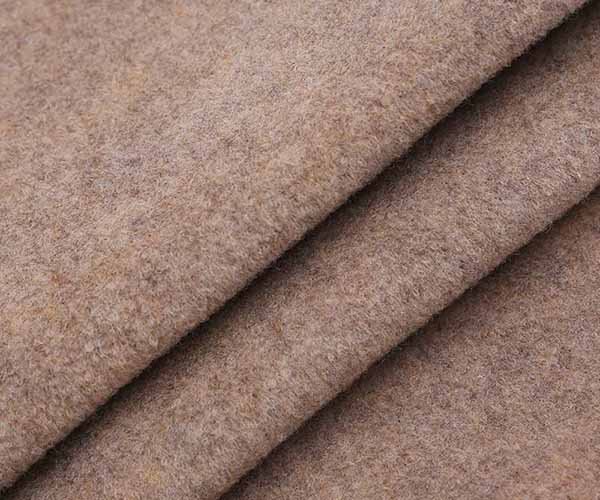
Felt Fabric
- Non-fraying edges
- Easy to cut into shapes
- Suitable for facial features or decorations
- Limited flexibility for large surfaces
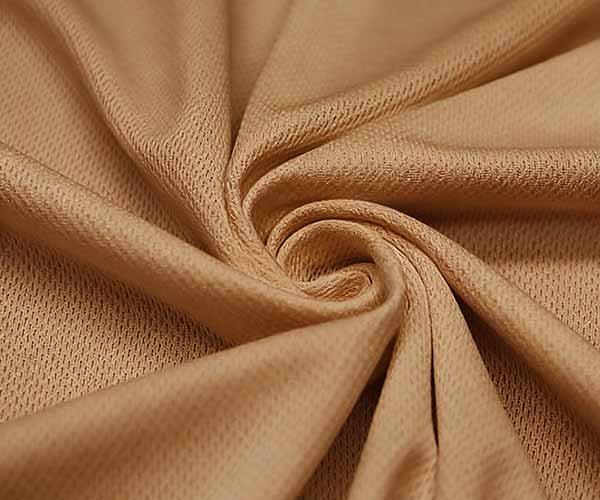
Mesh and Special Textures
- Adds variety to surface design
- Suitable for themed or creative plush
- Often used in combination with other fabrics
- Requires careful integration

Filling Material — Polyester Fiber (PP Cotton)
- Soft and lightweight
- Good resilience after compression
- Cost-effective and widely available
- Suitable for most plush types

Filling Material — Weighted Beads
- Adds weight and stability
- Provides sensory or comfort effect
- Requires controlled internal distribution
- Used in specialty products

Foam and Structural Inserts
- Helps maintain structure in standing plush
- Improves durability for complex shapes
- Often combined with fiber filling
- Requires additional assembly steps

Embroidery Threads and Surface Finishing Materials
- Durable and long-lasting
- Safer than small plastic parts
- Supports detailed expression design
- Suitable for children’s products
Engineering Plush Products That Hold Shape and Stay Consistent
A well-designed plush toy depends on internal structure, balanced proportions, and controlled detail execution, ensuring both visual accuracy and production stability.
1. Shape Engineering and Proportion Control
- Head-to-body ratio is adjusted to maintain recognizability
- Internal balance is controlled for sitting or standing stability
- Filling density is calibrated to avoid deformation
- Pattern segmentation defines how curves and shapes are formed
2. Structural Design for Stability and Production Efficiency
- Reinforcement applied to stress points such as joints and limbs
- Base structure optimized for standing or sitting designs
- Seam placement designed to reduce visible distortion
- Internal support elements added when necessary
3. Detail Execution and Visual Accuracy Control
- Embroidery used for facial features to improve durability
- Color segmentation simplified for cleaner stitching results
- Small components adjusted or integrated for safety compliance
- Surface techniques selected based on material compatibility
Clear Production Planning for Scalable Plush Projects
Understanding quantity requirements, cost drivers, and timelines helps reduce uncertainty and supports faster decision-making for commercial projects.
MOQ Strategy and Production Scalability
- Standard MOQ: 500 pcs per design
- Suitable for brand launches and mid-scale production
- Supports consistent material sourcing and color matching
- Enables stable scheduling across 18 production lines
Cost Structure and Pricing Factors
- Product size and overall dimensions
- Fabric type and surface texture
- Number of colors and detail complexity
- Structural difficulty and assembly steps
- Accessories such as clothing or additional parts
- Packaging type and branding requirements
Lead Time and Delivery Planning
- Sampling time: 5–7 days (standard), 7–15 days (complex)
- Production time: 20–30 days depending on quantity and design
- Additional time may apply for special materials or peak seasons
- Flexible shipping options: express, air freight, and sea freight
Safety, Compliance, and Quality Control
Ensuring Safe, Certified, and Consistent Plush Products
Every step from materials to final inspection is aligned with international safety standards, ensuring compliance for retail, e-commerce, and licensed products.
Material Safety and Selection
- Only materials tested for hazardous substances are used
- Fabrics are matched with appropriate filling materials for safety
- Small parts and accessories are evaluated for child safety
- Materials support standards such as EN71, ASTM, CPSIA, and CE
Structural and Design Safety
- Reinforced seams and joints to prevent tearing
- Balanced proportions to avoid tipping or collapse
- Internal stuffing adjusted to prevent choking hazards
- Small decorative components integrated or replaced with safe alternatives
Production Process Control
- Use of standardized sewing and assembly processes
- Quality checkpoints at critical stages
- Oversight from 25+ engineers for structural consistency
- 18 production lines capable of handling multiple SKUs simultaneously
Quality Inspection and Verification
- 100% finished product inspection against approved samples
- Visual and dimensional verification
- Checking of stitching, filling density, and accessory placement
- Documentation for regulatory and client review
Compliance with International Standards and Audits
- Supports audits for Disney, Walmart, and other leading brands
- Implements BSCI, Sedex, and ISO9001 compliant processes
- Production aligned with export regulations for US, EU, and other markets
- Provides necessary certification and testing documentation for clients
Branding and Packaging Options
Transform Your Plush Toys Into Retail-Ready Products From labeling to packaging, every detail is designed to enhance brand identity, protect the product, and meet market expectations.

Woven Labels
- Long-lasting and resistant to wear
- Ideal for brand recognition in retail or promotional use
- Can include logos, product name, or website
- Maintains professional presentation over repeated handling

Printed Labels
- Supports multi-color logos and detailed graphics
- Flexible material for different plush fabrics
- Suitable for e-commerce, promotional, and gift products
- Maintains clarity and readability over time

Embroidery Logos
- Creates a three-dimensional, textured look
- Highly durable and child-safe
- Ideal for mascots or branded characters
- Enhances perceived value for retail products

Hang Tags
- Supports product information, instructions, and branding
- Can include promotional messages or care instructions
- Enhances visibility on retail shelves
- Flexible in size and material to match product aesthetics

Polybag Packaging
- Reduces shipping volume and weight
- Provides basic protection from dust and handling
- Can be branded with printed logos or artwork
- Suitable for e-commerce or bulk promotional distribution

Retail Box Packaging
- Protects plush during shipping and handling
- Enhances brand image and shelf appeal
- Supports internal inserts or padding for plush stability
- Can feature full-color graphics, logos, and marketing copy

Window Box Packaging
- Supports direct customer interaction while maintaining protection
- Enhances appeal for collectibles or themed products
- Allows consistent display across retail shelves
- Can integrate branding and product story

Gift Box Packaging
- Suitable for seasonal, promotional, or high-end products
- Can include padding, inserts, or decorative elements
- Allows branding alignment with special editions
- Protects the product for gifting purposes

Barcode and Label Integration
- Compatible with global barcode systems
- Allows scanning and inventory management
- Maintains professional retail compliance
- Supports internal tracking for large orders

Story Cards and Product Inserts
- Include product backstory, brand information, or user instructions
- Can be printed in multiple languages for global markets
- Adds emotional value and strengthens customer connection
- Enhances retail or subscription box appeal
Proven Plush Development for Different Markets

Case 1 — US Gift Brand (Custom Character Plush)
Region: United States
Application: Retail gift product
Challenge:
The client had a 2D illustrated character with strong brand identity but complex proportions and color transitions. The first concern was whether the design could be translated into a plush toy without losing expression.
Solution:
- adjusted head-to-body ratio for stability
- simplified color segmentation for cleaner stitching
- used embroidery instead of print for facial details
- optimized fabric selection for consistent color appearance
Result:
- sample approved after 2 revisions
- visual match reached close to original artwork
- first order: 3,000 pcs
- repeat orders placed within 3 months

Case 2 — European Museum (Educational Plush Series)
Region: Europe
Application: museum retail product
Challenge:
The project required multiple plush designs representing educational themes. Consistency across different SKUs was critical.
Solution:
- standardized size and structure across the series
- unified material selection
- adjusted details to meet safety expectations for children
Result:
- 6 SKUs launched together
- consistent visual style across products
- stable reorders for seasonal sales

Case 3 — E-commerce Brand (Pet Replica Plush)
Region: North America
Application: online custom product
Challenge:
The client needed plush replicas based on pet photos, requiring higher attention to color patterns and facial details.
Solution:
- matched fabric colors based on photo references
- used mixed materials for better texture simulation
- adjusted facial embroidery for expression accuracy
Result:
- improved customer satisfaction rate
- reduced return issues compared to previous supplier
- expanded product line to multiple designs
Why Brands Choose Delsney
Expertise in Translating Concepts into Production
Fast Sampling and Efficient Iteration
Stable Production Capacity
Integrated Supply Chain
Quality Control and Assurance
Global Compliance and Certification Experience
Clear Communication and Client Support
Proven Track Record with Global Brands
Comparison Table: Delsney vs Typical Suppliers
| Feature | Delsney | Typical Supplier |
|---|---|---|
| Design Interpretation | Active input and optimization | Basic copy of drawings |
| Sampling Speed | 5–7 days standard, 7–15 complex | 10–20 days or longer |
| Sample Revisions | 2 free revisions included | Often limited or paid |
| Production Capacity | 18 lines, 500+ staff | Smaller, less flexible |
| Supply Chain | Integrated, 60+ stable suppliers | Fragmented, external sourcing |
| Quality Control | 100% inspection, approved sample alignment | Random or partial inspection |
| Compliance Experience | Disney audits, BSCI, ISO9001, EN71, ASTM, CPSIA, CE | Limited or inconsistent |
| Global Brand Track Record | Disney, Walmart, Jellycat | Rarely verified |
Common Questions Before Starting a Custom Plush Project
Yes. A drawing, sketch, or reference image is enough to start. The design team translates it into a 3D plush structure and provides a sample for review.
Standard MOQ is 500 pcs per design. This allows stable production and consistent quality.
- 5–7 days for standard plush
- 7–15 days for complex designs
Two sample revisions are included. Additional changes can be discussed based on the project.
Color matching is based on reference images or Pantone values. Fabric choice affects final appearance, so adjustments may be suggested during sampling.
Yes. NDA agreements can be signed before sharing designs or project details. Confidentiality is maintained throughout the development and production process.
Yes. Suggestions may include structural adjustments, material changes, or simplification to improve manufacturability while keeping the original concept.
Projects can be developed to align with requirements such as EN71, ASTM, CPSIA, and CE, depending on the target market.
T/T, PayPal, credit card, Alibaba Trade Assurance, Alipay, and Western Union are supported.
Yes. Shipping options include express, air, and sea freight, with terms such as EXW, FOB, DAP, and DDP.

Start Your Custom Plush Project With Confidence
- Reference image, drawing, or concept idea
- Expected product size and basic specifications
- Target order quantity (starting from 500 pcs)
- Target market (US, EU, or other regions)
- Preferred materials or quality expectations
- Packaging or branding requirements (if available)
- Estimated launch timeline
