...

Plush Toy Prototyping & Sample Development

Fast, accurate plush sample development for global brands, IP projects, retailers, and custom merchandise programs.

Delsney turns artwork, mascots, IP characters, sketches, technical files, and physical samples into production-ready plush prototypes. With 18+ years of plush manufacturing experience, 25+ engineers, 10+ designers, and 20+ QC staff, we help clients confirm shape, fabric, embroidery, filling, packaging, and production feasibility before bulk manufacturing begins.

  • 5–7 Day Regular Plush Sampling
  • 7–15 Day Complex Plush Sampling
  • 2 Free Sample Revisions
  • Artwork-to-Prototype Development
  • OEM/ODM Sample Support
  • Production-Ready Prototype Review

Why Prototyping Matters Before Bulk Production

A plush prototype helps brands confirm shape, fabric, embroidery, filling, safety, packaging, and production feasibility before larger investment.

A plush toy prototype is more than a sample for visual approval. It is the first real test of whether a design can become a manufacturable plush product. Artwork may look perfect on screen, but the real product depends on pattern structure, fabric texture, embroidery placement, seam position, filling density, accessory attachment, and final hand feel.

For large and mid-sized brands, prototyping protects product launch plans. A weak sample process can create repeated revisions, delayed approvals, unclear costing, failed safety review, inconsistent bulk goods, or poor customer response after launch. A strong prototype process helps product, sourcing, design, compliance, and marketing teams make decisions before bulk production.

Delsney uses prototyping to confirm both creative accuracy and production readiness. The approved sample becomes the reference for fabric, shape, embroidery, filling, labels, packaging, inspection, and bulk production. This is especially important for mascot plush, IP character plush, baby plush, stuffed animals, plush keychains, weighted plush, and multi-SKU retail programs.

What Delsney Can Turn Into a Plush Prototype

A strong plush prototype can start from many types of project materials, not only a complete technical file. Delsney supports global brands, IP owners, retailers, gift companies, and e-commerce teams by turning artwork, sketches, mascot images, physical samples, product photos, packaging ideas, and early product concepts into sample-ready plush products with clear structure, fabric direction, embroidery planning, and production feasibility.

2D Artwork

Many custom plush projects begin with flat artwork. Delsney reviews the character shape, color blocks, facial expression, body proportion, logo position, and important recognition points before developing the sample direction. Our engineers and designers help translate the artwork into a three-dimensional plush structure, considering pattern shape, seam placement, fabric choice, embroidery position, filling balance, and bulk production stability. This is especially useful for brand mascots, cartoon characters, licensed plush, and retail character collections.

Brand Mascot Images

A brand mascot must remain recognizable after it becomes a plush product. Delsney can work from mascot illustrations, logo characters, corporate figures, school mascots, sports mascots, and event characters. During prototyping, we focus on head shape, body posture, clothing details, logo placement, facial expression, color matching, and packaging presentation. With 18+ years of plush manufacturing experience, Delsney helps brands turn mascot identity into a physical plush product suitable for gifts, retail merchandise, events, and promotional campaigns. 

IP Character Files

For animation, game, publishing, entertainment, and licensed merchandise projects, Delsney can develop plush prototypes from IP character files. These projects often require strong control over expression, silhouette, hairstyle, costume details, accessories, and color accuracy. Delsney can support NDA discussions before confidential files are shared, helping protect unreleased IP, licensed characters, product concepts, and launch plans. Our sample team works to keep the plush version close to the original character while making it practical for sewing, stuffing, testing, and production.

Physical Plush Samples

If a client already has an existing plush sample, Delsney can use it as a reference for duplication, improvement, or redesign. The sample may be used to review size, fabric, stitching, filling density, pattern structure, embroidery, accessories, labels, and packaging direction. Delsney can help improve weak seams, inaccurate shape, poor stuffing, outdated materials, low-quality embroidery, or packaging limitations. This is valuable for brands looking to upgrade an existing product, change suppliers, reduce production risk, or prepare a more consistent repeat-order version.

Technical Files and Product Specifications

For mature brands with clear development documents, Delsney can prototype from technical files, size charts, Pantone references, embroidery files, material requirements, label layouts, packaging guidelines, carton marks, and compliance notes. Our team reviews whether the specification is suitable for plush manufacturing, then checks pattern feasibility, material availability, sewing structure, embroidery placement, accessory integration, packaging fit, and production timing. This process helps sourcing, design, product, and compliance teams move faster from document review to sample approval.

Rough Sketches and Early Concepts

A custom plush project does not need to start with a perfect design. Delsney can work from rough sketches, simple hand drawings, mood boards, theme ideas, product descriptions, or early plush concepts. Our R&D and design teams help shape the idea into a feasible plush direction by suggesting product size, fabric type, body structure, facial style, filling level, branding method, and packaging format. This is especially useful for ODM plush projects, new product lines, seasonal collections, and brands still developing their first physical concept.

Product Photos and Market References

Some clients begin with photos of similar products, market references, competitor items, retail displays, or trend inspiration. Delsney can review these references to understand the target style, softness, fabric texture, size, shape, packaging direction, and commercial positioning. Instead of copying existing products, our team helps clients develop a customized version aligned with their own brand, market, and production requirements. With 10+ professional designers and 25+ engineers, Delsney can turn reference ideas into a unique prototype path.

Packaging and Branding Ideas

For retail, e-commerce, gift, and promotional plush projects, packaging and branding can be part of the prototype stage. Delsney can work from logo files, hang tag concepts, woven label ideas, gift box references, window box layouts, barcode needs, care label content, or carton mark requirements. During sample development, we review how the plush product fits the packaging, how labels attach to the toy, and how the final presentation supports retail shelves, online sales, gifting, or campaign delivery.

Multi-SKU Product Line Plans

Large and mid-sized clients often develop more than one plush design at a time. Delsney can prototype from product line plans that include multiple characters, animals, sizes, colors, seasonal versions, keychains, pillows, weighted plush, or gift sets. Our team helps coordinate material consistency, size relationships, packaging systems, embroidery standards, and production feasibility across the full collection. With 500+ staff, 18 production lines, and 20+ QC staff, Delsney supports sample development that prepares brands for scalable bulk production and repeat orders.

Delsney Sample Development Workflow

Delsney follows a clear sample development process to help global brands move from design files, artwork, mascots, or product ideas to approved plush prototypes. Each step supports better accuracy, faster confirmation, safer production planning, and smoother transition into bulk manufacturing.

Project Review

Delsney reviews artwork, reference samples, target size, quantity, market, age group, packaging needs, and delivery timeline to understand the full custom plush project.

Feasibility Evaluation

Our engineers check structure, sewing difficulty, fabric behavior, accessories, filling balance, safety risks, and bulk production stability before sample development begins.

Material Planning

Delsney recommends suitable fabrics, filling, embroidery thread, trims, labels, accessories, and packaging based on product use, cost target, and destination market.

Pattern Making

The sample team creates plush patterns based on body shape, head proportion, seam position, face placement, fabric direction, and stuffing structure.

Prototype Sewing

Regular plush samples take 5–7 days. Complex designs with special accessories, molded parts, or unusual structures usually take 7–15 days.

Internal Sample Check

Before client review, Delsney checks shape, size, embroidery, fabric surface, seams, stuffing, accessories, labels, and overall sample presentation.

Client Feedback

Clients review the prototype’s appearance, softness, structure, expression, color, branding, and packaging. Delsney supports 2 free sample revisions when needed.

Final Sample Approval

The approved sample becomes the production reference for fabric, pattern, embroidery, filling, accessories, labels, packaging, and finished product appearance.

Bulk Production Preparation

After approval, Delsney confirms materials, embroidery files, packaging, inspection standards, trade terms, and production schedule before entering 20–30 day bulk manufacturing.

Prototype Development for Different Custom Plush Project Types

Different plush products need different sample development logic. A mascot plush prototype must protect brand identity, while a baby plush sample must focus on softness, safety, and structure. Delsney supports global brands with 18+ years of plush manufacturing experience, 25+ engineers, 10+ designers, 20+ QC staff, 5–15 day sampling, and 2 free revisions.

Mascot Plush Prototype Development

Mascot plush prototypes focus on brand recognition, friendly expression, logo placement, body proportion, and display value. Delsney reviews the original mascot artwork and converts it into a three-dimensional plush sample with suitable pattern structure, fabric choice, embroidery detail, clothing design, and filling balance. During sample development, the team checks whether the mascot still feels recognizable, soft, stable, and practical for campaign gifts, retail merchandise, school programs, sports teams, or corporate events.

IP Character Plush Prototype Development

IP character plush samples require strong control over facial expression, silhouette, costume details, color blocks, accessories, and signature character features. Delsney can develop prototypes from animation characters, game figures, book characters, creator IP, licensed artwork, and unreleased product concepts. NDA support can be discussed before files are shared. The sample process helps clients confirm whether the plush version protects the character’s emotional identity while remaining suitable for sewing, stuffing, testing, packaging, and repeat production.

Stuffed Animal Prototype Development

Stuffed animal prototypes need careful control of animal shape, posture, fabric texture, softness, ear structure, tail design, limb placement, and filling density. Delsney can develop cartoon animals, realistic animals, zoo animals, pet plush, wildlife plush, marine animals, and seasonal stuffed animal collections. During prototyping, the team reviews whether the product feels natural, balanced, and commercially attractive while staying practical for bulk production, retail display, gift-shop sales, or brand product-line expansion.

Baby Plush Prototype Development

Baby plush prototypes require softer materials, safer structure, embroidered facial features, strong seams, simple shapes, and age-grade awareness. Delsney supports infant plush, comfort plush, soft animal toys, baby gift plush, and child-friendly stuffed animals with safety-focused sample development. The team can review material softness, filling level, accessory risks, label placement, and EN71, ASTM, CPSIA, or CE-related needs according to the target market and final product use.

Plush Keychain Prototype Development

Plush keychain prototypes require compact structure, clear recognition, strong hanging points, accurate embroidery, and efficient sewing. Because the size is small, every detail must be simplified without losing the character’s key features. Delsney helps brands develop mini mascots, character keychains, plush charms, bag accessories, blind bag plush, and event merchandise samples. The prototype stage confirms shape, attachment strength, logo position, label method, packaging card, and production feasibility before bulk manufacturing.

Weighted Plush Prototype Development

Weighted plush prototypes require special attention to inner structure, weight distribution, fabric strength, softness, comfort, and safe filling placement. Delsney helps develop weighted animals, sensory plush, comfort plush, wellness plush, and therapeutic-style plush products based on client requirements. During sampling, the team reviews how the product feels when held, whether the weight remains stable, whether seams are strong enough, and whether the final shape still looks soft, balanced, and brand-appropriate.

Plush Pillow Prototype Development

Plush pillow prototypes focus on comfort, shape stability, fabric hand feel, printed or embroidered detail, filling volume, and packaging size. Delsney can support character pillows, animal pillows, shaped cushions, travel pillows, decorative plush pillows, and lifestyle plush products. During development, the team checks whether the pillow keeps its shape after filling, whether the surface feels premium, and whether packaging supports retail, e-commerce, or gift presentation without deforming the product.

Promotional Plush Prototype Development

Promotional plush prototypes need to balance brand visibility, cost control, deadline planning, and production efficiency. Delsney develops branded plush toys, event mascots, campaign gifts, corporate plush, holiday giveaways, and custom logo plush products with clear logo placement, practical material choice, packaging options, and delivery planning. Sampling helps confirm whether the plush product communicates the campaign message properly while staying suitable for the client’s order quantity, timeline, and budget.

Retail Plush Collection Prototype Development

Retail plush collection prototypes require consistency across multiple SKUs, sizes, colors, packaging formats, and production batches. Delsney supports stuffed animal lines, seasonal plush sets, character collections, souvenir plush, baby plush ranges, and private label plush programs. With 500+ staff, 18 production lines, 3 specialized factories, and 60+ partner workshops, Delsney can coordinate sample standards for fabrics, embroidery, filling, labels, packaging, carton details, and repeat-order production.

What Delsney Checks During Sample Development

A plush sample must confirm more than appearance. During sample development, Delsney checks structure, fabric, embroidery, filling, safety, packaging, branding, and production feasibility before bulk manufacturing begins. With 18+ years of plush manufacturing experience, 25+ engineers, 10+ designers, 20+ QC staff, 5–15 day sample development, and 2 free sample revisions, Delsney helps global brands reduce product risk before mass production.

1. Shape Accuracy and Product Proportion

Shape is one of the first details Delsney checks during sample development because it determines whether the plush product matches the client’s original concept. A mascot, animal, character, or pillow may look very different if the head, body, limbs, ears, tail, or posture are not balanced correctly.
Key checks include:
  • Head-to-body proportion
  • Sitting, standing, or hanging posture
  • Limb, ear, tail, and body symmetry
  • Overall silhouette compared with artwork
  • Size accuracy against confirmed specifications
  • Shape stability after stuffing
For mascot plush and IP character plush, this step is especially important because poor proportion can weaken brand recognition and reduce product value.

2. Fabric Selection and Hand Feel

Delsney reviews whether the chosen fabric matches the product’s purpose, target price, customer expectation, and destination market. Fabric affects softness, texture, color appearance, durability, pile direction, production cost, and final perceived value.
Key checks include:
  • Fabric softness and touch
  • Pile height and surface texture
  • Color matching against artwork or Pantone references
  • Fabric stretch and sewing behavior
  • Shedding or surface quality
  • Suitability for baby, retail, gift, or promotional use
With Delsney’s plush fabric factory and 60+ partner workshops, clients can compare different fabric options before final sample approval.

3. Embroidery and Facial Expression

Embroidery often determines whether a plush toy looks premium or low quality. During sampling, Delsney checks facial expression, logo clarity, stitch density, thread color, alignment, and placement accuracy.
Key checks include:
  • Eye, mouth, nose, eyebrow, and face placement
  • Logo embroidery accuracy
  • Thread color matching
  • Stitch density and cleanliness
  • Symmetry between left and right features
  • Expression accuracy compared with reference design
For character plush, baby plush, and mascot plush, embroidery can also replace hard parts, helping improve softness and safety.

4. Pattern Structure and Sewing Feasibility

A sample should not only look good; it must also be practical for mass production. Delsney checks whether the pattern structure can be repeated consistently across bulk manufacturing.
Key checks include:
  • Seam position and sewing difficulty
  • Pattern piece balance
  • Fabric direction control
  • Cutting efficiency
  • Sewing order and assembly logic
  • Risk of distortion during stuffing
Delsney’s 25+ engineers help review pattern feasibility so the approved sample can become a reliable production standard.

5. Filling Density and Product Softness

Filling affects softness, posture, weight, hand feel, and shape stability. Too little filling can make the plush look weak, while too much filling can make it feel hard or distort the shape.
Key checks include:
  • Filling amount and balance
  • Softness and hand feel
  • Weight and product posture
  • Even distribution across head, body, limbs, and tail
  • Shape recovery after compression
  • Suitability for standard, baby, pillow, or weighted plush
For weighted plush and plush pillows, Delsney pays extra attention to comfort, stability, and internal filling placement.

6. Accessories and Attachment Strength

Custom plush products may include clothing, ribbons, keychains, plastic parts, sound modules, zippers, tags, wings, tails, hats, props, or decorative details. Delsney checks whether accessories are attractive, secure, practical, and suitable for the target market.
Key checks include:
  • Accessory position and appearance
  • Attachment strength
  • Small-part risk
  • Sewing or reinforcement method
  • Compatibility with packaging
  • Effect on safety testing and durability
For baby plush and children’s products, Delsney may recommend simplified accessories, embroidered details, or stronger attachment methods.

7. Branding, Labels, and Logo Placement

Branding details need to be confirmed during sampling because they affect both product presentation and commercial readiness. Delsney reviews how the brand elements appear on the plush and packaging before bulk production.
Key checks include:
  • Logo size and position
  • Woven label placement
  • Care label content and position
  • Hang tag style and attachment
  • Barcode or SKU label direction
  • Brand card or packaging insert compatibility
For retail and private label plush projects, these details help make the product shelf-ready and easier to manage in inventory systems.

8. Safety and Compliance Considerations

Safety should be reviewed before bulk production, not only after goods are finished. Delsney checks whether the sample may involve risks related to materials, accessories, seams, labels, target age group, and destination market.
Key checks include:
  • Target age group review
  • Small parts and detachable components
  • Seam strength and stuffing containment
  • Fabric and accessory suitability
  • Labeling and warning needs
  • EN71, ASTM, CPSIA, and CE-related preparation
Delsney has experience supporting export-market requirements for the U.S. and Europe, helping brands reduce compliance risk before production.

9. Packaging Fit and Presentation

Packaging should be considered during sample development, especially for retail, e-commerce, gift, and promotional plush products. Delsney checks whether the plush product fits the packaging properly and maintains its shape during delivery.
Key checks include:
  • OPP bag, gift box, or window box fit
  • Retail display appearance
  • E-commerce shipping protection
  • Hang tag and label visibility
  • Carton size and packing quantity
  • Packaging effect on product shape
Delsney’s design team can support packaging layouts, hang tags, care labels, carton marks, and brand presentation before final approval.

10. Bulk Production Readiness

The final sample must be suitable for scalable manufacturing. Delsney checks whether materials, patterns, embroidery files, filling standards, accessories, labels, packaging, and inspection references are clear enough for production teams.
Key checks include:
  • Final sample consistency
  • Material availability
  • Pattern and embroidery file readiness
  • Production time evaluation
  • QC reference setup
  • Trade term and shipping planning
Once approved, the sample becomes the production benchmark. With 500+ staff, 18 production lines, and 100% pre-shipment inspection, Delsney helps keep bulk goods aligned with the approved prototype.

Sample Revision and Final Approval

Delsney helps clients refine the prototype before it becomes the bulk production standard.

Most custom plush samples need some adjustment before final approval. The first sample may need changes to head shape, eye size, mouth angle, body proportion, fabric color, stuffing level, clothing fit, label position, accessory placement, or packaging. These revisions are normal in brand-level plush development.

Delsney supports 2 free sample revisions for applicable custom plush projects. This gives clients room to improve the design without restarting the entire development process. For mascot plush and IP character plush, revisions often focus on expression and recognition. For baby plush, revisions may focus on softness, seams, safety and accessories. For retail plush, revisions may include tags, packaging and display presentation.

After the final sample is approved, Delsney uses it as the production benchmark. The approved sample helps define fabric, embroidery, filling, structure, accessory placement, label position, packaging, and QC reference.

From Approved Prototype to Bulk Production

The approved prototype becomes the production standard for consistent manufacturing.

The biggest risk in custom plush production is the gap between an approved sample and bulk goods. A beautiful prototype is not enough if production cannot reproduce the same shape, expression, fabric feel, filling balance, and packaging standard.

Delsney develops samples with mass production in mind. After approval, the prototype is used together with pattern files, embroidery files, fabric standards, filling requirements, accessory instructions, label placement and packaging details. This gives production and QC teams a clear reference.

With 500+ staff, 18 production lines, 20+ QC staff, and 3 specialized factory resources, Delsney can support regular orders, seasonal programs, multi-SKU plush collections, and repeat production. Bulk production usually takes 20–30 days, depending on product complexity, quantity, material readiness, packaging and testing arrangements. Finished plush products can reach up to 98% matching accuracy with approved design references, supported by 100% pre-shipment inspection.

Technical Team Behind Delsney Plush Prototyping

Sample development is supported by engineers, designers, sample makers, embroidery teams, production staff, and QC inspectors.

Professional plush prototyping needs teamwork. Delsney has 25+ engineers who review structure, pattern feasibility, accessory integration, filling balance, and production risk. Our 10+ professional designers support product design, packaging design, and graphic design, helping the prototype match both product function and brand presentation.

Sample makers turn the design into a real plush prototype. Embroidery teams support facial features, logos, character marks, and small details. QC staff review whether the sample can become a reliable production reference. Delsney’s 18+ years of plush manufacturing experience, 500+ staff, 18 production lines, 3 specialized factories, and 60+ stable partner workshops give clients stronger support across materials, trims, packaging, accessories and production coordination.

For global clients, this means sample development is not separated from production planning. Delsney prototypes with the final manufacturing path in mind.

Common Plush Prototype Problems Delsney Helps Brands Avoid

Prototype ProblemBusiness ImpactDelsney’s Solution
Sample does not match artworkCharacter loses recognitionAdjusts pattern, proportion, and face placement
Face expression looks wrongLow product value and poor brand fitRefines embroidery size, angle and position
Fabric feels different than expectedBrand positioning mismatchSuggests better fabric options before final approval
Product cannot sit or stand properlyWeak display and user experienceAdjusts filling space, bottom structure and posture
Accessories feel unsafe or unstableTesting and durability riskReviews attachment method and reinforcement
Mini plush loses detailsPoor recognition in small sizeSimplifies structure while keeping key visual features
Packaging does not fit productRetail or shipping issuesReviews packaging during sample development
Bulk goods may differ from sampleLaunch and quality riskBuilds production-ready sample standards and QC reference

What to Prepare Before Requesting a Plush Sample

A clear sample request helps Delsney evaluate your plush project faster and develop a more accurate prototype. You do not need a complete technical file to begin, but details such as artwork, size, quantity, market, fabric preference, branding, packaging, safety needs, and deadline help our team provide better sample suggestions, pricing guidance, and production planning.

Artwork, Sketch, or Reference Image

Please prepare artwork, a sketch, mascot image, character file, product photo, mood board, or reference image that shows the plush style you want to develop. Delsney can work from both professional design files and early-stage concepts. Our team reviews the shape, color blocks, facial expression, body proportion, special features, and overall product direction before suggesting the right sample development path.

Target Product Size

The target size is important because it affects pattern structure, fabric usage, filling volume, embroidery detail, packaging size, shipping cost, and final unit price. If the size is not fixed, Delsney can recommend practical size options based on product type, market use, and budget. For example, a mascot plush for retail display, a mini plush keychain, and a baby comfort plush all require different size planning.

Estimated Order Quantity

Estimated quantity helps Delsney evaluate sample direction, material sourcing, production efficiency, and unit cost. Delsney’s MOQ starts from 500 pcs, which is suitable for serious custom plush projects, product testing, retail launches, promotional programs, and repeat-order planning. If you are developing multiple styles or a collection, sharing estimated quantities by design helps our team provide more accurate manufacturing suggestions.

Product Type and Use Scenario

Please tell us whether the project is a mascot plush, IP character plush, stuffed animal, baby plush, plush keychain, weighted plush, plush pillow, promotional plush, holiday plush, or retail collection. The use scenario changes the sample focus. A baby plush needs softness and safer structure, while an IP plush needs character accuracy, and a promotional plush may need logo visibility, cost control, and fast delivery.

Destination Market

The destination market helps Delsney review testing, labeling, packaging, and logistics requirements. Products for the United States may need ASTM and CPSIA-related preparation, while European projects may involve EN71 and CE-related review. Delsney supports export-oriented plush development and can help clients consider market requirements early, reducing the risk of design changes after the sample has already been approved.

Target Age Group

Target age group is especially important for plush toys intended for babies, toddlers, or children. It affects material choice, accessory design, seam strength, label information, and safety review. If the plush is intended for younger users, Delsney may suggest embroidered facial features, simplified accessories, softer fabrics, stronger seams, and safer construction before sample development begins.

Fabric and Hand Feel Preference

If you already have a fabric preference, such as short plush, minky, faux fur, velboa, sherpa, recycled polyester, or a specific softness level, please share it with us. If not, Delsney can recommend materials based on product positioning, target price, texture, durability, and market expectation. With a dedicated plush fabric resource and 60+ stable partner workshops, Delsney can support different material directions for brand-level plush products.

Embroidery, Printing, and Logo Requirements

Please prepare logo files, embroidery artwork, facial detail references, printed pattern ideas, or branding instructions if your plush product includes custom visual details. Embroidery placement, thread color, stitch density, logo size, and face alignment strongly affect final product quality. Delsney’s logo embroidery factory supports facial embroidery, brand marks, clothing details, and small design elements for mascot plush, character plush, baby plush, and private label projects.

Accessories and Special Features

If your plush design includes clothing, ribbons, keychains, metal rings, zippers, sound modules, crinkle paper, squeakers, weighted filling, molded parts, props, or removable accessories, please mention them before sampling. Accessories affect cost, sample time, safety review, packaging, and production difficulty. Delsney’s engineers can review whether each feature is practical, secure, safe, and suitable for bulk production.

Packaging and Labeling Needs

Packaging should be planned before sample approval, especially for retail, e-commerce, gift, and promotional plush projects. Please share whether you need OPP bags, hang tags, woven labels, care labels, barcode labels, belly bands, gift boxes, window boxes, retail display packaging, e-commerce packaging, or carton marks. Delsney’s design team can support packaging and branding details to make the sample closer to the final market-ready product.

Deadline, Shipping Method, and Trade Terms

Please share your expected sample deadline, launch date, delivery window, destination country, preferred shipping method, and trade term if available. Delsney’s regular plush samples usually take 5–7 days, while complex samples take 7–15 days. Bulk production usually takes 20–30 days after approval. We support express, air, and sea shipping, with trade terms including EXW, FOB, DAP, and DDP for different sourcing models.

Prototype Development for Different B2B Plush Projects

Different clients need different plush sample priorities. A toy brand may care about product-line consistency, while an IP owner cares about character accuracy and confidentiality. Delsney supports prototype development for global B2B clients with 18+ years of plush manufacturing experience, 25+ engineers, 10+ designers, 20+ QC staff, 5–15 day sample development, and 2 free revisions.

Toy Brands

Toy brands need plush prototypes that can become repeatable retail products, not only attractive samples. Delsney helps develop stuffed animals, plush dolls, seasonal plush, baby plush, animal plush, and character plush with clear fabric direction, pattern structure, filling balance, embroidery accuracy, and packaging planning. Each prototype is reviewed with bulk production in mind, helping product teams evaluate design, cost, quality, safety, and long-term SKU expansion before placing larger orders.

IP Owners and Licensed Character Brands

IP owners need prototypes that protect character recognition and brand value. Delsney develops plush samples from licensed artwork, animation characters, game figures, book characters, creator IP, and brand mascots, focusing on facial expression, silhouette, color blocks, costume details, and signature features. NDA support can be discussed before confidential files are shared, helping clients protect unreleased characters, launch plans, and proprietary product concepts during sample development.

Retailers and Distributors

Retailers and distributors need plush prototypes that are ready for product line review, packaging evaluation, and channel approval. Delsney helps create samples with proper size, softness, shelf presentation, barcode labels, hang tags, care labels, carton planning, and production feasibility. For multi-SKU retail programs, Delsney can coordinate material consistency, packaging style, and sample standards across different animals, characters, colors, and seasonal versions.

E-Commerce and DTC Brands

E-commerce brands need prototypes that look strong in product photography, feel good in customer hands, and support efficient fulfillment. Delsney helps Amazon, Shopify, TikTok Shop, and DTC brands develop plush samples with marketable shapes, clear differentiation, optimized packaging, practical MOQ planning, and repeat-order readiness. With an MOQ starting from 500 pcs, Delsney supports product testing while still providing professional factory development and quality control.

Corporate Gift and Promotional Companies

Gift and promotional clients usually need plush prototypes that match campaign timing, brand identity, and logo presentation. Delsney develops mascot plush, branded stuffed toys, event plush, holiday gifts, and promotional plush with customized embroidery, clothing, labels, hang tags, and packaging. During sampling, the team reviews cost, delivery timeline, logo placement, stuffing level, and shipping method so promotional projects can move smoothly into production.

Baby and Children’s Product Brands

Baby and children’s product brands need prototypes with stronger attention to fabric softness, seam strength, accessory safety, embroidered features, and target age review. Delsney supports baby plush, infant plush, comfort plush, soft animal toys, and child-friendly stuffed animals with safety-aware sample development. The team can help clients consider EN71, ASTM, CPSIA, and CE-related requirements according to destination market, material choice, product structure, and final use.

Museums, Zoos, Aquariums and Theme Parks

Museums, zoos, aquariums, and theme parks often need plush prototypes that combine educational value, realistic details, souvenir appeal, and stable repeat production. Delsney can develop animal plush, marine plush, dinosaur plush, wildlife plush, mascot plush, and themed gift-shop collections. Prototype development focuses on species recognition, fabric texture, body posture, tag information, packaging presentation, and multi-SKU consistency for retail environments.

Entertainment, Game and Animation Companies

Entertainment and game companies often need high-recognition plush samples for characters, fan merchandise, limited editions, campaign gifts, or licensed retail programs. Delsney helps turn digital characters into physical plush prototypes by adjusting body proportion, hairstyle, costume, facial embroidery, accessories, and color matching. The sample process helps creative teams review whether the plush version keeps the emotional identity and collectable value of the original character.

Growing Brands and Product Development Teams

Growing brands need a manufacturer that can support early product ideas without sacrificing professional standards. Delsney can prototype from sketches, reference photos, market inspiration, physical samples, or incomplete product concepts, helping teams refine size, fabric, structure, cost, packaging, and production direction. With 2 free sample revisions, fast sampling, OEM/ODM support, and 100% pre-shipment inspection, Delsney helps growing businesses move from concept testing to scalable custom plush manufacturing.

Real Custom Plush Sample Development Cases

Delsney supports global B2B clients through structured plush prototyping, sample revision, material selection, embroidery adjustment, packaging review, and production preparation. The following cases are presented with client names anonymized for confidentiality. Each project shows how Delsney helps overseas brands move from concept or sample problem to approved prototype and scalable production.

Case 1 — U.S. IP Character Plush Prototype for a Licensed Merchandise Program

  • Region: United States
  • Client Type: Licensed character merchandise company
  • Use Scenario: Retail plush collection for fan merchandise and online sales
A U.S. client needed to turn a 2D licensed character into a physical plush prototype for a retail merchandise launch. The main challenge was character accuracy. The original artwork had a large head, small body, detailed facial expression, custom clothing, and several color blocks. The client’s previous supplier produced a first sample that looked too flat, with inaccurate eye spacing, weak stuffing, and poor costume alignment. Delsney reviewed the character artwork, target size, material direction, embroidery file, and packaging plan before starting the prototype. The engineering and sample teams adjusted the head structure, improved the body proportion, repositioned the eyes and mouth embroidery, and modified the clothing pattern so the plush looked closer to the original character. The logo embroidery factory also helped refine thread color and stitch density for a cleaner facial expression. The regular sample direction was completed within the expected sample window, followed by revisions focused on face shape and costume fit. After 2 sample revision rounds, the final prototype was approved for bulk production. The approved sample achieved approximately 98% design matching accuracy against the client’s confirmed reference. Delsney then prepared the production standard, including pattern reference, embroidery file, fabric confirmation, filling level, label position, and packaging details. Result: The client approved the final sample and moved forward with a first production run above Delsney’s 500 pcs MOQ. The project later expanded into additional character styles using the same sample development framework.

Case 2 — European Baby Plush Sample Development for a Children’s Product Brand

  • Region: Europe
  • Client Type: Baby and children’s product brand
  • Use Scenario: Soft baby plush line for retail and gift packaging
A European baby product brand contacted Delsney to develop a soft plush animal line for younger children. The client was concerned about fabric softness, embroidered facial details, seam strength, filling balance, and packaging presentation. Their earlier prototype from another factory used hard plastic eyes and had uneven stuffing, which made the product unsuitable for the brand’s safety positioning. Delsney reviewed the target age group, destination market, fabric preference, product size, packaging needs, and safety expectations before sample development. The team recommended replacing plastic eyes with embroidery, simplifying small accessories, selecting softer fabric, strengthening key seam areas, and using a cleaner filling structure to improve shape and hand feel. The design team also helped adjust the hang tag and gift packaging direction so the product looked more retail-ready. The first prototype focused on softness, safe construction, and simple animal shape. During sample review, the client requested adjustments to ear shape, stuffing density, and facial embroidery size. Delsney supported the revision and improved the plush’s appearance while keeping the construction suitable for baby-focused product positioning. The project also considered EN71 and CE-related preparation according to the client’s European market plan. Result: The final prototype was approved after sample refinement. The client confirmed a multi-style plush animal collection, with consistent fabric, embroidery style, label position, and packaging structure across the line. Delsney’s 20+ QC staff later supported pre-shipment inspection to maintain consistency before delivery.

Case 3 — Middle East Promotional Mascot Plush Sample for an Event Campaign

  • Region: Middle East
  • Client Type: Corporate gift and promotional merchandise company
  • Use Scenario: Event mascot plush for brand campaign distribution
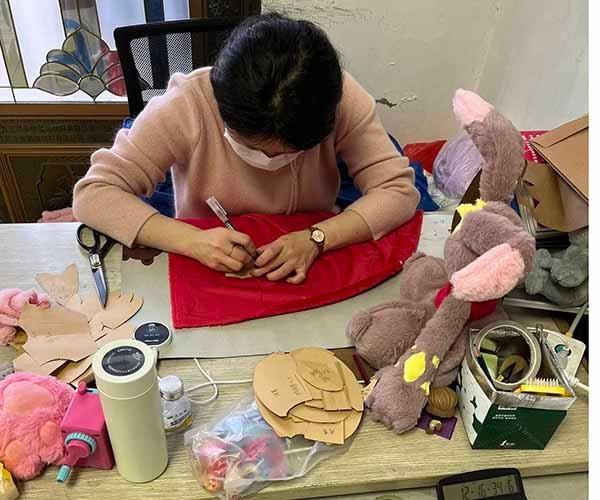
A promotional merchandise company needed a custom mascot plush for a fixed event launch date. The client had only a mascot illustration and a short delivery window. The main challenges were fast sample development, clear logo placement, cost control, and packaging suitable for event distribution. The plush needed to look premium enough for brand promotion but remain practical for bulk production and shipping. Delsney reviewed the mascot artwork, target size, estimated quantity, logo requirement, packaging method, and deadline. The team simplified some small visual details, adjusted the body shape for better stuffing stability, and recommended embroidery for the main facial features to improve durability. The design team also helped plan a hang tag and simple individual packaging that matched the campaign budget and logistics requirements. The prototype was developed within Delsney’s standard sample development timeframe. After client feedback, Delsney adjusted the mascot’s mouth curve, clothing detail, and logo position to make the final sample more brand-consistent. Because the event deadline was fixed, Delsney prepared production planning immediately after sample approval, coordinating material sourcing, embroidery, sewing, packaging, inspection, and shipping schedule. Result: The client approved the revised sample and proceeded to bulk production. Production was completed within the planned 20–30 day manufacturing window, followed by 100% pre-shipment inspection. Delsney arranged shipment support according to the client’s delivery needs, helping the promotional plush products arrive in time for campaign preparation.

FAQs About Plush Toy Prototyping & Sample Development

Delsney usually develops regular plush samples in 5–7 days. Complex plush products involving special craftsmanship, molded accessories, electronic parts, unusual materials, or more detailed structures usually take 7–15 days.
Yes. Delsney can develop plush samples from artwork, mascot images, IP character files, sketches, product photos, physical samples, technical files, or early product ideas.
Yes. Delsney supports 2 free sample revisions for applicable custom plush projects. Revisions may include shape correction, fabric adjustment, embroidery changes, filling improvement, accessory adjustment, or packaging refinement.
A prototype tests the first real product structure, appearance and material direction. A final approved production sample becomes the reference for bulk manufacturing, QC inspection, packaging and repeat orders.
Yes. Delsney can support NDA agreements for licensed characters, unreleased IP, brand mascots, game characters, book characters, private label products and confidential product concepts before files are shared.
Yes. Delsney can review hang tags, woven labels, care labels, OPP bags, gift boxes, window boxes, retail display packaging, e-commerce packaging and carton marks during sample development.
Yes. Delsney can suggest size, fabric, embroidery, filling, accessory and packaging adjustments to control cost while maintaining product quality and brand presentation.
Not always. Direct scaling may change proportion, expression and structure. Delsney recommends reviewing each size separately, especially for character plush, mascot plush and baby plush products.
Yes. Samples are checked for shape, size, fabric, embroidery, stuffing, accessories, labels and packaging direction before being sent for client review.
Please send artwork or reference images, target size, estimated quantity, destination market, age group, fabric preference, logo needs, packaging requirements and expected delivery timeline.

Contact Us

Delsney.com is all about making what you dream up, a reality! Just try us! Completely Customized!Any design, any character, any logo or slogan.

Seraphinite AcceleratorOptimized by Seraphinite Accelerator
Turns on site high speed to be attractive for people and search engines.