...

Custom Plush Toy Cost Guide for Brand Projects

Understand what affects custom plush toy pricing before you start sampling, production, packaging, testing, or shipment.

Delsney helps global brands understand the real cost structure behind custom plush manufacturing. With 18+ years of plush manufacturing experience, 500+ staff, 18 production lines, 25+ engineers, 10+ designers, and 20+ QC staff, we help clients evaluate size, fabric, embroidery, filling, MOQ, packaging, safety testing, production complexity, and logistics before bulk production begins.

  • MOQ Starts from 500 pcs
  • 5–15 Day Sample Development
  • 2 Free Sample Revisions
  • 3 Specialized Factories
  • 60+ Stable Supply Partners
  • 100% Pre-Shipment Inspection

How Much Does a Custom Plush Toy Cost?

The cost of a custom plush toy is not calculated by size alone. It depends on design difficulty, order quantity, material choice, embroidery details, stuffing level, packaging, testing needs, and delivery method. For most brand projects, the best way to understand cost is to separate the price into development cost, unit cost, packaging cost, compliance cost, and logistics cost.

There Is No Single Fixed Price for Every Custom Plush Toy

A simple plush keychain and a licensed character plush may both be “custom plush toys,” but their cost logic is completely different. A mini plush keychain may use less fabric, but it can require more precise embroidery and sewing because the working area is small. A mascot plush may use more material and need better shape control. A baby plush may require safer construction and testing preparation. A weighted plush may need special internal filling and reinforced seams. That is why a professional quote should never be based only on a product photo. Delsney reviews the design, size, quantity, material, embroidery, filling, accessories, packaging, destination market, and delivery requirements before giving a realistic cost.

A Practical Price Range Depends on Product Category

Plush TypeTypical Cost LevelWhy Cost Changes
Plush KeychainsLower to mediumSmall size, but detailed sewing and hardware are needed
Small Stuffed AnimalsLower to mediumMaterial use is moderate and structure is usually simpler
Mascot PlushMediumShape, logo, clothing, and embroidery affect cost
IP Character PlushMedium to highRequires high accuracy, color matching, and sample revision
Baby Plush ToysMedium to highSofter fabric, safer structure, and compliance review are needed
Plush PillowsMedium to highMore filling, larger packaging, and higher carton volume
Weighted Plush ToysHigherWeight filling, inner structure, and seam reinforcement add cost
Retail Plush Gift SetsHigherPackaging, labels, inserts, and multi-SKU control increase cost

Factors Affecting Custom Plush Toy Cost

The following are the key factors that affect the total cost of custom plush toys, covering all stages from development to shipping.

Development Cost Comes Before Unit Cost

Before bulk production, most custom plush projects need artwork review, pattern making, sample development, material selection, embroidery testing, filling adjustment, and sample revision. These steps create development cost before the product enters mass production. Delsney supports regular plush sample development in 5–7 days, while complex plush products usually take 7–15 days. The company also provides 2 free sample revisions, helping clients improve shape, fabric, expression, stuffing, logo placement, accessories, and packaging before approval. For suitable projects, Delsney can provide free design and free sample support depending on order potential, complexity, and cooperation stage.

Unit Cost Is Mainly Driven by Material, Labor and Quantity

Once the sample is approved, unit cost is calculated based on the materials and labor needed to produce each piece. Fabric, filling, embroidery, cutting, sewing, assembly, inspection, packaging, and production management all contribute to the final unit price. Higher order quantities usually reduce unit cost because fixed costs are spread across more pieces. A 500 pcs order will usually have a higher unit cost than a 3,000 pcs or 10,000 pcs order. For large and mid-sized brands, Delsney can help compare different quantity levels so sourcing teams can plan launch orders, reorder quantities, and retail pricing more clearly.

Complexity Can Increase Cost More Than Size

A small plush toy can sometimes cost more than a larger simple plush if it has many details. Multiple fabric colors, detailed clothing, dense embroidery, small accessories, printed panels, special trims, sound modules, or difficult body structure all increase production time. For example, a simple 12-inch teddy bear may be easier to produce than an 8-inch anime character with hair details, clothing, facial embroidery, accessories, and multiple color blocks. Delsney’s 25+ engineers and 10+ designers review complexity early so clients know which design details affect cost most.

Packaging Can Change the Final Cost Significantly

Many clients compare plush prices without realizing that packaging can change the final cost. A basic OPP bag is much more cost-efficient than a custom gift box, window box, belly band, retail display box, or e-commerce protective package. For retailers, Amazon sellers, gift companies, museums, and IP merchandise brands, packaging may be necessary for barcode labels, hang tags, care labels, brand cards, shelf display, or customer experience. Delsney can support packaging design and production so the quote reflects the real product that will be sold, not just the plush body.

Compliance and Testing Should Be Budgeted Early

If the plush toy is intended for children, U.S. retail, European markets, baby products, licensed programs, or major retailers, testing and compliance preparation may affect cost. Standards such as ASTM, CPSIA, EN71, CE, and CPC-related requirements can involve third-party testing, product documentation, labeling, material review, and sample preparation. Delsney has experience supporting export-market requirements and audit-related processes such as BSCI, Sedex, ISO9001, and Disney Audit. Compliance cost should be discussed before bulk production, because changing materials, accessories, labels, or construction after testing can create extra cost and delays.

Shipping Cost Can Be High Because Plush Toys Are Bulky

Plush toys are often lightweight but take up large carton space. This means shipping cost can become a major part of the landed cost, especially for large plush toys, plush pillows, gift boxes, or urgent shipments. Delsney supports express, air, and sea shipping. Express is suitable for samples and urgent small shipments. Air freight supports faster launch schedules. Sea freight is usually more cost-efficient for larger bulk orders. Trade terms such as EXW, FOB, DAP, and DDP also affect the total cost structure.

Cost Should Be Evaluated by Total Project Value, Not Only Unit Price

The cheapest quote is not always the lowest-risk option. A low unit price may exclude sample revisions, quality control, packaging, testing support, material stability, or reliable delivery. For brand clients, poor sampling, inconsistent stuffing, weak embroidery, failed testing, delayed shipment, or packaging problems can create higher hidden costs later.

Delsney helps clients control cost through early design review, material comparison, sample development, 2 free sample revisions, integrated supply chain support, 100% pre-shipment inspection, and production planning across 18 production lines. The goal is to build a cost structure that supports quality, launch timing, compliance, and long-term repeat orders.

Main Factors That Affect Custom Plush Toy Pricing

A custom plush quote is built from multiple cost layers. Understanding these layers helps brands compare suppliers more accurately and avoid quotes that look cheap at first but create problems during sampling, production, testing, packaging, or delivery.

Product Size

Larger plush products use more fabric, filling, packaging space, carton volume, and shipping capacity. Size also affects pattern complexity, sewing time, stuffing volume, and final unit price.

Order Quantity

Higher order quantities usually reduce unit cost because setup, sampling, sourcing, cutting, embroidery, and production coordination are spread across more units.

Fabric Type

Short plush, minky, faux fur, velboa, sherpa, recycled polyester, and specialty fabrics have different material costs, hand feel, durability, color matching, and availability.

Design Complexity

Simple shapes cost less than detailed characters with multiple colors, clothing, accessories, hair, tails, wings, props, or special structural requirements.

Embroidery and Printing

Face embroidery, logo embroidery, dense stitching, color changes, printed fabric, heat transfer, appliqué, and small detail work increase labor time and technical difficulty.

Filling and Weight

Standard PP cotton filling costs less than special filling, fuller stuffing, weighted inserts, internal liners, or reinforced structures for weighted plush products.

Accessories

Keychains, zippers, sound modules, squeakers, ribbons, hats, clothing, plastic parts, metal rings, tags, and props affect cost, safety review, and production time.

Packaging

OPP bags, hang tags, care labels, gift boxes, window boxes, belly bands, retail display packaging, and e-commerce packaging all affect unit cost and shipping volume.

Testing and Compliance

ASTM, CPSIA, EN71, CE, CPC-related preparation, and retailer testing requirements may add cost depending on destination market and product design.

Shipping and Trade Terms

Express, air, and sea shipping have very different costs. EXW, FOB, DAP, and DDP also change how freight, customs, taxes, and delivery responsibility are calculated.

MOQ and Quantity-Based Pricing

MOQ affects the real unit cost of custom plush toys because every order includes fixed development, sourcing, setup, cutting, embroidery, inspection, packaging, and management costs.

Delsney’s MOQ starts from 500 pcs. This MOQ is suitable for brands that want a professional custom plush product, not a one-off handmade item. Custom plush manufacturing requires fabric sourcing, pattern making, sample development, embroidery preparation, cutting, sewing, filling, inspection, packaging, and production scheduling. These costs are difficult to spread across very small quantities. Industry discussions also note that realistic MOQs often exist because factories must purchase fabric by roll, stuffing by bulk quantity, and materials from suppliers with their own minimums. One manufacturing guide suggests that many custom stuffed animal designs have realistic MOQs around 500–1,000 pieces, and warns that unusually low MOQs may come with quality or process trade-offs. For large and mid-sized clients, quantity-based pricing matters because it helps plan product testing, launch quantities, repeat orders, and retail expansion. Delsney can help clients compare cost differences between 500 pcs, 1,000 pcs, 3,000 pcs, and larger production quantities based on actual product specifications.

Quantity Impact Table

Quantity LevelCost CharacteristicsSuitable For
500 pcsHigher unit cost but practical for custom testingNew product launch, first order
1,000 pcsBetter cost spread across setup and productionE-commerce launch, retail trial
3,000 pcsMore efficient material and production planningGrowing product line
5,000+ pcsStronger unit cost advantageRetail chain, seasonal program
Multi-SKU OrdersCost depends on quantity per designPlush collections, IP lines

Sample Cost, Prototype Cost and Revision Cost

Sample development is one of the most important cost stages in custom plush manufacturing because it confirms the real product before bulk production.

A plush prototype helps confirm size, shape, fabric, embroidery, filling, accessories, labels, packaging, and production feasibility. Public industry cost guides often describe custom plush sample or prototype fees as a separate cost, with some guides mentioning sample fees around US$100–300 or broader ranges depending on complexity.

Delsney supports 5–7 day sample development for regular plush products and 7–15 day sample development for complex projects involving molded parts, special fabrics, electronic elements, special craftsmanship, or more difficult structures. Delsney also supports 2 free sample revisions, helping brands refine expression, structure, fabric, stuffing, accessory placement, logo details, and packaging before final approval.

For suitable custom plush projects, Delsney can provide free design and free sampling support depending on project type, order potential, complexity, and cooperation stage. If special tooling, new molds, complex accessories, premium packaging, testing, or repeated major changes are required, additional costs may apply and should be confirmed before development.

Sample Cost Planning Table

Sample ItemCost ImpactDelsney Support
Regular Plush SampleLower complexity5–7 day sample timeline
Complex Plush SampleHigher development work7–15 day sample timeline
Sample RevisionMay affect time and cost2 free revisions supported
Molded AccessoriesMay require tooling costReviewed before sampling
Packaging SampleAdds development costRetail packaging support
Testing SampleDepends on market and labTesting preparation support

Material and Fabric Cost Differences

Fabric choice affects custom plush cost, hand feel, visual value, safety review, production stability, and final customer experience.

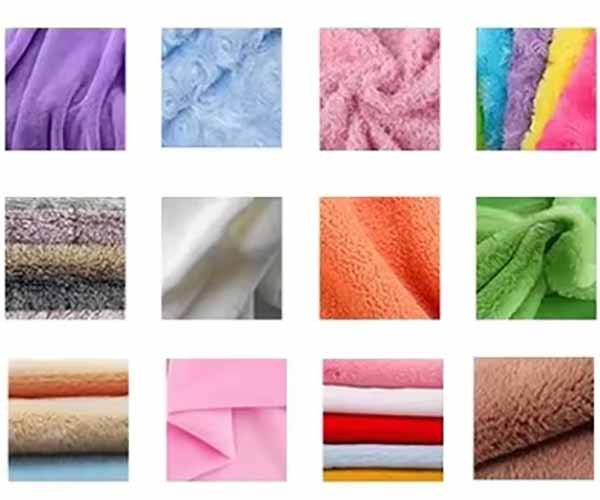
Different plush fabrics have different prices, softness levels, pile heights, textures, color matching difficulty, cutting waste, and production behavior. A cost-sensitive promotional plush may use a simpler fabric, while a premium baby plush or IP character plush may require softer, more stable, or more color-accurate materials.

Delsney has invested in specialized factory resources, including a plush fabric product factory, plush product manufacturing factory, and logo embroidery factory. In addition, Delsney works with 60+ stable partner workshops for fabrics, trims, accessories, and packaging. This supply chain helps clients compare fabric options and control cost without losing the required product positioning.

Fabric Cost Table

Fabric TypeCost LevelBest For
VelboaLower to mediumPromotional plush, budget retail
Short PlushMediumStandard stuffed animals, mascot plush
Minky FabricMedium to higherBaby plush, soft character plush
Faux FurHigherRealistic animals, premium plush
SherpaMedium to higherLifestyle plush, warm texture products
Recycled PolyesterVariesEco-focused plush programs
Specialty FabricHigherSeasonal, fantasy, character-specific plush


Embroidery, Printing and Detail Cost

Small plush details can strongly affect cost because they require technical setup, accurate positioning, labor time, thread changes, quality checks, and sample adjustment.

  • Embroidery is one of the most important cost drivers in custom plush toys. Eyes, mouth, nose, eyebrows, logos, clothing marks, character symbols, name embroidery, and small facial details can increase production time and sample difficulty. More stitch density, more colors, smaller details, tighter positioning, and curved surface embroidery usually increase cost.
  • Printing and appliqué can also affect pricing. Printed fabrics, heat transfer logos, screen printing, sublimation, and appliqué details may require setup, color testing, placement control, and additional inspection. For baby plush and younger age products, embroidery may be preferred over plastic parts, but it also requires careful thread and placement control.
  • Delsney’s logo embroidery factory helps improve facial detail, brand mark consistency, and logo placement. This is especially important for mascot plush, character plush, baby plush, private label plush, and retail plush collections.

Detail Cost Table

Detail TypeCost ImpactWhy It Matters
Basic Face EmbroideryMediumControls expression and safety
Dense Face EmbroideryHigherMore stitches and time
Multi-Color EmbroideryHigherMore thread changes and alignment
Logo EmbroideryMedium to higherRequires accurate placement
Printed FabricVariesSetup and color control
Appliqué DetailHigherExtra cutting and sewing
Clothing DetailsHigherPattern, sewing and accessory work
Small AccessoriesHigherSourcing, safety and attachment review

Filling, Size and Weight Cost

Filling cost is connected to plush size, product volume, softness target, weight requirement, seam strength, and packaging method.

The larger the plush toy, the more fabric and filling it needs. However, cost is not only based on height. A round plush pillow may use more filling than a narrow character plush of similar height. A weighted plush may require internal liners, weighted sections, reinforced seams, and special filling control. A baby plush may require softer filling and safer construction. Delsney controls filling density, shape stability, hand feel, seam pressure, and production consistency during sample development and bulk production. For large and mid-sized clients, this matters because underfilled products look cheap, while overfilled products can feel hard, distort the face, and increase shipping volume.

Filling Cost Table

Filling RequirementCost ImpactSuitable For
Standard PP CottonStandardMost stuffed animals and plush toys
Softer Low-Density FillingMediumBaby plush, comfort plush
Fuller FillingMedium to higherPillows, premium plush
Firm Support FillingMediumMascot plush, sitting animals
Weighted FillingHigherSensory plush, comfort plush
Reinforced Inner StructureHigherWeighted plush, special shapes
Large Volume FillingHigherJumbo plush, pillows


Packaging, Labeling and Branding Cost

Packaging and branding can change the final product cost, but they also increase retail value, presentation quality, inventory control, and customer trust.

Many custom plush quotes look cheaper because they only include the plush toy itself, not hang tags, woven labels, care labels, barcode labels, gift boxes, window boxes, belly bands, inserts, retail packaging, or e-commerce protective packaging. Large and mid-sized clients should confirm packaging needs early because packaging affects unit cost, carton size, shipping cost, and production timeline. Delsney’s design team supports product, packaging, and graphic design. Clients can develop plush products with hang tags, labels, care instructions, retail boxes, gift packaging, e-commerce packaging, and carton marks. This is useful for retailers, distributors, Amazon sellers, Shopify brands, promotional companies, museums, zoos, and IP product teams.

Packaging Cost Table

Packaging / Branding ItemCost ImpactBest For
OPP BagLowerBasic protection
Hang TagLow to mediumRetail, brand storytelling
Woven LabelLow to mediumPrivate label plush
Care LabelLowCompliance and care info
Barcode LabelLowRetail and inventory systems
Gift BoxMedium to higherPremium plush, gifting
Window BoxHigherRetail display
Belly BandMediumLifestyle plush, gift sets
E-Commerce PackagingMediumOnline fulfillment
Carton MarksLowLogistics and warehouse control

Testing, Compliance and Inspection Cost

Safety testing and quality inspection should be planned before production, especially for plush toys sold in the U.S., Europe, baby markets, retail channels, or licensed programs.
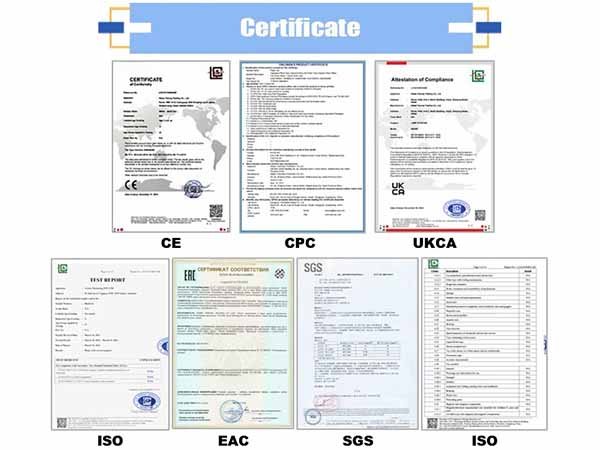
Custom plush toys may require testing and documentation depending on destination market, product type, age group, material, accessories, and sales channel. U.S. projects may involve ASTM, CPSIA, and CPC-related preparation. European projects may involve EN71 and CE-related preparation. Retailers may also request factory audits, testing reports, labels, and inspection records. Delsney supports export-market requirements related to EN71, ASTM, CPSIA, and CE, depending on product and market needs. Delsney has experience with BSCI, Sedex, ISO9001, and Disney Audit processes, and long-term cooperation experience with international brands such as Disney, Jellycat, and Walmart. Delsney conducts 100% pre-shipment inspection before goods leave the factory. The QC team checks appearance, shape, embroidery, sewing, filling, accessories, labels, packaging, carton marks, and order matching. Inspection helps reduce downstream cost from defects, complaints, rework, returns, or shipment problems.

Compliance Cost Table

Cost AreaWhy It May Apply
ASTM / CPSIA TestingU.S. children’s toy requirements
EN71 / CE PreparationEuropean toy market requirements
CPC DocumentationU.S. children’s product documentation
Third-Party Lab FeesRequired by client or market
Retailer RequirementsChannel-specific testing or labeling
Material RetestingIf fabric, color, component, or design changes
Final InspectionConfirms goods before shipment
Third-Party InspectionIf requested by client

Shipping and Trade Term Cost

Plush toys are lightweight but bulky, so shipping method and packaging volume can strongly affect landed cost.
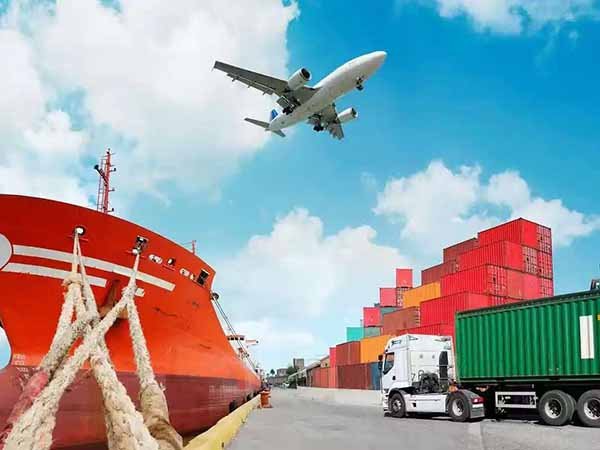
Shipping cost is a major factor in plush toy pricing because plush products take up carton volume. A plush toy may be inexpensive to make but expensive to ship if packaging is large, filling is bulky, or delivery is urgent. Brands should consider shipping method early when planning product size, packaging, and launch schedule. Delsney supports express, air, and sea shipping. Express is suitable for samples and urgent small shipments. Air freight is useful for faster launch schedules. Sea freight is usually more cost-effective for larger bulk orders. Delsney also supports EXW, FOB, DAP, and DDP trade terms, giving clients flexibility according to their import model.

Shipping Cost Table

Shipping OptionCost LevelSuitable For
ExpressHighest per unitSamples, urgent small shipments
Air FreightMedium to highFaster launch timelines
Sea FreightLower per unitLarge bulk orders
EXWClient handles pickupClients with China forwarders
FOBCommon for importersLarger ocean freight orders
DAPDelivery to destination addressClients needing easier logistics
DDPDelivered with duties handledE-commerce or smaller import teams

How Delsney Helps Brands Optimize Custom Plush Toy Cost

Cost optimization in custom plush manufacturing should not mean making the product cheaper at the expense of quality. Delsney helps global brands reduce unnecessary cost by reviewing product size, fabric, embroidery, filling, accessories, packaging, MOQ, testing, production planning, and logistics before bulk production begins.

1. Optimizing Product Size Without Weakening Market Value

Product size directly affects fabric usage, filling volume, packaging size, carton capacity, and freight cost. Delsney helps clients review whether the target size is commercially practical for the product’s use scenario. A small reduction in height, width, or thickness may lower material and shipping cost while keeping the plush visually strong. For mascot plush, character plush, stuffed animals, and plush pillows, Delsney balances retail value, hand feel, display impact, and landed cost before sampling begins.

2. Choosing Cost-Effective Fabrics for the Right Product Position

Fabric is one of the most important cost drivers in custom plush toys. Delsney helps clients compare short plush, minky, velboa, faux fur, sherpa, recycled polyester, and specialty fabrics based on softness, appearance, durability, price, and market expectation. With 3 specialized factories and 60+ stable partner workshops, Delsney can suggest alternative fabrics that maintain the required hand feel and brand image without using unnecessarily expensive materials.

3. Simplifying Complex Design Details Without Losing Recognition

Some plush designs include too many small details, layered shapes, accessories, color blocks, or decorative parts that increase labor cost and sample difficulty. Delsney’s 25+ engineers and 10+ designers review the design and identify which features are essential for recognition and which can be simplified. For IP character plush, mascot plush, and promotional plush, this helps preserve the character’s key identity while reducing unnecessary sewing, cutting, embroidery, and assembly time.

4. Improving Embroidery Efficiency While Keeping Visual Quality

Embroidery cost can rise quickly when a design uses dense stitching, many colors, small facial details, large logo areas, or complicated placement. Delsney’s logo embroidery factory helps clients adjust thread color, stitch density, embroidery size, and placement to improve efficiency while keeping expression and brand marks clear. For baby plush, mascot plush, and character plush, this approach can reduce production difficulty while maintaining a premium and safe visual result.

5. Controlling Filling Density to Avoid Waste and Shape Problems

Overfilling increases material cost, seam pressure, carton volume, and product stiffness. Underfilling makes the plush look weak and low-value. Delsney controls stuffing density during sample development so each product has the right balance of softness, shape stability, weight, and hand feel. For stuffed animals, plush pillows, baby plush, weighted plush, and mascot plush, approved samples become filling standards for bulk production, helping reduce waste and maintain consistency.

6. Reducing Accessory Cost Through Practical Structure Review

Accessories such as clothing, ribbons, zippers, keychains, sound modules, plastic parts, props, hats, wings, or removable items can increase sourcing cost, labor cost, safety review, and production time. Delsney reviews whether each accessory adds real product value or creates unnecessary complexity. When needed, the team can suggest safer and more cost-effective alternatives such as embroidery, simplified fabric shapes, fixed trims, or adjusted attachment methods.

7. Matching Packaging Cost to the Sales Channel

Packaging should fit the product’s business model. A retail plush may need a hang tag, barcode, care label, and display box, while a promotional plush may only need simple individual packaging. Delsney helps clients choose between OPP bags, belly bands, gift boxes, window boxes, e-commerce packaging, retail display packaging, labels, hang tags, and carton marks. This prevents brands from overpaying for packaging that does not improve sales, shipping, or customer experience.

8. Planning MOQ and Quantity Tiers More Strategically

Delsney’s MOQ starts from 500 pcs, which supports serious custom plush projects while keeping production practical. For clients comparing 500 pcs, 1,000 pcs, 3,000 pcs, or larger orders, Delsney can explain how quantity affects unit cost, material purchasing, embroidery setup, cutting efficiency, production scheduling, inspection, and packaging. This helps brands plan launch orders, retail tests, seasonal campaigns, and repeat orders with clearer cost expectations.

9. Reviewing Testing Needs Before Sampling and Production

Testing and compliance costs can increase when product design changes after the sample is approved. Delsney helps clients review destination market, age group, materials, accessories, labels, and packaging early, especially for U.S. and European projects involving ASTM, CPSIA, EN71, CE, or retailer requirements. Early compliance review helps reduce the risk of redesign, retesting, material replacement, delayed shipment, and unexpected cost during later production stages.

10. Improving Production Planning to Reduce Rework and Delays

Poor sample approval, unclear specifications, material changes, wrong packaging details, or late artwork updates can increase cost through rework and delays. Delsney uses a structured OEM/ODM workflow covering project review, quotation, sample development, sample revision, final approval, bulk production, inspection, packaging, and shipment. With 500+ staff and 18 production lines, Delsney helps clients move from approved sample to production with fewer avoidable interruptions.

11. Reducing Hidden Cost Through Quality Control and Shipment Planning

Hidden cost often appears after production: defects, inconsistent stuffing, wrong labels, poor packaging, delayed delivery, product deformation, failed inspection, or customer complaints. Delsney conducts 100% pre-shipment inspection with 20+ QC staff, checking appearance, sewing, embroidery, filling, accessories, labels, packaging, carton marks, and order matching. Delsney also supports express, air, and sea shipping under EXW, FOB, DAP, and DDP terms, helping clients control landed cost and delivery risk more clearly.

FAQs About Custom Plush Toy Cost

The cost depends on size, fabric, filling, design complexity, embroidery, accessories, packaging, quantity, testing, and shipping. A reliable quote requires artwork, size, quantity, and project details.
Delsney’s MOQ starts from 500 pcs, suitable for serious custom plush projects, product testing, retail launches, brand merchandise, and repeat-order planning.
MOQ affects how setup, material sourcing, embroidery preparation, cutting, sewing, inspection, packaging, and management costs are spread across units.
Delsney can provide free design and free sample support for suitable projects, depending on product type, order potential, complexity, and cooperation stage.
Regular plush samples usually take 5–7 days. Complex samples involving special craftsmanship, molded accessories, electronic elements, or unusual structures usually take 7–15 days.
Complex shapes, many fabric colors, dense embroidery, clothing, accessories, printed patterns, sound modules, weighted filling, special packaging, and testing requirements can increase cost.
Packaging costs depend on the quote scope. OPP bags, hang tags, labels, gift boxes, window boxes, barcode labels, and retail packaging should be confirmed before quotation.
If the plush toy is sold in regulated markets or children’s channels, testing costs may apply. Delsney supports EN71, ASTM, CPSIA, and CE-related preparation.
Brands can optimize size, fabric, embroidery density, accessories, packaging, quantity, and shipping method while keeping the product’s key recognition and quality standards.
Please send artwork, target size, quantity, fabric preference, embroidery details, packaging needs, destination market, target age group, testing needs, and delivery timeline.

Get a Custom Plush Toy Cost Review From Delsney

Send your design for a practical quote based on real manufacturing factors.

Delsney helps global brands understand and optimize custom plush toy costs before sampling and production. Whether you are developing mascot plush, IP character plush, stuffed animals, baby plush, weighted plush, plush keychains, promotional plush, or retail plush collections, our team can review your project and provide practical pricing guidance.

Contact Us

Delsney.com is all about making what you dream up, a reality! Just try us! Completely Customized!Any design, any character, any logo or slogan.

Seraphinite AcceleratorOptimized by Seraphinite Accelerator
Turns on site high speed to be attractive for people and search engines.