 Skip to content
Baby Plush Toy Safety for Custom Plush Manufacturing
- Baby-Safe Design Review
- Embroidered Facial Features
- Soft Fabric Selection
- Seam Strength Control
- EN71 / ASTM / CPSIA / CE Support
- 100% Pre-Shipment Inspection

Why Baby Plush Safety Requires More Than Soft Fabric
Baby plush safety is not only about softness. A safe baby plush product also depends on age-grade planning, material choice, seam strength, filling containment, small-part control, labeling, testing preparation, and production consistency.
Baby plush toys are often held, hugged, chewed, pulled, washed, dropped, and used repeatedly. That means the product must be soft, but also strong enough to keep filling contained, prevent detachable parts, maintain shape, and support safety review for the target market.
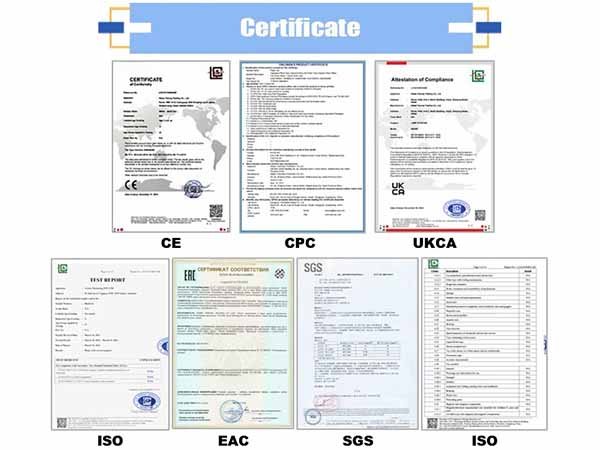
A plush toy with soft fabric can still be unsafe if it includes plastic eyes, loose ribbons, weak seams, small accessories, poor stitching, unsafe inks, unsuitable filling, or missing labels. For clients selling in the U.S. or Europe, safety must be considered before sampling, not only after bulk production. CPSC guidance makes clear that ASTM F963 includes different requirements depending on the specific toy, and U.S. children’s products may require CPC documentation based on third-party testing.
Delsney treats baby plush safety as a development system. Our team reviews design, materials, embroidery, filling, seams, labels, packaging, testing needs, and inspection standards before production begins.

Main Safety Risks in Baby Plush Development
| Safety Risk | Why It Matters | Delsney’s Safer Direction |
|---|---|---|
| Plastic eyes or noses | May create pull-off or choking concerns | Recommend embroidered features |
| Small accessories | Can create small-part risk | Simplify or reinforce design |
| Weak seams | May expose filling | Improve seam allowance and closure |
| Loose ribbons | May create pulling or entanglement concerns | Shorter, fixed, or removed trims |
| Shedding fabric | May affect baby use and product perception | Review pile length and fabric quality |
| Hard components | May reduce comfort and increase safety concern | Use soft fabric alternatives |
| Poor filling containment | May create leakage and quality complaints | Reinforce seams and filling openings |
| Unclear age grade | May lead to wrong design choices | Confirm target age early |
| Missing warning or tracking information | May affect retail and compliance process | Plan labels during development |
| Unverified material changes | May affect test validity | Keep production aligned with approved sample |
Age Grade and Small Parts Review
Target age group is one of the most important decisions in baby plush development because it affects design, materials, accessories, testing, labeling, and production inspection.
Products intended for babies and children under 3 require stricter review. CPSC guidance states that products intended for children under 3 years must not contain small parts or release small parts after use and abuse testing. This makes plastic eyes, detachable buttons, small bows, loose accessories, and poorly attached decorative parts especially important to review.
Delsney recommends confirming the age grade before sampling starts. A plush designed for newborn gift use should not follow the same construction logic as a collectible plush for older children or adults. For baby plush projects, Delsney may suggest embroidered eyes, simplified shapes, no removable accessories, reinforced seams, secure labels, and softer fabric structures.
For large and mid-sized clients, early age-grade review reduces the risk of expensive redesign after sampling, failed testing, delayed launches, or retailer rejection.

Safe Material Selection for Baby Plush Toys
Baby plush material selection must balance softness, safety, durability, production consistency, and destination-market requirements. Delsney reviews fabrics, filling, embroidery threads, labels, trims, printed details, packaging materials, and supplier stability before sampling and bulk production.
Soft Outer Fabric Selection
Key review points include:
- Soft hand feel for infant and baby use
- Low-shedding surface direction
- Short-pile or baby-friendly plush options
- Stable color matching against approved samples
- Fabric behavior during sewing and stuffing
- Suitability for gift, retail, and nursery products
Filling Material Safety and Comfort
Key review points include:
- Clean polyester fiberfill or PP cotton options
- Soft and lightweight stuffing direction
- Even filling distribution across the plush body
- Good shape recovery after compression
- Secure containment inside stitched seams
- Filling consistency from sample to bulk order
Embroidery Thread for Facial Features
Key review points include:
- Soft embroidery without hard components
- Clean eye, mouth, and nose stitching
- Thread color matching with approved artwork
- Smooth surface around embroidered areas
- Durable stitching for repeated handling
- Consistent embroidery placement in production
Avoiding Hard and Small Detachable Parts
Key review points include:
- Embroidery instead of plastic eyes
- Fixed fabric details instead of removable parts
- Reduced use of beads, buttons, and hard trims
- Safer accessory attachment methods
- Simplified design for younger age groups
- Early review before sampling and testing
Label and Tag Material Selection
Key review points include:
- Soft label material for baby products
- Proper care label placement
- Clear origin and product information
- Durable printing or weaving
- Age-grade and warning information area
- Consistent label position across bulk production
Printed Details and Ink Review
Key review points include:
- Print placement away from sensitive areas when needed
- Ink durability during handling
- Color consistency after sample approval
- Printed fabric compatibility with sewing
- Label and packaging print clarity
- Testing consideration for destination markets
Packaging Material for Baby Plush
Key review points include:
- Dust and moisture protection
- Clean retail or gift presentation
- Safe packaging size and fit
- Label and barcode placement
- Carton packing without deformation
- Recyclable or reduced-plastic options when requested
Material Consistency Across Repeat Orders
Key review points include:
- Approved sample as material reference
- Fabric color and texture consistency
- Filling softness and density control
- Embroidery thread continuity
- Label and packaging repeatability
- Production notes for future reorders
Destination-Market Material Requirements
Key review points include:
- U.S. market ASTM and CPSIA-related preparation
- European EN71 and CE-related preparation
- Age-grade and small-part review
- Material documentation support when needed
- Coordination with third-party testing requirements
- Delsney QC review before shipment
Embroidered Features Instead of Hard Parts
For baby plush toys, embroidered eyes, noses, mouths, and expressions are often safer and softer than plastic components or glued decorative details.
Plastic eyes, hard noses, buttons, beads, and glued decorations may look attractive, but they can create pull-off, choking, or durability concerns for baby plush products. For younger users, many brands choose embroidered facial features to reduce small-part risk and improve softness.
Delsney’s logo embroidery factory supports facial embroidery, brand logos, small expression details, clothing marks, and decorative stitches. During baby plush development, Delsney checks stitch density, thread color, embroidery position, face symmetry, and softness around embroidered areas. The goal is to keep the plush friendly and expressive without adding unnecessary hard components.
For baby animals, comfort plush, nursery plush, and soft character plush, embroidery also helps maintain a cleaner and more premium appearance across bulk production. Delsney uses approved samples as the reference for embroidery placement and conducts inspection before shipment.


Seam Strength and Filling Containment
A baby plush toy must keep its filling securely inside the product during normal handling, pulling, hugging, and repeated use.
Seam strength is one of the most important construction factors in baby plush safety. Weak seams can open, expose filling, distort the product, and create customer complaints. Filling openings, ear attachments, limb seams, labels, and accessory areas need especially careful construction.
Delsney reviews seam allowance, stitch length, thread tension, closure method, filling opening, stress points, and product shape before bulk production. For baby plush products, our team may reinforce seams, simplify accessories, adjust pattern structure, and check whether filling pressure affects seam durability.
With 500+ staff, 18 production lines, and 20+ QC staff, Delsney supports controlled sewing, filling, shaping, closure, and inspection for baby plush projects. The approved sample becomes the construction reference for production.
Baby Plush Filling and Softness Control
Baby plush toys should feel soft and gentle, but they still need enough structure to keep shape, contain filling, and remain consistent in bulk production.
Filling affects softness, weight, shape, comfort, seam pressure, and product durability. Underfilled baby plush may look weak and low-value. Overfilled plush may feel too firm or create seam stress. Uneven filling may create lumps or inconsistent customer experience.
Delsney controls stuffing density during sampling and production. For baby plush, the team checks hand feel, filling distribution, body softness, head shape, limb fullness, seam pressure, and product recovery after packaging. A softer filling direction may be used, but only if the construction still contains filling properly.
Delsney’s approved sample system helps maintain consistency from sample to mass production. Before shipment, Delsney conducts 100% pre-shipment inspection, including appearance, filling balance, seams, labels, packaging, and overall product condition.


Labeling, Warning and Packaging Information
Baby plush packaging and labels should support traceability, care instructions, age information, safety communication, retail handling, and destination-market requirements.
Labels and packaging are part of safety planning. Depending on destination market and product type, baby plush products may need care labels, age-grade information, warnings, country of origin, batch or date code, barcode labels, CE marking area, importer information, or retailer-specific packaging details.
Delsney supports woven labels, care labels, hang tags, barcode labels, packaging inserts, OPP bags, gift boxes, window boxes, retail packaging, and carton marks. For baby plush products, packaging should protect the plush from dust and deformation while keeping product information clear.
For U.S. children’s products, CPC documentation and traceability-related information may matter depending on product classification and requirements. For EU toys, CE marking and related documentation must be considered for market entry.Delsney helps clients plan labels and packaging early, but final market-specific label requirements should be confirmed by the client’s compliance team, importer, or legal advisor.
Testing Support for U.S. and EU Baby Plush Markets
Delsney helps clients prepare baby plush products for U.S. and European testing requirements based on final design, materials, age grade, accessories, packaging, and sales channel.
For the U.S. market, baby plush products may need review under ASTM F963 and CPSIA-related requirements. CPSC notes that ASTM F963 covers many safety requirements, but not every section applies to every toy, so companies must identify the relevant sections for the product. Children’s products may also need a CPC based on third-party laboratory testing by a CPSC-accepted lab.
For the European market, toys need CE marking and must meet applicable Toy Safety Directive requirements. The European Commission maintains references to harmonised standards under Directive 2009/48/EC for toys.
Delsney supports testing preparation by helping clients confirm product samples, material information, age group, construction details, labels, packaging, and production consistency. Testing should be based on the final product, not an early sample that later changes.
| Market | Common Review Direction | Delsney Support |
|---|---|---|
| United States | ASTM, CPSIA, CPC-related preparation | Sample, materials, labels, construction review |
| European Union | EN71, CE-related preparation | Product details, labels, packaging support |
| Baby Retail | Extra safety and labeling review | Safer structure and stronger QC |
| IP / Licensed Baby Plush | Character accuracy + safety | Embroidery, pattern, material and NDA support |
| E-Commerce Baby Plush | Packaging and review risk | Product presentation and delivery protection |
Delsney Baby Plush Safety Workflow
A clear safety workflow helps global brands reduce development mistakes before baby plush products enter sampling, testing, production, packaging, and shipment.
1. Age Group Confirmation
2. Design Risk Review
3. Material Planning
4. Sample Development
5. Sample Revision
6. Testing Preparation
7. Bulk Production
8. Final Inspection
Baby Plush Safety Inspection Before Shipment
Final inspection helps ensure that baby plush products remain aligned with the approved sample, production standard, packaging requirements, and client expectations before shipment.
Delsney’s 20+ QC staff conduct inspection before goods leave the factory. For baby plush products, inspection focuses on appearance, softness, seam closure, filling containment, embroidery placement, accessory security, label accuracy, packaging cleanliness, carton marks, and comparison with approved samples.
Delsney conducts 100% pre-shipment inspection for finished goods. This helps reduce visible defects, wrong labels, seam issues, weak stuffing, poor packaging, and product inconsistencies before shipment. Finished plush products can reach up to 98% matching accuracy with approved design references, supporting stronger confidence for retail, e-commerce, gift, and children’s product programs.

| Inspection Area | Delsney Checks |
|---|---|
| Shape and Appearance | Product looks consistent with approved sample |
| Fabric Surface | Clean, soft, low-defect material condition |
| Embroidery | Eye, mouth, logo and expression alignment |
| Seams | Closure, strength, loose thread and stress areas |
| Filling | Softness, balance, containment and shape |
| Accessories | Position, attachment and safety review |
| Labels | Care, age, barcode, origin and brand information |
| Packaging | Bag, box, tag, carton and cleanliness |
| Carton Marks | SKU, quantity, destination and shipment details |
| Final Matching | Approved sample comparison before delivery |
Baby Plush vs Regular Plush: What Safety Details Are Different?
| Safety Area | Regular Plush | Baby Plush | Delsney Development Focus |
|---|---|---|---|
| Target User | May be for children, collectors, gifts, promotions, or retail display | Usually intended for infants, toddlers, or younger children | Confirm age group before sampling |
| Facial Features | Plastic eyes, hard noses, embroidery, or appliqué may be used depending on design | Embroidered eyes, nose, and mouth are usually preferred | Reduce hard-part and small-part concerns |
| Accessories | Clothing, buttons, ribbons, charms, props, and removable details may be acceptable | Small detachable accessories should be avoided or strongly reviewed | Simplify or reinforce accessory structure |
| Fabric Choice | Wider fabric options based on appearance, cost, or theme | Softer, low-shedding, skin-friendly fabric direction is preferred | Review softness, pile height, shedding, and color stability |
| Filling Control | Filling focuses on shape, softness, and product value | Filling must stay soft, even, and securely contained | Balance softness with seam pressure and safety |
| Seam Strength | Standard sewing strength may be enough for general plush | Stronger seam closure and filling containment are more important | Reinforce filling openings and stress points |
| Labels | Brand label, hang tag, or care label may be basic | Care, age, origin, warning, batch, or tracking information may be more important | Plan label content and placement early |
| Packaging | Focuses on brand display, shipping, and sales channel | Must protect cleanliness, avoid deformation, and support safety information | Review packaging fit, warning areas, and carton protection |
| Testing Review | Depends on market, product type, and sales channel | Usually needs earlier ASTM, CPSIA, EN71, or CE-related review | Prepare samples and material details for testing |
| QC Inspection | Checks appearance, stitching, embroidery, filling, and packaging | Adds stronger attention to seams, small parts, labels, filling containment, and softness | Use approved sample plus 100% pre-shipment inspection |
Why the Difference Matters for Brand Clients
A regular plush design may prioritize character accuracy, retail appearance, promotional cost, or collectible value. Baby plush products require a more cautious development process because the end user may pull, hug, chew, sleep with, or repeatedly handle the product. Small design choices such as plastic eyes, loose bows, long ribbons, weak seams, or unclear labels can create safety, testing, or retail approval risks.

When a Regular Plush Should Be Redesigned as Baby Plush
If a plush product is intended for infants, toddlers, nursery gift sets, baby retailers, or young children, it should not simply reuse a regular plush structure. Delsney may suggest embroidered features, softer short-pile fabric, fewer accessories, reinforced seams, lower-risk packaging, and clearer label planning before sample development.

Baby Plush Material Options for Safer Product Development
| Material / Component | Best For | Safety Focus | Delsney Suggestion |
|---|---|---|---|
| Short Plush | Standard baby stuffed animals, nursery animals, soft gift plush | Low shedding, smooth surface, stable sewing performance | Good option for most baby plush projects when softness and cost balance matter |
| Minky-Style Fabric | Premium baby plush, comfort toys, high-softness gift products | Extra-soft hand feel, smooth touch, gentle surface | Suitable for brands targeting premium baby retail or gift channels |
| Velboa | Cost-controlled baby plush, promotional baby-themed plush, simple animal plush | Smooth pile, stable surface, efficient production | Useful when clients need controlled cost without using rough materials |
| Sherpa Fabric | Lifestyle baby gifts, soft nursery collections, textured plush products | Texture, pile behavior, shedding review | Can create a warm look, but Delsney recommends reviewing shedding and cleaning performance |
| Faux Fur | Premium animal plush, realistic baby gift animals, higher-texture products | Longer pile, shedding, flammability and appearance control | Use carefully for baby products; shorter or controlled-pile options may be safer |
| Recycled Polyester Fabric | Eco-focused baby brands, sustainability programs, private label plush | Material consistency, documentation needs, softness | Suitable for brands with sustainability positioning when material source is stable |
| PP Cotton / Polyester Fiberfill | Most baby plush toys, soft animals, comfort plush | Softness, cleanliness, containment, even distribution | Delsney checks filling density, seam pressure, and hand feel during sampling |
| Embroidery Thread | Eyes, nose, mouth, logo, expression details | No hard facial parts, durable stitching, skin-contact review | Recommended for baby plush facial features instead of plastic eyes or hard components |
| Woven Label / Care Label | Private label baby plush, retail products, export goods | Softness, placement, care instructions, traceability | Delsney helps plan label placement so it supports information without affecting comfort |
| Printed Fabric or Printed Label | Patterned plush, branded areas, packaging labels | Ink durability, abrasion, color stability, testing impact | Use when necessary; Delsney reviews print position and destination-market requirements |
| Fabric Trims and Accessories | Bows, ears, tails, clothing, soft decorative parts | Attachment strength, small-part risk, pulling risk | Delsney recommends fixed fabric details and simplified accessory structure for younger users |
| Packaging Materials | OPP bags, gift boxes, window boxes, recyclable paper packaging | Cleanliness, deformation protection, label area, warning information | Packaging should protect baby plush while keeping product and safety information clear |
How Delsney Helps Clients Choose Baby Plush Materials
Delsney does not recommend materials based only on softness. Our team reviews the product’s target age group, use scenario, safety expectations, sales channel, packaging method, testing needs, and bulk production plan. A baby comfort plush, nursery gift animal, retail plush toy, and licensed baby character plush may each need different material choices.

Baby Plush Safety Development Case Studies
Baby plush projects require stronger control over materials, seams, filling, embroidery, labeling, packaging, testing preparation, and final inspection. The following cases are anonymized examples based on Delsney’s real manufacturing capabilities, including 18+ years of plush manufacturing experience, 20+ QC staff and 100% pre-shipment inspection.

Case 1 — European Baby Animal Plush: Replacing Plastic Eyes With Embroidered Features
- Region: Europe
- Client Type: Baby and children’s product brand
- Use Scenario: Soft animal plush line for baby gift sets and retail shelves
A European baby product brand planned to launch a soft animal plush collection for newborn gift channels and specialty baby stores. The client’s early sample from another supplier used plastic eyes and small fabric decorations, which raised concerns during their internal safety review. The plush also had uneven filling around the face, making the expression look inconsistent across different samples.
Delsney reviewed the target age group, destination market, artwork, fabric direction, filling level, seam structure, and packaging needs before redevelopment. The team recommended replacing plastic eyes and nose parts with embroidered facial features, simplifying small decorative trims, and using a softer short-pile fabric suitable for baby-focused products. Delsney’s logo embroidery factory refined the eye and mouth embroidery to keep the animal expression friendly while avoiding hard components.
During sample development, Delsney adjusted the face pattern, embroidery size, filling balance, and seam closure. The client reviewed the first sample and requested softer ear shaping and slightly lower stuffing density in the body. Delsney completed the revision and helped prepare the final sample direction for EN71 and CE-related review according to the client’s European market plan.
Result: The final sample was approved after 2 sample revisions. The client expanded the project from 1 design to a 4-style baby animal plush collection using the same embroidered-face structure. Delsney’s 20+ QC staff later checked embroidery alignment, seam closure, filling consistency, labels, packaging, and carton marks during 100% pre-shipment inspection.

Case 2 — U.S. Infant Comfort Plush: Improving Seam Strength and Filling Containment
- Region: United States
- Client Type: Infant comfort product company
- Use Scenario: Soft comfort plush for online sales and baby registry gift programs
A U.S. client needed a custom infant comfort plush designed for gifting and e-commerce sales. Their main concern was construction reliability. The previous prototype had weak seam closure near the filling opening, loose thread ends around the arms, and inconsistent stuffing in the body. The client worried that the product would not feel premium and could create safety or durability concerns if scaled into production.
Delsney reviewed the product size, fabric choice, target softness, stuffing density, age positioning, care label needs, and U.S. market direction. The engineering team improved the seam allowance around the filling opening, adjusted the sewing sequence for the arms and body, and created a clearer filling standard for production. Instead of making the plush overly full, Delsney balanced softness with secure filling containment so the product remained gentle but stable.
The sample team checked seam closure, hand feel, stuffing distribution, embroidered face details, care label position, and packaging fit before sending the revised prototype. Because the product was intended for the U.S. market, Delsney also helped the client prepare product details for ASTM and CPSIA-related review based on the final design and target use.
Result: The client approved the revised prototype and proceeded with a first production order above Delsney’s 500 pcs MOQ. Bulk production was completed within Delsney’s standard 20–30 day production window after approval. Final inspection confirmed seam closure, filling containment, embroidery position, label accuracy, and packaging condition before shipment.

Case 3 — Australian Baby Gift Brand: Building a Safer Plush + Packaging System
- Region: Australia
- Client Type: Baby gift and lifestyle brand
- Use Scenario: Premium baby plush sold as boxed gift sets through boutiques and online stores
An Australian baby gift brand wanted to create a premium plush toy packaged as part of a newborn gift set. The client needed the plush to feel soft and premium while also looking clean inside the gift box. Their initial packaging concept compressed the plush head and ears, and the care label placement looked too visible from the front. The client also needed consistent branding across multiple future gift-box designs.
Delsney reviewed the plush sample, box structure, care label position, outer fabric, filling density, embroidery details, and carton packing method. The design team adjusted the packaging insert so the plush could sit naturally without crushing the ears. The production team moved the care label to a less visible but still accessible position, while keeping the hang tag and brand card easy to read. The fabric and filling standards were also adjusted to improve softness and shape recovery after packing.
During packaging sample review, Delsney checked product fit, box space, label readability, barcode placement, gift presentation, and carton layout. With support from 10+ professional designers and 60+ stable partner workshops, Delsney helped the client build a packaging system that could be reused for future baby plush gift styles.
Result: The client approved the final plush and packaging system for a 3-SKU baby gift collection. Packaging deformation was reduced after insert adjustment, and the plush recovered better after carton packing. Delsney conducted 100% pre-shipment inspection, checking product softness, embroidery, seam quality, label placement, gift box condition, barcode accuracy, and carton marks before delivery.
NDA and IP Protection for Baby Plush Development
Baby plush projects often involve original characters, private label concepts, nursery collections, licensed IP, packaging designs, and unreleased product plans. Delsney understands that confidentiality is part of professional manufacturing cooperation. For clients developing baby-safe plush products, Delsney can support NDA agreements before sensitive files are shared, helping protect designs from early sample review to bulk production.
Licensed Baby Character Plush
Private Label Baby Plush Lines
Unreleased Nursery and Gift Concepts
Brand Mascot Baby Plush
Packaging Artwork and Retail Launch Protection
Sample Photos, Technical Files, and Production Records
Confidentiality From Sampling to Shipment
FAQs About Baby Plush Toy Safety

Start a Safer Baby Plush Project With Delsney

