Skip to content

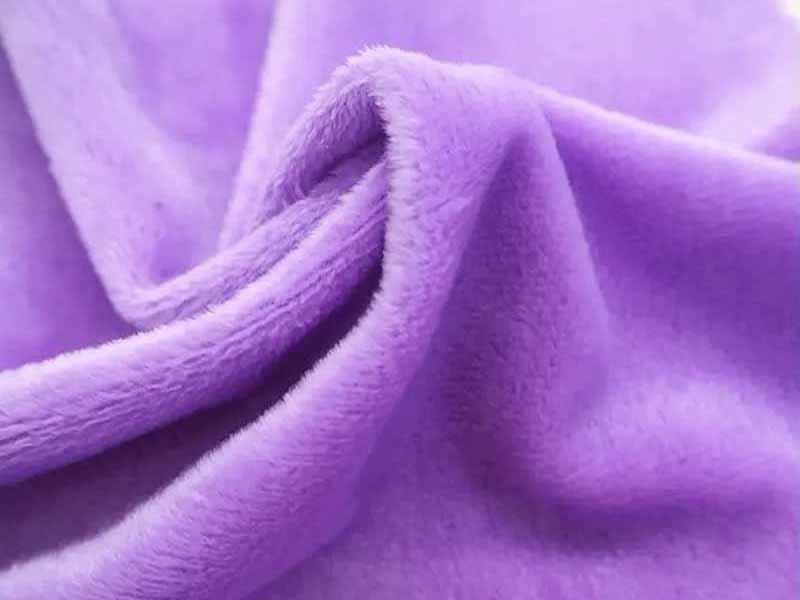
Choosing fabric for a plush doll looks simple until the first physical sample is stuffed. A material that feels beautiful on a swatch can make a face too round, bury a small embroidered mouth, thicken a narrow hand, or change the way clothing sits on the body. For character-based dolls, fabric affects recognition as much as softness because the viewer reads the eyes, eyebrows, hairstyle, body proportion, costume, and color boundaries together. That is especially important when a collection contains several characters that must feel related without looking identical. A useful fabric decision therefore starts with the finished product: its size, target age, level of facial detail, retail position, intended touch, cleaning expectations, and production volume. Minky, short plush, and velboa are common starting points, but fleece, faux fur, velvet, cotton blends, printed fabrics, and specialty textiles can be better when a design has a specific visual or functional need.
For most plush dolls, minky and high-quality short plush are the strongest all-around choices because they balance softness, clean facial detail, embroidery performance, and manageable production behavior. Velboa is a practical alternative when a flatter surface, durability, and cost control matter more than an ultra-soft hand feel. The best result often uses several materials, with each fabric assigned to the part of the doll it serves best.
A useful way to see the difference is to imagine two samples made from the same pattern. One uses a dense short plush on the face, so the smile, cheeks, and eye spacing remain crisp after stuffing. The other uses a luxurious long-pile fabric everywhere, and the surface feels softer, but the mouth nearly disappears and the hands look much larger than the drawing. The more expensive textile did not create the better doll. In experienced plush development, the fabric that supports the character, structure, and production method is usually more valuable than the fabric that wins a touch test by itself.
What Is the Best Fabric for Plush Dolls?

For most plush dolls, minky, short plush, and velboa are the most reliable starting materials. Minky offers a softer premium feel, short plush supports clean shaping and embroidery, and velboa provides a flatter, durable surface with practical cost control. The final choice should reflect doll size, face detail, target age, intended retail position, stretch behavior, and how consistently the material can be reproduced in bulk.
The Best Fabric Depends on the Doll
There is no single fabric that performs best across every plush doll category because the material is being asked to solve different problems. A 15 cm anime-style character with narrow eyebrows and a small embroidered mouth needs a cleaner surface than a 45 cm decorative doll designed mainly for softness and visual volume. Delsney’s product-development records list 15 cm, 20 cm, 30 cm, and 45 cm among common plush-doll sizes, which helps illustrate how material scale changes with product scale. On a smaller doll, even a few millimeters of pile can visually soften an eye edge, cover a seam boundary, or make a hand look thicker. On a larger doll, the same pile height may look subtle. Human-shaped, cartoon, baby, collectible, and fashion-oriented plush dolls therefore need separate material priorities rather than one universal fabric rule.
Softness Is Only One Requirement
Softness matters because it affects the first touch, perceived comfort, and retail impression, but it is only one part of a successful material decision. A production-ready fabric also needs suitable stretch, low enough shedding for the intended use, stable color, good embroidery behavior, useful shape retention, and acceptable recovery after packaging. Minky is often selected when a softer and more refined hand feel supports the product position. Short plush is valuable when cheeks, hands, feet, clothing edges, or embroidered features need stronger visual control. Velboa can be a practical choice when a flatter face surface, repeatability, and material cost matter more than maximum softness. The best material is the one that keeps the approved shape and expression while still delivering the touch expected by the intended user.
Approve the Fabric as Part of the Product
Fabric should be approved together with the pattern, embroidery, filling, and construction rather than as an isolated swatch. Once the textile is cut into curved panels and filled, its stretch and thickness begin to influence the geometry of the doll. A material that looks almost identical on a table can create a wider head, rounder cheeks, bulkier seams, or a softer jawline after stuffing. Experienced development teams therefore compare pile height, GSM, thickness, pile direction, stretch behavior, hand feel, embroidery performance, shape retention, compression recovery, shedding, colorfastness, and color-lot consistency. Delsney’s material system tracks these variables because they influence both the first sample and repeat production. The practical goal is not simply to choose a fabric name, but to approve an exact fabric construction that works with the approved doll.
Which Fabrics Fit Different Plush Doll Types?

Different plush doll types need different fabric priorities. Character dolls usually benefit from short, controlled surfaces that protect facial detail, while baby plush requires soft, age-appropriate materials and secure construction. Collectible dolls can use richer textures and mixed materials, and highly detailed designs often need separate fabrics for the face, body, hair, clothing, and accessories so one textile does not compromise the entire character.
Character Dolls
Character dolls are less forgiving than simple shapes because viewers already have an expectation of what the face, hairstyle, colors, and proportions should look like. A small change in eye height, eyebrow angle, face width, or head-to-body ratio can make an otherwise well-made product feel unfamiliar. For many character dolls, short plush, short-pile minky, and velboa are dependable starting materials because their surfaces remain readable after stuffing and support controlled embroidery placement. The most identity-sensitive area, usually the face, often benefits from the shortest and most stable fabric in the product. The body can then use a softer material if touch is more important there, while hair, ears, tails, jackets, or shoes introduce different textures. This mixed-material method protects recognition without forcing every part of the doll to share one surface behavior.
Baby Plush Dolls
Baby-oriented plush dolls place softness and construction security ahead of dramatic texture. Common material directions include minky, short plush, soft fleece, and selected cotton blends, but the fabric choice needs to be reviewed together with seams, embroidery, filling, trims, age grading, and target-market requirements. Short-pile minky works well when the product needs a smooth, comforting touch while still supporting embroidered facial features. Soft fleece can suit simpler comfort products and story characters with a warmer textile feel. Cotton-based surfaces may appeal to brands seeking a flatter, more natural look, although they do not feel like classic synthetic plush. A product should not be called safe simply because the textile feels soft; safe construction depends on the complete toy, including how securely every component is attached and how the finished design is evaluated for its intended age group.
Collectible and Detailed Dolls
Collectible dolls need to photograph well, display clearly, keep small character details, and remain consistent across a series. These goals often make mixed-material construction more useful than a single-fabric approach. A 20 cm or 30 cm collectible might use short-pile minky for the face, a softer fabric for the body, printed textile for costume graphics, velvet for a jacket, and faux fur for hair or animal features. The important issue is consistency across the collection. If one character uses a dense facial fabric while another uses a looser pile, the same embroidery style can look different on shelf or in product photography. Multi-character projects are therefore easier to control when the main face material, embroidery rules, color references, stuffing targets, and construction methods are standardized before the collection expands into more characters, colors, or seasonal versions.
How Do Popular Plush Fabrics Compare?

Minky is strongest when softness and a refined hand feel matter, short plush performs very well when shape and embroidery clarity are priorities, and velboa balances durability, flatness, and cost. Fleece suits simpler or educational dolls, while faux fur is better for hair and realistic texture. Velvet, cotton blends, and printed textiles are more specialized and usually work best when used selectively rather than across the entire doll.
| Fabric | Best Fit | Main Strength | Main Limitation | Practical Use |
|---|---|---|---|---|
| Minky | Character, baby, premium dolls | Very soft hand feel | Stretch and color consistency need control | Face, body, comfort-focused dolls |
| Short Plush | Character and detailed dolls | Shape and embroidery clarity | May feel less cloud-soft than premium minky | Faces, hands, small bodies |
| Velboa | Retail and cost-controlled dolls | Flat, stable, durable surface | Less luxurious hand feel | Detailed panels, printed sections |
| Fleece | Educational and soft casual dolls | Lightweight and soft | Less refined surface appearance | Simple bodies and soft toys |
| Faux Fur | Hair, fantasy, realistic features | Volume and realistic texture | Can hide small details | Hair, tails, ears, trim |
| Velvet | Premium accents and clothing | Smooth, refined appearance | Can show pressure marks | Dresses, jackets, decorative panels |
| Cotton Blend | Natural-style products | Natural textile appearance | Different feel from classic plush | Baby products and doll clothing |
| Printed Fabric | Complex graphics | Handles patterns and color detail | Print placement must be controlled | Clothing, symbols, gradients, graphic panels |
Minky and Velboa
Minky is commonly chosen when touch is a major part of the product experience. Its fine surface can create a softer and more premium feel than basic velboa, which makes it useful for character dolls, baby-oriented products, comfort items, and higher-positioned gifts. Velboa serves a different purpose. Its shorter and flatter surface can support sharper embroidery, stable visual detail, and practical cost control, especially on smaller dolls where each millimeter matters. A 15 cm or 20 cm face may benefit from velboa when narrow eyebrows, eye outlines, or a small mouth need to stay visible. On a larger doll, the additional softness of minky may contribute more value because the product has more contact area and is more likely to be hugged. Neither material is universally superior; the better fabric is the one that fits the design priorities.
Short Plush and Fleece
Short plush sits in a useful middle ground between flat textile surfaces and long, visually dominant pile. It still feels recognizably plush, yet it follows the underlying pattern closely enough to preserve cheek shapes, chin lines, narrow limbs, and embroidered expressions. That makes it particularly useful for character dolls, small accessories, and designs with many controlled boundaries. Fleece creates a different aesthetic. Its brushed surface feels warm and approachable, but it reads more like a soft textile than a traditional fine plush. Educational characters, simple storybook dolls, classroom products, and casual children’s designs can work very well in fleece when the visual concept supports that softer look. The decision should come from the design language: short plush is usually stronger for precise character definition, while fleece is useful when a simpler, cozy appearance supports the product story.
Faux Fur, Velvet, and Cotton Blends
Faux fur is best treated as a texture tool rather than the default body material for a plush doll. It can create excellent hair, beards, furry ears, tails, fantasy accents, animal features, or realistic surfaces, but the same long pile can cover small embroidery and soften narrow silhouettes. Velvet works differently. Its smooth surface and subtle sheen can make a dress, jacket, shoe, hat, or decorative panel feel more refined, although pressure marks from tight packaging need to be considered during sampling. Cotton and cotton blends provide a flatter, more natural textile appearance and can be effective for clothing, baby-focused products, heritage-inspired dolls, or brands that intentionally want less synthetic-looking surfaces. These materials become most useful when each one is assigned a clear visual function instead of being expected to solve softness, detail, structure, and cost at the same time.
How Do Fabric Specs Affect Doll Quality?
Fabric name alone does not define performance. Two textiles sold under the same general name can differ in GSM, pile height, density, backing, stretch, finishing, and color lot. Those differences influence embroidery clarity, seam bulk, stuffing response, durability, and repeat-production consistency. A professional approval process therefore records measurable material characteristics and evaluates them on the finished sample, not just on the roll.
| Fabric Factor | What It Changes | Common Risk if Ignored |
|---|---|---|
| GSM | Weight, thickness, cost, hand feel | Doll feels different from approved sample |
| Pile Height | Softness and detail visibility | Facial features become visually buried |
| Pile Direction | Shade and surface appearance | Panels appear different in color |
| Stretch | Finished dimensions after stuffing | Head or body becomes wider or distorted |
| Thickness | Support and seam bulk | Small parts become oversized |
| Colorfastness | Long-term surface appearance | Fading or transfer during use |
| Shedding | Surface stability and user experience | Loose fibers reduce perceived quality |
| Embroidery Performance | Facial and logo clarity | Stitching sinks into the surface |
| Shape Retention | Finished silhouette | Doll slumps or changes shape |
| Compression Recovery | Post-shipping appearance | Product stays flattened after packing |
| Color Lot | Repeat-order consistency | Production batches look different |
Pile Height and Detail
Pile height changes the visual scale of the fabric. Short pile stays close to the underlying paper pattern, so the viewer can read the cheeks, chin, fingers, shoes, seam-defined color blocks, and clothing edges more clearly. Long pile adds softness and volume, but the textile itself begins to change the visible silhouette. This is not automatically a problem; long pile is excellent for hair, tails, furry ears, fantasy creatures, and animal-like textures. The challenge appears when the same surface is used over tiny facial features. On a 45 cm doll, several millimeters of pile may look subtle. On a 15 cm doll, the same amount can cover a meaningful portion of the mouth or eyebrow. Pile height should therefore be evaluated against the size of the smallest important visual feature, not chosen only from a hand-feel preference.
GSM, Thickness, and Stretch
GSM helps describe fabric weight and can influence thickness, hand feel, durability, and cost, but it should not be treated as a quality score. A heavier fabric is not automatically better, and two textiles with similar GSM can still behave differently because their backing, pile density, stretch, or surface finish is different. Stretch becomes particularly important once filling pressure turns a flat sewn shell into a three-dimensional doll. A more elastic fabric can make a head wider, a cheek rounder, or a narrow limb thicker than the approved drawing suggests. Thickness also affects small-scale construction because several seam allowances meeting at a neck, wrist, or shoe can create visible bulk. When material changes after sampling, the pattern may need to be reviewed again because the approved dimensions were developed for a specific textile behavior, not for a generic fabric category.
Pile Direction and Color Consistency
Pile direction is easy to underestimate because the fabric may look like one solid color until two panels are rotated under the same light. Directional surfaces reflect light differently, so one cheek can appear darker than the other even when both pieces came from the same roll. Color-lot variation creates another risk in repeat production. A later batch can shift slightly in shade, and the difference becomes more visible when several dolls from different production runs are displayed together. Good material control therefore includes cutting direction, lot identification, incoming inspection, approved color references, and records that link the production material back to the approved sample. These controls matter especially for multi-character series, repeat orders, and designs that combine several panels of the same color across the face, limbs, and clothing.
Which Fabrics Work Best for Doll Details?

Short plush, short-pile minky, and velboa generally work best around faces because they keep embroidery and seam boundaries visible. Hair often needs a separate material such as faux fur or a longer pile, while clothing may use woven, velvet, printed, or specialty fabrics. Printed graphics and appliqué can preserve complex details, but they need to be tested on the stuffed sample because curvature and filling can change alignment.
Facial Embroidery
The face is usually the least forgiving part of a plush doll. Small differences in eye size, eye spacing, eyebrow angle, mouth position, thread color, or stitch density can change the expression even when the overall pattern is correct. Short and stable fabrics help the embroidery remain visible on the surface instead of disappearing into long fibers. Short plush, short-pile minky, and velboa are therefore common face materials for character-driven designs. Long pile can still be embroidered, but the design may need adaptation through thicker lines, different stitch density, local pile management, or a separate short-pile face panel. Simply enlarging every embroidered feature to compensate for a fluffy surface can distort character identity. A better development approach is to preserve the intended expression first, then refine stabilizer, stitch density, embroidery placement, thread color, and filling pressure until the stuffed face matches the approved artwork as closely as the textile construction allows.
Hair and Clothing
Hair should be treated as its own material system because character hairstyles vary from realistic and flowing to flat, graphic, spiky, curly, or sculptural. Faux fur works well for soft dimensional hair, while short-pile fabric panels can create cleaner anime-style silhouettes. Printed textile can reproduce gradients or graphic hair patterns that would be inefficient to construct from many separate pieces. Clothing has another challenge: normal apparel fabrics can become visually bulky when scaled down to a 15 cm doll. A fabric that seems lightweight at human scale may create thick sleeve seams, oversized collars, or stiff skirts in miniature. A practical doll may therefore combine short plush on the face, minky on the body, faux fur on the hair, printed textile on a patterned shirt, velvet on a premium jacket, and a firmer fabric on shoes or hats. Each material earns its place by solving a specific visual or structural task.
Printing and Applique
Printing becomes valuable when a character includes gradients, costume patterns, tattoos, symbols, small graphics, fantasy markings, or color effects that would be inefficient to build entirely through embroidery or separate panels. The main challenge is that printing occurs on flat fabric while the finished product is three-dimensional. Once the piece is sewn and stuffed, a graphic can shift, stretch, or curve around the body. Applique offers another route by adding separate fabric shapes for eyes, patches, logos, costume details, or layered color blocks. It can create strong visual definition without the thread density of large embroidery areas, but the edge finish and fabric thickness need to be controlled so the added panel does not look heavy. Both methods should be judged on the finished stuffed prototype, where alignment, seam placement, curvature, and overall visual balance can be reviewed under actual production conditions.
How Do Safety and Production Affect Fabric Choice?
A commercially successful plush doll needs more than an attractive surface. Fabric interacts with target age, sewing method, embroidery, filling, trims, labeling, cleaning expectations, packaging, compliance planning, and production scale. The material should be evaluated during feasibility review and sampling, then locked to an approved sample and production specification so the same combination of look, feel, shape, and construction can be repeated in bulk.
Safety and Target Age
A fabric should not be described as suitable for children only because it feels soft. The finished product needs to be considered as a complete system that includes seams, accessible parts, embroidery, filling, trims, labels, age grading, and the requirements of the intended market. Baby-oriented projects commonly favor soft materials, embroidered facial features, secure stitching, and designs that avoid unnecessary hard components. Target market should be established early because the compliance pathway can affect material documentation, component selection, labeling, and third-party testing plans. Delsney supports projects prepared for standards and market requirements such as EN71, ASTM F963, CPSIA, and CE-related needs, but testing and certification depend on the final product and market rather than on the fabric name alone. The most useful development decision is therefore to review material, construction, age group, and market requirements together before bulk production begins.
Cost and Manufacturability
The lowest-priced fabric is not always the lowest-cost production solution. A textile can save money on material yet create extra expense if it stretches unpredictably, sheds heavily, requires additional trimming, causes inconsistent embroidery, creates high cutting waste, or forces repeated sample revisions. Final unit cost is influenced by size, structural complexity, fabric type, custom colors, filling, embroidery area and density, printing, accessories, packaging, labels, order quantity, testing, transport, and delivery requirements. Minky may cost more than basic velboa, but the added cost can be justified when touch is central to the product position. A flatter, lower-cost surface can be more appropriate for a promotional doll when clear branding and stable production matter more than luxury hand feel. Experienced teams therefore compare total product cost, production risk, retail positioning, and repeatability rather than looking only at the price of fabric per meter.
Sample Approval and Bulk Production
The final material decision should be made on a finished prototype because a swatch cannot show everything that happens after cutting, embroidery, sewing, filling, brushing, packing, and handling. A practical approval process locks the fabric construction, color reference, pile behavior, pattern, embroidery file, stuffing level, finished dimensions, and packaging presentation together with the approved sample. Delsney’s internal production data lists access to more than 600 plush fabric options and hand-feel variations, more than 18 years of plush manufacturing experience, 500+ skilled staff, 18 production lines, 25+ engineers, 10+ designers, and 20+ QC staff. Standard samples are usually listed at 5-7 days, more complex samples at 7-15 days, standard bulk production at roughly 20-30 days after approval, and the normal MOQ starts from 500 pieces per design.
| Production Reference | Delsney Data |
|---|---|
| Plush fabric options | 600+ material and hand-feel choices |
| Common plush doll sizes | 15 cm, 20 cm, 30 cm, 45 cm |
| Standard sample lead time | Usually 5-7 days |
| Complex sample lead time | Usually 7-15 days |
| Standard bulk production | Usually 20-30 days after approval |
| Typical MOQ | From 500 pcs per design |
| Engineering team | 25+ engineers |
| Design team | 10+ designers |
| QC team | 20+ QC staff |
| Production lines | 18 |
| Pre-shipment inspection | 100% pre-shipment inspection |
The best fabric for a plush doll is rarely decided by softness alone. A successful material supports the face, silhouette, embroidery, clothing, target age, packaging, and production method at the same time. For many character projects, minky, short plush, and velboa remain the strongest starting points, but the final answer often involves more than one textile. The most reliable process is to match fabric to function, test that combination on a physical sample, record the approved construction, and keep the production material tied to that reference. When those steps are handled carefully, the transition from artwork to sample and from sample to full production becomes more predictable, and the doll has a much better chance of looking and feeling the way the product team intended.
What fabric is best for making plush dolls?
For most plush dolls, minky and short plush are the best starting materials because they provide a useful balance of softness, shape control, and embroidery clarity. Velboa is another strong option when the product needs a flatter surface, high detail visibility, and more practical cost control. The final decision should still depend on size, face complexity, intended age group, retail positioning, and the amount of stretch the pattern can tolerate. Hair, clothing, shoes, or decorative sections may use different fabrics even when the face and body share one main material.
Is minky or velboa better for plush dolls?
Minky is usually better when a soft, premium touch is central to the product, while velboa is often better when a flatter surface, clear embroidery, durability, and cost control are more important. Small character dolls with detailed expressions can benefit from velboa or a very short minky because their facial features occupy little physical space. Larger comfort-oriented dolls may gain more value from minky because the user touches a larger area of the product. The better choice is the one that supports the intended experience rather than the one with the higher material price.
What fabric works best for embroidered doll faces?
Short plush, short-pile minky, and velboa generally work best for embroidered doll faces because their controlled surfaces keep eyes, eyebrows, mouths, and other lines visible. Dense long pile can surround the stitches and make fine expressions look less precise. Embroidery quality also depends on stabilizer, thread, stitch density, placement, face-panel curvature, and filling pressure, so fabric should be reviewed on the completed sample rather than on an embroidered flat panel alone. The finished face is the meaningful approval reference because that is where all of these variables interact.
What pile height is best for small plush dolls?
Small plush dolls usually benefit from shorter pile because the material occupies less visual space around tiny features. There is no single millimeter value that fits every design, since the correct pile depends on eye size, mouth thickness, seam placement, and the overall character style. A practical rule is that the pile should not visually compete with the smallest important feature on the face or body. If a doll is only 15 cm tall and has narrow embroidered lines, a controlled short surface is generally easier to manage than a fluffy long pile.
Can cotton be used for plush dolls?
Yes, cotton and cotton blends can be used for plush dolls, particularly when the design aims for a natural, textile-like, heritage, baby-oriented, or handmade appearance. Cotton works especially well for doll clothing, printed panels, simple body sections, and brands that prefer a less synthetic visual language. It does not create the same plush depth as minky or short plush, so the final product feels different. Cotton should also be reviewed for shrinkage, colorfastness, seam behavior, and washing expectations if the product is intended for repeated handling or cleaning.
Is faux fur suitable for plush dolls?
Faux fur is suitable for plush dolls when the design needs visible hair, realistic animal texture, fantasy features, tails, ears, beards, collars, or other dimensional areas. It is usually less suitable for a small detailed face because long pile can hide embroidery and soften the boundaries that define expression. Faux fur can also require more careful cutting, pile-direction control, trimming, and seam cleaning. In many successful dolls, faux fur is used only where the character benefits from extra volume, while the face and other detail-sensitive areas use a shorter, more stable fabric.
How should fabric be approved before mass production?
Fabric approval should be based on the completed plush prototype rather than a swatch alone. The product team should confirm the exact material construction, color, pile direction, stretch, hand feel, embroidery result, sewn appearance, stuffing level, finished dimensions, and recovery after packaging. That approved sample should then become a production reference together with pattern files, embroidery files, color-lot records, filling targets, and packaging specifications. This approach makes repeat production easier to control because the factory is working toward a defined finished result instead of relying on a generic instruction such as “use soft minky.”