Skip to content
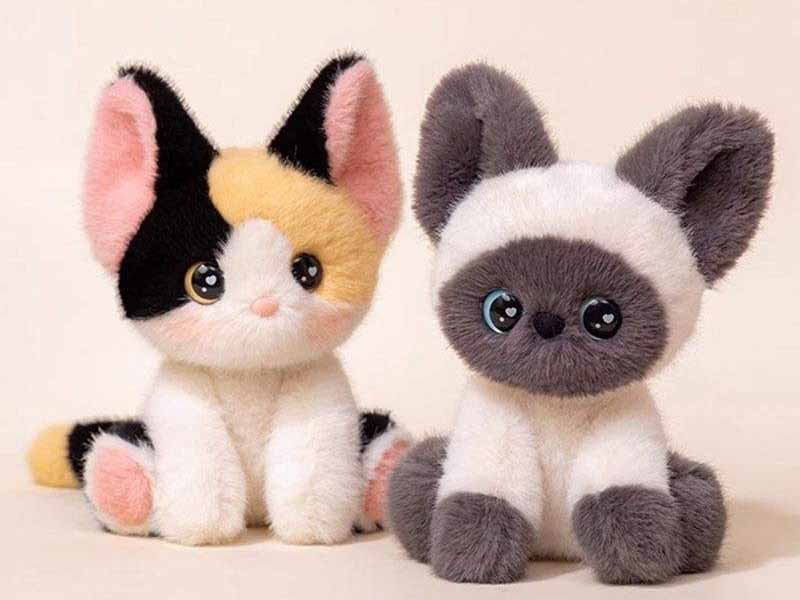
A company mascot can do more than appear on a website, package, trade show banner, or social media post. When a mascot becomes a plush toy, it moves from a flat image into something people can hold, gift, photograph, collect, and remember. For companies, that soft physical connection can be powerful. A mascot plush can welcome a new employee, attract visitors at a booth, sit on a customer’s desk, travel inside a gift box, or become a limited-edition product that fans want to buy.
A custom mascot plush is a soft stuffed product made from a company logo character, animal symbol, campaign figure, school mascot, sports icon, or original IP design. Companies use mascot plush toys for corporate gifts, event giveaways, employee welcome kits, customer loyalty programs, retail merchandise, fundraising, and brand campaigns. A strong mascot plush should be recognizable, soft, safe, well-structured, and matched to the company’s real use case.
Many companies first think the hard part is “making it cute.” In reality, the harder part is making the plush accurate, manufacturable, cost-controlled, and suitable for the market. A mascot with thin lines, sharp corners, tiny text, complex clothes, or special colors may look perfect in a digital file but become difficult in fabric. A good plush manufacturer helps translate the design into a soft product without losing the character’s identity.
Delsney supports companies through the full process, from artwork review, three-view design, 3D effect support, fabric selection, pattern making, and fast sampling to bulk production, packaging, quality inspection, and export delivery. With more than 18 years of plush product development and manufacturing experience, Delsney helps brands turn mascots into plush products that feel polished, consistent, and ready for real business use.
What Are Custom Mascot Plush Toys?

Custom mascot plush toys are stuffed products developed from a company’s own mascot, logo character, brand animal, school symbol, sports figure, event icon, or original character. They are not generic plush toys with a logo added afterward. Every part of the plush, including shape, color, face, fabric, clothing, accessory, tag, and packaging, can be designed around the company’s identity and campaign goal.
A company mascot plush works best when it combines emotional appeal with practical use. It should look close enough to the original design, feel pleasant in the hand, pass relevant safety requirements, fit the budget, and support the company’s marketing or sales purpose. For many companies, the goal is not only to make a toy. The goal is to create a physical brand character that people want to keep.
The most important point is clarity. Before starting development, a company should know who will receive the plush, where it will be used, how many pieces are needed, what quality level is expected, and whether the product will be gifted, sold, displayed, or shipped as part of a kit.
| Key Question | Why It Matters for Companies |
|---|---|
| Who will receive the plush? | Children, employees, fans, customers, and event visitors need different safety, size, and design choices. |
| Will the plush be gifted or sold? | Retail plush needs stronger packaging, barcode planning, labeling, and quality consistency. |
| What size is needed? | Size affects detail accuracy, unit cost, shipping cost, and display value. |
| How complex is the mascot? | Horns, tails, clothes, glasses, shoes, and small accessories increase sample work and sewing time. |
| What market will receive it? | European and American markets may require safety testing, label control, and material documentation. |
| How soon is delivery needed? | Event deadlines require early planning for sampling, revisions, production, packing, and shipping. |
What Is a Mascot Plush?
A mascot plush is a soft toy version of a brand character or symbolic figure. It may be based on a company logo, cartoon animal, game character, school mascot, sports team figure, product ambassador, or campaign illustration. The plush version gives the mascot body shape, fabric texture, facial expression, stuffing balance, and a more personal feeling.
A regular stuffed animal can be bought from stock. A mascot plush must be developed around a specific identity. The eyes, mouth, ears, body shape, colors, clothes, logo placement, accessories, and packaging should all match the company’s visual language.
For example:
| Original Mascot Type | Plush Development Direction |
|---|---|
| Animal logo | Turn into a sitting or standing plush with embroidered face and brand color details. |
| Robot icon | Use soft panel shapes, clean embroidery, and structured seams to keep a tech look. |
| Food character | Develop rounded body shape, printed details, and playful facial expression. |
| School mascot | Add scarf, jersey, cap, or school color clothing. |
| Sports mascot | Create team uniform, number, badge, or fan merchandise packaging. |
| App character | Make a compact plush suitable for influencer boxes or online merchandise. |
The challenge is not only copying the mascot. Fabric behaves differently from digital art. A thin line may need embroidery. A sharp corner may need to become rounded. A flat color may need fabric matching. A tiny logo may need a woven label or printed patch instead of direct embroidery. Good plush design keeps the mascot recognizable while adjusting details for soft toy production.
Delsney helps clients review mascot artwork before sampling. The team can support three-view design and 3D effect presentation, making it easier for companies to see how the front, side, and back of the plush will look before moving into sample production.
Why Do Companies Use Mascot Plush?
Companies use mascot plush toys because they create emotional value that many ordinary promotional items cannot achieve. Pens, flyers, coupons, and simple logo gifts are easy to replace. A well-made mascot plush is more likely to be kept, photographed, displayed, or shared.
For a company, mascot plush can support several business goals:
- Increase brand recall through a physical character.
- Make events more interactive and easier to photograph.
- Add warmth to employee welcome kits.
- Create memorable customer gifts.
- Support product launches with limited-edition merchandise.
- Build fan loyalty for schools, sports teams, games, and IP brands.
- Turn a company mascot into a retail product.
- Add perceived value to campaign gift boxes.
- Create social media content through unboxing and user photos.
- Strengthen emotional connection with younger audiences and families.
A plush mascot is also useful because it works across many channels. The same character can appear on a website, package, short video, event booth, retail shelf, and physical gift. When the plush design is consistent with the digital mascot, customers start to recognize the character faster.
Companies with strong mascot programs often treat plush as part of a larger brand system. They may prepare a plush toy, hangtag, gift box, story card, sticker, and social media hashtag at the same time. That way, the plush is not a random gift. It becomes part of a campaign story.
Are Mascot Plush Toys Good for Branding?
Mascot plush toys are good for branding when the design is accurate, the quality feels reliable, and the product matches the audience. A weak plush can hurt brand perception. A strong plush can make a company feel more friendly, more memorable, and more emotionally connected to customers.
A mascot plush supports branding in four practical ways:
| Branding Goal | How Mascot Plush Helps |
|---|---|
| Recognition | Repeats the mascot shape, color, and face in a physical product. |
| Emotion | Soft fabric and rounded form make the brand feel warmer and more approachable. |
| Retention | Plush toys are often kept longer than paper materials or basic gifts. |
| Sharing | Cute mascot plush toys are easy to photograph for social media, events, and unboxing content. |
Quality is the center of the branding effect. If the mascot face looks wrong, the plush may feel unofficial. If the logo is blurry, the product may look cheap. If the fabric is rough, customers may not want to keep it. If the filling is uneven, the plush may not sit well in photos or displays.
Companies should pay attention to:
- Face expression accuracy
- Brand color matching
- Embroidery clarity
- Fabric softness
- Seam strength
- Body proportion
- Sitting or standing balance
- Logo placement
- Accessory durability
- Packaging presentation
Delsney’s production experience is valuable for companies with high standards. The company offers end-to-end OEM/ODM customization, free design support, free sampling, sample modification, pattern making, fabric sourcing, and quality control. For brand projects where the finished plush must closely match the original artwork, Delsney can help improve design accuracy before mass production.
What Types of Brands Need Mascot Plush?
Mascot plush toys are useful for far more than toy companies. Any company with a mascot, character, logo animal, symbolic icon, community figure, event character, or story-driven visual identity can consider plush development.
Different company types use mascot plush in different ways:
| Company Type | Common Plush Use | Recommended Format |
|---|---|---|
| Consumer goods brands | Customer gifts, retail campaigns | 8–12 inch plush, gift box set |
| Tech companies | Event giveaways, employee kits | Mini desk plush, mascot keychain |
| Sports teams | Fan merchandise, game-day gifts | Team mascot plush with jersey |
| Schools and universities | Fundraising, alumni gifts, spirit items | School mascot plush, plush keychain |
| Food and beverage brands | Store display, family campaigns | Animal or food character plush |
| IP and game brands | Merchandise, fan collectibles | Character plush series |
| Tourism brands | Souvenirs, destination gifts | Local mascot plush |
| Agencies | Client campaign products | Limited-edition campaign plush |
| Nonprofit groups | Donation rewards, awareness gifts | Mission mascot plush |
| E-commerce brands | Loyalty gifts, online drops | Collectible plush with branded packaging |
A mascot plush is especially suitable when a company wants a product that feels personal rather than purely commercial. For example, a pet brand can create a dog mascot plush for retail promotions. A children’s education brand can develop a learning character plush. A sports club can sell a team mascot plush to fans. A tech company can create a robot mascot plush for developer events.
The best time to develop mascot plush is when the company already has a clear character identity or wants to strengthen one. If the mascot design is still rough, Delsney can help refine it for production through three-view design, material planning, and sample development.
Which Mascot Plush Ideas Work Best?

The best mascot plush ideas are simple to recognize, pleasant to touch, practical to produce, and useful for a real company purpose. A mini plush may be better for trade shows, while a larger plush may be better for premium gifts or retail. A dressed mascot plush may work better for corporate identity, while a keychain version may work better for events and schools.
A strong idea should balance creativity and manufacturing reality. Companies often want a plush that looks exactly like the original mascot, but some artwork details may need adjustment. Tiny fingers, thin tails, small text, sharp teeth, complex shadows, or gradient colors can raise cost and lower production stability. Good plush design keeps the mascot’s most important features and simplifies details that do not work well in fabric.
Before choosing a style, companies should consider:
| Decision Area | Practical Recommendation |
|---|---|
| Campaign goal | Choose mini plush for mass giveaways, medium plush for gifts, larger plush for retail or display. |
| Target audience | Kids need safer structures; office users may prefer desk plush; fans may prefer collectible details. |
| Mascot complexity | Detailed characters usually need larger sizes for better facial and clothing accuracy. |
| Budget range | Size, embroidery, fabric, clothing, packaging, and testing all affect final cost. |
| Shipping plan | Smaller plush toys reduce carton volume and international freight pressure. |
| Brand positioning | Premium brands should consider better fabric, detailed labels, and gift packaging. |
Many successful company mascot plush projects begin with one main design and then expand into a product family. A brand may start with an 8-inch mascot plush, then add a 4-inch keychain, holiday edition, plush pillow, employee gift version, or retail gift box version.
Delsney can help companies plan mascot plush as a series rather than a single item. For brands with long-term marketing needs, that approach supports seasonal campaigns, event drops, influencer kits, and retail collections.
Which Plush Styles Fit Companies?
Different plush styles fit different company goals. A company preparing a trade show giveaway should not choose the same format as a company planning retail merchandise. Style choice affects cost, packaging, shipping, product value, and user response.
Popular mascot plush styles include:
| Plush Style | Best Use | Main Benefit | Common Size |
|---|---|---|---|
| Mini mascot plush | Events, mailers, school gifts | Easy to distribute | 4–6 inch |
| Plush keychain | Trade shows, fan shops, student gifts | Portable and visible | 3–5 inch |
| Sitting mascot plush | Employee gifts, desk display | Stable and photo-friendly | 8–10 inch |
| Standing mascot plush | Retail, sports teams, character brands | Strong visual presence | 10–15 inch |
| Mascot with T-shirt | Corporate campaigns | Easy logo placement | 6–12 inch |
| Mascot with hoodie | Tech, lifestyle, youth brands | Casual and modern | 8–12 inch |
| Plush pillow | Travel, wellness, home brands | Functional and soft | 12–18 inch |
| Weighted mascot plush | Premium gifts, comfort products | Higher perceived value | 8–12 inch |
| Holiday mascot plush | Seasonal campaigns | Limited-edition appeal | 6–12 inch |
| Gift box plush set | VIP clients, retail bundles | Premium presentation | Custom |
A company mascot with a large head usually works well as a sitting plush because the base can support the weight. A long animal mascot may work well as a plush pillow. A mascot with a simple rounded body may work well as a keychain. A character with clothes may need a medium size so the clothing details do not look crowded.
For Delsney projects, style planning often begins by checking the mascot’s body shape, face complexity, target quantity, and final use. That helps avoid costly mistakes before sampling begins.
Which Sizes Are Most Popular?
Mascot plush size affects nearly every part of the project: detail accuracy, cost, carton volume, shipping fee, display value, and customer reaction. Small plush toys are easier to distribute, but they may not show detailed faces or clothing well. Larger plush toys look more impressive, but they require more fabric, filling, labor, storage space, and freight budget.
Common company mascot plush sizes:
| Size Range | Best For | Strength | Limitation |
|---|---|---|---|
| 3–4 inch | Keychains, bag charms | Low material use, easy carrying | Limited face detail |
| 5–6 inch | Event giveaways | Good for mass distribution | Not ideal for complex mascots |
| 8 inch | Employee gifts, desk plush | Balanced cost and detail | May need simple packaging |
| 10–12 inch | Retail, premium campaigns | Better face and clothing accuracy | Higher shipping volume |
| 15 inch+ | VIP gifts, displays | Strong visual impact | Higher cost and freight |
| Oversized plush | Booth display, photo props | Excellent attention value | Requires custom packing plan |
For many company projects, 8–10 inches is a practical starting point. It gives enough space for eyes, mouth, clothing, logo, and body shape while keeping cost and shipping under control. For event campaigns, 4–6 inches may be better because the product must be handed out in larger quantities.
A useful strategy is to develop two sizes:
| Size Plan | Use Case |
|---|---|
| 4–6 inch mini version | Events, mailers, giveaways, school sales |
| 8–12 inch main version | Employee gifts, retail, premium campaigns, influencer kits |
Companies selling mascot plush as merchandise should usually choose a size that looks valuable on camera and in packaging. Companies giving plush toys away at conferences may care more about carton size and unit cost.
Delsney can recommend size options based on artwork complexity and target budget. If the mascot has detailed eyes, clothes, accessories, or brand marks, Delsney may suggest a larger size to protect design accuracy.
Which Mascot Designs Sell Well?
Mascot designs that perform well usually have a clear face, simple body outline, strong color identity, and one memorable feature. Customers should understand the character quickly. If people need several seconds to figure out what the mascot is, the plush may not have strong shelf or event impact.
Strong mascot plush designs often include:
- Large readable eyes
- Rounded body shape
- Soft and friendly expression
- One main brand color plus one or two support colors
- A signature accessory
- Simple hands or paws
- Clear front-facing identity
- Stable sitting or standing posture
- Easy-to-read logo placement
- A name, tag, or story card
Designs may face production issues when they include:
- Too many tiny lines
- Small printed text on curved areas
- Very thin arms or legs
- Complex hair shapes
- Sharp corners
- Many color blocks
- Gradient effects
- Small removable parts
- Oversized accessories
- Body proportions that cannot sit or stand well
A mascot plush should feel close to the original character, but production adjustments are often necessary. For example, a flat logo tail may need to become a padded tail. A thin smile may need embroidery. A tiny badge may need to become a woven label. A sharp tooth may need to become a soft felt or embroidered shape.
Delsney’s design and sample team can help companies decide which details must stay and which details should be simplified. That balance helps protect both brand accuracy and production quality.
Which Details Make Plush More Memorable?
Memorable mascot plush toys usually have one or two details that customers notice immediately. The detail may be a branded shirt, embroidered logo, special fabric texture, tiny prop, funny expression, custom hangtag, or premium box. Too many details can make the plush look crowded, raise cost, and slow production.
Useful custom details include:
| Custom Detail | Best Use | Notes |
|---|---|---|
| Embroidered eyes | Character accuracy | Durable and clean for most plush toys |
| Printed facial detail | Complex graphics | Works better on smooth fabrics |
| Branded T-shirt | Corporate identity | Good for logo visibility |
| Hoodie or jacket | Lifestyle campaigns | Adds personality and perceived value |
| Mini prop | Storytelling | Must be checked for safety and durability |
| Woven label | Subtle branding | Good for premium plush |
| Hangtag | Retail and gifting | Can show story, barcode, care info |
| Story card | IP brands, campaigns | Adds emotional value |
| Gift box | Premium gifts | Improves presentation |
| Recycled material label | Eco programs | Useful when using certified materials |
Small details should support the mascot story. A cybersecurity mascot may carry a soft shield. A coffee mascot may hold a tiny cup. A school mascot may wear a scarf. A travel mascot may carry a small backpack. A sports mascot may wear a jersey.
Safety and durability must guide every choice. Small hard accessories may not be suitable for children’s plush. Long strings may raise safety concerns. Printed details may crack if placed on the wrong fabric. Heavy props may affect sitting balance.
Delsney helps companies check detail feasibility during design development. The goal is to make the plush more memorable without making production unstable or unsafe.
Which Ideas Fit Events and Giveaways?
Event mascot plush should be easy to carry, quick to recognize, simple to distribute, and strong enough to create a small moment of delight. At trade shows, schools, sports events, product launches, and company celebrations, plush toys need to work in real movement, not only in product photos.
Recommended event ideas:
| Event Type | Recommended Mascot Plush | Why It Works |
|---|---|---|
| Trade show | 5–6 inch mini mascot plush | Easy to hand out, carry, and pack |
| Conference | Mascot keychain | Small enough for badge bags and gift kits |
| Product launch | Limited-edition mascot plush | Creates urgency and campaign memory |
| Employee day | Sitting desk plush | Useful as office decoration |
| Sports event | Team mascot plush with jersey | Strong fan connection |
| School fundraiser | Mascot keychain or 8-inch plush | Easy to sell at school stores |
| Charity campaign | Mission mascot plush | Adds emotional meaning to donation gifts |
| Influencer campaign | Photo-ready plush gift set | Works well for unboxing content |
| VIP client event | Mascot plush in gift box | Higher perceived value |
Event projects need careful timing. A company should allow time for artwork review, sampling, sample adjustment, production, inspection, packaging, and shipping. Waiting until the final few weeks can force expensive air freight or reduce time for sample correction.
A practical planning model:
| Project Stage | Suggested Time Planning |
|---|---|
| Artwork review and design adjustment | 2–5 days |
| Regular plush sampling | 5–7 days |
| Complex sample with accessories or special process | 7–15 days |
| Sample revision | Depends on changes |
| Bulk production | Based on quantity, complexity, and season |
| Packaging and inspection | Planned before shipment |
| Sea, air, or express shipping | Chosen by deadline and budget |
Delsney’s 5–7 day fast sampling for regular plush projects helps companies move quickly when design files are clear. For complex mascot plush involving special fabric, clothes, accessories, or molded parts, earlier planning is recommended. A better timeline gives more space to improve the face, body shape, color matching, and packaging before bulk production.
How Can Companies Use Mascot Plush?

Companies can use mascot plush toys as gifts, event giveaways, retail merchandise, employee items, customer loyalty rewards, fundraising products, and campaign tools. The best use depends on the company’s audience, budget, order quantity, and marketing goal. A mascot plush should not sit alone as a cute item; it should connect to a clear business purpose, such as increasing brand memory, improving event engagement, creating merchandise revenue, or strengthening community identity.
Many companies already have a mascot, but they only use it in digital form. It may appear on a website, social media account, packaging, app interface, school banner, event poster, or sports uniform. Plush development gives that mascot a physical role. Once the mascot becomes a plush toy, it can enter gift boxes, retail shelves, office spaces, school stores, event booths, fan collections, and customer homes.
The most valuable mascot plush projects are not random giveaways. They are planned around a clear scene. A company preparing for a trade show may need a smaller plush with logo clothing. A school may need a lower-cost mascot keychain for student sales. A sports team may need a detailed mascot plush with jersey colors. An IP brand may need a collectible plush series with hangtags and retail packaging. A tech company may need a desk plush for developer gifts or employee onboarding.
A good mascot plush also gives marketing teams more content material. It can appear in unboxing videos, event photos, office culture posts, product launch scenes, customer thank-you packages, influencer kits, and seasonal campaigns. Unlike a digital sticker, a plush mascot creates real-world scenes that people can photograph and share.
Before production, companies should decide how the plush will be distributed. Gift use, retail use, and event use need different planning.
| Use Purpose | Best Plush Format | Recommended Size | Key Focus |
|---|---|---|---|
| Trade show giveaway | Mini mascot plush or keychain | 3–6 inch | Cost control, easy carrying |
| Employee welcome kit | Sitting mascot plush | 8–10 inch | Soft feel, office display |
| Customer loyalty gift | Branded mascot plush | 6–10 inch | Packaging, logo visibility |
| Retail merchandise | Collectible mascot plush | 8–15 inch | Labeling, barcode, shelf value |
| School fundraising | Mascot keychain or medium plush | 4–10 inch | Price point, repeat orders |
| Sports fan shop | Mascot plush with jersey | 8–12 inch | Team colors, fan identity |
| Product launch | Limited-edition plush | 6–12 inch | Campaign story, gift box |
| VIP client gift | Premium plush set | 10–15 inch | Texture, packaging, presentation |
The biggest mistake is ordering mascot plush without thinking about the receiver. A plush made for children should avoid unsafe small parts. A plush made for corporate desks should sit steadily. A plush made for retail should look good inside packaging. A plush made for shipping kits should fit into mailer cartons without losing shape.
Delsney helps companies connect the mascot idea with the real use scene. From size planning and fabric selection to packaging and bulk production, the project can be built around how the plush will actually be used after delivery.
How Do Plush Toys Support Brand Campaigns?
Mascot plush toys support brand campaigns by giving people something physical to remember. Digital campaigns move fast. Ads disappear. Posts get buried. A plush mascot can stay in the customer’s home, office, school bag, car, or display shelf long after the campaign ends.
For a campaign, the plush can work as the center item. A company can build a product launch gift box around it. A brand can release a limited-edition mascot plush during an anniversary. A school can sell mascot plush toys during homecoming season. A sports team can give plush toys to early ticket holders. An online brand can include a mascot plush in influencer mailers.
Common campaign uses include:
- New product launch gifts
- Anniversary celebration plush
- Limited-edition holiday mascot
- Customer thank-you packages
- Influencer unboxing kits
- Social media photo challenges
- Retail purchase-with-gift programs
- Membership rewards
- Crowdfunding rewards
- Event registration gifts
A mascot plush also gives the campaign a warmer personality. Instead of asking people to remember only a product name or message, the company lets them remember a character. The character can carry the campaign idea through clothing, accessories, tags, packaging, and story cards.
For example, a food brand may create a holiday version of its mascot with a scarf and gift box. A software company may create a robot mascot plush for a developer conference. A wellness brand may create a soft mascot pillow for a relaxation campaign. These ideas work because the plush is connected to a story, not only a logo.
Delsney can help turn campaign concepts into manufacturable plush products by reviewing artwork, simplifying complex details, matching fabric colors, developing samples, and preparing packaging that supports the campaign message.
How Can Mascot Plush Boost Events?
Mascot plush toys can make events more active because people naturally want to touch, hold, photograph, and collect soft products. At trade shows, conferences, sports games, school fairs, product launches, and community events, a mascot plush can help a booth or brand area feel more inviting.
At busy events, attention is limited. Visitors may walk past banners and brochures quickly, but a well-displayed plush mascot can make them stop. If the mascot is cute, funny, or highly recognizable, people may ask for one, take photos, or share it with coworkers and friends.
Event plush works best when the product is easy to distribute. A huge plush may look impressive but may not be practical for thousands of visitors. A small plush keychain or mini mascot can be packed in cartons, handed out quickly, added to gift bags, or attached to lanyards.
Event planning should consider:
| Event Need | Plush Planning Point |
|---|---|
| Fast distribution | Choose small or medium size with simple packaging. |
| Photo moments | Use a plush with clear face, stable sitting posture, and strong colors. |
| Booth traffic | Display plush toys at eye level or in a basket near the counter. |
| Visitor memory | Add branded T-shirt, tag, or campaign message. |
| Travel convenience | Avoid oversized products unless used as VIP gifts. |
| Budget control | Reduce complex accessories and choose repeatable embroidery. |
| Safety | Avoid sharp or detachable parts for family events. |
| Deadline | Start sampling early to avoid rushed production and costly freight. |
For larger events, companies may use two versions: a main display plush and a mini giveaway plush. The larger plush can be placed at the booth or stage for photos, while the mini version can be handed to visitors. This creates visual consistency while keeping giveaway costs manageable.
Delsney can support event projects with fast sampling, flexible MOQ planning, production scheduling, inspection, and packaging options. For events with fixed dates, early artwork confirmation is important because sample revisions, fabric selection, and shipping time all affect the final delivery schedule.
How Do Companies Use Plush as Gifts?
Companies use mascot plush as gifts because plush feels more personal than many standard corporate items. A notebook may be useful, but a mascot plush can feel friendly. A mug may carry a logo, but a plush mascot can carry a character. For many recipients, the plush becomes a desk object, a child’s toy, a collectible, or a reminder of a positive brand moment.
Mascot plush gifts are suitable for:
- Employee onboarding
- Customer appreciation
- VIP client packages
- Holiday gifts
- Conference speaker gifts
- Product launch kits
- Partner thank-you boxes
- School welcome packs
- Fan rewards
- Community programs
The gift value depends on presentation. A loose plush in a plain bag may feel basic. A plush with a hangtag, story card, branded clothing, and gift box feels more complete. If the plush is part of a company kit, size must match the packaging. A bulky plush may increase shipping cost, while a compact plush may fit neatly with other items.
Gift planning should answer:
| Gift Question | Better Decision |
|---|---|
| Is the gift for employees or customers? | Employees may prefer desk plush; customers may prefer boxed gifts. |
| Is the gift premium or mass-market? | Premium gifts need better fabric and packaging. |
| Will it be shipped individually? | Choose carton-friendly size and compression-safe structure. |
| Does the plush need a story? | Add a card explaining mascot meaning or campaign message. |
| Will children use it? | Avoid small detachable parts and plan safety compliance. |
| Should it match company colors? | Prepare Pantone references or approved color guides. |
For employee gifts, mascot plush can support company culture. A mascot sitting on desks creates a shared visual symbol inside the office. For customer gifts, the plush can soften the relationship and make the company easier to remember. For VIP gifts, custom packaging and premium fabric can increase perceived value.
Delsney can provide private label solutions, logo customization, hangtags, packaging design, and OEM/ODM production to help companies turn mascot plush into complete gift products rather than simple stuffed toys.
How Can Plush Become Merchandise?
Mascot plush can become merchandise when the character has audience demand, collectible appeal, strong packaging, and reliable production quality. For companies with fans, students, sports followers, app users, game players, or loyal customers, plush merchandise can become both a marketing tool and a revenue product.
Merchandise plush requires more planning than giveaway plush. A retail product must look polished, feel consistent, and meet market expectations. The packaging may need barcodes, warning labels, care labels, product descriptions, SKU planning, carton marks, and retail-ready presentation. If the plush is sold to children or families, safety compliance becomes even more important.
Mascot plush merchandise can include:
- Main character plush
- Mini plush keychains
- Seasonal mascot editions
- Mascot plush pillows
- Mascot plush with outfit changes
- Collectible series by color or expression
- Limited-edition event plush
- Gift box sets
- Plush plus sticker card sets
- Plush plus storybook or story card sets
A company can start with one hero mascot and expand gradually. For example:
| Stage | Merchandise Plan |
|---|---|
| First release | One 8–10 inch mascot plush |
| Second release | Mini keychain version |
| Third release | Holiday edition or event edition |
| Fourth release | Character series or friend characters |
| Fifth release | Gift box bundle with accessories |
Retail plush also needs consistency. If a customer buys one plush online and another customer buys the same plush in-store, both products should look very close in shape, face, color, and stuffing. Poor consistency can create complaints, returns, and weak reviews.
Delsney’s pattern making, sample control, production management, and quality inspection are helpful for merchandise projects. For brands selling plush directly to customers, Delsney can support packaging, private label, logo application, batch quality control, and export requirements.
How Do Mascot Plush Toys Build Loyalty?
Mascot plush toys build loyalty by turning a company’s identity into something people can keep and connect with emotionally. A mascot can become a small companion, a symbol of membership, a fan item, or a reminder of a shared experience.
Loyalty grows when the plush has meaning. A customer who receives a mascot plush after repeat purchases may feel recognized. A student who buys a school mascot plush may feel school pride. A sports fan who collects a team mascot plush may feel closer to the team. An employee who receives a company mascot plush during onboarding may feel part of the culture.
Mascot plush can support loyalty programs in several ways:
| Loyalty Use | Plush Strategy |
|---|---|
| Repeat purchase reward | Offer plush after reaching purchase amount. |
| Member gift | Create exclusive mascot plush for registered members. |
| Fan collection | Release different mascot versions by season. |
| Employee culture | Include plush in welcome kits and milestone gifts. |
| School spirit | Sell or gift mascot plush during key school events. |
| Customer community | Encourage users to photograph plush in daily life. |
| VIP program | Use premium fabric and gift box packaging. |
| Brand anniversary | Release a numbered limited-edition plush. |
The emotional side matters, but quality still decides whether loyalty grows or weakens. If the plush feels cheap, the customer may question the brand. If the face looks wrong, fans may reject it. If the product arrives crushed or poorly packaged, the gift moment loses impact.
Delsney helps protect that experience by focusing on fabric feel, shape accuracy, stitching, embroidery, stuffing balance, packaging, and final inspection. For companies building long-term loyalty programs, Delsney can also support repeated orders, design updates, and new seasonal versions.
How Do You Design a Mascot Plush?

Designing a mascot plush means turning a flat visual identity into a soft three-dimensional product that can be cut, sewn, stuffed, inspected, packed, and shipped. The process includes artwork review, body structure planning, fabric selection, color matching, face development, pattern making, sample production, revision, and bulk production preparation.
A company should not treat plush design as simple image copying. A logo or mascot drawing may include thin lines, flat shapes, gradients, sharp points, or tiny text that cannot be copied directly in fabric. Good plush design keeps the character’s identity while making practical adjustments for softness, safety, balance, and production consistency.
The most important design goal is recognition. When someone sees the plush, they should immediately connect it with the company mascot. That recognition can come from face shape, color, ears, clothing, expression, logo, or signature accessory. If the plush loses these features, it may feel generic.
A strong mascot plush design usually needs the following files and information:
| Information Needed | Why It Helps |
|---|---|
| Front view artwork | Shows face, body, logo, clothing, and main expression. |
| Side view artwork | Helps develop body thickness, posture, tail, and accessory position. |
| Back view artwork | Shows back details, labels, clothing, or hidden design areas. |
| Brand color references | Helps match fabric, embroidery thread, and printed details. |
| Size requirement | Affects pattern, detail accuracy, cost, and packaging. |
| Quantity estimate | Helps plan materials, cost, and production method. |
| Use market | Determines safety, label, and testing needs. |
| Packaging needs | Influences hangtags, boxes, polybags, and carton planning. |
| Deadline | Helps arrange sampling, revision, production, and shipping schedule. |
Delsney can support three-view design and 3D effect presentation for clients who only have a logo, sketch, reference image, or rough character concept. This is especially helpful for companies that have a mascot idea but do not yet have production-ready files.
The design process should also consider how people will interact with the plush. Will it sit on a desk? Hang from a bag? Be hugged by children? Stand in a retail display? Fit inside a mailer box? Each use creates different design choices.
For example, a desk mascot needs a stable base. A keychain mascot needs strong attachment points. A child’s plush needs soft parts and careful safety planning. A retail plush needs better presentation and consistent face shape. A photo prop plush needs clear front-facing expression and body balance.
How Do You Turn a Logo Into Plush?
Turning a logo into plush starts by identifying which parts of the logo can become a soft character. Some logos already include animals, people, monsters, robots, food shapes, or icons. Others are abstract and need creative development before they can become plush.
The process usually begins with a design review:
- Is the logo already a character?
- Does it have eyes, mouth, arms, legs, or body shape?
- Which colors must stay exact?
- Which details are too small for plush?
- Does the company want a cute, premium, funny, sporty, or professional feeling?
- Should the plush wear branded clothing?
- Should the logo appear as part of the character or on an accessory?
A flat logo may need to be rebuilt into a character. For example, a cloud logo can become a cloud mascot with embroidered eyes and little arms. A fox logo can become a sitting fox plush. A star logo can become a rounded star character. A letter-based logo can become a mascot holding a small sign or wearing a logo shirt.
Logo-to-plush development often requires simplification. Sharp corners become soft curves. Very thin lines become embroidery or printed details. Small words may move to a hangtag or clothing label. Gradients may be replaced with solid fabric colors.
Delsney can help companies turn logo files, drawings, screenshots, or reference images into plush-ready concepts. With free design support and sample development, clients can test whether the logo works better as a mini plush, sitting plush, keychain, pillow, or dressed mascot.
How Do You Convert 2D Art to 3D?
Converting 2D art to 3D plush is one of the most important steps in mascot plush development. A 2D character only shows height and width. A plush toy also needs depth, thickness, body volume, stuffing structure, seam positions, and balance.
The main conversion decisions include:
| 2D Design Issue | 3D Plush Solution |
|---|---|
| Flat face | Add head volume and choose embroidery or printing. |
| Thin arms | Thicken arms for sewing strength and stuffing. |
| Sharp ears | Round the tips for safety and soft structure. |
| Small shoes | Enlarge or simplify for better production stability. |
| Complex hair | Use fabric panels, embroidery, or simplified shapes. |
| Tiny logo | Move to clothing, label, tag, or packaging. |
| Gradient colors | Replace with close fabric colors or printed fabric. |
| Long tail | Add internal structure or secure stitching points. |
Body balance is also important. A mascot with a big head and small body may fall forward unless the base is widened or the stuffing is adjusted. A standing mascot may need larger feet. A sitting mascot may need a flatter bottom. A plush keychain may need lighter filling and reinforced hanging loop.
Three-view design helps solve these issues before sampling. The front view shows recognition. The side view shows depth and posture. The back view shows tail, clothing, seam planning, and brand details. A 3D effect can help the company understand the likely final look before cutting fabric.
Delsney’s pattern team translates approved design into paper patterns and sample structure. This step decides whether the plush can be produced consistently in bulk. Good pattern development reduces distortion, improves face accuracy, and keeps the mascot stable after stuffing.
How Should Colors and Fabrics Be Chosen?
Colors and fabrics should be chosen based on brand accuracy, touch feeling, production feasibility, safety, and cost. A mascot plush may look wrong if the color is slightly off, especially when the mascot already has strong brand recognition.
Companies should provide Pantone codes, brand color guides, or approved samples when possible. Fabric color matching is not always identical to screen color because fabric absorbs light differently. Plush fabric also has pile direction, which can make the same material look lighter or darker from different angles.
Common fabric options include:
| Fabric Type | Feel | Best For |
|---|---|---|
| Short plush | Smooth, clean | Mascots with clear shape and embroidery |
| Minky | Soft, premium | Baby-friendly or high-touch plush |
| Velboa | Short pile, stable | Detailed characters and printed areas |
| Faux fur | Fluffy, textured | Animal mascots and premium styles |
| Sherpa | Warm, cozy | Lifestyle or winter-themed mascots |
| Fleece | Soft, casual | Simple mascot shapes and pillows |
| RPET plush | Eco-focused | Sustainability campaigns |
| Cotton blend fabric | Natural look | Boutique or lifestyle mascot products |
The right fabric depends on the mascot design. A detailed logo character may need short plush or velboa so embroidery looks clean. A fluffy animal mascot may need faux fur for texture. A baby product mascot may need very soft minky. An eco campaign may prefer recycled material if certification and sourcing are available.
Companies should also consider production consistency. Some special fabrics have longer sourcing time, higher MOQ, or color limitations. Delsney can help clients compare fabric options based on sample feel, price, color availability, testing needs, and order quantity.
How Do You Keep the Mascot Accurate?
Mascot accuracy comes from controlling the most recognizable parts of the character. A plush does not need to copy every small digital detail, but it must preserve the features that make people say, “Yes, that is our mascot.”
Key accuracy points include:
- Face shape
- Eye size and position
- Mouth expression
- Main body proportion
- Signature color
- Ear, horn, tail, or hair shape
- Clothing style
- Logo position
- Character posture
- Accessory meaning
The face is usually the most sensitive part. A small change in eye distance, eyebrow angle, mouth curve, or head shape can change the mascot’s personality. For company projects, the sample should be reviewed from several angles and under normal lighting, not only from one front photo.
A practical sample review checklist:
| Review Area | What to Check |
|---|---|
| Face | Does the expression match the brand character? |
| Color | Is the fabric close to the approved brand color? |
| Shape | Does the head/body proportion feel right? |
| Balance | Can the plush sit or stand as planned? |
| Logo | Is the logo clear, correctly placed, and readable? |
| Sewing | Are seams clean and not distorting the character? |
| Filling | Is the plush full but not too hard? |
| Accessories | Are clothing and props secure and aligned? |
| Packaging | Does the product fit without crushing? |
| Safety | Are small parts, labels, and materials suitable for the target market? |
Delsney provides sample adjustment support, helping clients improve shape, face, embroidery, color, stuffing, and structure before bulk production. For high-standard brand projects, several small corrections at the sample stage can make a large difference in final customer response.
How Can Packaging Improve the Design?
Packaging can make a mascot plush feel more complete, premium, and ready for gifting or retail. A good plush inside weak packaging may feel unfinished. A carefully designed package can explain the mascot story, protect the product, improve shelf display, and increase perceived value.
Common packaging options include:
| Packaging Type | Best Use | Main Benefit |
|---|---|---|
| Individual polybag | Basic protection | Cost-effective for bulk distribution |
| Custom hangtag | Brand story and product info | Low cost with strong branding |
| Story card | IP, school, campaign plush | Adds emotional meaning |
| Display box | Retail and gift shops | Better shelf presentation |
| Window box | Character visibility | Lets customers see the plush clearly |
| Mailer box | E-commerce and influencer kits | Good for shipping and unboxing |
| Gift box | VIP gifts and premium campaigns | Higher perceived value |
| Drawstring bag | Reusable gift packaging | Adds lifestyle feeling |
Packaging should match the use. A giveaway plush may only need a polybag and hangtag. A retail mascot plush may need a display box, barcode, product label, and warning information. A VIP client gift may need a custom box with tissue paper, story card, and brand message.
Packaging also affects freight. A rigid gift box can improve presentation but increases carton volume. A soft polybag saves space but offers less display value. For international orders, carton size, compression resistance, and shipping method should be planned early.
Delsney can support custom packaging design and production coordination, including hangtags, woven labels, paper cards, display boxes, gift boxes, and retail packaging. For companies building a full branded plush program, packaging should be treated as part of the product, not an afterthought.
What Can Be Customized?
Companies can customize almost every visible and functional part of a mascot plush, including size, fabric, color, face details, clothing, logo method, filling, accessories, labels, hangtags, packaging, and shipping presentation. The right customization choices should support the mascot’s identity, target audience, budget, safety requirements, and final use scene. A well-planned mascot plush should look like a real company product, not a generic toy with a logo added later.
Customization is where many company mascot plush projects succeed or fail. A brand may have a clear mascot design, but the final product depends on how well each detail is translated into fabric, stitching, stuffing, and packaging. A small change in fabric pile, eye embroidery, clothing material, or logo position can change the whole feeling of the plush.
For companies, the goal should not be to add every possible custom detail. The better goal is to choose details that improve recognition, user experience, and perceived value. A small event giveaway may only need a clean mascot shape, embroidered face, logo T-shirt, and hangtag. A premium retail plush may need custom fabric, detailed embroidery, sewn clothing, story card, barcode label, and display box.
Customization should be decided early because every choice affects cost, sampling time, production difficulty, and delivery schedule. For example, changing from printed eyes to embroidered eyes affects stitch density and sample work. Adding a hoodie affects sewing time and pattern development. Choosing a gift box affects carton volume and shipping cost. Adding a sound module or weighted filling affects safety review and structure planning.
A practical customization plan should answer these questions:
| Custom Area | Main Question | Why It Matters |
|---|---|---|
| Size | How large should the plush be? | Affects cost, detail accuracy, shipping, and display value. |
| Fabric | What touch feeling should it have? | Affects softness, look, durability, and brand positioning. |
| Color | How close must it match brand colors? | Strong mascots need accurate visual identity. |
| Face | Should details be embroidered, printed, or appliquéd? | Face quality decides recognition and emotion. |
| Logo | Where should the company logo appear? | Helps connect the plush to the brand without looking forced. |
| Clothing | Does the mascot need a shirt, hoodie, scarf, or uniform? | Adds story and makes branding easier. |
| Accessories | Does the mascot need props? | Improves personality but may increase cost and safety review. |
| Filling | Should it be soft, firm, weighted, or recycled? | Affects hand feel, shape, and target audience. |
| Packaging | Will it be gifted, sold, or shipped? | Packaging changes presentation and logistics. |
| Compliance | Which market will receive it? | Safety standards and labels must be considered early. |
Delsney supports full OEM/ODM mascot plush customization, including design development, three-view support, 3D effect planning, fabric sourcing, pattern making, free sampling, sample modification, private label options, packaging design, and bulk production. For companies with strict brand standards, Delsney’s experience helps reduce the gap between digital artwork and finished plush.
What Plush Fabrics Can Be Used?
Fabric choice decides how the mascot plush feels, photographs, ages, and matches the brand personality. A mascot for a children’s education company may need soft and gentle fabric. A sports mascot may need durable fabric and clean embroidery. A luxury gift mascot may need premium texture. An eco-focused campaign may prefer recycled plush material.
Common plush fabric options include:
| Fabric Type | Touch Feel | Best For | Practical Notes |
|---|---|---|---|
| Short plush | Smooth, clean, structured | Logo characters, clean mascots | Good for embroidery and shape control. |
| Minky | Very soft, smooth, premium | Baby products, comfort gifts | Higher perceived softness. |
| Velboa | Short pile, stable surface | Detailed mascot designs | Suitable for printing and clean panel shapes. |
| Faux fur | Fluffy, rich texture | Animal mascots, premium plush | Needs careful trimming around face details. |
| Sherpa | Cozy, warm, textured | Winter campaigns, lifestyle brands | Strong seasonal and soft-home feeling. |
| Fleece | Soft, casual, lightweight | Pillows, simple shapes | Good for relaxed brand styles. |
| Crystal super soft fabric | Smooth and bright | Cute character plush | Often used for soft, colorful products. |
| RPET plush | Recycled material option | Eco campaigns, sustainable lines | Certification planning should be discussed early. |
| Cotton-linen blend | Natural look | Boutique and lifestyle brands | Less common for classic plush but useful for special concepts. |
| Corduroy fabric | Ribbed texture | Retro or fashion-led plush | Adds strong visual texture. |
The mascot’s face usually decides the fabric direction. If the design has small embroidered eyes, mouth details, badges, or color panels, shorter-pile fabrics often give better clarity. If the mascot is an animal character, faux fur or textured plush can make it feel more lifelike. If the company wants a soft premium gift, minky or high-quality short plush may be more suitable.
Fabric color also matters. Screen colors are not fabric colors. A mascot that looks bright blue on a monitor may appear darker or softer on plush fabric. Companies should provide Pantone references, brand manuals, or approved physical color samples when possible.
Delsney can help compare fabric options during development. Instead of choosing only from photos, clients can evaluate fabric by softness, color accuracy, sewing performance, cost, MOQ, and market suitability. This is especially helpful for high-end brand projects where touch feeling and visual accuracy are both important.
What Logo Methods Are Available?
A company mascot plush needs branding, but the logo should be placed in a way that feels natural. Poor logo placement can make the plush look like a cheap promotional item. Good logo planning makes the product feel official, polished, and connected to the brand.
Common logo methods include:
| Logo Method | Best For | Strength | Limitation |
|---|---|---|---|
| Embroidery | Shirts, body patches, simple logos | Durable and premium | Very small text may not be clear. |
| Screen printing | T-shirts, flat fabric areas | Good for simple graphics | Not ideal on high-pile plush. |
| Heat transfer printing | Clothing, small graphics | Clean detail on smooth surfaces | Needs correct fabric match. |
| Sublimation printing | Full-color clothing or panels | Good for rich graphics | Works best on suitable polyester fabric. |
| Woven label | Side seam, clothing, packaging | Subtle and professional | Limited space for complex logos. |
| Printed satin label | Care label, brand label | Useful for product info | Not a main visual logo method. |
| Rubber patch | Premium lifestyle plush | Strong 3D effect | Higher cost and safety review needed. |
| Felt appliqué | Bold graphic shapes | Soft and visible | Not ideal for tiny details. |
| Custom hangtag | Retail and gifts | Adds brand story and barcode | Not part of the plush body itself. |
| Embroidered badge | Uniform or sports mascot | Strong official look | Adds sewing time. |
For corporate mascot plush, one of the most practical options is adding a custom T-shirt, hoodie, scarf, or uniform with the logo. This avoids forcing a logo onto the mascot’s body and gives the design a more natural commercial look. A mascot wearing a small branded shirt often feels more polished than a plain plush with a logo stitched randomly on the belly.
Logo size needs careful planning. Tiny text may become unreadable after embroidery. Very detailed logos may need to be simplified or moved to packaging. If brand accuracy is strict, the logo artwork should be checked before sampling to decide whether embroidery, printing, patching, or labeling will work best.
Delsney can help clients choose the right logo method based on artwork, plush size, fabric type, target market, and budget. For private label projects, the company can also support brand labels, hangtags, packaging marks, and retail-ready presentation.
What Accessories Can Be Added?
Accessories can make a mascot plush more memorable, but they should always have a purpose. Good accessories tell the audience who the mascot is, what the company does, or why the campaign matters. Random accessories add cost without adding value.
Common accessory options include:
| Accessory Type | Best Use | Example |
|---|---|---|
| T-shirt | Corporate branding | Company logo, event slogan |
| Hoodie | Tech, lifestyle, youth brands | Casual mascot clothing |
| Scarf | Schools, sports, winter campaigns | School colors, team colors |
| Cap | Sports, outdoor, food brands | Logo cap or campaign hat |
| Jersey | Sports teams, fan merchandise | Team number, player theme |
| Mini bag | Travel, retail, school brands | Backpack, tote, pouch |
| Soft prop | Campaign storytelling | Coffee cup, book, shield, star |
| Cape | Hero or tech mascots | Security, energy, gaming themes |
| Badge | Service or team identity | Staff badge, mission icon |
| Bow or ribbon | Gift, holiday, boutique brands | Seasonal or premium look |
| Sound module | Interactive campaigns | Voice, music, short message |
| Weighted beads | Comfort products | Calm, cozy, premium feel |
Accessories can improve storytelling. A finance mascot may hold a soft coin. A coffee mascot may carry a cup. A cybersecurity mascot may wear a cape and hold a shield. A university mascot may wear a scarf. A children’s app mascot may carry a small book.
However, every accessory affects production. Clothes need separate patterns. Props need secure stitching. Sound modules need structure planning. Weighted beads need filling control. Small parts require safety review. Accessories also affect packaging size and shipping volume.
For children’s products, accessories must be handled carefully. Avoid sharp parts, loose strings, detachable small parts, or decorations that can easily fall off. For adult promotional products, there is more design freedom, but durability still matters.
Delsney can review accessory feasibility before sample making. The team can suggest whether an accessory should be sewn on, embroidered, printed, padded, simplified, enlarged, or moved to packaging. This helps companies keep the plush attractive while avoiding unnecessary risk.
What Packaging Options Work Best?
Packaging should match the way the mascot plush will be used. A plush made for mass event giveaways does not need the same packaging as a retail plush or VIP client gift. Packaging affects perceived value, logistics cost, retail display, product protection, and unboxing experience.
Common packaging options include:
| Packaging Type | Best For | Main Benefit | Cost Level |
|---|---|---|---|
| Individual polybag | Bulk shipping, giveaways | Low cost, basic protection | Low |
| OPP bag with sticker | Simple branded distribution | Better identity than plain bag | Low |
| Custom hangtag | Gifts, retail, brand campaigns | Adds story and product info | Low to medium |
| Story card | IP, schools, campaigns | Builds emotional meaning | Low to medium |
| Drawstring bag | Gift programs | Reusable and soft | Medium |
| Mailer box | E-commerce, influencer kits | Good unboxing and shipping | Medium |
| Display box | Retail shelves | Better product presentation | Medium to high |
| Window box | Gift and retail | Shows plush without opening | Medium to high |
| Premium gift box | VIP clients, luxury gifts | Strong perceived value | High |
| Blister-style display card | Small keychains | Good for retail hanging display | Medium |
Packaging should be planned with the plush size. If the box is too tight, the plush may arrive flattened. If the box is too large, shipping cost increases. If the plush has long ears, horns, tails, or accessories, the package needs enough space to protect the shape.
Retail packaging needs more information than giveaway packaging. It may require barcode, product name, material information, age grade, care label, safety warning, company information, and country of origin. Gift packaging may need brand message, story card, tissue paper, or insert card.
For e-commerce, packaging should survive shipping. A beautiful box that crushes easily can damage customer experience. For trade shows, packaging should be easy to open and distribute. For influencer mailers, the box should photograph well.
Delsney can support custom packaging design and production coordination, including hangtags, story cards, polybags, gift boxes, display boxes, mailer boxes, carton marks, and private label packaging. For companies building a branded mascot plush line, packaging should be developed together with the plush, not added at the end.
What Safety Standards Are Needed?
Safety requirements depend on where the mascot plush will be sold or distributed, who will use it, and whether it is considered a children’s product. Companies planning to sell or give mascot plush in the United States or Europe should consider safety compliance early, especially when the plush may be used by children.
Common safety and quality areas include:
| Safety Area | What It Checks |
|---|---|
| Physical and mechanical safety | Small parts, seams, sharp points, choking risk, pull strength |
| Flammability | How the material reacts to flame exposure |
| Chemical safety | Restricted substances in fabrics, dyes, fillings, and accessories |
| Labeling | Age grade, warning label, care label, material label, origin label |
| Stitching strength | Whether parts can detach during use |
| Filling safety | Cleanliness and suitability of stuffing materials |
| Embroidery durability | Whether face details remain secure |
| Accessory safety | Whether props, clothes, or add-ons create risk |
| Packaging safety | Warning information and market requirements |
| Traceability | Batch information, material source, production control |
Common market-related standards may include ASTM F963 and CPSIA requirements for the United States, EN71 for the European market, and other testing or labeling requirements depending on the destination and product category. If the plush uses recycled materials, OEKO-TEX, GRS, or other material documentation may also be requested by certain brands.
Companies should avoid leaving compliance until the last stage. If safety is considered only after the sample is finished, design changes may become expensive. Small detachable eyes, hard plastic parts, long cords, weak seams, or unverified materials may cause issues.
Delsney can support projects that need European and American safety compliance planning. The team can help clients choose safer construction methods, such as embroidered eyes instead of plastic eyes, sewn-on accessories instead of detachable parts, and fabric options suitable for the target market.
How Are Mascot Plush Toys Made?
Mascot plush toys are made through a step-by-step process that includes concept review, design adjustment, fabric selection, pattern making, sample production, sample revision, material preparation, cutting, sewing, stuffing, shaping, quality inspection, packaging, and shipment. Each step affects how closely the finished plush matches the original mascot design and how stable the product will be in bulk production.
For companies, the production process should feel organized and transparent. A mascot plush project is not only about creating one sample. The real goal is to make hundreds, thousands, or tens of thousands of plush toys that look consistent, feel safe, match the approved sample, and arrive on time.
A clear process helps reduce mistakes. If the artwork is unclear, the sample may need repeated changes. If the fabric is chosen too late, production may be delayed. If packaging is not planned early, carton volume and shipping cost may rise. If quality standards are not confirmed before bulk production, final inspection may find avoidable problems.
A professional mascot plush manufacturing process usually follows these stages:
| Stage | Main Work | Client Involvement |
|---|---|---|
| 1. Project review | Check artwork, size, quantity, market, use scene | Provide files and requirements |
| 2. Design adjustment | Create plush-ready design, three-view or 3D effect | Approve design direction |
| 3. Fabric planning | Choose fabric, color, filling, accessories | Confirm material preference |
| 4. Pattern making | Build plush structure and sewing pattern | Usually handled by factory |
| 5. Sample production | Make first prototype | Review sample photos or physical sample |
| 6. Sample revision | Adjust face, shape, color, filling, details | Provide feedback |
| 7. Pre-production planning | Confirm final sample, BOM, packaging, labels | Approve final details |
| 8. Bulk cutting | Cut fabric panels | Factory control |
| 9. Sewing and embroidery | Sew body, face, clothes, accessories | Factory control |
| 10. Stuffing and shaping | Add filling, balance posture | Factory control |
| 11. Quality inspection | Check appearance, seams, logo, packing | Factory and client standards |
| 12. Packaging and shipment | Pack, carton, label, ship | Confirm shipping method |
Delsney provides end-to-end OEM/ODM customization, helping clients move from reference file, artwork, sample, or rough idea to final plush product. Regular mascot plush samples can often be developed in 5–7 days when the design is clear. More complex products with special accessories, molds, unique structures, or special processes may need 7–15 days for sampling.
How Does Sampling Work?
Sampling is the first real test of a mascot plush idea. It shows whether the artwork can become a soft product with the right face, body shape, fabric, logo, accessories, and hand feel. A sample is not only a preview. It is the foundation for bulk production.
The sampling process usually includes:
- Artwork and requirement review
- Plush-ready design adjustment
- Fabric and color selection
- Embroidery or printing method confirmation
- Pattern making
- Cutting sample fabric
- Sewing and stuffing
- Face and detail checking
- Photo or video review
- Physical sample delivery if needed
- Feedback and revision
- Final sample approval
Companies should review samples carefully. Looking only at the front view is not enough. The sample should be checked from the front, side, back, top, and bottom. If the plush needs to sit, stand, hang, or fit into packaging, those functions should be checked too.
Sample review checklist:
| Review Point | What to Check |
|---|---|
| Face expression | Does it match the mascot personality? |
| Eye position | Are both eyes balanced and aligned? |
| Body shape | Is the proportion close to the design? |
| Color | Does the fabric match approved brand colors? |
| Fabric feel | Does it match the product positioning? |
| Logo | Is it clear and placed correctly? |
| Accessories | Are clothes or props secure and attractive? |
| Filling | Is the plush too soft, too firm, or uneven? |
| Balance | Can it sit, stand, or hang as required? |
| Packaging fit | Does it fit without being crushed? |
Delsney offers fast sampling and free sample support for custom plush projects. Regular plush samples can often be completed in 5–7 days. If the mascot requires accessories, special materials, complex embroidery, or unusual structure, sampling may take longer. Sample modification support helps companies correct details before moving into bulk production.
How Long Does Production Take?
Production time depends on design complexity, order quantity, fabric availability, accessory requirements, packaging, testing, and production season. Companies with event deadlines should plan early because sample approval, bulk production, inspection, and shipping all need time.
A general time planning reference:
| Project Type | Sample Time | Bulk Production Consideration |
|---|---|---|
| Simple mascot plush | 5–7 days | Faster if fabric is available and design is simple |
| Mascot plush with clothing | 7–10 days | Extra sewing and pattern work |
| Plush keychain | 5–7 days | Hardware and attachment quality must be checked |
| Mascot plush with special accessories | 7–15 days | Props, embroidery, or special sewing add time |
| Retail plush with custom packaging | 7–15 days sample stage | Packaging proof and carton planning needed |
| Complex IP plush series | 10–20 days sample stage | Multiple characters need more sample review |
| Plush with sound or weighted filling | 10–20 days sample stage | Safety and structure review may take longer |
Bulk production time is usually affected by:
- Total order quantity
- Number of designs or SKUs
- Fabric sourcing time
- Embroidery workload
- Clothing and accessory complexity
- Packaging production
- Quality inspection requirements
- Testing requirements
- Peak season factory schedule
- Shipping method
A company ordering 500 pieces of one simple mascot plush will usually have a different timeline from a company ordering 20,000 pieces across six characters with custom boxes. More SKUs mean more material control, sample confirmation, sewing management, and inspection work.
For urgent event projects, air freight may save delivery time but increases shipping cost. Sea freight is more economical for larger orders but needs more planning. Delsney can help clients choose a realistic schedule based on design, quantity, packaging, destination, and launch date.
How Is Quality Checked?
Quality checking for mascot plush should focus on appearance, safety, consistency, durability, packaging, and brand accuracy. A company mascot plush represents the brand, so quality problems can affect customer trust and campaign results.
Key inspection areas include:
| Quality Area | Inspection Focus |
|---|---|
| Shape accuracy | Head, body, ears, tail, clothes, posture |
| Face consistency | Eye position, mouth curve, expression, embroidery |
| Color consistency | Fabric color, thread color, printed color |
| Seam quality | Open seams, skipped stitches, loose threads |
| Stuffing balance | Fullness, softness, sitting or standing stability |
| Logo quality | Clear embroidery, correct print, right placement |
| Accessory attachment | Clothes, props, labels, hardware strength |
| Surface cleanliness | Stains, oil marks, dust, loose fibers |
| Size tolerance | Finished size compared with approved sample |
| Packaging | Bag, box, tag, label, carton mark accuracy |
| Safety check | Small parts, sharp points, loose pieces, label information |
For mascot plush, the face is especially important. Even small face differences can make the character look strange. Bulk production must follow the approved sample closely. Workers need clear reference samples, embroidery files, pattern control, and inspection standards.
Quality control should happen at different points, not only at the end. Material should be checked before cutting. Embroidery should be checked before sewing into the body. First finished pieces should be compared with the approved sample. Final inspection should check random finished products before packing and shipment.
Delsney provides 100% quality focus through experienced production and quality teams. The company can help manage key details such as face accuracy, body proportion, stitching, stuffing, logo placement, packaging, and final inspection. For brands with strict requirements, Delsney’s production control helps reduce inconsistency across bulk orders.
How Are Bulk Orders Managed?
Bulk orders are managed by turning the approved sample into a repeatable production standard. Once the client approves the final sample, the factory confirms patterns, materials, embroidery files, color references, filling weight, accessory placement, packaging details, labels, and inspection criteria.
Bulk production management includes:
- Final sample sealing
- Material purchasing
- Fabric color confirmation
- Embroidery file confirmation
- Cutting pattern control
- Sewing line arrangement
- In-line quality checks
- Stuffing weight control
- Accessory attachment control
- Packaging material preparation
- Carton planning
- Final inspection
- Shipping arrangement
For company projects, SKU control is especially important. A mascot plush program may include several sizes, colors, characters, or clothing versions. Each SKU needs its own material list, sample approval, packaging file, and carton information.
Bulk order risks include:
| Risk | Possible Result | Prevention |
|---|---|---|
| Fabric color variation | Plush does not match brand color | Confirm fabric lot and approved sample. |
| Embroidery inconsistency | Face looks different across units | Use fixed embroidery files and QC checks. |
| Filling differences | Some plush toys look flat or too hard | Control filling weight and shaping. |
| Accessory misplacement | Clothes or props look uneven | Use placement guides. |
| Packaging delay | Shipment missed deadline | Start packaging proof early. |
| Too many SKU changes | Production confusion | Lock final sample and files before bulk. |
| Late safety testing | Delivery delay | Discuss compliance before production. |
| Rushed shipping | Higher freight cost | Plan deadline and production schedule early. |
Delsney can support flexible MOQ and scalable production for company mascot plush projects. Whether a client needs a smaller custom run or larger OEM/ODM production, the team can help organize sampling, material preparation, production scheduling, quality inspection, and export shipment.
How Do You Choose a Manufacturer?
Choosing the right mascot plush manufacturer is one of the most important decisions in the project. A low quote alone does not guarantee a successful product. Companies should check whether the manufacturer can understand mascot design, develop patterns, control face accuracy, source suitable fabric, handle packaging, meet safety requirements, and deliver on schedule.
A strong mascot plush manufacturer should offer:
- Real plush development experience
- Artwork-to-sample support
- Pattern making ability
- Fabric and filling knowledge
- Logo and embroidery solutions
- Clothing and accessory development
- Sample revision support
- Bulk production control
- Quality inspection process
- Packaging support
- Export experience
- Safety compliance awareness
- Clear communication
- Reasonable MOQ
- Reliable delivery planning
A simple comparison table can help:
| Supplier Factor | Why It Matters |
|---|---|
| Plush industry experience | Experienced teams understand soft toy structure and common risks. |
| Design support | Helps convert logos, sketches, and 2D characters into plush-ready designs. |
| Sampling speed | Faster samples help clients meet campaign or launch timelines. |
| Pattern skill | Good patterns improve shape accuracy and production consistency. |
| Fabric sourcing | More fabric options improve softness, color, and cost control. |
| MOQ flexibility | Helps companies test campaigns before larger orders. |
| Quality control | Protects brand reputation and reduces complaints. |
| Compliance support | Important for European and American markets. |
| Packaging ability | Helps create a complete branded product. |
| OEM/ODM service | Supports private label and custom brand projects. |
Delsney fits these needs for companies looking for a professional custom mascot plush partner. With more than 18 years of plush R&D, design, pattern making, manufacturing, and sales experience, Delsney can support clients from concept to finished product. The company offers end-to-end OEM/ODM customization, free design, free sampling, flexible MOQ, 5–7 day fast sampling for regular plush toys, three-view and 3D effect support, high design-to-product matching, short bulk lead time, quality assurance, and compliance support for European and American markets.
For companies building mascot plush for campaigns, gifts, retail merchandise, or private label projects, the right manufacturer should reduce uncertainty. Delsney helps clients move from “We have an idea” to “We have a real plush product ready for our customers.”