...

Custom Plush for Licensing Companies

Licensed character plush development for IP owners, animation studios, game companies, publishers, brand licensors, and retail merchandise programs. Delsney helps licensing companies turn protected characters, brand mascots, animation IP, game figures, book characters, and creator assets into production-ready plush products. With 18+ years of plush manufacturing experience, 500+ staff, 18 production lines, 25+ engineers, 10+ designers, and 20+ QC staff, Delsney supports NDA-based development, accurate sampling, character recognition control, packaging, compliance preparation, and bulk production for licensed plush programs.
  • NDA Support for IP Projects
  • Character Accuracy Control
  • 5–15 Day Sample Development
  • 2 Free Sample Revisions
  • Retail Packaging Support
  • 100% Pre-Shipment Inspection

Why Licensing Companies Need a Specialized Plush Manufacturer

Licensed plush development is different from ordinary plush manufacturing. It requires IP confidentiality, character accuracy, sample approval control, packaging consistency, safety preparation, retail readiness, and reliable production for launch schedules and multi-SKU programs.

A licensing company cannot treat plush manufacturing as a simple cut-and-sew project. A licensed character plush must protect the identity of the original IP while meeting manufacturing, safety, packaging, and delivery requirements. If the face shape, eye spacing, body proportion, color blocks, costume details, or accessory placement are wrong, the product may fail internal approval even before it reaches retail.

For U.S. licensed toys, brands may need to consider ASTM F963 and CPSIA-related requirements depending on product classification and target users; CPSC notes ASTM F963 has generally applicable and toy-specific requirements, and firms must identify which parts apply to their product.For EU toy markets, toys must carry CE marking, which represents the manufacturer’s declaration that the toy satisfies essential safety requirements.

Key Priorities for Licensing Companies

PriorityWhy It MattersDelsney Support
IP ConfidentialityProtects unreleased characters and launch plansNDA support and limited internal access
Character AccuracyDetermines approval and fan acceptancePattern, embroidery and sample revision
Brand GuidelinesProtects visual identityColor, logo, tag and packaging control
Safety ComplianceSupports U.S. and EU market entryASTM, CPSIA, EN71, CE-related preparation
Multi-SKU ConsistencySupports collections and series launchesApproved sample and QC references
Retail PackagingImproves shelf appeal and licensing valueTags, labels, boxes, inserts and carton marks
Delivery TimingSupports campaigns and launch windows20–30 day production after approval

Who We Support in Licensed Plush Development

Delsney works with different types of licensing and IP-related companies that need professional plush development, accurate samples, confidentiality, compliance awareness, packaging support, and production consistency.

Licensing Agencies

Licensing agencies need plush manufacturers that can support multiple IP owners, different approval systems, packaging requirements, and retail timelines. Delsney helps agencies manage sample development, character accuracy, NDA communication, packaging options, and production standards for licensed plush projects.

IP Owners

IP owners need plush products that preserve the original character’s identity and commercial value. Delsney reviews artwork, expression, silhouette, color blocks, costume details, and signature features before sampling, helping IP owners turn digital or illustrated characters into manufacturable plush toys.

Animation Studios

Animation studios often need plush toys for merchandise launches, fan products, events, crowdfunding, or retail distribution. Delsney helps convert animated characters into plush samples with attention to face accuracy, body proportion, fabric color, embroidery, accessories, and packaging presentation.

Game Companies

Game characters often include complex outfits, weapons, accessories, hairstyles, icons, and small visual details. Delsney helps game companies simplify details where needed while preserving key recognition points, making the plush product suitable for sampling, safety review, and bulk production.

Publishers and Book Brands

Book characters, children’s story mascots, and educational IP often need plush versions for retail, schools, libraries, book bundles, or gift sets. Delsney helps publishers develop soft, safe, and story-aligned plush products with custom tags, labels, and packaging.

Entertainment Companies

Entertainment companies may need plush toys for campaigns, fan merchandise, concerts, film releases, theme events, or licensed retail programs. Delsney supports deadline-driven development with sampling, revision, production planning, packaging and logistics coordination.

Retail Merchandise Teams

Retail merchandise teams need licensed plush that is ready for barcode systems, shelf display, packaging, care labels, carton marks, and pre-shipment inspection. Delsney supports multi-SKU collections and repeat-order consistency for retail-facing plush programs.

Creator and Influencer Brands

Creators and influencer-led IP brands often need plush products that translate a digital identity into physical merchandise. Delsney supports sample development, private label packaging, MOQ planning, and confidentiality for new product launches.

Corporate Brand Mascot Owners

Companies with original mascots may need plush products for campaigns, gifts, retail merchandise, staff events, or customer loyalty programs. Delsney helps control mascot shape, logo placement, clothing details, brand colors, packaging and production consistency.

Licensed Plush Product Types Delsney Can Develop

Licensed plush programs may include more than one standard stuffed toy. Delsney supports custom plush product development for characters, mascots, collectibles, retail sets, promotional items, baby-safe versions, and multi-SKU merchandise collections.

1. Licensed Character Plush

Licensed character plush is the core product type for animation IP, game characters, book characters, comics, mascot brands, and creator-led IP. Delsney helps convert 2D character artwork into a production-ready plush sample while protecting facial expression, body proportion, costume details, color blocks, and signature features. Key development focus:
  • Face shape and expression accuracy
  • Head-to-body proportion control
  • Fabric color and texture matching
  • Costume and accessory structure
  • Embroidery position and stitch quality
  • NDA support for unreleased IP files

2. Licensed Mascot Plush

Licensed mascot plush is suitable for brand mascots, sports teams, schools, entertainment brands, theme parks, corporate IP, and event merchandise. Delsney focuses on making the mascot look recognizable, friendly, and suitable for retail, gifts, campaigns, or fan products. Key development focus:
  • Brand mascot shape conversion
  • Logo placement and color control
  • Clothing, hat, prop, or uniform details
  • Stable sitting or standing posture
  • Campaign packaging and hang tags
  • Bulk consistency for repeat orders

3. Mini Plush Keychains

Mini plush keychains are widely used for fan merchandise, retail add-ons, blind bags, event giveaways, tourist shops, and collectible accessories. Delsney helps simplify small plush structures while keeping the most important IP recognition points visible. Key development focus:
  • Small-size character simplification
  • Strong keychain or hanging loop attachment
  • Clear facial embroidery in limited space
  • Backing card or header bag packaging
  • SKU and barcode label planning
  • Efficient production for multi-character series

4. Collectible Plush Series

Collectible plush series are ideal for licensing companies launching multiple characters, seasonal waves, blind box plush, limited editions, or fan-focused merchandise lines. Delsney helps maintain consistency across different SKUs while allowing each character to keep its unique identity. Key development focus:
  • Multi-SKU sample standards
  • Consistent fabric and filling quality
  • Character-specific embroidery files
  • Shared packaging system across series
  • Color matching between product waves
  • QC reference control for reorders

5. Baby-Safe Licensed Plush

Baby-safe licensed plush is suitable for children’s book characters, nursery IP, baby gift lines, soft animal characters, and young-child retail channels. Delsney reviews design, materials, seams, filling, labels, and packaging with baby plush safety in mind. Key development focus:
  • Embroidered eyes and facial features
  • Soft, low-shedding fabric options
  • Stronger seam and filling containment
  • Simplified accessories and trims
  • EN71, ASTM, CPSIA, CE-related preparation
  • Clean labels and baby gift packaging

6. Licensed Plush Pillows

Licensed plush pillows can extend IP characters into lifestyle, home, travel, gift, and e-commerce categories. Delsney helps develop shaped pillows, character head pillows, body pillows, cushion-style plush, and printed plush pillows while controlling comfort and packaging recovery. Key development focus:
  • Character shape adaptation into pillow form
  • Filling volume and surface smoothness
  • Printed or embroidered visual details
  • Softness and shape recovery after packing
  • Belly band, gift box, or e-commerce packaging
  • Consistent size and fullness in bulk production

7. Weighted Licensed Plush

Weighted licensed plush is suitable for comfort-oriented IP products, sensory plush concepts, premium gift plush, wellness lines, and collectible plush with functional value. Delsney helps review internal weight structure while keeping the character soft, safe, and visually accurate. Key development focus:
  • Target weight and internal filling planning
  • Inner liner or weighted section control
  • Seam reinforcement around weight areas
  • Comfort, softness, and shape balance
  • Safety review based on target age group
  • Bulk weight consistency inspection

8. Licensed Plush Gift Sets

Licensed plush gift sets are suitable for bookstores, baby retailers, entertainment launches, museum shops, seasonal gifting, and premium brand programs. Delsney can support plush plus packaging, story cards, inserts, hang tags, labels, and retail-ready presentation. Key development focus:
  • Plush and packaging fit review
  • Gift box or window box structure
  • Story card and brand insert planning
  • Barcode, SKU, and label placement
  • Multi-item packing coordination
  • Retail shelf and unboxing experience

9. Promotional Licensed Plush

Promotional licensed plush is used for film releases, game launches, brand campaigns, fan events, exhibitions, theme park promotions, and corporate IP activities. Delsney helps balance brand visibility, cost control, sample speed, packaging, and delivery timing. Key development focus:
  • Fast sample development for campaigns
  • Logo or character mark placement
  • Cost-efficient fabric and packaging direction
  • Event-ready hang tags or OPP bags
  • Production planning for fixed deadlines
  • Express, air, or sea delivery coordination

10. Seasonal and Limited-Edition IP Plush

Seasonal and limited-edition IP plush helps licensing companies create holiday collections, anniversary editions, themed character outfits, special colorways, and limited retail drops. Delsney supports design adjustment, sample confirmation, packaging updates, and controlled production for time-sensitive launches. Key development focus:
  • Holiday costume and accessory development
  • Limited-edition color and fabric control
  • Seasonal hang tags and packaging artwork
  • Multi-SKU launch coordination
  • Production timeline planning
  • 100% pre-shipment inspection before delivery

Common Plush Types : Difference Guide

Product TypeBest ForDevelopment Focus
Character PlushAnimation, games, comics, booksFace accuracy, silhouette, costume, color matching
Mascot PlushBrand licensors, sports, schools, companiesLogo placement, posture, clothing, expression
Mini Plush KeychainsFan merchandise, events, retail add-onsSmall-size recognition, hardware strength, backing cards
Collectible Plush SeriesIP launches, blind series, character setsMulti-SKU consistency and packaging systems
Plush PillowsLifestyle IP products, home goodsShape, print, filling, packaging recovery
Baby-Safe Character PlushChildren’s brands, baby retailEmbroidered features, soft fabrics, safer seams
Weighted Character PlushWellness, sensory, premium IPInner structure, weight balance, seam strength
Promotional Licensed PlushCampaigns, events, releasesDeadline control, logo, hang tags, bulk packing
Retail Gift SetsLicensing programs, gift channelsBox design, inserts, labels, SKU control
Holiday / Seasonal IP PlushChristmas, Halloween, Valentine, EasterTheme details, packaging, timeline planning


Material Options for Licensed Plush Projects Development

Material selection directly affects licensed plush accuracy, softness, safety, durability, cost, and retail value. Delsney helps licensing companies choose suitable fabrics, filling, embroidery threads, trims, labels, and packaging materials based on character identity, target age group, sales channel, compliance needs, and production scale.

Short Plush

Short plush is a practical material option for many licensed character plush, mascot plush, promotional plush, and retail stuffed animals. It offers a clean surface, stable sewing performance, and good cost control, making it suitable for projects that need clear embroidery, accurate body shape, and efficient bulk production. Delsney often recommends short plush when licensing companies need a balanced solution for softness, visual clarity, and repeat-order consistency. Key application points:
  • Suitable for character plush and mascot plush
  • Clean surface for embroidery details
  • Good option for medium-volume retail programs
  • Easier shape control during sewing and filling
  • Practical balance between softness and cost
  • Supports multi-SKU licensed plush collections

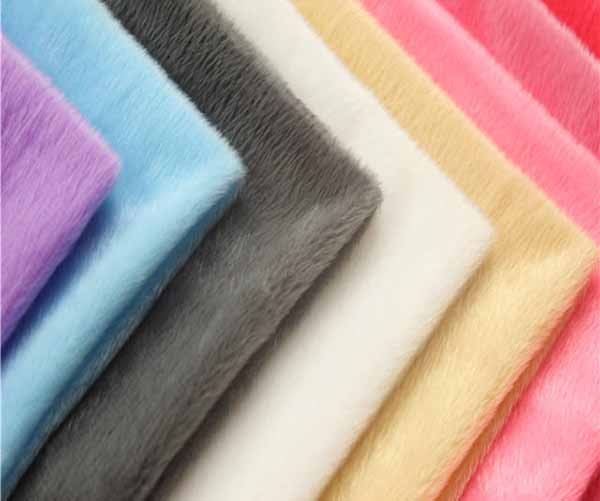
Minky-Style Fabric

Minky-style fabric is often used for licensed plush products that need a softer, more premium hand feel. It works well for baby-safe character plush, comfort plush, soft retail plush, and gift-focused IP products. Delsney can help clients evaluate minky-style materials based on softness, pile direction, color matching, sewing behavior, and packaging recovery. For younger-user products, this fabric direction can also support a gentler product experience. Key application points:
  • Suitable for premium licensed plush
  • Soft hand feel for baby or comfort products
  • Good for character plush with simple structures
  • Supports warmer and more emotional product positioning
  • Works well with embroidered facial features
  • Requires color and pile direction control
Velboa Fabric

Velboa is a cost-efficient plush fabric option for promotional licensed plush, simple character plush, event merchandise, and higher-volume campaigns. It has a shorter surface and can support clean printing, sewing, and basic embroidery. Delsney may recommend velboa when the client needs controlled unit cost, fast production planning, and practical visual presentation for campaigns or retail basics. Key application points:
  • Suitable for promotional IP plush
  • Good for cost-sensitive licensed programs
  • Smooth surface for simple character designs
  • Useful for event giveaways and campaign plush
  • Supports efficient cutting and sewing
  • Best for less complex plush structures

Faux Fur

Faux fur is suitable for licensed plush characters that need a realistic, fluffy, premium, or animal-like appearance. It can be used for wildlife characters, fantasy creatures, pet-style IP, collectible plush, and higher-value retail lines. Delsney reviews pile length, shedding risk, fabric direction, color matching, cutting waste, and sewing complexity before recommending faux fur for licensed projects. Key application points:
  • Suitable for realistic animals and fantasy IP
  • Adds premium texture and visual depth
  • Useful for collectible plush programs
  • Requires pile direction control
  • May increase sewing and trimming difficulty
  • Needs careful review for younger-age products

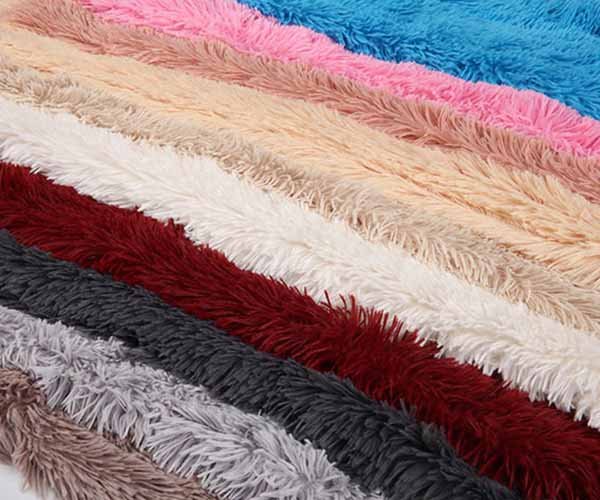
Sherpa Fabric

Sherpa fabric creates a warm, soft, textured appearance that works well for lifestyle IP plush, nursery-style licensed plush, gift plush, seasonal collections, and comfort-focused characters. Delsney can help evaluate sherpa based on texture, shedding, stitch visibility, shape control, and packaging compression. It is useful when a licensing company wants the plush to feel cozy and giftable rather than highly detailed. Key application points:
  • Suitable for lifestyle and gift plush
  • Creates warm and soft visual texture
  • Good for baby gift or seasonal IP products
  • Works well for simple character shapes
  • Requires shedding and surface review
  • Best used when fine embroidery detail is limited
Recycled Polyester Fabric

Recycled polyester fabric is suitable for licensing companies that want sustainability-focused plush lines, eco-positioned character products, museum merchandise, retail collections, or brand programs with environmental messaging. Delsney can help clients review recycled material options based on softness, color stability, supplier availability, documentation needs, production cost, and repeat-order consistency. Key application points:
  • Suitable for eco-focused licensed plush
  • Supports sustainability storytelling
  • Good for brand and museum merchandise
  • Requires material availability confirmation
  • May need documentation support
  • Works best with planned repeat-order programs

Embroidery Threads and Decorative Stitching

Embroidery thread is essential for licensed plush accuracy because eyes, mouths, logos, symbols, clothing marks, and small details often define character recognition. Delsney’s logo embroidery factory supports thread color matching, stitch density control, embroidery placement, and facial symmetry. For baby-safe licensed plush, embroidered features can also reduce reliance on hard plastic parts. Key application points:
  • Important for facial expression accuracy
  • Supports logos, symbols, and costume details
  • Safer alternative to hard parts for baby plush
  • Helps maintain IP recognition across bulk production
  • Requires approved embroidery file control
  • Checked during sample and pre-shipment inspection

Filling Materials

Filling affects plush softness, shape, weight, posture, and customer experience. Standard licensed plush often uses PP cotton or polyester fiberfill, while plush pillows may need fuller filling and weighted plush may require internal weight control. Delsney reviews filling density during sample development to protect character shape, comfort, seam pressure, and bulk consistency. Key application points:
  • Supports softness and shape stability
  • Different density for mascot, character, and pillow plush
  • Weighted plush may need internal structure review
  • Baby plush needs softer and secure filling containment
  • Approved sample becomes filling reference
  • Inspected during 100% pre-shipment QC

Trims, Accessories and Soft Components

Licensed plush products may include clothing, hats, ribbons, wings, tails, props, fabric badges, keychain hardware, sound modules, or decorative trims. Delsney reviews each component for appearance, attachment strength, safety, cost, packaging fit, and production feasibility. For licensed characters, accessories should preserve the IP’s identity without creating unnecessary risk or production complexity. Key application points:
  • Supports costume and character detail accuracy
  • Helps maintain signature IP features
  • Requires attachment strength review
  • Can affect safety and testing direction
  • Needs packaging fit confirmation
  • Should be simplified when cost or safety requires

Brand Logo and Packaging Solutions for Licensed Plush Programs

Licensed plush packaging must protect the product, present the IP clearly, support retail systems, and carry accurate brand, barcode, label, and compliance information. Delsney supports logo application, hang tags, woven labels, care labels, backing cards, gift boxes, window boxes, retail packaging, e-commerce packaging, and carton marks for global licensing companies.

Embroidered Brand Logo

Embroidered logos are suitable for licensed mascot plush, character clothing, plush accessories, promotional plush, and private label plush products. Delsney’s logo embroidery factory helps control stitch density, thread color, placement accuracy, and durability. This option is useful when the logo must stay clean, premium, and long-lasting through handling, display, and repeat production. Key application points:
  • Suitable for mascot clothing and brand marks
  • Durable and premium appearance
  • Good for retail and promotional plush
  • Supports Pantone-style color matching discussion
  • Requires size and placement confirmation
  • Checked against approved sample before shipment

Woven Labels

Woven labels are commonly used for private label licensed plush, baby plush, retail plush, and premium IP merchandise. They help identify the brand without changing the plush design too much. Delsney can help plan woven label size, placement, softness, sewing method, and consistency across multiple SKUs or repeat orders. Key application points:
  • Suitable for private label plush programs
  • Works well on side seams or lower body areas
  • Durable brand identity solution
  • Useful for multi-SKU licensed collections
  • Can support premium product presentation
  • Placement should be confirmed during sampling

Care Labels

Care labels are important for plush products sold through retail, e-commerce, baby product channels, and export markets. They may include material information, care instructions, country of origin, age-related notes, importer information, or other client-required details. Delsney supports care label planning based on product type, sales channel, destination market, and packaging direction. Key application points:
  • Supports product care communication
  • Useful for retail and export plush
  • Can carry origin and material information
  • Important for baby and children’s plush
  • Needs readable placement and durable printing
  • Should be confirmed before bulk production

Hang Tags

Hang tags are one of the most common branding tools for licensed plush. They can carry character stories, IP logos, brand messages, barcode labels, SKU codes, QR codes, warnings, care information, and campaign details. Delsney’s design team can support hang tag structure, graphic layout, attachment position, and consistency across character series. Key application points:
  • Ideal for character story and brand identity
  • Supports barcode and SKU management
  • Good for retail, gift, and event plush
  • Flexible for multiple characters or seasonal waves
  • Can include QR codes and campaign messages
  • Attachment position should avoid fabric damage

Backing Cards for Plush Keychains

Backing cards are suitable for mini plush keychains, plush charms, bag accessories, blind bag plush, fan merchandise, and small collectible licensed plush. They help improve shelf display and make small plush products easier to barcode, hang, pack, and sell. Delsney reviews card size, hook position, hardware placement, artwork, and product visibility during sample development. Key application points:
  • Best for mini plush and keychains
  • Supports retail hanging display
  • Creates more space for branding
  • Helps barcode and SKU control
  • Useful for fan merchandise series
  • Must match hardware and product size

Gift Boxes

Gift boxes are suitable for premium licensed plush, baby-safe IP plush, collector editions, book character gift sets, museum merchandise, and seasonal products. Delsney can help develop box structure, insert layout, artwork, label placement, and carton packing method. Gift boxes increase perceived value but should be planned carefully to avoid unnecessary freight volume. Key application points:
  • Good for premium IP plush
  • Suitable for gifting and retail shelves
  • Supports brand story and presentation
  • Can include inserts or story cards
  • Increases packaging and shipping cost
  • Needs fit review with approved plush sample

Window Boxes

Window boxes are useful when the character’s face, costume, or signature accessory should be visible while still protected. They are especially suitable for collectible plush, licensed character plush, retail display products, and fan merchandise. Delsney reviews window position, box strength, product stability, printing accuracy, and carton packing to avoid deformation or hidden details. Key application points:
  • Strong option for collectible plush
  • Shows character while protecting product
  • Helps retail shelf presentation
  • Useful for IP and character merchandise
  • Requires accurate box and window sizing
  • Must protect ears, face, clothing, and accessories

Retail Display Packaging

Retail display packaging is suitable for multi-SKU licensed plush programs, character series, plush keychains, seasonal collections, and gift-shop merchandise. Delsney helps plan display cartons, assortment packing, SKU separation, barcode placement, carton marks, and product visibility. This is useful for retailers, distributors, museums, zoos, theme parks, bookstores, and specialty stores. Key application points:
  • Supports multi-SKU retail presentation
  • Helps organize character assortments
  • Improves shelf and counter display
  • Useful for seasonal or collection launches
  • Requires carton and barcode planning
  • Helps reduce warehouse receiving errors

E-Commerce Packaging

E-commerce packaging is designed for Amazon, Shopify, DTC stores, creator brands, and online fan merchandise sales. It should protect plush shape, reduce dust, support unboxing experience, and control shipping volume. Delsney can help plan OPP bags, branded polybags, insert cards, mailer-friendly packaging, protective cartons, and barcode labels based on fulfillment needs. Key application points:
  • Supports online sales and fulfillment
  • Protects plush during shipping
  • Helps product arrive clean and presentable
  • Can include insert cards or QR codes
  • Needs carton volume control
  • Important for reviews and unboxing experience

Carton Marks and Shipment Labels

Carton marks help licensing companies, distributors, retailers, and warehouses manage inbound shipments accurately. Delsney supports carton marks for SKU, product name, character version, quantity, carton number, destination, barcode, shipping marks, and client-specific warehouse information. This is especially important for multi-SKU licensed plush collections and international shipments. Key application points:
  • Supports warehouse and inventory control
  • Helps prevent SKU mixing
  • Important for multi-character orders
  • Supports retail receiving requirements
  • Works with EXW, FOB, DAP, DDP shipments
  • Checked during pre-shipment inspection

Packaging Quality Inspection

Packaging quality is checked before delivery together with the plush products. Delsney’s 20+ QC staff review label placement, hang tag attachment, barcode readability, gift box condition, window box fit, carton marks, quantity, and packaging protection. With 100% pre-shipment inspection, Delsney helps licensing companies reduce packaging errors before goods enter retail or e-commerce channels. Key application points:
  • Checks packaging against approved samples
  • Reviews artwork, labels, barcodes, and carton marks
  • Confirms product fit and protection
  • Reduces retail and warehouse errors
  • Supports multi-SKU licensed programs
  • Helps maintain brand presentation before delivery

IP Accuracy and Character Recognition Control

For licensing companies, the most important question is not whether a factory can make a plush toy, but whether it can make the plush still look like the original character after pattern making, sewing, stuffing, embroidery, and bulk production. Character recognition is affected by many small details. Eye position, head volume, mouth angle, ear shape, body proportion, fabric color, costume fit, accessory size, and embroidery density can all change how the final plush is perceived. A fan or retail customer may not know the production reason, but they can instantly feel when a character looks “off.” Delsney controls IP accuracy through pattern review, sample development, embroidery adjustment, fabric matching, filling control, and approved sample comparison. The team identifies the character’s key recognition points before sampling. For some characters, that may be head silhouette and eye expression. For others, it may be hairstyle, costume shape, color blocking, tail design, logo mark, or a signature accessory.

Face Shape Accuracy

Delsney ensures the plush character’s head, jawline, cheeks, and facial proportions match the original IP design to maintain recognizable identity for fans and licensors.

Eye Placement and Expression

Precise positioning of eyes and eyebrows is critical for character expression. Delsney controls embroidery placement, stitch density, and thread color to ensure accurate representation.

Mouth and Nose Details

Character personality is expressed through the mouth and nose. Delsney reviews embroidery angles, size, and stitching to preserve the IP’s intended emotions and appearance.

Body Proportions

Overall character silhouette must match the IP. Delsney adjusts limb length, torso width, posture, and balance during pattern development to ensure consistent recognition.

Costume and Accessory Fidelity

Outfits, hats, props, and other accessories must align with the IP’s design. Delsney coordinates material selection, sewing accuracy, and attachment methods to preserve visual authenticity.

Color Matching and Fabric Selection

Brand-approved colors and fabric textures are essential. Delsney performs color verification against approved artwork and selects fabrics that maintain both safety and aesthetic fidelity.

Logo and Symbol Placement

Any IP-specific logos, badges, or markings must be correctly placed and sized. Delsney manages embroidery or print details to meet brand guidelines without compromising safety.

Multi-SKU Consistency

When producing multiple plush SKUs from the same IP, Delsney ensures consistent proportions, facial features, accessories, and colors across the product line.

Approved Sample Alignment

Delsney uses approved samples as reference standards for production. Each plush undergoes QC checks against samples to maintain 98% matching accuracy in facial features, body proportions, color, embroidery, and accessory placement across bulk production.

NDA, Confidentiality and IP Protection for Licensed Plush Projects

Licensed plush projects often involve unreleased characters, confidential artwork, private product plans, retail launch schedules, packaging concepts, and commercial licensing information. Delsney can support NDA agreements before sensitive project files are shared.

Licensing companies need a manufacturer that understands confidentiality from the first conversation. A plush project may involve unreleased animation characters, game assets, book characters, brand mascots, early packaging designs, fan merchandise plans, retailer presentations, or product line strategies. Delsney treats these materials as project-specific business information.

Delsney can support NDA agreements for licensing companies, IP owners, animation studios, game companies, publishers, creator brands, and private label clients. Project files are used only for quotation, sampling, engineering review, production planning, packaging, QC, and delivery. Access is limited to relevant internal teams such as sales, R&D engineers, designers, sample makers, production managers, QC staff, packaging coordinators, and logistics teams.

What Delsney Helps Protect

Delsney can help protect licensed artwork, character designs, mascot files, product concepts, sample photos, technical files, packaging artwork, retail plans, barcode systems, launch calendars, and pricing discussions. For long-term IP programs, approved samples and production records can be kept for repeat-order consistency without being reused for unrelated customers.

Confidentiality During Sampling

Sampling is often the most sensitive stage because character files, sample photos, pattern revisions, embroidery tests, and packaging concepts may circulate between teams. Delsney keeps these details within the project workflow and can discuss communication channels, file handling, and approval steps before development begins.

Confidentiality During Production

During bulk production, only necessary production information is shared with the relevant team. The goal is to produce accurately while limiting exposure of broader commercial plans, licensing strategy, unreleased characters, or future product lines.

Prototype and Sample Approval for Licensed Plush

Sample approval is the control point where licensing teams confirm character accuracy, material choice, construction, packaging direction, and production feasibility before committing to bulk manufacturing. Licensed plush development usually requires more sample review than ordinary plush projects. The product may need approval from the IP owner, licensing agent, brand team, retail buyer, safety team, packaging team, and sometimes marketing or legal teams. Delsney’s process helps make this approval clearer. Regular plush samples usually take 5–7 days, while complex licensed plush involving special accessories, molded parts, electronic elements, detailed clothing, or premium packaging may take 7–15 days. Delsney supports 2 free sample revisions, allowing clients to refine facial expression, body shape, embroidery, fabric, filling, accessories, logo placement, labels, and packaging before final approval.

Artwork and IP Guideline Review

Delsney reviews character artwork, brand guidelines, color codes, facial expressions, costumes, and accessory details to ensure the prototype reflects the original IP accurately before sampling.

Material and Fabric Planning

Fabric, filling, embroidery thread, trims, and accessory materials are selected and evaluated for softness, durability, safety compliance, and color fidelity based on the approved IP and target market requirements.

First Prototype Development

The initial plush prototype is produced to translate 2D or 3D IP designs into physical form, ensuring proper body proportion, facial features, accessory positioning, and overall character recognition.

Internal Sample Inspection

Delsney conducts in-house inspection of the first prototype for seam quality, filling distribution, embroidery placement, material consistency, accessory attachment, and packaging alignment before sending to the client.

Client / Licensor Feedback

The licensing company reviews the first sample for character accuracy, hand feel, accessory positioning, costume fidelity, and packaging representation, providing feedback for adjustments or approvals.

Sample Revision Process

Based on feedback, Delsney revises the plush prototype, adjusting head shape, embroidery, filling density, accessory attachment, costume alignment, or packaging fit. Up to 2 free revisions are supported for licensed IP projects.

Final Sample Approval

Once all revisions are complete, the client approves the final prototype as the production standard. Delsney documents specifications for materials, stitching, filling, embroidery, and packaging.

Production Reference and QC Setup

The approved sample serves as the reference for bulk production. Delsney sets up production QC checkpoints, sample verification, and packaging standards to maintain 98% character matching accuracy across all licensed plush SKUs and future reorders.

Packaging and Brand Presentation for Licensed Plush

Licensed plush packaging should protect the product, communicate IP value, support retail systems, carry label information, and make the character feel collectible or gift-ready.

Packaging is especially important for licensed plush because it affects how the IP is presented to fans, parents, retailers, collectors, and gift buyers. A simple hang tag may work for a soft toy collection, while a premium character plush may need a window box, story card, character insert, barcode label, warning text, or retail display carton.

Delsney supports packaging development for licensed plush projects, including hang tags, woven labels, care labels, belly bands, backing cards, gift boxes, window boxes, printed inserts, barcode labels, retail display packaging, e-commerce packaging, and carton marks. The 10+ professional design team can support packaging graphics, label layout, tag design, and brand presentation based on client-provided brand guidelines.

Licensed Plush Packaging Options

Packaging TypeBest ForDelsney Focus
Hang TagGeneral licensed plushCharacter story, barcode, brand mark
Woven LabelPrivate label or IP brandingDurable brand identity
Backing CardMini plush keychainsDisplay hook and SKU control
Window BoxCollectible plushProduct visibility and shelf impact
Gift BoxPremium IP plushHigher perceived value
Story CardBook, animation, mascot plushCharacter background and brand engagement
Care LabelBaby and children’s plushCare, origin and safety information
Retail Display BoxMulti-SKU seriesShelf organization and visual consistency
E-Commerce PackagingOnline salesShape protection and unboxing experience

Delsney reviews packaging together with the plush sample to avoid product compression, hidden character faces, wrong label placement, poor barcode readability, or inflated shipping volume.

Safety and Compliance for Licensed Plush Toys

Licensed plush toys must protect IP value while meeting safety and market-entry expectations for the target sales region, age group, material choices, and retail channel.

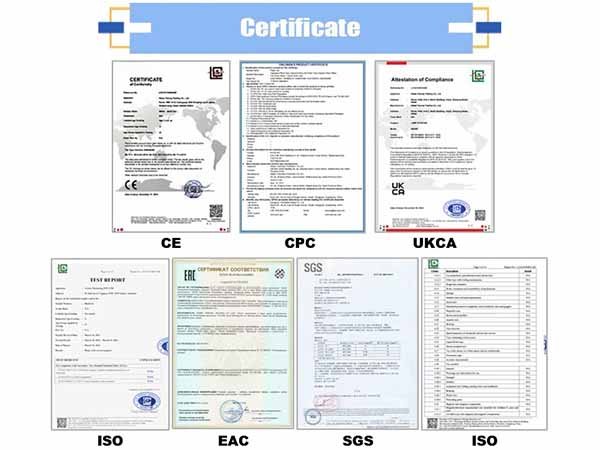
For U.S. toy programs, ASTM F963 and CPSIA-related requirements may apply depending on product classification and target users. CPSC also provides guidance on Children’s Product Certificates, which must identify applicable safety rules and required information when the product is subject to children’s product certification. For the EU, toys placed on the market need CE marking and must satisfy applicable safety requirements.

Delsney supports licensed plush projects with EN71, ASTM, CPSIA, and CE-related preparation, depending on final product design, target age group, materials, accessories, packaging, and destination market. Safety planning should happen during design and sample development, not after production.
Compliance Review Areas

AreaWhy It Matters for Licensed PlushDelsney Support
Target Age GroupAffects design, labels and testingReview before sampling
Small PartsAccessories may create riskSimplify or reinforce details
MaterialsFabric, filling, inks and trims affect testingSupport material review
EmbroideryCan replace hard partsFacial feature and logo control
SeamsFilling containment and durabilitySewing and closure inspection
LabelsRetail and compliance informationCare labels, hang tags, carton marks
PackagingWarning, barcode, CE area, SKUPackaging planning support
Testing SamplesLab testing must match final productSample and documentation support

Production Consistency for Multi-SKU Licensed Programs

Licensing companies often manage plush collections, character series, seasonal waves, product extensions, and repeat orders. Delsney helps maintain consistency across multiple SKUs through approved samples, production standards, QC references, and supply chain coordination.

A licensed plush program may include 5 characters, 10 sizes, several packaging versions, different retailers, or seasonal product waves. Without production control, one character may feel softer than another, one package may use the wrong label, or a reorder may look different from the first shipment. These inconsistencies can weaken retail trust and licensing value.

Delsney supports multi-SKU licensed plush programs through production-ready sample standards, material references, embroidery files, filling standards, label placement, packaging specifications, carton marks, and QC inspection points.

Delsney Licensed Plush Consistency Control

Delsney provides professional consistency control for multi-SKU licensed plush programs to ensure uniform quality across all products.

Approved Sample Reference Control

For every licensed plush SKU, Delsney uses the approved sample as the main production benchmark. This helps production teams align shape, fabric, embroidery, stuffing, accessories, labels, and packaging before bulk manufacturing begins. Key controls include:
  • Final sample as production reference
  • Character face and body proportion standard
  • Fabric texture and color confirmation
  • Embroidery position and thread color record
  • Filling density and softness reference
  • Accessory placement and sewing method
  • Packaging and label reference
  • QC comparison before shipment

Character-to-Character Consistency

A licensed plush series may include different characters from the same IP universe. Each character should look unique, but the full collection should still feel visually connected. Delsney helps maintain this balance across multiple plush designs. Key controls include:
  • Consistent scale relationship between characters
  • Similar softness and filling quality
  • Unified fabric direction where needed
  • Consistent embroidery quality across faces
  • Matching style for eyes, mouth, and details
  • Shared quality standard for seams and finishing
  • Similar packaging presentation
  • Collection-level approval reference

Fabric and Color Matching Across SKUs

Licensed programs often require strict color control because character colors are part of the IP identity. Delsney reviews fabric colors, pile direction, texture, color blocking, and material continuity across different SKUs and production batches. Key controls include:
  • Brand-approved color reference review
  • Fabric swatch confirmation before production
  • Color matching against artwork or Pantone direction
  • Same fabric quality across related SKUs
  • Pile direction and texture control
  • Material availability for repeat orders
  • Color consistency between sample and bulk goods
  • Supplier coordination through Delsney’s material network

Embroidery and Facial Detail Standardization

Facial embroidery is one of the most important consistency points in licensed plush production. Small differences in eye spacing, mouth angle, eyebrow position, or stitch density can change character recognition. Key controls include:
  • Embroidery files recorded after approval
  • Eye, mouth, nose, eyebrow placement standards
  • Thread color and stitch density confirmation
  • Logo and symbol embroidery control
  • Face symmetry review during production
  • Embroidery alignment before sewing assembly
  • Comparison with approved sample
  • Support from Delsney’s logo embroidery resources

Filling, Shape, and Hand Feel Consistency

Multi-SKU licensed plush collections need consistent hand feel and shape quality. One character should not feel flat while another feels overfilled. Delsney controls stuffing density and shape recovery according to approved samples. Key controls include:
  • Filling density standard per SKU
  • Head, body, limb, and accessory area fullness
  • Softness level comparison across designs
  • Shape stability after stuffing
  • Posture and display consistency
  • Weight control for weighted or large plush
  • Packaging recovery review
  • Final hand-feel inspection before shipment

Packaging System Consistency

Licensed plush programs often include hang tags, window boxes, gift boxes, backing cards, care labels, barcode labels, inserts, and carton marks. Delsney helps keep packaging consistent while allowing SKU-specific artwork and barcode differences. Key controls include:
  • Unified packaging structure across series
  • SKU-specific artwork and barcode placement
  • Consistent hang tag size and attachment method
  • Care label and brand label position control
  • Window box visibility and product fit review
  • Gift box or insert consistency
  • Carton mark and warehouse information accuracy
  • Packaging inspection during 100% pre-shipment QC

Production Scheduling for Multi-SKU Orders

Multi-SKU licensed programs require stronger production coordination than single-product orders. Delsney plans materials, embroidery, cutting, sewing, filling, assembly, packaging, and inspection by SKU to reduce delays and mixed-product errors. Key controls include:
  • SKU-by-SKU production planning
  • Material preparation by style and color
  • Embroidery scheduling across character versions
  • Cutting and sewing sequence management
  • Packaging and label matching by SKU
  • QC checkpoints during production
  • Carton separation and shipment organization
  • Support from 500+ staff and 18 production lines

Repeat Order and Future Wave Consistency

Licensed plush programs often grow through reorders, seasonal waves, new characters, special editions, and retailer-exclusive versions. Delsney keeps approved project references to help maintain consistency across future production runs. Key controls include:
  • Approved sample and production record retention
  • Material and embroidery reference tracking
  • Packaging artwork and label version control
  • Reorder consistency review before production
  • Updated sample review for new waves
  • Stable supplier coordination for repeat materials
  • QC comparison with previous production standard
  • Long-term support for licensed plush collections

Delsney Manufacturing Strength for Licensing Projects

Licensed plush projects need a manufacturer that can support IP accuracy, confidential development, fast sampling, packaging, compliance, and repeatable production. Delsney combines 18+ years of plush manufacturing experience, 500+ staff, 18 production lines, 25+ engineers, 10+ designers, 20+ QC staff, 3 specialized factories, and 60+ partner workshops to support licensing companies from concept to delivery.

Product Development

Delsney supports licensed plush product development from character artwork, mascot files, style guides, reference samples, technical documents, or early product concepts. The team reviews character recognition points, target size, fabric direction, product use, packaging needs, destination market, and launch timeline before sampling begins. This helps licensing companies turn IP assets into production-ready plush products while reducing avoidable sample mistakes.

Engineering

Delsney’s 25+ engineers help review plush structure, pattern feasibility, seam placement, filling balance, accessory attachment, weighted sections, and mass production stability. For licensed characters with complex costumes, special body shapes, ears, tails, props, or small details, engineering support helps balance visual accuracy with practical manufacturing, safety review, and bulk production consistency.

Design

Delsney’s 10+ professional designers support product design, packaging design, and graphic presentation for licensed plush projects. The design team can help refine plush proportions, hang tags, care labels, backing cards, gift boxes, window boxes, inserts, and retail packaging layouts. This allows licensing companies to develop a more complete market-ready product, not just a basic plush sample.

Sampling

Delsney develops regular licensed plush samples in 5–7 days, while complex plush samples involving special accessories, molded parts, detailed costumes, unusual fabrics, electronic elements, or premium packaging usually take 7–15 days. During sampling, Delsney checks character expression, fabric feel, embroidery position, filling density, accessory placement, label direction, and packaging fit.

Revision

Licensed plush usually needs careful revision before approval because small differences can affect IP recognition. Delsney supports 2 free sample revisions for applicable projects, helping clients adjust face shape, eye position, body proportion, fabric color, embroidery details, stuffing level, costume fit, accessory placement, logo position, and packaging presentation before final production approval.

MOQ

Delsney’s MOQ starts from 500 pcs, making it suitable for serious licensed plush launches, retail tests, fan merchandise, promotional programs, and multi-SKU IP collections. This MOQ gives brands enough flexibility for first production runs while still supporting proper material sourcing, embroidery setup, production planning, quality control, and packaging coordination.

Production

After sample approval, Delsney prepares bulk production according to the approved sample, pattern, embroidery files, fabric standards, filling requirements, label placement, packaging method, and QC points. With 500+ staff and 18 production lines, Delsney can support single-character plush orders, multi-character collections, seasonal IP programs, repeat production, and larger licensed merchandise runs.

Quality

Delsney has 20+ QC staff and conducts 100% pre-shipment inspection before delivery. Licensed plush inspection covers character shape, facial embroidery, sewing, filling, accessories, labels, packaging, carton marks, and approved sample matching. Finished plush products can reach up to 98% matching accuracy with approved design references, helping protect IP consistency and retail acceptance.

Communication

Delsney supports smooth international communication through email, WhatsApp, WeChat, voice calls, and video meetings. The sales team communicates in fluent English and can coordinate with sourcing teams, product developers, designers, licensors, compliance teams, packaging teams, and logistics departments. This helps licensing companies manage sample feedback, approval rounds, production updates, and delivery details more efficiently.

Trade Terms

Delsney supports flexible trade terms including EXW, FOB, DAP, and DDP, with shipping options by express, air, and sea. Payment methods include PayPal, credit card, T/T, third-party payment, Alibaba, Alipay, and Western Union. These options help licensing companies manage sample shipments, trial orders, retail launches, campaign deadlines, and bulk delivery with clearer cost control.

Common Challenges in Licensed Plush Development

ChallengeBusiness RiskDelsney Solution
Plush does not match characterLicensor rejection or fan dissatisfactionPattern, embroidery and sample revision
Confidential files exposedIP and launch riskNDA support and controlled internal access
Too many small detailsHigh cost and production delaySimplify while keeping recognition points
Wrong color matchingBrand guideline issueFabric and embroidery color control
Packaging not retail-readyWeak shelf presentationTags, labels, boxes and barcode planning
Testing planned too lateRedesign or shipment delayEarly safety and market review
Multi-SKU inconsistencyCollection quality problemsApproved sample and QC references
Sample differs from bulk goodsRetail complaintsProduction standards and inspection
Deadline pressureMissed launch windowSample schedule and production planning
Reorder mismatchLong-term supply riskProduction records and repeat-order control

Case Studies for Licensed Plush Projects

The following cases are anonymized examples based on Delsney’s real manufacturing capabilities.

Case 1 — U.S. Animation IP Plush Series

  • Region: United States
  • Use Scenario: Licensed character plush collection for online merchandise and specialty retail
A U.S. licensing company needed plush samples for an animation character series. The original artwork included oversized heads, small bodies, detailed facial expressions and character-specific accessories. The client’s main concern was approval accuracy because an earlier supplier had produced samples that looked flat and off-brand. Delsney reviewed the character guide, artwork, target size, fabric direction, embroidery details and packaging needs under NDA discussion. The engineering team adjusted head structure and body proportion, while the embroidery team refined eye and mouth placement. After 2 sample revisions, the final samples reached approximately 98% matching accuracy with approved references. Result: The client approved the first wave of character plush and moved forward with a multi-SKU production plan above Delsney’s 500 pcs MOQ. Delsney prepared production standards for fabrics, embroidery, filling, labels and packaging before bulk production.

Case 2 — European Children’s Book Character Plush

  • Region: Europe
  • Use Scenario: Book character plush for retail bundles, bookstores and educational gift sets
A European publisher wanted to develop a soft plush character based on a children’s storybook. The product needed to feel safe, friendly and suitable for children’s gift channels. The challenge was keeping the character recognizable while reducing small accessory risk and preparing for European market requirements. Delsney reviewed the target age group, artwork, fabric, facial details, accessory structure and packaging direction. The team recommended embroidered facial features, softer fabric, simplified trims and stronger seam construction. Packaging was adjusted to include hang tag storytelling, care information and barcode placement. The project considered EN71 and CE-related preparation based on the client’s market direction. Result: The plush sample was approved after refinement, and the client developed a boxed gift version for book bundles. Delsney’s 20+ QC staff checked seams, embroidery, labels, packaging and carton marks before shipment.

Case 3 — Middle East Brand Mascot Licensed Plush

  • Region: Middle East
  • Use Scenario: Mascot plush for brand campaign, licensed merchandise and promotional events
A regional entertainment brand needed mascot plush for a campaign launch. The product had to match the character, carry brand colors, include custom hang tags, and arrive before an event deadline. The client also needed packaging that looked branded but did not increase shipping volume too much. Delsney reviewed the mascot files, target size, quantity, logo placement, packaging budget and delivery timeline. The team adjusted body structure, simplified small sewing details, optimized logo embroidery and recommended a branded hang tag with individual OPP bag packaging. After sample approval, Delsney moved into production planning across 18 production lines. Result: Bulk production was completed within Delsney’s standard 20–30 day production window after approval. Delsney conducted 100% pre-shipment inspection, checking shape, embroidery, tags, packaging, carton marks and quantity before delivery.

FAQs About Custom Plush for Licensing Companies

Yes. Delsney can develop plush toys from licensed character artwork, animation files, game characters, book characters, mascot images, technical files or physical samples.

Yes. Delsney can support NDA agreements before clients share unreleased IP, licensed characters, mascot files, packaging artwork or confidential launch plans.
Delsney controls character accuracy through pattern development, embroidery placement, fabric color matching, filling adjustment, sample revision and approved sample comparison.
Regular plush samples usually take 5–7 days. Complex licensed plush products involving accessories, detailed costumes or special structures may take 7–15 days.
Yes. Delsney supports 2 free sample revisions for applicable custom plush projects, helping clients refine face, body, fabric, embroidery, accessories and packaging.
Delsney’s MOQ starts from 500 pcs, suitable for serious licensed plush launches, retail programs, fan merchandise, promotional projects and repeat-order planning.
Yes. Delsney supports hang tags, labels, gift boxes, window boxes, backing cards, retail display packaging, e-commerce packaging, inserts and carton marks.
Yes. Delsney supports ASTM, CPSIA, EN71 and CE-related preparation depending on final product design, age group, materials, accessories and destination market.
Yes. Delsney supports multi-SKU licensed plush programs with production-ready samples, embroidery files, fabric references, packaging systems and QC standards.
Please send character artwork, brand guidelines, target size, estimated quantity, destination market, age group, packaging needs, testing requirements and launch timeline.

Start Your Licensed Plush Project With Delsney

Send your character artwork, mascot files or licensing project details for professional plush development review. Delsney helps licensing companies, IP owners, animation studios, game brands, publishers and retail merchandise teams develop custom plush products with confidentiality, character accuracy, sample control, packaging support, compliance preparation and bulk production consistency.

Contact Us

Delsney.com is all about making what you dream up, a reality! Just try us! Completely Customized!Any design, any character, any logo or slogan.

Seraphinite AcceleratorOptimized by Seraphinite Accelerator
Turns on site high speed to be attractive for people and search engines.