 Skip to content
Custom Plush Manufacturer for Scalable Brand Projects
- 18+ Years Manufacturing Experience
- 500+ Staff & 18 Production Lines
- Fast Sampling (5–7 Days)
- MOQ Starting from 500 pcs
- 98% Design Accuracy Match

Why Brands Choose a More Structured Plush Manufacturing Partner
More Than Sampling Capacity — A Supply Structure Designed for Accuracy, Speed, and Scale
Many plush suppliers can produce an attractive first sample. Far fewer can maintain design accuracy, material continuity, stitching consistency, and delivery rhythm when an order moves into larger-scale production. That difference is where supplier selection becomes critical.
Delsney is positioned for projects that require more than appearance approval. The factory supports end-to-end OEM and ODM development for plush products that need to meet branding requirements, timeline targets, export expectations, and repeat-order stability. This is especially important when a plush item is part of a larger commercial plan such as a retail launch, licensed character program, seasonal campaign, promotional rollout, or multi-SKU merchandise line.
1. Manufacturing Experience That Reduces Risk
- Proven experience across different product categories
- Better anticipation of production challenges
- More reliable decision-making during development
2. Integrated Design and Engineering Support
- 2D artwork converted into stable 3D structures
- Early-stage adjustments to improve manufacturability
- Reduced revision cycles during sampling
3. Faster and More Controlled Sampling Process
Sampling is often where delays occur when processes are fragmented. Delsney manages sampling internally, improving both speed and consistency.
Standard samples completed in 5–7 days
Complex designs completed in 7–15 days
Two rounds of revisions included for refinement
4. Production Capacity Built for Scaling Orders
- Flexible scheduling for different order sizes
- Typical production lead time of 20–30 days
- Ability to support repeat orders and seasonal demand
5. Supply Chain Control for Consistent Materials
- Investment in fabric, manufacturing, and embroidery factories
- Network of 60+ stable material and accessory partners
- Improved consistency across different production batches
6. Full-Process Quality Control System
- Incoming material inspection before production
- In-line quality checks during sewing and assembly
- 100% inspection before shipment
- Up to 98% match between sample and bulk products
7. Compliance Readiness for Global Markets
- Product standards: EN71, ASTM, CPSIA, CE
- Factory audits: BSCI, Sedex, ISO9001
- Experience working with brands such as Disney, Jellycat, Walmart
8. Flexible Customization and Development Model
- Start from sketches, technical files, or physical samples
- Free design support and sampling assistance
- Direct collaboration with R&D team for product refinement
9. Practical Communication and Delivery Support
- Multi-channel communication: email, WhatsApp, WeChat, video
- Fluent English-speaking team for clear coordination
- Shipping options: express, air, sea freight
- Trade terms: EXW, FOB, DAP, DDP
Who Delsney Works Best With
The Right Fit for Brands, IP Teams, Retail Programs, and Large-Scale Merchandising Projects
Not every plush supplier is suitable for every type of project. Some are optimized for ultra-small personalization orders. Others focus on low-complexity promotional goods. Delsney is better suited to organizations that need development support, supply continuity, quality accountability, and a product that can hold up commercially across larger volumes or stricter brand standards.
Brand Merchandise Teams
IP Owners and Licensing Companies
Retailers and E-commerce Product Teams
Publishing and Story-Based Character Programs
Promotional Campaigns and Corporate Mascot Programs
Museums, Education, and Institutional Programs
Established Plush Brands Expanding Product Lines
Content Creators, Game Studios, and Community-Led Merchandise Projects
Custom Plush Product Types We Manufacture
From Single Character Prototypes to Full Product Lines
Custom plush manufacturing is not limited to one product format. In real commercial projects, different plush structures serve different purposes—retail display, promotional distribution, licensing programs, or collectible releases.
Delsney supports a wide range of plush product categories, with each type developed based on real production feasibility, material behavior, and end-use requirements.

Character Plush Toys
- High focus on facial expression and proportions
- Optimized structure for repeat production
- Suitable for IP commercialization and retail programs

Mascot Plush Toys
- Accurate translation from logo or brand character
- Stable structure for large-volume production
- Ideal for corporate branding and marketing use

Retail Plush (Standard SKU Products)
- Standardized sizing and structure for repeat orders
- Packaging-ready for shelf display
- Supported by Delsney’s 18 production lines for stable supply

Mini Plush & Keychain Plush
- Tight embroidery and stitching control
- Lightweight and cost-efficient production
- Suitable for high-volume promotional use

Plush Dolls with Clothing
- Multi-step assembly and sewing processes
- Custom clothing design and attachment
- Requires strong workmanship control for consistency

Pillow Plush & Functional Plush
These products combine decorative and functional use, often used for comfort or lifestyle applications.
- Focus on filling density and shape retention
- Durable structure for repeated use
- Suitable for retail and home product categories

Animal Plush Toys
Animal plush products range from stylized designs to realistic forms, depending on brand positioning.
- Flexible design options from simple to detailed
- Material selection for texture realism
- Suitable for both retail and educational use

Pet Replica Plush
Custom plush replicas based on real pets require high attention to detail and color accuracy.
- Advanced fabric matching and layering
- Focus on likeness and recognition
- Suitable for personalized or premium product lines

Educational Plush Sets
Used in schools, museums, and learning programs, these products often come as a series.
- Consistency across multiple characters
- Safe materials aligned with compliance standards
- Structured development for repeat production

Promotional Plush Toys
Designed for campaigns, giveaways, and marketing activities, these products prioritize cost efficiency and scalability.
- Simplified structures for large-volume production
- Optimized material selection for budget control
- Supported by flexible production scheduling

Plush Keychains with Branding
Branded keychain plush toys are used for merchandise, events, and retail add-ons.
- Integration of logos through embroidery or labels
- Compact size with strong durability requirements
- Suitable for high-frequency production runs

Seasonal & Holiday Plush
These products are developed for specific sales periods such as Christmas, Halloween, or themed campaigns.
- Fast development cycles aligned with seasonal timelines
- Consistent production for repeat yearly orders
- Flexible capacity to meet peak demand

Collectible Plush Series
Collectible plush products are often released as sets or limited editions, requiring strict consistency.
- Uniform sizing and design alignment across series
- Controlled production for batch accuracy
- Suitable for IP licensing and fan-based markets

Plush Toys with Accessories (Sound / Motion)
Some plush products include functional elements such as sound modules or interactive features.
- Integration of electronic or mechanical components
- Safety and durability considerations
- Engineering support for stable production

Custom Plush for Retail Packaging Programs
These plush products are developed as complete retail-ready solutions, including branding and packaging.
- Integration with hangtags, labels, and packaging
- Designed for shelf display and logistics compatibility
- Supported by Delsney’s full OEM/ODM capability
From Idea to Production: A Structured Development Process
Plush product development involves multiple stages, and the quality of each step directly affects the final outcome. A structured process ensures that design intent is preserved while maintaining production feasibility and cost control. At Delsney, each project follows a clearly defined workflow:
1. Project Brief Review
- Review of artwork, references, or existing samples
- Confirmation of target size, market, quantity, and use scenario
- Early understanding of branding, packaging, and timeline needs
2. Design Feasibility Assessment
- Evaluate shape, sewing logic, and construction difficulty
- Identify potential issues with accessories, detailing, or proportions
- Recommend practical changes to improve manufacturability
3. Quotation & Development Proposal
- Cost based on actual product structure and materials
- MOQ guidance starting from 500 pcs
- Clear alignment of design scope, timeline, and production expectations
4. Material & Construction Planning
- Selection of fabrics, filling, embroidery, and accessories
- Planning of internal structure for shape retention and consistency
- Balancing visual effect, production stability, and budget target
5. Pattern Making & Sample Development
- Pattern development based on approved artwork and structure
- Standard sample lead time: 5–7 days
- Complex sample lead time: 7–15 days
6. Sample Review & Revision
- Review of appearance, dimensions, materials, and workmanship
- Adjustments based on client feedback and technical recommendations
- Two rounds of revisions included for sample refinement
7. Pre-Production Confirmation
- Final confirmation of fabrics, trims, labels, and packaging
- Internal production files and quality checkpoints prepared
- Approval alignment before bulk production starts
8. Bulk Production & In-Process Control
- Typical production lead time: 20–30 days
- 18 production lines for controlled scheduling and scalability
- In-process checks to maintain consistency across units
9. Final Inspection, Packing & Delivery
- 100% inspection before shipment
- Check of product appearance, workmanship, labels, and packaging
- Flexible shipping methods and trade terms for global delivery
Design & Engineering Capabilities That Turn Concepts into Scalable Plush Products
Creative Development Backed by Technical Thinking, Production Logic, and Commercial Feasibility
Concept Translation from 2D Artwork to 3D Plush Form
- Convert character artwork, sketches, reference photos, and technical files into workable plush structures
- Adjust head-to-body ratio, limb thickness, facial placement, and contour lines for soft toy production
- Preserve visual identity while improving stability, sewing feasibility, and final appearance
Structural Engineering for Shape, Balance, and Production Stability
- Plan internal structure to improve shape retention and product balance
- Refine seam layout and panel breakdown for cleaner sewing and more consistent output
- Reduce production risks that often appear when sample concepts are scaled into bulk orders
Material Matching for Appearance, Hand Feel, and Cost Control
- Recommend suitable plush fabrics, faux fur, fleece, fillings, and trims based on product style
- Balance appearance, hand feel, durability, and unit cost during early development
- Improve repeat-order consistency by aligning approved materials with stable supply resources
Detail Optimization for Embroidery, Printing, and Accessories
- Optimize embroidery density, stitch direction, printed areas, and color separation for better clarity
- Adjust accessories such as noses, eyes, clothing parts, or molded components for safer and more stable attachment
- Improve production repeatability without weakening the original design language or brand expression
Collaborative Product Development for OEM and ODM Projects
- Support development from sketches, tech packs, existing samples, or brand reference materials
- Enable direct collaboration with product, packaging, and graphic design specialists
- Improve product readiness before sampling, reducing unnecessary revisions and shortening approval cycles
Engineering for Scalability, Compliance, and Long-Term Supply
- Refine designs to better support EN71, ASTM, CPSIA, and CE-related development needs
- Improve production scalability through practical construction and process planning
- Support repeat-order consistency by aligning approved samples with stable engineering standards and factory execution
Materials & Fabric Options for Custom Plush Manufacturing

Short Plush / Velboa
- Character plush toys
- Mascot plush
- Promotional plush
- Standard retail plush programs
- Smooth and uniform surface for a clean finished look
- Good support for embroidery, facial details, and logo placement
- Stable and cost-efficient for medium to large production runs
- Suitable for projects where visual consistency is important
- Easier to manage in production than longer-pile materials
- Often a strong first-choice fabric for scalable OEM plush projects

Super Soft Short Plush
- Premium character plush
- Gift plush products
- Soft-touch retail plush
- Mid- to high-end brand merchandise
- Softer hand feel than standard short plush
- Good visual cleanliness for facial and body details
- Supports a more premium product impression in retail settings
- Useful when hand feel is part of the selling point
- Helps raise perceived value without overly increasing construction complexity
- Works well with Delsney’s structured fabric sourcing for repeat orders

Long Plush
- Animal plush
- Cozy lifestyle plush
- Character plush with fluffy texture
- Seasonal and gift-oriented plush designs
- Creates a fuller, softer, more tactile appearance
- Helps deliver a premium or comforting visual effect
- Strong consumer appeal for cuddly and decorative plush lines
- Requires closer control of cutting direction and pile consistency
- May reduce sharpness of small embroidered details if not planned properly
- Better suited to projects where texture matters as much as shape clarity

Faux Fur
- Realistic animal plush
- Premium collectible plush
- Fashion-oriented plush programs
- Specialty plush with visual texture emphasis
- Creates richer texture and a more realistic fur-like look
- Enhances perceived product value in higher-end lines
- Useful for projects that rely on tactile and visual differentiation
- Requires stronger control over pile direction and seam planning
- May increase labor complexity during sampling and production
- Best applied when the design can support a more premium cost structure

Fleece Fabric
- Simplified plush toys
- Budget-sensitive projects
- Soft character items with minimal detailing
- Lightweight promotional or educational plush
- Soft and comfortable surface feel
- Good cost-performance for selected plush formats
- Suitable for simpler shapes and lower-complexity construction
- Better for clean, simplified silhouettes than high-detail character work
- Surface behavior differs from velboa or faux fur and should be chosen accordingly
- Useful when the target is practical softness and price balance
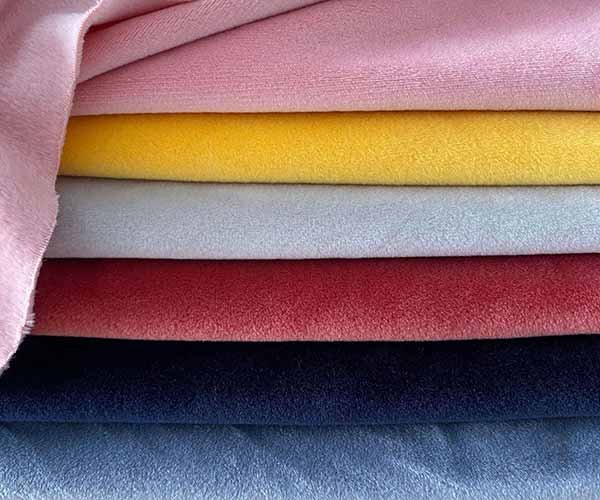
Minky Fabric
- Baby plush products
- Comfort plush
- Premium gift plush
- Soft-touch branded plush lines
- Exceptionally soft hand feel
- Strong appeal in comfort- and gift-oriented categories
- Can support a more premium product positioning
- Requires careful selection for the right thickness and stretch behavior
- Best used when softness is a primary product value
- Works well when paired with controlled filling and simplified detailing

Crystal Super Soft Fabric
- Standard retail plush
- Character plush with neat surface finish
- Mid-range branded merchandise
- Products requiring good balance of softness and structure
- Soft hand feel with clean visual presentation
- Reliable for repeated production and QC control
- Commercially practical for many types of custom plush programs
- Suitable for projects where detail clarity and softness must coexist
- Easier to standardize in production than more textured fabrics
- Often used in brand programs requiring consistent visual output

Printed Plush Fabric
- Complex character surfaces
- Patterned animal plush
- Story-based plush with decorative details
- Plush requiring branded or graphic elements
- Allows more complex visual information on the fabric surface
- Reduces need for excessive patchwork in certain designs
- Helpful for preserving specific patterns, gradients, or decorative effects
- Print alignment must be planned together with pattern cutting
- Best results come when print layout is developed alongside engineering files
- Useful for character lines where visual identity depends on surface detail

Cotton Fabric
- Fabric-mix plush products
- Doll-style plush
- Educational plush
- Products with a natural or matte visual character
- Natural-looking surface with less synthetic shine
- Useful for mixed-material construction and stylized products
- Can support a more lifestyle-oriented or story-based appearance
- Not the first choice for every plush structure
- Better used strategically in combination with other materials
- Should be selected with attention to shrinkage, shape behavior, and finishing needs
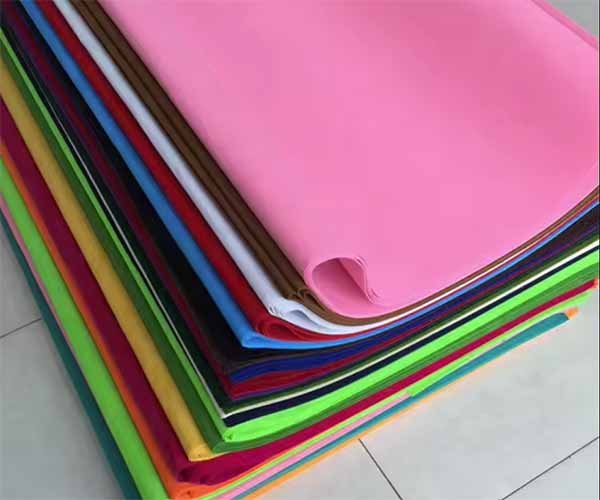
Felt Fabric
- Facial features
- Appliqué details
- Decorative accessories
- Costume and trim components
- Holds shape well for cut details and layered features
- Efficient for clean graphic additions to plush surfaces
- Useful in cost-controlled detailing compared with more complex embroidery in some cases
- Usually used as a secondary material rather than primary body fabric
- Works best when integrated early into structure planning
- Important for character plush with stylized, graphic, or costume-driven details
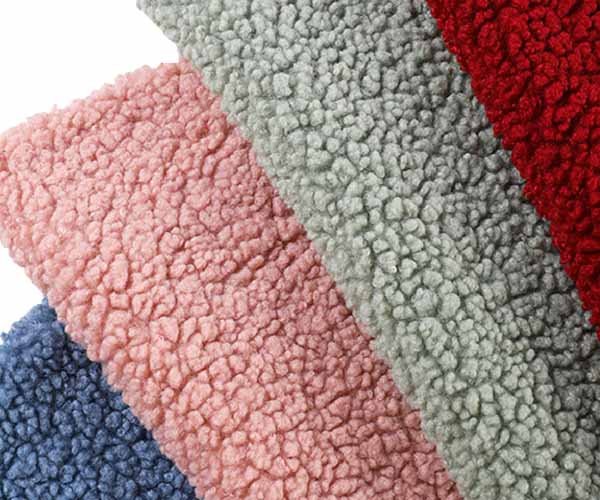
Sherpa Fabric
- Comfort plush
- Lifestyle plush
- Holiday plush
- Decorative or gift-oriented plush products
- Creates a warm, textured, cozy look
- Offers strong tactile differentiation from smoother fabrics
- Useful for products positioned around comfort and softness
- Texture can affect small-detail clarity if overused on complex designs
- Better for broader surface areas than very detailed facial zones
- Ideal for plush concepts where softness and visual warmth are central

Corduroy Fabric
- Stylized character plush
- Fashion-influenced plush
- Mixed-material product lines
- Niche or premium merchandise collections
- Adds visible surface texture and design distinction
- Helps create a more structured, less conventional plush appearance
- Useful for collections aiming for a unique material identity
- Best used when texture contrast supports the product concept
- Not always ideal for all body areas in highly rounded plush forms
- Strong option for selective paneling or mixed-fabric construction

Velvet / Velour Fabric
Velvet or velour-style fabric can be used when a plush product needs a smoother, richer, slightly more elegant surface effect. It is less fluffy than traditional plush fabric, but it can create a more refined and premium appearance for certain character concepts, dolls, decorative plush, or gift items. Delsney applies this material selectively in projects that benefit from a cleaner, richer surface rather than a fuzzy toy-like finish.
Best For
- Decorative plush
- Premium dolls
- Gift plush
- Plush items with a refined visual direction
Key Advantages
- Richer, more elegant surface appearance
- Suitable for differentiated premium-looking products
- Helps create a less conventional plush texture profile
Development Notes
- More appropriate for selected concepts than broad mainstream plush use
- Should be matched carefully with structure and filling decisions
- Best when the target is premium visual presentation rather than fluffy softness

Eco-Friendly / Recycled Plush Fabrics
As more brands place value on material transparency and sustainability, eco-friendly and recycled plush fabrics are becoming more relevant in custom plush development. These materials are chosen not only for environmental positioning, but also for brand storytelling and market alignment. Delsney can support projects that require recycled or more sustainability-oriented fabric options, depending on product goals, target region, and supply availability.
Best For
- Sustainability-focused plush programs
- Brand collections with environmental positioning
- Retail projects requiring greener material narratives
- Corporate responsibility-driven merchandise
Key Advantages
- Supports stronger sustainability messaging
- Helps align product development with modern brand expectations
- Useful for brands seeking material differentiation beyond price and softness
Development Notes
- Material choice should be evaluated for softness, durability, and appearance
- Availability and cost can vary depending on the project scope
- Best developed early so sourcing, compliance, and production planning stay aligned

Mixed-Fabric Construction
- Character plush with multiple textures
- Plush dolls with clothing or decorative layers
- Premium mascot plush
- Complex retail and licensed plush programs
- Allows better control over appearance, texture, and functional performance by area
- Creates richer, more premium product presentation
- Helps balance cost by placing higher-value materials only where they matter most
- Requires stronger engineering coordination during pattern planning
- Best results come when fabric transitions are designed early
- Well suited to Delsney’s collaborative development process between design, engineering, and production teams
MOQ, Pricing Logic & Cost Structure for Custom Plush Manufacturing
Clear Cost Drivers, Practical MOQ Strategy, and Better Planning for Scalable Plush Projects
MOQ Strategy Built for Product Testing and Scaling
MOQ is not only a production requirement—it is a strategic starting point for product development and market validation. Delsney sets a standard MOQ starting from 500 pcs, which allows brands to balance cost efficiency with flexibility when launching new plush products. This level is practical for both testing a new design and preparing for future scale without committing to excessive inventory in the early stage. For many plush projects, MOQ directly impacts material procurement, production setup, and unit cost stability. A well-structured MOQ helps ensure that the product can be produced under controlled conditions rather than being forced into inefficient small-batch manufacturing.
Starting MOQ: 500 pcs, depending on product complexity
Suitable for new product launches, pilot runs, and brand testing
Easier transition from first order to repeat production
For brands planning a product line instead of a single item, MOQ can also be structured across multiple SKUs within the same production run, improving efficiency while maintaining variety.
- Flexible allocation across product variations
- Better use of materials and production time
- More controlled cost structure across a collection
The goal is not simply to meet a minimum quantity, but to create a starting point that supports both product validation and long-term scaling.
Pricing Logic Based on Real Manufacturing Factors
Custom plush pricing is not fixed because every product is built differently. Instead of using a standard price list, Delsney calculates pricing based on the actual structure, materials, and production requirements of each design. This approach makes the quotation more aligned with real manufacturing conditions and helps reduce unexpected changes later. Several key factors influence the final unit cost:
Product Size and Structure
- Larger plush toys require more fabric, filling, and sewing time
- Complex shapes increase pattern development and assembly effort
- Internal structure affects labor intensity and stability
Material Selection
- Fabric type (short plush, faux fur, minky, etc.) impacts cost significantly
- Filling density and accessory materials also affect pricing
- Stable sourcing helps maintain consistent cost across repeat orders
Detail Complexity
- Embroidery density, color count, and precision increase machine time
- Printed details, layered panels, and accessories require additional steps
- More detailing generally leads to higher labor cost
Accessories and Functional Add-ons
- Sound modules, magnets, or custom components add cost
- Special packaging, labels, and branding elements contribute to total price
- Safety-related adjustments may also influence structure and cost
Order Quantity
- Higher quantities reduce unit cost through better production efficiency
- Material usage becomes more optimized at scale
- Setup cost is distributed across more units
Delsney’s pricing approach focuses on transparency. By aligning quotation with actual production factors, product teams can better understand where cost is coming from and where adjustments can be made if needed.
Cost Optimization Through Early Development Decisions
One of the most common mistakes in plush sourcing is trying to reduce cost after sampling is completed. In practice, most cost efficiency is achieved during the design and development stage, not during production. Delsney supports cost optimization by working with clients early in the process, helping adjust product structure, materials, and detailing before the design is finalized. This reduces the need for late-stage changes and improves both cost control and production stability. Key optimization strategies include:
Design Simplification Without Losing Identity
- Adjust shapes and panel structures to reduce sewing complexity
- Maintain core character features while removing unnecessary details
- Improve production efficiency without affecting brand recognition
Material Optimization
- Select fabrics that balance appearance and cost
- Avoid over-specification where it does not impact user perception
- Use stable materials that support repeat production
Detail Adjustment
- Optimize embroidery areas to reduce machine time
- Replace complex construction with more efficient alternatives where possible
- Balance visual quality and production feasibility
Production Planning
- Align product design with realistic MOQ and batch production logic
- Reduce inefficiencies caused by small, fragmented production runs
- Improve cost stability across repeat orders
With over 18 years of plush manufacturing experience, Delsney’s development team understands how early decisions affect final cost. By integrating engineering, design, and production planning from the beginning, the overall cost structure becomes more predictable, and the product becomes easier to scale.
Branding & Packaging Solutions for Retail-Ready Plush Products
From Product Identity to Shelf Presentation — Built for Brand Consistency and Market Performance
In commercial plush development, the product itself is only part of what the end customer sees. Branding and packaging define how the product is recognized, positioned, and sold. A well-designed plush toy without proper branding often underperforms, while a structured branding and packaging system can significantly increase perceived value and conversion in both retail and e-commerce environments.
Delsney integrates branding and packaging development into the product process, rather than treating it as a separate step after production. This ensures that packaging size, structure, labeling, and presentation are aligned with the plush product from the beginning, reducing errors and improving efficiency during bulk production.

Woven Labels
- High durability and long-term wear resistance
- Clean and professional brand presentation
- Consistent quality across bulk production
- Retail plush products
- Long-term product lines
- Brand-owned merchandise
- Label size and placement are defined during early design
- Works well with Delsney’s structured production workflow
- Suitable for high-volume orders with repeat consistency

Printed Labels
- Lower production cost compared to woven labels
- Flexible design options
- Faster production turnaround
- Promotional plush
- Large-scale campaigns
- Cost-sensitive retail programs
- Best applied where durability requirements are moderate
- Allows flexibility in design updates
- Integrated easily into bulk production processes

Embroidery Branding
- Strong visual impact and brand visibility
- Durable and integrated into product structure
- No additional labeling components required
- Mascot plush
- branded merchandise
- premium retail products
- Requires early planning for placement and size
- Delsney optimizes stitch density and clarity
- Suitable for products where branding is part of the visual identity

Hangtags
- Space for brand story, product details, and messaging
- Flexible design for different campaigns or collections
- Easy to update without changing the product itself
- Retail products
- IP-based plush lines
- promotional or seasonal collections
- Can include QR codes, product descriptions, or storytelling elements
- Designed alongside packaging for consistency
- Produced in coordination with Delsney’s packaging workflow

Story Cards & Character Cards
- Enhances brand narrative and character identity
- Adds perceived value to the product
- Supports collectible or series-based products
- licensed plush
- educational products
- collectible plush series
- Often paired with hangtags or packaging inserts
- Designed to match brand tone and visual style
- Helps improve customer engagement and retention
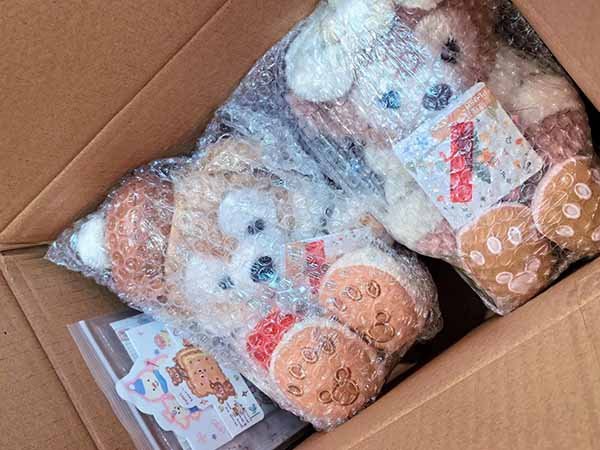
Polybag Packaging
- Low cost and efficient for large orders
- Protects products during shipping
- Lightweight and easy to handle
- wholesale shipments
- e-commerce fulfillment
- large-volume orders
- Can include barcode labels and SKU information
- Works well with Delsney’s 20–30 day production cycle
- Ideal for logistics-focused projects

Custom Gift Boxes
- High-end visual presentation
- Strong shelf impact in retail
- Supports premium pricing strategies
- gift plush
- premium retail products
- branded campaigns
- Box dimensions are aligned with product size during development
- Requires coordination between packaging and production
- Helps increase perceived value at point of sale

Retail Display Packaging
- Ready for in-store display
- Improves product presentation and accessibility
- Supports organized merchandising
- supermarket or retail chain distribution
- promotional campaigns
- multi-unit display sets
- Designed based on retail requirements
- Supports batch packaging for efficiency
- Often used in larger-scale production programs

Barcode & Logistics Labeling
- Supports SKU tracking and inventory systems
- Enables retail scanning and logistics processing
- Ensures compliance with distribution requirements
- retail distribution
- e-commerce fulfillment
- global shipping programs
- Labels integrated during packing stage
- Compatible with various logistics systems
- Coordinated with Delsney’s shipping options (EXW, FOB, DAP, DDP)

Custom Packaging Integration
- Packaging designed together with product structure
- Improved efficiency during production and packing
- Reduced risk of sizing or compatibility issues
- full OEM/ODM projects
- retail-ready product lines
- long-term brand programs
- Supports collaboration between design, engineering, and production teams
- Helps maintain consistency across repeat orders
- Improves overall product readiness for market launch
Strict Quality Control for Consistent Bulk Production
From Raw Materials to Final Shipment — Every Step Checked
In plush manufacturing, the biggest risk is not whether a factory can produce a good sample—it is whether that same quality can be maintained across hundreds or thousands of units.
Delsney approaches quality control as a full-process system rather than a final inspection step.
Incoming Material Control
- fabric texture and color matching
- filling quality and density
- accessory safety (eyes, trims, components)
In-Process Quality Checks
- stitching accuracy and seam strength
- shape consistency across units
- embroidery clarity and alignment
- attachment security for accessories
Final Product Inspection
- overall appearance vs approved sample
- structural integrity
- finishing quality (loose threads, defects)
- packaging accuracy
Quality Consistency Insight
- uniform appearance across batches
- stable workmanship regardless of production volume
- repeatable quality in future orders
Factory Strength & Integrated Supply Chain
Production capacity in plush manufacturing is not only defined by the number of workers or machines. What matters more is how well different parts of the supply chain are coordinated. Delsney operates with a structured manufacturing system supported by internal facilities and long-term supplier partnerships.
Production Capacity Overview
- 500+ skilled workers
- 18 production lines
- Flexible scheduling for different order sizes
- Production lead time typically 20–30 days
This allows both stable bulk production and controlled expansion when order volume increases.
Specialized Factory Structure
- a plush fabric production facility
- a plush toy manufacturing factory
- a logo embroidery factory
Upstream Supply Network
- fabric sourcing
- accessories
- trims
- packaging materials
Production Planning Advantage
For structured product programs, capacity planning matters. With multiple production lines and coordinated supply support:
- production schedules can be adjusted based on priority
- seasonal demand spikes can be managed more effectively
- repeat orders can be integrated without disrupting existing workflows
Certifications & Compliance for Global Markets
Product Safety Standards
- EN71 (Europe)
- ASTM (United States)
- CPSIA (United States)
- CE certification requirements
- material safety
- mechanical and physical properties
- flammability
- chemical content
Factory Audit & System Certifications
- BSCI (Business Social Compliance Initiative)
- Sedex (SMETA audits)
- ISO9001 quality management system
- Disney audit requirements
Real Project Case Studies Delivered for Global Brands

Case 1 — US Brand Mascot Plush (Retail Launch)
Project Type: Brand mascot plush for retail channels
Challenge:
The client had a 2D mascot design with strong visual identity requirements. The original design included multiple color transitions and fine facial details that were difficult to replicate consistently in plush form. The initial concern was whether bulk production could maintain brand accuracy.
Solution:
- Adjusted embroidery density and stitching direction
- Simplified internal structure for stability
- Selected fabric combinations that improved color contrast
- Provided two rounds of sampling refinement
Result:
- Achieved close alignment with original design (high visual match)
- Stable production across bulk order
- Delivered within planned timeline (approx. 25 days production)

Case 2 — European Educational Plush Series
Project Type: Multi-character plush set for educational use
Challenge:
The project involved a series of characters rather than a single product. Consistency across all characters was critical. Each piece needed to match in size, proportion, and material feel, while meeting EN71 safety standards.
Solution:
- Standardized internal structure across the full series
- Unified fabric sourcing for consistency
- Applied batch-level quality checkpoints during production
- Integrated safety considerations during design stage
Result:
- Full product set delivered with consistent appearance
- Passed required safety testing
- Enabled repeat orders with minimal adjustments

Case 3 — Promotional Plush for Global Campaign
Project Type: Large-volume promotional plush
Challenge:
The client required a cost-controlled plush design for a large campaign, with strict delivery timing. The original concept exceeded the target budget.
Solution:
- Simplified design structure without losing core identity
- Optimized material selection
- Adjusted embroidery areas to reduce production time
- Coordinated production scheduling across multiple lines
Result:
- Reduced unit cost while maintaining recognizable design
- Delivered on schedule for campaign launch
- Supported high-volume production without quality drop
Why Brands Switch to Delsney
From Unstable Supply to Structured, Scalable Production Systems
Consistent Quality from Sample to Bulk
- Up to 98% match between approved samples and bulk production
- 100% inspection before shipment
- Controlled process from sampling to final delivery
Faster and More Predictable Development Cycles
- Standard sampling time: 5–7 days
- Complex designs: 7–15 days
- Two rounds of revisions included for refinement
Stronger Design-to-Manufacturing Translation
- 25+ engineers supporting product development
- Adjustments to structure, proportions, and detailing
- Reduced risk of redesign during production stage
Stable Material Supply Across Orders
- Investment in fabric and embroidery factories
- Network of 60+ long-term suppliers
- Better consistency across multiple production batches
Scalable Production Capacity
- 500+ workers across operations
- 18 production lines for flexible scheduling
- Typical production cycle: 20–30 days
Clear and Efficient Communication
- Multi-channel support: email, WhatsApp, WeChat, video
- Fluent English-speaking team
- Faster feedback during sampling and production
Compliance and Audit Readiness
- Product standards: EN71, ASTM, CPSIA, CE
- Factory systems: BSCI, Sedex, ISO9001
- Experience with brands like Disney, Jellycat, Walmart
Flexible OEM/ODM Development Model
- Start from sketches, reference images, or samples
- Free design support and sampling assistance
- Direct collaboration with R&D and design teams
Long-Term Supply Reliability
- Stable quality across multiple orders
- Structured production and supply planning
- Built for ongoing product lines, not one-time orders
| Key Factor | Typical Supplier | Delsney |
|---|---|---|
| Sample vs Bulk Consistency | Often inconsistent | Up to 98% match |
| Development Speed | Slow, multiple revisions | 5–7 day structured sampling |
| Engineering Support | Limited | 25+ engineers involved |
| Material Stability | Varies between orders | Controlled supply system |
| Production Capacity | Limited scaling ability | 18 production lines |
| Communication | Delayed or unclear | Fast, multi-channel |
| Compliance Support | Basic | US & EU standards ready |
| Customization | Fixed specs only | OEM + ODM flexibility |
| Long-Term Reliability | Unstable | Built for repeat production |
Frequently Asked Questions About Custom Plush Manufacturing

Start Your Custom Plush Project with a Reliable Manufacturer
- artwork, sketch, or reference image
- target size or approximate dimensions
- estimated quantity
- intended market (US, EU, etc.)
- preferred materials (if any)
- branding or packaging requirements
- expected timeline

