Skip to content
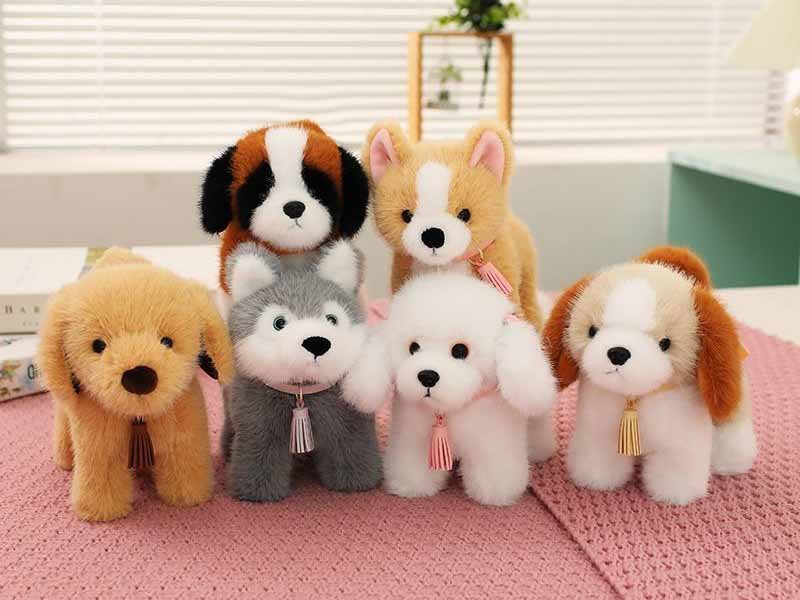
The cutest stuffed animals in the world are not always the biggest, the fluffiest, or the most expensive. A plush toy becomes lovable when it makes people feel something within the first few seconds. It may be a sleepy face, a round belly, a pair of floppy ears, a soft pastel color, a tiny embroidered smile, or a texture that makes someone want to hold it immediately. Cute stuffed animals are no longer only children’s bedtime toys. They appear in baby rooms, college dorms, office desks, gift boxes, social media photos, retail shelves, hotel gift shops, theme parks, pet memorial collections, and brand mascot campaigns.
The cutest stuffed animals usually combine rounded shapes, soft-touch fabrics, balanced facial proportions, safe stitching, gentle colors, and a clear emotional personality. Teddy bears, bunnies, cats, dogs, pandas, penguins, capybaras, axolotls, dinosaurs, and food-inspired plush animals remain popular because they are easy to recognize, easy to hug, easy to gift, and easy to personalize.
For brands, cuteness is not only about appearance. It affects shelf appeal, online click-through rate, gift conversion, repeat purchase, customer reviews, and social sharing. A plush toy that looks charming in photos, feels soft in the hand, keeps its shape after hugging, and matches the original design has a much higher chance of becoming a successful product. Behind a simple stuffed animal, there is a serious development process: character design, three-view artwork, fabric selection, pattern making, embroidery testing, stuffing adjustment, sample revision, safety review, and production control. Delsney helps brands turn sketches, mascot ideas, IP characters, reference images, and private-label concepts into soft, safe, and market-ready stuffed animals with 18+ years of plush development and manufacturing experience.
What Makes Stuffed Animals Cute?

A stuffed animal looks cute when shape, face, texture, color, size, and personality work together naturally. Rounded bodies, soft materials, gentle expressions, safe construction, and small storytelling details make people want to touch, hold, photograph, gift, or collect the plush toy.
Cuteness is not random. It is created through design choices that match human emotional response. Customers usually make a fast judgment before reading product details. If the plush toy looks soft, safe, friendly, and expressive, they are more likely to stop scrolling, click the product, compare colors, check the size, and consider buying. For a custom plush project, these small design choices directly affect commercial results.
A plush toy with the right face can feel comforting. A plush toy with the wrong face may look cold, strange, or low quality, even if the fabric is expensive. A plush toy with good material but poor stuffing may look flat after shipping. A plush toy with a cute sketch but weak pattern development may lose its character during mass production. That is why professional plush manufacturing must connect creative design with real production control.
For Delsney’s custom plush development work, the most important task is not only “making the toy soft.” It is turning an emotional concept into a repeatable physical product. Every curve, seam, eye position, fabric pile direction, and filling density must be controlled so the final bulk goods stay close to the approved sample.
What Is a Cute Stuffed Animal?
A cute stuffed animal is a soft product that gives people an immediate feeling of warmth, comfort, joy, or emotional connection. It does not need to be complicated. In fact, many best-loved plush designs are simple. A small bear with a calm face, a bunny with long ears, a cat shaped like a loaf, or a capybara holding a tiny orange can be more memorable than a highly detailed realistic animal.
The strongest cute stuffed animals usually have clear visual identity. Customers should understand the animal or character at first glance. If the design is too busy, too realistic, or too hard to recognize, it may lose emotional impact. Good plush design often softens real animal features. Sharp claws become rounded paws. Long noses become shorter snouts. Wild animals become friendly companions. Strong expressions become gentle, sleepy, cheerful, or funny.
For children, a cute stuffed animal should feel safe, huggable, and friendly. For teenagers, it may need a funny personality, pastel color, or social media appeal. For adults, it may be connected to nostalgia, comfort, home décor, collecting, or emotional gifting. For brands, a cute stuffed animal can become a mascot, retail product, event gift, subscription box item, or private-label collection.
In custom development, Delsney helps clients translate ideas into production-ready plush toys. A customer may start with a sketch, a logo character, a pet photo, a cartoon drawing, or several reference images. The design team can adjust the head ratio, body volume, facial expression, fabric color, accessories, and size before sampling. The goal is to make the plush toy look cute not only on paper, but also after cutting, sewing, stuffing, shaping, packaging, and shipment.
Why Do Soft Shapes Matter?
Soft shapes matter because the human eye naturally responds well to rounded forms. A round head, chubby body, short limbs, smooth curves, and soft paws make a stuffed animal look gentle and approachable. Sharp edges, thin limbs, stiff posture, or overly complex shapes can make the toy feel less huggable. The cutest stuffed animals usually look like they are safe to hold before the customer even touches them.
Shape also controls comfort. A plush toy with the right body thickness feels satisfying in the arms. A pillow-style plush needs enough width to support hugging. A mini plush needs a clear outline even at small size. A baby plush should not have awkward hard areas or fragile details. A retail plush should sit well on a shelf and look good in product photography. A mascot plush should keep its recognizable character shape from every angle.
In production, shape is controlled by pattern engineering. A plush sketch is flat, but the final toy is three-dimensional. Fabric stretches. Stuffing expands. Seams pull. Long-pile material hides small details. Short-pile fabric shows every curve more clearly. If the pattern is not adjusted correctly, the finished plush may become too thin, too swollen, uneven, or different from the artwork.
Delsney supports three-view design and sample refinement to reduce this risk. A front view alone is often not enough for a high-quality custom plush project. The side view and back view help confirm head depth, body thickness, tail position, ear angle, limb volume, and accessory placement. This is especially useful for brands developing IP plush, mascot plush, baby plush, animal plush, or premium collectible plush.
| Shape Element | Cute Effect | Production Control Point | Customer Concern |
|---|---|---|---|
| Round head | Softer, younger, more lovable | Head panel curve and stuffing volume | Will the face stay round after shipping? |
| Chubby body | More huggable and comforting | Body width, belly panel, filling density | Will the toy feel full or flat? |
| Short limbs | Baby-like and playful | Arm and leg length balance | Will the limbs twist or deform? |
| Floppy ears | Gentle and relaxed personality | Ear fabric weight and seam direction | Will both ears hang evenly? |
| Small paws | Softer animal expression | Paw embroidery and stuffing control | Will paw details look neat? |
| Smooth silhouette | Cleaner shelf and photo appeal | Pattern symmetry and trimming | Will bulk goods match the sample? |
How Do Eyes Create Emotion?
Eyes are one of the fastest ways to create emotion in a stuffed animal. A tiny change in eye size, distance, height, angle, shine, or embroidery curve can completely change the personality. Large round eyes can feel innocent. Small dot eyes can feel simple and funny. Curved embroidered eyes can feel sleepy and peaceful. Slightly lowered eyes can create a shy expression. Bright plastic eyes can give more life to certain animal styles.
The distance between the eyes is especially important. If the eyes are too close, the plush may look tense. If they are too far apart, the face may look empty. If they are too high, the plush may look surprised. If they are too low, the face may lose balance. The same bear pattern can look sweet, silly, premium, or strange simply because of eye placement.
Eye style also affects safety and market positioning. For baby plush toys, embroidered eyes are often preferred because they avoid detachable hard parts. For older children, collectibles, or decorative plush, plastic safety eyes, felt eyes, layered fabric eyes, or mixed embroidery may be suitable depending on the market and product standard. A premium plush may use dense embroidery to create a refined look. A novelty plush may use simple eyes for a fun, meme-like style.
For custom projects, Delsney usually reviews the target age group, destination market, intended use, and safety requirements before recommending eye construction. The design team can test different eye sizes and positions during sampling. A few millimeters can matter. For brands creating mascot plush or character plush, this step is critical because the eyes must match the original character personality while still being practical for sewing and repeat production.
Are Small Details Important?
Small details often decide whether a stuffed animal feels ordinary or memorable. A tiny blush mark, a curved mouth, a paw stitch, a soft belly patch, a ribbon, a scarf, a printed inner ear, a logo tag, or a miniature accessory can give the plush toy a stronger identity. Customers may not always explain why they like a toy, but they notice these details emotionally.
Good details help create a story. A penguin with a scarf feels ready for winter. A bunny with floral inner ears feels suitable for spring gifts. A bear with a heart embroidery feels romantic. A capybara with an orange feels relaxed and funny. A cat with closed eyes feels sleepy and comforting. A dinosaur with tiny teeth feels playful instead of scary. These details make the toy easier to sell because they connect the product to a scene.
However, more detail is not always better. Every detail affects cost, labor time, safety testing, production consistency, and packaging. Embroidery adds charm but needs correct stitch density. Accessories improve storytelling but may require pull testing. Printed fabric adds visual richness but needs color control. Clothing increases perceived value but adds sewing steps and size tolerance issues.
Delsney helps clients decide which details are worth keeping. For a low-MOQ test order, simple details may reduce risk. For a premium gift collection, richer details may justify a higher price. For baby products, safety should guide every design choice. For social media-driven plush, one memorable accessory can sometimes be more powerful than many small decorations.
| Detail Type | Best Use | Benefit | Risk to Manage |
|---|---|---|---|
| Embroidered smile | Baby plush, premium plush | Safe and refined | Puckering if stitch density is wrong |
| Blush embroidery | Cute animal plush | Adds warmth | Color must match fabric tone |
| Printed inner ears | Bunny, bear, cat plush | Adds personality | Print color consistency |
| Scarf or ribbon | Holiday and gift plush | Creates seasonal value | Pull strength and sewing labor |
| Logo woven label | Private-label plush | Supports brand identity | Label position and softness |
| Mini accessory | Trend plush, character plush | Makes the toy memorable | Safety and attachment strength |
| Paw embroidery | Bear, cat, dog plush | Adds quality feeling | Needs neat placement |
| Custom hangtag | Retail plush | Improves shelf presentation | Must match packaging style |
What Materials Feel Cutest?
Material is one of the strongest reasons customers describe a stuffed animal as cute. A plush toy may look beautiful online, but when customers receive it, the first touch decides their real impression. Softness, fabric density, pile height, elasticity, surface smoothness, color depth, and skin feel all affect perceived value. A cute design with rough or thin fabric will feel disappointing. A simple design with excellent fabric can feel premium.
Different plush materials create different emotions. Minky feels smooth and gentle, making it suitable for baby plush, comfort plush, and premium soft toys. PV fleece is widely used for soft, fluffy animal plush and gift plush. Velboa is short-pile, clean, and useful for sharper shapes or cost-controlled projects. Sherpa creates a warm, cozy look for lambs, bears, winter plush, and home-style toys. Faux fur can create realistic animals or luxury-style plush, but it requires careful pile direction control.
Stuffing is equally important. A plush toy that is too hard may look full but feel uncomfortable. A toy that is too soft may feel nice at first but lose shape quickly. For different product types, the right filling balance is different. Baby comfort toys may need soft and flexible stuffing. Display plush may need stronger shape support. Pillow plush may need a fuller, slow-rebound feeling. Mini plush needs enough firmness to hold its form.
Delsney can help clients compare fabric options before production. Material choice should consider the target market, age group, retail price, washing expectations, color accuracy, safety requirements, and shipping compression. For bulk orders, fabric consistency is also important. The approved sample and mass production must use controlled material batches to reduce color difference, pile difference, and hand-feel variation.
| Material | Touch Feeling | Common Use | Customer Value | Development Note |
|---|---|---|---|---|
| Minky | Smooth, soft, gentle | Baby plush, comfort toys | Skin-friendly feeling | Good for simple and clean shapes |
| PV fleece | Fluffy and soft | Animal plush, gift plush | Strong cute appearance | Pile length affects details |
| Velboa | Short, clean, stable | Mini plush, shaped toys | Good cost control | Shows seams more clearly |
| Sherpa | Warm and cozy | Bears, lambs, winter plush | Home décor feeling | Needs careful trimming |
| Faux fur | Fluffy, realistic, premium | Realistic animals, luxury plush | Higher perceived value | Direction control is important |
| Coral fleece | Soft and warm | Pillow plush, kids’ plush | Comfortable touch | May suit larger soft products |
| Rabbit-like plush | Silky and delicate | Premium cute plush | Smooth luxury hand feel | Needs quality fabric sourcing |
| Recycled plush fabric | Soft with eco value | Eco plush collections | Sustainability appeal | Certification may be needed |
Which Stuffed Animals Are the Cutest?

The cutest stuffed animals are usually easy to recognize, soft to hold, emotionally familiar, and suitable for gifting. Teddy bears, bunnies, cats, dogs, pandas, penguins, capybaras, axolotls, dinosaurs, and food-inspired plush animals are loved because they combine character, comfort, and strong visual appeal.
When people search for the cutest stuffed animals, they are often looking for inspiration rather than one fixed answer. A parent may want a safe plush for a child. A gift shopper may want something romantic or funny. A young adult may want a plush that looks good in photos. A brand may want to know which animal styles can become a successful custom collection. The “cutest” choice changes depending on age, use scene, size, material, and emotional meaning.
For manufacturers and product teams, the key is to understand why a certain animal style works. A teddy bear sells because it is classic. A bunny works because it feels gentle. A cat works because it can carry many expressions. A dog works because it connects to real companionship. A capybara works because it feels calm and humorous. A dinosaur works because it turns adventure into something soft and safe.
A strong plush collection often includes both evergreen animals and trend animals. Evergreen animals support stable sales. Trend animals bring fresh attention. Delsney can help brands build balanced plush lines by developing different animal styles, sizes, colors, fabrics, accessories, packaging options, and private-label details.
Which Teddy Bears Are Timeless?
Teddy bears remain one of the most loved stuffed animals because they carry emotional meaning across generations. A teddy bear can be a baby gift, birthday gift, graduation gift, Valentine’s Day gift, Christmas gift, hospital comfort item, event souvenir, or collectible plush. Customers do not need education to understand a bear. The shape itself already communicates warmth, safety, and care.
The cutest teddy bears usually have a balanced head-to-body ratio, rounded ears, soft paws, a gentle muzzle, calm eyes, and a body that feels good to hug. Beige, brown, cream, white, pink, and pastel tones remain popular because they feel warm and gift-friendly. Seasonal teddy bears can be updated with scarves, sweaters, heart embroidery, graduation caps, wedding outfits, or branded T-shirts.
For brands, teddy bears are commercially flexible. They can be made as small keychains, standard 20–30 cm gift plush, medium cuddle plush, giant display bears, luxury collectible bears, or promotional logo bears. A retail bear may focus on softness and packaging. A corporate bear may need logo embroidery and consistent cost control. A premium bear may need higher fabric density, detailed paw pads, weighted filling, and a refined gift box.
Delsney supports custom teddy bear development from artwork to bulk production. Clients can customize fabric, color, size, face style, clothing, embroidery, woven labels, hangtags, gift boxes, and retail packaging. For a high-quality teddy bear, the most important production checks include eye symmetry, muzzle shape, seam strength, stuffing balance, fabric softness, and final appearance consistency.
Which Bunny Plushies Are Loved?
Bunny plushies are loved because they naturally look soft, gentle, and comforting. Long ears, small noses, rounded faces, and relaxed bodies make bunny plush toys especially suitable for baby gifts, Easter collections, nursery décor, girls’ gift lines, spring campaigns, and premium comfort plush. A bunny can look sweet without being too childish, which gives it wide market appeal.
The ears are the main design feature. Long floppy ears create a calm and huggable personality. Short upright ears make the bunny look more playful. Printed inner ears add detail without changing the main shape. Minky inner ears can create a soft baby-style feeling. Floral fabric, gingham, satin, or pastel lining can make the bunny more suitable for gift packaging.
Color also matters. White, cream, beige, dusty pink, light gray, pale yellow, and soft blue are common because they match nursery and gift scenes. For trend-focused collections, brands may explore lavender, mint, strawberry pink, chocolate brown, or mixed-color patchwork. However, baby plush products should avoid loose accessories and use safe embroidery or secure stitching.
From a manufacturing point of view, bunny ears require careful control. If the ears are too thin, they may wrinkle. If they are too heavy, they may pull down the head. If the inner and outer fabrics stretch differently, the ears may twist. Delsney can adjust ear structure, fabric pairing, seam direction, filling level, and pattern shape during sample development to keep the bunny soft, balanced, and close to the approved design.
Are Cat Plushies Popular?
Cat plushies are popular because cats already have strong emotional and internet appeal. They can be sleepy, funny, elegant, grumpy, round, shy, mysterious, or silly. A cat plush does not have to be realistic to be loved. In many cases, the cutest cat plushies are very simple: a loaf-shaped body, tiny ears, a curved tail, little paws, and a calm embroidered face.
Cat plush toys are suitable for online stores, lifestyle shops, stationery brands, anime-inspired collections, pet brands, young adult gifts, office décor, and mini plush keychains. They can also become part of a full character series. One base cat shape can be developed into black cat, white cat, tabby cat, calico cat, sleepy cat, bread cat, strawberry cat, mushroom cat, holiday cat, or pajama cat.
Expression is the most important part of a cat plush. A small eye curve can make the cat look peaceful. A straight-line mouth can make it look funny. Tiny whiskers can add personality. A curled tail can make the shape more dynamic. Too many details may reduce the clean charm of a cat plush, so balance is important.
Delsney helps clients refine cat plush concepts by turning flat drawings into workable three-dimensional patterns. For cat plush production, key control points include ear symmetry, face embroidery position, tail attachment, body fullness, fabric pile direction, and shape retention after packaging. For brands planning a collection, cat plush also works well with accessories such as fish pillows, scarves, hats, sleeping masks, or small embroidered logos.
Which Dog Plushies Feel Real?
Dog plushies feel lovable because they connect to real companionship. Many customers choose a dog stuffed animal because it reminds them of a pet, a favorite breed, a childhood memory, or a comforting friend. Dog plush can be realistic, cartoon-style, breed-specific, baby-like, or character-based. Popular choices include golden retriever, corgi, poodle, dachshund, husky, beagle, bulldog, Shiba Inu, and puppy plush.
A cute dog plush should capture the most recognizable breed feature without becoming too complicated. A corgi needs a round body and short legs. A husky needs clear face color contrast. A poodle may need curly or textured fabric. A dachshund needs a long body. A puppy plush needs soft ears and a friendly face. Strong recognition helps customers connect quickly.
Dog plush development often requires more color-blocking than teddy bears or bunnies. Facial markings, ear color, paw color, tail shape, muzzle structure, and body spots must be planned carefully. If the color blocks do not match the pattern correctly, the final toy can look uneven. If the muzzle is not shaped well, the dog may lose its breed identity.
Delsney can support pet-style plush, breed plush, memorial plush, shelter fundraising plush, pet brand merchandise, and custom mascot dog plush. Custom options may include embroidered collars, logo tags, printed bandanas, breed-specific shapes, custom packaging, and private-label retail sets. For dog plush, the most important production concerns are expression accuracy, color matching, seam alignment, stuffing balance, and safe accessory attachment.
What Animal Plushies Are Trending?
Trending animal plushies often become popular because they are easy to recognize, funny to photograph, and emotionally simple. Capybaras feel calm and relaxed. Axolotls look unusual but friendly. Highland cows feel warm and cozy. Penguins look round and seasonal. Pandas have strong color contrast. Dinosaurs turn adventure into softness. Food-inspired animals, such as strawberry bears or bread cats, create humor and gift appeal.
Trend plush works especially well for younger consumers, online shops, social media campaigns, gift stores, claw machines, blind boxes, subscription boxes, and lifestyle brands. The strongest trend plush designs usually have one clear memory point. A capybara with an orange is easier to remember than a plain capybara. A mushroom cat is more shareable than a standard cat. A sleepy penguin in a scarf has more story than a basic penguin.
However, trend products also bring risk. Some trends rise fast and fade quickly. A brand should not build the entire product strategy around one short-lived animal unless it has strong marketing support. A safer approach is to combine trending animals with evergreen design principles: soft materials, rounded shape, safe construction, strong expression, multiple sizes, and giftable packaging.
Delsney can help brands turn trend ideas into practical plush collections. A trend concept may begin as a sketch or reference image. The development team can help decide size, material, facial style, accessory detail, packaging, MOQ, sample route, and production schedule. For time-sensitive trend products, fast sampling is valuable. Delsney’s 5–7 day sample capability for regular plush projects can help brands test new designs faster.
| Plush Animal Type | Why Customers Like It | Strong Sales Scene | Custom Development Idea |
|---|---|---|---|
| Teddy bear | Classic, warm, safe, emotional | Gifts, events, retail shelves | Logo bear, holiday bear, luxury bear |
| Bunny | Gentle, soft, baby-friendly | Baby gifts, Easter, nursery | Pastel bunny, comfort bunny, gift box set |
| Cat | Funny, expressive, internet-friendly | Teen gifts, décor, online stores | Loaf cat, sleepy cat, anime cat |
| Dog | Pet emotion, familiar breeds | Pet brands, kids, memorial gifts | Breed plush, collar tag, custom markings |
| Panda | Strong visual recognition | Tourism, museums, children’s gifts | Souvenir panda, mascot panda |
| Penguin | Round, seasonal, charming | Winter, Christmas, kids’ gifts | Scarf penguin, baby penguin, snow theme |
| Capybara | Calm, funny, social media appeal | Novelty gifts, young adult market | Orange capybara, mini capybara keychain |
| Axolotl | Unique, colorful, playful | Gen Z gifts, aquatic themes | Pastel axolotl, smiling axolotl |
| Dinosaur | Adventure softened into cuteness | Kids, museums, learning gifts | Baby dino, soft dino, character dino |
| Food animal | Funny, photo-friendly, memorable | Lifestyle stores, blind boxes | Strawberry bear, bread cat, mushroom bunny |
| Market Signal | What It Means for Plush Brands |
|---|---|
| Global plush toy market estimates are commonly placed in the multi-billion-dollar range | Plush toys remain a strong category across gifts, children’s products, collectibles, and character merchandise |
| Adult plush purchasing continues to grow through comfort, décor, nostalgia, and social media culture | Cute plush designs should not only target children; young adults and collectors matter |
| E-commerce makes product photos more important | Cute shape, clear face, and soft texture must be visible in thumbnails |
| Gift seasons create demand spikes | Valentine’s Day, Easter, Christmas, birthdays, and graduations are useful collection planning points |
| Short-video platforms accelerate trend cycles | Brands need faster sampling and flexible development to test new plush ideas |
| Private-label plush collections are increasingly common | Factories with design, sampling, safety, and packaging support offer stronger value |
How Do Cute Plush Trends Change?

Cute plush trends change when culture, gifting habits, social media, character licensing, color preferences, and lifestyle needs change. Mini plush, squishy plush, food-shaped animals, capybara plush, axolotl plush, emotional comfort plush, and collectible character plush have become popular because customers want toys that feel soft, expressive, photo-friendly, and easy to share.
Plush toy trends are not random. They usually grow from a mix of visual simplicity, emotional comfort, novelty, and easy storytelling. A plush product becomes trend-ready when people can understand it in one second and remember it after seeing it once. A small smiling mushroom bunny, a calm capybara with an orange, a sleepy cat pillow, or a round penguin keychain can spread quickly because the design is simple enough to recognize and cute enough to share.
For brands, trend awareness is useful, but blind copying is risky. A design that looks popular online may not always perform well in retail, wholesale, or private-label programs. Some viral plush toys depend on a specific character, meme, or platform moment. Others have longer life because they connect to deeper customer needs, such as comfort, relaxation, nostalgia, collectibility, or gift-giving.
A strong plush product strategy should combine trend styles with stable design logic. If the animal is trending, the product still needs safe materials, good stitching, soft hand feel, proper stuffing, attractive packaging, and repeatable production quality. If the design looks good only in a photo but arrives flat, stiff, poorly sewn, or very different from the sample, customer reviews can quickly damage the product line.
Delsney supports trend-based plush development through fast sampling, three-view design support, material comparison, 3D effect presentation, OEM/ODM customization, and flexible MOQ. For clients testing a new plush trend, small adjustments in size, facial expression, accessory detail, and fabric type can make the difference between an ordinary plush and a product that customers want to collect.
Are Mini Plushies Still Popular?
Mini plushies remain popular because they are affordable, easy to collect, easy to display, and easy to carry. They work well as keychains, bag charms, blind-box toys, desk decorations, backpack accessories, event gifts, and add-on products for online stores. A mini plush does not need to be large to create emotional value. Many customers enjoy small plush toys because they feel personal, cute, and low-risk to purchase.
Mini plush design requires stronger visual clarity than large plush. Since the size is small, every detail must be simplified. Oversized eyes, clear animal ears, strong color blocking, and one memorable feature often work better than complicated sewing. A tiny cat with a fish, a mini bear with a scarf, or a small capybara with fruit can be more attractive than a highly detailed but unclear design.
For production, mini plush toys are not always easier. Small parts require more precise sewing. Embroidery must be clean at reduced size. Stuffing must be controlled carefully to avoid distortion. Accessories must be secure. If the plush is used as a keychain, the metal ring, loop tape, and attachment point need strength testing.
For brands, mini plushies are valuable for collection-based sales. A series of 6–12 styles can encourage repeat purchases. Delsney can help develop mini plush collections with unified body structure, different animal faces, color variations, logo labels, custom hangtags, and retail-ready packaging.
Why Are Squishy Plushies Loved?
Squishy plushies are loved because they give customers a soft, pressure-relieving hand feel. They are not only seen as toys, but also as comfort products. A slow, soft squeeze can make a plush feel calming, especially for students, office workers, children, and adults who enjoy sensory products. The appeal comes from touch as much as appearance.
The most successful squishy plush designs often have large rounded bodies, simple faces, soft fabric, and fuller stuffing. Common examples include round cats, chubby bears, mochi-style animals, dumpling-shaped puppies, soft penguins, and pillow plush characters. These plush toys are easy to hug, squeeze, and use as cushions.
Material and filling are critical. A squishy plush needs a fabric that stretches smoothly and returns well after compression. The filling should feel soft without becoming lumpy. If the toy is overstuffed, it feels hard. If it is underfilled, it looks cheap and loses shape. Seams also need enough strength because customers squeeze these products more often than display plush.
Delsney can help clients test different filling densities for squishy plush lines. For large pillow plush, the factory can adjust the internal structure to improve shape recovery. For smaller squishy plush, the team can balance softness, appearance, safety, and shipping compression. A good squishy plush should arrive looking full, feel comfortable in the hand, and recover well after use.
Do Character Plushies Sell Better?
Character plushies can sell better when the character has a clear personality, emotional story, and audience connection. A bear is cute, but a bear with a name, mood, outfit, backstory, and signature expression can become more collectible. Character plush works especially well for IP owners, animation brands, game companies, theme parks, museums, content creators, pet brands, and gift companies.
The key is consistency. The plush must look close to the original artwork. If a customer loves a character online, the plush version should feel familiar in real life. Face shape, eye angle, color tone, body posture, clothing, accessories, and expression must be translated carefully from 2D artwork into 3D form. A poor plush conversion can make a beloved character look strange.
For character plush, the first sample is rarely perfect. Adjustments may be needed for head shape, snout depth, ear angle, embroidery size, fabric color, clothing fit, and stuffing volume. Delsney’s 3D effect support and three-view design process can help reduce misunderstanding before sampling. The closer the design file, sample, and bulk product remain, the better the customer experience.
For brands planning character plush, it is useful to prepare clear artwork, Pantone color references, size requirements, target age group, packaging direction, and quality level. Delsney can support free design, free sample development for qualified projects, sample revisions, and OEM/ODM production with high design-to-product matching.
Are Food Plushies Trending?
Food plushies are trending because they combine comfort, humor, color, and novelty. A strawberry bear, bread cat, dumpling bunny, sushi puppy, mushroom frog, avocado dinosaur, or milk-tea plush feels playful and highly shareable. These products work well for gift shops, lifestyle stores, online sellers, cafés, snack brands, blind-box programs, and seasonal campaigns.
Food plushies often appeal to customers who already have many traditional animal toys. The food element adds surprise. A plain bear may feel familiar, but a croissant bear or strawberry bear feels more memorable. Food shapes also allow bright colors, soft textures, and packaging concepts that match retail displays or gift sets.
However, food plush must avoid looking messy. The best designs keep one main animal identity and one main food identity. Too many colors, toppings, printed details, and accessories can make the plush hard to recognize. A strong product should be cute from a distance and interesting up close.
From a manufacturing point of view, food plush may require color-blocking, embroidery, applique, printing, accessory sewing, and special pattern shaping. Delsney can help clients simplify complex food-animal concepts into production-friendly structures. For private-label collections, food plush can be developed as a themed series, such as bakery animals, fruit animals, dessert animals, breakfast animals, or holiday candy animals.
Which Plush Styles Go Viral?
Plush styles go viral when they are instantly understandable, emotionally clear, and easy to photograph. A viral plush usually has one strong visual hook: oversized round body, funny expression, relaxed posture, tiny accessory, unusual animal, bright color, or a contrast between cute and unexpected. Customers share it because it feels like a small personality, not just a product.
Common viral plush features include:
Clear face visible in small thumbnails Rounded body that looks soft on camera One memorable accessory or pose Animal style connected to current culture Funny, calm, sleepy, or slightly awkward expression Simple color palette that photographs well Size suitable for hugging, desk display, or bag decoration Series potential for collecting multiple versions
A plush that goes viral online must still survive real product use. Customers may forgive a simple design, but they rarely forgive weak stitching, poor fabric, bad smell, uneven filling, or a product that looks different from the photo. Product quality supports long-term sales after online attention brings the first wave of traffic.
Delsney helps brands prepare trend plush for real production. The process may include concept review, pattern development, fabric sourcing, embroidery testing, accessory safety check, sample adjustment, packaging planning, and bulk quality control. Fast attention can bring opportunity, but only stable manufacturing turns attention into repeat orders.
| Trend Style | Why Customers Like It | Best Product Size | Useful Custom Detail | Production Focus |
|---|---|---|---|---|
| Mini plush keychain | Easy to collect and carry | 8–15 cm | Metal chain, logo tag, hang card | Small part accuracy |
| Squishy pillow plush | Soft, relaxing, huggable | 25–60 cm | Super soft fabric, full body shape | Filling balance |
| Food animal plush | Funny and giftable | 12–35 cm | Embroidery, applique, printed details | Color-blocking accuracy |
| Capybara plush | Calm, gentle, humorous | 15–40 cm | Orange, towel, leaf, scarf | Face and body proportion |
| Axolotl plush | Unique and colorful | 12–35 cm | Gills, pastel colors, smile | Small appendage stitching |
| Character plush | Strong emotional identity | 10–50 cm | Clothing, expression, accessories | Artwork matching |
| Blind-box plush | Repeat purchase appeal | 8–15 cm | Series colors, hidden variants | Consistency across styles |
| Weighted plush | Comfort and relaxation | 25–45 cm | Inner weighted filling | Safety and weight control |
| Holiday plush | Seasonal gift demand | 15–40 cm | Hat, scarf, embroidery, gift box | Delivery schedule |
| Customer Need | Plush Trend Response | Delsney Support |
|---|---|---|
| Need fast product testing | Mini plush or simple trend animal | Flexible MOQ and fast sampling |
| Need social media appeal | Funny face, food-animal mix, capybara style | 3D effect and design refinement |
| Need higher gift value | Premium fabric, packaging, embroidery | Private-label packaging support |
| Need safe kids’ products | Embroidered eyes and secure seams | Safety-focused material and construction review |
| Need collectible line | Multi-style animal series | Pattern system and color variation planning |
| Need closer artwork match | Character plush development | Three-view design and sample adjustment |
Which Stuffed Animals Make Good Gifts?

Good stuffed animal gifts are soft, safe, visually lovable, easy to understand, and suitable for the receiver’s age, relationship, and use scene. Teddy bears, bunnies, puppies, cats, penguins, pandas, capybaras, mini plush, comfort plush, and custom character plush are strong gift choices because they carry emotion without needing many words.
A plush gift works because it feels personal. People give stuffed animals to say “I care,” “I remember you,” “feel better,” “happy birthday,” “congratulations,” or “you are loved.” Unlike many disposable gifts, a plush toy can stay on a bed, shelf, sofa, desk, or travel bag for years. It becomes part of someone’s daily space.
Gift plush has different requirements from ordinary toy plush. It should look attractive in photos, feel soft when opened, and carry enough emotional meaning to suit the occasion. Packaging matters more. A ribbon, hangtag, message card, window box, drawstring bag, or custom gift box can increase perceived value. For retail and online sales, packaging also protects the plush during delivery and improves presentation when customers receive the product.
For brands, gift plush categories can be planned around holidays, relationships, age groups, and emotional scenes. Valentine’s Day plush, baby shower plush, birthday plush, Christmas plush, graduation plush, get-well plush, wedding plush, and corporate gift plush all require different design decisions. Delsney can help develop custom plush gift collections with matching fabric, color, embroidery, logo, packaging, and safety requirements.
Which Plushies Are Best for Kids?
The best plushies for kids are soft, durable, safe, washable, easy to hug, and friendly in expression. Children often build emotional attachment to plush toys through repeated daily use. A child may sleep with the toy, carry it around the house, bring it on car rides, or use it during pretend play. Because of frequent contact, safety and durability are very important.
For younger children, simple animal designs usually work well. Bears, bunnies, puppies, cats, elephants, lambs, penguins, dinosaurs, and pandas are easy to recognize. Rounded shapes, embroidered eyes, short fur, soft stuffing, and secure seams are useful features. Long loose parts, hard accessories, sharp plastic pieces, weak ribbons, and small detachable decorations should be avoided for young age groups.
Kids also respond strongly to character and color. A plush toy with a calm face may become a bedtime companion. A bright dinosaur may support play. A bunny with long ears may become a comfort object. A panda pillow may become both toy and cushion. Product size matters too. A 15–25 cm plush is easy for young children to hold, while a 30–45 cm plush may be better as a cuddle toy.
Delsney can help clients design kid-friendly plush toys with safety-first construction. Important checks include seam strength, eye and nose security, fabric softness, stuffing quality, needle detection, label placement, and destination-market compliance. For children’s plush, cute design must never come at the cost of safety.
What Plushies Suit Adults?
Plushies for adults should feel comforting, stylish, expressive, or collectible. Adult customers often buy stuffed animals for emotional comfort, home décor, nostalgia, desk display, fandom, travel, photography, or stress relief. They may prefer softer fabrics, calmer colors, cleaner shapes, or designs with stronger personality than traditional children’s toys.
Popular adult plush styles include minimalist cats, sleepy bears, capybaras, highland cows, giant pillow plush, weighted plush, character plush, food plush, handmade-style plush, and premium collectible animals. Adults may care more about fabric quality, room-matching colors, packaging, and emotional story. A plush that looks childish may not appeal to them, while a plush that feels cozy, funny, or well-designed can fit naturally into their lifestyle.
Size choice depends on use. Desk plush may be 8–15 cm. Sofa or bed plush may be 30–60 cm. A gift plush may be 20–35 cm with packaging. A collectible plush may have richer details and limited-edition labels. For adult gifting, subtle design can work better than loud decoration. Soft neutrals, warm browns, muted pinks, cream, gray, sage green, and pastel tones are often easier to match.
Delsney can support adult plush projects with premium materials, private-label tags, embroidered details, character accuracy, and gift packaging. For lifestyle brands, plush toys can be developed as part of a home comfort line, café merchandise, IP product collection, or influencer merchandise range.
Which Plush Toys Are Romantic?
Romantic plush toys usually combine soft texture, emotional symbolism, warm colors, and gift-ready presentation. Teddy bears remain one of the most common romantic plush choices because they are easy to understand and widely accepted. Bunny plush, puppy plush, cat plush, penguin pairs, heart-shaped plush, couple character plush, and custom mascot plush also work well for romantic gifting.
The romantic feeling does not need to be exaggerated. A bear holding a heart, a bunny with a small embroidered message, a pair of matching plush characters, or a soft cat in a gift box can feel more tasteful than an overly decorated product. Many customers prefer plush gifts that are sweet but still suitable for long-term display.
Color and packaging are important. Soft pink, cream, red, white, beige, and warm brown are common romantic colors. Satin ribbons, heart hangtags, custom message cards, embroidered initials, date embroidery, or matching gift bags can improve the gift value. For higher-end markets, a clean box and premium fabric may be more attractive than heavy decoration.
Delsney can customize romantic plush collections for Valentine’s Day, anniversaries, wedding gifts, proposal gifts, couple merchandise, flower shop add-ons, and online gift stores. Custom options include heart embroidery, logo labels, personalized clothing, paired characters, gift boxes, and seasonal packaging. For romantic plush, the design should feel thoughtful, not cheap or overly crowded.
Are Plushies Good for Birthdays?
Plushies are excellent birthday gifts because they fit many ages, budgets, and personalities. A plush toy can be cute, funny, emotional, decorative, or collectible. Unlike size-specific clothing or taste-specific accessories, a well-chosen stuffed animal is easy to enjoy. It also works well as a main gift, add-on gift, party favor, event souvenir, or custom birthday campaign product.
Birthday plush designs can be playful and personal. Bears with birthday hats, dogs with party scarves, bunnies holding cakes, cats with balloons, dinosaurs with candles, or mini plush keychains for party bags can all fit birthday scenes. For children, bright colors and safe materials matter. For adults, humor, softness, and good packaging may matter more.
For retail brands, birthday plush is a stable product opportunity because birthdays happen year-round. Unlike single-season plush, birthday plush can sell continuously. Product lines can include different sizes and price levels: mini plush for party favors, medium plush for gifts, large plush for premium orders, and custom plush for events or brand campaigns.
Delsney can help clients develop birthday plush collections with embroidered messages, birthday accessories, custom colors, private-label tags, packaging sets, and flexible MOQ. For large campaigns, Delsney can also support repeat production with consistent materials and quality control, helping brands maintain the same look across reorder batches.
What Plushies Work for Holidays?
Holiday plushies work best when they combine seasonal symbols with strong everyday cuteness. A Christmas penguin, Easter bunny, Valentine bear, Halloween black cat, Thanksgiving turkey, winter fox, or New Year dragon can attract seasonal demand while still being cute enough to keep after the holiday. The strongest holiday plush toys do not feel disposable.
Each holiday has its own color and design language. Christmas plush often uses red, green, white, gold, scarves, hats, snowflakes, and gift boxes. Easter plush uses bunnies, chicks, eggs, pastel colors, floral details, and soft baskets. Valentine plush uses hearts, pink, red, cream, paired animals, and message embroidery. Halloween plush uses black cats, bats, ghosts, pumpkins, spiders, and purple-orange color themes.
Planning time is critical. Holiday plush needs enough time for design, sampling, revision, production, shipping, photography, listing, and sales preparation. Brands should not start too late, especially when custom fabric, embroidery, accessories, or packaging are involved. A seasonal plush launched late can miss the strongest sales window.
Delsney can support holiday plush planning from concept to production. Clients can create custom animal styles, seasonal outfits, embroidered messages, hangtags, retail boxes, gift bags, and private-label packaging. For recurring holidays, approved patterns can be reused and updated with new colors or accessories, reducing future development time.
| Gift Scene | Recommended Plush Style | Suggested Size | Useful Custom Detail | Key Quality Concern |
|---|---|---|---|---|
| Baby shower | Bunny, bear, lamb, elephant | 15–30 cm | Embroidered eyes, soft colors | Safety and fabric softness |
| Kids’ birthday | Bear, puppy, dinosaur, panda | 20–35 cm | Party hat, name tag, bright colors | Seam strength and washable fabric |
| Teen gift | Cat, capybara, food plush | 10–30 cm | Funny face, mini accessory | Photo appeal and expression |
| Adult comfort gift | Pillow plush, weighted plush, sleepy animal | 30–60 cm | Premium fabric, calm colors | Filling density and shape recovery |
| Romantic gift | Teddy bear, bunny, couple plush | 20–40 cm | Heart embroidery, gift box | Clean stitching and packaging |
| Christmas gift | Penguin, bear, reindeer, fox | 15–40 cm | Scarf, hat, holiday hangtag | Delivery schedule and accessory security |
| Easter gift | Bunny, chick, lamb | 15–35 cm | Pastel color, basket packaging | Ear symmetry and material quality |
| Corporate gift | Mascot plush, logo bear | 10–30 cm | Logo label, custom tag | Brand color accuracy |
| Event giveaway | Mini plush, keychain plush | 8–15 cm | Metal chain, logo hangcard | Small part durability |
| Premium retail gift | Character plush, collector animal | 25–50 cm | Gift box, woven label, detailed embroidery | Sample-to-bulk consistency |
| Planning Factor | Why It Matters | Better Decision |
|---|---|---|
| Target age | Safety rules and design details change by age group | Confirm age grade before sample development |
| Sales channel | Online, retail, gift shop, event, and museum stores need different packaging | Design packaging around channel needs |
| Product size | Size affects price, shipping, shelf display, and hugging comfort | Build 2–3 size options for testing |
| Fabric choice | Softness drives customer satisfaction | Compare hand feel before bulk order |
| Gift season | Seasonal timing affects sales success | Start development early enough for sampling and shipping |
| Custom logo | Branding improves recognition and repeat orders | Use woven labels, embroidery, hangtags, or packaging |
| Safety testing | Required for children’s products and many overseas markets | Plan testing before mass production |
| Sample approval | Prevents costly bulk mistakes | Confirm face, shape, fabric, stitching, and packaging before production |
How Are Cute Stuffed Animals Designed?
Cute stuffed animals are designed through a careful process that turns an idea into a soft, safe, three-dimensional product. The process usually includes concept planning, animal or character research, three-view artwork, fabric selection, pattern making, embroidery testing, sample making, revision, and production preparation.
A good plush toy does not begin at the sewing table. It begins with a clear purpose. Who will receive it? Will it be sold as a baby gift, retail toy, IP character, pet memorial plush, holiday item, mascot product, online store collection, or premium brand gift? A cute plush for toddlers needs different safety details from a collectible plush for adults. A mascot plush needs stronger artwork matching than a simple teddy bear. A gift plush needs stronger presentation than a low-cost event giveaway.
The design stage should answer several practical questions before sampling begins. What animal or character is being developed? What size will the finished toy be? Which fabric should be used? Should the eyes be embroidered or plastic? Will the plush sit, stand, lie down, or hang from a keychain? Will it need clothing, accessories, logo labels, packaging, or safety certificates? Every answer affects cost, sample timing, mass production difficulty, and final customer satisfaction.
Delsney supports plush development from rough concept to finished product. Clients may provide sketches, reference photos, technical files, existing samples, mascot artwork, or only a general idea. The team can help create three-view drawings, 3D visual effects, fabric proposals, sample plans, and production-ready details. For regular plush projects, sampling can often be completed in 5–7 days, helping brands test designs faster before moving into bulk production.
How Is a Plush Idea Created?
A plush idea often begins with one emotional goal. A brand may want a toy that feels comforting, funny, cute, premium, educational, romantic, or collectible. That emotional goal should guide the whole design. For example, a bedtime bunny should feel calm and soft. A dinosaur for children should feel adventurous but not scary. A capybara gift plush should feel relaxed and slightly humorous. A mascot plush should carry the same personality as the original brand character.
The strongest plush ideas usually have one clear memory point. It may be a sleepy face, oversized ears, a round belly, a tiny accessory, special fabric texture, or an unusual animal choice. Without a memory point, the plush may look like many other toys on the market. With too many details, the toy may feel messy and expensive to produce. Good design finds the balance between simple recognition and emotional charm.
For product planning, brands should think about the use scene early. A plush for retail shelves needs strong shelf appeal. A plush for e-commerce needs a clear face and shape in photos. A plush for children needs safety and durability. A plush for adults may need softer colors and better fabric. A plush for event gifting may need logo placement and cost control.
Delsney can help turn loose ideas into structured design proposals. The team can review animal type, size range, fabric options, facial style, accessory ideas, packaging direction, and production feasibility before sample development begins. This early planning reduces unnecessary sample revisions and helps the final product stay closer to the commercial goal.
What Is a Three-View Design?
A three-view design shows the plush toy from the front, side, and back. It is one of the most useful tools for custom plush development because plush toys are three-dimensional products. A front sketch may look cute, but it does not fully explain head depth, back shape, tail position, side profile, ear angle, body thickness, foot placement, or accessory position.
For simple plush toys, a front view may be enough for early discussion. For higher-quality projects, three-view artwork is much safer. It helps the pattern maker understand how the toy should look from every direction. It also helps the client confirm details before sampling, reducing misunderstandings between design expectation and finished product.
Three-view design is especially important for mascot plush, IP plush, animal plush with tails or wings, sitting plush, standing plush, pillow plush, and plush with clothing. Without side and back views, the factory may need to guess hidden details. Guessing can lead to sample delays, inaccurate shape, wrong posture, or extra revision costs.
Delsney provides three-view design support and 3D effect presentation for custom plush projects. This helps clients see the plush structure more clearly before fabric cutting begins. For brands with strict appearance requirements, three-view artwork also becomes a communication standard between designer, sample room, production team, quality team, and client.
| Three-View Part | What It Confirms | Why It Matters |
|---|---|---|
| Front view | Face, body width, eye position, main expression | Controls first visual impression |
| Side view | Head depth, belly curve, sitting angle, snout length | Controls three-dimensional shape |
| Back view | Tail, back seam, clothing back, label position | Prevents missing rear details |
| Top detail | Ear angle, head shape, accessory location | Useful for animal and mascot plush |
| Bottom detail | Feet, base shape, sitting balance | Helps plush stand or sit correctly |
| Color callouts | Fabric colors and contrast areas | Reduces color-blocking mistakes |
| Logo placement | Embroidery, label, tag, clothing logo | Supports private-label needs |
| Size notes | Height, width, thickness | Helps cost and packaging planning |
How Is a Plush Sample Made?
A plush sample is made by turning the approved design into patterns, fabric pieces, embroidery files, sewn components, stuffing structure, shaping, and final finishing. The sample stage is where a cute idea becomes a real product that can be touched, tested, photographed, and reviewed.
The first step is pattern making. The pattern maker studies the design and divides the plush into fabric panels. Each panel must consider fabric stretch, seam allowance, stuffing expansion, pile direction, and final shape. A round head may require multiple curved panels. A long ear may need inner and outer fabric layers. A complex mascot may need many small parts to preserve its shape.
Next comes material cutting and embroidery. If the plush has embroidered eyes, mouth, paw pads, logo, or decorative details, embroidery files must be created and tested. Stitch density, thread color, position, and fabric stability all affect the final look. Poor embroidery can wrinkle the fabric or change the expression.
After sewing, the toy is filled and shaped. Filling density is carefully adjusted because it affects softness, body volume, sitting posture, and long-term recovery. The sample is then trimmed, brushed, checked, and compared with the design artwork. Clients may request adjustments to face, body, color, softness, size, clothing, or accessories.
Delsney’s sample process supports fast development for regular plush products, usually around 5–7 days. For projects involving complex accessories, special materials, new molds, or advanced techniques, sample time may be longer. The goal is always to create a sample that looks cute, feels good, meets safety expectations, and can be repeated during mass production.
How Is Cuteness Improved?
Cuteness is improved through careful sample review. Many plush toys look acceptable after the first sample, but small improvements can make them much stronger. Eye position may need to move slightly lower. The head may need more filling. The mouth curve may need to soften. The body may need more roundness. The ears may need better balance. The fabric may need a softer pile or warmer color.
A useful sample review should look at the plush from several angles. Does it look cute from the front? Does the side profile match the intended character? Does the toy sit correctly? Does the face look friendly in product photos? Does the fabric feel good by hand? Does the stuffing recover after squeezing? Does the sample match the original artwork closely enough?
Brands should avoid judging only by one photo. Lighting, camera angle, and compression can hide problems. A plush sample should be reviewed by touch, size measurement, seam inspection, expression check, and comparison with artwork. For e-commerce brands, taking sample photos against a plain background can help judge whether the product will look strong online.
Delsney helps clients improve cuteness during sample development by adjusting pattern, facial embroidery, filling density, fabric choice, accessory placement, and finishing details. The company’s plush products can reach up to 98% matching between finished product and design artwork for well-prepared projects, making it easier for brands to protect their intended character image.
| Sample Review Point | What to Check | Possible Adjustment |
|---|---|---|
| Face expression | Does the toy look friendly and cute? | Move eyes, adjust mouth curve, refine embroidery |
| Head shape | Is the head round and balanced? | Modify panels or filling density |
| Body volume | Does the toy feel full enough? | Add filling or adjust body pattern |
| Ear position | Are both ears even? | Change angle, seam direction, or fabric weight |
| Fabric touch | Does it feel soft enough? | Replace fabric or adjust pile length |
| Color accuracy | Does fabric match artwork? | Use better color matching or Pantone reference |
| Sitting posture | Does the plush sit steadily? | Adjust lower body shape or filling |
| Accessory effect | Does it add value without clutter? | Resize, simplify, or strengthen attachment |
| Logo position | Is the brand mark visible and neat? | Move embroidery, label, or tag |
| Bulk feasibility | Can workers repeat the sample? | Simplify structure or standardize sewing steps |
Can Brands Customize Plushies?
Yes, brands can customize plushies in many ways. Customization can include animal type, character shape, fabric, color, size, embroidery, facial expression, clothing, accessories, labels, hangtags, packaging, logo placement, safety requirements, and retail presentation. For private-label plush projects, customization helps create product identity instead of selling generic toys.
Different clients need different levels of customization. A small online store may only need a custom animal style with a woven label and hangtag. A large brand may need original character development, strict color matching, packaging design, safety testing, and repeat production control. An IP owner may need very close artwork matching. A gift company may need seasonal versions with fast launch timing.
Delsney offers end-to-end OEM/ODM custom plush support. Clients can develop products from reference technical files, sketches, images, samples, mascot drawings, or creative concepts. The company can provide free design support and free sample development for qualified projects, along with flexible MOQ, fast sample turnaround, and short bulk lead time.
Customization should be planned with both creativity and production reality in mind. A plush toy must look cute, but it must also be safe, durable, cost-appropriate, and repeatable. Delsney’s experience in plush design, pattern making, sampling, manufacturing, and quality control helps brands move from idea to market-ready product with fewer unnecessary risks.
Are Cute Stuffed Animals Safe?
Cute stuffed animals are safe when fabric, filling, stitching, eyes, noses, accessories, labels, and packaging are designed according to the target age group and destination market. Safety should be planned before sampling, not added after mass production begins.
A plush toy can look soft and harmless, but safety depends on construction. Loose eyes, weak seams, poor-quality filling, exposed hard parts, sharp plastic pieces, long cords, unsecured accessories, colorfastness problems, and small detachable components can create risk. For children’s plush, safety requirements are stricter. For baby plush, many brands prefer embroidered eyes, short-pile fabrics, simple shapes, and fewer accessories.
Different countries and regions have different toy safety expectations. Brands selling into the United States, European Union, United Kingdom, Canada, Australia, or other regulated markets should confirm applicable standards before production. Common concerns include mechanical safety, flammability, chemical limits, small parts, labeling, choking hazards, and material safety. Plush toys for infants and toddlers require extra caution.
Delsney manufactures plush products for overseas clients and can support safety-conscious design, material review, construction checking, and compliance preparation. Safety is not only a legal requirement. It protects customer trust, product reviews, brand reputation, and long-term reorder potential.
What Fabrics Are Safe?
Safe plush fabrics should be soft, clean, skin-friendly, color-stable, durable, and suitable for the target age group. For baby and children’s plush, fabric should not shed excessively, irritate skin, bleed color, or contain restricted substances beyond market limits. Fabric choice should also match the toy’s intended use, washing needs, and safety standard.
Short-pile and smooth fabrics are often easier to manage for baby products because they reduce shedding concerns and allow clearer embroidery. Minky, short plush, velboa, and soft fleece can work well depending on design and testing needs. Long-pile plush may feel luxurious and cute, but for young children it should be selected carefully because loose fibers and trimming quality matter.
Fabric backing strength also matters. A soft surface is not enough. The fabric must withstand sewing, stuffing, pulling, hugging, shipping, and daily use. Weak backing can tear near seams. Poor fabric stability can stretch unevenly and distort the toy shape. Low-quality dyeing can cause color inconsistency or color transfer.
Delsney can help clients compare fabric options by hand feel, pile height, color, cost, safety suitability, and production stability. For serious projects, fabric approval should happen before bulk production. Clients can request fabric swatches, sample comparison, or material recommendations based on target market and product positioning.
| Fabric Concern | Why It Matters | Better Choice |
|---|---|---|
| Shedding | Loose fibers reduce quality and may create safety concern | Stable pile fabric with proper trimming |
| Colorfastness | Poor dye may transfer during use or washing | Tested and controlled fabric batches |
| Skin feel | Rough fabric lowers customer satisfaction | Soft-touch plush, minky, fleece, or suitable velboa |
| Fabric backing | Weak backing may tear near seams | Strong backing suited for stuffing pressure |
| Pile length | Long pile hides detail and may shed more | Match pile height to age group and design |
| Stretch | Too much stretch distorts shape | Pattern adjusted for fabric behavior |
| Washability | Children’s products may need cleaning | Select fabric and filling suited to care needs |
| Sustainability | Some brands need eco claims | Consider recycled fabric with documentation |
Are Eyes and Noses Secure?
Eyes and noses must be secure because they are among the most sensitive safety points in plush toys. A cute face often depends on eyes and nose details, but these parts must be designed according to age group and market requirements. For baby plush, embroidered eyes and noses are often preferred because they remove hard detachable components. For older-age plush, plastic safety eyes or noses may be used when properly attached and tested.
A secure eye or nose depends on material choice, attachment method, backing strength, washer quality, embroidery density, and surrounding fabric stability. Even if the part itself is good, poor placement or weak fabric can create problems. Pull strength matters because children may tug, bite, twist, or squeeze the toy during play.
Embroidery also needs control. Embroidered eyes should be neat, smooth, and stable. If stitch density is too high, the fabric may pucker. If too low, the eye may look thin or uneven. Thread color should match the approved design, and both eyes must be symmetrical. Facial embroidery directly affects both safety and appearance.
Delsney reviews eye and nose construction during sample development. For clients targeting children’s markets, the factory can recommend safer facial solutions and check attachment strength. For premium plush or character plush, eye details can be customized through embroidery, fabric applique, felt layers, or safe plastic parts depending on the final use.
How Is Stitching Checked?
Stitching is checked by reviewing seam strength, stitch density, seam alignment, thread quality, seam allowance, turning quality, and stress points. A plush toy may fail not because the fabric is poor, but because the seams are weak or uneven. Since stuffed animals are hugged, squeezed, pulled, packed, and shipped, stitching quality directly affects durability.
Important stress points include ears, arms, legs, tails, wings, clothing, accessories, zipper areas, keychain loops, and any part children may pull. A cute bunny with weak ear seams will quickly lose customer trust. A keychain plush with weak loop attachment may break during use. A pillow plush with poor side seam control may leak filling after compression.
Stitching also affects appearance. Uneven seams can make the face asymmetrical. Twisted limbs can make the toy look low quality. Poor seam placement can create bumps or unwanted folds. When fabric pile is long, seam alignment becomes harder because workers must control pile direction and avoid trapped fur.
Delsney’s production quality control includes checking seam strength, symmetry, filling closure, shape consistency, and overall workmanship. For custom plush, the approved sample becomes the quality reference. During bulk production, quality inspection helps confirm that mass goods maintain the same expression, size, softness, and sewing standard.
What Tests Are Needed?
The tests needed for stuffed animals depend on target market, target age, material, structure, and sales channel. Common safety concerns include mechanical strength, small parts, flammability, chemical limits, colorfastness, sharp points, sharp edges, stuffing cleanliness, and labeling. For children’s toys, testing requirements are much stricter than for adult decorative plush.
For the United States market, plush toys often need to consider ASTM F963 and CPSIA-related requirements. For the European Union, EN71 requirements are commonly considered. The United Kingdom, Canada, Australia, and other regions may have their own rules or accepted standards. Brands should confirm exact requirements with their compliance team or testing laboratory before mass production.
Testing should not be treated as the final step only. If a product has risky accessories, loose parts, long cords, weak attachments, or unsuitable materials, waiting until final testing may lead to delays and redesign costs. Safety review should begin during design and sample development.
Delsney can support clients by designing with compliance in mind. For example, embroidered eyes may be recommended for baby plush. Accessories may need reinforcement. Seam construction may be adjusted for pull strength. Materials can be selected based on destination-market expectations. Planning safety early helps protect launch timing and reduces avoidable risk.
| Safety Area | Common Check | Why It Matters |
|---|---|---|
| Small parts | Eyes, noses, buttons, accessories | Helps reduce choking risk |
| Seam strength | Arms, ears, tails, body seams | Prevents filling leakage and part detachment |
| Pull strength | Attached parts and decorations | Confirms parts stay secure |
| Flammability | Fabric and finished product behavior | Required in many toy markets |
| Chemical safety | Restricted substances in fabric, dyes, plastics | Protects children and market access |
| Colorfastness | Fabric dye transfer | Protects users and product quality |
| Filling quality | Cleanliness and consistency | Affects safety, softness, and shape |
| Needle detection | Metal contamination control | Important for factory quality assurance |
| Labeling | Age grade, care label, compliance marks | Supports legal and retail requirements |
| Packaging safety | Bags, ties, warnings | Reduces risk during unpacking and use |
Do Plush Toys Need Certifications?
Many plush toys need compliance documents or testing reports when they are sold as children’s toys in regulated markets. Certification needs depend on destination country, age grading, product structure, materials, and sales channel. A plush toy sold as a baby product may face stricter requirements than a plush sold as an adult decorative item.
Retailers, importers, online platforms, and large brand clients often ask for testing reports before listing or purchasing. Some may require third-party lab testing. Others may require supplier declarations, material records, product labels, care labels, batch records, or factory quality documentation. Without proper preparation, shipments can be delayed or rejected.
For custom plush projects, clients should confirm compliance needs early. Safety decisions affect design. If a product needs to pass tests for young children, accessories may need to be removed or redesigned. Plastic eyes may need to be replaced by embroidery. Fabric and filling may need stronger documentation. Labels and packaging may need specific wording.
Delsney has experience supporting overseas plush projects and can help clients prepare products for safety review and compliance planning. The factory can align material choice, construction, sample approval, bulk production, and inspection steps with the client’s target market. For high-requirement brand projects, early compliance planning saves time and avoids expensive changes later.
How Can Brands Make Custom Cute Stuffed Animals?
Brands can make custom cute stuffed animals by preparing a clear design idea, choosing a reliable plush manufacturer, confirming materials and size, approving samples, reviewing safety needs, customizing packaging, and controlling mass production quality. A strong factory partner helps turn a cute concept into a consistent product customers want to buy, gift, collect, and reorder.
Custom plush development is valuable because generic stuffed animals are easy to find. Original designs help brands create stronger identity. A custom plush can represent a mascot, product character, pet, museum animal, cartoon IP, school symbol, influencer brand, subscription box theme, event campaign, or holiday collection. It can also carry a logo, private-label tag, special packaging, or story card.
For brands, the main challenge is reducing risk. A cute sketch may not become a cute plush automatically. Fabric may behave differently than expected. Colors may shift. Embroidery may change expression. Bulk goods may vary if quality control is weak. The right manufacturer should understand plush pattern making, sample refinement, safety needs, fabric sourcing, production planning, and export requirements.
Delsney offers over 18 years of plush product development, design, pattern making, manufacturing, and sales experience. The company supports many fabric types, rich plush product styles, end-to-end OEM/ODM customization, three-view creation, 3D effect support, fast sampling, flexible MOQ, quality control, private-label service, and production for overseas medium-to-large clients and high-end brand customers.
What Designs Can Be Customized?
Almost every part of a stuffed animal can be customized when the project is planned correctly. Brands can customize animal species, character shape, size, posture, fabric, color, face, embroidery, printing, accessories, clothing, filling, tags, packaging, logo placement, and retail presentation. Custom plush can be developed from sketches, photos, technical files, existing samples, mascot artwork, or character illustrations.
Common custom categories include teddy bears, bunnies, cats, dogs, penguins, pandas, dinosaurs, ocean animals, farm animals, fantasy animals, baby plush, pillow plush, keychain plush, mascot plush, pet plush, food plush, holiday plush, and licensed character plush. A single idea can also become a full collection by changing size, color, outfit, expression, or accessory.
Customization should match the product purpose. A plush for children should prioritize safety and durability. A collectible plush should focus on artwork accuracy and premium detail. A promotional plush should balance logo exposure and cost. A retail plush should consider shelf display, packaging, price point, and repeat sales. A social media plush should have a strong photo-friendly feature.
Delsney helps clients evaluate which custom details create real value and which may complicate production. A well-planned custom plush product should look cute, feel soft, meet safety expectations, fit the target cost, and remain stable during bulk manufacturing.
How Does OEM Plush Work?
OEM plush production means the client provides the product idea, design, artwork, technical file, sample, or brand requirement, and the factory develops and manufactures the plush according to those requirements. OEM is suitable for brands that already have a clear concept, mascot, IP character, existing product, or private-label direction.
The OEM process usually begins with design review. The factory checks the artwork, size, materials, structure, details, safety needs, target market, packaging, and order quantity. Then the sample team creates patterns, selects fabric, prepares embroidery, makes the first sample, and sends photos or physical samples for approval. After revisions and confirmation, bulk production begins.
OEM plush requires close communication. The client should provide clear references, size expectations, color codes if available, logo files, packaging needs, compliance requirements, and target delivery time. The more accurate the information, the easier it is to create a sample that matches the desired result.
Delsney supports OEM plush projects with reference technical files, image-based sampling, sample-based development, free design support, fast regular sampling, flexible MOQ, and quality-controlled bulk production. For high-requirement clients, Delsney can support three-view artwork and 3D effect preparation to improve design communication before the first sample.
How Does ODM Plush Work?
ODM plush production means the factory helps create or develop the product design more deeply. This is suitable for clients who have a general idea but do not yet have complete artwork or technical files. For example, a client may want “a cute penguin plush for winter gifts,” “a capybara plush collection for online sales,” or “a baby-safe bunny line for a nursery brand.” The factory helps turn the idea into a workable product.
ODM support may include concept refinement, animal style suggestions, fabric recommendations, size planning, color planning, accessory ideas, sample development, packaging direction, and production feasibility review. It is especially useful for newer brands, gift companies, online sellers, subscription box teams, and marketing campaigns that need product development support.
The advantage of ODM is speed and practicality. Instead of starting from a blank page, the client can use the factory’s material knowledge, pattern experience, and production understanding to develop a more realistic product. However, ODM still needs clear decision-making from the client. Target customer, price level, market, and product use should be discussed early.
Delsney’s ODM capability is supported by 18+ years of plush experience, professional designers, pattern makers, sample technicians, and manufacturing teams. The company can help clients create cute stuffed animals that are not only attractive in concept but also practical for sampling, testing, bulk production, and export.
| OEM Plush | ODM Plush |
|---|---|
| Client provides clear design or sample | Client provides general idea or direction |
| Factory develops according to client specifications | Factory helps create and refine the product |
| Best for existing mascots, IP, or private-label designs | Best for new plush collections or early-stage concepts |
| Strong focus on design matching | Strong focus on product development support |
| Client controls more details | Factory provides more creative and technical input |
| Useful for established brands | Useful for brands needing design help |
| Requires clear files and references | Can begin with mood, animal, market, or style direction |
| Delsney supports sampling, matching, production, and quality control | Delsney supports design, material planning, sampling, and bulk manufacturing |
Can Logos Be Added?
Yes, logos can be added to custom stuffed animals in several ways. Common logo methods include embroidery, woven labels, printed labels, hangtags, fabric patches, clothing prints, custom scarves, ribbon tags, gift cards, packaging boxes, and retail sleeves. The best logo method depends on product style, budget, softness, safety, and brand presentation.
Logo embroidery works well for premium plush, corporate gifts, mascot plush, and private-label collections. It feels durable and integrated, but it requires stitch testing and correct placement. Woven labels are useful because they are cost-effective, clean, and suitable for many plush styles. Printed hangtags and packaging help tell the product story without changing the toy itself.
For baby plush or comfort plush, logo placement should not reduce softness or create irritation. A small woven label on the side seam may work better than a large hard patch. For event plush, visible logo clothing may be more useful. For retail plush, packaging and hangtags can carry more brand information while keeping the toy clean and cute.
Delsney can help clients choose suitable logo solutions based on the sales channel and user age group. The team can support logo embroidery, woven labels, custom hangtags, private-label packaging, gift boxes, and branded accessories. Proper logo design helps the plush feel like a real brand product rather than a generic toy.
| Logo Method | Best For | Advantage | Watch Point |
|---|---|---|---|
| Embroidery | Premium plush, mascot plush | Durable and refined | May affect fabric if too dense |
| Woven label | Private-label plush | Clean and cost-effective | Position should not irritate users |
| Printed hangtag | Retail plush | Easy storytelling | Needs strong graphic design |
| Clothing print | Logo bears, event plush | High visibility | Clothing fit must be controlled |
| Fabric patch | Outdoor or character plush | Strong visual identity | Edge softness and attachment |
| Gift box logo | Premium gifts | Better presentation | Higher packaging cost |
| Ribbon logo | Romantic and holiday plush | Decorative and subtle | Must be securely attached |
| Care label | Compliance and branding | Practical and required for many products | Needs correct wording |
Why Choose Delsney?
Delsney is a Chinese plush product factory with over 18 years of experience in plush product research, design, pattern making, manufacturing, and sales. The company supports custom plush products in many fabric types and many product styles, helping overseas clients create stuffed animals, mascot plush, character plush, baby plush, gift plush, private-label plush, and OEM/ODM plush products.
Delsney’s value is strongest for clients who need more than simple mass production. Many high-requirement brand projects need design support, sample development, fabric sourcing, three-view creation, 3D effect presentation, safety-conscious construction, logo customization, packaging support, and reliable bulk quality. Delsney provides end-to-end custom service, including reference technical file sampling, image-based sampling, sample-based development, free design support, free sample development for qualified projects, and flexible MOQ.
Speed also matters. For regular plush products, Delsney can support 5–7 day fast sampling. For more complex plush involving accessories, special materials, molds, or advanced workmanship, timing can be planned according to project needs. Fast sampling helps brands test market ideas sooner, adjust designs quickly, and prepare product launches with more confidence.
Quality is another key reason to work with Delsney. The company focuses on sample-to-bulk consistency, with finished plush products able to match approved design artwork up to 98% for well-prepared projects. This matters for character plush, mascot plush, private-label products, and high-end brand collections where facial expression, shape, material, and color must remain stable.
| Delsney Capability | Client Benefit |
|---|---|
| 18+ years plush experience | Strong development and production know-how |
| Custom fabric support | More choices for softness, cost, and product positioning |
| OEM/ODM service | Suitable for both ready designs and new concepts |
| Three-view design support | Better communication before sampling |
| 3D effect presentation | Clearer visual review for custom products |
| 5–7 day regular sampling | Faster product testing and launch preparation |
| Flexible MOQ | Easier for new collections and market testing |
| Free design support | Helps clients develop ideas with less early pressure |
| High design matching | Better character accuracy and customer satisfaction |
| Quality control | More stable bulk goods and fewer complaints |
| Safety compliance support | Better preparation for overseas markets |
| Private-label service | Supports custom logo, tags, packaging, and brand identity |
How to Start a Custom Plush Project With Delsney
Starting a custom plush project is easier when the client prepares clear information at the beginning. The first step is to share the product idea. This may include animal type, character artwork, reference photos, sketch, size target, fabric preference, color direction, quantity estimate, target market, age group, logo requirement, packaging idea, and expected delivery time.
Delsney can then review the project and suggest a development route. If artwork is incomplete, the design team can help create or refine the visual direction. If the shape is complex, three-view artwork and 3D effect presentation can be prepared. If the client has a physical sample, Delsney can develop based on the sample. If the client has a technical file, the team can follow the file for sampling.
After sample approval, bulk production can be arranged according to confirmed materials, quantity, packaging, safety needs, and delivery schedule. Quality inspection is carried out during production to check shape, fabric, stitching, stuffing, embroidery, accessories, labeling, and packaging. The goal is to keep mass goods aligned with the approved sample.
For brands planning plush toys for retail, gifts, IP merchandise, events, online shops, or private-label collections, Delsney can provide professional support from idea to shipment. Share your sketch, reference image, mascot design, or product concept with Delsney to start a custom stuffed animal project. The team can help turn a cute idea into a soft, safe, high-quality plush product ready for your market.