Skip to content
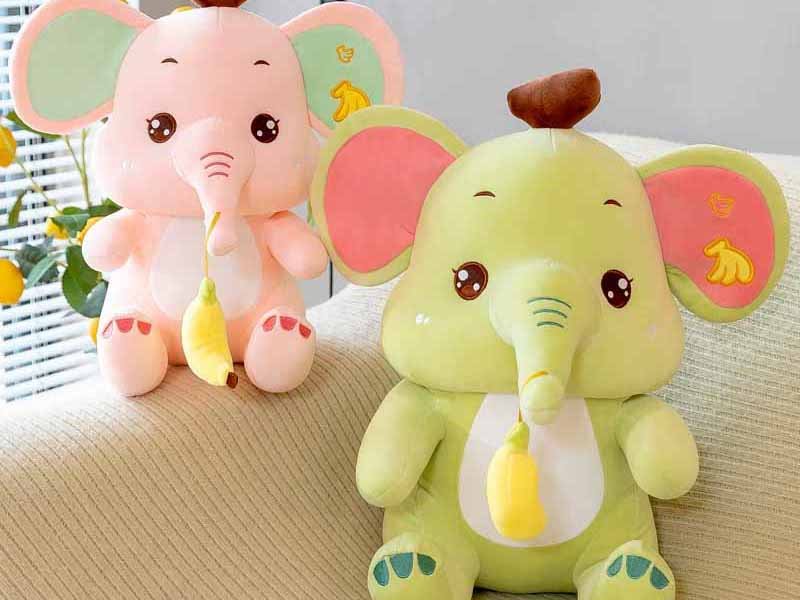
Eco-friendly plush toys are no longer a small corner of the toy market. Parents read care labels more carefully. Retail chains ask for safer materials and compliance documents. IP owners want character plush made with lower-impact fabrics. Gift companies want less plastic in packaging. Premium children’s brands want toys that feel soft, safe, and honest. A plush toy still needs the same magic as always: a cute face, a soft hug, clean stitching, and a shape people remember. Yet today, material choice, filling source, packaging design, and product claims matter more than ever.
Eco-friendly plush toy trends now focus on recycled plush fabrics, organic cotton, recycled filling, safer dyes, lower-plastic packaging, and clearer material proof. Brands planning custom plush toys should compare softness, safety, cost, MOQ, compliance, sample accuracy, and long-term production stability before moving into bulk orders.
For many companies, the hard part is not choosing an eco concept. The hard part is making that concept real. Can recycled plush fabric still feel soft enough for a baby toy? Can organic cotton hold an animal shape? Can recycled stuffing keep enough rebound after shipping compression? Can packaging look premium without too much plastic? Can the finished plush pass EN71, ASTM, CPSIA, CE, or other safety checks for Europe and North America? Delsney helps brands answer those questions before production risk becomes expensive. With over 18 years of plush R&D, design, pattern making, sampling, and manufacturing experience, Delsney supports custom eco plush projects from early concept to finished goods.
What Are Eco-Friendly Plush Toy Trends?

Eco-friendly plush toy trends refer to the shift toward softer, safer, lower-impact plush products made with more responsible materials, fillings, dyes, labels, and packaging. Popular directions include recycled polyester plush, organic cotton plush, recycled stuffing, natural color palettes, FSC paper tags, reduced plastic packaging, and plush designs linked to nature, baby care, education, gifts, and collectible characters.
Eco-friendly plush is not just a “green color” design style. It is a full product decision. A plush toy can look natural but still use standard polyester, plastic-heavy packaging, and unclear material claims. On the other side, a colorful character plush can still follow a greener development path if it uses recycled fabric, safer color control, recycled filling, and lower-plastic packaging.
Customers are becoming more careful. Parents want plush toys that feel safe for close skin contact. Retail brands want clearer material information. Gift companies want products that match company sustainability goals. Premium IP brands want plush toys that protect the character image and do not feel cheap. For plush toys, sustainability only works when comfort, cuteness, and safety remain strong.
A strong eco plush project usually needs four layers:
| Layer | Key Question | What Brands Should Check |
|---|---|---|
| Material | What is the outer fabric made from? | rPET plush, organic cotton, bamboo blend, recycled fabric proof |
| Filling | What is inside the plush? | Recycled polyester filling, rebound, fullness, lump control |
| Safety | Can the toy enter target markets? | EN71, ASTM F963, CPSIA, CE, age grade, small parts |
| Packaging | How much plastic is used? | FSC paper tag, recycled carton, reduced polybag, paper sleeve |
For Delsney, eco plush development starts with product feasibility. A plush toy cannot rely only on an attractive concept. The factory must check whether the material can be cut cleanly, sewn smoothly, filled evenly, embroidered accurately, and repeated in bulk production. A fabric may look good on a swatch, but once turned into a plush rabbit, bear, mascot, or baby comforter, new problems may appear. The ears may not stand naturally. The face embroidery may sink into the pile. The body may lose shape after compression. The color may look different under retail lighting.
Delsney supports end-to-end OEM/ODM customization, including reference file sampling, image-based sampling, physical sample reproduction, free design, free sampling for suitable projects, three-view creation, and 3D effect support. For eco plush toys, those services help brands see the product before bulk production: front view, side view, back view, fabric texture, color direction, face expression, stitching position, and filling balance. Delsney’s finished plush can reach up to 98% matching with design drafts, helping high-standard brand projects reduce sample uncertainty.
Eco plush trends also create new commercial opportunities. A baby brand can launch organic cotton comfort animals. A zoo can sell recycled animal plush with educational tags. A museum shop can develop endangered species plush collections. An IP owner can add recycled filling to character plush. A corporate gift company can use mascot plush with paper packaging. An online store can create a limited eco collection around soft colors, natural stories, and clear material details.
The key is not to force every product into the same eco formula. Different brands need different choices. A premium baby plush may suit organic cotton and embroidered eyes. A large mascot plush may suit rPET fabric and recycled stuffing. A gift plush may gain more value from reduced-plastic packaging and a recycled material hangtag. A collectible plush may focus on fabric quality, shape accuracy, and limited-edition packaging.
What makes a plush toy eco-friendly?
A plush toy becomes eco-friendly when the material, filling, color process, trims, labels, and packaging reduce unnecessary waste or lower reliance on virgin materials while keeping safety and softness. Common choices include rPET plush fabric, organic cotton, recycled polyester stuffing, low-impact dyes, water-based printing, cotton labels, recycled paper tags, and reduced-plastic packaging.
A real eco plush toy should be built around clear choices, not vague wording. If a product says recycled plush, the brand should know which part is recycled: outer fabric, filling, label, packaging, or carton. If a plush toy uses organic cotton, the fabric source and testing plan should be discussed early. If the product uses recycled stuffing, fullness and rebound need sample testing.
Main eco-friendly plush components include:
| Product Part | Eco Option | Practical Benefit | Development Note |
|---|---|---|---|
| Outer Fabric | rPET plush fabric | Reduces virgin polyester use | Check softness, pile height, color |
| Natural Fabric | Organic cotton | Strong baby and premium positioning | Higher cost, softer color direction |
| Filling | Recycled polyester fiber | Supports lower-impact inner material | Test rebound and evenness |
| Face Details | Embroidery | Avoids hard plastic eyes for baby plush | Stitch density affects expression |
| Logo Label | Cotton or woven label | Clean private label detail | Must match washing and safety needs |
| Hangtag | FSC or recycled paper | Better retail and eco story | Add material and care notes |
| Packing | Reduced polybag or paper sleeve | Less plastic-heavy presentation | Still needs moisture protection |
| Carton | Recycled export carton | More responsible shipping | Must protect plush during transit |
Brands should avoid using too many eco claims without support. A soft toy can still be attractive with simple, honest wording, such as “made with recycled polyester filling” or “packed with FSC paper hangtag.” Overclaiming creates risk, especially for retail chains, children’s products, and export markets.
For custom projects, Delsney can help check which eco choices fit the plush type. A baby plush may prioritize organic cotton, embroidered details, and safer filling. A mascot plush may prioritize recycled fabric, shape accuracy, and logo embroidery. A collectible plush may prioritize fabric hand feel, color matching, and packaging design.
Why are sustainable plush toys growing?
Sustainable plush toys are growing because customers want safer materials, clearer product stories, and less wasteful packaging. Parents care about close-contact safety. Retailers want cleaner product information. Premium brands want materials that match their values. Gift companies want products that feel thoughtful rather than disposable.
The trend is also practical. Plush toys are often bought for emotional reasons: comfort, love, memory, fandom, gifting, education, or celebration. When a product already carries emotional value, a responsible material story can make it more meaningful. A recycled sea turtle plush for an aquarium shop feels connected to ocean education. An organic cotton bunny for a baby gift feels gentle and trustworthy. A recycled mascot plush for a company event feels more aligned with modern corporate values.
Key growth drivers include:
Parent demand for safer soft toys
More attention to material labels and chemical safety
Retail preference for cleaner packaging
Growth of premium baby and nursery gift markets
IP brands seeking stronger product storytelling
Museums, zoos, and aquariums developing educational plush collections
Corporate gift programs reducing plastic-heavy merchandise
Online brands using eco claims to stand out from low-cost plush products
Yet sustainability alone does not guarantee sales. A plush toy must still be cute, soft, well-shaped, and fairly priced. Customers may like the eco story, but they still judge the face, fabric, stitching, size, and packaging first. If the toy feels rough, looks flat, or costs too much without visible value, the product will struggle.
A stronger development plan connects eco value with real use:
| Sales Channel | Eco Plush Opportunity | Product Focus |
|---|---|---|
| Baby Retail | Organic cotton animals, comforters | Soft touch, safe embroidery, gentle colors |
| Museum Shops | Wildlife and history-themed plush | Story cards, education tags, natural themes |
| Zoos & Aquariums | Endangered animal plush | Recycled filling, species information |
| Online Stores | Limited eco plush drops | Clear photos, material story, giftable packing |
| Corporate Gifts | Mascot plush | Logo customization, paper packaging |
| Premium IP Brands | Character plush collections | High design accuracy, material proof |
| Gift Shops | Seasonal eco plush | Small MOQ, attractive packing |
Delsney supports high-standard custom plush projects with flexible MOQ, 5–7 day rapid sampling, free design support, three-view development, 3D effect display, and safety compliance support for Europe and North America. Those capabilities help brands test eco plush ideas without losing control over quality, expression, softness, or delivery time.
Are eco-friendly plush toys only for kids?
Eco-friendly plush toys are not only for children. Kids remain an important market, but sustainable plush also fits adult collectors, brand mascots, corporate gifts, IP merchandise, tourism souvenirs, museum retail, pet-themed gifts, charity campaigns, and limited-edition lifestyle products.
For children, the main concerns are softness, safety, washable design, secure stitching, no sharp edges, no loose small parts, and suitable age grading. Baby plush often requires embroidered eyes, gentle fabrics, secure seams, and careful filling control. Materials such as organic cotton, recycled plush, and safer dyes can support trust, but only when testing and construction are handled properly.
For adults, plush toys often carry identity and emotional value. Collectors care about character accuracy. Fans care about limited-edition design. Corporate clients care about logo presentation. Museum shops care about educational meaning. Gift brands care about packaging and shelf appeal. Eco-friendly materials can strengthen all those stories.
Adult and non-child plush opportunities include:
Character plush for animation, game, and digital IP brands
Mascot plush for events, schools, clubs, and companies
Wildlife plush for museums, zoos, aquariums, and nature brands
Souvenir plush for travel retailers and tourist attractions
Pet-look plush for pet brands and memorial gifts
Limited plush drops for influencers and online creators
Eco gift plush for holiday campaigns and corporate programs
For projects that may be handled by children even when intended for adults, safety planning remains wise. Plush toys often move across age groups. A fan buys a mascot plush, then a child plays with it. A corporate gift sits on a desk, then goes home to a family. Stronger material and seam control protect both customer experience and brand reputation.
Delsney can customize plush products for children’s brands, premium IP owners, retail gift companies, lifestyle labels, and high-end private label projects. The company’s design-to-production process helps match fabric, structure, filling, logo, and packaging with the final sales scene.
Do brands need a green product line?
Brands do not need a full green product line immediately. A safer path is to begin with one hero product or a small eco plush collection, test customer response, refine material and packaging, then expand into more characters, sizes, colors, and gift sets.
A full sustainable plush collection sounds attractive, but it increases risk. More styles mean more fabric testing, more samples, more packaging versions, more inventory, and more compliance checks. A smaller launch lets a brand understand what customers value most: recycled materials, organic fabric, softer filling, natural colors, educational cards, or reduced-plastic packaging.
Practical launch paths include:
| Launch Stage | Product Plan | Best For | Risk Level |
|---|---|---|---|
| Stage 1 | One hero plush style | New eco concept test | Low |
| Stage 2 | 3 animal styles in same material | Gift shops, baby brands, nature brands | Medium |
| Stage 3 | Multi-size collection | Retail shelves and online sets | Medium |
| Stage 4 | Full private label line | Established brands and repeat programs | Higher |
| Stage 5 | Seasonal eco series | Holiday launches and limited drops | Medium |
A baby brand may start with one organic cotton bunny in two colors. A zoo shop may launch one recycled panda plush first, then add tiger, elephant, and koala styles. An IP brand may test recycled filling in one mascot plush before expanding across the full character line.
Delsney’s flexible MOQ makes smaller eco plush tests easier. The factory can support reference-based sampling, image-based sampling, sample reproduction, free design, and 5–7 day rapid sampling for suitable projects. With three-view and 3D effect support, brands can review design direction before committing to full development.
Which Materials Are Trending?

Trending eco-friendly plush toy materials include rPET plush fabric, recycled polyester stuffing, organic cotton, bamboo fiber blends, low-impact dyes, water-based printing, cotton labels, FSC paper tags, recycled cartons, and reduced-plastic packaging. Material selection should balance softness, safety, color, cost, MOQ, durability, washing needs, and bulk production stability.
Material decides whether an eco plush toy feels convincing. A customer may first notice the face, but the second test is always touch. Softness matters. Weight matters. Filling rebound matters. Fabric pile matters. A recycled material that feels rough will not work for a premium plush. An organic cotton fabric that cannot hold a shape may not work for a character toy. A low-plastic package that crushes the plush during shipping creates a bad customer experience.
For most commercial plush projects, recycled polyester plush fabric is one of the easiest eco material directions to scale. It can provide a soft surface, support many colors, and work across animals, mascots, characters, keychains, pillows, and gift plush. Organic cotton works better for baby products, natural collections, and premium gift lines. Bamboo blends may suit gentle-touch products but need careful supplier checks. Recycled stuffing works for many plush types, but density and rebound should be tested in real samples.
Packaging deserves serious attention. Many brands begin their eco upgrade with packaging because it is more flexible than fabric replacement. FSC paper hangtags, recycled paper story cards, reduced polybags, paper sleeves, and better carton planning can lower plastic-heavy presentation while keeping product cost controlled.
Material selection should follow product positioning:
| Product Type | Suggested Material Direction | Key Reason |
|---|---|---|
| Baby Plush | Organic cotton, short-pile recycled plush, embroidered face | Soft, safe, gentle image |
| Animal Plush | rPET plush, recycled stuffing, FSC story card | Good balance of softness and eco value |
| Mascot Plush | rPET plush, embroidery, woven label | Better shape and logo control |
| Collectible Plush | Premium recycled plush, accurate color matching | Strong display and fandom value |
| Gift Plush | Recycled filling, paper hangtag, dust-free packing | Better value for retail gifting |
| Museum Plush | Recycled fabric, educational card | Material story matches product theme |
| Corporate Plush | Recycled stuffing, paper sleeve, custom logo | Useful for lower-plastic gift programs |
Delsney can help test materials before bulk orders through quick samples, fabric matching, three-view design, 3D effect support, and physical sample development. For eco plush toys, real sample testing is more useful than fabric swatches alone because plush shape, expression, stuffing, and seams all change how the material performs.
Which recycled fabrics are used?
Recycled polyester plush fabric, commonly known as rPET plush, is one of the most widely used recycled fabrics for eco-friendly plush toys. It can work for teddy bears, animal plush, mascot plush, character plush, cushion plush, baby plush, keychain plush, and retail gift items.
Recycled fabric should be selected by both sustainability value and plush performance. A fabric may contain recycled fibers, but brands still need to check softness, pile height, shedding level, color stability, stretch, backing strength, and sewing performance. Plush toys have close skin contact, so hand feel cannot be compromised.
Key checks for recycled plush fabric:
Composition and recycled content
Available pile height and texture
Color options and lab-dip possibility
Softness compared with standard plush
Shedding and lint control
Embroidery performance
Seam strength after sewing
Safety testing compatibility
MOQ and lead time
Traceability documents if required
Common recycled plush fabric uses:
| Fabric Type | Best Use | Product Feel |
|---|---|---|
| Short-pile rPET plush | Baby animals, mascot plush, small toys | Clean, soft, easy to embroider |
| Medium-pile rPET plush | Teddy bears, animal plush, gift plush | Warm and huggable |
| Long-pile recycled plush | Premium animals, furry characters | Fluffy, expressive, more sewing control needed |
| Recycled fleece | Simple dolls, pillows, soft characters | Smooth, casual, cost-friendly |
| Recycled sherpa | Lambs, bears, cozy gift plush | Warm, textured, seasonal |
Delsney can help brands compare recycled plush fabric against the design’s requirements. A cute bear may need medium pile. A mascot may need shorter pile for face accuracy. A baby plush may need smoother texture and stronger shedding control.
Is organic cotton good for plush?
Organic cotton is a strong option for plush toys that need a natural, gentle, premium, and safer image. It works especially well for baby comforters, nursery animals, soft dolls, minimalist plush, organic gift sets, and children’s products built around calm colors and clean materials.
Organic cotton does not always create the same fluffy appearance as synthetic plush, so design style matters. It is better for simple shapes, soft dolls, flat comforters, gentle animal toys, and premium baby gifts. For highly detailed character plush with many bright colors, recycled polyester plush may be easier to control.
Advantages of organic cotton plush:
Natural and gentle touch
Strong fit for baby and nursery brands
Good match for embroidered eyes and simple faces
Better story for premium gift products
Works well with paper tags and low-plastic packaging
Limitations to check:
Higher material cost
More limited color range
Different shrinkage behavior
Potentially higher fabric MOQ
Less fluffy surface than some synthetic plush
More need for washing and softness testing
A strong organic cotton plush design often uses soft beige, cream, light brown, blush, grey, sage, or muted blue. The product can feel more refined when paired with simple embroidery, cotton labels, FSC paper tags, and a clean gift box or paper sleeve.
Delsney can support organic cotton plush projects through design adjustment, pattern making, fast sampling, embroidery testing, filling adjustment, and packaging planning. For baby plush, the factory can also help brands consider safety needs such as embroidered features, secure seams, suitable filling, and required compliance testing.
Are bamboo fibers suitable?
Bamboo fiber blends can be suitable for selected eco-friendly plush toys, especially baby gifts, soft comfort items, and natural-style plush collections. Bamboo-related fabrics are often chosen for smooth touch and a renewable material story, but brands should verify composition, processing, safety, color stability, and supplier reliability before bulk production.
Bamboo is attractive because it sounds natural and feels soft when processed well. Yet not every bamboo fabric is automatically suitable for plush toys. Some bamboo blends may be too thin, too stretchy, or not fluffy enough for certain animal shapes. Claims around bamboo should also be made carefully, especially for markets with stricter advertising and material labeling rules.
Bamboo blend plush may work for:
Baby comforters
Soft dolls
Simple animal plush
Sleep companion toys
Gift plush with natural colors
Sensory plush with smooth texture
Bamboo blend plush may be less suitable for:
Highly structured characters
Complex 3D mascot heads
Long-pile furry animals
Bright multi-color designs
Very low-cost programs
Large production runs without stable fabric supply
Important bamboo material checks include:
Actual fiber composition
Hand feel after sewing and filling
Shrinkage after washing
Colorfastness
Embroidery clarity
Pile shedding
MOQ and repeat availability
Safety testing compatibility
Delsney can test bamboo fiber blends during sample development. A small sample run helps confirm whether the material fits the plush shape, face expression, sewing details, and target price.
What stuffing options are greener?
Greener stuffing options include recycled polyester fiber, certified recycled filling, organic cotton filling for selected products, and other lower-impact fiber fillings. For most commercial plush toys, recycled polyester filling is one of the most practical choices because it can provide softness, rebound, and volume while reducing reliance on virgin polyester.
Filling controls the hug. A plush toy with good fabric but weak stuffing feels disappointing. Too little filling makes the toy flat. Too much filling makes it hard and uncomfortable. Uneven filling creates lumps. Poor rebound makes the toy look tired after compression during shipping.
Stuffing checks should include:
| Check Item | Why It Matters | Ideal Result |
|---|---|---|
| Fullness | Controls shape and shelf appeal | Even body, no empty areas |
| Rebound | Affects hug and long-term use | Recovers after squeezing |
| Lump Control | Affects hand feel | Smooth and even surface |
| Weight | Affects quality feeling and freight | Balanced, not too heavy |
| Compression Recovery | Affects shipping result | Returns to shape after packing |
| Safety | Needed for children’s products | Matches target market standards |
Recycled filling can suit teddy bears, animal plush, mascots, pillows, character plush, and gift toys. For baby plush, brands may need extra attention to fiber migration, seam strength, washing needs, and age-grade safety. For large plush, filling density affects shipping cost, carton size, and product shape.
Delsney can adjust filling level by product area. A plush animal may need firmer head filling, softer belly filling, and carefully shaped limbs. A mascot plush may need stronger structure around the face. A pillow plush may need flatter, softer stuffing for a squishy feel. These small choices directly affect customer satisfaction.
Which dyes and prints are safer?
Safer dye and print choices for eco-friendly plush toys include low-impact dyes, water-based printing, tested embroidery threads, safer fabric printing methods, and materials that can support chemical compliance for target sales markets. Color development should focus on beauty, safety, colorfastness, and repeatability.
Color is not only decoration. It affects emotion and market fit. A baby plush may need cream, beige, dusty pink, light blue, sage green, or warm grey. A nature plush may use earthy brown, moss green, ocean blue, or sand tones. A character plush may require exact color matching. Eco materials may behave differently during dyeing, so lab dips and sample checks are important.
Safer color and print checks include:
Colorfastness to rubbing
Colorfastness to washing when needed
Heavy metal and restricted substance control
Print adhesion on plush surface
Embroidery thread safety
Color consistency across bulk orders
Logo clarity after sewing and stuffing
Smell control after production
For plush toys, embroidery is often safer and cleaner than plastic parts for baby products. Water-based printing can work for selected details, but pile height and fabric texture affect clarity. Heat transfer may work for labels or fabric details, but softness and durability need testing.
Delsney can help brands choose color and print methods based on product type. A baby plush may need embroidered facial features. A character plush may need precise fabric color matching and embroidery control. A mascot plush may need durable logo embroidery. A gift plush may need a printed story card instead of heavy printing on the toy itself.
How Are Eco-Friendly Plush Toys Designed?

Eco-friendly plush toys are designed by combining soft materials, safe construction, emotional character appeal, natural or meaningful color choices, and lower-waste packaging. Strong designs do not rely only on “green” wording. They need cute expressions, comfortable hand feel, reliable seams, suitable filling, and a product story that customers can understand quickly.
Eco-friendly plush design starts with a simple question: why would someone choose one plush toy over another? For a child, it may be softness and comfort. For a parent, it may be safety and washability. For a gift shop, it may be shelf appeal and packaging. For an IP brand, it may be character accuracy. For a zoo or museum, it may be the story behind the animal. A good eco plush toy should answer at least two of these needs at the same time.
A plush toy made with recycled material still needs personality. The face should be memorable. The body shape should feel balanced. The fabric should match the product’s mood. The filling should support the posture. The stitching should feel neat. The packaging should not make the product look cheap. Sustainability gives the product a stronger reason to exist, but design gives customers the reason to pick it up.
Eco-friendly plush design often works best when the material story and character story move in the same direction. For example, recycled ocean animal plush toys feel natural for aquariums, marine education programs, beach gift shops, and environmental campaigns. Forest animal plush toys made with recycled filling feel suitable for outdoor brands, museums, children’s education, and wildlife organizations. Organic cotton baby animals feel suitable for nursery gifts, newborn care brands, and premium children’s boutiques.
For custom brands, design should also consider manufacturing reality. A plush whale may be easy to produce with recycled short-pile plush. A fluffy lion with long recycled fur may need more sewing control around the mane. A baby rabbit made with organic cotton may need simpler lines and embroidered features. A mascot plush with complex colors may need fabric matching, embroidery testing, and multiple sample rounds.
Delsney supports eco plush design through 3-view drawings, 3D effect display, pattern making, fast sampling, free design support, and OEM/ODM customization. These steps help brands see the toy from front, side, and back before bulk production. For plush toys, side view and back view matter more than many brands expect. A toy can look cute from the front but become flat, unstable, or awkward from the side. A good development process catches those problems early.
Design should also connect with packaging. A plush toy with an eco story should not be packed like a disposable low-cost item. The packaging does not need to be expensive, but it should feel intentional. A recycled paper hangtag, small story card, simple belly band, cotton label, or compact carton can make the product feel more complete.
Eco plush design should balance six points:
| Design Point | Why It Matters | Practical Direction |
|---|---|---|
| Character Face | Drives emotional purchase | Clean eyes, soft expression, balanced embroidery |
| Body Shape | Affects shelf appeal and hugging | Stable sitting, smooth body, correct proportions |
| Fabric Texture | Controls hand feel | Match pile height with product style |
| Filling Density | Affects comfort and shape | Softer body, firmer head if needed |
| Safety Details | Protects children’s use | Avoid loose parts, use secure embroidery |
| Packaging Story | Helps customers understand value | Recycled paper tag, material note, care card |
Brands should avoid overdesigning. Eco plush products often look better when the shape, color, and message are clean. Too many accessories, plastic decorations, mixed materials, or complicated trims can weaken the environmental message and increase cost. A simple bear with beautiful fabric and accurate embroidery can look more premium than a heavily decorated plush with unclear material choices.
What styles are popular now?
Popular eco-friendly plush toy styles include recycled animal plush, organic baby plush, nature-themed plush, ocean animal plush, forest animal plush, minimalist plush, mascot plush, collectible character plush, comforter plush, and gift plush with paper packaging. These styles work because the design story naturally connects with responsible material choices.
Animal plush remains one of the strongest categories. Customers easily understand the link between animals and environmental care. Bears, rabbits, whales, turtles, penguins, elephants, pandas, foxes, koalas, frogs, seals, and sea otters all work well for eco collections. Endangered animals are especially suitable for museums, zoos, aquariums, schools, and educational brands.
Baby plush is another strong direction. Parents often connect eco materials with safety and gentleness. Organic cotton rabbits, bears, lambs, ducks, elephants, and comforters work well when colors are soft and facial features are embroidered. The design should avoid small hard accessories and focus on washable construction, secure seams, and smooth touch.
Collectible plush is growing because fans want character products with personality. Eco materials can upgrade a collectible plush when the brand wants a more responsible merchandise line. The challenge is accuracy. Character plush often needs exact colors, facial expression, embroidery detail, and shape control. Delsney’s three-view and 3D effect support can help brands review those details before sampling.
Popular eco plush styles include:
| Style | Best Customer Type | Design Focus |
|---|---|---|
| Recycled Teddy Bears | Gift brands, retail stores | Softness, classic shape, material tag |
| Organic Baby Animals | Baby brands, nursery stores | Gentle colors, embroidered face, safe seams |
| Ocean Animals | Aquariums, beach brands, schools | Recycled story, blue tones, educational cards |
| Forest Animals | Museums, outdoor brands | Natural colors, wildlife storytelling |
| Mascot Plush | Companies, events, schools | Logo accuracy, stable shape, repeat orders |
| Collectible Plush | IP brands, creators, fandom stores | Expression, color match, limited packaging |
| Comforter Plush | Baby care brands | Soft fabric, flat body, washable design |
| Keychain Plush | Gift shops, promotional programs | Small size, strong attachment, cute face |
Brands should choose styles based on channel. A baby shop needs calm and safe-looking plush. A zoo shop needs animal accuracy and educational value. An online creator needs a memorable character. A corporate client needs a clean mascot with reliable logo placement.
Which animals fit eco themes?
Animals that fit eco themes usually have a natural link with wildlife, oceans, forests, climate awareness, endangered species, or baby comfort. Bears, rabbits, turtles, whales, dolphins, elephants, pandas, koalas, foxes, penguins, frogs, seals, owls, bees, and sea otters are strong choices for eco-friendly plush collections.
Ocean animals are especially powerful for recycled material stories. A sea turtle made with recycled polyester filling feels connected to plastic reduction and marine protection. A whale plush with an educational card can work for aquariums, children’s museums, and beach gift stores. Penguins, dolphins, seals, sharks, octopuses, and manta rays also fit ocean-themed collections.
Forest and land animals work well for nature and outdoor themes. Foxes, bears, deer, squirrels, owls, rabbits, hedgehogs, raccoons, wolves, pandas, and koalas can be designed with soft earth colors and recycled paper tags. These products feel natural for museums, camping brands, eco shops, and children’s education programs.
Baby animal designs work well for organic cotton or soft recycled plush. Rabbits, lambs, bears, elephants, ducks, and puppies are easy for parents to accept. The softer the theme, the more important the safety details become. Embroidered eyes, short pile, gentle colors, secure seams, and washable construction should be considered early.
Eco animal selection can follow a simple logic:
| Animal Direction | Best Sales Scene | Material Match |
|---|---|---|
| Sea Turtle, Whale, Dolphin | Aquariums, beach shops, ocean campaigns | rPET plush, recycled filling |
| Panda, Koala, Elephant | Zoos, museums, wildlife gifts | Recycled plush, FSC story card |
| Rabbit, Lamb, Bear | Baby brands, nursery gifts | Organic cotton, short-pile plush |
| Fox, Owl, Deer | Forest education, outdoor retail | Recycled plush, natural color palette |
| Bee, Frog, Butterfly | Environmental education, garden brands | Bright but safe color testing |
| Dog, Cat, Pet Plush | Pet brands, lifestyle gifts | Soft recycled plush, custom embroidery |
Brands should avoid choosing animals only because they are popular. A plush animal sells better when it has a clear reason to exist. A zoo can sell local wildlife. A baby brand can sell gentle nursery animals. A charity can sell species linked to its mission. An IP owner can build plush around character emotion.
Delsney can help convert animal references into manufacturable plush through image-based sampling, three-view artwork, pattern making, and physical sample development. For animal plush, small details matter: ear angle, eye distance, nose size, belly curve, tail length, foot shape, and sitting posture.
How do colors affect the look?
Colors affect how customers read the plush toy’s purpose, age range, price level, and eco story. Eco-friendly plush toys often use natural, soft, earthy, ocean-inspired, or low-saturation colors, but bright colors can also work for character plush, educational toys, and collectible products when material and safety controls are handled properly.
Natural colors make eco plush feel calm and believable. Cream, beige, oatmeal, warm grey, sage green, clay brown, sand, soft blue, dusty pink, and moss green are common for baby and lifestyle collections. These shades work well with organic cotton, recycled paper packaging, and minimalist embroidery.
Ocean colors such as aqua, navy, sky blue, seafoam, coral, and sandy beige work well for marine animal plush. Forest colors such as olive, chestnut, rust, pine green, and warm brown support wildlife and outdoor themes. For collectible plush, color can be bolder, but it should remain consistent with the character.
Color development should include:
Pantone or fabric swatch reference
Lab-dip review when custom dyeing is needed
Sample under natural and indoor light
Embroidery thread matching
Packaging color matching
Bulk color tolerance agreement
Colorfastness check for target use
Brands often underestimate color risk. A digital screen color can look very different from fabric. Plush pile also reflects light differently depending on direction. A rabbit made with long-pile cream plush may look warmer than expected. A blue whale plush may look darker after stuffing because the curved body changes light reflection.
Delsney can support color matching through material swatches, sample development, and 3D effect previews. For high-end brand projects, early color confirmation reduces the risk of bulk production mismatch.
Is minimalist plush becoming popular?
Minimalist plush is becoming popular because many customers prefer softer shapes, cleaner faces, calmer colors, and products that fit modern home, nursery, and lifestyle settings. Minimalist eco plush works especially well for baby brands, boutique retailers, premium gift shops, and design-led private label collections.
Minimalist does not mean plain. It means every detail has a reason. The eye size, mouth stitch, body curve, fabric texture, label position, and color choice need to feel balanced. A simple bunny can look premium if the fabric is soft, the ears are well shaped, the embroidery is clean, and the packaging feels thoughtful.
Common minimalist plush features include:
Simple animal shapes
Gentle facial expressions
Low-saturation colors
Short-pile or smooth fabrics
Embroidered eyes and nose
Small woven label
Reduced accessories
Paper hangtag or belly band
Soft filling and balanced posture
Minimalist plush can reduce manufacturing complexity in some areas, but it also raises the standard for details. When a toy has fewer decorations, customers notice the face, stitch quality, fabric, and shape more clearly. Poor symmetry or uneven stuffing becomes easier to see.
For eco plush collections, minimalist design can help control cost and strengthen the material story. Instead of using plastic accessories or complicated trims, brands can invest in better fabric, cleaner embroidery, and better packaging.
Delsney can help brands refine minimalist plush through three-view design, pattern adjustment, sample testing, and filling control. Small changes in face placement or body proportion can make the toy feel much warmer and more collectible.
Are collectible plush toys sustainable?
Collectible plush toys can be sustainable when brands choose recycled fabric, recycled filling, durable construction, limited but meaningful packaging, and accurate production planning that reduces waste. The goal is not to remove fun or character detail, but to make merchandise more thoughtful, longer-lasting, and less disposable.
Collectible plush often has strong emotional value. Fans keep the toy, display it, photograph it, and sometimes buy multiple versions. Because these products are kept longer than low-cost novelty toys, better materials and better construction can support a more sustainable product life.
Sustainable collectible plush can include:
Recycled plush fabric
Recycled polyester filling
Limited-edition paper certificate
FSC hangtag
Compact protective packaging
Embroidery instead of plastic details
Durable seams for long-term display
Pre-order production to reduce excess inventory
Character accuracy remains critical. A collectible plush with sustainable materials still needs to match the character’s face, color, pose, and expression. Fans care deeply about details. Eye spacing, mouth shape, head size, body proportion, and accessory scale can decide whether the product succeeds.
For IP brands and online creators, Delsney’s 3D effect support, three-view design, image-based sampling, and up to 98% design-to-sample matching are valuable. These services help creators see whether the plush captures the character before moving into bulk orders.
What Certifications Matter?

Eco-friendly plush toys may need both toy safety compliance and material-related proof. Common requirements include EN71 for Europe, ASTM F963 and CPSIA for the United States, CE marking support, GRS for recycled materials, OEKO-TEX for textile safety, GOTS for organic cotton, and FSC for paper packaging. Requirements depend on market, age grade, material claims, and sales channel.
Certifications can feel confusing because not every certificate serves the same purpose. Toy safety standards check whether the finished toy is safe for children. Material certifications check whether a fabric, filling, or packaging claim has stronger proof. A plush toy may need both, especially when sold through professional retail channels.
For example, a recycled teddy bear for the U.S. children’s market may need ASTM F963 and CPSIA-related testing for toy safety, while the recycled fabric claim may need GRS-related documentation if the brand wants stronger traceability. A baby comforter sold in Europe may need EN71 testing and careful small-parts review. An organic cotton plush may need organic material documentation if the claim appears on packaging or sales pages. A product packed with paper tags may use FSC paper if the brand wants responsible paper sourcing.
Certification planning should happen before bulk production, not after. Materials, accessories, eyes, nose, labels, filling, thread, and packaging can all affect the final result. If a plush toy uses hard plastic eyes for a younger age group, testing risk may increase. If the product uses long pile, fiber shedding may need attention. If a keychain plush has a metal ring, attachment strength matters.
Delsney can support plush projects that need European and American safety compliance. The factory’s experience with high-standard brand projects helps brands prepare safer designs from the beginning: embroidered eyes when needed, secure seams, appropriate filling, safer accessories, and packaging that supports the intended market.
A simple certification planning table:
| Need | Common Standard or Proof | Applies To | Why It Matters |
|---|---|---|---|
| EU Toy Safety | EN71 | Children’s toys sold in Europe | Mechanical, physical, flammability, chemical checks |
| US Toy Safety | ASTM F963 | Toys sold in the United States | Broad toy safety requirements |
| US Children’s Product Rules | CPSIA | Children’s products in the U.S. | Lead, phthalates, tracking labels, testing |
| CE Marking | CE | EU market entry | Shows product meets applicable EU requirements |
| Recycled Material Proof | GRS | Recycled fabric or filling claims | Supports traceability |
| Textile Safety | OEKO-TEX | Fabrics, textiles, threads | Checks harmful substances |
| Organic Cotton Proof | GOTS | Organic cotton materials | Supports organic textile claims |
| Paper Packaging | FSC | Hangtags, boxes, paper cards | Supports responsible paper sourcing |
Brands should avoid treating certification as a decoration. Compliance is part of product design. The safer the design is at the start, the smoother the testing path becomes.
What toy safety tests are needed?
Toy safety tests depend on the target sales market, age grade, plush structure, material, filling, and accessories. Common plush toy safety requirements may include EN71 for Europe, ASTM F963 for the United States, CPSIA-related checks for U.S. children’s products, CE support for the European market, and physical testing for seams, small parts, sharp points, flammability, and chemical limits.
A plush toy for babies needs stricter attention than a decorative plush for adults. Baby and toddler toys should avoid loose small parts, weak seams, hard accessories, unsafe cords, and easily detached eyes. Embroidered facial features are often safer for younger age groups. Filling should remain secure inside the toy. Labels should be attached properly.
Common testing concerns include:
Seam strength
Tension on eyes, noses, bows, and accessories
Small parts risk
Sharp points or sharp edges
Fiber shedding
Flammability
Restricted chemicals
Colorfastness
Filling cleanliness
Label and tracking requirements
Age grading
Brands should tell the factory where the plush will be sold. A plush made for the U.S. market may need different testing from one made for the EU market. Retailers may also have internal requirements beyond legal minimums.
Delsney can help brands review design risks before sampling. If a design is intended for babies, the factory can suggest embroidery instead of plastic eyes, safer seam structures, shorter pile, and appropriate filling density.
Is GRS important for recycled plush?
GRS is important when a brand wants stronger proof for recycled plush fabric or recycled filling claims. It helps support recycled material traceability and gives retailers, distributors, and customers more confidence in sustainability statements. GRS may be especially useful for premium brands, retail chains, eco collections, and products with clear recycled-content claims.
A brand does not always need GRS for every project, especially during early sampling or small market tests. However, if the product page, hangtag, packaging, or sales pitch clearly says recycled material, stronger documentation becomes more valuable. Retailers may ask for proof. Larger clients may require it before approval.
GRS-related planning should check:
Which component is recycled
Recycled content percentage
Supplier documentation
Fabric or filling batch information
Label wording
Retailer requirements
Cost and MOQ impact
Lead time impact
For plush toys, recycled claims can apply to:
Outer plush fabric
Inner stuffing
Woven labels
Hangtags or packaging
Polybag or carton materials
Brands should keep claims precise. “Made with recycled polyester filling” is clearer than broad claims such as “100% eco-friendly.” A narrower claim is often easier to support and safer for marketing.
Delsney can help brands discuss recycled material options with suppliers during development. If GRS-related proof is needed, it should be confirmed before bulk material purchasing.
Do brands need OEKO-TEX?
Brands may need OEKO-TEX when textile safety and harmful-substance control are important for the product positioning, retailer requirements, or target customer group. OEKO-TEX is especially useful for baby plush, premium children’s plush, sleep companion toys, soft dolls, and products marketed around safer fabric contact.
OEKO-TEX is not the same as toy safety testing. It focuses on textile-related harmful substances. A plush toy may still need finished toy safety tests such as EN71 or ASTM F963 depending on the market. For brands, OEKO-TEX can support fabric trust, while toy tests support finished product safety.
OEKO-TEX may be helpful for:
Baby plush toys
Organic or natural plush collections
Premium nursery gifts
Products with direct skin contact
Retailers requiring textile safety proof
Brands making safer material claims
It may be less necessary for:
Adult display plush
Internal promotional plush
Low-volume event toys
Products with no textile safety claim
However, even if OEKO-TEX is not required, brands should still confirm material safety and compliance path. Plush toys are close-contact items. A soft fabric with questionable dyeing or odor can damage customer trust.
Delsney can help brands match material choices with target compliance needs. For high-end brand projects, confirming fabric safety expectations early helps reduce delays later.
What does GOTS mean for cotton?
GOTS is important for organic cotton plush projects because it supports organic textile claims and provides stronger confidence around organic fiber processing. For plush toys, GOTS-related cotton can be useful for baby comforters, nursery plush, soft dolls, natural gift collections, and premium children’s products.
Organic cotton has strong customer appeal, but brands should use the term carefully. If packaging says organic cotton, there should be supporting documentation. Without proof, the claim becomes weak and may create risk in stricter retail environments.
GOTS cotton can support:
Organic baby plush lines
Premium nursery gifts
Natural animal collections
Minimalist dolls
Soft comfort toys
Gift sets with eco packaging
The development side still matters. Organic cotton fabric may have a different texture, stretch, thickness, and shrinkage behavior from synthetic plush. It may not suit every character shape. Bright colors may also be more limited or more costly.
Brands should ask:
Is the fabric truly organic cotton or a blend?
What documentation is available?
What is the MOQ?
What colors are available?
Can the fabric pass safety testing?
Does the fabric shrink after washing?
Can embroidery stay clean on the surface?
Delsney can help adjust plush design for organic cotton materials, especially when the product needs soft shapes, embroidered details, simple structure, and baby-focused safety.
Is FSC useful for packaging?
FSC is useful for eco-friendly plush toy packaging when brands use paper hangtags, story cards, paper sleeves, gift boxes, display cards, or cartons and want stronger proof of responsible paper sourcing. It is especially valuable for retail, gift, museum, zoo, baby, and premium private label plush products.
Packaging is often the easiest place to improve environmental presentation. Replacing oversized plastic packaging with a paper card, belly band, recycled carton, or FSC paper tag can make the product look cleaner without changing the toy’s entire material system.
FSC packaging can be used for:
Hangtags
Story cards
Educational species cards
Gift boxes
Retail display sleeves
Paper belly bands
Shipping cartons
Instruction cards
Barcode cards
Brands should balance eco packaging with product protection. Plush toys need to stay clean during storage and transport. Fully removing protective bags may not work for every supply chain. Some brands use reduced-size polybags, recycled polybags, paper wraps, or carton dividers depending on shipping conditions.
Packaging decisions should check:
Retail display needs
Dust and moisture protection
Shipping distance
Carton compression
Barcode and label requirements
Customer unboxing experience
Material claim wording
Packaging cost per unit
Delsney can help brands design packaging that fits the plush product and sales channel. A museum plush may need an educational story card. A baby plush may need a soft paper sleeve and care label. A collectible plush may need a numbered card or premium box. A corporate gift plush may need logo packaging with reduced plastic.
How Much Do Eco Plush Toys Cost?

Eco plush toy cost depends on material type, size, filling, shape complexity, embroidery, accessories, certification needs, packaging, MOQ, and sample revisions. Recycled plush fabric, organic cotton, recycled filling, and FSC paper packaging may increase cost, but smart design choices can keep the final product commercially realistic for retail, gifting, e-commerce, and private label programs.
Eco-friendly plush toys do not have one fixed price range. A 10 cm recycled plush keychain and a 40 cm organic cotton baby animal belong to completely different cost structures. A simple recycled teddy bear with standard embroidery may be easy to control. A detailed character plush with special fabric, custom clothing, multiple embroidered areas, and gift packaging will cost more.
For brands, the right question is not “Are eco plush toys expensive?” A better question is: “Which sustainable choices create visible value for customers, and which choices quietly raise cost without improving sales?” A plush toy can carry a greener story without using every possible eco material at once. Some brands begin with recycled filling and FSC hangtags. Others use recycled outer plush first. Baby brands may prioritize organic cotton and embroidered details. Gift brands may focus on packaging and material cards.
Cost control starts with product positioning. A premium baby plush can accept higher material cost if softness, safety, and packaging support the price. A promotional mascot plush may need a simpler material plan and stronger MOQ control. A museum plush can use recycled fabric and an educational paper card to justify a higher shelf price. An online collectible plush can use better fabric and limited-edition packaging because fans value accuracy and scarcity.
Main eco plush cost factors include:
| Cost Factor | Cost Impact | Why It Matters |
|---|---|---|
| Plush Fabric | High | Recycled, organic, long-pile, or custom-dyed fabric changes unit cost |
| Filling | Medium | Recycled stuffing may cost more and needs fullness control |
| Size | High | Larger plush uses more fabric, filling, labor, and carton space |
| Shape Complexity | Medium-High | More panels and curves increase pattern and sewing time |
| Embroidery | Medium | Face, logo, details, and dense stitch areas add labor and machine time |
| Accessories | Medium-High | Clothing, ribbons, patches, tags, and add-ons raise cost |
| Certification | Medium | Testing and documentation add time and project cost |
| Packaging | Low-High | Hangtag is low cost; custom gift box is higher |
| MOQ | High | Larger production usually lowers unit cost |
| Sample Revisions | Medium | Multiple changes extend development time |
A small change can have a large effect. Increasing a plush from 20 cm to 30 cm does not simply add 50% cost. It may require more fabric, more stuffing, larger embroidery, longer sewing time, bigger packaging, and higher shipping volume. Adding a shirt to a mascot plush may require extra pattern making, cutting, sewing, printing, and dressing labor. Changing from a standard hangtag to a custom rigid gift box may improve retail presentation but raise packaging and freight costs.
Approximate development planning ranges:
| Product Type | Common Size | Eco Material Direction | Common MOQ Direction | Cost Sensitivity |
|---|---|---|---|---|
| Plush Keychain | 8–12 cm | Recycled plush, small embroidery | 500–1,000 pcs | High labor for small details |
| Baby Comforter | 25–35 cm | Organic cotton, short-pile plush | 300–800 pcs | Fabric safety and stitching |
| Animal Plush | 15–30 cm | rPET plush, recycled filling | 500–1,000 pcs | Size and filling control |
| Mascot Plush | 20–35 cm | Recycled plush, logo embroidery | 500–1,500 pcs | Shape and color accuracy |
| Collectible Plush | 18–28 cm | Premium recycled plush, custom tag | 500–2,000 pcs | Details, expression, packaging |
| Large Plush | 40 cm+ | rPET plush, recycled stuffing | 300–800 pcs | Shipping volume and filling |
Delsney can help brands choose a cost path based on the intended sales channel. For example, a zoo gift shop may need a 20–25 cm recycled animal plush with an educational hangtag. A baby brand may need organic cotton, soft filling, and embroidered eyes. A premium IP project may need 3D effect review, multiple sample revisions, and exact design matching. Each project deserves a different cost plan.
What raises the unit price?
Unit price rises when material cost, labor time, accessory count, packaging level, testing requirements, or customization depth increases. For eco plush toys, recycled fabric, organic cotton, recycled stuffing, custom colors, dense embroidery, clothing, special hangtags, and custom gift boxes can all raise the final price.
The most common price drivers include:
Higher-grade recycled plush fabric
Organic cotton or certified textile materials
Custom-dyed fabric colors
Long-pile or textured plush
Larger plush size
More fabric panels
Complex 3D character structure
Dense embroidery for eyes, mouth, logo, or patterns
Multiple fabric colors in one toy
Custom clothing or accessories
Custom woven labels or care labels
FSC hangtags, story cards, or gift boxes
Safety testing and certification requirements
Low order quantity
Some cost increases are worth it. Better embroidery on a character face can decide whether fans love or reject the plush. Stronger filling can make an animal look fuller on the shelf. Better packaging can help premium gift products sell at a higher price.
Other costs may not bring enough value. For example, adding three kinds of labels may not improve sales. A heavy gift box may raise freight cost too much for online stores. A rare fabric may create MOQ pressure and long lead time.
A practical cost review should ask:
Does the detail improve customer touch or visual value?
Does the detail support the product story?
Does the detail help retail display or online conversion?
Does the detail increase safety or durability?
Can the detail be repeated smoothly in bulk production?
Delsney can help compare alternatives. A rubber badge may be replaced by embroidery. A custom box may be replaced by an FSC paper belly band. A complex accessory may be simplified through fabric color blocking. Smart changes can protect the product’s look while keeping cost under control.
How does MOQ affect cost?
MOQ affects cost because fabric suppliers, printing suppliers, embroidery setup, cutting preparation, sewing line efficiency, packaging production, and inspection work all need a minimum production volume to run smoothly. Lower MOQ reduces inventory risk, but unit cost is usually higher. Higher MOQ improves production efficiency and can lower unit cost.
Eco plush MOQ depends on the material path. Existing recycled plush fabric in available colors may support lower starting quantities. Custom-dyed recycled plush fabric may require higher quantity. Organic cotton fabric may depend on supplier stock and certification documents. Custom packaging, printed labels, molded accessories, and special embroidery can also affect MOQ.
MOQ planning examples:
| Project Setup | Possible MOQ Direction | Best For |
|---|---|---|
| Existing Plush Shape + Standard Material | 300–500 pcs | Small test order |
| Custom Logo + Existing Recycled Fabric | 500–800 pcs | Private label launch |
| Custom Animal Shape + rPET Plush | 500–1,000 pcs | Retail or e-commerce collection |
| Organic Cotton Baby Plush | 500–1,500 pcs | Premium baby brand |
| Custom Color Recycled Fabric | 1,000+ pcs | Larger retail program |
| Custom Printed Packaging | 500–2,000 pcs | Gift and retail presentation |
| Full IP Character Plush | 800–2,000 pcs | Licensed or fan merchandise |
Flexible MOQ helps brands test a new eco concept. Delsney supports flexible MOQ planning, which is helpful for brands developing first collections, seasonal items, limited drops, or high-standard custom projects.
Still, small orders should be planned carefully. A small MOQ with too many custom details may create a high unit price. A stronger approach is to simplify the first order, test sales, then upgrade material, packaging, or additional styles after receiving feedback.
A first eco plush launch can follow a safer plan:
One main style
One or two sizes
Two or three colors at most
One clear eco material claim
One main packaging format
One approved safety path
One reliable logo method
After repeat demand appears, the brand can add more animals, sizes, gift boxes, printed lining, collection cards, or limited editions.
Are recycled materials more expensive?
Recycled materials can be more expensive than standard materials, but the gap depends on fabric type, supplier stock, recycled content, certification needs, color choice, MOQ, and market conditions. Recycled polyester plush may be commercially manageable for many plush projects, while organic cotton or certified specialty materials usually cost more.
The cost difference is not always huge, but the project must be planned correctly. If recycled plush fabric is already available in stock colors, the price impact may stay reasonable. If the brand needs a custom color, special pile height, certified documentation, or small quantity, the cost can rise.
Cost comparison direction:
| Material Choice | Cost Level | Best Use |
|---|---|---|
| Standard Polyester Plush | Low-Medium | Cost-focused plush products |
| rPET Recycled Plush | Medium | Eco animal plush, mascot plush, gift plush |
| Premium Recycled Plush | Medium-High | Collectible plush, high-end retail |
| Organic Cotton | High | Baby plush, nursery gifts |
| Bamboo Blend | Medium-High | Soft natural collections |
| Recycled Filling | Medium | Most eco plush styles |
| FSC Paper Hangtag | Low-Medium | Easy packaging upgrade |
| Custom Gift Box | Medium-High | Premium retail or gift sets |
Brands should compare total product value, not only fabric price. A recycled plush toy with a strong story card may sell better in a museum shop than a cheaper standard plush. A baby plush made with organic cotton may support a higher retail price if the product feels soft and safe. A corporate gift plush with lower-plastic packaging may fit the client’s internal procurement goals better than a cheaper plastic-packed item.
Delsney can help brands choose where to spend. In many projects, the best value comes from combining one strong eco material choice with clean design and practical packaging, instead of using expensive sustainable upgrades everywhere.
How can brands control budget?
Brands can control eco plush budgets by starting with a clear product goal, choosing materials based on customer value, limiting unnecessary accessories, using proven structures, selecting practical packaging, keeping colors focused, and confirming safety requirements before sampling. Cost control should protect softness, safety, shape, and sewing quality.
Practical budget-control methods include:
Start with one hero plush style before building a large collection.
Use existing rPET fabric colors when possible.
Choose embroidered details only where needed.
Keep product size within a clear retail price range.
Use recycled filling with standard outer fabric for a first test if full eco material cost is too high.
Use FSC hangtags or recycled paper cards before investing in expensive boxes.
Reduce plastic accessories, ribbons, and decorative trims.
Use one shared packaging format across several styles.
Avoid too many sample rounds by giving clear feedback.
Confirm market safety requirements before final design.
A useful cost-saving table:
| Budget Goal | Practical Choice | What to Avoid |
|---|---|---|
| Lower First Order Risk | Flexible MOQ, one main style | Too many SKUs at launch |
| Better Eco Story | rPET fabric or recycled filling | Vague green wording |
| Lower Packaging Cost | FSC hangtag, paper sleeve | Oversized gift box |
| Better Baby Safety | Embroidered face | Loose plastic eyes |
| Cleaner Character Accuracy | 3-view design before sample | Changing face after bulk approval |
| Lower Freight Cost | Compact size and carton plan | Overfilled large plush with bulky box |
Delsney’s free design, fast 5–7 day sampling, sample support, and OEM/ODM development can reduce early waste. Instead of paying for several weak prototypes, brands can review design drawings, three-view structure, 3D effect, fabric choices, and sample direction earlier in the process.
How to Choose an Eco Plush Manufacturer?
Choose an eco plush manufacturer by checking plush R&D ability, material sourcing, sample accuracy, safety compliance support, OEM/ODM experience, MOQ flexibility, design communication, quality control, and delivery reliability. A strong factory should help brands turn eco ideas into soft, safe, attractive, manufacturable plush products without losing control over cost or quality.
The right manufacturer should not only say “yes, we can make it.” A strong plush factory should explain how the product will be made, what materials are suitable, what safety risks exist, how long sampling takes, what MOQ applies, how bulk quality will be controlled, and how close the finished plush can match the design.
Eco plush toys require even more care than standard plush. Recycled fabrics may need hand-feel comparison. Organic cotton may need structure adjustment. Recycled filling may need density testing. FSC packaging may need printing and size planning. Safety compliance may affect eyes, nose, accessories, seams, labels, and filling.
Factory selection should focus on practical ability:
| Factory Ability | What to Check | Why It Matters |
|---|---|---|
| Plush R&D | Can the team develop from sketches, images, samples, or tech files? | Helps early concepts become real products |
| Material Knowledge | Can the factory compare rPET, organic cotton, fillings, dyes, labels? | Prevents poor material decisions |
| Pattern Making | Can the factory create accurate 3D plush structure? | Controls shape and cuteness |
| Sampling Speed | Can samples be made quickly and revised clearly? | Shortens development timeline |
| Design Matching | Can final sample match the artwork closely? | Protects brand and character value |
| Compliance Support | Can the factory support EN71, ASTM, CPSIA, CE needs? | Supports EU and U.S. sales |
| MOQ Flexibility | Can small or medium test orders be supported? | Reduces launch risk |
| Quality Control | Are seams, filling, embroidery, shape, labels, and packaging checked? | Reduces returns and complaints |
| Delivery Planning | Can lead time match launch schedule? | Protects retail and campaign timing |
Delsney fits eco plush projects because it combines plush R&D, design, pattern making, sampling, and manufacturing in one factory system. With more than 18 years of experience, the company supports various fabric types and plush styles, including custom plush toys, animal plush, baby plush, character plush, mascot plush, gift plush, collectible plush, pillow plush, and private label plush products.
For high-standard brand projects, communication and sample control are especially important. A plush character may need several small adjustments: eye angle, mouth curve, head size, ear direction, body posture, clothing fit, embroidery density, or filling firmness. A factory with strong sampling ability can revise those details accurately instead of treating plush toys like simple sewing products.
What factory skills matter?
The most important factory skills for eco plush manufacturing are plush design interpretation, pattern making, fabric matching, embroidery control, filling adjustment, safety planning, quality inspection, and packaging development. These skills decide whether a plush idea becomes a product customers actually want to touch, buy, gift, and keep.
Plush toys are three-dimensional products with emotion. A slight difference in eye distance can change the expression. A little too much stuffing can make the toy hard. A weak seam can create safety risk. A poor fabric match can make a premium concept feel cheap. Eco materials add another layer because they may behave differently from standard plush.
Key factory skills include:
Reading sketches, photos, tech files, and samples accurately
Creating three-view artwork before sampling
Turning flat artwork into 3D plush patterns
Selecting suitable eco fabrics and fillings
Testing embroidery on different pile heights
Adjusting stuffing in head, body, limbs, and tail
Checking child safety risks in early design
Controlling seam strength and shaping
Matching bulk goods to approved samples
Designing low-plastic, retail-ready packaging
Delsney’s ability to provide three-view creation and 3D effect support is valuable because brands can see front, side, and back before sample making. This reduces misunderstandings and helps the first sample move closer to the desired result.
For IP projects, mascot plush, and collectible plush, design matching is one of the biggest factory skills. Delsney’s high sample-to-design matching level helps protect character value and reduce repeated revisions.
Can the factory make samples fast?
Fast sampling matters because eco plush development often needs material testing, face adjustment, filling balance, and packaging review before bulk production. A factory with 5–7 day rapid sampling can help brands move faster, test more accurately, and reduce delays before launch.
Fast sampling should not mean careless sampling. A good sample should show real material, real size, real embroidery, real filling, and a close version of the final construction. For custom plush toys, a weak sample gives little useful information. Brands need to know whether the product can be manufactured well.
A useful sample review should check:
Overall cuteness and character feeling
Size and proportion
Face expression
Fabric softness and pile direction
Embroidery clarity
Seam strength
Filling density
Sitting or standing posture
Label placement
Packaging fit
Color accuracy
Safety risks
For eco plush, sample review should also check:
Does the recycled fabric feel soft enough?
Does organic cotton hold the shape?
Does recycled filling rebound after compression?
Does the paper tag match the eco concept?
Does packaging protect the toy?
Does the material claim need proof?
Delsney’s rapid sample capability helps brands test product ideas before committing to larger orders. Combined with free design support and sample options, the process can shorten early development and reduce wasted cost.
Does OEM/ODM support help?
OEM/ODM support helps brands develop eco plush products at different stages. OEM is best when a brand has its own design, character, sample, or technical file. ODM is useful when a brand wants factory-developed styles, faster launch, lower development risk, or private label customization based on existing plush structures.
OEM is suitable for:
Original characters
Licensed IP plush
Brand mascots
Special animal shapes
High-standard baby plush
Exclusive gift collections
Private label product lines
ODM is suitable for:
Fast market testing
Seasonal plush collections
Gift programs
Small eco plush launches
Retail trial orders
Brands needing design support
A practical comparison:
| Service Type | Best For | Brand Provides | Factory Provides |
|---|---|---|---|
| OEM | Exclusive custom plush | Artwork, tech file, sample, reference images | Pattern, sample, production, QC |
| ODM | Faster launch | Logo, material direction, color, packaging needs | Existing style, sample adjustment, production |
| Private Label | Brand-owned sales | Logo, label, packaging direction | Product customization and bulk production |
| Image-Based Sampling | Early concept development | Reference pictures or sketches | Design interpretation and sample |
| Sample-Based Reproduction | Existing product improvement | Physical sample | Pattern copy, material upgrade, production |
For eco plush toys, OEM/ODM flexibility can save time. A brand may begin with an ODM animal plush and upgrade fabric to rPET, filling to recycled polyester, and packaging to FSC paper. Later, the same brand may create exclusive OEM animals after the first launch performs well.
Delsney supports end-to-end OEM/ODM, including technical-file sampling, picture-based sampling, physical sample development, free design, and private label customization. This makes it easier for brands to choose the right development path instead of forcing every project into one model.
How close should samples match designs?
Samples should match design artwork as closely as possible in shape, proportion, expression, color, fabric, embroidery, posture, and overall feeling. For high-standard plush projects, a strong factory should control design-to-sample matching carefully because small changes can affect character appeal, retail value, and customer acceptance.
Plush matching is not only about size. It includes emotional accuracy. A bear can become less cute if the eyes are too high. A mascot can lose identity if the mouth curve changes. A baby animal can feel less gentle if the fabric pile is too long. A collectible plush can fail if fans feel the character does not look right.
Important matching points include:
Head size vs. body size
Eye distance and eye angle
Nose shape and position
Mouth curve
Ear size and direction
Arm and leg length
Belly curve
Tail position
Fabric texture
Embroidery thickness
Color matching
Sitting or standing posture
Accessory scale
Logo placement
Delsney can achieve up to 98% finished product matching with the design draft, according to its custom plush development positioning. For brands with strict visual standards, such as IP owners, high-end gift companies, and premium private label brands, this level of control helps reduce development uncertainty.
A clear approval process helps:
Review three-view artwork
Confirm 3D effect
Approve fabric swatches
Approve first sample
Mark revision points clearly
Approve final pre-production sample
Use the final sample as bulk standard
When sample matching is handled well, bulk production becomes much easier to control.
Why work with Delsney?
Brands work with Delsney because the factory combines over 18 years of plush product R&D, design, pattern making, sampling, manufacturing, and sales experience with flexible OEM/ODM support, rapid sampling, design assistance, safety compliance support, and high finished-product accuracy.
Delsney can customize plush products made from many fabric types and develop a wide range of plush styles. The company supports custom, private label, OEM, and ODM plush products with customer logos for overseas medium and large clients, premium brands, and high-standard product programs.
Eco plush projects need more than a sewing workshop. They need a partner that can help choose materials, test samples, control expression, manage compliance, adjust cost, plan packaging, and deliver stable bulk production. Delsney’s integrated process helps brands turn recycled plush, organic cotton plush, mascot plush, baby plush, animal plush, gift plush, and collectible plush concepts into real products ready for market.
Final Thoughts: Start Your Eco-Friendly Plush Toy Project With Delsney
Eco-friendly plush toys are becoming a serious product direction for brands that care about safety, material value, customer trust, and long-term product storytelling. Recycled plush fabrics, organic cotton, recycled stuffing, safer dyes, FSC paper packaging, and reduced plastic can all help create a stronger product, but only when design, softness, compliance, cost, and production quality are handled together.
A successful eco plush toy is not just greener. It still needs to be adorable, soft, well-made, safe, durable, and commercially realistic. The face must feel right. The fabric must invite touch. The filling must hold shape. The stitching must be secure. The packaging must support the story. The cost must fit the sales channel. The factory must be able to repeat the approved sample in bulk production.
For brands preparing an eco plush project, a good starting brief should include:
Product type: animal plush, baby plush, mascot, character plush, gift plush, collectible plush
Reference images, artwork, sketches, or physical sample
Expected size range
Preferred materials, such as rPET plush, organic cotton, recycled filling, or standard plush with eco packaging
Target market, such as U.S., Europe, retail, online store, gift shop, museum, baby brand, IP program
Age group and safety expectations
Logo or label requirements
Packaging direction
Estimated order quantity
Required delivery time
Delsney can review the project and suggest a practical development path. Some brands may start with recycled filling and FSC hangtags. Some may use rPET plush fabric for the outer body. Some baby brands may prefer organic cotton and embroidered details. Some IP owners may need exact character development with three-view and 3D effect support. The right solution depends on the product goal, sales channel, budget, and compliance needs.
If you are planning custom eco-friendly plush toys, recycled plush toys, organic cotton plush dolls, sustainable mascot plush, eco baby plush, or private label plush collections, Delsney can help you move from idea to sample and from sample to bulk production.
Contact Delsney to discuss your custom plush project, request material suggestions, review eco-friendly options, and start building a plush product customers will feel good about hugging, gifting, collecting, and keeping.