Skip to content
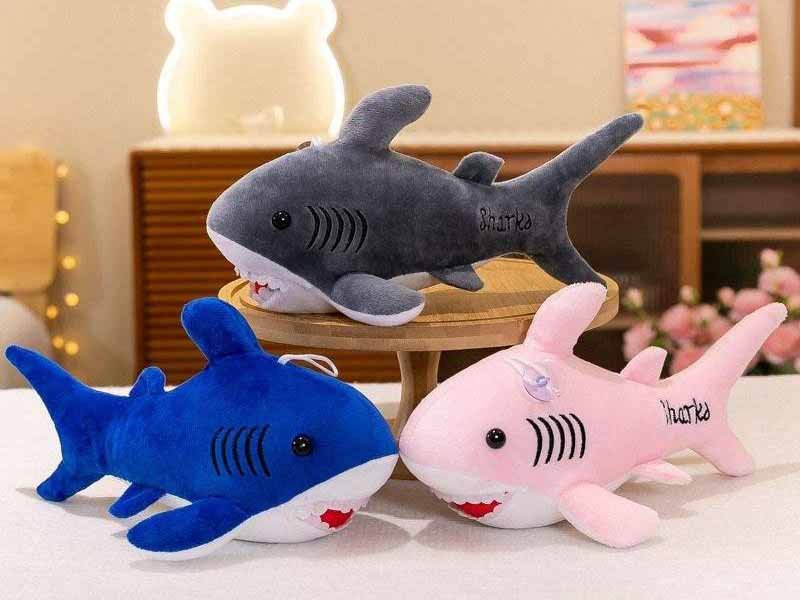
A custom plush toy may look soft, cute, and simple on a product page, yet the real cost is shaped by many small manufacturing decisions. A 6-inch plush keychain with a simple face is not priced like a 12-inch mascot plush with clothes, embroidered eyes, a custom hangtag, and safety testing for a children’s market. Even two plush toys with the same height can have different costs if one uses short plush fabric and the other uses minky, faux fur, printed fabric, or several fabric colors.
Custom plush toys often cost from a few dollars per piece to more than $15 per piece in bulk production. Price depends on size, fabric, quantity, design complexity, embroidery, accessories, packaging, testing, and shipping. Sample development is usually handled before bulk production because every custom plush needs pattern making, material matching, sewing, filling, shaping, and approval.
For brands, IP owners, retailers, event companies, gift suppliers, creators, and school programs, the most important question is not only “How cheap can it be?” A better question is “What product quality can match my market, selling price, and brand image?” A cute character can lose value quickly if the face looks different from the artwork, the fabric feels rough, or the stitching becomes loose after light use. Many plush projects succeed or fail before bulk production begins, right at the stage where cost, design, and manufacturing choices are confirmed.
How Much Does It Cost to Make Custom Plush Toys?

Custom plush toy cost comes from sample development, plush size, fabric, order quantity, embroidery, accessories, packaging, safety testing, and shipping. Small plush keychains may cost less in bulk, while larger mascot plush, plush dolls with clothes, or premium collectible plush can cost much more. Accurate pricing requires artwork, target size, quantity, fabric preference, packaging details, and destination market.
What Is The Usual Price Range?
The usual price range for custom plush toys is wide because the product category includes many styles. A mini plush keychain, a small stuffed animal, a brand mascot, a plush doll, a pet replica, and an IP collectible plush all need different pattern work, materials, labor, and packaging.
A simple small plush made in large quantity can be cost-friendly. A character plush with detailed embroidery, several fabric colors, custom clothes, and strict shape matching will cost more. Larger plush toys also use more fabric, more filling, larger cartons, and higher shipping volume.
Approximate bulk cost direction:
| Plush Product Type | Common Size | Cost Direction | Common Use |
|---|---|---|---|
| Plush keychain | 3–5 inches | Lower | Events, small gifts, bag charms, fan items |
| Mini plush toy | 5–7 inches | Low to mid | Trial orders, kids’ gifts, blind box plush |
| Standard plush toy | 8–12 inches | Mid | Retail plush, mascots, brand merchandise |
| Plush doll with clothes | 10–14 inches | Mid to high | Character plush, creator merchandise |
| Large plush toy | 15–24 inches | Higher | Premium gifts, display products, retail sets |
| Complex IP plush | Custom size | Higher | Licensed characters, collectible series |
Several cost details are easy to overlook:
- Small plush is not always cheap if it has tiny embroidery, complex clothes, or many small parts.
- A larger order usually lowers unit price because setup and labor are spread across more pieces.
- Custom packaging may add more cost than expected, especially gift boxes or printed inserts.
- Special fabrics may require higher MOQ or longer sourcing time.
- Shape accuracy matters for IP projects, so pattern development may require more sample work.
Delsney is suitable for projects that need more than a basic stock plush. With 18+ years of plush R&D, design, pattern making, and manufacturing experience, Delsney can help customers compare practical options before final pricing.
How Much Is A Plush Sample?
A plush sample is the first real version of the design. It is not the same as picking a ready-made toy from a shelf. For a custom plush sample, the factory needs to read the artwork, create patterns, choose fabric, test embroidery, sew the body, adjust filling, shape the face, check proportions, and prepare a physical piece for approval.
Sample work may involve several people: pattern maker, designer, embroidery technician, sewing worker, stuffing worker, quality checker, and project manager. That is why sample development has real value.
Delsney supports free sample and free design service based on project conditions. For serious brand projects, Delsney can also support:
- Sampling from reference technical files
- Sampling from artwork or character drawings
- Sampling from physical plush samples
- Three-view drawing support
- 3D visual effect assistance
- Fabric and color matching
- Embroidery adjustment
- Filling softness adjustment
- Shape correction before bulk production
- 5–7 day fast sample development for many projects
Common sample revision points:
| Revision Area | Why It Changes | What Delsney Can Adjust |
|---|---|---|
| Face shape | Artwork may not translate directly into 3D form | Head pattern, stuffing, seam curve |
| Eyes | Expression affects product appeal | Embroidery size, angle, color, spacing |
| Body ratio | Character may look too tall, short, thin, or round | Pattern proportion and filling level |
| Fabric color | Digital colors and real fabric colors differ | Swatches, dyed fabric, fabric alternatives |
| Accessories | Small parts may be hard to sew or unsafe | Simplified structure or safer material |
| Clothes | Outfit may not fit body shape well | Pattern correction and seam adjustment |
| Logo | Logo may be too small or unclear | Embroidery, print, woven label, patch |
Sample development protects the order. A face that looks “a little wrong” on one sample will look wrong across 1,000 or 5,000 pieces if not corrected early. For IP owners and premium brands, sample approval is not a formality. It is the key step that controls final product value.
What Is The Bulk Unit Cost?
Bulk unit cost means the cost per plush toy after the sample is approved and mass production begins. It is usually lower than sample cost because materials and labor are arranged for quantity production. However, bulk unit cost can still vary greatly from one design to another.
Main cost drivers include:
- Plush height and body volume
- Fabric type and color count
- Number of pattern pieces
- Embroidery stitch count
- Printing area
- Clothes and accessories
- Filling type and softness
- Packaging method
- Safety testing requirements
- Order quantity
- Production difficulty
A simple round animal plush may need fewer pattern pieces and less sewing time. A character plush with a custom hairstyle, jacket, shoes, tail, bag, and multiple embroidery areas needs more labor and quality checking.
Bulk production cost logic:
| Cost Area | Lower Cost Choice | Higher Cost Choice |
|---|---|---|
| Body size | 6–8 inch plush | 15 inch+ plush |
| Fabric | Short plush, velboa | Minky, faux fur, sherpa, printed fabric |
| Color use | 1–2 fabric colors | 4–8 fabric colors |
| Face detail | Simple embroidery | Multi-color dense embroidery |
| Clothing | No clothing | Sewn or removable outfit |
| Accessories | None or simple bow | Hat, bag, prop, shoes, badge |
| Packaging | OPP bag | Gift box, printed card, custom sleeve |
| Testing | General inspection | EN71, ASTM, CPSIA-related testing |
| Quantity | Larger order | Small custom batch |
For customers planning retail sales, unit price should be judged together with selling price, packaging value, visual appeal, and expected margin. A cheaper plush may not always bring better profit if the final product looks weak or receives poor reviews.
How Much Budget Should You Plan?
A custom plush project budget should include the full path from artwork to delivery. Many customers focus only on unit price, then later discover additional costs from sample shipping, custom packaging, testing, freight, or revisions. A cleaner budget plan gives a more realistic view before production starts.
Recommended budget structure:
| Budget Item | What It Covers | Why It Matters |
|---|---|---|
| Design support | Artwork review, structure advice, file adjustment | Helps make the plush manufacturable |
| Sample development | Pattern, sewing, embroidery, filling, correction | Confirms look and quality before bulk order |
| Sample shipping | Sending physical sample for approval | Needed for overseas review |
| Bulk production | Materials, labor, inspection, factory management | Main manufacturing cost |
| Packaging | Polybag, hangtag, woven label, gift box, carton | Affects retail value and shipping protection |
| Safety testing | Market-required tests | Important for children’s products and retail channels |
| International shipping | Air, sea, express, or combined freight | Affects landed cost |
| Revisions | Extra sample changes after feedback | Needed when design changes |
Customers can prepare a rough budget by answering a few practical questions:
- What size should the plush be?
- How many pieces are needed for the first order?
- Is the product for children, fans, pets, events, or retail?
- Is the character simple or highly detailed?
- Will the plush need clothes or accessories?
- Is custom packaging required?
- Which country will the product be sold in?
- Are US or EU safety standards required?
- What selling price does the brand expect?
Delsney can provide a more accurate quote when customers send artwork, size, quantity, material preference, packaging idea, target market, and delivery country. Without these details, any price can only be a rough estimate.
What Affects Custom Plush Toy Cost?

Custom plush toy cost is mainly shaped by size, fabric, design complexity, embroidery, accessories, packaging, safety requirements, order quantity, and production difficulty. Larger plush toys use more materials. Complex character designs need more pattern pieces and sewing time. Premium fabrics, custom clothes, labels, hangtags, gift boxes, and compliance testing can also raise the final project budget.
What Size Do You Need?
Size directly affects material usage, sewing time, filling weight, packaging volume, and shipping cost. A 5-inch plush keychain and a 14-inch plush doll do not only differ in height. They differ in body volume, fabric cutting area, stuffing amount, carton size, and production handling.
Larger plush toys usually cost more because they need:
- More outer fabric
- More PP cotton or special filling
- Larger embroidery areas
- Stronger seams
- More production time
- Larger packaging
- More warehouse and shipping space
However, very small plush toys can also be costly when the design has tiny hands, detailed face embroidery, small clothing parts, or special accessories. Small size reduces fabric use, but it can increase precision work.
Size planning guide:
| Plush Size | Best Use | Cost Notes |
|---|---|---|
| 3–5 inches | Keychains, bag charms, small gifts | Less material, but tiny details need precision |
| 6–8 inches | Trial retail plush, event gifts | Good balance of cost and usability |
| 9–12 inches | Mascot plush, IP plush, retail plush | Popular size for brand merchandise |
| 13–16 inches | Premium plush gifts, character dolls | Higher material and shipping cost |
| 17–24 inches | Large gifts, display plush | High carton volume and higher freight |
| 24 inches+ | Oversized plush | Best for premium or display projects |
Delsney can help customers choose size based on target price, retail market, character shape, shipping method, and final use. For many projects, reducing size by 1–2 inches can lower cost without hurting the product’s appeal.
Which Fabric Do You Choose?
Fabric decides touch, look, softness, durability, safety, and cost. A plush toy with common short plush fabric feels different from one made with minky, faux fur, sherpa, or printed fabric. Customers often choose fabric based on appearance, but factories also need to consider sewing stability, color availability, MOQ, shedding risk, and compliance needs.
Common plush fabric choices:
| Fabric Type | Feel And Look | Cost Direction | Suitable Products |
|---|---|---|---|
| Short plush | Smooth, clean, stable | Lower | Mascots, animals, gifts |
| Velboa | Soft, short pile | Low to mid | Promotional plush, simple characters |
| Minky | Very soft, premium touch | Mid | Baby plush, high-end retail plush |
| Faux fur | Fluffy, textured | Higher | Animal plush, collectible plush |
| Sherpa | Cozy, warm texture | Mid to high | Lifestyle plush, winter themes |
| Printed fabric | Custom patterns | Mid to high | Animal markings, clothes, IP details |
| Recycled fabric | Eco-focused option | Mid to high | Sustainability programs and premium brands |
Fabric affects more than price. It changes how the character looks. Long-pile fabric may make a plush look warmer and cuter, but it can hide embroidery or small shape details. Short plush gives cleaner lines, which helps for mascots and character accuracy. Printed fabric can reduce sewing complexity for patterns, but print color matching needs careful control.
Delsney can customize different fabric types and guide customers toward a practical choice for price, softness, safety, and final appearance.
How Complex Is The Design?
Design complexity is one of the biggest cost factors. Plush toys are made from fabric panels, not molded like plastic toys. Every curve, limb, horn, ear, tail, wing, shoe, hair shape, or accessory needs pattern planning and sewing work. More details mean more cutting pieces, more labor time, and more quality control.
Design features that raise complexity:
- Special body shape
- Large head with small body
- Standing posture
- Long limbs
- Horns, wings, ears, tail, fins
- Layered hair
- Separate clothes
- Printed fabric sections
- Multi-color fabric layout
- Small props
- Many embroidery areas
- Asymmetrical design
- Weighted bottom or standing support
A complex design may be worth the cost when the character has strong commercial value. IP plush, mascot plush, collectible plush, and fan merchandise often need higher accuracy. A cheap version that fails to match the artwork may hurt brand trust.
Delsney’s product development ability is useful for detailed projects because the company can provide three-view drawing support, 3D visual effect assistance, and physical plush matching up to 98% with the design artwork. For high-end brand projects, that level of shape control can be more important than shaving a small amount from unit price.
Are Embroidery Details Needed?
Embroidery is widely used for plush eyes, mouth, eyebrows, nose, paw pads, logos, symbols, clothing patterns, and character marks. It is often preferred for children’s plush because it avoids many risks linked with small plastic parts. It also gives a clean and durable look when done properly.
Embroidery cost depends on stitch count, color count, size, density, and placement. A small two-color eye design costs less than a large multi-color chest logo or detailed facial pattern. Large embroidery areas can also change the softness of the fabric, so placement and density need review during sampling.
Embroidery cost factors:
| Embroidery Detail | Cost Impact | Notes |
|---|---|---|
| Simple eyes | Low to mid | Common for safe plush toys |
| Multi-color eyes | Medium | Better expression, more stitch work |
| Large logo | Medium to high | Depends on size and stitch count |
| Paw pads | Medium | Adds cuteness and retail value |
| Clothing patterns | Medium to high | Can replace sewn details |
| Small symbols | Low to medium | Useful for IP recognition |
| Dense embroidery | Higher | More machine time and stronger fabric tension |
Good embroidery makes a plush more expressive. Poor embroidery makes even an expensive plush look weak. Eye spacing, eyebrow angle, mouth curve, and thread color all influence the final emotion of the toy.
Delsney can adjust embroidery files during sample development so the plush face looks closer to the artwork, not just technically correct.
Do Accessories Raise The Price?
Accessories can make a custom plush toy more memorable, but every added part increases material use, sewing time, assembly work, inspection effort, and sometimes safety risk. Accessories include clothes, hats, bows, scarves, bags, glasses, shoes, capes, medals, badges, keychains, suction cups, sound modules, light modules, and handheld props.
Accessory pricing depends on design and attachment method:
| Accessory Type | Cost Direction | Key Concern |
|---|---|---|
| Sewn bow or scarf | Low to mid | Simple and stable |
| Printed T-shirt | Medium | Logo and fabric matching |
| Full outfit | Higher | More pattern work and sewing |
| Removable clothes | Higher | Fit, durability, packaging |
| Small prop | Medium to high | Assembly and safety |
| Metal/plastic keychain | Low to mid | Hardware quality |
| Sound module | Higher | Function, battery, testing |
| Light module | Higher | Safety and production control |
For children’s markets, accessories must be carefully planned. Small removable parts may need stronger safety review. Embroidered or sewn details can sometimes replace hard accessories while keeping the character recognizable.
A good rule: keep accessories that add clear value, remove details that only make production expensive. For a mascot plush, the uniform logo and expression may matter most. Tiny buttons, complicated shoes, or small props may be better saved for a premium version or second product line.
How Does MOQ Change The Cost?

MOQ changes custom plush toy cost because factory setup, pattern work, material preparation, embroidery testing, cutting, sewing arrangement, packaging setup, and inspection work need to be spread across the order quantity. A small order carries more cost per piece. A larger order usually lowers the unit price because materials can be purchased more efficiently and production time can be arranged more smoothly.
What Is A Normal MOQ?
MOQ means minimum order quantity. For custom plush toys, MOQ is not only a factory rule. It is connected to fabric sourcing, labor setup, embroidery work, accessory preparation, packing materials, and production efficiency. A plush toy may look small, but a custom project still needs design review, pattern development, sample approval, material preparation, cutting, sewing, stuffing, finishing, checking, and packing.
A normal MOQ can vary depending on product difficulty. A simple plush keychain or basic stuffed animal may support a more flexible quantity. A custom character plush with many colors, special fabric, clothing, accessories, or custom packaging may need a higher MOQ because more materials and production steps are involved.
Delsney offers flexible MOQ support, which is helpful for overseas brands that want to test a new character, launch a seasonal campaign, prepare an IP product, or build a private label plush collection without taking too much stock pressure at the beginning.
MOQ is often affected by:
- Fabric availability
- Custom color requirements
- Number of plush styles
- Number of fabric colors
- Embroidery complexity
- Accessory sourcing
- Packaging requirements
- Safety testing needs
- Production line scheduling
- Final delivery time
| Project Type | MOQ Direction | Why It Changes |
|---|---|---|
| Simple plush keychain | More flexible | Small size, simpler structure |
| Basic stuffed animal | Flexible to medium | Common fabrics and fewer details |
| Mascot plush | Medium | Shape accuracy and embroidery required |
| Plush doll with clothes | Medium to higher | More sewing parts and accessories |
| Multi-SKU plush series | Higher planning needed | Each character needs separate development |
| Premium IP plush | Higher planning needed | Accuracy, testing, packaging, and QC are stricter |
A low MOQ helps customers start easier, but the unit price will usually be higher. A larger MOQ gives better price space, but it also means more inventory and cash flow pressure. Good project planning should balance both sides.
How Much Does 500 Pieces Cost?
A 500-piece order is often used for market testing, small brand launches, event merchandise, creator products, school projects, or limited IP releases. It is a useful starting quantity because it gives customers enough pieces for real selling or distribution, but does not require the same stock commitment as a large order.
However, 500 pieces usually have a higher unit cost than 1,000 or 3,000 pieces because the factory still needs to complete many of the same setup steps. Pattern work, sample development, embroidery preparation, cutting setup, and packaging confirmation do not shrink much just because the order quantity is smaller.
For a 500-piece order, customers should pay close attention to design choices. The wrong choices can push cost up quickly. A simple 8-inch plush with common fabric, basic embroidery, and simple packaging may be much easier to control than a 12-inch plush with clothes, custom fabric, multiple embroidery areas, and gift box packaging.
Cost control ideas for 500-piece orders:
- Use available fabric colors when possible
- Keep the first design simple and recognizable
- Avoid too many small accessories
- Choose embroidery only where it matters most
- Use a woven label or hangtag for branding
- Start with one size before expanding
- Use simple polybag or hangtag packaging
- Plan one hero SKU before building a full series
| 500-Piece Cost Factor | Cost-Friendly Choice | Higher-Cost Choice |
|---|---|---|
| Fabric | Stock short plush | Custom dyed minky or faux fur |
| Size | 6–9 inches | 12 inches+ |
| Face | Simple embroidery | Large multi-color embroidery |
| Outfit | Printed detail | Full sewn clothing |
| Packaging | Polybag + hangtag | Custom gift box |
| Style count | 1 SKU | 3–5 SKUs |
| Accessories | None or simple bow | Props, shoes, removable parts |
For customers testing a new plush idea, 500 pieces can be a smart starting point. It allows product photography, first sales, customer feedback, and brand validation. Delsney can help review whether the design is suitable for a low-MOQ first run or whether certain details should be adjusted before production.
How Much Does 1,000 Pieces Cost?
A 1,000-piece order is often a more balanced choice for custom plush toy manufacturing. It gives better unit cost than smaller orders while still being manageable for many brands. For online stores, retail test programs, IP product launches, school merchandise, event campaigns, and gift suppliers, 1,000 pieces can offer a stronger balance between price and risk.
At 1,000 pieces, material purchase becomes more efficient. Production workers can repeat the same sewing process more smoothly. Packaging preparation becomes more organized. The factory also has more room to control cost because setup time is spread across more products.
A 1,000-piece order is especially suitable when:
- The product has clear market demand
- The brand needs stable retail stock
- The customer wants better unit cost
- One design is already approved
- Packaging and logo requirements are fixed
- The sales channel can absorb inventory
- The plush is part of a campaign or product drop
Compared with 500 pieces, 1,000 pieces may allow better pricing for the same design. The exact difference depends on material, size, labor time, and packaging. A simple plush may show a clearer price drop. A very complex plush may still remain relatively high because sewing labor and accessories remain expensive.
| Order Quantity | Cost Behavior | Best Use |
|---|---|---|
| 100–300 pcs | Highest unit cost | Concept testing, limited samples, special projects |
| 500 pcs | Better than very small orders | First market test, creator launch, event use |
| 1,000 pcs | More balanced unit cost | Retail launch, IP campaign, stable SKU |
| 3,000 pcs+ | Stronger cost advantage | Large retail, distributor, repeat products |
| 5,000 pcs+ | Best production efficiency | Mature product line and long-term sales |
For Delsney customers, 1,000 pieces can be a practical level for better cost planning while keeping customization options open. If the product has strong sales potential, customers can also start with 1,000 pieces and then place repeat orders with improved packaging, additional colors, or new character styles.
Are Larger Orders Cheaper?
Larger orders are usually cheaper per piece because the factory can buy materials in larger quantities, reduce setup cost per unit, arrange sewing lines more efficiently, and lower the impact of sample and preparation work on each toy. However, larger orders do not automatically make every design cheap.
Some costs are quantity-sensitive. Others are design-sensitive. For example, fabric purchasing, cutting efficiency, and packaging setup may improve with larger orders. But if the plush has complex clothing, many accessories, or heavy embroidery, the labor cost per piece remains significant even at higher quantities.
Costs that usually improve with larger orders:
- Fabric sourcing
- Filling purchase
- Embroidery setup spread
- Packaging material purchase
- Cutting efficiency
- Production line arrangement
- Factory handling efficiency
- Unit packing cost
Costs that may remain high:
- Complex sewing labor
- Hand finishing
- Multiple accessories
- Removable clothing
- Special testing
- Premium fabric
- Detailed QC requirements
- Large carton volume
| Cost Area | Does Quantity Help? | Notes |
|---|---|---|
| Fabric price | Yes | Larger purchase can reduce material cost |
| Pattern development | Yes | Setup cost spread across more pieces |
| Embroidery setup | Yes | Same file used across quantity |
| Sewing labor | Partly | Repetition helps, but complexity remains |
| Accessories | Partly | Custom accessories may need MOQ |
| Packaging | Yes | Larger print runs usually lower unit cost |
| Testing | Yes | Testing cost can be spread over more units |
| Shipping | Partly | Sea freight may reduce landed cost per unit |
For mature brands, larger orders can improve margin. For early-stage projects, large orders can create inventory risk. A safer strategy is often to begin with a controlled quantity, check customer response, then scale up the best-performing design.
Delsney can support flexible project planning, from first sample to low-MOQ production and repeat bulk orders. Customers can ask for cost comparison across different quantities, such as 500 pieces, 1,000 pieces, 3,000 pieces, and 5,000 pieces. That makes it easier to choose a production quantity based on budget, selling plan, and warehouse capacity.
Which Extra Costs Should You Know?
Extra costs in custom plush toy projects may include safety testing, custom packaging, labels, hangtags, sample revisions, international shipping, customs duties, and special product functions. These costs are not always included in a basic unit price. A clear cost plan should separate product cost, packaging cost, testing cost, and shipping cost before the order is confirmed.
Is Safety Testing Required?
Safety testing may be required when plush toys are sold in regulated markets, especially when the product is intended for children. The US, EU, UK, Canada, Australia, and many other markets have safety expectations for toys. Retailers, distributors, Amazon sellers, and licensed brands may also require testing reports before products can be sold.
Common safety concerns include:
- Small parts
- Loose eyes or accessories
- Flammability
- Fabric safety
- Filling cleanliness
- Sharp points or edges
- Chemical substances
- Seam strength
- Age grading
- Labeling requirements
For children’s plush toys, embroidered eyes are often preferred over hard plastic eyes because they reduce small-part risk. Accessories such as buttons, beads, bells, removable props, or plastic decorations need extra review. Long cords, small detachable items, and weakly attached parts can create compliance problems.
Safety testing can affect cost in several ways:
| Safety Requirement | Cost Impact | Why It Matters |
|---|---|---|
| EN71-related testing | Medium | Common for EU toy market |
| ASTM-related testing | Medium | Common for US toy market |
| CPSIA-related review | Medium to high | Important for children’s products in the US |
| Flammability testing | Medium | Checks fabric burning behavior |
| Small parts testing | Medium | Important for young children’s toys |
| Label review | Low to medium | Helps meet market requirements |
Delsney can manufacture plush products to meet European and American safety compliance needs. For customers selling into strict markets, safety requirements should be discussed before sampling, not after production. It is much cheaper to design safely from the beginning than to change parts after bulk production.
How Much Is Custom Packaging?
Custom packaging can increase product value, but it also adds cost. Packaging is especially important for retail plush, gift plush, IP merchandise, subscription boxes, event products, Amazon products, and premium brand projects. A plush toy in a simple polybag feels different from one packed with a story card, hangtag, branded insert, or gift box.
Common packaging options include:
- OPP bag
- PE bag
- Custom polybag
- Hangtag
- Woven label
- Care label
- Barcode sticker
- Story card
- Thank-you card
- Paper belly band
- Printed paper box
- Window box
- Gift box
- Display carton
- Master carton marks
Packaging cost depends on material, printing, size, quantity, and assembly labor. A hangtag is usually more cost-friendly than a custom gift box. A printed window box may look excellent in retail, but it increases unit cost, carton volume, and shipping space.
Packaging comparison:
| Packaging Type | Cost Direction | Best For |
|---|---|---|
| Clear polybag | Lower | Basic protection, wholesale orders |
| Polybag + sticker | Low | Simple private label orders |
| Hangtag | Low to mid | Retail and brand story |
| Woven label | Low to mid | Brand identity on product |
| Story card | Low to mid | IP plush, creator products |
| Paper belly band | Mid | Gift plush and retail display |
| Window box | Higher | Premium retail and collectible plush |
| Gift box | Higher | High-end gifts and campaigns |
Packaging should match the selling price. A low-cost promotional plush may not need expensive packaging. A premium collectible plush may need packaging that supports the perceived value.
Delsney can support custom labels, hangtags, packaging design, and private label packing based on customer requirements.
Do Labels And Hangtags Cost More?
Labels and hangtags usually add a small cost compared with the whole plush project, but they can strongly improve product presentation. For private label plush toys, labels and hangtags help customers create a complete brand experience.
Common label types include:
- Woven brand label
- Satin care label
- Size label
- Safety label
- Age grading label
- Wash care label
- Country of origin label
- Barcode sticker
- SKU sticker
- Brand hangtag
- Story card
- Warning label
For plush toys, labels are not only decoration. They may also carry important product information, care instructions, compliance statements, and brand identity. A plush toy sold in retail or online channels often needs clearer labeling than a simple event gift.
Label and hangtag planning should answer:
- Does the product need a sewn-in label?
- Does the product need wash care information?
- Is age grading needed?
- Does the market require safety wording?
- Will the product be sold on Amazon or in retail stores?
- Does the hangtag include barcode or SKU?
- Should the tag explain the character story?
- Does packaging need a sticker or carton mark?
| Label Or Tag | Purpose | Cost Direction |
|---|---|---|
| Woven label | Brand identity | Low to mid |
| Care label | Product information | Low |
| Warning label | Safety and compliance | Low |
| Hangtag | Retail display and story | Low to mid |
| Barcode sticker | Inventory and retail sale | Low |
| Story card | Character value | Low to mid |
| Custom card set | Premium gift feel | Mid |
Delsney can help customers place labels and hangtags properly so they do not hurt the plush appearance or user experience. For baby plush and children’s plush, label placement should also consider comfort and safety.
How Does Shipping Affect Price?
Shipping can be a major part of the landed cost because plush toys are soft but bulky. A plush toy may not weigh much, but it takes up carton space. Larger plush toys, gift boxes, and low-compression packaging can increase shipping volume quickly.
Shipping cost depends on:
- Plush size
- Quantity
- Packing method
- Carton dimensions
- Destination country
- Shipping method
- Delivery urgency
- Customs duties
- Port or warehouse location
- Whether goods ship by express, air, sea, or rail
Common shipping choices:
| Shipping Method | Cost Direction | Speed Direction | Best For |
|---|---|---|---|
| Express courier | Higher | Fast | Samples, urgent small shipments |
| Air freight | High | Fast | Urgent bulk orders |
| Sea freight | Lower | Slower | Large quantity orders |
| Rail freight | Medium | Medium | Some Europe routes |
| Combined logistics | Flexible | Flexible | Cost and timing balance |
For plush toys, carton efficiency matters. A plush toy with a loose gift box may cost more to ship than a plush packed in a compact polybag. Compressed packing can reduce volume, but it must be used carefully. Too much compression may deform the plush, especially for premium products or toys with shaped heads, ears, or accessories.
To control shipping cost, customers can consider:
- Choosing a practical plush size
- Avoiding oversized packaging unless needed
- Confirming carton dimensions before shipment
- Using sea freight for larger orders
- Using express only for samples or urgent goods
- Designing packaging that protects the plush without wasting space
- Checking landed cost, not only factory price
Delsney can help customers plan export packing based on product size, quantity, packaging type, and destination.
Are Sample Revisions Included?
Sample revisions are common in custom plush development. A plush toy is a 3D soft product, so it may need adjustment after the first sample. The face may need to be rounder. The body may need more filling. The ears may need a different angle. The fabric color may need correction. The clothes may need a better fit.
Whether sample revisions are included depends on project agreement, change scope, and revision reason. Minor adjustments may be handled differently from major design changes. If the customer changes the design after seeing the sample, extra sample work may be needed. If the sample does not match the confirmed specification, the factory should help correct it.
Common revision types:
| Revision Type | Small Adjustment | Major Adjustment |
|---|---|---|
| Face | Eye position, mouth curve | Full head pattern change |
| Body | Filling amount | New body shape |
| Color | Switch to available fabric | Custom dyeing |
| Clothes | Fit correction | New outfit design |
| Embroidery | Size or angle adjustment | New artwork and stitch file |
| Accessories | Placement change | New accessory development |
| Packaging | Sticker position | New box structure |
Customers can reduce revision time by preparing clear design files:
- Front, side, and back views
- Color references
- Target size
- Material preference
- Example plush photos
- Logo file
- Packaging idea
- Market requirement
- Notes on what details cannot be changed
Delsney’s support for three-view drawing and 3D visual effect can help reduce misunderstanding before sample production. Clearer design information leads to fewer revisions, faster approval, and better cost control.
How Can You Lower Plush Toy Cost?

Custom plush toy cost can be lowered by simplifying the design, choosing practical fabrics, planning MOQ carefully, reducing small accessories, confirming details early, and matching packaging to the selling channel. The goal is not to make the plush cheaper at the expense of quality. The better goal is to remove unnecessary cost while keeping the character attractive, safe, soft, and easy to manufacture.
How Can Design Be Simplified?
Design simplification is one of the most effective ways to control plush toy cost. A plush toy with fewer pattern pieces, fewer fabric colors, and fewer hand-sewn details is usually easier to produce, easier to inspect, and more stable in bulk production.
Simplifying a plush does not mean making it boring. Strong plush design often comes from clear character features, not excessive detail. A mascot may only need a recognizable face, body shape, signature color, and one or two important symbols. A character plush may need accurate eyes, hairstyle, clothing color, and posture, but not every tiny line from the artwork must become a separate sewn part.
Practical ways to simplify plush design:
- Reduce very tiny sewn parts
- Use embroidery for small facial details
- Replace small hard accessories with stitched details
- Use printed fabric for flat patterns
- Keep body shape clear and balanced
- Avoid too many fabric color changes
- Use fixed clothing instead of removable outfits
- Combine similar fabric colors where possible
- Focus on the character’s most recognizable features
- Remove details that do not affect customer recognition
Cost-saving design comparison:
| Design Area | Higher-Cost Choice | Cost-Friendly Choice |
|---|---|---|
| Eyes | Plastic eyes with extra safety review | Embroidered eyes |
| Clothes | Fully removable outfit | Sewn-on outfit or printed detail |
| Shoes | Separate shoe parts | Embroidered or simplified feet |
| Small props | Handheld accessory | Sewn symbol or hangtag story |
| Hair | Many layered fabric pieces | Simplified shaped fabric panel |
| Body shape | Complex posture | Sitting or standing body with fewer curves |
| Markings | Many fabric patches | Printed fabric or embroidery |
| Logo | Large multi-color embroidery | Smaller woven label or tag |
For IP plush, some details should never be removed because they define the character. The key is to separate “must-have identity details” from “nice-to-have decorative details.” Delsney can help review artwork and suggest which details are worth keeping for visual accuracy and which ones can be simplified to improve cost and production stability.
Which Fabrics Save Cost?
Fabric choice has a clear impact on plush toy cost. Cost-friendly fabrics such as short plush and velboa often work well for standard stuffed animals, mascots, event plush, and simple retail plush. Premium fabrics such as minky, faux fur, sherpa, printed fabric, and recycled fabric can improve touch and positioning, but they often raise material cost and sometimes require higher MOQ.
The lowest-cost fabric is not always the best choice. If the plush feels rough, sheds easily, or looks flat, the final product may lose sales value. The right fabric should match the target market, customer age, product use, retail price, and brand image.
Fabric cost-control ideas:
- Use common short plush for simple mascot projects
- Choose minky only for areas where extra softness matters
- Use faux fur only when texture is central to the character
- Avoid custom dyeing for the first small order when stock colors work
- Use printed fabric carefully, only where patterns are needed
- Select one main fabric and one accent fabric instead of many materials
- Confirm fabric swatches before sample production
- Keep future repeat orders in mind when choosing fabric
Fabric decision table:
| Product Goal | Recommended Fabric Direction | Reason |
|---|---|---|
| Lower-cost event gift | Short plush or velboa | Stable, clean, easier to produce |
| Soft retail plush | Minky or soft short plush | Better touch and customer appeal |
| Animal plush with texture | Faux fur or mixed pile fabric | Stronger visual character |
| Baby plush | Soft certified fabric | Comfort and safety matter |
| Eco product line | Recycled plush fabric | Supports sustainability message |
| IP collectible plush | Fabric based on character needs | Accuracy may matter more than lowest cost |
Delsney can customize many plush fabric types and help customers compare hand feel, color, cost, and production feasibility. For customers with strict budgets, the factory can suggest alternative fabrics that keep the plush attractive while avoiding unnecessary material expense.
How Can MOQ Be Planned?
MOQ planning affects both unit price and business risk. A very small order may feel safer at first, but the unit cost can be high. A large order may lower unit cost, but it requires more cash flow, storage space, and sales confidence. The best MOQ is not always the highest or lowest number. It should match the sales plan.
For a new plush product, customers often begin with a controlled order quantity, test market response, collect feedback, and then reorder. For an established IP, retailer, or campaign with known demand, a larger order may make more sense.
Useful MOQ planning methods:
- Start with one strong design instead of too many SKUs
- Avoid splitting one small order across too many colors
- Use available fabrics for the first test order
- Plan repeat orders before asking for custom colors
- Compare quotes at 500, 1,000, 3,000, and 5,000 pieces
- Use simple packaging for the first run
- Upgrade packaging after sales demand is proven
- Keep one approved sample as the bulk production standard
MOQ planning example:
| Order Plan | Strength | Risk |
|---|---|---|
| 300–500 pcs | Lower stock pressure, good for testing | Higher unit cost |
| 1,000 pcs | Better cost balance, useful for launch | Needs stronger sales plan |
| 3,000 pcs | Better unit price, smoother production | More inventory pressure |
| 5,000 pcs+ | Strong cost advantage | Requires proven demand |
| Multi-SKU small order | More market variety | Higher complexity and cost |
For plush series, MOQ becomes more important. Five character styles at 300 pieces each may be harder and more expensive than one character at 1,500 pieces. Customers should decide whether variety or unit cost matters more at the first stage.
Delsney’s flexible MOQ support helps customers choose a starting quantity that fits product testing, campaign needs, retail planning, or long-term brand development.
What Details Should Be Confirmed Early?
Early confirmation saves money. Many cost increases happen because key details change after sampling or after bulk materials are prepared. Changing size, fabric, embroidery, packaging, or accessory design late in the process can cause delays, remake costs, and wasted materials.
Before sample production, customers should confirm as many details as possible:
- Plush size
- Front, side, and back artwork
- Main fabric type
- Fabric color references
- Embroidery details
- Printing areas
- Accessories
- Filling softness
- Logo position
- Hangtag or label needs
- Packaging method
- Target market
- Safety testing requirements
- Quantity plan
- Delivery country
- Expected timeline
Early confirmation checklist:
| Detail | Why It Should Be Confirmed Early |
|---|---|
| Size | Changes fabric use, filling, carton volume, and cost |
| Fabric | Affects appearance, MOQ, cost, and lead time |
| Embroidery | Requires stitch file and testing |
| Accessories | May need sourcing and safety review |
| Packaging | Changes carton size and landed cost |
| Testing | May affect material and structure choices |
| Quantity | Influences unit price and production planning |
| Delivery country | Affects compliance and shipping plan |
A common mistake is asking for a quote with only one image and no size or quantity. The factory can estimate, but accuracy will be limited. A better approach is to send artwork, preferred size, target quantity, and market details from the start.
Delsney’s project team can help organize these details before sampling, reducing unnecessary revision rounds and helping customers reach a more stable production plan faster.
Is Delsney Right For Custom Plush Toys?

Delsney is suitable for custom plush toy projects that need design support, accurate sampling, flexible MOQ, OEM/ODM service, private label production, fast sample development, reliable quality control, and US/EU safety compliance support. With 18+ years of plush R&D, pattern making, manufacturing, and sales experience, Delsney helps turn artwork, photos, samples, or technical files into finished plush products.
What Can Delsney Customize?
Delsney can customize a wide range of plush products for brands, IP owners, retailers, creators, schools, event companies, gift suppliers, toy companies, and premium product teams. The company works across plush R&D, design, pattern making, sample development, bulk production, packaging, and export support.
Custom plush product types include:
- Custom plush toys
- Custom stuffed animals
- Character plush toys
- Mascot plush
- Plush dolls
- Baby plush toys
- Pet plush replicas
- Plush keychains
- Plush bag charms
- Plush pillows
- Collectible plush series
- Promotional plush gifts
- Holiday plush collections
- Retail plush products
- IP merchandise plush
- Private label plush toys
- OEM plush toys
- ODM plush toys
Delsney can develop plush based on:
- Character artwork
- Mascot designs
- Brand IP files
- Pet photos
- Product samples
- Technical files
- Sketches
- Three-view drawings
- Digital illustrations
- Reference products
- Packaging ideas
- Color swatches
- Logo files
Customization areas include:
| Custom Area | Options |
|---|---|
| Size | Mini, standard, large, oversized |
| Fabric | Short plush, minky, faux fur, sherpa, printed fabric, recycled fabric |
| Filling | PP cotton, softer filling, firmer filling, weighted filling |
| Face | Embroidery, applique, printed details |
| Body | Sitting, standing, flat, round, chubby, long-limb styles |
| Clothes | Sewn-on outfits, removable outfits, printed clothing |
| Accessories | Hats, scarves, bags, bows, props, keychains |
| Branding | Woven labels, hangtags, logo embroidery, packaging |
| Packaging | Polybag, printed card, paper sleeve, gift box, display box |
Delsney’s advantage is not only in producing plush toys. The stronger value comes from helping customers make better product decisions before production starts.
How Fast Can Samples Be Made?
Delsney supports 5–7 day fast sampling for many custom plush projects, depending on design difficulty, fabric availability, embroidery complexity, and accessory needs. Simple plush designs can move faster. Detailed IP plush, multi-fabric dolls, removable clothing, or special accessories may need more time for accurate development.
Fast sampling is useful for customers who need:
- Product launch preparation
- Retail presentation samples
- Online store photography
- Influencer campaign products
- Event approval samples
- Internal team review
- Licensing review
- Pre-sale product proof
- Market testing
A fast sample should still be meaningful. Speed alone has little value if the sample does not help customers make a decision. Delsney’s sample work can include design review, pattern development, fabric matching, embroidery testing, filling adjustment, and final shape correction.
Sample development process:
| Step | What Happens |
|---|---|
| Artwork review | Check design shape, fabric needs, and difficult details |
| Pattern making | Turn 2D design into fabric panels |
| Fabric matching | Choose suitable color, pile length, and touch |
| Embroidery testing | Check eyes, mouth, logo, symbols, and expression |
| Sewing | Build the first plush structure |
| Filling | Adjust softness, shape, and body volume |
| Finishing | Trim, clean, shape, and inspect |
| Review | Customer checks photo, video, or physical sample |
For high-requirement projects, Delsney can provide three-view drawing and 3D visual effect support to help reduce misunderstanding before sample production. The company also works toward high artwork-to-product matching, with finished plush matching design artwork up to 98% in suitable projects.
Do You Support OEM And ODM?
Delsney supports end-to-end OEM and ODM custom plush toy service. OEM is suitable when customers already have a design, technical file, sample, or clear product specification. ODM is suitable when customers have an idea, character concept, market direction, or reference product but need factory support to turn it into a production-ready plush.
OEM support may include:
- Technical file review
- Material sourcing
- Sample development
- Logo customization
- Bulk production
- Quality inspection
- Custom packaging
- Export support
ODM support may include:
- Product concept discussion
- Design improvement
- Three-view drawing support
- 3D visual effect assistance
- Pattern development
- Fabric recommendation
- Structure optimization
- Sample production
- Cost-control suggestions
Private label support may include:
- Brand label
- Hangtag
- Care label
- Logo embroidery
- Custom story card
- Barcode sticker
- Retail packaging
- Carton marks
- SKU organization
OEM/ODM service comparison:
| Service Type | Best Fit | Delsney Support |
|---|---|---|
| OEM plush | Customer has clear design | Factory produces based on provided files |
| ODM plush | Customer has idea but needs development | Factory helps design, sample, and refine |
| Private label plush | Customer sells under own brand | Logo, label, packaging, retail details |
| IP plush | Character accuracy matters | Pattern, 3D effect, embroidery, quality control |
| Gift plush | Event or campaign use | Cost-friendly structure and packaging |
| Premium plush | High-end retail or fan products | Better fabric, detail control, packaging |
For customers who want their own logo and product identity, Delsney can support the full path from idea to finished plush. The factory can also help customers avoid common development mistakes, such as overcomplicated details, unclear logo placement, wrong fabric choices, or packaging that increases freight cost too much.
Are Products Safe For US And EU Markets?
Delsney can manufacture plush products to meet European and American safety compliance requirements. Safety planning is especially important for children’s plush toys, baby plush, retail toys, school products, licensed IP plush, and products sold through strict retail or online channels.
Safety depends on design, material, sewing strength, accessories, labeling, and testing. A safe plush toy should not only look cute. It should be made with suitable fabric, clean filling, secure seams, safe attachments, proper labels, and market-appropriate testing.
Safety-related design points include:
- Use embroidered eyes for young children’s plush when needed
- Avoid loose small parts
- Secure accessories strongly
- Review cords, ribbons, and small decorations
- Choose compliant fabric and filling
- Check seam strength
- Confirm age grading
- Prepare required labels
- Plan testing before mass production
Common safety areas:
| Safety Area | What To Review |
|---|---|
| Small parts | Eyes, buttons, beads, bells, props |
| Fabric | Chemical safety, color fastness, flammability |
| Filling | Cleanliness, softness, safety |
| Seams | Strength and resistance to pulling |
| Accessories | Attachment method and choking risk |
| Labels | Age, warning, care, origin, compliance wording |
| Packaging | Suffocation warning, retail requirement |
| Testing | EN71, ASTM, CPSIA-related requirements when needed |
Safety should be discussed early because it can affect design decisions. For example, plastic eyes may need to be replaced with embroidery for younger age groups. Small removable accessories may need to be fixed or removed. Long cords may need adjustment.
Delsney’s experience with overseas markets helps customers plan plush products more carefully for US and EU sales channels.
How Do Customers Get A Quote?
A useful quote needs clear product information. Without size, quantity, design details, packaging, and destination country, the factory can only give a rough range. Customers can get a more accurate Delsney quote by sending complete project details at the beginning.
Information to send:
- Product artwork or reference image
- Front, side, and back views if available
- Target plush size
- Quantity
- Fabric preference
- Filling preference
- Embroidery details
- Printing details
- Accessories or clothes
- Logo file
- Packaging requirement
- Safety testing requirement
- Target selling country
- Delivery address or country
- Expected timeline
- Target budget if available
Quote preparation table:
| Information | Why Delsney Needs It |
|---|---|
| Artwork | Understands character shape and details |
| Size | Calculates material, filling, and carton volume |
| Quantity | Affects unit cost and MOQ planning |
| Fabric | Changes touch, price, and sourcing time |
| Embroidery | Affects stitch count and labor |
| Accessories | Adds material, sewing, and safety review |
| Packaging | Changes unit cost and shipping volume |
| Market country | Helps review safety and labeling needs |
| Timeline | Helps plan sampling and production |
| Budget | Helps suggest suitable cost options |
Customers who are unsure about fabric, structure, or packaging can still contact Delsney. The factory can review the design and suggest practical options based on product purpose, sales channel, and budget level.
Start Your Custom Plush Toy Project With Delsney
Custom plush toy cost is not a single number pulled from a price list. It is built from design, size, fabric, embroidery, accessories, sample work, MOQ, packaging, testing, and logistics. A well-planned plush project can control cost while still keeping the toy cute, soft, safe, and close to the original design.
For customers who want accurate pricing, the best step is to send clear project information before requesting a final quote. A design image alone is helpful, but a design image plus size, quantity, fabric direction, packaging idea, market country, and target timeline is much better.
Delsney is a strong fit for customers who need custom plush toys for:
- IP merchandise
- Mascot products
- Retail plush collections
- Amazon and Shopify stores
- Fan merchandise
- School gifts
- Corporate gifts
- Promotional campaigns
- Baby plush
- Collectible plush series
- Private label toy brands
- High-end custom plush projects
Before asking “How much does it cost to make custom plush toys?”, prepare the information that controls the cost. Delsney’s team can then help review the design, suggest materials, develop a sample, improve cost structure, and provide a clear quotation for bulk production.
Send Delsney your plush artwork, target size, quantity, fabric preference, packaging idea, safety requirement, and delivery country to start a custom quote. A better quote starts with better project details, and a better plush toy starts with a factory that understands both design and manufacturing.