Skip to content
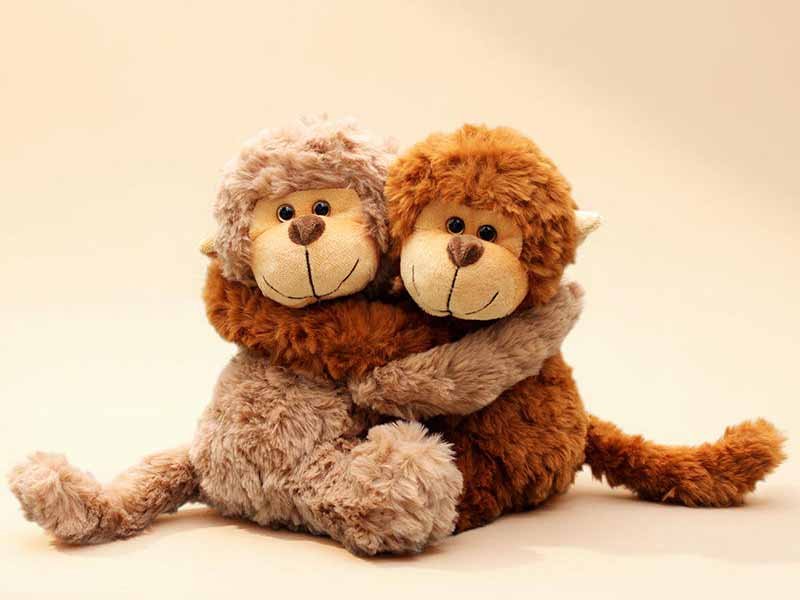
A plush product may look appealing in a photo and still be difficult to place in stores. Retail teams do not purchase softness alone. They assess whether the product fits their audience, reaches the right shelf price, leaves enough margin, arrives before the selling season, passes required testing, and can be reordered with the same face, color, size, and packaging. A factory that only sends product photos forces the customer to solve every commercial question alone.
The most effective way to attract wholesale plush toy customers is to present a focused product range, clear price architecture, workable order quantities, retail-ready packaging, verified safety planning, accurate samples, and dependable replenishment. Marketing opens the conversation, but product planning and production control give a retail team enough confidence to place an opening order.
Consider two suppliers approaching the same gift chain. One sends a folder containing eighty unrelated animals. The other sends eight coordinated characters, three price levels, carton data, packaging options, sample timing, and a suggested launch plan. The second supplier has not merely shown products; it has reduced workload and risk. That is often the point where a polite reply becomes a real sourcing discussion.
Which Wholesale Customers Should You Target?

The best prospects are companies whose shoppers, retail prices, store formats, and seasonal plans already match your plush range. A baby boutique, museum shop, anime retailer, supermarket, sports club, and promotional distributor can all purchase plush products, yet each group requires a different design language, package structure, safety plan, order mix, and sales argument.
A useful target list begins with product fit rather than company size. Large chains may offer volume, but they also require strict onboarding, testing, labeling, packaging, logistics, and delivery performance. Independent stores may place smaller opening orders, yet decisions can move faster and feedback is often clearer. Distributors can open several regional accounts, although they need stable pricing, territory planning, documentation, and reliable repeat production.
| Plush Category | Suitable Sales Channel | Common Opening Range | Main Decision Factors |
|---|---|---|---|
| Mini plush keychains | Gift shops, stationery stores, tourist stores | 4–8 designs | Compact display, impulse price, strong attachment |
| Baby comfort plush | Nursery stores, maternity chains, baby distributors | 3–6 designs | Soft materials, embroidery, washability, age safety |
| Mascot plush | Sports clubs, schools, events, corporate programs | 1–4 designs | Character accuracy, logo control, campaign deadline |
| Collectible plush | Anime stores, hobby shops, pop-culture retail | 6–12 designs | Series logic, recognizable characters, repeat releases |
| Seasonal plush | Supermarkets, department stores, gift chains | 4–10 designs | Delivery window, shelf impact, packaging efficiency |
| Weighted plush | Lifestyle, wellness, gifting, specialty retail | 3–6 designs | Weight distribution, seam strength, comfort, labeling |
| Animal collections | Toy stores, zoos, museums, educational retail | 5–10 designs | Species accuracy, storytelling, coordinated range |
A target account should meet at least four conditions:
- The company already sells plush toys, gifts, children’s products, collectibles, souvenirs, or promotional merchandise.
- Its current retail price range can support the proposed factory cost, packaging, freight, duty, distributor margin, and store margin.
- Its store format can display the proposed size and package.
- Its audience has a clear reason to purchase the product, such as collecting, gifting, comfort, local identity, character attachment, or seasonal demand.
Which Customers Match Your Plush Range?
Match every product family with a specific retail environment. A 10 cm plush keychain is suited to checkout counters, stationery walls, capsule-toy sections, travel retail, and online add-on sales. A 35 cm weighted animal needs more shelf depth, stronger seams, clearer weight labeling, and a higher selling price. A baby comforter needs embroidered facial features, soft trims, washable construction, and packaging that communicates age suitability.
A product-channel matrix helps prevent unfocused development. Before contacting any company, record five details:
- Main shopper age
- Usual shelf price
- Store format
- Product themes already carried
- Seasonal purchase calendar
For example, a museum store may prefer animals linked to an exhibition, local species, or educational content. A sports club may care more about mascot likeness, uniform details, logo placement, and event delivery. A fashion retailer may prefer small accessories with refined colors, soft hand feel, and discreet labeling. One catalog should not be sent unchanged to all three.
Companies serving children under three need a very different proposal from collectible stores serving adult fans. For nursery channels, removable parts, long cords, hard accessories, loose trims, and poorly controlled filling create unnecessary risk. For collector channels, accurate artwork reproduction, limited editions, character stories, packaging condition, and repeated series launches may carry greater weight.
A good prospecting list should therefore be organized by product suitability rather than geography alone. A list of 200 relevant stores can be more productive than 10,000 general retail contacts.
What Do Toy Retailers Evaluate?
Toy retailers evaluate sell-through potential and operational risk at the same time. The first question is whether a child, parent, collector, or gift giver will notice and understand the product quickly. The second question is whether the store can receive, display, sell, and reorder it without extra problems.
Key review points often include:
- Character appeal from front, side, and seated views
- Face symmetry and expression consistency
- Fabric hand feel and shedding control
- Filling balance and shape recovery
- Seam strength at ears, limbs, tails, and accessories
- Age grading and market-specific safety planning
- Label position, barcode area, and care information
- Package dimensions and shelf efficiency
- Master-carton quantity and shipping volume
- Production lead time and repeat-order stability
A retail team may reject an attractive design because the packaging is too large, the barcode area is missing, the product cannot sit upright, or the face changes between units. Visual problems often begin during pattern development rather than sewing. Eye spacing may look correct in a flat drawing but become too wide after filling. A mouth may shift upward when short-pile fabric is stretched. Long-pile fabric may cover small embroidery details. A wide tail may pull the body backward and prevent stable sitting.
Delsney controls development through three-view drawings, 3D effects, pattern review, sample approval, material confirmation, and bulk inspection. Such controls help preserve up to 98% alignment between approved design direction and finished product appearance.
Retail teams also examine whether the range can support several price points. A single oversized product may look impressive but limit purchasing frequency. A better structure may include a small add-on item, a medium core product, and one premium size. Several price levels allow stores to serve different spending habits without changing the central character theme.
What Do Gift Stores Prefer?
Gift stores usually choose products that communicate emotion or meaning within a few seconds. Strong themes include birthdays, friendship, comfort, local wildlife, travel memories, holidays, school identity, company mascots, and event souvenirs. The product does not need a long explanation, but it does need a clear reason to be given.
Space and price are especially important. Small and medium plush products often work well because stores can display several designs without sacrificing too much shelf area. A coordinated assortment may include:
- 8–12 cm keychains for impulse purchases
- 18–25 cm core plush for everyday gifting
- 30–40 cm feature products for higher-value gifts
- One boxed or dressed edition for seasonal presentation
A small gift store may have only one shelf bay available for plush products. Six large designs packed in separate display boxes may occupy the entire area, while twelve compact products could create a fuller visual presentation and support more price points. Product dimensions should therefore be considered alongside store space rather than treated as a design decision alone.
Packaging should support touch. Open display boxes, belly bands, hangtags, and header cards allow shoppers to feel the fabric while still seeing the logo, story, age information, care guidance, and barcode. Fully enclosed boxes may suit collectibles, premium gifts, or products with several accessories.
Gift stores also value mixed assortments. Shared fabrics, common embroidery threads, and coordinated packaging can make multi-design planning easier. Delsney can review SKU combinations and material sharing before quotation, helping brands balance variety with workable manufacturing quantities.
For a six-character range, using one body fabric, two accent fabrics, and shared embroidery colors may reduce raw-material fragmentation. Each character can still feel different through ears, tails, facial details, clothing, or accessories. Such planning gives the customer visual variety without forcing the factory to purchase several low-volume custom materials.
How Do Distributors Approve New Products?
Distributors judge whether a product can serve several downstream accounts without creating repeated service problems. They may need multilingual labels, territory terms, packaging variations, stock planning, carton data, product testing, and stable lead times. A design that works for one boutique may not be suitable for a distributor supplying fifty stores.
Approval often moves through six stages:
- Category and price review
- Sample and packaging evaluation
- Compliance document review
- Opening assortment planning
- Forecast and delivery agreement
- Reorder and regional expansion
During category review, the distributor may compare the proposed item with existing products by size, selling price, materials, and audience. During sample review, attention moves to hand feel, construction, packaging, labeling, and perceived value. Compliance review covers the destination market and intended age group. Opening assortment planning then determines how many designs, colors, and sizes should be introduced.
Distributors may request a size ladder around one character. A mascot could be developed as a 10 cm keychain, 20 cm core plush, and 35 cm premium version. Shared design language helps downstream stores serve several price points while keeping the range recognizable.
Production consistency carries more weight than a small price difference. Late seasonal goods, changing fabric shades, uneven embroidery, weak accessories, or missing labels can affect many retail accounts at once. One defective shipment may generate returns across several cities and damage the distributor’s relationship with its stores.
Delsney combines product development, pattern making, sample production, material sourcing, manufacturing, quality inspection, and packaging coordination under one factory system. Fewer handoffs reduce communication gaps between the approved sample and bulk production.
A distributor also needs clear reorder information. The supplier should explain:
- Whether the same fabrics can be sourced again
- Whether custom colors require renewed material minimums
- How long repeat production normally takes
- Whether old packaging plates and artwork files are retained
- Whether low-selling colors can be removed from later orders
- Whether new characters can share existing materials
- How seasonal capacity affects delivery schedules
A wholesale relationship becomes stronger when replenishment is considered before the opening order is placed.
What Makes Plush Toys Ready for Wholesale?

A wholesale-ready plush product has a defined audience, planned shelf price, repeatable construction, appropriate safety route, efficient packaging, clear order quantities, and stable replenishment. Visual appeal starts the conversation, but commercial readiness decides whether a store can place the product on sale with confidence and reorder it without redesigning the entire program.
Before presenting a new range, review the product against measurable criteria rather than personal preference alone.
| Review Area | Minimum Information Needed | Risk When Missing |
|---|---|---|
| Target market | Country, age group, sales channel | Wrong testing, labeling, or price structure |
| Product specification | Size, materials, filling, accessories | Inconsistent quotation and sample |
| Design control | Front, side, back, color references | Distorted shape or character mismatch |
| Retail plan | Shelf price, package type, display method | Poor margin or inefficient presentation |
| Order structure | Quantity per SKU, number of colors | Unworkable material and setup cost |
| Production plan | Sample date, approval date, ship date | Missed launch or seasonal window |
| Quality standard | Tolerances, inspection points, approved sample | Bulk goods differ from expectations |
Wholesale readiness should be checked before large amounts of time are spent on promotion. A weak product offer cannot be repaired through more advertising. Common early problems include unclear size, no target price, no confirmed market, too many fabric colors, packaging designed after production, and unrealistic launch dates.
A useful pre-development brief should contain:
- Product use
- Destination country
- Target age group
- Desired finished size
- Preferred fabric
- Filling type
- Character artwork
- Required logo method
- Packaging idea
- Expected quantity per design
- Target retail price
- Required delivery date
Even when some details are unavailable, identifying the missing decisions helps the development team propose workable alternatives.
Which Plush Designs Sell More Reliably?
Reliable sellers usually combine recognizable shape, clear expression, pleasant hand feel, easy display, and a reason for purchase. The concept may be based on comfort, humor, collectibility, local identity, a licensed character, an event, or a seasonal occasion. A product does not need excessive detail to feel distinctive.
Simple silhouettes often perform well because they remain easy to recognize in small online images and crowded store displays. Distinctive ears, tails, clothing, embroidery, color blocks, or accessories can create personality without making sewing unstable.
Design decisions should also protect manufacturing consistency. Risks increase when a product contains:
- Very narrow limbs that are difficult to turn and fill
- Heavy embroidery that stiffens the face
- Long-pile fabric covering small facial details
- Tiny accessories with weak attachment areas
- Too many fabric colors across low quantities
- Deep curves that distort after filling
- Clothing that shifts during packing and transport
- Large hard parts attached to soft panels
- Uneven weight distribution
- Thin necks supporting oversized heads
A narrow arm may look attractive in artwork but become difficult to fill evenly. Underfilled sections appear flat, while overfilled sections may twist the seam. A wide head placed on a thin neck may lean forward after several weeks on display. A long tail may increase carton space or create seam pressure during compression.
Delsney reviews artwork before pattern cutting and can prepare three-view drawings or 3D effects where needed. Early review allows the team to adjust proportion, seam placement, fabric direction, embroidery scale, and accessory construction before bulk materials are ordered.
The intended sales channel should also guide design complexity. A promotional mascot distributed at an event may need simple construction, strong logo visibility, and efficient packing. A premium collectible may justify more embroidery, layered clothing, exclusive packaging, and a higher level of hand finishing.
How Should a Product Range Be Structured?
A strong range needs hierarchy. One lead product carries the main idea, supporting designs extend the theme, and several price levels help stores build a balanced order.
A practical structure may include:
- 1–2 hero characters with the strongest visual identity
- 3–5 supporting characters using shared materials
- 1 compact format, such as a keychain or mini plush
- 1 larger format for gifting or window display
- 1 seasonal variation for a launch event or holiday
A woodland collection, for example, could include a fox, bear, rabbit, deer, and owl in a 22 cm core size. The fox and rabbit might also appear as 10 cm keychains, while the bear becomes a 35 cm feature item. Shared fabric colors, embroidery threads, labels, and packaging reduce unnecessary complexity.
| Range Level | Product Role | Suggested Number | Commercial Purpose |
|---|---|---|---|
| Hero design | Main visual identity | 1–2 | Advertising, window display, leading sales |
| Core designs | Main order volume | 3–5 | Everyday shelf sales |
| Entry item | Lower-price purchase | 1–3 | Checkout and add-on sales |
| Premium item | Higher-value gift | 1–2 | Raise average order value |
| Seasonal item | Limited launch | 1–2 | Create urgency and renewal |
Too many variations can weaken an opening order. Ten similar colors may divide volume across fabrics and create excess stock. Four clearly different characters often produce better sales feedback. A retailer can identify which face, color, or animal performs best and place a more confident reorder.
Range planning should also leave room for future releases, including new outfits, limited colors, larger sizes, gift sets, or holiday editions. A successful core character can be expanded without rebuilding the complete product system.
For manufacturing efficiency, several SKUs can share:
- Main body fabric
- Filling specification
- Embroidery thread colors
- Eye and nose construction
- Care-label format
- Hangtag dimensions
- Inner bag size
- Master-carton structure
Shared components lower development complexity and make repeated orders easier to control.
What Packaging Supports Retail Sales?
Packaging must balance presentation, protection, information, shipping volume, and store handling. Plush products often benefit from exposed fabric because touch is part of the sale. Open boxes, belly bands, hangtags, header cards, and display trays allow contact while keeping essential information visible.
A retail package should reserve space for:
- Product and character name
- Brand logo
- Age guidance
- Material and filling information
- Care instructions
- Barcode
- Batch or traceability information
- Required safety marks
- Country-of-origin wording
- Importer or distributor details where required
Package dimensions should be checked against master-carton loading. A box that increases shipping volume by 30% can erase margin gains created by a lower factory price. For one 22 cm seated plush, a compact open-front box may protect the shape while allowing better carton use than a fully enclosed oversized gift box.
| Packaging Type | Suitable Product | Main Advantage | Main Limitation |
|---|---|---|---|
| Hangtag only | Standard plush and keychains | Low cost and full fabric exposure | Limited physical protection |
| Belly band | Soft animals and gift products | Strong branding with low material use | Less suitable for complex shapes |
| Header card | Small hanging plush | Efficient peg display | Requires secure attachment |
| Open display box | Medium retail plush | Good shelf structure and touch access | Higher carton volume |
| Window box | Collectibles and premium editions | Strong protection and presentation | Higher cost and less fabric access |
| Gift box | Sets and special occasions | Higher perceived value | More space and assembly time |
Packaging development should include a physical packing test. A box may look correct in a drawing but allow the toy to rotate, press against the window, or flatten its ears. Inner ties, cardboard supports, or shaped inserts may be required, but every added component affects labor, materials, and recyclability.
Delsney can coordinate woven labels, satin care labels, hangtags, printed cards, open display boxes, window boxes, gift boxes, inner bags, and shipping cartons. Packaging review can run alongside sample development so shelf appearance and logistics are considered at the same time.
Are Custom Designs More Competitive?
Custom designs can give a retailer or brand stronger control over identity, pricing, and product availability. Original mascots, licensed artwork, local animals, campaign characters, and exclusive color stories are harder for competitors to copy directly.
Custom work becomes commercially stronger when six points are confirmed before sampling:
- Target country
- Intended age group
- Planned retail price
- Required product size
- Estimated order quantity
- Launch date
Without those details, a beautiful sample may become too expensive, too large, too complex, or unsuitable for the destination market.
Character accuracy deserves special attention. Eye spacing, head shape, posture, side profile, fabric pile, color placement, embroidery density, and accessory scale can change the entire personality. A difference of several millimeters in eye position may make a face look angry, sleepy, or surprised. Overfilling may change a gentle round face into a narrow shape. Underfilling may cause the head to collapse during shelf display.
Delsney accepts technical files, reference images, three-view artwork, 3D effects, and physical samples. Standard plush developments can often be completed within 5–7 days after specifications and materials are confirmed. Complex products may need a longer schedule, especially when they include molded parts, electronics, specialty fabrics, several garments, or repeated approval rounds.
A structured development process usually covers:
- Artwork review
- Size and proportion confirmation
- Material selection
- Color matching
- Pattern development
- Embroidery or print testing
- First sample sewing
- Measurement review
- Appearance corrections
- Final approval recording
Approved measurements, materials, logo files, embroidery files, and packaging artwork should be retained for bulk production. Sample approval only has value when the same information is transferred accurately to the production team.
Do Private Labels Improve Retail Positioning?
Private labeling allows a company to control the product name, visual identity, package, barcode, story, color palette, and retail presentation. It also reduces direct price comparison because another store cannot easily source an identical item.
A complete private-label program may include:
- Custom woven or printed labels
- Satin care labels with market-specific wording
- Branded hangtags
- Exclusive fabric colors
- Embroidered or printed logos
- Custom clothing and accessories
- Character story cards
- Barcode and SKU setup
- Retail boxes or display trays
- Master-carton marks
Logo placement should be planned during pattern development rather than added at the end. Embroidery on a curved body panel can distort after filling. A woven label placed near a seam may fold inward. A chest logo may become hidden by an accessory. A printed logo on long-pile fabric may lose edge definition.
Private-label development should also consider whether every feature adds sales value. A custom box, woven label, clothing set, and embroidered logo may look impressive, but the final price could exceed the intended shelf range. Product teams should separate essential identity elements from optional decoration.
A practical priority order is:
- Character shape and face
- Fabric quality and color
- Main logo visibility
- Required labels
- Retail packaging
- Decorative accessories
Delsney provides end-to-end OEM and ODM support, including concept review, free design assistance, three-view development, 3D presentation, pattern making, rapid sampling, private labeling, bulk manufacturing, quality control, and packaging coordination. Established brands and demanding retail programs can manage product development through one connected process rather than several disconnected vendors.
How Should Wholesale Pricing Work?

Wholesale pricing must protect product quality, manufacturing stability, retailer margin, distributor margin, and future reorder viability. A low quotation may attract attention, but unstable materials, weak packaging, inconsistent sewing, and delayed delivery can create a much higher total cost. Strong pricing starts with the planned shelf price and works backward through every cost layer.
A useful pricing discussion should confirm:
- Intended retail price
- Sales country
- Sales channel
- Product size
- Fabric type
- Filling weight
- Number of designs
- Quantity per design
- Packaging format
- Compliance requirements
- Delivery terms
- Required launch date
Without those details, a price is only a rough number. A proper quotation should connect the unit cost to a defined specification, packaging method, quantity, and delivery condition.
What Margins Do Retailers Need?
Retailers need enough margin to cover rent, staff, payment fees, warehousing, promotions, damaged units, slow-moving stock, and seasonal discounting. The required margin varies by channel, but the manufacturer should always understand the final shelf-price limit before locking the product structure.
A small plush keychain sold near a checkout counter must support a lower impulse price. A premium collectible sold in a rigid gift box can carry more embroidery, accessories, and packaging because the selling price is higher. The same manufacturing choices cannot serve both products.
An effective pricing conversation starts with four numbers:
- Planned shelf price
- Retailer purchase price
- Distributor price, where applicable
- Factory target price
Consider an illustrative example for a medium plush character:
| Pricing Layer | Illustrative Amount | Commercial Role |
|---|---|---|
| Factory price | USD 4.20 | Product, labels, basic inner packing |
| Landed cost | USD 5.30 | Freight, duty, clearance, local handling |
| Distributor price | USD 7.50 | Regional sales and warehousing |
| Retail purchase price | USD 9.50 | Store acquisition cost |
| Suggested shelf price | USD 19.99 | Final consumer price |
The figures above are not universal standards. They show why a factory price cannot be judged alone. Freight, duty, packaging volume, and sales-channel structure can change the final calculation considerably.
A retailer buying directly from the factory may have more room than a store purchasing through a distributor. A supermarket may demand a lower acquisition price because of large volume and promotional activity. A specialty gift store may accept a higher price for a distinctive product with stronger packaging and limited availability.
Product design should be adjusted according to the channel:
- Reduce unnecessary pattern pieces for entry-level products.
- Keep the main facial details and fabric quality visible.
- Share materials across several characters.
- Use embroidery where it improves expression or safety.
- Avoid decorative parts that add cost without improving shelf appeal.
- Select packaging that protects the toy without wasting carton space.
- Plan size carefully, because a small increase in dimensions can raise fabric, filling, packaging, and freight costs at the same time.
Price engineering should protect the parts customers touch and notice. Saving money on hidden construction may be reasonable when safety and durability remain unaffected. Saving money on facial embroidery, fabric hand feel, filling balance, or seam strength can damage the product’s perceived value and create complaints.
Delsney reviews product appearance, material choices, logo methods, packaging, quantity, and delivery needs together. Such review helps customers keep important design features while removing cost from areas that contribute little to retail performance.
How Should MOQ Be Set?
MOQ should reflect the quantity needed to purchase materials, prepare production, control color consistency, complete sewing efficiently, print packaging, and inspect finished goods. A workable MOQ also needs to support a price that makes sense at retail.
Custom plush production contains several separate minimums:
- Main fabric purchase
- Custom-dyed fabric
- Printed fabric
- Embroidery setup
- Printing setup
- Woven-label production
- Care-label production
- Hangtag printing
- Box production
- Plastic accessory molding
- Sound-module or electronic component purchase
The finished-product MOQ may be flexible, but packaging and custom materials can still have their own quantity requirements. For example, a customer may request 500 plush toys while the printed box supplier requires 1,000 boxes. The remaining boxes can sometimes be stored for repeat production, but storage cost, artwork stability, and future design changes should be considered.
Several methods can improve order flexibility:
- Use one body fabric across several characters.
- Keep shared embroidery thread colors.
- Use one care-label format for the complete range.
- Apply the same box size to several SKUs.
- Change artwork through stickers or inserts rather than separate box structures.
- Combine fabric purchasing across colors or designs where possible.
- Plan one core size before adding several size variations.
- Use standard available materials for the first production run.
Consider a six-character collection with an intended total order of 3,000 pieces.
| Order Plan | Quantity per Design | Material Complexity | Manufacturing Result |
|---|---|---|---|
| Six unrelated fabrics | 500 | High | More material minimums and color risk |
| One shared body fabric | 500 | Medium | Better fabric utilization |
| Three fabric groups | 1,000 per group | Controlled | Improved purchasing efficiency |
| Two core designs plus four small runs | Mixed | Focused | Stronger opening stock on key characters |
The final option may be useful when two designs are expected to generate most sales. Larger quantities can be allocated to those characters, while supporting designs complete the collection.
Delsney offers flexible MOQ planning based on product structure, fabric use, packaging, and number of SKUs. Flexibility does not mean ignoring production reality. The purpose is to build a quantity structure that protects cost, quality, and the possibility of future replenishment.
A serious opening order should also leave enough units for:
- Product testing
- Internal approval
- Sales samples
- Photography
- Retail presentation
- Replacement stock
- Distributor demonstrations
- Quality retention samples
These units should be included in the order plan rather than discovered after production is complete.
Which Costs Affect Wholesale Prices?
A plush toy quotation is shaped by much more than fabric and sewing time. Size, shape, pile length, embroidery, printing, filling, accessories, labels, packaging, testing, inspection, and carton use all influence the final cost.
The most important cost areas include:
| Cost Area | Main Cost Drivers | Control Options |
|---|---|---|
| Fabric | Type, pile length, GSM, color, printing | Share fabric across SKUs |
| Filling | Weight, type, density, special pellets | Optimize shape and fill level |
| Pattern | Number of pieces, curves, narrow parts | Simplify hidden construction |
| Embroidery | Area, stitch count, thread colors | Refine artwork and reduce excess density |
| Printing | Method, color count, panel size | Limit printing to visible areas |
| Clothing | Layers, fasteners, trims, fit | Use shared garment patterns |
| Accessories | Plastic, metal, sound, lights | Standardize components |
| Labels | Woven, satin, printed, multilingual | Combine information where allowed |
| Packaging | Box, insert, bag, hangtag | Improve dimensions and loading |
| Testing | Market, age grade, product features | Confirm scope before sampling |
| Freight | Product volume, carton size, weight | Improve compression and carton layout |
Fabric can represent a major portion of the product cost, but inefficient design often creates greater hidden expense. A plush character with 28 pattern pieces requires more cutting, sewing, turning, matching, and inspection than a similar character with 16 pieces.
Embroidery should be reviewed carefully. Dense embroidery may look sharp in artwork but can become stiff on soft fabric. Large filled areas also add machine time and thread cost. Better artwork preparation can reduce stitch count while keeping the face clear.
Filling quantity influences both shape and shipping. More filling may create a firmer product, but it also raises unit weight and carton volume. Some products need firm heads and softer bodies. Others need weighted filling in a controlled inner bag. The filling plan should match function rather than applying one density to the entire toy.
Clothing can add considerable complexity. A removable jacket may require separate cutting, stitching, fasteners, fit checks, and packaging control. A sewn-on printed vest may achieve a similar visual result with lower production risk. The choice depends on the retail position and whether removable clothing adds real value.
Packaging affects cost twice: first through the package itself and again through transportation volume. A slightly oversized box may reduce the number of products per master carton. Fewer units per carton increase freight, handling, warehouse space, and distribution cost.
A cost review should separate essential features from optional features.
Essential features often include:
- Correct facial expression
- Safe construction
- Main brand logo
- Required labels
- Stable shape
- Suitable fabric
- Strong attachment points
- Market-compliant components
Optional features may include:
- Additional clothing
- Decorative ribbons
- Multiple hangtags
- Premium inner trays
- Extra embroidery areas
- Separate color boxes
- Removable accessories
The customer can then decide which options support the planned shelf price.
How Do Price Tiers Encourage Volume?
Price tiers help wholesale accounts compare an opening order with a larger production plan. The quotation should explain exactly how each tier is calculated and whether the quantity applies per SKU, per color, or across the complete collection.
A clear quotation may include:
| Quantity Level | Commercial Use | Expected Cost Effect |
|---|---|---|
| 500 pieces | Market test or limited release | Higher setup cost per unit |
| 1,000 pieces | Standard launch | Better material and labor efficiency |
| 3,000 pieces | Regional program | Improved packaging and production cost |
| 5,000+ pieces | Large campaign or chain rollout | Strongest efficiency where specifications remain stable |
Price reductions do not always follow a straight line. A major improvement may occur when fabric-purchase quantities become more efficient. Another reduction may appear when printed packaging reaches a better production level. Beyond a certain quantity, the price may change only slightly because fabric, filling, labor, and inspection remain necessary for every unit.
A quotation should state:
- Product size
- Fabric and filling
- Logo method
- Packaging
- Quantity per design
- Number of designs
- Sample terms
- Testing responsibility
- Production lead time
- Payment terms
- Shipping term
- Quote validity
A low number without specifications creates confusion. Two factories may quote the same character at very different prices because one includes embroidery, care labels, individual bags, and inspection, while the other excludes those items.
Customers also need to know which costs are one-time charges. Pattern development, molds, printing plates, packaging setup, and testing may not repeat on later orders. Separating those charges makes reorder economics easier to understand.
Delsney can provide quantity-based quotations after reviewing artwork, sample requirements, materials, packaging, and destination market. The team can also suggest where shared materials or packaging can create stronger volume efficiency across several SKUs.
Do Samples Reduce Commercial Risk?
Samples allow product teams to check appearance, dimensions, fabric, filling, embroidery, labels, accessories, packaging, and function before approving bulk production. A sample is not merely a visual model; it is the main reference for pattern, construction, and quality control.
A complete sample review should cover:
- Overall height, width, and depth
- Head-to-body ratio
- Eye, nose, and mouth position
- Side profile
- Sitting or standing balance
- Fabric color and pile direction
- Embroidery size and density
- Filling distribution
- Seam position
- Accessory attachment
- Logo placement
- Label content and location
- Package fit
- Product weight
- Hand feel
Photos alone cannot reveal every issue. Physical review is important for softness, weight, seam feel, balance, and packaging pressure. However, high-resolution photos, measurement images, and 360-degree video can speed early feedback before the sample is shipped.
Delsney can produce many standard plush samples within 5–7 days after product details and materials are confirmed. Complex products may require more time when they include:
- Molded plastic parts
- Electronic components
- Sound or light modules
- Weighted filling
- Multiple garments
- Custom-printed fabric
- Specially developed materials
- Several accessory types
- Complex packaging
A faster sample only creates value when the approval process is organized. Customers should review all comments in one document and clearly mark:
- Required change
- Preferred change
- Optional idea
- Approved detail
Scattered comments across email, messaging apps, and image files can lead to missed revisions.
The approval record should contain:
- Final dimensions
- Approved materials
- Color references
- Embroidery files
- Printing files
- Filling weight
- Label artwork
- Packaging artwork
- Accessory specification
- Approved sample photos
- Written tolerances
Delsney supports technical-file sampling, artwork-based sampling, reference-image development, and physical-sample replication. Free design assistance and qualifying sample support can help established brands develop products before bulk manufacturing. Three-view drawings and 3D effects can also be used to confirm proportions before physical sampling begins.
How Can You Find Qualified Wholesale Accounts?

Qualified wholesale accounts can be found through Google research, retailer directories, LinkedIn, trade shows, industry associations, marketplaces, referrals, and search-driven website content. Better results come from contacting companies already selling related products and presenting a range that fits their audience, price level, and store format.
Prospecting should be treated as a structured process rather than a mass-email exercise. A useful account list includes:
- Company name
- Country
- Sales channel
- Store count
- Product focus
- Current plush categories
- Retail price range
- Contact person
- Job role
- Contact method
- Reason for product fit
- Last contact date
- Next action
Every contact should have a reason to receive the message. Relevance improves response quality and reduces wasted follow-up.
Which Platforms Work Best?
Online wholesale platforms can help manufacturers and brands reach stores that are already looking for products. However, platform quality differs by country, category, fee structure, and account type.
Before joining a platform, review:
- Countries served
- Number of toy and gift retailers
- Commission rate
- Subscription fees
- Payment terms
- Return rules
- Shipping requirements
- Product approval process
- Brand ownership rules
- Customer-data access
- Exclusivity restrictions
- Advertising costs
Platforms can serve three main purposes:
| Platform Purpose | Best Use | Main Risk |
|---|---|---|
| Product discovery | Present ready-made collections | Heavy competition |
| Wholesale ordering | Process smaller store orders | Fees reduce margin |
| Lead generation | Receive project inquiries | Lead quality may vary |
A factory profile should avoid showing hundreds of unrelated products. Organize the offer around clear commercial uses:
- Custom mascot plush
- Private-label animals
- Plush keychains
- Baby comfort products
- Weighted plush
- Seasonal gift collections
- Promotional plush
- Collectible character series
Each category should state:
- Available size range
- Material options
- Customization methods
- Sample timing
- MOQ approach
- Packaging choices
- Compliance support
- Production timing
Product photography should include front, side, back, detail, scale, packaging, and application views. A single white-background image is not enough for a purchasing team evaluating a custom project.
Platforms should not become the only sales source. Fees, ranking changes, account rules, and competition can affect visibility. Direct website inquiries, trade shows, LinkedIn, referrals, and retailer outreach provide greater control over the relationship.
How Do You Find Accounts on Google?
Google can be used to build a focused list of stores, distributors, importers, agencies, and licensing companies. Search terms should combine product, channel, and location.
Useful search patterns include:
- toy distributors in Germany
- plush toy importers in France
- museum gift shops in California
- zoo gift store suppliers
- anime merchandise distributors in Europe
- promotional product companies in Canada
- baby boutique chains in Australia
- sports mascot merchandise companies
- children’s gift wholesalers in the UK
- tourist souvenir distributors in Japan
Open each website and record:
- Existing plush brands
- Product sizes
- Price range
- Visual style
- Target age
- Store locations
- Online categories
- Seasonal products
- Private-label activity
- Contact information
A prospect is stronger when the company already sells a related category but lacks the exact product being proposed. For example, a zoo store selling animal stationery, books, and figurines but carrying few plush products may represent a stronger opportunity than a general department store with no wildlife theme.
Google Maps can help identify independent stores, museum shops, zoo stores, theme-park outlets, and regional chains. Search by city and category, then review photos and customer comments to understand the store format.
A structured research target might look like:
| Weekly Activity | Quantity |
|---|---|
| New companies researched | 50 |
| High-fit companies selected | 20 |
| Personalized introductions sent | 15 |
| Follow-ups completed | 10 |
| Catalog discussions opened | 3–5 |
| Sample discussions started | 1–3 |
The figures above are operational targets, not guaranteed results. The aim is consistent, relevant activity rather than indiscriminate volume.
Every selected company should receive a message based on a visible reason:
- Existing animal theme
- Upcoming holiday range
- New store opening
- Current mascot program
- Missing price level
- Limited product sizes
- Strong demand for local souvenirs
- Opportunity for private labeling
The first message should explain the match in one or two sentences.
How Can LinkedIn Reach Decision-Makers?
LinkedIn helps identify people responsible for sourcing, merchandising, product development, licensing, category management, private label, purchasing, or promotional programs. Searching by company name first is usually more effective than searching broad job titles across the entire platform.
Relevant roles may include:
- Category Manager
- Merchandise Manager
- Sourcing Manager
- Product Development Manager
- Licensing Manager
- Purchasing Manager
- Private Label Manager
- Gift Shop Manager
- Promotional Product Director
- Brand Partnership Manager
The first connection message should be brief. It should mention the product category and why the company appears relevant.
A useful structure is:
- One specific observation
- One relevant capability
- One low-pressure next step
Example:
“We noticed your stores carry wildlife gifts for children. Delsney develops custom animal plush collections with retail packaging, 5–7 day sample support, and compliance planning for European and North American markets. May I send a short catalog focused on zoo and museum ranges?”
After the person accepts, avoid sending a large file immediately. Ask permission or share a short visual introduction. A focused six-page PDF often receives more attention than a full corporate catalog.
Follow-up messages should add information:
- New character concept
- Packaging option
- Sample image
- Material recommendation
- Price-level alternative
- Seasonal idea
- Similar application
- Revised MOQ plan
Repeatedly asking whether the previous message was received gives little reason to reply.
A simple contact sequence may follow:
| Contact Stage | Timing | Message Purpose |
|---|---|---|
| Connection request | Day 1 | Establish relevance |
| First introduction | Day 2–3 | Offer focused information |
| Value follow-up | Day 7–10 | Add product or packaging idea |
| Project question | Day 18–25 | Ask about upcoming needs |
| Long-term follow-up | 45–60 days | Share a new range or case |
The schedule should remain flexible. A person who asks for pricing should receive project-specific information immediately rather than continuing through a preset sequence.
Are Trade Shows Worth Attending?
Trade shows can create concentrated access to retailers, distributors, licensing companies, promotional agencies, and product developers. The value depends on event selection, meeting preparation, product presentation, and follow-up discipline.
Before booking a stand, confirm:
- Visitor profiles
- Exhibitor categories
- Geographic coverage
- Retailer attendance
- Distributor attendance
- Licensing presence
- Gift-channel presence
- Cost of space
- Shipping and sample costs
- Travel and staff costs
- Meeting-booking options
A large exhibition is not always the best option. A smaller event focused on museum retail, promotional merchandise, licensing, baby products, or gift stores may produce more relevant conversations.
The display should show manufacturing range without becoming crowded. A balanced stand may contain:
- One mascot project
- One baby-safe embroidered design
- One weighted plush
- One collectible series
- One keychain range
- Several fabric samples
- Packaging examples
- Label examples
- Sample-development images
Each product should have a card showing:
- Size
- Material
- Customization
- MOQ approach
- Sample time
- Production time
- Packaging
- Market suitability
Meetings should be arranged before the show. A practical preparation schedule may begin 8–12 weeks in advance:
| Time Before Event | Main Task |
|---|---|
| 12 weeks | Select target accounts |
| 10 weeks | Send meeting invitations |
| 8 weeks | Confirm display products |
| 6 weeks | Complete samples and packaging |
| 4 weeks | Prepare catalogs and pricing guides |
| 2 weeks | Confirm appointments and logistics |
| 1 week | Final product and document check |
During each meeting, record:
- Product interest
- Target price
- Expected quantity
- Market
- Required launch date
- Packaging preference
- Testing need
- Next action
Follow-up should be sent within several working days while the conversation is still remembered. A relevant quotation, sample plan, or product suggestion is more useful than a general thank-you email.
How Does SEO Generate Inquiries?
Search-driven content helps companies find a manufacturer while they are researching materials, cost, sampling, compliance, packaging, production, or specific product categories. A factory website should answer narrow questions rather than relying on one general custom plush page.
Useful commercial pages include:
- Custom mascot plush manufacturer
- Private-label plush toys
- Custom plush keychains
- Baby plush manufacturing
- Weighted plush production
- Custom anime plush
- Promotional plush products
- Plush toys for museum stores
- Plush toys for sports clubs
- Plush packaging solutions
- Plush toy sample development
- Plush safety and testing
- Multi-SKU plush manufacturing
Each page should cover:
- Suitable applications
- Product styles
- Material choices
- Customization
- Logo methods
- Packaging
- Sample process
- MOQ
- Production time
- Quality control
- Compliance
- Shipping
- Project examples
- Inquiry requirements
Search engines and AI assistants need clear, complete information. A page that only states “high quality, low price, fast delivery” offers little value. A stronger page explains how the factory manages facial accuracy, fabric selection, filling, embroidery, labels, packaging, inspection, and bulk consistency.
Articles should answer questions purchasing teams ask before contacting a factory:
- How much does a custom plush toy cost?
- How long does sampling take?
- Which files are required?
- Which fabric is suitable?
- How is character accuracy controlled?
- What affects MOQ?
- How should packaging be planned?
- Which tests may be required?
- How can several SKUs share materials?
- How are repeat orders controlled?
Every article should connect to a relevant commercial page. A reader studying weighted filling can be directed to a weighted plush development service. A company researching mascot accuracy can be directed to sample development. A retailer reviewing packaging can request a packaging recommendation.
Delsney’s website content can support inquiry quality by clearly presenting:
- More than 18 years of plush manufacturing experience
- Integrated research, design, pattern making, sampling, production, and sales
- 5–7 day standard sample development
- Free design assistance
- Qualifying free-sample support
- Three-view and 3D presentation
- Up to 98% design alignment
- Flexible MOQ planning
- OEM and ODM manufacturing
- Private-label development
- Quality-controlled bulk production
- European and North American compliance support
Clear information helps unsuitable prospects leave early and encourages serious accounts to send complete project details.
How Should Outreach Be Measured?
Outreach should be evaluated by commercial progress rather than the number of emails sent. A high-volume campaign can appear active while producing few meaningful conversations.
Track each stage:
| Sales Stage | Metric |
|---|---|
| Research | Qualified companies identified |
| First contact | Personalized messages sent |
| Engagement | Replies and catalog requests |
| Qualification | Projects with size, quantity, market, and timeline |
| Development | Sample requests |
| Quotation | Complete specifications priced |
| Conversion | Orders confirmed |
| Retention | Repeat orders and new SKU requests |
A weekly review should identify where prospects stop moving.
If few people reply, the target list or opening message may be weak.
If many request catalogs but few discuss products, the catalog may be too broad or lack clear pricing direction.
If many request samples but few place orders, sample quality, cost, MOQ, packaging, or delivery terms may need review.
If opening orders arrive but repeat orders remain low, the issue may involve sell-through, product quality, replenishment speed, or range planning.
Sales activity should produce learning. Record which product types generate the most interest, which regions request specific testing, which sizes fit the strongest price points, and which packaging formats receive the best response.
Those findings should influence the next product range. Manufacturing and sales work best when information moves in both directions.
How Do You Convert Prospects into Orders?

Wholesale inquiries become confirmed orders when the supplier removes uncertainty around product fit, cost, quality, compliance, sampling, packaging, and delivery. A focused catalog may start the conversation, but clear specifications, accurate samples, documented approvals, responsive communication, and realistic production planning are what move a project toward payment and manufacturing.
What Should a Wholesale Catalog Include?
A wholesale catalog should help a retail team identify suitable products, compare options, and request a quotation without sending a long list of basic questions. Attractive photography matters, but images alone do not provide enough information for a commercial decision.
Each product entry should include:
- Product name
- Internal SKU
- Finished size
- Sitting or standing height
- Main fabric
- Filling material
- Available colors
- Embroidery or print details
- Recommended age range
- Packaging format
- Customization options
- MOQ guidance
- Sample timing
- Production timing
- Carton quantity
- Product weight
- Applicable market information
Dimensions should be clear. A description such as “medium plush toy” creates confusion because medium can mean 18 cm to one supplier and 35 cm to another. State height, width, and depth in centimeters or inches. Explain whether measurements are taken from the top of the head, ears, feet, or seated body.
Product images should show more than the front view. A complete visual set can include:
- Front view
- Left or right side view
- Back view
- Seated or standing position
- Face close-up
- Embroidery close-up
- Fabric texture
- Label position
- Packaging
- Scale reference
A person holding the product or a ruler placed beside it gives the reader a better understanding of size. Packaging images should show the product inside the retail pack, not only an empty box rendering.
A catalog should also separate different service routes. Companies looking for ready product concepts need a different introduction from teams developing original characters.
A clear service structure may contain:
| Service Route | Suitable Project | Information to Present |
|---|---|---|
| Existing designs | Faster selection and private labeling | Available styles, colors, sizes and packaging |
| Artwork development | Original characters and mascots | Required files, sample process and accuracy control |
| Sample replication | Products based on a physical reference | Material review, measurement and construction analysis |
| ODM development | Early concepts without full technical files | Design support, material proposals and range planning |
| Multi-SKU development | Coordinated collections | Shared materials, size structure and packaging system |
The opening pages should explain what Delsney makes and how projects are handled. Keep the company introduction focused on information relevant to product development:
- More than 18 years of plush manufacturing experience
- Integrated design, pattern making, sampling, production, inspection, and packaging
- Standard sample development in approximately 5–7 days
- Three-view drawing and 3D presentation support
- Up to 98% alignment with approved design direction
- Flexible MOQ planning
- OEM, ODM, and private-label production
- European and North American compliance preparation
- 100% pre-shipment inspection
Avoid filling the first several pages with broad company statements. Retail teams usually want to see suitable products quickly. Company strength can be supported throughout the catalog through process photos, project examples, inspection details, and sample comparisons.
Catalog size also matters. A 15–30-page file focused on one category is often easier to review than a 150-page document containing every product ever made. Separate files can be prepared for mascot plush, baby plush, keychains, weighted products, promotional programs, and collectible characters.
How Should Outreach Emails Be Written?
A successful introduction email should explain why the proposed product range fits the recipient’s business. The message should not read like a factory profile copied into hundreds of inboxes.
Before writing, review:
- Products currently sold
- Main customer age
- Retail price range
- Store locations
- Seasonal collections
- Character themes
- Packaging style
- Private-label products
- Recent launches
- Gaps in the current plush range
The opening sentence should refer to a visible connection. For example, a zoo retailer may already sell wildlife books and puzzles but carry only two plush species. A sports organization may sell clothing and caps but have no soft mascot product. A nursery chain may offer blankets and comfort products in a consistent neutral color palette.
A useful email structure contains four parts:
- A specific reason for contact
- A relevant product or manufacturing capability
- One or two supporting details
- A simple next step
An outreach message might read:
“We noticed your stores carry several woodland gift collections for young children. Delsney develops custom animal plush ranges with embroidered facial details, retail labels, flexible assortment planning, and 5–7 day sample support. We have prepared several fox, rabbit, bear, and deer concepts suited to gift and nursery channels. May I send a short product selection for review?”
The message is relevant, easy to understand, and does not pressure the recipient to request a quotation immediately.
Avoid opening with claims such as:
- We are the best factory.
- We provide the lowest price.
- We can make everything.
- We guarantee perfect service.
- We have many customers worldwide.
General claims are difficult to verify and provide little reason to reply. Replace them with specific capabilities:
- Standard plush samples can be developed in 5–7 days after confirmation.
- Three-view drawings can be prepared before physical sampling.
- Shared materials can be planned across several characters.
- Bulk products are inspected before shipment.
- Labels and packaging can be developed with the plush product.
- Products can be prepared for European and North American compliance requirements.
Attachments should remain small. A focused PDF containing six to twelve suitable products is easier to open than a full factory catalog. Large files may be blocked or ignored.
Follow-up messages should provide new information rather than repeating the first email. Useful follow-up topics include:
- A more suitable product size
- A lower-cost packaging option
- A seasonal character proposal
- A coordinated keychain version
- A sample-development image
- A fabric recommendation
- A revised assortment plan
- A private-label option
A simple follow-up schedule may use three contacts over three to four weeks. Contact frequency should remain respectful. Companies operating with long planning calendars may need a later follow-up near their next purchasing season.
Which Quality Proof Builds Trust?
Quality claims become credible when the factory shows how design details are controlled from sample development through bulk production. Saying “100% quality guarantee” is far less persuasive than showing inspection points, approved standards, sample comparisons, and handling procedures.
Useful evidence includes:
- Approved front, side, and back views
- Measurement records
- Pantone or color-reference checks
- Fabric and filling confirmations
- Embroidery strike-offs
- Print samples
- Label artwork approvals
- Seam construction images
- Accessory attachment checks
- Needle-control procedures
- Packaging-drop or compression checks
- Finished-goods inspection records
Plush products require visual and structural inspection. A product can pass a basic seam check but still fail commercially because the expression is wrong or the body cannot sit correctly.
Appearance inspection should cover:
- Eye position
- Eye angle
- Nose position
- Mouth shape
- Ear height
- Ear angle
- Head shape
- Body proportion
- Limb position
- Tail direction
- Color boundaries
- Embroidery alignment
- Clothing position
- Logo visibility
- Sitting balance
Measurement tolerances should be agreed before bulk production. Soft products naturally change slightly during sewing and filling, but uncontrolled variation should not be accepted. Critical measurements may include total height, head width, eye distance, limb length, accessory position, and product weight.
A sample-control table can help connect approvals with inspection:
| Control Item | Approved Reference | Bulk Check Method |
|---|---|---|
| Finished size | Approved sample and measurement sheet | Measure selected units |
| Face placement | Artwork and approved sample | Position template and visual check |
| Fabric color | Approved swatch | Compare under controlled lighting |
| Embroidery | Approved stitch sample | Check size, density and position |
| Filling weight | Sample specification | Weigh selected units |
| Accessory strength | Construction requirement | Pull or tension check |
| Label position | Approved placement image | Visual and measurement check |
| Packaging | Approved packed sample | Fit and presentation check |
Construction inspection should focus on high-stress areas. Ears, tails, handles, straps, limbs, clothing, and hard accessories can receive repeated pulling during use. Seam allowance and reinforcement should match the product design.
For baby products, embroidered facial features may be preferred over plastic eyes. For mascot products, logo embroidery and color placement may be the main approval points. For weighted plush, the inner weighted bag, weight distribution, seam strength, and containment method require extra attention.
Delsney integrates pattern development, sampling, production, and inspection. Product information remains connected across departments, reducing the risk of bulk workers receiving incomplete instructions. Finished goods undergo pre-shipment inspection before packing and dispatch.
Quality documentation can also support internal approval. A retail company may need to share product information with merchandising, compliance, marketing, logistics, and management. Clear records help every department review the same product standard.
How Do Fast Samples Support Trial Orders?
Fast sample development helps retail teams evaluate a new idea while market interest, campaign plans, and internal attention remain active. Delayed samples can affect photography, testing, packaging design, sales presentations, and seasonal delivery.
Delsney can complete many standard plush samples within approximately 5–7 days after the required information and available materials are confirmed. Sampling time may begin only after key decisions are clear.
A complete project brief should include:
- Character artwork
- Front, side, and back views where available
- Target finished size
- Preferred pose
- Fabric direction
- Color references
- Embroidery files
- Print files
- Logo position
- Filling requirement
- Accessories
- Intended age group
- Destination market
- Packaging direction
- Estimated bulk quantity
- Required delivery date
Where complete artwork is unavailable, Delsney can help prepare three-view drawings and 3D effects. Early visual development is especially useful for mascots drawn only from the front. Side and back details must be decided before the pattern can be developed accurately.
A standard sampling route may follow:
| Development Stage | Main Work | Common Review Point |
|---|---|---|
| Artwork review | Check proportion and missing views | Confirm shape and pose |
| Material selection | Choose fabric, filling and colors | Approve swatches |
| Pattern development | Convert design into sewing panels | Check structure |
| Embroidery setup | Prepare facial and logo files | Approve scale and placement |
| First sample | Sew, fill and finish product | Review appearance and dimensions |
| Revision | Correct approved comments | Confirm final details |
| Approval sample | Record final specification | Prepare for bulk production |
Complex products may take longer than 5–7 days. Additional time may be required for:
- Custom-printed fabric
- Custom-dyed materials
- Molded plastic parts
- Sound modules
- Light modules
- Batteries
- Multiple garments
- Removable accessories
- Weighted compartments
- Mechanical movement
- Detailed gift packaging
The fastest route is not always the best route. A rushed sample made from substitute materials may not provide reliable bulk pricing or compliance planning. When temporary materials are used, the difference should be clearly recorded.
Review comments should be specific. “The face does not look right” is difficult for a pattern maker to act on. Better instructions include:
- Move both eyes 3 mm inward.
- Lower the mouth embroidery by 4 mm.
- Increase cheek width by 6 mm.
- Reduce head filling by 10 grams.
- Shorten the ears by 8 mm.
- Rotate the tail upward by approximately 15 degrees.
Photos with marked lines and measurements reduce interpretation errors.
The approval sample should be treated as the production standard. Final artwork, materials, dimensions, filling weight, embroidery, labels, accessories, and packaging must be recorded before bulk cutting begins.
How Do You Encourage Repeat Orders?
Repeat orders depend on sell-through, stable quality, predictable delivery, and easy replenishment. A supplier should plan for continuity before the opening production run rather than waiting until stock is nearly sold out.
Material continuity is one of the first concerns. Custom fabric colors, printed materials, special trims, and electronic components may become difficult to source in small quantities. The customer should know which parts are standard and which parts require advance planning.
A reorder file should contain:
- Approved pattern
- Final measurement sheet
- Approved fabric codes
- Color references
- Embroidery files
- Print files
- Filling specification
- Label artwork
- Packaging artwork
- Carton marks
- Inspection criteria
- Final sample photos
- Previous production notes
Keeping those records reduces the chance of a repeat order being treated as a new project.
The factory should also learn from sales performance. Ask the client which products sold fastest, which sizes moved slowly, and which colors were repeatedly requested. Such information can improve later production.
A six-character launch may produce the following result:
| Character | Opening Quantity | Units Sold in First Period | Reorder Decision |
|---|---|---|---|
| Bear | 800 | 690 | Increase quantity |
| Rabbit | 600 | 520 | Maintain quantity |
| Fox | 500 | 430 | Maintain quantity |
| Deer | 400 | 280 | Reduce quantity |
| Owl | 400 | 350 | Maintain quantity |
| Hedgehog | 300 | 150 | Replace or revise |
The example shows why equal quantities across every design are not always suitable for later orders. The strongest characters can receive more volume, while slower designs can be reduced, redesigned, or replaced.
New products should extend proven ideas. A strong core character can become:
- Mini keychain
- Larger gift size
- Seasonal outfit
- Gift-box edition
- Backpack charm
- Hand puppet
- Baby comforter
- Weighted version
- Sound version
- Limited color edition
Adding formats around a successful character lowers creative risk and gives retail teams new products without abandoning established recognition.
Production timing should also support replenishment. A 20–30 day bulk production window may work for many projects after sample approval and material readiness, but material purchasing, testing, packaging, and shipping must also be included in the overall schedule.
Seasonal programs need earlier planning. Christmas, Valentine’s Day, Easter, Halloween, back-to-school, and major promotional campaigns have fixed selling windows. Goods arriving after the main period may lose much of their value.
Delsney can help clients prepare repeat-production forecasts, shared-material plans, and multi-SKU production schedules. Early information allows fabric, labels, packaging, and production capacity to be arranged before stock runs out.
What Do Wholesale Clients Ask?
Wholesale clients usually ask about safety, MOQ, sampling, design accuracy, customization, lead time, packaging, and quality control before approving a plush project. Clear answers should be connected to the actual product, destination market, age group, materials, and order structure. One standard answer cannot cover every design.
Is Safety Certification Required?
Safety requirements depend on how the product is classified, where it will be sold, who will use it, and which components are included. A plush toy intended for a young child requires different planning from an adult collectible or a decorative promotional mascot.
Important project details include:
- Destination country
- Intended age group
- Product use
- Fabric type
- Filling material
- Plastic or metal components
- Batteries
- Sound modules
- Magnets
- Long cords
- Removable clothing
- Printed surfaces
- Fragrance
- Weighted filling
European projects may require planning around EN71 and applicable CE responsibilities. Products for the United States may need testing under ASTM F963, CPSIA requirements, and retailer-specific standards. Other markets can have separate labeling, chemical, flammability, or documentation requirements.
Certification is not a decoration added after production. Product construction should be reviewed before sampling. A hard plastic eye may need to be replaced with embroidery for a baby product. A removable accessory may need stronger attachment or a different age classification. A long cord may need to be shortened. Surface printing may require material testing.
Safety preparation commonly covers:
- Mechanical and physical properties
- Small parts
- Seam strength
- Attachment strength
- Flammability
- Restricted substances
- Filling cleanliness
- Labeling
- Traceability
- Age warnings
- Packaging warnings
Testing scope should be confirmed with the selected laboratory or compliance consultant. A factory can prepare materials and production according to the target market, but the exact test plan must match the final product.
Delsney supports plush projects for European and North American markets and can work with the client’s testing laboratory or designated inspection provider. Early market confirmation helps avoid redesign after the sample has already been approved.
Are Flexible MOQs Important?
Flexible MOQ is important for new product launches, multi-character ranges, regional tests, premium products, and limited campaigns. Flexibility allows companies to test demand without committing excessive inventory to every SKU.
Many custom plush programs begin around 500 pieces per design, although final quantities depend on product size, materials, accessories, packaging, and number of styles. A simple character made from available fabric may offer more flexibility than a design requiring custom dyeing, molded parts, electronics, and printed boxes.
MOQ should be evaluated at several levels:
| MOQ Area | Main Constraint |
|---|---|
| Finished product | Cutting, sewing and production setup |
| Fabric | Supplier roll or color minimum |
| Embroidery | File setup and machine efficiency |
| Printed fabric | Printing method and material minimum |
| Woven label | Label supplier production quantity |
| Packaging | Printing and box-production minimum |
| Electronics | Component supplier quantity |
| Molded parts | Tooling and molding setup |
A 500-piece finished-product order may still require 1,000 boxes or more, depending on the packaging supplier and printing process. Remaining packaging may be stored for future production, but storage and artwork changes should be considered.
Multi-SKU planning can improve flexibility. Six designs sharing the same body fabric, labels, and box size are easier to manage than six designs using unrelated materials and packaging.
A useful opening order may contain:
- 1,000 pieces of the lead character
- 750 pieces of the second design
- 500 pieces each of three supporting characters
- 250–500 pieces of a small accessory format
The allocation should reflect expected demand rather than forcing equal quantities across every SKU.
Delsney reviews each project and proposes a workable quantity plan. Flexible MOQ should still support stable quality, sensible unit cost, and reliable production.
How Long Does Sampling Take?
Standard plush samples can often be completed within 5–7 days after design, dimensions, materials, colors, and construction details are confirmed. The schedule can extend when information is incomplete or the product requires unusual components.
Several factors affect sample timing:
- Missing side or back artwork
- Unconfirmed dimensions
- Custom fabric color
- Printed fabric
- Complex embroidery
- Molded parts
- Electronic modules
- Several clothing layers
- Multiple accessories
- Weighted construction
- Special packaging
- Repeated design changes
Sampling time should be separated from shipping time. A sample may be completed in seven days but require several additional days for international courier delivery.
A realistic sample schedule may look like:
| Stage | Working Time |
|---|---|
| Artwork and specification review | 1–2 days |
| Material and color confirmation | 1–3 days |
| Pattern and embroidery preparation | 1–2 days |
| Sewing and filling | 2–4 days |
| Internal review and correction | 1–3 days |
| Customer review | Depends on response speed |
| Physical sample shipping | Depends on destination |
Some stages overlap, so the total is not always the sum of every line. Available materials can shorten the process. Custom-developed materials can extend it.
Clients can speed up development by providing:
- Vector logo files
- High-resolution artwork
- Clear front, side, and back views
- Pantone references
- Accurate finished dimensions
- Intended age group
- Destination market
- Quantity estimate
- Packaging preference
- Required launch date
Delsney also accepts physical samples and reference images. When only a front illustration is available, the design team can help create three-view drawings or 3D effects before pattern development.
How Accurate Are Custom Plush Samples?
Design accuracy depends on artwork quality, three-dimensional interpretation, pattern engineering, fabric behavior, embroidery, filling, sewing, and revision control. A flat illustration cannot be copied mechanically because a plush toy has depth, seams, fabric stretch, and filling pressure.
The most important accuracy points include:
- Head-to-body ratio
- Face width
- Eye distance
- Eye height
- Nose size
- Mouth curve
- Ear position
- Side profile
- Limb angle
- Tail shape
- Sitting posture
- Color placement
- Fabric-pile direction
- Clothing fit
- Accessory scale
Fabric changes the final appearance. Long-pile material can make a head look larger and hide embroidery edges. Short-pile fabric shows shape and stitching more clearly. Stretch fabric can expand after filling, while woven material keeps a firmer structure.
Filling also changes proportion. Overfilling may narrow the face, push seams outward, or make the body too hard. Underfilling may cause wrinkles, poor balance, and a collapsed shape. Different areas may require different filling densities.
Delsney uses three-view references, 3D presentation, pattern development, embroidery preparation, sample sewing, measurement checks, and revision records to maintain design accuracy. Finished products can reach up to 98% alignment with the approved design direction.
Accuracy should be judged against the approved development standard rather than the first concept sketch alone. Some artwork details may need engineering adjustments for sewing, safety, balance, or cost. Every change should be discussed before final approval.
A detailed comparison process may include:
- Artwork beside sample front view
- Artwork beside sample side view
- Measurement comparison
- Color comparison
- Embroidery-position comparison
- Accessory-size comparison
- Packaging-fit review
- Written correction list
The approved sample, photos, files, and measurement sheet then become references for bulk manufacturing.
Can OEM and ODM Support Brand Expansion?
OEM and ODM services allow companies to develop products according to different levels of creative and technical readiness.
OEM is suitable when the client provides complete artwork, dimensions, materials, logos, packaging, and quality requirements. The factory focuses on engineering, sampling, sourcing, production, inspection, and delivery.
ODM is suitable when the client has a market idea but needs help with:
- Character development
- Shape and proportion
- Material selection
- Color combinations
- Product sizing
- Accessories
- Packaging
- Cost control
- Range structure
- Manufacturing feasibility
A company may begin with one mascot and later expand it into several product formats. A connected OEM/ODM system helps keep the character consistent across the range.
| Product Expansion | Main Development Need |
|---|---|
| Core mascot plush | Accurate shape and facial identity |
| Mini keychain | Simplified details and strong attachment |
| Large gift size | Structural support and carton planning |
| Seasonal edition | Clothing, color and event packaging |
| Baby version | Soft construction and embroidered features |
| Weighted version | Inner bag and weight distribution |
| Sound version | Module position and battery access |
| Gift set | Coordinated products and package insert |
Private-label development can also cover labels, hangtags, packaging, barcodes, colorways, and product stories. The goal is not only to add a logo. A complete private-label program should create a consistent retail identity.
More than 18 years of plush development and manufacturing experience allows the team to review product appearance and production feasibility at the same time. Established brands, distributors, retailers, licensed projects, promotional companies, and international product teams can manage development through one connected factory.
Incomplete ideas are also welcome. Delsney can review an early concept and recommend suitable materials, dimensions, construction, packaging, sampling, and order planning.
A strong wholesale plush program begins with more than a low price. It needs a product people want to hold, a range stores can sell, a sample the team can approve, and a factory capable of reproducing the same quality in bulk.
Send Delsney your artwork, technical file, reference image, physical sample, target quantity, or product concept. The team can prepare a development plan covering design, three-view presentation, 3D effects, sampling, materials, MOQ, packaging, compliance preparation, bulk production, inspection, and delivery.
Contact Delsney to request a quotation, develop a custom sample, or plan a private-label plush collection for your next retail program.