Skip to content
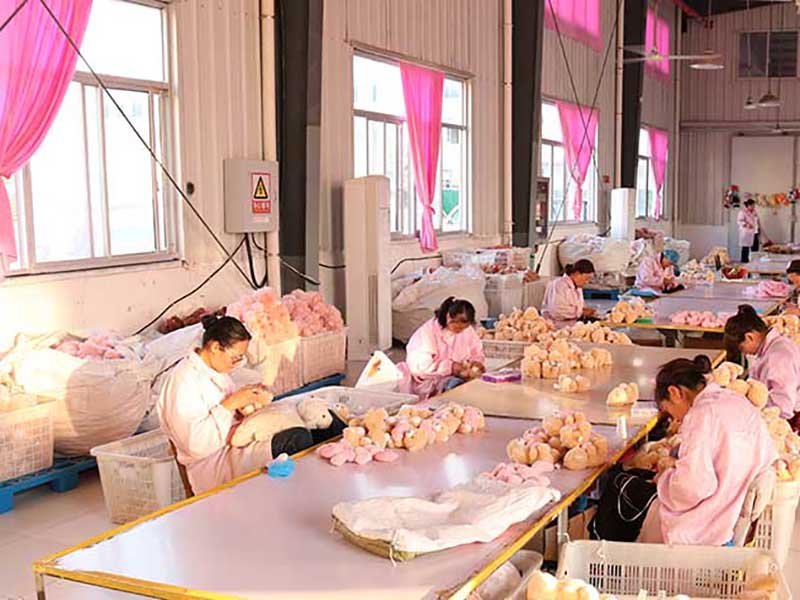
Choosing a custom plush manufacturer is not only about finding someone who can sew fabric and fill it with stuffing. For brands, retailers, IP owners, gift companies, and product teams, the manufacturer you choose will directly affect product quality, launch speed, customer reviews, safety compliance, packaging presentation, and long-term profit. A cute plush idea can easily lose its value if the face is inaccurate, the body shape is unstable, the fabric feels cheap, the sample takes too long, or bulk production fails to match the approved prototype.
A good custom plush manufacturer should have proven plush production experience, strong design support, accurate sampling ability, flexible MOQ, safe material options, clear quality control, reliable lead time, and the capacity to support private label, OEM, or ODM projects. The right partner helps turn drawings, samples, or technical files into soft, safe, consistent, market-ready plush products.
Many customers start with one simple goal: “I want to make my own plush toy.” But once the project begins, they quickly discover that every detail matters. A 2 cm change in eye position can alter the whole expression. A wrong fabric choice can reduce the premium feel. Weak stitching can damage customer trust. Poor communication can delay a launch window. That is why choosing a manufacturer should be treated as a product decision, not just a purchasing decision.
What Should You Look for in a Custom Plush Manufacturer?

A reliable custom plush manufacturer should offer more than production. The factory should understand product development, plush structure, fabric behavior, sample improvement, safety requirements, private label needs, packaging, and bulk consistency. Before choosing a supplier, check whether the manufacturer can support your product from idea to finished shipment, not only quote a low unit price.
What Experience Does the Factory Have?
Experience is one of the first things to evaluate because plush manufacturing has many hidden details. A factory with real plush experience understands how pattern shape affects the final body, how fabric pile direction changes appearance, how embroidery density affects facial expression, how stuffing quantity influences softness, and how seam strength affects durability after repeated handling.
For simple promotional plush, basic sewing capability may be enough. For character plush, baby plush, mascot plush, weighted plush, holiday plush, plush pillows, or IP-related plush products, the factory needs stronger technical judgment. The product must not only look cute; it must keep its shape, feel comfortable, pass inspection, and match the approved sample during bulk production.
Delsney has more than 18 years of experience in plush product R&D, design, pattern making, manufacturing, and sales. This matters for customers who need a manufacturer that can manage the full development process instead of only producing based on limited instructions.
When checking factory experience, focus on practical evidence.
| Evaluation Point | What to Check | Why It Matters |
|---|---|---|
| Years in plush manufacturing | Ask how long the factory has produced custom plush products | Longer experience usually means fewer basic mistakes |
| Product development ability | Check whether the factory can support design, pattern, sampling, and revisions | Custom plush requires more than sewing |
| Team structure | Ask whether they have designers, engineers, sample makers, and QC staff | Different teams control different project risks |
| Export experience | Ask which markets they supply | Helps with safety standards, labeling, packaging, and documentation |
| Repeat order ability | Ask whether they can support long-term production | Important for growing product lines and seasonal launches |
A strong manufacturer should be able to explain how it solves shape problems, fabric issues, embroidery errors, sample revisions, packaging deformation, and bulk consistency. If a supplier only talks about low price but cannot explain production details, it may not be suitable for serious custom plush projects.
Which Plush Products Can They Make?
The product range shows how flexible and capable a manufacturer is. A factory that has worked with many plush categories is usually better at solving design and production challenges. Different plush styles require different pattern logic, material choices, stuffing methods, sewing techniques, safety decisions, and inspection points.
Delsney can customize a wide range of plush products, including animal plush toys, baby plush toys, character plush dolls, mascot plush, emotional support plush, weighted plush toys, kids plush toys, interactive plush toys, blind box plush toys, pet plush toys, holiday plush toys, plush keychains, plush pillows, sustainable plush toys, licensed-style plush, and private label plush products.
Each category has its own production focus.
| Plush Product Type | Key Manufacturing Focus | Common Customer Concern |
|---|---|---|
| Animal plush toys | Body shape, fur texture, facial cuteness | Whether the plush looks attractive and soft |
| Baby plush toys | Soft fabric, safe structure, no sharp or loose parts | Whether the product is safe for young users |
| Character plush dolls | Face accuracy, body proportion, color matching | Whether the product matches the original design |
| Mascot plush | Brand recognition, stable posture, embroidery details | Whether the mascot image is clear and memorable |
| Weighted plush toys | Filling balance, comfort, sewing strength | Whether the weight feels safe and even |
| Plush keychains | Small-size detail control, loop strength | Whether the product is durable for daily use |
| Plush pillows | Softness, recovery, size stability | Whether the product is comfortable and keeps shape |
| Holiday plush toys | Seasonal design, packaging, delivery timing | Whether production can meet launch dates |
| Blind box plush toys | Size consistency, style series control, packaging | Whether each style looks consistent in a collection |
| IP plush products | High design match, privacy protection, detail control | Whether the design is accurately reproduced |
For customers planning only one product, range may not seem important at first. But many successful plush projects expand into collections. A brand may start with one mascot plush, then develop mini plush keychains, plush pillows, seasonal versions, gift box sets, or retail display items. Choosing a manufacturer with a broader product range makes future development easier.
A good manufacturer should also know when to guide the customer away from risky design choices. For example, very thin limbs may not hold shape well. Tiny plastic accessories may create safety concerns. Long fur may hide embroidery details. Oversized heads may need internal structure changes to sit properly. A capable factory does not simply say “yes” to every request; it helps adjust the product so it can be manufactured well.
How Strong Is Their Design Team?
A custom plush product often starts from an idea, not a perfect technical file. Some customers provide a simple sketch. Some provide a mascot logo. Some provide only a front-view illustration. Some send an existing plush sample and ask for improvement. Some have a full technical file but still need structure advice. In all cases, the manufacturer’s design team plays a major role.
A strong design team can translate customer ideas into workable plush production details. This includes body proportion, fabric direction, seam placement, embroidery layout, color blocking, accessory position, filling structure, and packaging influence. Without this support, the sample maker may rely on guesswork, causing repeated revisions and wasted time.
Delsney provides free design support, three-view design, and 3D effect presentation for custom plush projects. This is useful because plush products are three-dimensional. A front-view picture cannot fully show head depth, side profile, back details, tail position, ear angle, body thickness, or sitting posture.
Customers should check whether the manufacturer can support different design inputs.
| Customer Input | What the Design Team Should Do |
|---|---|
| Simple sketch | Convert the idea into a plush-friendly structure |
| Front-view artwork | Create side and back details for better sampling |
| Technical file | Review size, material, embroidery, and structure feasibility |
| Physical sample | Improve shape, fabric, softness, and construction |
| Brand mascot | Preserve recognition while adapting it for plush production |
| Logo or label | Suggest embroidery, woven labels, hang tags, or packaging options |
A weak design team may only copy the drawing without understanding plush structure. This often creates problems. The head may look flat, the limbs may twist, the face may lose expression, or the product may not sit properly. A strong design team can keep the original character feeling while adjusting construction for real production.
For high-standard brand projects, design support is not an extra service; it is part of quality control. Good design decisions made before sampling can reduce cost, shorten sample time, improve appearance, and help bulk production match the approved prototype.
Do They Support OEM and ODM?
OEM and ODM support is important for customers who want custom plush products with their own brand identity. A manufacturer that only sells existing plush styles may not be enough for brands, retailers, IP projects, corporate gift programs, or product teams that need original development, private label packaging, or repeat production.
OEM usually means the customer provides the design, technical file, sample, or product direction, and the factory produces according to the required specifications. ODM usually involves deeper factory-side support, including design improvement, material suggestions, structure adjustment, product development, and packaging ideas.
Delsney provides end-to-end OEM/ODM custom plush services, including technical file sampling, artwork-based sampling, sample-based development, free sampling, free design, private label production, logo customization, and packaging support. This service model is valuable for customers who want a complete product solution rather than fragmented production steps.
OEM/ODM support may include the following areas.
| Custom Area | Available Options |
|---|---|
| Product design | Drawing review, three-view design, 3D effect, pattern development |
| Logo application | Embroidery, woven label, printed label, leather patch, rubber patch |
| Labels | Wash label, care label, warning label, size label, brand label |
| Packaging | OPP bag, PE bag, drawstring bag, gift box, retail box, vacuum packaging |
| Product series | Multiple sizes, colors, characters, themes, or seasonal versions |
| Retail support | Barcode label, hang tag, carton mark, display packaging |
| Quality documents | Sample approval sheet, inspection checklist, production record |
| Brand privacy | Design confidentiality and project communication control |
For customers building their own plush product line, OEM/ODM capability saves time. Instead of working with separate design studios, sample rooms, packaging vendors, and production suppliers, the customer can work with one factory team that manages the process from concept to finished goods.
A good OEM/ODM plush manufacturer should also understand that private label products need consistency. The logo must stay in the same position. The fabric must remain stable across orders. The packaging must match the brand image. The bulk product must match the approved sample. These details influence customer reviews, retail trust, and long-term reorder value.
Are They Suitable for Brand Projects?
Not every plush supplier is suitable for brand-level projects. Some suppliers focus only on very cheap promotional items. Some handle small handmade-style orders. Some mainly trade ready-made plush products. Some factories can produce large volume but lack strong design support. A brand project needs a better balance: creative development, sampling accuracy, quality control, compliance awareness, packaging, communication, and production stability.
A brand project usually has higher expectations.
| Brand Requirement | Why It Matters |
|---|---|
| Accurate appearance | Protects mascot, character, or product identity |
| Soft and safe materials | Improves customer satisfaction and market acceptance |
| Stable sample process | Reduces launch delays |
| Flexible MOQ | Helps test new products without excessive inventory pressure |
| Bulk consistency | Ensures products match the approved sample |
| Custom packaging | Supports retail, gifting, and online sales |
| Safety compliance | Supports access to Europe, the United States, and other markets |
| Confidential communication | Protects private designs and unreleased products |
Delsney is suitable for overseas medium-to-large customers and high-end brand clients that need custom, private label, OEM, or ODM plush products with their own logo. The company offers flexible MOQ, 5–7 day fast sampling for regular plush toys, three-view design, 3D effect support, free design, free sampling, and finished product matching up to 98% with the design draft.
Brand-level projects also need clear communication. A good manufacturer should confirm product size, fabric, color, embroidery, stuffing, accessories, packaging, safety requirements, and delivery schedule before production. Rushing into bulk production without detailed confirmation often leads to costly mistakes.
Customers should consider the manufacturer’s fit based on project type.
| Project Type | Better Manufacturer Fit |
|---|---|
| First custom plush idea | Factory with design and sample support |
| Online store plush product | Factory with flexible MOQ and packaging options |
| Retail plush collection | Factory with QC systems and repeat order ability |
| IP or character plush | Factory with strong design matching and privacy support |
| Baby or children’s plush | Factory with safety compliance knowledge |
| Seasonal launch | Factory with stable lead time and production planning |
| Premium private label plush | Factory with OEM/ODM experience and strong finishing details |
A custom plush manufacturer should feel like a product development partner, not only a supplier. The right factory helps customers ask better questions, avoid risky choices, improve the design, control cost, and prepare the product for real customers.
How Do You Check Sampling Ability?
Sampling ability is one of the clearest ways to judge whether a custom plush manufacturer can truly handle your project. A good sample does more than show shape. It confirms fabric touch, product size, embroidery quality, color accuracy, stuffing balance, sewing strength, accessory position, and overall design matching. Before bulk production begins, the sample should help customers see whether the factory understands both the creative idea and the manufacturing requirements.
Can They Make Samples From Drawings?
Many custom plush projects begin with a drawing, mascot image, logo character, digital illustration, or rough product idea. A professional plush manufacturer should be able to convert visual references into a real plush structure, even when the customer does not have a complete technical file.
A drawing is flat, while a plush toy has depth, softness, seams, filling, fabric stretch, and weight balance. For example, a character with a large head, small arms, rounded cheeks, and a gentle smile may look simple on paper. In production, the factory must decide head depth, face width, ear angle, seam position, embroidery scale, stuffing volume, and body support. If these details are not handled correctly, the finished plush may look flat, distorted, unstable, or very different from the original design.
A capable manufacturer should review the drawing before sampling and explain which details can be kept, which details need adjustment, and which parts may create production risk. Very thin legs may need to be widened slightly. Tiny face details may need embroidery instead of printing. Long tails may need stronger seams. Oversized heads may need adjusted body proportions so the plush can sit or stand properly.
Delsney supports artwork-based sampling and can help customers develop plush products from drawings, reference images, mascot files, and concept designs. This is especially useful for new character plush, retail soft toys, private label stuffed animals, and custom mascot products.
| Customer File Type | What the Factory Should Do | Risk If Not Handled Well |
|---|---|---|
| Hand sketch | Convert the idea into a plush-friendly structure | Shape may look far from the concept |
| Digital artwork | Match color, proportion, and expression | Face and body may lose recognition |
| Mascot logo | Add depth, side profile, and body structure | Product may look flat or unfinished |
| Front-view image | Create side and back details | Sample room may rely on guesswork |
| Rough idea | Suggest size, fabric, structure, and process | Project direction may remain unclear |
| Existing product photo | Interpret shape, fabric, and proportion | Sample may miss hidden structure details |
For customers, the first sample should not only look similar. It should prove that the manufacturer understands the product direction and has the ability to improve it through professional revision.
Can They Follow Tech Packs?
A technical file gives the manufacturer a clearer production roadmap. It may include product size, fabric type, Pantone color, embroidery artwork, logo placement, filling requirement, accessory details, label information, packaging method, carton information, and target safety standards. For professional custom plush projects, a clear tech pack can reduce misunderstandings and shorten the sample revision cycle.
However, simply receiving a tech pack is not enough. A reliable manufacturer should review the file carefully and identify practical production risks before sample making begins. If the customer requests long-pile faux fur with small embroidered facial details, the factory should explain that the fur may cover the embroidery. If a baby plush design includes small plastic parts, the factory should suggest safer alternatives such as embroidered features. If the requested product size is too small for the number of details, the factory should recommend enlarging the product or simplifying the design.
A professional tech pack review should include these points.
| Tech Pack Section | What to Check | Why It Matters |
|---|---|---|
| Size | Height, width, depth, tolerance | Controls pattern accuracy and bulk consistency |
| Fabric | Material, pile length, weight, color | Affects look, touch, cost, and sewing difficulty |
| Embroidery | Size, thread color, position, density | Controls face accuracy and logo clarity |
| Printing | Area, method, color fastness | Affects durability and appearance |
| Accessories | Eyes, nose, ribbon, zipper, keyring, module | Affects safety, cost, and production time |
| Filling | Softness, weight, material, distribution | Affects shape, comfort, and product feel |
| Labels | Wash label, warning label, brand label | Supports retail and compliance requirements |
| Packaging | Bag, box, vacuum pack, carton | Affects presentation and shipping cost |
| Testing | EN71, ASTM F963, CPSIA, CE, UKCA | Supports market access and product safety |
Delsney supports sampling based on reference technical files. This is valuable for customers with established product standards, retail requirements, IP-style designs, or private label collections. A factory with real development experience should not only follow instructions; it should also help customers avoid technical mistakes before the first sample is made.
A good tech pack conversation saves time. A weak one usually creates repeated changes, unclear responsibility, and higher hidden cost.
Do They Provide Three-View Designs?
Three-view design is highly useful in custom plush development because plush products are three-dimensional. A front image alone cannot show side thickness, back details, tail position, ear angle, seam structure, body depth, clothing layers, or sitting posture. Without side and back views, the sample maker has to make assumptions. Those assumptions often lead to shape problems and repeated sample revisions.
A proper three-view design usually includes front view, side view, back view, and close-up details. For more complex products, a 3D effect can help customers understand the final look before physical sampling begins.
| View Type | Main Purpose |
|---|---|
| Front view | Face, body proportion, color blocks, main character identity |
| Side view | Head depth, nose shape, belly thickness, arm angle, posture |
| Back view | Tail, back seams, rear color blocking, label position |
| Detail view | Embroidery, accessories, logo, clothing, special structure |
| 3D effect | Overall product feeling before physical sample development |
Delsney provides three-view design and 3D effect support for custom plush projects. This helps customers review the design from multiple angles before sample making begins. It also helps pattern makers understand depth, balance, and construction more accurately.
Three-view design is especially important for products with recognizable characters or brand images.
| Product Type | Why Three-View Design Matters |
|---|---|
| Character plush | Keeps facial and body recognition accurate |
| Mascot plush | Protects brand image from all angles |
| Animal plush | Controls head shape, tail position, and posture |
| Plush dolls | Helps with clothing, hair, limbs, and body structure |
| Weighted plush | Helps plan body shape and filling zones |
| Plush keychains | Keeps small-size details clear |
| IP-style plush | Reduces approval risk and protects design accuracy |
For brand projects, three-view design also improves internal communication. Product teams, marketing teams, designers, purchasing teams, and distributors can review the same visual direction before investing in physical samples. If the product needs approval from an IP owner, retail partner, or campaign team, three-view visuals can reduce confusion.
A factory that offers three-view support is usually more involved in product development. This kind of support is valuable when customers need a polished plush product instead of a basic low-cost item.
How Fast Is the Sample Time?
Sample time affects product launch planning, retail calendars, campaign schedules, trade show preparation, crowdfunding timelines, and seasonal sales windows. A slow sample process can delay the entire project. However, customers should not judge a manufacturer only by speed. A fast sample that ignores fabric, shape, and embroidery details may create more revisions later.
Delsney offers 5–7 day fast sampling for regular plush products. For plush designs involving special accessories, complex structure, unusual materials, advanced craftsmanship, or mold development, sampling usually takes 7–15 days. This range is practical because a simple animal plush and a complex character plush should not follow the same development timeline.
| Plush Project Type | Common Sample Time | Main Sampling Focus |
|---|---|---|
| Simple animal plush | 5–7 days | Shape, softness, sewing quality |
| Basic mascot plush | 5–7 days | Face, logo, body proportion |
| Plush pillow | 5–7 days | Size, softness, recovery |
| Plush keychain | 7–10 days | Small details and loop strength |
| Character plush doll | 7–15 days | Expression, proportion, clothing details |
| Weighted plush | 7–15 days | Filling balance and comfort |
| Interactive plush | 10–15+ days | Component structure and safety |
| Molded accessory plush | 10–15+ days | Accessory development and fitting |
Customers should ask what is included during the sample stage. A complete sample process usually includes design confirmation, material matching, pattern making, fabric cutting, embroidery, sewing, stuffing, finishing, internal checking, sample photos or videos, shipment, customer feedback, and revision.
Delsney offers two free sample revisions. This is useful because most custom plush products need small changes before approval. Common revision points include eye position, mouth curve, head shape, body proportion, fabric color, stuffing firmness, arm angle, label position, or packaging method.
Sample speed should be balanced with sample quality. A well-managed 5–7 day sample can save weeks if the product is close to the design and easy to revise. A rushed sample with poor structure can create longer delays later.
Is the Sample Close to the Design?
The sample should be compared against the original design, not only judged by whether it looks cute. For custom plush products, design matching is one of the most important approval standards. If the face, body shape, fabric, color, or expression changes too much, the product may fail to represent the brand, mascot, character, or collection.
Delsney can achieve up to 98% matching between finished plush products and design drafts. This matters for character plush, mascot plush, private label plush, IP-style plush, brand merchandise, and premium gift collections. Small differences in eyes, mouth, head shape, or body proportion can change customer recognition.
When reviewing a sample, customers should evaluate details one by one.
| Sample Review Point | What to Check | Expected Result |
|---|---|---|
| Overall shape | Head, body, arms, legs, posture | Balanced and close to the design |
| Facial expression | Eye size, mouth curve, nose position | Matches the intended character feeling |
| Size | Height, width, depth | Within approved tolerance |
| Fabric | Touch, color, pile length | Matches selected material |
| Embroidery | Position, density, thread color | Clean, accurate, and consistent |
| Stuffing | Softness, firmness, balance | Even and suitable for product use |
| Sewing | Seam strength and stitch neatness | No loose threads or distortion |
| Accessories | Placement and attachment strength | Secure and visually correct |
| Label | Position, content, stitching | Matches brand requirements |
| Packaging test | Shape after packing | Recovers well after opening |
Customers should request photos from the front, side, back, top, bottom, and close-up detail angles. Videos are also useful for checking softness, recovery, posture, and hand feel. When giving revision comments, marked images are better than vague messages. Instead of saying “make the face better,” say “move both eyes 3 mm lower,” “make the mouth curve softer,” or “increase cheek volume slightly.”
A professional manufacturer should keep revision records, update the pattern, confirm the changes, and use the approved sample as the standard for bulk production.
Which Materials and Styles Can They Customize?

Material choice affects softness, durability, cost, safety, retail appearance, customer reviews, and product positioning. A reliable custom plush manufacturer should offer different fabrics, fillings, colors, textures, accessories, and product structures. More importantly, the factory should know which material fits each product purpose, rather than simply offering the cheapest available option.
What Plush Fabrics Are Available?
Fabric is one of the first things customers notice when touching a plush product. It affects comfort, perceived value, photo appearance, embroidery clarity, and long-term customer satisfaction. The wrong fabric can make a good design look cheap. The right fabric can make a simple design feel premium.
Delsney can customize plush products using many fabric types, including minky, velboa, faux fur, sherpa, fleece, flannel, polyester plush, microfiber plush, and other plush materials. Each fabric has its own strengths, cost range, and production considerations.
| Fabric Type | Best Product Use | Main Advantage | Possible Limitation |
|---|---|---|---|
| Minky | Baby plush, premium plush, comfort toys | Very soft and smooth | May cost more than basic plush |
| Velboa | Animal plush, printed plush, promotional plush | Short pile and clean surface | Less fluffy than long-pile plush |
| Faux fur | Realistic animals, luxury plush, character hair | Rich texture and premium look | May hide small embroidery |
| Sherpa | Cozy plush, winter themes, lifestyle products | Warm and fluffy texture | Less suitable for fine facial details |
| Fleece | Pillows, simple plush, soft gifts | Comfortable and cost-friendly | Less premium than minky |
| Flannel | Dolls, comfort plush, baby-style products | Gentle and smooth | Needs careful color matching |
| Polyester plush | General stuffed toys | Stable, durable, widely available | Quality varies by grade |
| Microfiber plush | Premium soft plush, high-touch products | Fine texture and clean finish | Requires higher material standard |
When choosing fabric, customers should consider several practical factors.
| Selection Factor | Why It Matters |
|---|---|
| Target user age | Baby plush and children’s plush need safer, softer choices |
| Retail price level | Premium products usually need better hand feel |
| Product size | Large plush consumes more fabric and affects cost |
| Embroidery detail | Shorter pile fabric gives clearer embroidery |
| Required softness | Comfort products need better touch |
| Photo appearance | Online selling depends heavily on visual texture |
| Safety needs | Material should fit target market requirements |
| Washing and care | Some products need better durability |
| Packaging method | Vacuum packing may affect long-pile plush recovery |
| Project budget | Fabric choice is one of the largest cost factors |
For example, minky may work well for baby plush and emotional support plush because softness is a major selling point. Faux fur may work better for realistic animal plush, but it may not be suitable for small embroidered faces. Velboa may be useful for printed designs because the short pile creates a cleaner surface.
A professional factory should help customers compare fabric swatches before sampling. Fabric selection should happen early because it affects pattern making, embroidery, sewing, stuffing, packaging, and cost.
Which Fillings Can They Offer?
Filling controls how the plush feels in the hand, how it holds shape, how it recovers after compression, and how comfortable it is during use. Many customers focus on outer fabric, but filling quality is just as important.
Common filling options include PP cotton, polyester fiber, recycled polyester filling, foam inserts, weighted beads, and mixed filling structures. The right choice depends on product type, size, hand feel, safety requirement, and market position.
| Product Type | Filling Goal | Recommended Direction |
|---|---|---|
| Baby plush | Soft, light, safe | Fine PP cotton or soft polyester fiber |
| Plush pillow | Comfortable and springy | High-recovery fiber filling |
| Mascot plush | Holds body shape | Balanced fiber with firmer stuffing zones |
| Weighted plush | Comfort pressure | Weighted beads with soft outer filling |
| Plush keychain | Keeps small shape stable | Firmer compact filling |
| Display plush | Maintains appearance | Structured filling and balanced stuffing |
| Emotional support plush | Hugging comfort | Soft, full, even filling |
Stuffing amount also matters. Too little filling makes the plush look wrinkled, weak, or low-value. Too much filling can distort the shape, stretch seams, make the product feel hard, or affect packaging. For a sitting animal plush, the bottom may need firmer stuffing. For a hugging plush, the body may need softer filling. For weighted plush, the inner weighted area must be secure and evenly placed.
Customers should ask whether the factory checks stuffing weight or relies only on worker judgment. For bulk production, consistent filling is important because customers expect every piece to feel similar. A small plush may show noticeable differences with only 10–20 grams of filling variation. Larger plush products need reasonable weight ranges based on size and shape.
Packaging also affects filling. Vacuum packing can reduce shipping volume, but the plush must recover after opening. A good manufacturer should test recovery before recommending vacuum packaging for premium or shaped plush products.
Can They Match Colors and Textures?
Color matching is one of the most common challenges in custom plush production. A color that looks perfect on a screen may appear different on fabric. Lighting, fabric pile direction, dye lot, camera settings, and display screens can all change how the color is perceived. For branded characters, mascot plush, and product collections, color accuracy is very important.
A professional manufacturer should use clear color confirmation methods.
| Color Control Method | Purpose |
|---|---|
| Pantone reference | Creates a shared color target |
| Fabric swatch | Shows real material color and texture |
| Lab dip | Confirms dyed fabric before bulk production |
| Natural-light sample photo | Helps remote review |
| Bulk fabric approval | Reduces color shift before cutting |
| Production batch record | Helps repeat orders stay consistent |
Texture matching also affects final appearance. A short-pile fabric gives clearer lines and sharper embroidery. A long-pile fabric gives a fluffy, rich look but may hide small details. A curly fabric can create a playful effect. A smooth fabric gives a cleaner retail appearance.
Customers should not only ask whether the factory can match color. They should ask how the factory confirms color before bulk cutting. A small swatch approval can prevent thousands of wrong-color products.
For product collections, consistency matters even more. If a brand launches multiple characters in the same series, fabric quality, pile length, stuffing feel, and color tone should feel consistent across the full collection. A strong manufacturer should keep material records carefully so repeat orders remain close to the approved standard.
Delsney’s material customization and product development support help customers compare colors, textures, and fabric grades during the sample stage. This reduces surprises when moving from sample to bulk production.
Are Accessories Safely Applied?
Accessories can make a plush product more attractive, but they also create safety and durability challenges. Plastic eyes, noses, buttons, ribbons, bells, zippers, keyrings, magnets, sound modules, light modules, clothing, hats, bows, and molded parts must be designed and attached carefully.
For products aimed at children, accessory safety becomes especially important. Small parts can create choking risks if they detach. Hard parts can scratch users. Weak stitching can loosen during play. For baby plush or young children’s plush, embroidered eyes and noses are often safer than plastic parts.
Common accessory risks include the following.
| Accessory Type | Risk to Check | Safer Production Control |
|---|---|---|
| Plastic eyes | Detachment risk | Pull test and secure washer |
| Buttons | Small part risk | Avoid for young children or reinforce |
| Ribbons | Loosening or fraying | Strong stitching and safe length |
| Keyrings | Metal strength and sharp edge | Smooth finish and pull strength test |
| Zippers | Scratching or weak slider | Choose safer zipper type |
| Bells | Small internal part risk | Secure inner pocket |
| Sound module | Battery and wiring concern | Structure review and safety planning |
| Magnets | Swallowing risk | Strict application control |
| Clothing | Loose trims or threads | Reinforced sewing |
A good custom plush manufacturer should review accessories according to the target age group and target market. If the product is intended for children, safer alternatives may be needed. Embroidery, fabric applique, heat transfer, or soft fabric details can sometimes replace hard accessories.
Customers should ask whether the factory performs pull testing, checks stitching strength, and inspects accessory placement during production. For bulk orders, accessory control should not be checked only at the end. It should be controlled during assembly, sewing, and final inspection.
Delsney supports custom accessories as part of OEM/ODM plush production, while also helping customers consider safety, appearance, cost, and production feasibility. For brand projects, accessory decisions should be made early because they may affect sample time, testing, packaging, and final price.
Can They Develop Complex Shapes?
Complex plush products require stronger pattern engineering, better sampling, and stricter bulk control. A simple round plush may need fewer pattern pieces, while a character plush with clothing, ears, tail, hair, shoes, wings, horns, or multiple fabrics may involve many small parts. More parts mean more sewing steps, more tolerance control, and more chances for variation.
Complex shapes often include large heads with small bodies, long ears or tails, thin arms or legs, sitting or standing posture, special facial expression, multi-color body sections, clothing, removable outfits, wings, horns, fins, paws, claws, embroidered logos, mixed fabric textures, weighted areas, or shaped inner structures.
A professional manufacturer should know how to simplify structure without losing the original design feeling. A very thin arm may be widened slightly to improve sewing strength. A long ear may need adjusted stuffing to avoid folding. A standing plush may need weight balance at the base. A plush with an oversized head may require body adjustment to sit properly.
| Complex Design Challenge | Factory Solution |
|---|---|
| Oversized head | Adjust body support and stuffing balance |
| Thin limbs | Widen pattern slightly or reinforce seams |
| Small facial details | Use embroidery or applique |
| Long fur with face details | Trim pile or choose shorter fabric on face |
| Sitting posture | Balance bottom shape and stuffing |
| Multi-fabric body | Control fabric stretch and seam alignment |
| Clothing details | Use simplified sewing-friendly construction |
| Character expression | Refine embroidery position and curve |
Delsney’s three-view design, 3D effect support, pattern making, sample revision, and high design matching capability are especially useful for complex plush projects. For customers creating mascot plush, character plush, licensed-style plush, or premium private label products, complex shape development should never be treated as ordinary sewing work.
The real question is not only whether the factory says it can make the design. The stronger question is whether the factory can make the design well, repeat it in bulk, and keep every piece close to the approved sample.
How Do You Judge Quality Control?
Quality control should not begin when the finished plush toys are already packed in cartons. It should start from fabric approval and continue through cutting, embroidery, sewing, stuffing, finishing, labeling, packaging, and final shipment review. A reliable custom plush manufacturer should use the approved sample as the production standard and check every important detail before defects become expensive.
Is Fabric Inspected Before Cutting?
Fabric inspection is one of the first quality control steps in plush manufacturing. Once fabric is cut, problems such as color variation, pile direction errors, surface stains, holes, uneven texture, or wrong material weight become harder to fix. For custom plush products, fabric is not only a material cost; it directly affects appearance, softness, brand value, and customer reviews.
For plush fabric, pile direction is especially important. If the same plush toy uses fabric pieces cut in different pile directions, the finished product may show uneven shading. One arm may look darker than the other. The face may reflect light differently from the body. Long-pile fabric may look messy if the cutting direction is not controlled. These problems can make a product look low quality even when sewing is technically acceptable.
A professional manufacturer should compare bulk fabric with the approved sample before cutting begins. The factory should check fabric color, texture, thickness, pile length, weight, stretch, surface cleanliness, and batch consistency. If the bulk fabric differs from the sample fabric, the customer should be informed before production continues.
| Fabric Checkpoint | What It Controls | Risk If Ignored |
|---|---|---|
| Color consistency | Same shade across fabric rolls | Visible color variation |
| Pile direction | Same visual direction after sewing | Uneven surface appearance |
| Fabric weight | Correct thickness and hand feel | Product feels cheap or unstable |
| Surface defects | Stains, holes, lines, dye marks | Customer complaints |
| Stretch behavior | Shape stability after sewing | Distorted body shape |
| Pile length | Correct texture and visual effect | Different look from approved sample |
| Batch consistency | Same feel across production | Mixed-quality finished goods |
Customers should ask whether the factory inspects fabric before cutting and whether fabric rolls are recorded by batch. For repeat orders, material records become very important. A brand that sells the same plush collection for several seasons will expect the second and third production runs to feel close to the first approved batch.
Delsney’s production approach should be understood as a controlled process. With plush products, quality is created step by step. Fabric inspection is the first layer of protection that helps bulk production stay close to the approved sample.
Are Embroidery Details Checked?
Embroidery often defines the personality of a plush product. Eyes, eyebrows, mouth, nose, cheeks, logos, paw pads, clothing lines, and small decorations can completely change the final expression. For character plush and mascot plush, even a slight shift in embroidery position may make the product look different from the original design.
A good factory should inspect embroidery before the embroidered pieces are sewn into the plush body. Once the fabric panels are assembled, correcting embroidery mistakes becomes much more difficult. If hundreds or thousands of face panels are embroidered incorrectly, the loss can be significant.
Embroidery inspection should include position, thread color, stitch density, shape accuracy, symmetry, edge cleanliness, thread tension, and fabric distortion. If the embroidery is too dense, the fabric may pucker. If it is too loose, the face may look weak or unfinished. If the backing material is too stiff, the face area may lose softness.
| Embroidery Detail | What to Check | Why It Matters |
|---|---|---|
| Eye position | Height, spacing, angle | Controls facial expression |
| Mouth curve | Shape and placement | Affects character emotion |
| Nose size | Proportion and symmetry | Changes face recognition |
| Thread color | Match with artwork or approved sample | Protects brand accuracy |
| Stitch density | Clean but not too stiff | Prevents puckering |
| Logo clarity | Readable and centered | Supports private label quality |
| Backing material | Softness and stability | Prevents hard face areas |
| Symmetry | Left and right balance | Improves visual quality |
Customers should request close-up photos or short videos of embroidery during sample and pre-production stages. For important projects, embroidery panels should be approved before mass sewing begins. This is especially important for plush products with human faces, animal expressions, mascot identities, or brand logos.
Delsney’s ability to match finished plush products closely with design drafts depends heavily on details such as embroidery control. For customers creating private label plush, mascot plush, or IP-style plush products, embroidery should be treated as a core quality checkpoint, not a decorative step.
How Is Sewing Strength Tested?
Sewing strength affects durability, safety, appearance, and customer satisfaction. Plush products are hugged, squeezed, pulled, packed, shipped, displayed, and sometimes washed. Weak seams may open during use, causing stuffing leakage, shape collapse, or safety concerns. For plush keychains, baby plush, pet plush, and children’s toys, seam strength is especially important.
A professional manufacturer should control stitch length, seam allowance, thread strength, curved sewing accuracy, reinforcement points, and closing seams. Stress areas need extra attention because they are more likely to be pulled during use. These areas often include arms, legs, ears, tails, wings, neck seams, keychain loops, clothing parts, and accessory attachment points.
Sewing quality is not only about neat appearance. A seam may look clean in a photo but still be weak if stitch tension is poor or seam allowance is too narrow. A good factory checks sewing during production instead of waiting until final inspection.
| Sewing Area | Common Risk | Quality Control Method |
|---|---|---|
| Arms and legs | Seam opening when pulled | Reinforced stitching |
| Ears and tail | Loose attachment | Extra seam strength check |
| Neck area | Shape distortion or weak seam | Balanced sewing and stuffing |
| Keychain loop | Detachment during use | Pull strength test |
| Curved seams | Wrinkles or uneven shape | Skilled sewing and trimming |
| Closing seam | Visible or weak closure | Clean finishing inspection |
| Clothing details | Loose threads or crooked sewing | Detail inspection |
| Mixed fabrics | Uneven stretch | Controlled sewing speed |
Customers should ask whether the manufacturer performs in-line inspection during sewing. In-line inspection helps catch repeated problems early. If a seam method is wrong, the factory can correct it before the whole order is completed.
Delsney’s manufacturing experience and quality control team are important for maintaining sewing consistency from the first approved sample to bulk production. For customers placing larger orders, sewing strength is one of the details that protects the product from returns, negative reviews, and complaints.
Do They Inspect Stuffing Balance?
Stuffing balance determines whether a plush product feels soft, full, comfortable, and correctly shaped. Two plush toys can use the same fabric and pattern but feel completely different if the filling amount or filling distribution is not controlled well.
Too little stuffing can make the product look flat, wrinkled, or low value. Too much stuffing can make the product too hard, distort the shape, stretch seams, or reduce comfort. Uneven stuffing can make one arm thicker than the other, make the head lean to one side, or cause the body to feel lumpy.
Different plush products need different stuffing strategies. A plush pillow should feel comfortable and recover well after compression. A mascot plush may need stronger shape support. A baby plush should be soft and lightweight. A weighted plush needs safe and balanced filling zones. A plush keychain needs firmer stuffing so the small shape remains clear.
| Product Type | Stuffing Focus | Quality Risk |
|---|---|---|
| Baby plush | Soft, light, gentle hand feel | Too firm or uneven |
| Plush pillow | Comfort and recovery | Flat shape after use |
| Mascot plush | Shape support and posture | Weak body structure |
| Weighted plush | Even pressure distribution | Hard spots or shifting weight |
| Plush keychain | Small shape stability | Deformed small details |
| Character plush | Face and body proportion | Expression changes |
| Large plush | Fullness and recovery | Wrinkles and collapsed areas |
Stuffing inspection should include filling weight, softness, fullness, symmetry, head support, body balance, and recovery after packing. For larger plush toys, filling distribution should be checked by hand and by visual inspection. For weighted plush, the inner weighted structure should be secure and should not shift loosely inside the body.
Customers should review the sample physically whenever possible. Photos can show shape, but they cannot fully show softness, firmness, and hugging feel. If physical review is not possible immediately, the factory should provide videos showing squeezing, recovery, posture, and shape from several angles.
Delsney supports different plush categories, including weighted plush toys, plush pillows, mascot plush, and character plush. Each category needs a different stuffing standard. A professional plush manufacturer should not use the same filling method for every product.
Is Final Inspection Documented?
Final inspection is the last major checkpoint before shipment. It confirms whether finished goods match the approved sample and meet the required quality level. For custom plush products, final inspection should not be casual. It should follow clear standards and produce records that customers can review when needed.
A reliable final inspection should cover size, shape, fabric, embroidery, sewing, stuffing, accessories, labels, packaging, carton quantity, cleanliness, and sample matching. The approved sample should be available during inspection so inspectors can compare bulk production directly against the final standard.
| Final Inspection Area | What to Review |
|---|---|
| Product size | Height, width, depth, tolerance |
| Appearance | Shape, symmetry, face, posture |
| Fabric | Correct material, clean surface, no stains |
| Embroidery | Position, color, density, clarity |
| Sewing | No open seams, skipped stitches, or loose threads |
| Stuffing | Fullness, softness, balance |
| Accessories | Correct placement and secure attachment |
| Labels | Correct content, position, and stitching |
| Packaging | Correct bag, box, tag, barcode, carton mark |
| Carton details | Quantity, weight, shipping mark |
| Cleanliness | No dust, loose thread, or foreign objects |
| Sample match | Bulk goods follow approved sample |
Documentation creates accountability. For larger orders, customers may request inspection photos, defect records, AQL inspection reports, carton photos, or third-party inspection support. These records are especially useful for overseas customers who cannot visit the factory before shipment.
Delsney’s 100% quality assurance is stronger when connected with clear inspection steps. For customers, the most important point is not only whether the factory says it checks quality. The factory should be able to show what is checked, when it is checked, and how problems are corrected.
What Compliance Should a Plush Manufacturer Meet?

Plush products, especially those intended for children, need safety planning from the first design stage. A good custom plush manufacturer should understand material safety, small parts risk, stitching strength, labeling, age grading, chemical restrictions, and market standards. Compliance should be discussed before sampling, not after bulk production has already been finished.
Are Products Safe for Children?
Children’s plush products need careful design because young users may bite, pull, hug, sleep with, throw, or chew the toy. Safety is not only about passing a test at the end. It starts with the product structure, materials, accessories, stitching, filling, and labeling.
For baby plush or toddler plush, embroidered eyes are often safer than plastic eyes. Long ribbons, loose buttons, bells, magnets, small hard parts, sharp plastic edges, and weak accessory attachments should be avoided or carefully controlled. The younger the target user, the simpler and safer the construction should be.
| Safety Area | What to Check | Safer Direction |
|---|---|---|
| Small parts | Eyes, buttons, bells, beads | Use embroidery or secure attachment |
| Sharp points | Metal parts, zipper pulls, plastic edges | Use soft or rounded components |
| Pull strength | Eyes, ribbons, loops, accessories | Reinforce and test attachment |
| Seam strength | Body seams and stress points | Use strong stitching |
| Filling safety | Clean filling material | Use suitable fiber or approved filling |
| Fabric safety | Skin contact and dye safety | Select safe plush fabrics |
| Embroidery backing | Rough or hard backing | Use suitable backing material |
| Age suitability | Baby, toddler, child, adult | Design according to target age |
| Labeling | Warning and care information | Prepare market-appropriate labels |
| Packaging | Suffocation or damage risk | Use safe packaging format |
A manufacturer should ask where the plush product will be sold and who will use it. A plush pillow for adults, a pet plush, a baby comfort toy, and a retail character plush may require different safety decisions.
Delsney supports plush products for overseas customers and can help plan product structure, material selection, and accessory application according to project needs. For products sold in children’s channels, safety should be built into the design from the beginning.
Do They Support EU Standards?
For plush products sold in European markets, customers usually need to consider EN71-related testing, CE marking, labeling, chemical restrictions, and safe construction. A manufacturer serving Europe should understand how design and material choices affect compliance preparation.
European plush projects often need attention to mechanical safety, flammability, migration of certain elements, chemical restrictions, importer information, warning labels, care labels, and packaging safety. These requirements can influence fabric, filling, printing ink, plastic parts, metal parts, labels, and packaging.
| EU Compliance Area | Product Impact |
|---|---|
| EN71-1 | Mechanical and physical safety |
| EN71-2 | Flammability considerations |
| EN71-3 | Migration of certain elements |
| CE marking | Shows product safety compliance direction |
| REACH awareness | Controls chemical-related risk |
| Age warning | Helps communicate safe use |
| Importer information | Supports market entry |
| Care label | Helps customer use and maintenance |
| Packaging warnings | Reduces packaging-related risk |
Customers should not wait until after bulk production to discuss EU requirements. If a certain accessory, coating, fabric, or print method creates risk, changing it later may delay shipment and increase cost.
A good manufacturer should help customers review safety from the sample stage. For example, if a product is designed for young children, embroidered facial features may be safer than plastic eyes. If a product uses printed fabric, the printing method and ink should be considered early. If a product has a custom box, warning labels and age information should be planned before packaging printing.
Delsney can support custom plush projects for European customers and help prepare products with compliance awareness, suitable materials, safer structure, and proper labeling direction.
Do They Support US Standards?
For plush products sold in the United States, customers often need to plan around ASTM F963, CPSIA, small parts concerns, lead content, phthalates, tracking labels, and age grading. A manufacturer with U.S. project experience should understand that attractive appearance alone is not enough.
U.S.-oriented plush products may need careful review of fabric, filling, plastic parts, metal parts, labels, packaging, and warning statements. If the plush product is designed for children, safety expectations are stricter. The manufacturer should help customers avoid risky details before sampling and before bulk production.
| US Requirement Area | Why It Matters |
|---|---|
| ASTM F963 | Common toy safety standard for children’s toys |
| CPSIA | Covers children’s product safety requirements |
| Small parts | Important for products used by young children |
| Lead content | Relevant to certain materials and components |
| Phthalates | Important for some plasticized parts |
| Tracking label | Helps identify production batch |
| Warning labels | Needed for certain age groups or product risks |
| Third-party testing | Often needed for children’s products |
| Packaging information | Supports retail and marketplace review |
Customers selling through Amazon, retail chains, distributors, children’s stores, gift shops, or school programs should confirm U.S. compliance needs early. If the product requires testing, sample units and material details should be prepared before shipment planning.
A good manufacturer should not promise compliance carelessly. It should help customers choose safer materials, reduce unnecessary small parts, prepare label information, and support third-party testing when needed.
Delsney’s overseas project experience allows customers to discuss U.S.-market plush requirements during the design and sampling stage, reducing the risk of late-stage changes.
Are Materials Non-Toxic?
Material safety covers more than outer fabric. A plush product may include filling, embroidery thread, backing material, printing ink, plastic parts, metal parts, adhesives, labels, packaging, and accessories. Any of these components can affect product safety and market acceptance.
Non-toxic material planning should be especially strict for baby plush, children’s plush, school plush, retail toys, and gift products sold through regulated channels. Customers should ask what materials are used and whether they are suitable for the target market.
| Material Component | Safety Concern |
|---|---|
| Outer fabric | Dye safety, skin contact, chemical residue |
| Filling | Cleanliness, fiber quality, contamination risk |
| Embroidery thread | Color safety and durability |
| Printing ink | Chemical content and color fastness |
| Plastic eyes or nose | Lead, phthalates, small parts |
| Metal parts | Sharp edge, corrosion, heavy metals |
| Adhesive | Odor and chemical residue |
| Labels | Skin contact and print durability |
| Packaging | Suffocation warning and material safety |
Low-cost materials may reduce the first quotation, but they can increase compliance risk, reduce product feel, and damage customer trust. For plush products, material quality directly affects how customers judge the brand.
A good manufacturer should help customers balance softness, safety, appearance, durability, and cost. A plush product for adult decoration may have different material needs from a baby comfort toy. A pet plush may need stronger fabric and stitching. A premium mascot plush may need high color accuracy and better surface texture.
Delsney can offer different fabric and material choices based on project needs, helping customers select safer and better-fitting options for their market.
Can They Prepare Test Documents?
Documentation helps customers prove that a product is ready for retail review, marketplace approval, distributor requirements, customs clearance, and internal quality control. Testing is often completed by third-party laboratories, but the manufacturer should support the process by preparing product information, sample units, material details, label files, packaging files, and production records.
Useful documents may include:
| Document Type | Purpose |
|---|---|
| Product specification sheet | Records size, material, filling, accessories |
| Approved sample record | Confirms final sample standard |
| Material list | Supports testing and compliance review |
| Label artwork | Helps with warning, care, and brand information |
| Packaging artwork | Confirms retail and safety information |
| Inspection report | Shows quality control result |
| Test sample submission details | Supports laboratory testing |
| Production batch record | Helps traceability |
| Carton details | Supports warehousing and logistics |
Customers should ask what documents the manufacturer can provide before placing the order. If a product requires retailer approval, Amazon review, distributor confirmation, or third-party testing, documents should be prepared early.
Delsney’s end-to-end OEM/ODM service supports design, sampling, manufacturing, packaging, quality control, and shipment coordination. For overseas customers, working with one experienced factory team can reduce missing information and communication gaps.
How Do MOQ, Cost, and Lead Time Affect Your Choice?

MOQ, cost, and lead time directly affect product launch strategy, inventory pressure, cash flow, and profit margin. A good custom plush manufacturer should explain MOQ clearly, show what affects price, and provide a realistic production schedule. Customers should avoid choosing only the lowest quote if the factory cannot control sampling, quality, compliance, and delivery.
What Is the MOQ for Custom Plush?
MOQ depends on fabric availability, product size, design complexity, color count, accessory requirements, packaging, and production setup. A simple plush using common fabric may have a lower MOQ than a complex character plush using custom-dyed fabric, special accessories, detailed embroidery, or multiple packaging components.
Delsney offers flexible MOQ, which is useful for brands testing new products, launching private label plush, preparing seasonal goods, or expanding into a product collection. Flexible MOQ allows customers to begin with controlled inventory while still working with a factory that can scale production later.
| MOQ Factor | Why It Matters |
|---|---|
| Fabric type | Some fabrics require minimum purchase quantities |
| Custom color | Dyeing may require higher fabric volume |
| Embroidery setup | Machine setup affects small orders |
| Printing method | Setup cost may affect minimum quantity |
| Accessories | Custom parts may require mold or batch minimum |
| Packaging | Custom boxes and tags may have print minimums |
| Product size | Large plush uses more material and storage space |
| Style count | Too many styles reduce production efficiency |
| Testing | Compliance cost may be high for very small orders |
Customers should ask whether MOQ applies per design, per color, per size, or total order. For a plush collection, 1,000 pieces across five characters is not the same as 1,000 pieces of one character. A clear MOQ discussion prevents misunderstanding before quotation.
How Is Plush Cost Calculated?
Custom plush cost is affected by material, size, labor, design complexity, embroidery, printing, accessories, filling, packaging, testing, order quantity, and shipping method. A transparent manufacturer should explain why price changes when product details change.
| Cost Factor | Price Impact |
|---|---|
| Product size | Larger plush uses more fabric and filling |
| Fabric grade | Premium fabrics cost more than basic plush |
| Pattern pieces | More pieces increase cutting and sewing time |
| Embroidery area | More stitches increase machine time |
| Printing | Adds setup and processing cost |
| Accessories | Keyrings, molded parts, modules, or clothing add cost |
| Filling weight | Heavier or special filling increases cost |
| Packaging | Gift boxes cost more than simple bags |
| MOQ | Larger orders usually reduce unit cost |
| Testing | Laboratory testing adds project cost |
| Shipping | Air freight costs more than sea freight |
Customers should be cautious when one quote is much lower than others. A very low price may mean thinner fabric, less filling, weaker sewing, no compliance planning, poor packaging, or hidden charges.
A good manufacturer should help customers reduce cost in smarter ways.
| Cost Concern | Better Adjustment |
|---|---|
| Fabric cost too high | Compare similar-touch alternatives |
| Embroidery too expensive | Simplify stitch area without losing expression |
| Packaging cost too high | Use hang tag instead of full gift box |
| Accessory cost too high | Replace molded part with embroidery or applique |
| Shipping cost too high | Test safe compression or vacuum packaging |
| MOQ too high | Start with fewer colors, sizes, or styles |
Delsney’s OEM/ODM service allows customers to discuss cost, quality, design, and packaging together. Cost control should not mean lowering the whole product standard. It should mean choosing the right details for the product’s market position.
Is the Quotation Transparent?
A professional quotation should be clear enough for customers to understand what is included. A single unit price without explanation can create confusion later. Customers should check whether sample cost, MOQ, material, packaging, testing, logo method, mold fees, shipping terms, payment terms, and revision rules are clearly stated.
| Quotation Item | What Should Be Clarified |
|---|---|
| Unit price | Based on size, quantity, material, and design |
| MOQ | Per design, per color, per size, or total order |
| Sample support | Whether free sample is available |
| Sample revision | How many revisions are included |
| Sample time | Regular and complex sample timing |
| Bulk lead time | Estimated production schedule |
| Packaging | Included packaging type |
| Logo | Embroidery, label, tag, or packaging |
| Mold fee | Required for special plastic or custom parts |
| Testing | Included or charged separately |
| Shipping | EXW, FOB, CIF, DDP, air, sea, or express |
| Payment terms | Deposit and balance arrangement |
Delsney offers free sampling and free design support, which can reduce the early development burden for customers. Customers should still confirm the project scope, especially for complex designs, special materials, accessory molds, advanced packaging, or repeated major changes.
A clear quotation helps customers compare manufacturers fairly. One supplier may look cheaper but exclude important services. Another supplier may seem higher at first but include better fabric, stronger sampling, packaging support, or quality control.
Can They Handle Bulk Orders?
Bulk production requires stronger organization than sampling. Some suppliers can make one good sample but fail to keep quality stable across hundreds or thousands of pieces. Customers should check whether the manufacturer has enough production lines, workers, engineers, QC staff, material control, and management systems to support larger orders.
Delsney has a factory system with more than 500 employees, 18 production lines, more than 25 engineers, more than 10 professional designers, and more than 20 quality control staff. This gives the company stronger capacity for custom plush programs, repeat orders, seasonal launches, and larger brand projects.
| Capacity Area | What to Ask |
|---|---|
| Production lines | How many lines can support plush production? |
| Monthly capacity | How many similar products can be produced? |
| QC team | How many inspectors are assigned? |
| Material control | How is bulk fabric confirmed before cutting? |
| Approved sample control | How is the sample used during production? |
| In-line inspection | Are problems checked during sewing and stuffing? |
| Packaging capacity | Can packaging be completed on schedule? |
| Reorder ability | Can the same product be reproduced later? |
Bulk orders also need scheduling discipline. Sampling, revision, material preparation, cutting, sewing, stuffing, inspection, packaging, freight booking, customs, and final delivery all take time. A manufacturer with better organization can reduce late-stage pressure.
Is Delivery Time Reliable?
Delivery time should be realistic. A factory that promises every order quickly without reviewing design complexity, material availability, packaging, testing, and shipping method may create risk. A reliable manufacturer gives a schedule based on the actual project.
A practical production timeline may include:
| Project Stage | Main Work |
|---|---|
| Design confirmation | Size, fabric, logo, structure, packaging |
| Sample making | Pattern, cutting, sewing, finishing |
| Sample revision | Adjust shape, fabric, stuffing, embroidery |
| Final approval | Customer confirms final sample |
| Material preparation | Fabric, filling, accessories, labels |
| Cutting | Fabric cut according to approved pattern |
| Sewing | Main assembly and detail construction |
| Stuffing | Filling and shape adjustment |
| Inspection | In-line and final quality control |
| Packaging | Tags, labels, bags, boxes, cartons |
| Shipping | Air, sea, express, or combined logistics |
Delsney offers short bulk lead times and fast sample development, helping customers manage retail launches, event schedules, and seasonal programs. Customers should still provide clear information early. Missing files, late sample approval, packaging changes, or delayed testing can affect the final delivery date.
For Christmas plush, Valentine’s plush, Halloween plush, school gifts, event mascots, campaign toys, and retail collections, planning should begin early. The best factory cannot recover lost time if the project starts too late.
How Do You Compare Factory Service and Communication?

Good communication reduces mistakes, shortens development time, and makes overseas production easier to manage. A custom plush manufacturer should confirm details clearly, give practical suggestions, record sample revisions, update production progress, and protect private designs. Communication quality often decides whether a project feels smooth or stressful.
Is There a Clear Project Manager?
A dedicated project manager keeps communication organized. Without one clear contact person, product details may be scattered across sales, design, sampling, production, and packaging teams. This increases the chance of missed details.
A good project manager should help with:
- Confirming design files and missing information
- Turning customer requirements into factory instructions
- Coordinating design, sample, material, production, and QC teams
- Sharing sample progress and production updates
- Recording revision requests
- Confirming packaging and shipping details
- Warning about schedule or production risks early
For overseas customers, time zones and language differences can make communication harder. A responsive project manager reduces confusion and keeps the project moving.
Do They Confirm Details Before Sampling?
Before sampling begins, the factory should confirm product size, fabric, color, embroidery, printing, filling, accessories, label, packaging, safety requirement, target market, MOQ, and timeline. Skipping this step often leads to wrong samples and wasted time.
| Detail | Customer Should Confirm |
|---|---|
| Product size | Height, width, thickness |
| Design view | Front, side, back, details |
| Fabric | Type, color, pile length |
| Filling | Softness and weight |
| Face details | Embroidery, applique, print |
| Accessories | Eyes, nose, ribbon, keychain, module |
| Logo | Position and method |
| Labels | Wash label, brand label, warning label |
| Packaging | Bag, box, tag, carton |
| Market | EU, US, UK, Canada, Australia, or other |
| Quantity | MOQ and estimated bulk order |
| Deadline | Sample and bulk delivery target |
Delsney’s three-view and 3D effect support can make detail confirmation clearer before the physical sample begins.
Are Revisions Handled Clearly?
Most custom plush projects require revisions. The first sample may need changes to face, size, stuffing, fabric, expression, shape, accessories, or packaging. A professional manufacturer should handle revisions in an organized way.
Good revision management includes:
- Marked photos or videos
- Written change list
- Updated pattern or embroidery file
- Clear explanation of cost or time impact
- New sample confirmation
- Final approved sample record
Delsney offers two free sample revisions, helping customers improve the product during development. This is useful because custom plush products often need small adjustments before reaching the right look and feel.
Customers should avoid vague revision comments. Instead of saying “make it better,” use direct comments such as “move eyes 3 mm lower,” “make the head 8% rounder,” “increase stuffing in the belly,” or “change fabric to shorter pile.”
Do They Update Production Progress?
Production updates help customers plan product launches, sales campaigns, warehouse booking, and logistics. A good factory should not disappear after receiving the deposit. It should provide updates at important stages.
| Production Stage | Useful Update |
|---|---|
| Material arrival | Fabric, filling, labels, accessories received |
| Cutting begins | Bulk cutting started |
| Embroidery completed | Face and logo parts ready |
| Sewing in progress | Assembly started |
| Stuffing in progress | Shape forming |
| In-line inspection | Defects corrected early |
| Packaging begins | Tags, bags, boxes, cartons prepared |
| Final inspection | Shipment quality confirmed |
| Shipping ready | Carton details and logistics arranged |
For urgent or seasonal projects, production visibility is especially important. Customers need to know early if material delay, packaging issue, or revision change affects the schedule.
Can They Protect Private Designs?
Many custom plush projects involve unreleased characters, brand mascots, IP concepts, creator products, or private label collections. Design privacy matters. A manufacturer should treat customer files, samples, molds, patterns, and product photos carefully.
Customers should ask:
- Can the factory sign an NDA if needed?
- Will the factory avoid sharing project photos without permission?
- How are design files stored?
- Who inside the factory can access the project?
- Will the factory protect custom patterns and sample details?
- Can the project be handled as private label production?
Delsney works with overseas medium-to-large customers and high-end brand clients for custom, private label, OEM, and ODM plush products. For these customers, confidentiality and brand protection are part of professional cooperation.
Why Is Delsney a Strong Custom Plush Manufacturing Partner?
Delsney is a strong choice for customers that need custom plush development, OEM/ODM service, private label production, flexible MOQ, fast sampling, design support, quality assurance, and overseas compliance support. With more than 18 years of plush experience, Delsney helps turn drawings, samples, technical files, or product ideas into finished plush products for retail, gifting, campaigns, collections, and brand programs.
Does Delsney Offer Full OEM/ODM Service?
Delsney provides end-to-end OEM/ODM custom plush service. Customers can start from a sketch, reference image, technical file, physical sample, mascot design, brand character, or product concept. The team can support design review, three-view creation, 3D effect, sample making, pattern adjustment, material selection, logo customization, packaging, quality inspection, and bulk production.
| Service Area | Delsney Support |
|---|---|
| Product concept | Review idea and suggest production direction |
| Design support | Free design and three-view creation |
| Sampling | Free sampling support and fast sample development |
| Sample revision | Two free sample revisions |
| Fabric selection | Multiple plush fabric options |
| Logo customization | Embroidery, labels, tags, and packaging |
| Private label | Brand-owned product support |
| Bulk production | Scalable manufacturing capacity |
| Quality control | Inspection throughout production |
| Compliance support | Europe and U.S. market requirement awareness |
This complete service model is useful for customers who want fewer communication gaps and better project control.
How Fast Can Delsney Make Samples?
Delsney offers 5–7 day sampling for regular plush products. For complex plush products involving special accessories, molds, advanced craftsmanship, or detailed structure, sampling usually takes 7–15 days.
Fast sampling helps customers:
- Test new product ideas earlier
- Review shape, fabric, and details before bulk order
- Prepare for launch dates, retail meetings, and campaigns
- Reduce long development cycles
- Make decisions based on physical samples, not only drawings
Delsney’s sampling advantage is connected with design support, three-view work, and 3D effect presentation. The goal is not only speed, but also accurate product development.
What Makes Delsney Suitable for Brands?
Delsney is suitable for overseas medium-to-large customers and high-end brand clients because its service goes beyond basic manufacturing. The factory supports private label products, OEM/ODM projects, custom logo products, fabric customization, packaging development, compliance-focused production, and repeat brand programs.
| Delsney Strength | Customer Value |
|---|---|
| 18+ years plush experience | Better technical judgment and fewer development errors |
| 500+ employees | Stronger production organization |
| 18 production lines | Better capacity for larger orders |
| 25+ engineers | Better product development and structure support |
| 10+ designers | Stronger visual and packaging support |
| 20+ QC staff | Better production inspection |
| Flexible MOQ | Easier product testing and new launches |
| 5–7 day regular sampling | Faster development cycle |
| Three-view and 3D support | Clearer product confirmation |
| 98% design matching | Better character and brand accuracy |
| Short bulk lead time | Better launch schedule control |
| Europe and U.S. compliance support | Easier market entry planning |
For customers, the value is not only making plush toys. The deeper value is reducing risk from idea to shipment.
How Does Delsney Control Quality?
Delsney’s quality value can be explained through process control. A strong plush production process checks quality at multiple stages, including material preparation, embroidery, cutting, sewing, stuffing, finishing, packaging, and final inspection.
| Stage | Quality Focus |
|---|---|
| Design review | Feasibility, size, expression, structure |
| Material confirmation | Fabric, color, texture, filling |
| Sample making | Shape, softness, embroidery, details |
| Sample revision | Improvement before approval |
| Pre-production check | Bulk material and approved sample comparison |
| Cutting | Fabric direction and pattern accuracy |
| Embroidery | Position, color, density, clarity |
| Sewing | Seam strength and shape control |
| Stuffing | Fullness, balance, hand feel |
| Accessory assembly | Secure attachment and safety |
| Final inspection | Appearance, size, packaging, cleanliness |
| Shipment preparation | Carton quantity and delivery coordination |
Quality control is most effective when problems are prevented early. Delsney’s design, sample, and production teams can work together to reduce mistakes before bulk production begins.
Can Delsney Support Global Compliance?
Delsney supports plush products for overseas markets and can help customers plan products with European and U.S. safety expectations in mind. For products sold to children, compliance should be discussed during design and material selection, not after bulk production.
Delsney can help customers consider:
- EN71-related planning for Europe
- ASTM F963 and CPSIA-related awareness for the United States
- Safer material choices
- Embroidered features for young children’s products
- Label and packaging information
- Accessory safety review
- Testing sample preparation
- Inspection and documentation support
For customers entering retail channels, online marketplaces, gift markets, children’s product channels, or licensed-style programs, compliance support can reduce delays and protect product credibility.
What Questions Should You Ask Before Ordering?
Before placing a custom plush order, customers should ask clear questions about files, samples, materials, MOQ, price, compliance, production capacity, inspection, packaging, and delivery. The more details confirmed before production, the lower the risk of delays, quality disputes, and unexpected costs.
What Files Should You Prepare?
Customers can prepare different levels of project information depending on development stage. A full technical file is useful, but it is not always required at the start. A manufacturer such as Delsney can help develop the product from drawings, reference images, or physical samples.
| File or Information | Why It Helps |
|---|---|
| Product drawing | Shows main design direction |
| Front, side, back views | Helps shape development |
| Reference sample | Shows size, texture, and quality expectation |
| Size requirement | Controls pattern and quote |
| Fabric preference | Helps select material |
| Color reference | Helps match brand identity |
| Logo file | Supports embroidery, label, or packaging |
| Packaging idea | Helps calculate cost and presentation |
| Target quantity | Helps quote MOQ and unit price |
| Target market | Helps compliance planning |
| Delivery deadline | Helps production schedule planning |
The more complete the information, the faster the factory can quote and sample.
Which Sample Details Need Approval?
Before bulk production starts, the approved sample should be checked carefully. Customers should approve not only the general look, but also structure, fabric, size, stuffing, embroidery, accessories, labels, and packaging.
Sample approval should include:
- Final size
- Product shape
- Fabric type and color
- Filling softness and weight
- Face details
- Logo position
- Accessory attachment
- Label content
- Packaging method
- Safety details
- Final photos and physical sample confirmation
Once the sample is approved, it becomes the standard for bulk production. Any later change may affect price, timing, or quality consistency.
How Many Revisions Are Included?
Sample revision rules should be confirmed before the project begins. Delsney offers two free sample revisions, which helps customers refine the product during development.
| Revision Area | Example |
|---|---|
| Face | Move eyes, adjust smile, change nose size |
| Shape | Rounder head, larger belly, shorter limbs |
| Fabric | Change pile length, color, softness |
| Stuffing | Softer body or firmer head |
| Embroidery | Adjust density, thread color, placement |
| Accessories | Change bow, keychain loop, plastic eye |
| Packaging | Adjust tag, bag, or box |
| Logo | Change size or placement |
Customers should provide clear revision comments with marked images whenever possible. Clear feedback helps the factory revise faster and more accurately.
What Packaging Options Are Available?
Packaging affects product presentation, shipping cost, retail display, and customer experience. Simple packaging may be enough for wholesale programs, while retail or gift products may need stronger visual packaging.
| Packaging Type | Suitable Use |
|---|---|
| OPP bag | Basic protection and cost control |
| PE bag | Simple bulk packaging |
| Vacuum packaging | Shipping volume reduction |
| Drawstring bag | Gift and premium presentation |
| Custom hang tag | Retail and brand communication |
| Wash label | Care and compliance information |
| Gift box | Premium retail or campaign products |
| Display box | Shelf-ready retail presentation |
| Carton packaging | Bulk shipping and warehouse handling |
Customers should consider whether packaging needs barcode labels, warning labels, importer information, age grading, multilingual text, or retail display requirements.
Delsney supports custom packaging and private label presentation, helping customers align plush products with brand image and sales channels.
When Should Production Begin?
Production should begin only after the final sample, material, price, packaging, label, compliance direction, MOQ, delivery date, and payment terms are confirmed. Starting too early without clear approval can create costly mistakes.
| Stage | Customer Action |
|---|---|
| Concept review | Send drawing, idea, or reference sample |
| Quote request | Confirm size, quantity, fabric, packaging |
| Sample development | Review physical sample |
| Revision | Send clear change list |
| Final approval | Approve final sample and details |
| Bulk preparation | Confirm payment and material purchase |
| Production | Track progress updates |
| Inspection | Review final QC information |
| Shipping | Confirm logistics method and documents |
| Reorder planning | Keep sample and material records |
For seasonal launches, event gifts, retail programs, or campaign products, customers should start earlier. Rushing a custom plush order increases risk, especially when compliance testing, packaging printing, or international shipping is involved.
Work With Delsney for Custom Plush Manufacturing
Choosing a custom plush manufacturer is about protecting your product idea from the first sketch to the final shipment. The right factory helps customers avoid weak samples, poor fabric choices, unsafe accessories, unstable quality, hidden costs, and missed launch dates.
Delsney offers more than 18 years of plush product R&D, design, pattern making, manufacturing, and sales experience. The company supports custom plush products in many fabric types and product styles, with end-to-end OEM/ODM service, flexible MOQ, free design, free sampling, fast sample development, three-view design, 3D effect support, short bulk lead time, strict quality control, and compliance support for Europe and the United States.
Customers can contact Delsney for custom animal plush toys, baby plush toys, character plush dolls, mascot plush, emotional support plush, weighted plush toys, kids plush toys, interactive plush toys, blind box plush toys, pet plush toys, holiday plush toys, plush keychains, plush pillows, sustainable plush toys, private label plush products, and OEM/ODM plush programs.
To receive a faster and more accurate quotation, prepare the following details.
| Information Needed | Example |
|---|---|
| Product idea | Drawing, photo, mascot, or reference sample |
| Size | 10 cm, 20 cm, 30 cm, 50 cm, or custom size |
| Quantity | Trial order, bulk order, or annual program |
| Fabric preference | Minky, velboa, faux fur, fleece, sherpa, flannel |
| Logo method | Embroidery, woven label, hang tag, packaging |
| Packaging | OPP bag, gift box, drawstring bag, retail box |
| Target market | Europe, United States, UK, Canada, Australia |
| Safety requirement | EN71, ASTM F963, CPSIA, CE, UKCA |
| Delivery date | Launch date, event date, or retail deadline |
If you are planning a new plush collection, mascot product, character plush, private label stuffed animal, or OEM/ODM plush project, Delsney can help review your design, recommend materials, develop samples, control quality, and prepare the product for your market.